People tell BBC Your Voice the rising cost of private dentistry is putting them in a difficult position.


People tell BBC Your Voice the rising cost of private dentistry is putting them in a difficult position.
The decision for the one-off vaccine programme follows the unprecedented outbreak in Kent this year.
Manufacturer Novo Nordisk says a daily tablet of the drug could be more convenient for some people than weekly injections.

A dangerous tapeworm that has been spreading across North America has now been detected in the Pacific Northwest, according to new research. Scientists found the parasite, known as Echinococcus multilocularis, in local coyotes, marking the first time it has been identified in a wild host along the contiguous U.S. West Coast.
The parasite commonly infects coyotes, foxes, and other canids. While these animals often show no signs of illness, the tapeworm can cause severe disease in domestic dogs and humans if transmission occurs.
For decades, E. multilocularis has been recognized as a significant public health concern across parts of Europe and Asia. In North America, however, it was once considered exceptionally rare. That changed roughly 15 years ago when infections began appearing in dogs and people in Canada and the Midwest, signaling that the parasite was expanding its range.
Tapeworm Found in Pacific Northwest Coyotes
Researchers from the University of Washington surveyed 100 coyotes in the Puget Sound region and discovered that 37 carried the parasite. Their findings were published in PLOS Neglected Tropical Diseases.
“This parasite is concerning because it has been spreading across North America. There have been numerous cases of dogs getting sick, and a handful of people have also picked up the tapeworm,” said lead author Yasmine Hentati, who recently graduated from the UW with a doctorate in environmental and forest science. “The fact that we found it here in one-third of our coyotes was surprising, because it wasn’t found anywhere in the Pacific Northwest until earlier this year.”
When E. multilocularis infects a person or animal, it can produce cancer-like cysts in the liver and, in some cases, other organs. Without treatment, the infection can be fatal.
How the Parasite Spreads
Despite the danger it poses, many infected animals never become ill. The parasite relies on a complex life cycle involving several different hosts.
Coyotes and other canids serve as the primary hosts for adult tapeworms. These animals can carry thousands of worms in their intestines without becoming sick. The worms release eggs that pass into the environment through feces.
Rodents are another key part of the cycle. After consuming food contaminated with coyote feces, they can become infected. The parasite eggs migrate to the rodents’ livers and develop into cysts, eventually weakening or killing the animals. Coyotes then become infected when they eat those rodents, continuing the cycle.
Humans and domestic dogs are considered accidental hosts. People can become infected by swallowing tapeworm eggs, such as through food contaminated with coyote or dog feces. Infection can lead to alveolar echinococcosis, a disease marked by slow-growing metastatic cysts. Symptoms may not appear until five to 15 years after exposure, making diagnosis and treatment particularly challenging.
Alveolar echinococcosis is considered the third most important food-borne illness globally and is listed by the World Health Organization among the top 20 neglected tropical diseases. Many countries have established extensive monitoring programs to track the disease.
Risks for Dogs and People
Dogs exposed to E. multilocularis do not always become sick. The outcome depends largely on which stage of the parasite they encounter. In many cases, dogs carry the parasite and shed eggs without developing symptoms. However, dogs exposed to parasite eggs can develop the same cancer-like cysts seen in other infected animals.
“To minimize the risk of dogs getting infected with E. multilocularis, owners should not let them prey on rodents or scavenge their carcasses,” said co-author Guilherme Verocai, an associate professor and director of the Parasitology Diagnostic Laboratory at the Texas A&M University College of Veterinary Medicine and Biomedical Sciences.
Verocai also recommends routine veterinary care, including parasite testing, as well as preventative medications for worms and ticks.
Although more than one-third of the coyotes examined in the study carried the parasite, researchers found little evidence that it has become widespread in other hosts. One study documented seven canine cases in Washington, Oregon, and Idaho since 2023, including five in Washington. Human infections remain rare in the United States, and no cases have been reported on the West Coast.
“The reason that it’s so high in coyotes is because they are regularly eating raw rodents, and that is the primary way for them to get infected. Most domestic dogs are not eating the raw livers of wild rodents,” Hentati said.
A More Infectious Variant
Reports of E. multilocularis have surfaced before in North America. Prior to the rise in cases seen during the 2010s, the parasite had been documented on remote islands in northwestern Alaska.
Researchers say those earlier cases involved a different strain than the one driving the current spread. Genetic analyses indicate the older infections were linked to a tundra variant, while today’s outbreak is associated with a more infectious strain of European origin. The coyotes examined in this study carried the newer variant, which is now believed to be the dominant form circulating in both the United States and Canada.
Scientists are still unsure how the parasite became established in North America. One possibility is that infected dogs entering the U.S. and Canada were not required to undergo deworming treatment. Another theory, proposed in earlier studies, suggests the parasite may have arrived in red foxes imported for hunting about a century ago.
“The main takeaway is that Echinococcus multilocularis is here, it’s pretty prevalent in the local coyote population and people should be aware of potential risks,” Hentati said.
Co-authors include Ellie Reese, lab manager at UW; Samantha Kreling, UW doctoral graduate in environmental and forest science; Laura Prugh, a UW professor of environmental and forest science; Chelsea Wood, a UW associate professor of aquatic and fishery science; Claire Curran of the College of William and Mary; Erika Miller of Sound Data Management; Dakeishla M. Díaz-Morales of DePaul University; and Christopher J. Schell of UC Berkeley.
The study was funded by the National Science Foundation and the University of Washington Hall Conservation Genetics Fund.
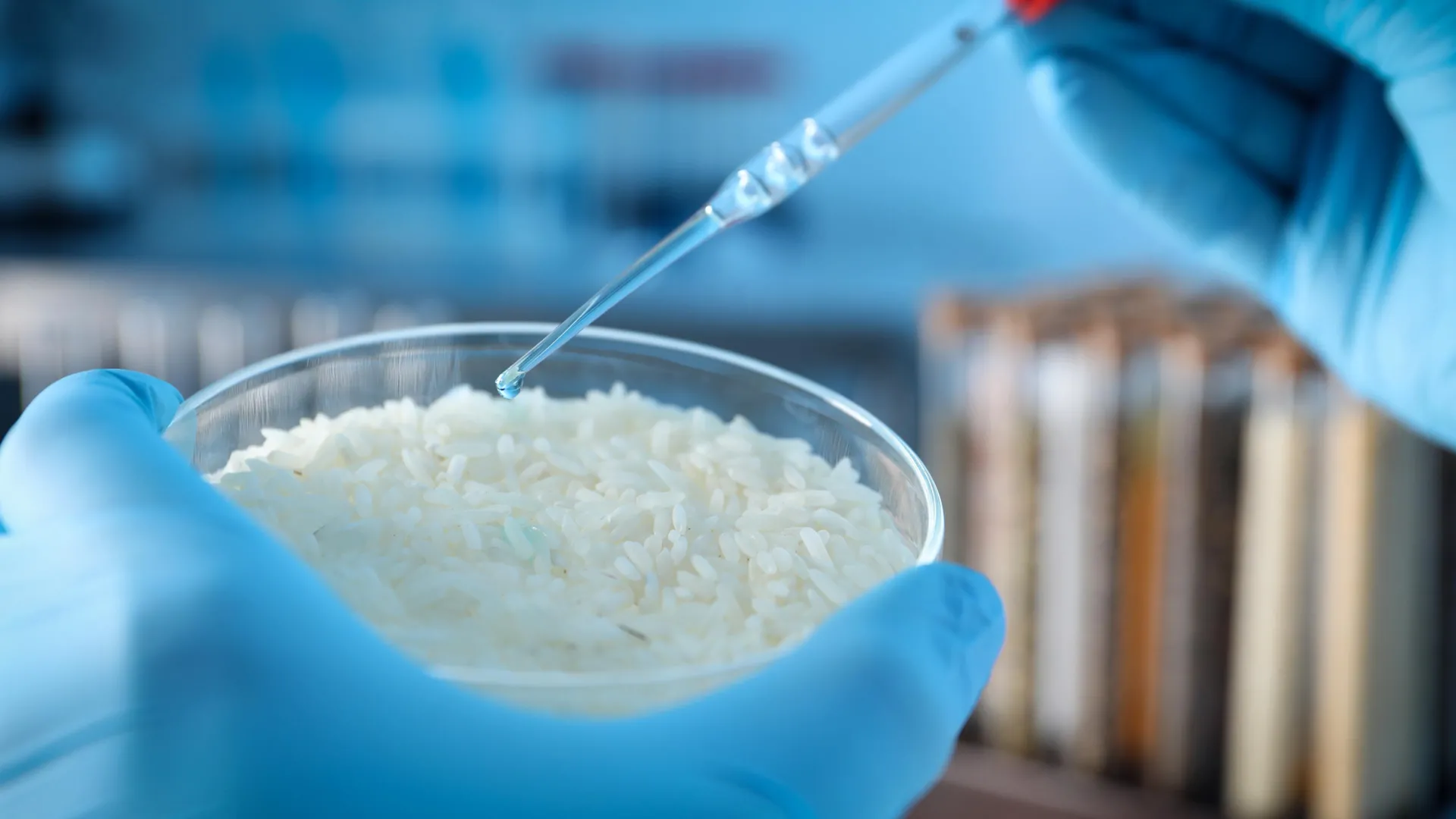
Rice is best known as one of the world’s most important food crops, but scientists have now shown it could also help inspire a new generation of smart materials.
Researchers discovered that packed rice grains behave in an unusual way under pressure. When compressed slowly, the grains remain relatively strong. But when squeezed quickly, they actually become weaker. This surprising behavior has allowed scientists to create a new material that could one day be used in soft robots that automatically adjust their stiffness and protective equipment that responds differently depending on the force of an impact.
The international research team, led by the University of Birmingham, reported its findings in the journal Matter.
Rice’s Unusual Response to Pressure
Experiments showed that tightly packed rice grains respond very differently depending on how quickly a load is applied. At higher loading speeds, the material weakens significantly.
This phenomenon, known as “rate softening,” is uncommon in most materials. Researchers found that it happens because friction between individual rice grains drops sharply when forces are applied rapidly. As a result, the internal networks of forces that normally help support the load become weaker.
The team used this unusual property to develop a new metamaterial, an engineered composite structure designed to exhibit behaviors not found in naturally occurring materials.
Creating a Self-Adapting Metamaterial
To build the new material, researchers combined rice-based granular units with materials such as sand, which become stronger when subjected to rapid loading. The result was a granular metamaterial capable of responding differently to slow movements and sudden impacts.
Depending on the situation, the material can bend, buckle, or stiffen in different ways, all without electronics, sensors, or active control systems.
Dr. Mingchao Liu, from the University of Birmingham, said: “Rice might be best known as a staple food globally, but it’s rarely associated with advanced engineering. Our research shows that it can form the basis of a new class of functional materials.
“Rather than treating this phenomenon as curiosity, we turned it into a design principle. This approach enabled us to create a material that can bend, buckle, or stiffen differently under slow movements versus sudden impacts — without electronics, sensors, or active control. Instead of telling a structure how to respond, we let physics decide: fast loads trigger one behavior, slow loads another.”
The researchers say the work highlights how common granular materials can be transformed into engineered systems that respond intelligently through their own mechanical properties.
Potential Applications in Robotics and Safety Gear
The speed-sensitive metamaterial could open new possibilities in soft robotics. Unlike traditional metal robots, future systems built with these materials could be lighter, safer, and more adaptable.
Such robots could be especially useful for working alongside people, operating in challenging environments, and performing delicate tasks, including assisting with surgery.
The material may also have applications in protective equipment. Because it can respond differently depending on the speed of an impact, it could absorb energy or deform in a controlled way during a collision, helping reduce the risk of injury.
Importantly, these responses occur without the need for electronics, external power, or sensors, allowing the material itself to automatically adapt to changing conditions.
New data reveals sheer scale of patients in England being treated in unsafe and undignified make-shift areas.
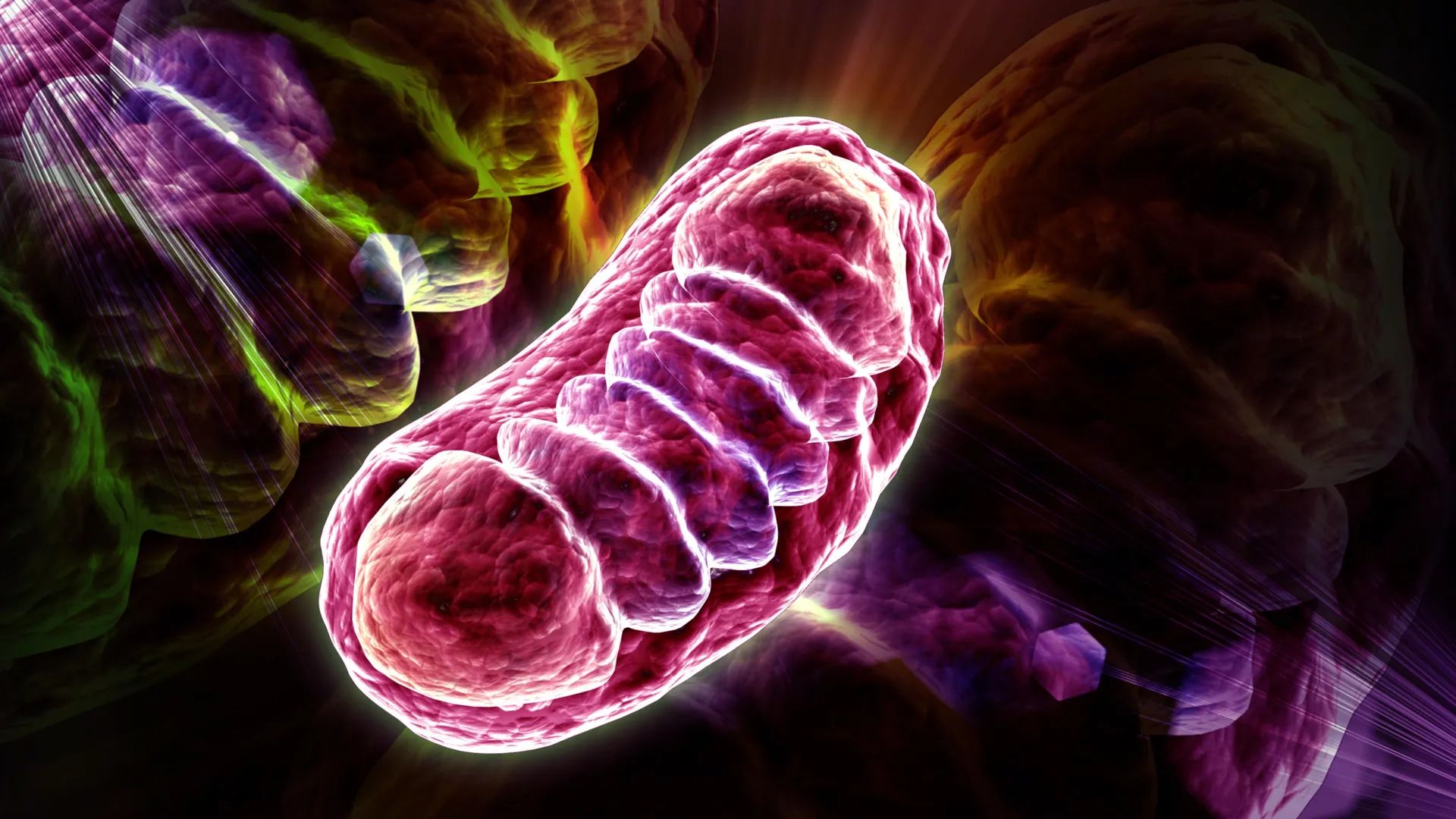
As people grow older, their cells gradually become less efficient at producing energy and responding to changing demands. Scientists have long known that mitochondria, often called the cell’s powerhouses, play a central role in this decline. Now, researchers at the Leibniz Institute on Aging (FLI) in Jena, Germany, have identified an important contributor to the process: a membrane lipid known as phosphatidylcholine.
Their findings show that lower levels of phosphatidylcholine reduce the flexibility of mitochondria, accelerating age-related deterioration. The researchers also found that supplying phosphatidylcholine through diet helped restore mitochondrial function in aging laboratory organisms. The results suggest that some aspects of biological aging may be more adjustable than previously believed.
Why Mitochondria Matter in Aging
One of the biggest questions in aging research is why people tend to lose energy and vitality over time.
Mitochondria are best known for generating the energy cells need to function, but scientists now understand that they do much more. These structures also help coordinate communication within cells, support adaptation to changing conditions, and regulate many processes essential for life. They provide the energy needed for movement, growth, and tissue repair.
Although mitochondrial performance is known to decline with age, the reasons behind this gradual deterioration have remained unclear.
A Key Role for Membrane Lipids
For many years, researchers suspected that genetic damage inside mitochondria was the primary cause of their decline. However, a new study published in Nature Communications points to another important factor.
The international research team, led by Dr. Maria Ermolaeva of FLI, found that disruptions in the mitochondrial network are linked to changes in membrane composition. At the center of the discovery is phosphatidylcholine, one of the most abundant lipids found in biological membranes.
Phosphatidylcholine helps membranes remain flexible and able to reorganize when needed. This flexibility is especially important for mitochondrial fusion, a process in which individual mitochondria join together to form interconnected networks.
These networks allow cells to share and distribute vital components, including energy molecules, metabolic products, DNA, and signaling compounds. By remaining connected, mitochondria can balance resources and replace damaged parts more effectively.
The researchers discovered that phosphatidylcholine production naturally decreases with age. As levels fall, mitochondrial membranes become increasingly fragmented and dysfunctional.
When the team disabled genes involved in phosphatidylcholine production in young worms, the mitochondria quickly began to resemble those typically seen in much older animals. Even more striking, feeding the worms phosphatidylcholine or its precursor, choline, restored a more youthful mitochondrial structure within just two days.
“We were surprised ourselves by how strongly this molecule influences the structure, connectivity, and function of mitochondria,” explains Dr. Tetiana Poliezhaieva, the study’s first author.
How Aging Disrupts Cellular Energy Networks
What may seem like a small biochemical change can have widespread effects throughout the cell.
Under healthy conditions, mitochondria form a highly dynamic network that adjusts continuously to changing energy needs. As aging progresses, that network becomes less stable and less efficient.
“You can imagine the whole system as a finely branched power grid that becomes increasingly damaged with age: connections break down and currents stall,” explains Dr. Maria Ermolaeva, the study’s lead author.
“Although energy production continues, it becomes less efficient and sustainable, and energy can no longer be distributed flexibly.”
As a result, cells lose what scientists call metabolic plasticity, their ability to rapidly adapt to shifting energy demands. This adaptability is important not only for individual cells but also for tissues and entire organ systems. Reduced metabolic flexibility has increasingly been recognized as a hallmark of aging and is also associated with diseases such as diabetes.
From Worms to Human Data
To investigate the mechanisms involved, the researchers combined several different approaches.
The study included experiments in the nematode Caenorhabditis elegans, investigations using human cell cultures, and analysis of extensive clinical datasets. The team examined proteomic and lipidomic profiles, genetic variation, gene activity, and metabolic function across different stages of human aging.
By integrating these datasets, the researchers were able to connect molecular changes observed in laboratory models with patterns found in humans. Experimental validation and whole-body analyses in worms helped reveal a direct link between gradual molecular alterations and broader aging processes.
New Clues About How Aging Unfolds
The results suggest that mitochondrial aging is driven not only by accumulated genetic damage but also by age-related changes in lipid production.
This expands current understanding of why mitochondria become less effective over time and highlights membrane lipid dynamics as another important factor in the aging process.
The study also revealed that aging may occur in distinct stages rather than as one continuous process. According to the data, cells first experience a decline in stress resistance and disruptions in protein homeostasis, the system responsible for maintaining protein stability. Metabolic changes follow, with epigenetic alterations appearing later.
Researchers also observed sex-specific differences in lipid metabolism. Human metabolomic data showed the most pronounced relative decline in phosphatidylcholine levels among women around the time of menopause.
“This observation is particularly noteworthy, as it coincides with a time when many women report a significant decline in energy levels and the onset of persistent fatigue,” adds Dr. Ermolaeva.
Can Diet Help Slow Cellular Aging?
Perhaps the most significant finding was that some age-related mitochondrial changes appeared reversible.
When phosphatidylcholine levels were increased in older C. elegans, mitochondrial networks became more stable and energy production improved. The results indicate that targeted metabolic interventions may help preserve cellular function and extend the period of healthy aging.
“Our work shows that both mitochondrial aging and broader systemic aging are, at least in part, modifiable. If we understand the underlying processes, we may be able to take targeted countermeasures,” summarizes Dr. Ermolaeva.
Additional research will be needed to determine whether these findings can lead to therapies for humans. However, the role of nutrition is particularly intriguing, as certain dietary supplements may help support cellular health later in life.
The researchers note that phosphatidylcholine supplementation remained effective even when introduced during middle or advanced age. Overall, the findings shift attention away from the idea that aging is solely an irreversible decline and toward the possibility that some aspects of the process can be influenced, opening new avenues for promoting healthy aging.

One of the biggest questions in science is how life first emerged on Earth. Researchers generally agree that the appearance of the first biopolymers and their building blocks marked a critical step in the origin of life (OoL). However, scientists still do not know exactly how a collection of prehistoric inert chemicals (gases) transformed into the first living systems.
The mystery remains difficult to solve because the full sequence of events that led to life is impossible to observe directly and extremely challenging to recreate. Over the past century, scientists have proposed numerous hypotheses, most of them centered on chemical evolution occurring either on Earth or in space. Yet each explanation has limitations, often relying on specific experimental findings and/or theoretical assumptions.
Several well known models have attempted to explain the (terrestrial) chemical OoL, including the Metabolism-first world (FeS world), Zinc world, Thioester world, RNA world, and Lipid world. While each provides valuable insights, none offers a complete explanation of how life emerged from nonliving matter. No single theory has successfully integrated all aspects of the process into a unified and convincing scenario.
A New Framework Built Around Nanozymes
To address this challenge, Prof. Yongdong Jin of the School of Biomedical Engineering at Shenzhen University in China has proposed the “nanozymes hypothesis” for the OoL on Earth.
The hypothesis suggests that primitive natural mineral nanozymes (MN-zymes), along with later generations of organic small molecule hybridized nanozymes, played a central role in the emergence and evolution of life. According to this idea, these materials were especially important during the earliest stages of life’s development, helping generate the first biologically relevant molecules from nonliving substances.
Under primitive Earth conditions, MN-zymes may have gradually converted prehistoric inert chemicals (gases) into increasingly complex molecules through a combination of chemical (and physical) processes. The author proposes that this transformation occurred primarily through a process described as “inorganic photosynthesis.”
Multiple Roles in Early Chemical Evolution
The nanozymes hypothesis assigns several important functions to natural MN-zymes. These include (a) catalysis, (b) surface binding/confinement, (c) anti-UV irradiation, (d) (photo-)selection, and (e) energy flow management.
By carrying out these roles, MN-zymes may have influenced early chemical reactions using natural sources of energy such as light, heat, and electricity. The hypothesis further suggests that they helped convert energy into molecular information stored in molecules (and entities) that could be read, written, and duplicated. Such capabilities are considered essential prerequisites for the emergence of living systems.
Earth as a Giant Natural Laboratory
The hypothesis views Earth itself as capable of gradually producing an organic world from an initially all-inorganic environment under harsh primordial conditions, an idea broadly consistent with earlier abiogenesis concepts.
In this framework, Earth functioned as a natural “all-in-one” chemistry laboratory operating over immense periods of time. Natural pressure gradients and temperature gradients throughout the planet (from mantle to crust), particularly near active volcanos and geothermal hot springs, may have provided ideal conditions for high temperature/high pressure lava reactions and hydrothermal reactions.
These environments could have generated the earliest MN-zymes, including metals/noble metals, metal oxides, and sulfide NPs. Notably, similar approaches are widely used today in laboratories to synthesize artificial nanozymes.
Over billions of years, this primordial collection of MN-zymes may have slowly evolved, renewed itself, and become increasingly sophisticated. Some may even have become incorporated into living organisms. According to the hypothesis, this process contributed to mineral evolution and gradual environmental changes that improved conditions for the survival and development of prebiotic molecules and primitive life.
Abundant Mineral Nanoparticles on Earth
Mineral NPs are already widespread throughout Earth’s natural environments. Every year, thousands of terragrams (Tg) (1 Tg = 1012 g) of these particles circulate through ecosystems. Some possess natural enzyme-like activity and are therefore classified as MN-zymes.
These materials are found in oceans, waters, the atmosphere, and soils, where they play important roles in environmental biogeochemical cycles.
Recent discoveries also suggest that nature may produce MN-zymes more easily than previously thought. Studies have shown that NMs can form spontaneously through the weathering of natural minerals in charged water microdroplets or under UV irradiation. Sunlight and lightning may further provide the photocatalytic and electrocatalytic conditions needed to support the large scale production of both primordial nanozymes and later organic hybrid nanozymes, along with a rich supply of prebiotic molecules on Earth’s surface.
The Proposed “Au World”
A particularly notable aspect of the hypothesis involves monolayer-protected gold NPs (AuNPs).
The author argues that these particles may have been among the most effective MN-zymes and could have occupied a central place in the evolutionary history of nanozymes during the OoL on Earth. He refers to this concept as the “Au world.”
Although AuNPs are commonly regarded as artificial nanozymes today, the hypothesis suggests they were geologically plausible under a variety of natural Earth conditions.
Free AuNPs may have struggled to remain stable in the original soup because they generally require organic surface coatings. However, once small molecules such as thiols and amines were produced (by other MN-zymes) and accumulated in certain locations, AuNPs may have persisted in (thiols/amines) monolayer-protected forms. In this way, they could have participated in the broader network of reactions that contributed to life’s emergence.
Four Key Conditions for Life Molecules
To further explain how life molecules may have been naturally selected and stabilized, the author identifies 4 essential elements and conditions related to the OoL on Earth:
Together, these factors are proposed as fundamental requirements for the survival and evolution of early life related molecules.
Looking Ahead
The review extends beyond nanozymes themselves and explores several other major questions related to the OoL on Earth. These include the water paradox, the importance of the micro-nano structure of Earth’s surface, and the unique physicochemical properties of water and dry-wet cycling environments that may have influenced prebiotic chemistry.
The author also discusses molecular cooperation and co-evolution during the earliest stages of life’s emergence, as well as additional physical perspectives on the OoL, including ideas related to the chiral origin of biomolecules.
Ultimately, the nanozymes hypothesis is intended to provide a broader framework that may help reconcile long standing disagreements among competing origin-of-life theories. The author hopes it will shed new light on one of science’s most enduring mysteries while also encouraging further research into the possible role of nanozymes in the emergence of life on Earth.

MIT engineers are developing a new spacecraft propulsion system that combines the strengths of traditional chemical rockets with the efficiency and precision of electric thrusters.
The technology could give small satellites far greater flexibility in space. Instead of relying on separate fuel systems for different types of maneuvers, future spacecraft could use a single propellant to perform both rapid movements and slow, highly controlled adjustments.
At the center of the approach is a specialized fuel that works with both chemical and electric propulsion systems. Until now, these technologies have typically required separate propellants and hardware, adding weight and complexity.
“If you can have chemical and electrical propulsion in one small package, it’s the best of both worlds,” says Amelia Bruno, a former postdoc in MIT’s Department of Aeronautics and Astronautics (AeroAstro). “This opens the door for small satellites to do even more science, more observations, and more interesting missions, all on a smaller and cheaper platform.”
Bruno is the lead author of a new study published in the Journal of Propulsion and Power. The research demonstrates that a “green monopropellant” originally developed by the U.S. Air Force for chemical propulsion can also successfully power miniature electric thrusters known as electrospray thrusters.
Combining Chemical and Electric Space Propulsion
Electrospray thrusters are tiny rocket engines, roughly the size of a dime. They use electric fields to charge particles in a liquid propellant and then eject those particles into space, creating thrust.
These thrusters are extremely fuel-efficient and are well suited for gradual, precise maneuvers. For example, they can slowly push a spacecraft through long interplanetary journeys while consuming very little fuel.
Chemical thrusters serve a different purpose. They deliver powerful bursts of thrust that allow spacecraft to quickly accelerate, decelerate, climb, descend, or change position.
By identifying a propellant capable of powering both systems, MIT researchers believe they can significantly expand the capabilities of small satellites.
The team is currently working with NASA on the Green Propulsion Dual Mode mission, a briefcase-sized CubeSat equipped with one chemical thruster and four electrospray thrusters. All of them will draw fuel from a single tank. The mission will be the first attempt to test this type of dual-mode propulsion system on a small spacecraft.
If successful, the technology could help small satellites venture far beyond Earth orbit.
“We could send CubeSats to Mars, or the asteroid belt, where they could make the journey slowly, using electrospray thrusters,” says study co-author Paulo Lozano, the Miguel Alemán Velasco Professor of Aeronautics and Astronautics at MIT. “You could then use your chemical thrusters to quickly move to look at interesting features. You could have a lot more flexibility to do a lot more things.”
Why Ionic Liquid Propellants Matter
Lozano’s laboratory develops, manufactures, and tests electrospray propulsion systems for satellites ranging in size from a lunchbox to a small carry-on suitcase.
Compared with larger spacecraft, these compact satellites are much less expensive to launch. Their smaller size, however, requires equally compact propulsion systems.
Electrospray thrusters fit that requirement well. The devices created in Lozano’s lab are about the size of a thumbnail. Each thruster sits above a reservoir containing an ionic liquid propellant. When connected to a battery, an electric charge is applied to ions within the liquid. Those charged particles are then expelled through tiny openings in the thruster, producing thrust.
Over the past decade, Lozano’s group has tested numerous designs under different operating conditions and with a variety of ionic liquid fuels.
“Ionic liquids are very stable and can even remain a liquid in space, which not a lot of materials can do,” Bruno says. “And it’s basically a sea of ions, which is why we base our technology around it, so we can pull those ions out into an electrospray.”
MIT researchers have also collaborated with the U.S. Air Force, which developed a new ionic liquid fuel known as the Advanced SpaceCraft Energetic Non-Toxic propellant (ASCENT). The propellant was originally designed for chemical propulsion systems.
ASCENT was created as a safer alternative to hydrazine, the highly toxic fuel traditionally used in many spacecraft propulsion systems.
“ASCENT happens to be an ionic liquid mixture,” Bruno says. “And we said, hey, that’s the stuff we typically use. Theoretically, this should work. Let’s go figure out how.”
Testing ASCENT in Electrospray Thrusters
To evaluate the fuel, Bruno, Lozano, and former MIT graduate student Matthew Corrado conducted a series of experiments using electrospray thrusters powered by ASCENT.
Each thruster was attached to a small cube-shaped reservoir approximately the size of a LEGO brick. Researchers filled each reservoir with one gram of ASCENT, a liquid with a viscosity similar to baby oil.
The thrusters were mounted on opposite sides of a CubeSat positioned on a custom magnetic levitation test platform known as the MagLev. The setup is located inside a large vacuum chamber that can recreate conditions similar to those found in space.
During testing, the researchers remotely varied the voltage supplied to the thrusters. The resulting electrospray generated enough force to spin the CubeSat like a floating top.
By measuring the generated thrust and operating the thrusters continuously for periods of up to 100 hours, the team was able to assess the fuel’s performance and efficiency.
The results showed that ASCENT successfully powered the electrospray thrusters. The fuel performed on par with conventional ionic liquid propellants typically used in electric propulsion systems.
“Compared to our normal electrospray propellants, ASCENT can provide similar performance in terms of thrust,” Bruno says. “Now that we know our thrusters work with ASCENT, we can start thinking of all the ways we can make them even better.”
NASA Mission Will Test Shared Fuel Tank in Space
With ASCENT now proven capable of supporting both chemical and electric propulsion, researchers envision future spacecraft carrying a single fuel tank to power both systems.
That concept will soon face its first real-world test through NASA’s Green Propulsion Dual Mode mission, which is scheduled for launch in November.
“This will be the first time that a satellite will have a shared propellant tank,” says Lozano.
Beyond deep-space exploration, the technology could also improve missions closer to Earth. Lozano points to weather and climate monitoring as one potential application.
“Say there’s a storm coming, and you’d want to deploy your constellation of small satellites to observe over one location,” he says. “You could choose to send them quickly or slowly depending on the nature of the observation. And the only way to do that is if you have two propulsion systems, which is now possible.”
This research was supported in part by NASA.

Artificial intelligence systems can write essays, answer questions, and solve complex problems. But new research suggests they may struggle with something humans do every day: staying focused on the task at hand when distractions get in the way.
Researchers led by Suketu Patel put several leading AI models through a well-known psychology experiment called the Stroop task. The results revealed a significant difference between how AI systems process information and how the human brain manages attention.
What Is the Stroop Task?
The Stroop task is a classic psychological test that has been used for decades to study attention, concentration, and self-control.
In the test, color words such as “red,” “blue,” or “green” are displayed in colored ink. Sometimes the word and the ink color match. For example, the word “red” might appear in red ink. Other times they conflict, such as the word “red” printed in blue ink.
Participants are asked to name the color of the ink rather than read the word itself.
That sounds simple, but it creates a challenge because reading words is an automatic habit for most people. The brain must suppress the urge to read the word and instead focus on identifying the ink color.
Psychologists often use the task to measure what is known as executive control, a set of mental processes that helps people regulate attention, resist distractions, and stay focused on goals.
Testing AI Attention
The researchers wanted to see whether modern large language models (LLMs) handle this challenge in the same way humans do.
LLMs are the AI systems behind tools such as ChatGPT, Claude, and Gemini. They are trained on enormous amounts of text and learn patterns in language, allowing them to generate responses that often appear remarkably human.
When given short lists containing five color words, the AI systems generally performed well, even when the words and colors did not match.
However, the picture changed dramatically as the lists became longer.
GPT-4o achieved 91% accuracy when working with five words. At ten words, its accuracy fell to 57%. When the list expanded to forty words, accuracy dropped to just 15%.
Claude 3.5 Sonnet maintained stable performance through lists of twenty words but then experienced a sharp decline, falling to 24% accuracy with forty-word lists.
The researchers observed similar patterns in GPT-5, Claude Opus 4.1, and Gemini 2.5.
When AI Loses Focus
The challenge became even more difficult when matching and mismatched color words appeared together in the same list.
Under those conditions, performance deteriorated further. Accuracy for the mismatched items dropped to nearly zero in some cases.
According to the researchers, the AI models had trouble maintaining the instruction to identify ink colors. Instead, they increasingly defaulted to reading the words themselves.
In other words, the systems appeared unable to consistently suppress the response they had been most heavily trained to produce.
This finding is particularly interesting because humans face a similar conflict. People are generally much better at reading words than naming ink colors. Yet despite this bias, most individuals can maintain high accuracy and stable performance even when confronted with long lists of conflicting words and colors.
Human Attention vs. Machine Attention
The study highlights an important distinction between human and artificial intelligence.
Although modern AI systems can produce impressive language and reasoning capabilities, their underlying mechanisms differ from the attention processes found in biological brains.
Humans can often sustain focus on a specific goal while filtering out competing information. The results suggest that current AI models may struggle with this type of cognitive control when tasks become increasingly demanding.
The researchers argue that the performance collapse seen in these experiments points to fundamental limitations in today’s large language models. While AI can sometimes mimic human behavior, its ability to maintain attention appears to operate very differently from the way people do.
The findings offer a reminder that even the most advanced AI systems still have weaknesses, particularly when tasks require them to resist distractions and stay focused over extended sequences of information.
