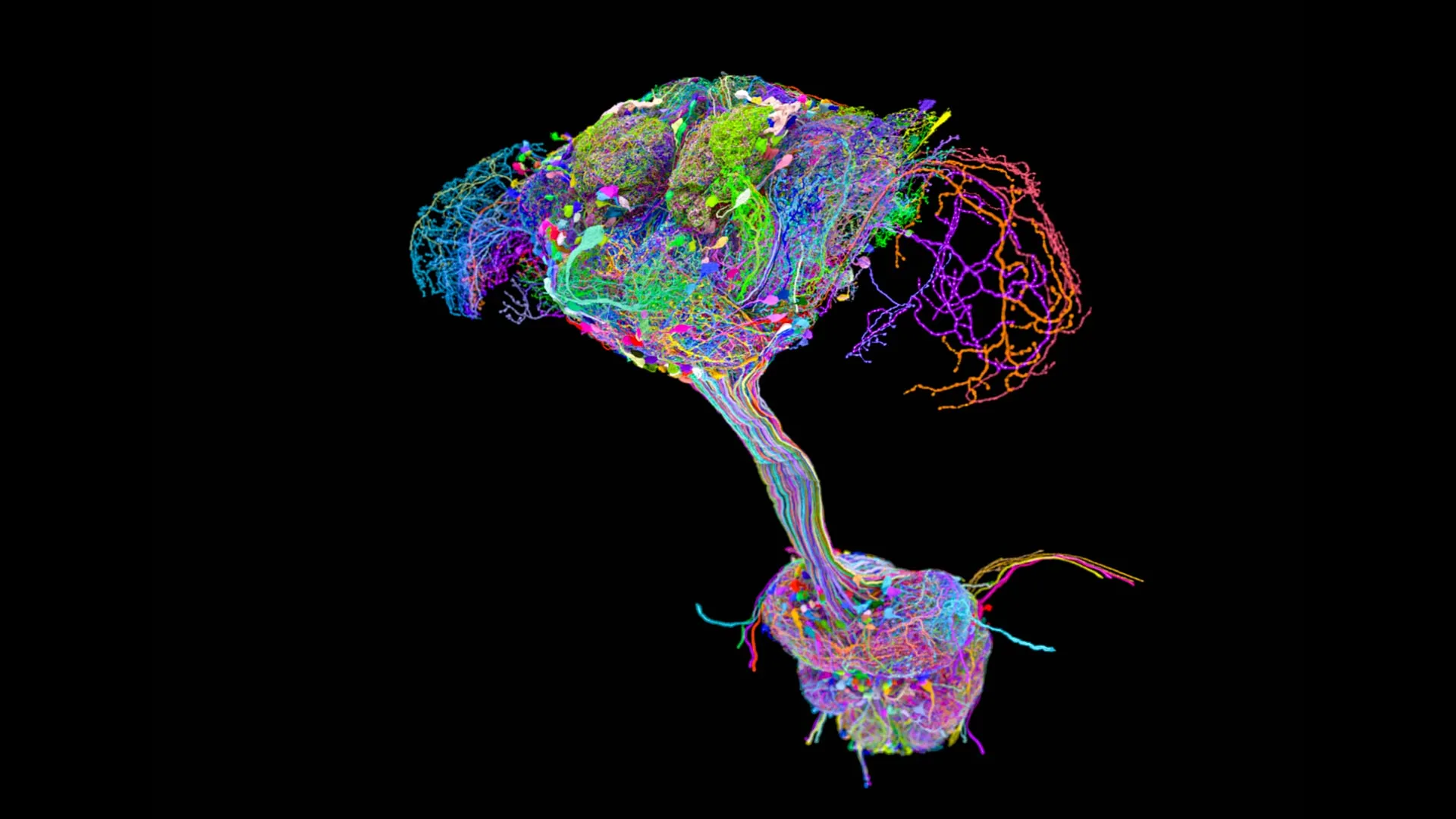
Alzheimer’s scrambles memories while the brain rests

New research suggests that memory problems in Alzheimer’s disease may be linked to a failure in how the brain replays recent experiences while at rest. The study, conducted in mice by scientists at University College London (UCL), points to a disrupted brain process that normally helps strengthen and preserve memories.

The researchers say their findings, published in Current Biology, could support the development of future drug treatments that target this malfunctioning process. The work may also help guide the creation of new tools for detecting Alzheimer’s earlier than is currently possible.

Understanding How Alzheimer’s Disrupts Brain Cells

Co-lead author Dr Sarah Shipley (UCL Cell & Developmental Biology) explained that Alzheimer’s disease is driven by the accumulation of damaging proteins and plaques in the brain. These changes lead to symptoms such as memory loss and difficulty navigating familiar environments, but the precise ways these plaques interfere with normal brain activity are still unclear.

“Alzheimer’s disease is caused by the build-up of harmful proteins and plaques in the brain, leading to symptoms such as memory loss and impaired navigation — but it’s not well understood exactly how these plaques disrupt normal brain processes.

“We wanted to understand how the function of brain cells changes as the disease develops, to identify what’s driving these symptoms.

“When we rest, our brains normally replay recent experiences — this is thought to be key to how memories are formed and maintained. We found this replay process is disrupted in mice engineered to develop the amyloid plaques characteristic of Alzheimer’s, and this disruption is associated with how badly animals perform on memory tasks.”

How the Brain Replays Memories

This replay activity takes place in the hippocampus, a brain region essential for learning and memory. During rest, specific neurons known as place cells activate in rapid sequences that mirror recent experiences.

Place cells, discovered by Nobel prize-winning UCL neuroscientist Professor John O’Keefe, are neurons (brain cells) that correspond to particular locations. As a person or animal moves through a space, different place cells fire in a specific order. Later, during rest, those same cells typically reactivate in the same sequence, helping the brain store the experience as a memory.

Tracking Brain Activity During Memory Tasks

To study this process, researchers tested how mice performed in a simple maze while recording brain activity at the same time. Using specialized electrodes, they were able to monitor roughly 100 individual place cells simultaneously as the animals explored and then rested.

This approach allowed the team to compare normal brain replay patterns with those seen in mice that had developed amyloid pathology associated with Alzheimer’s disease.

Disorganized Replay and Fading Memory Signals

In mice with amyloid plaques, memory replay looked very different. Replay events occurred just as often as they did in healthy mice, but the underlying patterns were no longer organized. Instead of reinforcing memories, the coordinated activity of place cells became scrambled.

The researchers also observed that place cells in affected mice grew less stable over time. Individual neurons stopped reliably representing the same locations, especially after rest periods, which are normally when replay should strengthen memory signals.

Memory Performance Declines in Affected Mice

These changes had clear behavioral effects. Mice with disrupted replay performed worse in the maze, frequently revisiting paths they had already explored and appearing unable to remember where they had been.

Co-lead author Professor Caswell Barry (UCL Cell & Developmental Biology) said the study reveals a failure in memory consolidation that can be seen at the level of single neurons.

“We’ve uncovered a breakdown in how the brain consolidates memories, visible at the level of individual neurons. What’s striking is that replay events still occur — but they’ve lost their normal structure. It’s not that the brain stops trying to consolidate memories; the process itself has gone wrong.”

Implications for Early Detection and Treatment

Professor Barry added that these findings may help researchers identify Alzheimer’s earlier or develop treatments that focus on restoring normal replay activity.

“We hope our findings could help develop tests to detect Alzheimer’s early, before extensive damage has occurred, or lead to new treatments targeting this replay process. We’re now investigating whether we can manipulate replay through the neurotransmitter acetylcholine, which is already targeted by drugs used to treat Alzheimer’s symptoms. By understanding the mechanism better, we hope to make such treatments more effective.”

The research was carried out by scientists in the UCL Faculties of Life Sciences and Brain Sciences, with support from the Cambridge Trust, Wellcome, and the Masonic Charitable Foundation.

Share Button

Middle age is becoming a breaking point in the U.S.

Americans born in the 1960s and early 1970s are reporting higher levels of loneliness and depression than people from earlier generations. They are also showing declines in memory and physical strength. These patterns are unusual when compared with other wealthy nations. In many peer countries, especially in Nordic Europe, measures of midlife health and well-being have improved rather than worsened.

To better understand why the United States stands out, psychologist Frank J. Infurna of Arizona State University and his colleagues analyzed survey data from 17 countries. Their goal was to explain why trends in U.S. midlife health differ so sharply from those seen elsewhere.

“The real midlife crisis in America isn’t about lifestyle choices or sports cars. It’s about juggling work, finances, family, and health amid weakening social supports,” Infurna said. “The data make this clear.”

The findings were published in Current Directions in Psychological Science and suggest clear directions for change at both the personal and societal levels.

Family Policies and Daily Pressures in Midlife

One major factor separating the U.S. from Europe is public support for families. Since the early 2000s, European countries have steadily increased spending on family benefits. In contrast, spending in the United States has remained mostly unchanged. The U.S. lacks many common family policy programs found in Europe, including cash transfers for families with children, income support during parental leave, and subsidized childcare.

These policy differences matter most during midlife, a period when many adults are balancing full-time work while raising children and supporting aging parents. In countries with stronger family benefits, middle-aged adults reported lower levels of loneliness and smaller increases in loneliness over time. In the United States, loneliness increased steadily across successive generations.

Health care affordability is another important piece of the puzzle. Although the United States spends more on health care than any other wealthy nations, access to care is often more limited and costs are higher for individuals. The authors noted that rising out-of-pocket expenses place added pressure on household budgets, reduce the use of preventive care, and contribute to stress, anxiety, and medical debt.

Income Inequality and Long-Term Consequences

Income inequality also helps explain the widening gap between the U.S. and its peers. Since the early 2000s, inequality has increased in the United States, while it has stabilized or declined in most European countries. Infurna’s research found that greater inequality is associated with worse health outcomes and higher levels of loneliness among middle-aged adults.

Other studies show that income inequality increases poverty, limits opportunities to move up the SES ladder, and restricts access to education, employment, and social services. Each of these barriers can have lasting effects on physical and mental health.

Cultural Distance and Weaker Safety Nets

Cultural patterns may further widen international differences. Americans are more likely than people in other countries to move frequently and live far from extended family. These patterns can make it harder to maintain long-term social ties and dependable caregiving support.

At the same time, people from later U.S. birth cohorts have built less wealth and face greater financial insecurity than earlier generations. Wage stagnation and the lasting impact of the Great Recession have contributed to these vulnerabilities. In many European nations, stronger social safety nets appear to have helped protect middle-aged adults from similar health declines.

Education Is Losing Its Protective Power

One of the most striking findings involves cognitive health. Despite rising levels of educational attainment, U.S. middle-aged adults showed declines in episodic memory — a pattern not observed in most comparable countries.

“Education is becoming less protective against loneliness, memory decline, and depressive symptoms,” Infurna said.

The researchers suggest that chronic stress, financial insecurity, and higher rates of cardiovascular risk factors may weaken the cognitive benefits that education once provided.

Paths Forward for Individuals and Society

The authors emphasize that poorer midlife outcomes in the United States are not inevitable. Personal resources such as strong social support, a sense of control, and positive attitudes toward aging can help reduce stress and protect well-being. However, they argue that individual efforts alone are not enough.

“At the individual level, social engagement is crucial. Finding community — through work, hobbies, or caregiving networks — can buffer stress and improve well-being,” Infurna said. “At the policy level, countries with stronger safety nets — paid leave, childcare support, healthcare — tend to have better outcomes.”

Share Button

This AI app can tell which dinosaur made a footprint

A newly developed app powered by artificial intelligence (AI) is giving scientists and the public a new way to identify dinosaur footprints left behind millions of years ago, according to a recent study. The technology aims to make sense of fossil tracks that have long challenged researchers.

For many years, paleontologists have studied ancient footprints while debating what kinds of animals created them. Some tracks may belong to meat eating predators, others to plant eating dinosaurs, and some have even raised questions about whether early bird species were involved.

Turning Photos Into Instant Analysis

With the new DinoTracker app, researchers and dinosaur fans can upload a photo or drawing of a footprint using a mobile phone and receive an immediate analysis. The app evaluates the shape and structure of the track to estimate which type of dinosaur likely made it.

Fosilized dinosaur footprints offer valuable insight into prehistoric life, helping scientists understand how dinosaurs moved and behaved. However, earlier studies have shown that these tracks are often difficult to interpret because their shapes can be altered over time.

Moving Beyond Traditional Methods

In the past, researchers relied on manually built computer databases that linked specific footprints to specific dinosaurs. Experts note that this approach could introduce bias, especially when the identity of a track was uncertain or disputed.

To address this problem, a research team led by the Helmholtz-Zentrum research centre in Berlin, working with the University of Edinburgh, developed advanced algorithms that allow computers to learn on their own how dinosaur footprints vary in shape.

The AI system was trained on nearly 2,000 real fossil footprints, along with millions of additional simulated examples. These extra variations were designed to reflect realistic changes, such as compression and edge displacement, that occur as footprints are preserved over time.

What the AI Looks For

The model learned to recognize eight key features that distinguish one footprint from another. These included how far the toes spread, where the heel was positioned, how much surface area contacted the ground, and how weight was distributed across different parts of the foot.

After identifying these variations, the system compared new footprints with known fossil examples to predict which dinosaur most likely made the tracks.

When evaluated, the algorithm matched the classifications made by human experts about 90 percent of the time, even for species that are considered controversial or difficult to identify.

Unexpected Links to Birds

One of the most surprising findings came from tracks that are more than 200 million years old. The AI detected striking similarities between some dinosaur footprints and the feet of both extinct and modern birds.

According to the research team, this could mean that birds emerged tens of millions of years earlier than scientists have previously believed. Another possibility is that some early dinosaurs happened to have feet that closely resembled bird feet by coincidence.

New Insights From Scotland

The system also offered new clues about mysterious footprints found on the Isle of Skye in Scotland. These tracks were formed on the muddy edge of a lagoon around 170 million years ago and have puzzled scientists for decades.

The analysis suggests that these footprints may have been left by some of the oldest known relatives of duck-billed dinosaurs, making them among the earliest examples of this group identified anywhere in the world.

Opening Paleontology to Everyone

Researchers say the technology creates new opportunities to study how dinosaurs lived and moved across the Earth. It also gives the public a chance to take part in fossil research by analyzing footprints themselves.

The study was published in PNAS and funded by the innovations pool of the BMBF-Project: Data-X, the Helmholtz project ROCK-IT, the Helmholtz-AI project NorMImag the National Geographic Society and the Leverhulme Trust.

Dr. Gregor Hartmann of Helmholtz-Zentrum research center, said: “Our method provides an unbiased way to recognize variation in footprints and test hypotheses about their makers. It’s an excellent tool for research, education, and even fieldwork.”

Professor Steve Brusatte, Personal Chair of Palaeontology and Evolution, School of GeoSciences, said: “This study is an exciting contribution for paleontology and an objective, data-driven way to classify dinosaur footprints — something that has stumped experts for over a century.

“It opens up exciting new possibilities for understanding how these incredible animals lived and moved, and when major groups like birds first evolved. This computer network might have identified the world’s oldest birds, which I think is a fantastic and fruitful use for AI.”

Share Button

Scientists finally explain statin muscle pain

Statins have dramatically improved cardiovascular health by lowering cholesterol and cutting the risk of heart attacks and strokes for millions of people. Despite these benefits, many patients experience unwanted side effects. These can include muscle pain and weakness, and in rare situations, a dangerous breakdown of muscle tissue that can lead to kidney failure.

Scientists at the University of British Columbia, working with collaborators at the University of Wisconsin-Madison, have now identified what triggers these muscle-related problems. Their research, published in Nature Communications, points toward a path for developing safer statins that do not cause these complications.

How Statins Interact With Muscle Cells

To uncover the mechanism, the researchers turned to cryo-electron microscopy, an advanced imaging method that allows scientists to see proteins in near-atomic detail. Using this technique, they observed how statins interact with a key muscle protein known as the ryanodine receptor (RyR1).

This protein regulates the flow of calcium inside muscle cells, acting as a gate that opens only when muscles need to contract. The researchers found that when statins bind to RyR1, they force the channel into an open position. This causes calcium to leak continuously, which can be toxic to muscle tissue and lead to damage.

“We were able to see, almost atom by atom, how statins latch onto this channel,” said lead author Dr. Steven Molinarolo, a postdoctoral researcher in UBC’s department of biochemistry and molecular biology. “That leak of calcium explains why some patients experience muscle pain or, in extreme cases, life-threatening complications.”

A Unique Binding Pattern Revealed

The study focused on atorvastatin, one of the most commonly prescribed statins worldwide. However, the researchers believe the same mechanism may apply to other drugs in the statin family.

They discovered that statins bind to the ryanodine receptor in an unusual way. Three statin molecules cluster together inside a pocket of the protein. The first molecule binds while the channel is closed, setting the stage for it to open. Two additional molecules then lodge into place, forcing the channel fully open.

“This is the first time we’ve had a clear picture of how statins activate this channel,” said Dr. Filip Van Petegem, senior author and professor at UBC’s Life Sciences Institute. “It’s a big step forward because it gives us a roadmap for designing statins that don’t interact with muscle tissue.”

Toward Safer Cholesterol Drugs

By modifying only the parts of the statin molecule responsible for these harmful interactions, researchers may be able to keep the cholesterol-lowering benefits while reducing the risk of muscle damage.

Severe muscle injury affects only a small percentage of the more than 200 million statin users worldwide. However, milder symptoms such as soreness and fatigue are far more common and often cause patients to stop taking the medication. The new findings could help reduce these side effects and encourage patients to stay on treatments that protect their heart health.

Advanced Imaging Drives Medical Breakthroughs

The study highlights how cutting-edge imaging tools are transforming medical research. Using the UBC faculty of medicine’s high-resolution macromolecular cryo-electron microscopy facility, the team captured the statin-protein interaction in exceptional detail, turning a long-standing safety question into actionable scientific insight that could shape future therapies.

“Statins have been a cornerstone of cardiovascular care for decades,” Dr. Van Petegem said. “Our goal is to make them even safer, so patients can benefit without fear of serious side effects.”

For the millions of people who depend on statins, these advances could translate into fewer muscle problems and a better overall quality of life.

Share Button

Jupiter’s clouds are hiding something big

Towering clouds ripple across Jupiter’s surface in dramatic patterns. Like Earth’s clouds, they contain water, but on Jupiter they are far denser and far deeper. These layers are so thick that no spacecraft has been able to directly observe what lies below them.

Now, scientists have taken a major step toward solving that mystery. A new study led by researchers at the University of Chicago and the Jet Propulsion Laboratory has produced the most detailed model of Jupiter’s atmosphere ever created. The work provides a deeper look into the planet’s interior without needing to physically descend into its crushing depths.

One of the study’s key findings helps resolve a long running debate about Jupiter’s composition. The researchers estimate that the gas giant contains roughly one and a half times more oxygen than the sun. That result sharpens scientists’ understanding of how Jupiter and the rest of the solar system took shape.

“This is a long-standing debate in planetary studies,” said Jeehyun Yang, a postdoctoral researcher at UChicago and the study’s lead author. “It’s a testament to how the latest generation of computational models can transform our understanding of other planets.”

The study was published Jan. 8 in The Planetary Science Journal.

Storms, Clouds, and Chemical Clues

Astronomers have been watching Jupiter’s turbulent atmosphere for centuries. More than 360 years ago, early telescope observations revealed a massive, persistent feature on the planet’s surface.

That feature is now known as the Great Red Spot, a colossal storm roughly twice the size of Earth that has raged for hundreds of years. It is only one part of a planet-wide system of violent winds and thick clouds that blanket Jupiter in nearly constant motion.

While these storms are visible from afar, what lies beneath them remains largely unknown. Jupiter’s clouds are so dense that NASA’s Galileo spacecraft lost contact with Earth when it plunged into the planet’s atmosphere in 2003. Today, NASA’s Juno mission studies Jupiter from orbit, gathering data from a safe distance.

From orbit, scientists can identify chemicals in the upper atmosphere, including ammonia, methane, ammonium hydrosulfide, water, and carbon monoxide. Researchers combine those measurements with known chemical reactions to infer what may be happening deeper below the clouds.

Even so, past studies have reached conflicting conclusions, especially when estimating how much water and oxygen Jupiter contains. Yang recognized that new modeling techniques could help resolve those disagreements.

A New Way to Model Jupiter’s Atmosphere

Jupiter’s atmosphere is a chemical maze. Molecules move between scorching temperatures deep inside the planet and cooler regions above, shifting between different states and rearranging themselves through thousands of reactions. On top of that, clouds and droplets form, dissolve, and interact with their surroundings.

To capture all of this complexity, Yang and colleagues combined atmospheric chemistry with hydrodynamics in a single model. This approach allows the simulation to track both chemical reactions and the movement of gases, clouds, and droplets together.

“You need both,” Yang said. “Chemistry is important but doesn’t include water droplets or cloud behavior. Hydrodynamics alone simplifies the chemistry too much. So, it’s important to bring them together.”

This combined approach had not been done before at this level of detail, and it led to several important insights.

Oxygen, Water, and Planetary Origins

The model produced a new estimate of Jupiter’s oxygen content, pointing again to a value of about one and a half times that of the sun. This contrasts with a recent high profile study that suggested Jupiter might contain only about a third as much oxygen.

Pinning down this number matters because oxygen plays a major role in planetary formation. The elements that make up planets and living things originated in the sun, but their proportions can vary from world to world. Those differences offer clues about how planets formed and where they came from.

One open question is whether Jupiter formed where it currently orbits or whether it migrated over time. Much of the planet’s oxygen is locked into water, which behaves very differently depending on temperature. Farther from the sun, water freezes into ice, which is easier for growing planets to collect than water vapor.

Understanding those conditions does not just explain Jupiter’s past. It also helps scientists predict what kinds of planets might form around other stars and which ones could potentially support life.

A Slower, More Mysterious Atmosphere

The model also suggests that Jupiter’s atmosphere circulates far more slowly than scientists once believed. Vertical movement of gases appears to be dramatically reduced compared to standard assumptions.

“Our model suggests the diffusion would have to be 35 to 40 times slower compared to what the standard assumption has been,” said Yang. Instead of moving through an atmospheric layer in hours, a single molecule might take several weeks.

“It really shows how much we still have to learn about planets, even in our own solar system,” Yang said.

Funding: NASA, Caltech-Jet Propulsion Laboratory.

Share Button

Puffy baby planets reveal a missing stage of planet formation

Astronomers were surprised to learn in recent years that most Sun-like stars host at least one planet that falls between Earth and Neptune in size and orbits closer than Mercury does in our own solar system — sizes and orbits absent from our solar system. These worlds, known as super-Earths and sub-Neptunes, turn out to be the most abundant type of planet in the Milky Way. Yet for all their prevalence, how they form has remained unclear. An international research team has now identified a long-missing piece of that puzzle by directly measuring four extremely young planets as they evolve toward these common planetary forms.

By studying the V1298 Tau system, the researchers captured an unusually early snapshot of planetary development. Their measurements reveal planets caught in the act of changing into the super-Earths and sub-Neptunes seen throughout the galaxy.

“What’s so exciting is that we’re seeing a preview of what will become a very normal planetary system,” says John Livingston, the study’s lead author from the Astrobiology Center in Tokyo, Japan. “The four planets we studied will likely contract into ‘super-Earths’ and ‘sub-Neptunes’ — the most common types of planets in our galaxy, but we’ve never had such a clear picture of them in their formative years.”

A Young Star System Frozen in Time

V1298 Tau is remarkably young by astronomical standards, at just about 20 million years old — a blink of an eye compared to the Sun’s 4.5-billion-year history. Four large planets circle this energetic star, each ranging in size from Neptune to Jupiter. These worlds appear to be in a short-lived and chaotic stage of rapid change, offering a glimpse of what many mature planetary systems once looked like.

Astronomers believe this system represents an early version of the tightly packed, multi-planet systems commonly found across the galaxy. Much like the Rosetta Stone helped scientists interpret ancient hieroglyphics, V1298 Tau provides a key reference for understanding how the galaxy’s most common planets take shape.

Measuring Planetary Mass Without Doppler Signals

Over a ten-year period, the team relied on a combination of space-based and ground-based telescopes to monitor the system. They tracked the precise moments when each planet crossed in front of its star, events called transits. These observations revealed that the planets’ orbits were not perfectly steady. Instead, the planets subtly pulled on one another, causing small but measurable changes in their transit timing.

These variations, known as Transit-Timing Variations (TTVs), allowed scientists to calculate the planets’ masses directly for the first time.

“For astronomers, our go-to ‘Doppler’ method for weighing planets involves making careful measurements of the star’s velocity as it’s tugged by its retinue of planets.” said Erik Petigura, a co-author from UCLA. “But young stars are so extremely spotty, active, and temperamental, that the Doppler method is a non-starter.” By using TTVs, we essentially used the planets’ own gravity against each other. Precisely timing how they tug on their neighbors allowed us to calculate their masses, and sidestep the issues with this young star.”

Planets as Light as Cosmic Cotton Candy

The mass measurements revealed a striking result. Even though the planets are five to ten times larger than Earth, their masses are only five to fifteen times greater. This combination makes them extraordinarily low in density — more like planetary-sized cotton candy than solid, rocky worlds.

“The unusually large radii of young planets led to the hypothesis that they have very low densities, but this had never been measured,” said Trevor David, a co-author from the Flatiron Institute who led the system’s original discovery in 2019. “By weighing these planets for the first time, we have provided the first observational proof. They are indeed exceptionally ‘puffy,’ which gives us a crucial, long-awaited benchmark for theories of planet evolution.”

Losing Atmospheres and Shrinking Over Time

This extreme puffiness helps resolve a long-standing question in planet formation. If planets simply formed and cooled slowly, they would be far more compact. Instead, the analysis shows that these young worlds must have changed dramatically early on, quickly losing large portions of their thick atmospheres as the surrounding disk of gas around their star disappeared.

“These planets have already undergone a dramatic transformation, rapidly losing much of their original atmospheres and cooling faster than what we’d expect from standard models,” explains James Owen, a co-author from Imperial College London who led the theoretical modeling. “But they’re still evolving. Over the next few billion years, they will continue to lose their atmosphere and shrink significantly, transforming into the compact worlds we see throughout the galaxy.”

Petigura compared the system’s importance to a famous fossil discovery. “I’m reminded of the famous ‘Lucy’ fossil, one of our hominid ancestors that lived 3 million years ago and was one of the key ‘missing links’ between apes and humans,” he said. “V1298Tau is a critical link between the star/planet forming nebulae we see all over the sky, and the mature planetary systems that we have now discovered by the thousands.”

Why Our Solar System Is Different

Today, V1298 Tau stands out as a natural laboratory for studying how the most common planets in the Milky Way come into existence. Observations of this system provide rare insight into the chaotic and transformative early lives of planets and may help explain why our own solar system lacks the super-Earths and sub-Neptunes that dominate elsewhere.

“This discovery fundamentally changes how we think about planetary systems,” adds Livingston. “V1298 Tau shows us that today’s super-Earths and sub-Neptunes start out as giant, puffy worlds that contract over time. We’re essentially watching the universe’s most successful planetary architecture in the making.”

Share Button

Late bedtimes are linked to higher heart disease risk

Night owls may face higher risks to their heart, especially later in life, with women appearing particularly affected.

  • Adults in midlife and older age who tend to be most active in the evening, especially women, showed poorer overall heart health than those without a strong preference for mornings or evenings, based on the American Heart Association’s Life’s Essential 8 measure.
  • Analysis of UK Biobank data suggests that common habits among night owls, including lower-quality diets, too little sleep, and higher rates of smoking, help explain why their cardiovascular health scores were lower.
  • Researchers say the findings point to a clear opportunity, since improving daily habits such as sleep, diet, and smoking cessation could help night owls reduce their risk of heart attack and stroke.

Late-Night Activity Tied to Poorer Heart Health

Adults in middle age and later life who tend to be more active in the evening were found to have worse cardiovascular health than those who are active earlier in the day. The association appeared to be stronger among women, according to new research published today in the Journal of the American Heart Association, an open-access, peer-reviewed journal of the American Heart Association.

The findings suggest that when people are most active during the day may play an important role in long-term heart health.

Study Tracks Sleep Timing in More Than 300,000 Adults

Researchers examined health data from more than 300,000 adults (average age of about 57 years) enrolled in the UK Biobank. The analysis focused on chronotypes, which describe a person’s natural preference for sleep and wake timing, and how those preferences relate to cardiovascular health.

Participants were grouped based on their self-identified daily patterns. About 8% described themselves as “definitely evening people,” meaning they typically went to bed very late (for example 2 a.m.) and reached peak activity later in the day. Around 24% reported being “definitely morning people,” who tended to wake up earlier, go to bed earlier (for example 9 p.m.), and be most active earlier in the day. The remaining 67% were categorized as having an “intermediate” chronotype if they were unsure or said they were neither clearly a morning nor evening person.

Cardiovascular health was evaluated using the American Heart Association’s Life’s Essential 8™ metrics. This framework looks at behaviors and health factors known to support heart health, including eating a healthy diet, staying physically active, not smoking, and getting good-quality sleep. It also includes maintaining healthy levels of body weight, cholesterol, blood sugar, and blood pressure.

Key Differences Between Night Owls and Early Birds

The researchers identified several notable patterns when comparing chronotype groups:

Compared with people in the intermediate category, those classified as “evening people,” often called night owls, were 79% more likely to have an overall poor cardiovascular health score.

Night owls also had a 16% higher risk of experiencing a heart attack or stroke during a median follow-up period of about 14 years.

The link between evening chronotype and lower heart health scores was stronger among women than among men.

Much of the increased heart disease risk seen in evening types was linked to lifestyle habits, particularly nicotine use and insufficient sleep.

In contrast, “morning people,” also known as early birds, showed a 5% lower prevalence of poor cardiovascular health scores compared with individuals without a strong morning or evening preference.

Why Evening Types May Face Added Risk

“‘Evening people’ often experience circadian misalignment, meaning their internal body clock may not match the natural day-to-night light cycle or their typical daily schedules,” said lead study author Sina Kianersi, Ph.D., D.V.M.; a research fellow in the division of sleep and circadian disorders at Brigham and Women’s Hospital and Harvard Medical School, both in Boston. “Evening people may be more likely to have behaviors that can affect cardiovascular health, such as poorer diet quality, smoking and inadequate or irregular sleep.”

This misalignment may make it harder for night owls to maintain habits that support long-term heart health.

Lifestyle Changes Could Reduce Risk

The findings are not entirely discouraging for people who prefer late nights, according to Kristen Knutson, Ph.D., FAHA, volunteer chair of the 2025 American Heart Association statement, Role of Circadian Health in Cardiometabolic Health and Disease Risk. Knutson was not involved in the study.

“These findings show that the higher heart disease risks among evening types are partly due to modifiable behaviors such as smoking and sleep. Therefore, evening types have options to improve their cardiovascular health,” she said. “Evening types aren’t inherently less healthy, but they face challenges that make it particularly important for them to maintain a healthy lifestyle.”

Tailoring Treatment to Body Clocks

The American Heart Association scientific statement led by Knutson also recommends taking chronotype into account when planning treatment or lifestyle interventions.

“Some medications or therapies work best when they align with a specific time of relevant circadian rhythms, and this time will vary depending on whether you are a morning, intermediate, or evening chronotype,” she said. “Targeted programs for people who naturally stay up late could help them improve their lifestyle behaviors and reduce their risk of cardiovascular disease.”

Study Limitations

The researchers noted that most UK Biobank participants were white people and generally healthier than the overall population, which may limit how broadly the findings apply to other groups. In addition, chronotype was assessed only once and was based on self-reported information rather than repeated measurements.

The study was partially funded by the American Heart Association.

Share Button

The early turning point when men’s heart risk accelerates

A decades-long study tracking people from young adulthood has uncovered an early and unexpected shift in heart disease risk.

  • Men reached a 5% risk of cardiovascular disease roughly seven years earlier than women, revealing a clear and early gap in heart health.
  • Coronary heart disease accounted for most of this difference, driving the earlier rise in risk among men.
  • Heart disease risk looked similar for men and women until about age 35, when men’s risk began to increase more quickly.
  • The earlier onset in men cannot be explained by smoking, high blood pressure, or diabetes alone, pointing to additional biological or social influences.

Heart Disease Risk Appears Earlier in Men

Men start developing coronary heart disease years before women do, and the difference can be seen as early as the mid-30s, according to a large, long-term study led by Northwestern Medicine. Coronary heart disease is a major cause of heart attacks.

Based on more than 30 years of follow-up, the findings suggest that heart disease screening and prevention may need to begin earlier in adulthood, especially for men.

“That timing may seem early, but heart disease develops over decades, with early markers detectable in young adulthood,” said study senior author Alexa Freedman, assistant professor of preventive medicine at Northwestern University Feinberg School of Medicine.

“Screening at an earlier age can help identify risk factors sooner, enabling preventive strategies that reduce long-term risk.”

Why the Male Female Gap Has Not Closed

Previous research has long shown that men tend to develop heart disease earlier than women. Over time, however, common risk factors such as smoking, high blood pressure and diabetes have become more alike between the sexes. Because of this, researchers expected the difference in heart disease timing to shrink.

Instead, the gap remained. That result was unexpected, Freedman said.

To better explain why these differences continue, Freedman and her colleagues say researchers need to look beyond standard measures like cholesterol and blood pressure and consider a wider range of biological and social influences.

The study was published on January 28 in the Journal of The American Heart Association.

Tracking Heart Disease From Young Adulthood

The research team analyzed data from the Coronary Artery Risk Development in Young Adults (CARDIA) study. The project enrolled more than 5,100 Black and white adults between ages 18 and 30 in the mid-1980s and followed them through 2020.

Because participants were healthy at the start, the researchers were able to identify when cardiovascular disease risk first began to separate between men and women. Men reached a 5% rate of cardiovascular disease, defined broadly to include heart attack, stroke and heart failure, about seven years earlier than women (50.5 versus 57.5 years).

Most of this difference was due to coronary heart disease. Men reached a 2% incidence of coronary heart disease more than 10 years earlier than women. Stroke rates were similar for both sexes, and differences in heart failure appeared later in life. “This was still a relatively young sample — everyone was under 65 at last follow-up — and stroke and heart failure tend to develop later in life,” Freedman explained.

Traditional Risk Factors Do Not Tell the Whole Story

The researchers examined whether common risk factors could explain why men developed heart disease sooner. These included blood pressure, cholesterol, blood sugar, smoking, diet, physical activity and body weight.

While some factors, especially high blood pressure, accounted for part of the difference, overall cardiovascular health did not fully explain the earlier onset in men. This points to the influence of additional biological or social factors.

Age 35 Emerges as a Key Turning Point

One of the most notable findings was when the risk gap began. Men and women had similar cardiovascular risk through their early 30s. Around age 35, men’s risk increased more quickly and remained higher through midlife.

Many heart disease prevention and screening efforts focus on adults older than 40. The new results suggest this approach may miss an important early window for action.

The authors point to the American Heart Association’s PREVENT risk equations, which can predict heart disease starting at age 30, as a promising tool for earlier intervention.

Gaps in Preventive Care for Young Men

Closing the gap between men and women may be difficult because preventive care use is uneven among U.S. adults ages 18 to 44. Women are more than four times as likely as men to attend routine checkups, largely because of gynecologic and obstetric visits.

“Our findings suggest that encouraging preventive care visits among young men could be an important opportunity to improve heart health and lower cardiovascular disease risk,” Freedman said.

She also stressed that cardiovascular disease remains the leading cause of death for both men and women, making prevention essential for everyone.

The study is titled “Sex Differences in Age of Onset of Premature Cardiovascular Disease and Subtypes: The Coronary Artery Risk Development in Young Adults Study.” Freedman is supported by the National Heart, Lung, and Blood Institute (K01HL165038). CARDIA is conducted and supported by the National Heart, Lung, and Blood Institute in collaboration with the University of Alabama at Birmingham (75N92023D00002 & 75N92023D00005), Northwestern University (75N92023D00004), University of Minnesota (75N92023D00006) and Kaiser Foundation Research Institute (75N92023D00003).

Share Button

A breakthrough that could make ships nearly unsinkable

More than 100 years after the sinking of the Titanic, the idea of ships that cannot sink continues to motivate engineers. Researchers at the University of Rochester’s Institute of Optics have now taken a significant step toward that long-standing goal. They have developed a technique that makes ordinary metal tubes unsinkable — meaning the tubes stay afloat regardless of how long they remain underwater or how much damage they sustain.

The work was led by Chunlei Guo, a professor of optics and physics and a senior scientist at URochester’s Laboratory for Laser Energetics. Guo and his colleagues detailed the new method in a study published in Advanced Functional Materials. Their approach focuses on modifying the inside surface of aluminum tubes by etching it to create microscopic and nanoscale pits. This textured surface becomes superhydrophobic, allowing it to strongly repel water and remain dry.

How Trapped Air Prevents Sinking

When a treated tube is placed in water, its water-repelling interior captures a stable pocket of air inside. This trapped air keeps water from filling the tube, which prevents it from becoming heavy and sinking. The process resembles natural strategies seen in diving bell spiders, which carry air bubbles underwater, and in fire ants, which form floating rafts using their water-resistant bodies.

“Importantly, we added a divider to the middle of the tube so that even if you push it vertically into the water, the bubble of air remains trapped inside and the tube retains its floating ability,” says Guo.

Improved Stability in Rough Conditions

Guo’s research group first demonstrated superhydrophobic floating devices in 2019. That earlier design relied on two water-repelling disks sealed together to create buoyancy. While effective, the disks could lose their ability to float when tilted at extreme angles. The newer tube-based design simplifies the structure and offers much greater stability, especially in turbulent environments similar to ocean conditions.

“We tested them in some really rough environments for weeks at a time and found no degradation to their buoyancy,” says Guo. “You can poke big holes in them, and we showed that even if you severely damage the tubes with as many holes as you can punch, they still float.”

From Floating Rafts to Renewable Energy

The researchers showed that multiple tubes can be connected to form rafts, which could serve as the foundation for ships, buoys, or floating platforms. In laboratory tests, the team experimented with tubes of different lengths, reaching nearly half a meter. Guo says the design can be scaled up to sizes large enough to support heavy loads.

Beyond transportation and infrastructure, the team also demonstrated that rafts made from superhydrophobic tubes could capture energy from moving water. This capability suggests a potential role for the technology in generating electricity from waves, adding a renewable energy application to its list of possibilities.

This project was supported by the National Science Foundation, the Bill and Melinda Gates Foundation, and URochester’s Goergen Institute for Data Science and Artificial Intelligence.

Share Button

‘I get nightmares of him’: Former patient of surgeon who harmed nearly 100 children tells BBC

12-year-old Vivaan Sharma was one of 94 patients harmed by surgeon Yaser Jabbar

Share Button