A metaphor was handed to critics of Liz Truss on a plate as the weather wreaked havoc on her first speech as prime minister.
Heavy rain forced the Number 10 lectern inside and out again before the new Tory leader addressed the nation on Tuesday.
Advertisement
Journalists and MPs were left in limbo as the heavens opened while Truss’s convoy drove through London towards Downing Street.
<img class="img-sized__img landscape" loading="lazy" alt="The lectern is prepared ahead of new UK prime minister Liz Truss arriving to give her first speech at Downing Street.” width=”720″ height=”480″ src=”https://www.wellnessmaster.com/wp-content/uploads/2022/09/liz-truss-upstaged-by-a-bin-bag-before-first-speech-as-pm-3.jpg”>
The lectern is prepared ahead of new UK prime minister Liz Truss arriving to give her first speech at Downing Street.
Leon Neal via Getty Images
At one point, a bin bag was draped over the podium microphone.
On the BBC News channel, Huw Edwards was padding for Britain as the plastic protection took centre stage for a full 30 seconds.
The bin bag featured above the headline “Liz Truss appointed Prime Minister”.
Advertisement
However, just as it looked as though Truss would be forced inside, the inclement weather subsided and the podium, which had been taken inside, was again brought back on to the street.
Of course, the Twitterati had already pounced on the symbolism. The Times writer Caitlin Moran said: “Well, there it is. The picture that will go around the world.”
Staring at a bin bag on a lectern in the pissing rain is a very strong 2022 vibe.
“It all gives the sense… that Britain is broken,” says Sky News’ host as Downing Street staff remove a bin bag from the top of Liz Truss’ lectern and leg it inside from the downpour. pic.twitter.com/HWPLGV6LlH
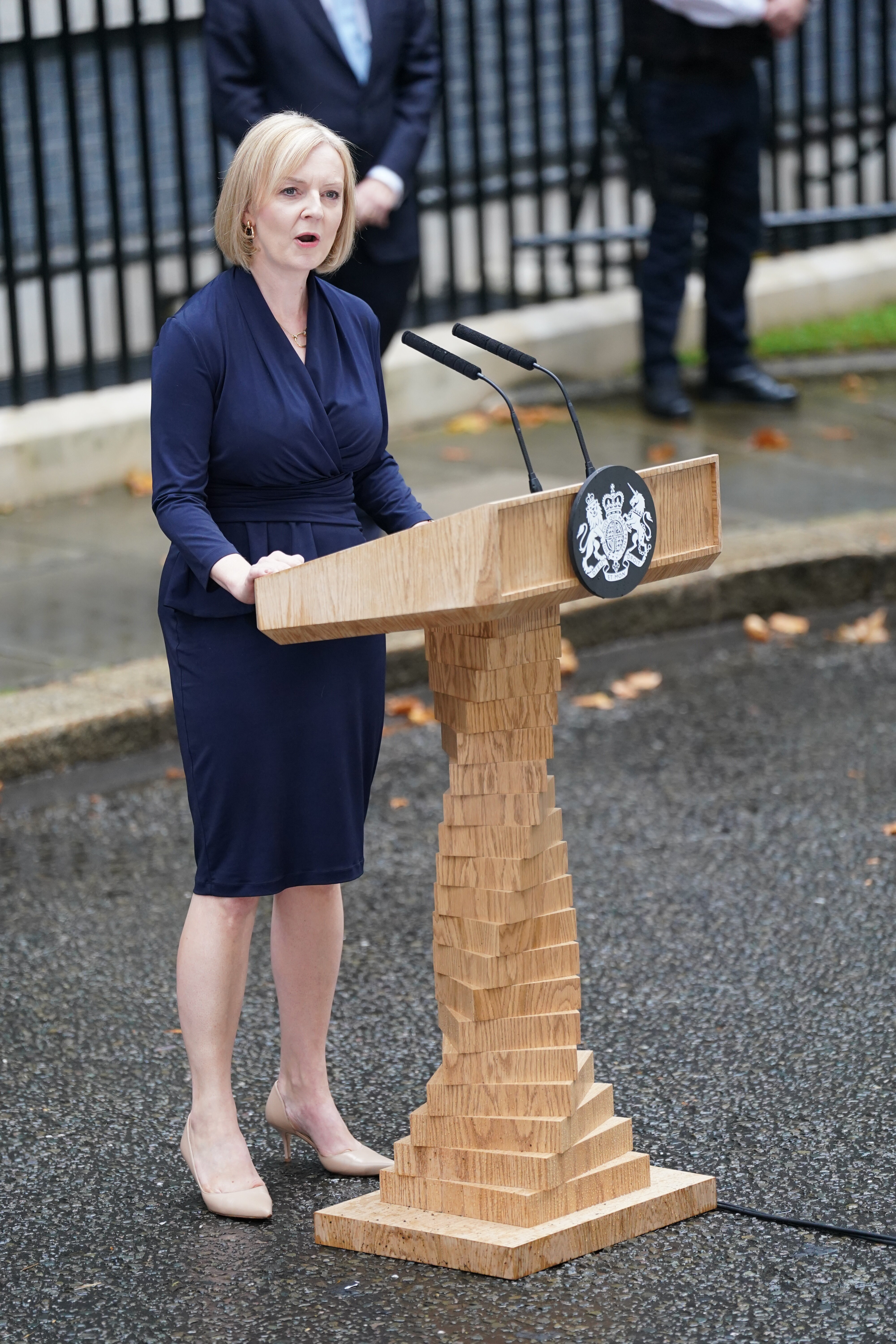
After the lectern was eventually unsheathed, Truss gave her inaugural address as PM – chanelling Winston Churchill as she pledged to pull the UK out of the doldrums.
<img class="img-sized__img portrait" loading="lazy" alt="New prime minister Liz Truss makes a speech outside 10 Downing Street.” width=”720″ height=”1080″ src=”https://www.wellnessmaster.com/wp-content/uploads/2022/09/liz-truss-upstaged-by-a-bin-bag-before-first-speech-as-pm-4.jpg”>
New prime minister Liz Truss makes a speech outside 10 Downing Street.
Kirsty O’Connor via PA Wire/PA Images
Speaking as she prepared to enter Number 10 for the first time as prime minister, Truss pledged to take “action this day” to turn the country’s fortunes around.
During the second world war, Churchill famously attached red stickers with those same words to documents needing immediate attention by his staff.
Truss, who was forced to delay her arrival in Downing Street by heavy rain, said she was “honoured to take on this responsibility at a vital time for our country”.
She said: “What makes the United Kingdom great is our fundamental belief in freedom, in enterprise, and in fair play.
“Our people have shown grit, courage and determination time and time again.
“We now face severe global headwinds caused by Russia’s appalling war in Ukraine and the aftermath of Covid.
“Now is the time to tackle the issues that are holding Britain back.”
The new PM added: “We will transform Britain into an aspiration nation with high-paying jobs, safe streets and where everyone everywhere has the opportunities they deserve.
“I will take action this day and action every day to make it happen.”
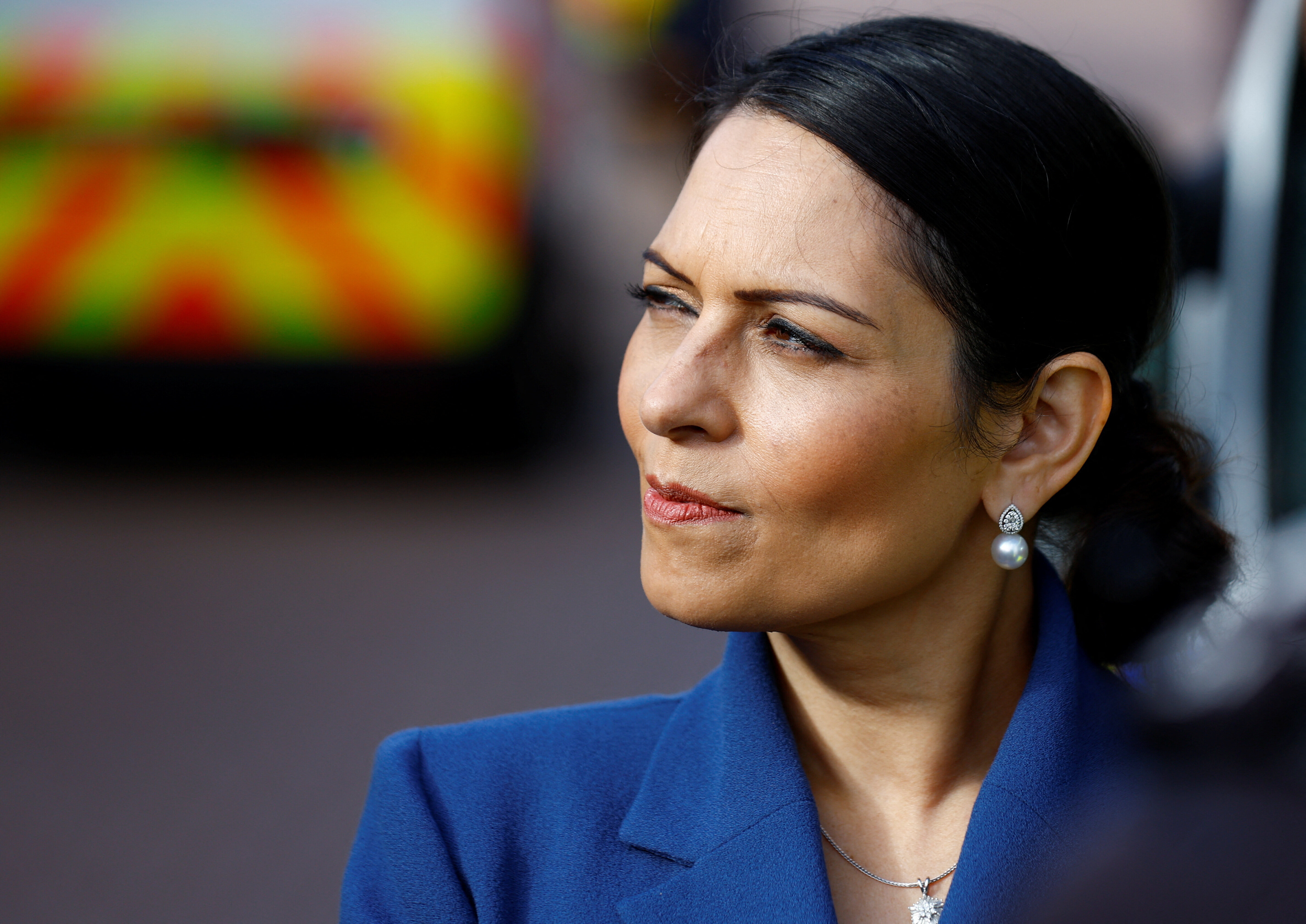
Priti Patel is standing down as home secretary following the election of Liz Truss as Tory leader.
Patel, a key supporter of Boris Johnson, tweeted her resignation letter on Monday evening, saying it had been the “honour of my life to serve as home secretary for the last three years”.
It has been the honour of my life to serve as Home Secretary for the last three years.
I am proud of our work to back the police, reform our immigration system and protect our country.
Patel did not endorse any candidate in the leadership contest and was widely expected to be moved from her brief on the appointment of a new leader.
Reports suggest that Truss is preparing to appoint fellow leadership contender Suella Braverman to Patel’s role.
In her resignation letter, Patel paid tribute to Johnson for winning the 2019 general election and for breaking the parliamentary deadlock over Brexit.
“Under your leadership, we have made our country safer, strengthened law and order, delivered our manifesto commitments, and laid strong foundations for our successors at Number 10 and in the Home Office to build on,” she wrote.
Advertisement
“I congratulate Liz Truss on being elected our new leader, and will give her my support as our new prime minister.
“It is my choice to continue my public service to the country and the Witham constituency from the backbenches, once Liz formally assumes office and a new home secretary is appointed.
“From the backbenches, I will champion many of the policies and causes I have stood up for both inside and outside of government.”
Patel’s resignation comes as she today defended her controversial policy of sending migrants to Rwanda.
The High Court heard a case in which several asylum seekers, the Public and Commercial Services union (PCS) and groups Care4Calais and Detention Action questioned the legality of the plan.
Advertisement
Patel signed what she described as a “world-first agreement” with Rwanda in April but the first deportation flight, due to take off on June 14, was grounded amid a series of legal challenges.
During the hearing those disputing the policy said Rwanda was an “authoritarian state” that “tortures and murders those it considers to be its opponents”.
Patel rejected their argument in the Commons, insisting the policy was “legitimate” and replying “absolutely not” when asked to abandon it.
Despite the policy being launched to deter migrants from making dangerous crossings across the channel, figures released by the Ministry of Defence today revealed 1,160 people were detected on Sunday in 25 boats.
Since the deal was announced, 22,116 people have crossed the Channel to the UK in small boats.
Patel took a parting shot at the “political opponents” and “left-wing activists” she accused of seeking to block her efforts as home secretary.
Advertisement
“While they stand up for the criminals, terrorists, people smugglers, those with no right to be in the UK, and people who threaten public safety and would do our country harm, we have never faltered and never stopped doing what is right to protect the public,” she said.
After a bitter eight week long campaign, the Conservative Party will announce its new leader – who will become prime minister – on Monday.
This is how the next 72 hours are roughly due to play out.
Monday
At 12.30pm the winner of the leadership race will be revealed at an event at the Queen Elizabeth II Conference Centre in Westminster.
Advertisement
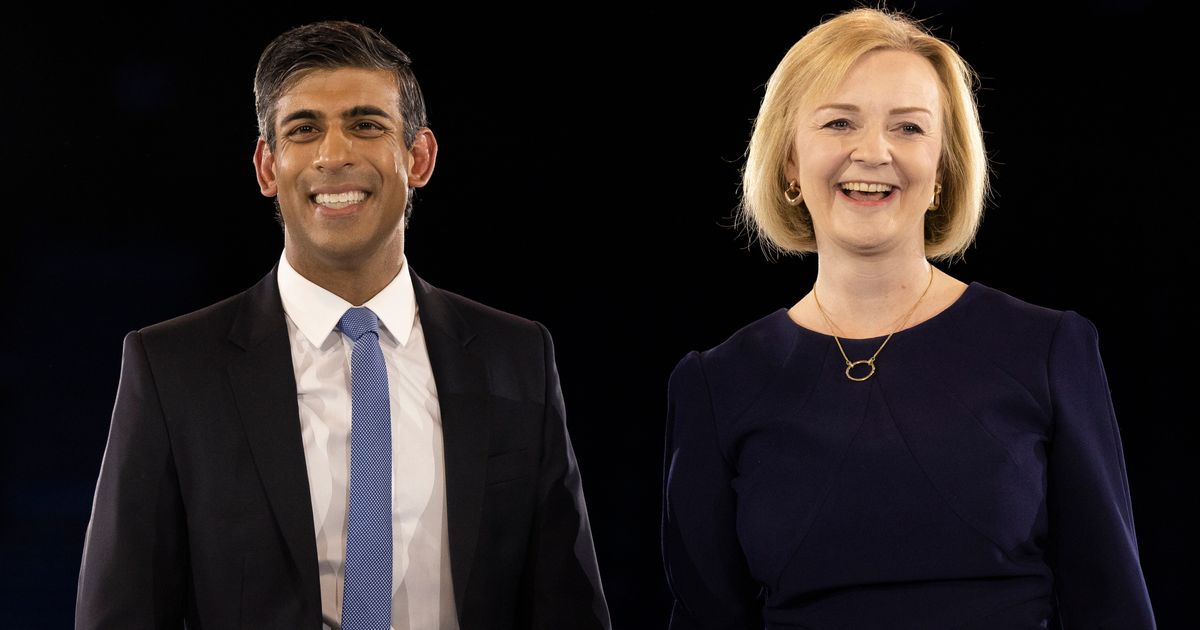
Liz Truss or Rishi Sunak will learn who has won – widely expected to be Truss – a few minutes before the result is made public.
The venue, a short walk from parliament and Downing Street, was also where Jeremy Corbyn was announced as Labour leader in 2015.
But the new Tory leader will not take over as prime minister immediately.
Tuesday
This will be Boris Johnson’s last day in office as PM. In the early morning, around 8.30am, he will deliver a farewell speech in Downing Street.
Johnson will then fly from London to Aberdeen and make his way to Balmoral to see the Queen and resign.
Advertisement
The Queen will then meet with the new Tory leader and appoint them prime minister.
Truss – or Sunak if he pulls off a spectacular upset – will then fly to London and deliver their first speech as PM outside No.10 at about 4pm.
It is then expected the that the new cabinet will be formed over the course of the next few hours.
Wednesday
Parliament returns from its long summer recess this week, which means the new PM will face Labour leader Keir Starmer at PMQs after about only 24-hours in the job.
Richard Harrington, the minister in charge of the Ukrainian refugee programme, has resigned from the government.
Speaking to Times Radio on Sunday, Lord Harrington said his job of setting up the schemes was now complete and Liz Truss or Rishi Sunak could use the “machinery” how they wished.
Advertisement
“I felt it was an opportune moment,” he said of his decision to quit. “It certainly was not a political statement about this leader or that leader or anything like that.”
Harrington said the “argument is won” on welcoming Ukrainian refugees and it but all decisions are for the new prime minister”.
“Never again will we have people arrive in the UK and go into hotels without a plan, as happened with those coming from Afghanistan and from the Ukraine, where at the beginning we didn’t have any idea where to put them all,” he said.
“I was brought in to do a very specific job, which was to set up working machinery across Government to deal with helping the Ukrainians in need,” Lord Harrington said.
Advertisement
“I believe we now have a process and procedure in place that means there won’t necessarily be the need for a minister like myself.
“I’m not walking out on the role or either candidate and will continue to support where helpful. But what I was specifically asked to do is essentially complete so it seems right that I make clear to both leadership contenders that they may be able to save on a ministerial post when they take over.
“Or at least have the option to shape the role for the next phase with a new person now I’ve established a successful system.”
Over 100,000 Ukrainians have come to the UK under the Ukraine Family Scheme and Homes for Ukraine Scheme since March.
Truss is the overwhelming favourite to takeover from Boris Johnson as prime minister, following a bitter leadership campaign against rival Rishi Sunak.
Advertisement
The winner of the contest will be announced on Monday and the new PM will take office on Tuesday.
Johnson has been praised by Ukrainian President Volodymyr Zelenskyy.
He wrote a piece in the Mail On Sunday and also spoke to the Sunday Times about his gratitude to the outgoing Prime Minister.
Zelenskyy also expressed his hope for future “close relations” with Johnson’s successor, who could be in line for an invitation to visit Kyiv.
He told the Sunday Times that it would be a “priority” to extend an invitation to the next prime minister, while he also admitted he was “concerned” when he heard Mr Johnson was resigning.
“When we learned that there would be a change of government, all of us were concerned,” he told the paper.
“Johnson was supporting us and a lot depends on the leader. The leader is the one who communicates. The leader is the one that mediates between a country and its people, and a leader has an impact upon society.”
Advertisement
Speaking about Johnson’s successor, he said of that relationship: “I can only pray that it will be at the same level as I had with Prime Minister Johnson.”
Here are three of the major events which unfolded over the last seven days.
1. Counteroffensive
Ukraine long-awaited counterattack in the south began this week, as the Ukrainian armed forces tried to take back territories seized by Russia.
Advertisement
It comes after spending several weeks building up the attacks on Russia’s supply lines, weakening Vladimir Putin’s army behind the scenes.
Ukraine’s military hit out in eight directions at the same time, and claim to have broken through their opponent’s “first line of defence” and retaking small Ukrainian villages.
However, the second line of defence has been much harder to break.
Greece’s honorary consul in Kherson, Pantelis Boubouras told Al Jazeera: “The villages along the front line – these the Ukrainians broke easily. In the second line of defence, there was blood spilled. I heard 1,000 Ukrainians and 1,500 Russians [were killed].”
He added: “The second line isn’t falling easily. There are 25,000 to 30,000 soldiers, they’ve been there for five months and are very well-equipped and dug in.”
Advertisement
Russia has denied that any territory lost, and claims 1,200 Ukrainians died in a single day during Ukraine’s attempts to recapture some areas.
But the Ukrainian military intelligence spokesman Vadym Skibitsky said Russia is looking to mobilise 90,000 troops in the country, after losing more than 47,000 throughout the war.
These would likely be made up of volunteers, reservists, and soldiers recruited over the summer, although low morale is thought to be affecting Russian ranks.
The offensive also came after Ukrainian president Volodymyr Zelenskyy warned: “If they want to survive, it is time for the Russian military to flee.”
But, for the most part, the country is keeping its cards close to its chest when it comes to this offensive.
Advertisement
It’s also worth remembering that this is not the case everywhere in Ukraine.
Citizens are still under attack elsewhere – Kharkiv city, in the northeast, is facing intense shelling, particularly in residential areas.
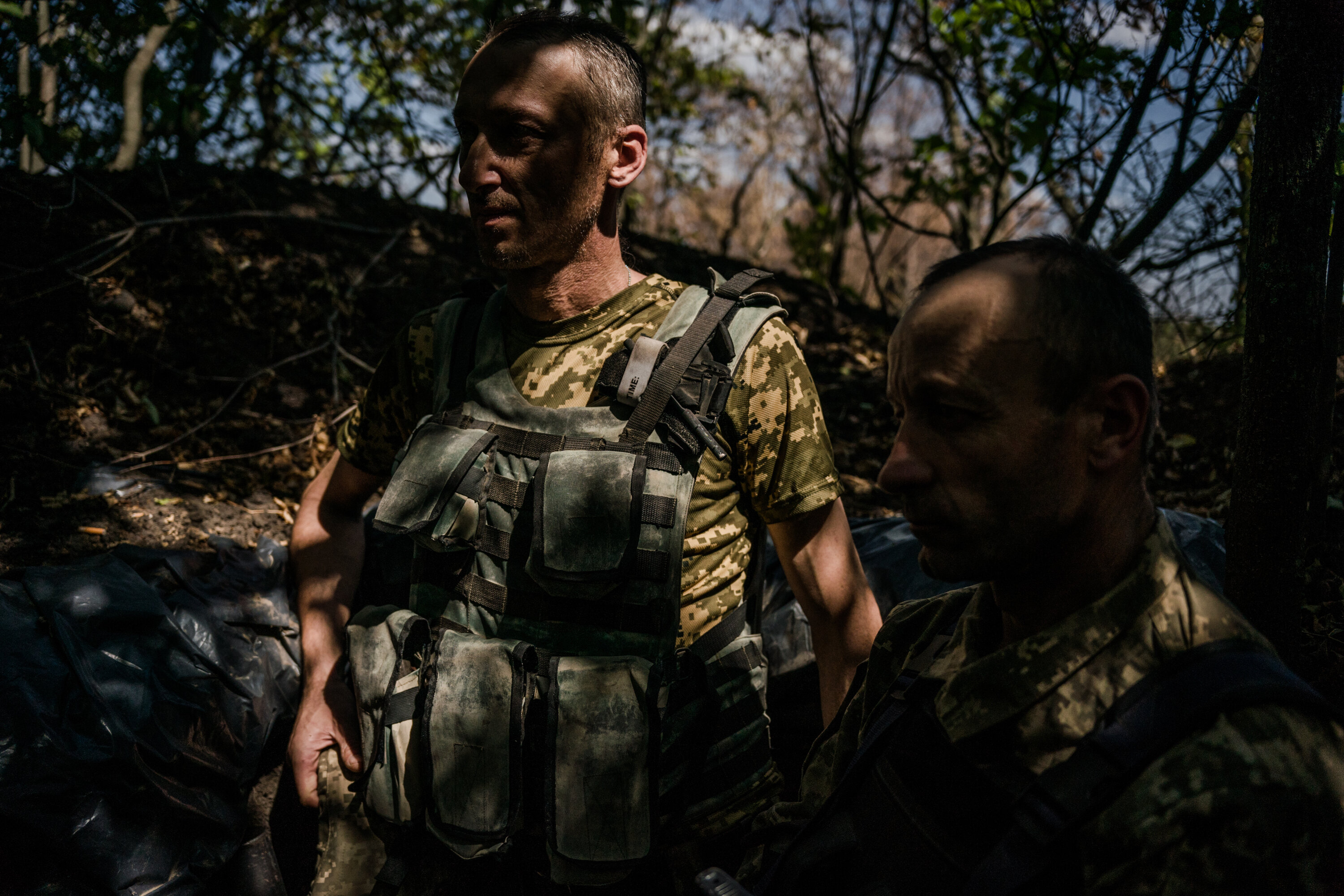
Vitali, 45, left, and Yuri 44, in the trenches on the Kherson frontline in Mykolaiv region, Ukraine, 8th of August 2022.
The Washington Post via Getty Images
2. Mysterious death
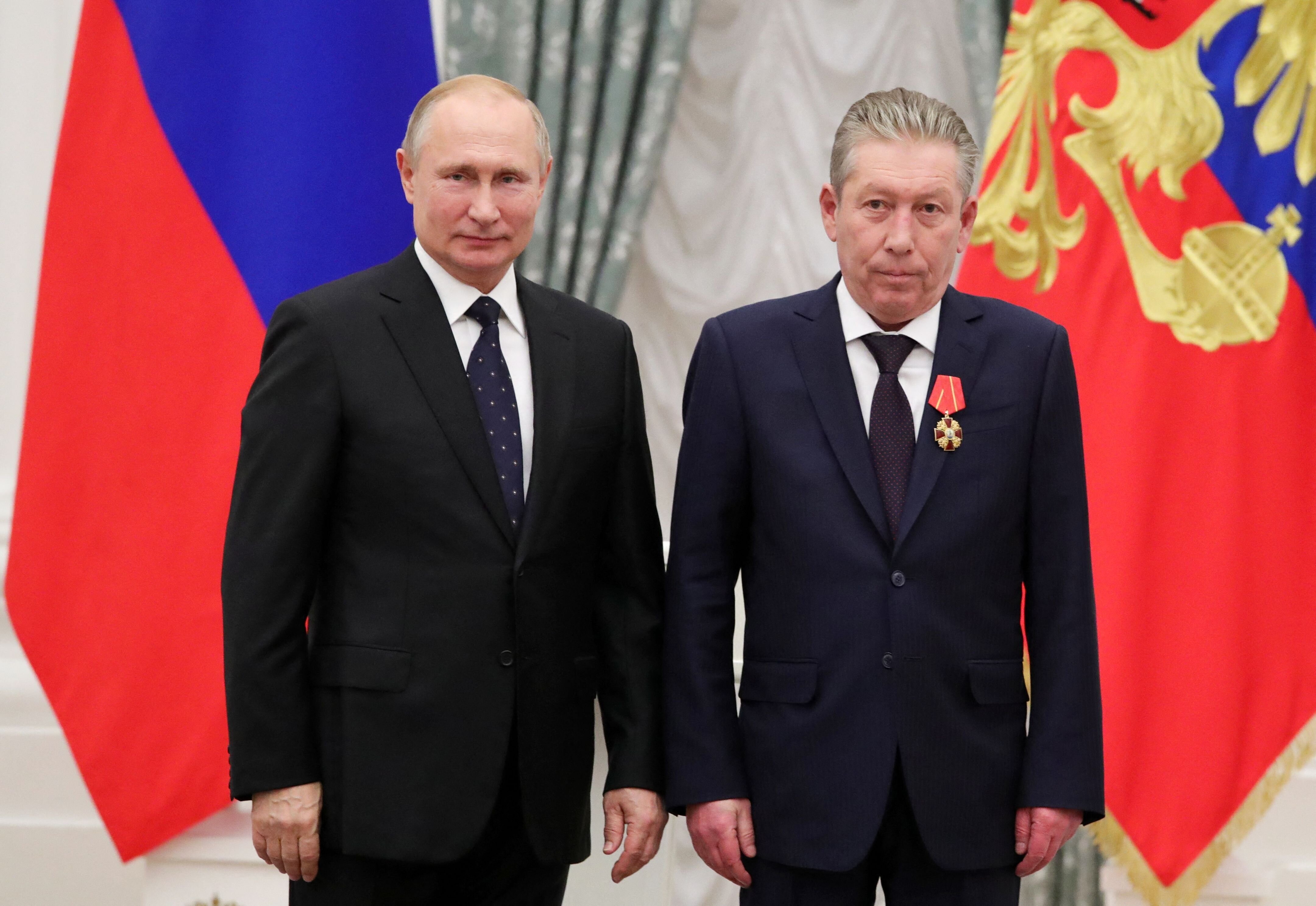
Ravil Maganov, the chair of Russia’s largest private oil company, fell to his death from a Moscow Central Clinic hospital on Thursday.
The independent news agency, Interfax, claimed he “fell from a window at Central clinical hospital,” and then “died from injuries sustained”.
As head of Lukoil, he was one of the country’s business elite.
Maganov supposedly “passed away following a severe illness” but the news agency did not say what he was being treated for.
Advertisement
Amid conflicting reports about his health prior to his death, it’s worth pointing out that Maganov is just one of several people with ties to the Russian energy industry who has died under unusual circumstances over the last six months.
One of the former top manages of Maganov’s company was found dead in May.
However, none of the deaths have been considered murders.
Lukoil was one of the few Russian energy companies which criticised the invasion of Ukraine, having called for a ceasefire just a week after it began.
Maganov also died on the same day Putin went to visit the same hospital to mark the death of former Soviet leader Mikhail Gorbachev.
It comes as the consequences of the war are starting to play out within Russia’s energy industry too. The Kremlin briefly cut off all Russian gas exports to Europe this week to squeeze countries which are providing financial aid to Ukraine throughout the war.
However, this does will Russia will have seen a fall in profits, on top of the extensive list of sanctions from the rest of the world imposed against it.
Advertisement
Putin with Lukoil Ravil Maganov (R)
MIKHAIL KLIMENTYEV via Getty Images
3. Memes
In true 2022 fashion, memes have become a key part of keeping morale up for many Ukrainians over the last six months.
But it was only this week that the official Twitter account for the Defence of Ukraine (the government branch) retweeted one.
It wrote: “We usually express gratitude to our internationals partners for the security assistance. But today we want to give a shoutout to a unique entity – North Atlantic Fella Organisation #NAFO.
“Thanks for your fierce fight against [the] Kremlin’s propaganda and trolls. We salute you, fellas!”
Advertisement
NAFO is a play on NATO, the North Atlantic Treaty Organisation. Ukraine is not part of Nato but did attempt to join.
Many believe that it was fears Ukraine was getting too close to western organisations such as Nato and the EU (for which it is now officially a candidate for membership) prompted Putin to launch his invasion. After all, the Russian president did demand that Ukraine give up its attempts to join Nato just before the war.
But NAFO is not just a parody of a defence organisation, but uses memes to mock Russia’s military performance and take down its attempts to spread misinformation about the war online.
Always using an image of a Shiba Inu dog (from an older meme), the organisation has no formal name or leadership, according to The Economist, but activists online rally together to use it.
Jeremy Fleming, the head of the GCHQ, recently claimed that Putin has already lost the information war in the West. Writing for The Economist, Shashank Joshi concluded: “The self-appointed warriors of NAFO might claim a little credit for that outcome.”
Advertisement
We usually express gratitude to our international partners for the security assistance. But today we want to give a shout-out to a unique entity – North Atlantic Fellas Organization #NAFO. Thanks for your fierce fight against kremlin’s propaganda &trolls. We salute you, fellas! pic.twitter.com/AfDnXf7pfc
Boris Johnson has clashed with his likely successor by hitting out at supporters of fracking.
The outgoing prime minister said he was “slightly dubious” that shale gas exploration “will prove to be a panacea” for the energy crisis.
Johnson’s comments, as he gave his backing to the Sizewell C nuclear power plant, came just days after Liz Truss signalled she will end the current moratorium on shale gas exploration.
Writing in the Daily Mail, she said: “We will end the effective ban on extracting our huge reserves of shale gas by fracking but be led by science, setting out a plan to ensure communities benefit.”
But Johnson hit out at fracking supporters and insisted the UK should instead increase the amount of power it generates from cleaner sources like wind.
He said: “If we could frack effectively and cheaply in this country, that would be possibly a very beneficial thing. I’m just, I have to say, slightly dubious that it will prove to be a panacea.
“I would much rather that we focused on the things where we are brilliant, and where the environmental damage is really minimal.”
Johnson later added: “Tell everybody who thinks hydrocarbons are the only answer and we should get fracking and all that: offshore wind is now the cheapest form of electricity in this country.”
Boris Johnson has finally spoken up about the cost of living crisis, although even his well-intentioned speech has not landed among his online critics.
But, the clip going viral on Twitter has been taken out of context.
Here’s what you need to know.
What happened?
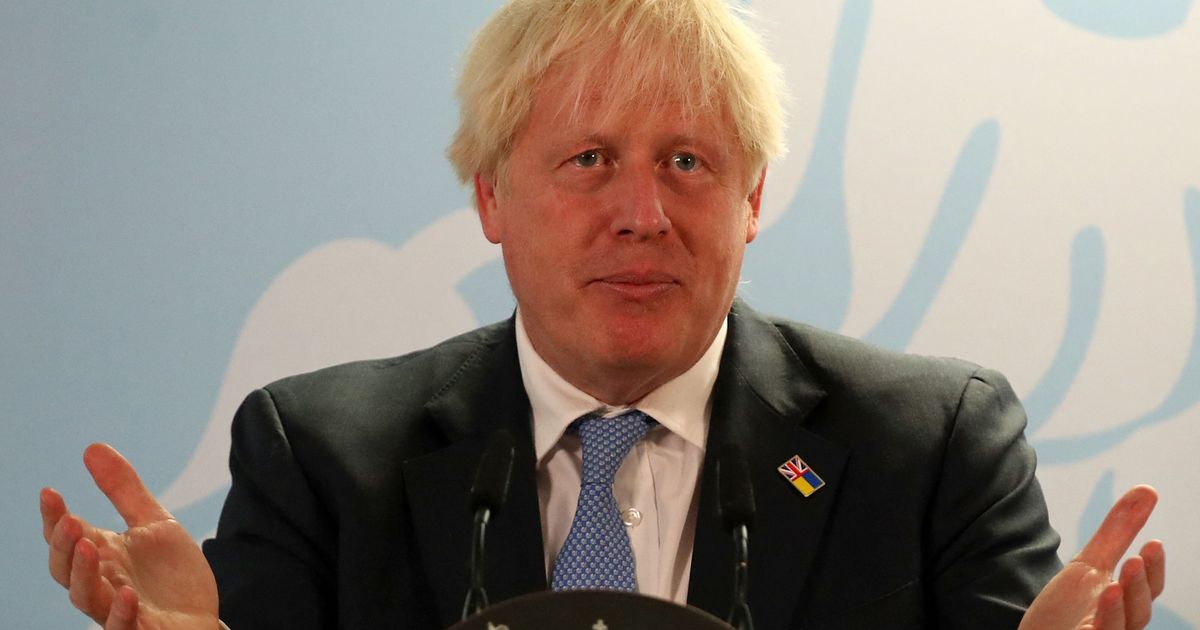
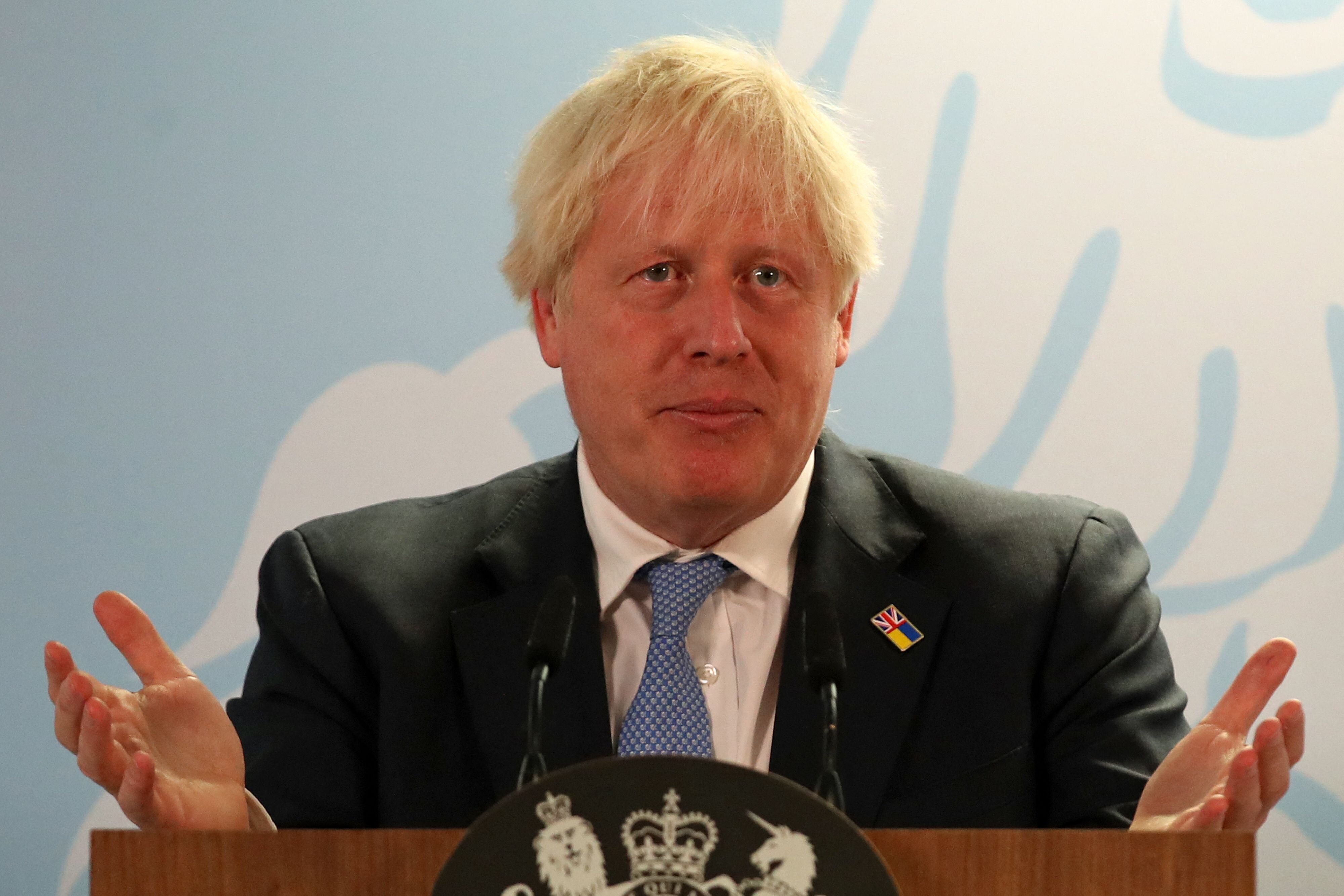
On Thursday, during his final public speech as the prime minister, Johnson was praising the virtues of nuclear power.
Advertisement
He said he would be assigning £700 million funding for a new nuclear plant to improve the UK’s energy security, and tried to explain how it might seem more expensive now to install but it would pay off in the long-run.
He claimed that if Hinkley Point C nuclear power station (in Somerset) were running now, it would be cutting “our national fuel bills by £3 billion”.
He explained: “Nuclear always looks – when you begin – relatively expensive to build and to run, But look at what’s happening today, look at the results of Putin’s war. It is certainly cheap by comparison with hydrocarbons.”
He then made this analogy: “If you have an old kettle that takes ages to boil, it may cost you £20 to replace it, but it will save you £10 a year every year, on your electricity bill.”
Advertisement
However, this last sentence was taken out of context on social media, and was widely mocked for appearing like real, cost of living advice.
Why did people react so strongly to the clip?
Had this been real advice, it would have meant saving £10 a year – this is just 0.28% of the £3,549 energy price cap set to kick in for the average household from October 1.
This increase is set to exacerbate a crisis already gripping the UK, as it is an 80% leap compared to the already high current energy price cap of £1,971.
An extra three million people into poverty this winter as a result, according to the Resolution Foundation.
Advertisement
So, understandably, people weren’t keen on letting the prime minister – who has been accused of being missing in action since he resigned at the start of July – off the hook when they believed it was genuine advice.
Spend £20 on a new kettle – and that’ll save £10 over the next turbulent 12 months.
He’s now outright taking the Mickey of those drowning in costs, as he comes back home from his luxury traveling around Europe.pic.twitter.com/UZLE5imQky
Has Johnson been forthcoming throughout the cost of living crisis?
Well, not exactly.
Johnson has faced repeated scrutiny for not engaging with the cost of living crisis ever since he resigned back at the start of July.
Advertisement
The government also decided it would not be making any financial decisions for the rest of Johnson’s time in office, despite the speed at which the cost of living crisis is worsening.
In the meantime, iInflation has soared to 10.1%, the fastest rate of increase for 40 years, and could even jump beyond 18% according to forecasts from Citi investment bank.
Only last October, the prime minister had tried to quell any worries about inflation by claiming such fears were “unfounded”.
Neither of his potential successors, Rishi Sunak or Liz Truss, have outlined coherent plans to tackle the crisis.
Advertisement
But Johnson claimed on Thursday that further government help was on the way.
Speaking in Suffolk, the prime minister said: “We’re helping people now with the cost of living and of course there will be more cash to come, whoever takes over from me, in the months ahead – substantial sums, that’s absolutely clear.”
He claimed that it was “clear that come the new administration, there is going to be a further package”, because “we have the fiscal firepower to sort it out.”
So, what was he actually saying about nuclear power?
The energy crisis stems from Europe’s reliance on Russia’s supplies. Since Moscow launched its invasion into Ukraine, the west has been adding a growing list of sanctions against Russia and has been trying to wean itself off its oil and gas exports.
Russia has also been squeezing the amount of energy it sends to Europe to leverage the west over its continual support for Ukraine.
So, Johnson’s decision to back nuclear energy comes at a time when the UK desperately needs new energy sources.
Advertisement
His speech at the new reactor at the Sizewell site in Suffolk could power the equivalent of around six million homes once built.
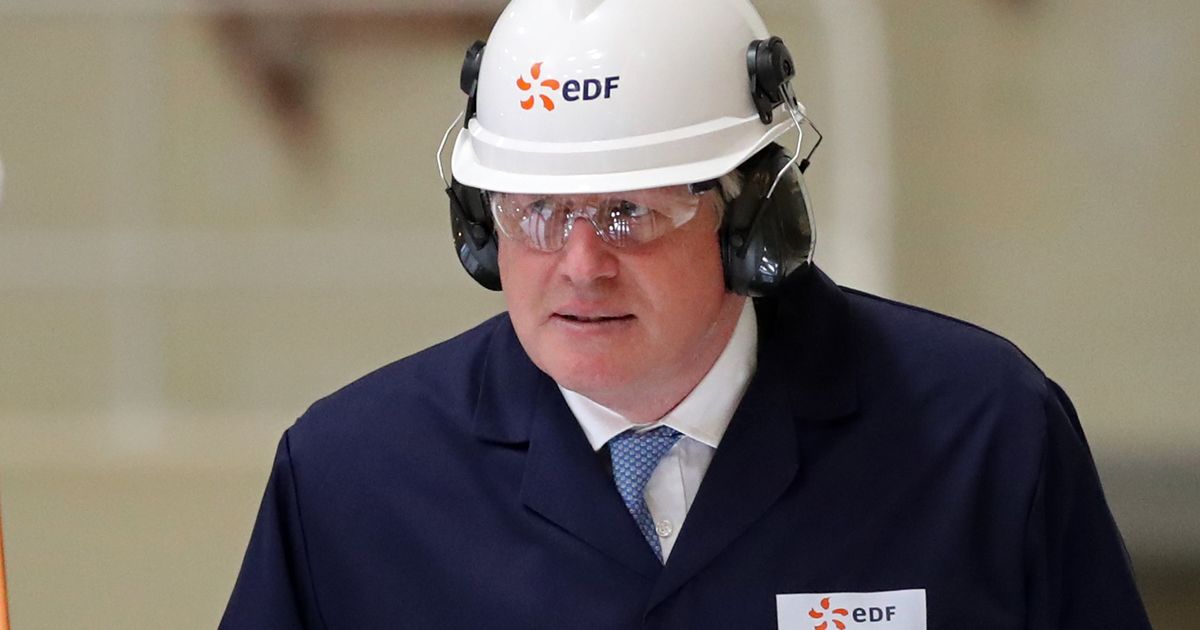
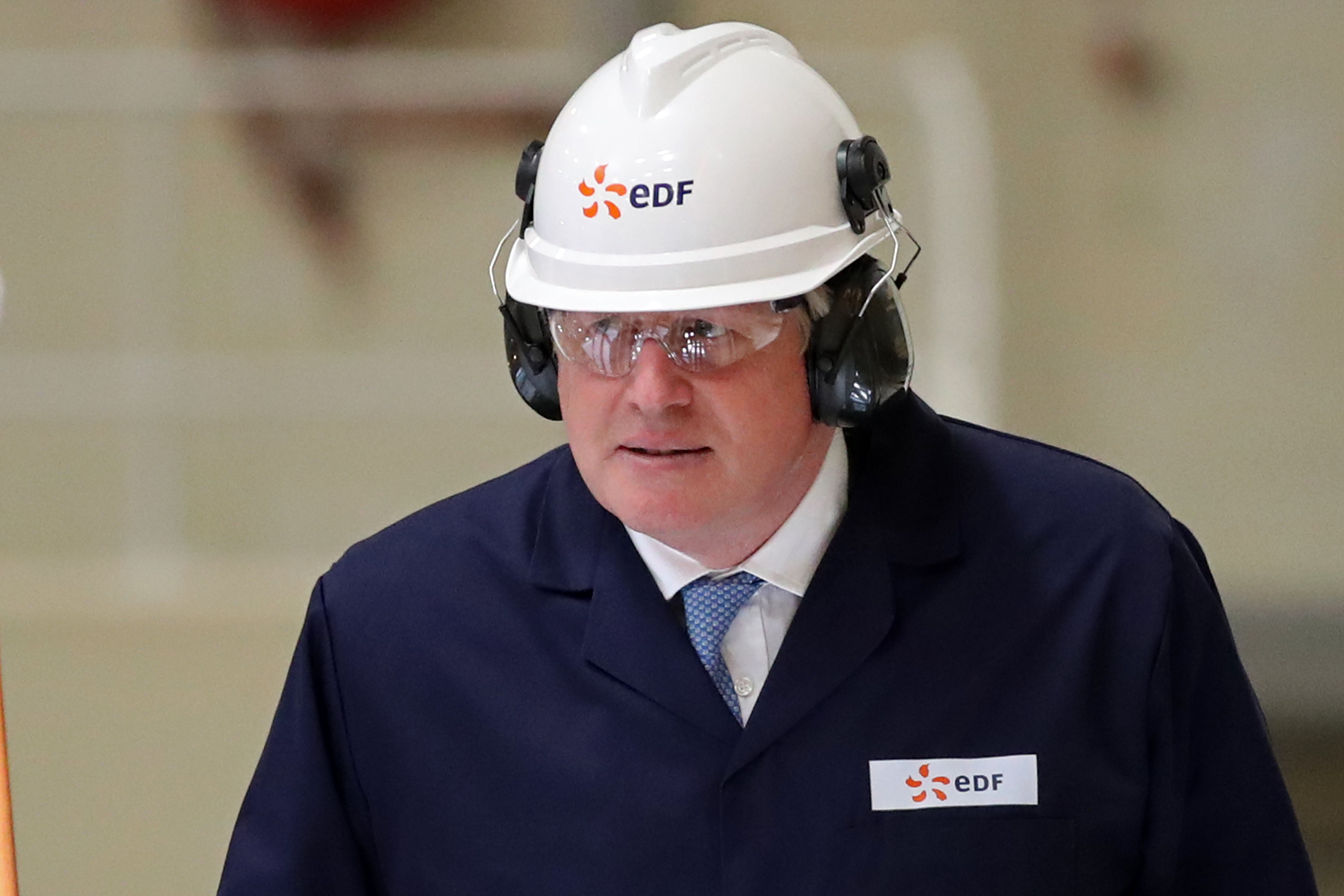
However, as Johnson leaves office on Tuesday, it’s not clear if the building will go ahead. Downing Street has not provided any more details about the funding according to PA news agency and EDF energy company (meant to be in partnership with the plant) did not respond.
The total cost of the project could be around £20 billion, and would not start generating electricity until around the 2030s.
Still, nuclear is considered a feasible alternative to fossil fuels.
Johnson also took aim at previous governments (led by both Tony Blair and Gordon Brown) for not injecting funding into it sooner – even though the Tories have been in power for 12 years now.
“So no more national myopia,” he concluded. “No more short-termism, let’s think about the future, let’s think about our kids and our grandchildren, about the next generation.”
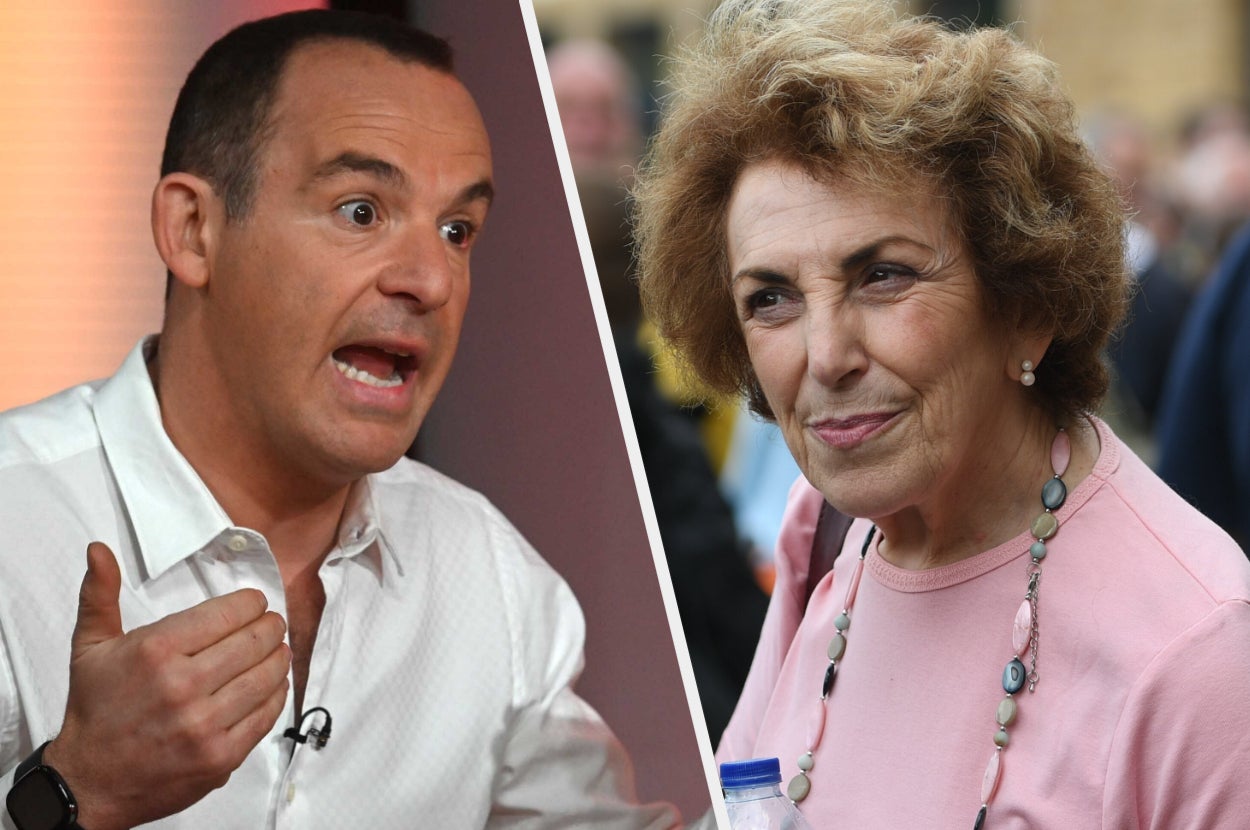
His tweet quickly went viral and grabbed Currie’s attention, a former Tory MP who briefly served as a junior health minister under John Major. She lost her seat in 1997′s general election.
Currie is now known for being an outspoken public figure, a media personality and an author – and she had plenty to say about Lewis’ plea to the government on Wednesday.
She tweeted: “I would like you, Martin, to stop using words like ‘catastrophe’, and instead advise people take sensible steps to reduce the effect on their families and businesses.
Advertisement
“And stop pretending that governments can do everything. They can’t.”
I would like you, Martin, to stop using words like “catastrophe,” and instead advise people take sensible steps to reduce the effect on their families and businesses. And stop pretending that governments can do everything. They can’t. https://t.co/MZ50dixNjH
“While there are steps people can take to help themselves (I explain them in today’s email mse.me/latesttip), energy bills by Jan will cost on average over half the full state pension and bigger proportion of basic UC [Universal credit].
“No sensible steps cover that!”
Several hours later, Lewis also put together a Twitter poll which asked: “Do you think it is fair to call the coming winter energy and cost of living price hikes a ‘catastrophe’?
“Votes split by whether you traditionally vote for Conservatives )even if not right now) or not. To see if view correlates with political stance.”
He tweeted summarising his findings (long before the poll officially closed) by pointing out that of 15,000 votes, 90% of Conservative voters and 95% of non-Tory voters agreed that it was fair to call the crisis a “catastrophe”.
Advertisement
However, Lewis did note that this was a Twitter poll, and therefore does not fairly represent the population.
With 15,000 votes in. It is a landslide so far…
90% of Tories 95% of others
Who’ve voted think the coming price hikes can be called a catastrophe.
This is just a twitter poll though, would be interesting to see proper statistically representative poll on it. https://t.co/NfdDaVCPjv
Currie also replied to Lewis directly, saying: “Emphasise the help. Include local authorities, as in Germany.
“Give people something they can do…not just wringing their hands. The more those who can reduce usage, the easier it gets for those who can’t. Every little helps.
“And no, governments cannot do everything.”
It’s worth noting that Germany has unveiled a long-term strategy to cut energy costs, including insulating old buildings, while also offering one-off payments for workers who pay income tax.
Advertisement
Meanwhile, Downing Street has been called a “zombie government” (by Lewis) and criticised over its inaction for weeks now – especially as the cost of living package offered in May is now nowhere near enough to meet the current needs of the crisis.
Liz Truss’s response to the Pakistan floods has been described as “risible” by a Commons committee.
In a letter to the foreign secretary, international development committee chair Sarah Champion said she was “embarrassed” by the UK’s pledge to provide up to £1.5 million in aid to the country.
The Labour MP said: “Even if the full £1.5 million were delivered, it would amount to less than 5p for each person affected.
“Furthermore, that pathetically small sum will be subtracted from “existing support to Pakistan”.
“The UK government’s risible response to this humanitarian disaster arguably amounts to nothing.”
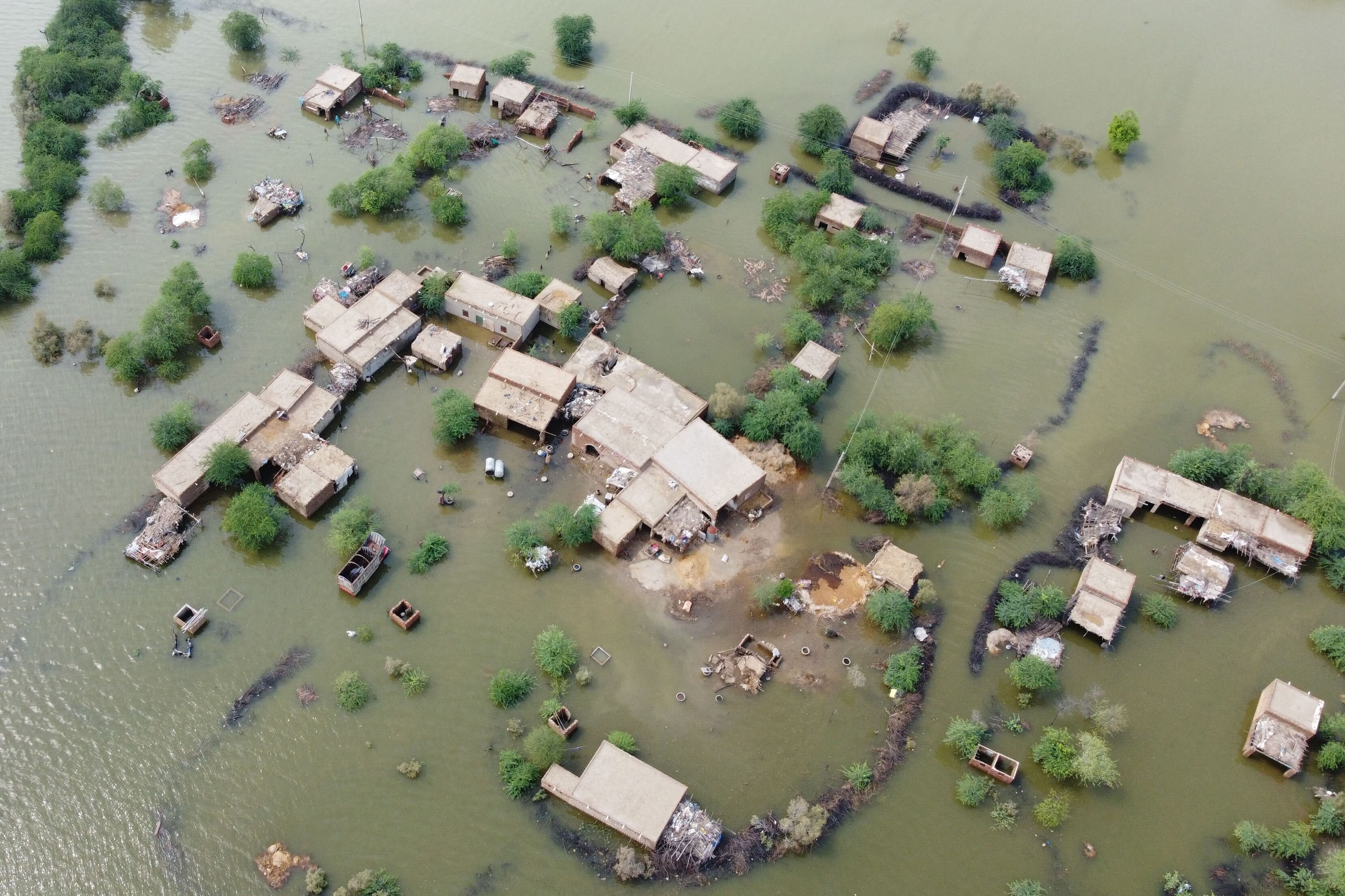
Devastating floods have swept across Pakistan in recent weeks, causing more than 1,000 deaths and affecting around 33 million people.
The heavy rains have caused a historic level of devastation, isolating villages and trapping many in mountainous areas.
It is the most rain Pakistan has seen in a decade, leaving one-third of the country underwater and around 1,860 miles of road reportedly washed away.
“It’s all one big ocean, there’s no dry land to pump the water out,” Pakistan’s climate minister Sherry Rehman said.
Champion accused the government of adopting “a policy of sustained indifference to Pakistan” in recent years.
She added: “Parliament returns from summer recess on Monday 5 September.
“Bearing in mind the humanitarian and economic catastrophe, I earnestly counsel you to make a statement to parliament at the first available opportunity to deliver your latest assessment of the extent and effect of the flooding and to explain how you plan to support our friends and allies in Pakistan.”
Further complicating the situation is the fact that Truss is expected to be named the new Tory leader on Monday and confirmed as prime minister the following day.
The Foreign Office has been contacted for comment.
Announcing the cancellation, the BBC said: “Ms Truss’ team say she can no longer spare the time to appear on “Our Next Prime Minister”.
“The other candidate for the Conservative leadership, Rishi Sunak, was interviewed by Nick on 10th August.
“We regret that it has not been possible to do an in depth interview with both candidates despite having reached agreement to do so.”
Reacting on Twitter, former BBC political editor Robinson said: “Was pleased to secure an in-depth interview with Liz Truss on BBC1. I am disappointed & frustrated it’s been cancelled.”
Advertisement
Truss’s campaign team did not respond to requests for comment.
A source close to Sunak told HuffPost UK: “It’s important that candidates face proper scrutiny so that members and the public know what they are offering.
“Avoiding that scrutiny suggests either Truss doesn’t have a plan at all or the plan she has falls far short of the challenges we face this winter.”
Unlike Sunak, Truss has already turned down the chance to be interviewed by feared interrogator Andrew Neil on Channel 4.
Sunak’s campaign said their man had done nine one-to-one broadcast interviews during the leadership campaign, compared to Truss’s two.
Advertisement
Labour’s Conor McGinn said: “The British public don’t get a say in choosing the next Tory Prime Minister and now it seems Liz Truss wants to avoid any public scrutiny whatsoever.
“People will rightly conclude that she doesn’t want to answer questions about her plans for the country because she simply hasn’t got any serious answers to the big challenges facing our country.”