UK Accused Of ‘Blocking Ambition’ To Tackle Climate Change: ‘It’s A Major Setback’

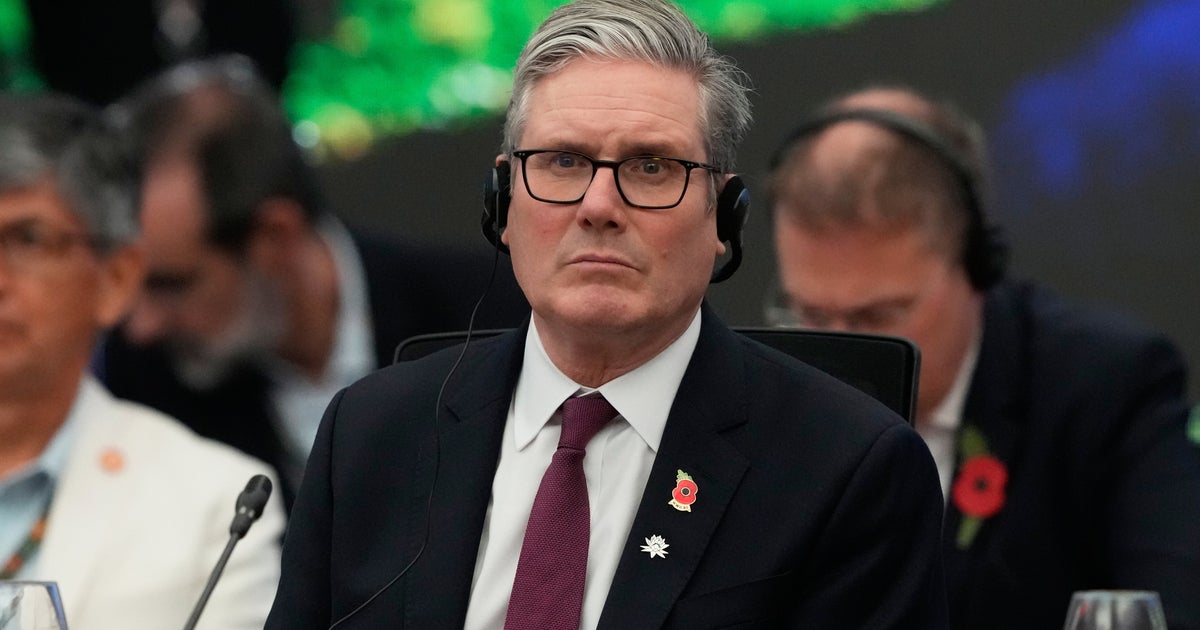
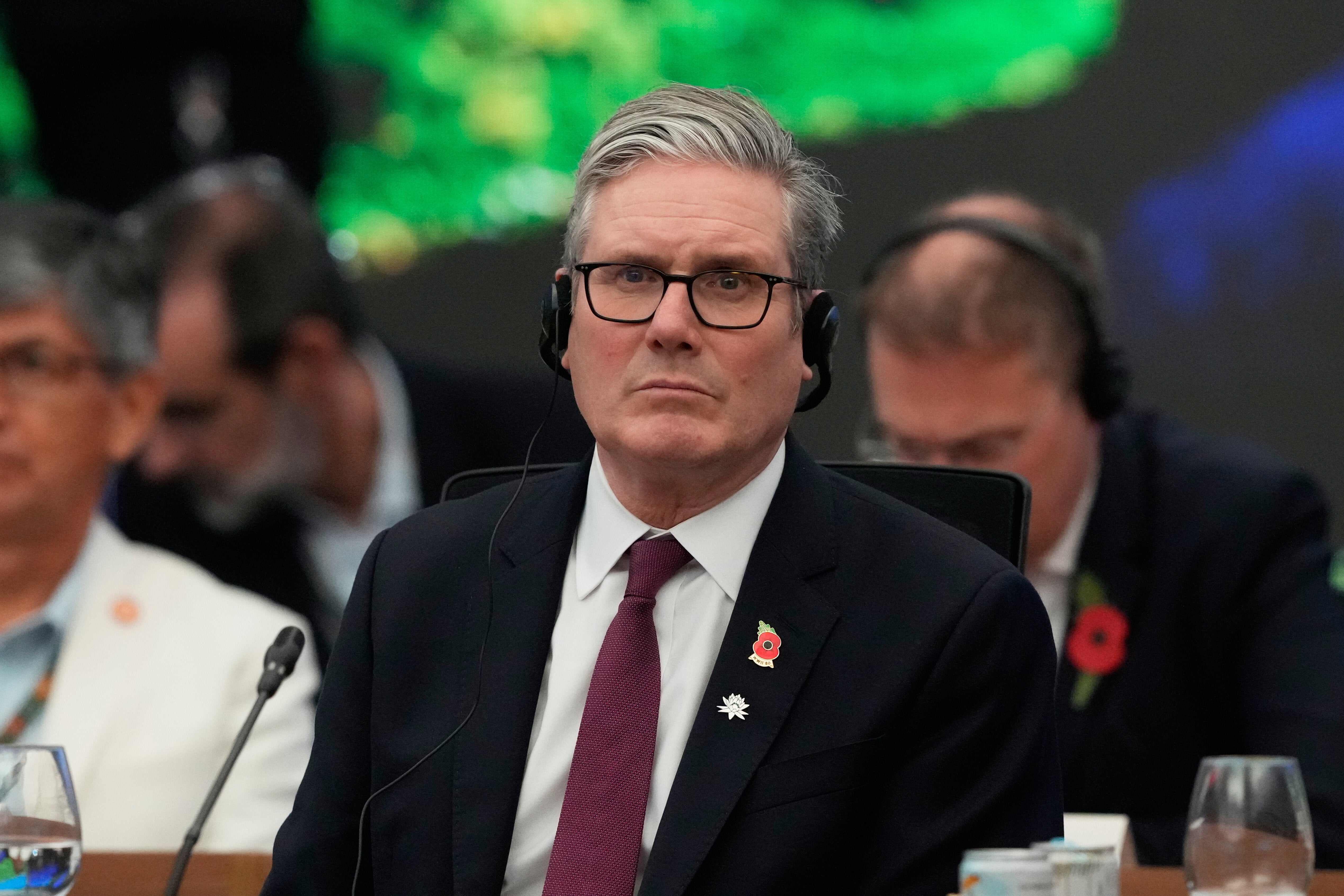
The UK has been been criticised for “blocking ambition” to tackle climate change by environmental campaigners.

COP30 – the UN’s 30th conference of parties – concluded this weekend following fraught discussions over how countries around the world can work together to address the declining environment.

After two weeks of intense meetings, the 194 countries present – the US did not send a delegation only agreed on a voluntary arrangement, rather than a legally binding deal, to begin discussions on a roadmap to gradually phasing out fossil fuels.

But, in a small win for campaigners, developed countries did agree to triple financial support for developing nations as they adapt to the climate crisis.

They will now receive £92 billion a year for adaption – although they will not get it until 2035.

Hannah Bond, co-CEO of the non-profit ActionAid UK, hit out at the British delegates in particular for this lacklustre conclusion to the summit, claiming the conference “still falls short” when it comes to finance.

Wealthier nations which typically produce more greenhouse gas emissions have been repeatedly asked to help developing countries cover the damage costs that come with environmental disasters.

However, the UK caused a stir when it chose not to give taxpayer cash to the COP30 forests fund even before this year’s conference began amid ongoing struggles within the British economy.

The Department for Energy Security and Net Zero told Politico the UK is still “incredibly supportive” of the initiative and would continue with “efforts to unlock private investment”.

ActionAid UK’s Bond said: “A COP that delivers progress behind closed doors and still falls short on finance cannot claim success.

“It’s a major setback that the UK’s refusal to cough up for the climate funding it owes, and to centre justice, meant a wider agreement collapsed.

“It’s like watching a house engulfed in fire while the arsonists stand around debating who should hold the hose.

“Without making big polluters pay up for the damage they’ve caused, climate justice remains impossible – yet the UK continues to push private finance and loans, deepening debt and forcing the Global South to foot the bill while allowing the ongoing financing of fossil fuels and deforestation.”

She added: “Women and communities in the Global South are already leading the solutions; now countries like the UK must stop blocking ambition, deliver real finance, and match the courage of those fighting for their as we fight for all of our futures.”

The director of climate research and policy at the campaign group Corporate Accountability, Rachel Rose Jackson, said the whole of the “global North should be ashamed” of their actions at COP30.

She said: “Yet again the EU and others, as the largest historical polluters, continue to orchestrate their great escape rather than do their fair share.

“The US, who told the world it wouldn’t even bother to show up, is still manipulating on the sidelines in Belém while it expands oil and gas drilling at home.

“And Big Polluters continue to write the rules of climate action with no protections in place.

“We must Kick Big Polluters Out, reset the system, demand the Global North do its fair share and pay its climate debt, and urgently and justly end the fossil fuel era that is poisoning us.

“These are the only measures by which a true success can be measured.”

Meena Raman, from the non-profit Third World Network, also hit out at the EU and the UK for “playing political games”.

She said: “The countries of the Global North, led by the EU and UK, effectively held the COP30 negotiations hostage – insisting on diluting commitments to climate finance for adaptation before allowing progress. Their public frustration over the supposed lack of ambition on mitigation was little more than posturing, designed to deflect attention from their own obligations.”

Romain Ioulalen, from Oil Change International, said wealthy countries were to blame for COP’s failures this year.

He said: “The EU, UK, Australia and other wealthy nations are to blame for COP’s failure to adopt a roadmap on fossil fuels by refusing to commit to phase out first or put any public money on the table for the crisis they have caused.“We didn’t win the full justice outcome we need in Belém, but we have new arenas to keep fighting.”

Meanwhile, Nikki Reisch from the Centre for International Environmental Law, called the final agreement an “empty deal”, adding: “COP30 provides a stark reminder that the answers to the climate crisis do not lie inside the climate talks – they lie with the people and movements leading the way toward a just, equitable, fossil-free future.”

Share Button

Nigel Farage Dubbed ‘A Con Artist’ For Suggesting Climate Change May Not Be Man-Made

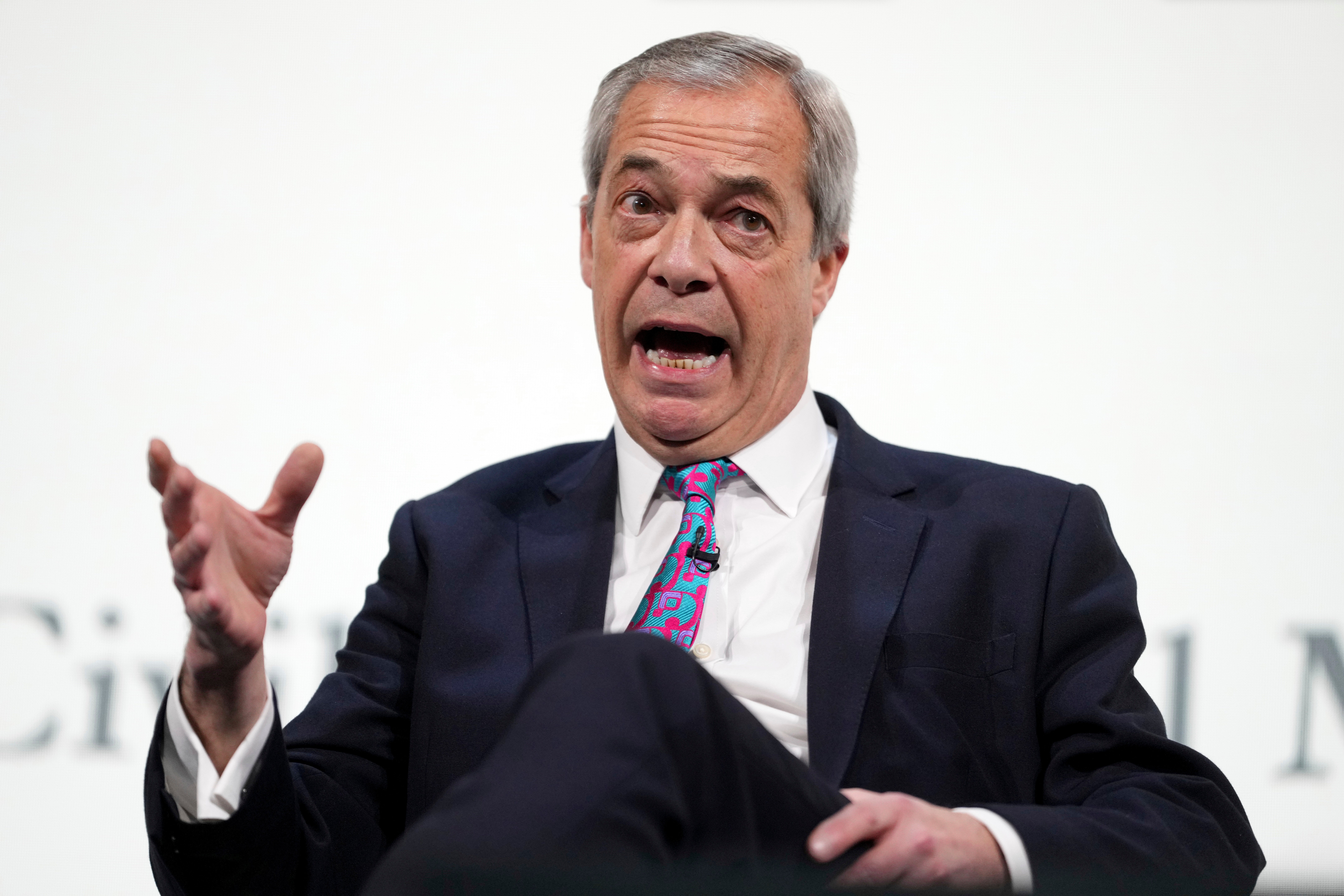
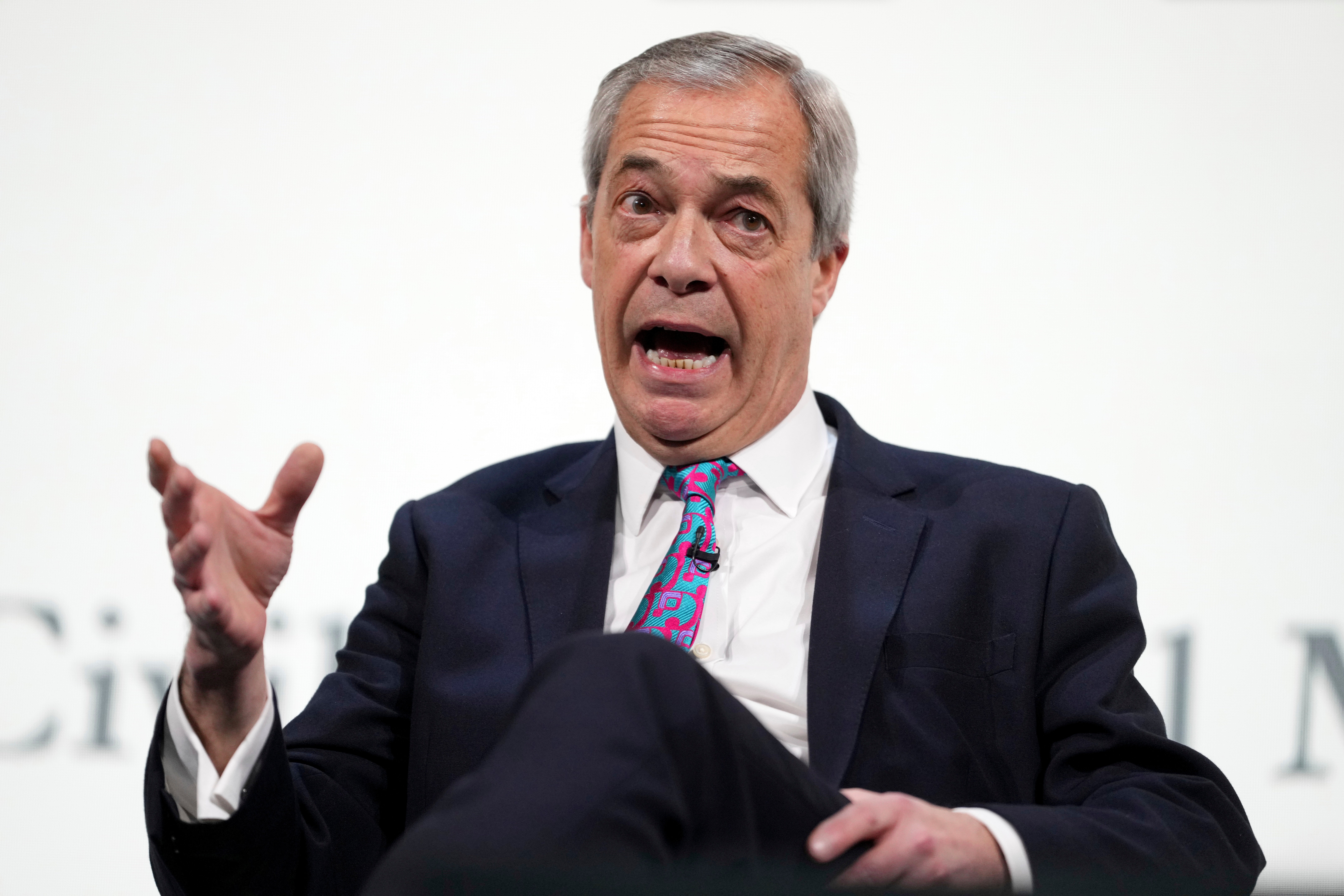
Nigel Farage has been dubbed “a con artist” after he suggested climate change may not be man-made.

The Reform UK leader also called for the government to ditch its net zero policies because they “make no difference whatsoever” to global warming.

Asked on Radio 4′s Today programme if he accepted climate change was at least partly man-made, Farage would only say: “It may well be.”

He added: “Let’s go with the scientists. Let’s say that the 3% to 5% of CO2 emissions in the world every year that are man-made, as opposed to natural, are having a detrimental, or at least a warming effect on the world. Let’s start from that position.”

However, he avoided the question when asked if that was his own position.

Farage also said politicians should not “commit economic hara-kiri” in order to tackle the problem.

“I think we should scrap the net zero targets, yes, absolutely. I think they’re going to make zero difference in the world,” he said.

Green Party co-leader Adrian Ramsay condemned Farage, and challenged him to a public debate on climate change.

He said: “Nigel Farage is a performer, a con artist. He will say or do anything. He will happily dance to a populist tune regardless of its impact.

“This morning’s performance suggested he hasn’t got the slightest grasp of even the most basic climate science. But I think it’s worse than that. He understands all too well human-made climate change, but he is willing to pretend he doesn’t and stand in the way of climate action for his party’s populist agenda.

“If he really does believe what he says, let’s see if his ridiculous rhetoric stands up to actual scrutiny – let’s see if he is prepared to take part in an hour-long TV debate about climate change and the challenge of reaching net zero?”

Share Button

Let’s Face It – This Year’s COP Was A Flop. How Did The Climate Negotiations Go So Wrong?

The UN’s annual environment summit is meant to be a place where countries come together and agree to act on tackling the climate crisis.


But the 29th gathering of the conference of the parties (COP29) seemed more fractious than ever, with some representatives even walking out of the final negotiations.

Despite the UN secretary-general Antonio Guterres warning that “failure was not an option” last Thursday – and scientists fearing that 2024 may be the hottest year on record – many countries now feel betrayed by the final agreement of this year’s summit.

Described as “one of the most poorly led and chaotic COP meetings ever” with offerings from developed countries written off as mere “crumbs”, here’s a look at the issues which split the conference.

The big one: climate finance

The primary target of this year’s COP was to come up with a new sum for how much money should be sent to developing countries to help them recover from climate emergencies while also transition to cleaner energy systems.

COP previously agreed to offer those countries $100 billion (£79bn) per year, but that deal expires in 2025.

Experts believe the world now need to aim to raise around $1.3 trillion (£1.08trn) per year by the end of the decade to meet the needs of vulnerable countries.

But a draft of the final COP29 text shows the fund only reaching $250 billion a year by 2035 instead – a number most delegates from developing nations did not think was anywhere near enough.

After representatives from small island nations walked out of negotiations in fury, the number was increased to £300 billion – which is still a long way off the target.

That sum would also be given to the developing world in grants and low-interest loans from wealthier countries. It would only increase to the £1.3tn figure if private investors or extra taxes on fossil fuels were introduced for individual countries.

The deal eventually secured the approval of all attending nations on Saturday night, but the sum was dismissed as an “abysmally poor” amount by India’s negotiator Chandni Raina.

Claiming the decision was not reached by consensus, she said: “This document is little more than an optical illusion.”

The bloc of least developed countries (LDC) – constituting of 45 countries and 1.1 billion people – also claimed the agreement unpicked three years of negotiations on climate finance.

And Panama’s special representative for climate change, Juan Carlos Monterrey Gomez, said: “Developed nations always throw text at us at the last minute, shove it down our throat, and then, for the sake of multilateralism, we always have to accept it, otherwise the climate mechanisms will go into a horrible downward spiral, and no one needs that.”

Speaking before the deal was struck, he also slammed the suggested $250bn sum, saying it was a “spit on the face of vulnerable nations like mine”.

He added: “They offer crumbs while we bear the dead. Outrageous, evil and remorseless.”

Similarly, the charity ActionAid UK said: “There’s no sugarcoating it: this text is a complete catastrophe and a farce.

“With floods and droughts tearing through the Global South, the goal announced remains a drop in the ocean compared to the trillions needed to help climate-hit communities adapt and recover, especially women and girls who are among the worst impacted.”

But others still felt the overall sum was too high – and too much pressure was on developed countries to pay up.

One European negotiator told Reuters: “No one is comfortable with the number, because it’s high and (there is) next to nothing on increasing contributor base.”

“They offer crumbs while we bear the dead.”

– Panama’s special representative for climate change, Juan Carlos Monterrey Gomez

Some nations also raged that the funds would be shared with countries that had stronger economies, like India.

Others complained the offering was only a fraction of what was being spent on war globally in the last few years and pointed out that there was a lack of definition around what exactly they mean by climate finance.

What about the 1.5C limit?

The Paris Agreement, from COP21, saw 196 countries pledge to limit the global temperature increase to just 1.5C compared to pre-industrial levels.

The world is already dangerously close to that target. At the present rate of progress, it’s expected to reach 1.5C by 2040.

A climate scientist at Berkeley Earth told Bloomberg that the 1.5C limit has been “deader than a door nail” for some time now.

There have therefore been some argument that COP’s ongoing goal of staying below 1.5C is pointless, because they believe it is no longer feasible.

However, it is still a symbol of the pressing climate crisis and so it remained a pivotal part of the talks.

As Imperial College London’s professor Professor Joeri Rogelj said: “Much has been said about whether limiting warming to 1.5C is still possible, and the odds are no longer in the world’s favour on this one.

“However, with every fraction of a degree of warming, life on earth will become much more dangerous. It doesn’t matter what the number is. Every country has to deliver emissions reductions that are as deep as they can possibly be.”

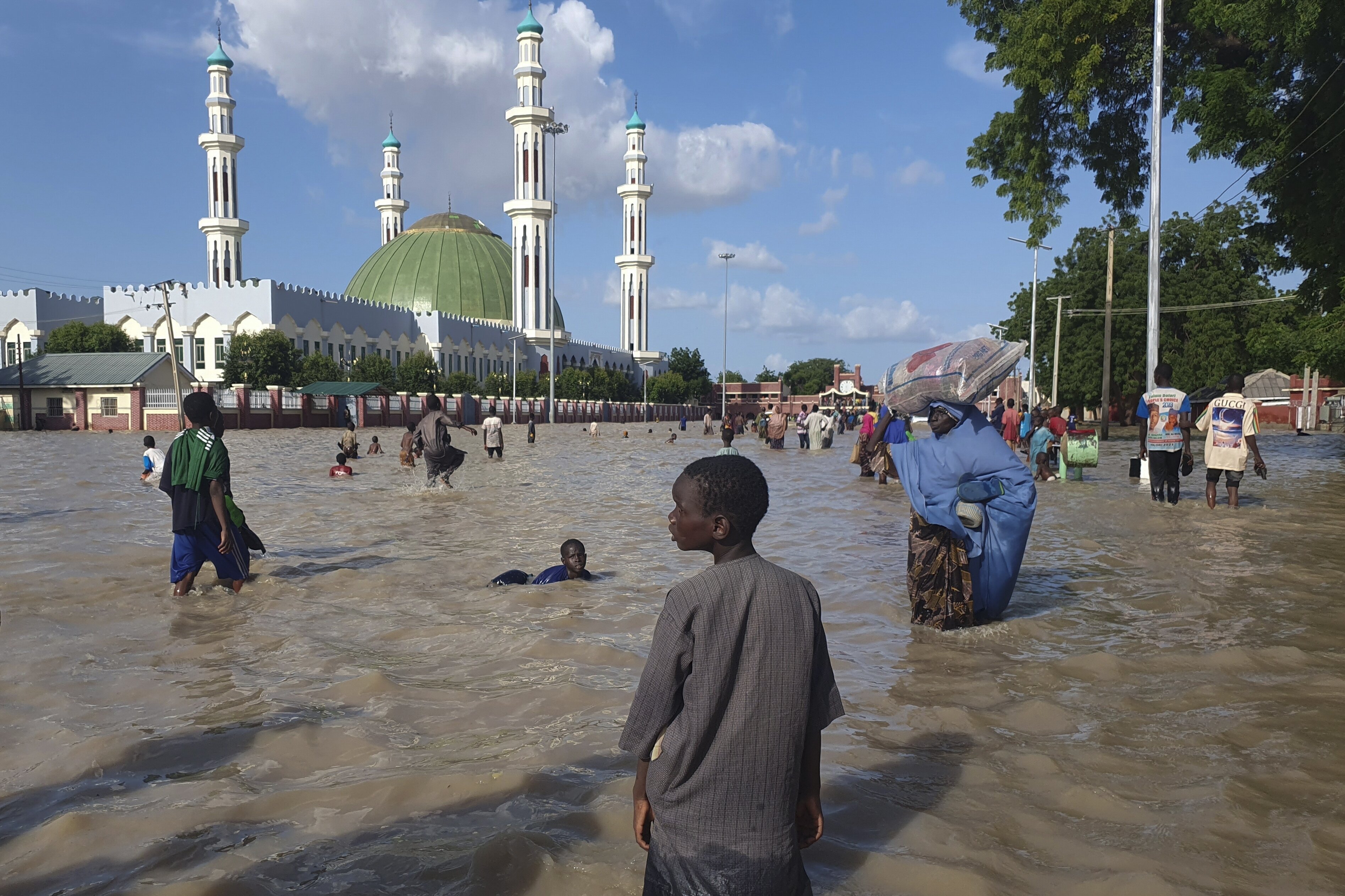
Extreme weather: People walk through floodwaters following a dam collapse in Maiduguri, Nigeria, Tuesday, Sept 10, 2024.

via Associated Press

The questionable hosts

Last year, COP was controversial because it was held in the UAE, which makes most of its money through fossil fuels.

This year, it had the same problem – oil and gas make up 90% of Azerbaijan’s exports and fossil fuel interests.

The president of the hosting nation, Azerbaijan leader Ilham Aliyev, even praised oil and gas as a “gift of God” when the summit started.

He also accused western nations of “double standards” for buying fossil fuels from his country while urging the world to go green.

So it is no surprise that Mohamed Adow, director of the climate and energy think tank Power Shift Africa, laid into the hosts of this year’s conference.

He said it was “one of the most poorly led and chaotic COP meetings ever”, saying this presidency is “one of the worst in recent memory”.

Speaking shortly before an agreement was reached, he said: “We only have a matter of hours remaining to save this COP from being remembered as a failure for the climate and embarrassment for the rich world.

“We need Mukhtar Babayev [COP29 president] to get his act together.”

Babayev is a veteran of the oil industry, and Azerbaijan’s ecology and natural resources minister.

Adow added: “No deal is better than a bad deal. Poor countries don’t need to be held hostage in Baku. If rich countries fail to deliver what they owe in climate finance, then they should be forced to come back next year in Brazil with a better plan.”

Fossil Fuels – are they in or out?

COP26′s president Alok Sharma was left in tears in 2021 when the wording on reducing dependency on coal was watered down in the 11th hour negotiations for the final agreement.

COP27 just kept the same wording – a promise to reduce dependency on coal – without expanding it to natural gas or oil, or offering a time frame.

COP28 managed to move the dial a bit more, so countries pledged to transition away from all fossil fuels.

But this year, the European states who want countries to promise to move away from the fossil fuel industry faced backlash from Arab states.

Then Saudi Arabia was even criticised for obstructing much of the final text, and allegedly tried to remove references to “transition away from fossil fuels”.

In the end, COP29 just repeated that pledge to move away from the carbon-emitting industry but without strengthening it or offering a time line.

Still, Green Party co-leader Adrian Ramsay told HuffPost UK that COP itself remains a strong forum which “offers the chance to bring nations together to act and move away from the fossil fuel economies that are destroying our planet and making life intolerable for millions in the global South.”

He added: “A COP that excludes the fossil fuel companies and their lobbying arms while supporting representatives of countries and indigenous peoples most impacted by climate change can transform all our futures.”

An attendee reacts during a closing plenary session at the COP29 U.N. Climate Summit, Sunday, Nov. 24, 2024, in Baku, Azerbaijan. (AP Photo/Joshua A. Bickel)

via Associated Press

Where were all the major players?

There was a noticeable absence of major world leaders at this year’s COP.

Neither US president Joe Biden nor Chinese leader Xi Jinping turned up, despite leading the world’s two largest economies (which also have the largest carbon footprint.)

UK PM Keir Starmer was one of only two G7 leaders who spoke at the summit.

For an ambassador from One Young World – a youth forum which sent a delegation of activists to Baku this year – that was not enough.

Bodhi Patil, a climate “solutionist” from Canada and CEO of Inner Light said it was “deeply concerning” leaders from major polluting countries were absent this year, especially the when fossil fuel lobby had 1,700 representatives there – making it the fourth-largest delegation.

But he told HuffPost UK: “We can’t wait for global leaders to take action.

“It falls to grassroots movements, indigenous leaders, and local communities to drive change and hold the world accountable for climate finance commitments.”

The final lacklustre deal also meant even those who did attend were under fire for claiming to be climate leaders – like the British.

The UK’s nature representative Ruth Davis said “the UK continues lead the way” at COP29, prompting ActionAid to accuse the government of trying to put a “shine on a terrible deal”.

It said the agreement was a “far cry from [Labour’s] lofty claims of putting climate change at the heart of foreign policy only months ago.”

Corporations over indigenous voices

Before the deal concluded, scientist and chief executive of Climate Analytics, Bill Hare warned that it was a “step back” not to include small islands and the least developed countries more in negotiations.

Similarly, another One Young World ambassador told HuffPost UK his hope that this year’s summit could be different were dashed.

The founder of Barlig Rainforest Coffee Project and Indigenous Youth Eco-Cultural Warriors of Mountain Province, Daniel Maches said he wanted COP to bring “concrete solutions” while recognising indigenous rights.

“It is our ancestral domains that are looked upon as vital in combating GHG emissions, so they should be as loud as any others at a summit like COP,” he said.

However, he added: “There is a tendency for these events to focus on spectacle rather than impact. I was hopeful that COP would be different, but it’s shown that world leaders aren’t taking climate change seriously. How can they be when corporate players continue to lobby and control government initiatives?

“I am hopeful that things can improve, and young people in particular push to actualise effective climate policies.

“But COP29 hasn’t alleviated my fear that the climate crisis is slipping beyond our grasp, and that farmers and indigenous peoples – whose survival is inextricably linked with the land – will suffer the most.”

What about next year?

Donald Trump, who is returning to the White House in January, is expected to have a major impact on the overall fight against the climate crisis.

He pulled the US – which is world’s top historic greenhouse gas emitter – out of the Paris Agreement (1.5C limit) during his first term in office.

He is expected to have an even stronger impact on the global environmental challenge in his second term too, having already shown a preference for fracking.

Even away from the US’s impact, it looks like the next summit is already beset with its own challenges.

Set to be held in Belem’s Brazil, the impoverished city has been racing to prepare to host the next COP, trying to clean up its river filled with untreated sewage and garbage quickly before thousands of delegates descend.

There are also heavy expectations that COP30 will be a turning point, marking three decades of climate negotiation.

But perhaps that’s a reasonable expectation. After the disaster and division of COP29, things certainly can’t get too much worse.

Share Button

Tory MP Chris Skidmore Quits With Blast At Rishi Sunak Over ‘Climate Crisis’

Tory MP Chris Skidmore has said he will resign the Conservative whip and stand down as an MP “as soon as possible” as he blasted Rishi Sunak’s record on climate change.

The former energy minister triggers a by-election for his Kingswood seat in Gloucestershire as he quit in protest at plans to issue more oil and gas licences,

Skidmore, who led the government’s net zero review, argued new legislation called the offshore petroleum licensing bill “would in effect allow more frequent new oil and gas licences and the increased production of new fossil fuels in the North Sea”.

He was not planning to stand as an MP in the next election, expected later this year, as his constituency will be abolished under boundary changes.

“I can no longer stand by,” he said on X. “The climate crisis that we face is too important to politicise or to ignore.”

He added: “I can also no longer condone nor continue to support a government that is committed to a course of action that I know is wrong and will cause future harm. To fail to act, rather than merely speak out, is to tolerate a status quo that cannot be sustained. I am therefore resigning my party whip and instead intend to be free from any party-political allegiance.”

Skidmore continued: “The climate crisis that we face is too important to politicise or to ignore. We all have a responsibility to act when and where we can to protect the future: I look forward to devoting my time in 2024 and beyond to making the future a better place, in whatever capacity I can.”

A Tory party source said: “Self-regarding claptrap from a man more interested in burnishing his credentials as an eco-lobbyist than his constituents.”

This is a breaking news story and will be updated. Follow HuffPost UK on Twitter, Facebook and Instagram.

Share Button

Why This Iconic English Tree Is Facing Particular Pressure From Climate Change

The National Trust has warned that an iconic English tree is already struggling due to climate change.

Yes, the English oak, which pops up repeatedly throughout our national history, is said to support more life than any other native tree species in the UK and creates one of the hardest timbers on the planet, is under strain due to our shifting climate.

In fact, climate change is exacerbating a phenomenon already known as acute oat decline, caused by a non-native pest.

The oak processionary moth damages the tree’s foliage and increases its susceptibility to other diseases – and climate change means the pest is sticking around for much longer these days, due to shorter winters.

John Deakin, head of trees and woodland at the National Trust “cold snaps [are] just not long enough to kill off diseases such as oak processionary moth, whose caterpillars infest oak trees, leaving them vulnerable to other threats.”

And the moth’s spread northwards through Europe away from their traditional home in the Mediterranean “is a tangible consequence of our warming climate,” Deakin added.

Deakin explained that growing any new trees – not just oak – is especially difficult in periods of drought, too, with up to 80% of saplings dying in some areas of the country.

While experts have devised techniques using wood mulching and sheep fleeces to help keep moisture in the soil and prevent grass growth, they are now looking at how trees will need different environments in the next 50 years.

For instance, beech trees and woodlands – typically found in the south – may soon only suit the north of England.

Deakin explained: “Our traditional thinking of where certain species like English oak and Sessile oak may thrive geographically is also likely to change as we are already seeing the huge impact of Acute Oak Decline on English oak in the south east and midlands, previously their stronghold, now being compromised.”

Ben McCarthy, head of the Trust’s nature and restoration ecology, also noted that shifting weather patterns in the UK mean many trees were constantly under stress.

Sometimes they can end up producing too much berries and nuts, without the chance to “rest”.

And while these are “incremental shifts”, these changes build up over a decade to cause serious changes in our wildlife.

McCarthy said: “It’s these baseline changes that we’re seeing that are really worrying and what we should be taking more notice of, particularly when combined with extreme weather events, which makes things even more challenging.”

Meanwhile, the national climate change consultant at the Trust, Keith Jones, said the UK must not be “lulled into any sense of false security” when it comes to our weather.

“We are likely to experience a combination of drought and high temperatures as well as high rainfall and floods – and we need to get ready for this new ‘norm’,” Jones explained.

Share Button

Bewildered By Language Used In COP28? 5 Key Climate Terms, Explained

The largest climate summit of the year began this week amid hope that world leaders may actually agree to an effective deal to target the environmental crisis.

The 28th Conference Of Parties – COP28 – is being held in Dubai, UAE, this year, and will run from November 30 to December 12.

Activists are looking for governments to agree for a more equitable management of the environment this year, as extreme weather hit almost every part of the planet over the last 12 months.

What’s decided at COP28 could therefore be very consequential – but it can be hard to understand what’s happening through all of the jargon.

So here’s a breakdown of some of the phrases we can expect to see this year.

1. Abated fossil fuels

The abatement of fossil fuels does not have an official definition, but is loosely meant to describe reducing use of the carbon-spewing resources.

It pops up regularly in climate commitment plans – it turned up seven times in the April G7 summit’s final statement – but the exact definition has not been spelt out by governments.

According to the UN’s Intergovernmental Panel on Climate Change (IPCC), it often alludes to the controversial practise of carbon capture and storage.

Critics see that as a means for the fossil fuel companies to continue selling the product, and it has been widely described as a delay tactic which stops companies from having to phase out fuels.

Supporters of abatement argue that this is needed for the foreseeable future, as the planet is not even close to phasing out fossil fuels altogether.

2. Climate finance

The UN describes climate finance as “local, national or transnational financing—drawn from public, private and alternative sources of financing—that seeks to support mitigation and adaptation actions that will address climate change”.

Effectively, developed nations promise to pass some funds onto developing countries that have fewer resources to defend against the climate crisis.

COPs have repeatedly agreed to pass more finances onto other countries since 1992.

Back in 2009, the parties agreed to share $100 billion a year from developed countries to developing countries by 2020, but this target was missed.

This year’s COP will see countries debate several controversial elements of climate financing: how the finance is allocated; how much goes to adaptation; and how much goes to loss and damage.

3. Carbon pricing

Carbon pricing ties the cost the public ends up paying for greenhouse gas emissions – from crop damage to sea level rise – to their sources through a price, according to the World Bank Group.

This usually means putting a price on the amount of CO2 emitted, in an effort to put the carbon burden back onto the producers of the fossil fuels, while also boosting revenue to help the environment.

President of the European Commission, Ursula von der Leyen, said in her opening remarks that there must be a “price on carbon”.

She said: “Carbon pricing nudges the private sector towards innovation. It makes heavy polluters pay a fair price. And the revenues can be reinvested in the fight against climate change, in innovation and in a just transition.”

Activists march with a Just Stop Oil banner during a demonstration in Trafalgar Square.

SOPA Images via Getty Images

4. The UN Global Stocktake (GST)

This is a measure for countries (and other stakeholders) to see where they’re collectively making progress toward meeting the goals of the Paris Agreement, according to the UN.

It describes this as a “critical turning point” when it comes to addressing climate change, and akin to “taking inventory”.

The first ever global stocktake is going to conclude at the end of COP28, and will take place every five years after that.

It’s likely to be pretty damning considering scientists have warned we are still a long way off limiting global temperature change to 1.5C compared to pre-industrial levels.

“Governments will take a decision on the global stocktake at COP28, which can be leveraged to accelerate ambition in their next round of climate action plans due in 2025,” the UN said.

The GST is also meant to inform future NDCs.

5. Nationally Determined Contributions (NDCs)

These are the pledges at the centre of the Paris Agreement, and they’re unique to each country. They are submitted every five years to the UN – so the next ones will be due in 2025.

Each nation tries to see how it can reduce national emissions and adapt to climate change by taking these actions.

The UN understands these targets will be harder for developing countries to achieve, so emission reduction is “undertaken on the basis of equity, and in the context of sustainable development as well as efforts to eradicate poverty”.

Share Button

Rishi Sunak’s Pivot On Green Policies Has Created A Storm Of Disbelief Online

Rishi Sunak’s sudden U-turn on the UK’s climate pledges has caused deep alarm on social media – not least because of the policies he said he plans to “stop”.

The prime minister called a last-minute conference on Wednesday afternoon – just after parliament went on recess – to announce he was pivoting to a more “pragmatic, proportionate and realistic” approach to net zero by 2050.

He promised: “We will never impose unnecessary and heavy-handed measures on you, the British people.

“We will still meet our international commitments and hit net zero by 2050.”

In a post on X (formerly Twitter), he listed five policies which he planned to “stop”: taxes on eating meat, new taxes to discourage flying, sorting your rubbish into seven different bins, compulsory car sharing and expensive insulation upgrades.

He did also announce five new policies which he would be pushing for – including lifting the ban on onshore wind and new carbon capture storage – but that did not get as much engagement as his first post.

That’s probably because the policies he plans on stopping are not well-known government strategies.

Readers even added a community note to the post, which read: “Taxes on meat and flying had already been repeatedly ruled out by the government.

“There is no proposal to require people to have seven bins, or for ‘compulsory’ car sharing.

“The announced changes on insulation only stand to benefit private landlords.”

So, you can imagine the kind of reactions that followed across X…

Even his lectern was mocked for contrasting with the contents of his speech.

Share Button

So THAT’S Why Our Summer Has Come So Late This Year

Wondering why it’s suddenly so warm this week? You’re not alone.

While pretty much everyone loves a bit of sunshine and a bit of warmth, it’s hard not to feel a bit suspicious about the fact that it’s hotter now than it’s been for weeks.

And, although it was (alarmingly) the hottest Northern Hemisphere summer ever recorded, according to the World Meteorological Organisation, the UK was overcast and grey for much of August.

So why has it suddenly all changed?

Well, it comes down to a weather phenomenon called an omega block.

While yes, climate change is, of course, exacerbating these weather conditions, and the UK does regularly experience warm Septembers, the omega block is what is directly behind the 30C weather we’re enjoying right now.

What you need to know about an omega block

This is a weather block which is shaped much like the Greek letter of omega (Ω).

Weather front usually bring rain from west to east across the UK, propelled by the jet stream, the strong winds high above the Earth.

However, a block (like an omega) can disrupt this.

As the Met Office explained: “This just means that a big area of high pressure is remaining almost stationary over the same area for a long time.

“The high pressure can stop weather fronts moving past it, so that they skirt around the edges, or stay where they are for an extended period.”

At the moment, high pressure just to the east of the UK and centred over Scandinavia means hot and humid air from the south can sweep in and hover over the country.

Higher pressure means warmer and more settled conditions normally.

But, the block means there’s more unsettled weather on either side of the UK.

At the moment, there’s a tropical storm looming in the North Atlantic and storms in Europe, which has pushed the jet stream down – causing the omega shape.

Blocks can also create a heat dome, where high pressure stops it hot air from escaping, meaning it sinks, warming the ground, and in turn heating up the environment.

Overheated little child is sitting in front of electric fan trying to cool down.

simarik via Getty Images

Overheated little child is sitting in front of electric fan trying to cool down.

The block could linger for an indefinite amount of time

Weather blocks can hang about for anywhere between a few days to a few months. Once they’re established, they’re pretty hard to move.

The Met Office noted: “Exceptionally they can persist for months around mid-summer, like in 1976, or mid-winter, like in 1963.”

The UK is no stranger to having a warm September, although it’s only gone above 30C a few times. So far this year, the highest temperature is 32.2C – and forecasters expect it stay above 20C at night in many areas.

But thundery downpours will move in from the west on Wednesday, according to Sky News.

Why we might be experiencing more of these in the years to come

Sky weather producer Kirsty McCabe told Sky News that blocked weather patterns “seem to be happening more frequently in recent decades, and that could be linked to the effects of climate change on the jet stream.”

She added that the jet stream which flows over the UK may be changing because there’s less of a temperature contrast between the Earth’s equator and the Arctic.

The jet stream is driven by temperature difference. If the stream flow breaks, an area “can become separated and almost break off, taking low pressure with it and weakening its west to east movement’, the Met Office said.

Share Button

Tropical Storm Hilary Threatens California With ‘Life-Threatening’ Flooding

Tens of thousands were without power in Southern California on Sunday night after Tropical Storm Hilary brought damaging winds and the threat of “life-threatening flooding” to the region, prompting warnings across the state and as far north as Oregon and Idaho.

The centre of the storm made landfall in Southern California near Palm Springs on Sunday night after passing through Mexico. Emergency officials urged residents across the state to stay indoors and off flooded roads, and schools in Los Angeles and San Diego cancelled classes on Monday.

“THIS IS LIFE THREATENING FLOODING!!!!!!” the Los Angeles office of the National Weather Service wrote on Sunday night. The agency declared a flash flood warning for parts of Los Angeles and Ventura counties into early Monday morning.

“You do not want to be out driving around, trying to cross flooded roads on vehicle or on foot,” Michael Brennan, the director of the National Hurricane Center, said during a news briefing, per The Associated Press. “Rainfall flooding has been the biggest killer in tropical storms and hurricanes in the United States in the past 10 years, and you don’t want to become a statistic.”

Maximum sustained winds were near 45 mph, but weather officials expected the storm to weaken into a post-tropical cyclone by early Monday. Large parts of California and Nevada were expected to see 3 to 6 inches of rain, with some areas experiencing up to 10 inches in total.

The intensity of the storm and the fact that a hurricane was heading toward California at all has already sparked concerns from climate scientists who have long warned such events will only become more frequent and more severe as climate change continues. It’s too soon to say if Hilary was made more severe by our warmer world, but researchers released a shocking report in 2020 that found climate change is already making hurricanes stronger.

Share Button

Liz Truss’s ‘Risible’ Response To The Pakistan Floods Has Been Criticised By A Commons Committee

Liz Truss’s response to the Pakistan floods has been described as “risible” by a Commons committee.

In a letter to the foreign secretary, international development committee chair Sarah Champion said she was “embarrassed” by the UK’s pledge to provide up to £1.5 million in aid to the country.

The Labour MP said: “Even if the full £1.5 million were delivered, it would amount to less than 5p for each person affected.

“Furthermore, that pathetically small sum will be subtracted from “existing support to Pakistan”.

“The UK government’s risible response to this humanitarian disaster arguably amounts to nothing.”

Devastating floods have swept across Pakistan in recent weeks, causing more than 1,000 deaths and affecting around 33 million people.

The heavy rains have caused a historic level of devastation, isolating villages and trapping many in mountainous areas.

It is the most rain Pakistan has seen in a decade, leaving one-third of the country underwater and around 1,860 miles of road reportedly washed away.

“It’s all one big ocean, there’s no dry land to pump the water out,” Pakistan’s climate minister Sherry Rehman said.

Champion accused the government of adopting “a policy of sustained indifference to Pakistan” in recent years.

She added: “Parliament returns from summer recess on Monday 5 September.

“Bearing in mind the humanitarian and economic catastrophe, I earnestly counsel you to make a statement to parliament at the first available opportunity to deliver your latest assessment of the extent and effect of the flooding and to explain how you plan to support our friends and allies in Pakistan.”

Further complicating the situation is the fact that Truss is expected to be named the new Tory leader on Monday and confirmed as prime minister the following day.

The Foreign Office has been contacted for comment.

Share Button