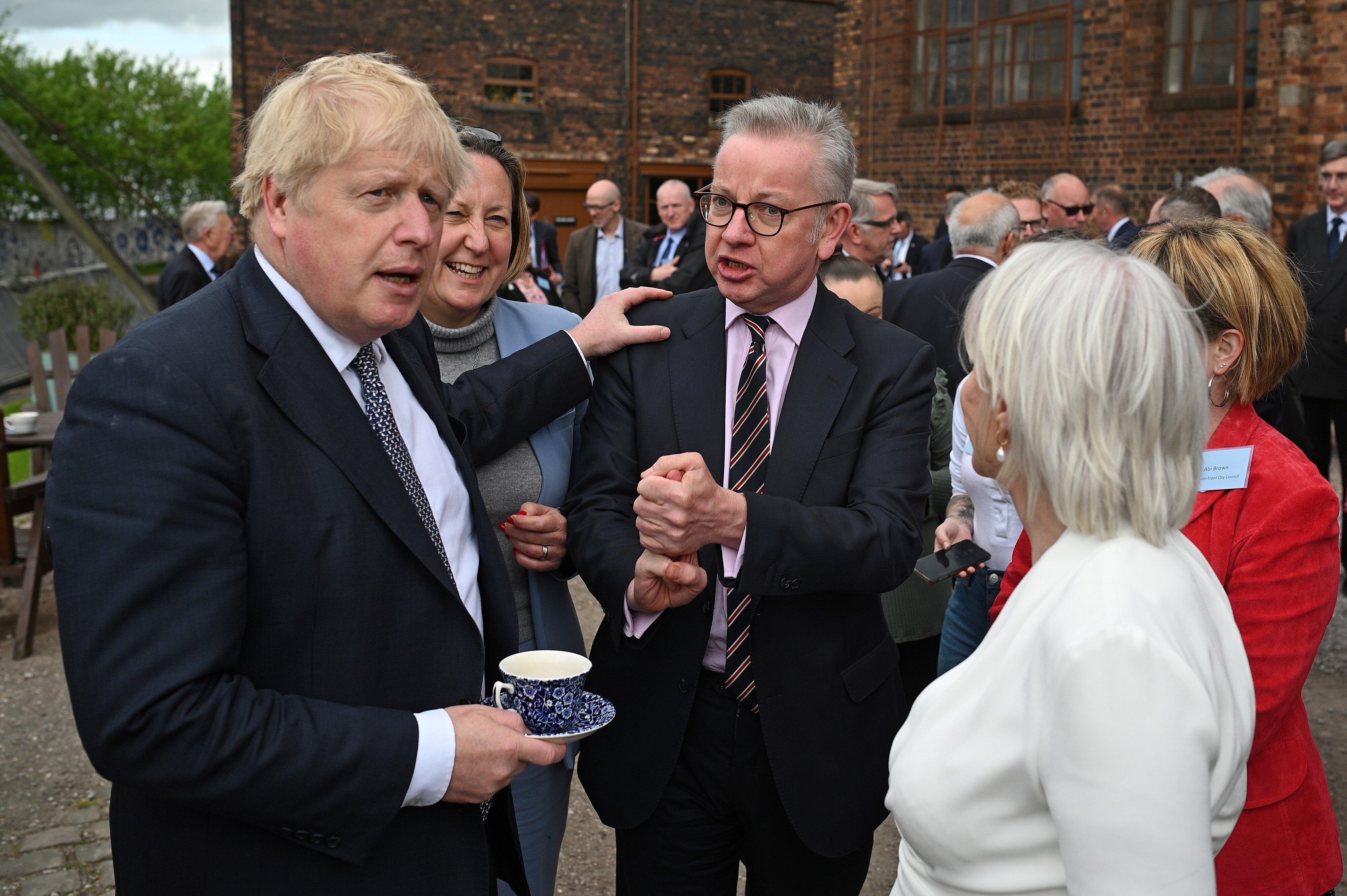
Minister Insists No Tories In His Seat Have Criticised Boris Johnson And People Are Sceptical

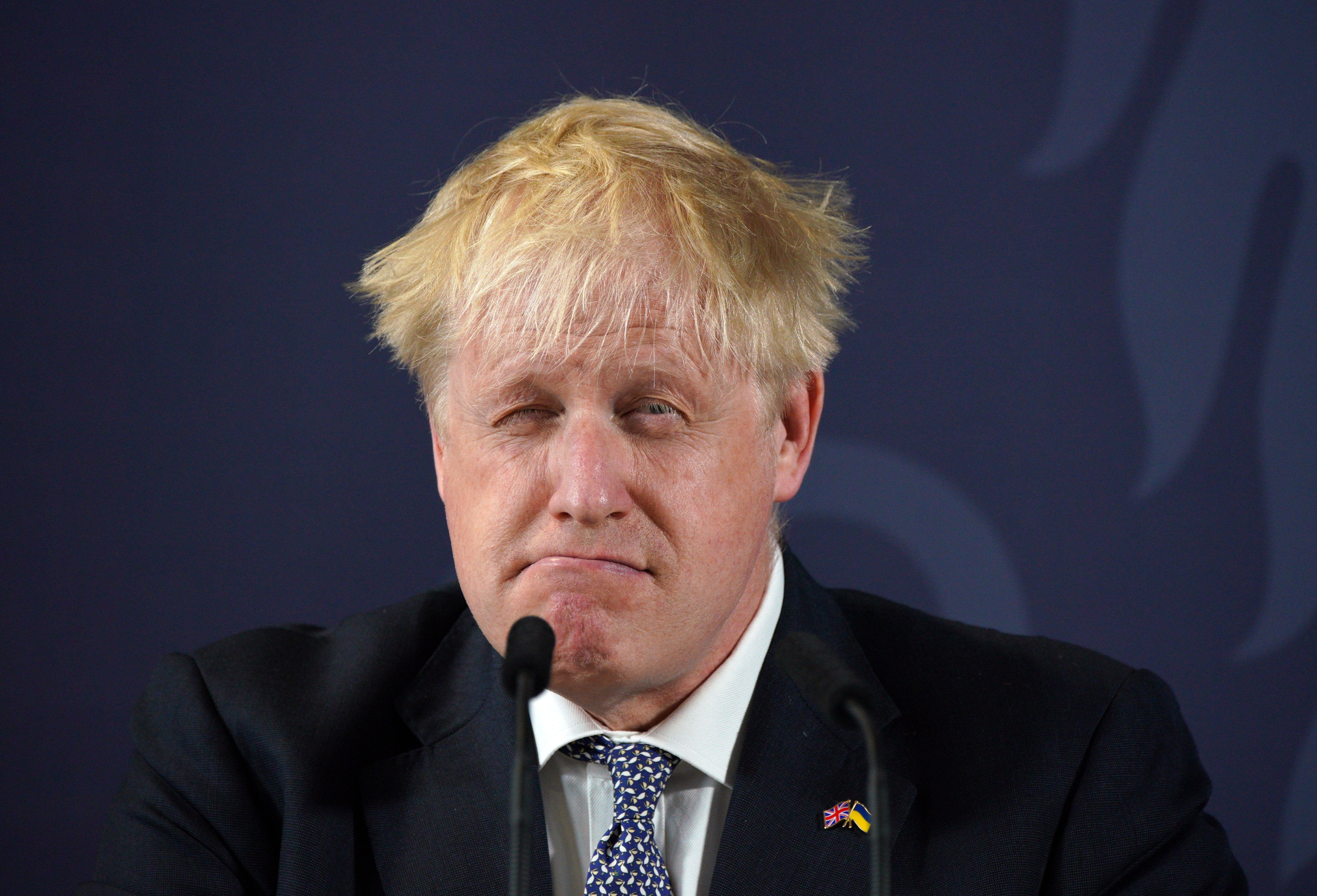
A cabinet minister has been ridiculed after he claimed no Conservatives in his constituency are critical of Boris Johnson.

Brandon Lewis said Tories in Great Yarmouth are “in full support” of the prime minister, despite 148 of his own MPs voting to remove him from office.

The PM has seen his personal approval ratings plummet in recent months as a result of the partygate scandal.

But appearing on the BBC’s Sunday Morning programme, the Northern Ireland secretary insisted Johnson remained popular throughout the country.

He said: “In 2019 people came out and voted for the prime minister, gave him an overwhelming mandate, which followed the mandate the Conservative Party gave him a few months earlier.

“He is somebody who consistently does well and wins elections and I’ve got to say, my constituents, my mailbox, is very clear that support is there for the prime minister.”

Presenter Sophie Raworth asked: “You don’t get criticism in your mailbox about the prime minister?”

Lewis replied: “Genuinely, the criticism I’ve had in my mailbox has been people I know are Labour supporters or are Labour activists in my constituency. What I’ve had generally on doorsteps and in my mailbox, and elsewhere in the country, is people want to see us getting on delivering for people and that’s what the prime minister is focused on.

I can only talk for my constituency – I’ve had people in full support of the prime minister. And actually, even today I’ve had supportive messages from the chairman of the Conservatives in Northern Ireland around the work the prime minister’s doing and we should get on with the job.”

The exchange was met with incredulity on social media.

Lewis had earlier insisted that legislation being introduced tomorrow by the government to over-ride parts of the Northern Ireland protocol will not break international law.

Share Button

Labour Condemns Government Plan To Replace Striking Rail Workers With Agency Staff

Labour has condemned government plans to replace striking rail workers with agency staff in a bid to stop the network grinding to a halt later this month.

Transport secretary Grant Shapps is reportedly preparing to draft emergency legislation to allow the move ahead of planned industrial action later this month.

Members of the RMT are due to stage a three-day walkout on June 21, 23 and 25 in a dispute over jobs and pay.

According to the Sunday Telegraph, Shapps wants to overturn a law brought in by the last Labour government banning the use of agency workers to carry out the jobs of those on strike.

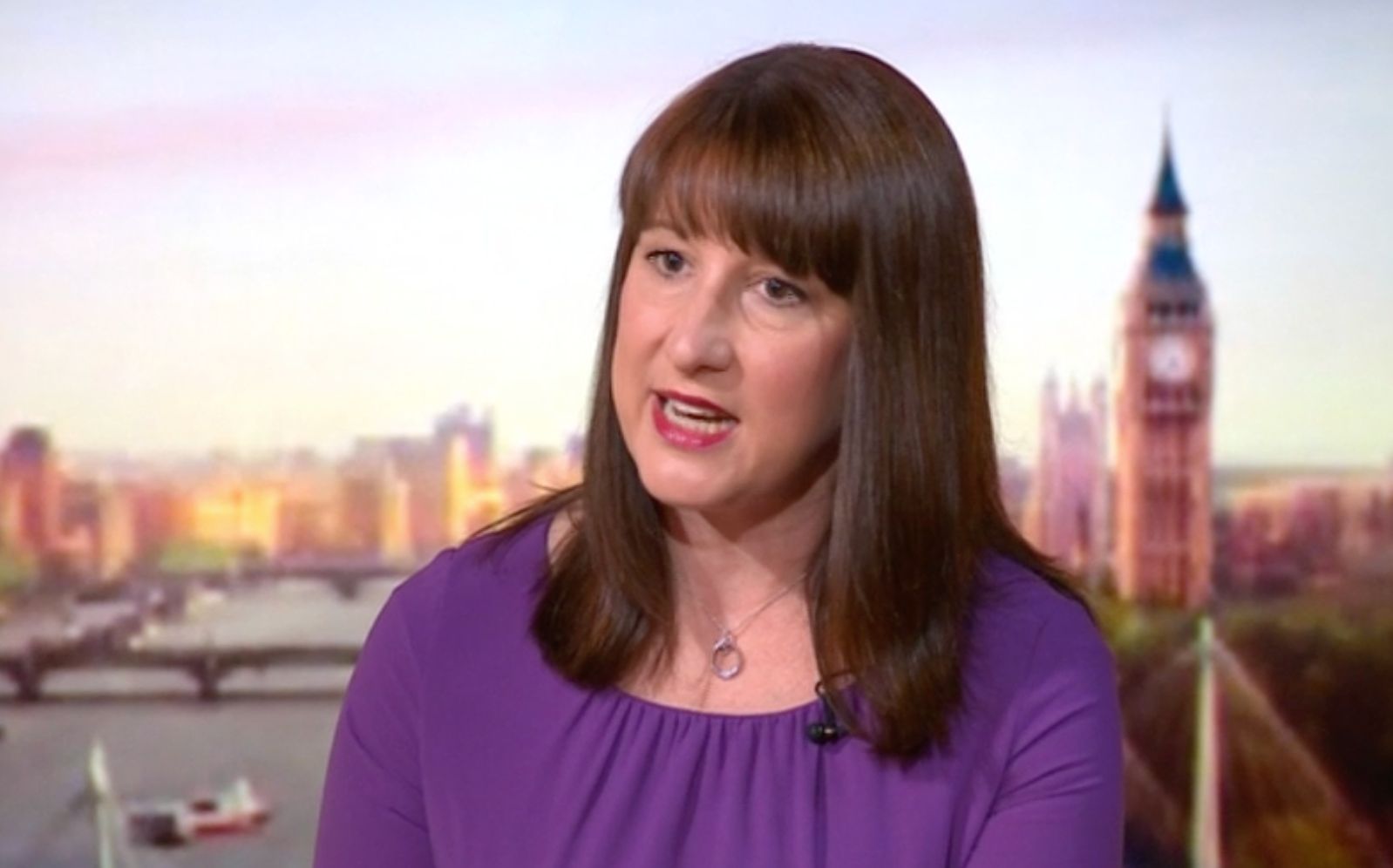
Asked for her view of the proposals on Sky News’s ‘Ridge on Sunday’ programme, shadow chancellor Rachel Reeves said she would not feel safe travelling by rail with untrained staff carrying out essential tasks.

She said: “It just doesn’t make any sense. The way to resolve this is to get people around the table, but the idea that you can replace a skilled train signaller with an agency worker – would you feel safe going on a train knowing that there was an agency worker rather than a properly-skilled and trained-up train signaller?

“I know that I wouldn’t, so instead of this fanning the flames and increasing tensions the Government need to act like firefighters rather than arsonists and try and get some resolution to this.”

Mark Serwotka, general secretary of the PCS union, accused the government to trying to “pour petrol on the flames” of the dispute.

Asked about the agency worker plan, he said: “That would be an outrageous act if the government go down that road.

“We’ve already got the most restrictive anti-union legislation in the whole of western Europe. It’s already incredibly difficult for unions and workers to withdraw their labour. There are so many legal loopholes to fly through.

“If you think about what Grant Shapps is trying to do with that legislation, is to make industrial action ineffective, and I believe it’s a basic human right to be able to withdraw your labour.

“You only do it as a last resort and any attempts to bring people in to undermine disputes will not resolve the problems.”

Share Button

Tories Accused Of Squandering ‘Astronomical’ Amounts Of Taxpayer Money

The Tory government has been accused of “astronomical” waste as it emerged that £15bn worth of taxpayers’ money has been lost on faulty PPE and servicing government debt.

The Department for Health and Social Care (DHSC) is under fire after it was revealed that £4bn worth of unusable personal protective equipment (PPE) left over from the Covid-19 pandemic will be burned “to generate power”.

A report by parliament’s Public Accounts Committee (PAC) claimed that DHSC lost 75 per cent of the £12bn it spent on PPE in the first year of the pandemic due to inflated prices and kit that did not meet the required standards — including £4bn going to waste.

A DHSC spokesperson said a number of claims in the PAC report were “misleading” and that they made “no apology for procuring too much PPE rather than too little”.

“The story of PPE purchasing is perhaps the most shameful episode in the UK Government response to the pandemic.”

– Dame Meg Hillier

Meanwhile, chancellor Rishi Sunak also stands accused of losing £11bn of taxpayers’ money by paying too much interest on UK debt, according to the Financial Times.

The losses were said to exceed the amount that the Conservatives have accused Labour former chancellor Gordon Brown of losing when he sold some of the UK’s gold reserves at rock bottom prices.

It comes as people struggle with the mounting cost of living crisis which has seen the average cost of filling up a typical family car reach the £100 mark for the first time.

Labour’s Meg Hillier MP, chair of the PAC, said the purchasing of PPE was “perhaps the most shameful episode the UK government response to the pandemic”.

“At the start of the pandemic health service and social care staff were left to risk their own and their families’ lives due to the lack of basic PPE,” she said.

“In a desperate bid to catch up the government splurged huge amounts of money, paying obscenely inflated prices and payments to middlemen in a chaotic rush during which they chucked out even the most cursory due diligence.

“This has left us with massive public contracts now under investigation by the National Crime Agency or in dispute because of allegations of modern slavery in the supply chain.

“Add to that a series of inappropriate, unauthorised severance payoffs made by clinical commissioning groups in the first year of the pandemic and the impression given falls even further from what we expect.

“DHSC singularly failed to manage this crisis, despite years of clear and known risk of a pandemic, and the challenges facing it now are vast, from getting the NHS back on its feet to preparing for the next major crisis. There are frankly too few signs that it is putting its house in order or knows how to.”

In the FT article, the National Institute of Economic and Social Research (NIESR) attributed the £11bn loss to the chancellor’s failure to insure against interest rate rises.

NIESR’s Professor Jagjit Chadha told the Financial Times Sunak had left the country with “an enormous bill and heavy continuing exposure to interest rate risk”.

In response, Tulip Siddiq, Labour’s shadow economic secretary to the Treasury, accused the chancellor of “severe wastefulness”.

“These are astronomical sums for the chancellor to lose, and leaves working people picking up the cheque for his severe wastefulness while he hikes their taxes in the middle of a cost of living crisis,” she said.

“This government has played fast and loose with taxpayers’ money, failing to recover money lost to fraud and handing covid contracts to their friends.

“Britain deserves a government that respects public money and delivers for people across the country.”

A DHSC spokesperson said: “A number of these claims are misleading, including the claims that we are burning £4bn of unusable PPE and that there is no clear disposal strategy for excess PPE.

“In the face of an unpredictable and dangerous virus, we make no apology for procuring too much PPE rather than too little, and only 3 per cent of the PPE we procured was unusable in any context.

“At the height of the pandemic, there was unprecedented global demand for and massive inflation in prices of PPE. But despite these global challenges, we delivered over 19.8 billion items of PPE to frontline staff to keep them safe.

“Now we are confident we have sufficient PPE to cover any future Covid demands, we are taking decisive action and have reduced storage costs by 82 per cent since October 2020.”

A HM Treasury spokesperson said: “Proposals such as this risk undermining the independence of the Bank of England and forcing commercial banks to swap reserves for gilts would be an act of financial repression. This would be hugely damaging to the credibility of the UK’s macroeconomic framework and weaken the wider economy.

“The £11bn figure is based on the implausible assumption that it would be possible to undertake action of this scale in a single transaction.”

Share Button

Increase Smoking Age By One Year Every Year Until No-One Can Buy Tobacco – Government Review

The age at which people can legally buy tobacco in England should increase by one year every year, a government-commissioned review has said.

It recommended the legal age of sale should steadily rise from the current age limit of 18 and millions of pounds be invested to stop smoking.

The independent review by Dr Javed Khan made 15 recommended interventions, including an extra £125 million per year invested in smoke-free policies and a further £70 million per year ringfenced for stop smoking services.

The review also said vapes should be promoted as an effective “swap to stop” tool to help people quit smoking and there should be improved prevention in the NHS offering smokers advice and support to quit.

Dr Khan, former chief executive of children’s charity Barnardo’s, said: “Without immediate and sustained action, England will miss the smoke-free target by many years and most likely decades.

“A smoke-free society should be a social norm – but to achieve this, we must do more to stop people taking up smoking, help those who already smoke and support those who are disproportionately impacted by smoking.

“My holistic set of recommendations for government will deliver this, whilst saving lives, saving money and addressing the health disparities associated with smoking.

“My proposals are not just a plan for this government, but successive governments too. To truly achieve a smoke-free society in our great country, we need to commit to making smoking obsolete, once and for all.”

Dr Khan also called for a “tobacco licence” for retailers to limit the availability of tobacco across the country, a rethink of the way cigarette sticks and packets look to reduce their appeal, and a mass media campaign to encourage smokers to quit.

Almost six million people in England smoke, and tobacco remains the single biggest cause of preventable illness and death, the Department of Health said.

Share Button

Boris Johnson Is Doing A Good Job As Prime Minister, Says Michael Gove

Boris Johnson is doing “a good job” as prime minister, according to Michael Gove – despite nearly 150 of his own MPs voting to get rid of him.

The levelling up secretary said he had “enthusiastically” voted for the prime minister in Monday night’s vote of confidence.

And he insisted he had “made a mistake” during the 2016 Tory leadership contest when he claimed Johnson did not have the necessary skills to lead the country.

Gove had initially been part of Johnson’s campaign team, but pulled out in order to run for the leadership himself.

He said at the time: “I came in the last few days, reluctantly and firmly, to the conclusion that while Boris has great attributes he was not capable of uniting that team and leading the party and the country in the way that I would have hoped.”

The PM survived an attempt to kick him out of Number 10 by his own parliamentary colleagues when he won Monday’s confidence vote by 211 to 148.

But the scale of the rebellion means he remains under huge pressure to turn around the Conservatives’ fortunes.

Asked on Sky News whether he had voted for the PM, Gove said: “Enthusiastically, yes.

“I made a mistake in 2016, a misjudgment. If you’ve been in politics for a little while, as I have been, then there are always mistakes that you can look back on.

“But, no, I think the prime minister is doing a good job.”

When asked whether he would run against Johnson again in a future leadership contest, Gove said: “Oh God, no.”

He added: “I can understand why some of my MP colleagues have concerns and I think it’s important that over the course of the next two years that we demonstrate that the Government is focused on delivering for the people across the United Kingdom.”

Share Button

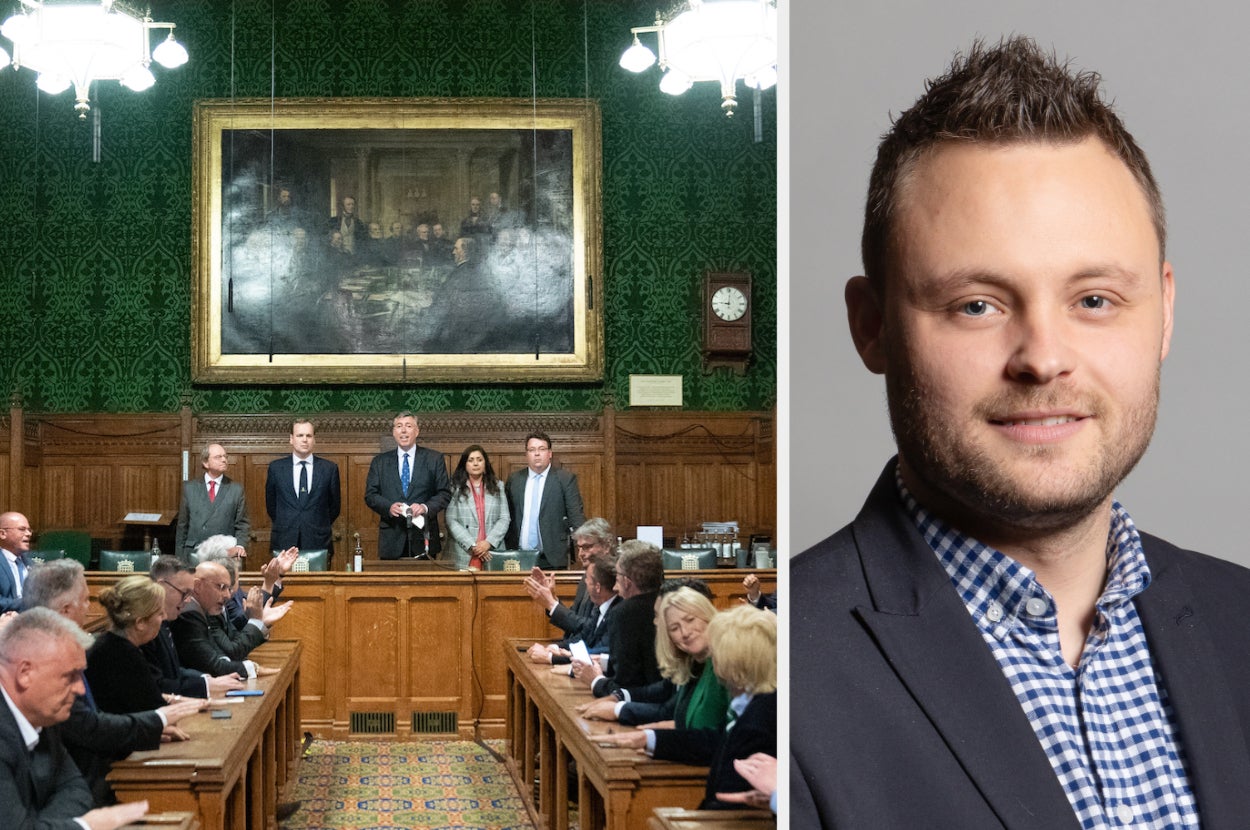
It’s Inevitable Some Ministers Secretly Voted Against Boris Johnson, Tory MP Says

A Tory MP today admitted it was “inevitable” that some ministers voted against Boris Johnson in last night’s confidence vote.

Ben Bradley, Conservative MP for Mansfield, said the result suggested some MPs on the government payroll voted to oust the prime minister.

The PM won a confidence vote in his leadership by 211 to 148 but it means more than 40 per cent of his MPs want him gone.

Bradley, who backs the PM, said Johnson knew he never had the “unanimous support” of Tory MPs because that is the nature of broad church political parties.

When it was put to him that 75 per cent of Tory backbenchers did not vote for the PM, Bradley told Sky News: “That’s guesswork really, it’s impossible to know who – payroll or non-payroll – voted in which particular way.”

Asked if he thought some ministers or cabinet members would have voted to get rid of the prime minister, he replied: “I think when you look at the numbers, that’s inevitable, in reality.

“But obviously it’s a secret ballot and we’ll probably never know the exact kind of divide there.”

Badly wounded, Johnson used a cabinet meeting on Tuesday morning to insist the government was getting “on with the job”.

Allies have rallied round him, but former Tory leader Lord Hague said “the damage done to his premiership is severe” and he should quit rather than prolong the agony.

The scale of the opposition was greater than that seen in 2018 when Theresa May faced a confidence vote. She was ultimately forced out within months.

Johnson faces further tests with tricky by-elections on June 23 in Wakefield, West Yorkshire, and Tiverton and Honiton in Devon.

Labour will try to heap further pressure on Johnson by asking MPs to vote on Tuesday to adopt a package of recommendations put forward by a sleaze watchdog aimed at improving standards in Westminster.

Meanwhile, the Lib Dems are pushing for a Commons confidence vote in the PM as a whole after Johnson survived the Tory process, although there is no date fixed for the move and it is unlikely to be successful.

Share Button

Boris Johnson Survives Vote Of No Confidence. What Next?

Boris Johnson’s authority appears to be hugely damaged after 41% of Conservative MPs voted against continuing his leadership on Monday night.

While this means the prime minister did secure just enough votes to stay on in No.10, as 211 Tories claimed they still had confidence in him compared to 148 who did not, the blow to his reputation could be unrecoverable at this stage.

So what next for Johnson? Having repeatedly defied the odds in the past, pundits believe he’s unlikely to step down now.

Despite the exceptionally narrow win, he hailed the result as “decisive” and said it allowed the government to “move on” – although that is improbable, too.

Here’s a breakdown of what could follow as the Tory turmoil rumbles on.

Another vote

The current party rules don’t allow for more than one effort to oust a leader in the space of 12 months.

When Tory MPs botched an attempt to get rid of Theresa May in December 2018, they ultimately had to wait until she quit June 2019.

However, the rules can be changed at the stroke of a pen by the 1922 committee – and there have been two recent, if unsuccessful, attempts to give Tory MPs another shot sooner.

In April 2019, MPs demanded the party cuts the one-year rule to six months, and a similar attempt in January – as confidence in Johnson was draining – was also thwarted. Under the plans the threshold for triggering a second ballot would have doubled.

Speaking to reporters on Monday, leader of the 1922 committee Sir Graham Brady did admit that it was “technically” possible for the one-year grace period rule to be altered.

Government reshuffle

Johnson could attempt to reassert himself by rewarding his loyal allies with new jobs and punishing those suspected of voting against him.

A No.10 source hinted that this could be an option when speaking to POLITICO’s Playbook, but admitted: “We haven’t had that conversation yet.”

Further reports even suggest MPs who were on the fence were promised roles in government to seal the deal, and that a rejig could come within a matter of days with the less enthusiastic ministers being cut out.

Alternatively, ministers who no longer back Johnson could choose to get out of the job themselves by resigning, especially as the chorus of top Tories – such as former Conservative leader William Hague – wanting the PM out is only getting louder.

Leader of the Lib Dems Sir Ed Davey even called for Tory MPs who “care about integrity and decency” to resign the whip and sit as an independent, although no-one in the Tory ranks has hinted at doing such just yet.

By-elections

The next date for the diary is June 23, which will see two by-elections on the same day. Wakefield in Yorkshire and Tiverton and Honiton in Devon. Both are currently held by the Conservatives, but the party risks losing Tiverton to the Lib Dems and Wakefield to Labour.

A loss in Wakefield would not be ideal given its position in the red wall, but it is probably expected. However, losing Tiverton, which has a Tory majority of 24,239, to the Lib Dems, could scare a critical mass of Conservative MPs into acting against the PM.

Double trouble on June 23 – and a sense from the electorate that the next general would be disastrous for the Tories – could be the trigger for Cabinet ministers to move. This is what did for Thatcher when “big beast” Michael Heseltine launched another leadership challenge in November 1990.

It’s worth remembering that the disastrous May local elections were not enough to shake Johnson from his post, even though the Tories lost around 500 council seats in total.

Parliamentary inquiry

Let’s not forget partygate is not “over”.

MPs on the Commons privileges committee are still investigating whether Johnson misled parliament during his explanations of rule-breaking parties during lockdown.

Despite defying calls to quit after the Sue Gray report and denying that he misled the Commons, if the committee finds him in contempt of parliament, it could recommend he is forced to apologise, suspended from the Commons, or even expelled. Any sanction would need to be approved in a vote by all MPs.

But Johnson has changed the rules so ministers will not automatically lose their jobs if they breach the ministerial code, including himself.

A refreshed government policy statement – published just two days after the Gray report – said it was “disproportionate” to expect ministers to resign or face the sack for “minor” violations of the code’s provisions.

An early general election

A snap vote is unlikely, but still an option if Johnson feels he can get a fresh mandate from the country. It may his last roll of the dice if Tory pressure builds and senior ministers start to call for him to go.

The next general election does not have to happen until January 2025.

Johnson insisted in the immediate aftermath of the vote that he is “certainly not interested in snap elections”, and pushed instead for the government to “move on”.

But bizarrely, the prime minister also claimed that he now had “a far bigger mandate from my own parliamentary colleagues than I had in 2019”.

The snap general election he called two and a half years ago to consolidate his new position in No.10 saw 365 Tories elected.

This was a landslide majority – and a far cry from the 211 MPs (59% of the total parliamentary party) who voted in favour of keeping him in Downing Street on Monday.

Share Button

Tory MPs Trigger No Confidence Vote In Boris Johnson’s Leadership

Boris Johnson is on the verge of being ousted as Conservative Party leader and prime minister, after the number of Tory MPs demanding he resign reached the threshold for a vote of no confidence.

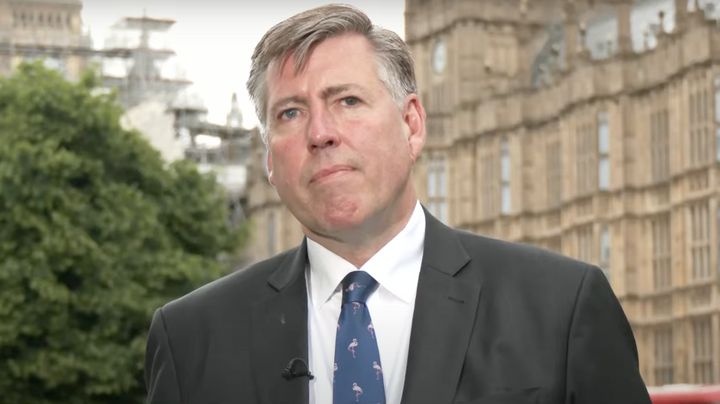
Chairman of the backbench 1922 Committee Sir Graham Brady has announced that 54 or more Tory MPs have requested a vote of confidence in the PM, triggering a leadership vote.

Tory MPs will vote this evening between 6pm and 8pm on whether they want Johnson to remain.

While plenty of Westminster insiders predict Johnson will survive the vote, the fact it has been called is damaging for the prime minister.

Brady said in a statement: “The threshold of 15 per cent of the parliamentary party seeking a vote of confidence in the leader of the Conservative Party has been exceeded.

Sir Graham Brady making the announcement to camera

“In accordance with the rules, a ballot will be held between 6pm and 8pm today Monday June 6 — details to be confirmed.

“The votes will be counted immediately afterwards. An announcement will be made at a time to be advised. Arrangements for the announcement will be released later today.”

Speaking to journalists, Brady suggested some MPs had post dated their letters so the vote did not overshadow the Queen’s jubilee celebrations.

It comes after former minister Jesse Norman became the latest Tory MP to announce that he has submitted a letter calling for a confidence vote in Johnson.

Norman, the MP for Hereford and South Herefordshire, said Johnson had presided over “a culture of casual law-breaking” in No.10 and that his claim to be vindicated by the Sue Gray report was “grotesque”.

In order to oust him, 180 MPs would have to vote against Johnson in the confidence vote.

However, the odds are in the PM’s favour with around 140 MPs on the “payroll” alone including ministers and aides.

Cabinet ministers have been lining up to declare their support for the prime minister.

Foreign secretary Liz Truss tweeted: “The prime minister has my 100 per cent backing in today’s vote and I strongly encourage colleagues to support him.

“He has delivered on covid recovery and supporting Ukraine in the face of Russian aggression. He has apologised for mistakes made. We must now focus on economic growth.”

Levelling up secretary Michael Gove added: “I’ll be voting for Boris this evening. The PM got the big decisions right on Brexit and Covid.

“We need to focus now on defending Ukraine, driving levelling-up and generating growth. We need to move past this moment and unite behind Boris to meet these challenges.”

Conservative MP Michael Fabricant said he thinks Johnson will win the vote no of confidence on Monday evening.

He told Times Radio: “I think he is going to win. I think that something like two-thirds of the party will vote to support him and I really do wonder why it’s happening at this time.”

A No.10 spokesperson said:“Tonight is a chance to end months of speculation and allow the government to draw a line and move on, delivering on the people’s priorities.

“The PM welcomes the opportunity to make his case to MPs and will remind them that when they’re united and focused on the issues that matter to voters there is no more formidable political force.”

Share Button

Senior Tories Rush To Defend Johnson As Confidence Vote Looms

Boris Johnson was publicly supported by top Tories on Monday morning shortly before it was confirmed that a confidence vote in his leadership was going ahead tonight.

Top backbencher Sir Graham Brady announced he had received at least 54 letters of no confidence from Tory MPs, meaning the whole parliamentary Conservative Party will vote on Johnson’s future tonight.

But speaking to broadcasters on Monday, health secretary Sajid Javid said he was not aware of any leaders who had 100% backing among their parties, and that is not “unusual”.

The health secretary maintained that Johnson has delivered since being elected – including Brexit and the Covid vaccination programme.

He said the 14 million who voted for the Conservative Party in 2019 makes them one of the “most successful parties in Western Europe”.

Just half an hour before it was confirmed, he then went on to tell BBC Breakfast that he thought it was “likely” such a vote of no confidence would go ahead – although he didn’t think the country needed one.

Addressing partygate – and the hit it has had on Johnson’s popularity – Javid claimed that he’s “still upset when I think about those things”, but suggested it was time to move forward.

“What the country wants is the government to get on with the job at hand,” the cabinet minister said.

The health secretary also told Sky News that the prime minister will still “fight and stand his corner with a very strong case”, if push comes to shove and that he would be supporting him.

He was not the only person to publicly back the prime minister ahead of Sir Graham’s announcement on Monday.

Writing for Conservative Home, chief of staff for No.10, Steve Barclay, pleaded for the Tories to stay united under Johnson.

He said: “As we return to Westminster today, the Conservative parliamentary party faces a choice: we can focus on delivering the policies needed to meet the challenges faced by those communities – and of people across the whole United Kingdom.

“Or we can choose to waste time and energy looking backwards and inwards, talking to ourselves about ourselves.

“The problems we face aren’t easy to solve. Democracies around the world are all currently facing similar challenges.

“But under Boris Johnson’s leadership, our plan for jobs shows how we are navigated through these global challenges.

“To disrupt that progress now would be inexcusable to many who lent their vote to us for the first time at the last general election, and who want to see our prime minister deliver the changes promised for their communities.”

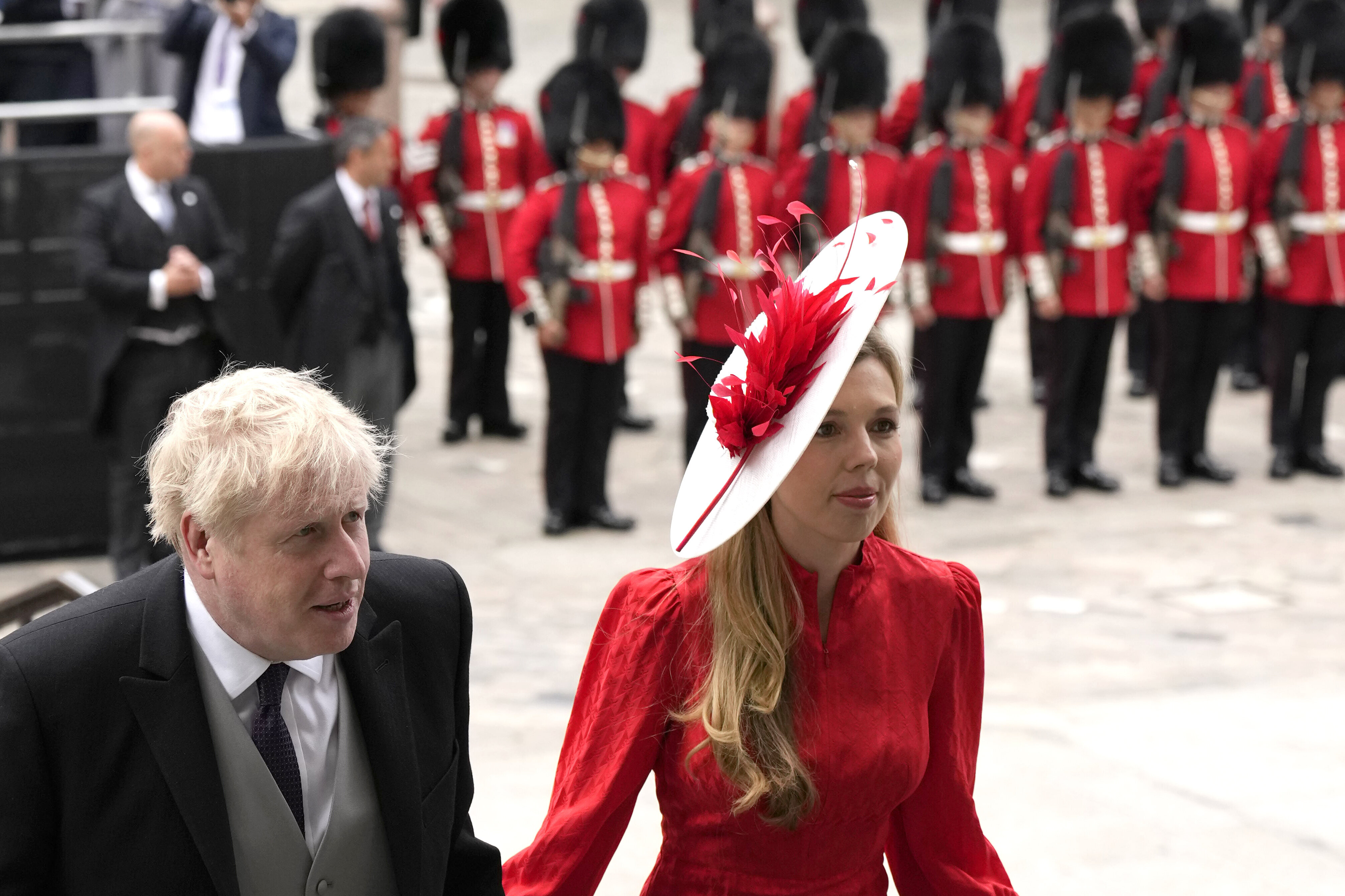
Although speculation over Johnson’s future was growing last week, concern among Tory ranks seems to have soared over the bank holiday after the prime minister and his wife were greeted with a wall of boos when arriving at an event to celebrate the Platinum Jubilee.

Share Button

Boris Johnson Was Also Cheered By Jubilee Crowds, Grant Shapps Has Insisted

Boris Johnson and his wife were cheered as well as booed by crowds as they attended a Jubilee church service for the Queen, Grant Shapps has insisted.

The transport secretary clashed with the BBC’s Sophie Raworth after she asked him why the prime minister and Carrie Johnson were jeered by the public.

“There were also people cheering and you’re not asking why they did that,” Shapps said.

Television footage showed the PM and his wife clearly being booed as they entered and left the national service of thanksgiving for the Queen at St. Paul’s Cathedral on Friday.

Culture secretary Nadine Dorries, a Johnson loyalist, leapt to the PM’s defence by insisting there were “far, far more cheers” for the couple – prompting a wave of online mockery.

Appearing on the BBC’s Sunday Morning programme, Shapps also attempted to downplay the extent of public opposition to his boss.

He said: “Look, politicians don’t expect to be popular all the time. You know, getting on with running the country is a job where you have to take difficult decisions a lot of the time.

“I wasn’t there, but I heard people booing, I heard people cheering, I think it’s best to get on with the job at hand – running the country – rather than being overly distracted by the clips that you just played.”

Shapps said George Osborne, who was Chancellor at the time, was booed at the 2012 Olympics opening ceremony but the Conservatives still went on to win the 2015 election.

Asked why other politicians – including former PMs like Tony Blair and Gordon Brown – who attended the St. Paul’s service were not booed, Shapps said: “Well, he’s the Prime Minister, rather different from an ex-prime minister or a more minor politician.”

Johnson faces another huge week at Westminster amid mounting speculation he could face a vote of no confidence in his leadership.

In a further blow for the PM, a new poll has revealed that the Tories are 20 points behind Labour in Wakefield, where voters will go to the polls on June 23 in a crunch by-election.

Shapps said he did not believe a confidence vote would take place, but insisted Johnson would win it if one did happen.

Share Button