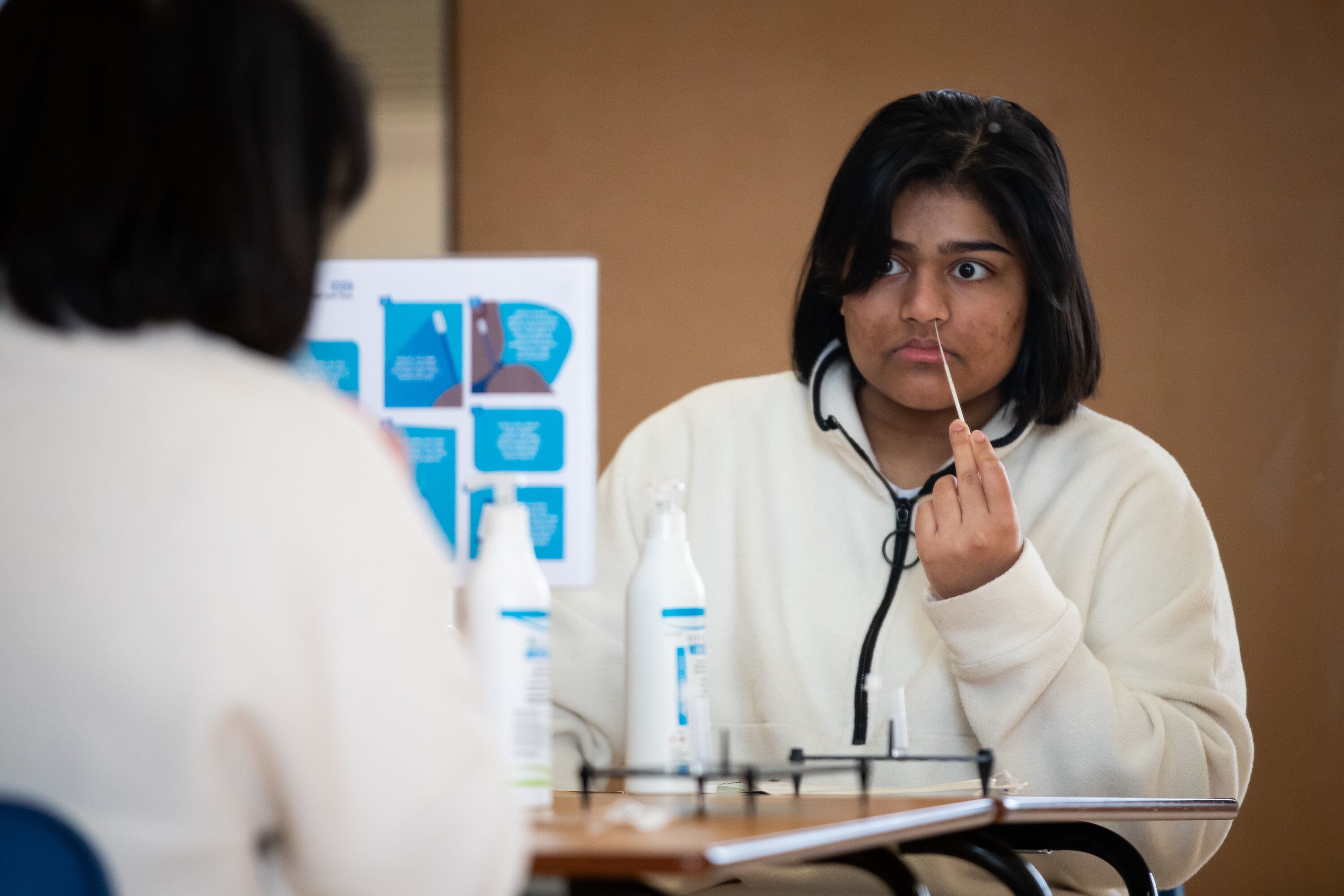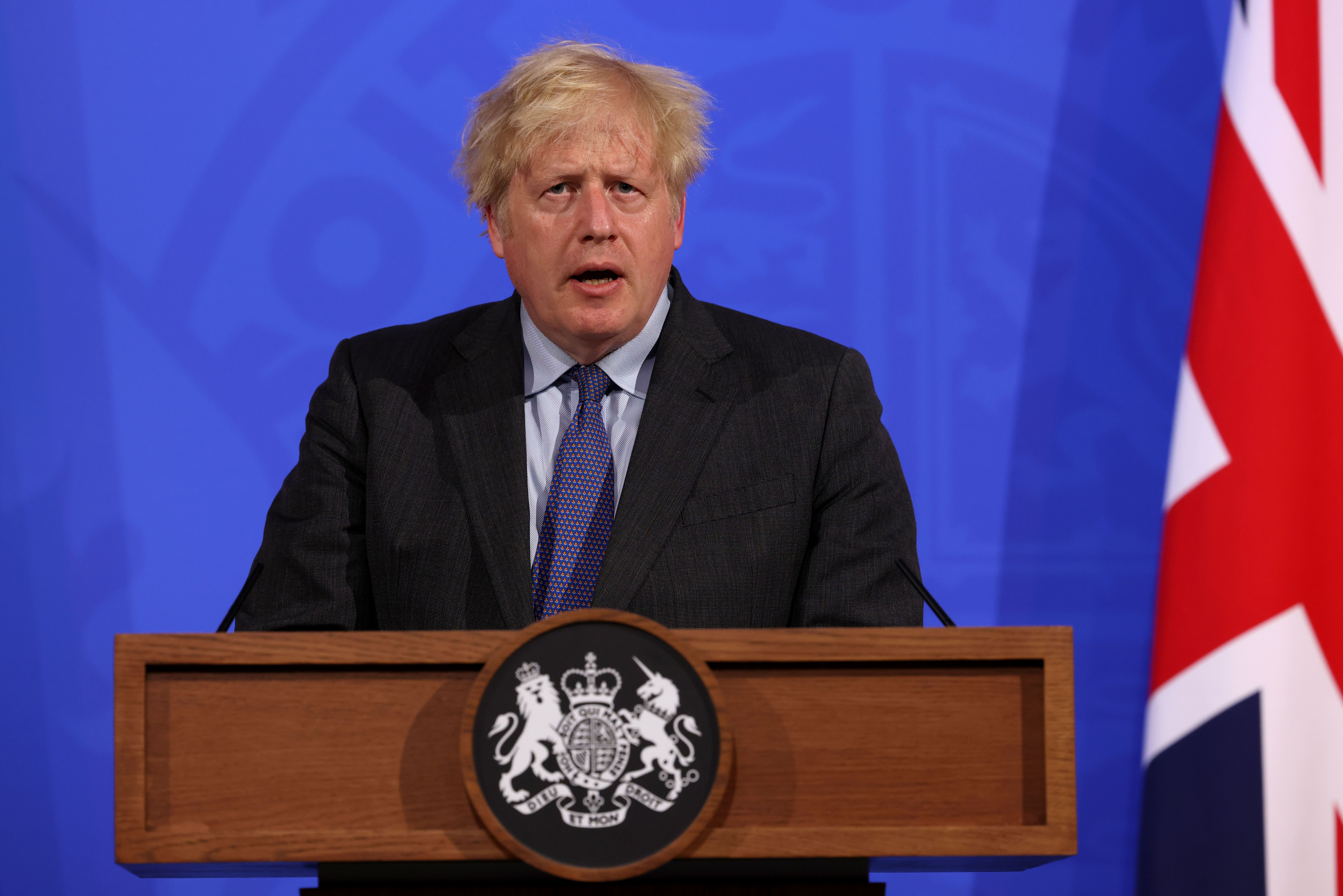
Boris Johnson To Give Glimpse Of July 19 Covid Freedoms In No.10 Press Conference

WPA Pool via Getty Images

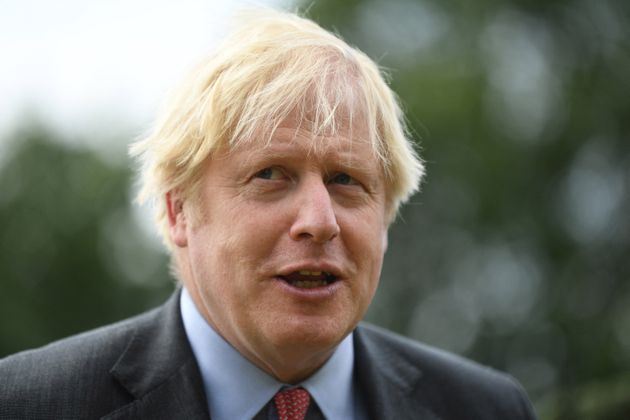
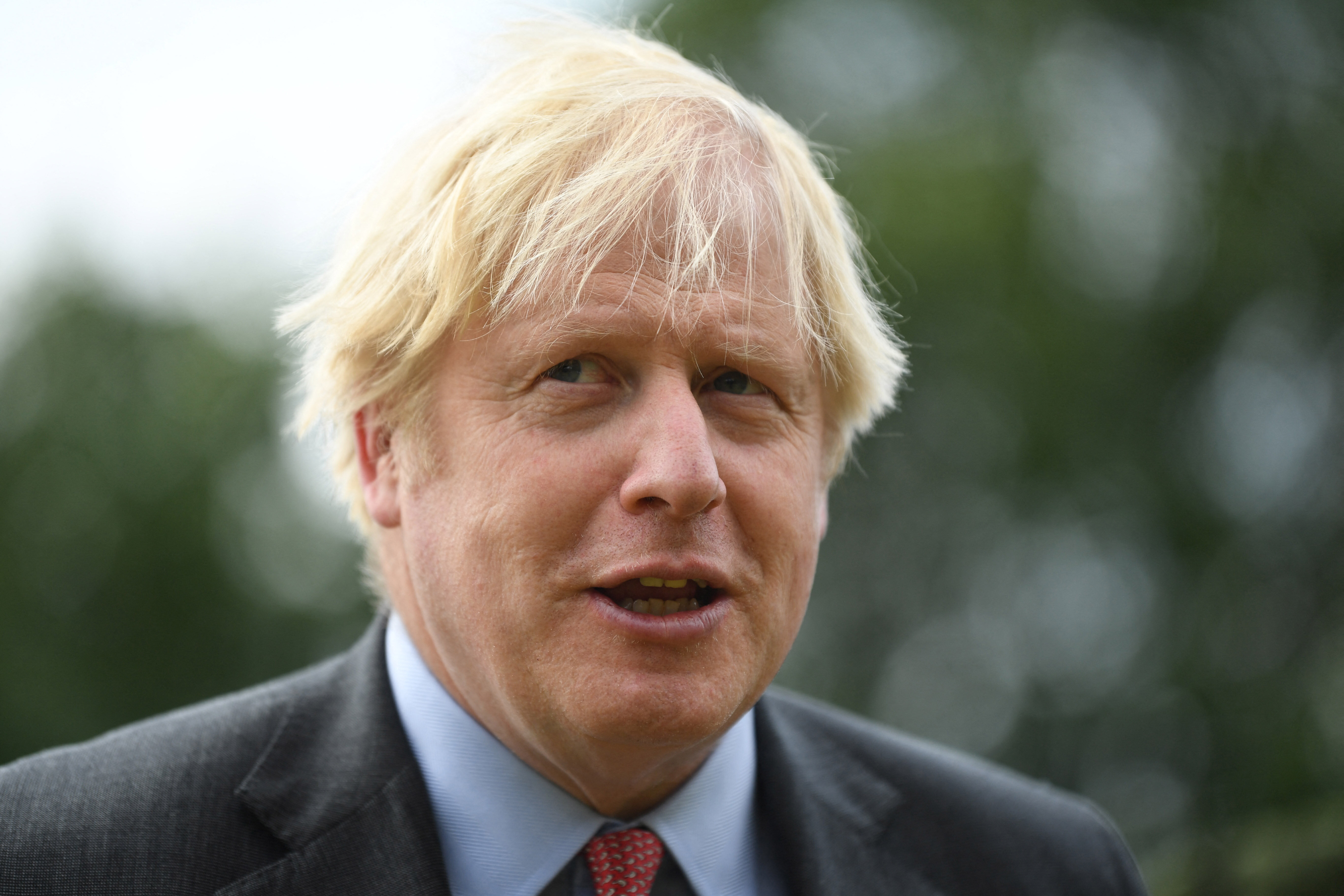
Boris Johnson will signal how England can “learn to live with” Covid when he uses a press conference on Monday to set out his plans to restore people’s freedoms from July 19.

The prime minister will give an update of reviews into social distancing guidelines, working from home and vaccine passports, ahead of a formal announcement on the full lifting of lockdown next week.

The live televised briefing from Downing Street is aimed at giving the public and businesses more time to prepare for unlocking on July 19.

It appears that the PM will go for a “big bang” approach, ditching a whole raft of current requirements to work from home and wear masks on public transport.

The public are also expected to be allowed to order drinks at the bar in pubs for the first time in months, and to attend outdoor mass events. The idea of Covid ‘passports’ has also been shelved.

Some public health experts have warned that lifting all the restrictions at once may risk fuelling the current third wave of Covid cases triggered by the Delta variant of the virus.

On Sunday, Communities Secretary Robert Jenrick said he expected life to “return to normality as far as possible” in England after the “terminus date” due to the success of the vaccine rollout in preventing serious illness.

The cabinet minister told the BBC the country had moved into the “final furlong” of coronavirus restrictions.

Officials said the Prime Minister would on Monday give an update on the next steps on the one metre-plus rule in hospitality venues, the use of masks, and working from home.

As well as publishing the taskforce reviews, an update will also be provided on what is next for care home visits, No 10 said.

Speaking before his announcement, the prime minister said people would have to “exercise judgment” to protect themselves from Covid-19, in a sign the government will shift from legally enforced restrictions to affording people personal choice.

“Thanks to the successful rollout of our vaccination programme, we are progressing cautiously through our road map,” Johnson said.

“Today we will set out how we can restore people’s freedoms when we reach Step 4.

“But I must stress that the pandemic is not over and that cases will continue to rise over the coming weeks.

“As we begin to learn to live with this virus, we must all continue to carefully manage the risks from Covid and exercise judgment when going about our lives.”

With Johnson due to address the nation, Health Secretary Sajid Javid will take responsibility for announcing the government’s plans to parliament on Monday afternoon.

The move follows stern rebukes from Commons Speaker Sir Lindsay Hoyle in recent weeks for ministers deciding to make statements to the press before MPs.

The government said it will not be known until July 12 – seven days before the target date for easing restrictions – whether its four tests for unlocking have been met, given the need to consult the latest data.

Labour said Johnson must reveal how many Covid-related deaths it is willing to accept in the face of rising cases of the Indian strain – also know as the Delta variant – if restrictions are abolished.

Shadow health secretary Jonathan Ashworth said: “We are all desperate to move on from restrictions but with infections continuing to rise steeply thanks to the Delta variant, Boris Johnson needs to outline the measures he will introduce such as ventilation support for building and sick pay for isolation to push cases down.

“Letting cases rise with no action means further pressure on the NHS, more sickness, disruption to education and risks a new variant emerging with a selection advantage.

“So far ‘learning to live with the virus’ had been no more than a ministerial slogan.

“Now we know this is the Government’s strategy, when Sajid Javid addresses the Commons he must explain what level of mortality and cases of long Covid he considers acceptable. And what support will be in place for the most deprived areas where cases are highest and vaccination rates lowest.

“These are important questions ministers now must answer.”

Share Button

Can Keir Starmer Use Batley To Bounce Back Against The Tories?

You’re reading The Waugh Zone, our daily politics briefing. Sign up now to get it by email in the evening.

It was at just after dawn, at 5.14 am, that Keir Starmer was passed the intel that his party was close to winning its first new MP under his leadership. Already wide awake at his north London home, he got the news from the local campaign team in Batley and Spen that the Tories had called for a “bundle check” of votes at the by-election count.

“That was the puff of white smoke that we’d pulled off a big win,” one insider tells me. That feeling that this was indeed a big win, albeit with a small majority (323 votes), summed up the mix of joy and relief among Labour MPs, volunteers and staffers who had thrown everything into the seat in the past week. It was the dawn chorus they needed.

When the result was confirmed at 5.27am, Starmer swiftly tweeted that Kim Leadbeater was a “brilliant and brave” candidate who had run a “positive campaign of hope”. And when he joined her in the constituency, he repeated the main messages of the day: “Labour is back”, “Kim is Labour at its best” and “this is just the start”.

But Starmer now needs to answer the question: start of what? On one simple level, it’s the start of getting into the habit of winning again. If the Hartlepool by-election was the political equivalent of electric shock therapy, Batley felt to some MPs like their party was waking up from a coma. Many felt it had been a mistake to let Hartlepool obscure other successes on May 6 in big city mayoralties and southern councils.

For several MPs, however, the most important “start” will be a new confidence from Starmer himself, coupled with a fresh strategy for reconnecting with lost voters. When he addresses the parliamentary Labour party of MPs and peers on Monday night, he is expected to set out just how determined he is to change the party’s perceptions among the public.

When Leadbeater takes her seat in the Commons chamber, just metres from the shield dedicated to her late sister Jo, there will be more than a few tears on both sides of the House. The PLP meeting will be held by Zoom, but if it were held on Committee Room 14, one can imagine the cheers would be heard far away down the corridor.

Leadbeater is in some ways the answer to the definitional questions that Starmer has himself struggled to provide over recent months. Her overriding message of unity over division, of a sense of healing the nation after both Brexit and the Covid pandemic, will have to be Labour’s main pitch at the next election.

Starmer has tried his own version of that message at various points recently, not least as Boris Johnson pushes his “Red Wall, red meat” strategy of fuelling “culture war” grievances (real and imagined) alive. But Leadbeater is the living embodiment of the idea that there is common ground among much of the public, if only politicians have the bravery to embrace it.

And it’s somehow fitting that the new MP for Batley and Spen may well owe her victory to the viral video clip that many in Labour feel was the real turning point in the contest. Not the grainy CCTV of Matt Hancock’s “hypocrisy hug”, but the footage of Leadbeater standing up to an anti-LGBT activist who tried to shout her down in the street.

Tory voters in more rural parts of the constituency gave the feedback that they were struck by her courage, and her message that she was a real local. Older Asian voters were similarly impressed, I’m told. Leadbeater had never lived anywhere other than the constituency (she had lived in eight different homes in the same seat, which is quite something) and it showed.

Similarly, her focus on potholes and policing resonated. We’ve seen in both Hartlepool (where the Labour council was blamed for poor public services) and Chesham (where the Tory council was blamed for national planning reforms) that the local/national dynamic can swing by-elections. In Batley, Labour pinned the blame for the police station closure on national cuts.

Naturally, when such fine margins are involved, there will always be multiple reasons found for the result (the Greens losing a candidate, Galloway winning some former Heavy Woollen District independents instead of the Tories, Labour’s huge ground operation, Conservative near-silence, a string of right-wing candidates). Yet in our first-past-the-post system, a win is always a win, and no more so than in a by-election.

Starmer signalled today that instead of facing a summer leadership challenge, he would now carry out his plan for a summer meet-the-voters campaign. “As we come out of the pandemic and out of restrictions..the space finally opens up for me to make the arguments about the future,” he said. I’m told that jobs and crime will be the focus, tying together economic and physical security.

Labour MPs certainly hope that there will be a new energy and directness to Starmer’s leadership, and say that even a narrow win in Batley can create the momentum (with a small ‘m’) he has long needed. They hope that he can follow-through with bolder messaging to use party conference as a platform for finally showing the public who he really is.

The danger is that Starmer just banks the win, and repeats what he’s been doing the past six months. The opportunity is that Batley proved, like Chesham, the PM has lost his invincibility cloak. It also highlights the perils of complacency, both on the part of local Tory campaign and on the part of the PM in not sacking Matt Hancock.

The hard fact is that Labour had just 198 MPs before Batley and it still has just 198 MPs after it. Though it may be hoping for a return to ‘normal’ politics after the pandemic, there’s nothing normal about the huge challenge the party still faces. Edging it in a by-election is not the same as the real confidence boost of being consistently ahead in the national polls.

Most of all, to become the ‘change’ candidate at the next election, some of his MPs believe Starmer has to do more to show he has changed Labour and will change Britain. But at least Kim Leadbeater has provided a glimmer of hope that he can win back some of the Tory votes he needs.

Share Button

Angela Merkel Opens The Door To Double-Jabbed Brits Travelling To EU

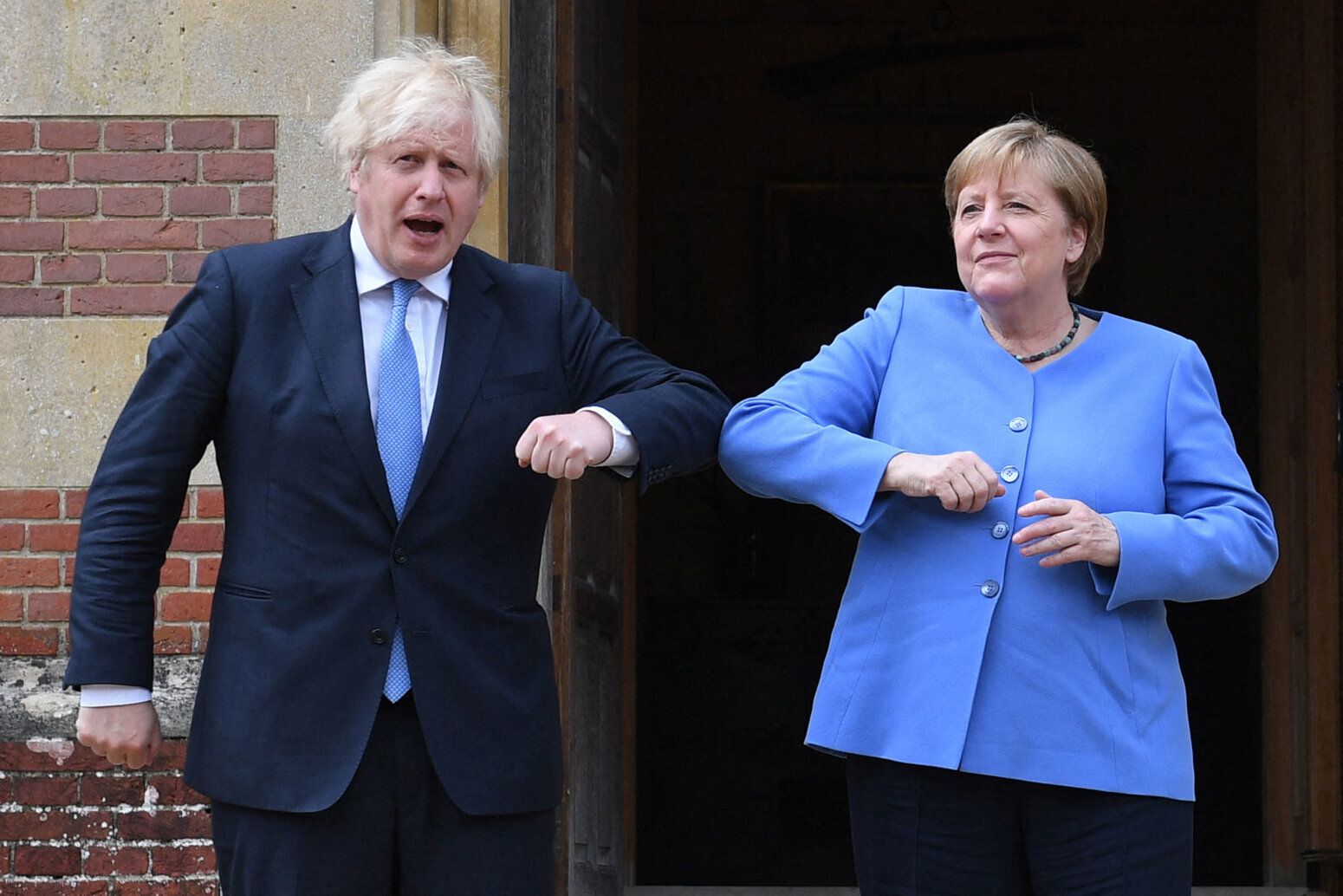
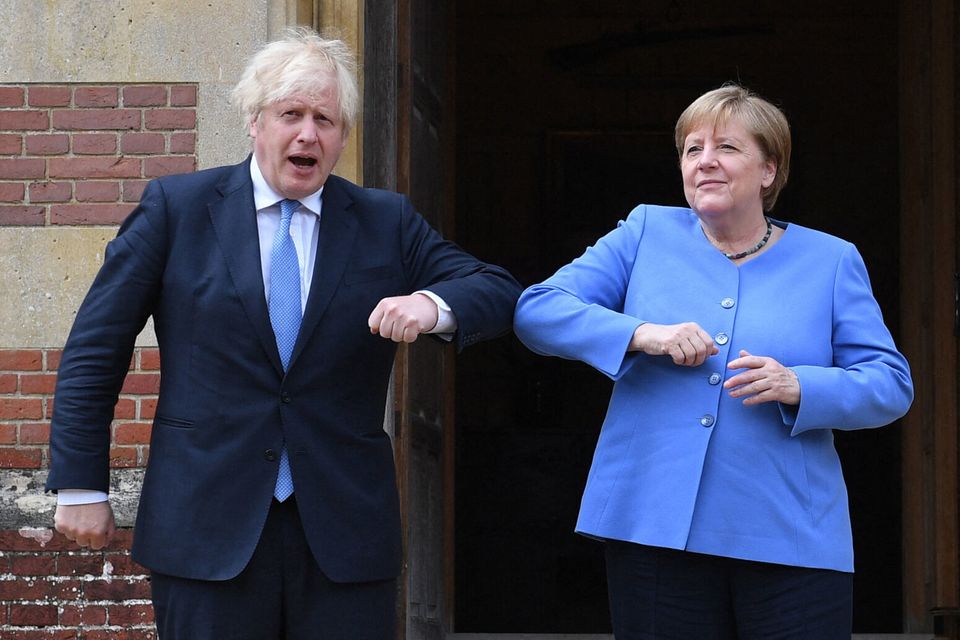
Angela Merkel has opened the door to double-vaccinated Britons travelling to Europe without having to quarantine “in the foreseeable future”.

The German chancellor spoke after talks with Boris Johnson at his Chequers grace-and-favour mansion.

In a joint press conference, Merkel said: “We think that In the foreseeable future those who have received double jabs will then, according to our classification, and Britain obviously is a high incidence area, will be able to travel again without having to go into quarantine.”

But Merkel said she had “grave concern” over the size of the crowds being allowed into Wembley for Euro 2020 football matches.

Johnson hit back, arguing that football matches are going ahead in a “very careful and controlled manner” with testing of attendees.

The prime minister also insisted the UK’s vaccination programme had allowed the country to build up a “very considerable wall of immunity” against Covid.

But their clash came after nearly 2,000 coronavirus cases in Scotland were linked to fans travelling to London to watch the nation’s 0-0 draw with England, although 397 of the 1,991 infections involved supporters at Wembley.

Around 42,000 fans were allowed into the national stadium to watch England defeat Germany 2-0 on Tuesday, which Johnson could not resist mentioning at the press conference.

Wembley will also host both of the tournament’s semi-finals and the final next week, with more than 60,000 supporters permitted to attend the matches in the 90,000-capacity stadium.

Merkel said: “I can only say this on my behalf and with grave concern, I’ve also said this to the prime minister – we in Germany decided to allow fewer people to attend games in the Munich stadium.

“The British government obviously will take its own decision but I am very much concerned whether it’s not a bit too much, yes.”

Johnson replied: “Of course we will follow the scientific guidance and the advice if we receive any such suggestion but at the moment… the position is very clear in the UK, which is that we have certain events which we can put on in a very careful and controlled manner with testing of everybody who goes there.

“And the crucial point is that here in the uK we have now built up a very considerable wall of immunity against the disease [through] our vaccination programme.”

He said 85% of people and more than 63% have had now had two Covid vaccine jabs.

“Since you get more than 80% protection from one dose and 93% protection from two doses, as you can tell there is a very great degree of resistance to the virus in the UK population.

“The way you can tell that is if you look at the distinction between the graphs that show cases and the graphs that show serious illness and deaths – there you are seeing a big change since the vaccination programme began.

“That’s why we are on this roadmap back to normality.” 

Meanwhile, the PM joked that Germany had broken with its tradition of beating England in football tournaments.

Noting Merkel’s 22 visits to the UK during her time in power, the Johnson said: “In the course of that time some things have changed beyond recognition but for much of your tenure it was certainly a tradition, Angela, for England to lose to Germany in international football tournaments.

“I’m obviously grateful to you for breaking with that tradition, just for once.”

Merkel responded: “Obviously this was not a voluntary offer on my side to create the right mood for this visit but I have to accept it.

“You deserved it but we were a little bit sad but now the best of luck to the British team.”

Share Button

Tories Say Matt Hancock Affair Contributed To Batley By-Election Defeat

The Tories have said Matt Hancock’s affair with a close aide which broke Covid rules contributed to the party’s by-election defeat in Batley and Spen.

But Keir Starmer and Labour sources sought to play down the impact of the former health secretary’s resignation, after Boris Johnson refused demands to sack him.

The prime minister initially stood by Hancock after CCTV footage emerged of him kissing Gina Coladangelo in his office but the minister was forced to resign the following day after Tory MPs made clear his position had become untenable.

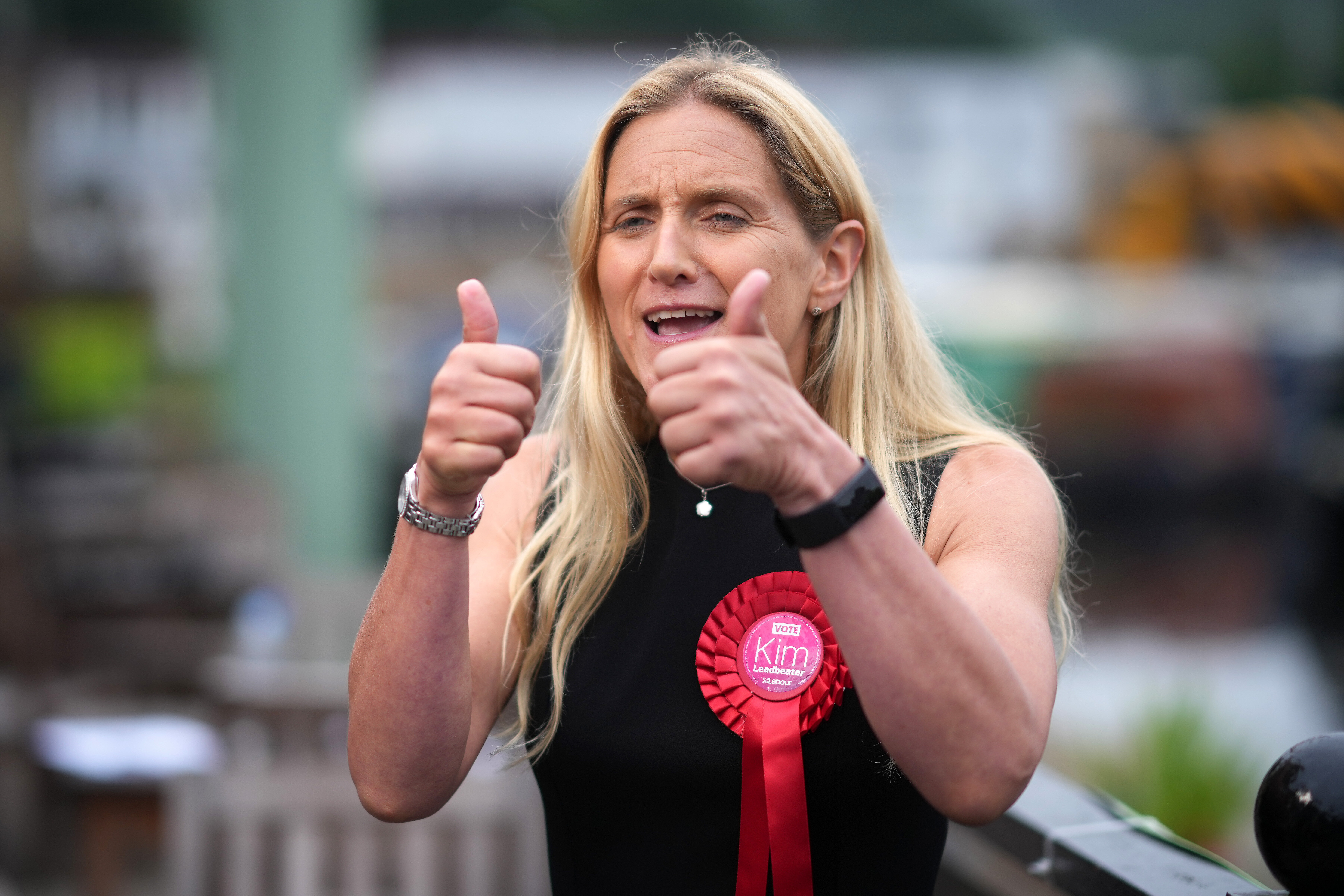
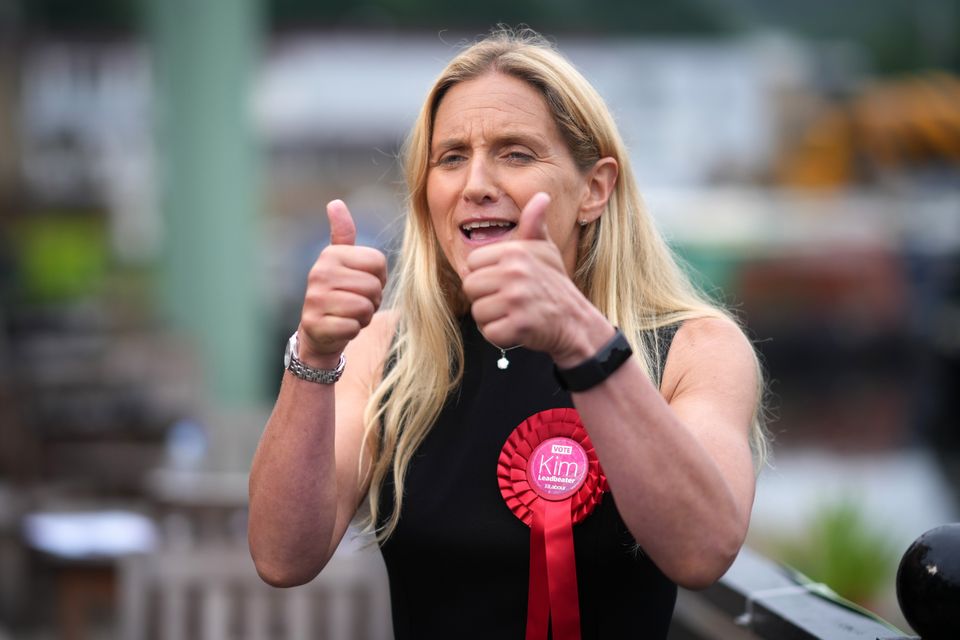
Labour’s Kim Leadbeater won in Batley and Spen, the constituency previously held by her murdered sister Jo Cox, by just 323 votes after a bitter and divisive campaign that many had predicted the party would lose.

Conservative Party chair Amanda Milling said Hancock’s conduct was an issue in the final days of the by-election campaign.

“It was something that came up on the doorstep, I have to be honest about that. They (voters) had some issues over the weekend in terms of what happened,” she told Sky News.

She added: “I know the public will be incredibly frustrated because at the end of the day we have all made a huge number of sacrifices. But Matt did the right thing by resigning. The matter is now closed.”

One local Tory source also admitted that the Hancock affair did not help the party’s chances.

But Labour leader Keir Starmer said: “I don’t think that it played a huge part. 

“What I’ve been struck by walking round the streets and being in Batley and Spen with Kim is just how positive she is, and how many people who would normally vote for other parties know her and respect her for the work she has done through the Jo Cox foundation. She is of the community and for the community.”

Christopher Furlong via Getty Images

Kim Leadbeater, Labour’s new MP for Batley and Spen

Labour sources told HuffPost UK there was evidence that Tory voters had switched to their party in the by-election.

One campaigner said George Galloway’s supporters’ divisive intimidation of Leadbeater – captured on camera this week – was a turning point in the campaign and “made Tories switch to us in the villages outside Batley”.

Another source said that was only part of the story in an “against all the odds” victory.

“A lot of Tories voted Kim because of her local credentials or her local record. 

“Plus we were talking about the things they were talking about.

“It’s a broad range of successes on our part.

“We also ran an excellent campaign, particularly the ground game – it was very much the Labour Party at its best.”

YouGov’s Patrick English told HuffPost UK that Hancock was likely a factor in the election as data shows that the vast majority of people were aware of the story.

But he said both Labour and the Tories could be right “in so far as it’s part of a wider story of government approval drifting back out over recent weeks”.

“People are less happy with the job Boris Johnson and his government have been doing than they were a few months ago.

“The Hancock revelations are like one card in that pack.”

Share Button

What Level Of Covid Deaths Will The Public Be Prepared To Tolerate This Summer?

Jeff J MitchellPA

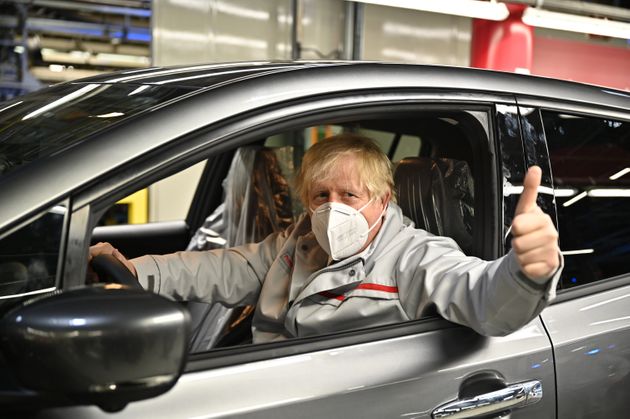
Prime Minister Boris Johnson during his visit to Nissan plant in Sunderland

Brace, brace, brace. That’s the mood among Labour MPs as they face what many believe will be another by-election defeat, this time in Batley. But it’s also the mood among some Tory MPs right now, as they prepare for the much more important prospect of a Covid third (or is it fourth?) wave.

 You always know something is up when our prime minister strikes a cautious tone, and today he carefully planted the seed of the idea that ‘Freedom Day’ may not in fact mean the total liberty that many had been hoping for.

In one of those not-scripted-honest pool TV ‘clips’ he does to avoid press conferences, the PM said there may be “extra precautions that we have to take” after July 19. New health secretary Sajid Javid refused to say this week that he would lift all restrictions and here was apparent confirmation.

What form these extra precautions will take is still unclear, though it sounds like mask-wearing and social distancing rules will be eased. The extension of the ‘work from home if you can’ edict is a prime candidate to continue, however. With the measure the R or reproduction number of the virus rising, No.10 has long known that home working helps take a chunk of that R value out of the game. 

The other clue the PM gave to his current state of mind came when he gently dismissed hopes of urgent action to stop schools from sending kids home in blanket year group ‘bubbles’. Instead, we have to be “cautious” ahead of the “natural firebreak of the summer holidays when the risk in schools will greatly diminish and just ask people to be a little bit patient”.

Rob Halfon, the chair of the Commons education select committee, tells our CommonsPeople podcast this week that he would like to see more widespread use of East Asian-style ‘micro-targeting’ of Covid cases and their contacts in the classroom. The schools that operate such policies certainly seem to make it work effectively.

The PM may be trying to sound cautious about easing some restrictions right now because he knows the scary rise in case numbers will be a presentational problem that makes any unlocking look counterintuitive. We all know by now to focus on hospitalisations rather than case numbers, but the worrying thing is today is that hospital admissions went up by 56% on last week.

No.10 was keen to stress today that case numbers were “not feeding through into big rises in hospitalisations and deaths”. Yet while the vaccination programme has weakened the link between Covid and severe illness, it has not yet broken it. And some of the data is undeniably worrying.

Almost everyone around Johnson believes he will go ahead with the July 19 ‘freedom day’. So far, it seems that his medical and scientific advisers believe that is a credible timetable too. As Chris Whitty hinted a few weeks ago, and as No10 reminded us today, that doesn’t mean there won’t be a third wave. The test is whether that wave has the impact that some fear.

One advantage Downing Street has is the wriggle room that stems from its refusal to set specific benchmarks or thresholds for the levels of case numbers, hospital numbers and, most tellingly, for the level of deaths. But the PM’s line that his roadmap will be “irreversible” does suggest that all the pressure will be on keeping things open.

The risk calculus is something that the PM is grappling with. I’ve asked before what level of deaths he is prepared to tolerate in coming months. Yet in fact it is the general public who will be facing some big questions too: what level of deaths and hospitalisations are they prepared to tolerate? Brace yourself for the answer to that one.

Share Button

More Schools ‘Should Be Able To Run Targeted Asian-Style Isolation Systems’

More schools should be able to run Asian-style isolation systems for Covid contacts to ensure fewer people are sent home, a senior Tory has said.

Rob Halfon, who chairs the Commons education committee, suggested that official guidance for schools could be cleared up to allow targeted approaches, rather than forcing whole school “bubbles” to go into isolation if there is a virus case.

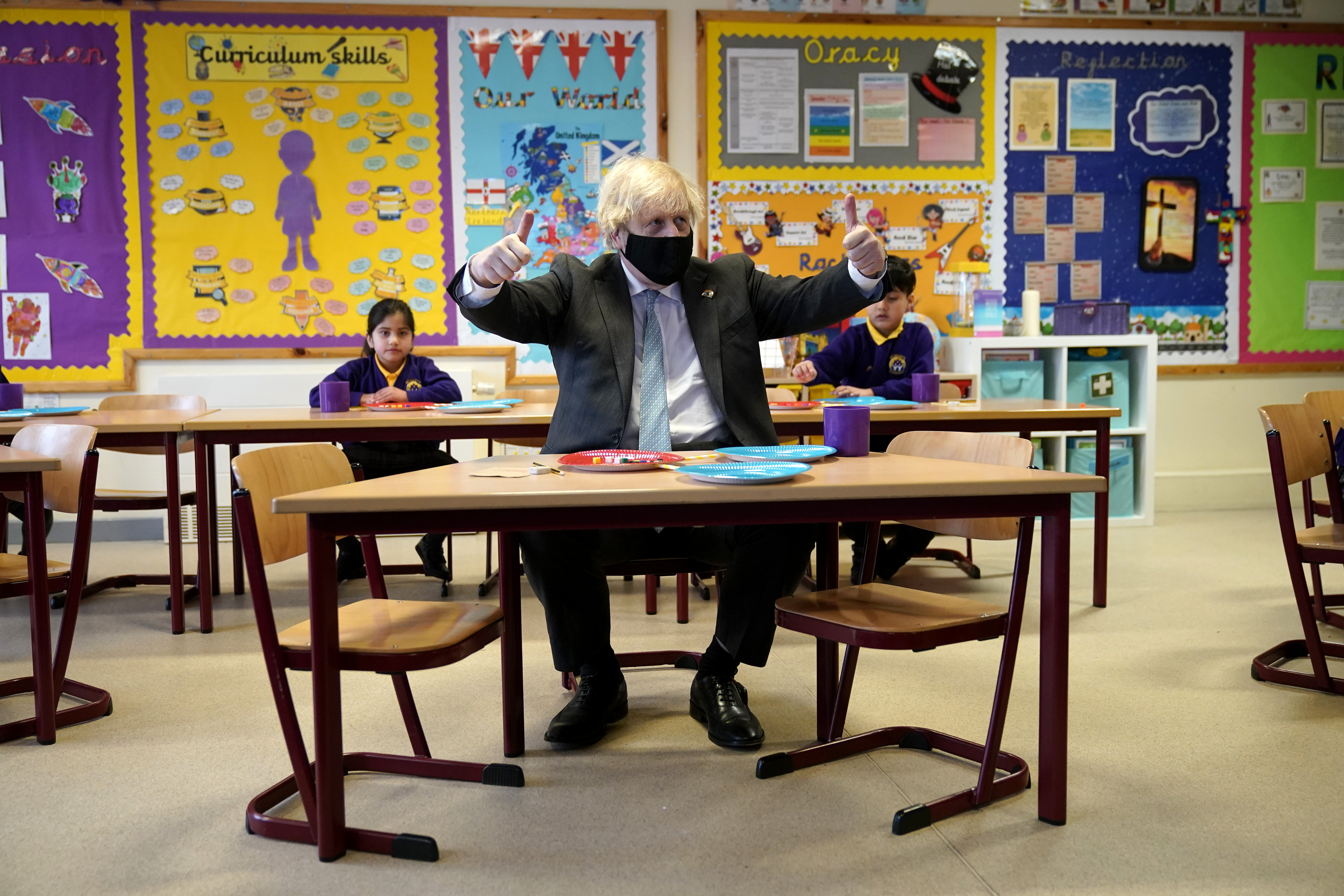
With around 385,000 pupils in England absent from school as a result of Covid, Halfon stressed: “We are damaging their mental health”.

The government has suggested it will scrap so-called “bubbles” of schoolchildren, who often all have to isolate if one catches Covid, from autumn.

But Boris Johnson is resisting pressure to move quicker, insisting summer holidays would act as a “natural firebreak” to infections.

Halfon spoke to HuffPost UK’s Commons People podcast during a visit to the Ashcroft Technology Academy in south London, which he said was running a much more targeted Asian style model of isolation.

“When they have a Covid outbreak they do not send the whole school year groups or whole bubbles home,” Halfon said.

“They microtarget the students who have been affected, so they only send a few [home] at a time, a bit like the Asian model in some ways, what goes on in South Korea and so on.

“When I asked them how come you do this, they said they speak to Public Health England, they speak to the Department for Education every time there is such an outbreak and they are advised that they are able to do this.

“So if they are, why are 385,000 kids being sent home?

“I appreciate of course it is very difficult for teachers and support staff absolutely and they are doing a remarkable job considering.

“But clearly the guidance is confusing and schools may be being told different things by different arms of PHE or the DfE.”

House of Commons/PA

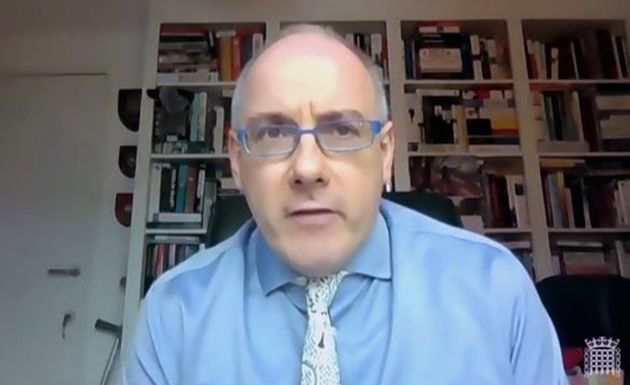
Rob Halfon, Conservative chair of the Commons education committee

Halfon acknowledged that it would be difficult to roll out a similar system across the whole country. 

But he said it would be beneficial if more pupils could benefit from the approach.

“Obviously there’s very different circumstances in some schools, the outbreaks may be greater, they may have many staff off sick for Covid or for Covid-related reasons or shielding, so I get that it’s not possible to replicate it.

“But if one school can do it, there must be others who can do it.

“It doesn’t mean every school can do it, but just because every school can’t do it doesn’t mean that… even if five more schools did it.

“It’s got to stop, sending kids home.

“We are damaging their mental health.”

Halfon added: “We are damaging these children by [them] being at home because inevitably they are not learning as much as they would do at school.

“But their wellbeing and mental health is really suffering and it’s putting huge pressure on the parents.

“This has just got to stop, we need our kids back into school.

“People have been vaccinated now, I’m not a lockdown-sceptic, I’m a ‘schooldown-sceptic’.”

Asked why the government did not just scrap the bubble system now, the prime minister told reporters on Thursday: “I understand people’s frustration when whole classes, whole bubbles, are sent home and people are asked to isolate.

“So what’s happening now is Public Health England and the scientists are looking at the advantages, the possibilities, of going to testing rather than isolation.

“They haven’t concluded yet so what I want to do is just to be cautious as we go forward to that natural firebreak of the summer holidays when the risk in schools will greatly diminish and just ask people to be a little bit patient.”

Share Button

Do Boris Johnson’s PMQs Show He Just Can’t Handle The Truth?

Another PMQs, another tone deaf performance from Boris Johnson. Last week, he appeared to belittle Keir Starmer’s concern over low rape conviction rates as mere “jabber”. This week, he seemed to dismiss anger over Matt Hancock’s Covid rule breach as “Westminster bubble” chatter.

In both cases, allies of Johnson say such attacks are unfair as it was clear he was hitting back at Starmer rather than the issues he raised. Well, upto a point, Lord Copper. In failing to separate out the issues, with the change in register needed for each, the PM has no one to blame but himself for the criticism.

Starmer has long been advised by older hands on the Labour benches to mix up his bowling speed, shifting from fast balls to slower off-spin, and it worked today. By contrast, Johnson stuck to his usual attack-as-best-form-of-defence tactic, and it failed.

First, the Labour leader ridiculed Johnson’s claim to have sacked Hancock a day after keeping him (Starmer must have been tempted to accuse the PM of being ‘Captain Hindsight’ on that one). Then he changed the tone to raise the fury of the parents of a dying cancer patient who was denied hospital visits the week before Hancock broke the social distancing rules with his mistress.

When Starmer quoted Ollie Bibby’s mother – “I’m livid. We did everything we were told to do and the man that made the rules didn’t” – Johnson should have spotted it was time to change gear himself and issue a heartfelt apology. If indeed he had sacked Hancock, as he implied, surely it wouldn’t be difficult to condemn his former health secretary’s actions?

Instead, the tone deaf PM gave a perfunctory answer about sharing the grief of families like Ollie’s, before launching swiftly into his charge that Starmer was raising matters that were the stuff of the ‘Westminster bubble’. Yet the whole point about the Hancock story was its reach went way beyond that bubble, that’s precisely why Tory MPs successfully pressured him to quit.

It wasn’t just the jaw-dropping photos and video of Hancock in a clinch that ensured this story cut through outside SW1 (the test is always whether the WhatsApps of MPs’ non-political friends pick it up and boy did they in spades). It was the simple, rank hypocrisy of the man who set the rules breaking them.

Add in the contrast between his workplace affair and the deadly seriousness of people forced to miss funerals, and this was way bigger than a bit of bubble trouble. The PM sounded like a man who believed the political wound had healed after just four days, but Starmer picked at the scab to reveal what lay beneath.

All those couples whose weddings have been reduced to small events, or whose family and friends have been barred from hugging or dancing at a reception, won’t have seen the Hancock clinch as hilarious. Wrecking your own marriage is a personal car-crash, wrecking thousands of other marriages while snogging your lover is public policy suicide.

The Hancock hypocrisy charge is also attaching to Johnson too. Brides-to-be are furious that the PM can have a garden party to watch the football but they can’t have a proper wedding reception. You can’t sing in church, but you can sing Three Lions in a stadium. You can’t go on holiday, but rich businessmen can arrive from abroad without quarantine.

Johnson’s failure to adapt his PMQs responses will fuel Labour’s charge that his complacency proves the Tories are a tired party that have been in power for too long. But it also risked a total lack of empathy that will worry his MPs more, especially when the PM’s X-factor has been his ability to channel and give voice to voters’ concerns.

And given he already has a reputation for being economical with the actualite (to quote the late Alan Clark), trying to spin his way out of an obvious failure to sack Hancock was ill-advised.

On Tuesday, the SNP’s Ian Blackford got into trouble with the Speaker when he declared: “The truth and this government are distant strangers, and that should come as no surprise when we remember the prime minister has been sacked not once but twice for lying.”

Now it’s demonstrably true that Johnson was fired from the Times for making up a quote and later as a shadow minister for denying he had an affair. So when Speaker Hoyle urged a retraction from Blackford, saying “as we know, hon. Members would never lie”, it’s no wonder the SNP leader in Westminster ignored the plea and carried on regardless.

The other problem for the PM is that he’s now made a habit of using misleading statements in PMQs. Refusing to correct the record over his false claim that Labour voted against an NHS pay rise is one thing. But his consistent misuse of statistics is another entirely. And today there was yet another warning from the statistics watchdog about his statements about child poverty.

As we revealed on Wednesday, the UK Office for Statistics Regulation (OSR) has written once more to get Johnson to use the right definitions, after he claimed last month that “we are also seeing fewer households now with children in poverty than 10 years ago”. The watchdog pointed out that while this may apply to ‘absolute’ poverty, the figures for relative poverty had got worse.

Most embarrassing to No.10 is that the regulator revealed it had raised this topic privately with the PM’s Downing Street briefing team, and still he kept on making statements that failed to show the full picture. There are clearly lies, damned lies and child poverty statistics.

It may just be down to Johnson’s slapdash nature, or to his failure to shift out of attack mode. Either way, he gives the impression of a PM who just can’t handle the truth. If he’s not careful, over time, the voters may decide on a sacking of their own.

Share Button

Boris Johnson Warned By Statistics Watchdog Over Child Poverty Claims

DANIEL LEAL-OLIVAS via Getty Images

Boris Johnson has been formally warned by the UK statistics regulator about his claim that child poverty has fallen over the past decade, HuffPost UK can reveal.

The Office for Statistics Regulation (OSR) has written to Downing Street to raise Johnson’s use of statistics in prime minister’s question time last month.

The PM declared “we are also seeing fewer households now with children in poverty than 10 years ago”.

The OSR said that it had received complaints about the misleading nature of the claim, adding that on some measures child poverty had increased in recent years, not decreased.

“It would help aid public understanding if statements concerning child poverty were clear about which measure is being referred to, particularly where other measures present a different trend,” the watchdog said in its letter to No.10’s head of data science.

Campaigners have long warned that Johnson deliberately makes misleading statements about the poverty statistics.

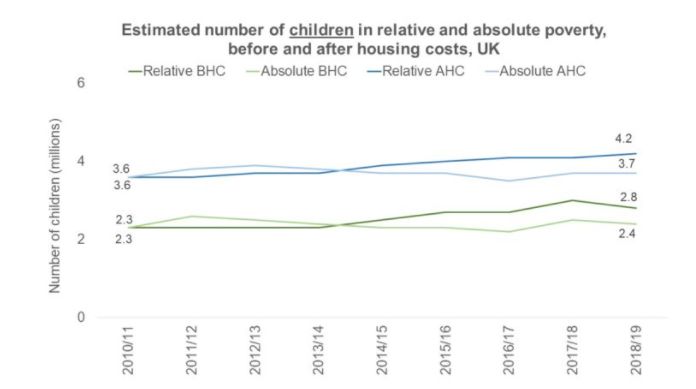
The Department for Work and Pensions (DWP) uses both relative poverty and absolute poverty measures, before and after housing costs.

Relative poverty covers households which have “less than 60% of contemporary median income”.

Absolute poverty is defined as households which have less than 60% of the median income in 2010/11 “held constant in real terms”.

Relative child poverty after housing costs rose from 3.6m when the Tories took office in 2010 to 4.2m in 2018/19. 

But Johnson relies on the “absolute” child poverty measure which has dipped in 2019/20 to fall just below the 2010 figure.

Anna Feuchtwang, Chair of the End Child Poverty campaign and CEO of the National Children’s Bureau, said: “The prime minister’s misuse of child poverty statistics is neither fair or accurate.

“It’s simply not right to play down the misery of families swept into poverty and hide behind different statistical measures when answering difficult questions. The simple fact is that even by the government’s own measures, child poverty is rising and we need urgent action rather than game-playing by policymakers.

“The Office for Statistics Regulation has written to the prime minister again, calling for him to be clear on which measure of child poverty he is using in his statements to parliament.

“We hope this will prompt greater recognition from across government that child poverty is a real and present blight on many young lives.”

A government spokesperson said: “The prime minister was referring to absolute child poverty statistics between 2009/10 and 2019/20.

“These statistics show that the number of children in the UK living in poverty fell both before and after housing costs were taken into consideration.”

In its latest letter, the OSR’s Ed Humpherson suggested that he had decided to issue a fresh warning because the PM had continued to ignore previous attempts to engage with Downing Street.

“Over the last year, a number of concerns have been raised to us regarding the prime minister’s use of statistics on child poverty and in each case, we have brought this to the attention of the briefing team in No.10,” he wrote.

The OSR wrote in a blog: “Measuring poverty is complicated. There is no wrong measure but there is a wrong way of using the available measures – and that is to pick and choose which statistics to use based on what best suits the argument you happen to be making.

“It is important to look at all the data available and set the context when referring to statistics on poverty.”

Earlier this year, the Resolution Foundation forecast that the situation would get even worse, pointing out that higher unemployment and the removal of a £20 uplift in universal credit could lead to 400,000 more children ending up on the breadline, the biggest year-on-year rise in poverty rates since the 1980s.

Here is the letter in full from the UK Office for Statistics Regulation to Laura Gilbert, Director of Data Science, 10 Downing Street:

Dear Laura

Use of official statistics on child poverty in Prime Minister’s Questions

Over the last year, a number of concerns have been raised to us regarding the Prime Minister’s use of statistics on child poverty and in each case, we have brought this to the attention of the briefing team in No.10. Further concerns were raised to us following Prime Minister’s Questions on 26 May, where the Prime Minister said that “We are also seeing fewer households now with children in poverty than 10 years ago.”

As the Office for Statistics Regulation highlighted last year in a blog and more recently in our review of income-based poverty statistics, measuring poverty is complicated and different measures tell different parts of the story.

We are pleased to see some improvement in the way official statistics on child poverty are referred to in these statements. However, it would help aid public understanding if statements concerning child poverty were clear about which measure is being referred to, particularly where other measures present a different trend.

I am copying this letter to Alex Jones, Head of Data and Transformation for 10 Downing Street, and Steve Ellerd-Elliott, Head of Profession for Statistics at the Department for Work and Pensions.

Yours sincerely

Ed Humpherson
Director General for Regulation

Share Button

If Catch-Up Education Is The PM’s Pandemic ‘Legacy’, Where’s The Urgency To Fund It?

Maybe it’s because Boris Johnson’s children are either too old or too young to be in school anymore. Maybe it’s because he’s more focused on rolling the dice on his July 19 freedom day. Maybe it’s because his education secretary lacks any real clout within the cabinet.

But whatever the reason, the growing anger among parents, pupils and teachers at the Covid chaos within schools right now is something any government would be wise to heed. New figures from the Department for Education laid bare the problem, with a massive 330,000 pupils forced to self-isolate in the past week.

The return of remote learning and home-schooling is difficult for the children but also for their parents, particularly if they’re losing income because they cannot go out to work. Just as important is the social loss incurred, with many missing those longed-for end-of-year trips, sports events and school productions.

And yet there is a solution. Schools have been taking part in clinical trials of a system of daily testing that prevents the need for Covid close contacts to automatically isolate at home. Instead of an entire class of 30, or even a whole year group, having to quarantine, only those who actually test positive have to stay home. Staff and pupils who test negative can turn up as normal.

The headteacher of Westhoughton High School in Bolton (yes, which was a Delta hotspot) revealed today just what a success the pilot had been. More than 500 pupils and staff had avoided having to isolate, with a huge 3,500 “saved learning hours” as a result.

The academic gains from classroom time are obvious. But I was struck most of all by Patrick Ottley-O’Connor’s remark, to Radio 4’s World At One, that “the mental health of students has been massively impacted positively by being able to stay in school”.

Fortunately, Sajid Javid has hinted he wants to act on such pilots. And sources in the DfE hint that from September such testing will be the norm. Yet many wonder why there isn’t any action right now. When asked if the government had given up on any changes for this term, the PM’s spokesman told us: “That’s not at all how I characterise it, obviously.” Except it wasn’t obvious.

The pilots will need assessing, but they have been running for several weeks and it’s worth asking why there hasn’t been a fast-tracked assessment for testing just as there was for vaccines. The JCVI managed to give the UK a head start on approval of vaccines precisely because it took a sensible view of risk.

The great irony about the current school testing inertia is that it was always the PM’s early preferred route out of the pandemic. It was mass testing that was his ‘moonshot’, even though in the end it was the Matt Hancock’s early gamble on vaccines that really reached for the stars (and don’t forget Dominic Cummings ridiculed Hancock for it last autumn).

Yet just as baffling for some Tory MPs has been the inertia around school catch-up policy too. Boris Johnson told us last June, a whole year ago, that there would be “a massive summer catch-up operation” for schools. (Spoiler: it did not materialise). In March, he said: “The legacy issue I think for me is education.” It was “an opportunity to make amends”, he said.

But as former catch-up czar Sir Kevan Collins made plain today, that promise has not yet been met. Collins’ evidence to the Education Committee was as politically devastating as it was patient and methodical. The cost-benefit analysis (£100bn and maybe £420bn could be lost in a hit to the economy from education losses) was overwhelming, even for a Treasury beancounter.

Ultra-reasonable, grounded in his own long experience in dealing with schools and social policy for children, he simply said the PM’s response had been “feeble” in the face of the enormity of the challenge. He pointed out he had presented his £15bn case for a longer school day to the PM, the chancellor and Gavin Williamson (and intriguingly Michael Gove too).

With only £1.4bn pledged so far, Collins said the PM’s signal of even more money later this year was not made in “bad faith”. His complaint was that later this year would be too late. And he squarely blamed the Treasury too for sticking to its spending review timetable (of November) instead of focusing on the school year timetable (starting in September).

As with school testing, this was about a lack of urgency. Children are on average two months behind in reading and three months behind in maths, and those averages mask even worse stats for the poorest kids. Collins pointed out that a child arriving from primary school to secondary next year could fall into a spiral of decline. With more textbooks, more subjects, the risk was “they don’t catch up” and instead go backwards.

Collins called for a 10-year spending strategy for schools, which is precisely the kind of bold ambition the Johnson government may need to run alongside similar ambitions for the NHS. Not for nothing has Labour’s new shadow chancellor Rachel Reeves made the £15bn catch-up funding her main spending pledge to date.

The Treasury has been privately dubious about Collins’ extra hours plan, suggesting teachers may not wear it. But the real obstacle may be the long-term nature of the hard cash needed. Because once you start spending real money to tackle educational inequalities, it can’t be a ‘one-off’ that you can then take away later.

Spending reviews are indeed usually the kind of place for such commitments. Yet when an emergency furlough scheme can be drafted (brilliantly by HMT officials) in such short order as it was last year, why not a ‘summer education plan’ to match the ‘winter economic plan’?

As I wrote last year, the pandemic response should not just be about lives and livelihoods, it should be about life chances. And if the PM can’t even deliver on what’s supposed to be his personal “legacy issue”, the public may wonder what happens to all those issues he doesn’t care about.

Share Button

School’s Covid Testing Pilot Helped 500 Pupils And Staff Avoid Isolation

Aaron Chown – PA Images via Getty Images

A school that trialled a radical Covid testing regime has spared more than 500 pupils and staff from having to isolate at home, its headteacher has revealed.

Westhoughton High School in Bolton allows even “close contacts” of positive cases to keep on attending class, provided they can show negative daily lateral flow tests and negative PCR tests every five days.

Headteacher Patrick Ottley-O’Connor told the BBC there had been a “massively” positive impact on students’ mental health as well as on their ability to keep learning in person.

The school, which ended its government pilot scheme last Thursday, reported more than 3,500 “saved learning days” thanks to its system of allowing pupils to attend even if they were in the same class as someone who tested positive.

Under the clinical trial, only those staff and students who test positive are required to stay at home.

Others in their 30-strong “bubble” are allowed to keep on attending, with parental consent, as long as they have a negative lateral flow test for seven days.

On day two and day seven, they have to also show a negative PCR test. Pupils taking part in the scheme still have to stay at home in the evening and at weekends.

The success of the programme is sure to be pounced on by MPs and parents, many of whom are now calling for a more risk-based approach and the end of the practice of forcing a whole class to quarantine if one child contracts the virus.

Latest figures showed pupil absence due to Covid had hit a record high since classes went back in March, with more than 330,000 children in England forced to isolate at home in the past week.

Data from the Department for Education, covering England, shows that around one in 20 (5.1%) state school pupils did not attend class for Covid-19-related reasons on June 24, up from 3.3% on June 17 and 1.2% on June 10.

Health secretary Sajid Javid revealed on Monday that he had asked for the evidence from pilot schemes.

Ottley-O’Connor told BBC Radio 4’s World at One programme that “when we had the opportunity to take part in the clinical trial we jumped at it”.

“It’s really helped obviously the learning, but the mental health of students has been massively impacted positively by being able to stay in school.

“Two weeks ago within Bolton there were rising cases, I had two positive cases within staff and that affected 18 staff in total close contacts, myself included.

“But only those two people had to be at home, the rest of us could come in, do our daily testing in the morning…[and] test negative and continue our daily work.”

Shadow education secretary Kate Green said the latest absence figures showed the need for action.

“Ministers must work with their expert scientific advisers now to review the bubbles system ahead of the summer holidays to ensure as many children can be in the classroom as possible.”

Share Button