Bentonite clay: 11 benefits and uses

Bentonite clay is a natural clay with a fine, soft texture. It forms a paste when mixed with water. Some people use this paste for medical or cosmetic benefits, such as treating rashes and acne or as a hair mask.

People have used bentonite clay to remove impurities on the skin, such as oils, and toxins from the body for thousands of years.

Bentonite clay is present in many skin products, but some people also add it to foods or drinks with the aim of relieving digestive issues or removing toxins from the body.

Many studies have looked at the health benefits of bentonite clay, though most of this research has used animal or cell models. More research is needed before scientists will know the true benefits and risks of bentonite clay in humans.

In this article, we will look at the research behind 11 potential health benefits of bentonite clay, along with potential risks.

How does bentonite clay work?
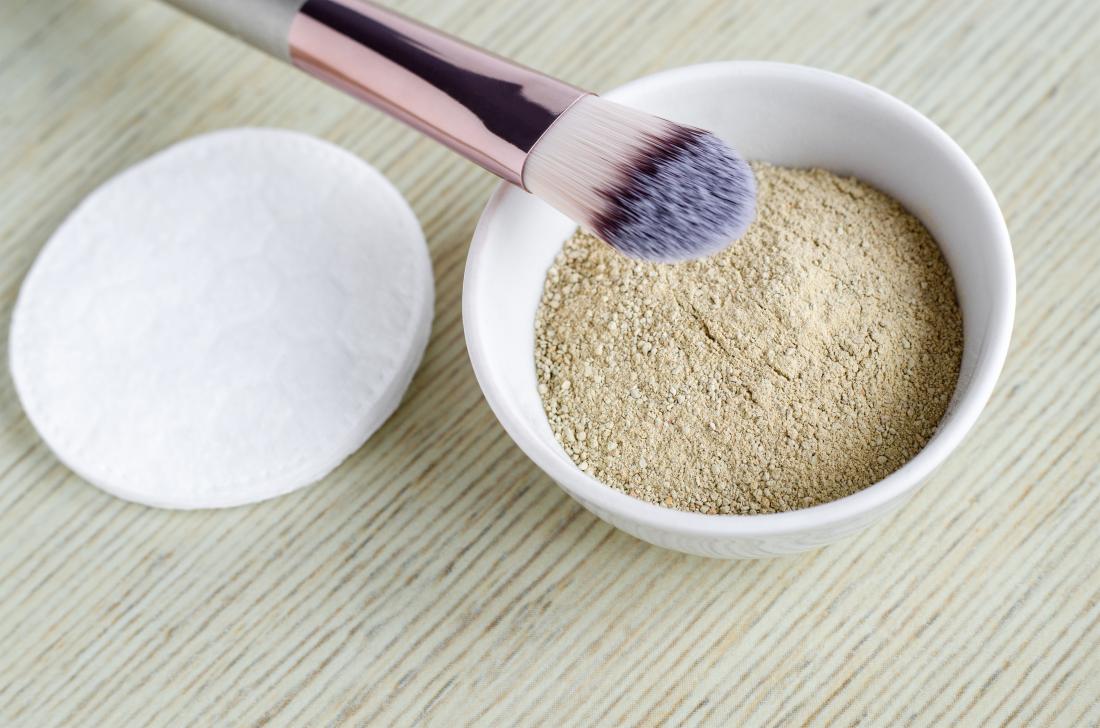
bentonite clay in a pot
Bentonite clay can remove toxins from the body and help treat oily skin.

Scientists believe that bentonite clay works by adsorbing oils and dirt from the skin.

The theory is that bentonite clay adsorbs materials by sticking to their molecules or ions. As the clay leaves the body, it takes the toxin or other molecules with it.

When a person uses it on the skin, bentonite clay may have the power to adsorb oils and bacteria. When they consume the clay, it may adsorb toxins or other unwanted substances from the digestive tract.

Bentonite clay contains natural minerals such as calcium, magnesium, and iron, which may provide additional benefits.

Bentonite clay forms from volcanic ash. It gets its name from Fort Benton in Wyoming, where it occurs in large amounts. People can also find this clay in other places where volcanic ash has settled into the ground. Montmorillonite clay, named after Montmorillon in France, is the same type of clay.

The following list looks at the benefits of bentonite clay and what the research says.

1. Removing toxins from the body

Some people ingest bentonite clay with the aim of removing toxins from the body. This may be one of its most well studied benefits.

Various studies suggest that bentonite clay may reduce the effects of toxins.

For example, a study on chicks found that bentonite clay reduced the effects of a toxin called aflatoxin B1, which comes from certain types of mold. Chicks that received a concentrated bentonite clay product had fewer toxic effects than those who did not receive the clay.

Another study looked at the effects of montmorillonite clay, which is very similar to bentonite clay, on reducing toxins in children in Ghana, West Africa. In the study area, aflatoxins in homemade nutritional supplements are linked with poor growth and related disabilities.

The researchers found that children who received a calcium montmorillonite clay product each day for 2 weeks had fewer signs of aflatoxins in their urine than those who did not receive it.

In a small-scale animal study, rats consumed wastewater that contained cyanide. Researchers gave some of the rats various amounts of bentonite clay or a placebo. Those that received the most clay had the lowest amount of the toxin in their bodies after 3 weeks.

Scientists need to conduct more research before they can confirm that bentonite clay is safe and effective for use in humans.

How to use

Mix up to 1 teaspoon (tsp) of bentonite clay with 6–8 ounces (oz) of purified water and drink once per day.

People can buy bentonite clay powder in drug stores or choose from many brands online. Be sure to choose a form of clay that the manufacturer has labeled as edible.

Take bentonite clay at least 2 hours before or after taking any medications. Because it can adsorb other molecules, bentonite clay may bind to some medications and reduce their effectiveness.

2. Treating oily skin and acne

Bentonite clay’s adsorbent power may be helpful in treating acne breakouts and oily skin. The clay can help remove sebum, or oil, from the skin’s surface, and it may also have a calming effect on inflamed breakouts.

Using a clay face mask can help remove impurities from the skin to treat acne or reduce the risk of pimples and skin infections.

How to use

Many commercial facial masks contain clays because of their clarifying effect on the skin. Some skin care masks contain bentonite, but a person can also make their own bentonite mask at home.

Mix bentonite clay powder with water to make a thick paste. Apply to the areas of skin that are prone to oil or acne. Leave the mask on for 20 minutes and rinse thoroughly. Repeat two or three times per week.

Otherwise, people can choose from a range of premade bentonite clay face masks online.

3. Detoxifying the skin

Some people use bentonite clay to cleanse specific parts of their body. Learn more about using bentonite clay in an armpit detox and a foot detox here.

4. Treating poison ivy

Many people are allergic to urushiol, the oil that poison ivy plants produce. When their skin comes into contact with poison ivy, they may develop the characteristic rash as an allergic reaction.

A poison ivy rash can cause redness, irritation, and severe itching. A study from 1995 found that bentonite clay can treat poison ivy rash and speed up healing following an allergic reaction.

How to use

Wash the skin with soap and water as soon as possible after touching poison ivy. Use dish soap or a soap designed to remove oils to help remove the urushiol from the skin.

Mix bentonite clay with water to form a paste and apply it to the affected area. Cover with a clean bandage or gauze pad. Repeat several times per day until the rash is gone.

5. Aiding weight loss

girl taking a supplement
Some studies suggest that bentonite clay supplements may help aid weight loss.

Bentonite clay may be a helpful supplement for people who are trying to lose weight.

One study in rats found that ingesting a montmorillonite clay product helped reduce weight gain among those eating a high-fat diet.

Although some traditional healing methods have used clay products for many years, there are better ways to lose weight. Reducing calorie intake and increasing physical activity levels are still the best choices.

6. Relieving constipation

Because bentonite clay can stick to toxins, it may be helpful for regulating a person’s digestive tract.

One review of the benefits of bentonite clay has suggested that the clay may help some people who have irritable bowel syndrome with constipation. This use of bentonite clay merits more research but shows promise.

7. Treating diarrhea

Some research suggests that adsorbent clays such as bentonite may help alleviate virus-related digestive issues, such as diarrhea.

For example, rotavirus can cause severe diarrhea and spreads easily from person to person. One study found that an adsorbent clay called diosmectite helped stop rotavirus from replicating.

Another study found that clay minerals adsorbed rotavirus in cows.

If diarrhea does not subside after treatment with clay products, a person should continue to drink plenty of fluids, try more common approaches to treating diarrhea, and contact their doctor.

How to use

For virus-related mild diarrhea, take 1 tsp of bentonite clay mixed in water no more than twice per day. If diarrhea persists, see a doctor.

8. Treating diaper rash

Bentonite clay was effective in treating diaper rash in one study.

Around 93% of the infants who received the clay had improved rashes within 6 hours, with 90% completely healed in 3 days. Another study had similar positive results.

How to use

Mix a small amount of bentonite clay with water to make a paste and apply it directly to the rash.

Alternatively, mix the clay with shea butter, coconut oil, or zinc oxide cream. Do not shake the powder directly on to the baby’s skin, as they may inhale some of it.

Keep the mixture in a clean glass container with a plastic, silicone, or glass lid. Do not use metal lids, as the clay may adsorb some of the metal’s properties over time.

Always speak to a doctor before trying any new remedy in a baby or child.

9. Providing sun protection

The Food and Drug Administration (FDA) have not approved bentonite cream as a sunscreen ingredient. However, one study suggests that the clay can protect the skin from harmful ultraviolet rays.

For this reason, people may wish to use it alongside FDA-approved sunscreens.

10. Removing lead and other heavy metals

Excessive exposure to heavy metals such as lead can cause health problems. Children’s brains are especially sensitive to lead, and it can cause learning disabilities and other issues.

Avoiding exposure to lead and getting tested for lead exposure are the best ways to prevent lead poisoning. According to some research, bentonite clay may be helpful in removing some lead from the body.

Bentonite clay has a negative charge, meaning that it can bind to positively charged metals such as lead. One study found that bentonite clay was effective at removing lead from wastewater.

How to use

Ask a doctor before giving bentonite clay to a child. If a doctor approves it, give half a teaspoon mixed well with water once per day.

11. Lowering cholesterol

High cholesterol is a leading cause of heart disease. High cholesterol causes fats to build up in the blood vessels, which can lead to heart attack and stroke.

A study in rats found that a bentonite clay product increased the amount of cholesterol excreted in their stool.

How to use

People receiving treatment for high cholesterol should talk to their doctor before using bentonite clay or other natural remedies. Bentonite clay should not replace medical treatment for high cholesterol or heart disease.

Mix 1 tsp of bentonite clay with purified water and drink once per day.

Risks

Woman reading the label of supplements
A person should choose a reputable brand or source of bentonite clay.

Studies have not found serious side effects of using bentonite clay in recommended amounts. However, because it is a natural product, there is a risk of contamination.

Bentonite clay comes from the earth, where it may collect heavy metals, pesticides, or other substances.

The FDA do not regulate bentonite clay products. As such, it can be difficult to know whether the product contains only the ingredients on the label. In fact, experts have found that some bentonite clay products may contain heavy metals.

In 2016, the FDA warned consumers not to use a certain type of bentonite clay due to it having high lead levels.

If a person wants to use bentonite clay, they should look for a product labeled as safe for internal use from a reputable brand or source. They may also wish to have a doctor check their blood lead levels to be sure that they are not exposed to lead from bentonite clay.

Drink plenty of water throughout the day while using bentonite clay. This will help flush the clay from the digestive tract and prevent constipation.

Before using bentonite clay or any natural remedy on the skin, do a skin test for allergies. Apply a small amount of the product to the area inside the elbow and wait for 24 hours. If no reaction occurs, proceed with using the product.

Summary

Bentonite clay is an ancient remedy that could hold promise as a treatment for various health conditions. It has a low risk of side effects when a person uses it in moderate amounts.

As with any natural remedy, people with health conditions should talk with their doctor before using bentonite clay to be sure that it is safe.

Share Button

What are the benefits of cocoa butter?

Cocoa butter is a popular home remedy that people use to promote healthy skin. What does the research say about the benefits of cocoa butter?

People have used cocoa butter for its health benefits for hundreds of years. Research suggests that cocoa butter can improve the skin, and it may have anti-inflammatory and antioxidant effects.

The research into these benefits is, however, limited. Most studies focus on cocoa powder, which has specific properties that could promote skin health. Little research has looked at whether these benefits extend to cocoa butter.

This article will discuss the benefits of cocoa butter, its uses, and possible side effects.

What is cocoa butter?

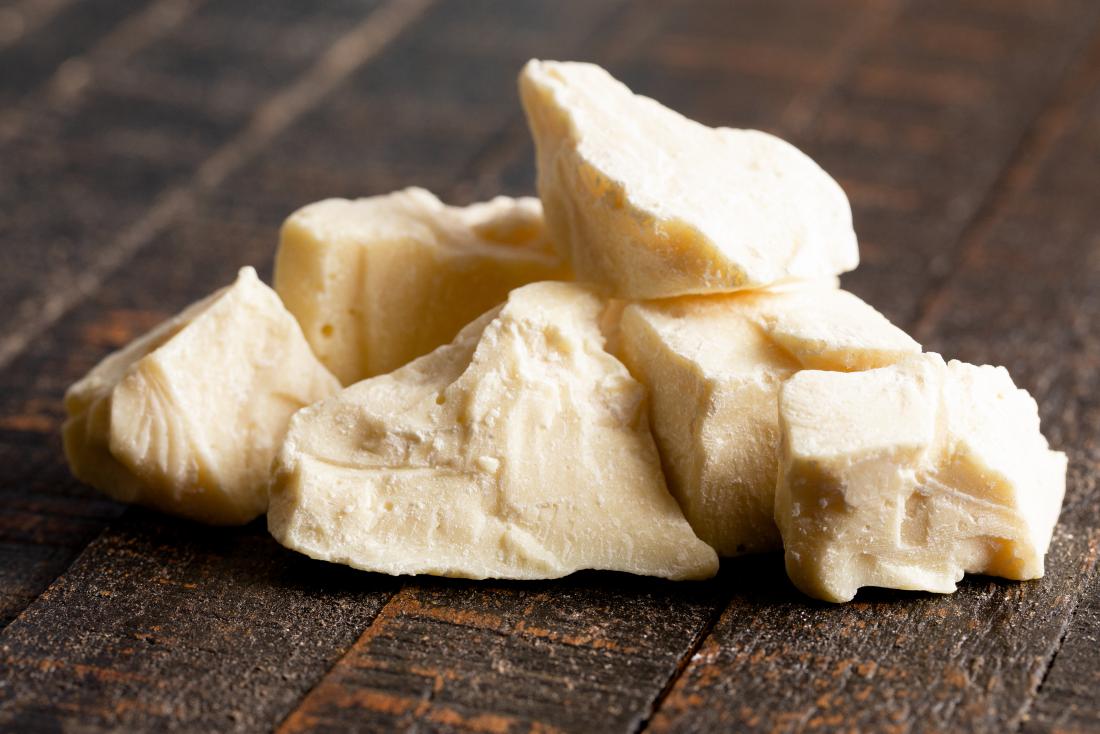
chunks of cocoa butter on wooden surface
Cocoa butter can improve the skin and may have other health benefits.

Cocoa butter is a type of vegetable fat that comes from cocoa beans. Manufacturers extract creamy cocoa butter from the beans by fermenting, drying, roasting, and then pressing them. They turn the remaining portion into cocoa powder.

Cocoa butter is a common active ingredient in lotions, creams, and lip balms. According to some historical sources, people have been consuming or using cocoa in other ways since 460 AD.

In more recent times, researchers have found that cocoa has several healthful properties, including anti-inflammatory and antioxidant effects.

Many of these properties are due to substances that cocoa powder contains, such as catechin. Cocoa butter may also have healthful benefits.

Cocoa butter is also a primary ingredient in chocolate. Chocolate is made up of cocoa butter and cocoa powder, often with milk and sugar.

Benefits of cocoa butter

The following sections will explore the evidence for the benefits of cocoa butter.

1. Boosting skin health

Many skin care products contain cocoa butter, including moisturizers and anti-aging creams. These products claim to have several benefits for skin health, such as alleviating dry skin and improving skin elasticity.

Cocoa contains several antioxidants called polyphenols, which are a group of plant-derived chemicals with a range of potential health benefits. These polyphenols may have benefits for good skin health, such as reducing inflammation and protecting the skin from sun damage.

These polyphenols are primarily in cocoa powder, not necessarily in cocoa butter.

Despite being an active ingredient in many skin care products, there is little direct evidence that cocoa butter effectively improves skin health.

One cell study suggests that cocoa polyphenols improved skin elasticity and skin aging and suggested that cocoa butter may enhance these effects. However, this was a small-scale study, and scientists need to carry out more research before they know the exact effects of cocoa butter on the skin.

2. Moisturizing the skin

Cocoa butter is a core ingredient in many skin moisturizers. Some people use pure cocoa butter to help relieve dry skin.

Like other natural moisturizers, such as coconut oil, cocoa butter is mostly made up of fatty acids. These fats may help form a protective layer on the skin, preventing moisture from escaping, and therefore stopping the skin from drying out.

Some people also use cocoa butter to relieve skin dryness from common skin conditions, such as eczema and psoriasis. While this works for some people, there is no scientific evidence that it will work for everyone.

3. Preventing stretch marks

Many people believe that cocoa butter can prevent stretch marks from developing, especially during pregnancy.

Some doctors and midwives may advise the use of cocoa butter during pregnancy to reduce the risk of stretch marks, but there is no evidence that using cocoa butter will achieve this.

One review reports that several studies failed to find any evidence that cocoa butter prevents stretch marks during pregnancy. They add that there is also no evidence that any topical cream prevents stretch marks.

Stretch marks are a natural part of pregnancy, and many will fade over time.

Cocoa butter nutrition

Pure cocoa butter is edible. However, it contains a mixture of monounsaturated and saturated fats and few nutrients.

According to the United States Department of Agriculture (USDA), one tablespoon (tbs) or 13.6 grams (g) of cocoa butter has the following nutritional values:

Cocoa butter also contains small amounts of vitamin E and vitamin K.

Are there any side effects?

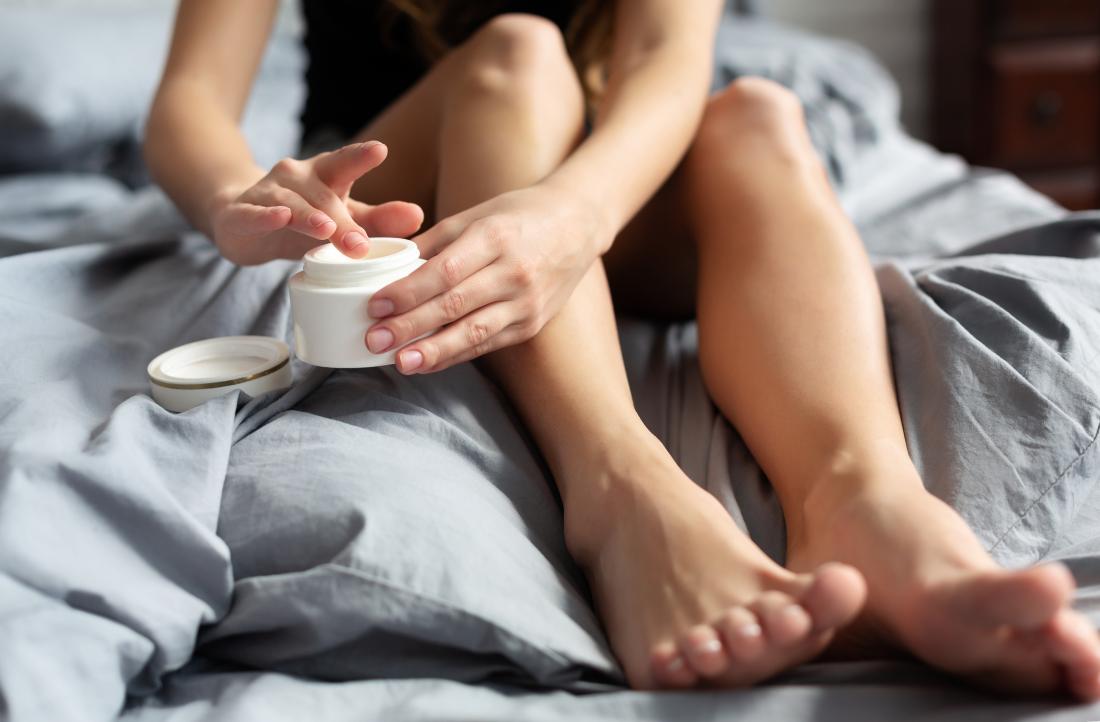
woman with jar of moisturiser to use on feet
Cocoa butter moisturizers may include other ingredients that could irritate the skin.

Cocoa butter is safe for use on the skin. Pure cocoa butter does not contain any ingredients that are likely to cause problems in most people.

People can eat pure cocoa butter but should not ingest cocoa butter products designed for the skin.

As with many skin care products, cocoa butter formulations may contain other ingredients that could irritate the skin. Always check the label for potential irritants.

Summary

Cocoa butter is a type of fat that comes from the processing of cocoa beans. It is the primary ingredient of chocolate, and many people use it as a topical treatment for its potential skin benefits.

Cocoa butter could help to promote skin health and moisturize the skin. Though many people find cocoa butter beneficial, there is currently little to no scientific evidence that supports these claims. More research in this area may provide some evidence for the benefits of cocoa butter in the future.

Many popular skin care products contain cocoa butter as an active ingredient. People can purchase these products in drug stores or supermarkets or choose between brands online.

Share Button

25% of those who meditate report negative experiences

Meditation is supposed to help relax the body and mind, but recent research has discovered that more than 25% of people who meditate on a regular basis have experienced an unpleasant psychological event as a result.
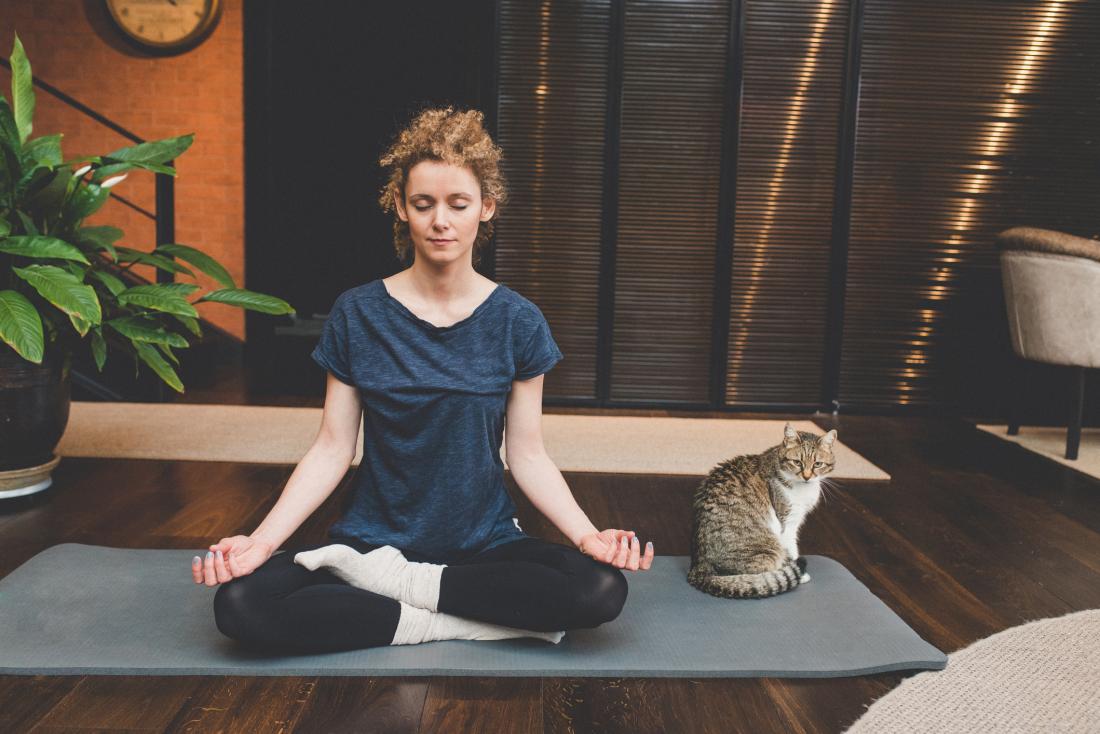
Woman meditating with cat
A recent study probes the dark side of meditation.

The research, which features in PLOS ONE, revealed that more than a quarter of people who meditate sometimes come away having had an adverse experience.

Researchers at University College London (UCL) in the United Kingdom, Witten/Herdecke University in Germany, and the University of Ljubljana in Slovenia obtained these results using an international online questionnaire of 1,232 people who had been meditating for at least 2 months.

On the questionnaire, they asked the participants, “Have you ever had any particularly unpleasant experiences (e.g., anxiety, fear, distorted emotions or thoughts, altered sense of self or the world), which you think may have been caused by your meditation practice?”

A few additional questions and qualifiers determined how long the participants had been meditating and how often they meditate. Each participant also reported whether they had ever attended a meditation retreat and what type of meditation they practice.

A few specific results stood out when the team analyzed the data. More males (28.5%) than females (23.0%) reported a negative experience, and people without a religious belief were more likely to report a negative experience in comparison with those who were religious (30.6% versus 22.0%).

Additionally, the participants who had been on a meditation retreat were more likely to have had a bad experience than those who had never participated in one (29.0% compared with 19.6%).

Lead author Marco Schlosser, from the UCL Division of Psychiatry, notes that as scientists do not yet know much about meditation-related difficulties, it is important to conduct further research to understand these issues better.

“Longitudinal studies will help to learn when, for whom, and under what circumstances these unpleasant experiences arise, and whether they can have long-term effects.”

Lead author Marco Schlosser

He continues, “This future research could inform clinical guidelines, mindfulness manuals, and meditation teacher training.”

Meditation benefits

Meditation has a long history and can help increase calmness and physical relaxation in those who practice it. People can use meditation to help cope with illness, improve psychological balance, and better their health and well-being.

The number of adults practicing meditation in the United States is on the rise, with its use more than tripling from 2012 to 2017. There are many different styles of meditation, but they tend to have a few things in common, such as a quiet location, a specific posture, something to focus on, and an open attitude.

The medical community considers meditation to be safe for most people, but it is important that those with physical health conditions speak with a healthcare professional before starting this practice.

Also, although there has been evidence that meditation can improve anxiety and depression, a few reports have concluded that meditation can actually worsen these conditions — a finding that correlates with this latest study.

Future research goals

The study authors acknowledged that their research had certain limitations. For instance, they only asked the participants one yes-or-no question. They did not delve into the severity or type of bad experience, and they did not consider preexisting mental health problems.

However, they feel that further research on meditation is warranted, as it is too early to tell what, if any, adverse effects may linger. Future studies can help shape meditation guidance and teacher training, both of which can have a positive effect on those who meditate regularly.

“Most research on meditation has focused on its benefits, however, the range of meditative experiences studied by scientists needs to be expanded,” Schlosser says. “It is important at this point not to draw premature conclusions about the potential negative effects of meditation.”

Share Button

Benefits and uses of lemongrass essential oil

Lemongrass essential oil comes from the lemongrass plant, which grows in tropical and subtropical parts of the world. The oil can be bright or pale yellow with a thin consistency and a lemony scent.

People have used lemongrass in traditional medicine for pain relief, stomach problems, and fevers. Its antioxidant, anti-inflammatory, and antifungal properties may also give it other benefits.

In this article, learn about the possible benefits of lemongrass essential oil, as well as how to use it, and if it has any side effects.

Benefits

Benefits of lemongrass oil may include:

Fighting bacteria

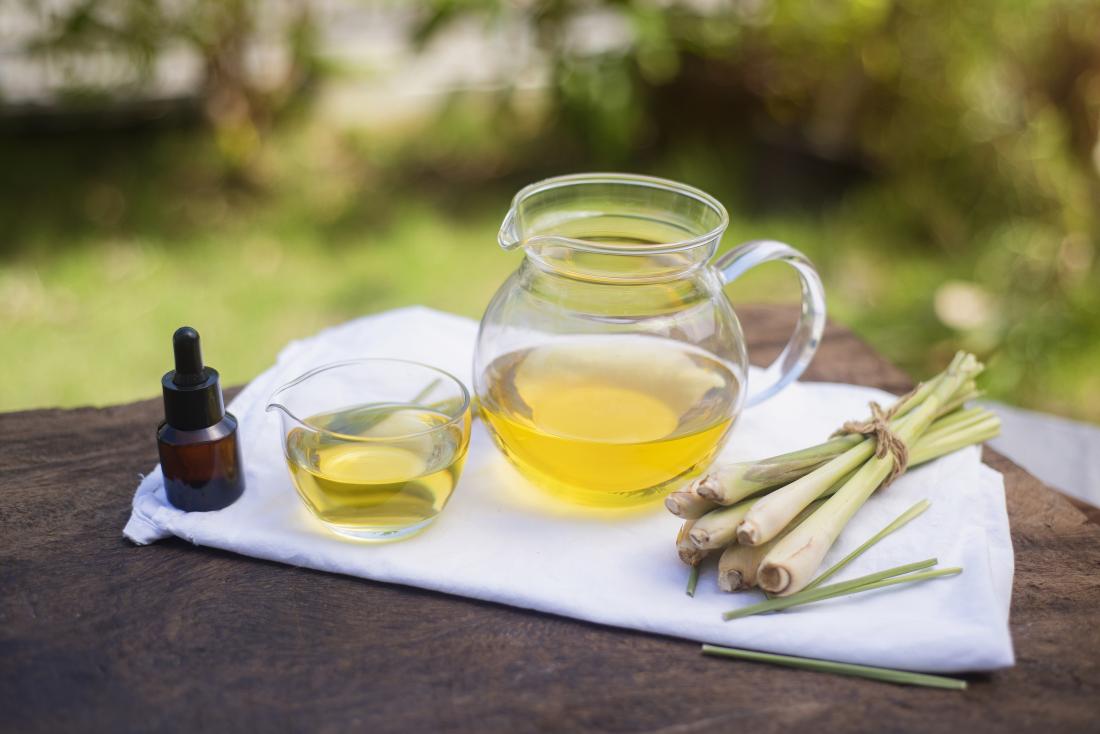
Lemongrass essential oil
Lemongrass essential oil can help inhibit the growth of bacteria.

The authors of a 2016 in vitro study found lemongrass essential oil to be effective in fighting strains of the Acinetobacter baumannii bacteria. This multi-drug resistant bacteria can cause pneumonia and blood infections.

As the lemongrass essential oil was effective in inhibiting and killing off the bacteria, it could be a complementary therapy in the future for fighting illnesses that do not respond to antibiotics.

In another study, a concentration of 2% lemongrass essential oil gel inhibited the growth of bacteria that cause gum disease. During this small study, 15 people with multiple sites of gum disease in their mouths took part.

The participants applied the gel to the location of gum disease along with nonsurgical dental therapy. The authors compared the results to a group just using nonsurgical dental therapy.

Lemongrass essential oil and nonsurgical dental therapy increased tissue healing more than nonsurgical dental therapy alone.

Reducing inflammation

Chronic inflammation can cause many health problems, including arthritis, diabetes, and some cancers.

A 2014 study showed lemongrass essential oil to have potent anti-inflammatory effects in mice with fungal infections.

The researchers concluded that, while more studies in humans are necessary, lemongrass essential oil may help treat skin inflammation in the future.

Combating fungal infections

In the same 2014 study, the researchers looked at the in vitro effects of lemongrass essential oil on specific fungi, including Candida albicans, which is responsible for yeast infections and thrush.

The essential oil had a “promising” antifungal effect, which leads the authors to state that it could have potential use in the treatment of fungal infections. More robust studies in humans are necessary, however, to confirm the effects.

Providing antioxidants

Antioxidants help fight harmful free radicals and oxidative stress in the body, which may help reduce signs of aging and the risk of many diseases.

In a 2015 study, lemongrass was shown to have strong antioxidant properties and was effective in scavenging free radicals in an in vitro experiment.

The authors of an earlier 2011 study also found that lemongrass oil mouthwash had antioxidant effects. The research involved 40 participants, including people with gum inflammation, or gingivitis.

The researchers tested the antioxidant effect of lemongrass oil mouthwash at three different concentration levels and found that is showed antioxidant activity at all concentrations.

These results may make it a useful addition to a regular dental hygiene routine.

Treating stomach issues

Studies suggest that lemongrass oil may help treat stomach issues.
Studies suggest that lemongrass essential oil may help treat stomach issues.

Some research has suggested that lemongrass essential oil might help treat issues affecting the stomach.

A 2012 study on an animal model looked at the effects of lemongrass essential oil on stomach ulcers resulting from ethanol and aspirin damage. Stomach ulcers are sores on the lining of the stomach that cause stomach pain.

The study found that lemongrass essential oil provided protection against damage in the stomach and could be a potential remedy for these types of ulcers.

Furthermore, eugenol, which is a component found in lemongrass essential oil, may help relieve pain and treat stomach upsets and diarrhea.

Easing rheumatoid arthritis

Lemongrass essential oil may help reduce the symptoms of rheumatoid arthritis, most likely due to its anti-inflammatory properties.

A 2017 study looked at the effects of lemongrass essential oil on 30 people, between 35–70 years old, with rheumatoid arthritis.

The researchers gave each person 3 milligrams of lemongrass essential oil to apply for 30 days. Over time, the participants reported less pain.

Relaxation and massage

A popular use for many diluted essential oils is for relaxation and massage.

One study looked at the effects of lemongrass oil when people use it as a massage oil. In the study, researchers measured the participants’ pulse and blood pressure before and after they had a massage with lemongrass oil. Each person received a massage once a week for 3 weeks.

The researchers found that the lemongrass oil massage reduced diastolic blood pressure but had no effect on their systolic blood pressure or pulse. They said it could have a “harmonizing effects” on the nervous system.

Helping headaches

An older study from 2009 argued that lemongrass essential oil might be effective for treating headaches.

While there is limited evidence to support this, lemongrass is a common headache treatment in Australian traditional medicine.

How to use it

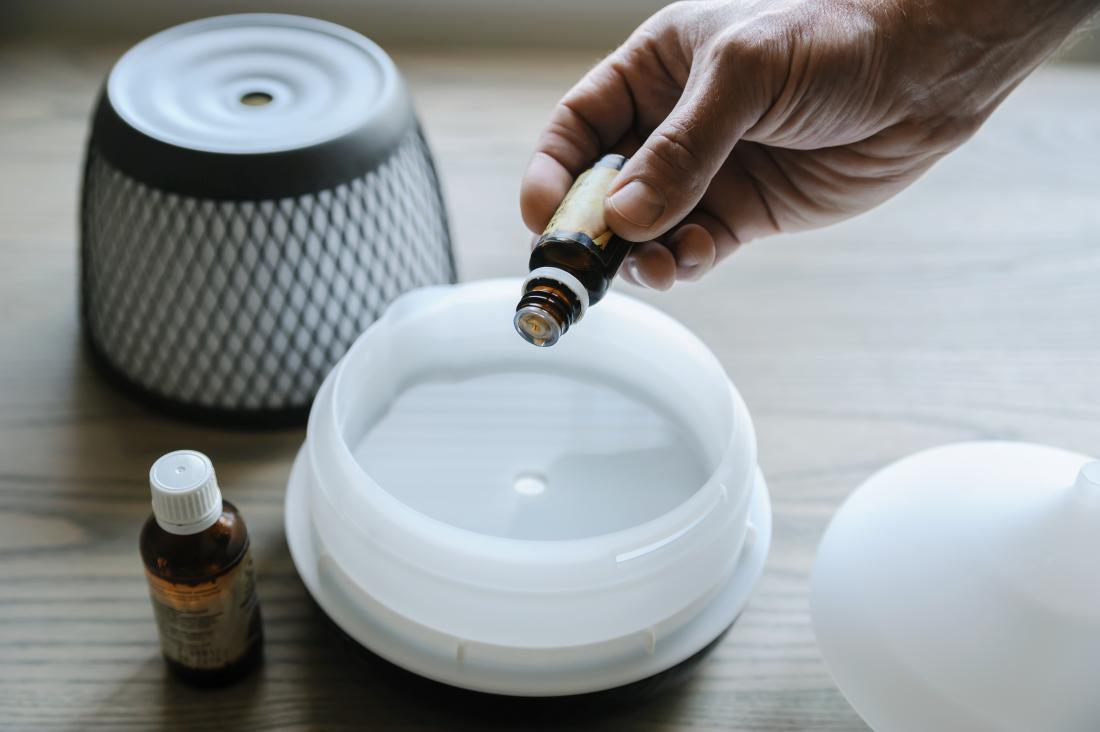
Person putting essential oil into aromatherapy diffuser
To benefit from aromatherapy, a person can try adding lemongrass essential oil to a diffuser.

People can buy lemongrass essential oil online or from a health food store. People should never apply undiluted essential oils on their skin or into their eyes, mouth, or ears.

The Food and Drug Administration (FDA) in the United States has approved lemongrass essential oil as safe when people use it correctly. Misusing essential oils is dangerous and can result in poisoning, skin burns, nausea, and illness in pets.

People can add lemongrass essential oil to a carrier oil, such as jojoba or coconut oil, and massage it into the skin.

Adding several drops of the essential oil to boiling water and inhaling the steam through the nose, keeping the eyes closed, and covering the head with a towel is another way to use it.

People can also add lemongrass essential oil to an oil diffuser. Oil diffusers are available for purchase in stores and online.

The concentration levels of essential oils when people vaporize them is unlikely to be dangerous for adults. However, people should be cautious about using diffusers around infants, children, pregnant women, or pets.

Essential oils are flammable, so people should take care to keep them away from an open flame.

Do not take lemongrass essential oil orally unless following the guidance of a healthcare professional.

Side effects

Lemongrass essential oil may irritate the skin and cause a rash. To minimize the risk of skin irritation, a person should avoid applying lemongrass essential oil to the skin if:

  • they have allergies or skin conditions, such as eczema
  • they have not diluted the oil first
  • they have broken or damaged skin

To check before use, do a skin patch test on a small area of skin, then wait 24 hours to see if a reaction appears before applying the diluted oil more liberally.

Lemongrass essential oil can also cause dryness and stinging around the eyes, ears, mouth, and other mucous membranes, such as the genital area. For this reason, it is best not to use it on the face or put the oil into bathwater.

Takeaway

Research suggests lemongrass has many health benefits, often due to its antifungal, antioxidant, and antibacterial properties.

Many of the studies on lemongrass essential oil have been in test tubes or animal models, so further research is still necessary to find out more about the benefits of lemongrass essential oil on humans.

People should never apply undiluted essential oil directly to the skin or take the oil orally unless under the guidance of a healthcare professional.

Using diluted lemongrass essential oil for massage, steam inhalation, or diffusing may help people relax and benefit from this traditional remedy.

Share Button

Supplement for joint pain linked to lower heart disease risk

Glucosamine, a dietary supplement that people commonly take to ease joint pain and reduce symptoms of osteoarthritis, may lower the risk of cardiovascular problems, according to a study analyzing health data from over 400,000 participants.
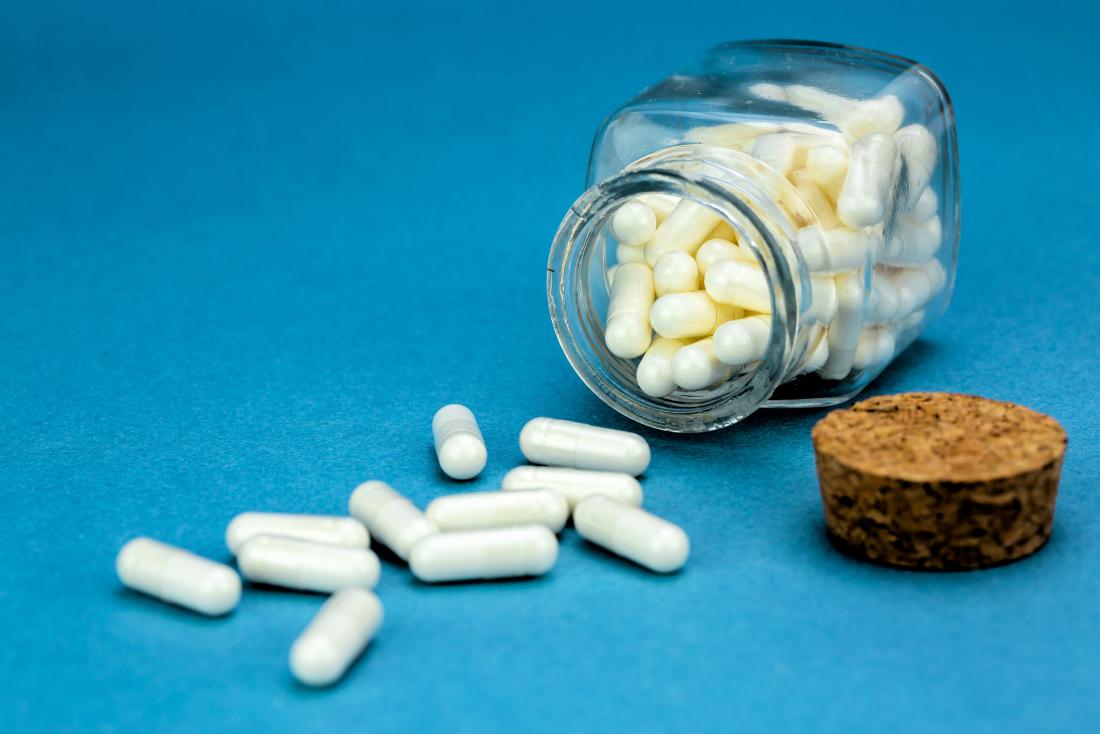
small jar of white capsules
Does glucosamine, a popular dietary supplement, have a preventive effect against heart disease?

Information from the National Center for Complementary and Integrative Health shows that about 2.6% of adults in the United States — which equates to 6.5 million people — take glucosamine, chondroitin, or both. These two dietary supplements treat joint pain and strengthen cartilage, respectively.

This statistic makes glucosamine one of the most popular supplements among the U.S. adult population.

Now, researchers from Tulane University in New Orleans, LA, have carried out a large observational study and found that people who take glucosamine may also have a lower risk of cardiovascular disease and adverse health events relating to the heart or the vascular system, such as stroke.

The research team, which Prof. Lu Qi from Tulane led, accessed the U.K. Biobank study database to use available data from 466,039 participants. None of these participants had cardiovascular disease at baseline, and they all submitted information on their use of dietary supplements.

Among these participants, 19.3% — or about one in five — said that they took glucosamine when they joined the study.

The study’s findings, which appear in the BMJ, suggest that taking glucosamine on a regular basis may help prevent cardiovascular problems. However, the current study is observational, and the authors warn that further trials should test whether there is a causal relationship behind this association.

Does glucosamine prevent heart problems?

Prof. Qi and team looked at the participants’ hospital records and, when necessary, their death records over an average follow-up period of 7 years. They noted whether each participant developed cardiovascular disease, experienced any cardiovascular problems — including coronary heart disease and stroke — or died due to cardiovascular disease.

The researchers found that people who had reported using this supplement had a 15% lower risk of experiencing a cardiovascular disease-related event compared with participants who did not take glucosamine. They also had a 9–22% lower risk of developing coronary heart disease, experiencing a stroke, and dying from cardiovascular-related causes.

These associations were independent of modifying factors, such as a person’s age, biological sex, body mass index (BMI), lifestyle and diet, and medication and supplement use, for which the researchers accounted.

At the same time, Prof. Qi and colleagues also noted that these associations were stronger in current smokers, who saw a 37% lower risk of heart disease with glucosamine supplementation, than in former smokers and never-smokers, whose risk was 18% and 12% lower respectively.

The researchers hypothesize that if there is a causal explanation, it may lie in certain biological mechanisms that relate to inflammation. For instance, they note that there is an association between glucosamine use and lower levels of C-reactive protein in the body.

Researchers have linked this protein to heightened inflammation. Therefore, glucosamine may actually help reduce that inflammation, which is present at higher levels in smokers than in never-smokers and former smokers.

Another hypothesis is that taking glucosamine may have similar effects to following a diet low in carbohydrates, which studies have also tied to a lower risk of cardiovascular disease.

The study authors conclude their paper by saying:

“Habitual use of glucosamine supplement to relieve osteoarthritis pain might also be related to lower risks of [cardiovascular disease] events.”

However, they also caution that, due to the observational nature of this study, “[f]urther clinical trials are needed to test this hypothesis.”

Share Button

Can ‘forest bathing’ reduce stress levels?

In recent years, particularly in Japan, spending time in forests has become the wellness trend du jour. A recent meta-analysis investigates whether so-called forest bathing really can significantly reduce levels of stress.
Man in a forest
The authors of a recent meta-analysis ask whether forest bathing can reduce stress levels.

Forest bathing — a translation of the Japanese term shinrin yoku — is not a new idea, of course; ramblers have enjoyed forest walks for generations.

However, in 1982, the Japanese Ministry of Agriculture, Forestry, and Fisheries first coined the term shinrin yoku.

The act goes beyond walking through nature, according to experts who explain that shinrin yoku “can be defined as making contact with and taking in the atmosphere of the forest.”

The primary benefit that proponents assign to forest bathing is a reduction in stress levels. However, others go even further.

For instance, the authors of a 2017 review concluded that “forest therapy is an emerging and effective intervention for decreasing adults’ depression levels.” Other researchers have investigated whether forest bathing might also help prevent lung and heart disease.

The power of nature

Aside from forest bathing, the psychological benefits of being around green spaces, in general, are also receiving growing attention from scientists. Similarly, there is some evidence, although it is low-quality, that exercising in natural environments, as opposed to indoors, improves mental well-being.

Weaving these threads together, it seems that the overall effect of nature on our mental health is a topic worthy of study.

Recently, a group of researchers from Italy set out to develop a clearer picture of forest bathing’s effect on stress levels. They published their findings in the International Journal of Biometeorology.

The team designed a review and meta-analysis of relevant studies, focusing on levels of cortisol as a biomarker for stress.

Cortisol is a steroid hormone, the production of which increases during times of stress. It is possible to measure these increases in samples of saliva or serum, making it a relatively easy way to assess an individual’s levels of psychological stress at any given time.

The authors screened almost 1,000 articles but selected only 22 to include in their systematic review and eight to use in their meta-analysis.

Reviewing forest bathing

The authors explain that for their analysis, forest bathing “was defined as staying in a forest, either walking or simply resting and watching it, and taking in its air for a specified amount of time.”

Some of the studies that the scientists included used a control group where there was no intervention, while others compared forest bathing with other activities, such as walking through an urban area.

The authors found that all but two of the studies reported a benefit: Cortisol levels were significantly lower in the forest group compared with the control or comparison group.

The authors also noticed an “anticipatory effect” of shinrin yoku — individuals experienced a drop in cortisol just before beginning their forest session. For instance, in one study, participants’ cortisol levels dropped once the researchers had informed them that they were going to take part in forest bathing. The authors explain:

“Forest bathing is considered an anti-stress practice, and planning to visit a forest seems to positively influence cortisol levels, even before physically interacting with it; therefore, watching a forest, and possibly even the sole mental visualization of a forest, may have a role in triggering anticipated placebo effects.”

Although scientists do not fully understand the placebo effect, they know that it is powerful.

The placebo effect and beyond

Having assessed the available research, the authors of the current analysis conclude that “the anticipated placebo effect related to planning and visualizing the intervention may play a more important role in influencing cortisol levels […] than the actual experience of shinrin yoku.”

The researchers believe that this topic is worth following up. After all, visiting a forest is, generally, cost-effective and free of side effects, so if it can impart any physical benefits, it may be a useful tool.

However, there are significant issues with the current state of research into forest bathing, not least the small size of most of the relevant studies. The published experiments also vary greatly in quality and methodology.

Also, as the authors note, “publication bias cannot be excluded.” In other words, a journal might be more inclined to publish a paper with a positive finding than one that reports no significant effect. Publication bias tends to skew the available data to appear more positive than they truly are.

It is worth noting that systematic reviews from 2012 and 2017 found no significant benefits of forest bathing. The authors of the latter conclude that “the lack of high-quality studies limits the strength of results, rendering the evidence insufficient to establish clinical practice guidelines for its use.”

Another concern is that it might not be the forest itself producing the drop in stress levels. Instead, it might be the absence of urban environments that drives the effect.

Often, our stress has its roots in modern life, including work, school, or home life. Therefore, anything that reminds us of these places, even subliminally — such as buildings, cars, familiar faces, traffic fumes, or perhaps the odors that we associate with our workplace — might drive or maintain our stress levels. Simply removing these reminders of the pressures of life might reduce stress.

It is clear that scientists need to carry out much more investigation into forest bathing before doctors can begin prescribing it for stress. However, because the placebo effect appears to play an active role, it wouldn’t hurt to imagine a forest stroll during your next stressful day at the office.

Share Button

What are the benefits of neem?

Neem is a natural herb that comes from the neem tree, other names for which include Azadirachta indica and Indian lilac.

The extract comes from the seeds of the tree and has many different traditional uses. Neem is known for its pesticidal and insecticidal properties, but people also use it in hair and dental products.

In this article, learn about the benefits of neem, as well as whether it is safe to use.

Benefits

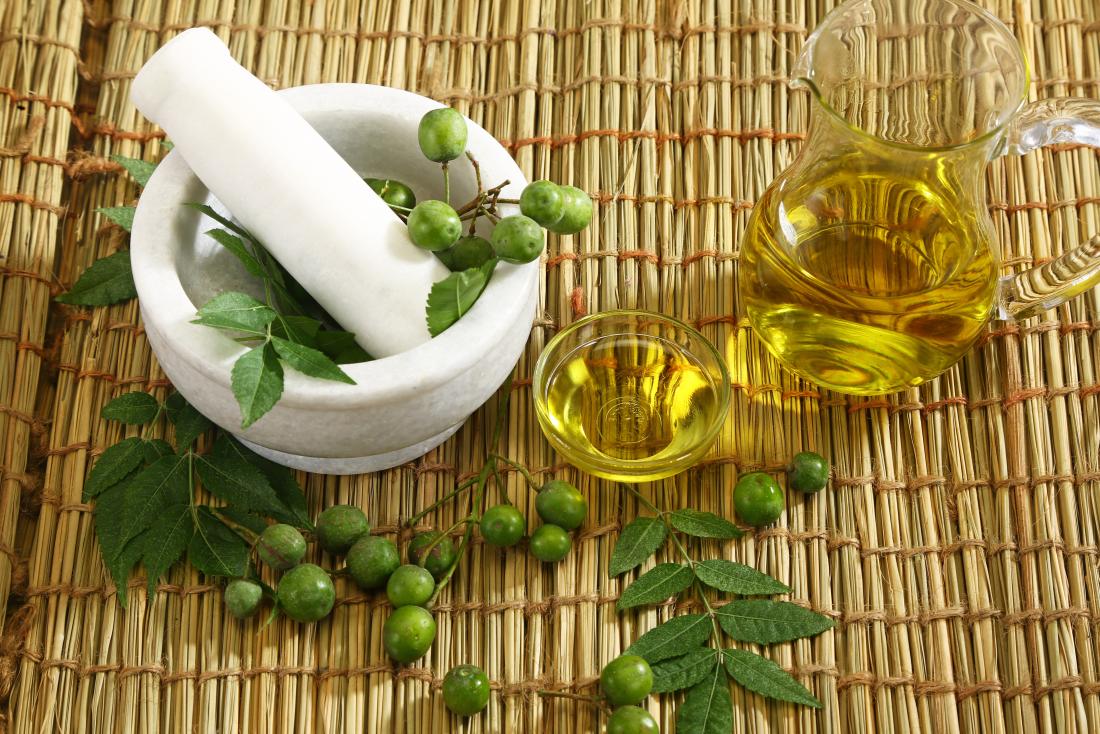
Neem plant and essential oil
Neem is a popular ingredient in natural hair and dental products.

Neem oil is a common pest repellant, effective against sand fleas and mosquitoes. Other forms of neem can help control termites and repel moths.

Some manufacturers add neem to animal shampoos to repel ticks and fleas. They may also add it to cattle feed or grain to repel pests and parasites.

Neem is a strong antioxidant, neutralizing free radicals that may influence the development of some conditions. It is also a strong anti-inflammatory agent.

Neem has antimicrobial effects and may be effective against several types of bacteria, viruses, and fungi.

As neem is effective against mosquitoes, it may also have anti-malarial properties. Malaria is a parasite that some mosquitoes carry. It causes around 219 million illnesses and 435,000 deaths worldwide each year.

Uses

People most frequently use neem in hair and skin care products. Some people take neem extract capsules, but there is not currently enough research to say whether they have any medical benefits.

The oil is yellow or brown and smells of garlic or sulfur. If ingested, it has a strong bitter taste.

Little research is available on neem’s effect on hair health, but anecdotal evidence suggests that it may be helpful for:

  • Dandruff: Neem is a popular ingredient in several anti-dandruff shampoos. Although there has been no research to support its use, neem is an anti-inflammatory and an anti-microbial, which may help reduce the symptoms associated with dandruff.
  • Lice: The results of a small study indicated that neem is an effective anti-lice and anti-nit agent. The study only tested 12 children with lice, but all were completely lice- and nit-free after treatment with a neem-based shampoo. No lice were present for 7–10 days after treatment, and there were no side effects.

Dental products, including mouthwashes, toothpastes, and tooth powders, can also contain neem. Neem can reduce pain from toothache and improve dental health by cleaning the teeth and gums and alleviating gingivitis.

How to use

Manufacturers sometimes add neem to hair products, such as shampoos and styling gels. Some people also make their own hair care products by adding neem oil directly into their regular shampoo.

It is also possible to apply a neem oil directly to the hair to help control frizz.

For dental health, people can chew on neem twigs to help clean the teeth or relieve tooth pain.

Risks

Medicinal neem leaves with fruits close up
Some people may experience an allergic reaction to neem.

Although experts generally consider neem safe for use, it is possible for someone to have an allergy or sensitivity to it.

Before using neem for the first time, consider doing a patch test. To do a patch test, rub a few drops of neem onto a patch of skin on the inner forearm.

Wait 24 hours, then look at the site to see whether a reaction has occurred. Any signs of discoloration, swelling, itching, or discomfort indicate that a person may be sensitive to the oil and should avoid using it again.

In general, children are more sensitive to pesticides such as neem oil, though there is no research directly on the effects of neem in children.

It is best to speak to a doctor before using any alternative medication on a child or during pregnancy.

Summary

Neem products come from all parts of the Indian lilac tree. In the past, people have used neem as a natural remedy for a variety of illnesses.

Now, many people use neem as a natural pesticide. Some use it to support their hair and dental health.

Neem is usually safe to use as a cosmetic product, but people should do a test patch first and speak to a doctor before using neem products on a child.

Neem products are available in some natural health stores and online.

Share Button

Ginkgo seeds may help keep skin blemish-free, but there’s a catch

Researchers have found that an ancient Chinese medical compendium was right all along — ginkgo seeds are able to kill the bacteria that cause acne and other skin conditions. However, the scientists also warn that we should not rush to make use of these seeds.
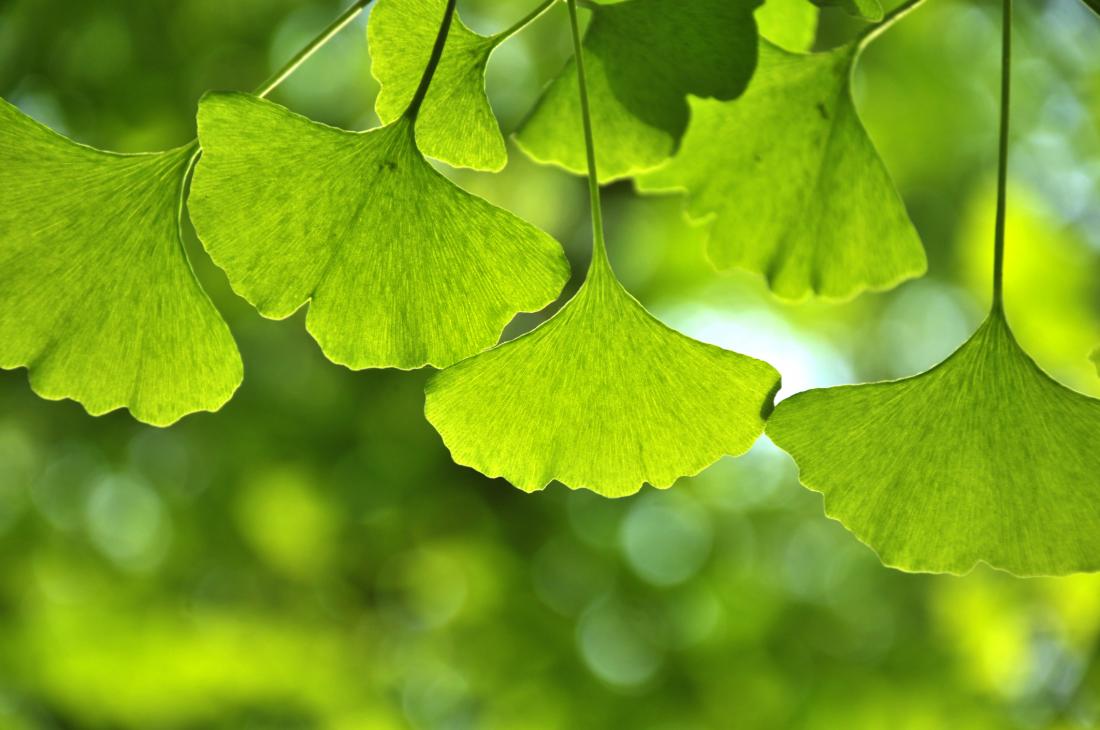
gingko tree leaves
The seeds of the ginkgo tree contain a substance that fights off bacteria that harm the skin.

The Ginkgo biloba tree is an evergreen and a living fossil (an ancient plant that has survived through the millennia) originally found in Eastern Asian countries, including parts of China, Japan, and the Koreas.

Now, however, people also cultivate it in parts of Europe and North America for ornamental purposes.

Folk medicine lists various uses for extracts of different parts of the ginkgo tree, including expelling intestinal worms, treating arthritis, and soothing chilblains.

Nowadays, ginkgo extracts — mostly from the tree’s leaves — are often present as the key ingredients in herbal supplements. However, although experimental studies have suggested that ginkgo may help treat many conditions, from depression to Alzheimer’s to diabetes, its actual effectiveness and safety remain debatable.

Now, research conducted at Emory University, in Atlanta, GA, has found that ginkgo seed extract has antibacterial properties. More specifically, it can fight off Cutibacterium acnes, Staphylococcus aureus, and Streptococcus pyogenes — three types of bacteria that cause acne, psoriasis, dermatitis, or eczema.

The team reached these findings — which appear in the journal Frontiers in Microbiology — after Xinyi Huang, who was studying at Emory at the time, became interested in a 19th-century copy of the “Ben Cao Gang Mu” (“Compendium of Materia Medica”) by Li Shizen, which belonged to the university.

Ancient Chinese wisdom brought to light

In Chinese, “bencao” means “rooted in herbs,” and this compendium — which was originally published in China in 1590, during the Ming Dynasty — contains detailed information on traditional medicinal plants, their classification, preparation, and uses.

While considering what she wanted to research for her senior thesis, Huang — who is now furthering her studies at the University of Maryland School of Pharmacy in Baltimore — came across Emory’s copy of “Ben Cao Gang Mu,” which described the uses of ginkgo seeds in the treatment of various skin conditions, including chapped skin, itchiness, rosacea, and skin infections.

In Li Shizen’s view, the seeds were to be ground into a paste, mixed with rice wine or rapeseed oil, and then rubbed onto the affected parts of the skin.

Intrigued by Li Shizen’s centuries-old advice, Huang decided to test the benefits of ginkgo seeds in the laboratory.

Working with researchers from the laboratory of Cassandra Quave, Ph.D. — who is senior author of the study paper and an assistant professor at Emory — Huang set out to assess ginkgo seeds’ antimicrobial properties in the context of skin conditions.

Since ginkgo trees are dioecious — meaning that they have two sexes — the researchers collected samples from male and female trees. They also purchased fresh seeds from a local farmers market.

Then, they classified their material by sex and other characteristics, also sorting them into groups of leaves, branches, mature seeds, and immature seeds.

Moreover, the team procured the substances that occur in ginkgo seeds in their pure chemical form.

The secret may lie in ginkgolic acid

In laboratory tests that they conducted on 12 different strains of bacteria, the researchers found that ginkgo seed coats and immature seeds — processed in the manner suggested by Li Shizen — inhibited the growth of three of these strains, namely C. acnes, S. aureus, and S. pyogenes.

Using statistical analysis, Huang and colleagues also observed a positive correlation between the antimicrobial properties of the ginkgo seeds and their richness in a substance called ginkgolic acid C15:1.

This, the researchers explain, suggests that ginkgolic acid may be largely responsible for ginkgo’s inhibitory effect on the bad bacteria.

The finding, Huang says, “was like blowing the dust off knowledge from the past and rediscovering something that had been there all along.”

She also notes that she had not expected to find that ginkgo seeds could have a medicinal use. “I was surprised because I had never thought about doing anything with ginkgo seeds except eating them,” she explains.

“I remember the first time I tasted them was in Cantonese soup. The seed turns an unforgettable bright yellow when it’s cooked. The flavor is really distinct — a little bit bitter but also sweet,” Huang recalls.

A word of caution

At the same time, however, the team warn that their discovery, though exciting, should not lead people to immediately go and try Li Shizen’s concoction on their own.

That is because — as co-first author François Chassagne, Ph.D., explains — concentrated ginkgolic acid C15:1 is actually toxic to the skin itself.

Huang herself notes that, even when she ate cooked ginkgo seeds as a child, her family forbade her from eating too many. “They’re good, but my parents warned me not to eat more than five at a time,” she remembers. And even Li Shizen, in the Ben Cao Gang Mu, suggests using ginkgo seeds sparingly.

“Our finding is still in a basic, benchtop phase — these extracts have not yet been tested in animal or human studies,” Huang emphasizes. “But it is still a thrill for me to learn that this ancient story in the Ben Cao Gang Mu appears to be real,” she adds.

“To the best of our knowledge, this is the first study to demonstrate the antibacterial activity of ginkgo seeds on skin pathogens,” points out Quave.

In the future, the researchers hope that the current findings may lead to the development of drugs that are better able to fight off harmful bacteria.

“One possible strategy in the search for new antibiotics would be to investigate ways to modify the structure of the particular ginkgolic acid tied to the antibacterial activity, to try to improve its efficacy and also to reduce its toxicity to human skin cells.”

François Chassagne, Ph.D.

Share Button

How marijuana affects the body

Marijuana is the dried and ground up or shredded parts of the cannabis plant. Nearly all parts of the plant make up marijuana, including the leaves, stem, flowers, and seeds. As with other medications and procedures, marijuana use can potentially bring both positive and negative effects.

Many of marijuana’s effects are short-term, meaning that they last for only a short period. Other effects are long-term and may not show up immediately.

There is not much research into the effects of secondhand marijuana smoke. It is possible that secondhand smoke exposure may be enough to cause some of the temporary effects, as well as some of the long-term effects, in some people. More research is necessary to examine the effects of secondhand marijuana smoke.

Often, a person will smoke marijuana to feel its effects. However, a person could also:

  • vape it
  • cook it into food
  • use it as part of an oil
  • brew it with teas
  • use other topical or oral marijuana products

The following article discusses some of the potential benefits and side effects that marijuana has on the body.

How marijuana affects physical health

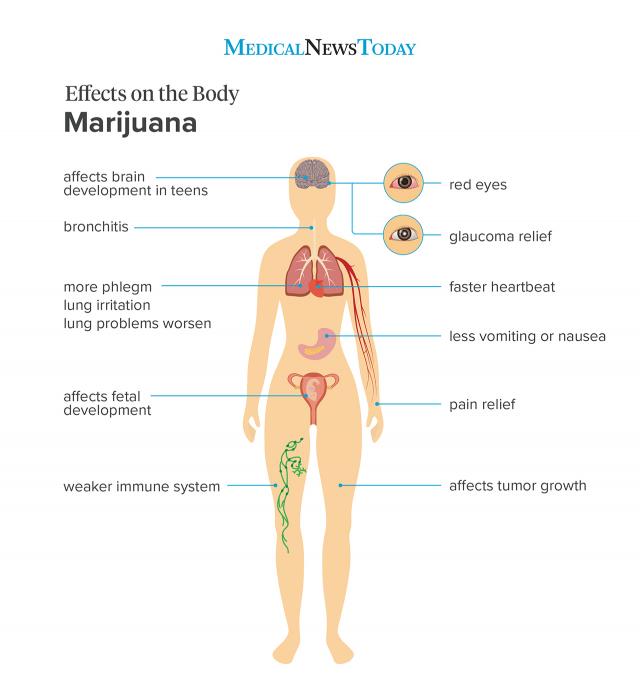
Marijuana physical effects on the body

Some of the most common effects on physical health from marijuana use include:

  • a higher likelihood of developing bronchitis, when a person smokes it
  • more phlegm, when a person smokes it
  • lung irritation from irritants including some carcinogens, such as accidentally burning the mouth or throat when smoking
  • a weakened immune system due to the effects of tetrahydrocannabinol, which is the main psychoactive chemical in marijuana
  • pain relief
  • reduction in vomiting and nausea
  • faster heart rate by 20–50 beats per minute
  • red eyes from the increase in blood flow
  • relief from the symptoms of glaucoma, for short periods
  • aggravation of existing lung conditions, such as asthma, when a person smokes it
  • potential interference with tumor growth
  • interference with fetal development during pregnancy
  • interference with brain development among teenagers

When people use it medically, marijuana is often useful for the following:

  • reducing pain associated with certain medical conditions
  • reducing inflammation
  • helping with glaucoma
  • reducing nausea in people undergoing chemotherapy

How marijuana affects psychological health

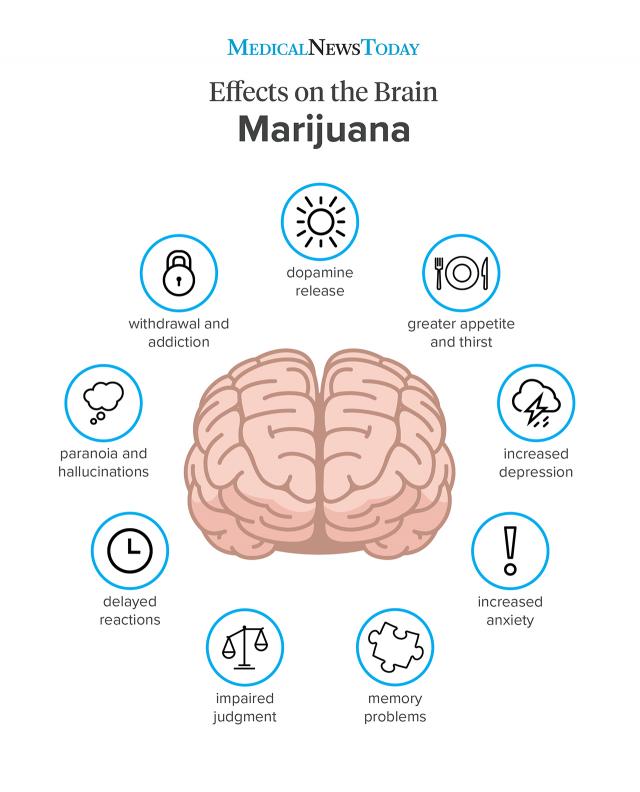
Marijuana effects on the body and brain

Some of the most common effects a person may experience include:

  • increased appetite and thirst
  • increased or decreased depression symptoms, depending on the user
  • increased or decreased anxiety symptoms, depending on the user
  • impaired judgment, making it harder for people to think clearly
  • problems with memory
  • the release of dopamine, which causes the feeling of being high
  • symptoms of withdrawal after long-term use
  • delayed reactions to stimuli
  • temporary paranoia and hallucinations
  • addiction, in some cases

Marijuana has many potential psychological effects, and it is worth noting that this is not a comprehensive list.

How marijuana affects younger people

Marijuana is only potentially safe for use by adults.

Children and teenagers are susceptible to potential ill effects. When a mother uses marijuana while pregnant, the baby may develop memory and concentration issues as they grow.

Breastfeeding mothers who also use marijuana may be exposing their baby to its potentially harmful effects. Women should avoid using marijuana while pregnant and breastfeeding.

Marijuana may affect the brain development of older children and teenagers. This can lead to memory loss, concentration issues, and impaired problem-solving skills.

Research strongly suggests that for those under 25 years of age, marijuana use can impair memory and learning ability.

Long-term effects of marijuana

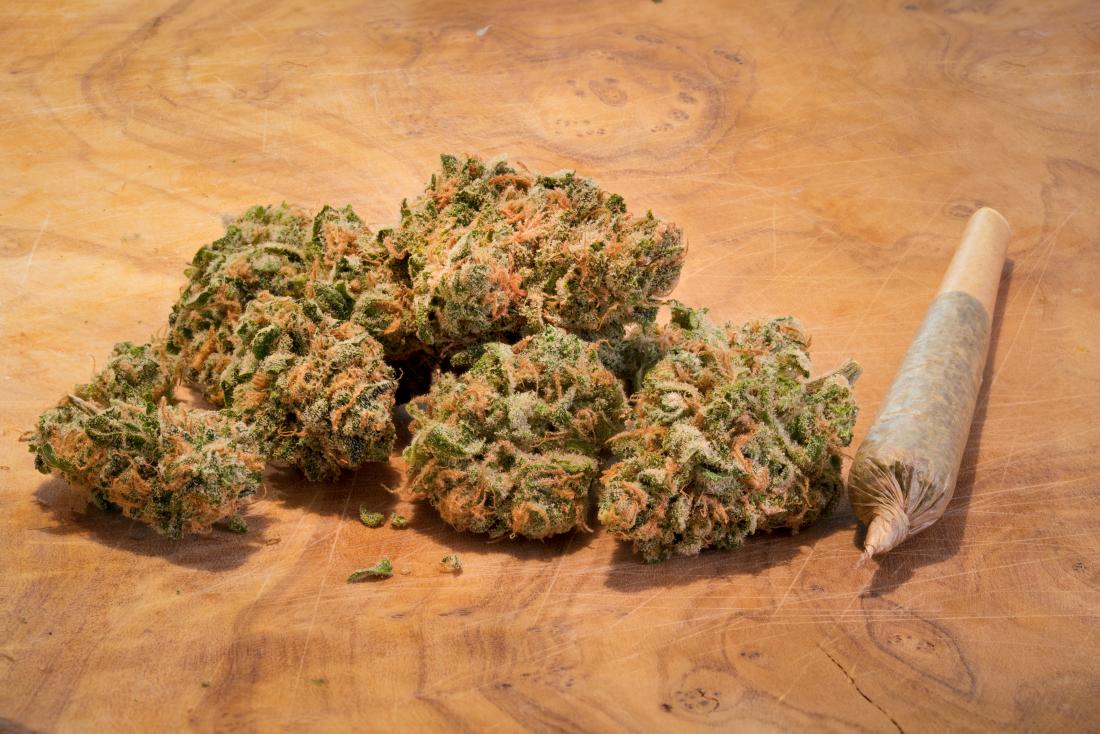
Marijuana effects on the body joint
The long-term effects of using marijuana depend on several factors, including a person’s age and frequency of use.

Long-term effects depend on several factors, including:

  • how a person uses marijuana
  • how often they use it
  • the age of the person using it
  • how much a person uses at any given time

Some of the potential long-term effects include the following:

  • memory loss
  • concentration and memory issues from exposure while in the womb
  • lung irritation
  • possibly lung cancer, although research does not fully support this
  • development of cannabinoid hyperemesis syndrome, which causes nausea and vomiting

Takeaway

Marijuana has many potential short- and long-term effects on the body. Although many proponents believe that marijuana is a modern day cure-all, others believe that its negative effects outweigh its potential medicinal benefits.

People have used marijuana recreationally for many years. As of 2019, 34 states in the United States have some form of legal cannabis. A few states have also legalized its recreational use.

In states where recreational use is still not legal, people should consider other approaches and speak to their healthcare provider about what is best for them.

Share Button

What are the benefits of helichrysum essential oil?

Helichrysum is the Latin name for a flowering plant meaning “immortal” or “everlasting.” It grows wild in the Mediterranean region of southern Europe.

Famous for its exotic, spicy scent, many perfume makers use helichrysum in their products. The flowers and leaves of helichrysum plants have additional uses in traditional medicine in Europe, particularly Italy, Spain, Portugal, and Bosnia and Herzegovina.

In this article, learn more about helichrysum essential oil, including the possible benefits and how to use it.

What is helichrysum essential oil?

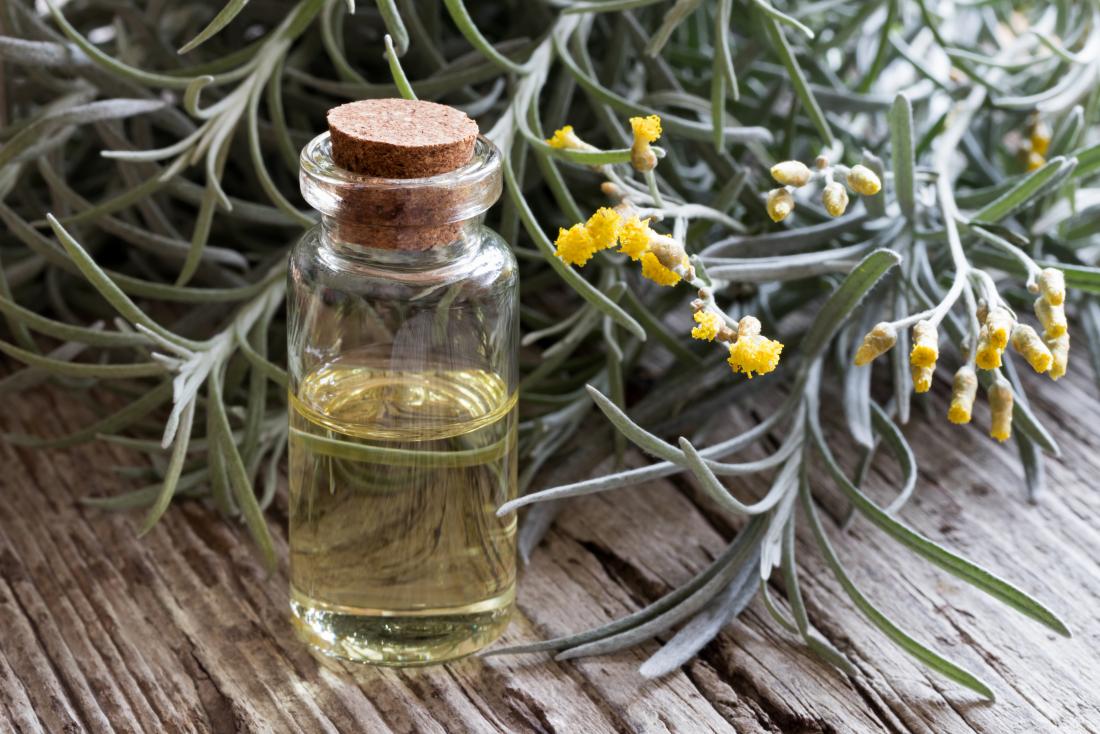
helichrysum essential oil in bottle next to plant on wooden table.
Helichrysum essential oil is popular due to its strong scent.

Essential oils are liquids that people extract from plants for use in herbal medicine. By extracting the oils, practitioners ensure the key ingredients of the plant are very concentrated.

For example, the National Cancer Institute report that it takes 220 pounds of lavender flowers to make a single pound of lavender essential oil.

Helichrysum essential oil comes from steam distillation, the most common way to process essential oils.

Manufacturers place fresh helichrysum flowers in a chamber and then pump steam in, which prompts the release of essential oils.

The steam and oils then move to a condenser, where cooling transforms the steam into water and separates the essential oil.

Proponents of using essential oils believe that helichrysum essential oil may help treat a variety of medical conditions, from infections to insomnia.

Benefits

Researchers are beginning to use scientific testing to evaluate the claims made for helichrysum.

In many cases, however, the research samples are small, and so scientists need to do more investigative work to establish conclusive evidence.

The possible benefits of helichrysum include:

1. Preventing infections

Researchers who looked at existing evidence about helichrysum found that it has antimicrobial and anti-inflammatory properties. These mean it may help kill bacteria, viruses, and fungi that can cause infections.

The anti-inflammatory properties of helichrysum could reduce symptoms related to an infection, such as swelling, pain, and redness.

Studies identified by the researchers found helichrysum to be effective against the following specific microorganisms:

  • Staphylococcus aureus, or staph, a common bacteria that can cause skin infections, abscesses, and pneumonia.
  • Candida albicans, a common form of fungal infection known as a yeast infection when it develops in the vagina or thrush when it develops in the mouth or throat.
  • Streptococcus mutans, a bacteria in the mouth that can cause cavities and gum infections.

2. Fighting malaria

Research into the uses of Helichrysum gymnocephalum essential oil, which comes from one type of helichrysum plant, found antimalarial activity.

This means that in a test tube, at least, it could help fight the parasite that causes malaria.

More research is necessary to determine what protective effects it could have in people.

3. Reducing burnout and exhaustion

Helichrysum essential oil can help treat exhaustion.
Helichrysum essential oil may help treat exhaustion.

In 2013, researchers did a small study on whether a combination of essential oils could help reduce feelings of mental exhaustion and burnout.

They used a mixture of basil, peppermint, and helichrysum essential oils.

The study gave one group of participants the essential oil combination while the other had a placebo.

Both groups experienced a reduction in perceived mental exhaustion and burnout, but the essential oils group had more significant results.

4. Preventing weight gain

In a small animal study, researchers looked at the impact of a helichrysum extract on overweight, insulin-resistant rats.

The study showed that rats receiving the helichrysum gained less weight, had lower insulin levels, healthier levels of inflammation markers, and reduced insulin resistance.

5. Healing wounds

Some herbalists say helichrysum essential oil can be a key ingredient in a “holistic first aid kit,” because they believe the oil is a useful treatment for:

  • burns
  • ear infections
  • inflammation of the kidneys
  • wounds

These claims come from traditional use, and scientific evidence may not be supportive.

How to use

Essential oils are part of aromatherapy, and people are meant to inhale them. They can inhale helichrysum essential oil or use it topically.

To inhale helichrysum essential oil, place drops of the oil in a bowl of hot water and then lean over the bowl and breathe in.

People can also put drops of the essential oil in a diffuser to disperse the scent.

To use it topically, people must mix the essential oil with a carrier oil, such as coconut or almond oil, before applying it to the skin.

There are hundreds of different species of helichrysum. While people may associate the plant with several different health benefits, not all species will deliver the same desirable effects.

Before selecting helichrysum essential oil, make sure the manufacturer has produced it using the correct plant for the specific health condition that is of concern.

Risks

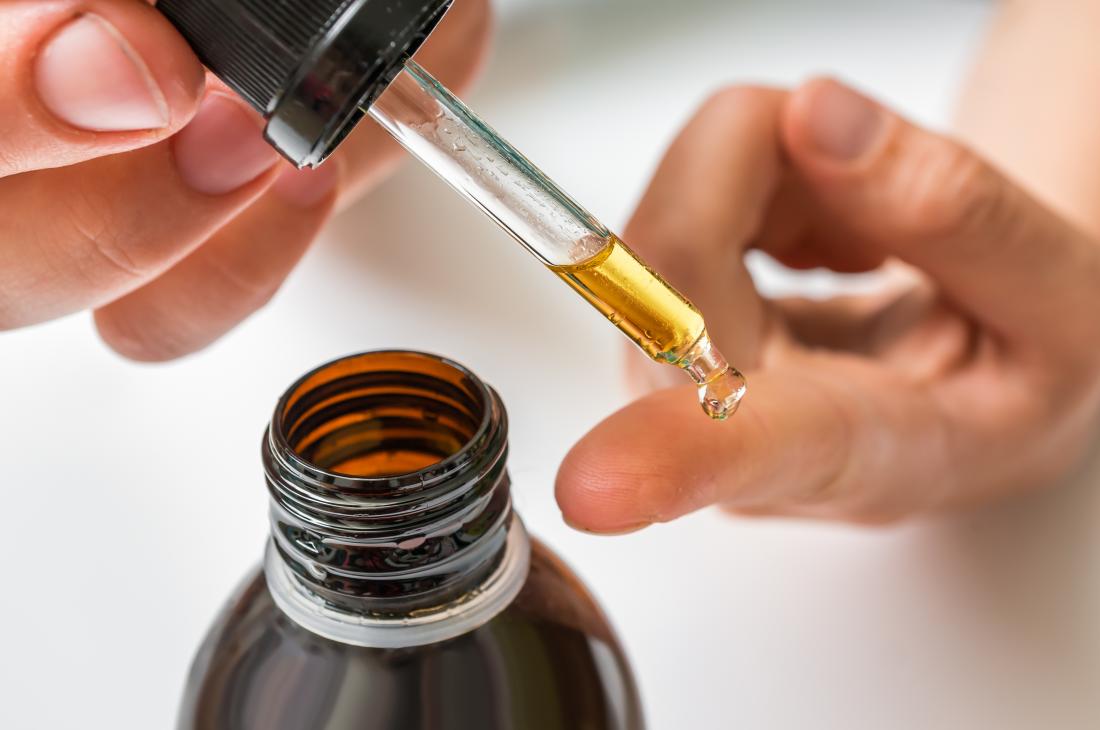
essential oil being tested on skin on finger using dropper
A person should test new essential oils on a patch of skin to ensure that they do not cause irritation.

According to the Food and Drug Administration (FDA), helichrysum essential oil is “generally recognized as safe.” However, people should still use caution when using it on the skin.

Essential oils can irritate the skin, so it is best to mix each one with a carrier oil and do a test patch a day before applying it more generously.

If the test patch shows any signs of irritation, such as itchiness or redness, people must not continue using the mixture.

It is never safe to ingest essential oils. It is also a good idea to keep them out of reach of children and pets.

Summary

Helichrysum essential oil has a history of use in traditional medicine in some places in Southern Europe, where the plant grows abundantly.

While some small studies and preliminary results seem promising, more research on humans is necessary to validate any health benefits.

People should use caution when trying helichrysum essential oil and make sure to report and discuss all their healthcare practices with a doctor.

Helichrysum essential oil is available to purchase in health food stores and online.

Share Button