Health benefits of olive leaf extract

Olive leaf extract may have several potential health benefits, such as helping lower cholesterol and blood pressure. Although scientists have conducted much of the research in animals, the extract is also beginning to show promise in some human trials.

People in the Mediterranean region have long used olive tree leaves as part of their diet and in traditional medicines.

Olive leaves contain several key polyphenols, such as oleacein and oleuropein. Polyphenols occur naturally in plants, and research suggests that they may help protect against a range of conditions, such as heart disease and cancer.

These polyphenols may underlie some of the potential health benefits of olive leaf extract.

In this article, we discuss some of these health benefits, as well as the evidence to support them. We also cover dosage and possible side effects.

Weight gain

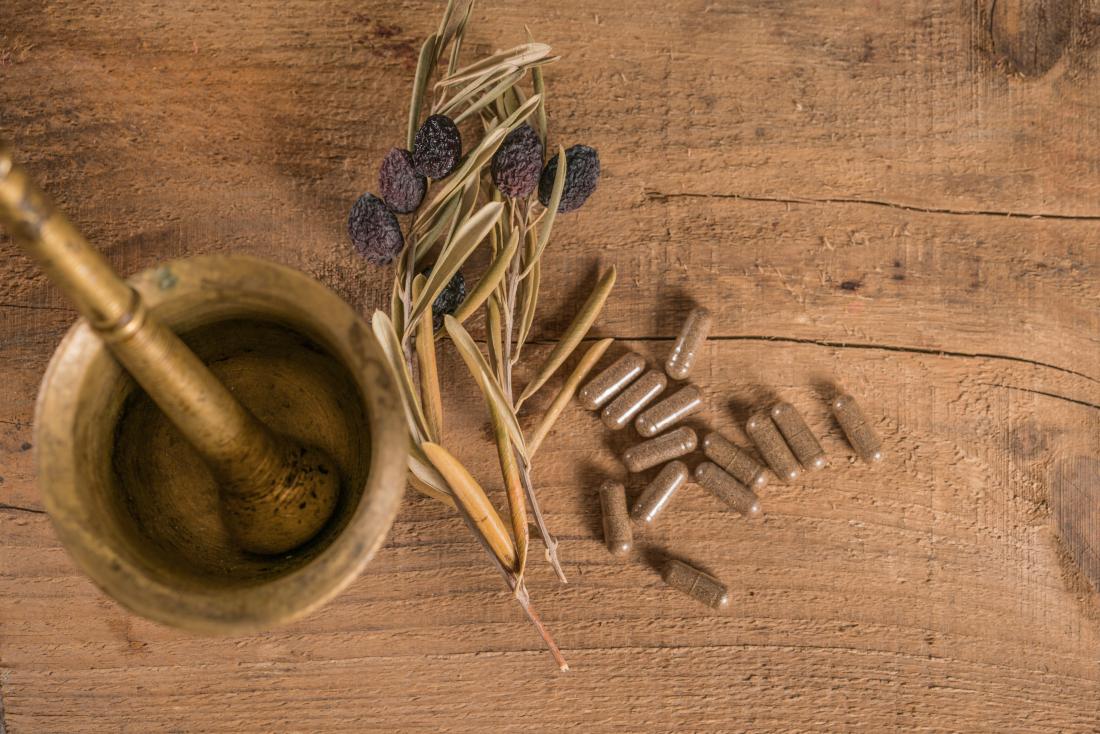
Olive leaf extract supplements on wooden table next to dried olive branch and pestle and mortar.
Olive leaf extract is available as a supplement.

Olive tree leaves contain oleuropein, which is a polyphenol that may help prevent weight gain.

In a 2016 study, researchers orally administered oleuropein to rats with obesity that were

consuming a high-cholesterol diet. After 8 weeks, the rats had a lower body weight, less fat tissue, and an improved metabolic profile.

Another study from 2014 found that oleuropein supplementation reduced body weight and weight gain in mice that were consuming a high-fat diet.

These findings suggest that olive leaf extract containing oleuropein may have the potential to reduce weight gain and lower the risk of obesity.

However, further studies are necessary to confirm this possible health benefit in humans.

Cholesterol

Preliminary studies suggest that olive leaf extract may help improve cholesterol levels.

In a 2015 study, rats ate either a high-cholesterol or a normal diet. The researchers also gave olive leaf extract to some of the rats in both groups.

After 8 weeks, the cholesterol-fed rats had higher levels of total cholesterol and low-density lipoprotein (LDL), or “bad,” cholesterol. In the rats that also consumed the olive leaf extract, these cholesterol levels were significantly lower.

These findings may also apply to humans. A 2008 study compared the effects of food supplementation with olive leaf extract with lifestyle advice in 40 identical twins with high blood pressure.

After 8 weeks, the team found that olive leaf extract significantly lowered LDL cholesterol levels within the twin pairs in a dose-dependent manner. This means that larger doses had a greater effect.

Blood pressure

Studies suggest that olive leaf extract can help lower high blood pressure.
Studies suggest that olive leaf extract may help lower high blood pressure.

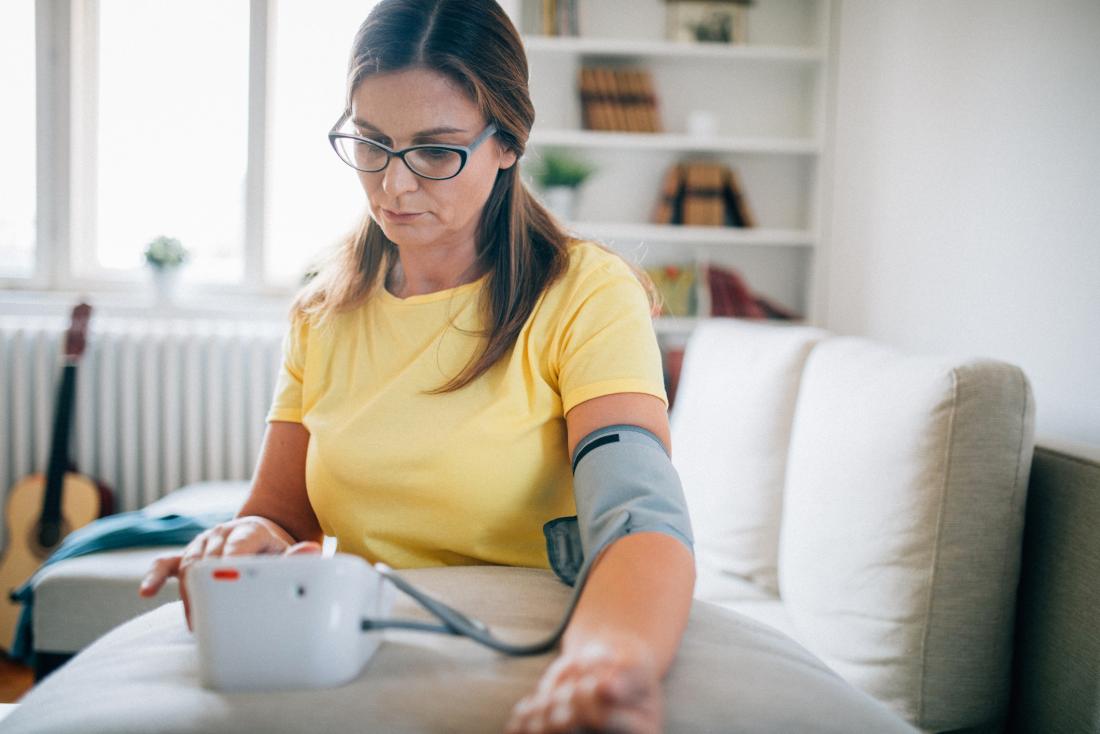
Olive leaf extract may help treat hypertension, or high blood pressure.

In a 2011 study, researchers randomized people with stage 1 hypertension to take either 500 milligrams (mg) of olive leaf extract or 12.5–25 mg of captopril, a medication for high blood pressure, twice per day.

After 8 weeks, blood pressure was significantly lower for both groups. The team concluded that the olive leaf extract was as effective at lowering blood pressure in people with stage 1 hypertension as captopril.

In another study from 2017, researchers randomized people with stage 1 hypertension to take either an olive leaf extract containing 136 mg of oleuropein or a placebo each day.

After 6 weeks, the people who took the olive leaf extract had much lower blood pressure than those who took the placebo.

Type 2 diabetes

Olive leaf extract may also help reduce a person’s risk of developing type 2 diabetes.

In a 2013 study, researchers randomized 46 middle-aged men who were overweight to take either olive leaf extract or a placebo.

After 12 weeks, people in the olive leaf extract group had significant improvements in insulin sensitivity and pancreatic responsiveness compared with those who took a placebo.

Doctors consider reduced insulin sensitivity and pancreatic responsiveness to be important factors in the development of type 2 diabetes.

Dosage

There are no official guidelines on how much olive leaf extract a person should take. In the human studies discussed above, participants usually took 500–1,000 mg per day of a standard olive leaf extract. Some of these were in divided doses.

Olive leaf extract is available in the form of capsules, tablets, and a tea. When using these products, it is generally best to follow the manufacturer’s directions on safe dosages.

A person should to speak to a doctor before taking olive leaf extract to treat a specific condition.

Side effects

A person can speak to their doctor about taking olive leaf extract.

Because the Food and Drug Administration (FDA) consider olive leaf extract to be a dietary supplement rather than a medicine, they do not monitor dose or quality of herbs and supplements.

There is also only limited scientific data on the possible side effects or long-term safety.

One study suggests that possible side effects may include muscle discomfort and headache. People who experience severe or concerning side effects should stop taking the extract and speak to their doctor.

It is also not clear whether olive leaf extract can interact with other medications. People who are taking prescription medications should speak to a doctor before taking olive leaf extract.

Summary

Preliminary studies suggest that olive leaf extract may have several health benefits. These include lowering blood pressure, improving cholesterol levels, and reducing the risk of weight gain and type 2 diabetes.

However, it is necessary for scientists to conduct more large-scale studies in humans to confirm these findings and to determine the long-term safety of taking olive leaf extract.

A range of products containing olive leaf extract are available to purchase online.

Share Button

What are the benefits of marshmallow root?

Marshmallow root, or Althaea officinalis, is a flowering plant that has played a role in herbal medicine for centuries.

Many people use marshmallow root for various ailments, including coughs, skin irritation, and digestive problems, such as ulcers. It comes in the forms of a powder, capsule, tea, and cough syrup.

Researchers have not yet thoroughly investigated the effects of marshmallow root in humans. Most of the research to date has involved animal studies or very small-scale human studies, so more studies are necessary to confirm how effective the root is in humans.

In this article, we look at the evidence behind the possible benefits of marshmallow root. We also cover how to use it and the potential side effects.

What is marshmallow root?

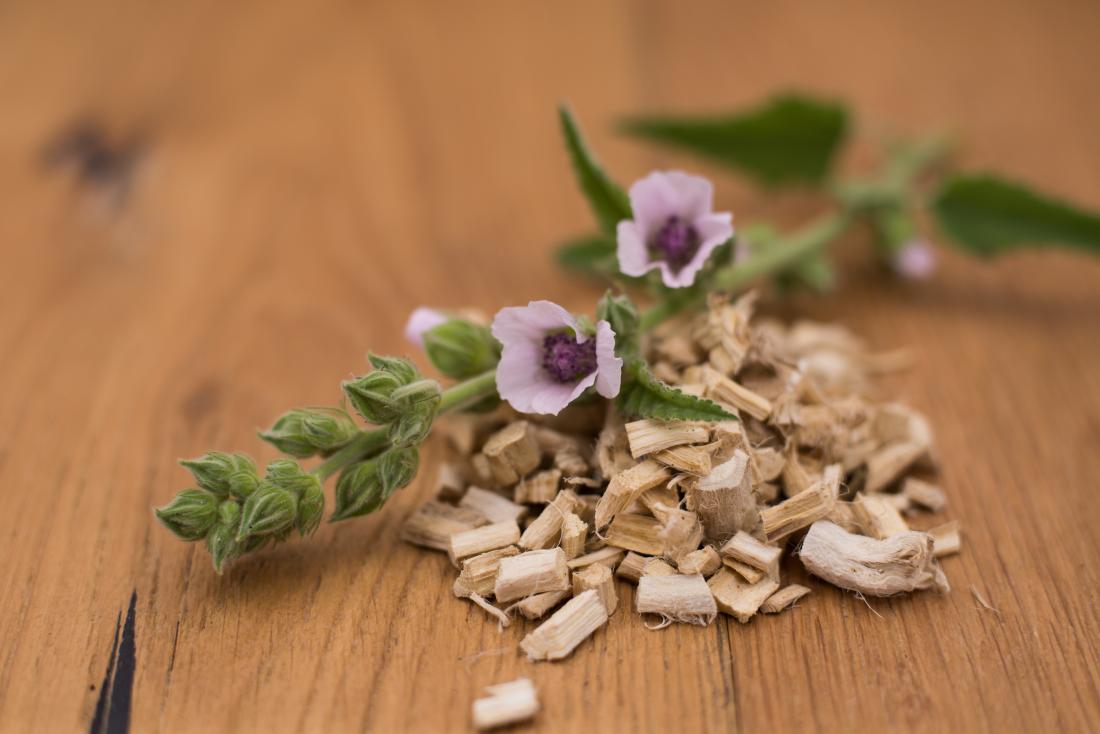
Marshmallow root and flower
People have used marshmallow root in herbal medicine for centuries.

Marshmallow root comes from the marshmallow plant and looks like a brown, fibrous husk. The flowers, root, and leaves of the marshmallow plant are edible.

The medicinal properties of marshmallow root come from the mucilage, or sap-like substance, that the plant produces.

The mucilage of the plant contains antioxidants, and research suggests that it forms a coating over skin and the digestive tract. By doing this, it may help with skin irritation and digestive issues, such as ulcers.

Marshmallow candy got its name from marshmallow root because manufacturers originally used the root’s mucilage to make this confection. Today, however, candy marshmallows typically do not contain the herb. Instead, they consist of sugar and gelatin.

The following sections discuss six reported benefits of marshmallow root.

1. Relieving coughs

Some natural and herbal cough syrups and cough drops contain marshmallow root. The mucilage may have a soothing effect on the esophagus by coating it.

The results of several small studies have suggested that herbal cough remedies that contain marshmallow root can have this effect. One study found that marshmallow root lozenges or syrup helped treat a dry cough.

Another study found that children who took an herbal mixture that contained marshmallow and other herbs, including chamomile and common mallow, had a less severe cough and fewer nighttime awakenings than those who received a placebo instead. This study did not, however, look at the effects of marshmallow root alone, so other herbs in the mixture could have been responsible for the medicinal effects.

The results of a third small-scale study suggest that children who received an herbal mixture that contained marshmallow root and other medicinal plants had fewer and less-prolonged respiratory infections.

Parents and caregivers should talk to a doctor before giving a child any herbal remedies.

2. Improving dry mouth

Chronic dry mouth, which the medical community calls xerostomia, can cause an increase in cavities, gum disease, and dental infections. Dry mouth usually means that a person has too little saliva in their mouth.

Antihistamines, blood pressure medications, neurological problems, and autoimmune diseases are among its many causes.

The authors of one study concluded that people who have hyposalivation, or low levels of saliva, may benefit from using marshmallow root. The herbal remedy helped with dry mouth symptoms, although it was not more effective than the other two treatments in the study, which were both over-the-counter dry mouth treatments.

To treat dry mouth, people can use marshmallow root lozenges. It is important to allow the lozenge to dissolve slowly in the mouth and to avoid chewing it.

Alternatively, people can make an herbal tea using either marshmallow root tea bags or the dried herb in a tea strainer and drink 2 to 3 cups daily.

3. Protecting against ulcers

woman holding upper stomach in pain
The marshmallow plant may reduce the risk of gastric ulcers.

A 2015 study found that marshmallow flower extract could help protect the gut from gastric ulcers.

Researchers tested the effects of the extract on rats, using nonsteroidal anti-inflammatories (NSAIDs) to induce ulcers in the rodents. Rats that received marshmallow root were less likely to develop stomach ulcers than rats who did not get the extract.

Based on these results, the authors suggest that the mucilage and flavonoids in the marshmallow plant may cover and protect the mucous lining of the stomach, which may reduce the risk of certain ulcers, including NSAID-associated ulcers.

4. Soothing skin irritation

Marshmallow root may help with skin irritation and inflammation. A review study suggests that its topical application can help with eczema and damage from UV radiation, or sun exposure.

Although marshmallow root may have a healing effect on sun-damaged skin, people should not use it in place of proper sun protection. UV radiation from the sun is a leading cause of skin cancer, and it can also cause premature aging of the skin.

5. Healing wounds

The soothing effect of marshmallow plant extracts may also help speed wound healing.

A study on rats found that applying marshmallow extract topically helped wounds heal compared with controls. The same study found that the extract was effective in killing specific types of bacteria, which could help prevent infection.

6. Protecting the throat from gastric reflux

When gastric reflux occurs, acid from the stomach flows back up into the throat, which can cause damage to the esophagus. The demulcent effect, whereby the mucilage coats a person’s esophagus, can protect it from the stomach’s damaging acids.

The powdered root form of the plant may be more effective than a tea or tincture, as the herb needs direct contact with the membranes to coat the throat.

Side effects

Marshmallow root is unlikely to cause side effects when a person uses it properly. Most research has shown that people have a very low risk of adverse reactions.

However, in rare instances, people may be allergic to marshmallow root. To check for a skin allergy, they can apply a small amount of marshmallow root to the area of skin inside the elbow. If no reaction occurs within 24 hours, it should be safe to use elsewhere on the skin.

How to use

People can use marshmallow root in a variety of ways to benefit from its demulcent effect. When purchasing any marshmallow products, it is important to ensure that they contain the root of the plant.

How to make marshmallow root tea

Marshmallow root tea
People can make dried marshmallow root into a tea.

Using dried marshmallow root for loose-leaf tea is very straightforward. People can pour boiling water over the dried root before covering and steeping it for 5 to 10 minutes. It will then be ready to strain and drink.

Another option is to use ready-made marshmallow root tea bags. A person will just need to cover a tea bag with boiling water and allow it to steep for up to 10 minutes.

Anyone who prefers a sweet-flavored tea can add honey, which also has antimicrobial and anti-inflammatory effects.

Using marshmallow powder

Marshmallow powder usually comprises a combination of the different parts of the plant, but the label may list how much of the root it contains.

People can mix marshmallow powder with water or juice to create a drink.

Alternatively, they can mix marshmallow root powder with water, pour it into a jar or container with a lid, and allow it to steep at room temperature overnight. As it sits, the mucilage creates a thick, slippery liquid that works well to soothe the throat and mouth. It is possible to store the liquid in an airtight container in the refrigerator for up to 2 weeks.

How to make marshmallow skin salve

People can make a skin salve by combining cooled marshmallow tea or liquid marshmallow extract with coconut oil. They can apply this salve directly to the skin.

Summary

Due to its low risk of side effects and long history of medicinal use, marshmallow root is a good natural option for treating minor ailments. As with any herbal remedy, ask a doctor before using it, and do not use herbs in place of a doctor’s recommended treatment.

People can buy various forms of marshmallow root in health food stores or choose between brands online:

Share Button

What does science say about the effects of meditation?

Practicing meditation or mindfulness techniques is, at least anecdotally, supposed to smooth your way to a happier, more healthful life. But what does science say about these practices?

person meditating on the sofa
What does research say about the effects of meditation and mindfulness? We investigate.

Meditation “keeps our minds and hearts calm, peaceful, and loving, i.e., in the right place,” a casual practicant of mindfulness and meditation told Medical News Today.

Indeed, most people who become interested in meditation are drawn to it thanks to the widespread notion that it will help them feel calmer, more balanced, and less exposed to the effects of daily stress.

Meditation is by no means a new practice. In fact, it has been around for hundreds, if not thousands, of years and a part of diverse cultures. Originally, meditation had strong ties with religion — not just Buddhism, with which people usually associate it — but also with Christian practices.

Indeed, many people today with different religious beliefs like to incorporate meditation as a spiritual practice.

One person even told us that, for her, meditation amounts to a “combination of focused thought and conversation with God,” while also providing a set “[t]ime to listen for the ‘still, small voice’ of calm.”

Mostly, however, and especially in Western countries, meditation has moved away from its spiritual and devotional roots, becoming more of a straightforward practice for mental health and general well-being.

There are many types, including loving-kindness meditation, mindfulness meditation, and transcendental meditation.

Mindfulness has also branched out as a series of practices involving focusing on small details in the present moment. The aim is to help a person stay rooted in the here and now and de-escalate unwelcome feelings or moods, such as episodes of anxiety.

People who engage with mindfulness techniques and meditation often allege that these practices allow them to boost or maintain various aspects of their well-being. But what has research found about the effects of meditation on the mind and the body, and are there any potential harms involved? In this Spotlight feature, we investigate.

1. Resilience to stress

One of the top reasons that people cite when claiming that meditation is beneficial is that it allows them to get rid of the stress that accumulates on a daily basis due to job or family pressures.

long haired woman looking happy
Meditation can make you more resilient in the face of daily stress.

A study that researchers associated with the Center for Wellness and Achievement in Education in San Francisco, CA, conducted last year confirms that people who practice transcendental meditation reported feeling less stressed at work than peers who did not meditate.

During transcendental meditation, typically, a person focuses on and repeats a mantra — a special word, sound, or phrase — which is meant to help the mind settle down. But why would meditation have a positive effect on our minds’ and bodies’ reactions to stress?

A previous study, published in 2017, reveals that meditation — alongside other mind-body interventions — is associated with lower levels of the molecule “nuclear factor kappa B,” which influences the regulation of gene expression.

The team who conducted that research explains that our bodies typically produce that molecule in response to stress and that it, in turn, activates a series of pro-inflammatory cells called “cytokines.”

High cytokine activity contributes to many physical and mental health problems, including abnormal inflammation, cancer, and depression.

“Millions of people around the world already enjoy the health benefits of mind-body interventions like yoga or meditation, but what they perhaps don’t realize is that these benefits begin at a molecular level and can change the way our genetic code goes about its business,” says the study’s lead researcher, Ivana Buric, from Coventry University in the United Kingdom.

Mindfulness ‘shows promise in reducing pain and distress’

Other evidence, also uncovered in 2017, indicates that meditation, alongside yoga, promotes stress resilience by increasing levels of the brain-derived neurotrophic factor, a protein that protects nerve cell health and helps regulate metabolic processes.

Similarly, recent research — published in Evidence-Based Mental Health, a BMJ journal — shows that mindfulness is about as effective as cognitive behavioral therapy (CBT) in relieving the symptoms of chronic pain associated with conditions such as fibromyalgia, rheumatoid arthritis, and osteoarthritis.

“While CBT is considered to be the preferred psychological intervention of [chronic pain], not all patients with [this type of pain] experience a clinically significant treatment response,” the research authors write, recommending that:

“[A]n additional solution may be to offer patients mindfulness-based stress reduction [therapy], since it shows promise in improving pain severity and reducing pain interference and psychological distress.”

2. Improved self-control

Meditation and mindfulness seem to improve, not just a person’s resilience to stress factors, but also their overall mental health.

woman in kimono eating noodles
Mindful eating can be a useful weight management strategy.

For instance, one study looked at the effects of mindfulness on women who experienced depression, anxiety, and mood swings following menopause.

The authors found that this practice helped the participants minimize the effects of these emotional and psychological symptoms.

“The goal during mindful moments is not to empty the mind but to become an observer of the mind’s activity while being kind to oneself,” says the study’s lead author, Dr. Richa Sood.

“The second step,” she goes on, “is to create a pause. Take a deep breath and observe one’s own space, thoughts, and emotions nonjudgmentally. The resulting calm helps lower stress.”

Robert Wright, an author and former visiting lecturer at the University of Princeton in New Jersey, argues that there is a clear reason why mindfulness and meditation practices allow a person to fight anxiety and other mood disorders.

In his most recent book, Why Buddhism Is True, Wright writes that human beings have evolved “to do certain things that helped our ancestors get their genes into the next generation — things like eating, having sex, earning the esteem of other people, and outdoing rivals.”

For this, our brains have developed a reward system, which makes us want to seek experiences that we find pleasurable — eating, drinking, and having sex.

A weapon against addiction

In itself, this mechanism is meant to help us not only survive but thrive. However, it can also lead to addiction if, for instance, the brain gets “stuck” in an unhelpful feedback loop with a pleasurable stimulus.

Research shows that meditation and mindfulness techniques can help a person fight back against those unhelpful impulses and gain more self-control. Thus, a study from 2015 found that people who smoked were able to cut down on their smoking after taking up mindfulness training.

Similarly, research published in the International Journal of Neuropsychopharmacology in 2017 showed that people who usually engaged in heavy drinking consumed 9.3 fewer units of alcohol, which is the equivalent of around 3 pints of beer, in the week that followed brief mindfulness training.

Mindfulness, research suggests, also helps people who want to lose weight. “Mindful eating,” as it is called, teaches people to become aware of their eating-related impulses in the moment and to truly become aware of the sensation of every bite.

A study from last year confirmed that participants who attended three or four mindfulness sessions were able to lose about 6.6 pounds (3 kilograms), on average, over 6 months, while peers who attended fewer sessions only lost around 2 pounds (0.9 kilograms), on average.

3. A healthier brain

“Meditation, when practiced regularly, can rewire the neural pathways in the brain,” Dr. Sanam Hafeez, a licensed psychologist based in New York, told MNT.

older man sitting on bench reading a book
Meditation can help keep the brain young.

“Studies indicate that meditating even 20 minutes per day for a few weeks was already enough to start experiencing the benefits,” she explained.

Indeed, numerous studies have found that meditation can also help maintain brain health and neuroplasticity — the capacity of brain cells to form new connections.

In one study, researchers followed 60 individuals, who were experienced meditators, for 7 years. The investigators found that the participants not only saw improved stress resilience but also better attention.

These benefits, the researchers say, lasted for a long time, and the people who meditated most frequently did not present the attention problems that come with age.

Research published in 2017 in the journal Mindfulness also found that mindfulness meditation, alongside a type of yoga practice, was associated with better executive functioning and improved vigor.

And these practices may actually reduce the risk of dementia, according to a study from the Journal of Alzheimer’s Disease. Its senior author, Dr. Helen Lavretsky, even goes so far as to suggest that “regular practice of yoga and meditation could be a simple, safe, and low-cost solution to improving your brain fitness.”

4. Are there any unwanted effects?

Nevertheless, although so many people and so many studies point to the benefits of meditation, some individuals feel put off by the practice, saying that, rather than helping them improve their own well-being, it triggers unwanted emotions.

One person told MNT:

“I’ve tried several meditation apps and videos, as well as tried to meditate with a person in real life, and every time the problem is the same — when asked to focus on my own breath, I get very anxious.”

woman gazing pensively into the distance
Some people experience anxiety and other unwanted effects during meditation.

“Because focusing on my physiological states is often the source of my anxiety, [or it] gets me spinning because I start wondering if my states are ‘normal’ […] Like is my breathing normal or am I having a breathing problem, does my chest hurt or am I having a heart attack,” she explained.

Another person told us: “Meditation makes me hypersensitive to everything, like sounds and movements, and it stresses me out!”

There is research to indicate that these are not unique cases. In one study, the results of which appear in PLoS One, the investigators surveyed 342 individuals who practiced mindfulness and meditation either casually, by themselves, or as part of meditation retreats.

The surveys indicated that 25.4 percent of the participants reported experiencing unwanted effects, of varying degrees of severity. These included: symptoms of anxiety or panic attacks, physical pain, depersonalization, symptoms of depression, and dizziness.

The investigators note that most of the unwanted effects — 41.3 percent — occurred during individual, not group, practice. They also report that 17.2 percent of the unwanted effects took place in the course of focused attention meditation and that 20.6 percent occurred when a person meditated for longer than 20 minutes.

According to the researchers, 39 percent of these unwanted effects did not last long and were not severe enough to require medical intervention.

The authors of a review analyzing the findings of other studies reporting potential adverse effects of mindfulness practices argue that “rather than mindfulness per se, […] it is a lack of understanding of the nuances of mindfulness among some instructors — and the subsequent poor teaching of mindfulness — that is likely to pose the greatest risk to patients.”

As a result, they recommend that individuals interested in these kinds of practices pick their instructor after conducting careful background research.

Moreover, they say that therapists wishing to incorporate mindfulness into their clinical practices should, for added safety, “undergo supervised mindfulness training for a period of at least 3 years […] prior to attempting to administer mindfulness in a treatment context.”

As for individuals who have attempted mindfulness or meditation, but are not seeing any improvements, Dr. Hafeez advises patience. “As with many things we do to improve life, the results are not always immediate,” she told MNT.

Share Button

What to know about cupping therapy

There is some evidence to suggest that cupping therapy may be beneficial for certain health conditions. However, research into cupping therapy tends to be low-quality. More studies are necessary to understand how cupping therapy works, if it works, and in what situations it may help.

Cupping therapy is a traditional Chinese and Middle Eastern practice that people use to treat a variety of conditions.

It involves placing cups at certain points on a person’s skin. A practitioner creates suction in the cups, which pulls against a person’s skin.

Cupping can either be dry or wet. Wet cupping involves puncturing the skin before starting the suction, which removes some of the person’s blood during the procedure.

Cupping typically leaves round bruises on a person’s skin, where their blood vessels burst after exposure to the procedure’s suction effects.

Does it work?

Person having cupping therapy applied to back.
Cupping therapy may help increase or decrease blood flow.

According to a study paper in the journal PLoS One, cupping practitioners claim that it works by creating hyperemia or hemostasis around a person’s skin. This means that it either increases or decreases a person’s blood flow under the cups.

Cupping also has links to acupoints on a person’s body, which are central to the practice of acupuncture.

Many doctors consider cupping therapy a complementary therapy, which means that many do not recognize it as part of Western medicine. This does not mean that it is not effective, however.

Complementary therapies with supporting research may be an addition to Western medicine. However, as the National Center for Complementary and Integrative Health (NCCIH) note, there is not yet enough high-quality research to prove cupping’s effectiveness.

Scientists have linked cupping therapy with a variety of health benefits, although there needs to be more research to determine whether it is effective as a treatment.

Pain relief

People frequently cite cupping therapy as a form of pain relief. However, while there is some evidence for its effectiveness, scientists need to conduct more high-quality studies to demonstrate this fully.

For example, a study paper in the journal Evidence-based Complementary and Alternative Medicine found some evidence to suggest that cupping may reduce pain. However, its authors note that there were limits to the quality of the studies that showed this.

A meta-analysis that appears in the journal Revista Latina-Americano De Enfermagem claims that there may be evidence for cupping being effective in treating back pain. However, again, the researchers note that most studies were low-quality, and that there is a need for more standardization in future studies.

One study paper in the journal BMJ Open came to a similar conclusion for the effectiveness of cupping for neck pain. The researchers note that there is a need for better-quality studies to determine whether cupping therapy is truly effective.

Skin conditions

A study paper in the journal PLoS One found that there was some evidence for cupping therapy being effective at treating herpes zoster and acne.

However, it notes that the studies that supported these findings were at a high risk of bias. So, more rigorous, high-quality studies are necessary to verify the findings.

Sports recovery

A study paper in the Journal of Alternative and Complementary Medicine notes that professional athletes are increasingly using cupping therapy as part of their recovery practices.

However, the study found no consistent evidence to show that it was effective for anything related to sports recovery.

Side effects and risks

Person having cupping therapy close up view of skin on back suctioned in cup.
Cupping can cause irritation or damage to the skin.

According to the NCCIH, the side effects of cupping can include:

  • lasting skin discoloration
  • scarring
  • burns
  • infection

If a person has a skin condition such as eczema or psoriasis, cupping may make it worse on the area where the practitioner applies the cups.

In rare instances, a person may experience more significant internal bleeding or anemia if the practitioner takes too much blood during wet cupping.

According to a study paper that appears in the Journal of Acupuncture and Meridian Studies, cupping can also cause:

Due to the poor quality of studies investigating cupping, it is difficult to know how common these side effects are.

If a person has any of these side effects following cupping therapy, they should speak to a medical professional. Some people may have health conditions, such as problems with blood clotting, that making cupping less than ideal.

Takeaway

There is some evidence to suggest that cupping therapy may be able to help a person with certain health issues. However, there are not enough high-quality studies to support this.

To understand whether cupping therapy is effective, how it works, and what issues it is best for, scientists need to conduct and publish more high-quality research.

If a person finds that cupping therapy relieves their pain or helps their health in another way, and if they do not experience any adverse side effects, cupping may be a very good choice. However, some therapies have better evidence for their effectiveness. Doctors may advise that people consider these first.

A person may choose to use cupping therapy alongside better-evidenced therapies. If this is the case, it is important that they let a medical professional know.

Share Button

Colloidal silver: Does it work and is it safe?

Colloidal silver is a popular dietary supplement. However, very little evidence suggests that it benefits the body.

Many people use colloidal silver to cleanse the gut, boost the immune system, and combat inflammation.

However, official bodies, such as the National Centre for Complementary and Integrative Health (NCCIH), state that colloidal silver can cause serious side effects and that there is no strong scientific evidence for its effectiveness as a home remedy.

Silver is antimicrobial, meaning that it can kill harmful microbes. This is why manufacturers use silver in bandages. However, no scientific findings suggest that it can kill microbes when swallowed.

This article gives an overview of colloidal silver, including its potential risks and how people use it as a homeopathic remedy.

What is it?

Colloidal silver
Colloidal silver is a liquid consisting of suspended particles of silver.
Image credit: Silverliving, 2015.

Colloidal silver is a solution that consists of very small silver particles suspended in a liquid. A “colloid” is a liquid that evenly distributes certain particles within it.

Some people take colloidal silver by mouth as a dietary supplement. Many internet-based sources claim that colloidal silver has a range of health benefits.

However, there is little scientific evidence to support these claims, and ingesting silver may have mild to severe health consequences.

Safety and risks

According to the NCCIH, regularly taking colloidal silver can cause severe side effects, including the following:

  • argyria, which causes a person’s skin or eyes to take on a permanent silver-blue tone
  • a reduced ability to absorb certain medications, such as antibiotics, which can treat bacterial infections, and thyroxines, which can treat thyroid deficiencies
  • fatal poisoning

The Handbook on the Toxicology of Metals reports that animals repeatedly exposed to silver may develop anemia, which is an iron deficiency. The authors note that the animals also experienced enlargement of the heart, stunted growth, and harmful changes to the liver.

Scientists have conducted very little research into colloidal silver, which means that there may be additional risks. Also, humans may experience different effects from animals.

Without conducting further research, scientists are unable to determine the safety of regular exposure to colloidal silver. Researchers also do not know whether it interacts with any medications.

People should take the established risks seriously. Anyone interested in taking colloidal silver should speak to a doctor first. It is always a good idea to consult a healthcare professional before taking a natural remedy for the first time.

Uses and alleged benefits

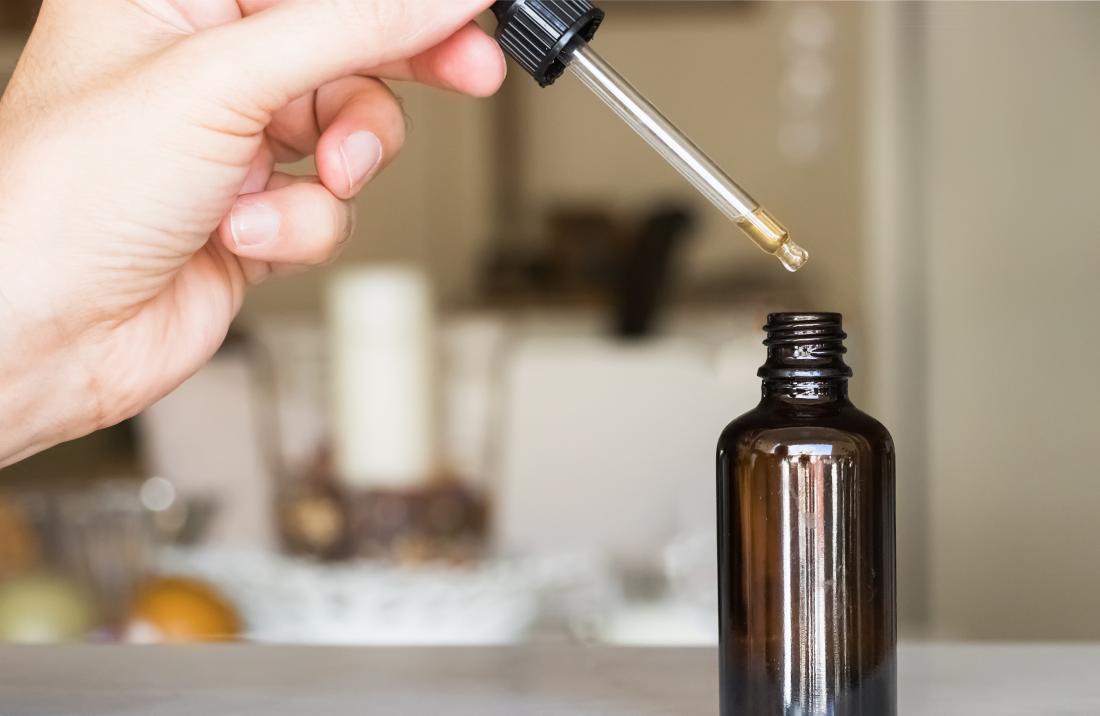
Person using dropper of essential oil from glass bottle.
Colloidal silver is popular as a natural remedy, though no research supports its use.

Many websites and news outlets claim that colloidal silver has a range of health benefits, including the ability to prevent certain diseases.

However, because there has been so little research, it is not clear whether it has these effects.

Some people use colloidal silver as a natural remedy. The purported benefits include:

  • cleansing the gut
  • boosting the immune system
  • treating fungal infections
  • improving skin health
  • preventing the flu
  • preventing shingles
  • preventing herpes
  • preventing certain types of cancer

Because of the lack of evidence, in 1999 the Food and Drug Administration (FDA) ruled that products containing colloidal silver could not claim to be safe or effective.

According to the NCCIH, there are no known benefits to taking silver orally, and it is not an essential nutrient for the body.

Silver does have some medical uses. It is an effective antimicrobial when applied to a person’s skin, meaning that it can kill harmful microbes. This is why some manufacturers use silver in their bandages.

However, little evidence suggests that taking it orally has any benefit to humans.

How does it work?

Silver can kill microorganisms by binding to their cells, without necessarily damaging human cells. Researchers are still looking into the mechanisms behind silver’s antimicrobial properties.

However, there is no evidence that colloidal silver has beneficial antimicrobial effects when ingested by mouth.

Summary

Very little evidence supports claims about the health benefits of colloidal silver. Taking large doses may carry significant risks.

Until researchers have conducted more tests, a person should take other medications, ensuring that they are backed by substantial evidence.

Share Button

Can CBD help you lose weight?

Cannabidiol, or CBD, is a natural compound gaining a lot of popularity in the natural health world. CBD is one of the compounds called cannabinoids in the cannabis plant. Some people believe that CBD can aid weight loss, but does it work?

There are many possible uses for CBD, from fighting acne to reducing anxiety. Researchers are also looking at the possibility that CBD can help people lose weight and reduce their risk of experiencing issues associated with weight, such as diabetes and metabolic disorder.

In this article, we discuss CBD for weight loss, including whether or not science backs up the hype.

CBD and weight loss

cbd for weight loss
There is some evidence to suggest that taking CBD may help a person lose weight.

CBD may aid weight loss due to how it works in the body.

The body has a built-in endocannabinoid system. This system responds to different compounds in the body through two cannabinoid (CB) receptors, called the CB1 and CB2 receptors.

Usually, CB1 receptors exist mainly in the brain and central nervous system and are almost nonexistent in the rest of the body. CB2 receptors, on the other hand, exist throughout the body.

In people with obesity, however, CB1 receptors become more widespread, especially in fatty tissue. Because of this, researchers believe that there may be a link between the activation of the CB1 receptors and obesity.

CBD does not activate the CB receptors directly, instead influencing the body’s natural cannabinoids to either block off or activate the receptors. This may play a role in weight loss or other critical metabolic functions.

There is some evidence to suggest that CBD can help a person lose weight or help prevent metabolic disorders.

Claims and research

Some people claim that CBD:

Reduces appetite

Many proponents say that the compound can help a person lose weight by reducing their appetite.

Most people associate cannabis with a stimulated appetite, as people who smoke cannabis tend to feel more hungry than usual. While it is true that tetrahydrocannabinol (THC), the psychoactive component of cannabis, may cause hunger, CBD does not.

THC activates the CB1 receptors in the body, causing many effects, including stimulating the appetite. However, as the authors of one 2018 study paper note, CB1 receptor antagonists may help reduce appetite and control obesity. This is because CB1 receptor agonists block off or “deactivate” the receptor.

CBD does not deactivate CB1 receptors but may influence other molecules to block them off. Shutting off these receptors may help reduce the appetite and prevent overeating in some people.

An older animal study from 2012 found that exposure to CBD reduced appetite in rats. While there is plenty of anecdotal evidence to suggest that CBD is helpful for appetite suppression, there have been no direct studies that show CBD reduces appetite in humans.

Turns bad fat into good fat

Proponents of CBD for weight loss also claim that it can convert white, or “bad,” fat into brown fat, which may help the body burn calories.

White fat may also increase the risk of many chronic conditions, such as heart disease and diabetes.

A 2016 study helps back up this claim. The researchers found that CBD plays multiple roles in how the body interacts with fat.

Not only did CBD help convert white fat cells into brown fat cells, it also stimulated the body to break down fats more efficiently.

The researchers note that CBD may be a promising therapy for preventing obesity, but more studies in humans are necessary.

Burns fat

Another claim is that CBD melts away fat in the body by breaking down the fat and helping eliminate it from the body as waste.

Research from 2018 helps explain this phenomenon. The process of turning white fat cells to brown fat cells actually changes how these cells act in the body.

Brown fat cells may be a more active form of fat. They burn off energy as heat, meaning that they actually burn calories.

As a loss of calories is vital for weight loss, CBD may help burn fat if it turns white fat to brown fat in the body.

Reduces the risk of metabolic disorders

As other 2018 research notes, there is a close link between obesity and several metabolic disorders, such as type 2 diabetes, high blood pressure, and high cholesterol.

The overactivation of the CB receptors in the body may be partly responsible for this. Overactivation of the CB1 receptors in the fat tissue throughout the body could contribute to obesity and metabolic risks.

CBD helps block off the CB1 receptors, meaning that it might reduce the risk of obesity.

A review in Cannabis and Cannabinoid Research also notes some highlights of past studies surrounding CBD and metabolic factors, mainly in animal models.

For instance, a treatment using CBD reduced total cholesterol by 25 percent in obese rats. The anti-inflammatory and antioxidant effects of CBD also appeared to decrease blood sugar levels and increase markers for liver health.

Risks and considerations

cbd for weight loss dancing
Eating healthfully and exercising are important parts of any weight loss plan.

While initial results from studies on CBD and weight loss put forth some promising suggestions, there are a few important things to consider.

CBD, or any other compound, supplement, or drug, is not a treatment for obesity. These supplements and compounds do not replace a healthful diet and regular exercise.

A person who adds CBD to their weight loss plan without also exercising and eating healthfully may not see any benefits.

At best, people can consider CBD as a complementary therapy. Not all bodies are the same, and each person may need a slightly different dose.

Someone with more body weight or someone who regularly uses cannabis may need a higher dose, whereas someone who is very sensitive to cannabis or CBD may only need to take a very small amount for the compound to be effective.

It is best to work directly with a doctor when using CBD for weight loss. Doctors will want to discuss any other medications the person is taking, as CBD may cause adverse interactions.

Takeaway

The initial results of studies into CBD and weight loss are promising and may prompt more research into the connection between them.

CBD may be helpful for people looking to lose weight, burn calories, or suppress appetite, but it is vital not to overstate these claims.

A healthful diet and plenty of exercise are still the best weight loss strategies.

CBD should not replace any other medications a person is taking for chronic conditions. People should talk to a doctor before using CBD for any reason, as it may interact with their existing medications.

CBD is available for purchase in some health food stores, pharmacies, and online.

Share Button

Hand pressure points: Everything you need to know

The human body contains a lot of pressure points, and some people believe that pressing on these points can affect other parts of the body and overall health.

There is limited research to support the use of pressure points to help a person heal. However, there is much more research about the use of acupuncture, which involves needles instead of just pressure.

Using pressure points is a noninvasive and relatively risk-free practice, so it is usually safe to use alongside doctor-recommended treatments.

Practitioners of acupressure and reflexology use pressure points in their healing treatments.

For people interested in reflexology or acupressure, the hands have many pressure points. Keep reading for more information on hand pressure points.

What are pressure points?

Pressure points are areas of the body that reflect the acupressure points used in traditional Chinese medicine. Traditional practitioners identified specific spots that they believed improved energy flow through the body.

People still practice these therapies today, though scientists have not studied their procedures and efficacy.

Hand pressure points

Reflexologists may use the following hand pressure points:

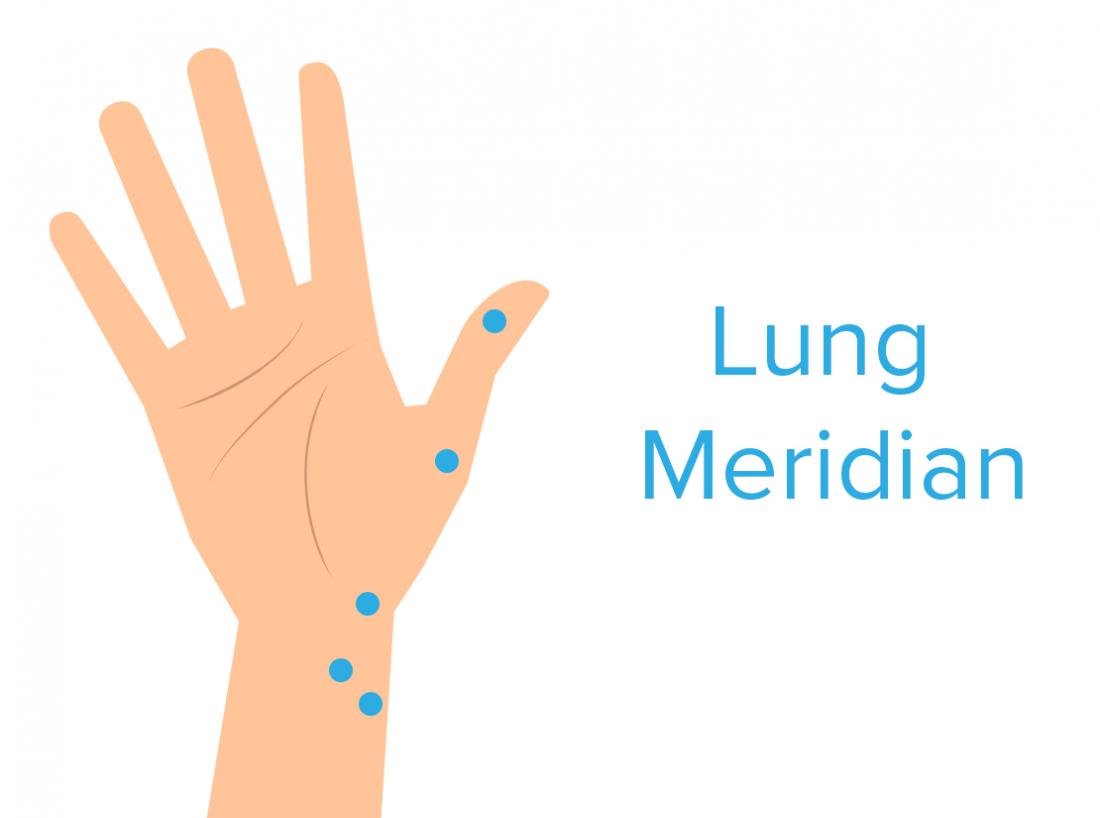
Lung meridian

Lung meridian pressure point

Located towards the edge of the palm, the lung meridian runs from the tip of the thumb down to just past the crease in the wrist.

According to reflexologists, rubbing any sore spot along this line can help relieve symptoms associated with a cold, including sneezing, chills, and a sore throat.

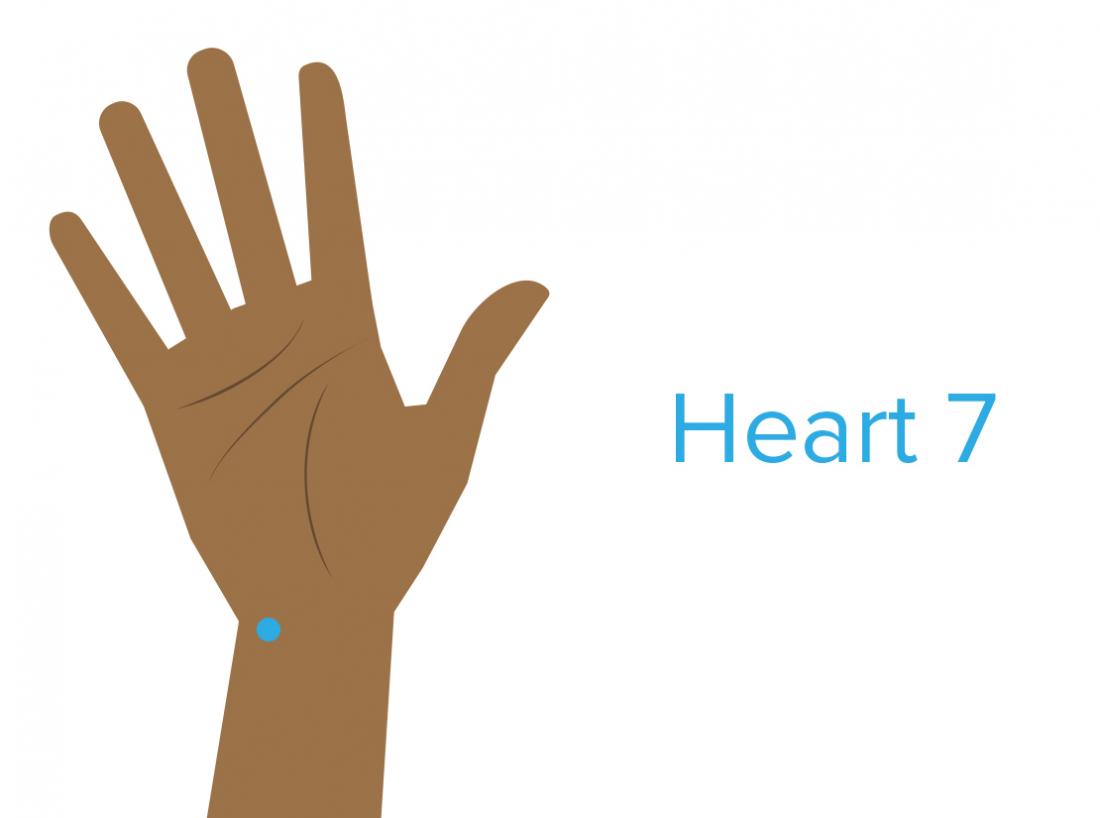
Heart 7

Heart 7 pressure point

A person can find the heart 7 point on the wrist, just on the outside of a small bone that is in line with the little finger. The traditional name for this point translates to “Spirit Gate.”

People who support the use of pressure points believe that applying pressure to heart 7 will prevent:

Inner gate point

Inner gate point pressure point

The inner gate point is not directly on the hand. To find it, place the hand palm up and use three fingers to measure roughly an inch down the wrist.

The inner gate point is here, approximately in the center of the wrist.

Practitioners recommend using the thumb of the other hand to firmly massage this pressure point to relieve nausea and stomach pain. It may also help other digestive problems.

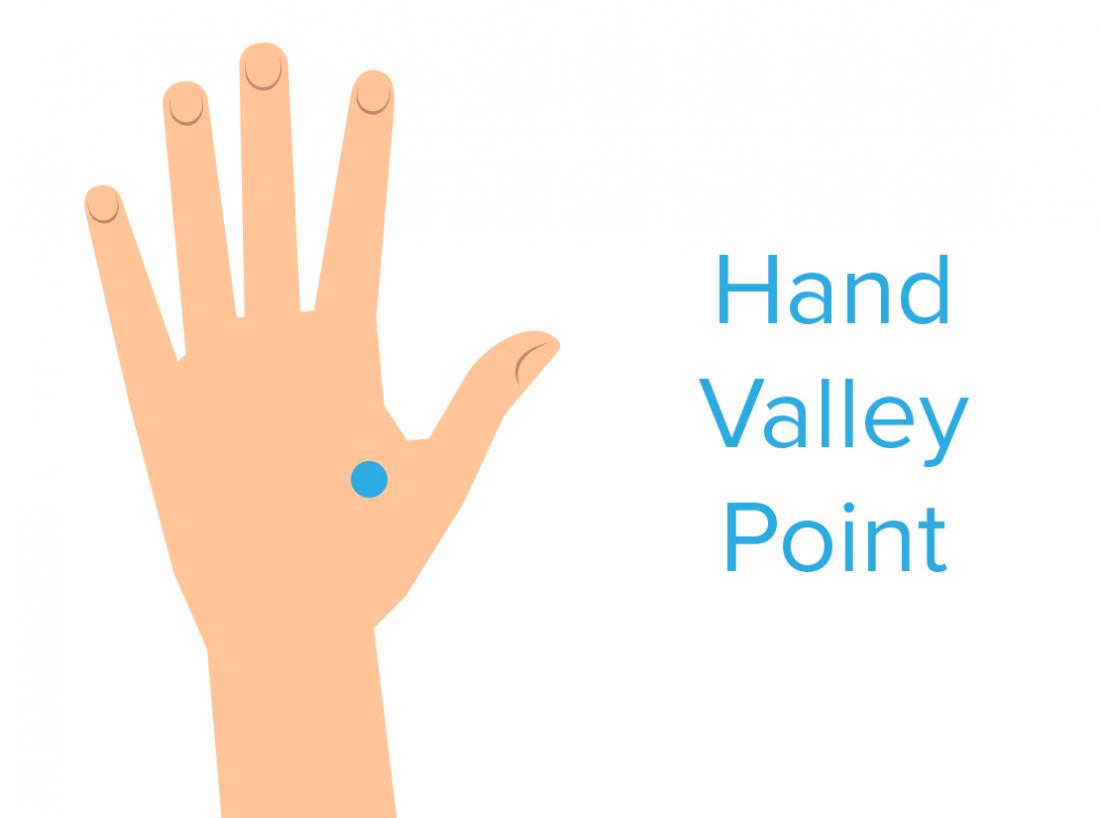
Hand valley point

Hand valley point pressure point

A person can find the hand valley point between the first finger and the thumb.

Practitioners claim that applying firm pressure to the hand valley point can reduce stress, stop migraines, and stop pain in the:

  • shoulders
  • teeth
  • neck

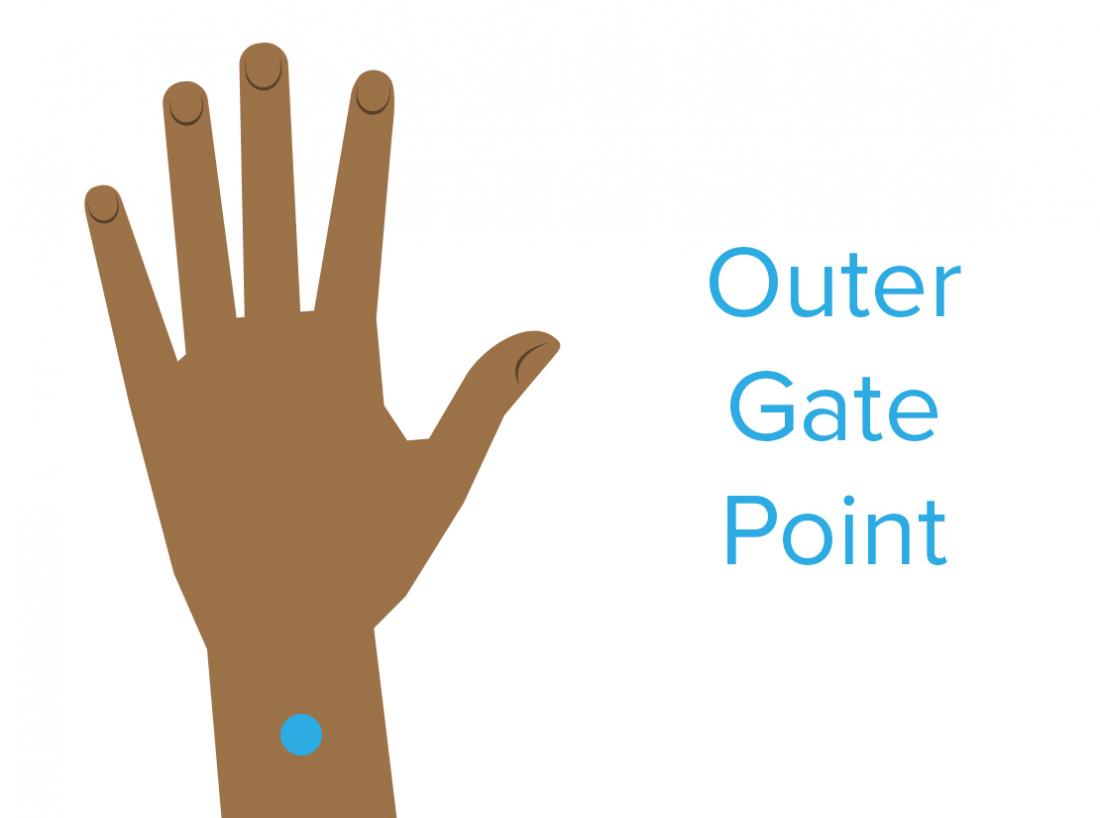
Outer gate point

Outer gate point pressure point

The outer gate point is almost parallel to the inner gate point on the top side of the hand and arm, between two tendons.

Proponents say that applying pressure here boosts a person’s energy and bolsters the immune system.

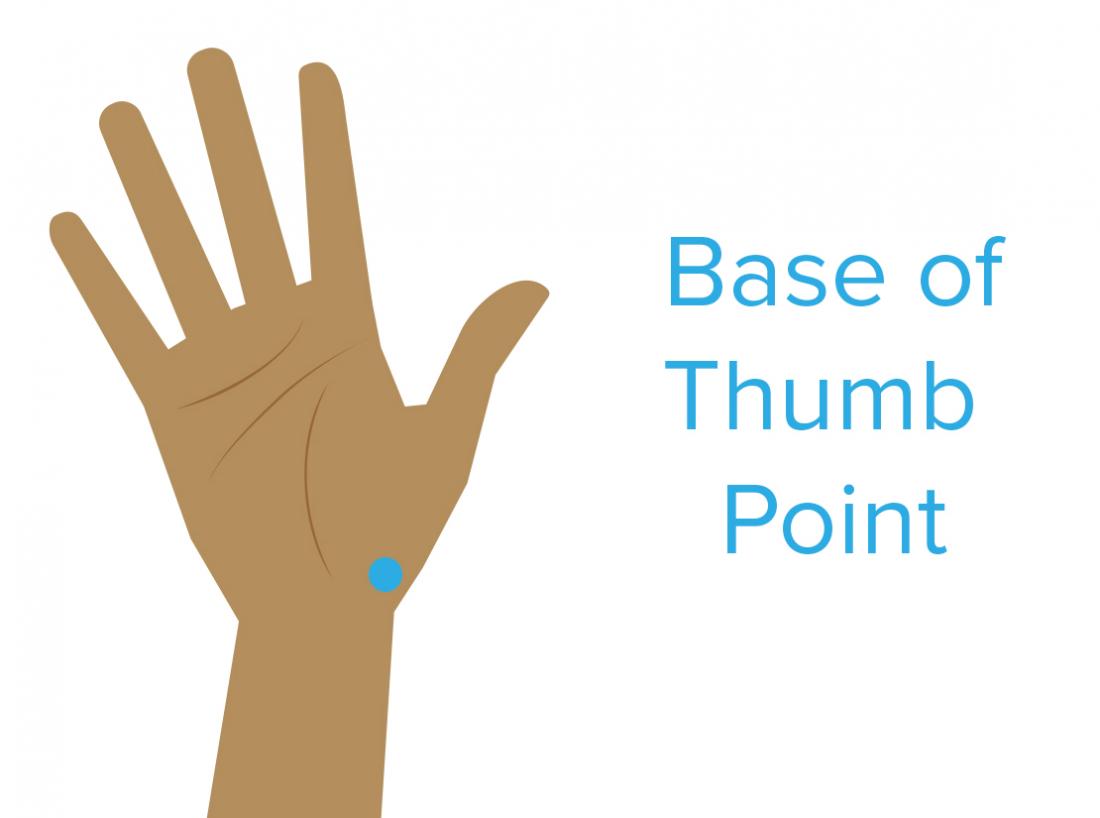
Base of thumb point

Base of thumb point pressure point

A person can locate the base of thumb point by tracing a finger down the palm side of the thumb until they reach the wrist crease.

Reflexologists believe that applying gentle pressure to this point may help alleviate breathing issues and respiratory problems.

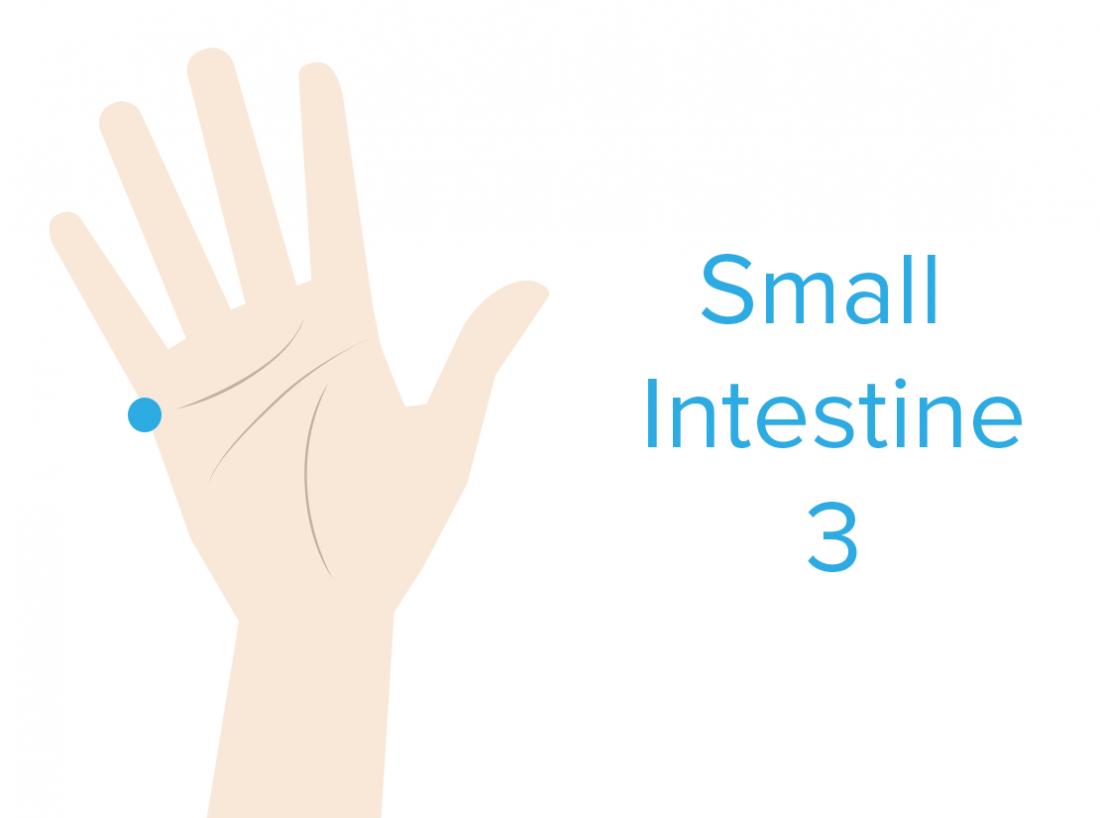
Small intestine 3

Small intestine 3 pressure point

The small intestine 3 point is on the side of the hand just below the little finger and above one of the hand’s large creases.

Some people claim that applying firm pressure to this point can help relieve earaches, headaches in the back of the head, and neck pain.

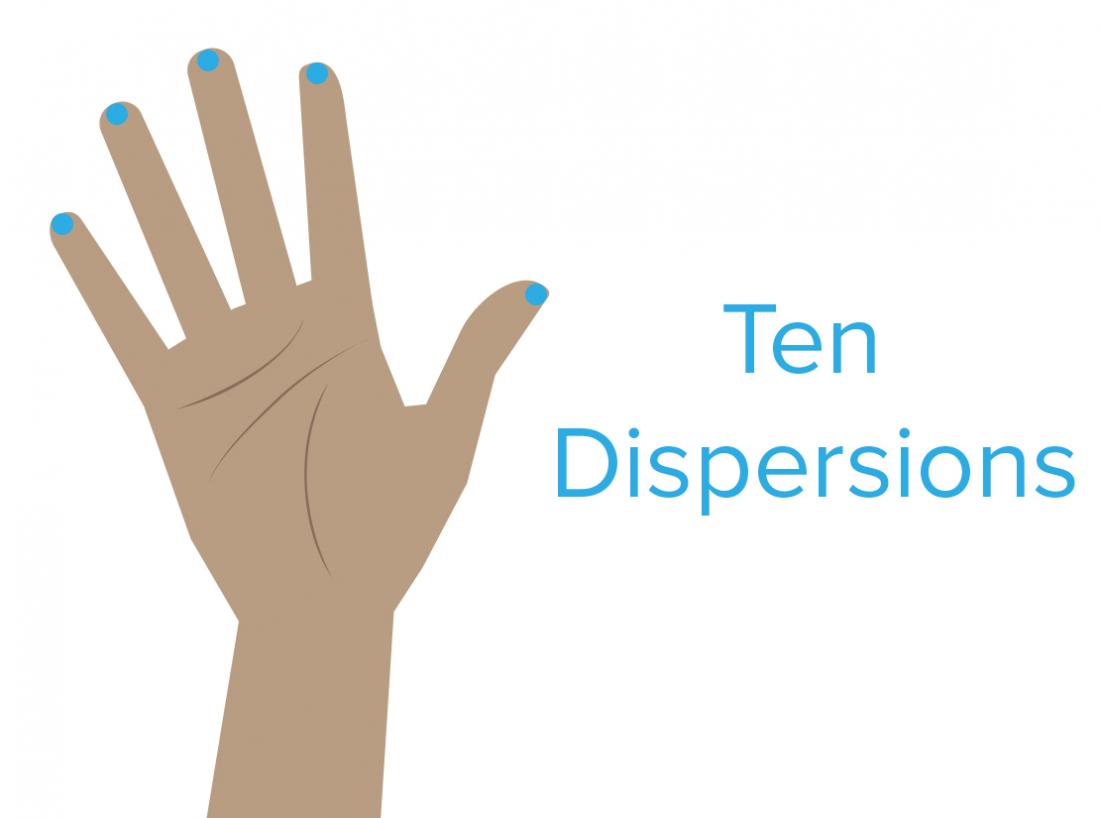
Ten dispersions

Ten dispersions pressure point

The tips of each finger are home to these ten pressure points.

Applying pressure or using acupuncture on these points could help relieve some common flu symptoms, such as a high fever or a sore throat.

Some practitioners also believe that applying pressure can help treat a coma or epilepsy.

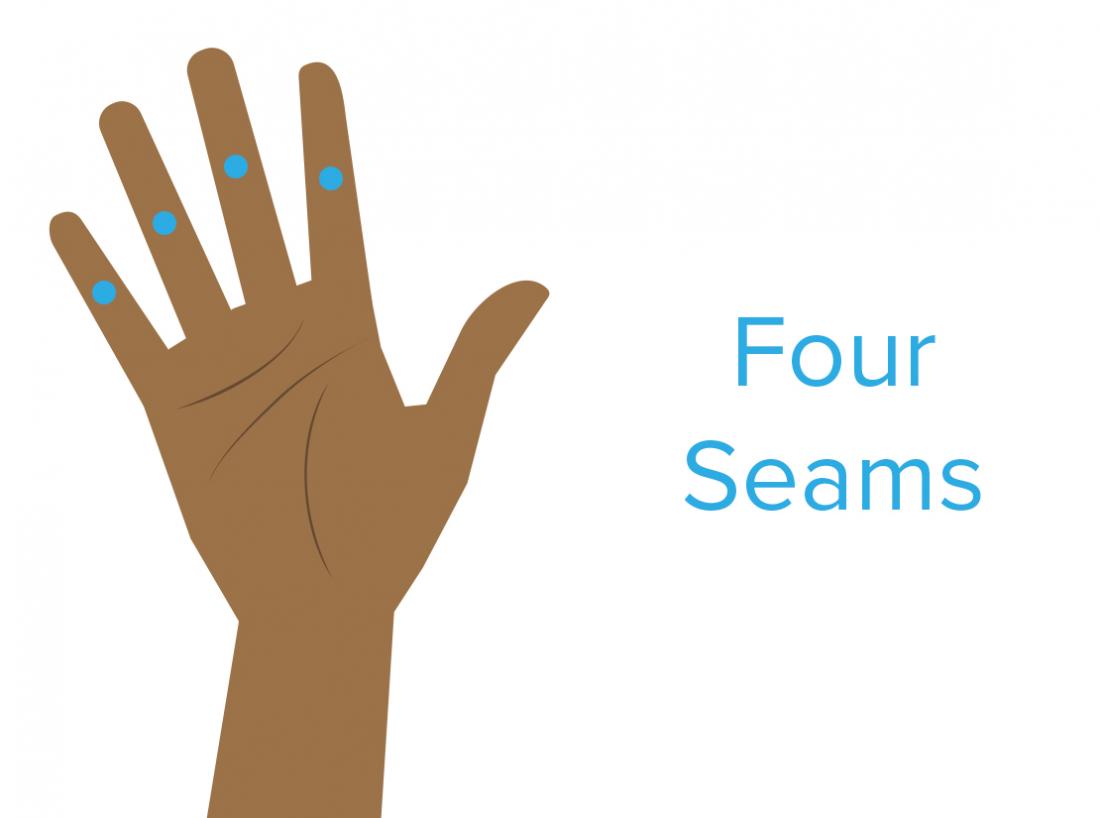
Four seams

Four seams pressure points

A person can find the four seams on the inside of each of the large joints in the index finger, middle finger, ring finger, and little finger.

Proponents of acupressure believe that these points can help treat digestive problems, especially in children.

Do pressure points work?

There are not enough peer-reviewed studies on pressure points and their healing effects to establish whether they are useful. Most evidence comes from research on traditional medicine and anecdotal results.

A person curious to try acupressure or reflexology can do so safely. There are virtually no side effects from applying pressure to these areas except for localized temporary pain.

Also, a person should continue using any doctor-recommended medical treatments when trying pressure point therapy.

People who have previously had blood clots or have risk factors for blood clots should speak to their doctor before receiving acupressure or massage.

Summary

There are many pressure points in the hands, many of which are a part of a much larger chain of points that run up the arms. Proponents of acupressure and reflexology believe these points can help heal other parts of the body.

People can try doing acupressure on themselves or use the services of a licensed practitioner who has studied pressure points and understands how they work.

It is important to note that there are very few studies that support the use of pressure points to treat illnesses. However, people can safely use hand pressure points in addition to regular medical treatments.

Share Button

Health benefits of baking soda and lemon juice

Baking soda and lemon juice combinations have become a popular home remedy. Some people claim that baking soda and lemon juice can improve the skin, treat heartburn, and whiten teeth.

Several scientific studies have examined the health benefits of baking soda and lemon juice separately, but there is not much research to support the combined effects of these two ingredients.

This article discusses some of the potential health benefits of consuming baking soda and lemon juice mixtures.

A note about pH

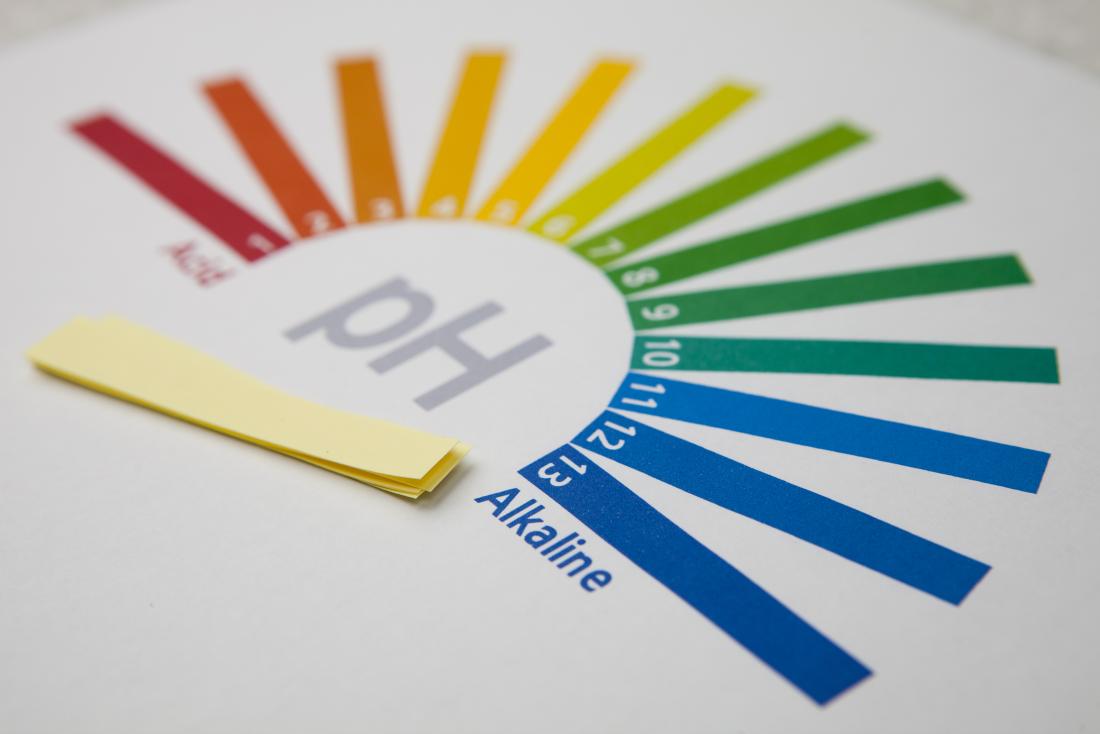
pH scale showing acid and alkaline numbers next to some litmus paper test strips.
A baking soda solution is alkaline, while lemon juice is acidic.

The idea of combining baking soda and lemon juice draws on basic principles of acidity and the pH scale.

Scientists use the pH scale to measure the acidity of a solution. A solution can have a pH level between 0 and 14.

The lower the pH, the more acidic the solution, so:

  • pH levels below 7 indicate an acidic solution
  • pH levels above 7 indicate an alkaline, or base solution
  • neutral solutions, such as pure water, have a pH of 7

Baking soda, also known as sodium bicarbonate, is a base. This means that when people dissolve baking soda in water, it forms an alkaline solution. For example, a 0.1 molar solution of baking soda has a pH of around 8.3.

Lemon juice contains citric acid and has a pH of around 3. Adding baking soda to lemon juice will raise the pH to produce a more neutral solution.

Skin care

Usually, the skin has a weakly acidic pH of about 5.7. Bases, such as baking soda, will increase the pH of the skin. Higher pH levels can disrupt the barrier function of the skin, which may lead to dryness, excess oil production, and acne.

Lemon juice appears to have obvious skincare applications because it contains concentrations of vitamin C and citric acid, which both provide powerful skin benefits. Citric acid is an alpha-hydroxy acid (AHA) that manufacturers commonly use in chemical peels.

However, skin cells naturally repel water-soluble molecules, such as vitamin C. This means that very little vitamin C will actually penetrate the skin.

The high acid content of lemon juice can lower the pH level of the skin. Low pH levels may cause skin irritation, hyperpigmentation, and UV light sensitivity.

Alternatives

Using a homemade mixture of baking soda and lemon juice may potentially be harmful to the skin. Instead, a person can try using neutral cleansers or chemical peels that contain AHAs, such as glycolic acid.

Neutralizing stomach acid

Wooden crates containing lemons and oranges.
Citrus fruits are a rich source of citric acid.

Excess stomach acid can cause uncomfortable symptoms, such as heartburn, vomiting, and indigestion.

Many people with excess stomach acid take over-the-counter (OTC) antacids to relieve their symptoms. Consuming baking soda and lemon juice together may also neutralize stomach acid in a similar fashion as an antacid.

A 2017 study examined the antacid effects of various foods. The authors of this study created artificial stomach acid with a pH of 1.2. Although lemon juice by itself had almost no effect, sodium bicarbonate successfully neutralized the synthetic stomach acid.

Many OTC antacids contain sodium bicarbonate and citric acid. Lemons and other citrus fruits are rich sources of naturally-occurring citric acid.

When a person mixes lemon juice and baking soda, the citric acid reacts with the sodium bicarbonate to produce a buffer called sodium citrate. A buffer refers to a weak acid or base that prevents drastic pH changes. Although lemon juice does not neutralize stomach acid, it may help stabilize the pH level inside the stomach.

Alternatives

Using baking soda and lemon juice to combat excess stomach acid may be a good home remedy, as effective OTC antacids contain similar ingredients.

However, mixing the correct proportions of baking soda and lemon juice can be difficult.

Consuming a mixture with too much baking soda may cause diarrhea and gas, whereas too much lemon juice could trigger acid reflux and make symptoms worse. Purchasing an antacid at the drug store is often much safer.

Other home remedies for reducing excess stomach acid include:

  • avoiding or reducing acidic foods and beverages
  • limiting caffeine intake
  • limiting alcohol consumption
  • eating smaller meals
  • drinking more water
  • getting enough sleep

People with severe or persistent acid reflux or heartburn should speak to a doctor or gastroenterologist.

Teeth whitening

Many oral care products contain baking soda due to its antibacterial properties, and its ability to remove plaque without eroding tooth enamel.

Baking soda may also help remove surface-level tooth stains, making it an effective and affordable alternative to traditional teeth whitening. However, there is little evidence to suggest that adding lemon juice to baking soda will enhance the dental benefits of baking soda.

A 2017 report that reviewed 21 studies concluded that toothpaste containing baking soda safely and effectively removed tooth stains. However, the report did not include any studies involving lemon juice.

It is also important to note that lemon juice contains high concentrations of citric acid and ascorbic acid, or vitamin C. Acidic compounds can erode enamel and lead to tooth decay. However, combining baking soda and lemon juice should produce a more pH-neutral solution.

Alternatives

People interested in whitening their teeth should contact their dentist. The American Dental Association (ADA) have also approved several types of baking soda toothpaste. To acquire an ADA Seal, manufacturers must provide scientific evidence to prove their product is safe and effective.

General risks and considerations

A woman who is thirsty after consuming baking soda drinks a bottle of water in a carpentry workshop.
Baking soda can cause side effects, including thirst and headaches.

Baking soda contains sodium bicarbonate, which is an active ingredient in some medications, such as antacids, and can potentially interact with other medications. People who intend on regularly consuming baking soda for health purposes should speak to a doctor first.

People who have kidney disease or high blood pressure must avoid sodium bicarbonate because it can increase sodium levels in the blood.

Side effects of sodium bicarbonate can include:

  • headaches
  • nausea and vomiting
  • thirst
  • stomach pain
  • excess gas
  • frequent urination
  • swelling of the lower limbs
  • fatigue

Lemons contain many essential vitamin and minerals. Lemon juice also contains compounds that have beneficial antibacterial and antioxidant properties.

However, lemon juice is acidic and using too much can cause side effects. These can include:

  • enamel loss
  • tooth decay
  • acid reflux
  • nausea and vomiting

Summary

Baking soda and lemon juice mixtures are popular health hacks, with people using them for things that include skin care, teeth whitening, and treating heartburn and indigestion. However, there is limited scientific evidence currently to support the health benefits of these mixtures, making it difficult to draw definitive conclusions.

Both baking soda and lemon juice possess several health benefits on their own. However, combining these two ingredients without specific dosage or usage guidelines may cause adverse side effects.

Share Button