How does smoking weed affect a cold?

You have chosen to share the following article:

How elderberries can help you fight the flu

To proceed, simply complete the form below, and a link to the article will be sent by email on your behalf.
Note: Please don’t include any URLs in your comments, as they will be removed upon submission.

We do not store details you enter into this form. Please see our privacy policy for more information.

Message sent successfully

The details of this article have been emailed on your behalf.

Click here to return to the Medical News Today home page.

Share Button

Can a hot toddy help with a cold?

Many people believe in the healing abilities of a hot toddy for colds and flu, but does this popular home remedy work?

A hot toddy is a mixture of hot water, honey, lemon, and whiskey. Some of these ingredients may have beneficial effects, but research has not looked specifically at the effectiveness of hot toddies on the symptoms of a cold.

This article covers whether or not a hot toddy may help with a cold, how to make one, and alternative drinks that could help relieve symptoms.

Can a hot toddy help?

Hot toddy drink of whiskey, tea, cinnamon, lemon, sugar, and honey.
A hot toddy is a drink that combines whiskey, lemon, and honey.

There is currently no cure for the common cold. However, people can usually manage their symptoms using home treatments and by taking over-the-counter medication.

Honey has anti-inflammatory properties and lemon contains powerful antioxidants. Despite this, no research has specifically linked hot toddies to relieving a cold.

Many people believe that drinking a hot toddy can relieve the symptoms of a cold, some of which include:

Hot drinks are among the most common home remedies for colds and flu. One study from 2008 reported that drinking a hot fruit drink reduced sore throat, chillness, and tiredness compared with drinking a room-temperature beverage in 30 people with colds or flu.

Effects of each ingredient

The individual ingredients in a hot toddy may have beneficial effects that can improve the symptoms of a cold. Many people make hot toddies using lemon, honey, ginger, and whiskey.

Lemon

Lemon is rich in vitamin C, an antioxidant that could be useful for treating colds. One systematic review from 2013 suggested that regular doses of vitamin C may reduce the duration and severity of a cold. However, the review also found that vitamin C reduced the risk of a cold occurring in the first place.

Lemon is also an active ingredient in several sore throat medications. A sore throat is a common symptom of a cold.

However, there is currently little scientific evidence suggesting that lemon can treat a sore throat.

Honey

Honey has a long history in medicine, particularly for treating cold symptoms such as a sore throat.

There is a reasonable amount of evidence to suggest that taking a dose of honey before bedtime can reduce cold symptoms in children over the age of 1. This includes reducing coughs and improving the quality of sleep.

However, little evidence is available for these effects in adults.

Ginger

Some people add other spices, such as ginger, to a hot toddy. Ginger is herb with a wide range of uses in traditional medicine.

Ginger has certain properties that may be useful in treating sore throats. For example, ginger has anti-inflammatory effects, which could help relieve a sore throat.

However, there is no evidence to support the effectiveness of ginger itself for treating a sore throat.

That said, there is some evidence to suggest that ginger may be helpful for treating nausea and vomiting. These symptoms may occur in some colds, but this is less common.

Whiskey

Although some ingredients of a hot toddy could therefore improve the symptoms of a cold on their own, it is unclear whether the combination in a hot toddy would reduce cold symptoms.

It is possible that the whiskey element counteracts some of these effects or causes negative effects. Alcohol can cause dehydration and lower immune system function, which may worsen cold symptoms.

Alcohol can also interact with popular cold and flu medication, so a person should exercise caution when mixing alcohol and medication.

How to make a hot toddy

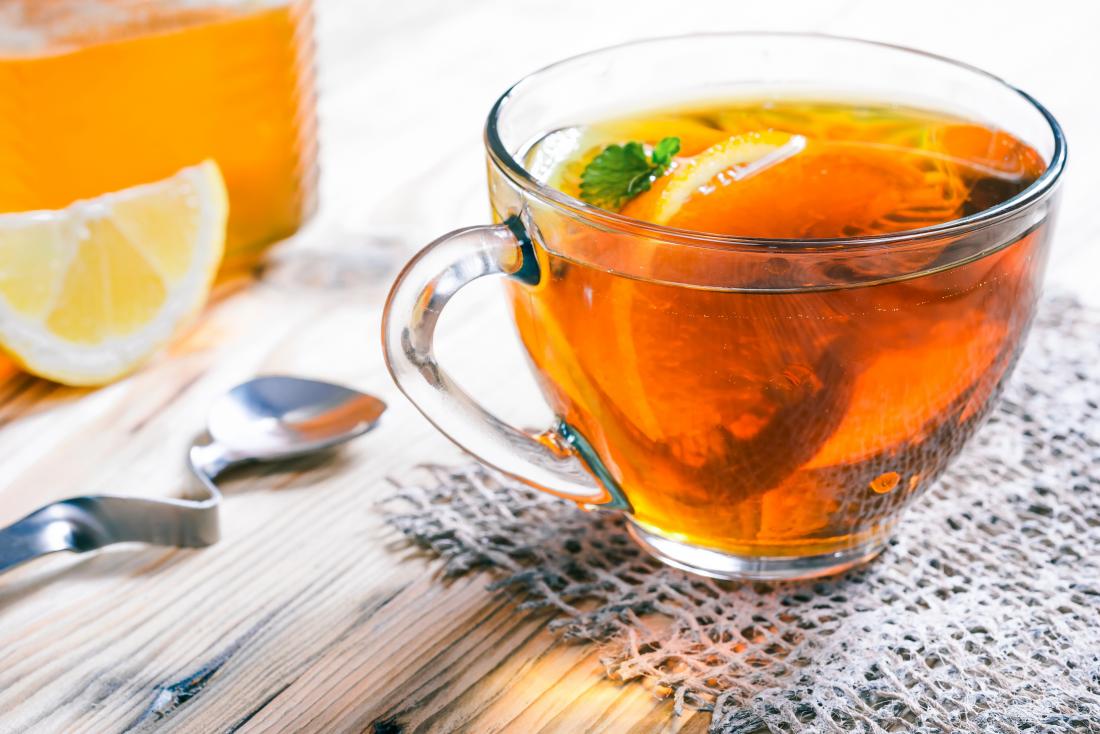
Herbal tea with lemon and honey.
A person can replace whiskey with tea for a nonalcoholic version.

There are many varieties of hot toddy and several different ways of making it. A classic hot toddy includes:

  • water
  • whiskey
  • honey
  • lemon juice
  • a chunk of lemon and cinnamon stick to garnish

To make a hot toddy, boil water in a kettle or saucepan. Mix 25–50 milliliters of whiskey with 3 teaspoons of honey and a splash of lemon juice in a heat-proof container.

Add the boiling water and mix all the ingredients together. Finally, garnish with a chunk of lemon and a cinnamon stick.

To make a nonalcoholic version, swap the whiskey for tea. This can be black, green, or any type of fruit tea.

Alternatives

Many similar alternatives to a hot toddy could help reduce the symptoms of a cold. These could include:

  • lemon and ginger tea
  • honey and lemon tea
  • green tea
  • black tea
  • a fruit smoothie
  • grapefruit or orange juice
  • water

Summary

Although there are no cures for the common cold, people can treat some of the symptoms. A hot toddy contains several ingredients that may be able to reduce cold symptoms, such as lemon, honey, and hot water.

Adding spices, such as ginger, to a hot toddy may also have benefits. There is, however, no evidence to suggest that alcohol can help with the symptoms.

Doctors often recommend that people avoid drinking alcohol when they have a cold or flu. This is because it can reduce immune system function and may make the cold worse.

Overall, though some people find this remedy helpful, research has not yet confirmed whether a hot toddy can reliably help with the symptoms of a cold.

Share Button

How elderberries can help you fight the flu

If you have ever eaten ripe elderberries or made elderberry jam, syrup, or wine, then you will be familiar with their sharp, tart, yet refreshing taste. According to tradition, these dark, purple berries can fortify a person’s immune system. New evidence suggests this is correct — and research explain how.
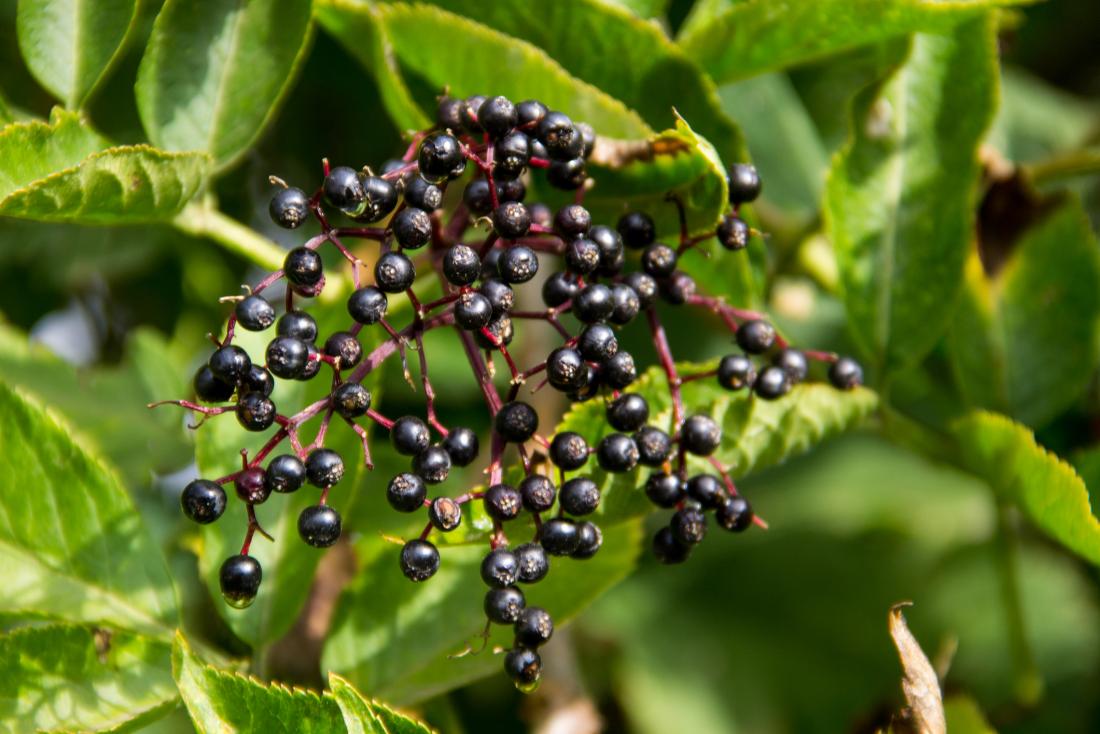
image of elderberries
Elderberries really do have antiviral properties, and a new study explains why.

Sambucus nigra, the black elder, is a common shrub spread widely across regions of Europe and North America.

Traditionally, people use both the elder’s flowers and its fruit to make seasonal drinks or jam.

In late spring or early summer, many people collect elderflowers to make flavorsome cordials, while the elderberry harvest occurs in late summer or early autumn when the fruit is ripe.

The harvesting time is important because uncooked, unripe elderberries can be toxic. Historically, individuals have reported cases of elderberry poisoning, which may have been due to too early harvesting or improper preparation.

For instance, the Centers for Disease Control and Prevention (CDC) recorded the case of no fewer than 11 people who fell sick after having drunk elderberry juice from the same batch.

The report explains that the shrub’s “fresh leaves, flowers, bark, young buds, and roots contain a bitter alkaloid and also a glucoside that, under certain conditions, can produce hydrocyanic acid,” which is a type of cyanide.

Nevertheless, elderberry drinks and desserts have remained a familiar culinary staple in many communities. Moreover, some people believe that elderberries can help fortify a person’s immune system and guard against disease.

The answer is in the natural chemicals

According to a new study that researchers from the University of Sydney in Australia conducted, elderberries really do have antiviral properties, and they can fight a virus once an infection has already occurred.

In a study paper that appears in the Journal of Functional Foods, the investigators report that substances present in elderberries can stop an influenza virus from entering and replicating in human cells.

“What our study has shown is that the common elderberry has a potent direct antiviral effect against the flu virus,” says one of the study’s co-authors, Golnoosh Torabian, Ph.D.

“It inhibits the early stages of an infection by blocking key viral proteins responsible for both the viral attachment and entry into the host cells,” the scientist continues.

In their study, the researchers examined the effect of commercially farmed elderberries that they processed into a serum. This the investigators administered to cells at multiple different stages of the influenza cycle, including before infection with a flu virus and during infection.

The scientists found that the phytochemicals — the natural, plant-derived substances that the elderberry serum contained — had a “mild inhibitory effect” when the flu virus was just about to infect a cell.

However, once a cell already contained infection, the same chemicals were significantly effective in stopping the virus from propagating.

“This observation was quite surprising and rather significant because blocking the viral cycle at several stages has a higher chance of inhibiting the viral infection,” says co-author Peter Valtchev, Ph.D.

Moreover, the researchers explain that applying the elderberry solution also boosted the cells’ own reaction against the attacking virus.

“In addition to that, we identified that the elderberry solution also stimulated the cells to release certain cytokines, which are chemical messengers that the immune system uses for communication between different cell types to coordinate a more efficient response against the invading pathogen.”

Prof. Fariba Deghani

The researchers explain that the antiviral properties of elderberries are due to the anthocyanidins — plant pigments — it contains. According to other research, anthocyanidins also have an antioxidant effect, meaning that they can protect cells from becoming damaged.

Share Button

How to treat a cold or flu at home

Viruses are responsible for colds and flu, so antibiotics are not able to cure or prevent these illnesses. Plenty of rest, fluids, and home remedies can help relieve symptoms.

Colds and the flu are common illnesses that can cause many uncomfortable symptoms, such as:

The following home remedies may help prevent illness, reduce symptoms, and shorten the duration of a cold or the flu:

1. Zinc

Top down view of person sitting under blue blanket holding mug of lemon tea and pill or supplement
A zinc supplement may help treat a cold.

Studies suggest that zinc supplementation may help shorten the length of a cold and lessen symptoms.

Experts believe that this is because zinc prevents rhinovirus, the virus that causes the common cold, from replicating in the body.

People can take zinc as a tablet, lozenge, or syrup, but should always follow the dosage advice on the packaging. Too much zinc can cause nausea and stomach aches.

Zinc is available online and in pharmacies as a supplement or nasal spray. Using a zinc nasal spray can cause people to lose their sense of smell temporarily.

2. Honey

Honey has antimicrobial properties, which may allow it to fight some bacteria and viruses.

One study found that honey was effective in relieving coughing as a symptom of a cold in children over the age of 1 year. Children younger than 1 year should not have honey due to the risk of infant botulism.

People can try stirring some honey into hot water to soothe a sore throat or cough. Adding lemon provides extra flavor and vitamin C.

People can find honey in grocery stores, local markets, and online.

3. Echinacea

Some people use herbal extracts from the Echinacea plant to help prevent colds and relieve nasal symptoms.

Research has shown that components of Echinacea may support the immune system. Some have antiviral properties and may fight against flu viruses.

Research on the effectiveness of Echinacea in treating a cold has produced mixed results to date, with some studies showing no benefit.

Other studies have found that certain Echinacea products may reduce a person’s likelihood of getting a cold by 10–20 percent.

People can purchase Echinacea as a supplement or herbal tea.

4. Garlic

Garlic may help fight off a common cold because it has antibacterial and antiviral properties.

One study found that people who took a daily garlic supplement for 3 months had fewer colds than those in a placebo group.

Garlic has long been a home remedy for colds and the flu. People can eat raw garlic, incorporate cooked garlic into meals, or take a supplement. Unless a person has a garlic allergy, it is usually safe to use.

Fresh garlic is readily available in supermarkets. People who do not like the taste can purchase garlic supplements online.

5. Menthol
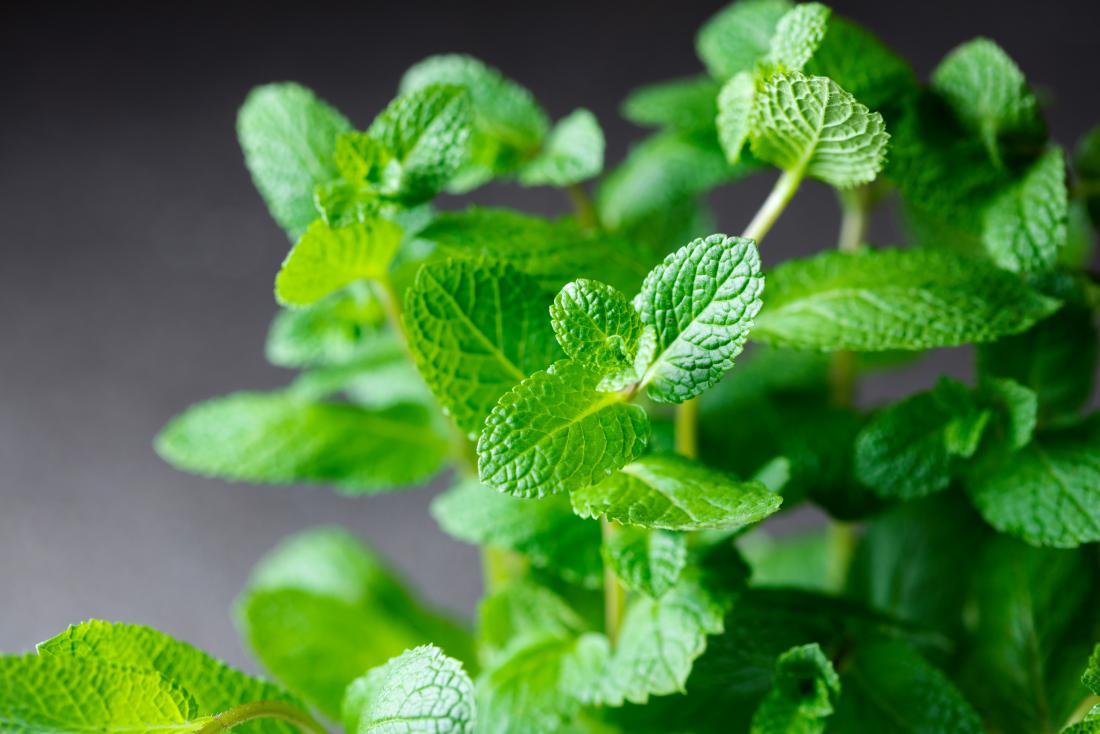
Mint or menthol leaves in close up
A person can use menthol leaves for steam therapy.

Blocked sinuses and congested airways are common symptoms of a cold, which menthol can help relieve. Menthol comes from many types of mint plant. It has antibacterial and pain-relieving effects and is an ingredient in many vapor rubs.

People can also add menthol to hot water for a steam inhalation. Although a 2013 study found that menthol inhalation helped reduce coughing due to environmental irritants, there is limited research on its effectiveness in clearing congested airways.

Other research found that vapor rub containing menthol, eucalyptus, and camphor significantly improved sleep in children and adults with cold symptoms. However, the researchers found that the risks could outweigh the benefits, as menthol can sting and irritate the skin.

6. Vitamin D

Vitamin D-3 may be a useful supplement to prevent or reduce the chances of getting a cold.

Research has found a link between vitamin D supplementation and a reduced frequency of colds in university students.

People living in colder climates may also find that a supplement boosts their vitamin D levels during the winter months, when their skin may not get much exposure to sunlight.

7. Oregano oil

Oregano contains thymol and carvacrol, which both have antibacterial effects. People traditionally use essential oils containing thymol to relieve headaches, diarrhea, and coughs.

People may find that taking oregano oil or rubbing it on the chest helps relieve cold symptoms.

8. Reducing stress and sleeping well

Stress or poor sleep may increase the risk of getting a cold or the flu.

One study suggests that lowering stress levels through mindfulness meditation practices or exercise reduces the risk of getting one of these illnesses.

People who participated in a mindfulness meditation or exercise program lost fewer work days due to illness than people in the control group.

A small study in 2015 also found that people who slept for fewer hours were more susceptible to colds.

9. Probiotics

Probiotics are live bacteria that support gut health and may help prevent people from getting colds or the flu.

Research has shown that probiotics can help protect the immune system against flu viruses. In a controlled trial, there were fewer instances of colds in people who were taking probiotics than in those who were not.

People can purchase probiotic supplements in health food stores or online. Probiotics are also present in many foods, including:

  • yogurt
  • sauerkraut
  • miso
  • tempeh

10. North American ginseng

North American Ginseng root on chopping board
A person can consume ginseng raw or as an herbal tea.

Ginseng may help reduce symptoms of cold or flu, although studies have provided mixed results on its effectiveness.

Research on an herbal product containing North American ginseng found that it reduced the risk and duration of cold and flu symptoms in older adults.

People can consume raw ginseng or take it in the form of a capsule or herbal tea.

11. Berries

Berries contain polyphenols, which have antiviral properties and may help fight flu viruses.

Research has shown that elderberries can reduce symptoms of the flu and that a cranberry beverage could help support immune function. In some in vitro studies, berry extracts demonstrated the potential to help fight off influenza.

Strawberries, blueberries, blackberries, and raspberries are also good sources of vitamin C, which can help support the immune system.

12. Vitamin C

Vitamin C is vital for keeping the immune system healthy. Many people believe that it may help reduce the frequency of colds.

Although there is no scientific evidence to show that taking vitamin C prevents colds or reduces symptoms during a cold, researchers have suggested that a regular intake of vitamin C could benefit some people in these ways. They stated that while more research is necessary, the general safety and low cost of vitamin C mean that it is a low-risk method for people to test individually.

Citrus fruits and avocados contain high levels of vitamin C. People can also buy vitamin C supplements in pharmacies and online.

When to see a doctor

A cold or flu virus can last for up to 2 weeks, with symptoms usually at their worst for about 2 or 3 days.

According to the Centers for Disease Control and Prevention (CDC), people should see a doctor if their cold or flu symptoms last longer than 10 days with no signs of improvement.

If people have any unusual symptoms or their symptoms are very severe, they should contact their doctor.

People who may have a higher risk of complications from the flu should contact their doctor when they initially have flu symptoms, as they may need antiviral treatment.

These people include young children and those who are:

  • pregnant
  • aged 65 years or older
  • at risk due to other medical conditions

If an infant less than 3 months of age has a fever, a parent or caregiver should contact a doctor straight away.

Summary

People may find that the above home remedies help relieve symptoms of a cold and make it pass more quickly.

Other ways to treat symptoms and recover from a cold or the flu include:

  • resting
  • getting plenty of sleep
  • staying warm
  • drinking plenty of water and other clear fluids
  • taking over-the-counter pain relievers, such as ibuprofen, to lessen aches or pain
  • using a humidifier

People who notice that their symptoms are not improving after 10 days or have any unusual or severe symptoms should see their doctor.


Share Button