How to stop gums from bleeding

In most cases, people can treat minor gum bleeding at home. Good oral hygiene and natural remedies can treat and prevent gum bleeding.

Gum bleeding is common and is typically not serious. A person may notice some blood after brushing their teeth or flossing, which can irritate sensitive gums.

The most common reason a person’s gums bleed is because of plaque or tartar buildup. These substances allow bacteria to grow along the gum line. Good oral hygiene can prevent sensitivity and bleeding.

Common causes of sensitive or bleeding gums include:

  • not brushing the teeth often enough, or at least twice a day
  • using a toothbrush that is too hard or stiff
  • using a frayed, worn toothbrush that no longer cleans effectively
  • using dental floss roughly, instead of gently pushing it down and hugging the sides of each tooth
  • taking certain medicines, such as aspirin, blood thinners, or ibuprofen
  • having gingivitis, or early-stage gum disease

Try the following methods to stop gums from bleeding and to prevent the bleeding from coming back again.

1. Using gauze
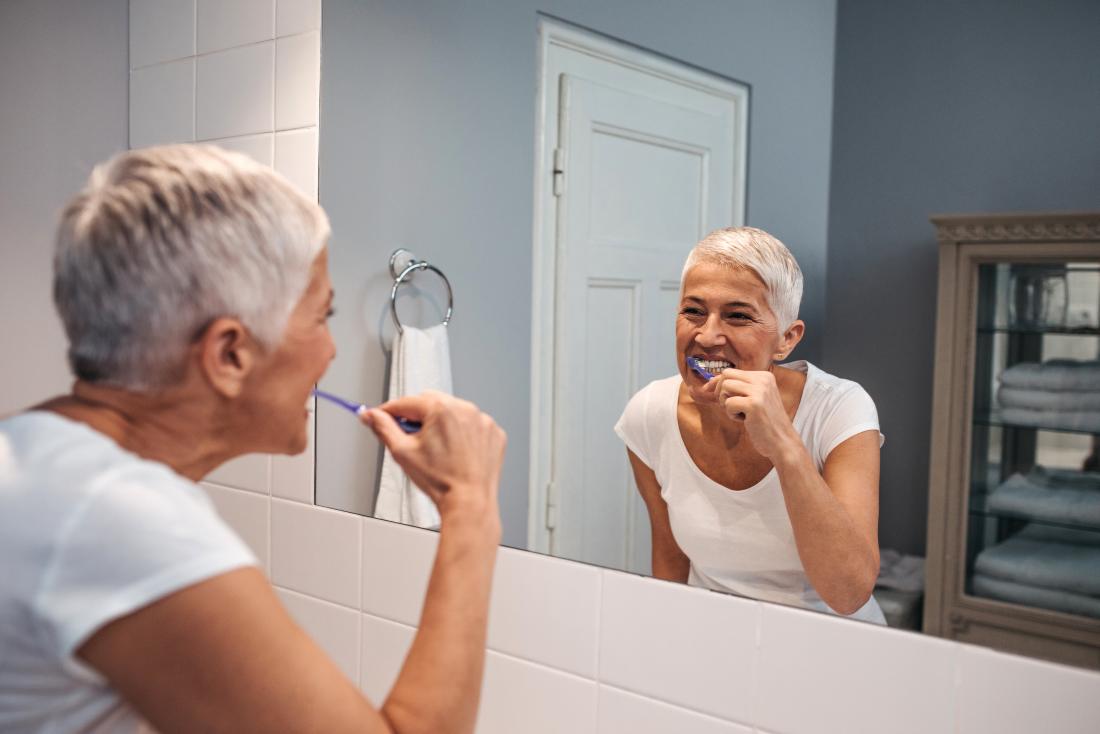
Practicing good oral hygiene can help treat bleeding gums.

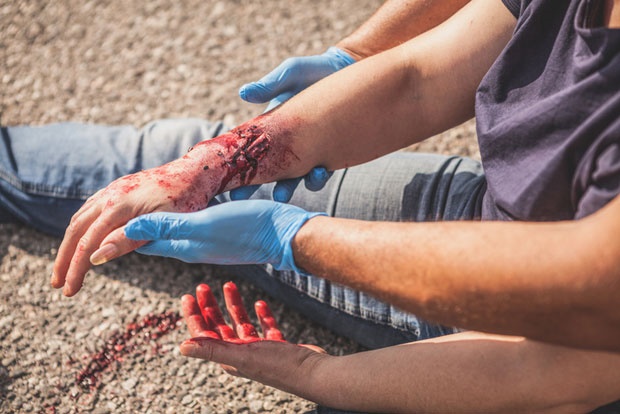
As with bleeding anywhere else on the body, people can help stop the bleeding by immediately holding a clean, damp gauze against the affected area.

Gently press the gauze in place until the blood has stopped flowing.

People with a weakened immune system or another medical condition may find that their gums take a long time to stop bleeding. Speak to a dentist about the best way to stop the blood flow.

2. Using ice

Hold a cool compress, a small ice pack, or an ice cube against swollen, bleeding gums to help soothe them.

Ice packs are especially helpful to soothe minor mouth injuries that cause swelling, such as cuts and scrapes. They can also help reduce pain and swelling caused by gingivitis.

Use ice for 10 minutes at a time and take 10-minute breaks. If the bleeding does not stop, some people may consider calling a doctor.

3. Using mouthwash

Antibacterial mouthwashes can both treat and prevent bleeding gums. They kill bacteria and reduce inflammation to soothe sore, swollen, and bleeding gums.

Mouthwash can also treat and prevent gingivitis, which is a common cause of bleeding gums.

Common active ingredients in mouthwashes include:

  • chlorohexidine
  • hydrogen peroxide

Keep mouthwash on hand to treat bleeding gums when they occur. People can buy mouthwash from drug stores or choose between brands online.

4. Using a warm salt rinse

Rinsing the mouth with salt water can help reduce bacteria and speed up healing times. According to the American Dental Association (ADA), a person can make an oral salt rinse by adding half a teaspoon of salt to 8 ounces of warm water.

Swish the salt rinse around the mouth to cleanse the area and then spit the liquid out. Repeat this several times a day, or according to instructions from your dentist.

5. Applying a turmeric paste

Turmeric with turmeric paste
Scientific evidence does not support turmeric paste as a treatment for bleeding gums.

Turmeric has natural antibacterial and anti-inflammatory effects. Applying a turmeric paste to the gums may improve the symptoms of gingivitis and bleeding gums.

However, there is currently no reliable scientific evidence that states turmeric has any effect on gum disease or bleeding gums.

One small-scale study compared the effects of curcumin, the active ingredient in turmeric, with the effects of chlorhexidine in oral hygiene. The researchers found similar anti-inflammatory effects in people who used these gels for 10 minutes a day twice a day.

Turmeric is yellow, but it should not stain a person’s teeth as long as they rinse well after using it. Some people use turmeric as a tooth whitening agent, especially when combined with baking soda. However, there is no evidence for this remedy’s effectiveness.

6. Using the right toothbrush

If a person has sensitive gums, they can opt for a toothbrush labeled as extra soft or sensitive. Firm or medium toothbrushes are too rough on the gums.

The ADA recommend that people use a toothbrush with soft bristles for 2 minutes twice a day. They say that both manual and electric toothbrushes are effective.

Replace toothbrushes every 3 to 4 months, or sooner if the bristles look frayed.

7. Flossing every day, but be gentle

Starting a new flossing habit can cause bleeding at first. The gums may not be used to the stimulation. However, after a few days of consistent flossing, the bleeding should stop.

Regular flossing improves overall gum health and should reduce gum bleeding over time.

8. Avoiding smoking

Smoking is a major cause of gum disease, according to the Centers for Disease Control and Prevention (CDC).

Smoking harms the body’s immune system, meaning the body is less able to fight off the bacteria that naturally stick to the gums.

Once the gums are damaged, smoking makes it harder for the body to heal its tissues.

Quitting smoking benefits the whole body, and greatly increases the health of a person’s mouth and gums. People often notice improvements in their oral health quickly after stopping smoking.

9. Trying oil pulling

Oil pulling is an ancient Ayurvedic medicine practice. It involves swishing a specific oil in the mouth for up to 20 minutes, then spitting it out. Proponents claim that it can whiten teeth and improve oral health.

Though some people may find that oil pulling helps them, the ADA do not recommend it for dental hygiene because there is a lack of scientific evidence into its effectiveness. Experts suggest that oil pulling cannot replace regular brushing and flossing.

Some limited, small-scale research suggests that oil pulling is more effective than a placebo at controlling plaque levels in the mouth. The participants in the study rinsed their mouths with coconut oil for 10 minutes each day for a week.

The theory is that oil pulling draws out the bacteria that live in the mouth while spitting the oil out removes the bacteria from the mouth. Some people use oils with antibacterial properties, such as coconut oil.

10. Avoiding processed and sugary foods

Eating starchy, processed foods too frequently may cause gingivitis and bleeding gums.

Starchy foods can stick to teeth and gums and break down into sugar. This action can lead to inflammation of the gums, bleeding, and an increase in decay.

Starchy, processed foods include refined bread, cakes, cookies, and potato chips.

11. Eating crunchy vegetables

Crunchy vegetables, such as celery and carrots, can help keep teeth clean between meals.

Their crunchy quality can help remove food residue from the teeth. Also, they contain low amounts of sugar and carbs, so they do not promote tooth decay or gum problems.

12. Eating more leafy greens

Kale and leafy greens are rich in essential nutrients.

Leafy greens, such as kale, lettuce, and spinach, are excellent sources of various nutrients, including Vitamin K.

A vitamin K deficiency can affect the amount of time it takes for blood to clot, so people low in vitamin K may notice more bleeding than usual.

People who are prone to blood clots should ask a doctor about how much vitamin K they need in their diet.

Long-term treatment and prevention

The best way to avoid bleeding gums is to adopt a healthful lifestyle that prevents the diseases that cause bleeding gums.

People can often avoid and prevent bleeding gums and other gum problems by:

  • Practicing good oral health care, including brushing twice a day and flossing once a day.
  • Replacing toothbrushes every 3 to 4 months.
  • Seeing a dentist regularly.
  • Booking regular hygienist appointments for professional cleaning and tartar removal.
  • Seeing a doctor regularly to check for health problems that can contribute to gum problems, such as diabetes.
  • Avoiding smoking or working with a doctor to find ways to quit smoking.
  • Eating a healthful diet that includes plenty of fresh fruits and vegetables and limiting processed foods and foods with added sugars.

When to see a dentist

A person should check with their dentist if they notice changes in their gums, teeth, or mouth.

Pain, redness, or bleeding of the gums should not happen every day. If the problem arises frequently or does not go away with good oral hygiene practices, a dentist can check for early-stage gum disease and other issues.

See a healthcare professional for signs of infection, such as fever or swelling.

Vitamin deficiencies such as vitamin C or K, pregnancy, and certain medical conditions can also contribute to bleeding gums. People should see their doctor or dentist if the bleeding does not go away after trying to treat this symptom at home.

Regular dental visits can stop minor, early-stage gum disease from becoming more serious. Untreated gum disease can eventually lead to infection and tooth loss. A dentist can also look after the overall health of a person’s mouth and spot bigger problems, such as the early stages of mouth cancer.

Outlook

In most minor cases, people can treat bleeding gums effectively using home remedies. It is also possible to prevent bleeding gums in the future by practicing good oral hygiene and addressing any underlying causes. See a doctor for prolonged or excessive bleeding.

A dentist can treat gum disease, especially if caught in the early stages.

If diabetes causes bleeding gums, a person can help manage their blood sugar levels and control bleeding gums and gingivitis by following a healthful lifestyle and receiving regular medical care.

If a person has a blood disorder that causes unusual bleeding, such as hemophilia, they can work with their doctor to take medications and receive other treatment as needed.

While occasional bleeding of the gums is not usually an emergency, a person should see a dentist if it continues.

Share Button

How to treat a cold or flu at home

Viruses are responsible for colds and flu, so antibiotics are not able to cure or prevent these illnesses. Plenty of rest, fluids, and home remedies can help relieve symptoms.

Colds and the flu are common illnesses that can cause many uncomfortable symptoms, such as:

The following home remedies may help prevent illness, reduce symptoms, and shorten the duration of a cold or the flu:

1. Zinc

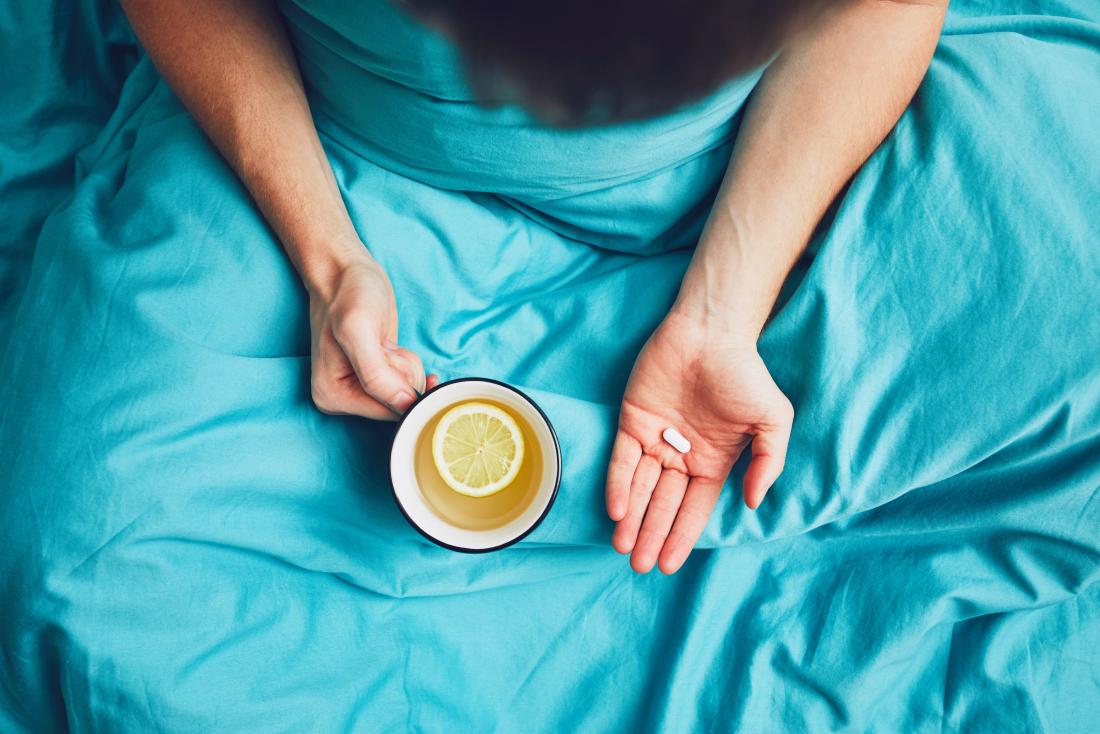
Top down view of person sitting under blue blanket holding mug of lemon tea and pill or supplement
A zinc supplement may help treat a cold.

Studies suggest that zinc supplementation may help shorten the length of a cold and lessen symptoms.

Experts believe that this is because zinc prevents rhinovirus, the virus that causes the common cold, from replicating in the body.

People can take zinc as a tablet, lozenge, or syrup, but should always follow the dosage advice on the packaging. Too much zinc can cause nausea and stomach aches.

Zinc is available online and in pharmacies as a supplement or nasal spray. Using a zinc nasal spray can cause people to lose their sense of smell temporarily.

2. Honey

Honey has antimicrobial properties, which may allow it to fight some bacteria and viruses.

One study found that honey was effective in relieving coughing as a symptom of a cold in children over the age of 1 year. Children younger than 1 year should not have honey due to the risk of infant botulism.

People can try stirring some honey into hot water to soothe a sore throat or cough. Adding lemon provides extra flavor and vitamin C.

People can find honey in grocery stores, local markets, and online.

3. Echinacea

Some people use herbal extracts from the Echinacea plant to help prevent colds and relieve nasal symptoms.

Research has shown that components of Echinacea may support the immune system. Some have antiviral properties and may fight against flu viruses.

Research on the effectiveness of Echinacea in treating a cold has produced mixed results to date, with some studies showing no benefit.

Other studies have found that certain Echinacea products may reduce a person’s likelihood of getting a cold by 10–20 percent.

People can purchase Echinacea as a supplement or herbal tea.

4. Garlic

Garlic may help fight off a common cold because it has antibacterial and antiviral properties.

One study found that people who took a daily garlic supplement for 3 months had fewer colds than those in a placebo group.

Garlic has long been a home remedy for colds and the flu. People can eat raw garlic, incorporate cooked garlic into meals, or take a supplement. Unless a person has a garlic allergy, it is usually safe to use.

Fresh garlic is readily available in supermarkets. People who do not like the taste can purchase garlic supplements online.

5. Menthol

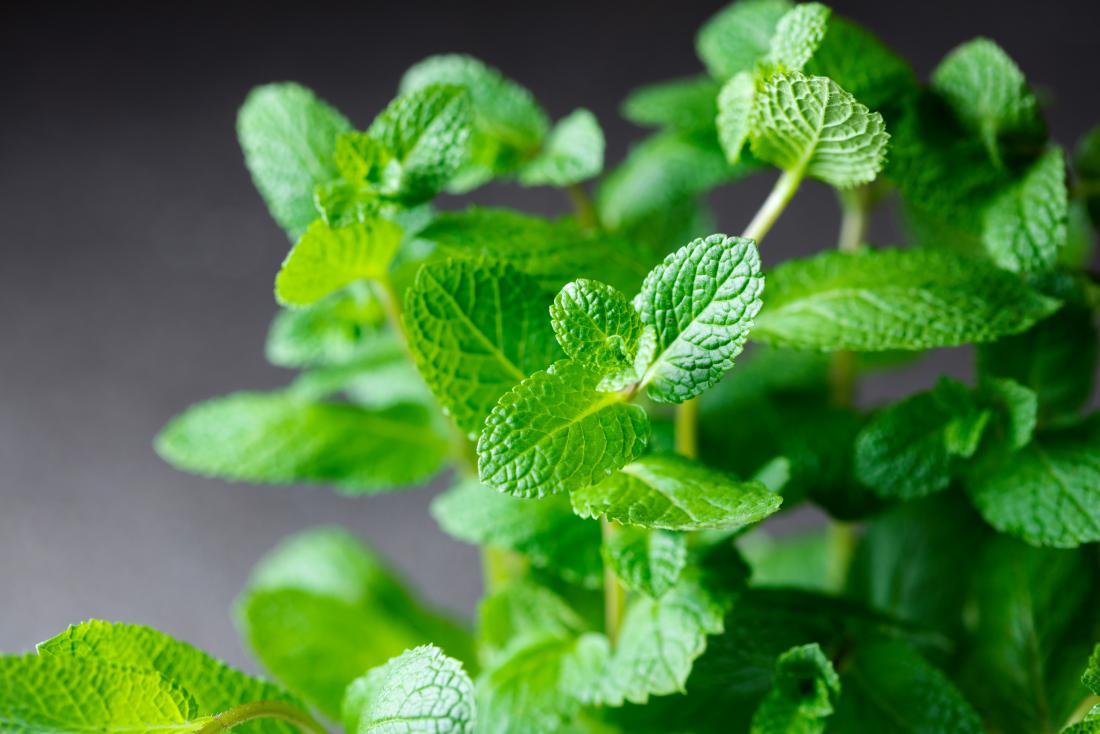
Mint or menthol leaves in close up
A person can use menthol leaves for steam therapy.

Blocked sinuses and congested airways are common symptoms of a cold, which menthol can help relieve. Menthol comes from many types of mint plant. It has antibacterial and pain-relieving effects and is an ingredient in many vapor rubs.

People can also add menthol to hot water for a steam inhalation. Although a 2013 study found that menthol inhalation helped reduce coughing due to environmental irritants, there is limited research on its effectiveness in clearing congested airways.

Other research found that vapor rub containing menthol, eucalyptus, and camphor significantly improved sleep in children and adults with cold symptoms. However, the researchers found that the risks could outweigh the benefits, as menthol can sting and irritate the skin.

6. Vitamin D

Vitamin D-3 may be a useful supplement to prevent or reduce the chances of getting a cold.

Research has found a link between vitamin D supplementation and a reduced frequency of colds in university students.

People living in colder climates may also find that a supplement boosts their vitamin D levels during the winter months, when their skin may not get much exposure to sunlight.

7. Oregano oil

Oregano contains thymol and carvacrol, which both have antibacterial effects. People traditionally use essential oils containing thymol to relieve headaches, diarrhea, and coughs.

People may find that taking oregano oil or rubbing it on the chest helps relieve cold symptoms.

8. Reducing stress and sleeping well

Stress or poor sleep may increase the risk of getting a cold or the flu.

One study suggests that lowering stress levels through mindfulness meditation practices or exercise reduces the risk of getting one of these illnesses.

People who participated in a mindfulness meditation or exercise program lost fewer work days due to illness than people in the control group.

A small study in 2015 also found that people who slept for fewer hours were more susceptible to colds.

9. Probiotics

Probiotics are live bacteria that support gut health and may help prevent people from getting colds or the flu.

Research has shown that probiotics can help protect the immune system against flu viruses. In a controlled trial, there were fewer instances of colds in people who were taking probiotics than in those who were not.

People can purchase probiotic supplements in health food stores or online. Probiotics are also present in many foods, including:

  • yogurt
  • sauerkraut
  • miso
  • tempeh

10. North American ginseng

North American Ginseng root on chopping board
A person can consume ginseng raw or as an herbal tea.

Ginseng may help reduce symptoms of cold or flu, although studies have provided mixed results on its effectiveness.

Research on an herbal product containing North American ginseng found that it reduced the risk and duration of cold and flu symptoms in older adults.

People can consume raw ginseng or take it in the form of a capsule or herbal tea.

11. Berries

Berries contain polyphenols, which have antiviral properties and may help fight flu viruses.

Research has shown that elderberries can reduce symptoms of the flu and that a cranberry beverage could help support immune function. In some in vitro studies, berry extracts demonstrated the potential to help fight off influenza.

Strawberries, blueberries, blackberries, and raspberries are also good sources of vitamin C, which can help support the immune system.

12. Vitamin C

Vitamin C is vital for keeping the immune system healthy. Many people believe that it may help reduce the frequency of colds.

Although there is no scientific evidence to show that taking vitamin C prevents colds or reduces symptoms during a cold, researchers have suggested that a regular intake of vitamin C could benefit some people in these ways. They stated that while more research is necessary, the general safety and low cost of vitamin C mean that it is a low-risk method for people to test individually.

Citrus fruits and avocados contain high levels of vitamin C. People can also buy vitamin C supplements in pharmacies and online.

When to see a doctor

A cold or flu virus can last for up to 2 weeks, with symptoms usually at their worst for about 2 or 3 days.

According to the Centers for Disease Control and Prevention (CDC), people should see a doctor if their cold or flu symptoms last longer than 10 days with no signs of improvement.

If people have any unusual symptoms or their symptoms are very severe, they should contact their doctor.

People who may have a higher risk of complications from the flu should contact their doctor when they initially have flu symptoms, as they may need antiviral treatment.

These people include young children and those who are:

  • pregnant
  • aged 65 years or older
  • at risk due to other medical conditions

If an infant less than 3 months of age has a fever, a parent or caregiver should contact a doctor straight away.

Summary

People may find that the above home remedies help relieve symptoms of a cold and make it pass more quickly.

Other ways to treat symptoms and recover from a cold or the flu include:

  • resting
  • getting plenty of sleep
  • staying warm
  • drinking plenty of water and other clear fluids
  • taking over-the-counter pain relievers, such as ibuprofen, to lessen aches or pain
  • using a humidifier

People who notice that their symptoms are not improving after 10 days or have any unusual or severe symptoms should see their doctor.

Share Button

Jaguar conservation depends on neighbors’ attitudes

[unable to retrieve full-text content]

Share Button

Health24.com | ‘I refused to let bipolar control me’

People living with mental health disorders generally struggle to find the correct help and treatment – particularly those living in rural areas.

Sebendzile Mkhomazi (30) of Mpumalanga said this was the case for her as she struggled for years before she was eventually diagnosed with bipolar disorder and given the correct treatment.

Misunderstood

She first experienced the symptoms at the age of 14, just a few months after her mother died.

“At first things were fine, until I started experiencing different emotions. My family thought it was the stress of losing my mother,” Mkhomazi explained.

“Living in a deep rural community with an unknown disorder meant that it took us a long time to eventually get to the clinic. And then when we did, the people didn’t have enough information about the disorder. I was constantly judged and discriminated against. Life became unbearable.

“Even my family knew nothing about the sudden condition that attacked. I remember the were many suggestions that I should go to a sangoma. So my grandparents took me to one known sangoma in the village,” she said, remembering the events that transpired 16 years ago.

“Even though it was many years ago, I still recall those days like it was just yesterday. I was made to drink two litres after two litres of medicines that didn’t help. And I still experienced all those mixed emotions. I was frustrated, but still my father couldn’t stop me from drinking that disgusting and smelly medicine.”

Difficulties at school

She continued, “My years in school were another issue. I remember one of my teachers in grade 9 telling me I will not complete high school because I was stupid and slow learner. Because I couldn’t deal with her, I skipped school a lot.”

Mkhomazi remained confused and helpless, and withdrew from her family. She started drinking heavily and smoking dagga.

“With my disorder and those intoxicating substances my behaviour totally changed. I became violent towards my siblings,” she said.

Eventually her father agreed to take her back to the clinic to seek further help. After being seen by medical professionals she was diagnosed with bipolar disorder and immediately put on treatment.

“That changed my life; I was able to concentrate in class and engaged again with my school work.”

Discrimination 

According to the South African Depression and Anxiety Group (SADAG), bipolar disorder affects about 1% of the population. While the disorder is sometimes seen in children, the usual age of onset is late adolescence and early adulthood.

“I don’t want to lie. Over the years living in rural community with a disorder was hard. I was stigmatised and discriminated against. But those experiences have made me strong. I have learnt to work more than the average person and I couldn’t let the world determine my future,” she said.

“Just because I have never let people use my disorder to control me, I was able to complete high school. Now I am employed in one of the mines in Gert Sibande District, and over the years I have bought a car and house. I am happy with what I have achieved because it was not an easy journey moving from back there to here.”

Her story is not isolated.

“We have a big problem with stigma and discrimination against people with different chronic illnesses like bipolar disorder. Many people believe it’s a curse, which it is not. With an early diagnosis, treatment and support anyone can live a health and positive life with bipolar,” said community nurse Zanele Zwane. – Health-e News

Image credit: iStock

NEXT ON HEALTH24X

Share Button

Health24.com | The one thing you shouldn’t do when your partner is going through a hard time

We tend to think that a sign of closeness with our partner is being able to talk to each other about everything, good and bad.

But sometimes, the one thing you shouldn’t do when your significant other is going through something tough is try to force them to talk about it – especially if they’ve expressed that they’d rather not.

For some, talking about feelings or problems just isn’t how they cope with them.

They may view dishing about troubles as a sign of weakness or vulnerability, especially in front of their partner, says Dr Jane Greer, New York-based relationship expert and author of What About Me? Stop Selfishness From Ruining Your Relationship.

They might also feel insecure or inadequate if they haven’t found a way to solve whatever their problem is.

Read more: The 5 love languages might completely transform your relationship – here’s how

Or even if appearing vulnerable isn’t an issue, your partner still might prefer to stay mum. We all have different ways of working through stress or sadness – think exercising, going for a walk, writing in a journal or just spending some time alone.

So when we say things like “Come on, tell me, I really want to know” or “Maybe I can help” the intention is kind, but it takes the focus off your partner’s problem and makes it more about you and your need for your them to open up, says Dr Greer.

And to your partner it shows that you’re disrespecting their need to solo-soothe on this one. (It’s okay to ask if your partner wants to talk, but if the answer is no, don’t push.)

As long as they’re finding a healthy way to deal with it, don’t be offended or worried about why you’re not getting the feelings play-by-play. Instead, channel your effort to be supportive in other ways. If you can see your partner is visibly upset in the moment, but doesn’t want to get into it, put your arm around them, hold hands and show some love.

Read more: These are the 4 most serious relationship red flags

You can also offer your support in subtler ways. Pick up some extra chores around the house (that’s one less thing for your partner to worry about) or send some sweet texts to show you’re thinking of them.

There are so many ways you can be a supportive girlfriend without having to utter a single word of it.


This article was originally featured on www.womenshealthmag.com

Image credit: iStock


NEXT ON HEALTH24X

Share Button

Health24.com | Are you allergic to Christmas?

Christmas is a time for loved ones to get together and bring the year to a close, but an allergic reaction may make it harder for you to enjoy the Christmas cheer.

While some allergens are more common than others, you may be surprised to discover that there are some Christmas items that can make you itch and sneeze.

1. Christmas decorations

While you might not be allergic to the tree or baubles, some decorations may have gathered dust or mould depending on how they were stored.

According to the Asthma and Allergy Foundation of America, mould is likely to grow in the kitchen and bathroom, but it can also grow in the garage or cupboards.

Similarly to other allergies, an allergic reaction to mould can result in a runny nose, itching and sneezing.

To prevent a reaction, clean your Christmas decorations before putting them up.

2. Food

food allergy

Some food allergies are harmless but some can be fatal. To prevent a hospital visit over Christmas, let your dinner guests know if you have used any ingredients that may cause an allergic reaction.

Some of the more common allergens include nuts, wheat, gluten, sesame, milk, soy, egg and fish.

If you are attending a Christmas dinner or lunch, do not be shy to ask the host about any potential allergens in the food.

3. Alcohol

alcohol allergy

Rare as it may be, an allergy to alcohol is possible.

Before sipping on a festive cocktail, be aware that allergens, such as grapes, barley, rye, yeast and hops, can be found in alcohol.

Unlike alcohol intolerance, an allergy to alcohol means you have to steer clear of alcoholic beverages that contain the allergen you are allergic to.

An allergic reaction may be life-threatening and symptoms include difficulty breathing, nausea, diarrhoea and swelling of the throat.

4. Holiday odours

While potpourri and scented candles may give you your house a lovely smell, they could be the reason for that summer sniffle and sneeze.

Though benign in nature, an allergy to fragrances may leave you with an itchy rash, nasal congestion, watery eyes or a runny nose.

If you are unwilling to put away your scented candles and potpourri, then taking an antihistamine will help prevent an irritating allergic reaction. 

5. Christmas tree

Christmas tree

Yes, you read correctly. The very symbol of Christmas can bring you some temporary affliction!

South African families generally opt for fake Christmas trees, which can cause an allergic reaction if not cleaned properly after being unpacked.

Similarly to decorations, a Christmas tree may gather dust or mould in storage, which can often cause sneezing, itchy eyes, chest tightness and wheezing in those who have a dust allergy.

Image credits: iStock

NEXT ON HEALTH24X

Share Button

Health24.com | 15 weirdest stories on Health24 in 2017

Let’s take a look at the top 15 weirdest stories that made the news in 2017. Highlighting the content that made you squirm and gasp in disbelief – we have it all. 

Be warned, some of the content is graphic!  

1. This woman has the world’s longest fingernails

Would you take up the challenge to grow your nails for more than 20 years?

nails


2. Rare condition makes 5-year-old boy ‘look 9 months pregnant’

Mckenzie Watson’s family initially thought he was just getting fatter, but his mom knew something wasn’t right when her son looked nine months pregnant and about to pop.

fat belly,boy


3. Rush for ‘Barbie’ vagina has experts stunned

‘Labiaplasty’ usually involves trimming back the inner ‘lips’ or labia minora flanking the vaginal opening – in a procedure that is also known as nymphoplasty.

barbie,vagina

4. How could a five-year-old possibly fall pregnant?

Most children experience puberty during their late tween or early teen years, but what do you do when your toddler starts going through puberty?

baby,pregnancy


5. GRAPHIC: Flesh-eating maggots dig into woman’s arm

After 10 days in pain, she went to the hospital to get her sores checked out. Warning: This video might upset sensitive viewers.

maggots, injured,arm


6. Meet the boy who can’t feel pain

Could you imagine living your entire life feeling no pain at all? Meet the boy who doesn’t feel anything when he gets injured.

cast,leg,pain,boy


7. Man has bladder stone the size of an ostrich egg removed

Bladder and kidney stones can affect anyone, but what would you do if you were carrying a bladder stone as big as an ostrich egg?

man,eggs,bladder


8. SEE: Meet the man with the largest number of teeth in the world

Vijay Kumar from India has 37 teeth in his mouth – five more than the average person.

man,teeth

9. This 2-year-old ‘Hulk girl’ has a 3kg arm

The toddler struggles to walk or even stand up straight.

girl,arm,hulk

10. SEE: Eating snot is good for your child 

You might think eating boogers is disgusting, but there are surprising health benefits…

kid,snot

11. SEE: Why people are freaking out about pictures of holes

For trypophobes, the sight of clusters of holes arranged in different formations can cause intense psychological or even physical reactions.

holes


12. 2-year-old girl with Alzheimer’s may soon forget her parents

Marian McGlocklin’s parents noticed something wasn’t right with their little girl, but they never suspected it could be a form of Alzheimer’s.

kid,girl,Alzheimers

13. GRAPHIC: Beware of this flesh-eating superbug

We don’t want to alarm you, but this bacterium can enter your body through even the smallest wound. Not for sensitive viewers.

bug,flesh eating,man

14. Meet the man who can’t stop laughing once he starts

What would you do if you had a fit of laughter at a funeral and couldn’t contain your hysterical laughter?

 man,laughing


15. The town where you cannot be buried

If you wish to stay in this town, be warned that death takes a different course.

mortuary,dead bodies

Images: iStock

NEXT ON HEALTH24X

Share Button

Are bones discovered under an Exeter street from the first turkey dinner in England?

[unable to retrieve full-text content]

Share Button

Particle size matters for porous building blocks

[unable to retrieve full-text content]

Share Button

Health24.com | From obesity to a 100-miler running machine!

My story began back in 2011 when I needed to drive my daughter to the Mazda Challenge early in the morning in Pretoria.

On our way to the race from Middelburg, we had a huge fight in the car and I was bluntly told that I was lazy and that this was the only reason for my obesity – I weighed 154kg at the time.

She challenged me during this argument and said sarcastically that I could at least try walk 5km since I was at the race already.

Bring it on, I decided I would enter and walk 5km just to show her that I could actually do it, despite her attitude about it.

Read more: 6 weight-loss ‘rules’ to forget!

We were still fighting by the time we got to the venue and I said sarcastically, “While we’re at it, why don’t I just do 10km then!”

The snotty reply was, “Well in that case, why not go for 15km!”

I agreed on principle to make a point, and then I thought how on earth am I going to do this in what I’m wearing?

It was mid-winter and I was not dressed for the occasion. I wore black pants, a polo neck shirt, a thick and warm jersey, a knitted scarf and a pair of sneakers. Here we go… I can do this. The race started and I walked from the moment the race started – and was dead last from the very first second (as expected).

About 8km into the race there was an incredibly steep hill with some of those little white wooden poles alongside the road. I stopped and literally hung on those poles in order to catch my breath.

Much to my dismay, a Metro Police car stopped next to me and said: “Tannie, klim in die bussie.”

I refused and told them that I had a very snotty teenager waiting for me at the finish line and that I would rather die than not finish this race.

Read more: 4 ways running is best for weight loss

So they laughed, said alright and gave me a bottle of water with a huge tablet wrapped in foil. I opened it and popped it in my mouth… and oh dear… I was just too tired to realise it was an effervescent tablet, so with my mouth foaming I started to laugh and try breathe again.

I honestly sounded more like a zebra in pain. I made an epilepsy joke, drank all of the water and started walking again. I managed to reach the finish line with literally four seconds left, but I made it!

I couldn’t have been more excited! On the way home we had to make a few too many stops on the highway because I was vomitting and couldn’t see straight. I was inspired when I got home, and then I was on a mission.

The following Saturday I did a 10km race in Middelburg, I came dead last yet again, but the feeling of accomplishment on just finishing was enough! I was hooked.

Thea Cronje

From that day on, I was doing a race a week. In October 2011 I did my first half marathon, I’d lost 30kg and there was just no stopping me. When 2012 came by I discovered 100-milers!

I still raced every Saturday, but now only did half marathons and some walking. By the end of 2012, I had lost another 20kg and started running properly, finishing three 100-miler events in one year.

And guess what? My blood glucose levels dropped to such a level that I no longer needed to inject insulin! Before, I was a type-2 diabetic who nearly lost a kidney because of the illness!

Read more: 6 basic ways to adjust your eating habits for weight loss

In early 2013, I relocated to Namibia – which was a spanner in my well-oiled running machine. There was no real running culture there, it was incredibly hot and distances between towns were incredibly far.

So what now? I picked up 30kg and started back on the insulin again. I felt deflated, I could not go back to this life that I had worked so hard to get rid of.

Read more: How to get started if you’ve got more than 25kg to lose

In May of this year, I changed my attitude and started up again. I now get up at 4am daily before it gets too hot and run! I’ve managed to lose the 30kg (again) and stopped using insulin. Success!

When I run, I feel alive and certainly not my age (54). I clear my head, plan, pray and enjoy the most beautiful sunrises every morning.

The best thing of all though? I am healthy, I am fit and a very, very long way from where I started at 154kg…

This article was originally featured on www.runnersworld.co.za

Image credits: Supplied

NEXT ON HEALTH24X

Share Button