Here’s Why ‘Chicken Kiev’ Is Being Renamed ‘Chicken Kyiv’

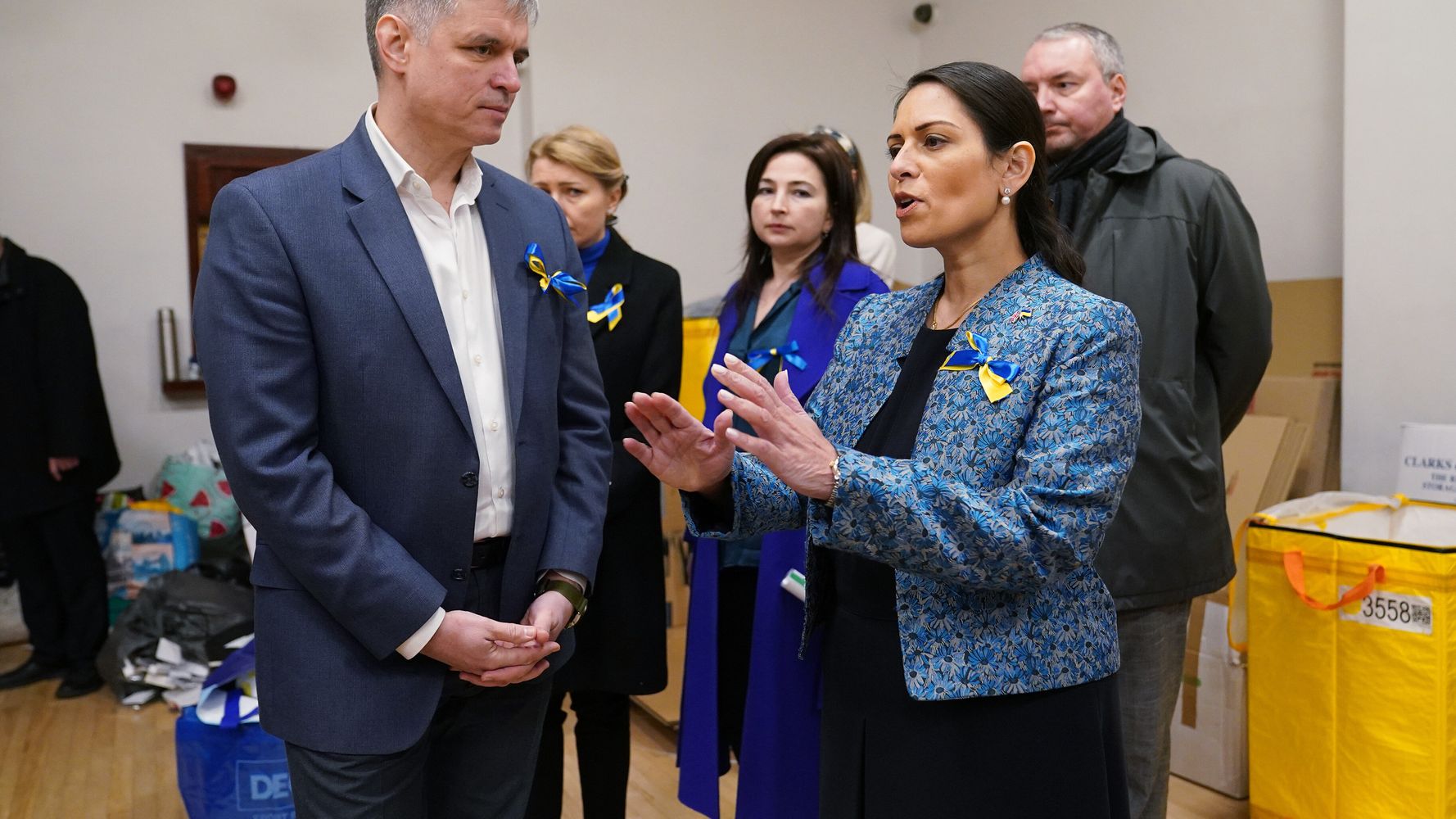
Sainsbury’s is renaming chicken Kievs to match the Ukrainian spelling of their capital city Kyiv in the wake of the Russian invasion.

The supermarket chain said it would start rolling out new packaging in the coming weeks using chicken Kyiv, rather than the Russian spelling Kiev. Ukrainians pronounce their capital “kee-yiv”. The Russian version is “kee-yev”.

The retailer also said it has removed all products that are “100 per cent sourced from Russia” from its shelves.

“We stand united with the people of Ukraine. We have reviewed our product range and have decided to remove from sale all products that are 100 per cent sourced from Russia,” a statement said.
“This means that from today we will no longer sell two products – Russian Standard vodka and Karpayskiye black sunflower seeds.”

What is the history?

Kiev, based on transliteration from the Russian cyrillic Киев, has long been the accepted international spelling, a hangover from Ukraine being swallowed up by Tsarist Russia and the Soviet Union.

But since independence in 1991, Ukrainians have been anxious to shed the connection with the USSR and the Russification of their country. Kyiv was officially adopted in 1995.

The spelling and pronunciation took on even greater political significance four years ago after Russia’s annexation of the Crimea. It prompted the Ukrainian Ministry of Foreign Affairs to launch the “KyivNotKiev” campaign.

Since international media started to pay closer attention to the country as Russian president Vladimir Putin prepared the ground for an invasion, Ukrainians have implored foreign journalists to report the name accurately.

But not everyone is saying “chicken Kyiv”

Sainsbury’s is the first UK supermarket to make the switch, and it remains to be seen if other retailers will follow.

In the media, the respected Associated Press news organisation, which produces a hallowed spelling and grammar “stylebook” that is followed by newsrooms across the world, has said “chicken Kiev” will remain its preference.

It tweeted in January: “The spelling Kyiv is AP style for the capital of Ukraine, in line with the Ukrainian government’s preferred transliteration to English and increasing usage. The style for the food dish remains chicken Kiev.”

AP changed “style” for the spelling of the city in 2019. AP’s vice president for standards, John Daniszewski, wrote at the time:

“We are making a significant change in our style for the Ukrainian capital city Kiev. It will henceforth be written in text, captions and datelines as Kyiv.

“The change is in line with the Ukrainian government’s preferred name and transliteration. The spelling Kyiv also has been gaining usage over the last decade among governments, international bodies and media organizations.

“The former spelling, Kiev, will still be seen in AP stories in certain contexts, such as the popular culinary dish, chicken Kiev, and in historical contexts, such as Kievan Rus, the name of the early East Slavic culture and state.

“Although the AP prefers traditional English spellings for many cities, including Rome, Moscow and Warsaw (not Roma, Moskva and Warszawa), we regard the Ukrainian spelling of Kyiv as an important adaptation because it is linked to Ukraine’s present status. To many Ukrainians, the former spelling Kiev appears outdated because it is associated with a time when Ukraine was part of the Russian and Soviet states, rather than an independent country.”

Share Button

Life Goes On: The New Normal For Ukrainians Still Living In A Warzone

Ukrainians have been subjected to an intense attack from Russia for the last week, pushing an estimated one million people to flee – but what’s life like for the millions who stayed behind?

While Russian president Vladimir Putin allegedly want to “seize the whole of Ukraine”, only the city of Kherson is actually under the control of Russian troops a week after the military invaded.

Several other cities are under intense artillery attacks and persistent shelling – a move described as a potential war crime by Boris Johnson from the Kremlin – but have so far evaded capture by the Russians.

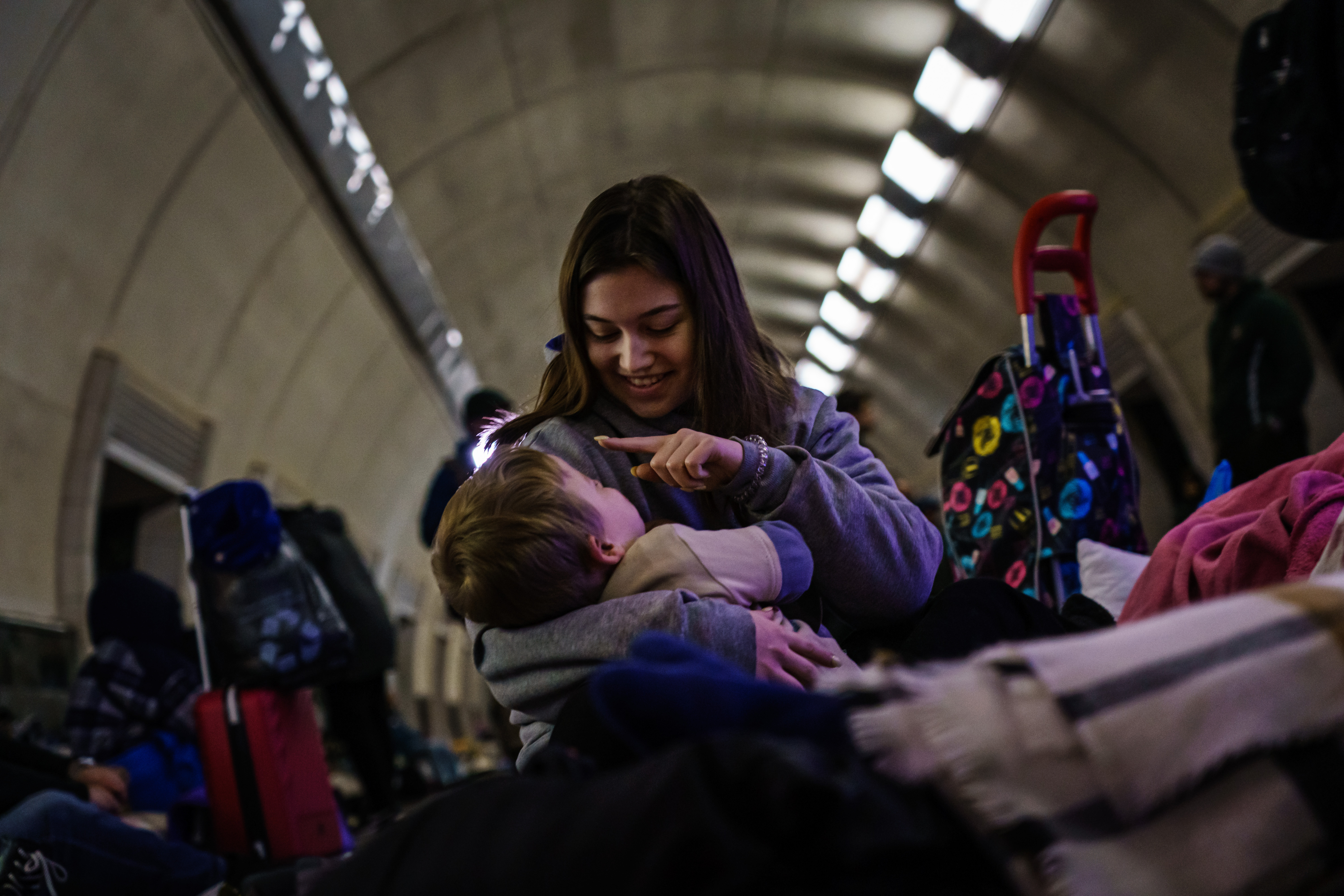
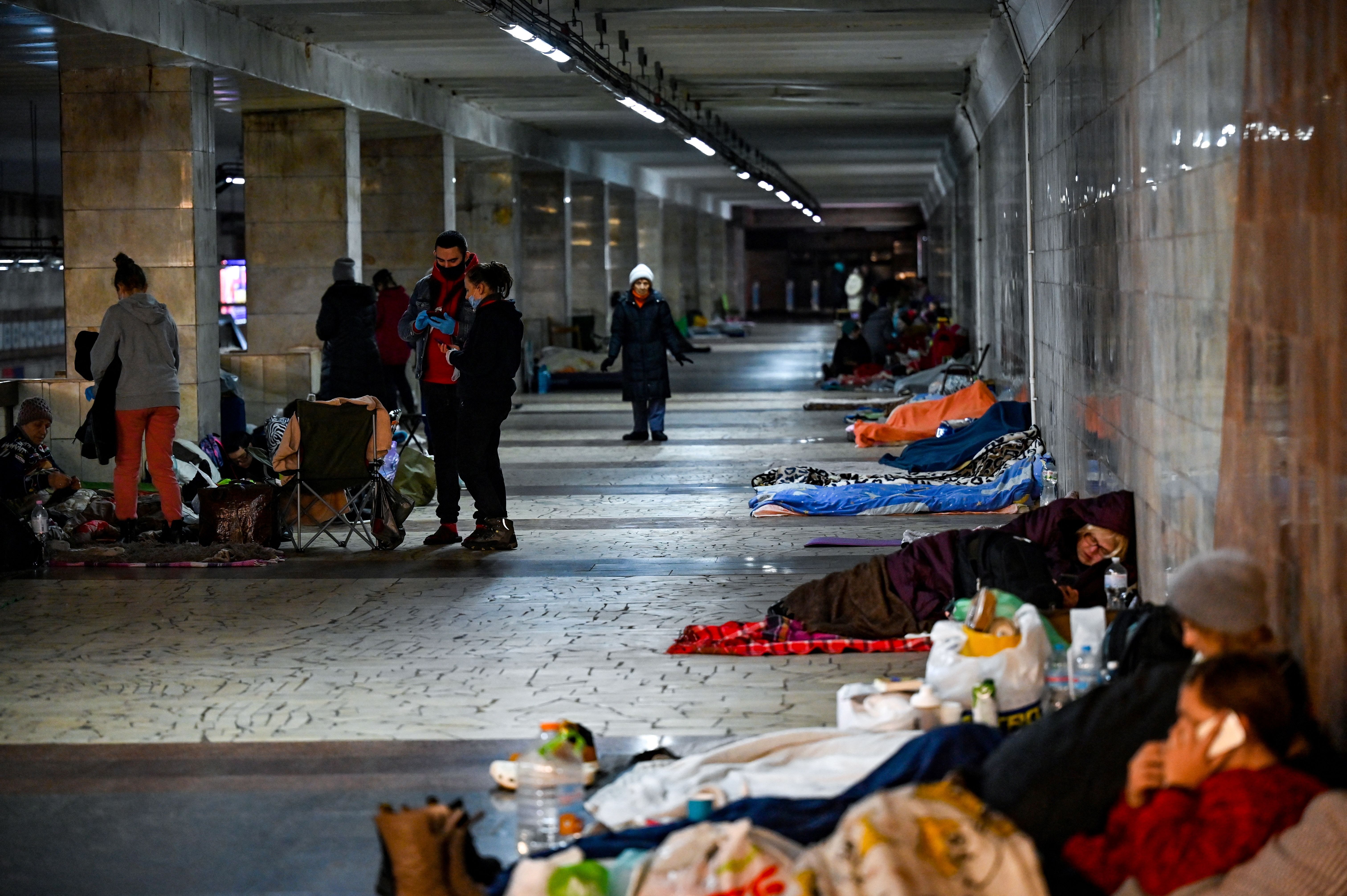
Citizens are still having to shelter in underground stations to stay safe and Ukraine has reported more than 2,000 civilian deaths so far.

Russia has admitted 498 of its troops have died, although the Ministry of Defence thinks the real number is much higher.

And yet, millions of Ukrainians are determined to stay on and defend their country under their wartime leader and president Volodymyr Zelenksyy.

So here’s what life looks for those people who are persevering through the unimaginable conditions, as their lives have been turned upside down over the last seven days.

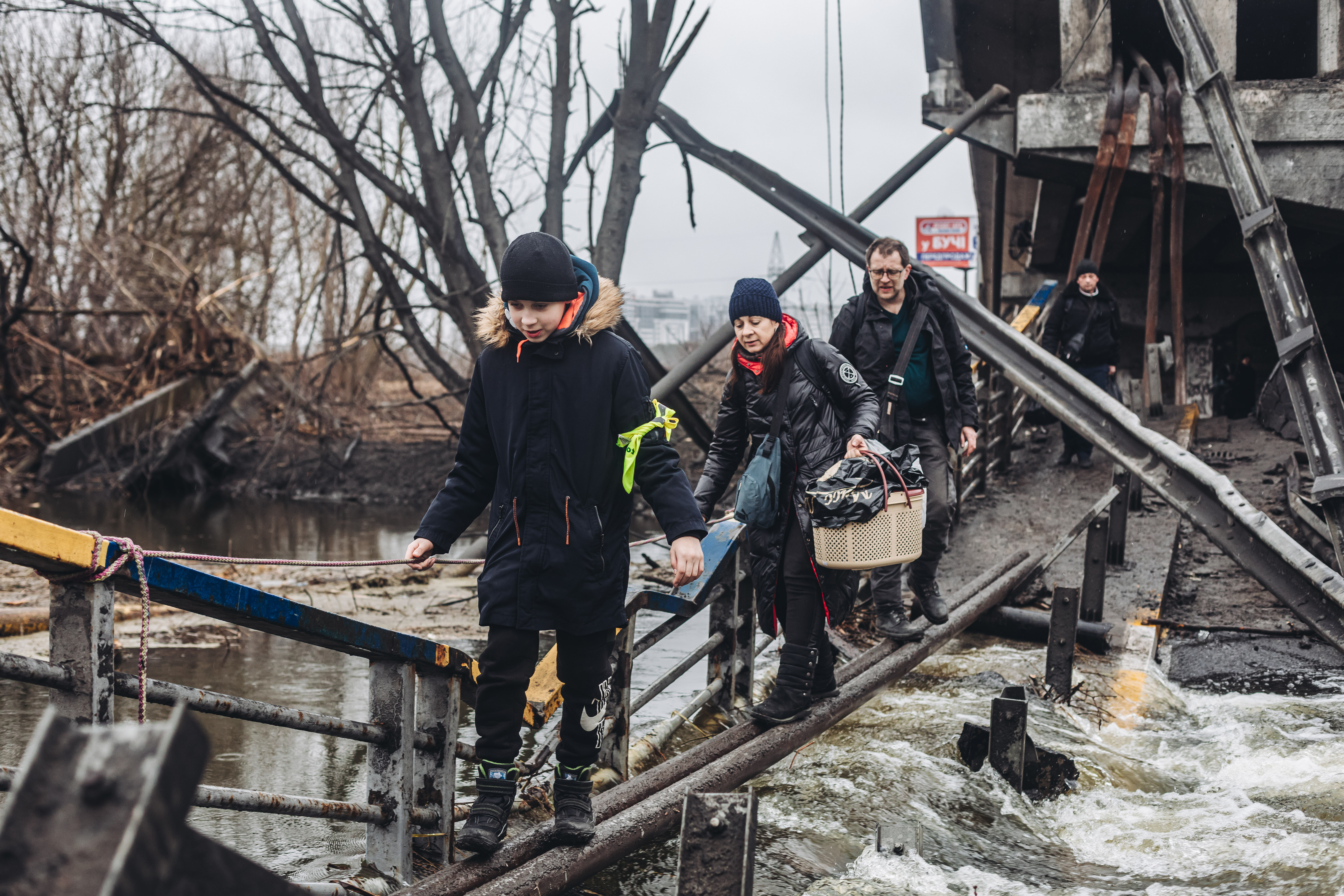
Civilians cross the shelled bridge in Irpin on March 2, 2022, in Irpin, Ukraine

Europa Press News via Europa Press via Getty Images

Civilians take shelter at an underground metro station in Kyiv on March 2, 2022

GENYA SAVILOV via AFP via Getty Images

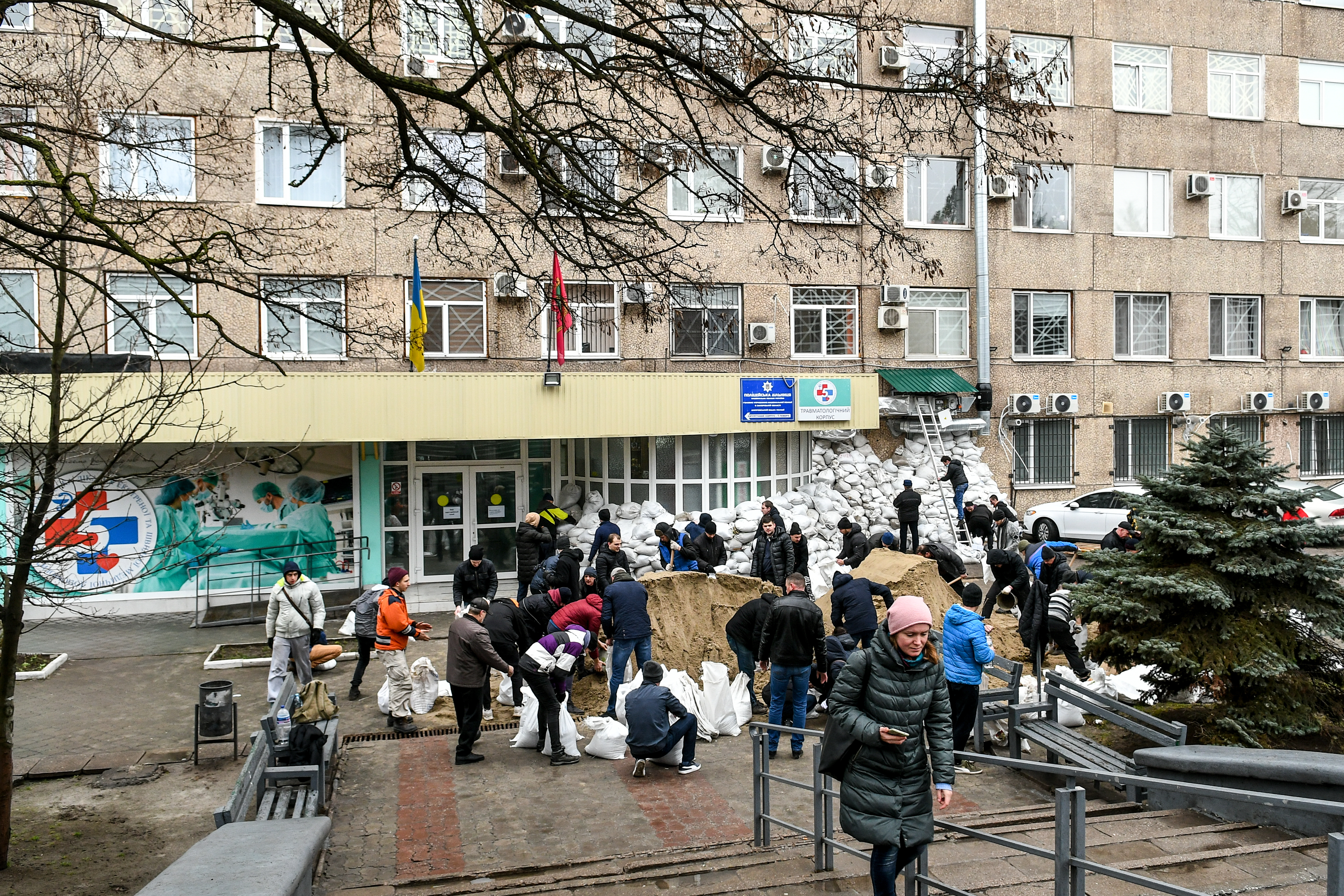
Locals of Zaporizhzhia prepare and carry sand bags inside and outside of the hospital so that it is less affected by the Russian attacks, in Zaporizhzhia, Ukraine

Anadolu Agency via Anadolu Agency via Getty Images

Miraculously, utility workers have made sure internet, light, heating and hot water facilities can still operate – but only in some cities.

Food appears to still be in healthy supply in various areas of the country, despite concerns of an emerging humanitarian crisis among Western governments.

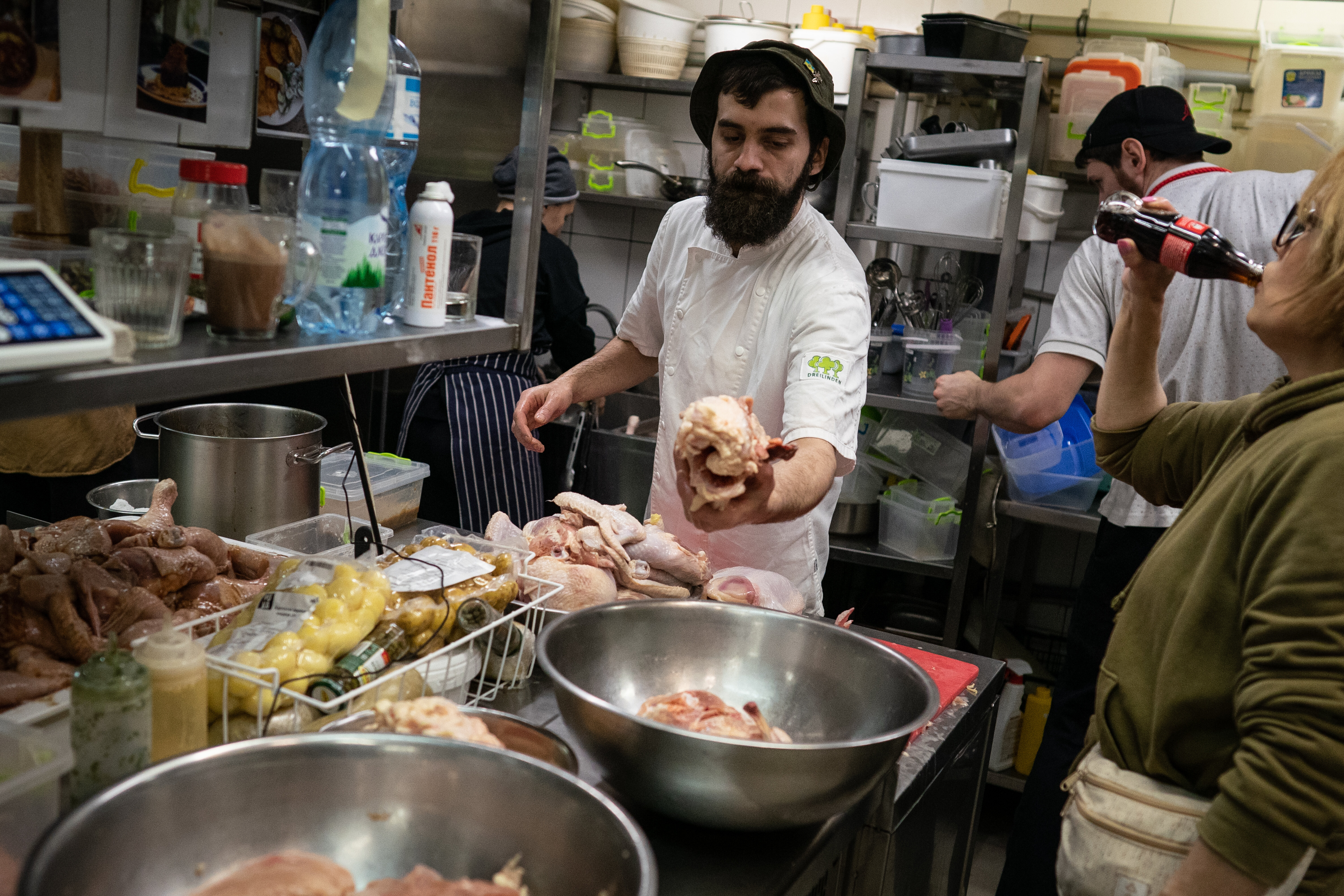
Civilians are seen in a downtown restaurant cooking food to distribute to soldiers, amid Russia's attacks.
Civilians are seen in a downtown restaurant cooking food to distribute to soldiers, amid Russia’s attacks.

Anadolu Agency via Getty Images

For those trapped without food, other Ukrainians are trying to gather supplies to help the less fortunate survive.

In the city of Mariupol, the Russian forces have reportedly cut off its water, heating, power and supply lines. The city council has compared it to the “old Leningrad”, in reference to Nazi Germany’s siege of a then-Soviet city in 1941, which left 1.5 million dead.

A Ukrainian soldier even reportedly texted the Telegraph pleading: “If anything happens don’t let us be forgotten.”

Ukraine’s strength against the Russian forces has stunned the international community too, as the ordinary people stand up against Putin’s army in both large and small ways.

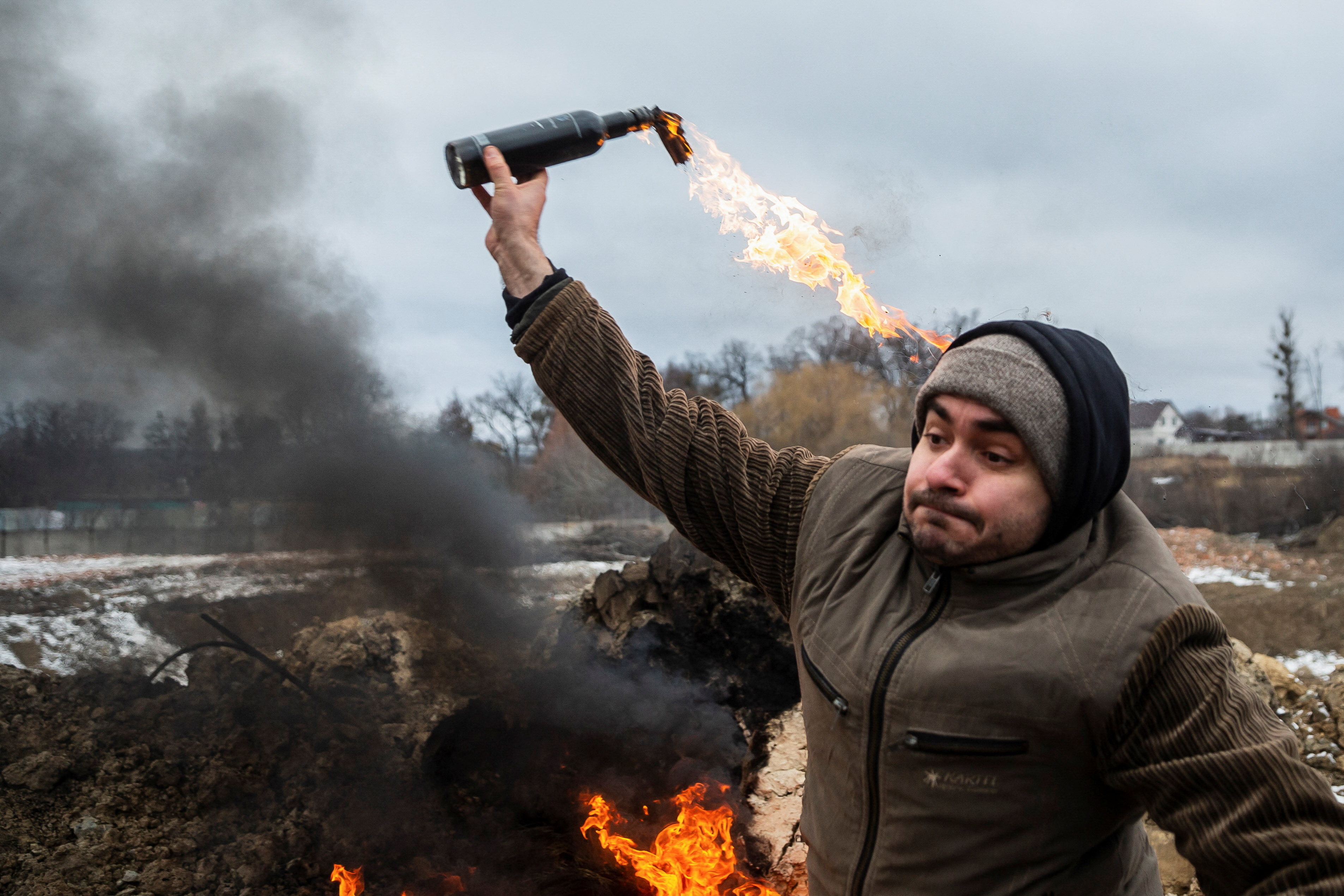
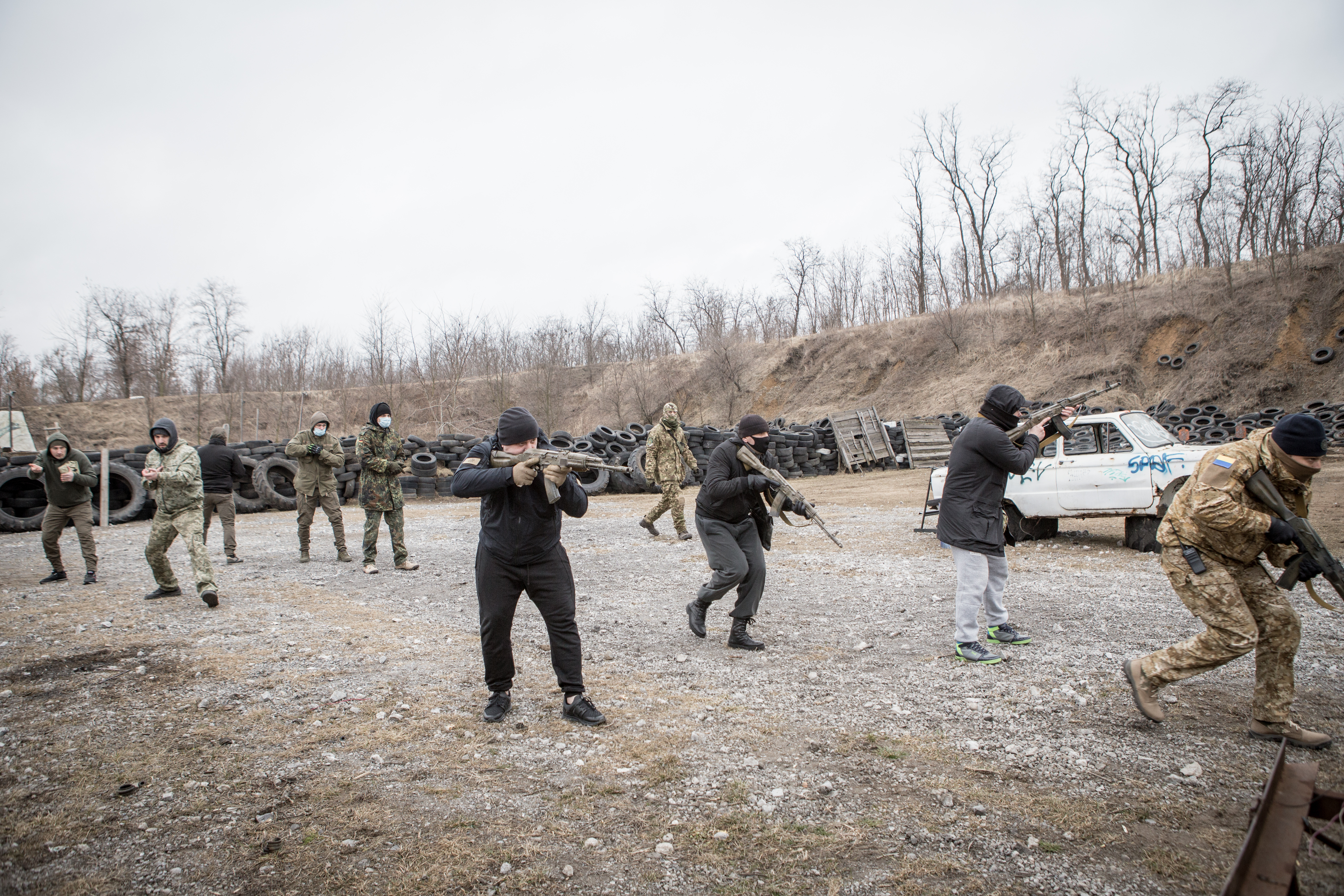
Civilians are training to fight, learning how to make molotov cocktails (homemade explosives) and, in some cases, stealing Russian equipment.

A civilian trains to throw Molotov cocktails to defend the city

VIACHESLAV RATYNSKYI via REUTERS

Civilians attend tactical and shooting exercises on the 6th day since start of large-scale Russian attacks

Anadolu Agency via Anadolu Agency via Getty Images

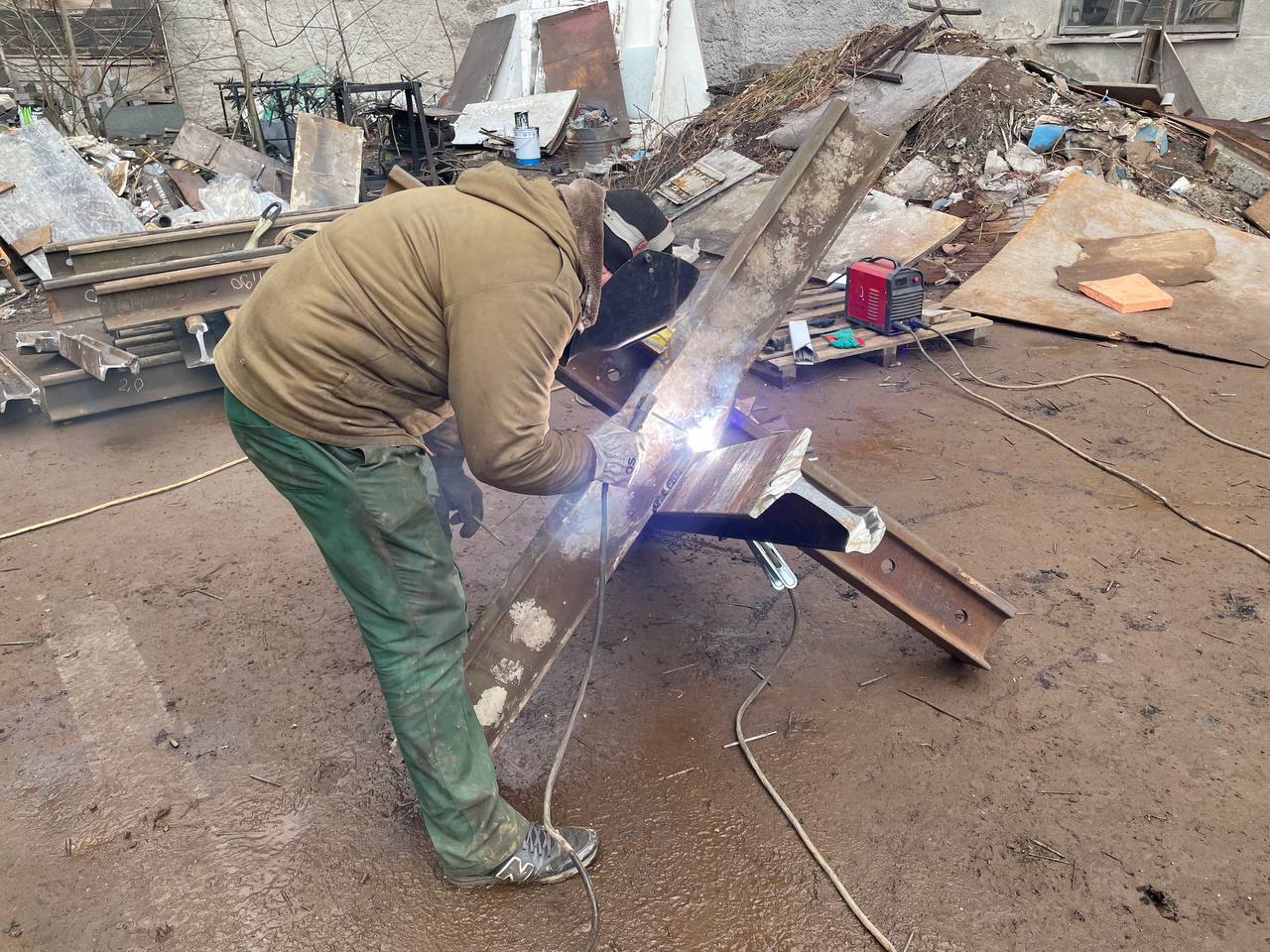
Civilians build iron barricades and traps to block Russia's armoured vehicles
Civilians build iron barricades and traps to block Russia’s armoured vehicles

Anadolu Agency via Anadolu Agency via Getty Images

However, as French president Emmanuel Macon has warned “the worst is yet to come” when it comes to Putin’s brutality, it remains unclear how much longer people can live under these trying conditions.

Share Button

Government U-Turn As Russian Oligarchs Given Less Time To Declare UK Properties

Russian oligarchs will have less time to dodge declaring what properties they own in the UK, amid pressure on the government to crackdown on Vladimir Putin’s allies.

On Monday the Commons is set to debate and pass the economic crime bill, which is designed to force overseas nationals to disclose assets they own in the UK.

Boris Johnson told MPs on Wednesday it would “whip aside the veil of anonymity” enjoyed by wealthy foreign.

But the government’s initial proposals would have given those who already own property in Britain an 18-month grace period before having to register them.

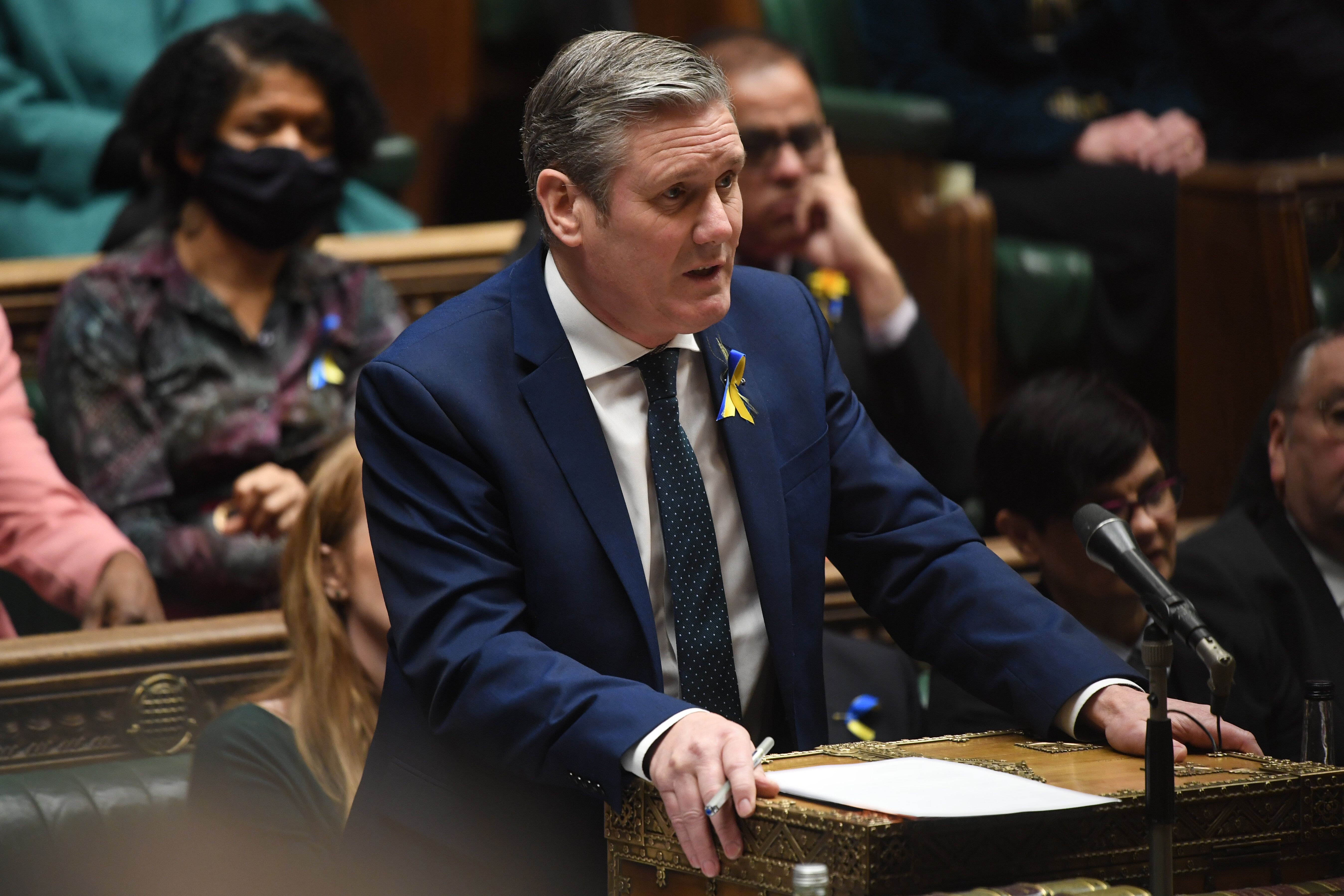
Speaking during PMQs on Wednesday, Keir Starmer said Labour would support the bill when it came to a vote, but demanded it be strengthened following Putin’s invasion of Ukraine.
“Why are we giving Putin’s cronies 18 months to quietly launder their money out of the UK property market and into another safe haven?” he said.

It is understood the government will now reduce the grace-period, although it remains unclear by how much.

Downing Street said it would not speculate on changes to the legislation, but said it did not want to “disproportionately impact legitimate businesses who do follow the law”.

Jonathan Reynolds, Labour’s shadow business secretary, said the government’s “vague” promise was not enough.

“It must back Labour’s proposal to tighten the net on Putin’s cronies now by shortening the grace period to 28 days,” he said.

“We cannot give oligarchs a head start – dirty Russian money must be taken out of the UK in days, not months.

“The government must side with Labour to protect our security and show solidarity with the people of Ukraine by taking the action needed to send a clear, united message – Putin backed oligarchs are not welcome in our economy.”

Johnson has also said he would produce a list of all those who have assets that are related to the Putin regime.

But No.10 has not said when this would be produced and the government is facing calls to immediately seize oligarchs’ assets, such as luxury yachts and homes.

French authorities have said they seized a yacht linked to Igor Sechin, an ally of Putin who runs oil giant Rosneft, under EU sanctions. It was also reported Germany had seized another mega-yacht.

But in the UK questions continue over why billionaires such as Roman Abramovich, who has announced he will sell Chelsea FC, have not yet been hit with sanctions.

Share Button

UK To Personally Sanction Vladimir Putin After Ukraine Invasion

The UK will personally sanction Russian president Vladimir Putin, Boris Johnson has told a virtual meeting of Nato leaders.

Putin and his foreign minister Sergei Lavrov are being targeted over their “revanchist mission” to overturn the post-Cold War order, the prime minister said.

He told alliance leaders on Friday that the UK would echo measures announced by the EU to target the Russian leader.

Referring to Putin’s wish to recover territory which previously fell under the USSR, he said Russia was “engaging in a revanchist mission to overturn post-Cold War order”.

Johnson told allies “the UK would introduce sanctions against president Putin and foreign minister Sergei Lavrov imminently, on top of the sanctions package the UK announced yesterday”, according to a No 10 spokesman.

“He warned the group that the Russian president’s ambitions might not stop there and that this was a Euro-Atlantic crisis with global consequences,” he said.

Johnson also used the meeting to urge “immediate action” over the banning of Russia from the Swift payment system to “inflict maximum pain” on the Kremlin.

It comes as frustrated Russian forces are prepared to “indiscriminately” use thermobaric bombs to seize control of Ukraine, Western officials believe.

One western official said it was “likely” that Russia failed to achieve its main objectives on day one of its invasion of Ukraine.

The official added: “And my fear with those objectives, that timescale not being met, is if that continues to be a theme where they are delayed and then my concern is that that Russia uses indiscriminate use of indirect fire, particularly artillery systems, thermobaric weapons – which we know Russia has both in its armoury and has used in previous conflicts.

“At the moment we’re not seeing the use of those particular weapons. But my fear would be that if they don’t meet the timescales and objectives that they would be indiscriminate in the use of violence and they don’t adhere to the same principles of necessity and proportionality and rule of law that Western forces do.

Meanwhile, Ukraine’s president issued a sombre warning to leaders of the EU as Russian forces continue to violently invade the country.

“This might be the last time you see me alive,” Ukrainian President Volodymyr Zelenskyy reportedly told EU leaders on a conference call on Thursday night.

Zelenskyy is currently hiding in Ukraine’s capital city of Kyiv as more than 100,000 Russian troops continue to attack the country on Putin’s orders.

“We were supposed to talk on the phone this morning, but he was no longer available,” Italian prime minister Mario Draghi told his parliament on Friday morning of Zelenskyy.

Share Button

Hollywood Actress Wishes She Was Vladimir Putin’s Mother In Bizarre Tweet

While much of the world is debating how to handle Vladimir Putin and Russia’s invasion of Ukraine, one former star of the rebooted “90210” thinks she could have put a stop to it before it ever happened.

AnnaLynne McCord, who played antihero Naomi Clark from 2008 to 2013, on Thursday posted a video on Twitter with a personal ― and peculiar message to Putin.

It begins with McCord saying, “Dear President Vladimir Putin,” while subtitles in English (not Russian) appear below.

Then, the 34-year-old actor apologizes to the 69-year-old Russian leader for not giving birth to him.

“I’m so sorry that I was not your mother. If I was your mother, you would have been so loved, held in the arms of joyous light. Never would this story’s plight. The world unfurled before our eyes. A pure demise.”

It’s bizarre. See the whole 2-minute, 20-second clip yourself.

Although the clip is starting to go viral, many viewers weren’t impressed with McCord’s notion that complex geopolitical issues could have been solved with a few hugs in the early stages of life.

So far, there is no word if Putin has seen McCord’s video, but one person predicted his reaction to it.

And, yes, many people couldn’t help but be reminded of another celebrity gaffe: Gal Gadot’s “Imagine” video from the beginning of the pandemic.

Share Button

What Are The New ‘Severe’ Sanctions Boris Johnson Has Slapped On Russia?

Russia launched a full-scale invasion of Ukraine this morning, sending troops, missiles and bombs across the border.

There has been reports of civilian casualties and families have been trying to flee Kyiv amid the chaos.

President Vladimir Putin’s invasion has been condemned by western allies, with Boris Johnson accusing him of being a “blood-stained aggressor who believes in imperial conquest”.

Johnson has now unveiled ten further punitive measures after he was initially criticised for not going far enough with his first set of sanctions.

In a Commons statement, he vowed the UK would implement “the largest and most severe package of economic sanctions that Russia has ever seen”.

Here, HuffPost UK takes you through what has been announced today and assesses what impact they will have.

What Did Boris Johnson Announce Today?

Here are the 10 new sanctions:

1) An asset freeze on all major Russian banks, including VTB, the country’s second largest bank with assets totalling £154 billion.

2) Legislation to stop Russian companies to raise finance in this country and to ban the Russian state from raising sovereign debt on the UK markets.

3) Sanctions against more than 100 Russian individuals, entities and subsidiaries. They include five wealthy oligarchs with links to the Putin regime.

4) Immediately banning Russian airline Aeroflot from landing planes in the UK.

5) Suspend and prohibit all dual use export licences to Russia on items such as electrical components that could be used in military or civilian computers.

6) Legislation prohibiting a wide range of high-tech exports to Russia.

7) A new law limiting the amount of money Russian nationals can deposit in UK bank accounts.

8) Work with allies to limit Russian access to the Swift international payment system.

9) Extend the full range of sanctions against Russia to Belarus, given its close links with Moscow and the part it played in the invasion of Ukraine.

10) Bring forward measures intended for the Economic Crime Bill to strengthen unexplained wealth orders and take action against kleptocrats that launder funds in the UK.

What Sanctions Were Already In Place?

Johnson announced the UK’s first set of measures against Putin on Tuesday which included sanctioning three wealthy allies of Putin and five Russian banks.

Alongside this, members of Russia’s lower parliamentary chamber, the Duma, and the Federation Council, who voted to recognise the independence of Donetsk and Luhansk, also face sanctions.

In addition, the territorial sanctions that were imposed on Crimea in the aftermath of the 2014 war will be extended to Donetsk and Luhansk, so no trade can be undertaken with UK individuals or businesses until they are returned to Ukrainian control.

How Will The New Sanctions Hurt Russia?

The sanctions announced today will hit the pockets of oligarchs, big banks and companies with direct links to the Kremlin.

On the five super-rich oligarchs being targeted, a diplomatic source said: “These are people who have international lifestyles.

“They come to Harrods to shop, they stay in our best hotels when they like, they send their children to our best public schools, and that is what’s being stopped.

“So that these people are essentially persona non grata in every major Western European capital in the world. That really bites.”

In Johnson’s words, the aim is to “hobble” the Russian economy and increase the pressure on Putin to end his military action in Ukraine.

Even before the sanctions take effect, Russia’s economy is already feeling the impact of the global condemnation of its invasion.

Some $250 billion has already been wiped from the value of Russia’s top companies – the biggest one day decline on record – while the rouble has plummeted to record lows against dollar.

What Has Been The Political Reaction To The Sanctions?

Unlike the response to the previous sanctions announcement, opposition parties have responded positively to the latest measures, while urging the prime minister to go further if necessary.

Labour leader Keir Starmer said: “I welcome the set of sanctions outlined by the prime minister today and pledge opposition support for further measures.

“And there are changes we must make here in the UK. For too long our country has been a safe-haven, for the money that Putin and his fellow bandits stole from the Russian people. It must change now.

“Cracking open the shell companies in which the stolen money is hidden will require legislation. Bring it forward immediately prime minister and Labour will support it.”

SNP leader Ian Blackford called for the “complete economic isolation” of Russia.

He said: “Let’s not fall for the Kremlin propaganda that they are prepared to soak up any sanctions. If we act now, if the sanctions are targeted enough, swift enough, severe enough, if we impose nothing less than economic isolation, Putin and his cronies will suffer the consequences of their actions.”

What Might Happen Next?

Western officials believe Putin is determined to capture the Ukrainian capital, Kyiv, and replace the pro-western president Volodymr Zelensky with a puppet regime.

They fear such an assault would lead to large numbers of civilian casualties and the conflict could lead to clashes with neighbouring countries such as Poland, a Nato member.

Under Article 5 of the Nato constitution, which decrees that an attack on one member is an attack on them all, this would lead to full-scale war between Russia and the west.

Share Button

Kenya’s United Nations Speech On Ukraine Praised For Citing Africa’s Colonial Legacy

Martin Kimani used his address at an emergency meeting of the UN Security Council to warn Vladimir Putin to respect Russia’s border with Ukraine and highlight the dangers of stoking the “embers of dead empires”.

His remarks came after the Russian president ordered troops into eastern Ukraine – under the fabrication of “peace keeping” – after recognising the independence of two separatist regions, a move criticised globally as a breach of international law.

Kimani said the birth of Kenya and Ukraine’s independence in 1991 after the collapse of the Soviet Union had the “ending of empire” in common.

He said rather than engage in “bloody wars” that would be raging decades later, Africa opted to “settle for the borders that we inherited”, even if there was a “yearning for integration with peoples in neighbouring states”. Kimani added Kenya “rejects such a yearning from being pursued by force” and “we reject it again today”.

A clip of the address, which came hours after Putin had given a rambling speech re-writing the history of eastern Europe, was viewed more than 3 million times from one Twitter feed.

“Kenya and almost every African country was birthed by the ending of empire. Our borders were not of our own drawing. They were drawn in the distant colonial metropoles of London, Paris, and Lisbon with no regard for the ancient nations that they cleaved apart.

“Today, across the border of every single African country live our countrymen, with whom we share deep historical, cultural, and linguistic bonds.

“At independence, had we chosen to pursue states on the basis of ethnic, racial, or religious homogeneity, we would still be waging bloody wars these many decades later. Instead, we agreed that we would settle for the borders that we inherited, but we would still pursue continental political, economic, and legal integration. Rather than form nations that looked ever backwards into history with a dangerous nostalgia, we chose to look forward to a greatness none of our many nations and peoples had ever known.

“We chose to follow the rules of the Organisation of African Unity and the United Nations Charter, not because our borders satisfied us, but because we wanted something greater, forged in peace.

“We believe that all states formed from empires that have collapsed or retreated have many peoples in them yearning for integration with peoples in neighbouring states. This is normal and understandable. After all, who does not want to be joined to their brethren and to make common purpose with them?

“However, Kenya rejects such a yearning from being pursued by force. We must complete our recovery from the embers of dead empires in a way that does not plunge us back into new forms of domination and oppression. We rejected irredentism and expansionism on any basis, including racial, ethnic, religious, or cultural factors. We reject it again today.”

Putin also ordered the deployment of Russian forces to the Donbass region in eastern Ukraine “keep the peace” – though commentators have warned not to be fooled by the language.

Share Button

Johnson: Putin’s Decision To Recognise Separatist Ukraine States ‘A Very Dark Sign’

Boris Johnson has hinted Russia could face fresh sanctions as Vladimir Putin said he would recognise two breakaway republics in Ukraine.
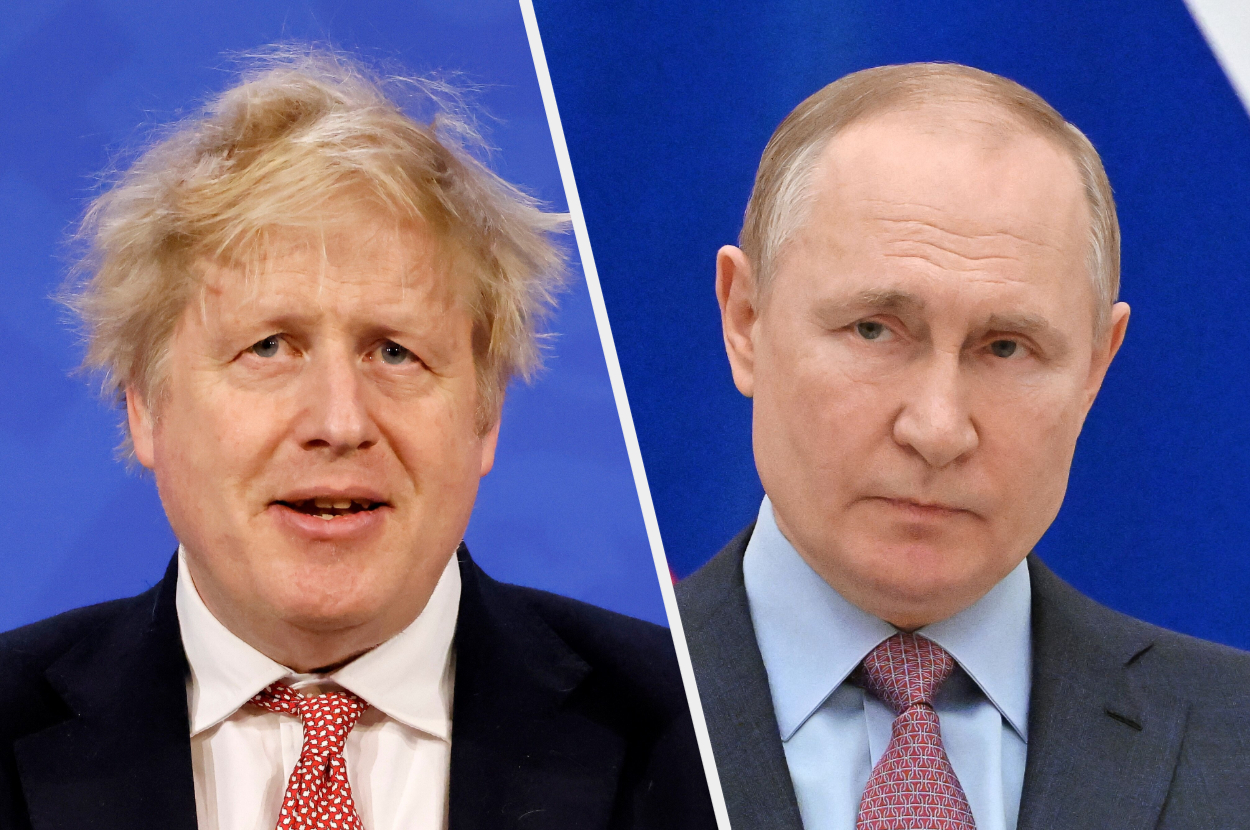
The UK prime minister said the Russian president’s decision to acknowledge Donetsk and Luhansk’s claims to independence was a “very dark sign” that is “plainly in breach of international law”.

On Monday, the Ukraine crisis intensified as Putin used a long speech to recognise the two rebel-controlled regions in eastern Ukraine, which breaches the 2015 protocol that ended the conflict in Donbas.

The comments come amid mounting Western fears that Russia, which has massed an estimated 150,000 troops near Ukraine’s border, is poised to invade.

The move appears to have dashed hopes for a diplomatic breakthrough which had been raised with the possibility of talks between Putin and US president Joe Biden.

Johnson said he was considering whether the actions could trigger the imposition of fresh sanctions on Russia, as foreign secretary Liz Truss said Putin’s actions could not be allowed to go “unpunished”.

At a Downing Street press conference, the PM said: “This is plainly in breach of international law, it’s a flagrant violation of the sovereignty and integrity of Ukraine.

“It is a repudiation of the Minsk process and the Minsk Agreements.

“I think it’s a very ill omen and a very dark sign.”

It was “yet another indication that things are moving in the wrong direction in Ukraine”.

The prime minister had previously said sanctions would be triggered if Russia invaded Ukraine.

But he said: “Plainly what has happened is extremely bad news and we will be urgently talking to our friends and allies around the world, all of whom are jointly signed up with us in this package of sanctions.”

Johnson said it was “becoming clear that we are going to need to start applying as much pressure as we possibly can”.

“It is hard to see how this situation improves,” he acknowledged.

But he added: “I think there’s a sort of chance that (Putin) could row back from this, and we’ve got to pray that that’s the case.”

The prime minister said he would speak to Ukraine’s president Volodymyr Zelensky to “offer him the support of the United Kingdom”.

Meanwhile, the foreign secretary said the recognition of the Donetsk People’s Republic and the Luhansk People’s Republic as independent states “demonstrates Russia’s decision to choose a path of confrontation over dialogue”.

“We will co-ordinate our response with allies,” she said.

“We will not allow Russia’s violation of its international commitments to go unpunished.”

The government has already promised a tougher sanctions regime to deal with any Russian transgression, with MPs expected to approve the new framework on Tuesday.

Shadow foreign secretary David Lammy said: “This blatant breach of international law must be met with consequences from the international community.”

The European Union announced it would impose sanctions in response to Russia’s recognition of the two states.

In a joint statement, European Commission president Ursula von der Leyen and European Council president Charles Michel said it was an “illegal act”.

Nato secretary general Jens Stoltenberg said: “This further undermines Ukraine’s sovereignty and territorial integrity, erodes efforts towards a resolution of the conflict, and violates the Minsk Agreements, to which Russia is a party.”

Earlier defence secretary Ben Wallace has said there was still “strong cause for concern” that Putin remained committed to an invasion of Ukraine, despite diplomatic moves to end the crisis.

In a Commons statement, he said Russian forces were continuing to move towards the border zone contrary to repeated assurances given by Moscow.

There were now more than 110 battalion tactical groups massed along the border while the Black Sea fleet included two amphibious groups and nine cruise missile-equipped ships with a further four cruise missile-capable vessels in the Caspian.

At the same time, he said there had been “a proliferation of false flag operations and propaganda stunts and Russian news outlets carrying fictitious allegations”.

Downing Street said intelligence reports suggested the Russian plan “has in effect already begun” and that it was “starting to play out in real time”.

Nevertheless Johnson’s official spokesman said there was still a “window for diplomacy” after it appeared that a tentative agreement had been reached on a crisis summit between Putin and Biden.

Following a series of lengthy calls involving French president Emmanuel Macron, the White House said talks could go ahead provided there had been no invasion.

However Kremlin spokesman Dmitry Peskov said later that while the two leaders could meet if they considered it necessary, no plans for a summit had been agreed.

“It’s premature to talk about specific plans for a summit. The meeting is possible if the leaders consider it feasible,” he said.

Share Button

Tory Party Chair Oliver Dowden Likens ‘Woke Ideology’ To Maoism In Bizarre Speech

Oliver Dowden has likened “social justice warriors” to communist dictator Mao Zedong in an extraordinary attack on so-called cancel culture in the UK and US.

The Tory party chairman and former culture secretary said a “painful woke psychodrama” was sweeping the west and putting individual freedoms at risk.

He made his comments in a speech to the pro-Trump Heritage Foundation think tank in Washington.

Dowden said it was up to conservatives to “mount a vigorous defence of the values of a free society” which he claimed were under threat from “woke ideology”.

And he took aim at left-wing activists whom he accused of being “engaged in a form of Maoism determined to expunge large parts of our past in its entirety”, citing the defacing of a statue of Winston Churchill during protests in 2020.

The Tory party chairman said the “world watches” the relationship between America and its allies as they attempt to prevent Russian president Vladimir Putin from attacking Ukraine.

But Dowden said that just as “rogue states are seeking to challenge the international order…a pernicious ideology is sweeping our societies”.

“In Britain, its adherents sometimes describe themselves as social justice warriors,” he said.

“They claim to be woke, awakened to the so-called truths of our societies.

“But wherever they are found, they pursue a common policy inimicable to freedom.

“In their analysis, free speech is not a fundamental right necessary for the discovery of truth. To them, it is a dangerous weapon.”

He went on: “For all their fury at so called imperialism, these activists have absolutely nothing to say about that Vladimir Putin’s modern day empire building.

“Indeed, one of the perversities of this worldview is that the imperialist West is always at fault.”

Dowden claimed “woke” ideology is now “everywhere”.

“It’s in our universities, but also in our schools. In government bodies, but also in corporations. In social science faculties, but also in the hard sciences,” Dowden said.

“But I tell you, it is a dangerous form of decadence. Just when our attention should be focused on external foes, we seem to have entered this period of extreme introspection and self-criticism.

“And it really does threaten to sap our societies of their own self-confidence.

“Just when we should be showcasing the vitality of our values and the strength of democratic societies, we seem to be willing to abandon those values, for the sake of appeasing a new groupthink.

“The US and the UK may be different societies but we are joined by the same fundamental values.

“Neither of us can afford the luxury of indulging in this painful woke psychodrama.”

Alongside the attack on cancel culture and the culture wars, Dowden also hinted at an end to the big public spending and government interference that characterised the coronavirus response.

“We have reached a high watermark of the size of the state,” he said in a Q&A after his speech.

“We can’t repeat the mistakes we have seen in the past whereby in previous national crises, the state has expanded in scope and then has remained permanently much larger.

“We now need to embark on the course of making sure we rein in the size of the state, which in turn allows us to cut taxes.”

Share Button

Boris Johnson ‘Fears For The Security Of Europe’ As Tensions Grow Over Potential Russian Invasion Of Ukraine

Boris Johnson “fears for the security of Europe” as tensions mount over a potential Russian invasion of Ukraine and British people were urged to leave the country.

The UK prime minister voiced his concern during a call with Western leaders – including US president Joe Biden – as the Foreign Office updated its advice on Friday evening to urge UK nationals to “leave now while commercial means are still available”.

At the same time, Biden’s national security adviser Jake Sullivan said there is the “credible prospect” of an invasion of some sort taking place before the end of the Winter Olympics on February 20.

He said the Russians are in a position to “mount a major military operation in Ukraine any day now”, which could include a “rapid assault on the city of Kyiv” or on other parts of the country.

The warning was echoed by UK defence secretary Ben Wallace, who said warned an invasion could come “at any time”.

Tensions have heightened in the last 24 hours as Russian president Vladimir Putin has now amassed an estimated 130,000 troops on the border with Ukraine.

<img class="img-sized__img landscape" loading="lazy" alt="US national security advisor Jake Sullivan speaks during the daily White House press briefing.” width=”720″ height=”480″ src=”https://www.wellnessmaster.com/wp-content/uploads/2022/02/boris-johnson-fears-for-the-security-of-europe-as-tensions-grow-over-potential-russian-invasion-of-ukraine-2.jpg”>
US national security advisor Jake Sullivan speaks during the daily White House press briefing.

Anna Moneymaker via Getty Images

The Foreign Office followed the US in advising against all travel to Ukraine, with a spokesman saying: “The safety and security of British nationals is our top priority, which is why we have updated our travel advice.

“We urge British nationals in Ukraine to leave now via commercial means while they remain available.”

After Johnson and world leaders held the virtual call, a No 10 spokesperson said: “The prime minister told the group that he feared for the security of Europe in the current circumstances.

“He impressed the need for Nato allies to make it absolutely clear that there will be a heavy package of economic sanctions ready to go, should Russia make the devastating and destructive decision to invade Ukraine.

“The prime minister added that president Putin had to understand that there would be severe penalties that would be extremely damaging to Russia’s economy, and that Allies needed to continue with efforts to reinforce and support the Eastern frontiers of Nato.

“He urged the leaders to work together to deliver economic and defensive support to Ukraine.

“The leaders agreed that if president Putin deescalated, there was another way forward, and they pledged to redouble diplomatic efforts in the coming days.”

Speaking from the White House, Sullivan said Russia could choose “in very short order to commence a major military action against Ukraine” but stressed the US does not know whether Putin has made a final decision.

Moscow denies it is planning an invasion and called the Western military actions provocations meant to bait Russia into war.

But diplomatic efforts to resolve the crisis have yet to yield results.

The two countries share a border, and between 1919 and 1991 Ukraine was part of the Soviet Union. Ukraine declared independence from the Soviet Union in the early-1990s but maintained close economic and cultural links with Russia.

Russia has been trying to reunite with its neighbour even since, with Putin calling the break-up of the Soviet bloc the “greatest geopolitical tragedy of the 20th century”.

It’s not entirely clear why Putin is acting now. There’s speculation he may be moving because the US looks weak following the messy evacuation from Afghanistan.

Share Button