Marjorie Taylor Greene Wishes Jews A Happy Purim. Oy Vey, Says Twitter.

But many on Twitter weren’t buying her greeting for Purim, which commemorates a biblical Book of Esther story in which Queen Esther thwarted a plan for the Jews’ annihilation in ancient Persia. The holiday began on Monday evening and runs through to Tuesday evening.

One of her responders said Greene was Haman, the villain in the story.

Share Button

Lee Anderson Has Become The Latest Tory MP To Join GB News

Lee Anderson has become the latest Tory MP to get his own show on GB News.

The Ashfield MP joins fellow Conservatives Jacob Rees-Mogg, Esther McVey and Philip Davies in getting his own show on the channel.

The controversial backbencher, who is also his party’s deputy chairman, has rarely been out of the headlines since being elected in 2019.

Last month he called the return of the death penalty and has also claimed that he has seen families who use food banks eating in McDonald’s “two or three times a week”.

Ironically, Anderson’s Labour predecessor as MP for Ashfield, Gloria de Piero, also has a show on GB News.

Anderson said: “GB News is the true voice of the great British silent majority. I’m joining the people’s channel to ensure their voice is heard.”

Michael Booker, the editorial director of GB News, said: “Lee has been a breath of fresh air in Westminster since he was elected, doing what many politicians are scared to do – talking honestly about what they believe.

“Our viewers and listeners appreciate his common sense language, something that has been missing from politics for a long time.

“As the next election will be fought in the Red Wall, Lee’s insights into northern voters will be key.”

Anderson’s decision to join GB News adds to a growing trend of Tory MPs branching out into broadcasting.

Former culture secretary Nadine Dorries also has a Friday night chat show on TalkTV.

Share Button

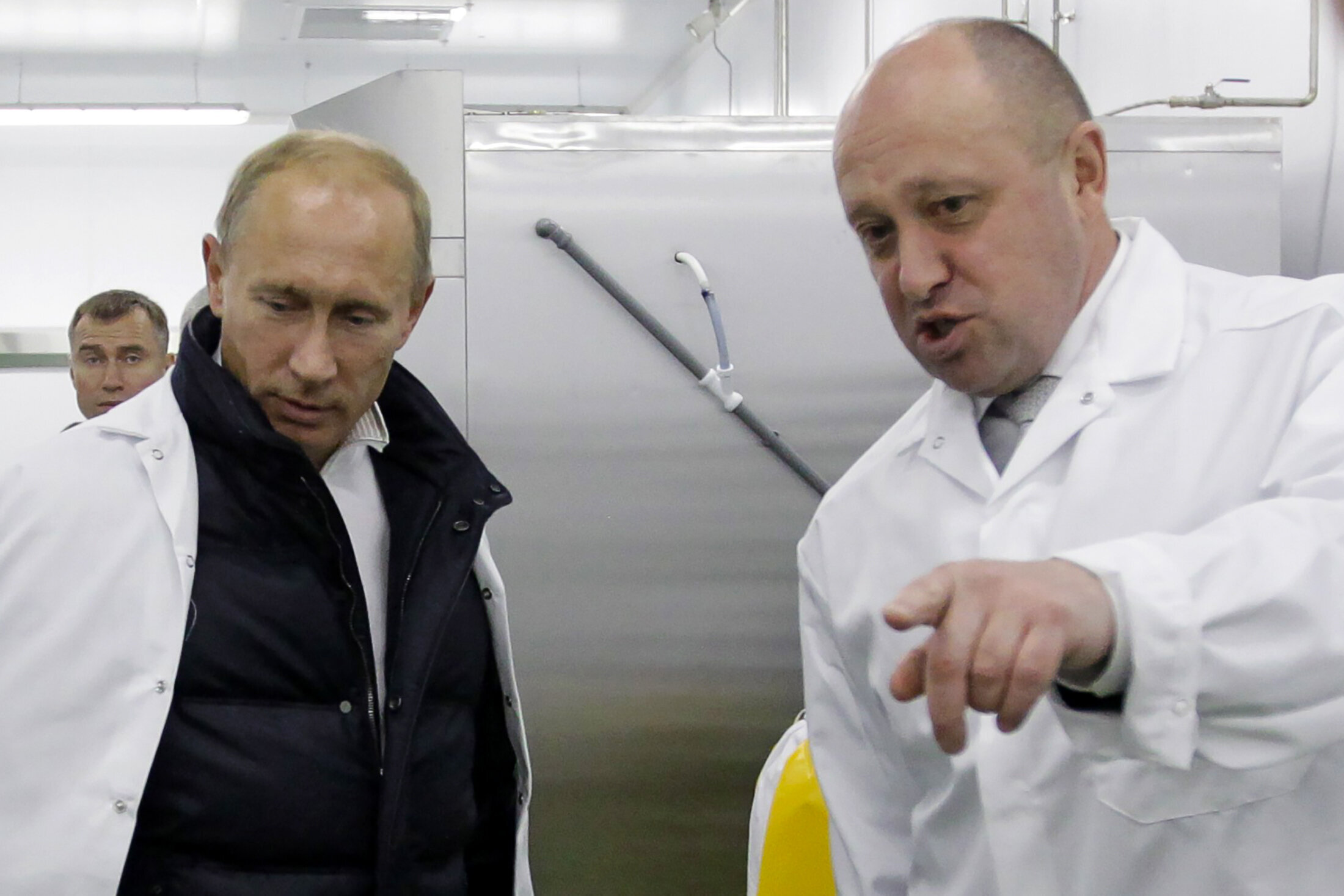
Boss Of Wagner Mercenary Group Launches Fresh Attack On Moscow

The head of the mercenary Wagner Group has suggested that Russia is setting them up for failure in Ukraine.

Yevgeny Prigozhin said ammunition promised to his troops – some of whom were recruited directly from prison to join the war – has not arrived.

He said that was affecting the Wagner Group’s ability to help Russia hold on to the key city of Bakhmut.

His comments come just weeks after he accused Russian military chiefs of “treason”.

Prigozhin said that orders were signed on February 22 for the group, which is fighting alongside Russian forces, to be sent fresh ammunition the following day. However, most of it never arrived.

In a video uploaded at the weekend, Prigozhin said the lack of ammunition could be “ordinary bureaucracy or a betrayal”.

According to the BBC, he said: “If we step back, we will go down in history as the people who took the main step to lose the war.

“And this is precisely the problem with the [ammunition shortage]. This is not my opinion, but that of ordinary fighters.

“What if they [the Russian authorities] want to set us up, saying that we are scoundrels – and that’s why they are not giving us ammunition, not giving us weapons, and not letting us replenish our personnel, including [recruiting] prisoners?”

He went on to insist that without his group, Russia’s war in Ukraine would be a failure.

“If Wagner PMC [private military company] were to now retreat from Bakhmut, then the entire front – which PMC Wagner today is cementing – would crumble,” he said.

Who are the Wagner Group?

The Wagner private military company (also known as Wagner PMC) really took off in 2014.

It was the same year that Russia had seized the Ukrainian peninsula of Crimea and separatists in the Donbas region of Ukraine started to push back against Kyiv.

Headed up and financed by Prigozhin, the covert group of mercenaries began showing up to support the Russian troops in unmarked green uniforms.

At the time, Wagner was so unknown they were nicknamed “little green men”.

Since then, it has grown exponentially, taking on thousands of soldiers who can come straight from elite backgrounds or prison.

Private military contractors are forbidden in Russia, so the whole group works outside of the country’s law.

That means this is a covert group of significant military force and political influence which – according to Vox – makes money by serving Moscow, and exploiting natural commodities in target countries.

Even Prigozhin denied any link to the group until September 2022 when he admitted he founded it.

Prigozhin is also an associate of Vladimir Putin, and was previously nicknamed “Putin’s chef” because of his expanse of catering companies which catered to the Kremlin.

Share Button

Russia Forced To Use 60-Year-Old Tanks In Ukraine Due To Heavy Losses, Says UK

Russia is being forced to use 60-year-old tanks because of the heavy losses it has sustained in the Ukraine war.

According to the UK’s Ministry of Defence (MoD), the “vintage” T-62 vehicles have been brought out of storage and re-purposed so they can be sent into battle.

Armoured personnel carriers dating back to 1954 have also been deployed by Russia, the MoD said in its latest intelligence update.

It emerged yesterday that Russian reservists are being sent to war armed with shovels.

“The Russian military has continued to respond to heavy armoured vehicle losses by deploying 60-year-old T-62 main battle tanks (MBT),” the MoD said.

“There is a realistic possibility that even units of the 1st Guards Tank Army, supposedly Russia’s premier tank force, will be re-equipped with T-62s to make up for previous losses.”

The update went on: “In recent days, Russian BTR-50 armoured personnel carriers, first fielded in 1954, have also been identified deployed in Ukraine for the first time.

“Since summer 2022, approximately 800 T-62s have been taken from storage and some have received upgraded sighting systems which will highly likely improve their effectiveness at night.

“However, both these vintage vehicle types will present many vulnerabilities on the modern battlefield, including the absence of modern explosive reactive armour.”

In their update yesterday, the MoD said Russian mobilised reservists were “ordered to assault a Ukrainian concrete strong point armed with only ‘firearms and shovels’”.

One reservist described being “neither physically nor psychologically” prepared for the brutality of arm-to-arm combat.

The MoD said the shovels were likely MPL-50 “entrenching tools being employed for hand-to-hand combat”.

“Little changed since it was designed in 1869, its continued use as a weapon highlights the brutal and low-tech fighting which has come to characterise much of the war,” the intelligence update said.

Share Button

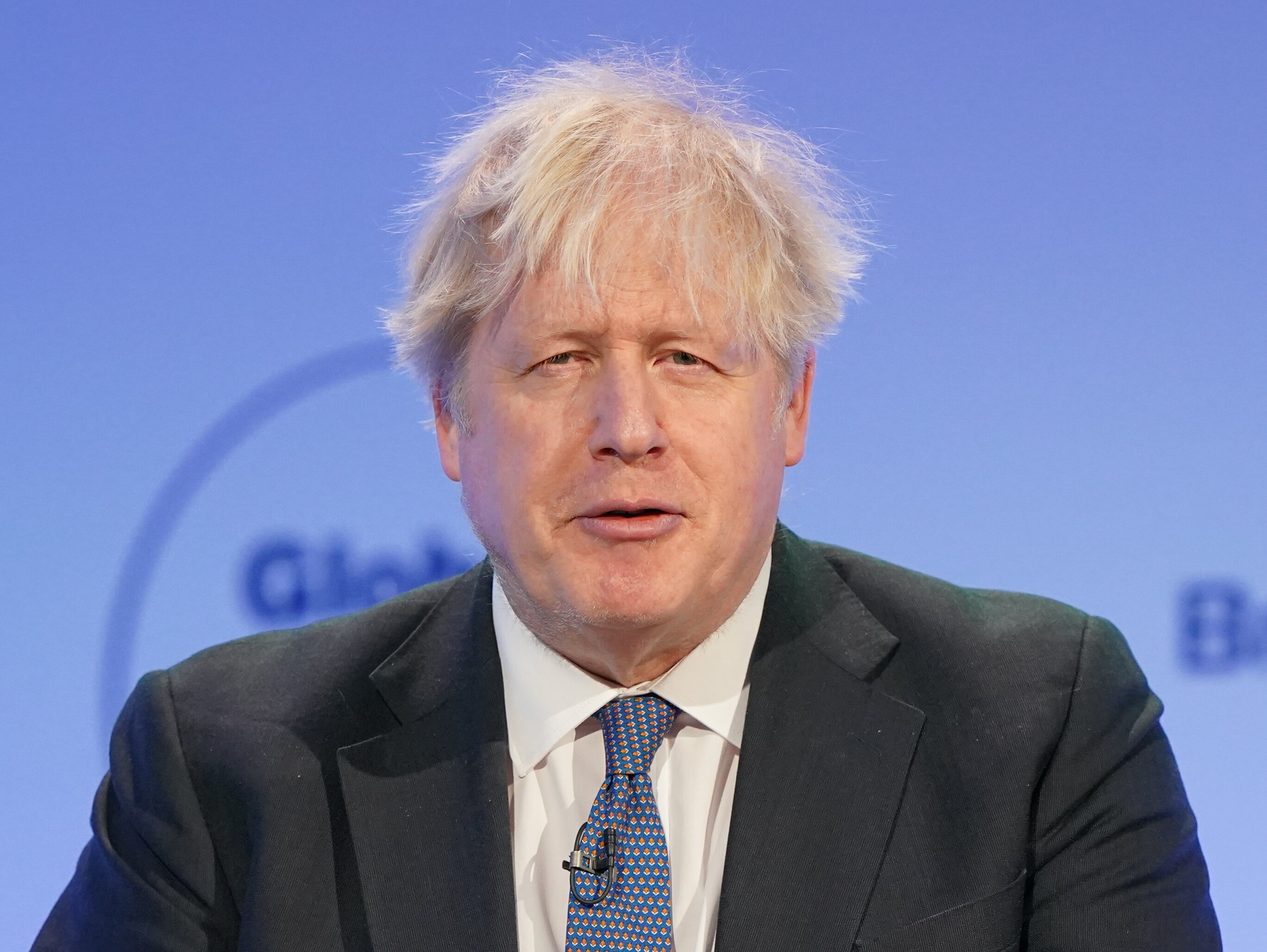
Boris Johnson Is ‘Generally An Honest Man’, Says Close Ally

Boris Johnson is “generally an honest man”, one of his close allies has insisted.

Chris Heaton-Harris, the Northern Ireland secretary, tried to mount a defence of the former prime minister as the partygate scandal returned to haunt the Tories.

The cross-party privileges committee published a report on Friday saying Johnson may have repeatedly misled parliament over what he knew about lockdown-busting parties in Downing Street during the pandemic.

But despite its damning findings, the ex-PM insisted that he has been “vindicated” by the report.

On the BBC’s Sunday with Laura Kuenssberg show this morning, Heaton-Harris – who was chief whip when Johnson was in Number 10 – said he believed the former Tory leader had now “knowingly” misled MPs.

He said: “There are four occasions where Boris may have done that.

“I wouldn’t have become Boris’s chief whip if I didn’t believe him that he did not knowingly mislead parliament and I believe him to be an honest man – he did not knowingly mislead parliament.”

Heaton-Harris added: “He gave me chapter and verse that demonstrated to me that he did not knowingly mislead parliament.

“Generally he is an honest man and I truly believe that.”

The cabinet minister had earlier told Sky News that he was “absolutely convinced” Johnson had not misled MPs.

The former prime minister is set to give evidence to the privileges committee later this month.

If he is found guilty of misleading parliament, he could be suspended from the Commons and potentially lose his seat.

Share Button

New Law Just One Part Of Action To ‘Stop The Boats’, Says Minister

New legislation pledged by Rishi Sunak to tackle illegal migration will form only one part of the government’s response to the issue, a senior minister has said.

It comes as Home Secretary Suella Braverman is set to publish long-promised legislation as soon as Tuesday that would make asylum claims inadmissible from those who travel to the UK on small boats.

Sunak on Sunday vowed to put an end to “immoral” illegal migration, while Braverman said “enough is enough”.

But while details are still scarce on the legislation, critics have already questioned whether the government’s solution will make any difference to small boat arrivals on Britain’s shores.

The legislation would see a duty placed on the Home Secretary to remove “as soon as reasonably practicable” anyone who arrives on a small boat, either to Rwanda or a “safe third country”.

Arrivals will also be prevented from claiming asylum while in the UK, with plans also to ban them from returning once removed.

During an appearance on BBC One’s Sunday With Laura Kuenssberg, Northern Ireland Secretary Chris Heaton-Harris was shown a graph displaying a fall in asylum seeker returns since 2010 as he insisted that legislation is just one aspect of the Government’s “arsenal” on the issue.

“We need a full range of things in our arsenal to try and stop both people trafficking and illegal migration across the Channel,” he said.

“That involves proper conversations, that are ongoing, with our French counterparts, and indeed other European counterparts, to try and ensure that people are held in the first safe country that they come to. That also includes international development aid.”

He insisted a tightening of the law is required “because the law has been challenged on pretty much all those occasions and equally when we announced the Rwanda scheme, it was challenged immediately”.

The Prime Minister, who has made “stopping the boats” one of his five priorities, told the Mail on Sunday that he is “determined to deliver” on his promise.

But the Government’s plans have been criticised by campaigners, with concerns too about whether some of the policies are compatible with the European Convention on Human Rights.

The Rwanda scheme has been mired in legal challenges, and so far no flights carrying migrants to the Rwandan capital Kigali have departed.

The latest Home Office figures show 2,950 migrants have crossed the Channel already this year.

Heaton-Harris, speaking to Sophy Ridge On Sunday on Sky News, signalled that the Government may look at opening more “safe and legal routes” for asylum seekers in the future.

“I’m quite sure there’ll be more safe and legal routes and that’s why we have them,” he said. “They’ve been proven to work.”

Labour’s Jonathan Ashworth, speaking on Sky News, said his party would “study” the legislation carefully to see if it addresses the current issues, including processing backlogs.

Pressed on whether his party supports the “broad principle” behind the legislation, the shadow work and pensions secretary said: “The broad principle is that refugees who arrive in this country, we have always welcomed them.

“People whose asylum applications have been turned down, then of course they should be returned, that is a principle that we have always accepted.

“The problem is, of course, that the Conservatives will come out here and they will get headlines and they will say they are going to do this, that and the other, but they never deliver, do they?”

The Liberal Democrats called it “another half-baked plan”. The party’s home affairs spokesman Alistair Carmichael said it is “immoral, ineffective and incredibly costly for taxpayers”.

Share Button

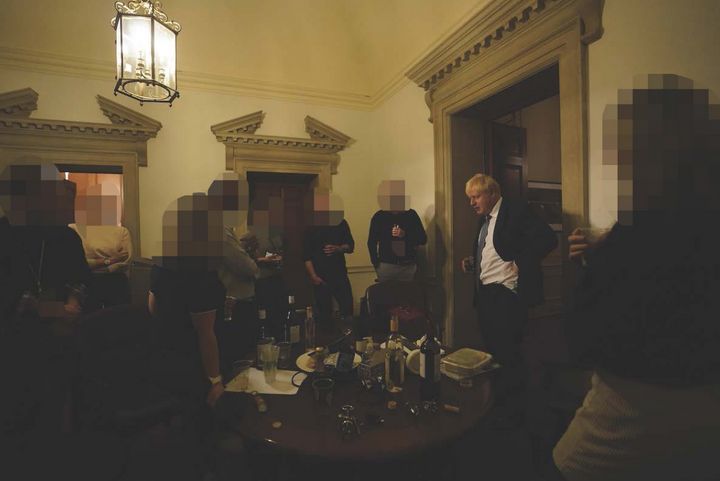
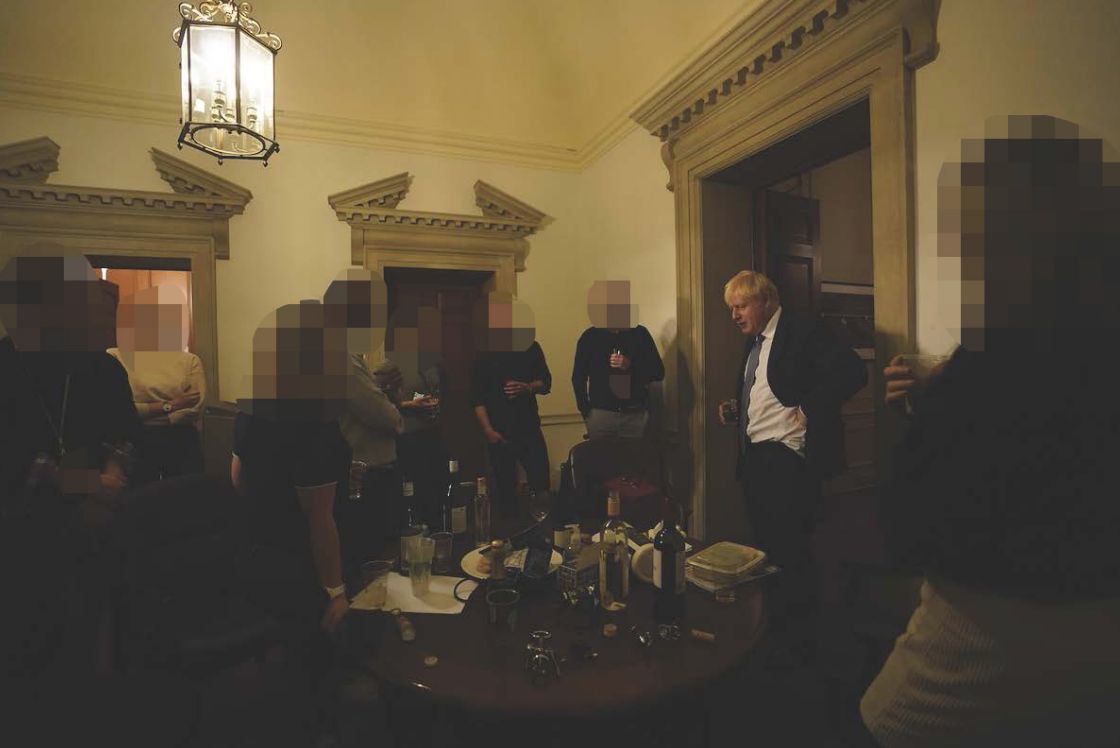
Boris Johnson May Have Repeatedly Misled Parliament Over Partygate, MPs Say

Boris Johnson may have misled parliament on multiple occasions over whether lockdown rules were broken in Downing Street, MPs have found.

If found guiltily, the former prime minister could be suspended or expelled from the Commons and even trigger a by-election in his seat.

In a damning report published on Friday, the Commons privileges committee said the breaches by No.10 staff “would have been obvious” to Johnson.

“There is evidence that the House of Commons may have been misled.” the MPs said, listing a series of incidents.

Johnson is due to defend himself in front of the committee in person later this month.

Parliament

The committee is not investigating whether rules were broken or not, the police have already concluded they were, but specifically whether Johnson lied to parliament about it.

As prime minister, Johnson repeatedly told the Commons that no Covid rules had been breached in No.10. But he was later fined by police for attending an event.

The MPs said: “The evidence strongly suggests that breaches of guidance would have been obvious to Johnson at the time he was at the gatherings.

“There is evidence that those who were advising Johnson about what to say to the press and in the House were themselves struggling to contend that some gatherings were within the rules.”

The committee said there was evidence “a culture of drinking in the workplace in some parts of No.10” continued “after Covid restrictions began”.

Parliament

Today’s report is not the committee’s final conclusion, but if it decides Johnson did mislead parliament it can recommend punishments such as suspension or expulsion from the Commons. MPs would need to vote for this.

In response, Johnson said the report showed he had been “vindicated” and maintained it had been his “honest belief” that no rules were broken.

Angela Rayner, Labour’s deputy leader, said the report was “absolutely damning” of Johnson.

She said if Johnson is found to have misled parliament, Rishi Sunak must make clear “his career is over”.

It comes one day after it was announced Sue Gray, the senior civil servant who authored the partygate report, has quit government to become Keir Starmer’s chief of staff.

Johnson suggested her decision to take a job with Labour calls into question the impartiality of her report, which contributed to his downfall.

But MPs on the privileges committee said it own report is “not based on the Sue Gray report” but on evidence provided directly to it by witnesses.

The committee is chaired by former Labour deputy leader Harriet Harman, but it has a Tory majority.

Share Button

Boris Johnson Goads Rishi Sunak Over Poor Tory Poll Ratings

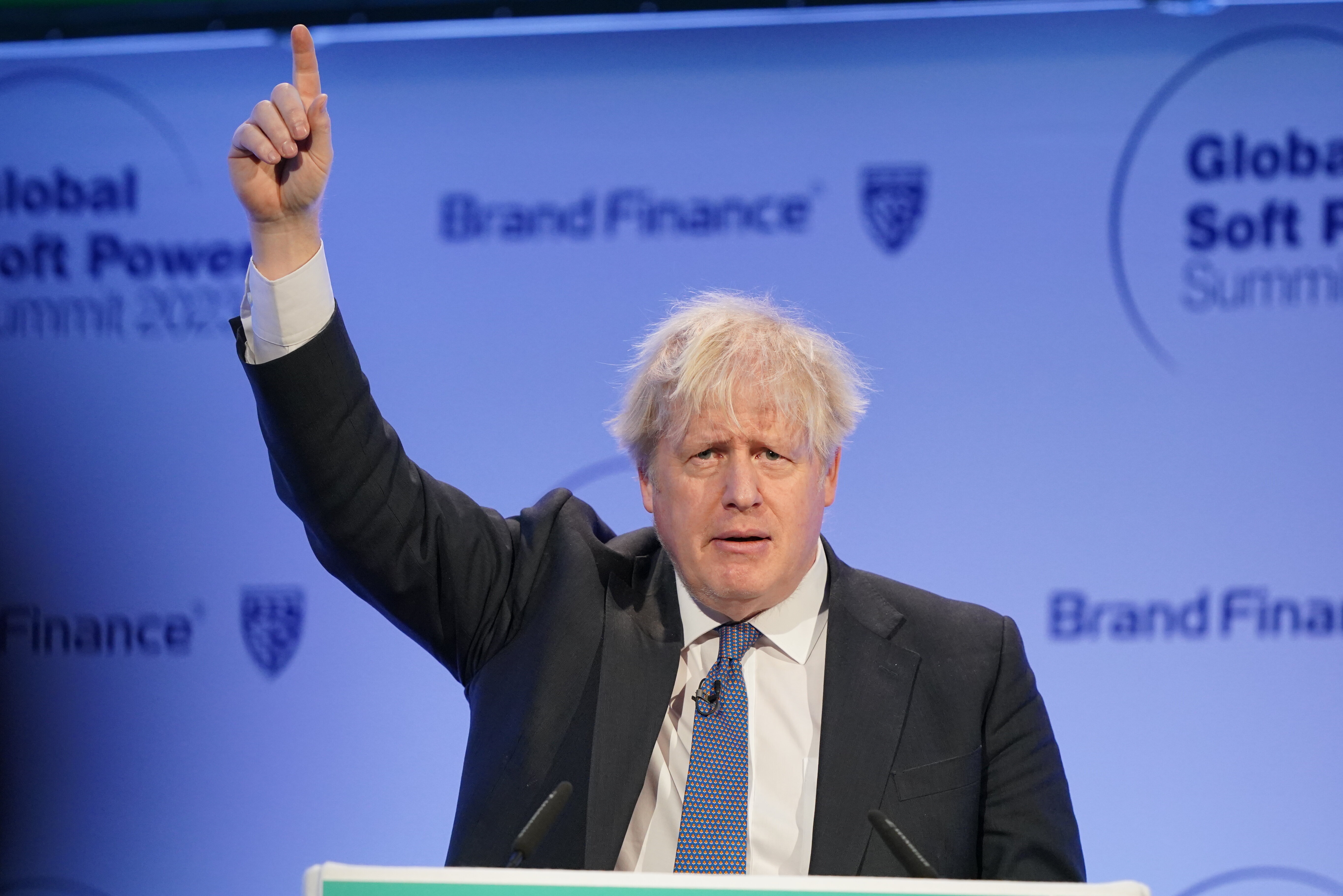
Boris Johnson has goaded Rishi Sunak over the prime minister’s poll ratings, as he delivered his first public speech in the UK after being forced out of No.10.

Speaking in Westminster on Thursday afternoon, Johnson said it was “very unlikely” he would “need to do anything big in politics again”.

But he indicated he would continue to speak out on issues including Brexit, the need to level up the north of England and to help Ukraine.

And the former PM said: “When I stepped down we were only a handful of points behind the Labour Party.”

When Johnson announced his resignation on July 7, 2022, YouGov polling showed Labour on 40% and the Tories on 29% — an 11 point lead.

The latest survey from YouGov has put Labour on 46% and the Tories on 23% — 23 points ahead.

On September 29, 2022, YouGov released a shock poll that showed Labour had surged to a 33-point lead over the Conservatives amid the market turmoil caused by Liz Truss’ mini-Budget.

When Truss quit as prime minister, Johnson mounted a dramatic challenge to Sunak in a bid to return to No.10.

In the end he pulled out of the contest after deciding he did not have enough support from Tory MPs to lead a stable government.

But rumours in Westminster that Johnson still hopes to make a comeback have not gone away, stoked by allies who want him to return.

Asked today about his future plans, Johnson said: “I think it very, very unlikely that I will need to do anything big in politics again.”

He also devoted a large section of his speech to trashing Sunak’s new Brexit deal, which he said would be “very difficult” for him to vote for.

Share Button

Boris Johnson Says Rishi Sunak’s Brexit Deal Doesn’t ‘Take Back Control’

Boris Johnson has said Rishi Sunak’s new Brexit deal does not “take back control” from the EU and will be unlikely to vote for it.

Speaking in Westminster on Thursday afternoon, the former prime minister was highly critical of the so-called Windsor Framework.

“I am going to find it very difficult to vote for something like this myself,” he said in his first public comments since the deal was agreed.

“I believe we should have done something different.”

Sunak has struck a new agreement with the the EU which seeks to remove post-Brexit trade barriers by creating a new system for the flow of goods into Northern Ireland.

Johnson said he had “mixed feelings” about the deal, adding “this is not about the UK taking back control” as Brexit “won’t be” done with it.

“Although there are easements this is really a version of the solution that was being offered last year to Liz Truss when she was foreign secretary,” he said.

“This is the EU graciously unbending to allow us to do what we want to do in our own country, not by our laws but by theirs.

“Who votes for the people who decide these rules… no one in England or Scotland or Wales and no one in Northern Ireland.”

Sunak has said MPs in the Commons will be given a vote on his new deal.

Keir Starmer has pledged Labour support, which means here is little chance of the prime minister losing the vote even if some eurosceptic Tory MPs vote against him.

The DUP, which is currently boycotting the Stormont powersharing institutions in Northern Ireland, has said it will study the deal before giving its verdict.

Share Button

Why Is The DUP Hesitant About Rishi Sunak’s Brexit Deal?

Rishi Sunak has won praise after chasing the hard yards to get the EU to redraw the controversial Northern Ireland protocol. Now, he has to convince his party to fall behind it.

It may well be an opportunity he relishes, given that so far, the noises coming from Tory MPs about the “Windsor Framework” agreed with European Commission president Ursula von der Leyen seem to be broadly positive.

However, the road ahead is not entirely hurdle-free.

The prime minister will be looking to secure the approval of arguably one of the most important voices in the Brexit debate — Northern Ireland’s Democratic Unionist Party (DUP), which remains concerned about aspects of the deal.

The DUP has close ties with the Brexiteers of the Tory backbench European Research Group (ERG), some of whom are waiting for their judgment before casting their own verdict.

Here, HuffPost UK explains what the DUP’s position on the deal is and why it matters.

What Is The Windsor Framework?

It is a new deal struck by Rishi Sunak and the EU that will replace the Northern Ireland protocol.

At the heart of the arrangement is the idea of green lanes and red lanes. British goods staying in NI will use the green lane at ports, meaning they face minimal paperwork.

Goods travelling into Ireland will use the red lane, meaning they face customs processes and other checks at Northern Ireland ports.

A key part of the deal is an emergency “Stormont brake” on changes to EU goods rules that can be pulled by the NI Assembly.

Time and Space

The DUP has repeatedly said it will take time to consider the substance of the deal before deciding whether to back it.

That process could take weeks, or even months, the party has warned.

However, there is an incentive to come to a conclusion quickly.

The DUP is a joint partner with Sinn Fein in Stormont’s power-sharing execruive that is crucial to the functioning of the Northern Ireland Assembly.

Since February last year, the DUP has boycotted the assembly in protest at the previous Northern Ireland protocol, which Sunak has now replaced to address concerns around sovereignty, disrupted trade and the application of EU law.

Without the DUP’s participation, Stormont cannot function and people in Northern Ireland have effectively been left without a government.

While Sunak has said the DUP should be given “time and space” to consider the agreement, he made it clear that restoring Stormont was of vital importance.

Sunak told an audience in Northern Ireland earlier this week: “The framework is a fantastic agreement that delivers on all the things people care about. So now I hope that they do see it and see that and they can find a way to come back together.”

“It’s what you deserve.”

What are the DUP’s concerns?

The so-called “Stormont brake” has been hailed as the “rabbit in the hat” in the Windsor Framework.

With it, the UK says the Northern Ireland Assembly will effectively be allowed to “block” new EU laws from applying in the country without cross-community support — a key demand of unionists.

Sunak lauded the brake as an “incredibly powerful” mechanism that would allow the people of Northern Ireland to have “control of their own destiny”.

If Assembly members, called MLAs, dislike changes to EU goods laws then 30 of them can sign a petition to trigger a vote to stop the rules from taking effect.

If the vote passes with a majority of nationalist and unionists, the brake will be pulled and the UK government will have the power to veto any new or amended EU law.

But there are some concerns about potential discrepancies in how the UK and EU interpret the brake, after the EU described it as an “emergency mechanism” that could be used “in the most exceptional circumstances, as a last resort”.

Sammy Wilson, the DUP’s chief whip, told Times Radio that the Stormont brake “is not really a brake at all” and that it was just a “delaying mechanism”.

He said the UK government would have the final say over whether to veto a law, which he said it would be reluctant to do due to being “fearful of the consequences of trade for the rest of the United Kingdom”.

“The price of that would be that the EU would take retaliatory action,” he said, adding that he suspects the Stormont brake would therefore be “fairly ineffective”.

Splits in the DUP

According to the Times, division is emerging between the DUPs’ members in Stormont — who are keen to get the assembly back up and running — and the party’s MPs in Westminster, who are taking a harder and more sceptical line against the deal.

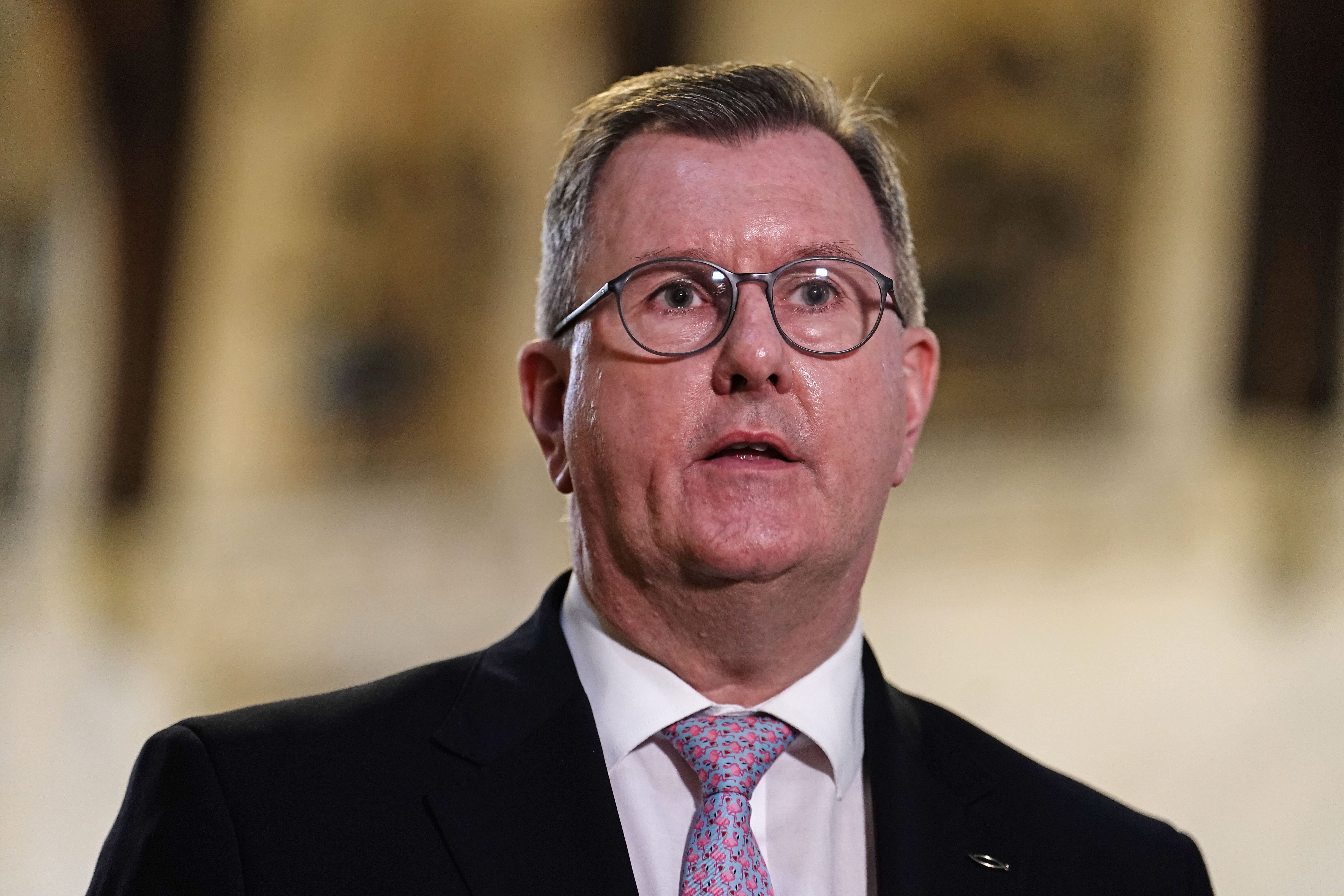
Although he said that changes may need to be made to the deal and that “key issues of concern remain”, the DUP’s leader, Jeffrey Donaldson did also hail the “significant progress” that Sunak had achieved.

But other key players have spoken out against the deal, with Ian Paisley Junior saying it did not “cut the mustard” and was likely to be rejected.

The DUP will also be conscious of the threat it faces from Jim Allister, the founder and leader of Traditional Unionist Voice in the lead up to the local elections in May.

Allister, a former member of the DUP, will be looking to brand any talk of compromise as a sell out and a betrayal.

What has the ERG said?

Mark Francois, the chairman of ERG, said the group’s “star chamber” of lawyers were now poring over the deal and that it would aim to come to a conclusion “within a fortnight”.

He said he had sought assurances that he “won’t find any nasty surprises” when analysing the deal.

Does Sunak need the DUP to get the deal through parliament?

Technically Sunak does not need the support of the DUP, or even the ERG, to get the deal through the Commons after Labour confirmed it would vote with the government.

However, the prime minister will want to get the DUP on board as that will reduce any potential Tory rebellion. If he does not, the party could use its powerful voice to undermine the deal at every opportunity — something he will want to avoid at all costs.

Share Button