Health24.com | Can a broken heart contribute to cancer?

“Broken heart syndrome” may harm more than just the heart, new research suggests.

While the extreme stress of losing a loved one has been linked to heart troubles in prior research, a new study found that one in six people with broken heart syndrome also had cancer.

Even worse, they were less likely to survive their cancer five years after diagnosis.

“There seems to be a strong interplay between Takotsubo syndrome [broken heart syndrome] and malignancies,” said study senior author Dr. Christian Templin. He’s director of acute cardiac care at University Hospital Zurich in Switzerland.

“Therefore, it should be recommended for Takotsubo syndrome patients to participate in cancer screening to improve overall survival,” he said, adding that the reverse is also true. Still, the study did not prove that one causes the other.

Broken heart syndrome causes sudden intense chest pain and shortness of breath that can be mistaken for a heart attack. These symptoms are a reaction to a sudden surge in stress hormones, according to the American Heart Association (AHA).

The condition causes the heart’s main pumping chamber to enlarge, the researchers said. And that means the heart can’t pump blood effectively.

Major trauma and stress

Broken heart syndrome can happen after just about any intensely emotional experience. The death of a loved one, a breakup or divorce, financial problems and even an intensely positive experience like winning the lottery can trigger broken heart syndrome, the AHA said.

Major physical stress can also trigger broken heart syndrome. A physical trauma or surgery, respiratory failure and infections are examples of physical stresses that can contribute to broken heart syndrome, the study noted.

The new study included just over 1 600 people with broken heart syndrome. The participants were recruited at 26 medical centres in nine different countries, including eight European countries and the United States.

Among those diagnosed with cancer, most were women (88%) and their average age was 70.

Elevated number of cancer cases

The incidence of cancer cases was much higher than would normally be expected, Templin said. That was true for both genders and all age groups.

For example, in women aged 44 years and younger, the expected rate of cancer is 0.4%, but for those with broken heart syndrome it was 8%. In men 45 to 64 years old, the expected rate of cancer was 2%, but in those with broken heart syndrome, it was 22%.

In both older men and women, the expected cancer cases were more than double what would be expected for those with broken heart syndrome.

The most common type of cancer was breast cancer. Other cancers affected areas including the digestive system, the respiratory tract, internal sex organs and the skin.

People who also had cancer were more likely to have a physical trigger for broken heart syndrome than an emotional one, the findings showed.

Factors considered

Templin said it’s not clear from this study exactly how these conditions are linked, though he noted that stress from a cancer diagnosis might trigger broken heart syndrome. It’s also possible that metabolic or hormonal changes caused by cancer could increase the risk of broken heart syndrome.

Dr. Guy Mintz, director of cardiovascular health and lipidology at Northwell Health’s Sandra Atlas Bass Heart Hospital in Manhasset, N.Y., said, “Many cancer patients have both significant emotional stress and multiple medical interventions, the most common triggers found in this study.”

But he noted that “the study was too small and the cancers too variable to draw conclusions regarding a direct mechanism and the interaction of the two diagnoses on longevity.”

Mintz said it’s important for physicians to be aware of the link between broken heart syndrome and cancer so that doctors – including primary care, cancer and heart doctors – can intervene earlier in the course of either condition.

The findings were published online in the Journal of the American Heart Association.

Image credit: iStock

Share Button

Health24.com | 5 common causes of chest pain while running

So there you are, settling into your stride about halfway through a run, when a sudden pain punches you square in the chest. As the feeling tightens, you clutch your collar in a panic. Is it a totally random heart attack? Well, don’t race to conclusions just yet. Although experiencing chest pain while running is downright frightening, they could be signalling a number of issues that run the gamut from serious to not so scary.

“Chest pain that occurs while running may have a variety of causes,” says Dr David Friedman, chief of heart failure services at Long Island Jewish Valley Stream Hospital. “While it’s important not to ignore pain, not all chest pain while running is cause for concern.”

Chest pain or chest pressure during exercise can occur in recreational runners, as well as in athletes who are in excellent shape, says Dr Jennifer Mieres, professor of cardiology at the Zucker School of Medicine at Hofstra. “There are many possible causes which span the spectrum from benign to life-threatening, so it’s important for everyone who exercises to be able to recognise the signs and symptoms that indicate when chest pain or pressure during a run is a marker of a potentially serious issue such as heart disease or asthma.”

Ok, noted. In order from least to most severe, here are the five most common reasons why your chest could hurt during a run, plus what to do if you think you’re experiencing them.

1. You’re new to running

Jumping in to a new jogging routine can be physically taxing — especially when you’re a rookie. If you haven’t had much training in the sport, it could be that you’re working out at a rate or intensity that your body isn’t accustomed to yet.

“You need to back off and be more realistic about what you’re trying to accomplish,” says Janet Hamilton, exercise physiologist, and lead running coach for Running Strong in Atlanta. She suggests warming up with a walk, then easing your way into a relaxed running pace. “If you can recite the national anthem as you’re running, then you’re probably running at the right effort,” she says. “If you’re having a hard time chatting, slow down.”

Heavy respiration during a run may be painful at first, but the strain typically goes away with consistent practice. Also, it goes without saying that any new workout regimen you’re considering should be cleared by your doctor first.

READ MORE: 7 Weird Signs You Might Have a Heart Problem

2. The muscles in your chest are cramping

Just like the muscles in your legs, the muscles surrounding your rib cage (called “intercostal muscles”) are also prone to cramping while you’re pounding the pavement. This sharp pain is highly localized — meaning you can usually put a finger on exactly where it hurts — and might worsen with movement. According to Friedman, dehydration or electrolyte depletion could be the culprits behind the spasms.

Since there’s not much you can do to strengthen your intercostal muscles anyway, try refuelling with some water and changing up your breathing pattern. “If you tend to breathe on a symmetrical rhythm (for example, in for two steps, out for two), you may want to play with breathing in an asymmetrical rhythm (inhale for two steps, exhale for three) so that you’re constantly switching which leg is in weight-bearing position when breathing is initiated,” says Hamilton.

3. You have heartburn

You may not realise it, but jogging piles a ton of pressure on to your digestive system. For one thing, Dr. Friedman explains, the increased tension within the abdomen causes the oesophagal sphincter (the muscle at the bottom of the oesophagus that keeps your stomach contents from rising into your throat) to relax, contributing to heartburn.

To ease the sensation and keep your food in your stomach where it belongs, he advises forgoing heavy meals before runs. If you do eat prior to hitting the road, stay away from trigger foods — that is, anything spicy, fried, or caffeinated. “You may also want to monitor the foods you consume before runs to determine if a particular food doesn’t sit well with you,” says Hamilton. “If you’re burping if you run after eating a banana, then switch to something else as your pre-run snack.”

READ MORE: 9 Heart Disease Facts Every Woman Needs To Know

4. You have an unaddressed lung condition, like asthma

Here’s where things get dicey. There are a few different pulmonary issues that can spark pain during a sprint, the most common of which is asthma. Pre-workout medication can help prevent an exercise-induced asthma attack, and a rescue inhaler should always be kept on hand during a run if you’re a diagnosed asthmatic. “If you don’t quickly respond to your inhaler, this could signify worsening breathing mechanics and the need for urgent care,” says Dr. Friedman. Stop running, and if you do not get relief within a few minutes, and have symptoms of shortness of breath and wheezing, consult your doctor, notes Dr. Mieres. If symptoms progress, call 112.

Other dangerous — but less common — causes include pneumothorax (a leakage of air into the space between the lungs and the chest wall) and pulmonary embolism (a blood clot in an artery supplying the lungs). Both of these are often paired with a sudden onset of severe pain and shortness of breath, which doesn’t go away with rest. If you see these red flags, don’t ignore them; get the help of a doctor right away.

5. You’re having heart complications, like heart disease, heart attack, or angina

Now for the worst-case scenario. You already know that the harder you run, the harder your heart has to work. But if your coronary arteries — which bring blood to your ticker — contract, the insufficient blood supply can induce chest pain when you exercise. This condition is known as “angina,” and should resolve after a few minutes of rest (though you should definitely still follow up with your doc, says Dr. Mieres).

And, of course, physical strain can also prompt a heart attack (an acute blockage of a coronary artery) or an arterial tear. Accelerating and worsening chest pain, pain in the jaw, back, left arm or other parts of the upper body, heavy sweating, nausea, vomiting, shortness of breath, significant palpitations, and/or dizziness that worsens with high-intensity activity but is relieved with rest are all signs of a heart attack, Dr. Friedman adds. Call 211 right away if you experience these symptoms.

If you have even the slightest suspicion that your heart isn’t ticking quite right, the best thing to do is book it straight to your physician’s office. “When in doubt, go get checked out! The worst you’ll experience is some expense and some embarrassment if it turns out it was nothing life-threatening,” says Hamilton. “If it was something serious, you may have just saved your own life.”

This article was originally published on www.womenshealthsa.co.za

Image credit: Istock

NEXT ON HEALTH24X

Share Button

Health24.com | This breathing technique could be just what you need

We breathe without thinking. Yet, the way we breathe can have a big effect on our health.

Many people are in the habit of breathing from their chests, as restrictive clothing, bad posture and tense shoulders limit deep breathing.

Diaphragmatic breathing, sometimes referred to as belly breathing, is a breathing technique where you engage the diaphragm, a dome-shaped muscle located at the bottom of your rib cage.

Your abdomen should rise as you inhale and lower as you exhale. When you suffer from chronic obstructive pulmonary disease (COPD), your diaphragm doesn’t engage as strongly as it should.

To compensate, people often overuse the muscles in their neck, shoulders and back to help them breathe, which doesn’t move enough air towards the lungs. Experts therefore reckon that if you train your diaphragm, it will help the breathing process.

So-called belly breathing is not only beneficial for those with COPD, but can also help with stress and anxiety and high blood pressure.

So, how do I belly breathe?

If you are used to “shallow” breathing, diaphragmatic breathing may take some work and practice. According to the COPD Foundation, this is how you go about it:

1. Make sure you’re rested and relaxed and either sitting back or lying down.

2. Relax and drop your shoulders.

3. Place one hand on your abdomen.

4. Breathe in and make sure that the hand on your abdomen rises as your abdomen expands.

5. Now breathe out and allow your abdomen to contract.

6. Make sure you’re inhaling through your nose and exhaling through slightly open, pursed lips.

7. As you get the hang of this breathing method, you can practice it while standing up, and finally during activities like walking or climbing a flight of stairs.

Tips for deeper breathing

Apart from strengthening the diaphragm, paying more attention to your breathing may benefit your breathing in general. Here are some tips from the COPD Foundation:

  • When you feel short of breath, stop what you are doing and relax your shoulders and neck.
  • Continue your activity while inhaling deeply and exhaling through pursed lips.
  • Know and avoid your COPD triggers, whether it be smoke, exposure to chemicals or dust and other allergens.
  • Visit your doctor regularly to check your lung function and overall health. 

Image credit: iStock 

Share Button

Health24.com | “Here’s how I transformed my body in just 8 weeks”

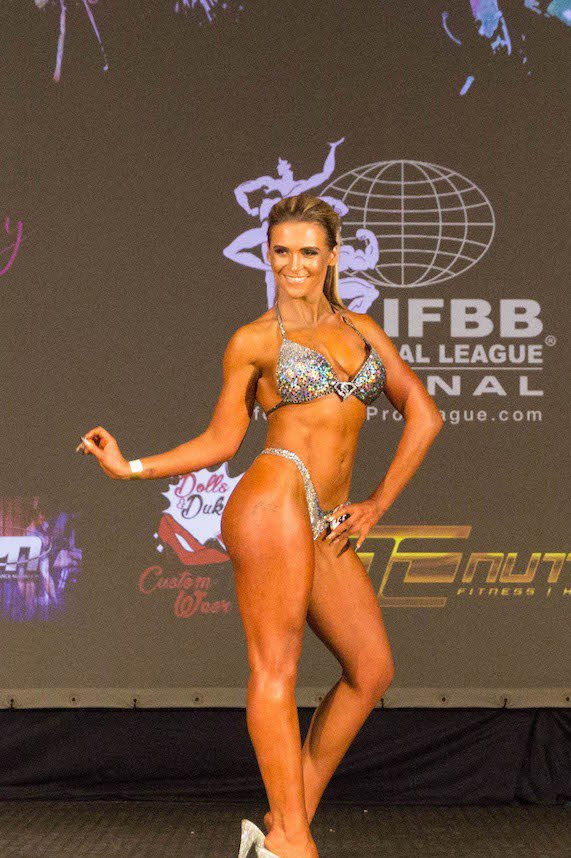
When Tanya de Lange‘s stressful corporate job was wreaking havoc on her health and body, this former art director decided to switch her power suit for some heavy lifting. In just eight weeks, Tanya managed to transform her body. Here’s how she dropped the excess weight, found her passion and preps for the stage.

Tanya de Lange

City: Johannesburg

Age: 35

Occupation: Online Coach / Personal trainer / Part Owner of Private Gym in Sandton / Creator of ShapeShift / Motivational Speaker

Weight before: 67kg

Weight after: 52kg

Time required to reach goal: 8 weeks

Secret weapon to your fitness journey: Accountability

READ MORE: “I Lost 35 Kilos And Now I’m A Personal Trainer”

A Long Journey

Tanya says that her journey when she was 26 years old, “I was working a very stressful job as an art director in a corporate world. They rewarded us with alcohol and parties when we won awards. They fed us well, and we lived on any junk to our heart’s desire to make crazy deadlines to go on to the next party. Eventually, I became burnt out and needed sugar to pick me up.” Noticing that her bad eating habits were taking a toll on her body, she joined the gym and hired a personal trainer to help her lose weight and tone up. Four months later Tanya entered her first bikini competition and never looked back.

Trying Again

A few years later, Tanya took a leap and opened up her own gym but the stress of starting her own business led to her slipping on taking care of herself. “I realized that I could not take on a big role if I cannot look after myself first. I needed a goal to keep myself accountable, and it left me with 8 weeks,” she explains. In these eight weeks, Tanya gave up her sugar cocktails for wine. And slowly started giving up her favourite desserts by switching to healthy recipes and find healthy alternatives. To avoid temptation and to ensure that she sticks to her goals by meal prepping. “A meal plan is fantastic because it gives you clear insight into what your body responds to. When I am pressed for time, or foresee load shedding, I get my trusted meal prep company to prep my food for the week.”

READ MORE: “I Lost 36 Kilos When I Started Running and Eating Low-Carb High Fat”

How She Does It

When it comes to her training, Tanya says she is flexible but she prefers to train in the morning as it sets the tone for her day. “I am working on strengthening glutes and hamstrings and will do this three times a week, upper body twice a week, and on weekends train High-Intensity Interval Training and body weight with my team. I try to sleep in twice a week and will have one or two rest days as I listen to my body. Recovery is everything,” she explains.

Bikini Competitions

Tanya now regularly competes in bikini competitions, which demands a different kind of training and prepping leading up to competitions. When it comes to prepping, eating is the key leading up to competition, “before a competition, we do a peak week where we cut all carbs to lose more body fat and deplete our glycogen levels,” she says. Peak week usually drains the body from energy, so Tanya carbo-loads the night before a competition. This allows for glycogen to store up in the body, giving your muscles a fuller appearance.

“This all seems extreme but the idea is to get rid of most of our water weight and experiment with our water levels in this process. It is a tiring process and you have to slowly reintroduce carbs and water and cardio and micronutrients to balance the body’s normal levels out to avoid bloating after competition prep,” Tanya explains. Although the process is gruelling, Tanya says that she enjoys challenging and transforming her body. She goes on to say that in order for you to achieve your goals, you need to believe in yourself. “If you believe you can, you will. If you believe you can’t, you will. So, you need to condition yourself mentally just as much as you need to condition yourself physically.”

READ MORE: “I Transformed My Body By Learning These Good Eating Habits”

Tanya’s Tips

  • Know your why.
  • Set a realistic goal that will make you happy. Make this goal crystal clear to your coach.
  • Reach out to a fitness professional who works with likeminded success stories (client testimonials) that you follow.
  • Google your Fitness Professional and find out if the person is invested and will be reliable and can attend to your needs. Do a trial session to see if you connect.
  • Enjoy your fitness journey. If you don’t, then you have not quite found your fitness facilitator.

This article was originally published on www.womenshealthsa.co.za

Image credits: iStock, Women’s Health SA

NEXT ON HEALTH24X

Share Button

I’m 53 And Completely Alone For The First Time In My Life

A thud from downstairs wakes me. I lie in bed for a moment, trying to place the sound. It was just the cat jumping down from the kitchen counter, I realize, stretching my body and climbing out of bed reluctantly.

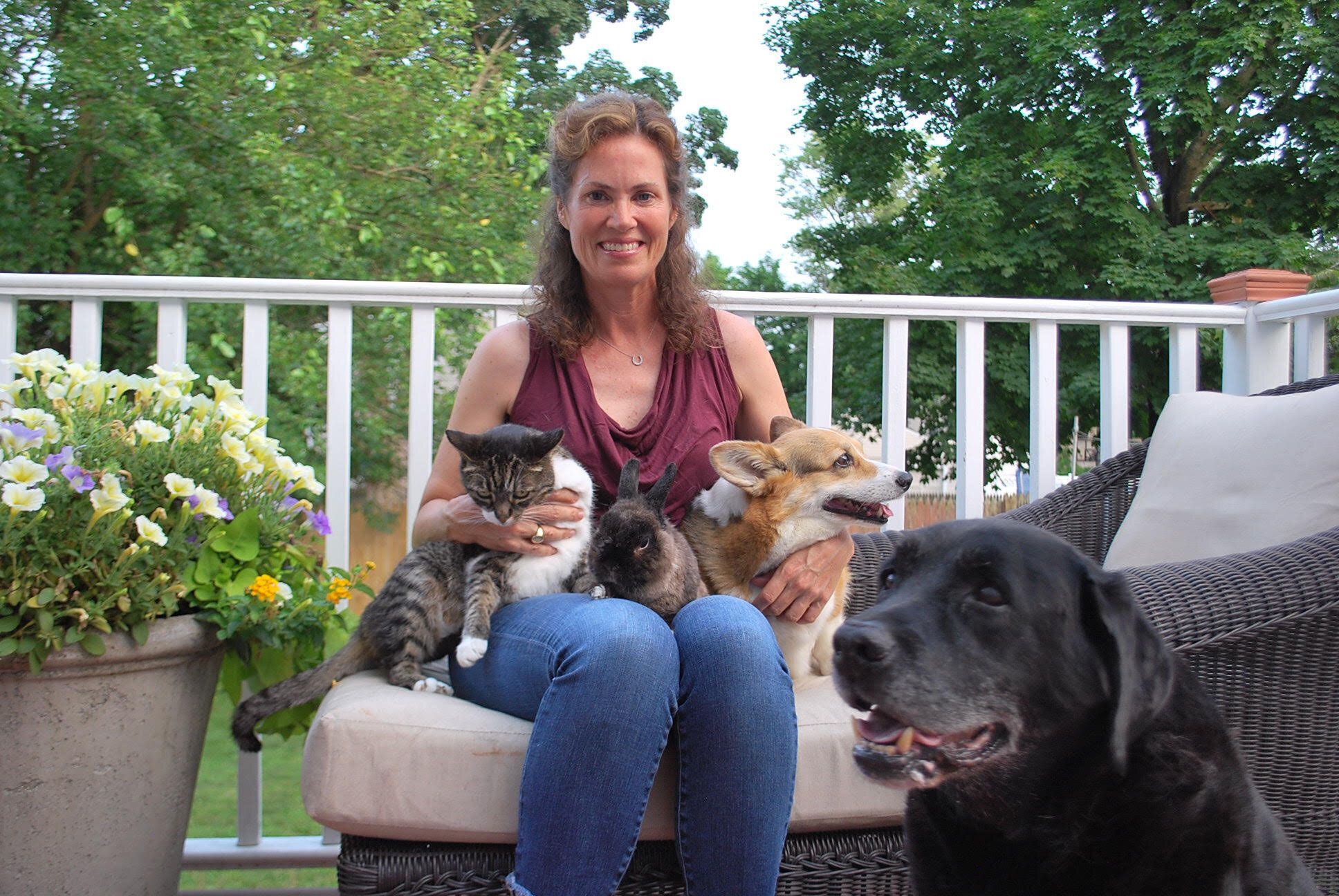
It isn’t even light yet. I hear Charlie stirring and then her fox-like face pokes out from under my bed, still half asleep and blinking her corgi eyeliner eyes. She follows me to the bathroom and waits for me to reach down and pet her.

“Good morning, girl,” I say, stroking the top of her head and feeling grateful for her company in my room every night.

I never thought I would be living alone at 53 years old. I never even imagined the possibility. I grew up in a house filled with three older brothers, some extended family members, and friends who lived with us periodically. That didn’t even count the constant stream of guests who came to stay, my parents collecting people like art over the years. When I left home for college, I lived with roommates in dorms or houses filled with other fellow students. After graduation, I lived with my boyfriend, who then became my husband, and the three children who followed, in a burgeoning family of my own. But one by one these children have grown and gone, the husband has become an ex-husband and I have found myself truly alone for the first time in my life ― save for the pets they left behind, the last breathing vestiges of an ecosystem I created.

As Charlie and I head for the stairs, Sugar comes stalking out of my daughter Maude’s empty room, her meow like a complaint. “She’ll be back in a few weeks,” I say to the cat reassuringly, but we both know that room, a room I had re-created for my youngest daughter in this rental house, is only a landing pad for her now that she’s away at college. Charlie and Sugar follow me down to the kitchen and I let them outside, calling for Hank, our aging black Labrador. Cocoa has his front feet propped up on the open door of his rabbit cage as we pass, his version of good morning. 

I turn on the coffee machine and pull my favorite cup from the dish towel where I left it to dry. I am still evolving in this foreign habitat, where there aren’t enough dirty dishes to run the dishwasher anymore and I feel environmentally guilty doing such small loads of laundry. As I open the door of the fridge to grab the milk, the sight of the few items sitting almost sheepishly on the shelves hits me in the face. I close the door quickly. 

The only shoes and coats to pick up by the back door now are mine. The backpacks that used to spill books and papers all over the kitchen table have disappeared, and nobody steals my phone charger anymore. I am cowed by the quiet. There is no music blaring when I walk into the house, no raised voices or peals of laughter, no cursing the dogs for farting. It was disorienting enough to be made redundant in a job I had done for 20 years, to have to reinvent my very reason for being. But each time one of my kids left home they took a piece of me with them, and it feels like my body hasn’t grown enough scar tissue to fill in the empty spaces.  

It was disorienting enough to be made redundant in a job I had done for 20 years, to have to reinvent my very reason for being. But each time one of my kids left home they took a piece of me with them, and it feels like my body hasn’t grown enough scar tissue to fill in the empty spaces.

Gibson, my eldest, took his music. The sound of him practicing the piano used to soothe my jangled nerves. He also took his poetry, pages of it that he left littered around the house so I could know what was in his mind ― to see the passion and complexity of his thoughts.

Wendy, my middle child, took her extreme weather ― fierce storms that tested my strength and challenged me to hold her. She also took the brightest and sunniest days ― days she filled with such crackling energy that everything seems a bit duller without her around.

Maude took her old soul and wise spirit, the compassion the rest of us lacked. She took away the dry humor and cautious demeanor she developed watching her two older siblings crash through adolescence. I closed my eyes and pictured her, like a little blond Buddha, reclining with the cat in her lap. 

Outside, Charlie barks, startling me from my thoughts. I let the animals back in and take my coffee into the dining room. As I sit down at the big farm table, I glance at the marks made by children no longer at their places ― drink rings and scratches, words imprinted from pencils pressed too hard on soft wood. I sip my coffee slowly, waiting for the caffeine to help dispel my feelings of loss. 

Charlie licks my ankle and I reach down to pet her where she lies under my chair, patiently waiting for our daily walk through the woods. I don’t have a day job ― I had been a stay-at-home mom since Gibson was born ― but now that my brood has flown I am more actively pursuing a writing career. I spend a great deal of time outdoors, with Charlie, but also riding my horse, a passion of mine from childhood that I reignited in my 40s. The connection I share with my mare is not only that of a successful athletic partnership and joyful outlet for our competitive spirits, but also a healing one for me. Horses are like therapists, and her calming presence has soothed many of the heartaches and tumultuous emotions I have suffered over the past several years. 

Although my days are active and I’m around enough people, I still don’t like living alone. The evenings are the hardest to face, without family dinners and the smell of cooking to bring everyone to the kitchen, my kids stepping over dogs to tell me about their days. Hank still lies down on the kitchen floor at dinnertime, waiting for me to chop vegetables so I can toss him the ends. The sorrowful look he seems to get in his eyes when he realizes there is no one to cook for makes me so sad that I reach into the fridge for a handful of Cocoa’s baby carrots to feed him. 

Being alone at bedtime isn’t any easier. Despite the problems in my marriage, I miss the presence of another body ― one without fur ― in my bed at night. “No offense,” I say to Sugar, who has leaped up to the table as if on cue. She sidles into my arm, purring softly. It isn’t just physical intimacy that I crave, I think to myself, running my hand down Sugar’s back. I still can’t picture a future in which I am not part of someone else’s world. This unmoors me. I feel adrift, like I’m floating out to sea, and it frightens me to realize that nobody knows where I am.

I had been separated for almost a year and was midway through my divorce when I started dating, searching for what I knew: the familiarity of attachment. I had just turned 50 and had no idea how to date, or anything about casual liaisons, having married my high school sweetheart. So I became involved in several serious relationships, one after the other. I told myself I was searching for love, for comfort in my grief, but now I think it was the fear of being alone that had me running scared into other people’s lives. 

I couldn’t recognize the truth during those relationships, however, because I had been grieving terribly for my empty nest and the loss of my marriage ― that fairy-tale happy ending. I was also grieving for the death of my father in the middle of it all, my safety net having disappeared like his body with cancer. I was lonely too. The slow death of my marriage had literally starved me of affection. We are herd animals after all, biologically programmed to mate, to live in groups for connection and safety. 

I can’t help feeling responsible for the hurt and pain my children have endured, but I’m angry too ― angry at myself for not valuing my own worth enough in our family dynamics. I fought harder for everyone else ― for our family unit ― for two and a half decades, but now here I am alone anyway.

I want to feel protected and loved by another human being but in some ways I feel in conflict with modern culture, which values independence over emotional need. I am almost ashamed to admit that I don’t want to be alone, that I’m somehow lacking because I want to share my life with someone. It’s like my body has not evolved in time to current social mores and I’m lost in the gap between, like a Darwinian statistic. 

Hank walks over and puts his chin on my thigh, gently reminding me that it is well past breakfast time. I fondle his ears and ruminate on how fear has actually sabotaged my ability to be with myself, how I don’t really know how to live without the context of another person. I am so used to sharing, to compromising and negotiating everything from physical space to emotions and dreams that I end up attaching too quickly in new relationships.

My warning system isn’t yet calibrated properly for dating, and I find myself trying to make things work even when I can’t picture the future that I want. I convinced myself that intimacy was the same thing as a promising long-term relationship, and it has taken me some time to realize that I don’t owe my whole self to those with whom I don’t have a history or children. It has taken me even longer to realize that I never owed my whole self to anyone. 

Now I want to wipe off the cultural shame I feel around my divorce, the sense of failure and broken family that as a mother has me tangled up in the center of it all. I can’t help feeling responsible for the hurt and pain my children have endured, but I’m angry too ― angry at myself for not valuing my own worth enough in our family dynamics. I fought harder for everyone else ― for our family unit ― for two and a half decades, but now here I am alone anyway. 

As I look around at the empty chairs, this house echoing with what I have lost, I realize it is time to create my own context. I have been paralyzed at times by fear and anxiety, even culture shock, at my new solitary status, but I have in fact survived. And perhaps there are advantages to being alone I hadn’t fully considered. I can choose where to live, how to live, who and what to love. I don’t need permission from anyone anymore, and I don’t have to sacrifice my dreams for someone else’s. I want to buy my own house with a garden for the animals. I want to keep riding and writing. I don’t want to be alone forever. I would like an intimate long-term relationship ― I think I’m hardwired for it ― but I won’t give all of me away ever again just for the sake of companionship.

A flood of hope surges through me at the possibilities of new dreams, of reviving old ones that never got realized and the freedom of my independence. As if punctuating that thought, Cocoa thumps loudly in his cage. “I’m coming!” I call to the rabbit. The dogs’ heads rise hopefully at the sound of my voice, and Sugar leaps down from the table. “OK, let’s go,” I say to them, pushing back my chair and heading into the kitchen, two dogs and a cat hot on my heels, the sound of their toenails clacking on the wood floor like music to my ears.

Ashley Collins is mother to three grown children and currently lives in Connecticut. She graduated from Stanford University in 1987 with a bachelor’s in anthropology. Her work has appeared online at Grown and Flown, Horse Network, the Roar Sessions, and Mothers Always Write, and has been published in the anthologies “Nothing but the Truth so Help Me God: 73 Women on Transitions” and “Here in the Middle: Stories of Love, Loss, and Connection From the Ones Sandwiched Between.” She currently writes a blog about her family and animals, and is working on a memoir about mothers, daughters and horses. You can read more about her at ashleycollinswriter.com and on social media on Facebook and Instagram.  

Do you have a compelling personal story you’d like to see published on HuffPost? Find out what we’re looking for here and send us a pitch!

Share Button

Exactly What to Eat When You Have Diarrhea, According to a Gastroenterologist

We all know that diarrhea can strike at the absolute worst of times—like on days when you have a big meeting at work, when you’re going on a date, or when you’re supposed to meet your friends at a concert.

Sure, diarrhea can be a sign of something more serious (if it lasts more than a few days or if you see blood in your stool, get that checked out ASAP). But most of the time, diarrhea isn’t a huge deal and is just a normal part of, you know, being a human being.

Still, when it does happen, you might find yourself wondering how you can stop your diarrhea as fast as possible. Turns out, your diet can either help relieve or worsen your diarrhea. Health spoke with an expert to find out what you should—and definitely shouldn’t—eat when you have diarrhea.

RELATED: 10 Things That Can Cause Diarrhea

What foods to eat when you have diarrhea

The BRAT diet might be beneficial if you’re having excessive diarrhea, Rabia De Latour, MD, gastroenterologist and assistant professor of medicine at NYU Langone Health, tells Health. BRAT stands for: bananas, rice, applesauce, toast. It’s often recommended for little kids who are having a hard time keeping their food down.

These foods are easy on the stomach, and bananas in particular might be especially beneficial because they’re rich in potassium, which you might need more of if you’re having excessive diarrhea. (FYI: Potassium is an electrolyte, and electrolytes help regulate how your cells work to keep your body functioning normally). Not a fan of bananas? Potatoes, cooked broccoli, and cooked spinach also have tons of potassium.

You should also be thinking about what you’re drinking when you have diarrhea, Dr. De Latour says. It’s crucial to stay hydrated because excessive diarrhea causes your body to lose water rapidly.

Starchy foods are also a good option since they they’re typically easier to digest. They can also help put an end to your diarrhea by “bulking up” your poop and adding firmness to it, says Dr. De Latour.

RELATED: Stomach Problems? Here’s What Your Symptoms Could Mean

What not to eat when you have diarrhea

First of all, avoid anything that your stomach has had a hard time with in the past. “People should avoid eating anything that previously gave them GI distress,” Dr. De Latour says. That means if you have previously experienced cramping after drinking milk, “you should avoid lactose-containing products if you are having diarrhea.”

Another big “don’t” for when you’re having diarrhea: huge meals. Smaller, more frequent meals are easier to digest than larger, less frequent meals, Dr. De Latour says.

It’s good to note what you should avoid and what might be helpful when you’re having diarrhea. But keep in mind that, unfortunately, diarrhea usually just has to run its course most of the time. Dr. De Latour says, “It’s hard to stop it. It’s just going to [take] time.”

RELATED: 20 Reasons Why Your Stomach Hurts

Share Button

Health24.com | How to survive the day after a night of terrible sleep

Every person experiences difficulty falling asleep at least a couple of times in their lives. There are many causes of insomnia – many of them fortunately only temporary, like noise disturbances or anxiety.

Disruption of your normal sleep pattern, whether temporary, or chronic, takes its toll on your body and may result in a lack of energy or loss of concentration, turning the next day into a blur.

If you’ve had a bad night, here are some quick tips on how to make the next day more bearable:

1. Don’t hit snooze

Even if you feel tempted to get a bit more shut-eye, it’s best to start your day at the same time to keep your circadian rhythm consistent. When you sleep in, you throw off your daily routine, which may cause you to struggle to fall asleep for a second night in a row.

You also might be tempted to skip your normal morning routine and rush for the door, but a refreshing shower will get your circulation going and make you feel more energised. Even if it’s the last thing you feel like, a bit of an effort may make you feel more focused. If you can, have a quick power nap later in the day.

2. Follow the light

Expose yourself to natural daylight as much as possible as this may improve your serotonin levels and make you feel more energised. If you embark upon the long commute to work while it’s still dark, take a quick walk outside during the day to soak up some much-needed sunlight.

3. Don’t give in to the temptation to snack

A night of disrupted sleep can wreak havoc on your metabolism. Like overeating and not exercising, lack of sleep is another risk factor that contributes to weight gain. Leptin and ghrelin are the two hormones that control feelings of hunger and fullness, both of which can be affected by lack of sleep, according to a Health24 article.

The hormone leptin alerts your brain that you’ve had enough to eat, but without enough sleep, your brain produces less leptin and raises ghrelin levels, making you feel hungrier. Your lack of energy during the day can also make you feel like reaching for a sweet pastry instead of a healthy meal. Try having a hearty breakfast such as peanut butter on wholegrain toast.

4. Have caffeine, but don’t overdo it

Coffee is probably what you will be craving after a night of little sleep, and a shot of caffeine will certainly give you a temporary energy boost. It’s important, however, that you have your caffeine kick early in the day to avoid tossing and turning once again.

5. Skip the glass of wine

You’ve made it through the day without nodding off at your desk, and you feel a glass of wine may be a suitable reward. But skipping the alcohol during the evening is probably a good idea if you want a solid night’s sleep. While a glass of wine may lull you to sleep, this reaction is often short-lived as alcohol is known to disrupt one’s sleep. 

Image credit: iStock

Share Button

Eat more of these key nutrients

Mayo Clinic does not endorse companies or products. Advertising revenue supports our not-for-profit mission.

Advertising & Sponsorship

Mayo Clinic Marketplace

Check out these best-sellers and special offers on books and newsletters from Mayo Clinic.

Share Button

More women using cannabis daily before and during pregnancy, research finds

The number of women using cannabis in the year before they get pregnant and early in their pregnancies is increasing, and their frequency of use is also rising, according to new data from Kaiser Permanente.

The research, published July 19, 2019, in JAMA Network Open, examined self-reported cannabis use among 276,991 pregnant women (representing 367,403 pregnancies) in Northern California over 9 years and found that cannabis use has increased over time.

From 2009 to 2017, the adjusted prevalence of self-reported cannabis use in the year before pregnancy increased from 6.8% to 12.5%, and the adjusted prevalence of self-reported cannabis use during pregnancy increased from 1.9% to 3.4% (rates were adjusted for demographics). Annual rates of change in self-reported daily, weekly, and monthly-or-less cannabis use increased significantly, though daily use increased most rapidly.

Among women who self-reported cannabis use during the year before pregnancy, the proportion who were daily users increased from 17% to 25%, and weekly users increased from 20% to 22%, while monthly-or-less users decreased from 63% to 53% during the study period. Similarly, among women who self-reported cannabis use during pregnancy, the proportion who were daily users increased from 15% to 21%, and weekly users from 25% to 27%, while monthly users decreased from 60% to 52%.

“These findings should alert women’s health clinicians to be aware of potential increases in daily and weekly cannabis use among their patients,” said lead author Kelly Young-Wolff, PhD, MPH, a research scientist with the Kaiser Permanente Division of Research. “The actual numbers are likely higher, as women may be unwilling to disclose their substance use to a medical professional.”

In addition, the prevalence of daily and weekly cannabis use may have risen even further in the past year and a half following legalization of cannabis for recreational use in California in 2018, Young-Wolff said.

The data come from women’s initial prenatal visits at Kaiser Permanente in Northern California, which usually take place at around 8 weeks gestation, and do not reflect continued use throughout pregnancy. Investigators were unable to differentiate whether self-reported cannabis use during pregnancy occurred before or after women were aware that they were pregnant.

While the current findings are based on women’s self-reporting, the results are supported by the Kaiser Permanente research team’s December 2017 JAMA Research Letter showing an increase in prenatal cannabis use via urine toxicology testing. In this newer study, the authors focus on trends in frequency of use in the year before and during pregnancy.

Some women may use cannabis during pregnancy to manage morning sickness, the authors noted. The authors’ previous work published in JAMA Internal Medicine in 2018 found women with severe nausea and vomiting in pregnancy were nearly 4 times more likely to use cannabis during the first trimester of pregnancy.

Women may get the impression from cannabis product marketing and online media that cannabis use is safe during pregnancy, said Young-Wolff. However, there is substantial evidence that exposure to cannabis in pregnancy is associated with having a low-birthweight baby, and the American College of Obstetricians and Gynecologists recommends women who are pregnant or contemplating pregnancy discontinue cannabis use because of concerns about impaired neurodevelopment and exposure to the adverse effects of smoking.

“There is still much that is unknown on the topic, including what type of cannabis products pregnant women are using and whether the health consequences differ based on mode of cannabis administration and frequency of prenatal cannabis use,” Young-Wolff noted.

More research is needed to offer women better, specific advice, said study senior author Nancy Goler, MD, an obstetrician/gynecologist and associate executive director of The Permanente Medical Group.

“There is an urgent need to better understand the effects of prenatal cannabis exposure as cannabis becomes legalized in more states and more widely accepted and used,” Dr. Goler said. “Until such time as we fully understand the specific health risks cannabis poses for pregnant women and their fetuses, we are recommending stopping all cannabis use prior to conceiving and certainly once a woman knows she is pregnant.”

The study was supported by a grant from the National Institute on Drug Abuse.

Young-Wolff and Kaiser Permanente Division of Research colleague Lindsay Avalos, PhD, MPH, have received a new 5-year grant from NIDA to support further research on maternal cannabis use during pregnancy. They plan to study whether prenatal cannabis use is associated with increased risk of adverse maternal, fetal, and neonatal outcomes using data from urine toxicology testing, self-reported frequency of prenatal cannabis use, and mode of cannabis administration. They will also test whether legalization of cannabis for recreational use in 2018 and local regulatory practices (such as retailer bans) are associated with variation in prenatal cannabis use.

Additional authors were Constance Weisner, DrPH, MSW, Varada Sarovar, PhD, Lue-Yen Tucker, Mary Anne Armstrong, MA, and Stacey Alexeeff, PhD, of the Kaiser Permanente Northern California Division of Research; and Amy Conway, MPH, of the Kaiser Permanente Northern California Early Start Program.

Share Button

Nations with strong women’s rights likely to have better population health and faster growth

Nations with strong women’s rights are more likely to have better health and faster growth than those who don’t promote and protect these values, finds research published in the online journal BMJ Open.

This trend is evident in even in resource-poor countries, say the researchers.

While many parts of the world have made good economic progress, women’s rights have often been overlooked, say the researchers. This is despite many countries having signed the international bill of rights for women, formally known as The Convention on the Elimination of All Forms of Discrimination Against Women (CEDAW).

The researchers wanted to find out if there might be a link between protection of women’s rights, and health improvement and sustainable development, and if ultimately, women’s rights might have more of an impact than economic and social, or civil and political rights alone.

They analysed databases which held information on health, human rights, and economic and social rights for 162 countries for the period 2004 to 2010.

Countries were grouped according to the respect they afforded to women’s economic and social rights: high (44); moderate (51); and poor (63).

Analysis of the data showed that strong economic and social rights were associated with better/improving health outcomes, possibly because of the spend on health per head of the population, say the researchers.

But this wasn’t the case when looking at countries based on women’s economic and social rights.

Overall, countries with strong women’s rights had better/improving health than those where women’s rights were only moderately or poorly respected.

These health indicators include disease prevention, such as vaccination, reproductive health, death rates and life expectancy.

In countries where human rights, to include women’s rights, were highly respected, but where access to hospital beds and doctors was nevertheless below average, health outcomes were still consistently better than average, the analysis showed.

“The results confirm that even with a lack of resources, if a country has a strong human rights structure, the health outcomes are better,” the researchers write.

But countries where civil and political rights alone were highly valued had varying levels of health.

And despite some countries respecting economic, social and cultural rights, they still didn’t protect women’s economic and social rights.

This is an observational study, which used average health values, and as such, can’t establish cause. Further research over longer time periods in countries with similar human rights trends is needed to pinpoint overarching trends, say the researchers.

But gender equality is not just a women’s issue, but a development issue, they suggest.

“Since the promotion and protection of women’s rights play a fundamental role for progress for states as they unite health, human rights and development, nations that have the ability to promote [women’s social and economic rights]…are missing a crucial component in positive health outcomes,” they write.

“Today, the value of human rights has often been questioned from an economic standpoint; however, our data find that rather than limit progress, human rights, and [women’s economic and social rights] in particular, can only benefit them,” they conclude.

Story Source:

Materials provided by BMJ. Note: Content may be edited for style and length.

Share Button