Surgeons in England want specialist sites for non-urgent operations delayed because of the pandemic.


Surgeons in England want specialist sites for non-urgent operations delayed because of the pandemic.
You’re reading The Waugh Zone, our daily politics briefing. Sign up now to get it by email in the evening.
Whenever journalists hear a politician sidestep a direct question from MPs, our antennae twitch. When that politician repeatedly body swerves the same question from reporters, we smell a rat. Yet time and again, ministers seem unaware of the old newsroom motto: you can’t bullshit a bullshitter.
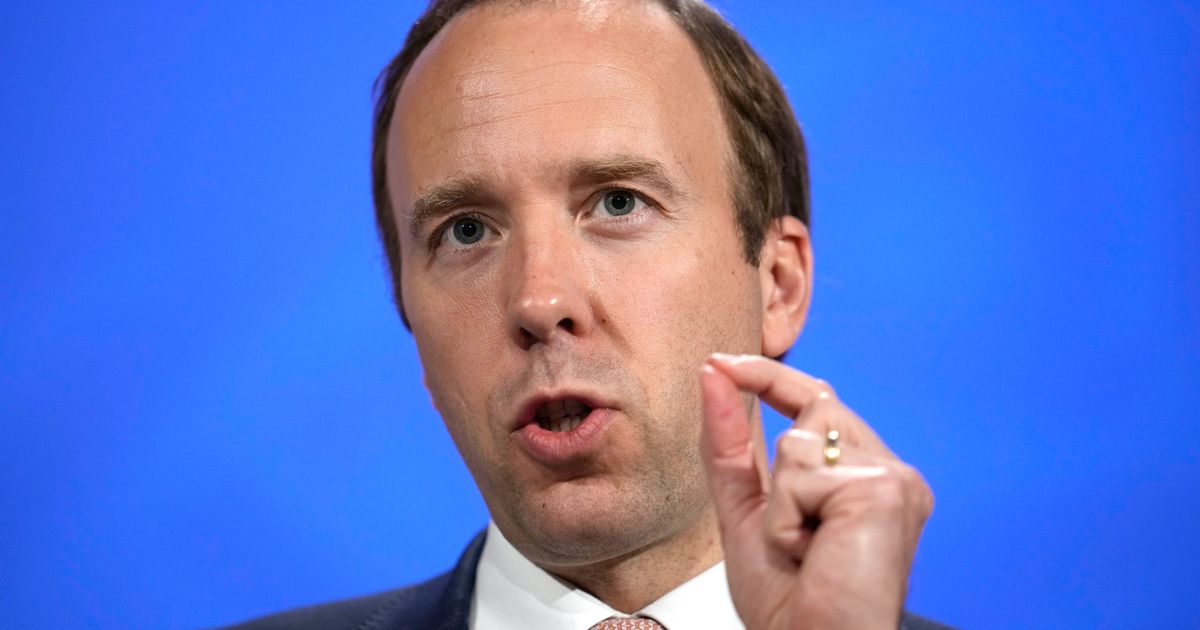
Despite Matt Hancock breezing confidently through Commons questions on Thursday morning, largely due to strong support from Tory backbenchers, there was one answer that just didn’t feel right. Asked about the claim that he told Dominic Cummings and others that people would be tested before being transferred into care homes, Hancock didn’t deny it. “So many of the allegations yesterday were unsubstantiated,” was all he could muster.
At his latest Downing Street press conference, the health secretary looked much more uncomfortable as he was asked multiple times about the issue. ”My recollection of events,” he said, “is that I committed to delivering that testing for people going from hospital into care homes when we could do it.” The word “recollection” is often a red flag, but the phrase “committed” felt rather elastic too.
Now, it’s worth recalling Cummings’ exact charge here. “Hancock told us in the cabinet room that people were going to be tested before they went back to care homes. What the hell happened?” he said. It was only in April that No.10 realised that “many, many people who should have been tested were not tested, and then went to care homes and then infected people, and then it’s spread like wildfire inside the care homes”.
Firstly, it’s perfectly possible that Hancock made a promise but, crucially, without a timeframe. With the lack of testing capacity at the time, it would be frankly ludicrous to make a commitment that he could test all hospital discharges within days or weeks. However, one can imagine him saying, ‘I’m going to make it my mission to get this testing sorted so people are tested before going into homes’. That’s not the same as saying he would stop all discharges which lacked testing, which was Cummings’ implication.
Second, UK Health Security Agency boss Jenny Harries suggested claims of seeding the virus from hospitals into care homes was overstated. These made up a “very, very tiny proportion” of cases, she said. Fortuitously for Hancock, a new Public Health England report out today confirmed that just 1.6% of outbreaks were seeded from hospital, causing 286 deaths. That’s not the “many, many people” of Cummings’ hyperbole. Care homes did suffer cruelly, but it seems the seeding came from care staff not hospitals.
Still, Hancock would do well to simply disown one other highly dubious claim he made last year: “Right from the start we’ve tried to throw a protective ring around our care homes.” PHE’s official advice as late as February 28 stated: “there is no need to do anything differently in any care setting at present”. It wasn’t until April 15 that was changed to requiring all hospital discharges to be tested.
What was most curious about Cummings’ onslaught on Hancock, however, was his admission that he actively tried to stop Hancock from hitting his target of 100,000 tests a day by the end of April. The chief adviser said he was “in No.10 calling round, frantically saying, ‘Do not do what Hancock says’.” Cummings’ desire to “build things properly for the medium term” (aka doing things his way, not Hancock’s) seemed to fuel the lack of urgency he himself had criticised over care homes testing.
What was also notable on Thursday was the way Hancock at least opened himself up to hours of scrutiny, in parliament and live on TV. Contrast that to Boris Johnson’s five-minute “clip”, a “hi, bye!” media strategy he uses when on a photocall (usually in a key seat) to avoid a proper interview. Schools, hospitals, laboratories, all providing visual wallpaper for the evening news, and often nothing more.
When Johnson was asked about key Cummings allegations, he sounded shiftier than Hancock. Asked about the damning claim that tens of thousands of people died who need not have died because of his action or inaction, the PM replied: “No, I don’t think so.” He doesn’t think so? Asked if he’d said he was prepared to let “the bodies pile high”, he just said: “I’ve already made my position very clear on that point.”
With new figures confirming the Indian variant makes upto 75% of new Covid cases and is becoming the dominant strain across the country, Johnson’s judgment is once again facing a huge test. Even though a rise in cases was expected after the May 17 relaxation or rules, and in Bolton the variant cases are flattening, the “spillover” into other areas is worrying.
Given the race between the vaccine and the virus, why not just extend the unlockdown finishing line by a couple more weeks to give the jabs more of a chance? After all, June 21 was an arbitrary date plucked out of the air, why blow it all for the sake of waiting a fortnight to allow more data collection and more jabs in arms? Especially when over-18s could perhaps all get a first dose by the end of June.
Well, today for the first time there was a hint from the PM he could delay, saying “we may need to wait”. In case we missed the new mood, he added: ”Our job now to deliver the roadmap – if we possibly can”. The ‘probable’ June 21 final unlock of a few days ago is now just a ‘possible’. If Dominic Cummings has done nothing else, maybe he’s forced a pause on the PM that could benefit us all.

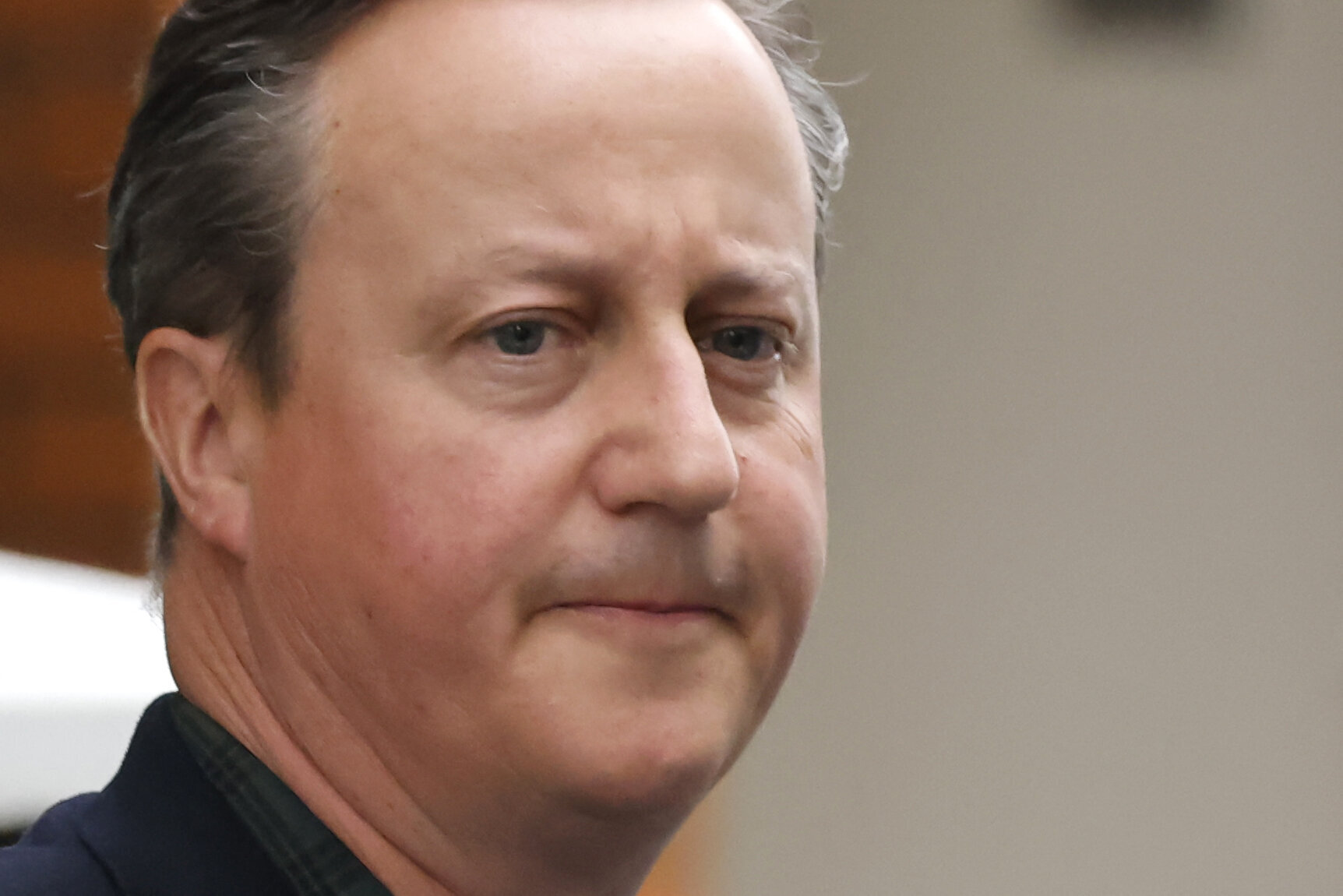
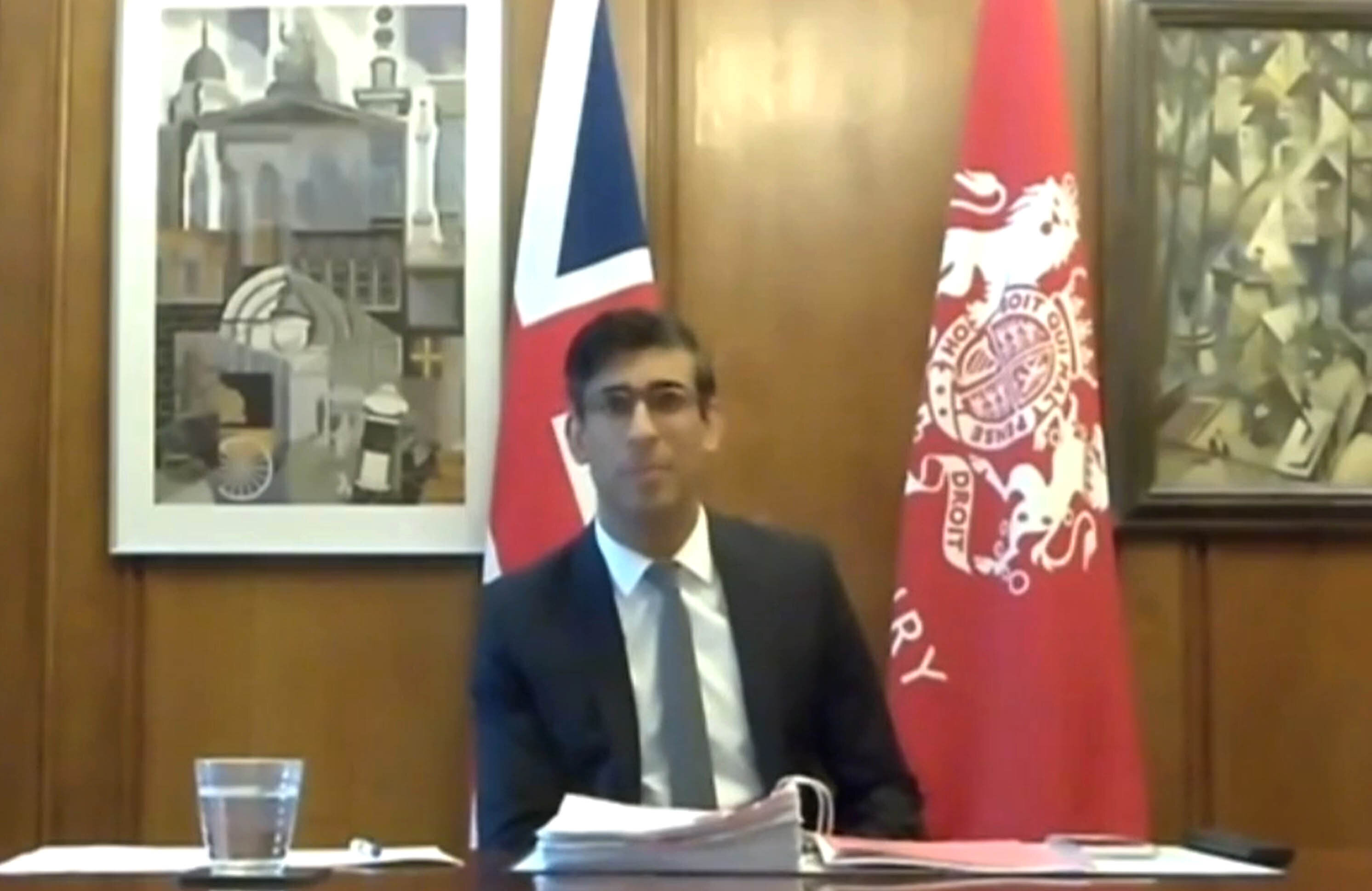
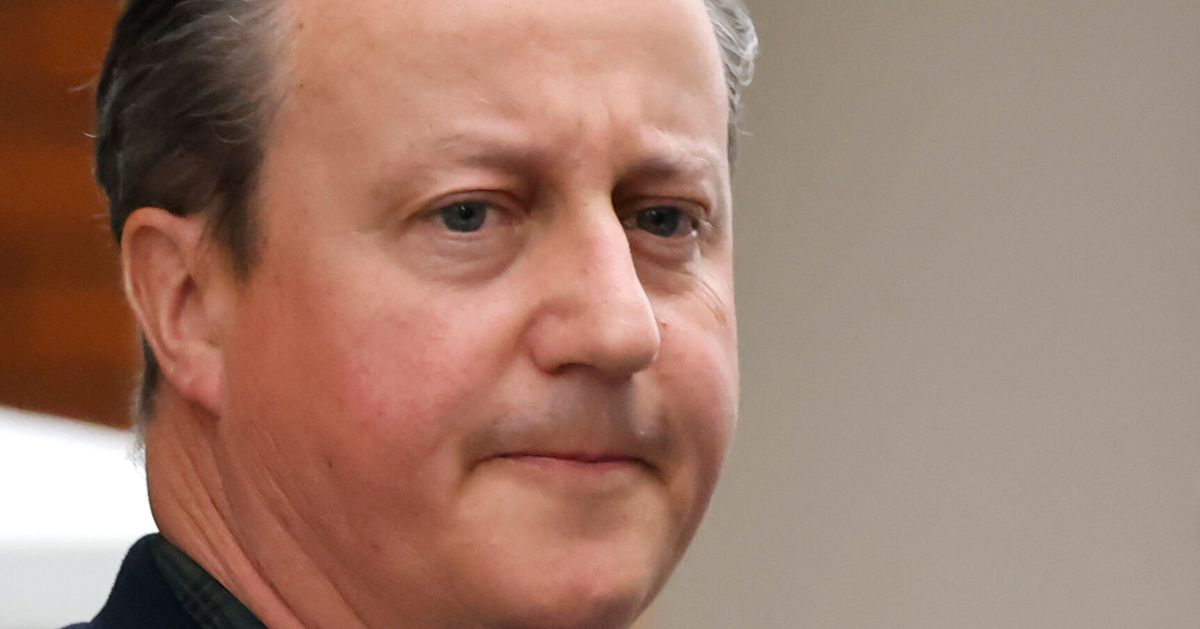
Rishi Sunak has said he did not know David Cameron “very well at all” when the former prime minister texted him to controversially lobby on behalf of Greensill Capital.
Cameron’s intensive lobbying of ministers and officials was laid bare earlier this month as MPs seek to understand the role the ex-PM played in securing Whitehall access for the company.
Greensill is now being investigated by the Financial Conduct Authority, which received allegations relating to the firm’s collapse that were “potentially criminal in nature”.
The firm’s demise has rendered Cameron’s reported tens of millions of share options worthless, and there has been criticism of how a former prime minister was able to exploit his personal contacts with ex-colleagues and officials in the pursuit of commercial gain.
Sunak and the Treasury were at the centre of Cameron’s lobbying efforts.
IN DEPTH David Cameron’s Most Cringeworthy Greensill Lobbying Texts Laid Bare
The PM texted Sunak last April after being rebuffed by Treasury officials as he tried to gain access for Greensill to the government’s Covid Corporate Financing Facility (CCFF).
After being told “no”, Cameron told Treasury permanent secretary Tom Scholar on April 3 that the refusal was “bonkers” and that he was now going to call “[the chancellor], [Michael] Gove, everyone”.
Just eight minutes later, Cameron texted Sunak: “Rishi, David Cameron here. Can I have a quick word at some point?”, before going on to explain Greensill’s request.
Several messages and phone calls between the pair followed.
But Sunak suggested that if Cameron was trying to exploit personal contacts, the pair had not actually spoken since summer 2016 or before.
“I don’t know David Cameron very well at all and I don’t think I’ve spoken to him since I was a backbench MP and he was prime minister,” Sunak told the Commons Treasury committee.
“It was a surprise to receive the message.”
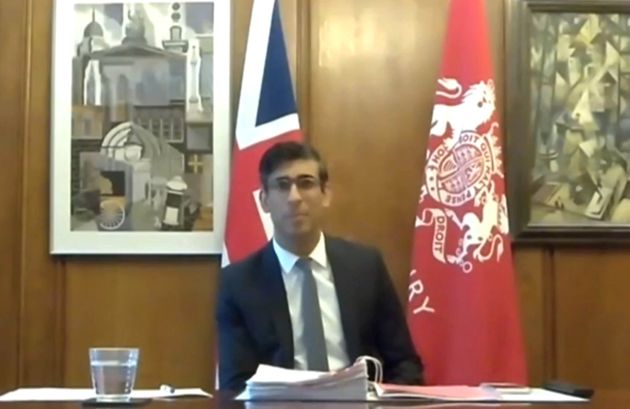
House of Commons – PA Images via Getty Images
Following a barrage of texts, calls, messages and emails across the government, Cameron’s lobbying efforts ultimately failed.
Sunak insisted that he would not have done anything differently in his approach to Greensill and that Cameron’s role was not important to how much time officials in the Treasury spent on the firm’s request.
“I looked at the issue on the merits of it, so the identity of the person talking about it was not relevant to the amount of attention and proper due diligence that the issue got and required,” Sunak said.
“This was one of many strands of work, and in fact probably the one we spent the least time on during this period.”
Earlier this month, Cameron stressed that he was unaware of any financial difficulty at Greensill until December 2020, when he was told that an attempt to raise funds had not gone as well as hoped.
According to founder Lex Greensill, the rug was finally pulled out from underneath the company when its biggest insurer, Tokio Marine, refused to renew its policies with Greensill.
Treasury official Charles Roxburgh said on Thursday that the firm’s collapse would directly cost around £8m to the taxpayer, including taxes that Greensill owed.
But he did not accept the cost of up to £5bn that former City minister Lord Myners estimated the taxpayer could indirectly be on the hook for.
Greensill provided so-called supply chain finance to businesses, which meant the firm would pay a company’s invoice immediately after it was sent, therefore cutting out the usual delay which can restrict companies’ cash flows.
Top lawyer Nigel Boardman has been tasked by prime minister Boris Johnson to look into the Greensill scandal.
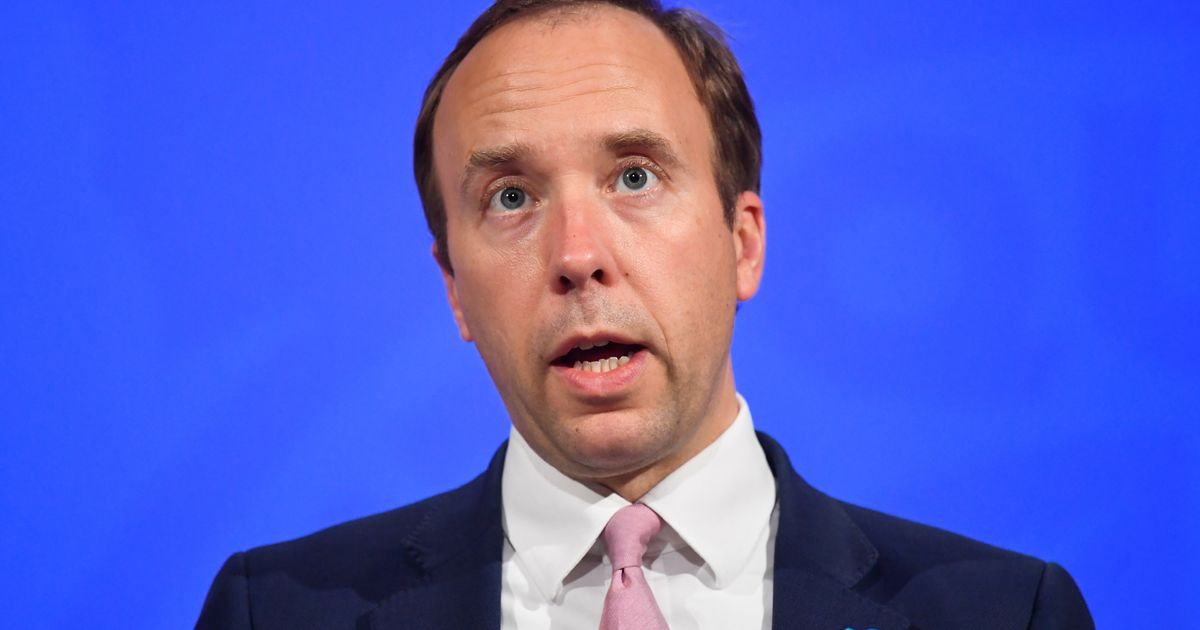
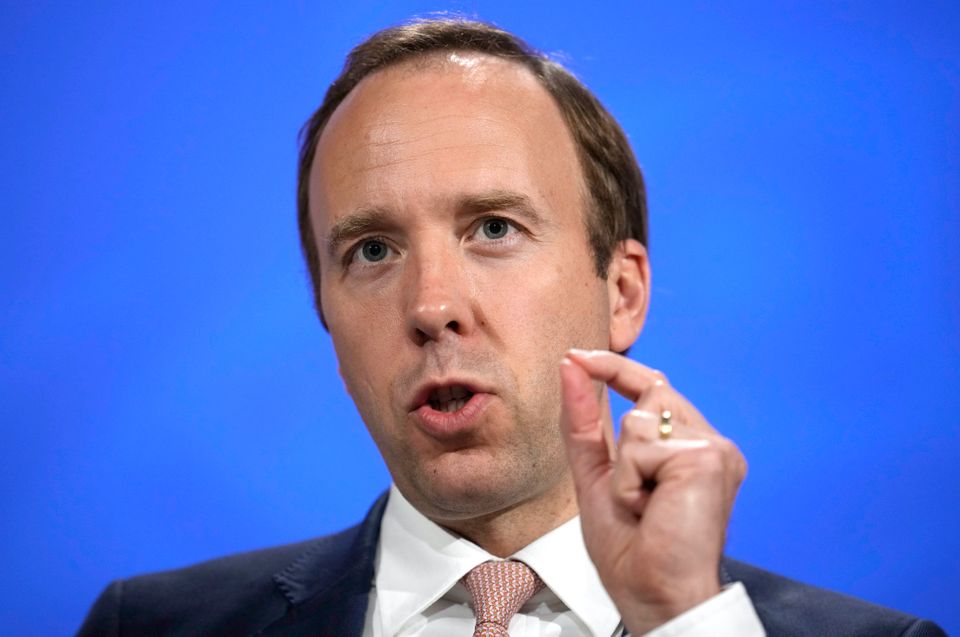
Matt Hancock said that up to three-quarters of new coronavirus cases in he uK were the Indian variant.
A total of 6,959 cases of the variant have now been confirmed in the UK, Public Health England said.
The figures are up to May 26, and represent a rise of 3,535 on the previous week.
In England 6,180 cases have now been confirmed, along with 702 in Scotland, 58 in Wales and 19 in Northern Ireland.
Speaking at a Downing Street press conference on Thursday, Hancock said the increase in cases of the variant remained focused in “hotspots” where surge testing and vaccinations were taking place.
The health secretary said “more than half and potentially as many as three-quarters of all new cases” are of the variant.
“As we set out our road map we always expected cases to rise, we must remain vigilant,” he sad.
“The aim, of course, is to break the link to hospitalisations and deaths so that cases alone no longer require stringent restrictions on people’s lives.”
Hancock said the vaccination programme was having the effect of “severing” that link.
He said “in total” 13,200 deaths and 39,700 hospitalisations had so far been prevented by the vaccine.
The local areas most affected by the Indian variant of coronavirus continue to be Bolton, Bedford and Blackburn with Darwen.
Seven further areas in England have more than 100 confirmed cases of the variant: Leicester, Sefton, Nottingham, Wigan, Central Bedfordshire, Manchester and Hillingdon.
In England on May 24, there were 98 hospital admissions for Covid, slightly above the seven-day average (88) but down 98% from the second-wave peak.
Lisa Shaw’s family say the 44-year-old fell seriously ill days after having the AstraZeneca jab.
After Dominic Cummings’ testimony on Wednesday, some bereaved by the pandemic are asking: what if?

NUI Galway study confirms that the Noble False Widow spider does have public health implications. Research team have established a DNA database to allow clinicians dealing with cases to confirm the species identity using genetic analysis. Epidemiology of bites reveals that almost all bites occurred in and around the home, and 88% of bites occurred when the victim was either asleep in bed or when the spider was trapped in clothing. In parts of Ireland and Britain, the False Widow spider has become one of the most common species of spiders found in and around urban habitats. A team of scientists from NUI Galway have published a new study showing that Noble False Widow spiders can deliver a bite that requires hospitalisation.
The threat posed by the Noble False Widow spider has been debated among spider and healthcare specialists for many years. This new study, published in the international medical journal Clinical Toxicology, confirms that some bite victims experience symptoms very similar to the true black widow spiders and some severe cases require hospitalisation.
Originating from Madeira and the Canary Islands, the Noble False Widow spider Steatoda nobilis, now has the potential to become one of the world’s most invasive species of spider. It was first documented in Britain over 140 years ago, but in recent decades the species has suddenly increased in numbers, significantly expanding its range and density.
The reasons behind this sudden expansion are not clear. Scientists have ruled out climate change as the likely cause but have suggested that a new genetic mutation within the species may have made Noble False Widows more adaptable to new environments. In addition, the species has benefited from an ever-increasing globalised economy, hitchhiking in containers and crates throughout the globe. Human movement has largely contributed to spread this species throughout Europe, North Africa, West Asia and parts of North and South America.
In parts of Ireland and Britain, it has become one of the most common species of spiders found in and around urban habitats. With the increase in False Widow spiders around homes, bites are becoming more prevalent, and scientists are now beginning to realise the full medical importance of these spiders.
Envenomation symptoms can be both localised and systemic, ranging from mild to debilitating pain and mild to intense swelling. Some victims have experienced tremors, reduced or elevated blood pressure, nausea and impaired mobility. In rare instances, victims have developed minor wounds at the bite site or had to be treated for severe bacterial infections.
The research team at NUI Galway have established a DNA database to allow clinicians dealing with cases to confirm the species identity using genetic analysis. This is especially important when the spider has been squashed so an accurate identification of the spider can be made. The study also provides epidemiology of bites which reveals that almost all bites occurred in and around the home, and 88% of bites occurred when the victim was either asleep in bed or when the spider was trapped in clothing. The team are encouraging members of the public to email them at falsewidow@nuigalway.ie if they think they may have been bitten.
Dr Michel Dugon, Head of the Venom Systems Lab at NUI Galway and senior author of the study, said: “In addition to their medically significant venom, Noble False Widows are extremely adaptable and competitive in the wild. Two decades ago, this species was almost unknown in Ireland, the UK or in continental Europe. We still have much to learn about its genetics, origin, behaviour and development. One thing is certain though: this species is here to stay, and we must learn how to live with it.”
Dr John Dunbar, Postdoctoral Researcher at the Venom Systems Lab at NUI Galway and lead author of the study, said: “Speculations around the potential severity of the bites by the Noble False Widow have been debated for many years. We only compiled envenomation cases where we had a clear identification of the spider responsible for the bite. We had to rely on DNA extraction and genetic profiling to confirm some cases. We are encouraging people to capture a photograph of the spider immediately after being bitten. Our latest study confirms without a doubt that Noble False Widows can cause severe envenomations (the process by which venom is injected).
“This species is increasing its range and population density which will undoubtedly lead to an increase in bites (since submitting our study in March we have already received further confirmed bite cases). While most cases will have a mild outcome, we need to continue to closely monitor bites by the Noble False Widow to understand the potential range of symptoms and to treat severe cases when they occur.”
Aiste Vitkauskaite, MSc student in Toxicology at NUI Galway and joint lead in the study, said: “Approximately ten species of Irish spiders have fangs large enough to bite through human skin, yet over the past five years, we have never heard of anybody being bitten by any of the native species. Within the same period, we have recorded dozens of confirmed or probable False Widow bites. These spiders will become increasingly common and so will their bites.”
Professor Derek O’Keeffe, Professor of Medical Device Technology at NUI Galway and Consultant Physician, University Hospital Galway said: “This innovative research led by Dr Dugon and his team clearly demonstrates that Noble False Widow spider bites may result in significant patient morbidity that requires hospital care. This is important as previously we only had anecdotal evidence of its potential harms in victims and therefore this new evidence will allow the updating of clinical guidelines and protocols. These findings demonstrates the key importance of interdisciplinary collaboration between scientists and clinicians to improve patient care.”

The first ever vaccine target for trypanosomes, a family of parasites that cause devastating disease in animals and humans, has been discovered by scientists at the Wellcome Sanger Institute. By targeting a protein on the cell surface of the parasite Trypanosoma vivax, researchers were able to confer long-lasting protection against animal African trypanosomiasis (AAT) infection in mice.
The study, published today (26 May 2021) in Nature, is the first successful attempt to induce apparently sterile immunity against a trypanosome parasite. A vaccine was long thought impossible due to the sophisticated ability of the parasites to evade the host immune system. As well as a strong vaccine target for AAT, the findings raise the possibility of identifying vaccine targets for trypanosome species that cause the deadly human infections sleeping sickness and Chagas’ disease.
Animal African trypanosomiasis (AAT) is a disease affecting livestock in Africa and, more recently, South America. It is caused by several species of Trypanosoma parasite, which are transmitted by tsetse flies, causing animals to suffer from fever, weakness, lethargy and anaemia. The resulting weight loss, low fertility and reduced milk yields have a huge economic impact on the people who depend on these animals. The disease has been said to lie at the heart of poverty in Africa1.
In humans, a disease called sleeping sickness is caused by infection with another trypanosome species, Trypanosoma brucei. Although control efforts have reduced the number of infections each year considerably, 65 million people remain at risk. In South America, the potentially life-threatening infection Chagas’ disease is caused by Trypanosoma cruzi and affects at least 6 million people living in endemic areas2.
All trypanosome species have developed sophisticated anti-immune mechanisms that allow the parasites to thrive in their host. For example, African trypanosomes display a protein on their surface that constantly changes and prevents host antibodies from recognising the pathogen. Until now, it was thought impossible to vaccinate against trypanosome infection for this reason.
In this study, scientists at the Wellcome Sanger Institute analysed the genome of T. vivax to identify 60 cell surface proteins that could be viable vaccine targets. Each protein was produced using mammalian cell lines and then used to vaccinate mice to determine if the host immune system had been instructed to identify and destroy the T. vivax parasite.
One cell surface protein, named ‘invariant flagellum antigen from T. vivax’ (IFX), was observed to confer immunity against infection in almost all vaccinated mice for at least 170 days after experimental challenge with T. vivax parasites.
Dr Delphine Autheman, first author of the study from the Wellcome Sanger Institute, said: “Scientists have been searching for a way to vaccinate against animal African trypanosomiasis (AAT) since the parasite and vector were first discovered in the early 20th century. We’ve heard a lot about vaccines recently, but compared to a virus protozoan parasites have a huge number of proteins, making it very difficult to identify the right targets. Several of the 60 targets we tested elicited a partial immune response, but only one conferred the long-lasting protection that makes it a promising vaccine candidate.”
Though drugs exist to prevent or treat AAT, many communities that require them live in remote locations that are difficult to access. Reliance on a handful of drugs, and a lack of professional expertise in their administration, are thought to be contributing to increased drug resistance in the parasites3. An effective vaccine would help to overcome some of these practical barriers.
Dr Andrew Jackson, a senior author of the study from the University of Liverpool, said: “It was considered impossible to vaccinate against trypanosome parasites because of the sophisticated immune-protective mechanisms they have evolved, so I’m delighted that we have been able to demonstrate that this can be done. Beyond the obvious benefit of a strong vaccine candidate for animal trypanosomiasis, the genome-led vaccine approach we outline in this study is one that could potentially be applied to other trypanosome species and other parasite families.”
The next step will be to validate the results using a cattle model. If successful, work could begin on developing a vaccine for AAT that would be an important tool for tackling poverty in affected regions.
Dr Gavin Wright, a senior author of the study from the Wellcome Sanger Institute and the University of York, said: “This study is an important first step toward relieving the burden of animal African trypanosomiasis (AAT) on both animals and humans in Africa and South America. The protective effect of the vaccine target we identified will first need to be replicated in a cattle model, but I think we can be cautiously optimistic that in a few years’ time we will have made substantial progress against this devastating disease.”
Michael Pearce, AAT Programme Officer at livestock vaccine organisation GALVmed, said: “Trypanosomiasis remains a major disease challenge for livestock and farmers in Asia, Africa and South America, and is a significant human health problem in Africa and South America. Options for control and treatment of trypanosomiasis are very limited and resistance to currently available medicines is an increasing problem. These novel results from the Sanger Institute are a very important and welcome development, opening up the possibility of successful vaccine development for the prevention and control of trypanosomiasis in both humans and animals.”
Notes to Editors:
1 For more details, see the Food and Agriculture Organisation of the United Nations website.
2 For more information on trypanosomiasis in humans, see the WHO website.
3 For more information on attempts to understand, control and prevent AAT, see the University of Glasgow website

New insights into the ability of DNA to overcome harmful genetic changes have been discovered by scientists at the Wellcome Sanger Institute, the University of Lausanne and their collaborators. The team found that 26 per cent of harmful mutations were suppressed by naturally occurring variants in at least one wild yeast strain. In each instance examined in detail, a single ‘rescue mutation’ was responsible for cancelling out another mutation that would have threatened the organism’s survival.
The study, published today (27 May 2021) in Molecular Systems Biology, provides important information about how DNA variants can suppress undesirable genetic changes. If confirmed in humans, this biological phenomenon could have an important role in genetic diseases such as cancer or rare developmental disorders, and explain why certain patients suffer from more severe disease than others.
Mutations are changes to the letters of DNA that form the genetic code of multi-cellular organisms. They can be a result of errors when DNA replicates during cell division, or the influence of environmental exposures such as ultraviolet light. While most mutations will have no significant effect on how the cell functions, some can be harmful and lead to genetic diseases such as cancer. Other mutations can be beneficial and contribute to genetic diversity in a species through the natural process of evolution1.
With six billion letters of DNA in the human genome, the implications of natural genetic variation are vast. As a result, the precise effect of mutations on the function of genes and cells is not fully understood. Mutations that are harmful in one individual may have no negative effect on another. In some cases, this is because the healthy or resilient individuals carry additional mutations, called suppressors, which counteract harmful DNA changes.
In this study, researchers at the University of Toronto screened 1,106 temperature-sensitive alleles2 from 580 essential genes3 in 10 wild yeast strains to see if natural genetic variation would allow the yeast to grow when exposed to an unfavourably high temperature.
They found that 26 per cent of the 580 essential genes could be circumvented by natural variants in at least one wild yeast strain. Yeast colonies that continued to grow were then sequenced at the Wellcome Sanger Institute, in order to search for specific mutations that could be suppressing the temperature-sensitive allele.
Professor Jolanda van Leeuwen, a senior author of the paper from the University of Lausanne, said: “The proportion of harmful mutations in essential genes that could be supressed was unexpected, and because we only sampled a small fraction of wild yeast strains the percentage of mutations that can be suppressed by natural variants is likely to be much higher. The frequency of suppression suggests it could make an important contribution in other contexts as well — including, potentially, for human disease.”
Researchers at the University of Lausanne examined 10 instances of suppression in detail to better understand the suppression effect and how it protected cells. To their surprise, in each case a single mutation was responsible for suppressing the temperature-sensitive allele and enabling cells to live and reproduce.
Dr Leopold Parts, a senior author of the paper from the Wellcome Sanger Institute, said: “In biology, explanations tend to be complex, so it’s unusual to find a single ‘smoking gun’. We might have expected a number of genes to combine to overcome a serious genetic defect like the temperature-sensitive allele, so for this to be the result of a single mutation is very surprising.”
Work is already underway at the Sanger Institute to conduct a similar study in human cells to see how relevant these findings are to the human genome, using commercially available human cell lines from healthy donors. If the same biological phenomenon is at play, it could provide valuable information about how genetic diseases arise and whether ‘rescue mutations’ might one day help clinicians to treat these diseases.
Notes
1 For an overview of genetic mutations, see yourgenome.org
2 An allele is a variant form of the same gene. The combination of alleles influences an individual’s physical traits, such as eye colour. For more information, see yourgenome.org
3 Essential genes are those that are absolutely required for the cell to live and reproduce.
Patients are struggling to get appointments as GPs report a surge in appointments being booked.
