One of the challenges in treating burn victims is the frequency of dressing changes, which can be extremely painful.
To bring relief to this and other problems, University of Waterloo researchers have created a new type of wound dressing material using advanced polymers. This new dressing could enhance the healing process for burn patients and have potential applications for drug delivery in cancer treatment as well as in the cosmetic industry.
“To treat burn victims, we can customize the shape using a 3D printer, secondly, the material has fine-tuned surface adhesion, which is a key feature,” said Dr. Boxin Zhao, a professor in Waterloo’s Department of Chemical Engineering, whose team has made significant strides in developing intelligent hydrogel materials for use as a reusable wound dressing. “The material can easily adhere to the skin and be taken off. It’s a very delicate balance within the material to make the adhesion work.”
In developing the dressing, the researchers conducted a 3D scan of the patient’s face and body parts to customize it to an individual’s needs. This enables the dressing to make good contact with surfaces like noses and fingers, making it ideal for creating personalized wound dressings for burn patients.
The material also has applications for cancer treatment. In traditional chemotherapy treatment, a patient may need to be in a clinic for hours, which can be tiring and uncomfortable. This dressing can provide a constant drug release outside the clinic setting, alleviating some of the challenges associated with traditional methods.
The material used to create these smart dressings includes a biopolymer derived from seaweed, a thermally responsive polymer, and cellulose nanocrystals. The dressing’s thermal responsiveness allows it to warm on the skin and gently lower to room temperature. Additionally, when chilled in the fridge, the dressing expands but shrinks to a smaller size at body temperature, making it easier and less painful to remove. Also, the dressing is designed to provide time-release medication, allowing for longer-lasting pain relief.
“We also envision applications in the beauty and cosmetic industry,” said Zhao, Waterloo’s Endowed Chair in Nanotechnology. “Cosmetologists can utilize 3D scanning technology to analyze their clients’ facial features and customize hydrogel masks infused with specific facial and skin regimen products. Additionally, this innovative approach can benefit plastic surgeons.”
This research is proof of concept for Zhao’s Surface Science and Bio- nanomaterials Laboratory Group. The next step for Zhao’s research group is to continue improving the material’s properties to make it healthier and commercially viable.
A study highlighting the team’s progress was recently published in the Journal of Colloids and Interface Science.
A new study from the Netherlands Institute for Neuroscience brings together two schools of thought on the function of the neurotransmitter dopamine: one saying that dopamine provides a learning signal, the other saying that dopamine drives motivation. ‘But it is probably both’, says Ingo Willuhn.
It is well-known that the dopamine system is implicated in signaling reward-related information as well as in actions that generate rewarding outcomes. This can be investigated using either Pavlovian and operant conditioning experiments. Pavlovian conditioning describes how your brain makes an association between two situations or stimuli that previously seemed unrelated. A famous example is Pavlov’s experiment, where a dog heard a sound before receiving food. After several such pairings of the sound with food delivery, the sound alone began to cause the dog to salivate. Operant conditioning, or instrumental learning, differs from this in that the behavior of an individual is important to earn a food reward. Meaning that the individual after hearing a sound, has to perform a so-called operant action to receive the reward. In animal experiments, such a operant response is often the pressing of a lever.
Dopamine measurements in nucleus accumbens
In the final PhD paper of Jessica Goedhoop in collaboration with Tara Arbab and Ingo Willuhn from the Netherlands Institute for Neuroscience, they take a closer look at the role of dopamine signaling in learning and motivation. The team directly compared the two conditioning paradigms: male rats underwent either Pavlovian or operant conditioning while dopamine release was measured in the nucleus accumbens, a brain region central for processing this information. During the experiments a cue light was illuminated for a duration of 5 seconds. For the Pavlovian group, a food pellet was delivered into the reward magazine directly after the cue light turned off. For the operant conditioning group, turning off the cue light was followed by extension of the lever below the cue light into the operant box. The lever was retracted after one lever press, which immediately resulted in the delivery of one food pellet reward into the food magazine. If there was no lever press within 5 seconds after lever extension, the lever was retracted and no reward was delivered.
Sustained dopamine release in operant conditioning
Rats in both groups released the same quantity of dopamine at the onset of the reward-predictive cue. However, only the operant-conditioning group showed a subsequent, sustained plateau in dopamine concentration throughout the entire 5-second cue presentation (throughout cue presentation and before lever press). This dopamine sustainment was observed reliably and consistently throughout systematic manipulation of experimental parameters and behavioral training. Therefore, the researchers believe that sustained dopamine levels may be an intermediate between learning and action, conceptually related to the motivation to generate a reward-achieving action.
Ingo Willuhn: ‘There have been a lot of studies on dopamine. We have a decent idea of when dopamine is released in the brain, but there is still lots of discussion on what the precise variables are that determine such dopamine signaling. Essentially discussion on what dopamine “means.” To investigate this, scientists usually perform either Pavlovian or operant conditioning experiments. But they test slightly different things. Both have to do with learning an association between a neutral stimulus and a reward. But operant conditioning requires the motivation to perform an action in addition to that (to earn the reward). Therefore, we compared the two types of conditioning in the same experiment.’
Adding a piece to the puzzle
‘Our results bring together the two camps of scientists that often battle with each other: one says that dopamine is a so-called reward-prediction error signal, meaning that dopamine is released when something better than expected happens, and is suppressed when something worse than expected happens. It is a learning (or teaching) signal. The other camp says that this is not true. They say that dopamine has something to do with motivation. Increased dopamine release will invigorate the subjects and they work harder to get the reward. There have been a few attempts in the past to bring these two camps together, but there is still need for more knowledge on the subject.’
‘What we saw in our study is that only in the operant-learning task dopamine levels stayed high. It seems that the motivation is encoded in this plateau. Reward prediction is the initial dopamine peak, but how much the signal stays up, reflects motivation. Thus, our paper suggests that there is a possibility that dopamine is involved in both, learning and motivation. The next steps will be to get more details out of this. We need to replicate the experiments and make them more sophisticated. The more sophisticated you make it, the more precise our predictions have to be. We are going to build on it and see whether it still holds up.’
Implications
‘Dopamine is not only involved in everyday life but also in disorders such as addiction, Parkinson’s disease, and schizophrenia. Because of the two camps existing, there is disagreement about what happens exactly. For example, some researchers say that when addicts take drugs dopamine release increases and as a consequence all the environmental cues become more meaningful. Addicts learn that these cues are associated with the drug and they take more and more drug, because they are constantly reminded of the drug everywhere. In this view, addiction is misguided learning. Other researchers would say that motivation to take the drug intensifies with more frequent drug intake, because the drug elevates dopamine release. This study indicates that it may be both. Depending on the precise timing, both systems could be the driver, and both could be involved.’
‘This is also relevant for the clinic. Prescribed drugs can influence both learning and motivation systems at the same time: and then it can get messy. If you give schizophrenic patients classic antipsychotic medication, they become slow and cannot act much because their motivation system is down. Parkinson’s patients take pro-dopamine drugs essentially because they lost their dopamine, but some patients start to gamble because their dopamine system is on overdrive suddenly. We cannot influence learning and motivation components separately. As soon as you give a drug it is going to hit all of it, so it is good to keep that in mind.’
During sleep, our brain undergoes a complex set of processes to ensure we wake up feeling refreshed. In humans, the different phases of sleep, rapid eye movement (REM) and non-REM sleep, are associated with distinct changes in physiology, brain activity, and cognition. For instance, during REM sleep, our brain is very active and we experience our most vivid, bizarre, and emotional dreams. During non-REM sleep, the brain is metabolically less active and clears out waste products by flushing cerebral spinal fluid through the brain’s ventricles — the interconnected chambers that surround the structures of the brain — and then through the brain. This process supposedly helps the body to remove harmful protein deposits from the brain, like those associated with the development of Alzheimer’s disease.
What happens in a pigeon’s brain during sleep?
The question of whether similar processes also take place in birds has remained unresolved until now. “The last common evolutionary ancestor of birds and mammals dates back about 315 million years, to the early days of land vertebrates,” says Professor Onur Güntürkün, head of the Biopsychology Department at Ruhr University Bochum. “Yet the sleep patterns in birds are remarkably similar to those in mammals, including both REM and non-REM phases.”
To find out what exactly happens when birds sleep, the researchers used infrared video cameras and functional magnetic resonance imaging (fMRI) to observe and record the sleeping and wakeful states of 15 pigeons specially trained to sleep under these experimental conditions.
The video recordings shed light on the sleep phases in the birds. “We were able to observe whether one or both eyes were open or closed, and to track eye movements and changes in pupil size through the pigeons’ transparent eyelids during sleep,” explains Mehdi Behroozi from the Bochum team. Simultaneously, the fMRI recordings provided information about brain activation and the flow of cerebral spinal fluid in the ventricles.
Dreams of flying
“During REM sleep, we observed strong activity in brain regions responsible for visual processing, including in those areas that analyze the movement of a pigeon’s surroundings during flight,” says Mehdi Behroozi. The team also noticed activity in the areas that process signals from the body, especially from the wings. “Based on these observations, we think that birds, just like humans, dream during REM sleep, and might be experiencing flight in their dreams,” adds Mehdi Behroozi.
Additionally, the scientists noticed activation of a particular brain area known as the amygdala during these phases. “This suggests that if birds experience something similar to our human dreams, pigeons’ dreams might include emotions as well,” says Gianina Ungurean from the Avian Sleep Group at the Max Planck Institute for Biological Intelligence. This hypothesis is supported by the fact that the birds’ pupils contract rapidly during REM sleep, like they do during courtship or aggressive behaviors while awake, as recently demonstrated by Gianina Ungurean and colleagues.
Washing out the day’s dust
Like in humans, the flow of cerebral spinal fluid through ventricles increases during non-REM sleep in pigeons. However, the team discovered for the first time, in any animal, that the flow diminished dramatically during REM sleep. “We think that the increased flood of blood into the brain during REM sleep, which supports the elevated brain activity, might block the cerebral spinal fluid from moving from the ventricles into the brain,” explains Niels Rattenborg, head of the Avian Sleep Group. “This suggests that REM sleep and its functions might come at the expense of waste removal from the brain.”
However, the scientists are also entertaining the possibility that REM sleep contributes to waste removal in unexpected ways. “At the onset of REM sleep, the influx of blood increases vessel diameter. This might force cerebral spinal fluid that entered the space during non-REM sleep to flow into the brain tissue, and enhance the outflow of fluids carrying waste products,” says Gianina Ungurean.
The researchers speculate that the process of cleaning the brain during sleep may be especially crucial for birds. Since their brains have a higher density of neurons in comparison to mammals, the removal of waste products may require more efficient — or more frequent — flushing cycles. As birds experience more and shorter REM phases during sleep than mammals, the associated frequent surge of blood might help to keep their densely packed brains free of harmful waste products.
Tell us about your dreams!
In the future, the team plans to explore REM sleep’s potential role in waste removal. In addition, they are thinking about ways to learn about the content of a pigeon’s dream. “We hope to train birds to report if and what they just saw upon awakened from REM sleep. That would be an essential step towards establishing whether they dream,” explains Gianina Ungurean. But even without a detailed dream analysis, the new findings already help us to better understand the role of sleep, in birds as well as in humans. They highlight the importance of sleep in maintaining a healthy brain and preventing cognitive decline — and they also imply that dreaming has a very long history.
The study was conducted by the Bochum Biopsychology team as well as researchers from the Max Planck Institute for Biological Intelligence, the Max Planck Institute for Neurobiology of Behaviour, the Neurophysiology Department at Ruhr University Bochum and the Université Claude Bernard Lyon.
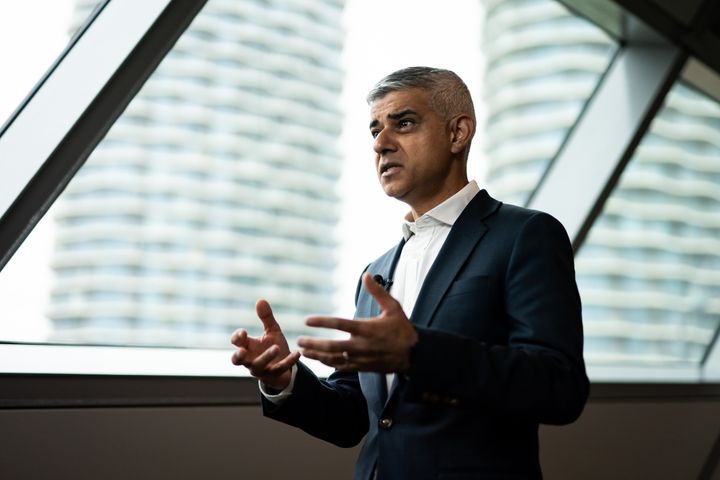
The Conservative Party has to undergo “another period of modernisation if it’s going to survive”, the frontrunner in the race to be its candidate for London mayor has warned.
Samuel Kasumu, a former aide to Boris Johnson, said he was the only Tory in the contest who was able to reach out to a city as cosmopolitan as the capital.
Advertisement
In an interview with HuffPost UK, the 35-year-old also called on the party to have a “much more nuanced conversation about immigration”.
His comments will be viewed as a swipe at home secretary Suella Braverman, who has been criticised for saying the UK faces an “invasion” of immigrants.
Labour’s Sadiq Khan is hoping to win a third term as London’s mayor in May next year.
His Conservative rival will be chosen by party members from a shortlist of three on July 19.
Kasumu is up against technology minister Paul Scully, veteran London Assembly member Andrew Boff and David Cameron’s former deputy head of policy, Daniel Korski.
Kasumu – currently a councillor in Welwyn Hatfield – quit Downing Street in April 2021 amid a row over the government’s Commission on Race and Ethnic Disparities report, which was branded a “whitewash” by some anti-racism campaigners.
Advertisement
He said the party had to “appeal to folks you might not even be ideologically aligned with” if it wanted to win.
“The first thing you have to say is, London is the most cosmopolitan city in the world,” he said.
“How do you reach all these groups? I think I am best place to do that. There are probably only two or three people in the whole Conservative movement who are able to do that.
“I’m the only one who is going to make the shortlist who can do that job.”
He added: “The Conservative Party is going to have to undergo another period of modernisation if it’s going to survive.
“Even if you shut the borders today, there are an increasing number of people from minority ethnic backgrounds, and in London specifically, nearly half the population were born outside the country.”
Rishi Sunak has made stopping asylum seekers crossing the Channel one of his five pledges to voters amid concerns that the government has lost control of the immigration system.
Advertisement
Braverman has also come in for severe criticism over the language she has used when talking about the issue.
“I can’t tell the home secretary what to say or how to articulate that,” Kasumu said. “But I think we need to have a much more honest conversation about immigration… a much more nuanced conversation about the subject.
“Most people are quite sensible about immigration. They recognise that immigrants can and will continue to play a role in allowing us to function as a society.”
Sadiq Khan is hoping to win a third term as mayor.
Aaron Chown – PA Images via Getty Images
Kasumu also warned Sunak that time was running out for him to set out his vision of the kind of country he wants to build.
Advertisement
The prime minister set out his five pledges to voters in January – stopping the boats, halving inflation, cutting waiting lists, growing the economy and reducing the national debt.
But Kasumu said: “If I’m advising the prime minister – which I’m not anymore – I would say, I get it, five pledges, you need to demonstrate competence, you need to earn the right to be heard again.
“It’s a bit like what I’m saying in London, you’ve got he earn the right to be heard and then at some point, sooner rather than later, we need to have a very clear vision about what the next iteration of a Rishi Sunak premiership could look like.”
“They don’t have a lot of time,” he added. “We have got party conference after the summer. Maybe that’s the time to start to articulate what a Rishi Sunak vision looks like.”
Just as the national polls show Labour ahead, the Conservatives are fighting an even stepper uphill battle in London, with a YouGov poll in April suggesting Labour holds a 40-point lead in the capital.
Advertisement
But Kasumu said: “If we win in London then all bets are off.”
Aging brings a bunch of changes to your body, both physically and mentally. To keep up with those changes, your medical needs shift as you get older.
“Our immune system changes as we get older, and it starts … sooner than you would think, sort of in our 50s is when it starts … and then it peaks by the age of 80,” said Dr. Ardeshir Hashmi, section chief of the center for geriatric medicine at Cleveland Clinic.
Advertisement
Within that three-decade period, our body is impacted by immunosenescence, which is the worsening of our immune response, Hashmi noted. So, as we age, we become more susceptible to infections, he said. This means it’s important to be protected against viruses that can be avoided. One way to do that is through vaccination.
Which shots do you need if you fall in this category? Below, experts share what vaccines you should consider getting if you’re over the age of 50.
The Shingles Vaccine
“The first vaccine that comes to mind when people reach age 50 is the vaccine against shingles,” said Dr. Julie Thai, a geriatrician at the senior care clinic at Stanford University.
Shingrix is a two-dose vaccine that protects against shingles and is the new, more effective formulation of the vaccine, according to Thai. The old vaccine, Zostavax, is no longer available or recommended in the U.S. If you’ve only had the Zostavax shingles vaccine, you should get the new shot, according to the Centers for Disease Control.
Advertisement
Thai said most of her patients have had the vaccine, but for those who don’t remember if they’ve been vaccinated (or if they’ve had the old formulation), she tells them to get the Shingrix shot.
“That’s really important because shingles is painful and it’s one of those infections that just has these long-term effects,” Thai explained. “People have this neuropathic pain that can last for years … if they don’t get treated early enough in the disease course.”
Hashmi added that while both people who are vaccinated and unvaccinated can get the rash, it’s only the unvaccinated folks who would have this ongoing neuropathic, burning pain.
The Pneumococcal Vaccine
The pneumococcal vaccine is important for people 65 and older, Thai said. “It will protect them against severe cases of pneumonia.”
Additionally, the vaccine is recommended for younger people who are at high risk for severe pneumonia because of chronic illnesses like diabetes, Thai added. So, you can check with your doctor if you’re under 65 but concerned about your pneumonia risk because of preexisting conditions.
Advertisement
A Tdap Vaccine
“The one that really comes to mind to me is tetanus, so the tetanus-diphtheria booster … if you look at data, it’s really actually people who are over 50 ― especially women ― who have low immunity to tetanus and diphtheria,” said Dr. Trish Perl, a professor in the department of internal medicine who specializes in infectious diseases at UT Southwestern Medical Center.
To account for this, you can get the Tdap vaccine, which also targets pertussis, she said. “That is especially important for people who are going to be around young children — like grandparents — because pertussis is a big problem in younger children, but it’s actually adults who … are the ones who will be transmitting pertussis,” Perl stated.
For the Tdap shot, “everyone requires a booster every 10 years. And this one, I feel people don’t take that seriously,” Thai said.
FG Trade via Getty Images
Beyond the recommended vaccines, people who frequently travel internationally may require additional shots.
The COVID-19 Vaccine
The COVID-19 vaccine is the newest necessary vaccine for folks, according to Hashmi.
Older people have a higher chance of getting very sick from COVID-19 if they’re unvaccinated, resulting in severe outcomes like hospitalization or death, according to the CDC. And if you are older and have underlying conditions, like heart disease or diabetes, you’re even more at risk.
Advertisement
People who are 50 and up are eligible to get the updated bivalent vaccine and can get boosted if it’s been at least four months since their last shot, according to the CDC.
The Flu Shot
The flu shot is important for everyone, not just for folks over 50. In fact, the CDC says everyone 6 months and up should get this shot each season.
“I always advise people to get vaccinated against seasonal flu because it really can put you out … especially now coupled with COVID,” Thai said. “I think people sometimes are dismissive of it, but it is really important that at any age to get the influenza vaccine.”
Hashmi added that the illnesses that have a lot of inflammation involved — like the flu, COVID, shingles and pneumonia — are worse in older patients.
“Because if you get the illness, the response to it is not robust because our natural immunity has gone down,” Hashmi said. “So, unless you supplement that with these vaccines, not only will the diseases happen … they will happen with much more severity than if you were, let’s say, a young adult or someone between age 20 and age 50.”
Advertisement
The Hepatitis B Vaccine
“If you have certain risk factors, some of our seniors also merit the Hepatitis B vaccine,” Hashmi said. Those risk factors include intravenous drug use at any point and people who are incarcerated.
The vaccine is also available to people with certain health conditions. “Hepatitis B is important. It’s usually people who are immunocompromised … or who are older than 60 is usually when we start recommending it,” Thai noted.
If you are an avid international traveler, you may need additional vaccinations.
“I do think a lot of people at this age group also travel and so that may be another twist,” Perl said.
According to Perl, your vaccine needs will differ depending on what countries you visit. She recommends the Hepatitis A vaccine for people who travel, particularly if you eat street food and aren’t checking whether something is cooked all the way through, “because you can get pretty sick from Hepatitis A and especially you don’t want to get sick if you’re traveling.”
For other kinds of travel, recommended vaccines may include the meningococcal vaccine, polio vaccine, rabies and yellow fever, she said. To figure out what vaccines you may need for upcoming trips, talk to your primary care doctor. Your physician should be able to vaccinate you or refer you to a travel medicine center.
Advertisement
Talk to your doctor about what vaccines are right for you.
Vaccine needs vary from person to person — and some people may require more information before going through with the jab. Talk to your doctor about what vaccines you need to stay protected well past your middle-age years.
“I think it’s important for every patient to sit with their doctors and ask questions and, you know, make an informed decision based on what answers they get,” Thai said.
She added that your physician can help explain the science behind some of these vaccines, address your concerns and help debunk any myths.
“Most of these vaccines have been around for years and years and years and are well studied, or the technology behind them is well studied,” Perl noted. “They’re actually much safer than getting these underlying diseases.”
And if you are vaccinated but still end up getting sick, you’ll be better off.
“It’s not like you are never going to get these illnesses. You could still get them. However, you will get a much milder version of any of these illnesses,” Hashmi explained.
Advertisement
These vaccines can help you live a fuller life, too. “People are living longer, they’re living better [and] the quality of life is also improved if you’ve stayed up to date with these vaccines,” Hashmi said.
Matt Clifford said AI could have the capability to be behind advances that “kill many humans” within that timeframe.
Advertisement
He said that unless producers are regulated on a global scale then there could be “very powerful” systems that humans could struggle to control.
Even the short-term risks were “pretty scary”, he told TalkTV, with AI having the potential to create cyber and biological weapons that could inflict many deaths.
The comments come after a letter backed by dozens of experts, including AI pioneers, was published last week warning that the risks of the technology should be treated with the same urgency as pandemics or nuclear war.
Senior bosses at companies such as Google DeepMind and Anthropic signed the letter along with the so-called “godfather of AI”, Geoffrey Hinton, who resigned from his job at Google earlier this month, saying that in the wrong hands, AI could be used to harm people and spell the end of humanity.
Advertisement
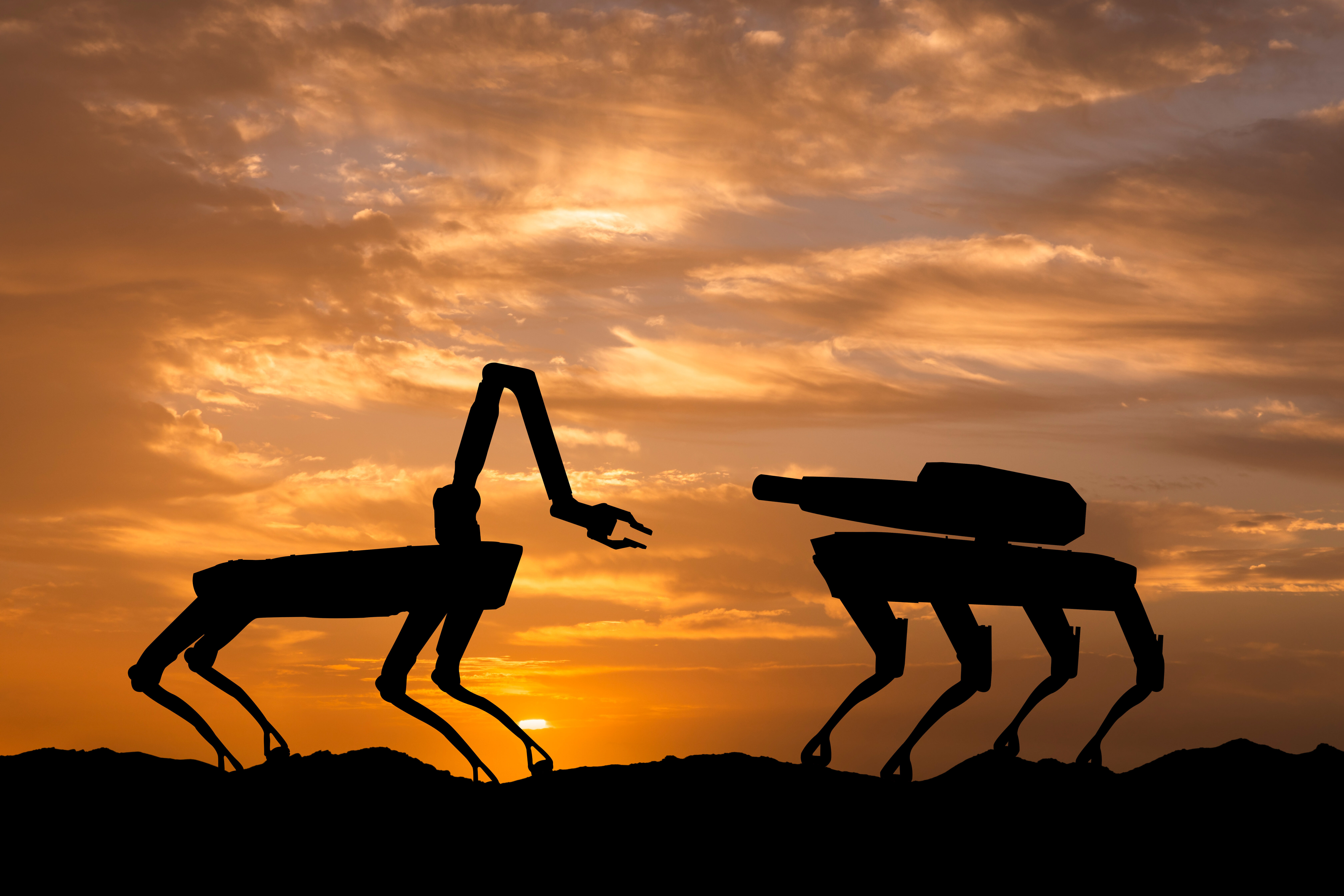
EXCLUSIVE: The PM’s AI Task Force adviser Matt Clifford says the world may only have two years left to tame Artificial Intelligence before computers become too powerful for humans to control.
Clifford is advising the prime minister on the development of the UK government’s Foundation Model Taskforce, which is looking into AI language models such as ChatGPT and Google Bard, and is also chairman of the Advanced Research and Invention Agency (Aria).
He told TalkTV: “I think there are lots of different types of risks with AI and often in the industry we talk about near-term and long-term risks, and the near-term risks are actually pretty scary.
“You can use AI today to create new recipes for bio weapons or to launch large-scale cyber attacks. These are bad things.
“The kind of existential risk that I think the letter writers were talking about is… about what happens once we effectively create a new species, an intelligence that is greater than humans.”
Advertisement
While conceding that a two-year timescale for computers to surpass human intelligence was at the “bullish end of the spectrum”, Clifford said AI systems were becoming “more and more capable at an ever increasing rate”.
Asked on the First Edition programme on Monday what percentage chance he would give that humanity could be wiped out by AI, Clifford said: “I think it is not zero.”
He continued: “If we go back to things like the bio weapons or cyber (attacks), you can have really very dangerous threats to humans that could kill many humans – not all humans – simply from where we would expect models to be in two years’ time.
“I think the thing to focus on now is how do we make sure that we know how to control these models because right now we don’t.”
The technology expert said AI production needed to be regulated on a global scale and not only by national governments.
Advertisement
AI apps have gone viral online, with users posting fake images of celebrities and politicians, and students using ChatGPT and other “language learning models” to generate university-grade essays.
But AI can also perform life-saving tasks, such as algorithms analysing medical images such as X-rays, scans and ultrasounds, helping doctors to identify and diagnose diseases such as cancer and heart conditions more accurately and quickly.
Clifford said that AI, if harnessed in the right way, could be a force for good.
“You can imagine AI curing diseases, making the economy more productive, helping us get to a carbon neutral economy,” he said.