Imagine checking your watch every hour to find the country a million pounds poorer.
This isn’t some distant economics lesson; it’s real families stretched by higher bills, businesses crippled by red tape, and young people denied the chance to study and work across Europe.
Advertisement
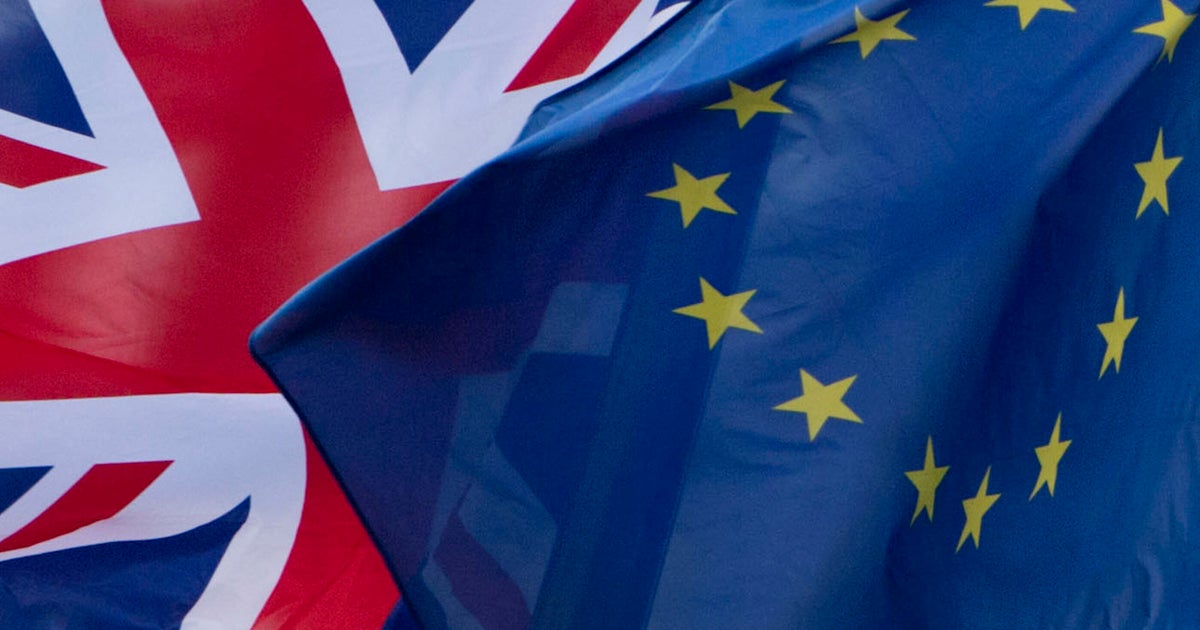
With the upcoming UK-EU summit on May 19, the government has an unprecedented opportunity to halt this decline. It’s not enough to tweak the edges of our broken arrangements—we need a bold reset that rebuilds the partnership we lost. Britain needs real action, not another round of half-measures masquerading as breakthroughs.
First, the summit must set in motion negotiations for the closest possible trading relationship with the EU, with re-entry to the Customs Union as a vital first step. Frictionless trade would rescue our factories, farms, and workers from the suffocating barriers that have driven up costs, delayed deliveries, and pushed investment overseas. It would restore the supply chains that once kept our industries competitive, and give businesses the certainty they need to innovate and export goods.
“We were sold a pup with Brexit, and we can’t pretend otherwise”
Advertisement
Equally vital is restoring freedom of movement, starting with youth mobility. Re-joining the Erasmus programme and establishing a youth visa system similar to that already in place for Aussies will allow students and young people to live, learn, and launch their careers across Europe. These are not luxuries; they are lifelines for ambition, cultural exchange, and shared prosperity that will shape Britain’s future and strengthen ties between neighbours.
The government must also push for realignment of our defence and security cooperation. From cyber-attacks to pandemics to regional flashpoints such as recent tensions between India and Pakistan, we know that conflicts hundreds or thousands of miles away can have immediate repercussions here at home. Our safety depends on shared intelligence, coordinated diplomacy, and joint development efforts.
Defence is not just about bombs and guns; it’s about human security, conflict prevention and the reconstruction that follows. Strengthening security cooperation with Europe means standing shoulder to shoulder to face current and future challenges; not only Putin’s war on Europe’s border, but also biosecurity threats, cyber-warfare, and climate change.
Advertisement
Talking of climate change, there’s an obvious quick win we need to see from the summit. The EU’s Carbon Border Adjustment Mechanism began combatting carbon leakage in 2023, with full implementation planned for 2026, while our own scheme doesn’t come into effect until 2027, and with far greater exemptions than the EU’s scheme to boot. If we continue to lag behind, British businesses will face unfair competition, and our world-leading climate commitments will unravel. Aligning with Europe on these carbon tariffs is essential for protecting jobs, fostering clean-tech innovation and safeguarding the planet for future generations.
These goals are practical and achievable right now if the government chooses to make them key priorities. But even if all are agreed, we will still be worse off than we were before Brexit.
“We can choose cooperation over isolation, ambition over decline, and hope over fear”
As a former Member of the European Parliament, I’ve seen Europe’s collaborative institutions deliver stability, opportunity and shared progress. At this summit, we should have the guts to admit that leaving was a mistake, and our best future lies together with Europe.
It’s clear that others – Trump, anyone? – are no substitute for the closest possible relationship with our next-door neighbours and biggest trading partners. So let’s shout it from the rooftops: the question is not whether we should rejoin, it’s when. I call on the Prime Minister to seize this moment to kick-start discussions on what rejoining the EU would involve – recognising that the world has changed significantly since Brexit, and that there is a consistent public majority in the UK in support of EU membership. Britain’s future belongs in Europe, and our ambition should be as boundless as the opportunities we once embraced together.
Advertisement
Rejoining the EU will demand political courage and a clear roadmap: forging new alliances, meeting accession criteria, and rallying member-state support. But leadership has never been about playing it safe. It’s about confronting harsh truths, delivering for ordinary people, and envisioning a future that reflects our highest ideals.
This summit can be the pivot from regret to renewal. We can choose cooperation over isolation, ambition over decline, and hope over fear. We can harness the power of collective progress to tackle climate breakdown, defend democracy, and build economies that work for all.
Britain deserves better than economic contraction, trade barriers, and broken promises. Our best days lie not in standing apart, but in standing shoulder to shoulder with our European neighbours. This is the moment to renew, rebuild, and set out a path to rejoining—the public is ready, and the time is now.
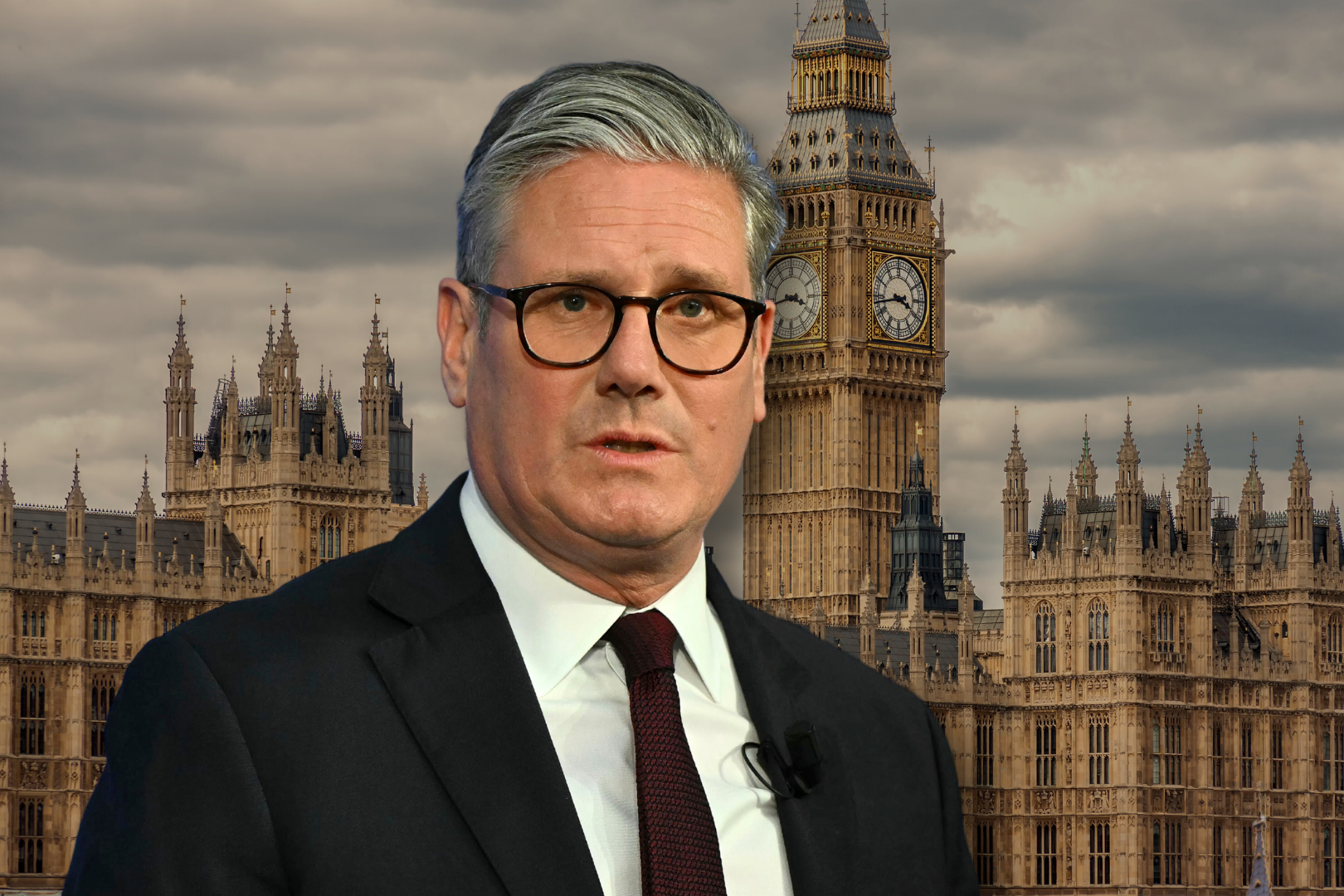
Bob Geldof sang about not liking Mondays more than 40 years ago. Come Tuesday morning, there is a decent chance that Keir Starmer will know how he felt.
The prime minister faces a date with destiny on two fronts at the beginning of next week.
First up on his agenda is a UK-EU summit in London where, he hopes, the details of his “reset” with Brussels will be unveiled.
Advertisement
Later in the day, Starmer will run the gauntlet when he faces a Parliamentary Labour Party (PLP) that is growing more fractious by the week.
Government sources say negotiations on the EU deal will go to the wire and that, inevitably, “nothing is agreed until everything is agreed”, but there is little doubt that a deal of some kind will emerge.
It will include an agreement on the movement of agri-foods between the UK and the bloc, a key demand of British businesses left frustrated by the trade barriers which have resulted from Brexit.
Advertisement
A youth mobility scheme making it much easier for 18 to 30-year-olds to travel between the UK and the EU will also form part of the deal, although Downing Street is keen to emphasise that this does not mean a return to freedom of movement.
Those entering this country will be able to stay for a limited time only, while the Home Office is pushing for a cap on numbers as they try to bring down immigration.
“We already have similar youth mobility agreements with the likes of India, Uruguay and Australia, and any scheme will be smart and controlled,” one senior government figure pointed out.
Advertisement
An agreement on closer security and defence co-operation between London and Brussels will also be struck, with the UK giving the French greater access to British fishing waters in return.
Starmer is ready for hardened Brexiteers to cry betrayal, while those on the other side of the debate will accuse him of not going far enough by ruling out a return to the EU customs union and single market.
But he believes that the vast majority of voters will welcome his attempts to improve relations with the UK’s closest trading partner.
Advertisement
One insider told HuffPost UK: “The Tories took us out of the EU without a plan for growth or on things like asylum.
“The British public know that the current deal isn’t working, which is why we are negotiating a better one.”
The agreement on agri-foods – Sanitary and Phytosanitary (SPS) products in the EU jargon – will “remove barriers to trade to stop all those lorries getting backed up at Dover while also making food will be cheaper in the shops”, No.10 says.
Advertisement
“We know that the opposition will say it’s a Brexit betrayal, but that’s a silly argument because that’s saying we don’t want any deal with the EU,” a government source said.
“That means they’re happy for all that red tape to continue and for British businesses to be hamstrung. The Tories have already criticised the India and US trade deals, so who do they expect British businesses to go and trade with?.
“We’re in a strong place to show the country that we’re delivering for workers.”
New polling by Ipsos shows that the British public are increasingly of the view that the UK needs closer ties with Europe, even if it comes at the expense of our relationship with America. Just over half (51%) are of that opinion, up from 42% in March.
Advertisement
Naomi Smith, chief executive of the pro-EU campaign group Best for Britain, said: “Removing trade barriers with the EU will deliver significant economic growth in every region of our country – more than any other policy idea in the government’s arsenal – and Starmer must urgently secure a common sense deal with Europe to make this happen.”
Happily for the PM, the vast majority of Labour MPs appear to be backing his EU strategy.
Bolton West MP Phil Brickell told HuffPost UK: “This isn’t about going over old Brexit battles, but ensuring we can address the issues that matter so much to my constituents – tackling cross-border crime, building a stronger defence industry, preventing irregular migration and supporting British firms wanting to do business in Europe. All of these matter at a time of increasing global insecurity.”
Starmer would be advised to focus on his EU deal when he addresses the PLP in Committee Room 14 at 6pm on Monday.
The most common complaint is about the decision to means test the winter fuel payments, at a stroke removing it from 10 million pensioners.
In Hamilton, Lanarkshire, where Labour is battling to beat Reform UK to second place behind the SNP in a Holyrood by-election, voters are registering their disapproval of that policy before slamming the door on anyone who comes calling wearing a red rosette.
Advertisement
“Winter fuel has the potential to do as much damage to us as increasing tuition fees did to the Lib Dems,” said one Labour MP.
“The people in No.10 need to take off their lanyards and get out and meet some voters.”
HuffPost UK understands that Rachel Reeves is now convinced of the need to at least water down the policy so that more pensioners qualify for the payment, making a U-turn far more likely.
A third place finish for Labour in Hamilton would certainly register in Downing Street. The local MP is Imogen Walker, the wife of Starmer’s chief of staff, Morgan McSweeney.
Advertisement
One Conservative MP who has been canvassing in the constituency even suggested that the prime minister is as unpopular north of the border as Margaret Thatcher. In Scottish political terms, there is no harsher criticism.
Meanwhile, more than 100 Labour MPs have signed a letter to the government chief whip warning that they cannot, without some concessions from Downing Street, vote for planned cuts to disability benefits.
Starmer’s speech last Monday’s speech unveiling the government’s plans to slash immigration – which drew comparisons with Enoch Powell – has also enraged many of his backbenchers.
Advertisement
While the PM’s own position is not currently up for debate, he quickly needs his EU deal, alongside those with India and the US, to translate into an increase in support among the country at large.
A YouGov poll showed that his favourability rating is now the lowest its ever been, with even Labour voters turning against him in alarming numbers.
With the next election potentially still four years away, and with politics in a seemingly permanent state of flux, Starmer has plenty of time to turn things around.
Advertisement
On Monday night, he will be left in no doubt that he needs to up his game, and soon.
I am sure the fact that some billionaires are leaving the UK matters (though some have likely quit the UK after their “non-dom” status was removed; “non-doms” never paid UK tax on their overseas earnings anyway).
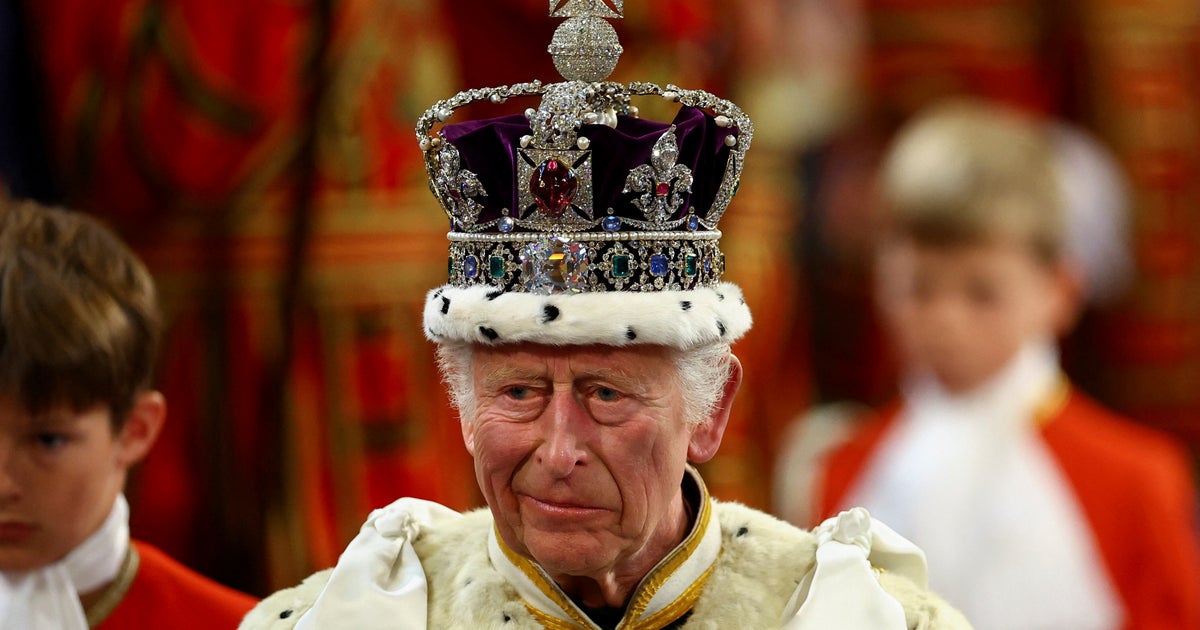
Perhaps I should have something to say about how the King’s private wealth has grown by £30 million in the last year; something other than “typical.”
Advertisement
I know I should be angry that, as Patriotic Millionaires UK writes, ”£772 billion, held by just 350 families, would cover the total cost of the UK’s annual healthcare spend three times over” – and I am, deeply.
But honestly? Reading the news just made me sad, then hopeless, then nauseous, then numb.
It is very, very hard to care about (or even digest) the financial lives of millionaires and billionaires when so many of us are struggling – just to benefit those exact people’s ever-growing wealth.
The list gets harder to read every year
Oxfam says that global billionaire wealth surged by $2 trillion in 2024 alone while the World Bank’s data says poverty has remained largely the same since 1990.
Advertisement
60% of global billionaire wealth comes from inheritance, monopolies, or cronyism, they add. In other words, Oxfam writes, the wealth of the majority of the people with the most money is “unmerited.”
Meanwhile, one in 10 Brits has no savings at all. The Equality Trust says that the “UK’s wealth inequality is much more severe than income inequality,” with the top 10% of households holding 43% of all wealth in 2020 while the poorest half owned just 9%.
It is hard to see a way out of this mess, which is getting worse, without (as Patriotic Millionaires puts it) “properly taxing this wealth, to invest in our much-loved country.”
No wonder I can’t bring myself to care that billionaires are supposedly “fleeing”
Robert Watts, compiler of the Rich List, said: “Our billionaire count is down and the combined wealth of those who feature in our research is falling.” (We’re down nine – 156 to last year’s 165).
“We are also finding fewer of the world’s super-rich are coming to live in the UK,” he added.
But whether that’s down to Rachel Reeves’ policies or a vague sense that the increasingly underfunded UK is simply too grim to live in is besides the point – some debate whether billionaires are even good for our economy to begin with.
Instead of the exhausting, demoralising, and frankly bleak focus on the tiny few doing amazingly well, I’m with Patriotic Millionaires – we should “Prioritise the interests of Britain’s true wealth creators – our ordinary hardworking families, small businesses, entrepreneurs, teachers, health and other public sector workers…
Advertisement
“These people are the backbone of the British economy, many of whom haven’t seen a pay rise in 15 years. Our Government should treat the Rich List as the smelling salt it needs, wake up, and tax the super-rich.”
WASHINGTON — If you’re interested in finding Donald Trump’s precise words as he lied about his failed coup attempt in his Jan 20 remarks at the US Capitol soon after his inaugural speech, good luck with that.
Same with his Feb 12 thoughts in the Oval Office on how magnetism, in his view “a new theory,” doesn’t work on the aircraft carrier Gerald Ford.
Advertisement
Or his statements in the Feb 28 meeting with Volodymyr Zelenskyy, berating the Ukrainian president and empathising with Russian dictator Vladimir Putin instead.
Ditto with his April 14 explanation of how well he is doing with “the cognitive” compared to previous occupants of the White House.
The self-proclaimed “most transparent” White House in history, as it turns out, has little interest in making the vast majority of Trump’s speeches and interactions with journalists readily accessible to the public whose taxes pay for their transcription, publishing just 29 transcripts of the 146 public remarks Trump made in his first 100 days in office.
Advertisement
Trump’s White House posted transcripts for only 11 of the 40 speeches in which Trump did not take questions from the media, and for only one of his six formal news conferences, according to a HuffPost review. And of the 98 media “availabilities” in which Trump took questions from reporters informally — a practice that his aides point to as proof of his great accessibility — only 15 of the transcripts have been made public.
Previous White Houses, going back decades, made all of the transcripts compiled by the non-political stenography office, staffed by career civil servants, available in printed form, via email and on the White House website, as a matter of course. Trump’s first-term staff also published all his remarks, with the exception of his speeches at rallies and fundraisers. Trump’s second-term White House stopped emailing transcripts to its press list just five days after taking office, and of late has largely stopped posting them on the website, too. As of Thursday morning, the last transcript from Trump on the site is from March 13.
Trump aides would not explain their decision to withhold 80% of the transcripts that have been prepared. White House communications director Steven Cheung, however, did insult HuffPost for asking the question:
Advertisement
“You must be truly fucking stupid if you think we’re not transparent. The president regularly does multiple press engagements per day and they are streamed live on multiple platforms. We’ve even granted low-level outlets like HuffPo [sic] additional access to events, because we’re so transparent. For anyone to think otherwise proves they are suffering from Trump Derangement Syndrome. Stop beclowning yourself,” he wrote, demanding that his statement be published “in full.”
Kathleen Hall Jamieson, director of the Annenberg Public Policy Center at the University of Pennsylvania, said transcriptions of a president’s remarks have always been seen as historical records, not things to be politicised. “Making the words of the president readily available is part of the accountability obligation of the White House,” she said.
“The public has the right to know what the leader says … It’s a mark of a democratic system,” she added, saying that she could not speculate as to why Trump is withholding most of his transcripts’ release. “Trying to figure out why this White House does what it does requires a skill far beyond mine.”
Advertisement
Volodymyr Zelenskyy, Ukraine’s president, meets with US President Donald Trump and Vice President JD Vance in the Oval Office of the White House on Feb. 28.
Jim Lo Scalzo/EPA/Bloomberg via Getty Images
‘Utterly Fucking Off The Rails’
While it is true that videos of nearly all of Trump’s public remarks are available on C-SPAN, YouTube or other websites, they are not easily searchable by topic or keyword. There are private firms that transcribe his words, but they are not comprehensive and not well-known to the public.
Indeed, Trump critics say that increasing the difficulty of finding his exact words on any given topic is precisely the point of keeping most of the official transcripts a secret. After 10 years of hearing him, Trump’s outlandish claims and constant lies have become mere background noise to many Americans, they argue, while actually reading his statements hits in a different way.
Advertisement
“They know the transcripts will reveal, on paper, the word salad and incoherence that characterises Trump,” said Norman Ornstein, a political scientist with the conservative-leaning American Enterprise Institute. “It is much easier to pore through written transcripts and compare them, which will show inconsistencies and reversals.”
Andrew Bates, a top press aide in the Joe Biden White House, said his counterparts in the Trump White House clearly understand that reading what Trump has said does not reflect well on him. “He keeps saying things that are a liability, like talking about dolls and pencils. Or just getting confused,” Bates said.
The Biden press office famously altered punctuation in a transcript to make it seem that Biden was criticising a smaller subset of Trump supporters than the transcript originally suggested. The Biden team, nonetheless, released that transcript and appears to have released all those prepared by the stenography office, totaling well over 2,000 over four years.
Advertisement
The Trump press shop, in contrast, appears to have decided that the best way to avoid negative media coverage of his transcribed remarks is to not release them in the first place. A comparison of the posted transcripts versus the remarks for which the transcripts have been withheld suggests an effort to conceal Trump’s most outrageous, factually inaccurate or lie-filled statements.
On Inauguration Day, for example, while the transcript for the official speech given immediately after Trump took the oath of office is available on the White House website, a second one he gave to congressional Republicans soon afterward is not.
In that one, he again pushed his oft-repeated lies about January 6, 2021, the day he encouraged a mob of his followers to march on the Capitol and then tried to use their assault on police officers and other violence to remain in power despite having lost the 2020 election. Trump bemoaned that his staff talked him out of including that material in his actual inaugural address.
Advertisement
“You can’t put things in there that you were going to put in, and I was going to talk about the J6 hostages, but you’ll be happy because you know it’s action, not words that count, and you’re going to see a lot of action on the J6 hostages, see a lot of action,” he said in a 1,232-word section that repeatedly blamed former House Speaker Nancy Pelosi for all that happened on Jan. 6. “And I was going to talk about the things that Joe [Biden] did today with the pardons of people that were very, very guilty of very bad crimes like the unselect committee of political thugs where they literally, I mean, what they did is they destroyed and deleted all of the information, all of the hearings. Practically not a thing left.”
Three weeks later, following a swearing-in ceremony for his director of national intelligence, Tulsi Gabbard, Trump offered nonsensical answers to a variety of questions, including one about waste and fraud in the federal government. Trump launched into a 1,710-word rant on military contractors, including the builders of the newest aircraft carrier, the USS Gerald Ford, which uses a high-tech electromagnetic catapult system to launch airplanes to reduce stress on their airframes and landing gear.
“Take a look at the Gerald Ford, the aircraft carrier, the Ford. It came ― it was supposed to cost $3 billion; it ended up costing like $18 billion, and they make, of course, all electric catapults, which don’t work. And they have all magnetic elevators to lift up 25 planes at a time, 20 planes at a time,” he said, not appearing to understand the rationale for the new designs. “And instead of using hydraulic, like on tractors, that can handle anything from hurricanes to lightning to anything, they used magnets. It’s a new theory, magnets are going to lift the planes up, and it doesn’t work.”
Advertisement
At the end of that month, Trump and Vice President JD Vance attacked Ukraine’s Zelenskyy for not being sufficiently grateful to the United States before Trump turned to his familiar defense of Putin, who continues to slaughter Ukrainian civilians to this day through aerial attacks on residential areas.
“Let me tell you, Putin went through a hell of a lot with me. He went through a phony witch hunt, where they used him and Russia, Russia, Russia, Russia. You ever hear of that deal?” Trump said during a 206-word tangent again recounting his grievances.
“That was a phony ― that was a phony Hunter Biden, Joe Biden scam, Hillary Clinton, Shifty Adam Schiff. It was a Democrat scam, and he had to go through that, and he did go through it, and we didn’t end up in a war, and he went through it. He was accused of all that stuff. He had nothing to do with it. It came out of Hunter Biden’s bathroom. It came out of Hunter Biden’s bedroom, it was disgusting. And then they said, ‘Oh, oh, the laptop from hell was made by Russia,’ the 51 agents, the whole thing was a scam, and he had to put up with that. He was being accused of all that stuff.”
Advertisement
Six weeks later, during a visit by Salvadoran President Nayib Bukele, who is housing deportees whom Trump claims are criminal illegal immigrants, Trump was asked how many more people he intended to ship there. Trump responded with a 417-word answer that quickly veered into boasts about his mental acuity.
“By the way, I took my cognitive exam as part of my physical exam, and I got the highest mark. And one of the doctors said, ‘Sir, I’ve never seen anybody get that kind of ― that was the highest mark.’ I hope you’re happy with that, although they haven’t been bugging me too much to take a cognitive. But I did do my physical, and it was released. I hope you’re all happy with it. I noticed there’s no questions, so probably you are. But the cognitive, they said to me, ‘Sir, would you like to take a cognitive test?’ I said, ‘Did Biden take one?’ ‘No.’ ‘Did anybody take one?’ ‘No, not too many people took them.’ I said, ‘What about Obama, did he take one?’” Trump said.
“The totality of his statements clearly show that he is utterly fucking off the rails,” said Rick Wilson, a longtime Republican consultant who became an early Trump critic. “Most of the Washington media is still playing the polite game of pretending this is a normal White House, and so they just move on and move on and move on eternally into the future.”
Advertisement
‘What About The 38 Virgins?’
Trump’s usually rambling, often incoherent, at times downright deranged statements, of course, did not stop at the 100-day mark.
On Day 102, in a Rose Garden celebration of the National Day of Prayer, Trump suggested that Muslims are primarily terrorists willing to die to earn a reward of virgins in paradise: “Imams who I got to know in Michigan. I loved them. They were great, by the way. They said, ‘We don’t want to die.’ I said, ’Do you want to die? They said, ‘We don’t want to die.’ I said, ‘What about the 38 virgins?’”
On Day 106, in an Oval Office photo opportunity, Trump went on at length about his idea of reopening Alcatraz prison in San Francisco Bay. “I guess I was supposed to be a moviemaker. We started with the moviemaking, and we’ll end, I mean, it represents something very strong, very powerful in terms of law and order. Our country needs law and order. Alcatraz is, I would say the ultimate, right, Alcatraz, Sing-Sing and Alcatraz the movies,” he said in an answer that continued for 268 words. “But it’s right now a museum, believe it or not. A lot of people go there. It housed the most violent criminals in the world, and nobody ever escaped. One person almost got there, but they, as you know the story, they found his clothing rather badly ripped up, and it was a lot of shark bites, a lot of problems.”
Advertisement
It’s unclear what motion pictures featuring the prison as a setting have to do with reopening Alcatraz or why Trump believed his Muslim supporters in Michigan would be entitled to only 38 virgins, just over half of the 72 customarily cited.
Among the posted transcripts are two media interviews he did. While Trump does numerous interviews — most of which include statements that make him seem ignorant or foolish or both — his press staff has posted only two softball interviews: One by informal Trump adviser and Fox News host Sean Hannity dated Feb. 18 as well as a two-minute one by Jamie Little, a Fox Sports NASCAR announcer at the Daytona 500 race that Trump had attended two days earlier.
Advertisement
And while the stenography office transcribes every White House briefing and question-and-answer session aboard Air Force One by press secretary Karoline Leavitt, she and her staff have released only two. One was her first briefing on Jan. 29, in which she promised to always tell the truth, which she then immediately followed with an absurd falsehood about $50 million worth of condoms being sent to the Gaza Strip. The second was the Feb. 20 briefing in which she and other aides celebrated Trump’s first month in office.
Leavitt did not respond to HuffPost queries for this story.
Trump’s refusal to release transcripts created at taxpayer expense is just one piece of his effort to diminish independent news media. He has seized control of the White House press pool, which covers his events that take place in confined spaces like the Oval Office and Air Force One, from the White House Correspondents Association, which had administered it since its inception decades ago.
Trump and his staff have replaced journalists from legitimate news organizations with pro-Trump cheerleaders in many of the pool seats.
Advertisement
Trump also excluded the Associated Press from the pool because it refused to bend to his will and call the Gulf of Mexico by the name Trump decreed by fiat, the Gulf of America. When a federal judge ruled that Trump could not treat the AP any differently than it treats other wire services, he responded by ending assigned pool slots for all three wires: the AP, Reuters and Bloomberg.
On Trump’s current excursion to the Arabian Peninsula, his first extended foreign trip since he retook office in January, not one US wire service print reporter has been part of the pool aboard Air Force One or in meetings with various officials — thereby degrading news coverage for thousands of news outlets with billions of readers in the United States and globally.
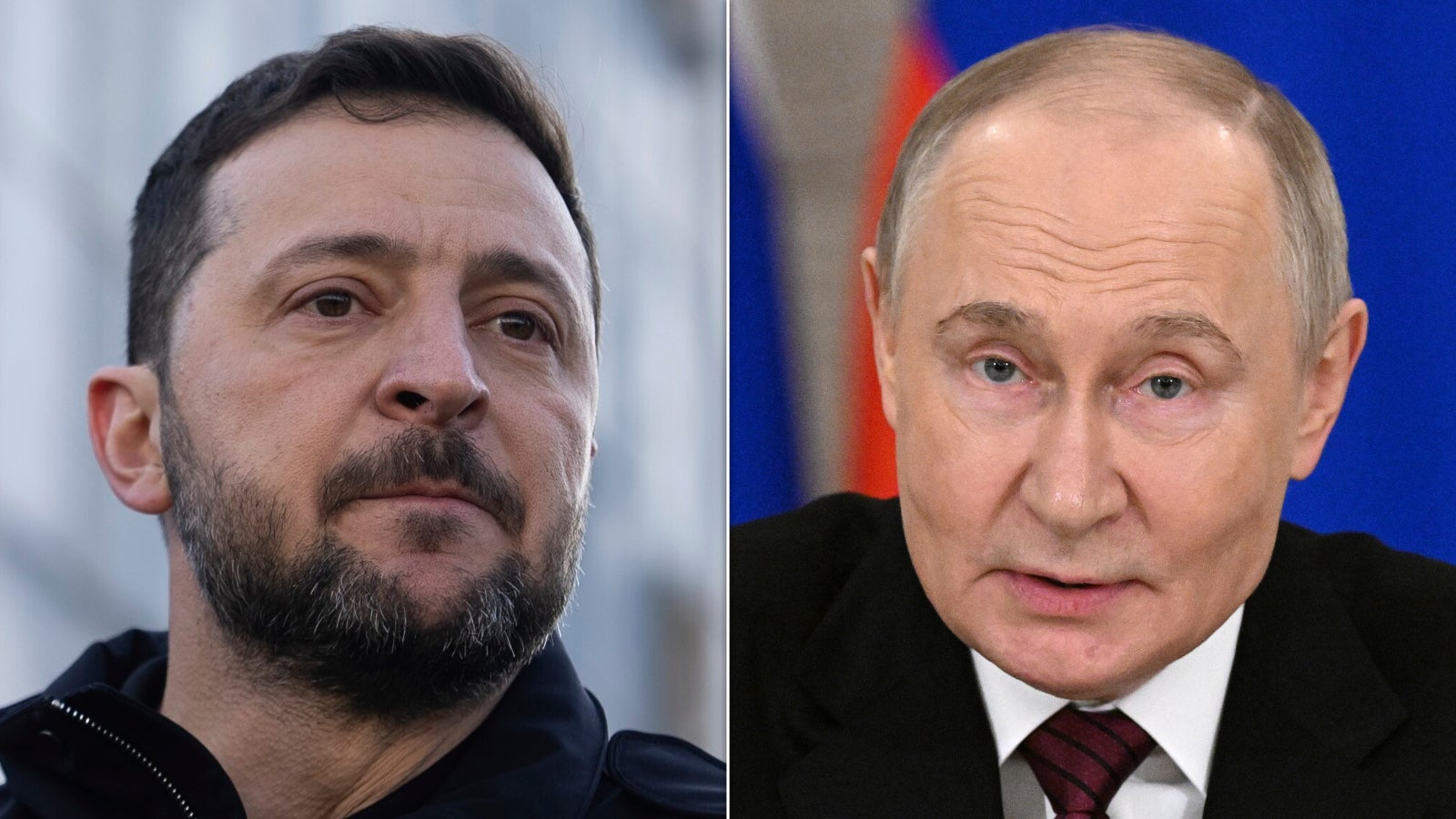
At Donald Trump’s insistence, Zelenskyy flew to Turkey for the first face-to-face discussions between Ukraine and Russia since early 2022, when Putin invaded.
Advertisement
However, the Russian leader has snubbed Kyiv by choosing not to attend Thursday’s negotiations in Istanbul – despite personally suggesting the direct talks between the warring countries last week.
When the Kremlin confirmed Putin was simply sending a low-calibre delegation in his place, Zelenskyy told reporters it was clear Moscow was not “serious” about ending the war.
“Russia does not feel that it needs to end [the war], which means there is not enough political, economic and other pressure on the Russian Federation,” the Ukrainian president said.
Advertisement
“And so we ask, if there is no ceasefire, if there are no serious decisions… we ask for appropriate sanctions.”
Zelenskyy still sent a delegation headed up by Ukraine’s defence minister for the talks in Istanbul but stayed in Ankara himself for talks with his Turkish counterpart.
According to Russian state news agency TASS, Putin’s top diplomat was less than happy with the Ukrainian president’s attack on the Kremlin.
Advertisement
Speaking on Thursday, Sergei Lavrov said: “First, Zelenskyy made some statements demanding that Putin attend in person. A nothing man. It’s clear to everyone – except perhaps to him and those pulling his strings.”
The Kremlin has been trying to discredit Zelenskyy ever since launching a full-scale invasion on Ukraine more than three years ago.
Putin’s false claim that Zelenskyy is not a legitimate president was even picked up by Trump earlier this year, as the American president claimed he is a “dictator without elections.”
Advertisement
But once Moscow started to drag its heels over negotiations, Trump began to accuse Putin of not wanting to end the war.
The Ukrainian president also pointed out on Thursday that Trump has been pressuring Kyiv “more than the Russians”.
He said: “You have to pressurise the side that does not want to end the war. The position of Turkey and the United States, you saw that President Trump thought it would help to pressurise both sides – I think they pressurised us more than the Russians.
Advertisement
“Ukraine is fighting for itself. We are not ready to lose our lives and land. That does not mean we are aggressors.”
Keir Starmer has been slammed for his response to an MP who accused him of not having any principles.
During prime minister’s questions, the Plaid Cymru leader Liz Saville Roberts pointed out how Starmer has U-turned over migrants’ rights over the years – only for the PM to tell her she “talks rubbish”.
“This prime minister once spoke of compassion and dignity for migrants, and defending free movement,” Saville Roberts said, pointing to Starmer’s 2020 campaign.
“Now he talks of ‘islands of strangers’ and taking back control,” she continued.
“Somebody here has to call this out, Mr Speaker, it seems the only principle he consistently defends is whichever he last heard in a focus group.
Advertisement
“So I ask him: is there any belief he holds which survives a week in Downing Street?”
Starmer angrily hit back: “Yes, the belief that she talks rubbish.
“Mr Speaker, I want to lead a country where we pull together and walk into the future as neighbours and communities, not as strangers.”
While chancellor Rachel Reeves laughed at his response, it seems social media was less than impressed.
Critics on X (formerly Twitter) said his comment was “rude and ungracious”, and “totally inappropriate to the position he holds”.
Starmer’s response is very revealing & shows that he’s feeling under pressure. He could’ve replied with a witty remark (if he was capable of one) or just answered it seriously – instead he’s just plain rude & ungracious. https://t.co/f8MEcZ9zvj
","type":"rich","meta":{"author":"Alan Weston","author_url":"https://twitter.com/alanweston","cache_age":86400,"description":"Starmer’s response is very revealing & shows that he’s feeling under pressure. He could’ve replied with a witty remark (if he was capable of one) or just answered it seriously – instead he’s just plain rude & ungracious. https://t.co/f8MEcZ9zvj— Alan Weston (@alanweston) May 14, 2025\n\n\n","options":{"_hide_media":{"label":"Hide photos, videos, and cards","value":false},"_maxwidth":{"label":"Adjust width","placeholder":"220-550, in px","value":""},"_theme":{"value":"","values":{"dark":"Use dark theme"}}},"provider_name":"Twitter","title":"Alan Weston on Twitter / X","type":"rich","url":"https://twitter.com/alanweston/status/1922631607157940569","version":"1.0"},"flags":[],"enhancements":{},"fullBleed":false,"options":{"theme":"news","device":"desktop","editionInfo":{"id":"uk","name":"U.K.","link":"https://www.huffingtonpost.co.uk","locale":"en_GB"},"originalEdition":"uk","isMapi":false,"isAmp":false,"isAdsFree":false,"isVideoEntry":false,"isEntry":true,"isMt":false,"entryId":"6824a82ce4b021b5064a8690","entryPermalink":"https://www.huffingtonpost.co.uk/entry/keir-starmer-backlash-principles-migration-pmqs_uk_6824a82ce4b021b5064a8690","entryTagsList":"keir-starmer,pmqs,migration-crisis,plaid-cymru","sectionSlug":"politics","deptSlug":null,"sectionRedirectUrl":null,"subcategories":"","isWide":false,"isShopping":false,"headerOverride":null,"noVideoAds":false,"disableFloat":false,"isNative":false,"commercialVideo":{"provider":"custom","site_and_category":"uk.politics","package":null},"isHighline":false,"vidibleConfigValues":{"cid":"60afc140cf94592c45d7390c","disabledWithMapiEntries":false,"overrides":{"all":"60b8e525cdd90620331baaf4"},"whitelisted":["56c5f12ee4b03a39c93c9439","56c6056ee4b01f2b7e1b5f35","59bfee7f9e451049f87f550b","5acccbaac269d609ef44c529","570278d2e4b070ff77b98217","57027b4be4b070ff77b98d5c","56fe95c4e4b0041c4242016b","570279cfe4b06d08e3629954","5ba9e8821c2e65639162ccf1","5bcd9904821576674bc55ced","5d076ca127f25f504327c72e","5b35266b158f855373e28256","5ebac2e8abddfb04f877dff2","60b8e525cdd90620331baaf4","60b64354b171b7444beaff4d","60d0d8e09340d7032ad0fb1a","60d0d90f9340d7032ad0fbeb","60d0d9949340d7032ad0fed3","60d0d9f99340d7032ad10113","60d0daa69340d7032ad104cf","60d0de02b627221e9d819408"],"playlists":{"default":"57bc306888d2ff1a7f6b5579","news":"56c6dbcee4b04edee8beb49c","politics":"56c6dbcee4b04edee8beb49c","entertainment":"56c6e7f2e4b0983aa64c60fc","tech":"56c6f70ae4b043c5bdcaebf9","parents":"56cc65c2e4b0239099455b42","lifestyle":"56cc66a9e4b01f81ef94e98c"},"playerUpdates":{"56c6056ee4b01f2b7e1b5f35":"60b8e525cdd90620331baaf4","56c5f12ee4b03a39c93c9439":"60d0d8e09340d7032ad0fb1a","59bfee7f9e451049f87f550b":"60d0d90f9340d7032ad0fbeb","5acccbaac269d609ef44c529":"60d0d9949340d7032ad0fed3","5bcd9904821576674bc55ced":"60d0d9f99340d7032ad10113","5d076ca127f25f504327c72e":"60d0daa69340d7032ad104cf","5ebac2e8abddfb04f877dff2":"60d0de02b627221e9d819408"}},"connatixConfigValues":{"defaultPlayer":"16b0ecc6-802c-4120-845f-e90629812c4d","clickToPlayPlayer":"823ac03a-0f7e-4bcb-8521-a5b091ae948d","videoPagePlayer":"05041ada-93f7-4e86-9208-e03a5b19311b","defaultPlaylist":"2e062669-71b4-41df-b17a-df6b1616bc8f"},"topConnatixThumnbailSrc":"data:image/png;base64,iVBORw0KGgoAAAANSUhEUgAAAAEAAAABCAQAAAC1HAwCAAAAC0lEQVR42mNkYAAAAAYAAjCB0C8AAAAASUVORK5CYII=","customAmpComponents":[],"ampAssetsUrl":"https://amp.assets.huffpost.com","videoTraits":null,"positionInUnitCounts":{"buzz_head":{"count":0},"buzz_body":{"count":0},"buzz_bottom":{"count":0}},"positionInSubUnitCounts":{"article_body":{"count":9},"blog_summary":{"count":0},"before_you_go_content":{"count":0}},"connatixCountsHelper":{"count":0},"buzzfeedTracking":{"context_page_id":"6824a82ce4b021b5064a8690","context_page_type":"buzz","destination":"huffpost","mode":"desktop","page_edition":"en-uk"},"tags":[{"name":"keir starmer","slug":"keir-starmer","links":{"relativeLink":"news/keir-starmer","permalink":"https://www.huffingtonpost.co.uk/news/keir-starmer","mobileWebLink":"https://www.huffingtonpost.co.uk/news/keir-starmer"},"url":"https://www.huffingtonpost.co.uk/news/keir-starmer/"},{"name":"pmqs","slug":"pmqs","links":{"relativeLink":"news/pmqs","permalink":"https://www.huffingtonpost.co.uk/news/pmqs","mobileWebLink":"https://www.huffingtonpost.co.uk/news/pmqs"},"url":"https://www.huffingtonpost.co.uk/news/pmqs/"},{"name":"migration crisis","slug":"migration-crisis","links":{"relativeLink":"news/migration-crisis","permalink":"https://www.huffingtonpost.co.uk/news/migration-crisis","mobileWebLink":"https://www.huffingtonpost.co.uk/news/migration-crisis"},"section":{"title":"News","slug":"news"},"topic":{"title":"Migration Crisis","slug":"migration-crisis","overridesSectionLabel":false},"url":"https://www.huffingtonpost.co.uk/news/migration-crisis/"},{"name":"plaid cymru","slug":"plaid-cymru","links":{"relativeLink":"news/plaid-cymru","permalink":"https://www.huffingtonpost.co.uk/news/plaid-cymru","mobileWebLink":"https://www.huffingtonpost.co.uk/news/plaid-cymru"},"url":"https://www.huffingtonpost.co.uk/news/plaid-cymru/"}],"isLiveblogLive":null,"isLiveblog":false,"cetUnit":"buzz_body","bodyAds":["
Starmer’s response is very revealing & shows that he’s feeling under pressure. He could’ve replied with a witty remark (if he was capable of one) or just answered it seriously – instead he’s just plain rude & ungracious. https://t.co/f8MEcZ9zvj
It’s not a brutal slap down, it’s the response of a man who can’t handle the truth. It was rude, disrespectful & totally inappropriate given the position he holds. https://t.co/y03CsMeIHT
","type":"rich","meta":{"author":"Estella Joyce 🌟","author_url":"https://twitter.com/LelJoyce","cache_age":86400,"description":"It’s not a brutal slap down, it’s the response of a man who can’t handle the truth. It was rude, disrespectful & totally inappropriate given the position he holds. https://t.co/y03CsMeIHT— Estella Joyce 🌟 (@LelJoyce) May 14, 2025\n\n\n","options":{"_hide_media":{"label":"Hide photos, videos, and cards","value":false},"_maxwidth":{"label":"Adjust width","placeholder":"220-550, in px","value":""},"_theme":{"value":"","values":{"dark":"Use dark theme"}}},"provider_name":"Twitter","title":"Estella Joyce 🌟 on Twitter / X","type":"rich","url":"https://twitter.com/LelJoyce/status/1922634925729013811","version":"1.0"},"flags":[],"enhancements":{},"fullBleed":false,"options":{"theme":"news","device":"desktop","editionInfo":{"id":"uk","name":"U.K.","link":"https://www.huffingtonpost.co.uk","locale":"en_GB"},"originalEdition":"uk","isMapi":false,"isAmp":false,"isAdsFree":false,"isVideoEntry":false,"isEntry":true,"isMt":false,"entryId":"6824a82ce4b021b5064a8690","entryPermalink":"https://www.huffingtonpost.co.uk/entry/keir-starmer-backlash-principles-migration-pmqs_uk_6824a82ce4b021b5064a8690","entryTagsList":"keir-starmer,pmqs,migration-crisis,plaid-cymru","sectionSlug":"politics","deptSlug":null,"sectionRedirectUrl":null,"subcategories":"","isWide":false,"isShopping":false,"headerOverride":null,"noVideoAds":false,"disableFloat":false,"isNative":false,"commercialVideo":{"provider":"custom","site_and_category":"uk.politics","package":null},"isHighline":false,"vidibleConfigValues":{"cid":"60afc140cf94592c45d7390c","disabledWithMapiEntries":false,"overrides":{"all":"60b8e525cdd90620331baaf4"},"whitelisted":["56c5f12ee4b03a39c93c9439","56c6056ee4b01f2b7e1b5f35","59bfee7f9e451049f87f550b","5acccbaac269d609ef44c529","570278d2e4b070ff77b98217","57027b4be4b070ff77b98d5c","56fe95c4e4b0041c4242016b","570279cfe4b06d08e3629954","5ba9e8821c2e65639162ccf1","5bcd9904821576674bc55ced","5d076ca127f25f504327c72e","5b35266b158f855373e28256","5ebac2e8abddfb04f877dff2","60b8e525cdd90620331baaf4","60b64354b171b7444beaff4d","60d0d8e09340d7032ad0fb1a","60d0d90f9340d7032ad0fbeb","60d0d9949340d7032ad0fed3","60d0d9f99340d7032ad10113","60d0daa69340d7032ad104cf","60d0de02b627221e9d819408"],"playlists":{"default":"57bc306888d2ff1a7f6b5579","news":"56c6dbcee4b04edee8beb49c","politics":"56c6dbcee4b04edee8beb49c","entertainment":"56c6e7f2e4b0983aa64c60fc","tech":"56c6f70ae4b043c5bdcaebf9","parents":"56cc65c2e4b0239099455b42","lifestyle":"56cc66a9e4b01f81ef94e98c"},"playerUpdates":{"56c6056ee4b01f2b7e1b5f35":"60b8e525cdd90620331baaf4","56c5f12ee4b03a39c93c9439":"60d0d8e09340d7032ad0fb1a","59bfee7f9e451049f87f550b":"60d0d90f9340d7032ad0fbeb","5acccbaac269d609ef44c529":"60d0d9949340d7032ad0fed3","5bcd9904821576674bc55ced":"60d0d9f99340d7032ad10113","5d076ca127f25f504327c72e":"60d0daa69340d7032ad104cf","5ebac2e8abddfb04f877dff2":"60d0de02b627221e9d819408"}},"connatixConfigValues":{"defaultPlayer":"16b0ecc6-802c-4120-845f-e90629812c4d","clickToPlayPlayer":"823ac03a-0f7e-4bcb-8521-a5b091ae948d","videoPagePlayer":"05041ada-93f7-4e86-9208-e03a5b19311b","defaultPlaylist":"2e062669-71b4-41df-b17a-df6b1616bc8f"},"topConnatixThumnbailSrc":"data:image/png;base64,iVBORw0KGgoAAAANSUhEUgAAAAEAAAABCAQAAAC1HAwCAAAAC0lEQVR42mNkYAAAAAYAAjCB0C8AAAAASUVORK5CYII=","customAmpComponents":[],"ampAssetsUrl":"https://amp.assets.huffpost.com","videoTraits":null,"positionInUnitCounts":{"buzz_head":{"count":0},"buzz_body":{"count":0},"buzz_bottom":{"count":0}},"positionInSubUnitCounts":{"article_body":{"count":9},"blog_summary":{"count":0},"before_you_go_content":{"count":0}},"connatixCountsHelper":{"count":0},"buzzfeedTracking":{"context_page_id":"6824a82ce4b021b5064a8690","context_page_type":"buzz","destination":"huffpost","mode":"desktop","page_edition":"en-uk"},"tags":[{"name":"keir starmer","slug":"keir-starmer","links":{"relativeLink":"news/keir-starmer","permalink":"https://www.huffingtonpost.co.uk/news/keir-starmer","mobileWebLink":"https://www.huffingtonpost.co.uk/news/keir-starmer"},"url":"https://www.huffingtonpost.co.uk/news/keir-starmer/"},{"name":"pmqs","slug":"pmqs","links":{"relativeLink":"news/pmqs","permalink":"https://www.huffingtonpost.co.uk/news/pmqs","mobileWebLink":"https://www.huffingtonpost.co.uk/news/pmqs"},"url":"https://www.huffingtonpost.co.uk/news/pmqs/"},{"name":"migration crisis","slug":"migration-crisis","links":{"relativeLink":"news/migration-crisis","permalink":"https://www.huffingtonpost.co.uk/news/migration-crisis","mobileWebLink":"https://www.huffingtonpost.co.uk/news/migration-crisis"},"section":{"title":"News","slug":"news"},"topic":{"title":"Migration Crisis","slug":"migration-crisis","overridesSectionLabel":false},"url":"https://www.huffingtonpost.co.uk/news/migration-crisis/"},{"name":"plaid cymru","slug":"plaid-cymru","links":{"relativeLink":"news/plaid-cymru","permalink":"https://www.huffingtonpost.co.uk/news/plaid-cymru","mobileWebLink":"https://www.huffingtonpost.co.uk/news/plaid-cymru"},"url":"https://www.huffingtonpost.co.uk/news/plaid-cymru/"}],"isLiveblogLive":null,"isLiveblog":false,"cetUnit":"buzz_body","bodyAds":["
It’s not a brutal slap down, it’s the response of a man who can’t handle the truth. It was rude, disrespectful & totally inappropriate given the position he holds. https://t.co/y03CsMeIHT
Give up everything you believe in, and realise that when you get there, it wasn’t worth fuck all.
And now people are holding that mirror up to him, all he has is petulance. https://t.co/zmRJHFe5TW
— Napoleon ‘Do Gooder Lefty’ Solo (@NapoleonSolo26) May 14, 2025
","type":"rich","meta":{"author":"Napoleon ‘Do Gooder Lefty’ Solo","author_url":"https://twitter.com/NapoleonSolo26","cache_age":86400,"description":"Give up everything you believe in, and realise that when you get there, it wasn’t worth fuck all. And now people are holding that mirror up to him, all he has is petulance. https://t.co/zmRJHFe5TW— Napoleon ‘Do Gooder Lefty’ Solo (@NapoleonSolo26) May 14, 2025\n\n\n","options":{"_hide_media":{"label":"Hide photos, videos, and cards","value":false},"_maxwidth":{"label":"Adjust width","placeholder":"220-550, in px","value":""},"_theme":{"value":"","values":{"dark":"Use dark theme"}}},"provider_name":"Twitter","title":"Napoleon ‘Do Gooder Lefty’ Solo on Twitter / X","type":"rich","url":"https://twitter.com/NapoleonSolo26/status/1922666787784519920","version":"1.0"},"flags":[],"enhancements":{},"fullBleed":false,"options":{"theme":"news","device":"desktop","editionInfo":{"id":"uk","name":"U.K.","link":"https://www.huffingtonpost.co.uk","locale":"en_GB"},"originalEdition":"uk","isMapi":false,"isAmp":false,"isAdsFree":false,"isVideoEntry":false,"isEntry":true,"isMt":false,"entryId":"6824a82ce4b021b5064a8690","entryPermalink":"https://www.huffingtonpost.co.uk/entry/keir-starmer-backlash-principles-migration-pmqs_uk_6824a82ce4b021b5064a8690","entryTagsList":"keir-starmer,pmqs,migration-crisis,plaid-cymru","sectionSlug":"politics","deptSlug":null,"sectionRedirectUrl":null,"subcategories":"","isWide":false,"isShopping":false,"headerOverride":null,"noVideoAds":false,"disableFloat":false,"isNative":false,"commercialVideo":{"provider":"custom","site_and_category":"uk.politics","package":null},"isHighline":false,"vidibleConfigValues":{"cid":"60afc140cf94592c45d7390c","disabledWithMapiEntries":false,"overrides":{"all":"60b8e525cdd90620331baaf4"},"whitelisted":["56c5f12ee4b03a39c93c9439","56c6056ee4b01f2b7e1b5f35","59bfee7f9e451049f87f550b","5acccbaac269d609ef44c529","570278d2e4b070ff77b98217","57027b4be4b070ff77b98d5c","56fe95c4e4b0041c4242016b","570279cfe4b06d08e3629954","5ba9e8821c2e65639162ccf1","5bcd9904821576674bc55ced","5d076ca127f25f504327c72e","5b35266b158f855373e28256","5ebac2e8abddfb04f877dff2","60b8e525cdd90620331baaf4","60b64354b171b7444beaff4d","60d0d8e09340d7032ad0fb1a","60d0d90f9340d7032ad0fbeb","60d0d9949340d7032ad0fed3","60d0d9f99340d7032ad10113","60d0daa69340d7032ad104cf","60d0de02b627221e9d819408"],"playlists":{"default":"57bc306888d2ff1a7f6b5579","news":"56c6dbcee4b04edee8beb49c","politics":"56c6dbcee4b04edee8beb49c","entertainment":"56c6e7f2e4b0983aa64c60fc","tech":"56c6f70ae4b043c5bdcaebf9","parents":"56cc65c2e4b0239099455b42","lifestyle":"56cc66a9e4b01f81ef94e98c"},"playerUpdates":{"56c6056ee4b01f2b7e1b5f35":"60b8e525cdd90620331baaf4","56c5f12ee4b03a39c93c9439":"60d0d8e09340d7032ad0fb1a","59bfee7f9e451049f87f550b":"60d0d90f9340d7032ad0fbeb","5acccbaac269d609ef44c529":"60d0d9949340d7032ad0fed3","5bcd9904821576674bc55ced":"60d0d9f99340d7032ad10113","5d076ca127f25f504327c72e":"60d0daa69340d7032ad104cf","5ebac2e8abddfb04f877dff2":"60d0de02b627221e9d819408"}},"connatixConfigValues":{"defaultPlayer":"16b0ecc6-802c-4120-845f-e90629812c4d","clickToPlayPlayer":"823ac03a-0f7e-4bcb-8521-a5b091ae948d","videoPagePlayer":"05041ada-93f7-4e86-9208-e03a5b19311b","defaultPlaylist":"2e062669-71b4-41df-b17a-df6b1616bc8f"},"topConnatixThumnbailSrc":"data:image/png;base64,iVBORw0KGgoAAAANSUhEUgAAAAEAAAABCAQAAAC1HAwCAAAAC0lEQVR42mNkYAAAAAYAAjCB0C8AAAAASUVORK5CYII=","customAmpComponents":[],"ampAssetsUrl":"https://amp.assets.huffpost.com","videoTraits":null,"positionInUnitCounts":{"buzz_head":{"count":0},"buzz_body":{"count":0},"buzz_bottom":{"count":0}},"positionInSubUnitCounts":{"article_body":{"count":9},"blog_summary":{"count":0},"before_you_go_content":{"count":0}},"connatixCountsHelper":{"count":0},"buzzfeedTracking":{"context_page_id":"6824a82ce4b021b5064a8690","context_page_type":"buzz","destination":"huffpost","mode":"desktop","page_edition":"en-uk"},"tags":[{"name":"keir starmer","slug":"keir-starmer","links":{"relativeLink":"news/keir-starmer","permalink":"https://www.huffingtonpost.co.uk/news/keir-starmer","mobileWebLink":"https://www.huffingtonpost.co.uk/news/keir-starmer"},"url":"https://www.huffingtonpost.co.uk/news/keir-starmer/"},{"name":"pmqs","slug":"pmqs","links":{"relativeLink":"news/pmqs","permalink":"https://www.huffingtonpost.co.uk/news/pmqs","mobileWebLink":"https://www.huffingtonpost.co.uk/news/pmqs"},"url":"https://www.huffingtonpost.co.uk/news/pmqs/"},{"name":"migration crisis","slug":"migration-crisis","links":{"relativeLink":"news/migration-crisis","permalink":"https://www.huffingtonpost.co.uk/news/migration-crisis","mobileWebLink":"https://www.huffingtonpost.co.uk/news/migration-crisis"},"section":{"title":"News","slug":"news"},"topic":{"title":"Migration Crisis","slug":"migration-crisis","overridesSectionLabel":false},"url":"https://www.huffingtonpost.co.uk/news/migration-crisis/"},{"name":"plaid cymru","slug":"plaid-cymru","links":{"relativeLink":"news/plaid-cymru","permalink":"https://www.huffingtonpost.co.uk/news/plaid-cymru","mobileWebLink":"https://www.huffingtonpost.co.uk/news/plaid-cymru"},"url":"https://www.huffingtonpost.co.uk/news/plaid-cymru/"}],"isLiveblogLive":null,"isLiveblog":false,"cetUnit":"buzz_body","bodyAds":["
when you switch to personal insults as opposed to actually answering the question, sort of makes you look a little bit weak and extremely unprofessional… https://t.co/kSacXTopOj
","type":"rich","meta":{"author":"finley wilson","author_url":"https://twitter.com/finleyswilson","cache_age":86400,"description":"when you switch to personal insults as opposed to actually answering the question, sort of makes you look a little bit weak and extremely unprofessional… https://t.co/kSacXTopOj— finley wilson (@finleyswilson) May 14, 2025\n\n\n","options":{"_hide_media":{"label":"Hide photos, videos, and cards","value":false},"_maxwidth":{"label":"Adjust width","placeholder":"220-550, in px","value":""},"_theme":{"value":"","values":{"dark":"Use dark theme"}}},"provider_name":"Twitter","title":"finley wilson on Twitter / X","type":"rich","url":"https://twitter.com/finleyswilson/status/1922627294499135834","version":"1.0"},"flags":[],"enhancements":{},"fullBleed":false,"options":{"theme":"news","device":"desktop","editionInfo":{"id":"uk","name":"U.K.","link":"https://www.huffingtonpost.co.uk","locale":"en_GB"},"originalEdition":"uk","isMapi":false,"isAmp":false,"isAdsFree":false,"isVideoEntry":false,"isEntry":true,"isMt":false,"entryId":"6824a82ce4b021b5064a8690","entryPermalink":"https://www.huffingtonpost.co.uk/entry/keir-starmer-backlash-principles-migration-pmqs_uk_6824a82ce4b021b5064a8690","entryTagsList":"keir-starmer,pmqs,migration-crisis,plaid-cymru","sectionSlug":"politics","deptSlug":null,"sectionRedirectUrl":null,"subcategories":"","isWide":false,"isShopping":false,"headerOverride":null,"noVideoAds":false,"disableFloat":false,"isNative":false,"commercialVideo":{"provider":"custom","site_and_category":"uk.politics","package":null},"isHighline":false,"vidibleConfigValues":{"cid":"60afc140cf94592c45d7390c","disabledWithMapiEntries":false,"overrides":{"all":"60b8e525cdd90620331baaf4"},"whitelisted":["56c5f12ee4b03a39c93c9439","56c6056ee4b01f2b7e1b5f35","59bfee7f9e451049f87f550b","5acccbaac269d609ef44c529","570278d2e4b070ff77b98217","57027b4be4b070ff77b98d5c","56fe95c4e4b0041c4242016b","570279cfe4b06d08e3629954","5ba9e8821c2e65639162ccf1","5bcd9904821576674bc55ced","5d076ca127f25f504327c72e","5b35266b158f855373e28256","5ebac2e8abddfb04f877dff2","60b8e525cdd90620331baaf4","60b64354b171b7444beaff4d","60d0d8e09340d7032ad0fb1a","60d0d90f9340d7032ad0fbeb","60d0d9949340d7032ad0fed3","60d0d9f99340d7032ad10113","60d0daa69340d7032ad104cf","60d0de02b627221e9d819408"],"playlists":{"default":"57bc306888d2ff1a7f6b5579","news":"56c6dbcee4b04edee8beb49c","politics":"56c6dbcee4b04edee8beb49c","entertainment":"56c6e7f2e4b0983aa64c60fc","tech":"56c6f70ae4b043c5bdcaebf9","parents":"56cc65c2e4b0239099455b42","lifestyle":"56cc66a9e4b01f81ef94e98c"},"playerUpdates":{"56c6056ee4b01f2b7e1b5f35":"60b8e525cdd90620331baaf4","56c5f12ee4b03a39c93c9439":"60d0d8e09340d7032ad0fb1a","59bfee7f9e451049f87f550b":"60d0d90f9340d7032ad0fbeb","5acccbaac269d609ef44c529":"60d0d9949340d7032ad0fed3","5bcd9904821576674bc55ced":"60d0d9f99340d7032ad10113","5d076ca127f25f504327c72e":"60d0daa69340d7032ad104cf","5ebac2e8abddfb04f877dff2":"60d0de02b627221e9d819408"}},"connatixConfigValues":{"defaultPlayer":"16b0ecc6-802c-4120-845f-e90629812c4d","clickToPlayPlayer":"823ac03a-0f7e-4bcb-8521-a5b091ae948d","videoPagePlayer":"05041ada-93f7-4e86-9208-e03a5b19311b","defaultPlaylist":"2e062669-71b4-41df-b17a-df6b1616bc8f"},"topConnatixThumnbailSrc":"data:image/png;base64,iVBORw0KGgoAAAANSUhEUgAAAAEAAAABCAQAAAC1HAwCAAAAC0lEQVR42mNkYAAAAAYAAjCB0C8AAAAASUVORK5CYII=","customAmpComponents":[],"ampAssetsUrl":"https://amp.assets.huffpost.com","videoTraits":null,"positionInUnitCounts":{"buzz_head":{"count":0},"buzz_body":{"count":0},"buzz_bottom":{"count":0}},"positionInSubUnitCounts":{"article_body":{"count":9},"blog_summary":{"count":0},"before_you_go_content":{"count":0}},"connatixCountsHelper":{"count":0},"buzzfeedTracking":{"context_page_id":"6824a82ce4b021b5064a8690","context_page_type":"buzz","destination":"huffpost","mode":"desktop","page_edition":"en-uk"},"tags":[{"name":"keir starmer","slug":"keir-starmer","links":{"relativeLink":"news/keir-starmer","permalink":"https://www.huffingtonpost.co.uk/news/keir-starmer","mobileWebLink":"https://www.huffingtonpost.co.uk/news/keir-starmer"},"url":"https://www.huffingtonpost.co.uk/news/keir-starmer/"},{"name":"pmqs","slug":"pmqs","links":{"relativeLink":"news/pmqs","permalink":"https://www.huffingtonpost.co.uk/news/pmqs","mobileWebLink":"https://www.huffingtonpost.co.uk/news/pmqs"},"url":"https://www.huffingtonpost.co.uk/news/pmqs/"},{"name":"migration crisis","slug":"migration-crisis","links":{"relativeLink":"news/migration-crisis","permalink":"https://www.huffingtonpost.co.uk/news/migration-crisis","mobileWebLink":"https://www.huffingtonpost.co.uk/news/migration-crisis"},"section":{"title":"News","slug":"news"},"topic":{"title":"Migration Crisis","slug":"migration-crisis","overridesSectionLabel":false},"url":"https://www.huffingtonpost.co.uk/news/migration-crisis/"},{"name":"plaid cymru","slug":"plaid-cymru","links":{"relativeLink":"news/plaid-cymru","permalink":"https://www.huffingtonpost.co.uk/news/plaid-cymru","mobileWebLink":"https://www.huffingtonpost.co.uk/news/plaid-cymru"},"url":"https://www.huffingtonpost.co.uk/news/plaid-cymru/"}],"isLiveblogLive":null,"isLiveblog":false,"cetUnit":"buzz_body","bodyAds":["
when you switch to personal insults as opposed to actually answering the question, sort of makes you look a little bit weak and extremely unprofessional… https://t.co/kSacXTopOj
That’s not a \"brutal slap down\" by Keir Starmer at #PMQs, that’s a rude and nervous little man who is angry that Liz Saville Roberts held up a mirror to him. https://t.co/7I2gj9wKB2
","type":"rich","meta":{"author":"Kelium W","author_url":"https://twitter.com/Keliumtze","cache_age":86400,"description":"That’s not a \"brutal slap down\" by Keir Starmer at #PMQs, that’s a rude and nervous little man who is angry that Liz Saville Roberts held up a mirror to him. https://t.co/7I2gj9wKB2— Kelium W (@Keliumtze) May 14, 2025\n\n\n","options":{"_hide_media":{"label":"Hide photos, videos, and cards","value":false},"_maxwidth":{"label":"Adjust width","placeholder":"220-550, in px","value":""},"_theme":{"value":"","values":{"dark":"Use dark theme"}}},"provider_name":"Twitter","title":"Kelium W on Twitter / X","type":"rich","url":"https://twitter.com/Keliumtze/status/1922626581287059901","version":"1.0"},"flags":[],"enhancements":{},"fullBleed":false,"options":{"theme":"news","device":"desktop","editionInfo":{"id":"uk","name":"U.K.","link":"https://www.huffingtonpost.co.uk","locale":"en_GB"},"originalEdition":"uk","isMapi":false,"isAmp":false,"isAdsFree":false,"isVideoEntry":false,"isEntry":true,"isMt":false,"entryId":"6824a82ce4b021b5064a8690","entryPermalink":"https://www.huffingtonpost.co.uk/entry/keir-starmer-backlash-principles-migration-pmqs_uk_6824a82ce4b021b5064a8690","entryTagsList":"keir-starmer,pmqs,migration-crisis,plaid-cymru","sectionSlug":"politics","deptSlug":null,"sectionRedirectUrl":null,"subcategories":"","isWide":false,"isShopping":false,"headerOverride":null,"noVideoAds":false,"disableFloat":false,"isNative":false,"commercialVideo":{"provider":"custom","site_and_category":"uk.politics","package":null},"isHighline":false,"vidibleConfigValues":{"cid":"60afc140cf94592c45d7390c","disabledWithMapiEntries":false,"overrides":{"all":"60b8e525cdd90620331baaf4"},"whitelisted":["56c5f12ee4b03a39c93c9439","56c6056ee4b01f2b7e1b5f35","59bfee7f9e451049f87f550b","5acccbaac269d609ef44c529","570278d2e4b070ff77b98217","57027b4be4b070ff77b98d5c","56fe95c4e4b0041c4242016b","570279cfe4b06d08e3629954","5ba9e8821c2e65639162ccf1","5bcd9904821576674bc55ced","5d076ca127f25f504327c72e","5b35266b158f855373e28256","5ebac2e8abddfb04f877dff2","60b8e525cdd90620331baaf4","60b64354b171b7444beaff4d","60d0d8e09340d7032ad0fb1a","60d0d90f9340d7032ad0fbeb","60d0d9949340d7032ad0fed3","60d0d9f99340d7032ad10113","60d0daa69340d7032ad104cf","60d0de02b627221e9d819408"],"playlists":{"default":"57bc306888d2ff1a7f6b5579","news":"56c6dbcee4b04edee8beb49c","politics":"56c6dbcee4b04edee8beb49c","entertainment":"56c6e7f2e4b0983aa64c60fc","tech":"56c6f70ae4b043c5bdcaebf9","parents":"56cc65c2e4b0239099455b42","lifestyle":"56cc66a9e4b01f81ef94e98c"},"playerUpdates":{"56c6056ee4b01f2b7e1b5f35":"60b8e525cdd90620331baaf4","56c5f12ee4b03a39c93c9439":"60d0d8e09340d7032ad0fb1a","59bfee7f9e451049f87f550b":"60d0d90f9340d7032ad0fbeb","5acccbaac269d609ef44c529":"60d0d9949340d7032ad0fed3","5bcd9904821576674bc55ced":"60d0d9f99340d7032ad10113","5d076ca127f25f504327c72e":"60d0daa69340d7032ad104cf","5ebac2e8abddfb04f877dff2":"60d0de02b627221e9d819408"}},"connatixConfigValues":{"defaultPlayer":"16b0ecc6-802c-4120-845f-e90629812c4d","clickToPlayPlayer":"823ac03a-0f7e-4bcb-8521-a5b091ae948d","videoPagePlayer":"05041ada-93f7-4e86-9208-e03a5b19311b","defaultPlaylist":"2e062669-71b4-41df-b17a-df6b1616bc8f"},"topConnatixThumnbailSrc":"data:image/png;base64,iVBORw0KGgoAAAANSUhEUgAAAAEAAAABCAQAAAC1HAwCAAAAC0lEQVR42mNkYAAAAAYAAjCB0C8AAAAASUVORK5CYII=","customAmpComponents":[],"ampAssetsUrl":"https://amp.assets.huffpost.com","videoTraits":null,"positionInUnitCounts":{"buzz_head":{"count":0},"buzz_body":{"count":0},"buzz_bottom":{"count":0}},"positionInSubUnitCounts":{"article_body":{"count":9},"blog_summary":{"count":0},"before_you_go_content":{"count":0}},"connatixCountsHelper":{"count":0},"buzzfeedTracking":{"context_page_id":"6824a82ce4b021b5064a8690","context_page_type":"buzz","destination":"huffpost","mode":"desktop","page_edition":"en-uk"},"tags":[{"name":"keir starmer","slug":"keir-starmer","links":{"relativeLink":"news/keir-starmer","permalink":"https://www.huffingtonpost.co.uk/news/keir-starmer","mobileWebLink":"https://www.huffingtonpost.co.uk/news/keir-starmer"},"url":"https://www.huffingtonpost.co.uk/news/keir-starmer/"},{"name":"pmqs","slug":"pmqs","links":{"relativeLink":"news/pmqs","permalink":"https://www.huffingtonpost.co.uk/news/pmqs","mobileWebLink":"https://www.huffingtonpost.co.uk/news/pmqs"},"url":"https://www.huffingtonpost.co.uk/news/pmqs/"},{"name":"migration crisis","slug":"migration-crisis","links":{"relativeLink":"news/migration-crisis","permalink":"https://www.huffingtonpost.co.uk/news/migration-crisis","mobileWebLink":"https://www.huffingtonpost.co.uk/news/migration-crisis"},"section":{"title":"News","slug":"news"},"topic":{"title":"Migration Crisis","slug":"migration-crisis","overridesSectionLabel":false},"url":"https://www.huffingtonpost.co.uk/news/migration-crisis/"},{"name":"plaid cymru","slug":"plaid-cymru","links":{"relativeLink":"news/plaid-cymru","permalink":"https://www.huffingtonpost.co.uk/news/plaid-cymru","mobileWebLink":"https://www.huffingtonpost.co.uk/news/plaid-cymru"},"url":"https://www.huffingtonpost.co.uk/news/plaid-cymru/"}],"isLiveblogLive":null,"isLiveblog":false,"cetUnit":"buzz_body","bodyAds":["
That’s not a “brutal slap down” by Keir Starmer at #PMQs, that’s a rude and nervous little man who is angry that Liz Saville Roberts held up a mirror to him. https://t.co/7I2gj9wKB2
Despite the backlash, Starmer’s official spokesman has rejected comparisons to Enoch Powell.
He told reporters earlier this week: “I reject that comparison. The prime minister has made the argument that migrants make a massive contribution to the UK and have done for generations, not least those who came after the war.
“But it is also reasonable to recognise that uncontrolled migration of recent years has put pressure on public services.”
I know only too well how a lack of security can affect your mental wellbeing.
I’ve been there as a working mum, making my own way in life. I was often unsure if I could make ends meet from one week to the next, simply because my income wasn’t guaranteed.
Tackling this insecurity in the world of work is at the heart of what I’m fighting for as deputy prime minister. My determination comes from personal experience and it drives me on every single day.
Advertisement
It’s why our Plan for Change is focused on delivering genuine security and common sense reforms for millions of hardworking people.
Having decent pay, a stable home and a strong sense of community are essential for our wellbeing and sense of purpose, but far too often they aren’t there when we need them.
Mental Health Awareness Week (May 12 – May 18) is a powerful reminder of this. This year’s theme of ‘Community’ says it all: it’s about our need for stability, and a sense of belonging in a supportive home and working environment.
Advertisement
“Insecurity blights lives, and we’re putting all this right”
And that means certainty about the roof over your head at night, the job you set off to in the morning, the money in your pocket at the end of the week, and your rights, should you fall ill.
As our analysis of the government’s pro-growth, pro-worker, and pro-business Employment Rights Bill shows, supporting employee wellbeing makes for a happier, healthier and more productive workforce – potentially giving the economy a multi-billion pound shot in the arm each year.
Because we know it’s unfair for people to have no choice but to work without guaranteed hours or income.
It’s unfair for them to be threatened with unfair dismissal even if they’ve done nothing wrong.
And for them to be sacked unless they agree to accept lower pay or worse terms and conditions.
As for having to wait three days without sick pay when you are ill – no one should have to endure the added stress of financial hardship while they are unwell.
Advertisement
This insecurity blights lives, and we’re putting all this right.
Together, we’re building a fairer, more secure future for everyone.
Our reforms protect you from being sacked without good reason.
Workers on unstable pay will have the right to a contract with guaranteed hours, bringing the security they deserve.
The rise in the living wage will boost incomes for the lower paid, because we believe that a hard day’s work merits fair pay.
And every worker will get Statutory Sick Pay for the first time – and from day one of illness.
“We are delivering on what our country needs to see and feel real change”
Advertisement
Overall, we are opening more doors to employment by making work more flexible and family-friendly, giving employers access to a wider pool of talent across the country.
At the same time, we are taking urgent action to build the affordable homes our country needs, so people have the vital security of a roof over their heads.
We’re reforming the planning system to speed up the construction of 1.5 million homes – including more social housing – and we’re ending section 21 no fault evictions to give renters more stability and security.
Advertisement
These changes, together with the significant new powers we’re giving local leaders, will mean communities can take back control of their futures and help build stronger, more resilient neighbourhoods. Local people will be able to invest in what matters most to them, from buses to homes.
Work is underway on our £1.5 billion Plan for Neighbourhoods, aimed at regenerating and restoring pride in 75 left-behind areas across the UK. Soon, we’ll be announcing new neighbourhood boards and chairs, bringing together residents and businesses to spend their £20 million of funding.
We know that building stronger, more connected communities is vital for people’s wellbeing – a key concern in this Mental Health Awareness Week. Being part of a supportive neighbourhood helps us feel safe and less alone; and it’s important for me that our Plan for Neighbourhoods isn’t just about physical regeneration but making the social connections that underpin a healthier, more resilient society.
Advertisement
So we are making work pay, ending insecurity, and we are delivering on what our country needs to see and feel real change – because we’re a government that works for working people.
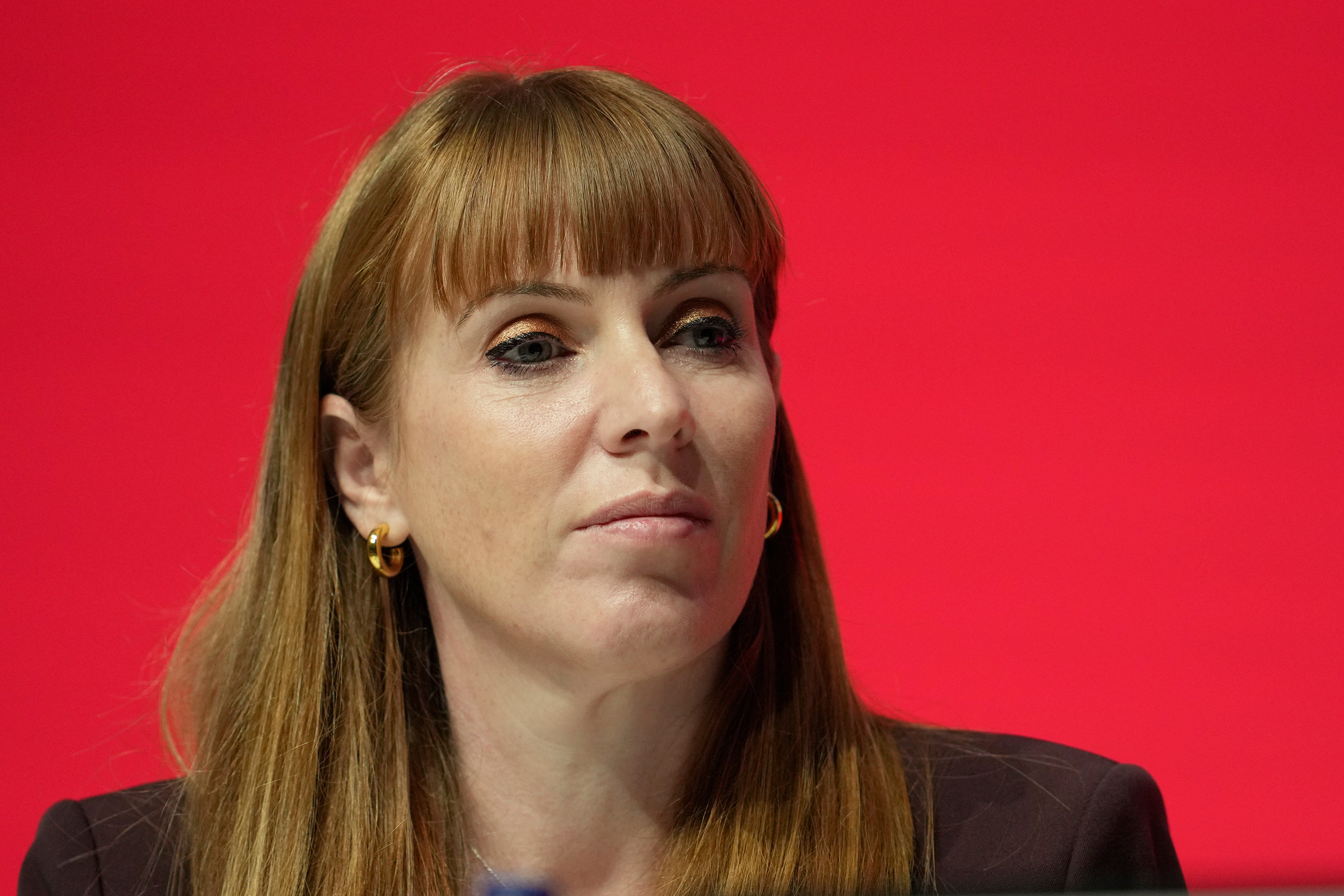
Angela Rayner is the deputy prime minister, the secretary of state for Housing, Communities and Local Government and MP for Ashton-under-Lyne..
A senior official in Donald Trump’s government has said claims that Israel is blocking food from entering Gaza are “fake news” as he clashed with a BBC journalist.
Sebastian Gorka, the US president’s senior director for counter-terrorism, insisted that a “simply gargantuan amount of food” had entered the territory during the ongoing conflict.
Advertisement
He also repeatedly threatened to end the interview on Radio 4′s World At One as he was questioned by presenter Sarah Montague.
The clash came after Philippe Lazzarini, the commissioner-general of the UN Relief and Works Agency (UNRWA), told the BBC: “Starvation is spreading, people are exhausted, people are hungry.
“We can expect that in the coming weeks if no aid is coming in, that people will not die because of the bombardment, but they will die because of the lack of food. This is the weaponisation of humanitarian aid.”
Advertisement
But Gorka said: “I wouldn’t listen to anyone who represents UNRWA. UNRWA is utterly morally corrupt and politically. It’s workers have been found to be actually working with the terrorists and helping to kill innocent individuals simply because they are Jewish.
“If you look at the math of the simply gargantuan amount of food that Israel has allowed into Gaza, which would feed multiples of the residents who live there, you have to ask yourself ‘so where is that food really going?’
“So what’s happening in Gaza is the result of the mass slaughter of innocent men, women and children in the greatest loss of Jewish life since the end of the Holocaust, and Israel has every right to do what it’s doing so it will never happen again.”
Advertisement
Montague pointed out that UNRWA has more than 30,000 staff, of which nine were found to have “questions to answer and have been removed” over their alleged links to Hamas.
Gorka then interrupted her to say: “That is nine too many. That is the real story. The real story isn’t fake news about starvation. The real story is UNRWA working in league with the terrorists.”
Asked if there would be “a problem with baby formula going into Gaza”, the Trump official replied: “I’m not going to talk about this. It’s garbage, it’s rubbish.
Advertisement
“There are factors more food going into Gaza than physically can be eaten by the putative population.”
As Montague tried to ask another question, Gorka said: “You’re interrupting me again. I will terminate this interview, OK? If you persist in talking about fake news about starvation in Gaza we are done, we are finished.”
The presenter then asked him: “Do we accept that no food has gone into Gaza in the last two months?”
Gorka replied: “I’m not going to talk about this garbage fake news. If you ask me one more question about it we are done.”
Advertisement
He went on to accuse Montague of repeating “state propaganda” and added: “If you want to ask me about the incredible things President Trump is doing in the Middle East… I’m prepared to do so. I’m not going to countenance your propaganda.”
Later in the same interview, Gorka also went on an extraordinary rant after being asked about Trump’s willingness to accept a $400 million luxury jet from Qatar.
The president has come under fire after it emerged the plane could serve as Trump’s new Air Force One.
Advertisement
Trump has defended the move, declaring that it’d be “stupid” for him to pass on the aircraft and claiming it wouldn’t be a “gift” for him but to the US’ Department of Defence.
Critics have since pointed to a clause in the US constitution prohibiting officials from accepting gifts from “any King, Prince, or foreign State” without congressional approval.
Montague asked Gorka: “Is there a problem with this, because it doesn’t look like it’s draining the swamp?”
Advertisement
Gorka replied: “Do you ever have pangs of conscience that you are so utterly and completely biased that all you can do is give in to your Trump derangement syndrome?
“Have you ever once said anything positive about President Trump or not knelt at the altar of left-wing ideology?”
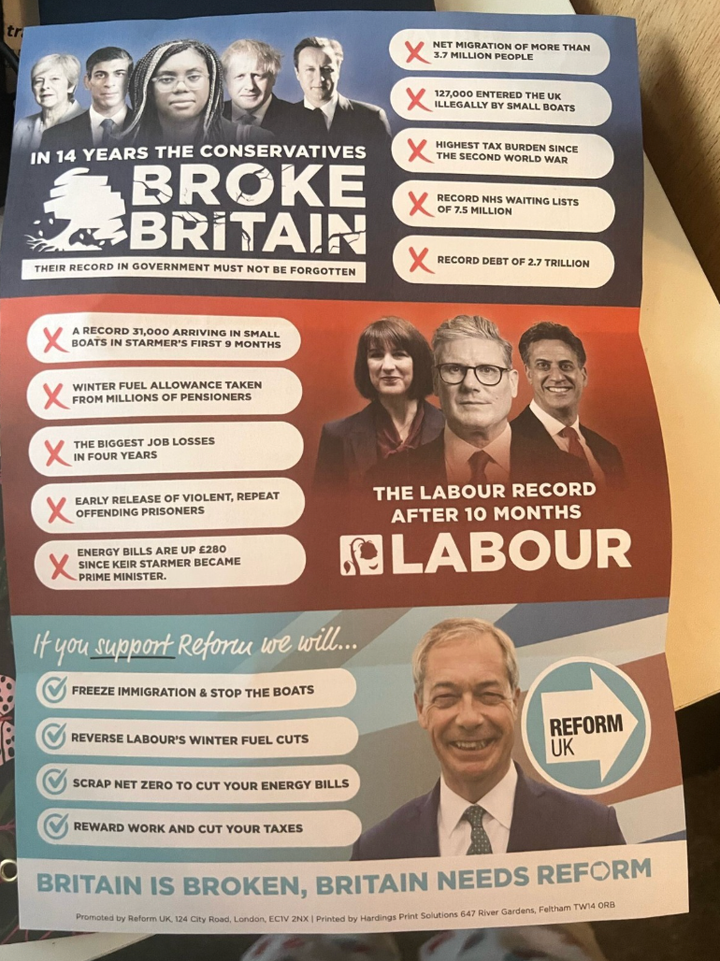
Underneath it says: “In 14 years, the Conservatives broke Britain. Their record in government must not be forgotten.”
The Reform UK leaflet with no mention of Truss.
Advertisement
But Truss’s omission from the line-up has raised eyebrows, especially since Farage famously praised the disastrous mini-Budget in 2022 which crashed the economy and ended her premiership.
","type":"rich","meta":{"author":"Nigel Farage MP","author_url":"https://twitter.com/Nigel_Farage","cache_age":86400,"description":"Today was the best Conservative budget since 1986.— Nigel Farage MP (@Nigel_Farage) September 23, 2022\n\n\n","options":{"_maxwidth":{"label":"Adjust width","placeholder":"220-550, in px","value":""},"_theme":{"value":"","values":{"dark":"Use dark theme"}}},"provider_name":"Twitter","title":"Nigel Farage MP on Twitter / X","type":"rich","url":"https://twitter.com/Nigel_Farage/status/1573278502790791168","version":"1.0"},"flags":[],"enhancements":{},"fullBleed":false,"options":{"theme":"news","device":"desktop","editionInfo":{"id":"uk","name":"U.K.","link":"https://www.huffingtonpost.co.uk","locale":"en_GB"},"originalEdition":"uk","isMapi":false,"isAmp":false,"isAdsFree":false,"isVideoEntry":false,"isEntry":true,"isMt":false,"entryId":"68231cc5e4b0205e6886b58a","entryPermalink":"https://www.huffingtonpost.co.uk/entry/exclusive-farage-mocked-after-reform-leave-liz-truss-off-list-of-tory-leaders-who-broke-britain_uk_68231cc5e4b0205e6886b58a","entryTagsList":"nigel-farage,liz-truss,reform-uk,@ai_seo_headline","sectionSlug":"politics","deptSlug":null,"sectionRedirectUrl":null,"subcategories":"","isWide":false,"isShopping":false,"headerOverride":null,"noVideoAds":false,"disableFloat":false,"isNative":false,"commercialVideo":{"provider":"custom","site_and_category":"uk.politics","package":null},"isHighline":false,"vidibleConfigValues":{"cid":"60afc140cf94592c45d7390c","disabledWithMapiEntries":false,"overrides":{"all":"60b8e525cdd90620331baaf4"},"whitelisted":["56c5f12ee4b03a39c93c9439","56c6056ee4b01f2b7e1b5f35","59bfee7f9e451049f87f550b","5acccbaac269d609ef44c529","570278d2e4b070ff77b98217","57027b4be4b070ff77b98d5c","56fe95c4e4b0041c4242016b","570279cfe4b06d08e3629954","5ba9e8821c2e65639162ccf1","5bcd9904821576674bc55ced","5d076ca127f25f504327c72e","5b35266b158f855373e28256","5ebac2e8abddfb04f877dff2","60b8e525cdd90620331baaf4","60b64354b171b7444beaff4d","60d0d8e09340d7032ad0fb1a","60d0d90f9340d7032ad0fbeb","60d0d9949340d7032ad0fed3","60d0d9f99340d7032ad10113","60d0daa69340d7032ad104cf","60d0de02b627221e9d819408"],"playlists":{"default":"57bc306888d2ff1a7f6b5579","news":"56c6dbcee4b04edee8beb49c","politics":"56c6dbcee4b04edee8beb49c","entertainment":"56c6e7f2e4b0983aa64c60fc","tech":"56c6f70ae4b043c5bdcaebf9","parents":"56cc65c2e4b0239099455b42","lifestyle":"56cc66a9e4b01f81ef94e98c"},"playerUpdates":{"56c6056ee4b01f2b7e1b5f35":"60b8e525cdd90620331baaf4","56c5f12ee4b03a39c93c9439":"60d0d8e09340d7032ad0fb1a","59bfee7f9e451049f87f550b":"60d0d90f9340d7032ad0fbeb","5acccbaac269d609ef44c529":"60d0d9949340d7032ad0fed3","5bcd9904821576674bc55ced":"60d0d9f99340d7032ad10113","5d076ca127f25f504327c72e":"60d0daa69340d7032ad104cf","5ebac2e8abddfb04f877dff2":"60d0de02b627221e9d819408"}},"connatixConfigValues":{"defaultPlayer":"16b0ecc6-802c-4120-845f-e90629812c4d","clickToPlayPlayer":"823ac03a-0f7e-4bcb-8521-a5b091ae948d","videoPagePlayer":"05041ada-93f7-4e86-9208-e03a5b19311b","defaultPlaylist":"2e062669-71b4-41df-b17a-df6b1616bc8f"},"topConnatixThumnbailSrc":"data:image/png;base64,iVBORw0KGgoAAAANSUhEUgAAAAEAAAABCAQAAAC1HAwCAAAAC0lEQVR42mNkYAAAAAYAAjCB0C8AAAAASUVORK5CYII=","customAmpComponents":[],"ampAssetsUrl":"https://amp.assets.huffpost.com","videoTraits":null,"positionInUnitCounts":{"buzz_head":{"count":0},"buzz_body":{"count":0},"buzz_bottom":{"count":0}},"positionInSubUnitCounts":{"article_body":{"count":11},"blog_summary":{"count":0},"before_you_go_content":{"count":0}},"connatixCountsHelper":{"count":0},"buzzfeedTracking":{"context_page_id":"68231cc5e4b0205e6886b58a","context_page_type":"buzz","destination":"huffpost","mode":"desktop","page_edition":"en-uk"},"tags":[{"name":"nigel farage","slug":"nigel-farage","links":{"relativeLink":"news/nigel-farage","permalink":"https://www.huffingtonpost.co.uk/news/nigel-farage","mobileWebLink":"https://www.huffingtonpost.co.uk/news/nigel-farage"},"url":"https://www.huffingtonpost.co.uk/news/nigel-farage/"},{"name":"liz truss","slug":"liz-truss","links":{"relativeLink":"news/liz-truss","permalink":"https://www.huffingtonpost.co.uk/news/liz-truss","mobileWebLink":"https://www.huffingtonpost.co.uk/news/liz-truss"},"url":"https://www.huffingtonpost.co.uk/news/liz-truss/"},{"name":"reform uk","slug":"reform-uk","links":{"relativeLink":"news/reform-uk","permalink":"https://www.huffingtonpost.co.uk/news/reform-uk","mobileWebLink":"https://www.huffingtonpost.co.uk/news/reform-uk"},"url":"https://www.huffingtonpost.co.uk/news/reform-uk/"}],"isLiveblogLive":null,"isLiveblog":false,"cetUnit":"buzz_body","bodyAds":["
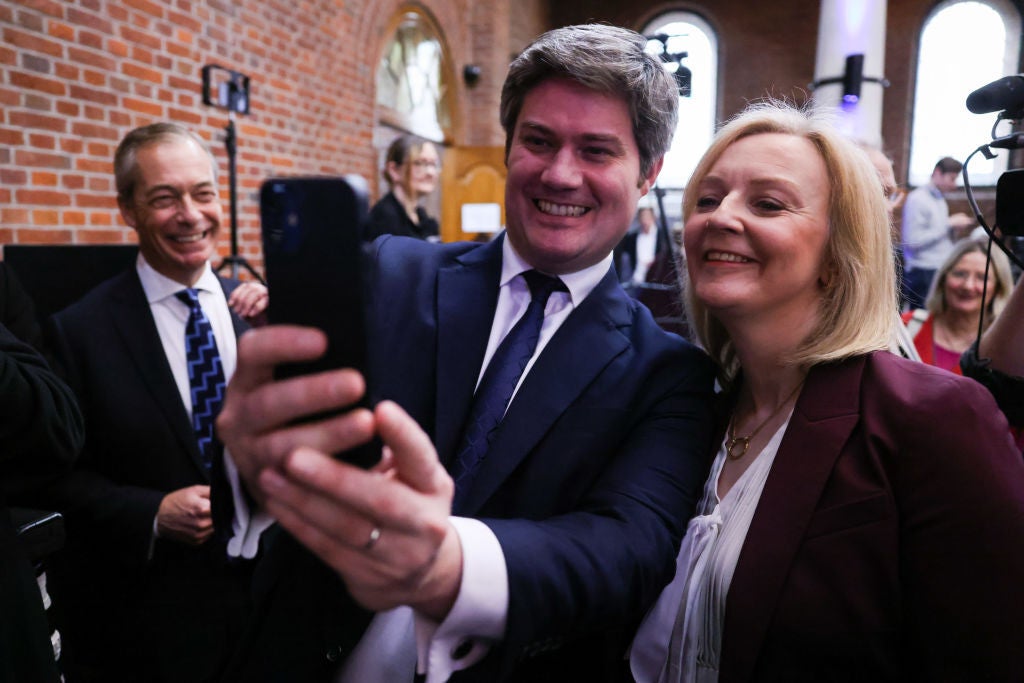
Farage was also roasted by Keir Starmer last month amid reports that Truss was advising Reform UK.
Meanwhile, a Reform UK “manifesto” published by Farage in the Daily Mail last Saturday also drew unfavourable comparisons with Truss’s time in office.
Advertisement
Mike Tapp, the Labour MP for Dover and Deal said: “It beggars belief that Nigel Farage is letting Liz Truss off scot-free on his leaflets.
“As he parades his new Truss-style unfunded ‘manifesto’, it appears he’s forgotten her disastrous mini-Budget crashed the economy and sent people’s mortgages soaring.
“Perhaps Nigel Farage thinks her time in office was a success. He’s copying her approach to economic vandalism, and backing her record. That’s a kick in the teeth for people still paying the price for her reckless time in office.
Advertisement
“The toxic Truss-Farage partnership would need nothing short of a disaster for Britain.”
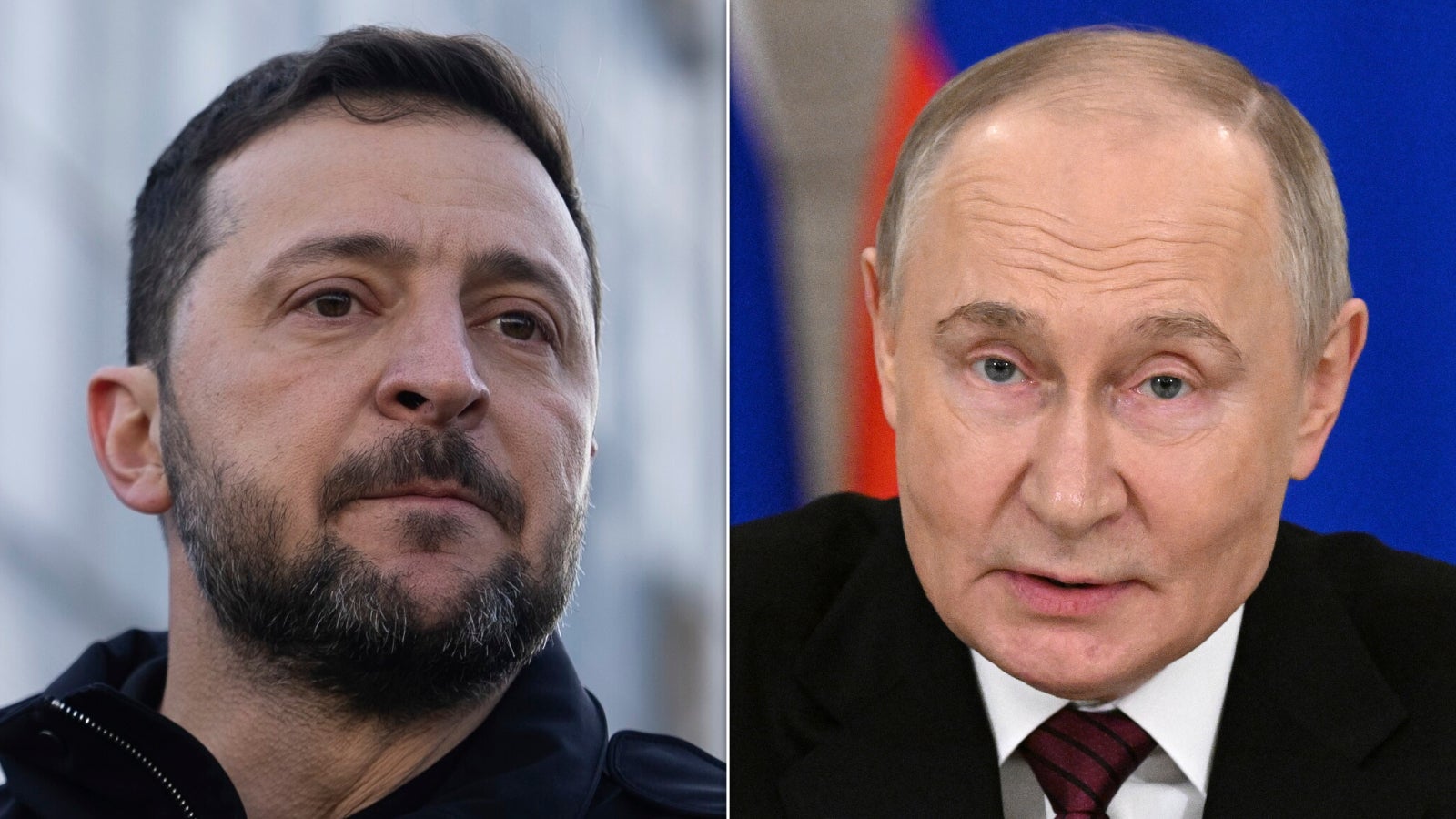
After his Russian counterpart offered to “resume negotiations” on ending the Ukraine war in Turkey last week, the Ukrainian president agreed – as long as there was a “full and lasting ceasefire”.
Advertisement
Writing on X, Zelenskyy said: “We await a full and lasting ceasefire, starting from tomorrow, to provide the necessary basis for diplomacy. There is no point in prolonging the killings. And I will be waiting or Putin in Turkey on Thursday. Personally. I hope that this time the Russians will not look excuses.”
The Kremlin has not directly responded to the Ukrainian president’s remarks but a Russian senator dismissed them altogether on Monday.
Speaking to Rossiya-24 TV broadcast, the federation council’s deputy speaker, Konstantin Kosachev, said: “It’s pure theatrics, a total farce.
Advertisement
“That’s not how high high-level meetings are arranged, especially given the seriousness of the situation.”
The senator claimed this would be an “impromptu” meeting and that is not the way to conduct such important negotiations.
He said: “Zelenskyy should known this from his own bitter experience, when he came unprepared to his meeting with President Trump in the White House in February, ending in a complete fiasco for him.”
Advertisement
The Ukrainian president was actually very prepared for his meeting in the White House in February, but he had to cut the visit short after Trump and his vice-president JD Vanceberated him in front of the press.
At the time Trump was much more aligned with the Kremlin but he has since improved his relationship with Kyiv, and has even questioned if Putin really does want to stop the war.
Even though it was the Russian president who suggested further peace talks in Istanbul on Thursday, Kosachev claimed Zelensky is trying to “turn the tables” on Russia so he can call Putin uncooperative.
Advertisement
The senior Russian politician continued: “Zelensky does not need a meeting with the Russian president now. He should be afraid of meeting with him. And I am sure that he is afraid, because, as Mr Trump rightly says, he holds no cards. It is true, and Zelensky is in a terrible situation.”
Meanwhile, the Kremlin spokesperson Dmitry Peskov just told reporters that Putin is serious about peace talks.
“This approach, aimed precisely at finding a real diplomatic solution to the Ukrainian crisis, eliminating the root causes of the conflict and establishing lasting peace, has met with understanding and support from the leaders of many countries.”
Advertisement
He cut off any further questions by saying: “That’s all. I’ve said everything I could about this story.”