US Stance On Trade Unlikely To Change Even If A Democrat Replaced Trump, Minister Warns

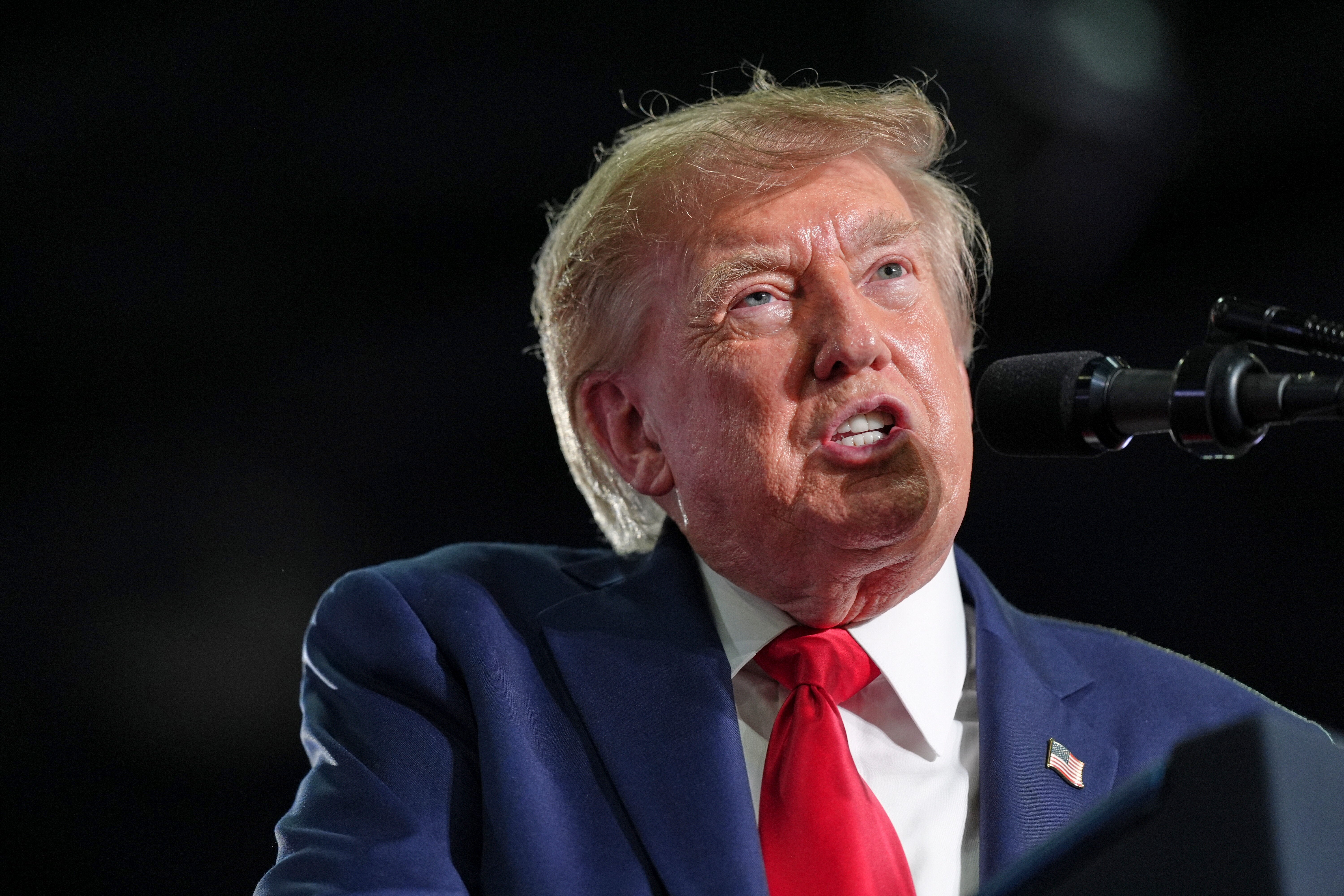
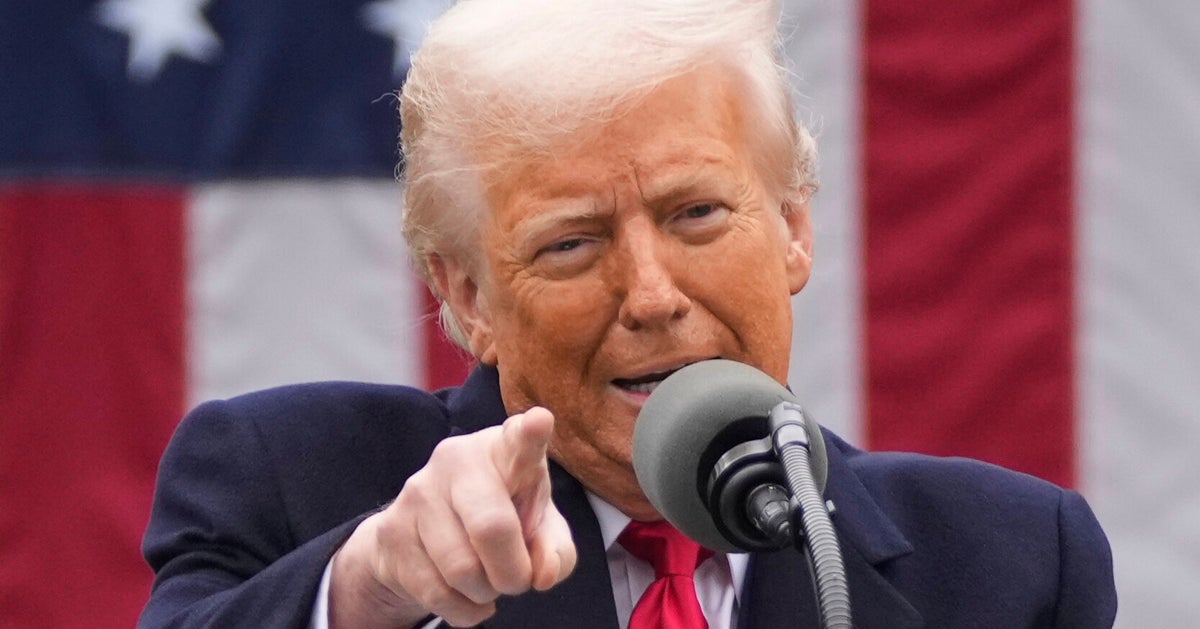
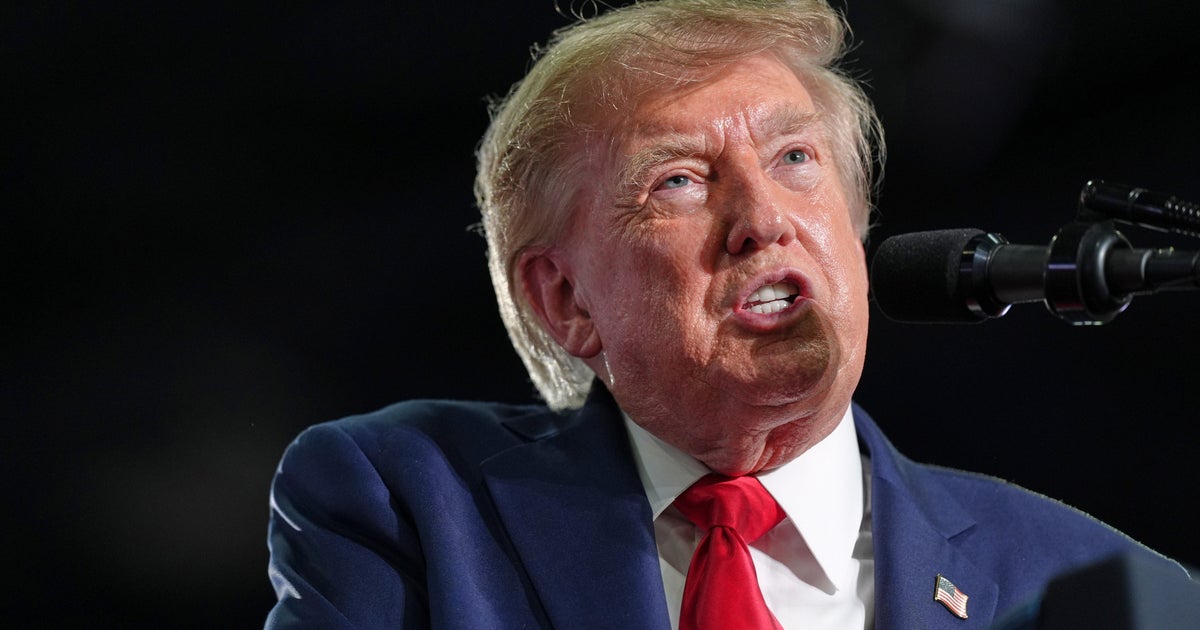
The US’s stance on trade would be unlikely to change even if a Democrat were elected to the White House, a minister has warned.

The US president imposed a 10% tax on British imports to the States in April, on top of a global 25% levy on aluminium, steel and cars.

Other countries received higher “reciprocal” tariffs initially, rocking worldwide trade, although Trump did end up reducing the majority to 10%.

The UK became the first nation to agree to a trade deal with the States to reduce the tariffs earlier this year.

The two sides agreed to cut British steel and aluminum levies to zero and cut the car taxes to 10% – for up to 100,000 – although it is yet to be finalised.

Britain also secured a temporary exemption when Trump doubled its import tariffs on steel and aluminium to 50%, until July 9, depending on the progress of the trade deal.

Even so, the tariffs have undoubtedly hit the British economy.

The Office for National Statistics revealed on Thursday that gross domestic product (GDP) had declined by 0.3% in April, primarily due to the tariffs and the higher taxes imposed by the British Treasury.

But at a press gallery lunch with reporters on Thursday, trade and business secretary Jonathan Reynolds suggested these tariffs are not just a product of Trump’s administration.

He said it was time for Europe to “understand how the US feels” about the “lack of reciprocity” with trade.

“The US trade deal – there have been some hard bits of negotiating that,” Reynolds said, after saying he expects the final agreement to be finalised “very soon”.

“The US agenda is very significant, but we have always sought to recognise how the US feels about this.

“I said to an audience of European colleagues last week in Brussels, this, we have to understand, in Europe, is not US politics disrupting global trade.

“This is how global trade has disrupted US politics.

“I don’t think the kind of US agenda we see on trade would change overnight, if it was the end of the presidential term and someone else came in – even if it was Democratic president.

“Understand how the US feels about this, the lack of reciprocity, about some grievances, about how some multi-lateral bodies work.

“We might have different views but we have to engage, be willing to engage with them as well as build some personal relationships. That has been why we’ve been able to do a bit more than some others.”

There are hopes the US-UK trade deal will get over the line soon.

Reynolds met the US commerce secretary Howard Lutnik with PM Keir Starmer this week in London, and the UK ambassador to the States Peter Mandelson met with Trump in the White House.

The business secretary also told reporters it had been a “very significant” week in relation to the agreement.

Share Button

Brexit Is Largely To Blame For UK Exports Lagging Other Countries, Rishi Sunak Admits

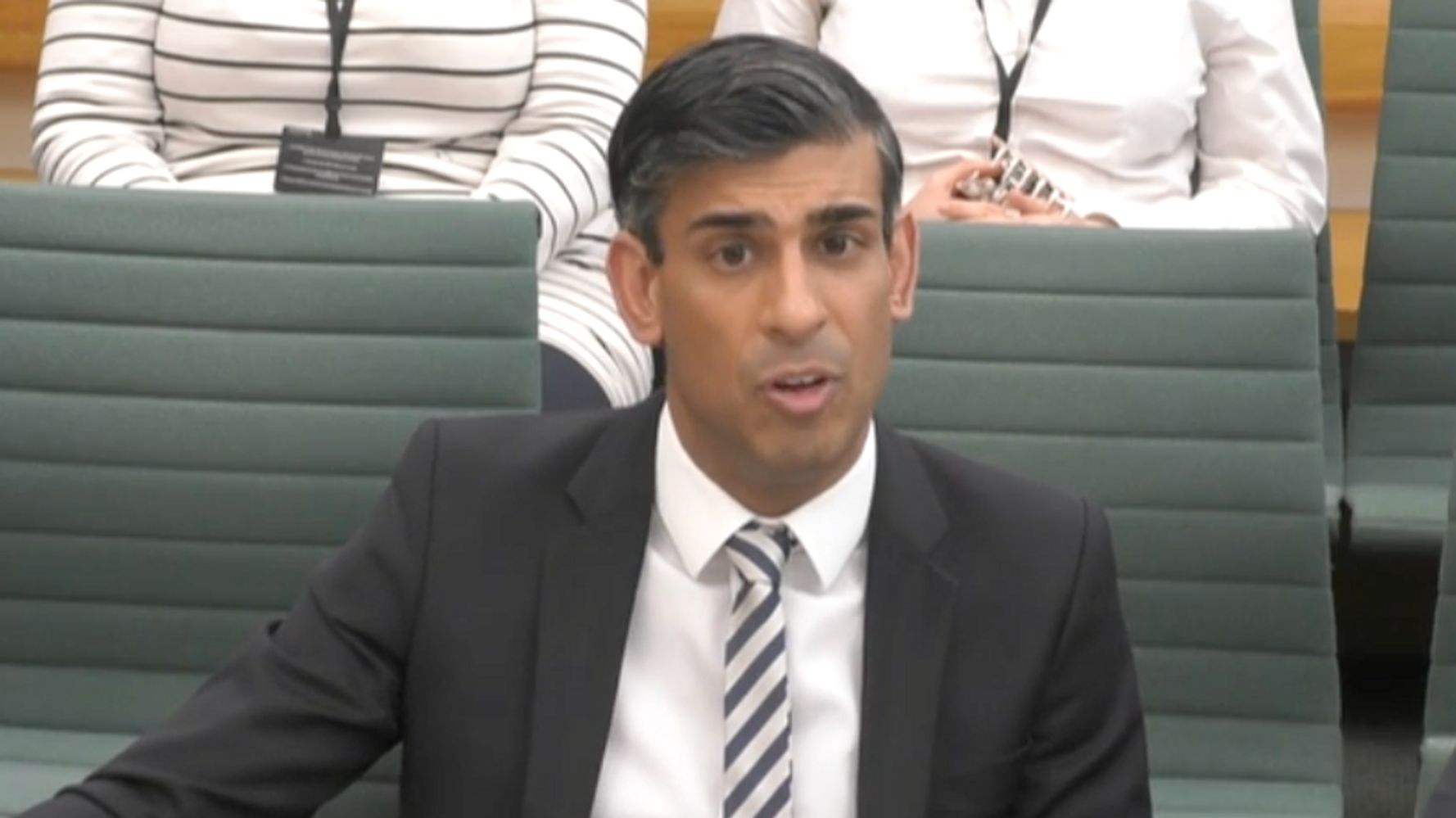
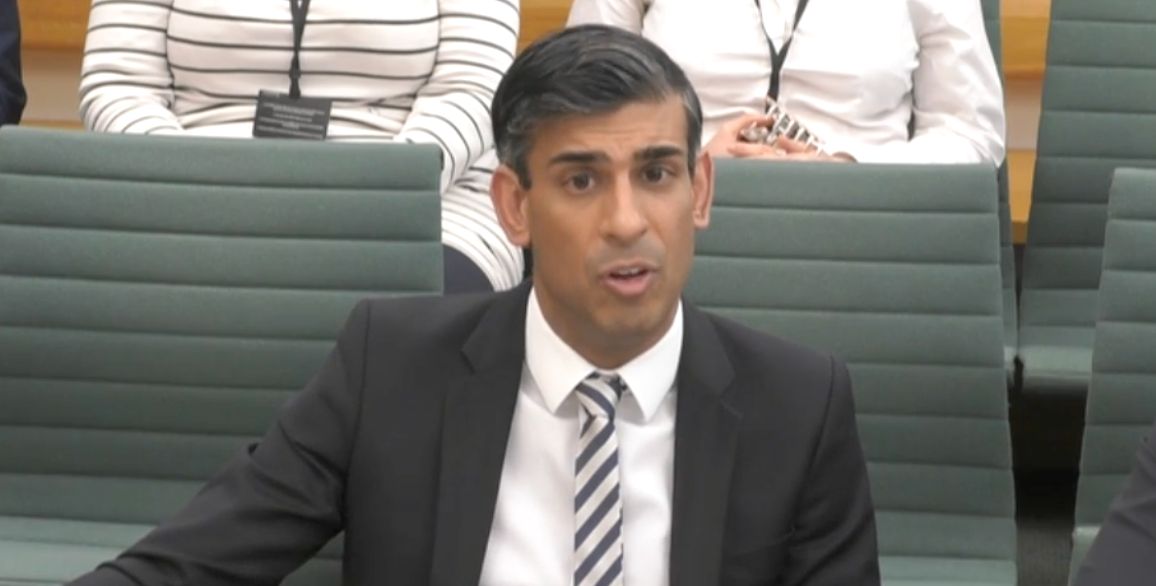
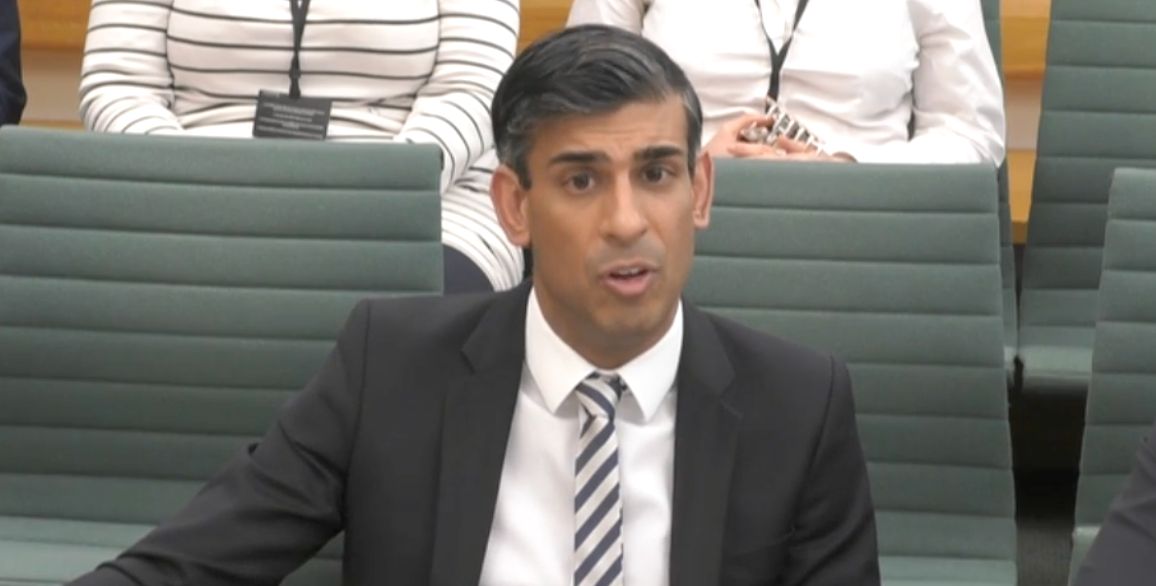
Brexit is largely to blame for UK exports lagging behind other countries, Rishi Sunak has admitted.

The chancellor was responding to data showing the amount of goods British companies are selling abroad has fallen since 2019 when compared to other advanced economies.

Asked about the worrying trend while appearing in front of the Treasury select committee, Sunak said it was “always inevitable that if you change the exact nature of your trading relationship with the EU, that was going to have an impact on trade flows”.

Committee chairman Mel Stride asked the chancellor whether he was concerned the UK was becoming “more of a closed economy post-Brexit”.

He added: “Why have we got the significant reduction in trade intensity that’s stayed low whereas other have come back?”

Sunak, who backed Brexit in the 2016 referendum, said: “Without a doubt we’re changing our trading relationship with the EU and that means a different set of controls and things that people will have to do and that will obviously have an impact and that, I’m sure, is a big part of the reason why this is happening.”

He added: “The benefit of new trading relationships take time, they don’t happen all overnight.”

Earlier, the chancellor had been forced to defend his widely-criticised spring statement, which failed to provide any extra help for those on benefits.

He said it would have been “irresponsible” for the government to have borrowed more to increase the welfare bill in the face of rising inflation.

Mel Stride said the chancellor had done “very little” for those who were out of work and relying on benefits.

But Sunak said: “If someone’s view is government can or should make everybody whole for inflation – particularly inflation at these levels caused by global supply factors – then that’s something that I don’t think is doable.”

He said that raising benefits by the current rate of inflation – which is forecast to rise to more than eight per cent – rather than what it was last September, would have added £25 billion to Government borrowing in the period up to 2026-27.

He said that “irresponsible” borrowing levels risked stoking inflation even further, adding to the pressure on living standards.

“We are already forecast to borrow in this coming year about 60% more as a percentage of GDP than our post-war average, 20% more as a percentage of GDP than we were forecast to borrow in October, so it is already a significant amount of borrowing,” he said.

“My view is an excessive amount of borrowing now is not the responsible thing to do.”

Sunak said his decision to announce he intended to cut the basic rate of income tax by a penny from 2024 would inject “discipline” into the debate about public spending levels.

“Now having something to aim for means that hopefully we can have a more disciplined conversation about incremental public spending at this point, which is already at very high levels,” he said.

“My priority at this point forward is to keep cutting taxes, not increased public spending.”

Share Button