These Women Accidentally Discovered They Were Given Infected Blood – Now They Want A New Test On The NHS

HuffPost is part of Oath. Oath and our partners need your consent to access your device and use your data (including location) to understand your interests, and provide and measure personalised ads. Oath will also provide you with personalised ads on partner products. Learn more.

Select ‘OK’ to continue and allow Oath and our partners to use your data, or select ‘Manage options’ to view your choices.

Share Button

20 Years On From The Admiral Duncan Pub Nail Bombing In Soho, Survivors Remember The Attack

HuffPost is part of Oath. Oath and our partners need your consent to access your device and use your data (including location) to understand your interests, and provide and measure personalised ads. Oath will also provide you with personalised ads on partner products. Learn more.

Select ‘OK’ to continue and allow Oath and our partners to use your data, or select ‘Manage options’ to view your choices.

Share Button

Admiral Duncan Nail Bombing: Why I Organise A Memorial Every Year

HuffPost is part of Oath. Oath and our partners need your consent to access your device and use your data (including location) to understand your interests, and provide and measure personalised ads. Oath will also provide you with personalised ads on partner products. Learn more.

Select ‘OK’ to continue and allow Oath and our partners to use your data, or select ‘Manage options’ to view your choices.

Share Button

What to know about vitamin K-2

Vitamin K is an essential vitamin that supports blood clotting and healthy bones. It occurs in two forms, K-1 and K-2.

Vitamin K-1 is the primary form, and it mainly comes from leafy green vegetables. Vitamin K-2 occurs in animal proteins and fermented foods. The bacteria in the human gut also produce small quantities of K-2.

In this article, we discuss vitamin K-2, its functions, and how it differs from K-1. We also describe dietary sources, health benefits, the recommended daily intake, deficiency symptoms, and supplements.

What is it?

Sauerkraut, which contains vitamin K-2
Sauerkraut is a good dietary source of vitamin K-2.

Vitamin K refers to a family of fat-soluble vitamins that the body needs to produce a protein called prothrombin, which promotes blood clotting and regulates bone metabolism.

The vitamin comes in two main forms:

  • Vitamin K-1, or phylloquinone, occurs naturally in dark leafy green vegetables and is the main dietary source of vitamin K.
  • Vitamin K-2, or menaquinone, is present in small quantities in organ meats and fermented foods. Gut bacteria also produce vitamin K-2.

Functions

The body needs both types of vitamin K to produce prothrombin, a protein that plays crucial roles in blood clotting, bone metabolism, and heart health. Vitamin K also helps facilitate energy production in the mitochondria of cells.

Vitamin K-1 is primarily involved in blood coagulation. K-2 may have a more diverse range of functions in the body.

In a long-term study involving 36,629 participants, researchers observed an association

between high intakes of vitamin K-2 and a reduced risk of developing peripheral arterial disease (PAD), particularly in people with high blood pressure. However, the authors concluded that K-1 had no effect on PAD risk.

Vitamin K has antioxidant properties. It protects cellular membranes from damage due to excess free radicals, in a process known as peroxidation. Blood thinning medication, such as warfarin, can lower the antioxidative potential of vitamin K.

K-1 vs. K-2

Vitamins K-1 and K-2 have different chemical structures. Both types have a phytyl side chain, but K-2 also has isoprenoid side chains.

K-2 has several subtypes, called menaquinones (MKs), which scientists have numbered MK-4 through MK-13, based on the length of their side chains.

K-1 is the primary form of the vitamin, and it is mainly present in leafy green vegetables. However, the body has difficulty absorbing vitamin K-1 from plants.

According to a 2019 review, research suggests that the body absorbs 10 times more vitamin K-2, in the form of MK-7, than vitamin K-1.

Vitamin K is fat-soluble, so eating dietary fats, such as butter or plant oils, may enhance the body’s absorption of vitamin K-1 from plants.

Bacteria in the gut can synthesize vitamin K-1 into vitamin K-2. Also, fermented foods, meat, and dairy products contain modest amounts of vitamin K-2.

The body stores vitamins K-1 and K-2 differently. K-1 accumulates in the liver, heart, and pancreas. K-2 occurs in high concentrations in the brain and kidneys.

Best dietary sources
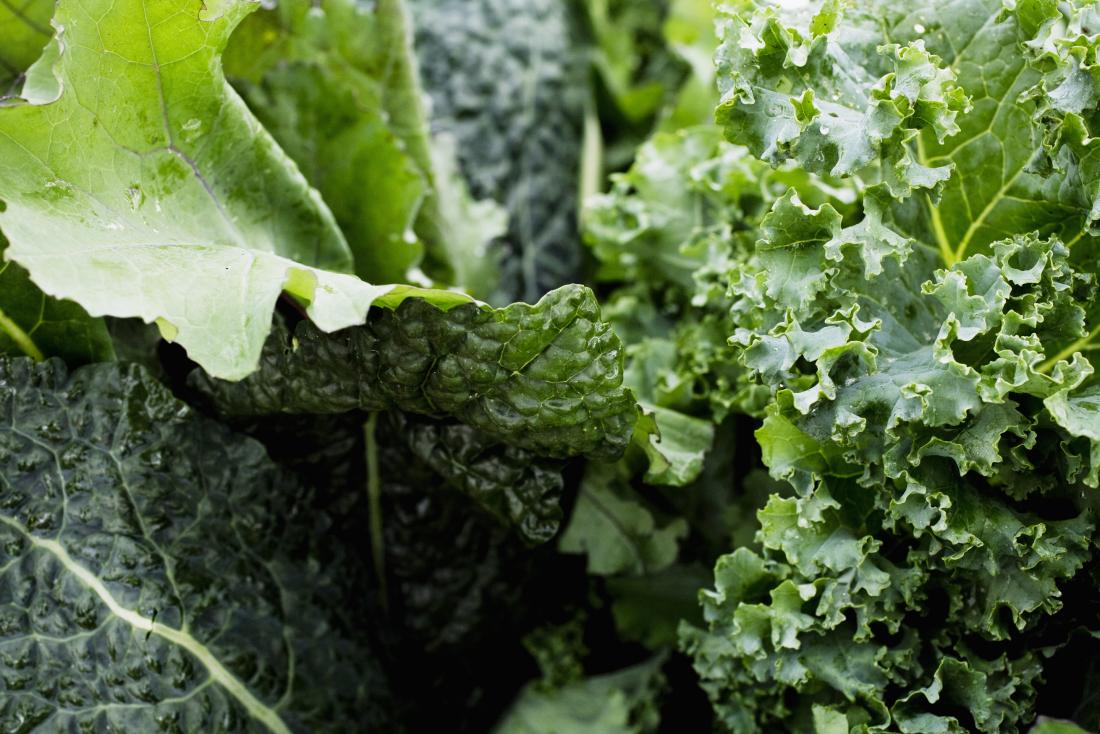
Leafy greens which contain vitamin K-2
Leafy green vegetables contain vitamin K-1.

Several foods are rich in vitamin K-1, and vitamin K-2 is much less common. Bacteria in the gut can convert some K-1 into K-2.

Fermented foods are a good source of vitamin K-2.

Also, because it is fat-soluble, organ meats and high-fat dairy products contain fairly substantial quantities of vitamin K-2. Conversely, lean meats, such as poultry, are not good sources of K-2.

Dietary sources of vitamin K-1 include:

  • dark leafy green vegetables, such as spinach, kale, and collards
  • lettuce
  • turnips
  • broccoli
  • carrots
  • vegetable oils
  • blueberries
  • grapes

Dietary sources of vitamin K-2 include:

  • natto, a traditional Japanese dish of fermented soybeans
  • sauerkraut
  • dairy products, especially hard cheeses
  • liver and other organ meats
  • beef
  • pork
  • egg yolks
  • chicken
  • fatty fish, such as salmon

Health benefits of vitamin K-2

In addition to its crucial role in blood clotting and wound healing, vitamin K-2 has a number of other health benefits. We discuss some of these below.

Heart health

Vitamin K-2 may lower the risk of cardiovascular damage and improve overall heart health.

According to a 2015 review article, K-2 activates a protein that prevents calcium deposits from forming in the walls of blood vessels. The author cited findings suggesting that a diet high in natural vitamin K2 may decrease the risk of coronary heart disease.

Bone health

Vitamin K-2 promotes healthy bone mineral density by carboxylating osteocalcin, a protein that binds calcium to bones.

A 2019 study investigated the effects of taking MK-4 supplements in 29 postmenopausal females who had experienced hip or vertebral compression fractures.

The researchers concluded that taking 5 milligrams of an MK-4 supplement daily reduced the levels of undercarboxylated osteocalcin to that “typical of healthy, premenopausal women.”

A 2017 study from Japan examined whether vitamin K-2 enhances the effects of standard medication for osteoporosis in adult females aged 65 or older. According to the results, vitamin K-2 did not appear to enhance the effects of the osteoporosis medication.

Anxiety and depression

High blood glucose levels may increase a person’s risk of developing depression, anxiety, and cognitive impairment.

A 2016 study investigated the effects of vitamin K-2 in rats with metabolic syndrome, high blood glucose levels and symptoms of anxiety, depression, and memory deficit.

After 10 weeks, treatment with vitamin K had normalized blood glucose and reduced symptoms of anxiety and depression. However, it did not improve memory deficit in the rats.

Cancer

Vitamin K-2 has antioxidant properties that may help protect against cancer. In addition, findings suggest that K-2 may suppress genetic processes that lead to tumor growth.

According to a 2018 study, vitamin K-2 that scientists had modified with a sialic acid-cholesterol conjugate significantly suppressed tumor growth in mouse cells.

A 2019 study suggests that K-2 significantly reduces the activity of hypoxia-inducible factor 1-alpha (HIF-1A) in hepatocellular carcinoma cells. HIF-1A is an important target for cancer drug therapy.

Recommend daily intake

The Office of Dietary Supplements (ODS) recommend a daily intake of 120 micrograms (mcg) of vitamin K for adult males and 90 mcg for adult females. There is no specific recommendation for vitamin K-2.

Deficiency symptoms

According to the ODS, vitamin K deficiency affects very few adults in the United States. Newborns and people with certain gastrointestinal disorders, such as celiac disease and ulcerative colitis, have a higher risk of vitamin K deficiency.

A severe deficiency increases the time it takes for the blood to clot, making a person more prone to bruising and bleeding and increasing the risk of hemorrhage.

A deficiency of the vitamin can also reduce bone mineralization, which can lead to osteoporosis.

Certain medications can affect vitamin K levels in the body. For example, long courses of antibiotics can kill the gut bacteria that produce vitamin K. Some cholesterol-lowering medications can also interfere with the body’s ability to absorb vitamin K.

Blood thinners, such as warfarin, can interact dangerously with the vitamin. It is important for people taking these medications to consume the same amount of dietary vitamin K each day and to speak to a doctor before taking supplements or making dietary changes.

Supplements
woman takes supplements
Many multivitamins contain vitamin K.

While the ODS report that vitamin K deficiency is very rare and that most people are getting enough of the vitamin from their diet, anyone at risk of a deficiency may wish to consider dietary supplements.

Many multivitamins contain both forms of vitamin K. A person can also purchase vitamin K as a standalone supplement or in combination with specific nutrients, such as vitamin D, calcium, or magnesium.

The types of vitamin K commonly available in dietary supplements include:

  • vitamin K-1, as either phylloquinone or a synthetic form called phytonadione
  • vitamin K-2, as either MK-4 or MK-7

The concentrations of K-1 and K-2 vary, depending on the supplement. Always check the nutrition label before purchasing supplements.

Vitamin K can interact with some drugs, especially blood thinners, so it is important for people taking prescription medications to speak to their doctor before using a dietary supplement.

A variety of vitamin K supplements are available to purchase online.

Summary

There are two main forms of vitamin K: vitamin K-1 and vitamin K-2.

K-1 primarily occurs in leafy green vegetables, and it is the main dietary source of vitamin K. However, the body absorbs K-2 more readily, particularly the K-2 subtype MK-7.

Good sources of vitamin K-2 include fermented foods, organ meats, and dairy products. Fermented soybeans, such as natto, are an especially rich source of vitamin K-2. Bacteria that live in the human gut also produce small quantities of K-2.

Both forms of vitamin K are essential for blood clotting and bone health. However, vitamin K-2 may also protect against certain forms of cancer and heart disease.

Vitamin K deficiency is very rare and most people get enough of this vitamin from their diet. Some gastrointestinal conditions can increase the risk of a deficiency. However, people with these conditions should speak to their doctor before taking a dietary supplement.

People currently taking blood thinners, such as warfarin, should not take vitamin K supplements without seeking medical advice first. Sudden changes in vitamin K levels can impact the anticoagulant effects of warfarin and lead to dangerous complications.

Share Button

Pay For Social Care With Extra £300 Tax Bill For Over-50s, Suggests Damian Green

HuffPost is part of Oath. Oath and our partners need your consent to access your device and use your data (including location) to understand your interests, and provide and measure personalised ads. Oath will also provide you with personalised ads on partner products. Learn more.

Select ‘OK’ to continue and allow Oath and our partners to use your data, or select ‘Manage options’ to view your choices.

Share Button

Woman Growing Her Own Medicinal Cannabis Is Told Police ‘Won’t Ignore’ Case

HuffPost is part of Oath. Oath and our partners need your consent to access your device and use your data (including location) to understand your interests, and provide and measure personalised ads. Oath will also provide you with personalised ads on partner products. Learn more.

Select ‘OK’ to continue and allow Oath and our partners to use your data, or select ‘Manage options’ to view your choices.

Share Button

Doctors Tell DWP: We Didn’t Approve Wording Of ‘Misleading’ Benefits Letter, Doctors Tell DWP

HuffPost is part of Oath. Oath and our partners need your consent to access your device and use your data (including location) to understand your interests, and provide and measure personalised ads. Oath will also provide you with personalised ads on partner products. Learn more.

Select ‘OK’ to continue and allow Oath and our partners to use your data, or select ‘Manage options’ to view your choices.

Share Button

Just how effective is hypnosis at relieving pain?

Could hypnosis relieve pain? The largest meta-analysis to date concludes that it could be a viable, safe, cost-effective option.
Man under hypnosis
Hypnosis might provide an innovative way to treat pain.

Researchers estimate that chronic pain affects more than 1.5 billion individuals globally.

Doctors often prescribe opioid medications to treat this type of pain. However, these drugs are expensive and, of course, highly addictive.

As the opioid crisis unfolds, scientists are increasingly focused on finding alternative ways to tackle pain.

Recently, researchers from the University of Greenwich in London, United Kingdom, assessed whether hypnosis might be useful against certain types of pain. To do this, they collated and analyzed 85 existing studies.

Hypnosis is side-effect free and, if individuals use pre-recorded audio to produce hypnosis, it can be incredibly cost-effective.

The researchers published their meta-analysis in the journal Neuroscience and Biobehavioral Reviews.

Hypnosis and pain revisited

Over the years, several studies and reviews have assessed hypnosis as an analgesic — sometimes, researchers refer to this as hypnoanalgesia. For instance, a review published in 2016 looked at pain during childbirth.

The authors concluded that “Hypnosis may reduce the overall use of analgesia during labor, but not epidural use.” The authors also explain that “[f]urther research is needed in the form of large, well‐designed randomized controlled trials.”

Another review, published in 2000, looked at pain more generally. The researchers combined data from 18 studies.

The authors concluded that there was a “moderate to large hypnoanalgesic effect.” Although intriguing, according to the authors of the current review, these findings had “several important limitations,” not least a lack of studies to include in their analysis.

Since 2000, interest in hypnoanalgesia has grown, and the number of new studies has grown in line. In total, the latest analysis includes 85 studies.

All of the studies used experimental pain models, such as extreme cold, shocks, pressure, exercise, and lasers. Also, all of the studies compared the benefits of hypnosis with no treatment (rather than testing them against a placebo or drug), and they all recruited healthy adults.

The researchers only collected studies that used a quantitive assessment of pain, for instance, the use of a 10-point scale. Overall, the analysis included 3,632 participants.

Sensitivity to hypnosis

Because not everyone succumbs to hypnosis to the same extent, the review also took into account each participant’s level of susceptibility.

There are a number of ways that researchers can assess how susceptible someone is to hypnosis. For instance, following a suggestion that the participant’s arm is heavy, they might lower their hand. If they drop it by 6 inches or more, the practitioner might consider them to be more suggestible than someone whose arm moved only 1 inch.

Once the analysis was complete, the results came out in favor of hypnosis as a potentially useful analgesic. Lead author Trevor Thompson, Ph.D., says:

“This is by far the largest review of its kind, examining the effects of hypnosis in over 3,500 people, and presents very compelling evidence. About 15% of the population are highly receptive to hypnosis, and those people saw just over a 40% drop in pain.”

It was not just the people who were most susceptible to hypnosis who saw the benefits. Most people are moderately suggestible, and they experienced a 29% reduction in pain.

The authors also note that evidence indicates that it is possible to increase hypnotic suggestibility in a variety of ways, including training and practice, non-invasive brain stimulation, and by pharmacological agents, such as nitrous oxide.

“Based on these findings, most people would experience around a 30% drop in pain or more, which is generally considered to be clinically meaningful pain relief.”

Lead author Trevor Thompson, Ph.D.

Interestingly, the analysis also revealed that the effect size was similar whether the person underwent hypnosis in person or via an audio recording.

If hypnosis truly can reach these levels of analgesia, it could be a game-changer. “In the United States, around 47,000 people died from opioid overdosing in 2017, and around a quarter of people prescribed the drugs for pain misuse them,” explains Thompson.

He continues, “Our findings suggest hypnosis could be a safe and effective alternative. It can be administered quickly, cheaply and easily at home with a 20-minute audio recording.”

The researchers plan to continue their dive into hypnoanalgesia, specifically looking at chronic complaints, such as lower back pain. Currently, however, there are not enough data available to reach definite conclusions.

Reservations and limitations

The authors note certain limitations to the current analysis. First and foremost, it is not possible to compare pain models with chronic pain, which can have very different physical and psychological aspects.

Generally, the pain inductions that researchers used in the studies produced a brief experience of pain. This analysis could not ascertain how the efficacy of hypnosis might change over longer lengths of time, as in chronic conditions.

Another of the authors’ concerns is that the average age of participants was relatively young, at around 24. The authors wonder whether older populations might see the same level of effect.

They conclude that “[a]lthough the role of hypnotic intervention in clinical pain settings is well researched, limited high-quality data with numerous design biases prohibit reliable conclusions […] and further well-controlled clinical studies are needed.”

Finding a safe, low-cost way of reducing pain sounds too good to be true, but if hypnosis can provide this, it is worth testing extensively.

Share Button

How elderberries can help you fight the flu

If you have ever eaten ripe elderberries or made elderberry jam, syrup, or wine, then you will be familiar with their sharp, tart, yet refreshing taste. According to tradition, these dark, purple berries can fortify a person’s immune system. New evidence suggests this is correct — and research explain how.
image of elderberries
Elderberries really do have antiviral properties, and a new study explains why.

Sambucus nigra, the black elder, is a common shrub spread widely across regions of Europe and North America.

Traditionally, people use both the elder’s flowers and its fruit to make seasonal drinks or jam.

In late spring or early summer, many people collect elderflowers to make flavorsome cordials, while the elderberry harvest occurs in late summer or early autumn when the fruit is ripe.

The harvesting time is important because uncooked, unripe elderberries can be toxic. Historically, individuals have reported cases of elderberry poisoning, which may have been due to too early harvesting or improper preparation.

For instance, the Centers for Disease Control and Prevention (CDC) recorded the case of no fewer than 11 people who fell sick after having drunk elderberry juice from the same batch.

The report explains that the shrub’s “fresh leaves, flowers, bark, young buds, and roots contain a bitter alkaloid and also a glucoside that, under certain conditions, can produce hydrocyanic acid,” which is a type of cyanide.

Nevertheless, elderberry drinks and desserts have remained a familiar culinary staple in many communities. Moreover, some people believe that elderberries can help fortify a person’s immune system and guard against disease.

The answer is in the natural chemicals

According to a new study that researchers from the University of Sydney in Australia conducted, elderberries really do have antiviral properties, and they can fight a virus once an infection has already occurred.

In a study paper that appears in the Journal of Functional Foods, the investigators report that substances present in elderberries can stop an influenza virus from entering and replicating in human cells.

“What our study has shown is that the common elderberry has a potent direct antiviral effect against the flu virus,” says one of the study’s co-authors, Golnoosh Torabian, Ph.D.

“It inhibits the early stages of an infection by blocking key viral proteins responsible for both the viral attachment and entry into the host cells,” the scientist continues.

In their study, the researchers examined the effect of commercially farmed elderberries that they processed into a serum. This the investigators administered to cells at multiple different stages of the influenza cycle, including before infection with a flu virus and during infection.

The scientists found that the phytochemicals — the natural, plant-derived substances that the elderberry serum contained — had a “mild inhibitory effect” when the flu virus was just about to infect a cell.

However, once a cell already contained infection, the same chemicals were significantly effective in stopping the virus from propagating.

“This observation was quite surprising and rather significant because blocking the viral cycle at several stages has a higher chance of inhibiting the viral infection,” says co-author Peter Valtchev, Ph.D.

Moreover, the researchers explain that applying the elderberry solution also boosted the cells’ own reaction against the attacking virus.

“In addition to that, we identified that the elderberry solution also stimulated the cells to release certain cytokines, which are chemical messengers that the immune system uses for communication between different cell types to coordinate a more efficient response against the invading pathogen.”

Prof. Fariba Deghani

The researchers explain that the antiviral properties of elderberries are due to the anthocyanidins — plant pigments — it contains. According to other research, anthocyanidins also have an antioxidant effect, meaning that they can protect cells from becoming damaged.

Share Button

Matt Hancock Blasted For Promoting App To Help Patients Find Shortest A&E Queue

HuffPost is part of Oath. Oath and our partners need your consent to access your device and use your data (including location) to understand your interests, and provide and measure personalised ads. Oath will also provide you with personalised ads on partner products. Learn more.

Select ‘OK’ to continue and allow Oath and our partners to use your data, or select ‘Manage options’ to view your choices.

Share Button