How to treat a sinus infection

The sinuses are air-filled cavities that surround the nose. They are present in the forehead, the cheeks, and near the eyes. When the sinuses are clear, mucus drains easily from the nose, clearing out dirt and bacteria.

A sinus infection occurs when mucus is trapped in the sinuses, allowing viruses, bacteria, or fungi to grow more easily in the moist and stagnant environment.

Sinus infections can cause painful and irritating symptoms.

In this article, learn how to get rid of a sinus infection at home or using medical remedies.

Home remedies

People may be able to treat a sinus infection at home by relieving painful symptoms and taking steps to allow the immune system to fight off the infection.

Home remedies for a sinus infection include:

Over-the-counter medications
how to get rid of sinus infection
Taking OTC drugs may help relieve painful symptoms.

People can take over-the-counter (OTC) drugs, such as:

  • acetaminophen
  • ibuprofen
  • naproxen
  • aspirin

These may help relieve symptoms including localized pain, fever, and headaches.

Nasal sprays

People can use OTC nasal sprays to reduce swelling and congestion in the nasal passages.

However, people should take care when using nasal sprays, particularly certain types of decongestant nasal spray. Misusing nasal sprays may cause side effects.

Using a decongestant nasal spray such as oxymetazoline (Afrin) for too long could make congestion levels worse, so people should not use them for longer than the recommended duration outlined on the packaging.

There are also corticosteroid nasal sprays, such as triamcinolone (Nasacort), available over the counter. These sprays help reduce sinus inflammation and swelling and are safe when a person uses them as a doctor directs.

It is important to follow product advice carefully to avoid nosebleeds or other adverse side effects. If a person has an existing medical condition or they are pregnant, it is best to speak to a doctor before using nasal sprays.

Humidifiers

People can use a humidifier to add moisture to the air. Extra moisture can help soften dried mucus, allowing it to flow more easily and reduce congestion.

Nasal irrigation

Nasal irrigation may help get rid of a sinus infection. A 2016 study found that people who used nasal irrigation had fewer headaches and were less likely to need OTC medicines than those who did not.

People can use a neti pot, which is a small container with a spout, for nasal irrigation.

It is important not to use water straight from the tap in a neti pot. Tap water is safe to drink because the stomach acid kills off the bacteria or parasites present. The nose environment cannot kill these types of germs, so using a neti pot with tap water may cause or aggravate an infection.

People should make sure to boil the water for a few minutes and let it cool, or they can buy distilled water for use in a neti pot.

It is simple to make an irrigation solution for use with a neti pot or syringe. To irrigate the nose:

  • mix half a teaspoon of noniodized salt with half a teaspoon of baking soda
  • stir the mixture into 2 cups of sterile water
  • use a small syringe or neti pot to apply the solution
  • repeat for both nostrils
  • clean the neti pot or syringe after use with sterile water and dry thoroughly

People can also buy a nasal irrigation solution from a pharmacy or online.

Steam inhalation

Although there is not enough evidence to show that steam inhalation is an effective treatment for a sinus infection, many people may find that it helps relieve their symptoms.

To use steam inhalation to relieve sinus infection symptoms, people can lean over a bowl of hot water, place a towel over their head to keep the steam in, and breathe deeply.

People may want to add one or two drops of essential oil, such as eucalyptus oil, to the water. Eucalyptus oil has anti-inflammatory and antibacterial properties that may help fight the infection.

People can purchase eucalyptus essential oil in health food stores and online.

Rest

People should try to get as much rest as they can while they have a sinus infection. This will help the body recover and allow it to spend its energy fighting the infection.

Staying at home and resting can also help prevent spreading the infection to other people.

Hydration

Drinking plenty of clear fluids will help people stay hydrated and can also help loosen mucus and clear congestion.

Good choices for fluids to drink when a person has a sinus infection include:

  • plain water
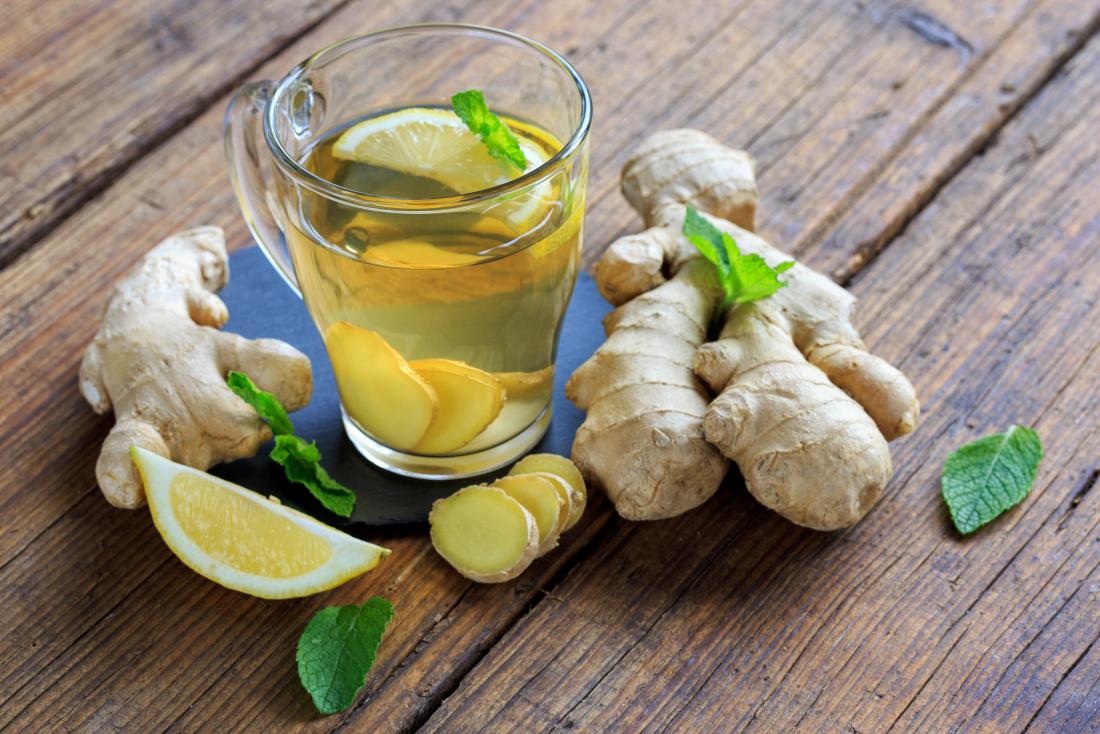
  • hot water with lemon, honey, or ginger
  • herbal teas
  • vegetable broth

Warm compresses

Applying a warm compress to the face can help ease pain and relieve pressure from the blocked sinuses.

To make a warm compress, soak a facecloth in hot water, wring it out, and place it on the affected areas of the face.

Treatments
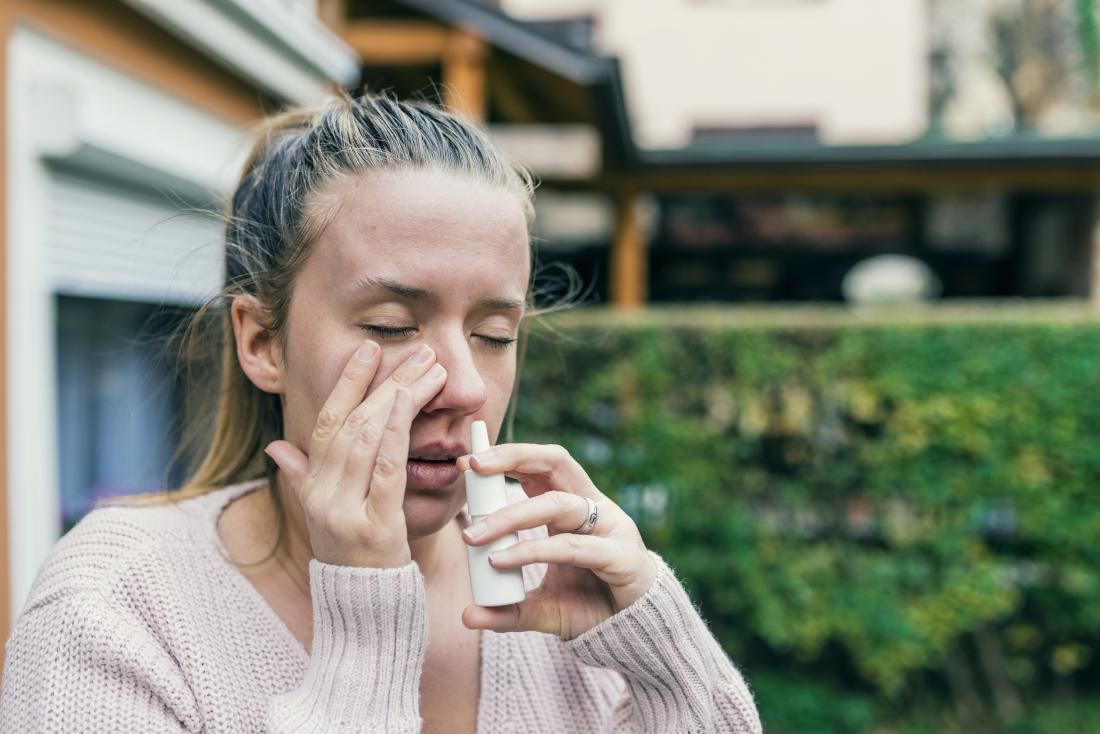
how to get rid of sinus infection nasal spray
Using a prescription nasal spray can reduce swelling in the nasal passages.

Treatment for a sinus infection works to unblock and drain the sinuses.

If a person has had a sinus infection for over 7–10 days, a doctor may prescribe antibiotic therapy, but only if the infection is bacterial. Viral sinus infections often improve without treatment.

Another option is to use a prescription nasal spray to reduce swelling in the nasal passages. This allows mucus to drain more easily from the sinuses. A doctor may also prescribe a saline solution for flushing excess mucus out of the nose.

If a person has a fungal infection in their sinuses, a doctor will prescribe antifungal medicine. If antifungal medicines do not work, or if a sinus infection is very severe, a doctor may prescribe oral steroids. These are strong medicines and people should discuss any possible side effects with their doctor first.

In very severe cases, such as when the sinus infection does not respond to medication or has spread to other parts of the face, a person may need a surgical procedure to clear the blockages.

Symptoms

Symptoms of a sinus infection include:

  • a stuffy nose
  • extra mucus in throat
  • headaches
  • a feeling of pressure in the face
  • coughing
  • a sore throat
  • a fever
  • bad breath
  • tiredness
  • an aching jaw or teeth

When to see a doctor
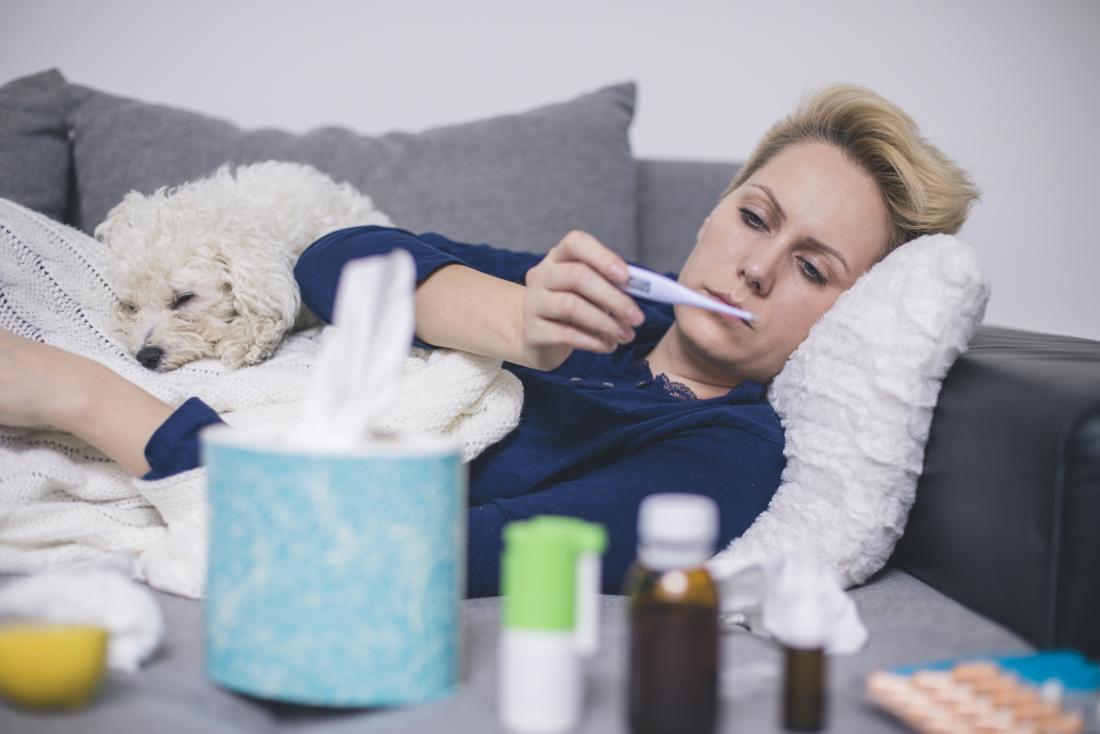
how to get rid of sinus infection temperature
A person should see a doctor if they have a temperature above 100.4°F (38°C).

According to the Centers for Disease Control and Prevention (CDC), people should see their doctor if a sinus infection lasts for over 10 days, or if symptoms continue for longer than 10 days after treatment.

A person may have chronic sinusitis if the infection lasts for longer than 8 weeks or if they have more than four sinus infections in a year. A doctor can help reduce the symptoms of chronic sinusitis.

Both children and adults should also see a doctor if they have:

  • a sinus infection for more than 10 days
  • worsening symptoms
  • several sinus infections in a year
  • no improvement after taking OTC medications
  • a temperature above 100.4°F (38°C)

A doctor will ask about a person’s symptoms and examine their nose and throat. They may also take a swab of the inside of the nose for culture testing.

If a sinus infection is not responding to antibiotics, a doctor may examine the sinuses in more depth using a nasal endoscope. This is a flexible tube with a light and camera attached to the end.

They may also carry out a CT scan to examine the sinuses further.

Summary

It is often possible to treat a sinus infection using home remedies, such as taking OTC medications, trying nasal irrigation, and applying warm compresses.

Getting plenty of rest and staying hydrated are also essential as the body heals.

If people have symptoms of a sinus infection for longer than 7–10 days, they should see their doctor for treatment.

Antibiotics or nasal sprays and irrigation may help fight a sinus infection. In chronic cases, people may need oral steroids or more complex medical interventions.

Share Button

CBD for cancer: Everything you need to know

Cannabidiol, or CBD, is one of many cannabinoids in the cannabis plant gaining popularity in the world of natural medicine because it appears to offer the body many benefits. While there is some debate around the topic, some people suggest using CBD in the treatment of cancer.

Although it is too early to make any claims about CBD for cancer treatment, this compound may help manage symptoms that occur due to this disease or its treatment.

It is important to note that CBD is not the same as tetrahydrocannabinol (THC), which is an active cannabinoid in cannabis that causes a “high” when a person smokes or ingests it. Researchers are also looking at the possibility of using CBD for treating anxiety and chronic pain.

While the initial results from small studies on cancer cells and CBD are promising, they are not conclusive.

In this article, learn about the effects of CBD on cancer and how it may help ease the side effects of cancer treatments.

CBD as a complementary therapy

The majority of the evidence available suggests that CBD and cannabis therapies may complement cancer treatment. CBD may help people with cancer by:

Stimulating appetite

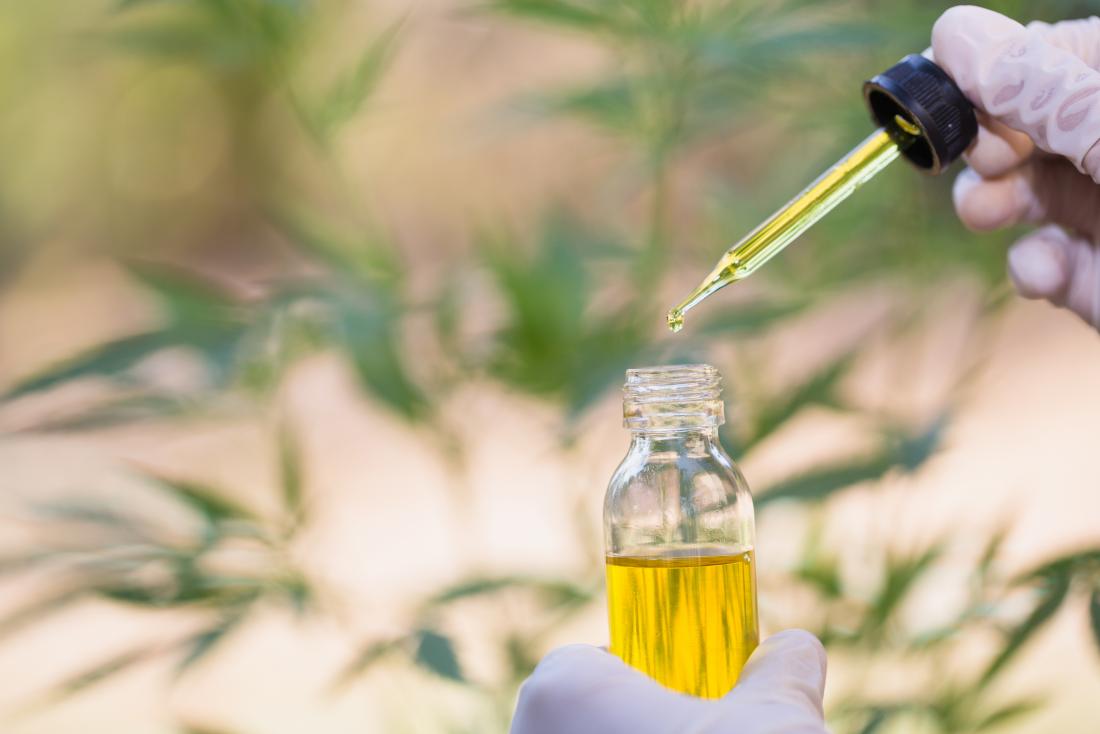
CBD oil which may help with cancer
CBD oil may help relieve pain and stimulate appetite.

Many people who are going through cancer treatment experience nausea and loss of appetite.

These symptoms can make it difficult for them to maintain a healthy weight.

Ingested cannabis that delivers THC and other cannabinoids to the bloodstream may help stimulate the appetite, but there is no evidence that CBD alone can have this effect.

Pain relief

Both cancer and its treatment can lead to pain. Cancer often causes pain due to inflammation, pressure on internal organs, or nerve injury. When the pain is severe, it can even become resistant to opioids, which are powerful pain relievers.

CBD indirectly acts on the CB2 receptors, which may help with widespread pain relief by reducing inflammation.

THC acts on the CB1 receptors, which may be helpful for pain resulting from nerve damage.

Nausea

Cannabis and cannabinoids such as CBD may also be helpful for people with cancer who experience regular nausea and vomiting, especially when this is due to chemotherapy.

However, the antinausea effect appears to come from THC in cannabis, rather than from CBD. People looking to try cannabis to reduce nausea should prepare themselves for the potential psychoactive effects of THC in prescribed cannabis products and discuss them with a doctor.

Many people find relief from low doses of THC. Prescription versions of synthetic THC that have fewer side effects are available.

CBD for cancer prevention

Some people wonder about using cannabis or CBD to prevent cancer. The National Cancer Institute (NCI) reviewed numerous studies regarding the link between cannabis and cancer and found that the research has mixed results.

An older study of 64,855 men from the United States found that cannabis use did not increase the risk of tobacco-related cancers. However, this same study also found that male cannabis users who never smoked tobacco had an increased risk of prostate cancer.

On the other hand, the authors of a 2015 study found a promising relationship between cannabis and bladder cancer. After adjusting for several factors, they found that that cannabis users had a 45-percent lower risk of developing bladder cancer.

While research has shown that cannabis smoke still produces carcinogens, the link between inhaled marijuana and cancer remains inconclusive.

However, ingesting CBD extract does not expose the body to the same carcinogens as smoking marijuana. More long-term studies in humans are necessary to determine what role, if any, CBD has to play in the prevention of cancer.

Can CBD treat cancer?

There are currently no large clinical trials that are investigating the use of cannabis or cannabinoids as a cancer treatment. Small pilot studies exist, but the research is still in its early stages.

In 2016, researchers noted that the use of cannabinoids shows promise in the fight against cancer. The authors found that cannabinoids seem to inhibit the growth of many different types of tumor cell in both test tubes and animal models.

However, they also noted that some dosages or types of cannabinoid might suppress the immune system, allowing tumors to grow unchecked.

Much more research is necessary to discover the possible therapeutic uses of cannabinoids in cancer treatment.

Side effects of CBD

woman laying awake because of insomnia during early pregnancy
If a person stops taking CBD, they may experience insomnia.

The cannabinoid receptors in the brain do not act the same way as many other drug receptors, so there may be a lower risk of side effects.

Unlike traditional medications for pain management, there are no apparent lethal doses of CBD as the drug does not affect the central nervous system in the way that opiates do.

However, the cannabinoid receptors are widespread in the body, so CBD affects not only the brain but also many other organs and tissues. People who are particularly sensitive to CBD may experience some adverse side effects.

Side effects of CBD may include:

Although there is little risk of addiction to CBD, people can develop a tolerance to cannabinoids. Some people may also experience side effects of withdrawal if they stop taking CBD.

Withdrawal symptoms can include:

  • irritability
  • hot flashes
  • insomnia
  • restlessness or sleep disturbances
  • nausea

As the NCI note, CBD inhibits specific enzymes that may be important for cancer therapies. Cancer treatments that rely on these enzymes could be less effective if a person takes CBD.

Takeaway

While CBD does indeed appear to be a beneficial compound for many cancer symptoms, no scientific research suggests that CBD can be an effective cancer treatment.

Cannabinoids and cannabis itself may have their place as a complementary treatment in some cases, for example, for people who need help managing chronic pain and nausea.

People should always talk to a doctor before using CBD or any other compound during cancer treatment to ensure that it will not react with any of the medications that they are taking.

Share Button

Causes of nausea and loss of appetite

There is an association between nausea and a lack of appetite. Nausea can often lead to a lack of appetite, and a person may feel nauseated if they have not eaten enough. These two symptoms can relate to a range of conditions. Although some of these conditions require medical attention, it is possible to treat many causes at home.

Nausea is a feeling in the mouth, back of the throat, and stomach that many people refer to as feeling sick. Nausea can sometimes lead to vomiting. Other common symptoms that can accompany nausea are dizziness, difficulty swallowing, excessive saliva production, and clammy skin.

Loss of appetite means not feeling hungry, eating much less than usual, or not eating at all. A person may have no interest in food or not want to eat. Although it is often a short-term problem, prolonged appetite loss can result in weight loss, tiredness, and dehydration.

A person may experience nausea or a loss of appetite because of a medical condition or the treatment they are receiving for it. Symptoms can also be food-related and occur because of food poisoning or an allergy. In some cases, loss of appetite and nausea can result from intensive exercise or have a psychological cause, such as stress.

Food poisoning

Loss of appetite and nausea
Nausea and loss of appetite are common symptoms of food poisoning.

Bacteria and viruses can contaminate food and cause food poisoning. Common symptoms include nausea and loss of appetite as well as stomach cramps, fever, vomiting, and diarrhea.

Unless food poisoning is severe, it is usually advisable to treat the condition at home because it can be contagious.

Replacing lost fluids is essential, and a person should drink plenty of water and use oral rehydration solutions if vomiting and diarrhea are severe. Resting and gradually reintroducing plain foods, such as rice or toast, can aid recovery.

A person should see a doctor if they have:

  • a high temperature
  • blood in the stool
  • signs of dehydration
  • diarrhea that lasts for 3 days or more

Oral rehydration solutions are available to purchase online.

Food allergy or intolerance

An allergic reaction to a particular food can cause nausea, which often precedes stomach cramps or vomiting. Other common symptoms include watery eyes, sneezing, itchy skin, hives, and swelling, which happen shortly after eating the food.

If a person suspects that they have a food allergy, an immunologist can offer testing and advice. It is important to avoid foods that can cause an allergy and take care when buying food or eating out. A person may need a prescription for an epinephrine auto-injector, such as an EpiPen, if the allergy is serious.

Medication

Some medications can have side effects that cause a loss of appetite or nausea. These include the following.

Nausea:

Loss of appetite:

  • chemotherapy
  • medication for attention deficit hyperactivity disorder (ADHD)
  • antibiotics

Taking medication with a snack can help prevent nausea. Alternatively, taking it before bed can allow a person to sleep through the side effects. Lying flat can make a person more likely to feel nauseated, so using an extra pillow to elevate the body may be beneficial.

If nausea or loss of appetite due to medication is affecting a person’s daily life or well-being, a doctor may be able to amend the dosage or prescribe an alternative treatment.

Psychological causes

Both nausea and loss of appetite have a link with psychological issues, such as stress and anxiety. A person who is very stressed or anxious may lose their appetite.

Nausea is a recognized symptom of anxiety disorders. Other physical symptoms can include shaking, sweating, rapid heartbeat, and difficulty breathing.

Treatment options for anxiety include therapy and medication. Support is available from advocacy organizations, such as the Anxiety and Depression Association of America. They offer information and advice and also provide links to peer support groups.

Exercise

Some people may experience nausea or loss of appetite after exercising. These symptoms are most common in endurance athletes, such as marathon runners.

There are many possible reasons why exercise could lead to nausea. Strenuous exercise can take blood away from the stomach to other parts of the body, which can make a person feel nauseated. Drinking too much or too little water can also cause a person to experience nausea.

People can often avoid feeling sick or vomiting by waiting 1 to 2 hours after eating before exercising. Other ways to reduce the likelihood of nausea include avoiding a sudden finish to an exercise session, warming up and down, and not overexerting the body.

A person may notice a loss of appetite during or after exercise, but this should return after completing the exercise session and resting.

Pregnancy

Loss of appetite and nausea pregnant drinking water
Pregnant women may find that drinking fluids throughout the day helps reduce nausea.

Nausea and appetite changes are common symptoms of pregnancy. Nausea and vomiting usually start within the first 9 weeks of pregnancy and go away after the first 14 weeks.

The American College of Obstetricians and Gynecologists recommend making lifestyle changes to help with nausea, such as:

  • eating small, regular meals and choosing bland foods
  • drinking fluids regularly throughout the day
  • avoiding smells that trigger nausea
  • drinking beverages that contain real ginger, such as ginger tea or ginger ale
  • eating some dry crackers before getting out of bed in the morning

For some women, nausea and vomiting can be more severe and may last for the whole pregnancy. A woman may wish to seek medical advice and treatment if this is the case.

Appetite loss and eating less can lead to weight loss, which can affect the health of the woman and the fetus. If nausea and appetite loss have this effect, medical advice can be helpful. A doctor may be able to prescribe medication to reduce nausea.

Postoperative nausea

Nausea and vomiting are recognized side effects of anesthesia, and they can affect some people after an operation. The type of surgery can affect the likelihood of these symptoms occurring.

If a person has a risk of postoperative nausea and vomiting, doctors may give them medication before, during, or after surgery.

Loss of appetite may occur as a person recovers from surgery. In addition to staying hydrated, eating little and often is key to recovery and can help a person feel well after the procedure.

Cancer

Nausea can affect people who have cancer, with possible causes including bowel obstruction and infection.

Some cancer treatments can also make a person feel sick. For example, chemotherapy is a particularly common cause of nausea. Doctors will often prescribe medication to help lessen this side effect.

Some people who have cancer may have a loss of appetite. Common causes are a change in a person’s sense of smell or taste, feeling full, and the side effects of treatment.

A cancer team can provide advice if a person has little or no appetite. They may recommend eating little and often, opting for foods that are high in calories, or cutting food into smaller pieces so that it is easier to swallow. Proper nutrition is an integral part of treatment, and a person will usually receive support to help them eat well.

Risks

Loss of appetite and nausea can be damaging to health in the long term. If a person experiences these symptoms for an extended period, they may wish to seek medical advice.

If nausea leads to vomiting, it can cause dehydration. Loss of appetite may mean that someone is not taking in enough fluids through food sources, and this can also lead to dehydration.

Staying hydrated is important for the body to function. If a person is feeling nauseated, they may prefer to take small sips of water regularly throughout the day.

Not eating enough can lead to weight loss, which can be damaging to health. Without sufficient nutrients, the body may not be able to work properly.

Feeling nauseated can interrupt daily life. It may make it more difficult for a person to concentrate at work or school. Nausea can also cause stress, worry, and other physical symptoms, such as stomach pain.

Home remedies

Loss of appetite and nausea ginger tea
Drinking ginger tea can help settle the stomach.

Although there are few home remedies that scientists have tested and proven to work, some of the following may provide relief from loss of appetite and nausea:

  • Drinking ginger tea or ginger ale containing root ginger can help settle the stomach.
  • Mint tea, sweets, or chewing gum may help with nausea.
  • Drinking small sips of fluids can help with symptoms of nausea, such as excess saliva.
  • Eating plain foods may prevent feelings of nausea.
  • Small, regular meals and snacks are easier for a person to eat if they have appetite loss.
  • Lying down in a dark, cool room can reduce the severity of nausea.

When to see a doctor

If symptoms persist for more than 1 to 2 days with no clear cause, a person may wish to seek medical advice to avoid damaging their health.

People who have food poisoning should seek medical advice if they have blood in their stool, a fever, or signs of dehydration. It is also important for people who suspect that they have a food allergy to seek medical advice.

If a person experiences ongoing symptoms, they may wish to take medication to restore their appetite. Doctors are most likely to prescribe this medication if a person’s loss of appetite is due to them taking a different medicine for a separate condition.

Takeaway

Most people only experience nausea and loss of appetite for a short period. If these symptoms persist, they can be distressing and may pose a risk to health.

Keeping a record of symptoms and when they happen may help a doctor make a diagnosis. Doing this can also help a person spot potential triggers of nausea or appetite loss, such as exercise, meal times, or particular foods.

Making some simple lifestyle changes may help people prevent loss of appetite and nausea.

Share Button

Can CBD help you lose weight?

Cannabidiol, or CBD, is a natural compound gaining a lot of popularity in the natural health world. CBD is one of the compounds called cannabinoids in the cannabis plant. Some people believe that CBD can aid weight loss, but does it work?

There are many possible uses for CBD, from fighting acne to reducing anxiety. Researchers are also looking at the possibility that CBD can help people lose weight and reduce their risk of experiencing issues associated with weight, such as diabetes and metabolic disorder.

In this article, we discuss CBD for weight loss, including whether or not science backs up the hype.

CBD and weight loss

cbd for weight loss
There is some evidence to suggest that taking CBD may help a person lose weight.

CBD may aid weight loss due to how it works in the body.

The body has a built-in endocannabinoid system. This system responds to different compounds in the body through two cannabinoid (CB) receptors, called the CB1 and CB2 receptors.

Usually, CB1 receptors exist mainly in the brain and central nervous system and are almost nonexistent in the rest of the body. CB2 receptors, on the other hand, exist throughout the body.

In people with obesity, however, CB1 receptors become more widespread, especially in fatty tissue. Because of this, researchers believe that there may be a link between the activation of the CB1 receptors and obesity.

CBD does not activate the CB receptors directly, instead influencing the body’s natural cannabinoids to either block off or activate the receptors. This may play a role in weight loss or other critical metabolic functions.

There is some evidence to suggest that CBD can help a person lose weight or help prevent metabolic disorders.

Claims and research

Some people claim that CBD:

Reduces appetite

Many proponents say that the compound can help a person lose weight by reducing their appetite.

Most people associate cannabis with a stimulated appetite, as people who smoke cannabis tend to feel more hungry than usual. While it is true that tetrahydrocannabinol (THC), the psychoactive component of cannabis, may cause hunger, CBD does not.

THC activates the CB1 receptors in the body, causing many effects, including stimulating the appetite. However, as the authors of one 2018 study paper note, CB1 receptor antagonists may help reduce appetite and control obesity. This is because CB1 receptor agonists block off or “deactivate” the receptor.

CBD does not deactivate CB1 receptors but may influence other molecules to block them off. Shutting off these receptors may help reduce the appetite and prevent overeating in some people.

An older animal study from 2012 found that exposure to CBD reduced appetite in rats. While there is plenty of anecdotal evidence to suggest that CBD is helpful for appetite suppression, there have been no direct studies that show CBD reduces appetite in humans.

Turns bad fat into good fat

Proponents of CBD for weight loss also claim that it can convert white, or “bad,” fat into brown fat, which may help the body burn calories.

White fat may also increase the risk of many chronic conditions, such as heart disease and diabetes.

A 2016 study helps back up this claim. The researchers found that CBD plays multiple roles in how the body interacts with fat.

Not only did CBD help convert white fat cells into brown fat cells, it also stimulated the body to break down fats more efficiently.

The researchers note that CBD may be a promising therapy for preventing obesity, but more studies in humans are necessary.

Burns fat

Another claim is that CBD melts away fat in the body by breaking down the fat and helping eliminate it from the body as waste.

Research from 2018 helps explain this phenomenon. The process of turning white fat cells to brown fat cells actually changes how these cells act in the body.

Brown fat cells may be a more active form of fat. They burn off energy as heat, meaning that they actually burn calories.

As a loss of calories is vital for weight loss, CBD may help burn fat if it turns white fat to brown fat in the body.

Reduces the risk of metabolic disorders

As other 2018 research notes, there is a close link between obesity and several metabolic disorders, such as type 2 diabetes, high blood pressure, and high cholesterol.

The overactivation of the CB receptors in the body may be partly responsible for this. Overactivation of the CB1 receptors in the fat tissue throughout the body could contribute to obesity and metabolic risks.

CBD helps block off the CB1 receptors, meaning that it might reduce the risk of obesity.

A review in Cannabis and Cannabinoid Research also notes some highlights of past studies surrounding CBD and metabolic factors, mainly in animal models.

For instance, a treatment using CBD reduced total cholesterol by 25 percent in obese rats. The anti-inflammatory and antioxidant effects of CBD also appeared to decrease blood sugar levels and increase markers for liver health.

Risks and considerations

cbd for weight loss dancing
Eating healthfully and exercising are important parts of any weight loss plan.

While initial results from studies on CBD and weight loss put forth some promising suggestions, there are a few important things to consider.

CBD, or any other compound, supplement, or drug, is not a treatment for obesity. These supplements and compounds do not replace a healthful diet and regular exercise.

A person who adds CBD to their weight loss plan without also exercising and eating healthfully may not see any benefits.

At best, people can consider CBD as a complementary therapy. Not all bodies are the same, and each person may need a slightly different dose.

Someone with more body weight or someone who regularly uses cannabis may need a higher dose, whereas someone who is very sensitive to cannabis or CBD may only need to take a very small amount for the compound to be effective.

It is best to work directly with a doctor when using CBD for weight loss. Doctors will want to discuss any other medications the person is taking, as CBD may cause adverse interactions.

Takeaway

The initial results of studies into CBD and weight loss are promising and may prompt more research into the connection between them.

CBD may be helpful for people looking to lose weight, burn calories, or suppress appetite, but it is vital not to overstate these claims.

A healthful diet and plenty of exercise are still the best weight loss strategies.

CBD should not replace any other medications a person is taking for chronic conditions. People should talk to a doctor before using CBD for any reason, as it may interact with their existing medications.

CBD is available for purchase in some health food stores, pharmacies, and online.

Share Button

Hand pressure points: Everything you need to know

The human body contains a lot of pressure points, and some people believe that pressing on these points can affect other parts of the body and overall health.

There is limited research to support the use of pressure points to help a person heal. However, there is much more research about the use of acupuncture, which involves needles instead of just pressure.

Using pressure points is a noninvasive and relatively risk-free practice, so it is usually safe to use alongside doctor-recommended treatments.

Practitioners of acupressure and reflexology use pressure points in their healing treatments.

For people interested in reflexology or acupressure, the hands have many pressure points. Keep reading for more information on hand pressure points.

What are pressure points?

Pressure points are areas of the body that reflect the acupressure points used in traditional Chinese medicine. Traditional practitioners identified specific spots that they believed improved energy flow through the body.

People still practice these therapies today, though scientists have not studied their procedures and efficacy.

Hand pressure points

Reflexologists may use the following hand pressure points:

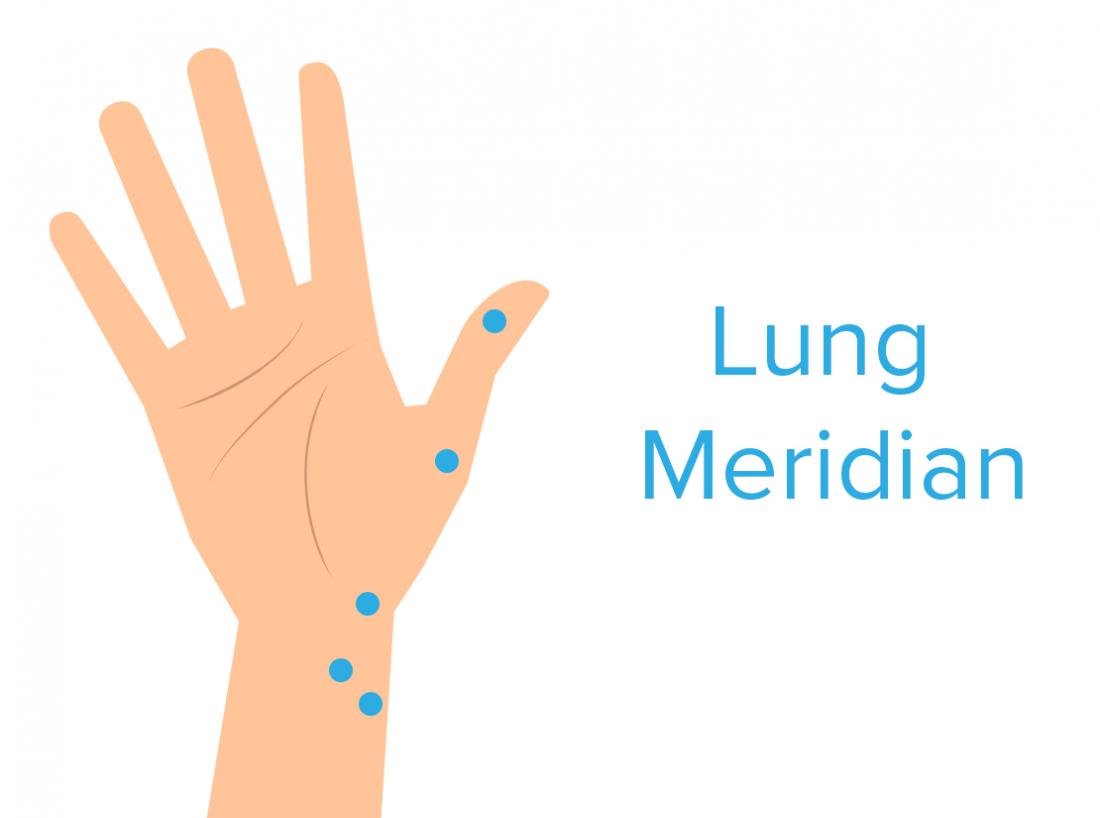
Lung meridian

Lung meridian pressure point

Located towards the edge of the palm, the lung meridian runs from the tip of the thumb down to just past the crease in the wrist.

According to reflexologists, rubbing any sore spot along this line can help relieve symptoms associated with a cold, including sneezing, chills, and a sore throat.

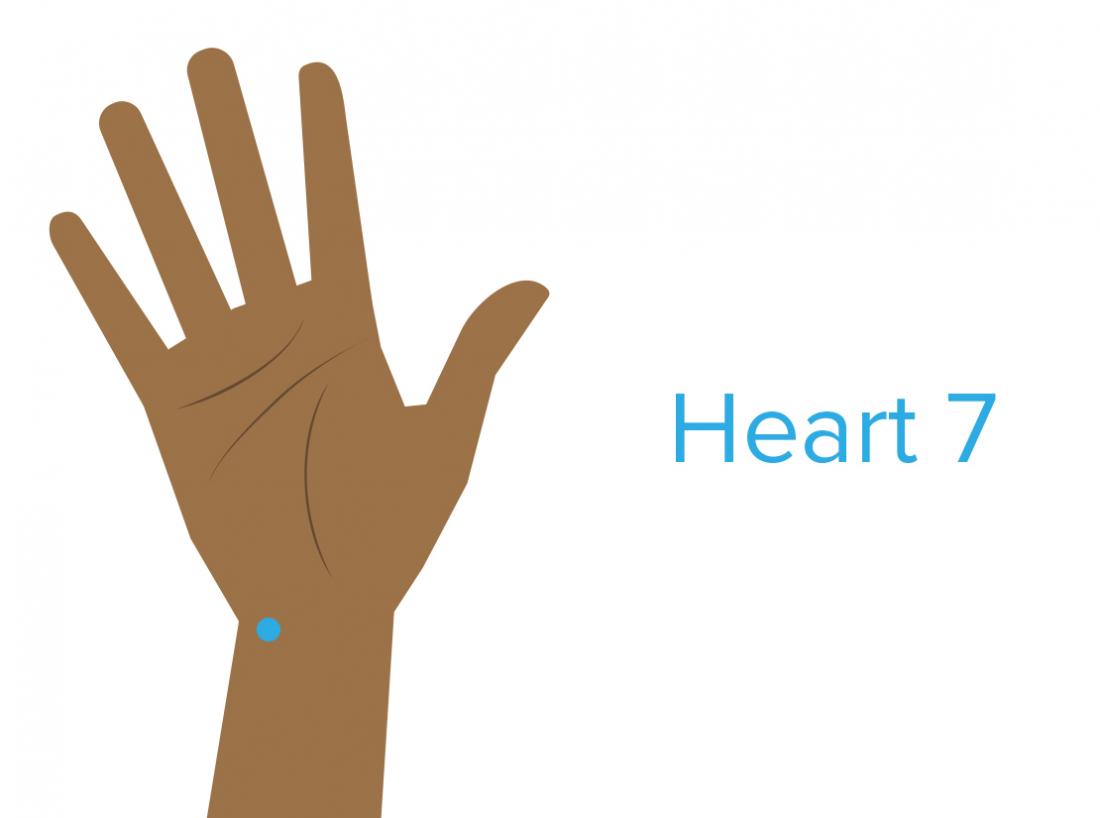
Heart 7

Heart 7 pressure point

A person can find the heart 7 point on the wrist, just on the outside of a small bone that is in line with the little finger. The traditional name for this point translates to “Spirit Gate.”

People who support the use of pressure points believe that applying pressure to heart 7 will prevent:

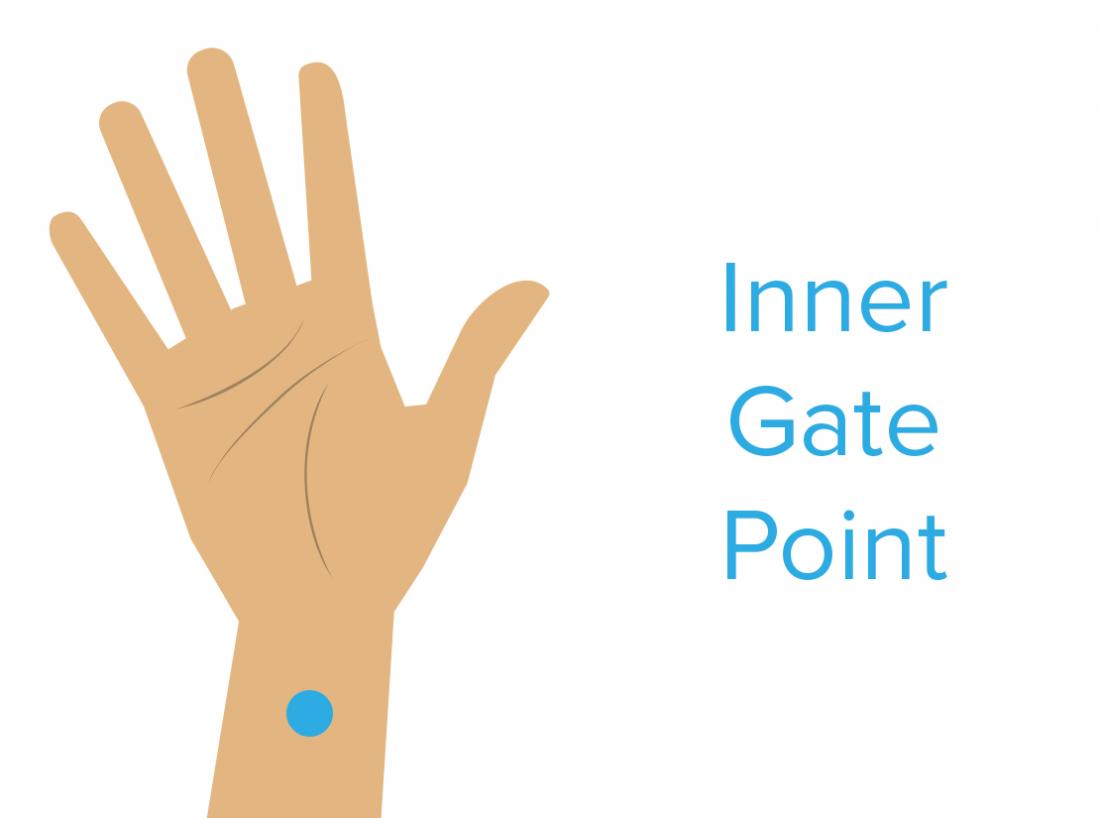
Inner gate point

Inner gate point pressure point

The inner gate point is not directly on the hand. To find it, place the hand palm up and use three fingers to measure roughly an inch down the wrist.

The inner gate point is here, approximately in the center of the wrist.

Practitioners recommend using the thumb of the other hand to firmly massage this pressure point to relieve nausea and stomach pain. It may also help other digestive problems.

Hand valley point

Hand valley point pressure point

A person can find the hand valley point between the first finger and the thumb.

Practitioners claim that applying firm pressure to the hand valley point can reduce stress, stop migraines, and stop pain in the:

  • shoulders
  • teeth
  • neck

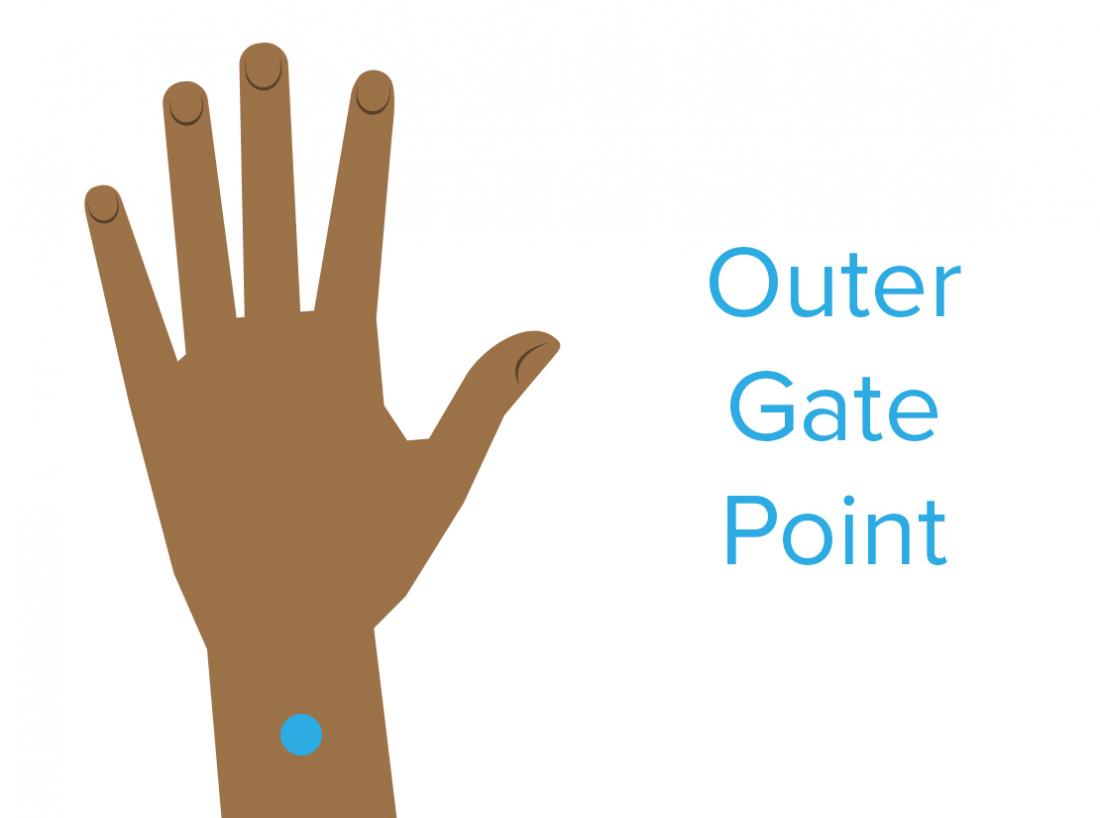
Outer gate point

Outer gate point pressure point

The outer gate point is almost parallel to the inner gate point on the top side of the hand and arm, between two tendons.

Proponents say that applying pressure here boosts a person’s energy and bolsters the immune system.

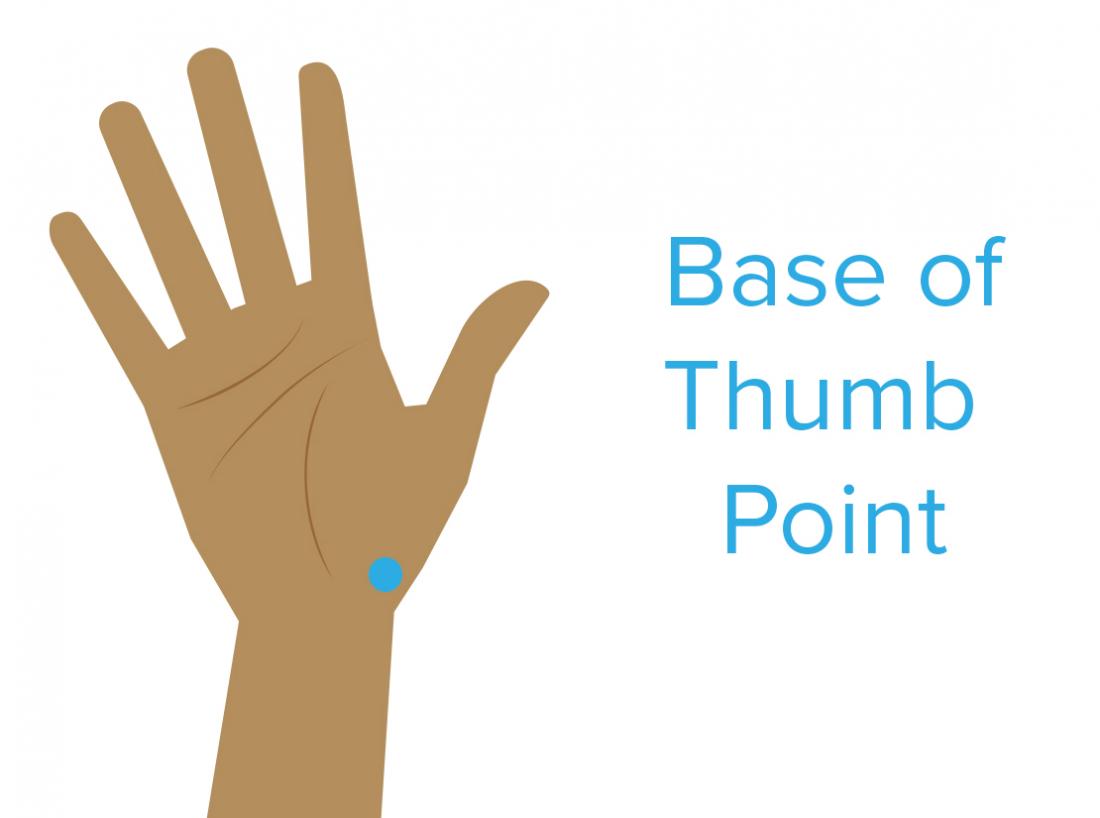
Base of thumb point

Base of thumb point pressure point

A person can locate the base of thumb point by tracing a finger down the palm side of the thumb until they reach the wrist crease.

Reflexologists believe that applying gentle pressure to this point may help alleviate breathing issues and respiratory problems.

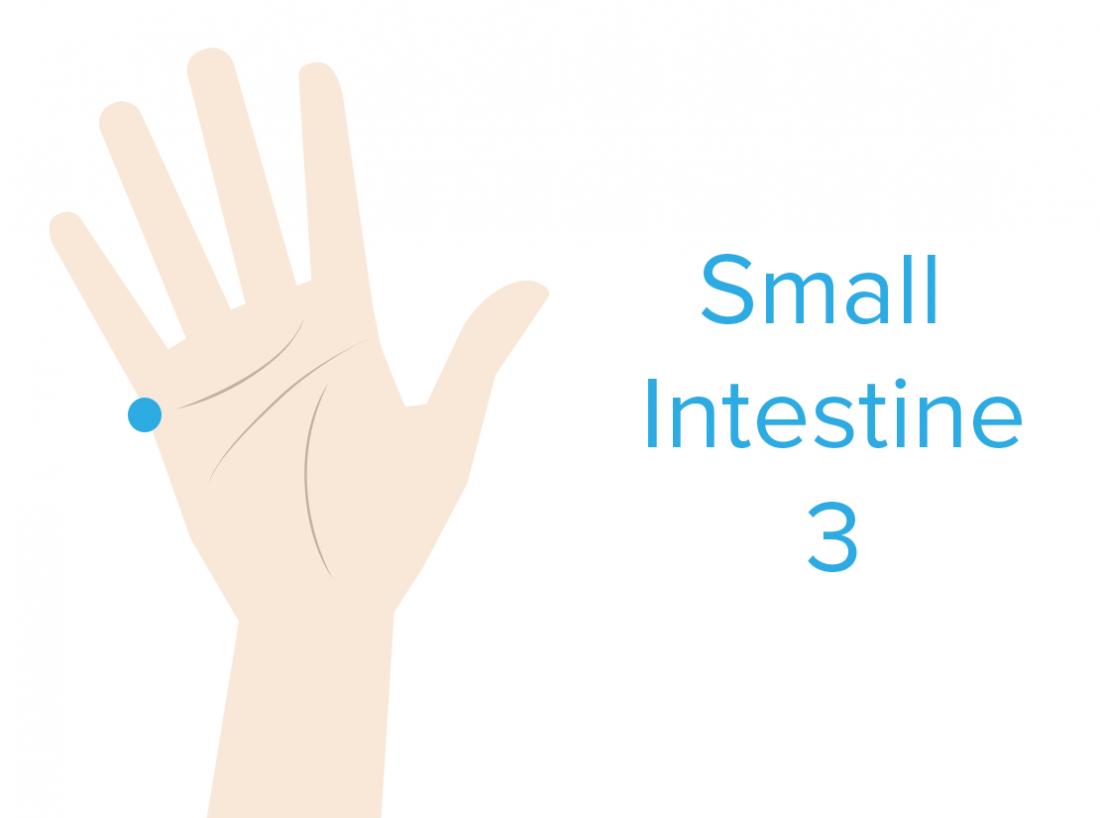
Small intestine 3

Small intestine 3 pressure point

The small intestine 3 point is on the side of the hand just below the little finger and above one of the hand’s large creases.

Some people claim that applying firm pressure to this point can help relieve earaches, headaches in the back of the head, and neck pain.

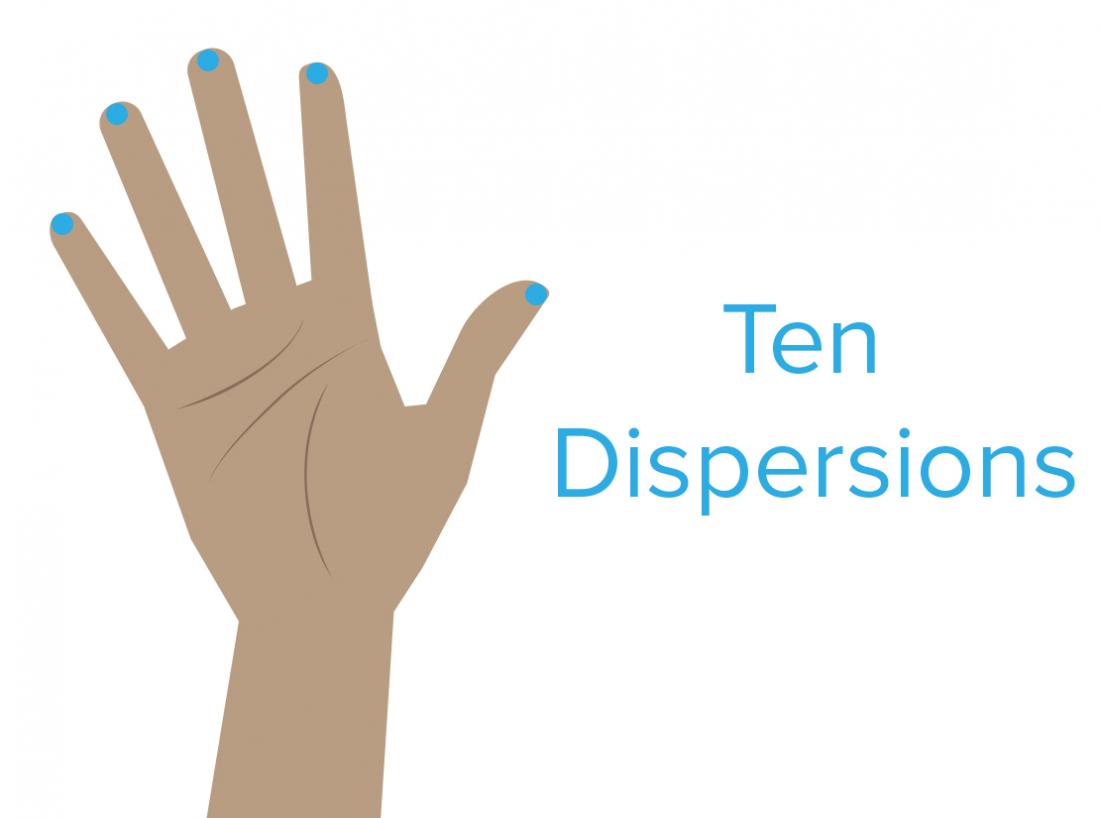
Ten dispersions

Ten dispersions pressure point

The tips of each finger are home to these ten pressure points.

Applying pressure or using acupuncture on these points could help relieve some common flu symptoms, such as a high fever or a sore throat.

Some practitioners also believe that applying pressure can help treat a coma or epilepsy.

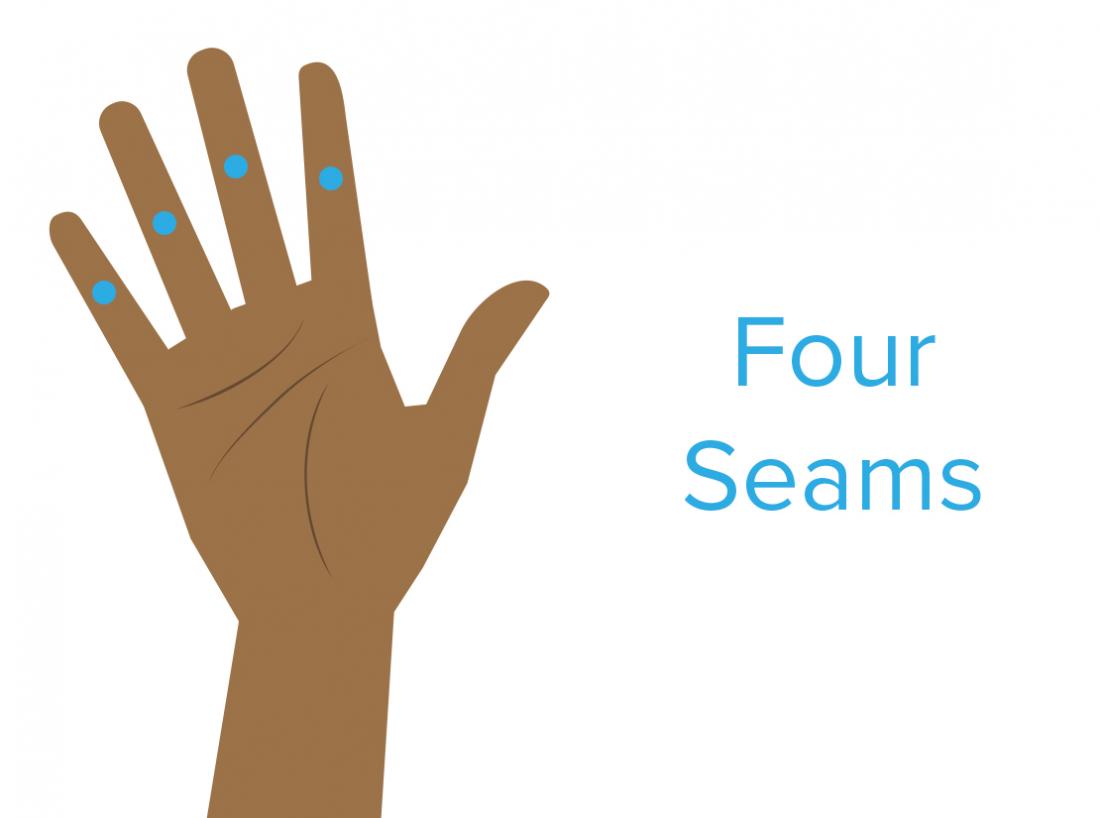
Four seams

Four seams pressure points

A person can find the four seams on the inside of each of the large joints in the index finger, middle finger, ring finger, and little finger.

Proponents of acupressure believe that these points can help treat digestive problems, especially in children.

Do pressure points work?

There are not enough peer-reviewed studies on pressure points and their healing effects to establish whether they are useful. Most evidence comes from research on traditional medicine and anecdotal results.

A person curious to try acupressure or reflexology can do so safely. There are virtually no side effects from applying pressure to these areas except for localized temporary pain.

Also, a person should continue using any doctor-recommended medical treatments when trying pressure point therapy.

People who have previously had blood clots or have risk factors for blood clots should speak to their doctor before receiving acupressure or massage.

Summary

There are many pressure points in the hands, many of which are a part of a much larger chain of points that run up the arms. Proponents of acupressure and reflexology believe these points can help heal other parts of the body.

People can try doing acupressure on themselves or use the services of a licensed practitioner who has studied pressure points and understands how they work.

It is important to note that there are very few studies that support the use of pressure points to treat illnesses. However, people can safely use hand pressure points in addition to regular medical treatments.

Share Button

CBD for acne: Does it work?

Cannabidiol, or CBD, is a natural compound present in the Cannabis sativa plant. It is only one of over 100 compounds in cannabis, but it has many potential health benefits. Can CBD oil also treat acne?

Acne can be a source of irritation for people of all ages, and new natural ways to fight acne are always welcome.

There is some evidence to suggest that CBD oil can be beneficial for acne and other skin conditions. Some people apply CBD topically to the breakouts themselves, while others take it orally for long-term prevention.

Can CBD oil treat acne?

Woman in front of bathroom mirror applying CBD oil or moisturizer to her face to treat acne
CBD oil may help prevent acne breakouts.

There is some evidence to suggest that CBD oil may be helpful for acne. What that means may vary slightly in each case, based on what kind of acne a person has and what is causing it.

CBD oil may help reduce various types of acne thanks to its ability to adjust how the body creates sebum. Sebum is a waxy, oily substance the skin makes. CBD oil also has anti-inflammatory properties.

Acne is the most common skin condition in humans. Most people deal with acne at some point in their lives, be it occasionally or on a daily basis

Sebum helps protect our skin from the outside world. However, it can mix with dead skin cells, dirt, or other pollutants and become trapped inside a pore. This clogged pore then becomes acne.

Many factors influence acne, including excess sebum production, hormonal imbalances, and genetics. Some other factors, such as diet, stress levels, and some medications, may also increase the severity of a person’s symptoms.

A 2014 study explored the effects of CBD on human sebocytes, which are the cells that create sebum. The researchers found that the CBD prevented these cells from creating too much of the oily sebum.

They also revealed that the CBD oil triggered an anti-inflammatory reaction in the cells and prevented inflammatory cytokines from activating. Cytokines may trigger acne, so reducing them may help prevent further breakouts.

A 2016 review of the cannabis plant highlighted its antibacterial and antifungal effects. These effects may help reduce infections from dirt and other pollutants on the skin.

While the initial results from these studies are promising, human trials are still lacking. For doctors to recommend CBD oil or cannabis products as part of an anti-acne skincare routine, studies in humans will need to provide direct evidence.

How to use

To use CBD oil on the skin, simply mix it with a carrier oil and apply it directly. It is important to start by using a carrier oil that works with the person’s skin. Carrier oils include:

Taking oral CBD may also help with acne in some cases, as the anti-inflammatory compounds are still active when they enter the body.

However, studies exploring CBD and the skin have applied CBD directly to the sebum-creating cells of the skin, so topical application may be best.

There are also many topical products containing CBD available for purchase online. However, people should check the other ingredients in the product to avoid exposure to harsh or irritating ingredients.

It is also vital to ensure that the distributor has conducted third-party laboratory tests to confirm the product’s CBD content.

In 2017, researchers tested 84 different consumer products containing CBD and found that 26 percent of them contained less CBD than the label suggested.

Other products also contained other compounds, such as tetrahydrocannabinol, the psychoactive component of cannabis. Although it is unlikely to cause a “high” if a person applies it topically, it might be important to watch out for if people have sensitive skin or undergo regular drug tests.

CBD for other skin problems

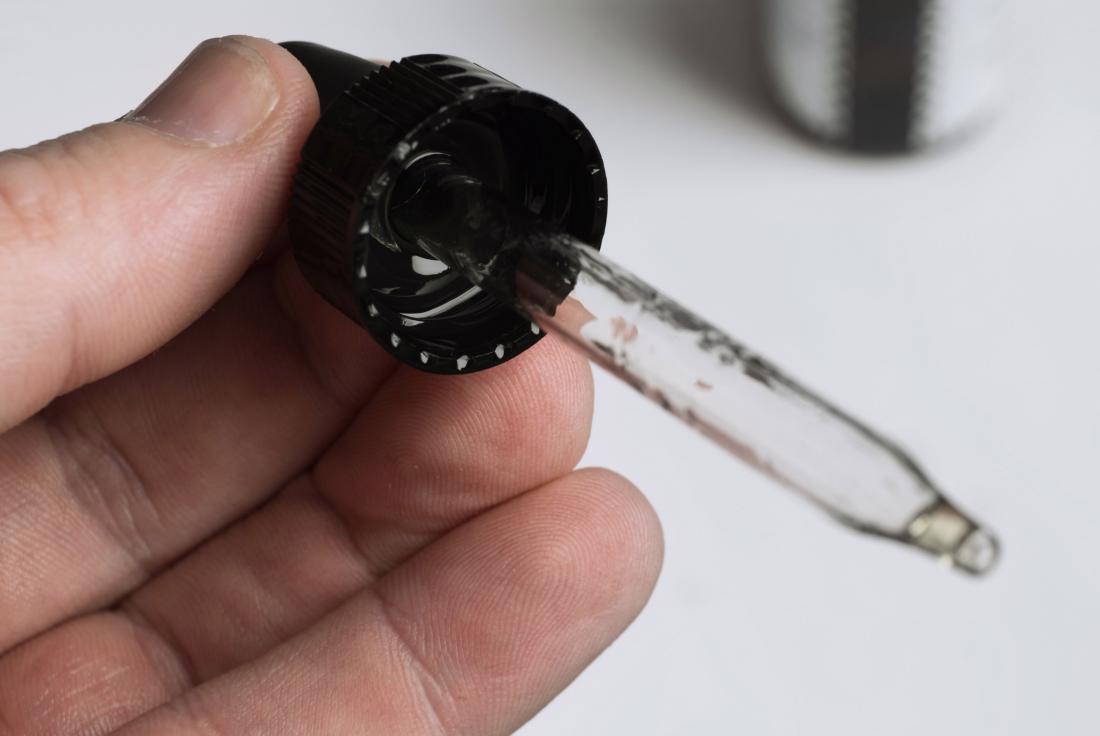
Hand holding dropper with essential oil
A person can mix CBD oil with a carrier oil to treat acne and sensitive skin.

CBD may also help a person manage other skin conditions due to its anti-inflammatory properties. CBD also has an antioxidant effect in the body, which may also be helpful for other skin problems.

Eczema and psoriasis: The anti-inflammatory compound may help reduce potential triggers of eczema and psoriasis in some people. CBD may also help balance the immune system, which influences these conditions. However, more direct research is necessary.

Sensitive skin: These same benefits may help soothe sensitive skin and reduce the appearance of general irritation. However, people should be cautious about any added ingredients, as these may irritate sensitive skin.

Aging and wrinkles: CBD has an anti-inflammatory and antioxidant effect, which may promote overall skin health and reduce age lines and wrinkles. However, there are many other antioxidants, such as those in vitamin E and fruits, that are more accessible than CBD oil.

Takeaway

There is some evidence to suggest that CBD oil may help treat acne. The compound acts directly on the cells that make sebum, which can help balance oil production and reduce inflammation.

However, more direct research in humans can help give these claims a solid backing. Anyone curious about using CBD oil should speak to a skincare specialist.

Share Button

Top 10 cold weather tips for psoriatic arthritis

Psoriatic arthritis can flare up during the cold winter months. People can often relieve their symptoms with various remedies and lifestyle changes.

Psoriatic arthritis (PsA) affects around 30 percent of people who have psoriasis. This type of arthritis can also occur in people without psoriasis.

Cold weather can cause achy joints in many people, and those with arthritis or other joint conditions may experience significant flares of symptoms.

PsA causes joint inflammation and pain. Many people report that cold weather worsens symptoms, but few studies have investigated this association.

Cold temperatures and low humidity can contribute to winter flare-ups of psoriasis. A lack of sunlight can also have a negative effect and lead to vitamin D deficiency.

The following tips can help people manage skin and joint inflammation and associated pain.

1. Take a warm bath

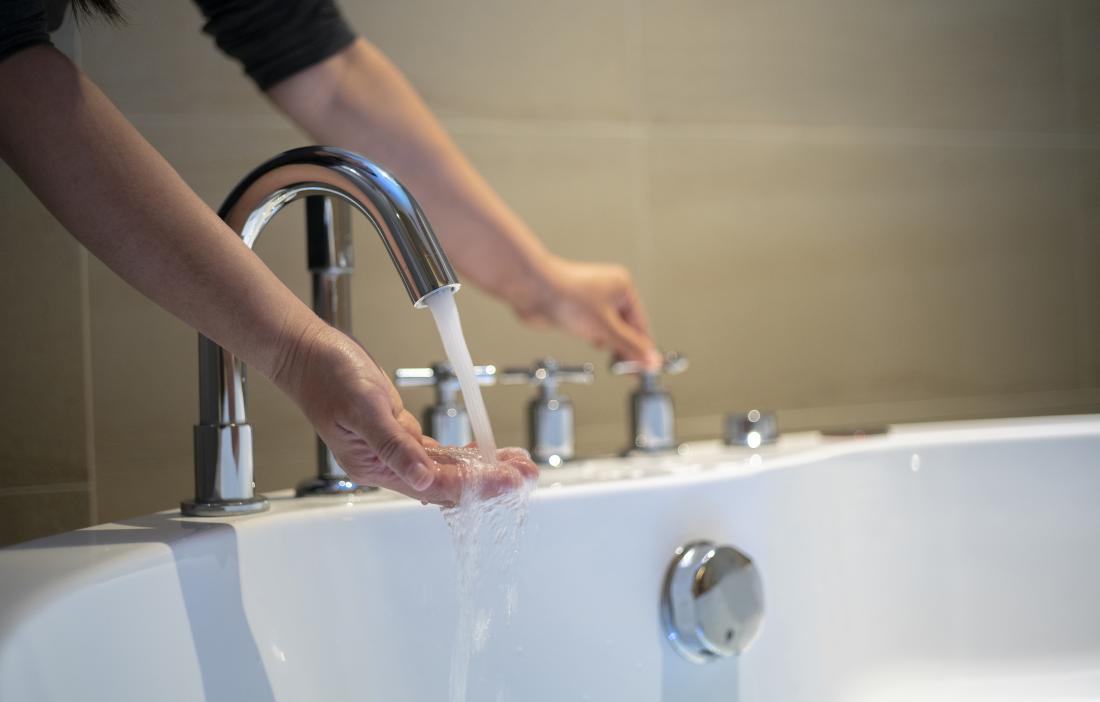
Person holding their hand under running water from a tap into a bath
A warm bath can soothe joints and muscles.

Simply bathing in warm water can help ease pressure on aching joints, reducing swelling and inflammation.

A warm bath can ease the symptoms of many types of musculoskeletal conditions, including arthritis, fibromyalgia, and low back pain.

Ideally, water should not be too hot or cold, about 92–100°F (33–38°C). Aim to soak for around 20 minutes.

Try some gentle stretches after bathing to keep the joints and muscles supple for longer.

2. Wear the right clothing

Experts often advise people with psoriasis to wear natural, soft, breathable fabrics, such as cotton. To stay warm in winter, try wearing a base layer of cotton and adding layers of warmer fabrics.

When buying base layers, choose long-sleeved cotton tops, leggings, or long johns.

The aim is to cover as much skin as possible. This will prevent it from coming into contact with any irritating fibers in outer garments.

Various brands of long johns and other thermal clothes are available online.

To be extra safe, choose 100-percent cotton fleece for the outer layers, when possible.

3. Carry thermal gloves with you

Many people with PsA experience painful and swollen joints in the hands. Wearing waterproof, insulated gloves can protect the joints from cold and damp conditions.

When choosing gloves, make sure that they allow the hand to bend without too much resistance. This makes it possible to grip things without putting too much pressure on the joints.

Thermal gloves are available in outdoor stores and online.

4. Exercise regularly

A person who regularly exercises outdoors can switch to exercising indoors.

Regular physical activities, such as walking or cycling, may be less pleasant in the cold winter months, especially for people with PsA.

However, these kinds of activities keep the joints mobile and flexible. Regular exercise also helps keep body weight down, which prevents the joints from becoming overloaded.

For more comfortable outdoor exercise during the winter months, try wearing extra items of clothing, such as thermal gloves. These help insulate the joints, protecting them from the cold.

Alternatively, try swapping outdoor activities for a regular indoor exercise routine, such as yoga. A systematic review from 2019 suggests that yoga can help treat inflammatory conditions, including arthritis, by helping keep inflammation at bay.

5. Try water exercises

Exercising in a heated pool is a good way to boost circulation and loosen stiff and aching joints during the winter months.

However, note that chlorinated water can irritate or dry out the skin if a person has skin psoriasis.

Water provides a combination of resistance and buoyancy, which is particularly beneficial for people with PsA. Resistance increases the intensity of the exercise, while buoyancy helps support body weight and relieve pressure on the joints.

A person with PsA might benefit from hydrotherapy, which is a set of supervised, structured exercises carried out in a warm-water pool.

A 2013 study interviewed 10 people with PsA about their experiences with hydrotherapy. The majority reported that it had improved their joint mobility, strength, and balance and had reduced stiffness and pain.

To confirm whether hydrotherapy can relieve PsA symptoms, scientists still need to perform high-quality research, including randomized controlled trials.

6. Use a humidifier

A good way to counteract the drying effects of central heating is to use an indoor humidifier. These units replace some moisture in the air, which helps keep the skin from drying out.

People can compare brands of humidifiers online.

7. Try phototherapy

During the winter months, cloudy weather and reduced daylight hours decrease levels of sunlight exposure. This may trigger psoriasis flares in some people.

When symptoms of psoriasis get worse, they can trigger PsA, though the two issues are not always linked.

Phototherapy, or light therapy, delivers controlled amounts of ultraviolet light to the skin, and this can help relieve psoriasis symptoms. Phototherapy treatments include ultraviolet B (UVB) phototherapy and psoralen + ultraviolet A (PUVA) therapy.

UVB phototherapy

UVB rays are present in natural sunlight. Regularly exposing affected areas of skin to UVB can help slow the growth of psoriatic skin cells.

People may experience a short-term worsening of skin irritation before noticing improvements.

A physician or a dermatologist can provide the treatment, in a medical setting. Or, a person can learn to use a light unit and perform the treatment at home. UVB lights are available online.

PUVA therapy

PUVA therapy also uses rays present in sunlight. Like UVB rays, ultraviolet A rays slow excessive skin cell growth and can help alleviate psoriasis flare-ups.

For this to work, a person must also take the light-sensitizing medication psoralen.

PUVA may produce short-term side effects, such as nausea and a temporary worsening of skin irritation. Talk to a doctor about medications and home treatments that may help counteract these effects.

Learn more about light therapy for psoriasis here.

8. Practice good sleep habits

Practicing good sleep hygiene can help improve PSA symptoms.
Practicing good sleep hygiene can help improve PsA symptoms.

Some people find that having fewer hours of daylight disrupts their sleep cycle, making them feel tired during the day.

For people with PsA, a lack of sleep can worsen chronic pain and other symptoms, and this can affect the quality of life.

The National Psoriasis Foundation provides the following tips for achieving and maintaining good sleep habits:

  • Follow a regular sleep schedule every evening.
  • Avoid caffeine, alcohol, and tobacco before bedtime.
  • Limit screen time before bed.
  • Use blackout curtains or low ambient lighting in the bedroom to create a comfortable sleep environment.
  • Wear an eye mask and earplugs to ensure peaceful sleep.
  • Use a light therapy device throughout the day. These mimic natural daylight and can help reset a person’s internal clock.
  • Limit daytime naps to 30 minutes.
  • Increase physical activity during the day.
  • Keep a diary to monitor habits that may be affecting sleep.

9. Take vitamin D supplements

Vitamin D is a hormone essential for maintaining healthy bones and skin. The body produces most of its vitamin D when the skin is exposed to sunlight.

Because there are fewer daylight hours in winter, many people become deficient in vitamin D during the season.

A 2015 study looked into the relationship between vitamin D-3 and PsA. Among people with PsA, those with insufficient vitamin D3 levels had greater PsA disease activity.

Among people with psoriasis, lower vitamin D levels were also associated with more severe skin lesions.

A 2015 review investigated the efficacy of vitamin D pills and topical vitamin D treatments for psoriasis. The researchers found that both types of vitamin D treatments could improve symptoms.

10. Moisturize regularly

During winter, cold winds and low outdoor humidity can dry the skin. Central heating can add to the problem, worsening psoriasis symptoms.

Colloidal oatmeal (CO) solution is a natural moisturizer made from finely ground oats. It forms a protective barrier over the skin, and this helps lock in moisture.

CO also has anti-inflammatory properties, which can help alleviate the skin-related symptoms of inflammatory conditions.

A person can buy creams and lotions that contain CO in drug stores and online.

Alternatively, try bathing in a homemade CO solution. Wrap a handful of oats in a muslin cloth and tie the cloth beneath a tap of warm, running water.

After bathing, gently pat the skin with a soft, clean towel. Apply a layer of moisturizer to the skin while it is still damp to help seal in moisture.

Summary

During winter, cold, dry weather and reduced daylight hours can worsen PsA symptoms. However, a person can do many things to reduce these effects on their skin and joints.

Keeping the skin moisturized and wearing appropriate clothing are important for protecting against the elements.

Longer-term lifestyle changes, such as maintaining healthful sleep and exercise schedules and taking vitamin D supplements, are also important.

During cold weather, taking these steps can reduce symptoms and improve the quality of life for people with PsA.

Share Button

Health benefits of baking soda and lemon juice

Baking soda and lemon juice combinations have become a popular home remedy. Some people claim that baking soda and lemon juice can improve the skin, treat heartburn, and whiten teeth.

Several scientific studies have examined the health benefits of baking soda and lemon juice separately, but there is not much research to support the combined effects of these two ingredients.

This article discusses some of the potential health benefits of consuming baking soda and lemon juice mixtures.

A note about pH

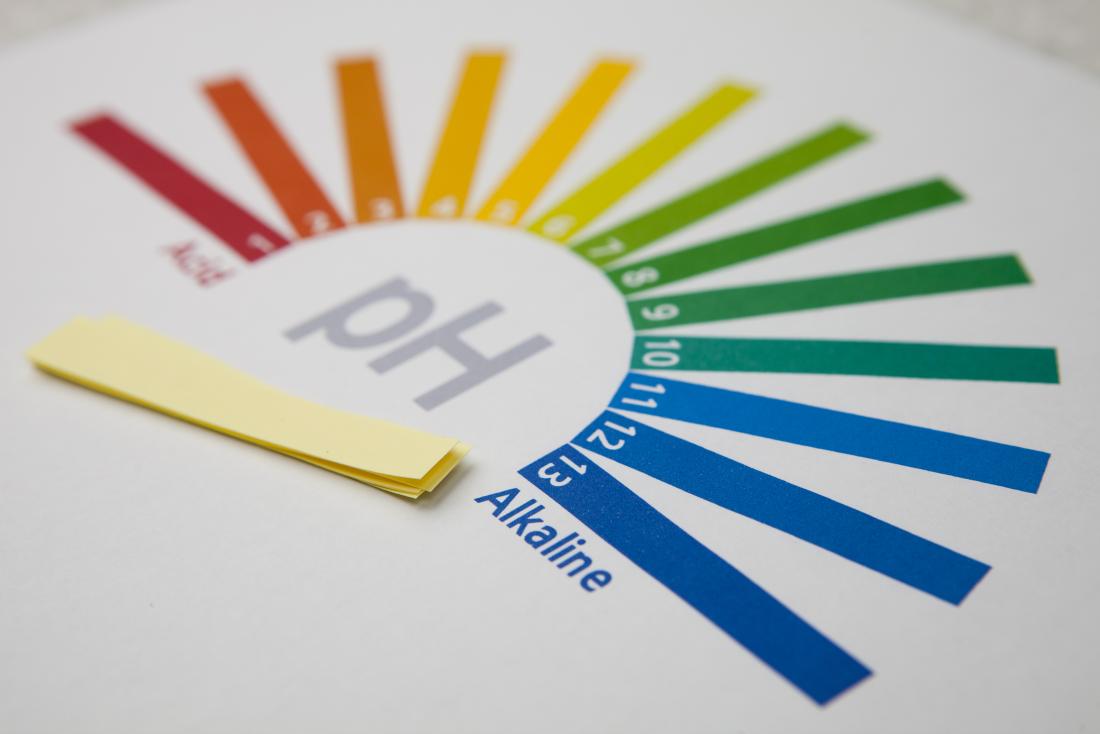
pH scale showing acid and alkaline numbers next to some litmus paper test strips.
A baking soda solution is alkaline, while lemon juice is acidic.

The idea of combining baking soda and lemon juice draws on basic principles of acidity and the pH scale.

Scientists use the pH scale to measure the acidity of a solution. A solution can have a pH level between 0 and 14.

The lower the pH, the more acidic the solution, so:

  • pH levels below 7 indicate an acidic solution
  • pH levels above 7 indicate an alkaline, or base solution
  • neutral solutions, such as pure water, have a pH of 7

Baking soda, also known as sodium bicarbonate, is a base. This means that when people dissolve baking soda in water, it forms an alkaline solution. For example, a 0.1 molar solution of baking soda has a pH of around 8.3.

Lemon juice contains citric acid and has a pH of around 3. Adding baking soda to lemon juice will raise the pH to produce a more neutral solution.

Skin care

Usually, the skin has a weakly acidic pH of about 5.7. Bases, such as baking soda, will increase the pH of the skin. Higher pH levels can disrupt the barrier function of the skin, which may lead to dryness, excess oil production, and acne.

Lemon juice appears to have obvious skincare applications because it contains concentrations of vitamin C and citric acid, which both provide powerful skin benefits. Citric acid is an alpha-hydroxy acid (AHA) that manufacturers commonly use in chemical peels.

However, skin cells naturally repel water-soluble molecules, such as vitamin C. This means that very little vitamin C will actually penetrate the skin.

The high acid content of lemon juice can lower the pH level of the skin. Low pH levels may cause skin irritation, hyperpigmentation, and UV light sensitivity.

Alternatives

Using a homemade mixture of baking soda and lemon juice may potentially be harmful to the skin. Instead, a person can try using neutral cleansers or chemical peels that contain AHAs, such as glycolic acid.

Neutralizing stomach acid

Wooden crates containing lemons and oranges.
Citrus fruits are a rich source of citric acid.

Excess stomach acid can cause uncomfortable symptoms, such as heartburn, vomiting, and indigestion.

Many people with excess stomach acid take over-the-counter (OTC) antacids to relieve their symptoms. Consuming baking soda and lemon juice together may also neutralize stomach acid in a similar fashion as an antacid.

A 2017 study examined the antacid effects of various foods. The authors of this study created artificial stomach acid with a pH of 1.2. Although lemon juice by itself had almost no effect, sodium bicarbonate successfully neutralized the synthetic stomach acid.

Many OTC antacids contain sodium bicarbonate and citric acid. Lemons and other citrus fruits are rich sources of naturally-occurring citric acid.

When a person mixes lemon juice and baking soda, the citric acid reacts with the sodium bicarbonate to produce a buffer called sodium citrate. A buffer refers to a weak acid or base that prevents drastic pH changes. Although lemon juice does not neutralize stomach acid, it may help stabilize the pH level inside the stomach.

Alternatives

Using baking soda and lemon juice to combat excess stomach acid may be a good home remedy, as effective OTC antacids contain similar ingredients.

However, mixing the correct proportions of baking soda and lemon juice can be difficult.

Consuming a mixture with too much baking soda may cause diarrhea and gas, whereas too much lemon juice could trigger acid reflux and make symptoms worse. Purchasing an antacid at the drug store is often much safer.

Other home remedies for reducing excess stomach acid include:

  • avoiding or reducing acidic foods and beverages
  • limiting caffeine intake
  • limiting alcohol consumption
  • eating smaller meals
  • drinking more water
  • getting enough sleep

People with severe or persistent acid reflux or heartburn should speak to a doctor or gastroenterologist.

Teeth whitening

Many oral care products contain baking soda due to its antibacterial properties, and its ability to remove plaque without eroding tooth enamel.

Baking soda may also help remove surface-level tooth stains, making it an effective and affordable alternative to traditional teeth whitening. However, there is little evidence to suggest that adding lemon juice to baking soda will enhance the dental benefits of baking soda.

A 2017 report that reviewed 21 studies concluded that toothpaste containing baking soda safely and effectively removed tooth stains. However, the report did not include any studies involving lemon juice.

It is also important to note that lemon juice contains high concentrations of citric acid and ascorbic acid, or vitamin C. Acidic compounds can erode enamel and lead to tooth decay. However, combining baking soda and lemon juice should produce a more pH-neutral solution.

Alternatives

People interested in whitening their teeth should contact their dentist. The American Dental Association (ADA) have also approved several types of baking soda toothpaste. To acquire an ADA Seal, manufacturers must provide scientific evidence to prove their product is safe and effective.

General risks and considerations

A woman who is thirsty after consuming baking soda drinks a bottle of water in a carpentry workshop.
Baking soda can cause side effects, including thirst and headaches.

Baking soda contains sodium bicarbonate, which is an active ingredient in some medications, such as antacids, and can potentially interact with other medications. People who intend on regularly consuming baking soda for health purposes should speak to a doctor first.

People who have kidney disease or high blood pressure must avoid sodium bicarbonate because it can increase sodium levels in the blood.

Side effects of sodium bicarbonate can include:

  • headaches
  • nausea and vomiting
  • thirst
  • stomach pain
  • excess gas
  • frequent urination
  • swelling of the lower limbs
  • fatigue

Lemons contain many essential vitamin and minerals. Lemon juice also contains compounds that have beneficial antibacterial and antioxidant properties.

However, lemon juice is acidic and using too much can cause side effects. These can include:

  • enamel loss
  • tooth decay
  • acid reflux
  • nausea and vomiting

Summary

Baking soda and lemon juice mixtures are popular health hacks, with people using them for things that include skin care, teeth whitening, and treating heartburn and indigestion. However, there is limited scientific evidence currently to support the health benefits of these mixtures, making it difficult to draw definitive conclusions.

Both baking soda and lemon juice possess several health benefits on their own. However, combining these two ingredients without specific dosage or usage guidelines may cause adverse side effects.

Share Button

Can supplements help keep depression at bay?

New research investigates whether taking nutritional supplements and changing dietary habits can help prevent depression.
profile of sad man on dark background
Can our dietary practices help keep depression at bay?

On a global level, we are now facing two concerning epidemics, one of which relates to the health of the body and the other to that of the mind, namely, obesity and depression.

In the United States alone, approximately 70 percent of all men and women are overweight or have obesity, while about 6.7 percent of all U.S. adults live with major depressive disorder.

Previous studies have suggested that people who are overweight or have obesity are also more likely to experience depression, leading researchers to wonder whether making dietary changes could help fend off depression.

In a new study called the MooDFOOD trial, a team from the University of Exeter in the United Kingdom, Vrije Universiteit Amsterdam in the Netherlands, the University of Balearic Islands in Palma de Mallorca, Spain, and the University of Leipzig in Germany decided to find out whether different dietary strategies would have any effect on mental health outcomes in overweight or obese people.

“Because depression is such a common problem, finding effective and widely available ways to prevent depression at a population level is an important goal,” notes Prof. Ed Watkins, one of the study authors.

The researchers’ findings, which now appear in JAMA, offer some hope that certain dietary interventions could be helpful. However, the overall suggestion is that simply making nutritional changes may not be enough to prevent instances of depression.

Supplements bring no mental health benefits

For the trial, the investigators recruited 1,025 participants who each had a body mass index (BMI) higher than 25, meaning that they were either overweight or had obesity.

The study participants were living in four different countries — the U.K., Germany, the Netherlands, and Spain — and specialist assessments had found them all to be at high risk of developing depression, although none of them had depression at baseline.

The researchers randomly assigned about half of the volunteers to take nutritional supplements, including folic acid, vitamin D, omega-3 fish oils, zinc, and selenium, on a daily basis, while the other half received a placebo.

Half of the participants in the treatment cohort also received psychological and behavioral interventions aiming to help them improve their dietary habits.

After a 1-year follow-up period, the investigators found that taking supplements did not have any protective effect against depression compared with the placebo.

“Diet and nutrition held promise as one means to reach large numbers of people. However, this trial convincingly demonstrates that nutritional supplements do not help to prevent depression,” Prof. Watkins explains.

Dietary patterns may play a role

Behavioral therapy to encourage better dietary habits yielded results that were more positive, but not significantly so. This intervention did not perform better than the supplement regimen in keeping depression at bay.

However, attending the full number of sessions that the organizers recommended did seem to prevent some depressive episodes in participants who complied with this advice.

“There was a suggestion that changing food-related behavior and diet may help to prevent depression, but this requires further investigation,” Prof. Watkins points out.

MooDFOOD trial coordinators Prof. Marjolein Visser and Prof. Ingeborg Brouwer explain that their project, which is the largest randomized clinical trial of its kind to date, led to three major conclusions:

“First, a healthy dietary pattern, [such as] a Mediterranean style diet high in fruit, vegetables, whole grains, fish, pulses, and olive oil, and low in red meat and full-fat dairy products, may reduce the risk of […] depression. Second, in people with obesity, weight loss can lead to a reduction in depressive symptoms.”

“Third,” they add, “current evidence does not support the use of nutritional supplements in order to prevent depression.”

Future studies, the team notes, should look further into how dietary patterns influence mental health outcomes and what types of dietary change are most likely to help prevent depression.

Share Button

Are black walnuts good for you?

People use black walnuts in cooking because they have great flavor and crunch. Black walnuts are also high in anti-inflammatory compounds, so supplement manufacturers sell the extract as a pill.

Black walnuts contain three main components that make them beneficial when consumed – antioxidants, polyunsaturated fats, and phenolic compounds. The walnuts also contain a range of other nutrients that includes fiber, protein, melatonin, and folate, which is a type of B vitamin.

Whether people eat them in nut form or take them as a supplement, black walnuts have many potential health benefits. It is also important to consider possible drawbacks as well.

Reduced risk for cardiovascular disease

Black walnuts
Studies suggest a link between high nut consumption and lower risks for heart disease.

Most experts agree that consuming nuts, including black walnuts, has well-established links to improving heart health.

Nuts, such as black walnuts, are high in fatty acids and antioxidants that can help to improve a person’s overall heart health.

According to the International Journal of Food Properties, numerous major studies have identified a positive correlation between higher nut consumption and lower risks for sudden cardiac death, heart attack, and heart disease.

Lowering blood pressure

Black walnuts contain arginine, which is an amino acid. Arginine turns into nitric acid in the body. Nitric oxide is a vasodilator, which means that it makes blood vessels larger. According to the International Journal of Food Properties, vasodilators can potentially lower blood pressure,.

The journal reports that black walnuts contain 3.62 grams (g) of arginine per 100 g of the food. This is slightly higher than English walnuts, which contain 2.28 g of arginine per 100 g of black walnuts.

Improved cholesterol levels

Walnuts contain phytosterols or plant sterols. Phytosterols are beneficial to the body because they limit the absorption of cholesterol in the body. This effect can help to lower a person’s cholesterol levels.

Black walnuts contain 37 milligrams (mg) more phytosterols than their English walnut counterparts, according to the International Journal of Food Properties.

Because doctors associate high cholesterol levels with greater risks for heart disease, keeping cholesterol levels low is essential for heart health.

Protection against neurological diseases

Black walnuts are rich in ellagitannins, which are a type of polyphenol. Ellagitannins have anti-inflammatory and free-radical-fighting properties in the body.

According to the journal Critical Reviews in Food Science and Nutrition, these compounds help prevent the onset and progression of neurodegenerative diseases in the body. Examples of these diseases include Parkinson’s disease, Alzheimer’s disease, and amyotrophic lateral sclerosis.

Reduced risk for liver cancer

A study in the 2011 issue of Pharmaceutical Biology found that cancer cells exposed to walnut extracts in a laboratory setting were effective in keeping cancer cells from multiplying.

The researchers found that the compounds chloroform and ethyl acetate were particularly effective at preventing liver cancer cells from multiplying. The researchers theorized that black walnut could have preventive and protective effects against liver cancer as well as some other cancer types.

Reduced risk for prostate cancer

Black walnuts are high in the compound y-tocopherol. Researchers have linked this nutrient with inhibiting tumor cell growth in prostate cancer cells, according to the International Journal of Food Properties.

While researchers have not been able to identify a specific dose or amount that has prostate cancer-protective properties, these compounds show promise as a method to reduce prostate cancer risk.

Additional reported benefits

Some researchers believe that black walnuts have many more health benefits. However, scientists have not studied these in any detail, so they are unable to confirm their effectiveness.

Examples of these potential benefits include:

  • treating intestinal parasites
  • healing skin wounds
  • treating yeast infections

Some people believe that topical pastes of black walnut can treat skin conditions, such as warts, psoriasis plaques, and canker sores. However, researchers have not proven these properties to be true.

How to take and add to the diet

black walnuts added to a salad
People can add black walnuts to entrees, appetizers, and salads.

A person can simply add black walnuts to appetizers, salads, entrees, side dishes, and desserts.

Walnut shells are very thick, and some people may find them difficult to crack. However, shelled black walnuts are available.

Choosing walnuts that have undergone minimal processing and preparation will usually ensure they retain their nutritional profile.

Supplement manufacturers also sell black walnut as a single supplement or incorporate it with other herbs and fruits, such as garlic, cranberry, and Echinacea.

People should always check with their doctor before taking any new supplements. Always read the directions on the package carefully to ensure safe consumption.

Side effects

Doctors generally consider black walnuts safe when people eat them in small amounts or take them as a supplement on a short-term basis.

Doctors do not know the long-term effects of taking black walnut supplements. Also, the U.S. Food and Drug Administration (FDA) do not regulate the supplements industry, so use discretion when buying supplements and always purchase them from a reputable company.

Some people report allergies after consuming black walnuts. Others report stomach irritation and upset after taking black walnut supplements or eating the nuts. Because doctors do not know much about the side effects of black walnut consumption, they recommend that breastfeeding or pregnant women do not take the supplements.

Black walnuts also contain substances called tannins that may decrease the body’s ability to absorb other medications. As a result, a person should not consume or take black walnut supplements at the same time as their regular medications. Waiting 1 to 2 hours between taking the supplement and taking other medicines is the best way to ensure that they will all work effectively.

Summary

Black walnut is a natural food product that has anti-inflammatory properties, which may help fight disease. A person can incorporate the nut into their diet or select a supplement that contains it.

However, always talk to a doctor before taking any new supplement, as it is possible that taking black walnut could interfere with how well the body absorbs certain medications.

Share Button