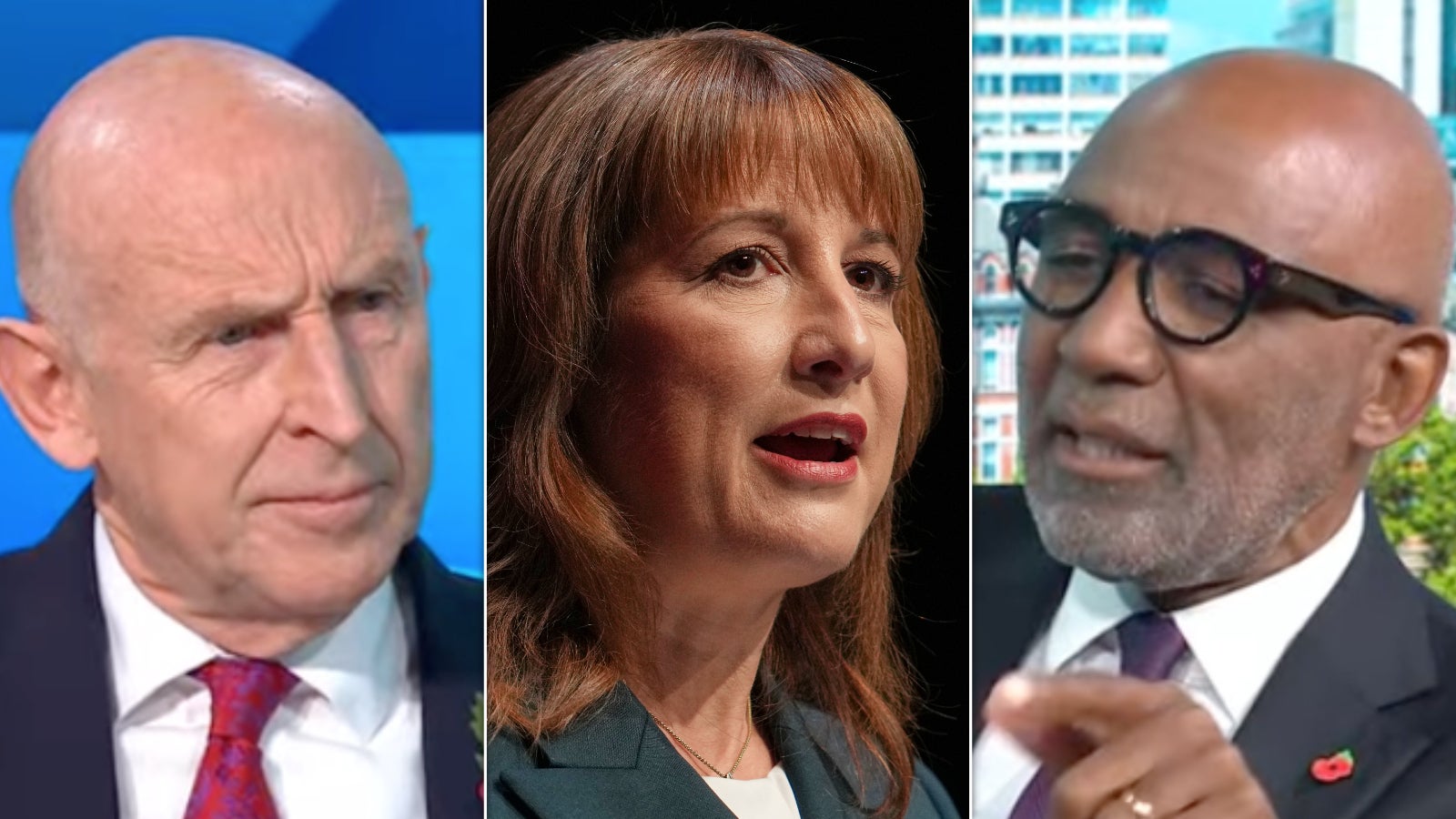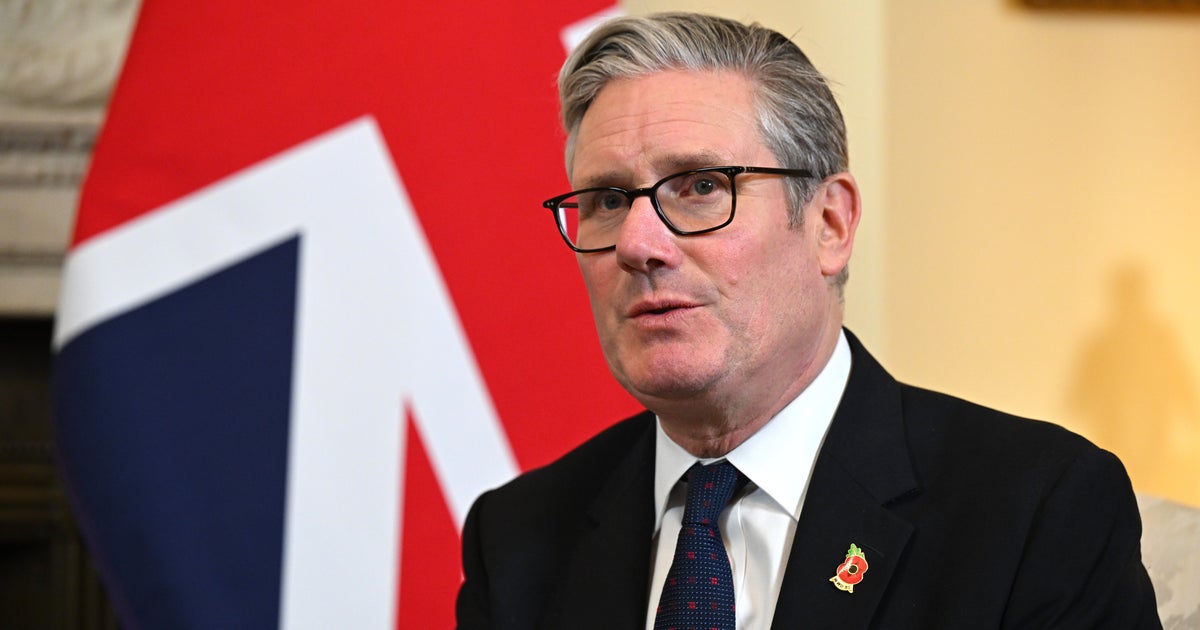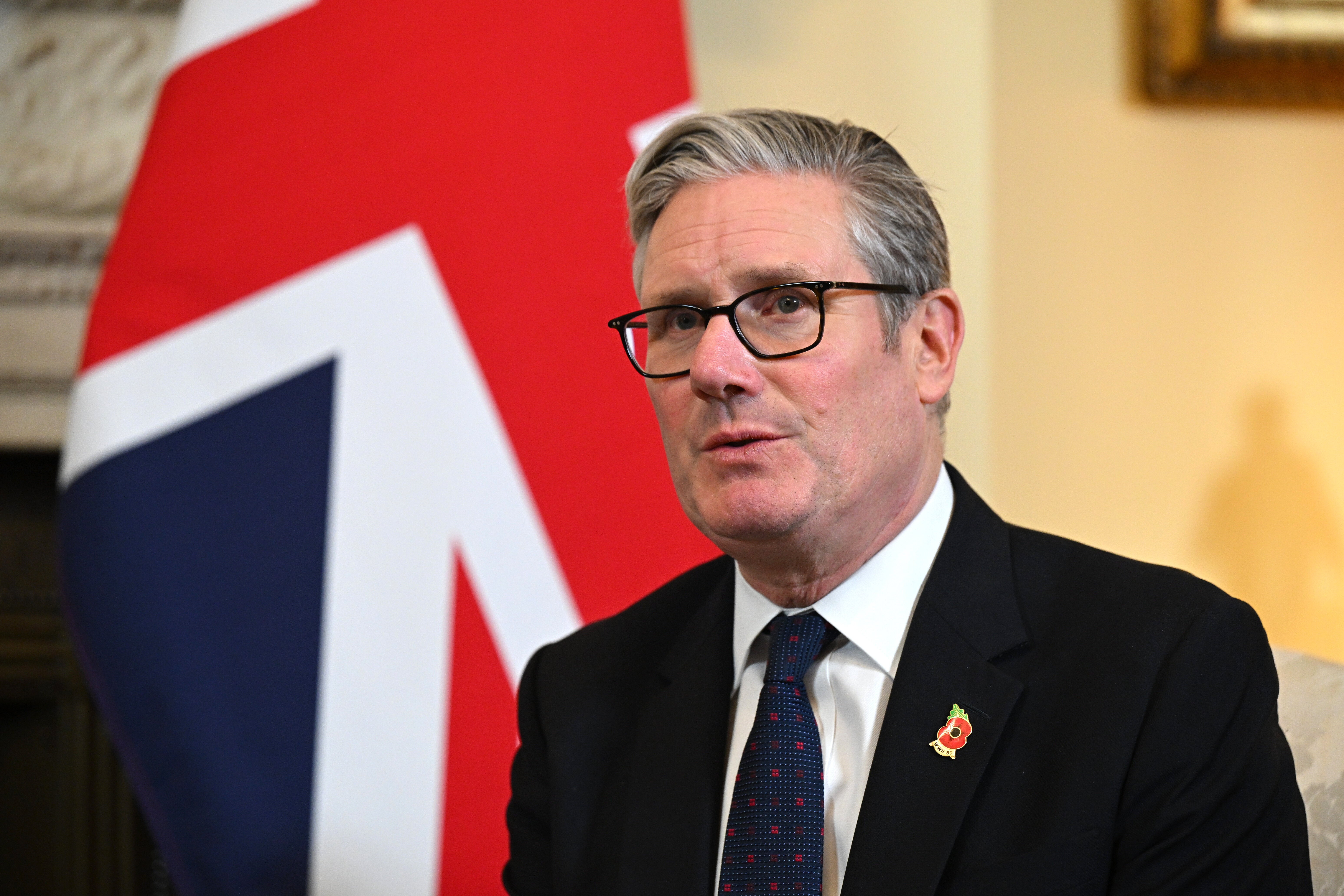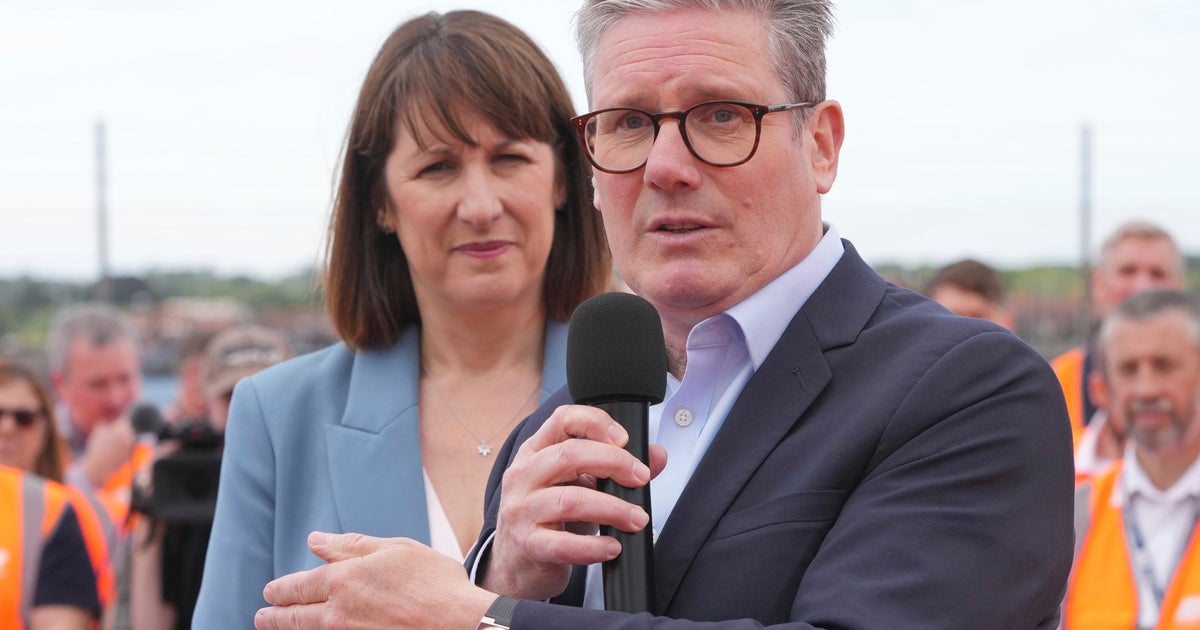
Keir Starmer And Rachel Reeves Could Be Preparing For Their Biggest U-Turn Yet. Here’s Why

Rachel Reeves could not have been clearer as she delivered her first Budget last October.

The chancellor told MPs that she had considered whether or not to maintain the freeze on income tax and National Insurance thresholds, which were brought in by the Tories and are due to stay in place until 2029.

The effect of the policy is to drag millions of workers into higher tax bands when their pay goes up, raising tens of billions of pounds for the Treasury in the process.

But critics say this is a stealth tax, a sneaky way of giving the chancellor more money to spend without having to increase the rate of income tax or National Insurance.

Delivering her Budget, Reeves told the Commons that under Labour, this practice would end.

“Extending their threshold freeze for a further two years raises billions of pounds,” she said.

“Money to deal with the black hole in our public finances, and repair our public services.

“Having considered this issue closely, I have come to the conclusion that extending the threshold freeze would hurt working people. It would take money out of their payslips.

“I am keeping every single promise on tax that I made in our manifesto. So there will be no extension of the freeze in income tax and National Insurance thresholds beyond the decisions of the previous government.

“From 2028/29, personal tax thresholds will be uprated in line with inflation once again.”

But with the chancellor struggling to balance the nation’s books, all the signs are that she is set to recant on her previous position when she delivers her next Budget in the autumn.

At prime minister’s questions on Wednesday, Tory leader Kemi Badenoch asked Keir Starmer if he stood by Labour’s election manifesto pledge not to put up income tax, VAT or National Insurance.

The PM delivered a one word answer: “Yes.”

But when Badenoch asked the prime minister if Reeves stood by her promise to lift the freeze on income tax thresholds, he was much more equivocal.

“We are absolutely fixed on our fiscal rules, we remain committed to them,” Starmer said, completely dodging the question.

“We remain committed to our Budget, to our manifesto commitments.”

Badenoch replied: “The whole House would have heard him fail to rule out freezing tax thresholds. He could say with the first question, he could promise, but he couldn’t this time round.”

She said maintaining the freeze meant “millions of our poorest pensioners face being dragged into income tax for the first time ever”.

Once again, Starmer failed to rule out maintaining the Tory threshold freeze, saying once again: “We will stick to our manifesto commitments, we will stick to our fiscal rules.”

Speaking to journalists afterwards, the prime minister’s spokesman repeatedly refused to say whether Reeves stands by her commitment to end the freeze.

Of course, performing an embarrassing U-turn would not be a new experience for the PM, who has turned it into something of an art form thanks to climbdowns on, among other things, winter fuel payments and welfare cuts – decisions which have left Reeves needing to urgently raise more funds.

Voters tend to be forgiving of politicians who actually change their minds when the tide turns against them.

But they may be less patient when the U-turn in question ends up hitting them in the pocket.

Share Button

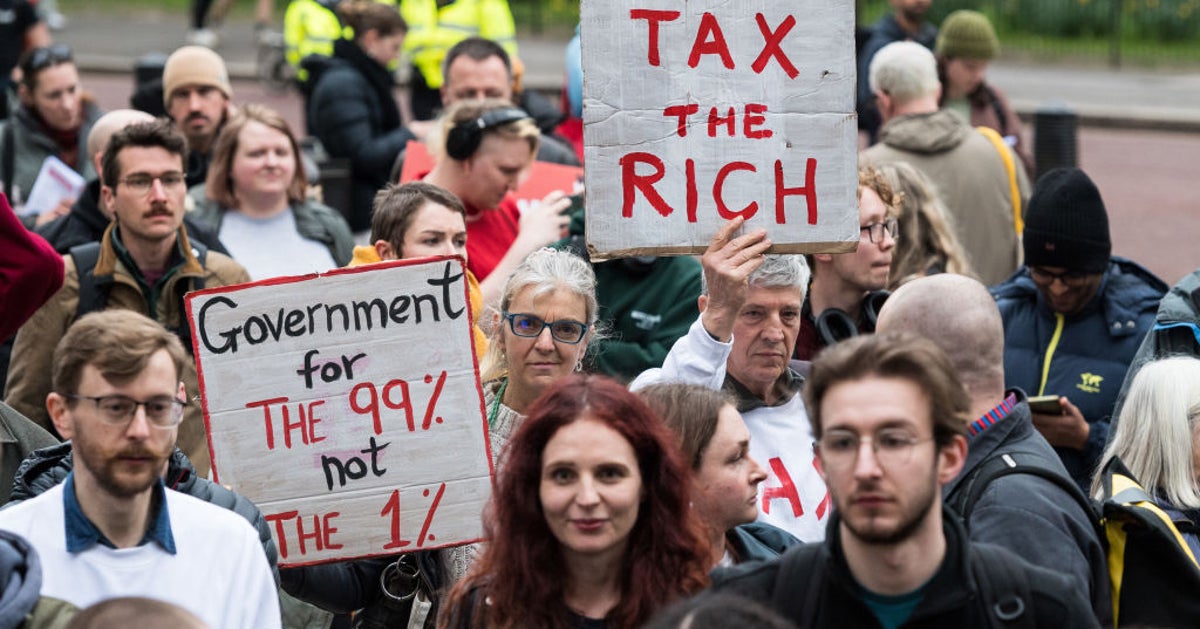
Vast Majority Of Brits Back A Wealth Tax On The Super-Rich, Poll Reveals

The vast majority of UK voters back a wealth tax on the super-rich, a new poll has revealed.

According to the YouGov survey, 75% of Brits want to see a 2% charge on those worth more than £10 million.

Pressure of growing on chancellor Rachel Reeves to introduce a wealth tax in the Budget as she tries to plug another multi-billion pound hole in the nation’s finances.

Former Labour leader Neil Kinnock threw his weight behind the calls at the weekend.

He told Sky News: “This is a country which is very substantially fed up with the fact that whatever happens in the world, whatever happens in the UK, the same interests come out on top, unscathed all the time, while everybody else is paying more for gutted services.”

The YouGov poll found that 49% of people “strongly support” a wealth tax, with a further 26% saying they “somewhat support” it.

Only 13% say they oppose it, with 12% saying they don’t know.

According to separate research by the More in Common think-tank, a wealth tax would be the most popular tax policy the government could introduce.

But critics say the policy has never worked in other countries where it has been tried, mainly because the super-rich are highly mobile and simply move elsewhere in order to avoid it.

Reeves has previously ruled out a wealth tax, but No.10 failed to stamp out the speculation on Monday.

A spokesman for the prime minister said: “We have repeatedly said that those with the broadest shoulders should carry the greatest burden and the choices we’ve made reflect that.

“The top 1% of taxpayers contribute nearly a third of income tax.

“Revenue from wealth and asset taxes like capital gains tax and inheritance tax go towards funding tens of billions of pounds for the public services.

“The government is committed to ensuring that the wealthiest in our society pay their fair share of tax.”

Share Button

Exclusive: Labour Failing On Key Issues Facing The Country, Say Voters

Voters believe Labour are failing on the key issues facing the country, according to a new poll.

The nationwide survey by Ipsos showed the public believe the NHS, inflation and immigration will be the areas most important to them when deciding who to vote for at the next general election.

But in a blow for Keir Starmer, a clear majority believe the Labour government is performing badly on all of them.

The poll showed 62% of voters believe they are doing a bad job on the cost of living, 59% are unsatisfied withe Labour’s performance on immigration and 54% are unsatisfied with the government’s management of the economy.

As Starmer approaches his first anniversary as prime minister, a majority – 56% – of the British public are disappointed by what Labour has done in power so far.

Meanwhile, 52% of the public have an unfavourable view of the PM himself, with just 24% having a favourable one, giving him a net rating of minus 28.

Voters’ opinion of chancellor Rachel Reeves is even worse, with 53% having an unfavourable view of her, and just 17% having a favourable one, giving her a net rating of minus 36.

Keiran Pedley, director of UK politics at Ipsos, told HuffPost UK: “Neither Labour nor Keir Starmer’s poll ratings are in a good place and that’s been the case for some time.

“More than half have an unfavourable view of both the prime minister and the chancellor, and a similar proportion are disappointed by Labour in government so far.

“On all the issues voters say are most important to them – the NHS, the economy and immigration – a majority of Britons say Labour are doing a bad job.”

However, in a glimmer of hope for Starmer, Pedley said Labour remain more trusted on the NHS than any other party and “there is no clear consensus for which party is best on the economy or cost of living”.

“Given this – and there is still potentially four years to go this parliament – Labour still does have time on its side to turn things around,” he added.

Share Button

Why Rachel Reeves Faces Dark Clouds Despite Her Multi-Billion Pound Spending Spree

Labour MPs saw a different side to Rachel Reeves on Wednesday evening.

Fresh from delivering her spending review, the chancellor faced a meeting of the Parliamentary Labour Party, telling them to go out and “sell” what she had just announced to voters.

“People are only going to know the good news that we set out today if we campaign on it, if we deliver the leaflets, if we speak to people on the doorstep, if we write those pieces for our local papers, that is how people are going to know that it is Labour making these differences,” Reeves told them.

So far, so unsurprising. But those present detected a marked change of tone from the chancellor, who has often appeared to have the weight of the world on her shoulders over the past 11 months.

“She joked, she laughed and she looked well,” said the MP. “She was like a woman released.”

When the winter fuel debacle was raised, Reeves acknowledged that mistakes had been made since Labour won the election.

“That shows she gets it,” one backbench MP told HuffPost UK. “She knows where she is in the popularity stakes and there’s no way you don’t feel that personally. She’s not Cruella de Vil. But this felt like a reset moment for her.”

Among the jokes, however, there was a nod to the often-fractious negotiations with her Cabinet colleagues as their departmental budgets were set.

The last hold-out was home secretary Yvette Cooper, whose refusal to accept the real-terms cuts she was facing eventually led to Reeves taking the highly unusual step of imposing a settlement on her.

At the PLP meeting, Reeves admitted to being “peed off” with police chiefs complaining about a lack of cash after receiving a 2.3% increase in their budget.

“I don’t think they would have said that without Yvette giving them the nod,” one MP said.

For the moment, however, Labour MPs from across the party’s various factions seem pretty pleased with what Reeves announced.

Chris Curtis, co-chair of the Labour Growth Group, said: “We were pushing for greater investment in affordable housing, infrastructure, and research and development and we’ve seen major commitments on all three.

“These are the foundations of sustainable economic growth, and with them we can start to deliver what the British people rightly expect: rising wages, economic security, and properly funded public services.”

Jo White, the MP for Bassetlaw and chair of the Labour Red Wall Group, said the spending review – which included billions for better transport links in the north and Midlands – had been “the starting gun” on the next election.

“We welcome that the government is listening to the Red Wall,” she said.

Reeves might find her spending spree is a tougher sell across the country, however.

A focus group carried out in Coventry after the spending review by the More in Common think-tank offered further proof of the widespread disillusionment there is in the country with politicians.

All of those taking part had voted Labour last year, but been unimpressed so far by the party’s time in office.

“Growing up when you voted for Labour, you knew what you were voting for,” said Deena. “I think at the moment, they’ve just gone back to blaming things on the Tories and not giving stuff they promised.”

On what Reeves had announced, therapy assistant Caroline said: “She just says what she thinks we want to hear. And we do want to hear it. But will we see it? I definitely won’t hold my breath.”

Ed Hodgson, More in Common’s associate director of polling and analysis, said: “Behind all the numbers from the spending review, it’s clear from the voters we spoke to in Coventry that they’re running out of patience and want to see real improvements in their day-to-day lives.

“That’s going to be the real test of whether the chancellor’s financial calculations, and her belief in UK growth giving her future headroom, can actually pay off politically.”

“She knows where she is in the popularity stakes and there’s no way you don’t feel that personally. She’s not Cruella de Vil”

The ink on Reeves’ spending review speech had barely dried before the Office for National Statistics announced on Thursday morning that the UK’s gross domestic product (GDP) shrunk by 0.3% in April.

For a government’s whose number one mission is supposedly growing the economy, this was sub-optimal.

A senior No.10 aide was sanguine telling HuffPost UK that they had been braced for bad news.

“You can overdo the month-to-month stuff,” he said. “The month before growth was up 0.7%.

“But we’ve never shied away from the fact that there’s a lot to do on GDP and we always knew that April was going to be tricky.”

Critics have dubbed Reeves the “Klarna chancellor”, insisting that the billions of pounds of spending she announced on Wednesday will have to be paid for later, most likely by hiking taxes in the Budget.

Reeves, who put up taxes by £40 billion in what was meant to be a once-in-a-parliament move last autumn, has refused to rule out coming back for more this autumn, while also insisting that the spending review was “fully funded”.

“We didn’t put up taxes in the autumn for no reason, we had to do it, and the choices we had was either to put up VAT on everyone or ask businesses to pay a bit more,” said one senior government figure.

“We don’t relish tax rises, but we need to put the public finances first.”

But one Labour insider accused the chancellor of “boxing herself in” by sticking to her fiscal rules, which forbid any borrowing to pay for day-to-day government spending.

“It’s their starting position on everything,” the source said. “You can argue that’s the best possible starting point, but equally you can say at some point, shouldn’t your starting point be how do we win that election or deliver the plan for change?”

With all the talk of more tax rises, one seasoned observer suggested that Reeves may in fact have something much more radical in mind.

“The big unknown, and which will only begin to take shape in 2027, is will this hairshirt being worn now give Rachel a war chest that will allow her to do a big tax cut before the next election?” they said.

“Mind you the recent track record or pre-election tax cuts is not great, given Jeremy Hunt did three of them and the Tories still got hammered.”

If Labour are to avoid the same fate in 2029, Reeves needs to hope that the spending spree she announced on Wednesday delivers tangible improvements to the lives of ordinary voters – and soon.

Share Button

Rachel Reeves Takes Axe To Whitehall Departments To Pay For Health And Defence Cash Splurge

Eight Whitehall departments will see their budgets slashed so that more cash can be spent on the NHS and defence.

The Home Office and Department for Transport are among those facing real-terms reductions in their day-to-day budgets as a result of chancellor Rachel Reeves’s spending review.

She announced that an extra £300 billion will be spent by the government over the next three years.

The NHS will enjoy a 3% rise in its budget after inflation, which works out at an extra £29 billion a year.

Meanwhile, defence spending will rise from 2.3% to 2.6% of gross domestic product (GDP) by 2027.

An extra £39 billion will be spent on building affordable homes over the next 10 years, while £14 billion is being spent on a new nuclear power plant at Sizewell C.

Reeves told MPs that departmental budgets will increase by 2.3% in real terms under plans.

She said she was “reflecting the choices of the British people” as she accused the Tories and Reform of having no plans for the economy.

But Treasury documents later revealed that a number of Whitehall departments will see their day-to-day budgets fall once inflation into account.

The Home Office faces a 1.7% fall, with the transport budget being reduced by 5% and the Department of the Environment, Food and Rural Affairs being cut by 2.7%.

Paul Johnson, director of the Institute for Fiscal Studies, said: “The crux is that most departments will have larger real-terms budgets at the end of the parliament than the beginning, but in many cases much of that extra cash will have arrived by April.

“Eight departments will actually see cuts to their budget between this year and the end of the parliament.”

Police chiefs warned that the Home Office funding settlement will make it “incredibly difficult” for them to hit the government’s target of recruiting an extra 13,000 frontline officers.

Liberal Democrat Treasury spokesperson Daisy Cooper accused Reeves of “smoke and mirrors”.

She said: “This spending review was a missed opportunity to repair the damage done by the Conservatives and finally deliver on the promise of change.

“Behind the smoke and mirrors is a potential blackhole for social care as local government budgets remain at breaking point. Putting more money into the NHS without fixing social care is like pouring water into a leaky bucket.”

Sadiq Khan, the Labour mayor of London, also attacked the chancellor, claiming the capital had missed out on much-needed funds.

He said: “I remain concerned that this spending review could result in insufficient funding for the Met and fewer police officers.

“It’s also disappointing that there is no commitment today from the Treasury to invest in the new infrastructure London needs. Projects such as extending the Docklands Light Railway not only deliver economic growth across the country, but also tens of thousands of new affordable homes and jobs for Londoners.

“Unless the government invests in infrastructure like this in our capital, we will not be able to build the numbers of new affordable homes Londoners need.”

Shadow chancellor Mel Stride said the spending review was “not worth the paper that it is written on” and will inevitably lead to taxes going up in the autumn Budget to pay for it.

He said: “This is the spend now, tax later review, because [the chancellor] knows she will need to come back here in the autumn with yet more taxes and a cruel summer of speculation awaits.

“How can we possibly take this chancellor seriously after the chaos of the last 12 months?”

Share Button

Rachel Reeves Announces £39 Billion Housing Boost As She Vows To ‘Renew’ Britain

Rachel Reeves will announce plans to spend nearly £40 billion building affordable homes in a bid to solve the UK’s housing crisis.

The chancellor will outline details of the cash boost in the spending review on Wednesday.

It will be seen as a major victory for Angela Rayner, the deputy PM and housing secretary, who has been locked in a battle with the Treasury for more funding for her department.

Under the plans, £39bn will be spent over the next 10 years on a social and affordable homes programme, which works out at £3.9bn a year.

The last five-year programme, which comes to an end in 2026, was worth £11.5bn, or £2.3bn a year.

A government source said: “The government is investing in Britain’s renewal, so working people are better off.

“We’re turning the tide against the unacceptable housing crisis in this country with the biggest boost to social and affordable housing investment in a generation, delivering on our commitment to get Britain building.”

Reeves will confirm plans to spend billions on new transport links in the north and Midlands, and fund the completion of a new nuclear power station at Sizewell C.

The NHS and Ministry of Defence are expected to be the big winners in the financial settlement, with other departments facing real terms cuts to their budgets as Reeves tries to balance the nation’s books.

The chancellor will tell MPs: “This government is renewing Britain, but I know too many people in too many parts of the country are yet to feel it.

“My task – and the purpose of this Spending Review – is to change that.

“To ensure that renewal is felt in people’s everyday lives, their jobs, their communities.

“So that people can see a doctor when when they need one, know that they are secure at work and feel safe on their local high street.

“The priorities in this Spending Review are the priorities of working people. To invest in our country’s security, health and economy so working people all over our country are better off.

That is what this Spending Review will deliver.”

She will add: “I have made my choices. In place of chaos, I choose stability. In place of decline, I choose investment. In place of retreat, I choose national renewal.

“These are my choices. These are this Government’s choices. These are the British people’s choices.”

Share Button

Rachel Reeves Agrees To Spend £14 Billion On New Nuclear Plant

Rachel Reeves has agreed to spend £14 billion of taxpayers’ money on a nuclear plant at Sizewell C.

The chancellor will announce the move, which is part of her spending review, at the GMB Congress on Tuesday.

It is expected to create 10,000 jobs, including 1,500 apprenticeships.

Energy secretary Ed Miliband said the project, which will be the first new nuclear plant to open in the UK since 1995, will help to usher in “a golden age of clean energy abundance”.

Sizewell C was one of eight potential sites for new nuclear plants identified in 2009, when Miliband was last energy secretary.

However, the project was never completed during 14 years of Tory government.

It is expected that the plant will come on stream in the 2030s.

Reeves said the announcement showed that Labour was “investing in Britian’s renewal”.

“We are creating thousands of jobs, kickstarting economic growth and putting more money people’s pockets,” she said.

Miliband said: “We will not accept the status quo of failing to invest in the future and energy insecurity for our country.

“We need new nuclear to deliver a golden age of clean energy abundance, because that is the only way to protect family finances, take back control of our energy, and tackle the climate crisis.

“This is the government’s clean energy mission in action – investing in lower bills and good jobs for energy security.”

The Hinkley Point C nuclear plant, in Somerset, is under construction and is expected to produce enough power for about six million homes when it opens, but that may not be until 2031.

The government is also due to confirm one of Europe’s first small modular reactor programmes and will invest £2.5 billion over five years in fusion energy research as part of plans to boost the UK’s nuclear industry.

GMB regional secretary Warren Kenny said: “Nuclear power is essential for clean, affordable, and reliable energy – without new nuclear, there can be no net zero.

“Sizewell C will provide thousands of good, skilled, unionised jobs and we look forward to working closely with the Government and Sizewell C to help secure a greener future for this country’s energy sector.”

But Alison Downes of the ‘Stop Sizewell C’ group said ministers had not “come clean” about the full cost of the project, which the group have previously estimated could be some £40 billion.

“There still appears to be no final investment decision for Sizewell C, but £14.2 billion in taxpayers’ funding, a decision we condemn and firmly believe the government will come to regret,” she said.

Share Button

Rachel Reeves To Spend Billions In Red Wall In Bid To See Off Reform Threat

Billions of pounds of public money are to be spent on new transport projects across the Midlands and north of England as Labour tries to see off the threat of Reform UK.

Rachel Reeves is ripping up Treasury rules so the government can invest more in Red Wall areas where support for Nigel Farage’s party is on the rise.

The chancellor will unveil the £15.6 billion plans in a major speech on Wednesday ahead of next week’s government spending review.

She will announce “a step change in how government approaches and evaluates the case for investing in our regions” following a review of the Treasury’s Green Book, which assesses the costs and benefits of major public projects.

Reeves will say that has been done “to make sure that this government gives every region a fair hearing when it comes to investments”, amid concerns that too much taxpayers’ money is spent in the South East.

Among the projects set to be given the green light is the Metro extension linking Washington to Newcastle and Sunderland, and the renewal of South Yorkshire’s tram network.

A metro extension to Birmingham’s sports quarter is also set to be built, while the Metrolink tram network in Greater Manchester will get new stops in Bury, Oldham and Stockport town centre.

Ministers say the projects will create jobs, boost economic growth and improve commutes for locals.

Transport secretary Heidi Alexander, said: “Today marks a watershed moment on our journey to improving transport across the north and Midlands – opening up access to jobs, growing the economy and driving up quality of life.

“For too long, people in the north and Midlands have been locked out of the investment they deserve.

“With £15.6bn of government investment, we’re giving local leaders the means to drive cities, towns and communities forward, investing in Britain’s renewal so you and your family are better off.”

A Treasury source denied that the government announcement was being driven by Labour nervousness at the growing popularity of Reform.

The source told HuffPost UK: “It’s about showing we’re delivering. People want change and investment. We are delivering that.”

Share Button

Exclusive: Rachel Reeves On Her ‘Weird’ Life And Why She Won’t Change Course

“My life is a bit weird these days,” Rachel Reeves candidly admits just hours after delivering her Spring Statement to a packed House of Commons.

She is sitting with HuffPost UK in her small office inside the rabbit warren that is 11 Downing Street.

Having endured a torrid nine months since taking up her role in the wake of Labour’s landslide election victory, it is perhaps unsurprising that she seems tired.

The widespread criticism of decisions like removing winter fuel payments from 10 million pensioners, hiking the employers’ rate of National Insurance and slashing nearly £5 billion from the welfare bill have clearly taken their toll.

“Rachel is very bruised and feels like she’s been made the public face of all the unpopular things that the government is having to do,” one ally said. “Being chancellor is a very lonely position when the economy is in trouble.

“She is effectively the domestic prime minister, which means she has to do a lot of things that people don’t like. It’s not a surprise that she sometimes just looks beaten.”

Reeves has become a lightning rod for the mounting public and political anger that threatens to engulf Keir Starmer’s government.

Nevertheless, there is no sign of her changing course. Calls to increase taxes on the wealthy, or for the government to borrow more rather than impose deep cuts on unprotected Whitehall departments are, for now, falling on deaf ears. The lady, it seems, is not for turning.

“It’s a job that I’ve always dreamed of doing, it’s a job that I’ve always wanted and it’s a huge privilege to be in this role and work with all of the talented people at the Treasury,” Reeves says.

She points to the fact that NHS waiting lists have fallen for five months in a row as proof that the government is making a positive difference to people’s lives.

A rise in the national living wage and the introduction of free breakfast clubs in all English primary schools are also offered up as evidence that Labour is working.

“A government doesn’t get to choose their inheritance,” Reeves says. “I wish the inheritance had been more rosy and that I hadn’t had to take such big and difficult decisions in the early months of my time in office.

“But because we took those decisions and wiped the slate clean after 14 years of economic mismanagement by the Conservatives, it means that in the changing world that we face today, we’re able to respond quickly, effectively and decisively, including reducing overseas development spending to put that money into defence.

“That’s the right thing to do in the world that we are confronted with today.”

Political jeopardy is never far away, however. Labour insiders believe more than 150 of the party’s MPs are currently opposed to the government’s welfare cuts, which they say unfairly target some of the poorest people in the country.

And while not enough of them will vote against the government to overturn Labour’s huge majority, dozens will.

“They are in a real pickle on the welfare stuff,” one source told HuffPost UK. “There is a lot of angst among Labour MPs.”

The Department of Work and Pensions’ own assessment, published on the same day as the Spring Statement, warned that 250,000 people – 50,000 of them children – will be pushed into poverty by the reforms. Reeves rejects that analysis, however.

She says: “Those numbers are based on not a single person moving from welfare into work and we are, alongside this package of welfare reforms, putting in £1 billion of targeted, personalised and guaranteed support for anybody on sickness and disability benefits to help them find work that’s appropriate for the situation that they are in.

“I know that there are thousands of people with disabilities who are desperate to work if only they were provided with the support.

The government wants to make sure “that everybody who can work, does work, while at the same time ensuring there is proper support for those who genuinely because of their sickness or disability cannot work”, she adds.

One senior Labour said many of their MPs “need to get into the real world”.

“Instead of listening to special interest groups in their constituencies, they need to go to the school gates and speak to some real people,” he said.

“Voters who get up in the morning and go to work are angry when they see their next door neighbour staying in bed.”

Reeves has also come under fire in recent days for accepting free tickets to a Sabrina Carpenter concert at the O2 in London.

Some in Labour were aghast that the chancellor had not realised the potential political pitfalls, especially given the row last year over MPs – including Starmer himself – accepting freebies.

While defending her decision, the chancellor tells HuffPost UK that it is not a mistake she will make again.

She says: “I went with a member of my family. As a 46-year-old woman, I wouldn’t say that I’m a massive Sabrina Carpenter fan, but that’s something a member of my family wanted and I took them to the concert.

“A lot has changed since the election in my life, and it’s the privilege of my life to do this job and I wouldn’t change it for anything, but of course there are security considerations that I haven’t had to think about in the past. That means getting tickets for a concert and just sitting in a normal row is not something I can do easily now like I could in the past.

“For security reasons, I was advised to be in a box and the owners of the O2 said that they could sort that for me. They’re not tickets that you could buy. I declared it in the proper way, but I do understand why people think it’s a bit weird – my life is a bit weird these days – but I do understand why people have concerns and I will reflect on that.”

The controversy shone a spotlight on the problems facing senior politicians as they try to juggle their public duties with their private lives.

Asked how she switches off from controlling the nation’s purse strings, Reeves says “I’ve got a young family and so I spend time with them. I go running. I used to go swimming, I haven’t done much of that since the election.

“I do try and have a bit of balance in my life – you’ll need to ask my family how good I am at achieving that.”

With the UK’s economic outlook set to remain unsettled for years to come, it may be a while before Rachel Reeves makes an appearance at a swimming pool near you.

Share Button

Here’s What Rachel Reeves Could Announce In The Spring Statement

It was never the plan for tomorrow’s Spring Statement to be such a major parliamentary occasion.

Rachel Reeves has previously insisted that the autumn Budget, which takes place in October, would be the only fiscal event of the year.

The Spring Statement, by contrast, was only meant to be an opportunity for the chancellor to give a relatively brief “update” on the state of the economy.

But given how much the public finances have worsened in the past six months, the statement has taken on far greater significance than was originally intended.

HuffPost UK looks at the chancellor’s options and what she is expected to announce.

‘The World Has Changed’

We can expect Reeves to blame international uncertainty for the fact that the state of the UK economy has worsened since the Budget.

The Office for Budget Responsibility (OBR) is set to downgrade its forecast for economic growth this year from 2% to just 1%.

This is a major blow for a chancellor who has pledged to make the UK economy the fastest growing in the G7.

In addition, the OBR will also confirm that the £10 billion of “fiscal headroom” the chancellor thought she would have at the Budget has also been wiped out.

Barret Kupelian, chief economist at PwC UK, said: “Weaker growth, worsening public finances, and higher debt costs have reduced the chancellor’s post autumn Budget room for manoeuvre.

“We expect the OBR to say the economy is growing slower than expected, leading to worse public finance outcomes and higher than expected debt-servicing costs. ”

There is no doubt that the ongoing situation in Ukraine and the Middle East, coupled with the threat of a global trade war sparked by tariffs imposed by Donald Trump, have not helped.

Reeves told the BBC last week: “We can see that the world is changing, and part of that change is increases globally in the cost of government borrowing – and Britain has not been immune from those challenges.”

But critics say some of the chancellor’s own decisions have also contributed to the economic gloom.

These include her decision at the Budget to hike the employers’ rate of National Insurance – a move which has been blamed for falling business confidence.

What Are The Chancellor’s Options?

Labour promised in the election not to increase income tax, VAT and the rate of National Insurance paid by employees.

In addition, Reeves has vowed to stick to her fiscal rules, which prevent the government from borrowing to pay for day-to-day spending.

“Economic stability is non-negotiable – I will never play fast and loose with the public finances like the previous government did,” Reeves has said.

This effectively means that the chancellor is only left with the option of cutting spending if she is to balance the books.

Work and pensions secretary Liz Kendall announced last week that she wants to slash the welfare bill by £5 billion.

The chancellor has also confirmed that she wants to cut the size of the civil service by 15% in a move which would lead to tens of thousands of job losses in Whitehall.

Other measures include cutting the number of quangos – a process kicked off two weeks ago with the abolition of NHS England.

Major planning reforms designed to make it easier to get construction projects off the ground could also be announced as the government desperately tries to boost economic growth.

Another thing to look out for is whether or not Reeves extends the freeze on income tax thresholds beyond 2028, which could drag millions of workers into higher tax bands, potentially boosting Treasury coffers by £7 billion a year.

Labour Backlash Looms

Dozens of Labour MPs – including some ministers – are known to be furious at the welfare cuts, which are expected to see up to a million people lose their right to Personal Independence Payments.

Many of them could even defy the government whips to vote against the reforms when they come to parliament later in the year.

Charities, campaign groups and trade unions are also angry at what they see as a return to the austerity agenda of the Tories.

But Paul Johnson, director of the Institute for Fiscal Studies, said that is “way overblown”, given the huge increase in public spending Reeves announced in the Budget.

<div class="js-react-hydrator" data-component-name="Twitter" data-component-id="2634" data-component-props="{"itemType":"rich","index":40,"contentIndexByType":1,"contentListType":"embed","code":"

Really important to understand this. Talk of “austerity” is way overblown in context of what govt announced in October and by comparison with stated plans of last govt. Had they implemented those plans (unlikely) that really would have looked like austerity. https://t.co/o2r9Ycrpp5

— Paul Johnson (@PJTheEconomist) March 25, 2025

","type":"rich","meta":{"author":"Paul Johnson","author_url":"https://twitter.com/PJTheEconomist","cache_age":86400,"description":"Really important to understand this. Talk of “austerity” is way overblown in context of what govt announced in October and by comparison with stated plans of last govt. Had they implemented those plans (unlikely) that really would have looked like austerity. https://t.co/o2r9Ycrpp5— Paul Johnson (@PJTheEconomist) March 25, 2025\n\n\n","options":{"_hide_media":{"label":"Hide photos, videos, and cards","value":false},"_maxwidth":{"label":"Adjust width","placeholder":"220-550, in px","value":""},"_theme":{"value":"","values":{"dark":"Use dark theme"}}},"provider_name":"Twitter","title":"Paul Johnson on Twitter / X","type":"rich","url":"https://twitter.com/PJTheEconomist/status/1904490630497145152","version":"1.0"},"flags":[],"enhancements":{},"fullBleed":false,"options":{"theme":"news","device":"desktop","editionInfo":{"id":"uk","name":"U.K.","link":"https://www.huffingtonpost.co.uk","locale":"en_GB"},"originalEdition":"uk","isMapi":false,"isAmp":false,"isAdsFree":false,"isVideoEntry":false,"isEntry":true,"isMt":false,"entryId":"67e2ae5de4b0caf90a222f5f","entryPermalink":"https://www.huffingtonpost.co.uk/entry/heres-what-rachel-reeves-could-announce-in-the-spring-statement_uk_67e2ae5de4b0caf90a222f5f","entryTagsList":"labour-party,rachel-reeves,spring-statement,@ai_seo_headline","sectionSlug":"politics","deptSlug":null,"sectionRedirectUrl":null,"subcategories":"","isWide":false,"headerOverride":null,"noVideoAds":false,"disableFloat":false,"isNative":false,"commercialVideo":{"provider":"custom","site_and_category":"uk.politics","package":null},"isHighline":false,"vidibleConfigValues":{"cid":"60afc140cf94592c45d7390c","disabledWithMapiEntries":false,"overrides":{"all":"60b8e525cdd90620331baaf4"},"whitelisted":["56c5f12ee4b03a39c93c9439","56c6056ee4b01f2b7e1b5f35","59bfee7f9e451049f87f550b","5acccbaac269d609ef44c529","570278d2e4b070ff77b98217","57027b4be4b070ff77b98d5c","56fe95c4e4b0041c4242016b","570279cfe4b06d08e3629954","5ba9e8821c2e65639162ccf1","5bcd9904821576674bc55ced","5d076ca127f25f504327c72e","5b35266b158f855373e28256","5ebac2e8abddfb04f877dff2","60b8e525cdd90620331baaf4","60b64354b171b7444beaff4d","60d0d8e09340d7032ad0fb1a","60d0d90f9340d7032ad0fbeb","60d0d9949340d7032ad0fed3","60d0d9f99340d7032ad10113","60d0daa69340d7032ad104cf","60d0de02b627221e9d819408"],"playlists":{"default":"57bc306888d2ff1a7f6b5579","news":"56c6dbcee4b04edee8beb49c","politics":"56c6dbcee4b04edee8beb49c","entertainment":"56c6e7f2e4b0983aa64c60fc","tech":"56c6f70ae4b043c5bdcaebf9","parents":"56cc65c2e4b0239099455b42","lifestyle":"56cc66a9e4b01f81ef94e98c"},"playerUpdates":{"56c6056ee4b01f2b7e1b5f35":"60b8e525cdd90620331baaf4","56c5f12ee4b03a39c93c9439":"60d0d8e09340d7032ad0fb1a","59bfee7f9e451049f87f550b":"60d0d90f9340d7032ad0fbeb","5acccbaac269d609ef44c529":"60d0d9949340d7032ad0fed3","5bcd9904821576674bc55ced":"60d0d9f99340d7032ad10113","5d076ca127f25f504327c72e":"60d0daa69340d7032ad104cf","5ebac2e8abddfb04f877dff2":"60d0de02b627221e9d819408"}},"connatixConfigValues":{"defaultPlayer":"8b034f64-513c-4987-b16f-42d6008f7feb","clickToPlayPlayer":"5a777b9b-81fe-41a6-8302-59e9953ee8a2","videoPagePlayer":"19654b65-409c-4b38-90db-80cbdea02cf4"},"topConnatixThumnbailSrc":"data:image/png;base64,iVBORw0KGgoAAAANSUhEUgAAAAEAAAABCAQAAAC1HAwCAAAAC0lEQVR42mNkYAAAAAYAAjCB0C8AAAAASUVORK5CYII=","customAmpComponents":[],"ampAssetsUrl":"https://amp.assets.huffpost.com","videoTraits":null,"positionInUnitCounts":{"buzz_head":{"count":0},"buzz_body":{"count":0},"buzz_bottom":{"count":0}},"positionInSubUnitCounts":{"article_body":{"count":2},"blog_summary":{"count":0},"before_you_go_content":{"count":0}},"connatixCountsHelper":{"count":0},"buzzfeedTracking":{"context_page_id":"67e2ae5de4b0caf90a222f5f","context_page_type":"buzz","destination":"huffpost","mode":"desktop","page_edition":"en-uk"},"tags":[{"name":"labour party","slug":"labour-party","links":{"relativeLink":"news/labour-party","permalink":"https://www.huffingtonpost.co.uk/news/labour-party","mobileWebLink":"https://www.huffingtonpost.co.uk/news/labour-party"},"section":{"title":"Politics","slug":"politics"},"topic":{"title":"Labour Party","slug":"labour-party","overridesSectionLabel":false},"url":"https://www.huffingtonpost.co.uk/news/labour-party/"},{"name":"rachel reeves","slug":"rachel-reeves","links":{"relativeLink":"news/rachel-reeves","permalink":"https://www.huffingtonpost.co.uk/news/rachel-reeves","mobileWebLink":"https://www.huffingtonpost.co.uk/news/rachel-reeves"},"url":"https://www.huffingtonpost.co.uk/news/rachel-reeves/"},{"name":"spring statement","slug":"spring-statement","links":{"relativeLink":"news/spring-statement","permalink":"https://www.huffingtonpost.co.uk/news/spring-statement","mobileWebLink":"https://www.huffingtonpost.co.uk/news/spring-statement"},"url":"https://www.huffingtonpost.co.uk/news/spring-statement/"}],"isLiveblogLive":null,"isLiveblog":false,"cetUnit":"buzz_body","bodyAds":["

\r\n\r\n HPGam.cmd.push(function(){\r\n\t\treturn HPGam.render(\"inline-1\", \"entry_paragraph_1\", false, false);\r\n });\r\n\r\n","

\r\n\r\n HPGam.cmd.push(function(){\r\n\t\treturn HPGam.render(\"inline\", \"entry_paragraph_2\", false, false);\r\n });\r\n\r\n","

\r\n\r\n HPGam.cmd.push(function(){\r\n\t\treturn HPGam.render(\"inline-2\", \"entry_paragraph_3\", false, false);\r\n });\r\n\r\n","

\r\n\r\n HPGam.cmd.push(function(){\r\n\t\treturn HPGam.render(\"inline-infinite\", \"repeating_dynamic_display\", false, false);\r\n });\r\n\r\n"],"adCount":0},"isCollectionEmbed":false}”>

Really important to understand this. Talk of “austerity” is way overblown in context of what govt announced in October and by comparison with stated plans of last govt. Had they implemented those plans (unlikely) that really would have looked like austerity. https://t.co/o2r9Ycrpp5

— Paul Johnson (@PJTheEconomist) March 25, 2025

Share Button