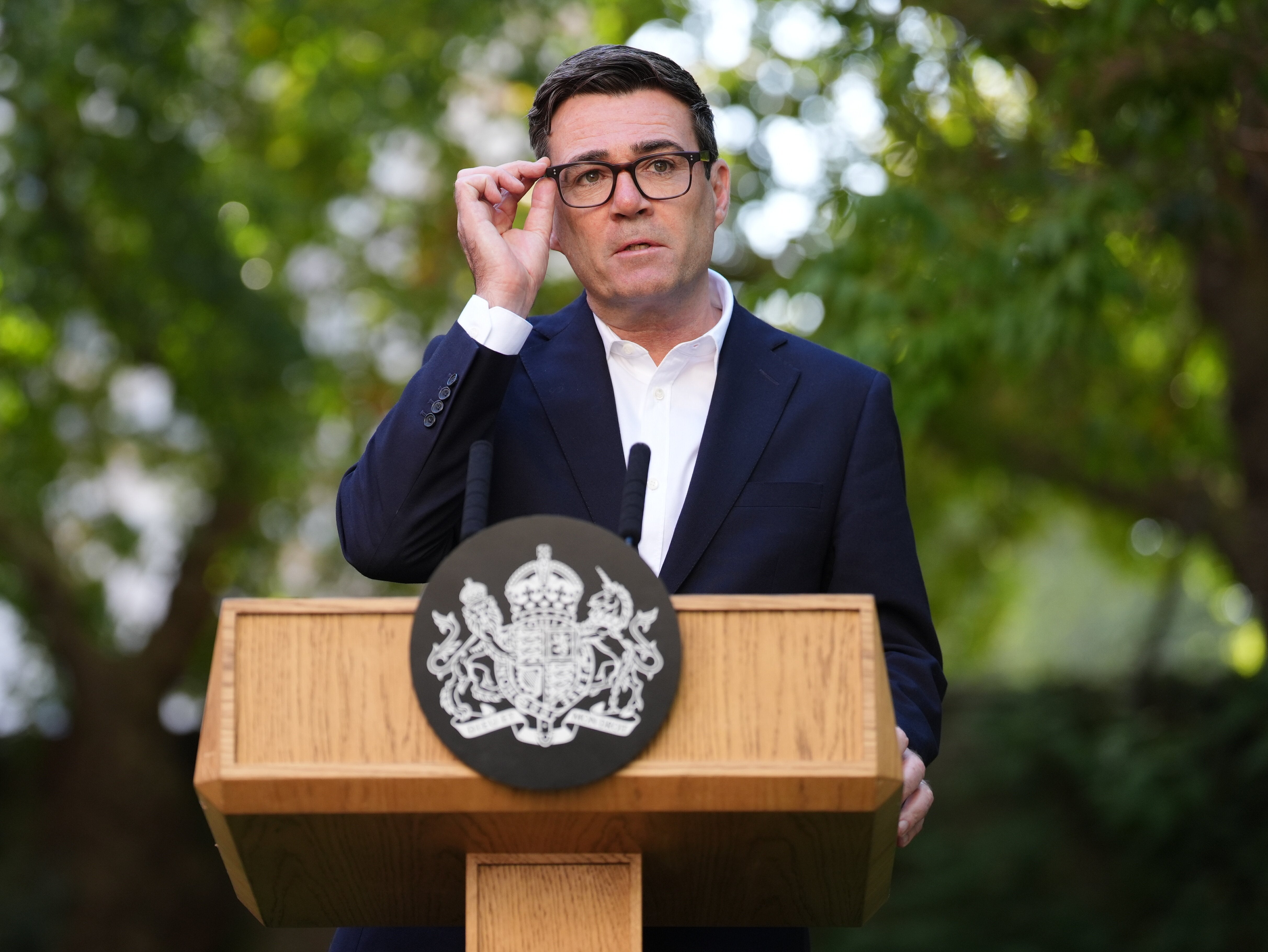
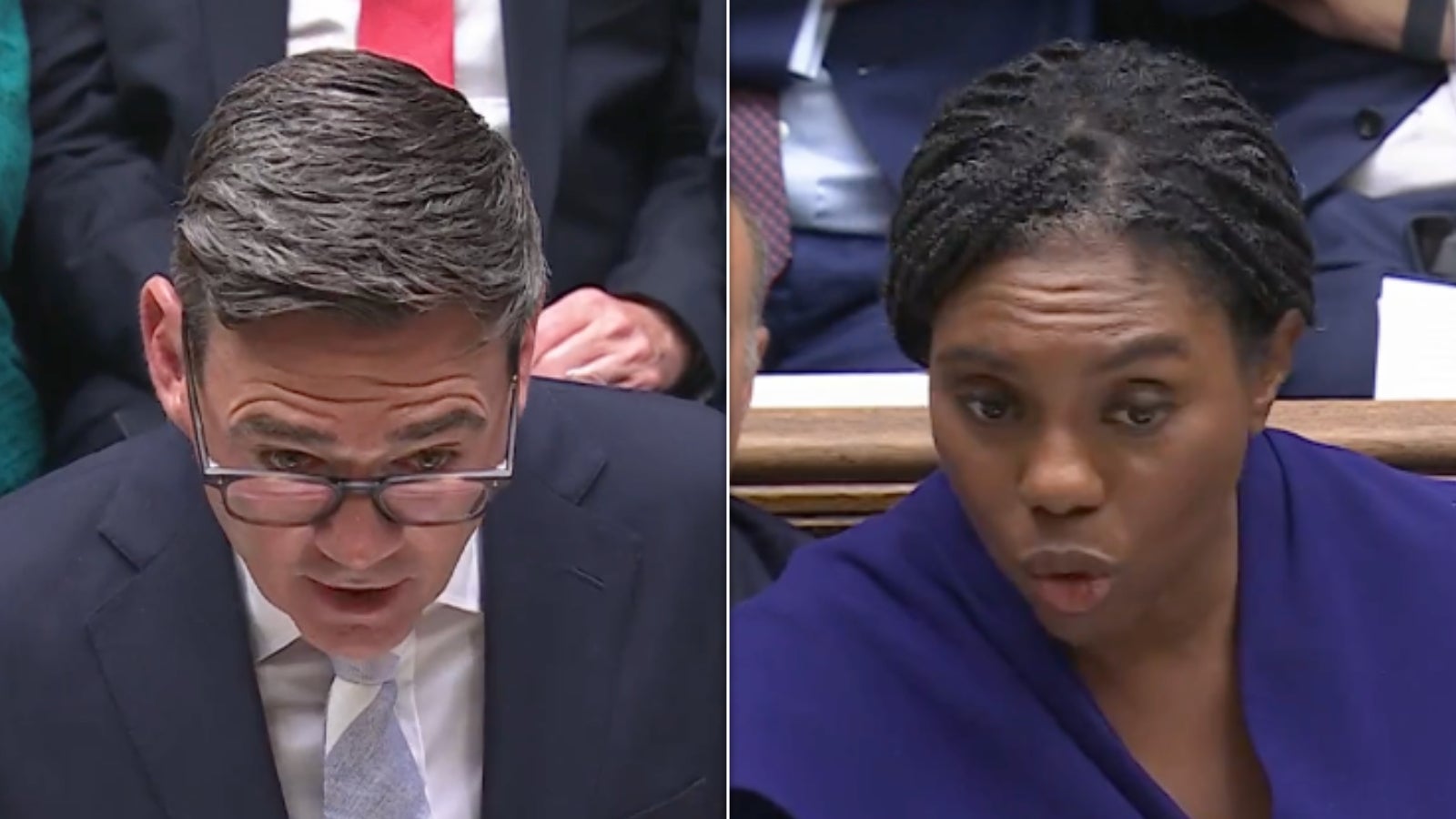
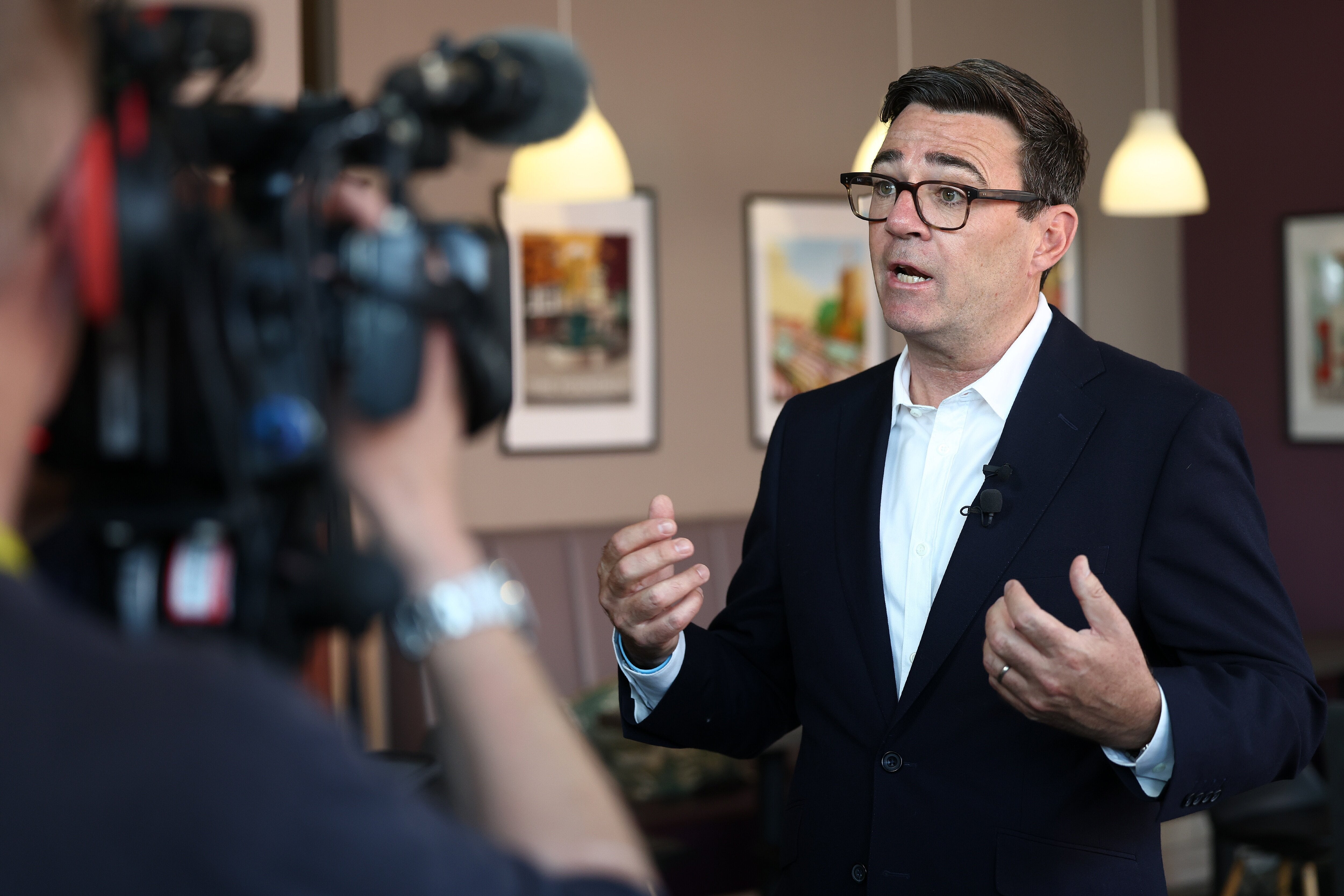
The prime minister succeeded Keir Starmer on July 20, just days after Westminster’s scheduled summer recess began.
Advertisement
He therefore did not have to answer any direct questions from his opponents in the House of Commons for the first six weeks for his premiership.
So the Conservatives’ leader Badenoch used her first opportunity on Tuesday to remind MPs how Burnham enjoyed the summer without much scrutiny.
Burnham replied: “The Honorable Lady said the fact that I had been in my position for 43 days.
“Can I turn that round and say that means in six days, this government will have outlived the Truss government? And will be here for a lot, lot longer.”
Advertisement
Truss was forced out of office in October 2022, after just 49 days in Downing Street.
Her own MPs kicked her out following the economic turmoil caused by her disastrous mini-Budget, which contained £45 billion of unfunded tax cuts, sending interest rates and inflation up while the value of the pound went into decline.
Truss’s name is now regularly used as a stick to beat the Conservatives by its opponents.
Burnham also used his time at the despatch box to remind the Leader of the Opposition just how many of her own front bench had been tightly tied to the Truss government.
“I noticed yesterday she appointed a new shadow cabinet,” the prime minister said. “The new shadow chancellor, I welcome him to his position too – I believe the author of the mini-Budget?”
Advertisement
This jibe sparked uproar from across the House, as Burnham added: “I think at least half of the shadow cabinet supported the Liz Truss government.”
Badenoch removed Mel Stride and promoted Andrew Griffith to the top job over the bank holiday.
Griffith robustly defended the mini-Budget during the dying days of Truss’s premiership when he was financial secretary to the Treasury.
He said: “We think they’re the right plans because those plans make our economy competitive.
“What we politicians are responsible for is making the economic decisions that will drive continued growth.”
Advertisement
Truss also welcomed news of Griffith’s promotion on Monday, writing on X: “Congratulations to Andrew Griffith on becoming Shadow Chancellor.
“The economic establishment of the last three decades has failed Britain. They must be taken on.”
Listen to Commons People, the podcast that makes politics easy. Every week, Kevin Schofield and Kate Nicholson unpack the week’s biggest stories to keep you informed. Join us for straightforward analysis of what’s going on at Westminster.
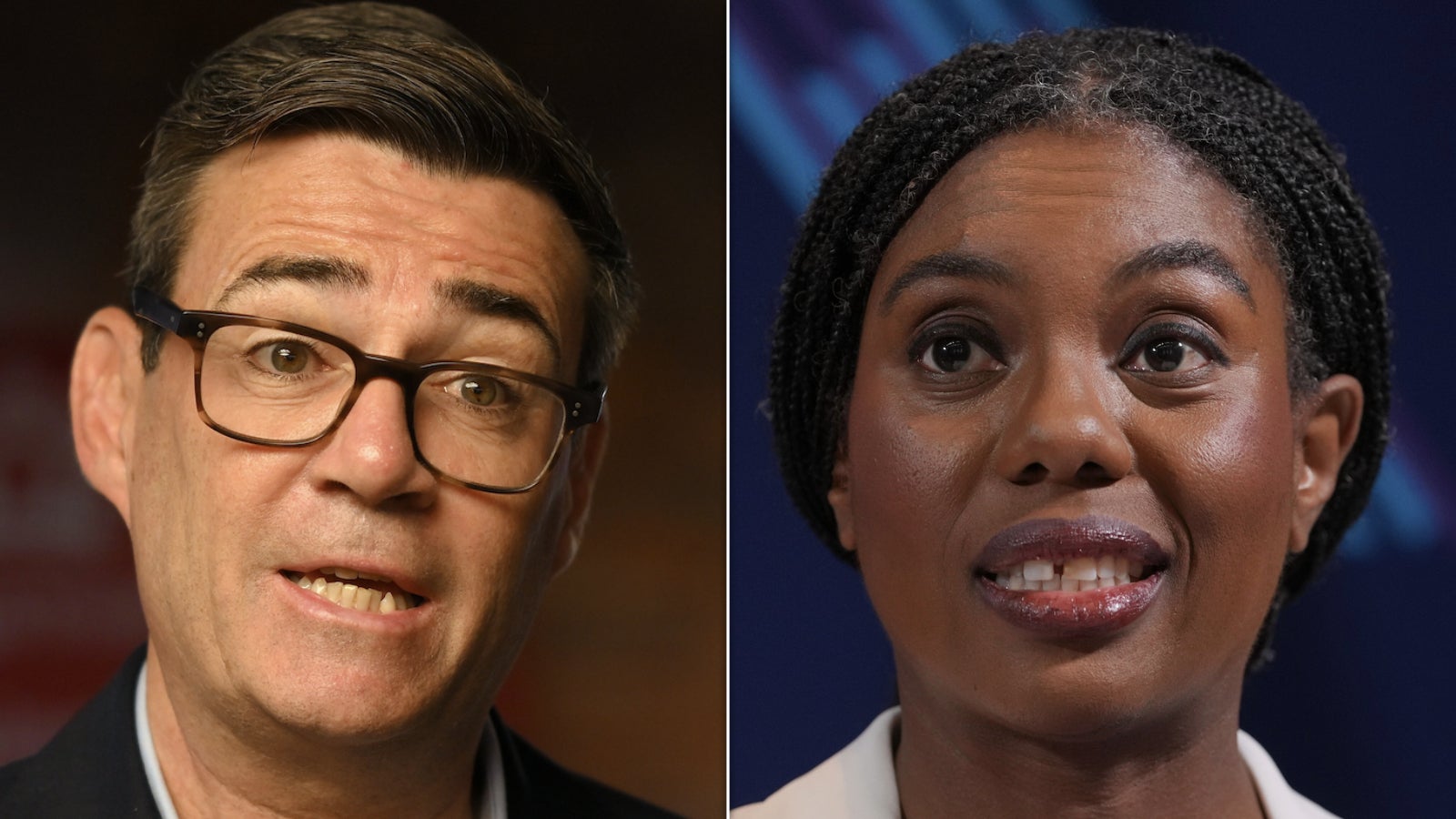
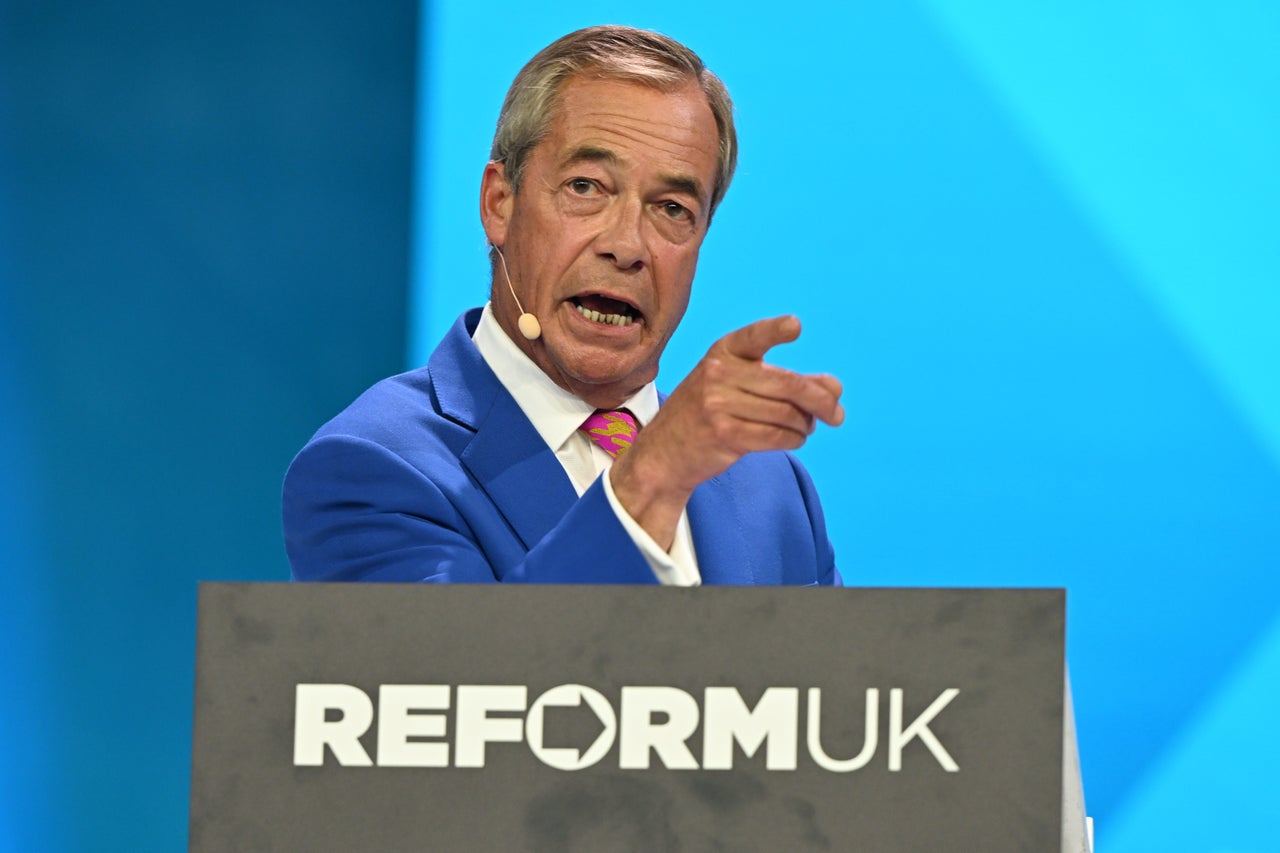
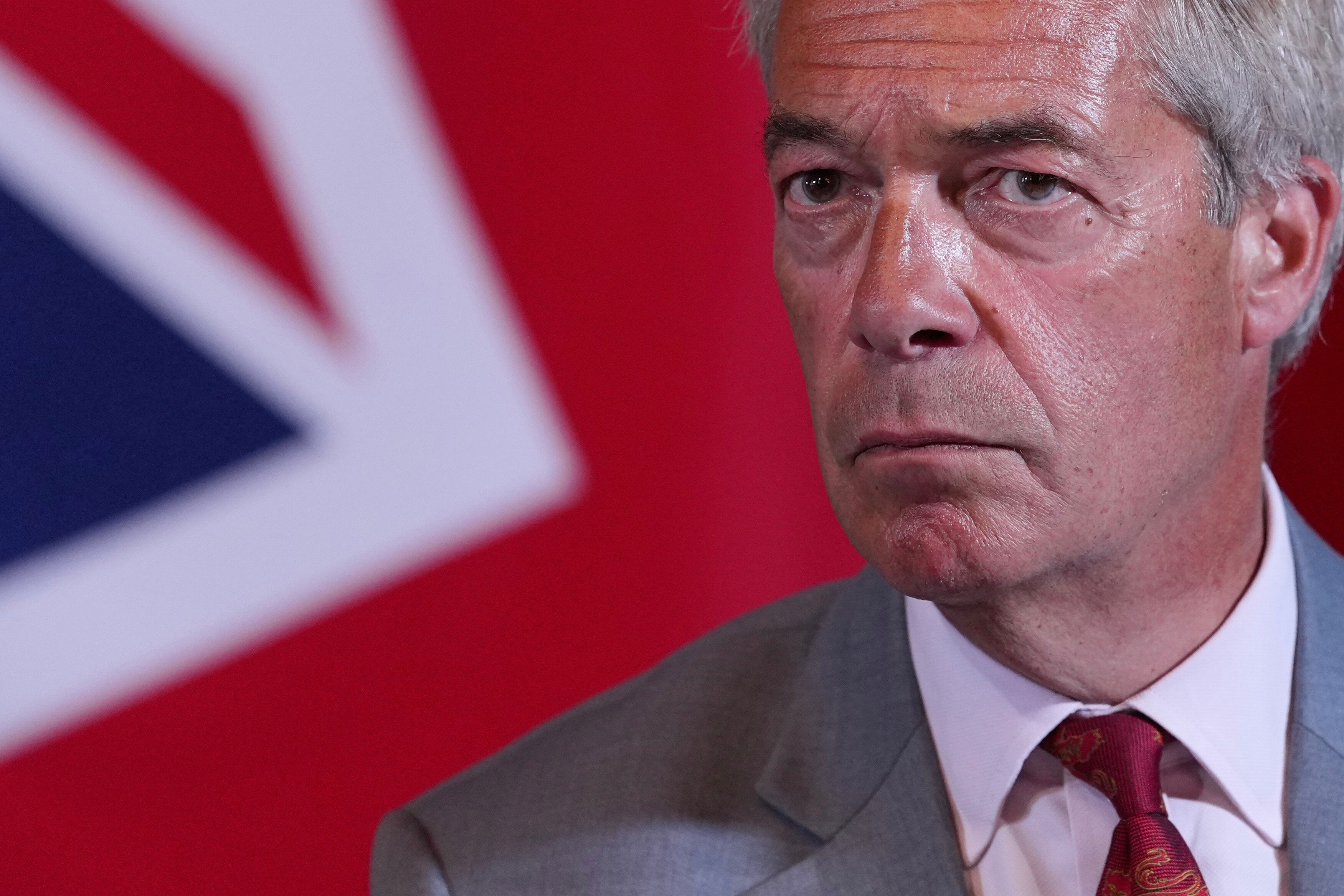
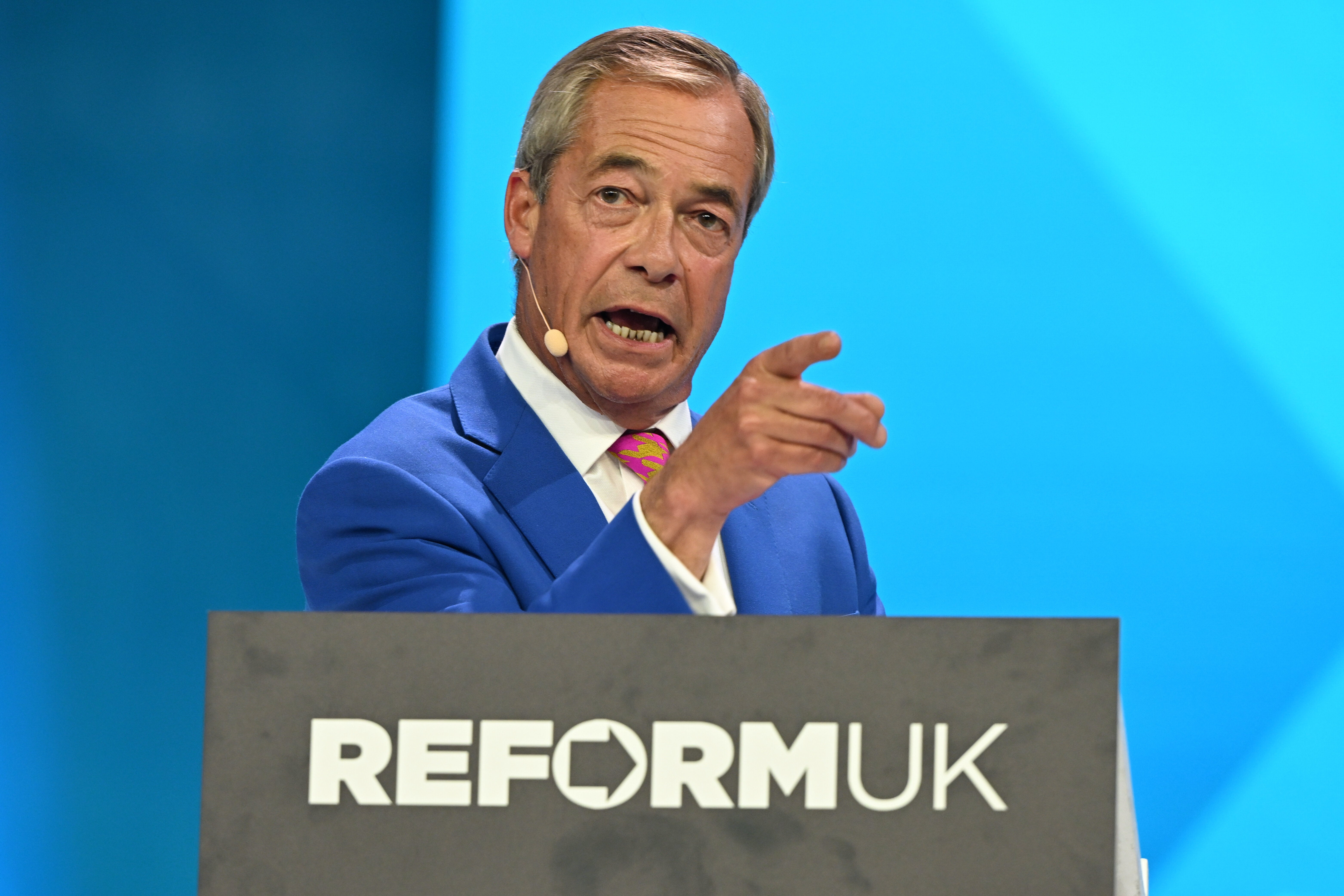
Reform UK have slumped to third place behind Labour and the Tories in the latest blow for Nigel Farage, according to the new poll.
The survey, by the More in Common think-tank, puts Labour in the lead on 26%, three points ahead of the Conservatives, with Reform a point behind on 22%.
Advertisement
It is Reform’s lowest vote share since January 2025, and the first time they have been behind the Tories in 18 months.
The poll also puts Restore Britain, the right-wing party led by former Reform MP Rupert Lowe, is on 4%.
They pile further pressure on the Reform leader to turn around the party’s fortunes as they prepare to hold their annual conference in Birmingham later this week.
🆕Back to school voting intention. Tories edge into second as Labour leads by 3. 🌹 LAB 26% (-1) 🌳 CON 23% (+1) ⏩ REF 22% (-1) 🔶 LIB DEM 11% (+1) 🟢 GREEN 9% (-) ⚫ RES: 4% (-) 🟡 SNP 3% (+1) N = 3,250 | Fieldwork 28 -31/8 | Changes w 23/8 pic.twitter.com/ddcVS1QrES
More in Common director Luke Tryl said: “The poll tells us two things: the Conservatives seem to be moving in the right direction, and Reform face a growing threat from both sides, as Restore Britain erode their support on the right, and the Conservatives gain ground on their centre flank.
Advertisement
“Reform is now sitting around 10 points below their peak last autumn.”
Farage has endured a torrid few months after it emerged he had not declared a £5 million gift from a Thailand-based crypto billionaire shortly before he first became Clacton MP at the 2024 general election.
Parliament’s standards commissioner is carrying out an investigation into the row, which could lead to another by-election if Farage is found guilty and suspended from the Commons for more than 10 days.
The Reform leader’s woes have coincided with a steady fall in support for his party.
A senior Tory source said: “It’s still a long way to go, but it’s now clear Reform are going backwards.
Advertisement
“A pointless by-election vs a bin, chronic infighting, and still no answers on the fishy £5m personal donation – Farage is floundering and his party has now slipped to third in the polls.
“It’s surely only a matter of time before Farage decides to throw in the towel.”
Listen to Commons People, the podcast that makes politics easy. Every week, Kevin Schofield and Kate Nicholson unpack the week’s biggest stories to keep you informed. Join us for straightforward analysis of what’s going on at Westminster.
For Andy Burnham, it has been the summer of his dreams.
He has finally been able to enjoy the fulfilment of his life’s work, having become Labour leader at the third time of asking – and prime minister – on July 20.
Without the inconvenience of having to answer to parliament, which went into recess the week before, Burnham has largely spent his time making a string of announcements and seemingly endless TikTok videos with well known content creators.
Burnham has also been travelling the length and breadth of the country, meeting voters and hammering home the message, if indeed there was any doubt, that his government will do things differently than Keir Starmer’s.
Advertisement
He even managed to squeeze in a visit to the Hill Dickinson Stadium to watch his beloved Everton record a rare Premier League victory.
If you throw in his comprehensive triumph in the Makerfield by-election on June 18, it is little wonder that Burnham has rarely been seen without a smile on his face over the past three months.
He will be well aware, however, that as sure as summer will shortly make way for autumn, his political honeymoon is also coming to an end.
Advertisement
Alex Newton, deputy director of the More in Common think-tank, said Burnham still faces a huge challenge in winning back the voters Labour have lost since the 2024 general election, especially those who have switched to Reform.
Brits are also evenly split on whether the prime minister attempts so far to tackle the cost of living are simply a publicity stunt or a genuine effort to help them, he said.
“Some 54% weren’t confident he will address the cost of living,” Newton told HuffPost UK. “That kind of pessimism means that if he doesn’t deliver on this, it will hit Labour and his approval ratings.”
Advertisement
The prime minister is faced with a lengthy list of other issues, each with the potential to throw his new government off track.
Here, HuffPost UK looks at the various challenges facing the PM as MPs return to Westminster on Tuesday.
Early Release Row
On day one, justice secretary Alex Norris will set out how he plans to exempt two of the killers of PC Andrew Harper from the government’s highly controversial early release scheme.
Advertisement
Norris was given that particular hospital pass by Burnham following a huge public backlash to the prospect of Jessie Cole and Albert Blowers walking free after just six years behind bars.
But even if, as expected, Norris does manage to tweak the policy to keep the two men in prison, the sight of other dangerous criminals getting out early will undoubtedly damage the PM’s standing with the public.
Stopping The Boats
The sight of 230 migrants crossing the English Channel on a single boat became one of the defining images of the summer.
Advertisement
Although Home Office statistics showed that the overall number of asylum seekers arriving in the UK is down by 23% compared to a year ago, a YouGov poll showed the public believes the total has actually gone up.
Burnham’s acknowledged the importance of solving the problem by visiting Dover at the start of August, when he vowed to be “relentless” in his attempts to stop the boats.
But it is a problem which has confounded several prime ministers. If Burnham fails as well, Nigel Farage is waiting in the wings to replace him in No.10.
Advertisement
Defending The Realm
If the first priority of government is to keep its citizens safe, then providing the necessary funds for the military should be its number one priority.
Keir Starmer left behind a £5 billion black hole in the government’s Defence Investment Plan (DIP), which John Healey needs to fill when he delivers his first Budget as chancellor in October.
That is the same John Healey who resigned as Starmer’s defence secretary over the then PM’s failure to commit to spending 3% of gross domestic product (GDP) on the military by 2030.
Advertisement
Despite that, Healey has so far refused to commit to coming up with the cash himself, despite now being in charge of the nation’s purse strings, an apparent U-turn dismissed as “unforgivable” by the Tories.
With the geopolitical situation now more uncertain than at any time since the end of the Cold War, Burnham and Healey simply have no other option than to find the money needed to defend the realm.
Foreign Affairs
The fact that Burnham became Labour leader and PM unchallenged, he remains untested in a number of areas – none more so than on foreign affairs.
Advertisement
Although he has said he wants to be more domestically-focused than his predecessor, he can hardly ignore the ongoing conflicts in Ukraine, Iran and Gaza, this is a situation which can best be described as sub-optimal.
The PM even gave the Ukrainians a British blueprint for developing their own long-range missiles – a move which enraged the Kremlin.
Advertisement
On Gaza, Burnham has criticised Starmer for his response to Israel’s bombing campaign in the wake of the Hamas terror attacks on October 7, 2023.
The PM’s future approach to that conflict will be another defining issue of his premiership, with the potential to blow apart the tentative left-of-centre coalition he has been building.
Dealing With The Donald
As if wars around the world were not enough to contend with, Burnham must also try to maintain a positive relationship with Donald Trump, something Starmer ultimately failed to do.
Advertisement
The early signs have been positive, with the US president describing the prime minister as “terrific” on the basis of one telephone call on Burnham’s first day in the job.
However, this view seems to be based on the assumption that Burnham will satisfy Trump’s desire to see the North Sea opened up to more drilling for oil and gas.
Although he has vowed to be more “pragmatic” on the issue than Starmer, the PM has also insisted he will stand by Labour’s manifesto commitment not to award new drilling licences.
Advertisement
The pair are due to meet at the UN General Assembly in New York next month.
As unpalatable as it may be for a man who once said Trump was not welcome in Manchester, making nice with the president would give Burnham one less headache to contend with.
Labour Pains
September will also see Burnham’s first Labour Party conference as leader, an event which promises to be far more upbeat than a year ago, when it was already apparent that Starmer was not up to the job.
With Labour now topping the polls and imbued with a renewed sense of optimism, the prime minister can expect a hero’s welcome.
Advertisement
It will not all be sweetness and light, however, with left-wing campaign groups determined to pile pressure on Burnham to declare Israel’s actions in Gaza a genocide, and to impose a complete arms embargo on the country.
Doing so would provoke an angry backlash from groups such as Labour Friends of Israel, however, and trigger the kind of party split which the PM is determined to avoid.
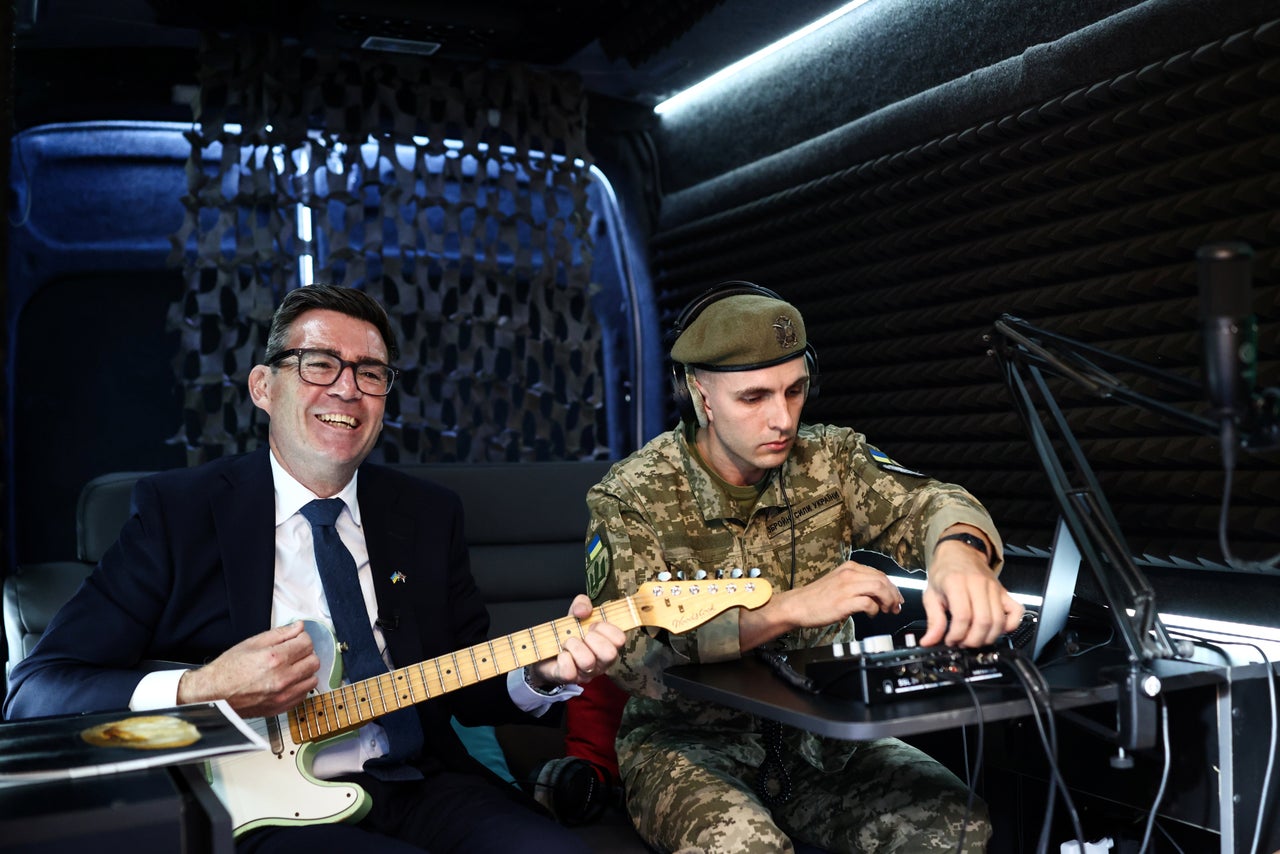
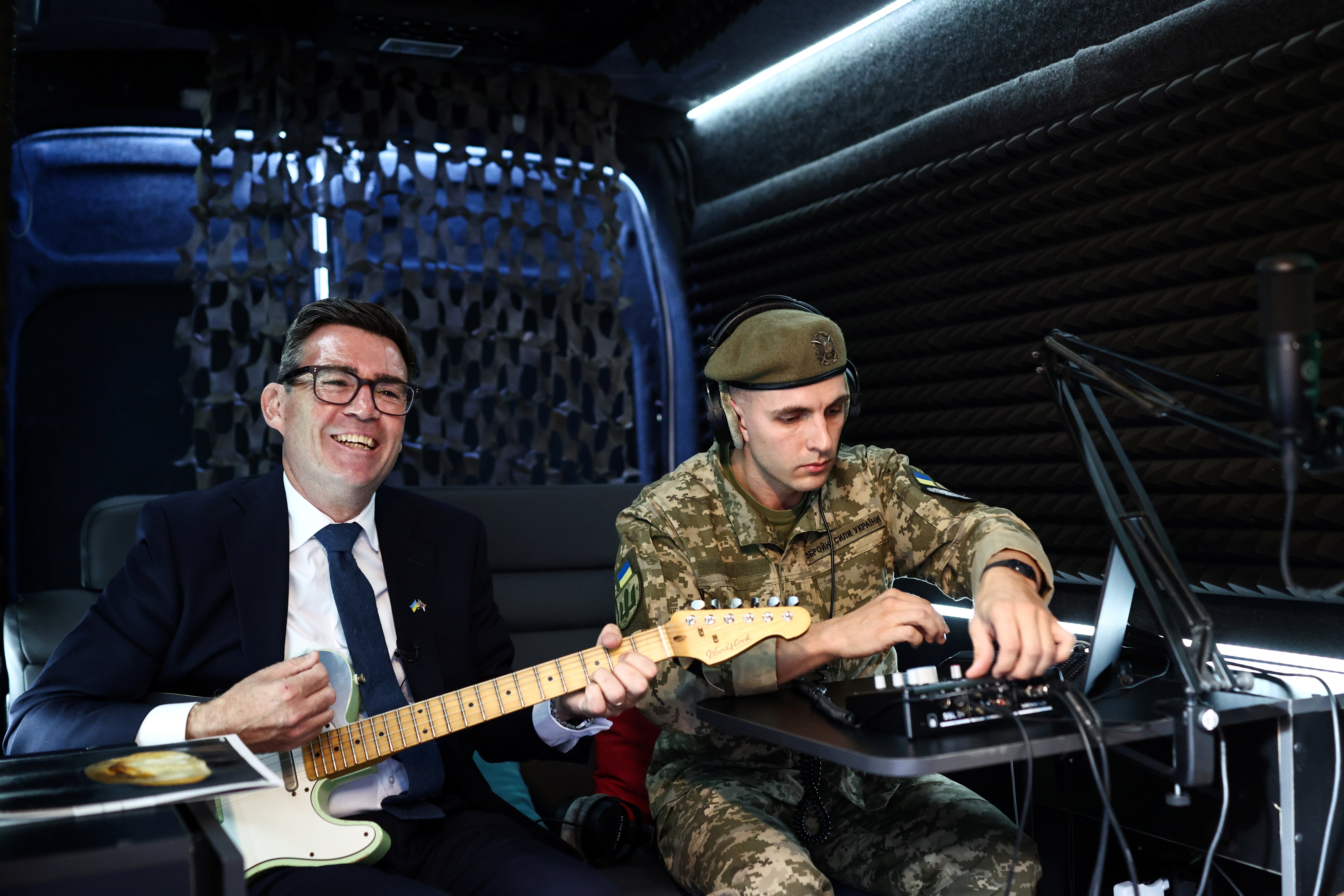
Burnham plays the guitar in the mobile recording studio of the military and artistic unit in Kyiv.
via Associated Press
Advertisement
Political consultant Laura Emily Dunn told HuffPost UK: “The return to parliament will be a test of the PM and the government’s prioritisation – which of the hot topic issues will they want to deal with first? Early prisoner release? The The economy? Small boats? The devil will be in the detail.”
Senior Labour figures said Burnham should enjoy the Bank Holiday weekend, as it will only get more difficult from now on.
One told HuffPost UK: “Andy came to office making a lot of big promises, and his summer has gone well.
Advertisement
“But that means the party’s expectations are sky high. How will he manage that through Labour conference, the Budget, a spending review process and weekly PMQs sessions?
“Andy promised all sorts and now they are hinting the Budget will be steady. Basically – the runway on promising all things to all men is getting shorter and shorter.”
The source added: “Apart from ‘vibes’, what’s the difference with what Starmer was doing? That’s not to dismiss vibes – they really matter – but politics always comes back to policy in the end.”
Advertisement
A Labour MP added: “I think his main challenge is all the promises Andy made as mayor of Manchester to the membership will need to be kept.
“Any hint he’s reneging on them will pour rocket fuel on the Greens when they’re on the ropes. He’s also got to navigate a restive Parliamentary Labour Party, with some pissed off Starmer loyalists, and he’s got to start delivering for an impatient electorate.
“Basically, Andy’s September 2026 biggest problem is Andy Burnham from March 2026.”
Listen to Commons People, the podcast that makes politics easy. Every week, Kevin Schofield and Kate Nicholson unpack the week’s biggest stories to keep you informed. Join us for straightforward analysis of what’s going on at Westminster.
Andy Burnhamvowed to give Brits “some breathing space” when it comes to the cost of living during his first speech as prime minister.
That was only a month ago – and he has already unveiled a series of policies aimed at making everyday life a little easier for the general public.
Advertisement
But just last week, Burnham also admitted that the changes he made might not be enough.
He told the BBC: “We will do everything that is possible for us to do. But I think everyone knows I am in position with limited room for manoeuvre.”
It was a noteworthy admission considering he has made the cost of living the central mission for his government.
Burnham has implemented a £2 cap on single bus rides, scrapped VAT on household electricity bills and announced a ban on “subscription traps”.
Advertisement
He unveiled a 20% cut to business rates for pubs, social clubs and live music venues from April onwards.
His government have also promised to help the number of unemployed young people as the number of 16 to 24-year-olds not in work surpassed a million this year for the first time in more than a decade.
The incremental changes he has unveiled appear to have had some cut-through, his net favourability rating of +13 is the highest for any prime minster since Boris Johnson at the start of the Covid pandemic, according to YouGov.
But, as Burnham alluded to when speaking to the BBC, there are plenty of obstacles which stop him from being able to make significant changes to the cost of living.
Though this is out of the government’s control, there’s a risk voters will still end up blaming the government – as they did when the Russian invasion of Ukraine caused a spike in energy prices in 2022.
Energy regulator Ofgem is expecting the price cap for household energy bills in Britain to rise by 4% in October.
There is a growing body of support for expanding drilling in the North Sea for oil and gas to boost the economy and reduce Britain’s dependence on international energy imports.
The summer heatwaves and the subsequent droughts have rocked the agricultural sector too.
Farmers fear for their yields will be hugely impacted in the months to come – meaning groceries are likely to go up in price.
Advertisement
Dr Liliana Danila, chief economist at the Food & Drink Federation (FDF) said: “Supply chain disruption isn’t going away.
“Alongside geopolitical volatility, extreme weather will continue to put pressure on the price of key ingredients. This makes it increasingly difficult for food manufacturers to shield consumers from price rises and protect their our resilience.”
The Bank of England will decide whether to raise interest rates next month, which could add another layer of pressure to Burnham.
Advertisement
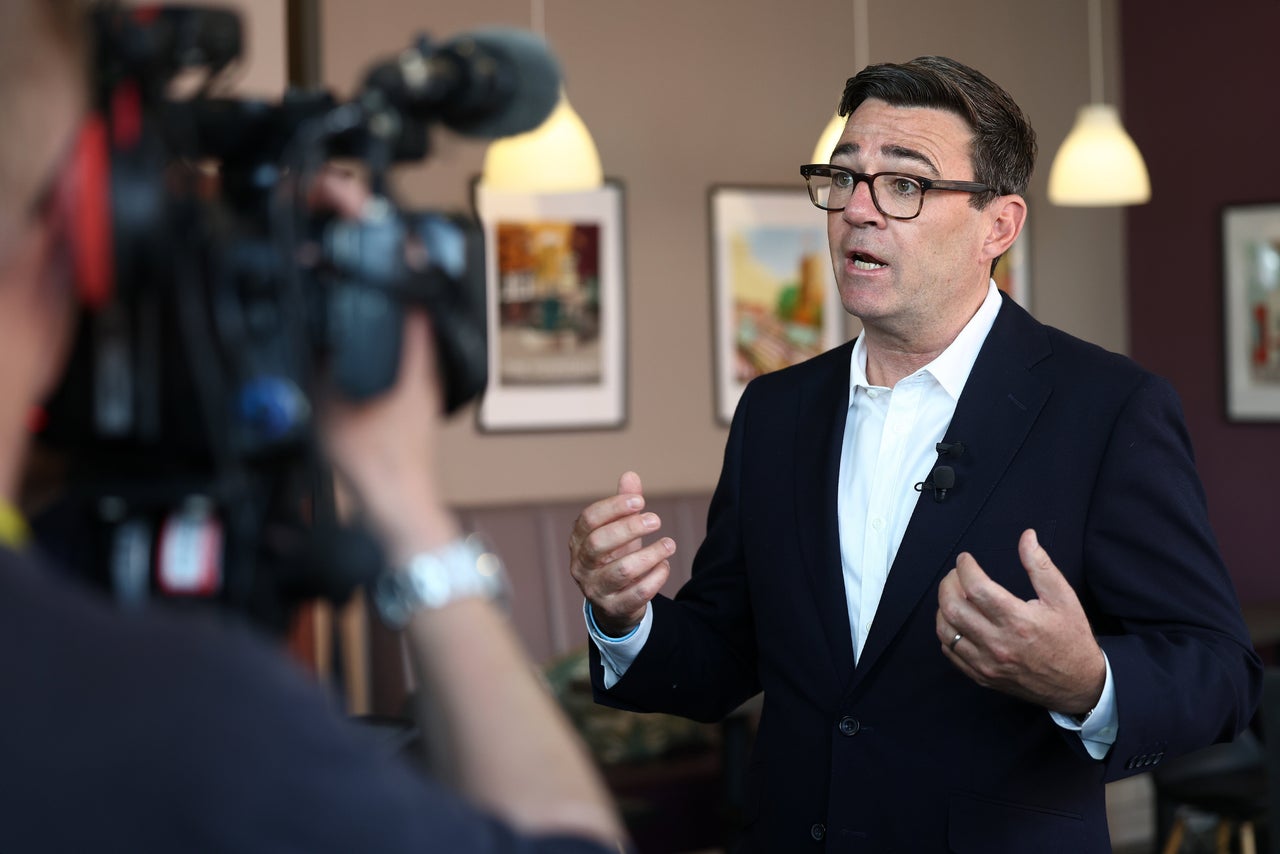
Britain’s Prime Minister Andy Burnham speaks during a TV interview at The Hub Cafe following a visit to Ilkeston, Derbyshire, England, Tuesday, Aug. 11, 2026.
via Associated Press
The TUC general secretary, Paul Nowak, said: “With inflation ticking up because of rising energy bills – and no end in sight to Trump’s illegal war in Iran – we are going to have to see more government action to support households in the coming months.”
But where will this money come from? UK debt is nearing £3 trillion, which represents 94.1% of gross domestic product (GDP).
Advertisement
It comes after official figures showed an unexpected hike in government borrowing to £1.8 billion.
Speculation that the government will therefore raise taxes to meet its spending commitments is therefore rising.
All eyes will be on chancellor John Healey when he unveils his Budget on Wednesday, October 28.
The prime minister has tried not to raise the public’s expectations too high when it comes to what he can do to help the cost of living – he wrote on social media this week: “We won’t fix everything overnight.
“But wherever my government can make life a little easier, fairer or more affordable, we will. “
His last two predecessors, Keir Starmer and Rishi Sunak, tried to adopt a similar message – and neither won any plaudits from the public for doing so.
Advertisement
The question is whether Brits will even feel the changes Burnham intends to make.
“What Burnham has is an opportunity to say to the public that we can’t do everything immediately.
“And I think they understand that international affairs are a big driver of this, but it’s sort of saying, we’ve looked at areas where we can make a difference and we’re doing that.
“It may be that he cannot meet public expectations on this and it goes the other way of other previous prime ministers.
Advertisement
“But I don’t think there’s an option of not being seen to do this.”
Burnham is, of course, still enjoying the honeymoon period. But will he able to live up to his own expectations?
Listen to Commons People, the podcast that makes politics easy. Every week, Kevin Schofield and Kate Nicholson unpack the week’s biggest stories to keep you informed. Join us for straightforward analysis of what’s going on at Westminster.
Westminster loves nothing more than a bit of groupthink.
A settled view on a particular issue can quickly become established fact in SW1, even if there is plenty of evidence that it may be wrong.
The most recent example is the growing belief that two-party politics will return in time for the next general election.
Advertisement
This is not an outlandish idea, given the most recent trend in the opinion polls.
It is undeniable that Labour has enjoyed a Burnham bounce since the former mayor of Greater Manchester replaced Keir Starmer as party leader and prime minister.
This has coincided with a steady decline in support for Reform amid the ongoing controversies over the financial arrangements of both Nigel Farage and his party.
Advertisement
At the same time, Kemi Badenoch’s Tories have been enjoying a modest uptick in support, while the Green Party have also gone into reverse following a series of mis-steps by their leader, Zack Polanski.
Burnham becoming PM has coincided with a leap in support for Labour.
via Associated Press
Advertisement
Some political commentators have therefore concluded that the next election will once again be a straight fight between Labour and the Conservatives.
However, leading pollsters have told HuffPost UK that it is far too early to assume that British politics will simply return to the way it has always been for most of the last century.
Indeed, Chris Hopkins, political research director at Savanta, said a return to two-party politics “feels like something of an impossibility”.
Advertisement
He said: “In almost all opinion polls conducted since Andy Burnham became Labour leader, five parties have achieved 10% or higher.
“The top two – more often than not, Labour and Reform UK – tend to combine for around 50% of the overall vote share.
“This is a far cry from recent general elections, especially 2017 where the Conservative and Labour combined for a whopping 82% of the overall vote.
Advertisement
“Of course, if British politics has taught us anything over the last few years, it’s that the fortunes of political parties can change very quickly, so you can never rule a return to two-party politics out.
“For now, only the Greens feel at risk of losing ground, probably to a rejuvenated Labour Party, but Reform UK don’t feel like they’re going anywhere while Nigel Farage is at the helm.”
With Farage certain to return as MP for Clacton next Thursday with a thumping majority – albeit having only defeated Count Binface and a variety of other minor political figures – the chances of him shuffling off the political stage appears remote.
Advertisement
Indeed, the signs are there that the Reform leader is preparing to come out fighting in an attempt to wrest back the political momentum from Burnham.
Keiran Pedley of Ipsos UK said “we should be careful not to overstate the return of two party politics”.
“Reform are still ahead of the Conservatives for now,” he pointed out. “The Greens and Lib Dems have a significant presence in some parts of the country and nationalist parties are in power Scotland and Wales.
Advertisement
“It may well come to pass that the next election ends up as a mainly Labour vs Conservative affair, but we should caution against jumping to that conclusion too soon.
“To announce the return of two party politics having declared it dead a few months prior feels somewhat premature.”
Badenoch has won praise for her performance as Tory leader, but the events of the past week have seen her criticised.
via Associated Press
Advertisement
The Tories’ mini-renaissance under Badenoch, who has won praise for her performance as leader in recent months, threatened to come off the rails this week, however.
Her decision to stand by a former neo-Nazi chosen to stand as a Conservative council candidate in Somerset sparked a furious backlash and baffled many senior Tories.
Joshua Bonehill-Paine eventually stood down, but was appointed an adviser on anti-radicalisation by Badenoch, a decision which led to fresh outrage.
Coming on the back of Badenoch’s decision to remove the party whip from Gavin Barwell and block the likes of Grant Shapps from standing as candidates, it seems clear that she wants to take votes from Reform.
Moderate Tories believe she is making a huge mistake.
One senior figure told HuffPost UK: “Her strategy appears to be to hope that Reform implodes/Farage walks away and then pick up the pieces.
Advertisement
“The reality is that there’s a solid populist vote of 20% that will be very hard for the Tories to reach and the cost of doing so would be to alienate the majority of the electorate. With Labour moving leftwards on the economy, a big opportunity is being lost.”
Cameron Garrett, deputy director of research at the More in Common think-tank, said: “Our politics is increasingly volatile, and it’s too soon to be heralding a return to the two-party system.
“Kemi Badenoch’s personal approval rating has risen dramatically in recent months, but it has yet to lift her party’s fortunes. And while Burnham has seen a bounce, it’s too early to tell whether it will last.
Advertisement
“Voters will need to see real, tangible change before they’re willing to return to the political mainstream for good.”
Listen to Commons People, the podcast that makes politics easy. Every week, Kevin Schofield and Kate Nicholson unpack the week’s biggest stories to keep you informed. Join us for straightforward analysis of what’s going on at Westminster.
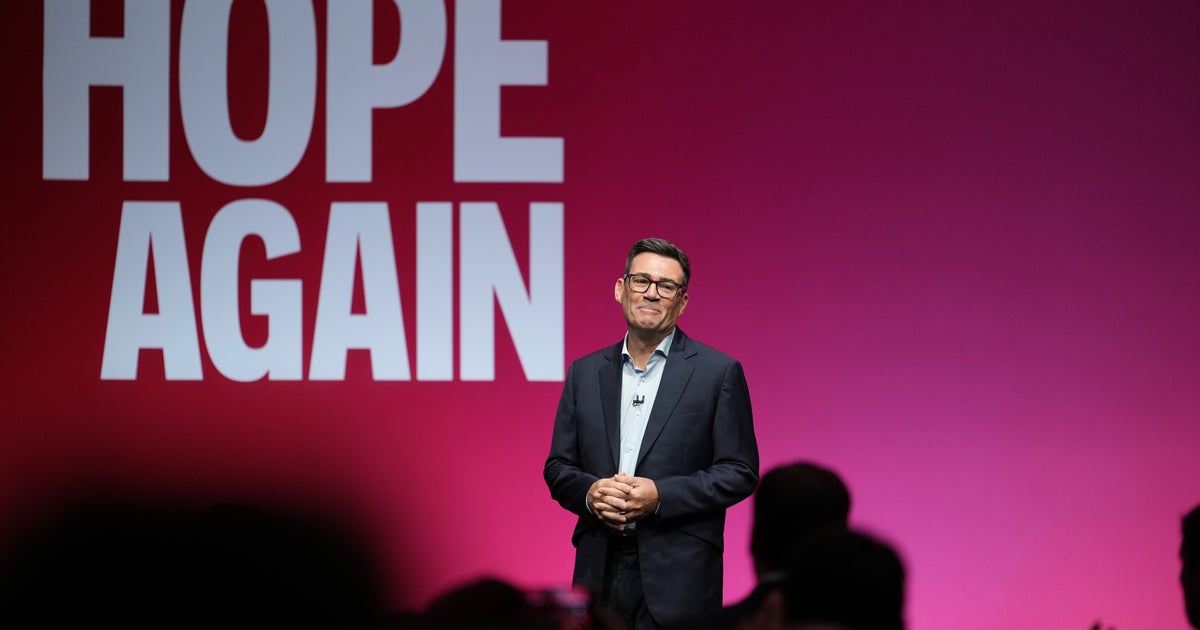
The left-wing MP was readmitted into the Labour Party on Friday following a year-long suspension.
She lost the whip last year after saying she did not regret past remarks about racism – comments which triggered her first suspension from the party back in 2023.
She also made a separate post on social media called the Israel Defence Forces the “Jewish Defence Force”.
In a statement on Friday, Abbott said she had returned to the party after a formal warning over that post, adding: “I am deeply sorry for any hurt caused by that conflation and apologise for any hurt caused by it.”
Advertisement
But her return to Labour sparked backlash on social media after it emerged she described Vladimir Putin’s illegal invasion of Ukraine as a “Nato campaign against Russia” back in June.
Speaking at an anti-war conference, Abbott said: “We meet at a crucial time for all those who are opposed to war and strive for peace.
“Because we are not trying to stop one war, we are having to fight to stop very many wars.”
She continued: “There is a military build-up against China, there is the war and blockade in Iran and, finally, there is one of the biggest wars in Europe since the Second World War – the Nato campaign against Russia.”
Advertisement
We hadn’t seen this. It’s Diane Abbott MP at the “peace conference” in London last month, calling the Russian war on Ukraine “the NATO campaign against Russia”.
She lists a series of acts of imperial aggression and violence and concludes it with that appalling description 🧵 pic.twitter.com/iVnO75SSuY
— Ukraine Solidarity Campaign 🇺🇦✊🏽🚩 (@UkraineSol) July 31, 2026
The revived video sparked backlash on social media from in the Conservative Party and Labour.
Utterly disgraceful comment.
I admire how Diane’s trailblazed politics for black women and many of her contributions over the years including on Assisted Suicide, but her view on Ukraine is wrong and totally unacceptable in Labour.@andyburnham must not give this view the whip https://t.co/MpVDth0MVO
Andy Burnham welcomed Diane Abbott back into the Labour Party with open arms – weeks after she was caught delivering the Kremlin’s talking points live on stage.
How does he explain that to @ZelenskyyUa, and Ukrainian civilians being bombed in their homes?
Abbott also wrote in the Morning Star last weekend: “The reason there is such a hue and cry about military spending now is not because Russian forces are in Ukraine; that happened well over four years ago.
“No, the reason for the outlandish claims about an imminent Russian invasion is simply because Trump demanded more military spending from Nato members…
Advertisement
“None of this is making us any safer. On the contrary. Russia is a major military power, but Nato is engaged in a war which is now striking deep into Russian territory, provoking widespread calls for retaliation against Nato countries.”
Labour declined to comment.
Abbott’s return to the party comes after new prime minister and Labour leader Andy Burnham pledged to end factionalism within the party.
Labour insists her reinstatement was unrelated to the party’s new leadership.
Advertisement
Listen to Commons People, the podcast that makes politics easy. Every week, Kevin Schofield and Kate Nicholson unpack the week’s biggest stories to keep you informed. Join us for straightforward analysis of what’s going on at Westminster.
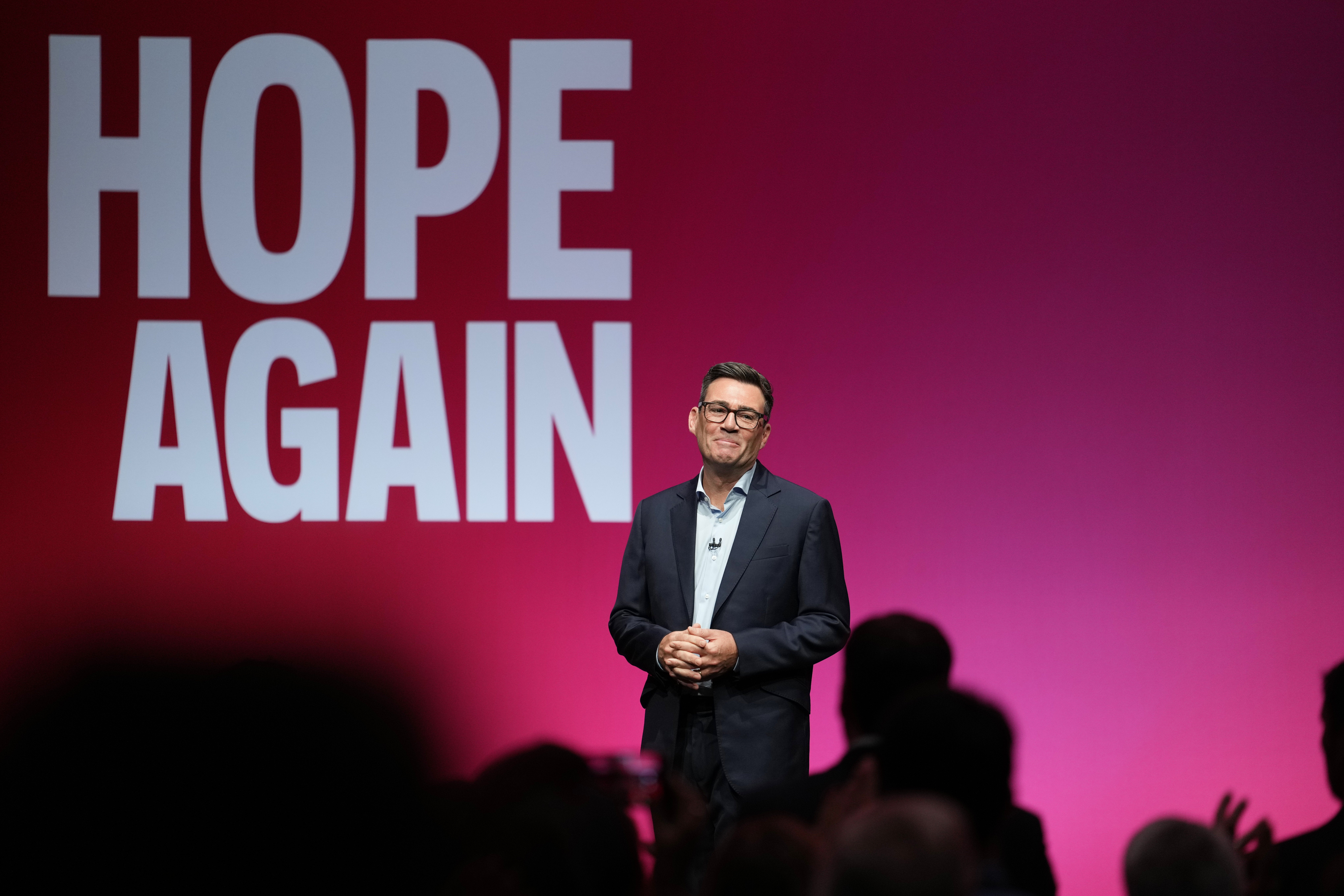
The prime minister said the UK’s “antiquated” political system needs reform if equal opportunities are to be effectively shared out across the country.
Advertisement
Britain is one of the only major democracies without a codified arrangement which lays out how the country should be governed.
The UK’s constitution is currently established through history by common law, statutes and conventions.
He has also set up No.10 North, an alternative to 10 Downing Street in the north of England, to symbolise his commitment to moving power out of Westminster.
He said his devolution plans “increase the case for a constitution because Britain is changing through this, England is certainly changing through this.”
He claimed the country needs to set up a codified model of devolution which works for Wales, Scotland, Northern Ireland and England.
Advertisement
“In the end, I think it does start to point towards a new constitutional settlement… with that commitment to equivalent living standards,” he said.
He added that his promise to implement “good growth in every postcode” was “more than just a sound bite”.
The prime minister did not outline any time frame for implementing such a historic change.
Countries usually adopt a written constitution following major events like revolution or war, when governments need to signal a departure from previous regimes.
Advertisement
The prime minister first floated the idea in his 2024 book Head North, co-written with Liverpool city region mayor Steve Rotherham.
He said deep inequality had become part of Britain because it had not moved on from the “feudal state” which held power in Westminster.
“Our failure fully to set out the rules for how the country should be run is one of the principal reasons why Britain is one of the most unequal major countries in the world,” he wrote.
Advertisement
“Our unwritten and murky constitutional arrangements have had the effect of hoarding power in a small number of hands – in Whitehall and Westminster and, by extension, in the powerful networks of institutions and vested interests that surround them.”.
Listen to Commons People, the podcast that makes politics easy. Every week, Kevin Schofield and Kate Nicholson unpack the week’s biggest stories to keep you informed. Join us for straightforward analysis of what’s going on at Westminster.
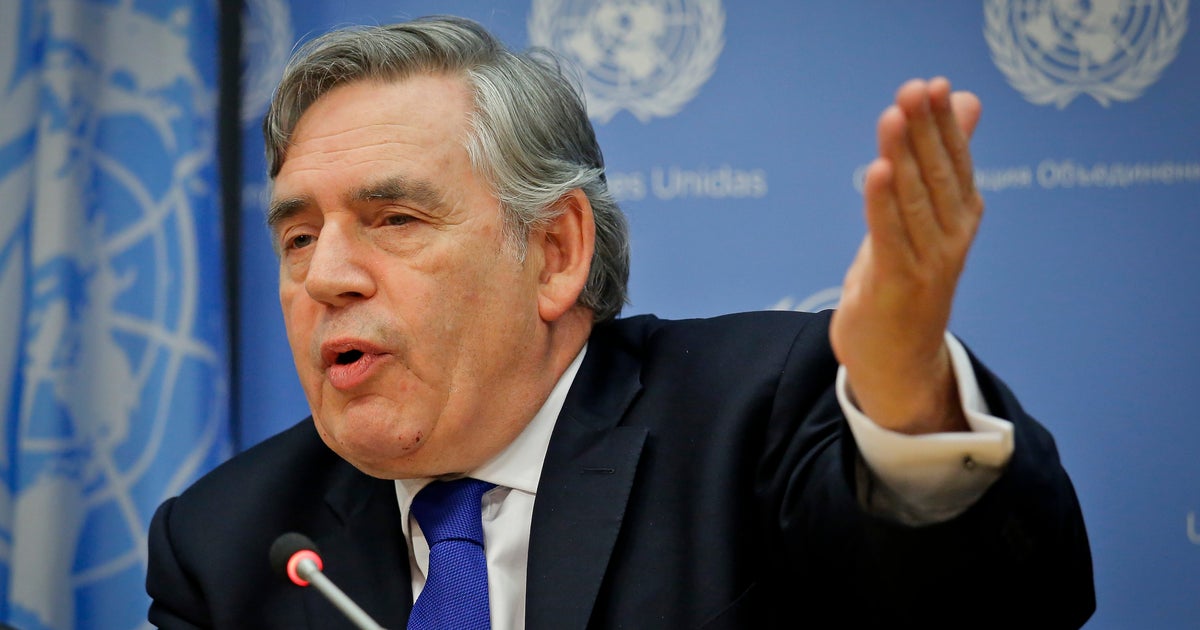
He’s only two weeks into the job and Andy Burnham has already been hit with his first deadline.
A British commander warned the prime minister on Thursday that he needs to make his defence spending commitments clear by the autumn – or risk losing his support.
General Sir Richard Barrons, who co-authored the 2025 Strategic Defence Review, warned “a much more challenging discussion about what do you really think you’re doing with this government” awaits Burnham if he has not outlined plans by September or October.
Advertisement
His words follow a week where ministers repeatedly refused to commit to the previous target of spending 3% of gross domestic product (GDP) on defence by 2030.
It’s an obstacle which proved fatal to Keir Starmer’s premiership.
By making Healey his chancellor, Burnham has sent clear signals that he will respect demands to hike up the department’s budget.
Advertisement
So why did the new defence secretary, Wes Streeting, only commit to the Nato pledge 3.5% of GDP on defence by 2035 – a date which is in the next parliament – this week?
He told broadcasters that while the government is not “ruling out” the 3% spending commitment by 2030 but added: “It’s really important we set out how it will be paid for.”
While a very reasonable observation – a marker of how the Burnham cabinet is already building a reputation for more transparent communication – worries about defence investment are hardly new.
Advertisement
Russia’s invasion of Ukraine started more than four years ago and the Israel-Hamas conflict in Gaza has been raging since 2023.
British Prime Minister Andy Burnham, foreground, and Defence Secretary Wes Streeting, right
via Associated Press
Chair of the defence committee, Labour MP Tan Dhesi, told HuffPost UK that the government “must set out a clear plan for meeting its defence spending targets, with specific milestones and deadlines.”
Advertisement
He said the committee has already called for defence spending to reach 3% of GDP in this parliament.
Dhesi warned: “With the prospect of a Russian attack on a Nato ally before 2030, we cannot afford to delay. Investment in the UK’s defence and security must be accelerated as a matter of urgency.”
The PM revealed a 20% cut in business rates for pubs and clubs too, which will cost £100m a year.
That will be funded by removing business rates relief from businesses which do not “make a positive contribution” to local communities, though the exact details remain unclear.
Burnham’s daily policy announcements have effectively boosted his support among voters and stopped him from looking like Starmer 2.0.
Advertisement
““It is in that sense that his honeymoon may only last so long, before the reality of governing effectively causes him the same problems it has previous Prime Ministers.””
Labour has overtaken Reform in some polls for the first time in 16 months, with Survation putting Burnham’s party on 26% compared to Nigel Farage’s 24%.
But, as Savanta’s political research director Chris Hopkins warned, this could go into decline when the PM has “actual difficult decisions to make”.
He told HuffPost UK: “Burnham has started well, and his policy blitz, well-received by commentators, will begin to trickle down to the public.
“At this stage, though, the bounce is more likely to be less about Burnham the man and more about what he is trying to represent – a break from ‘politics as normal’.”
Advertisement
But he noted: “Where this has the potential to fall down is when he has actual difficult decisions to make.
“There is a danger that his popularity will fall, and fall quickly, as soon as he tries to address the challenges his predecessors failed to.
Advertisement
“It is in that sense that his honeymoon may only last so long, before the reality of governing effectively causes him the same problems it has previous prime ministers.”
More in Common’s Louis O’Geran offered a similar warning that his time in the sun might not last very long.
The external affairs manager told HuffPost UK: “There’s no doubt that changing leader mid-term has given Labour and the new PM breathing space.
Advertisement
“After a couple of weeks of popular announcements, Labour’s standing in our latest poll has risen to its highest since the early months of Keir Starmer’s government, and Burnham’s own approval rating now surpasses Starmer’s all-time high.
“However, it’s still very early days, and we’ve only seen a small number of polls so far. What these results tell us most of all is how volatile public opinion has become.”
Burnham will most likely be able to enjoy a few weeks of rising in the polls across the summer.
But, when MPs return from recess, parliamentary scrutiny resumes and pressure rises ahead of his first Labour conference as leader, real life will hit for voters as they realise the money has to come from somewhere.
Will Burnham be able to retain his newfound support once the cost of his promises start to come in?
Listen to Commons People, the podcast that makes politics easy. Every week, Kevin Schofield and Kate Nicholson unpack the week’s biggest stories to keep you informed. Join us for straightforward analysis of what’s going on at Westminster.
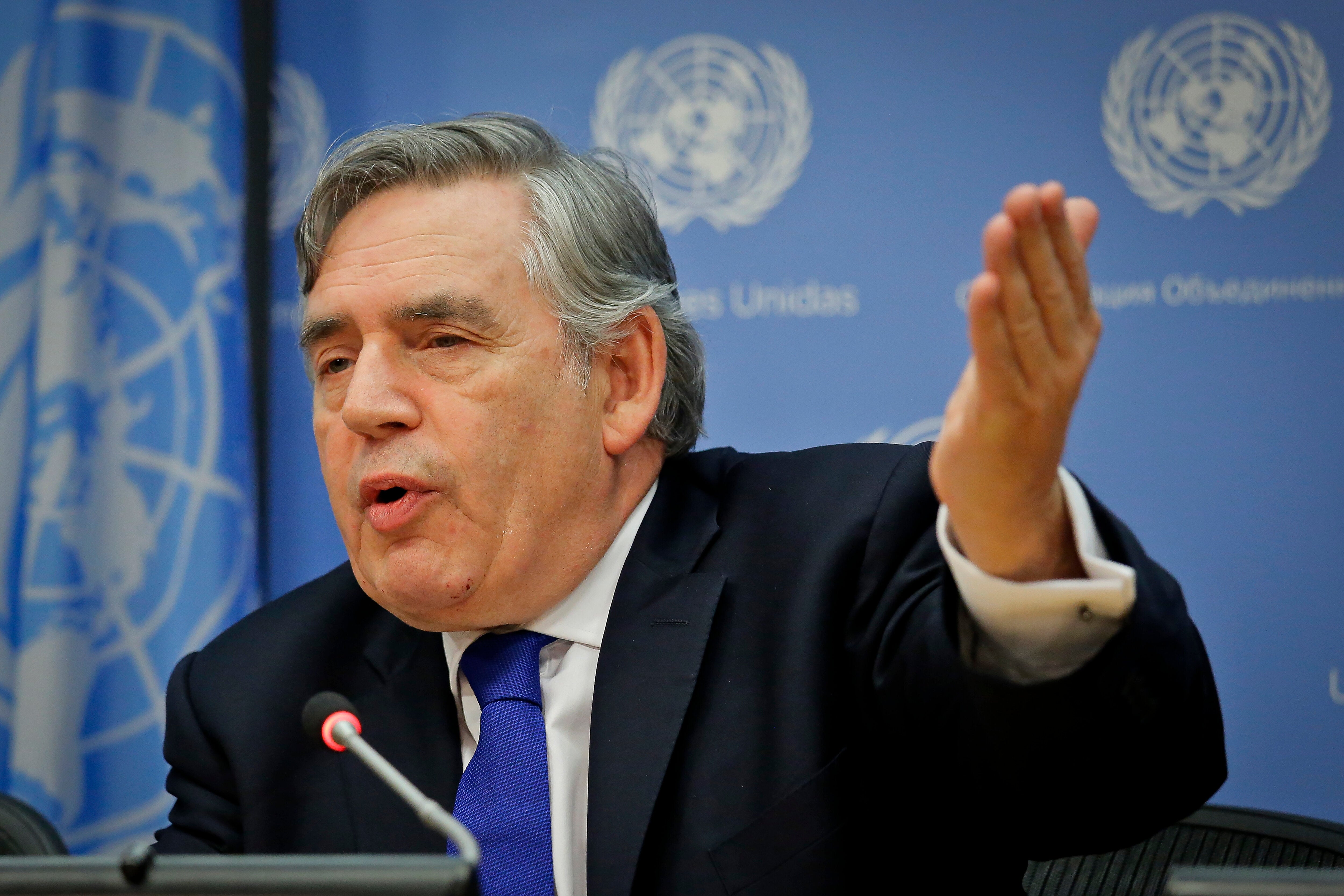
Andy Burnham proved he was not afraid to use his political capital when he finally got the keys to 10 Downing Street.
Within hours of being formally announced as the UK’s latest prime minister on Monday, he had completely torn up Keir Starmer’s cabinet.
Advertisement
Rachel Reeves was sacked as chancellor, while deputy prime minister and justice secretary David Lammy also found himself out of a job.
Chief secretary to the prime minister Darren Jones was fired, as were cabinet office minister Nick Thomas-Symonds, Northern Ireland secretary Hilary Benn and attorney general Lord Hermer.
Bridget Phillipson was stripped of her education brief, although she will still attend cabinet as the minister for women and equalities.
Advertisement
In all, a dozen cabinet members lost their jobs.
Despite the new PM’s vow to end Labour “factionalism”, there’s no two ways about it: this was a culling of Starmer loyalists.
In their place came close Burnham allies like Louise Haigh, who is now effectively the PM’s deputy, and Anneliese Midgley, who was made chief whip.
Ed Miliband – the first cabinet minister to tell Keir Starmer to quit – was promoted to foreign secretary, although he did miss out on the job he really wanted, Chancellor of the Exchequer.
Advertisement
In a major shock, that post went to John Healey – whose resignation as defence secretary last month was the final nail in Starmer’s coffin.
Meanwhile, Wes Streeting, who resigned as health secretary in May in protest at Starmer’s leadership, also returned to cabinet as the new defence secretary.
Some members of Starmer’s old team did survive, however.
They included Pat McFadden, who remains work and pensions secretary, and Yvette Cooper, who is the new health secretary.
Advertisement
One Labour MP described the new cabinet as “a mixed bag”.
“Some of the appointments are merit-based, but some of it pure factionalism,” the MP added.
A senior party figure told HuffPost UK: “It’s a really bad reshuffle. He’s made far too many enemies, and given far too many jobs to his mates.
“It’s not just the people he’s sacked – he’ll have pissed off Ed, Yvette and Bridget.”
A third source said: “Midgley as chief whip is a disaster, she doesn’t know enough Labour MPs.
“They’ve now got loads of pissed off people who lost jobs or who didn’t get jobs at all. What could possibly go wrong?
“It just felt lik a mess of a reshuffle done by people who don’t know the Parliamentary Labour Party, or any of the dynamics around politics that you have to balance.”
Advertisement
A Labour veteran defended Burnham’s line-up, however, insisting there was a “clear logic” to his appointments.
“There’s no way he could have made Ed chancellor because he’s too divisive, so making him foreign secretary is a good consolation with the added bonus that it gets him out of the country,” they said.
“Wes is a good appointment at the Ministry of Defence. He’s bright and energetic, a description which does not apply to many of those who have been sacked.
Advertisement
“He just needs to stop riffing on social media. He’s now in a department where they kill people, so he has to calm down and grow up, otherwise he will crash and burn.”
But not everyone is happy.
One MP was dismayed at the lack of left-wingers in the ministerial ranks.
“This is a hard lesson in power politics and it’s a lesson well received,” he said.
“This is what the cabinet would have looked like if Owen Smith had beaten Jeremy Corbyn in 2016. The left won’t feature apart from the perhaps odd token position.”
This week’s Commons People podcast explores what kind of message Burnham is trying to send with his appointments – and why he might have added more fuel to Labour’s simmering civil war.
Advertisement
Listen to Commons People, the podcast that makes politics easy. Every week, Kevin Schofield and Kate Nicholson unpack the week’s biggest stories to keep you informed. Join us for straightforward analysis of what’s going on at Westminster.
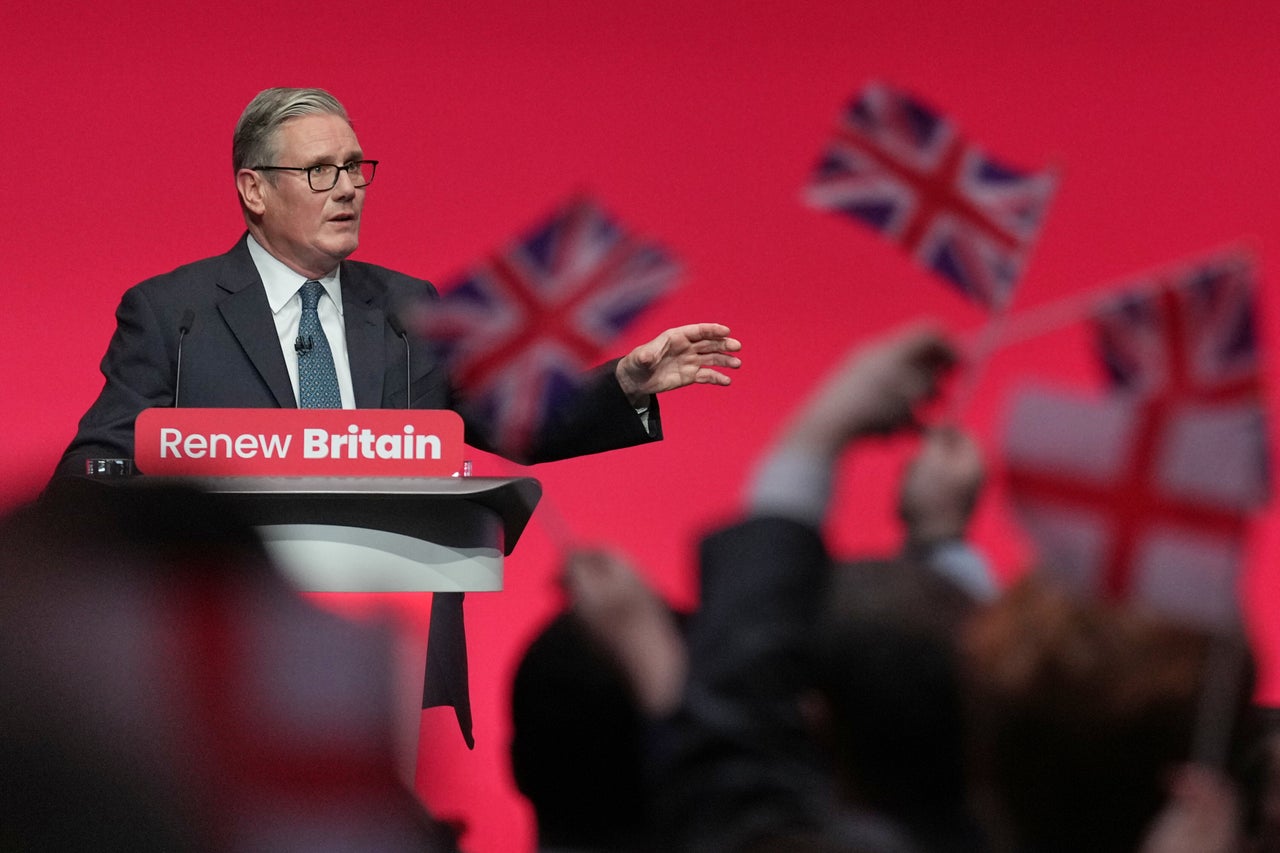
Burnham was confirmed as the leader of the Labour Party on Friday after running uncontested to replace Keir Starmer, and will be announced as prime minister on Monday.
He said last week he has not yet decided on his ministers because he thinks it would “cause complete chaos if you start half a reshuffle before you’re in position”.
His refusal to confirm who might be in his cabinet and at the heart of his government operation has led to widespread confusion – even though Burnham has pledged to make Labour more united and to stop in-fighting.
Advertisement
BBC presenter Laura Kuenssberg asked Powell, a close ally to Burnham, about the particularly mixed reports about whether energy secretary Ed Miliband might get a senior position.
The presenter said: “Burnham has promised to end factionalism in the Labour Party but there has been quite a lot of briefing already, a lot of briefing against Ed Miliband.
“It doesn’t bode, very well, does it, for Andy Burnham’s promise of ending all that unhappiness and in-fighting within the party?”
Advertisement
Powell replied: “There’s been a lot of speculation in the media about various individuals which has been really quite horrible, to be honest, and unedifying.
“I know that as political journalists, maybe you’ve not had the story of the Labour leadership crisis to write about for the last few weeks, because actually I’m really proud of the way in which the Labour Party has come together in a consensus around Andy Burnham being the next leader.”
She claimed the media is “looking for other personalities and other disagreements” to write about.
Kuenssberg hit back: “Journalists write about things they are told about.”
Jacob Rees-Mogg, former Tory minister, then criticised Powell’s response while sitting on Kuenssberg’s panel.
Advertisement
“Lucy Powell, an admirable person in many ways, was saying something she knows isn’t true at the end, when she said these stories are coming from disgruntled journalists because they didn’t have a big enough story to write,” he said.
Rees-Mogg added that reporters “do not make things up” and only write “what they are given by politicians”.
Advertisement
Listen to Commons People, the podcast that makes politics easy. Every week, Kevin Schofield and Kate Nicholson unpack the week’s biggest stories to keep you informed. Join us for straightforward analysis of what’s going on at Westminster.