All The Things We Already Know Are Going To Be In Rachel Reeves’ Budget

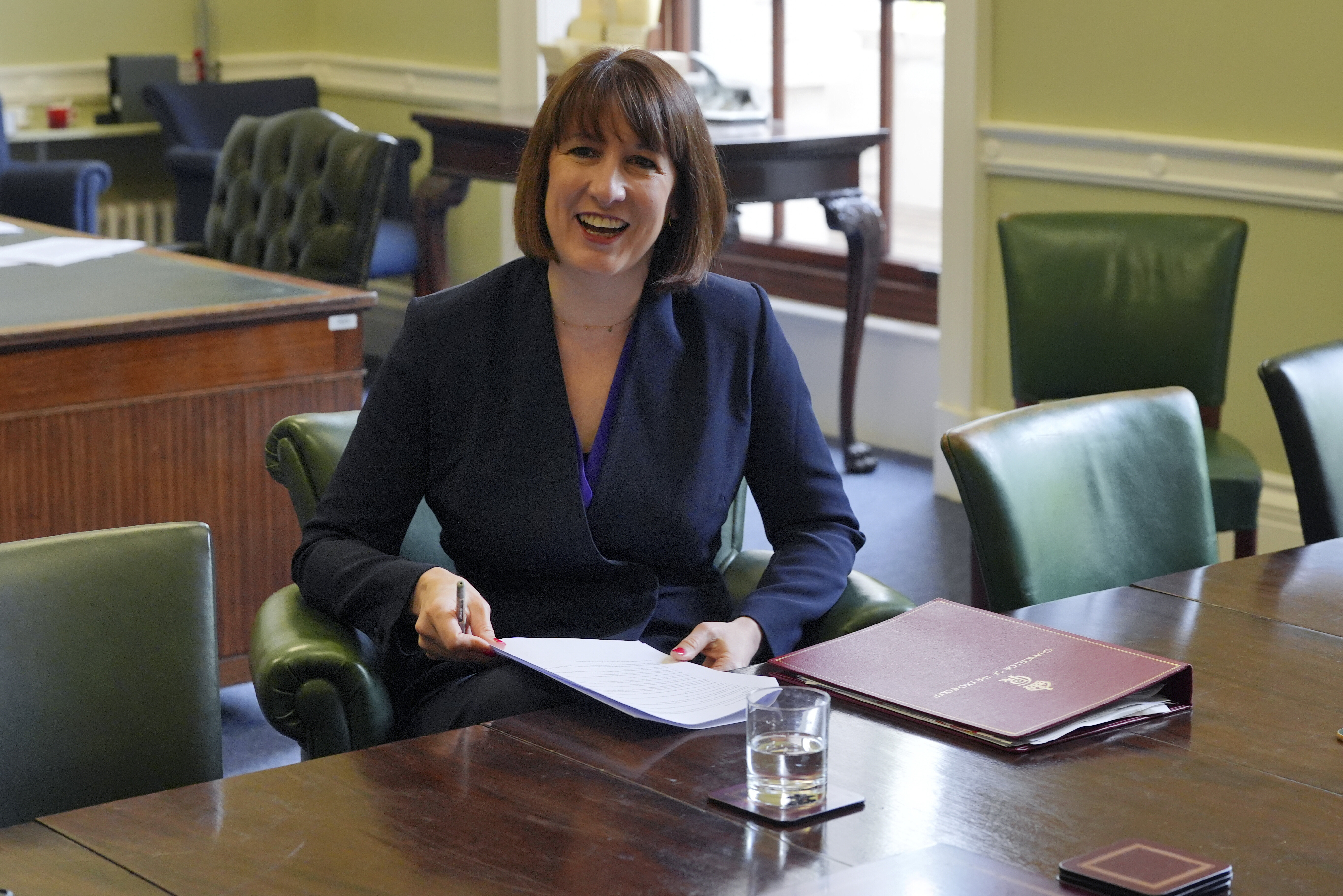
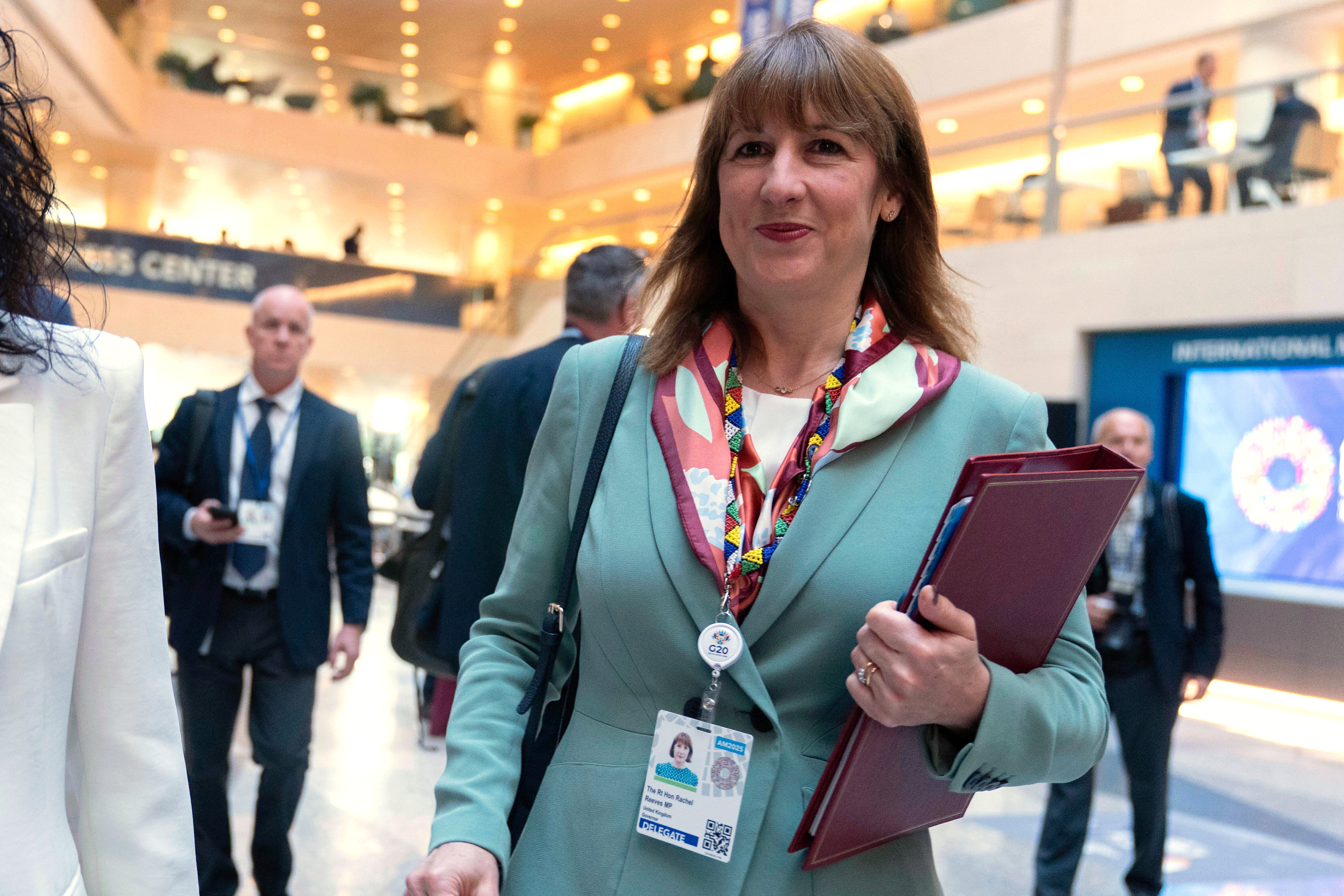
Rachel Reeves will deliver her make-or-break second Budget on Wednesday, with voters braced for a wave of tax increases as she tries to fill a black hole of between £20 and £30 billion in the public finances.

The chancellor is under huge pressure to deliver a financial statement that appeals to voters while not spooking the international money markets.

It is not an overstatement to suggest that her job – and that of her next door neighbour Keir Starmer – could rest on whether or not the Budget is a success.

The build-up to the big day has been far from plain sailing for Reeves, who dramatically U-turned on plans to raise billions by breaking Labour’s manifesto pledge not to put up income tax.

That has left her exploring a “smorgasbord” of options to raise the money she needs to balance the books.

Although nothing will be officially confirmed until Reeves delivers her statement at around 12.30pm on Wednesday, here is what we already will be in it.

Rail fare freeze

The government announced over the weekend that rail fares in England will be frozen next year – the first time in 30 years.

The freeze will apply to regulated fares – including season tickets and off-peak returns – until March 2027.

It only applies to services run by England-based train operating companies, but the government said it intends to “directly limit inflation” and hold down a “major component of everyday costs”.

Prescriptions kept to under £10

Patients will be able to save around £12 million next year as the chancellor intends to extend the freeze on NHS prescription charges.

The cost of a single prescription will remain at £9.90.

Minimum wage reforms

Labour will regularly name and shame employers who breach the national minimum wage rules.

A Treasury source said this is meant to protect vulnerable workers and prevent companies from hiding by hitting them with fines.

A boost for children’s playgrounds

More than 200 play areas are meant to be benefitting from this injection of £18m of cash.

It comes after the government’s Pride in Place programme has offered £5 billion for communities to regenerate public spaces.

Seizure of illegal vapes

Budget Force and HM Revenue & Customs will now be able to seize illegal vapes and issue £10,000 fines.

If business owners break the rules, they could face prison time.

From October 2026, all vapes will have to have a digital duty stamp with a QR code so they can be scanned to check which are fake.

Shops will have a six-month grace period to sell any unstamped stock.

Benefit fraud crackdown

Reeves claims she will be able to rack up £1.2 billion of savings as officials continue cracking down on incorrect Universal Credit payments up until 2031.

There is reportedly a team of 6,000 at the Department for Work and Pensions who have reviewed more than a million cases and already saved the taxpayer £1 billion.

Boost for pensioners

The chancellor is set to announce that 13 million pensioners will benefit from an above inflation rise to the State Pension next April, equating to more than £550 a year more.

It’s part of the government’s commitment to the triple lock, which means increasing the State Pension every year according to the highest of one of three figures: inflation, average earnings growth or 2.5%.

From next April, the rate of the full new State Pension will increase to just over £240.

Boost for secondary school libraries

Every secondary school in England is expected to benefit from a £5 million boost for school libraries – which works to around £1,400 per school.

Every child, regardless of their background, would then have access to a wide range of books.

350 new planners

Reeves is expected to put aside an extra £48 million to recruit 350 new planners as part of the government’s plan to “get Britain building”.

The chancellor would reportedly look at hiking up the number of graduate planners and launching a Planning Careers Hub.

Guaranteed student loan support for care leavers

Reeves will promise care leavers up to £13,500 of student loan support – the full amount – to level the playing field.

Only 14% of young people who leave care go to university at the moment, compared to 50% of the wider population. They are more likely to drop out due to financial barriers, too.

The current system limits maximum student support to those on the lowest incomes, under 25, who do not have a partner,

Mansion tax

The Times reported Reeves intends to use the current council tax system as the basis for a new property tax for large properties by revaluing the most valuable homes across council tax bands F, G and H.

Supposedly the government will allow homeowners to defer paying the tax until they move house or die.

This will hit 100,000 properties and supposedly raise £400-450 million from the levy.

Two-child cap

Labour is widely expected to lift the two-child benefit cap, which prevents family from claiming more of universal credit on any children after their second.

This is likely to cost £3 billion. The government did choose to keep the Tory policy in place during their first Budget last year, but subsequent backlash from the left-wing of Labour has likely played in encouraging Reeves to drop the cap.

Threshold freeze

Reeves is widely expected to freeze the income thresholds at which income tax rates start to apply in a move which would raise around £8 billion for the Treasury.

It’s referred to as a “stealth tax” because workers end up being dragged into a higher tax bracket when they get a pay rise in line with inflation.

Share Button

Is Labour Preparing Brits For A Tax Shock This Autumn?

Are our taxes about to go up?

That’s a question Brits will be hearing again and again ahead of Labour’s autumn Budget, where the government sets out its spending and tax plans for the year ahead.

Very rarely do ministers admit in any significant detail exactly what they have planned for the fiscal event – but early signs suggest that a tax hike just might be looming.

The occupants of 10 and 11 Downing Street are stuck between a rock and a hard place when it comes to the country’s finances right now.

Keir Starmer and Rachel Reeves promised not to increase taxes on “working people” in the run-up to the general election last year.

While the exact definition of that phrase split public opinion, Labour said it means not raising income tax, employee national insurance or VAT.

Of course, that wording came back to haunt the government at last year’s Budget when they revealed they were hiking employers’ national insurance contributions – and critics swiftly pointed out that employers are “working people”, too.

Then the National Institute of Economic and Social Research (NIESR) think tank today predicted that Reeves will need to raise taxes to close a government spending gap on course to reach more than £40 billion.

This is due to unexpectedly sluggish economic growth – GDP grew by 0.7% in the first quarter of 2025 but contracted by 0.1% in May – and higher-than-expected inflation – at 3.6% in June.

To make matters worse, when Labour made its 2024 tax promises, it also pledged to oversee a period of significant economic growth which… has not really happened.

So perhaps it is no surprise the NIESR claimed Reeves is facing “an impossible trilemma” – sticking to her fiscal rules while fulfilling her spending commitments and upholding her manifesto pledge not to raise taxes for working people.

Tellingly, the prime minister refused to reiterate his commitment not to increase “working people” taxes on Wednesday.

He told reporters he did “not recognise” the NIESR’s figures, adding: “But the Budget won’t be until later in the year – that’s when we’ll have the forecast and set out our plans.”

He also steered the conversation away from taxes, telling reporters: “What’s really important is that I’m very clear about our focus, which will be on living standards and making sure that people feel better-off, partly because more money is coming into their pocket in the first place through better wages, and partly because we’re bearing down on costs like mortgages and other costs to everyday families.”

Tory donor and former deputy chair of the party, Lord Ashcroft, took that to mean there will be “another U-turn” on Labour’s promises coming soon.

But, increasing taxes on “working people” is not the only option for the government.

Those on the Labour left are calling for a wealth tax, although cabinet minister Jonathan Reynolds called the idea “daft” just last month.

Meanwhile, professor Stephen Millard, the NIESR’s deputy director for macroeconomics, told the BBC Radio 4′s Today programme that Reeves could look at reforming the council tax system.

“Houses have not been revalued since 1991. The system is ripe for a complete reform,” he said. “The question there is whether reforming the council tax system, getting it right, would necessarily raise any additional money.

“An alternative is to replace the whole thing with a land value tax, which is much fairer and which potentially could actually raise a significant amount of money.”

But just what will Labour choose to do to fix our unsteady finances? Right now, it seems like it is anybody’s guess – including Labour’s.

Share Button

Labour’s Mixed Messages On Tax Leave Voters Dazed And Confused

Buckle up everyone, the next few months are going to be a little bumpy.

Rachel Reeves hasn’t even named the date yet for her autumn Budget – it will either be in October or November – but already it is dominating the political agenda.

The good news for the government is that gives them plenty of time to come up with a consistent message on tax, because right now they are all over the shop.

The consensus at Westminster is that taxes will have to go up to fill the black hole caused by the government’s U-turns on winter fuel payments and welfare cuts. The only questions that remain are which ones and by how much.

Left-wing Labour MPs have been loudly stating their support for a wealth tax on the assets of the super-rich. Initially, the chancellor’s opposition to such a levy appeared iron-clad.

But more recently, neither she nor anyone else in the cabinet has been willing to completely rule one out.

The government’s confused position was not helped on Sunday when transport secretary Heidi Alexander said the possibility of a wealth tax was not “directly” discussed at a cabinet away day last week.

Alexander then compounded the issue by insisting taxes would not go up for people on “modest incomes”, further fuelling speculation that the better off are going to get whacked.

Darren Jones, the chief secretary to the Treasury, was sent out this morning to tell the country what Alexander had meant, and was not wholly successful.

He set even more hares running by insisting the government would stick to Labour’s manifesto pledge not to increase “the headline rate of income tax or employee National Insurance and not to increase the headline rate of VAT”.

Except Labour’s manifesto made no reference at all to “headline” tax rates, leading to speculation that the government was looking for a clever way of putting them up while claiming not to brake their pre-election promises.

The PM’s official spokesman then had to tell journalists later that ministers were not moving the goalposts.

“No, I mean referring obviously to the manifesto commitment which we’ve repeatedly restated,” he said. “Beyond that, it will be up to the chancellor to set out policy at fiscal events in the usual way.”

Reeves herself popped up this morning, and again refused to rule out a wealth tax.

She said: “We haven’t even set the date for the Budget yet, so please forgive me if I’m not going to speculate about what might happen at an event that we haven’t even decided a date on yet.

“But we’ve been really clear in our manifesto about the taxes that we won’t increase, and we’re not going to increase the taxes that working people pay, their income tax, their national insurance and their VAT, because I do recognise the struggle that ordinary working people have faced these last few years with the cost of living.”

That brought the number of different government positions on tax to three in a little over 24 hours.

Ministers need to quickly get their stories straight, before voters’ mood shifts from confusion to outright anger.

Share Button

How Brits Are ‘Bracing Themselves’ For The Budget As Rachel Reeves Looks To Raise £40 Billion

It is not an overstatement to say that this week’s Budget is likely to be the most consequential event of this parliament.

Every decision the government makes between now and the next general election, for good or ill, will be influenced in some way by what Rachel Reeves announces at lunchtime on Wednesday. No pressure then, chancellor.

This is what we know so far. The Budget – called ‘Fixing The Foundations To Deliver Change’ – seeks to raise £40 billion, the vast majority of it through tax rises plus some spending cuts, including £3 billion from the welfare bill.

With Labour having promised not to increase taxes on “working people” before the election, income tax, VAT and the employees’ rate of National Insurance are all off-limits.

That means Reeves has her eyes on inheritance tax, capital gains tax, pension allowances and – most controversially – the employers’ rate of NI to help her balance the books.

A Treasury source told HuffPost UK: “We are dealing with the £22 billion hole in the public finances left by the Tories, and it’s worth stressing that is this year, next year, the year after that and the year after that. It’s a huge problem and we’ve got to address it.

“What we are doing is resetting the public finances and putting them on a firmer footing.

“We’re also acutely aware that we were elected on a platform of change. People voted to change things and for things to get a little bit better. So there will be more money for the NHS to cut waiting lists and more money for long-term investments like building schools, roads and other infrastructure.”

To that end, the chancellor announced on Thursday that she is changing the way the government measures debt, thereby allowing her to borrow an extra £50bn while still sticking to her pledge to bring overall debt down.

That money will be ploughed into public services which, Reeves claims, the Tories were planning to starve of the funds they need.

However, a poll carried out by Savanta and seen by HuffPost UK will make for worrying reading for the chancellor as she puts the finishing touches to her Budget speech in No.11 this weekend.

It shows that 48% of voters believe she should prioritise cutting taxes, compared to 43% who would rather see more money for public services.

However, more than half (55%) say it is more important for the government to invest in public services, with 32% saying it should be cut.

Meanwhile, just 20% of people believe the Budget will have a positive impact, with older people particularly gloomy about what it will mean for them – a result, most likely, of the row over the means testing of the winter fuel allowance.

A total of 80% of of over-55s think it will have a negative impact on their finances, compared to just 6% who believe it will be positive.

Those aged between 18 and 34 are more optimistic, however, with 40% thinking the Budget will be positive for them, with 28% taking the opposite view.

Even Labour supporters appear to be dreading Wednesday, with 41% of those who voted for the party in July believing it will be negative for them, compared to 33% who think it will be positive.

Emma Levin, associate director at Savanta, said: “Significant swathes of the electorate are bracing themselves for Labour’s first budget in 15 years.

“In particular older people appear nervous, amid rumours of many wealth taxes rises, compared to a relatively sanguine younger population.

“Concerningly for Rachel Reeves, even Labour voters think the Budget is going to have a negative impact on their lives. This may be exactly the mood music Labour HQ is going for ahead of a ‘painful budget’, but it’s clear the public want investment in public services as a priority.”

Nevertheless, allies of the chancellor remain confident that the measures announced in the Budget will eventually pay off both economically and politically.

One said: “It will be an honest Budget. Rachel will be very clear that we’re not going to be able to fix 14 years of failure in one Budget.

“This is a 10-year project. She’s having to make difficult decisions now to deliver long-term growth and prosperity.”

With the new Tory leader being announced just three days later, senior Labour figures also see the Budget as effectively the start of the next general election campaign.

“It will set out the clear divide for the whole parliament,” one Treasury source told HuffPost UK.

“Do we either do nothing, stick with the status quo, continue with more austerity, more cuts and more decline, or do we change and do things differently, asking those with the broadest shoulders to pay a bit more tax and start investing in long-term projects?

“This is where it will start to get difficult for the Tories.”

Share Button

Jeremy Hunt’s Claim Tories Always Aim To Lower Taxes Leaves People Pointing Out The Obvious

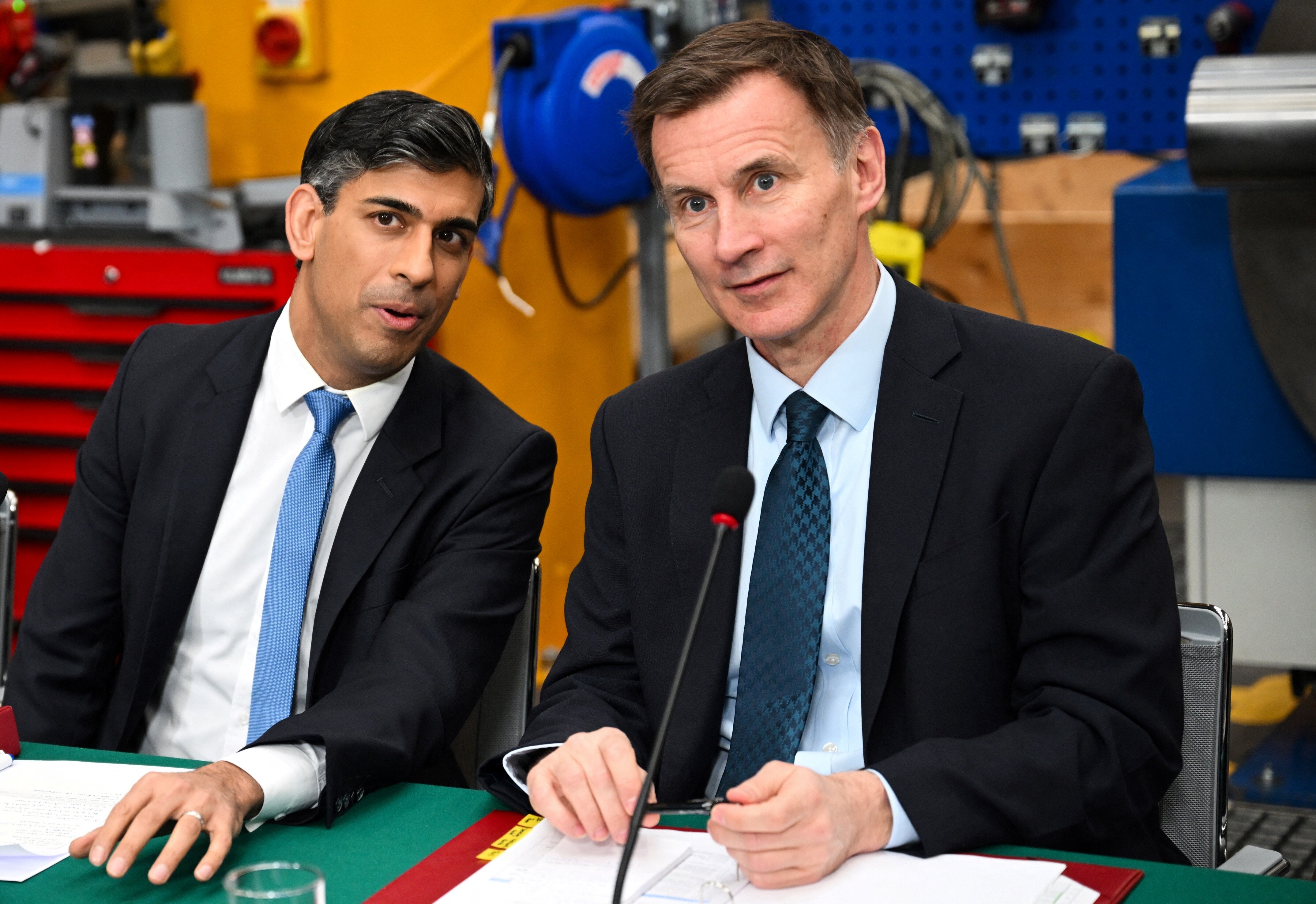
Jeremy Hunt told broadcasters this morning that it is an “eternal truth” that Conservative governments “try to bring the tax burden down” – but not many people agree.

The chancellor was speaking to journalists on Sunday ahead of the unveiling of his Spring Budget later this week, an annual event where the government outlines its plans for taxes and spending.

The pressure is on for Hunt and PM Rishi Sunak as Tories have been calling for more popular policies to soften the general public ahead of the general election later this year.

Hunt refused to reveal any particular policies he has lined up before his announcement on Wednesday – but he did repeatedly suggest that the public can trust the Tories with the economy.

He told Sky News: “I do want to show people in an election year that eternal truth that Labour governments spend more and tax more, Conservative governments spend more wisely and try to bring the tax burden down.”

He echoed this claim on the BBC.

“We’ve been very consistent, that we would only cut taxes in a way that was responsible and prudent,” he said, adding that he would not be announcing any “gimmicks” this week.

But, in the last four years, five different Tory chancellors have pledged to bring taxes down – only for them to rise to a historic level.

In fact, the current tax burden in the UK is the highest since World War 2.

As Labour’s shadow chief secretary to the Treasury, Darren Jones, pointed out: “It is the Tories who have raised taxes to their highest level in 70 years.

“No matter what the chancellor does in the Budget this week, working people will be worse off thanks to 14 years of Tory failure.”

Many on X (formerly Twitter), seemed to agree.

And several users pointed out that the last few years in government have hardly improved the economy – especially after former Tory PM Liz Truss’s disastrous mini-budget sent the markets into a complete spin and as the UK is currently in the middle of a recession…

Share Button

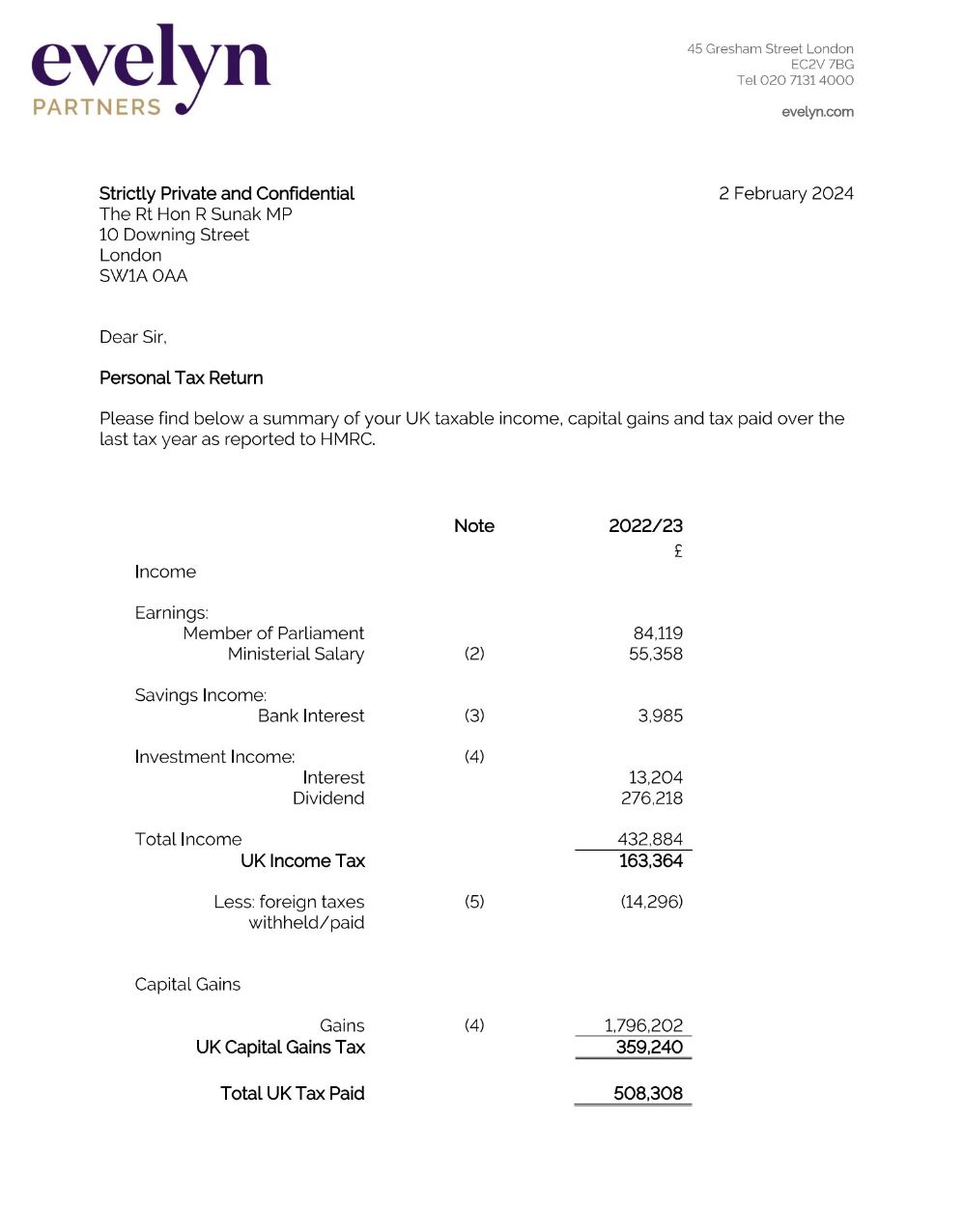
Rishi Sunak Earned More Than £2.2 Million Last Year

Rishi Sunak earned more than £2.2 million in the last financial year, it has emerged.

The prime minister paid the taxman paid £508,308 in tax – a rate of less than 23%.

The figures were revealed in Sunak’s tax return of 2022/23 and confirm his status as one of the country’s richest men.

It takes his total earnings over the last four years to more than £7 million.

Sunak earned £84,119 for being an MP, plus an additional £55,358 as prime minister.

He also received £3,985 in bank interest, plus £289,422 in investment interest and dividends.

The PM’s main source of income came was £1,796,202 in capital gains, meaning he earned £2,229,086 in total.

In all, he paid £163,364 in income tax plus £359,240 in capital gains tax – a total of 508,308.

His income tax rate was 37.7%, while he paid 20% tax on his capital gains. That is an overall tax rate of 22.8%.

Share Button

Judges Make Withering Ruling In Tax Row Over Walkers’ Poppadoms

Food giant Walkers must pay VAT on its mini poppadoms after judges ruled they are actually more like crisps.

The PepsiCo-owned manufacturer hoped to escape paying the tax on its Sensations Poppadoms because, it argued, they were not made from potato and the product said poppadoms on the packet – meaning they are a food and not a snack that attracts the 20% levy.

But in a win for the taxman, and one that could be costly for the company, a tribunal said they were indeed crisps in all but name since 40% of the ingredients were “potato-derived”.

The judgement, dated January 10, was withering about the name on the packs.

Tribunal judges, Anne Fairpo and Sonia Gable, said: “Nominative determinism is not a characteristic of snack foods: calling a snack food Hula Hoops does not mean that one could twirl that product around one’s midriff, nor is Monster Munch generally reserved as a food for monsters.”

The case has echoes of past battles with HM Revenue and Customs.

McVitie’s successfully argued in the 1990s that Jaffa Cakes are in fact cakes and not biscuits, therefore exempt from VAT.

In 2008, Marks & Spencer won a protracted legal battle on overpaid VAT on its chocolate teacakes, with Europe’s highest court ruling they were cakes and not a biscuit.

Share Button

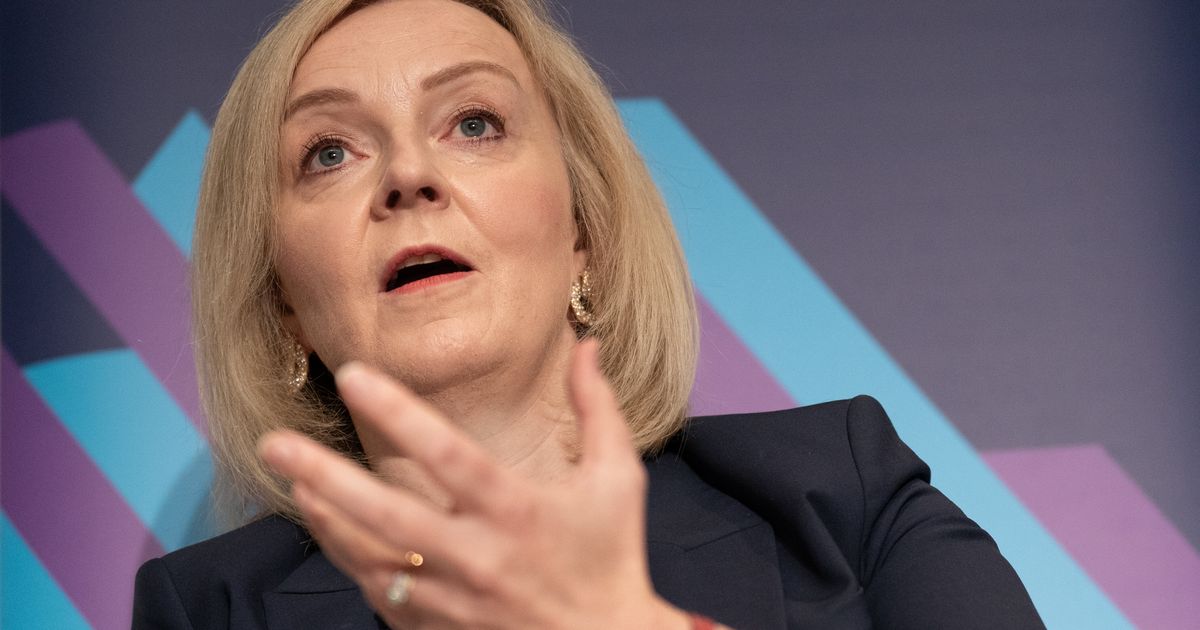
Liz Truss Wants To Have Another Go At Delivering A Budget

Former prime minister Liz Truss is to challenge Rishi Sunak and Jeremy Hunt with her own alternative Budget.

Her proposal will be pitched as one that rails against “conventional thinking”, and will be presented to the government as an alternative to the chancellor’s plans.

The report outlining Truss’s suggestions will be released one week before Hunt delivers his autumn statement on 22 November.

Called the “Growth Budget”, her suggestions are expected to propose similar ideas to those she announced while in office, including tax cuts and changes to corporation tax, income tax and national insurance.

It is also expected to include ideas about how the “tourism tax” could be dropped by bringing back VAT-free shopping.

At the Conservative Party conference this month, Truss made a speech calling for tax cuts to “make Britain grow again”.

Truss told the conference that she wanted to see the Conservative Party become the “party of business again”, and for the government to stop “taxing and banning things” and instead “build things and make things.”

Share Button

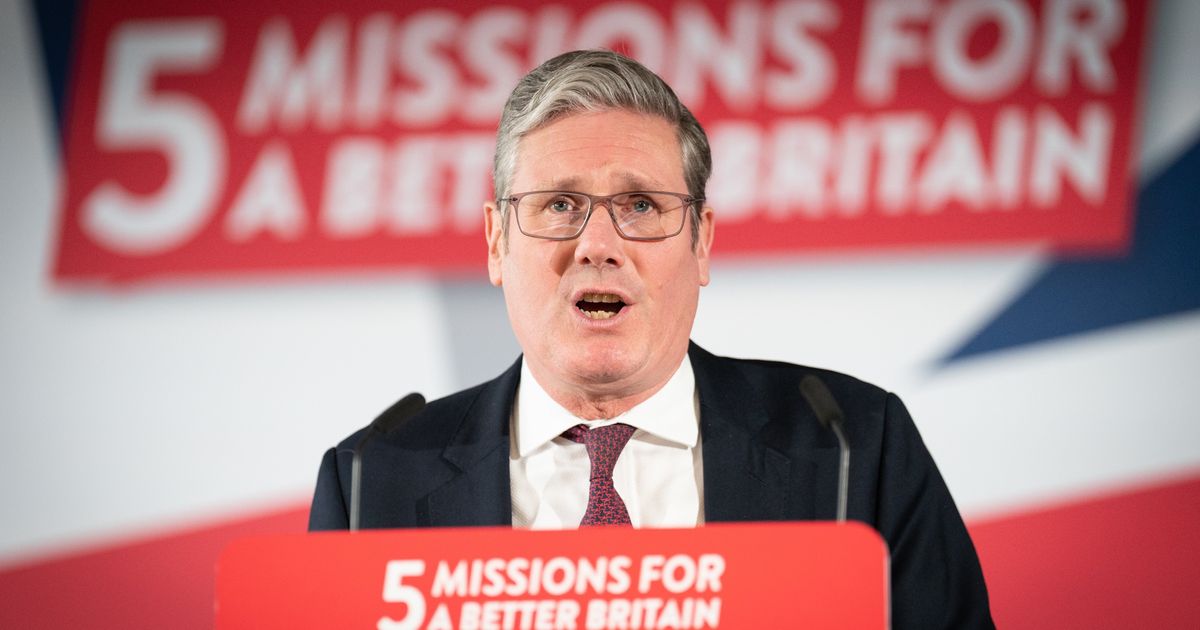
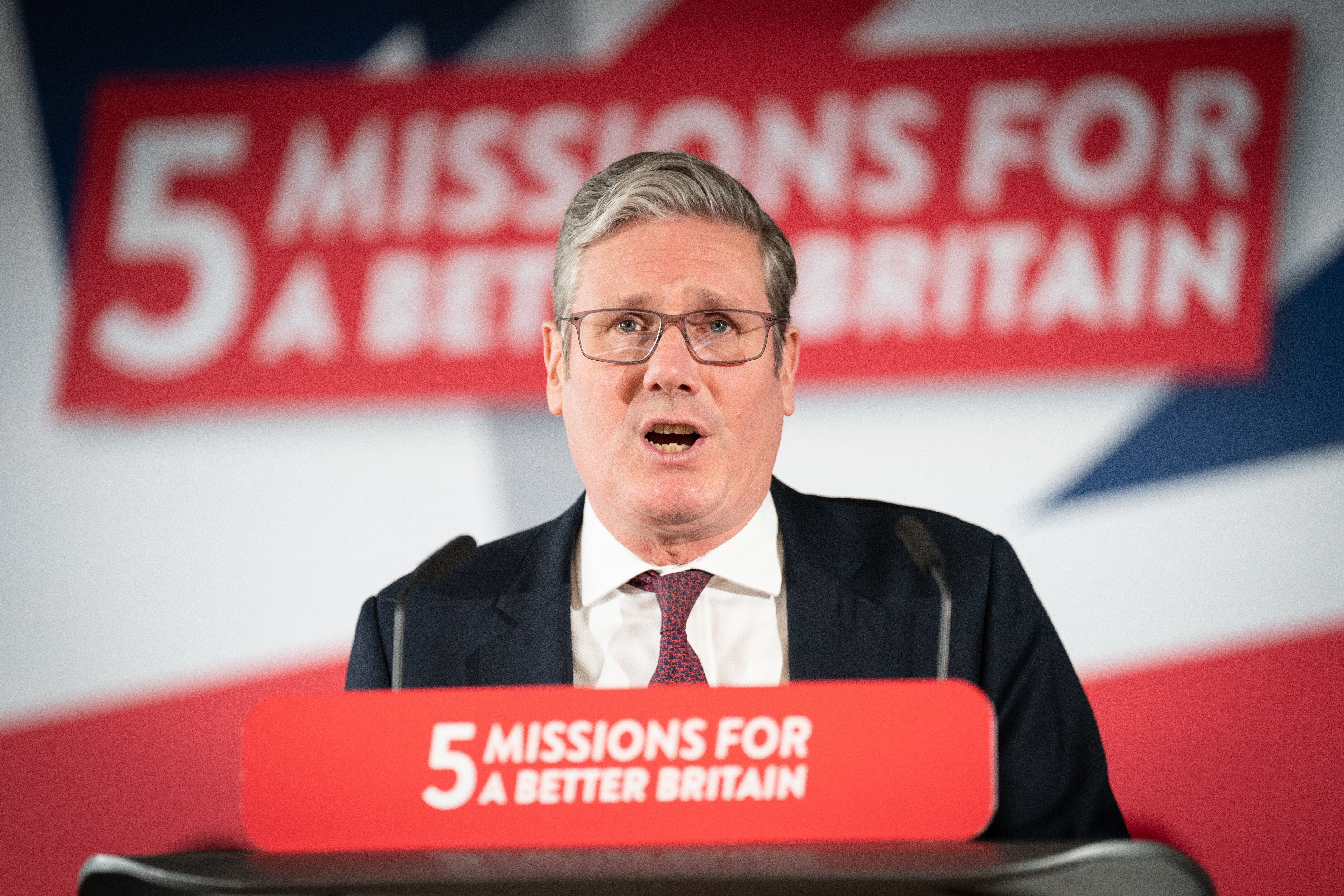
Keir Starmer Earned £275,000 In The Last Two Years And Paid £118,000 In Tax

Keir Starmer earned £360,000 in the last two years and paid £118,000 in tax, it has been revealed.

The Labour leader published his returns for 2020/21 and 2021/22 a day after Rishi Sunak became the first prime minister since David Cameron to do so.

They show that in 202/21, Starmer earned £125,695 as an MP and leader of the opposition.

He also received £21,925 in book royalties and £13 in bank interest, making a total of £147,633.

In that year, he paid £51,547 in income tax.

In 2021/22, he earned £126,154 as an MP and Labour leader, £453 in royalties, £14 in bank interest and £85,466 in capital gains after his sister sold a house they had bought together for her and her children to live in.

He paid £43,103 in income tax, plus £23,930 in capital gains tax, making a total of £67,033.

It means that over the two years he earned a total of £359,720 and paid £118,580 to the tax man. That means his tax rate was 33%.

Sunak’s returns showed that he paid HMRC just over £1 million between 2019 and 2022.

Tax returns dating back to Sunak’s time as chancellor show that between 2019/20 and 2021/22, he received £1,006,374 in income, plus £3,760,588 in capital gains – a total of £4,766,962.

On that, he paid income tax and capital gains tax totalling £1,053,060.

A Labour source said: “While Sunak was jacking up everyone else’s tax, he was paying a tax rate of about 22% on millions of pounds of income.”

Share Button

Rishi Sunak Has Earned More Than £4.7 Million In The Last Three Years

Rishi Sunak earned just under £5 million over the last three years, it has been revealed.

Tax returns dating back to his time as chancellor show that between 2019/20 and 2021/22, he received £1,006,374 in income, plus £3,760,588 in capital gains.

That makes a total of £4,766,962.

On that, he paid income tax and capital gains tax totalling £1,053,060.

A Labour source said: “So while Sunak was jacking up everyone else’s tax, he was paying a tax rate of about 22% on millions of pounds of income.”

Downing Street has been promising to release the PM’s tax returns for months, but eventually chose to do so on the same day that Boris Johnson was giving evidence to the privileges committee and MPs were voting on the Windsor Framework.

That led to suggestions that Number 10 were trying to ensure that it got less media coverage that would ordinarily have been the case.

Share Button