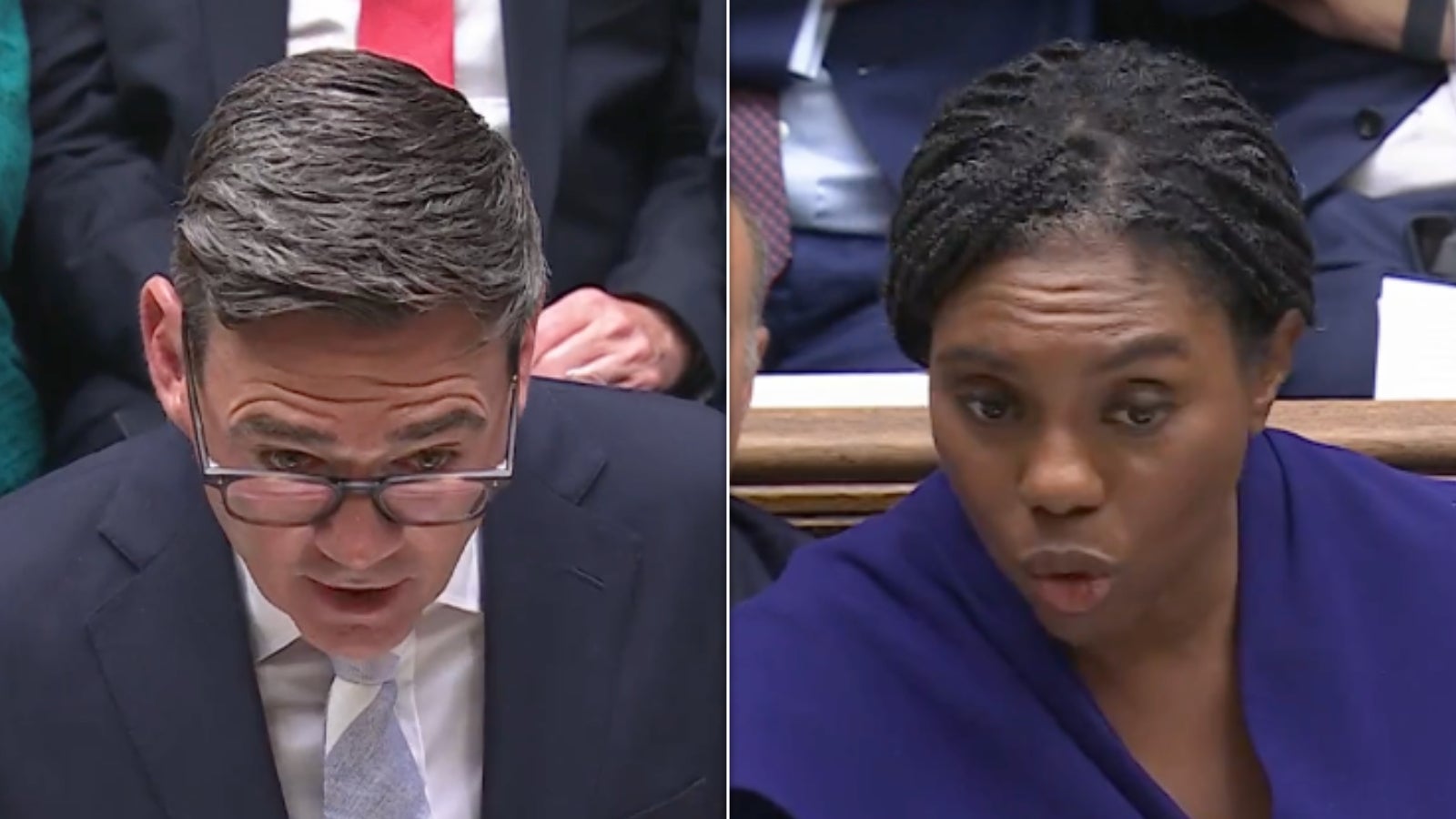
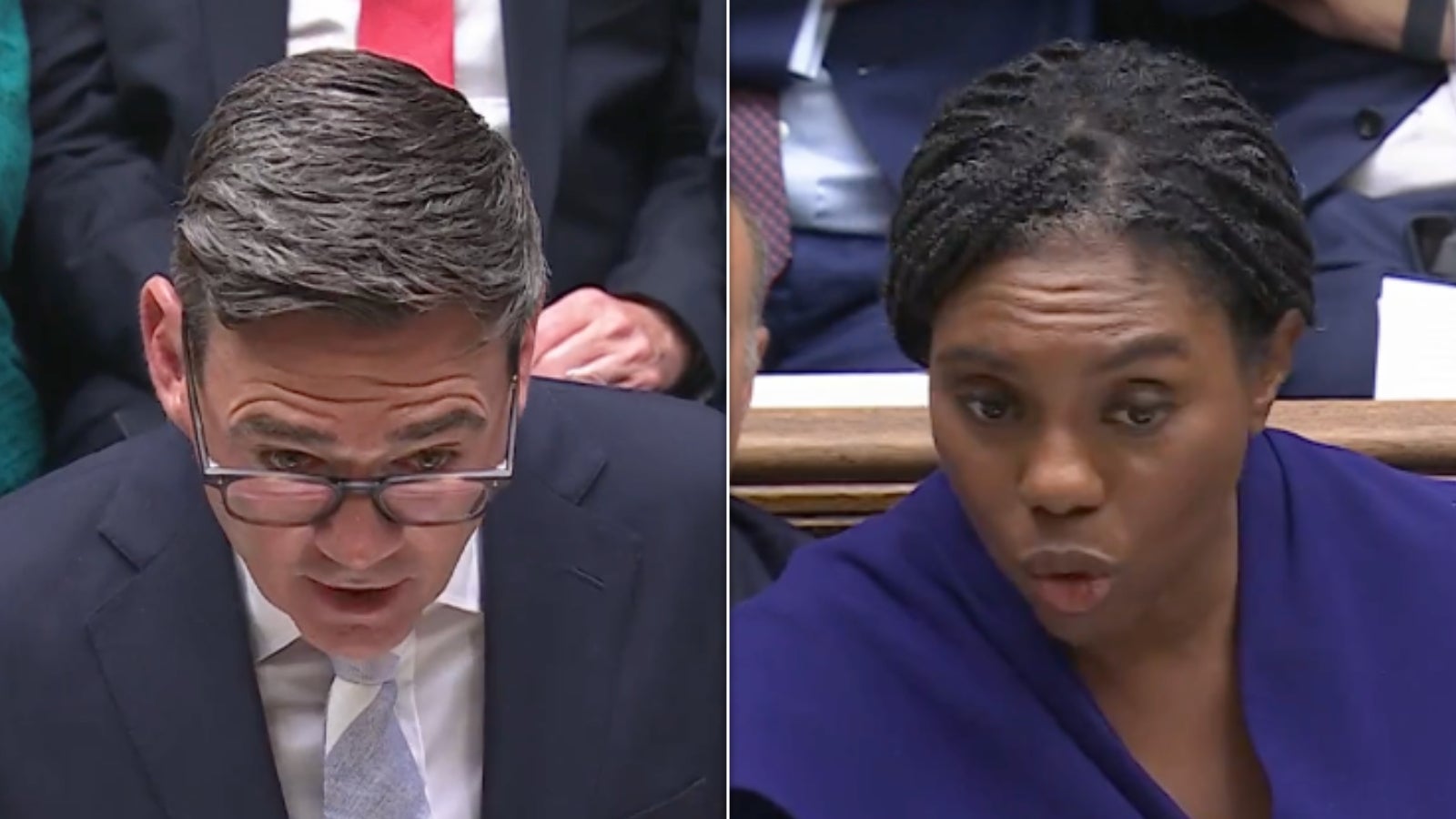
Lucy Powell Attacks ‘Horrible’ Speculation Around Who Might Be In Andy Burnham’s Cabinet

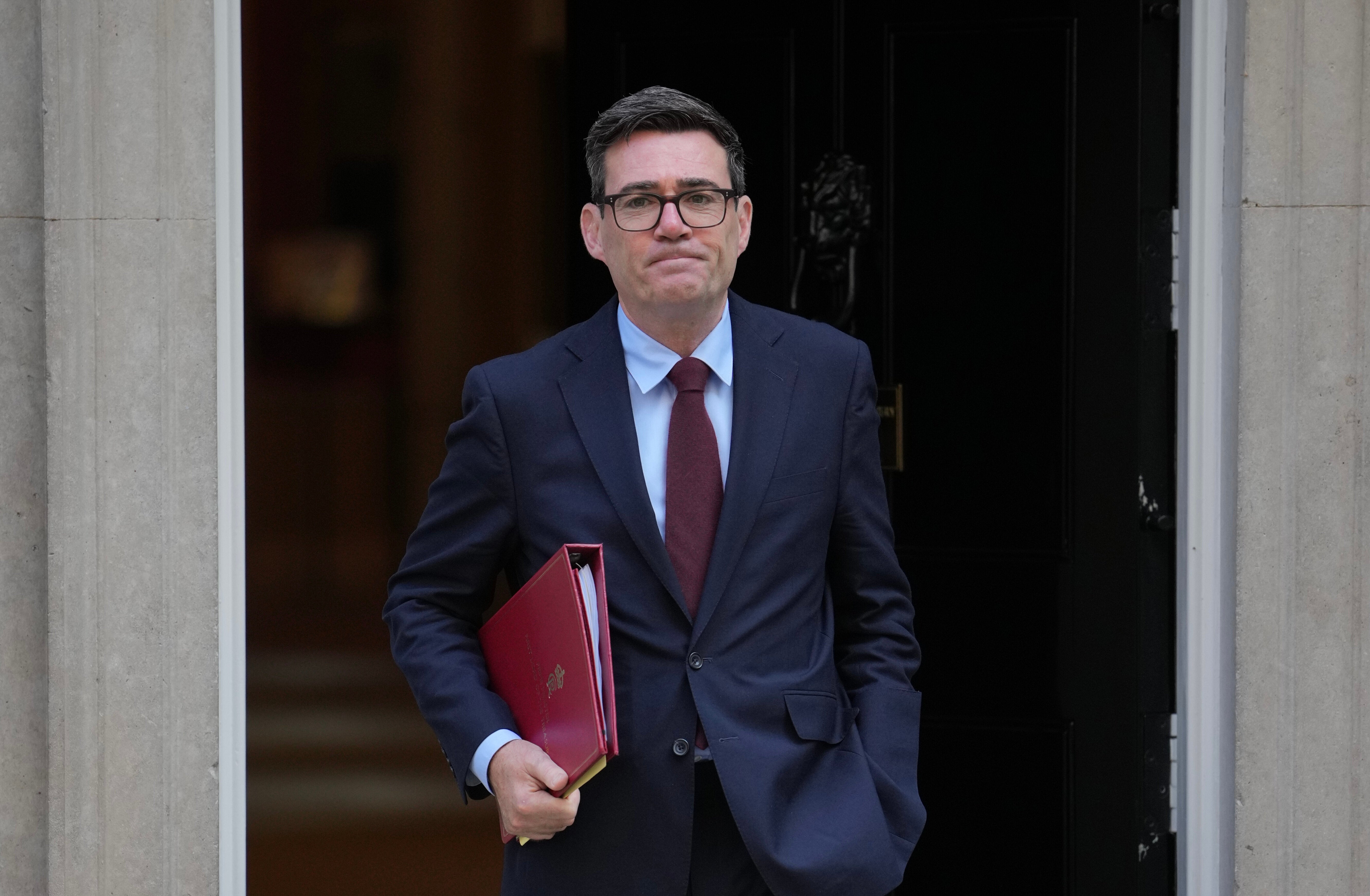
Lucy Powell has claimed speculation about Andy Burnham’s cabinet has been “horrible” in an attack on the media.

The deputy Labour leader blamed the press for reporting on the briefings coming from within the party about who might be in the incoming prime minister’s top team.

Burnham was confirmed as the leader of the Labour Party on Friday after running uncontested to replace Keir Starmer, and will be announced as prime minister on Monday.

He said last week he has not yet decided on his ministers because he thinks it would “cause complete chaos if you start half a reshuffle before you’re in position”.

His refusal to confirm who might be in his cabinet and at the heart of his government operation has led to widespread confusion – even though Burnham has pledged to make Labour more united and to stop in-fighting.

BBC presenter Laura Kuenssberg asked Powell, a close ally to Burnham, about the particularly mixed reports about whether energy secretary Ed Miliband might get a senior position.

The presenter said: “Burnham has promised to end factionalism in the Labour Party but there has been quite a lot of briefing already, a lot of briefing against Ed Miliband.

“It doesn’t bode, very well, does it, for Andy Burnham’s promise of ending all that unhappiness and in-fighting within the party?”

Powell replied: “There’s been a lot of speculation in the media about various individuals which has been really quite horrible, to be honest, and unedifying.

“I know that as political journalists, maybe you’ve not had the story of the Labour leadership crisis to write about for the last few weeks, because actually I’m really proud of the way in which the Labour Party has come together in a consensus around Andy Burnham being the next leader.”

She claimed the media is “looking for other personalities and other disagreements” to write about.

Kuenssberg hit back: “Journalists write about things they are told about.”

Jacob Rees-Mogg, former Tory minister, then criticised Powell’s response while sitting on Kuenssberg’s panel.

“Lucy Powell, an admirable person in many ways, was saying something she knows isn’t true at the end, when she said these stories are coming from disgruntled journalists because they didn’t have a big enough story to write,” he said.

Rees-Mogg added that reporters “do not make things up” and only write “what they are given by politicians”.

Listen to Commons People, the podcast that makes politics easy. Every week, Kevin Schofield and Kate Nicholson unpack the week’s biggest stories to keep you informed. Join us for straightforward analysis of what’s going on at Westminster.
Share Button

Liz Truss Breaks The Irony Metre By Predicting Andy Burnham Will Cause ‘Financial Crisis’

Liz Truss has predicted that Andy Burnham will lead Britain into a “financial crisis” in a moment which feels like pure satire.

The former Conservative prime minister famously planned to implement £45 billion of unfunded tax cuts which sent the pound into decline and the markets into turmoil.

The Bank of England even had to step in and buy £65 billion worth of government bonds to prevent disaster.

The chaos unleashed by her mini-Budget meant Tory MPs quickly pushed Truss out of office after just 49 days – making her the UK’s shortest-serving prime minister in history.

However, speaking at CPAC GB – a right-wing conference which is a spin-off of its American counterpart – Truss has predicted that the incoming PM Burnham would send the UK into “financial crisis”.

According to the Mirror, she said: “The money’s going to run out. I think the problems with migration are going to get worse and the general decay and stagnation of Britain is going to continue.

“I think the question is how long the pro-progressive authorities can continue.

“My prediction is that there will be another prime minister before 2029.”

Burnham was announced as the Labour leader on Friday and is set to become the next prime minister on Monday when Keir Starmer hands over the keys.

There is some trepidation about his plans for the economy amid fears he could push public spending hikes.

Truss’s words also come after the International Monetary Fund (IMF) warned Burnham this week that the UK is still struggling with the scars left behind by Truss’s mini-budget of 2022.

Four years on, and gilt markets are still nervous about the UK fiscal policy than previously, and according to the IMF, there has been a “regime change” on bond markets as a result.

Truss also told the conference: “We’ve had seven prime ministers in ten years.”

She added: “That’s the equivalent of a crap football team changing its manager all the time but not changing what happens on the pitch.”

It seems to have escaped her attention that five of those seven prime ministers have been Conservative – and she was one of them.

Truss also tried to call for right-wing figures to join her “counter-revolution” rather than going for jobs outside of politics.

“It’s time for successful people in Britain who actually care about the future of our country to step up. To stop being such cowards because at the moment they’re being cowards,” she said.

Truss lost her seat to the Labour Party at the 2024 general election.

According to the Mirror, barely a third of the 500-seat hall was occupied for her appearance at CPAC GB.

Burnham’s team has been approached for comment.

Listen to Commons People, the podcast that makes politics easy. Every week, Kevin Schofield and Kate Nicholson unpack the week’s biggest stories to keep you informed. Join us for straightforward analysis of what’s going on at Westminster.
Share Button

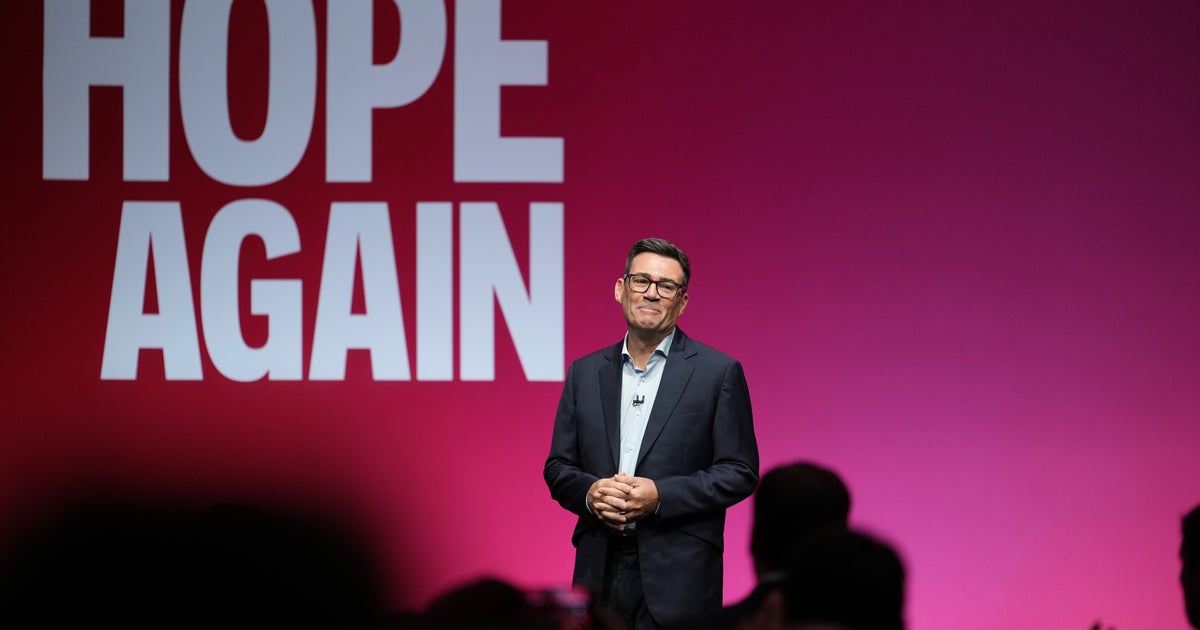
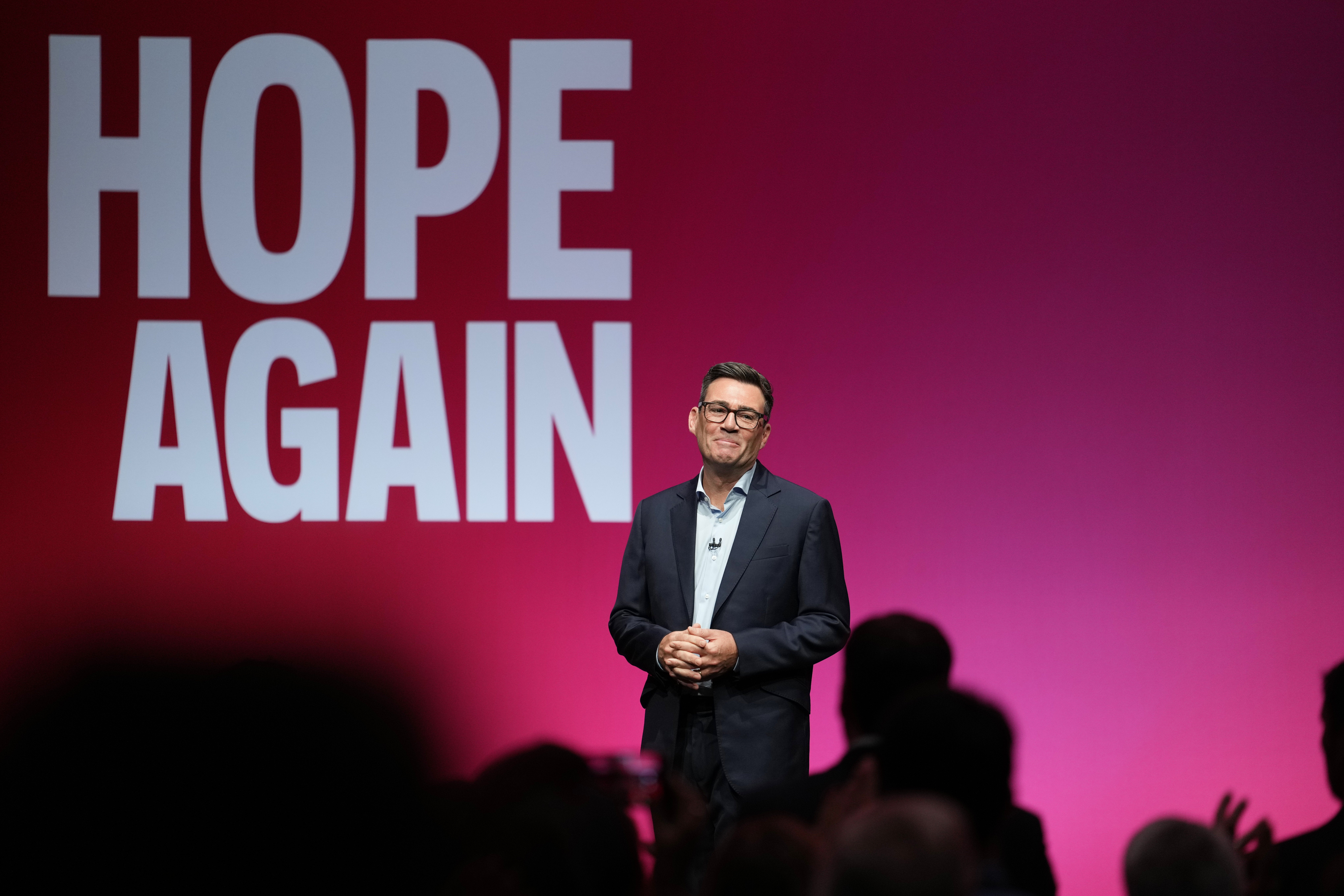
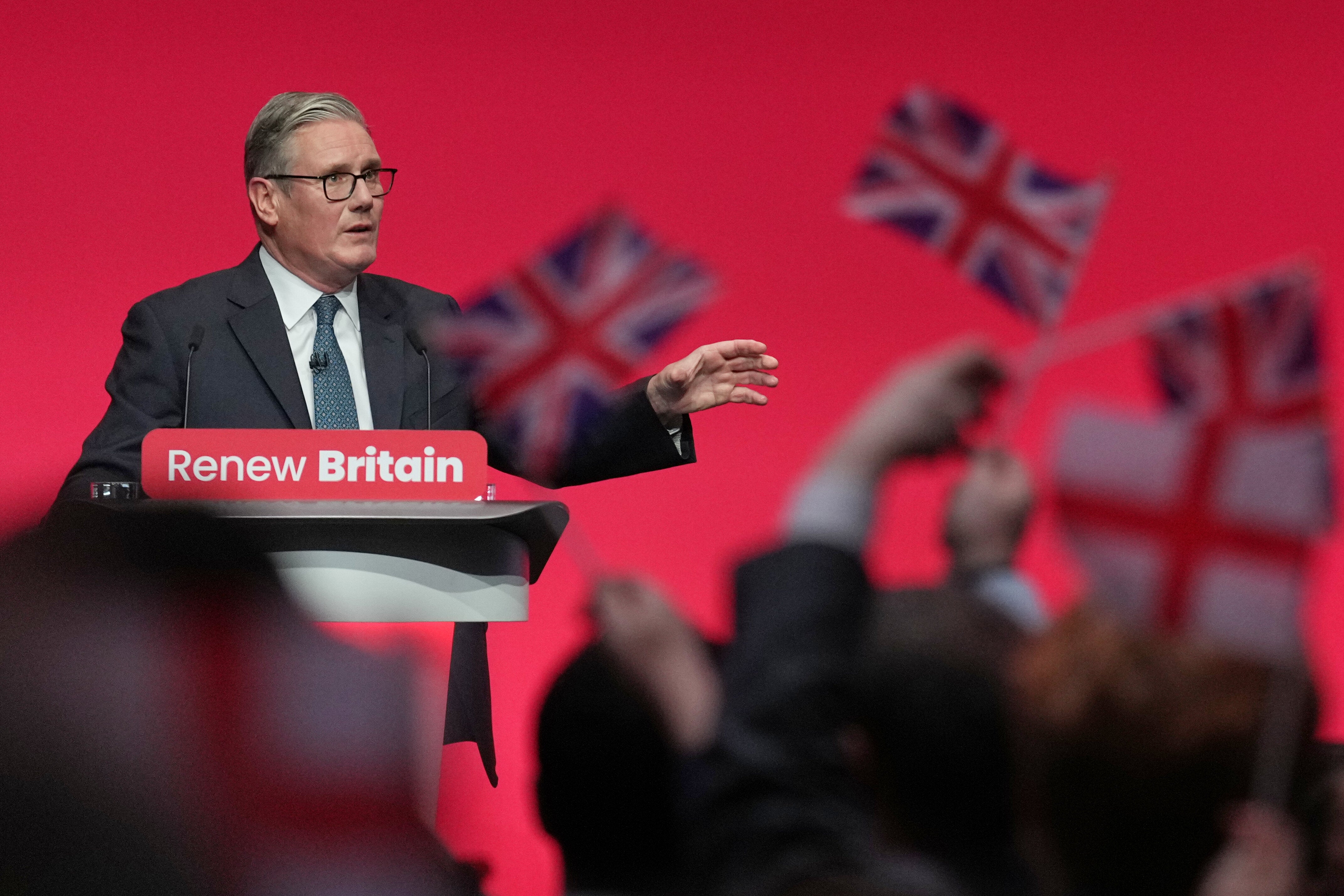
‘We’re Going To Give Them Hope Back’: Andy Burnham Officially Becomes Labour Leader

Andy Burnham has officially been crowned as the leader of the Labour Party, meaning he is days away from being de facto prime minister.

The Makerfield MP will have to wait until Monday to formally take over from Keir Starmer in No.10, as a quirk in the rules means he could not take both titles on the same day.

Burnham ran uncontested to be the next leader of the largest party in the Commons with the support of more than 350 of Labour’s 403 MPs.

In his first speech as Labour leader, he promised he would help to give Brits “hope back”.

He said his supporters “heard the call from the people of Makerfield on behalf of forgotten places everywhere, up and down this country, for a return of the Labour they once knew”.

He added: “And now we answer that call. We will be that version of Labour again.”

Burnham, who has run three times to lead the party, promised he is “ready” to lead Labour now after his nine-year stint as Greater Manchester mayor.

He also praised Starmer for making the party electable after its shocking defeat in the 2019 general election.

He then began to outline what changes he wants to implement, promising: “Change starts with honesty.

“We must recognise that this generation of politicians, myself included, have failed to challenge a political culture and an economic model that simply doesn’t work well enough for ordinary people.

“Four decades of neoliberalism that began in the 1980s have not been kind to the places that built our party, nor to the communities across the UK in rural and coastal areas. So we pledge today to them to be better.”

He added that the public has given his party a “last chance” to implement change – and that he will take the country in a direction which is “distinctively Labour”.

Burnham made five promises to improve the party, too.

He said he would work to build a “new politics”, change Labour’s “political direction”, be a leader for the entirety of the UK, take power back from Westminster and Whitehall and work to stop Labour in-fighting.

Burnham has had a rapid ascent to Downing Street in recent months.

Support for the then-Greater Manchester mayor started to rise as Starmer’s successor after the party’s disastrous performance in the May elections in England, Scotland and Wales.

However, as he did not have a seat in the Commons, Burnham was not able to challenge Starmer’s premiership.

So Josh Simons, Makerfield MP, stood aside to trigger a by-election and give Burnham a chance to return to the Commons.

His comfortable victory over Reform UK last month only strengthened calls for Starmer to step down.

The prime minister subsequently resigned and Labour MPs rushed to endorse Burnham.

There is still plenty of mystery around what Burnham intends to do in office as he avoided any major press conferences and is yet to announce who he wants in his cabinet.

But he insisted today that he “has a plan” and that he will “not change”, staying loyal to his style.

“I have listened and learned as I have gone along, you’ll be pleased to know. And hopefully I’ve got better as a result,” Burnham said. “You can be sure of this: I know what I believe after 25 years as an elected Labour representative, and I know what I want to do with you all. I have a plan.

“What I also want you to know is I won’t change. I have a style and it’s my style. I will always stay close to the ground, close to the people.”

Listen to Commons People, the podcast that makes politics easy. Every week, Kevin Schofield and Kate Nicholson unpack the week’s biggest stories to keep you informed. Join us for straightforward analysis of what’s going on at Westminster.

Share Button

Zelenskyy Admits He Is ‘Afraid Of Changes’ As Starmer Prepares To Stand Down

Volodymyr Zelenskyy has admitted he is “afraid of changes” as Keir Starmer prepares to step down as prime minister.

The outgoing PM has been a staunch supporter of Ukraine in its war against Russia throughout his two years in office.

He recalled how he proudly welcomed Zelenskyy to the UK in February 2025 after the Ukrainian leader was ambushed by the Trump administration and kicked out of the Oval Office.

Starmer has chosen to travel to the beleaguered country and remind Kyiv of the UK’s ongoing backing with just four days left in the job before Andy Burnham is given the keys to No.10.

Zelenskyy told the press during Starmer’s visit that he is “afraid of changes” with the UK PM set to step down and French president Emmanuel Macron expected to leave office next year.

He said: “Of course I’m afraid of changes, of course we are afraid because we are in the war each day.

“But again the priority is the relation between nations, not just between just people. I’m sure that these relations will not change, or we have to do our best not to lose such very good relations.”

“I hope we will never lose strong relations with the UK during or after the war.”

Starmer replied: “You won’t.”

Zelenskyy said he hopes to build “new strong relations” with the next prime minister and that he wants to have a meeting with Burnham “as soon as possible”.

Zelensky also awarded Starmer the Order of Freedom honour, which is Ukraine’s highest award for a foreign person.

Starmer shook Zelenskyy’s hand and said the award was “completely unexpected” and “very meaningful”, adding: “it really means a huge amount.”

A Downing Street spokesperson said the PM was “grateful and deeply humbled to receive the Order of Freedom for outstanding merit, the highest honour that can be given in Ukraine to anyone from another country”.

It is the second major honour the outgoing prime minister received this week for his work on the international stage.

He was unexpectedly awarded Légion d’honneur by French president Emmanuel Macron, becoming the first UK PM to ever receive the historic honour.

It was awarded in recognition of Starmer’s work in setting up the Coalition of the Willing, the group of countries chaired by France and the UK meant to help Ukraine.

On social media, Starmer wrote: “I’ve visited Ukraine four times as Prime Minister, and I’ve seen first-hand the devastation caused by Russia’s invasion. The UK’s support for Ukraine will never waver.

“That’s why we’re funding fighter jets for Ukraine, strengthening their ability to defend themselves while supporting thousands of skilled jobs in the UK. So good to see you again my friend, [Zelenskyy].”

Listen to Commons People, the podcast that makes politics easy. Every week, Kevin Schofield and Kate Nicholson unpack the week’s biggest stories to keep you informed. Join us for straightforward analysis of what’s going on at Westminster.
Share Button

Tears For Keir? Emotions Run High As Starmer Bows Out With Final PMQs

Keir Starmer’s final appearance in the House of Commons as prime minister left multiple supporters looking rather emotional.

The PM stood in the Chamber for his last prime minister’s questions on Wednesday afternoon and exchanged friendly barbs with the leader of the opposition, Kemi Badenoch.

Right behind him, his ally and chancellor Rachel Reeves – who is widely expected to lose her job under Starmer’s successor Andy Burnham – looked downtrodden and on the cusp of tears.

And the final question of the session went to a close friend of the prime minister’s, Labour MP Carolyn Harris, who struggled to hold back her emotions while singing Starmer’s praises.

She said few had believed he could make the necessary changes to Labour when Starmer became party leader in 2020.

“But today, because of his service and his leadership, children are growing up in a fairer Britain. We stand tall on the world stage. And every day we’ve seen his decency and his courage shine through,” she said, as her voice broke.

The prime minister, on the other hand, seemed completely composed as he thanked Harris for her friendship.

He closed out his last session from the despatch box as PM by saying: “Every prime minister knows when they take up the torch that the day will come when they have to pass it on. That day has come for me.

“This is the end of my political journey.

“In six years, we went from historic defeat in 2019 to historic victory in 2024, and in two years in government I leave the country in better shape than I found it.

I’m proud of everything that we have achieved.”

He added: “To all those in the gallery, whose lives have been changed or improved by this Labour government, and all across the country who struggle to be seen or heard, you’re the reason I came into politics.

“To my wife and children, I love you. Goodbye!”

All of the Labour MPs and Lib Dem MPs gave Starmer a standing ovation as he exited the chamber.

According to Patrick Maguire from The Times, some ministers “wept” when deputy PM David Lammy paid tribute to the outgoing leader during his final cabinet meeting on Wednesday, too.

Starmer’s exit comes two months after Labour’s catastrophic performance in the May elections in England, Scotland and Wales.

As Labour MPs called for the PM to resign, a path was cleared for Burnham, then Greater Manchester mayor, to return to the Commons and replace Starmer.

He won the Makerfield by-election comfortably last month, prompting Starmer’s resignation.

Burnham will be crowned as Labour leader on Friday and is set to receive the keys to Downing Street on Monday while Starmer returns to the backbenches.

Listen to Commons People, the podcast that makes politics easy. Every week, Kevin Schofield and Kate Nicholson unpack the week’s biggest stories to keep you informed. Join us for straightforward analysis of what’s going on at Westminster.
Share Button

Burnham Under Fire As Labour Blocks Vote To Force Him To Face Commons On First Day As PM

Andy Burnham has been slammed after Labour blocked a vote which could have forced him to face the Commons on his first day as prime minister.

The Makerfield MP is set to be crowned as the Labour leader on Friday having run unchallenged to be Keir Starmer’s replacement.

However, an MP cannot become party leader and prime minister on the same day – meaning Burnham will get the keys to No.10 on Monday, July 20.

MPs were already scheduled to start their six-week summer recess on Thursday, July 16, so the Commons will not be sitting on the new PM’s first day.

There is no constitutional rule calling for a prime minister to appear before MPs immediately after being appointed by the monarch.

The Conservatives wanted to use their pre-arranged opposition day debate on Wednesday to table a motion saying the Commons should delay recess so Burnham can address MPs next Monday as the new prime minister.

But the leader of the Commons, Labour’s Alan Campbell, announced on Tuesday there had been a change in parliamentary business.

Instead, MPs would have a general debate on the ongoing situation in Iran.

The Tories’ shadow leader of the Commons Jesse Norman said the public would conclude Burnham was “running scared of public scrutiny before he can even take office”.

“The government has a majority of more than 150 and it could not trust its MPs to vote the right way on that motion [delaying the recess], and it could not bear the idea of a new prime minister facing any scrutiny before September,” Norman said.

“A prime minister, let me remind us all, who has been chosen by a coronation not a contest, with no known platform, almost no known policies, and no idea of his priorities or indeed his cabinet team.”

Campbell dismissed Norman’s claim, insisting it was important for MPs to have a chance to debate what was happening in Iran.

He claimed he was unaware of the motion the Tories were going to table on Wednesday, insisting he was “telling the absolute truth” at the despatch box.

The Commons leader also accused the Tories of playing games, saying: “People listening to this… will do so with a degree of incredulity that [the Conservative party] was preferring to go down a route of playing some weird political game while the Middle East is on the brink of conflagration.”

Tory leader Kemi Badenoch wrote on X: In an unprecedented move, Labour have scrapped the Conservative vote to force Andy Burnham to come to Parliament to answer questions when he becomes PM on Monday.

“Labour are running scared because they know the honeymoon will be over the minute he has to tell us his plans.”

Burnham has already faced significant backlash for dodging scrutiny on his hurried journey to No.10.

Since winning the Makerfield by-election last month, he has avoided making any statements in the House of Commons and has not held any press conferences.

There is plenty of mystery around what he plans to do as prime minister, especially since he did not have to have any debates with leadership rivals also vying for Starmer’s role.

Listen to Commons People, the podcast that makes politics easy. Every week, Kevin Schofield and Kate Nicholson unpack the week’s biggest stories to keep you informed. Join us for straightforward analysis of what’s going on at Westminster.
Share Button

Starmer’s Former Top Aide Admits Labour Did Not Do Enough Preparation For Government

Keir Starmer’s former chief of staff has admitted Labour did not do enough preparation before they were elected into government.

Morgan McSweeney, who was forced to quit over his links to disgraced peer and ex-ambassador to the US Peter Mandelson earlier this year, told the BBC his party was not ready to deliver quickly for voters after their landslide win in 2024.

His remarks come after Starmer announced he was stepping down as Labour leader and prime minister last Monday.

McSweeney told the Political Thinking podcast: “We didn’t prepare enough for what kind of world we were going to. We are now in a very different era than when Labour was last in government.

“I think we didn’t have enough conversations at the top of the party about what that meant, how to prepare for it, what that meant for the state.

“You have to deliver quite quickly for people, for them to see the change quickly. And I think we didn’t come in with enough of a theory about how we would do that.”

McSweeney said Labour should have been “way more optimistic” about the state of the country when it got into office in 2024.

The former aide ran Labour’s general election campaign. He was seen as a key element of Starmer’s rise to the top of the party and into No.10.

He added: “I take my own responsibilities for [not being prepared], rather than blaming one person.”

McSweeney sat as Starmer’s head of political strategy but after three months became his chief of staff once Sue Gray was kicked out of the role.

He added that he was still “processing” Starmer’s fall from grace and said Labour’s 14 years in opposition “went quickly”.

McSweeney also claimed that there was an expectation within the party that Labour would need at least two elections to return to power after its defeat in 2019 – which is why they were unprepared in 2024.

Labour MP for Makerfield Andy Burnham is expected to be crowned the next prime minister by July 20.

He is currently the only Labour MP who has announced his intention to run in the contest to replace Starmer.

But there has been some contestation from his team that Starmer’s departure timetable did not give Burnham long enough to come up with a sound plan for government.

They were allegedly hoping he would stay in post as a caretaker PM until September.

Starmer pushed Labour’s executive body to block Burnham from running to be the party’s candidate in the Gorton and Denton by-election back in February.

After Labour was thrashed in the May elections, Josh Simons stood aside as Makerfield MP so Burnham – then Greater Manchester mayor – could run as a candidate.

Only MPs can contest a Labour leader.

But, Starmer clearly saw the writing on the wall after after Burnham’s comfortable victory in Makerfield and announced he was stepping down days later.

Despite Burnham’s rivalry with Starmer, McSweeney said he feels “optimistic” about the new era for the party.

Listen to Commons People, the podcast that makes politics easy. Every week, Kevin Schofield and Kate Nicholson unpack the week’s biggest stories to keep you informed. Join us for straightforward analysis of what’s going on at Westminster.
Share Button

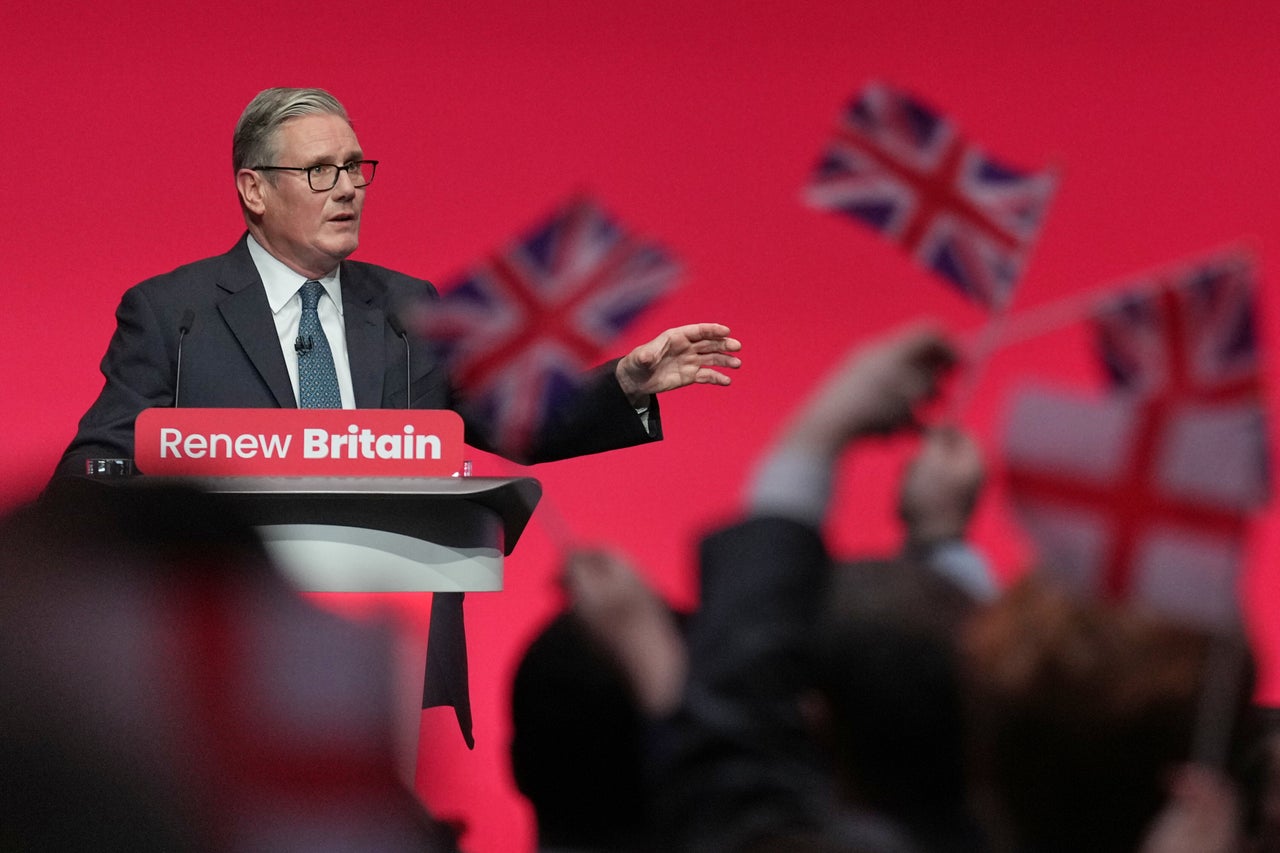
Analysis: Andy Burnham’s Big Speech Left Big Questions He Refused To Answer

Andy Burnham today showed exactly why Labour MPs are desperate for him to replace Keir Starmer as prime minister as he laid out his vision for the country.

The former mayor of Greater Manchester was pretty much everything the current PM is not.

From the smart-casual clothes he wore to the easy charm with which he delivered his speech, this was clearly a man who – unlike Starmer – is very comfortable in his own skin.

His remedy for the UK’s ills also stand in marked contrast to the man who he will replace in 10 Downing Street in less than a month’s time.

Burnham was clear that he wants nothing less than the complete “rewiring” of the way Britain is run, with a huge shift of power away from Westminster to local communities and regions across England.

That, he said, would lead to the biggest council house building programme of the post-war period, economic growth “in every postcode”, lower energy bills and prices coming down in the shops.

He also signalled a massive change in education policy, with a greater focus on technical qualifications rather than the drive to get more young people to go to university.

“I am going to do things differently,” Burnham declared. “I am going to break with the ‘more of the same’ approach that has got us here.

“I am going to give Britain the circuit-breaker it needs by building a more collaborative politics in Westminster, by taking power out of the centre and putting it in the hands of the people and places who can use it best.”

A bit like motherhood and apple pie, there was little in the speech that any reasonable person could, in good faith, take exception to.

But for all the soaring rhetoric about putting “hope in every heart”, it lacked one important thing: an explanation of how it will all work in practice.

Burnham failed to explain how putting more power in the hands of local politicians rather than those in Whitehall will magically improve the lives of everyone in the country was not explained.

It was therefore unfortunate, to put it mildly, that the many journalists who had been invited to watch the speech were not then given the opportunity to ask him questions about it.

Because let’s not forget, this is a man who was not even an MP a month ago, and yet stands on the threshold of assuming the highest office in the land without even having to go to the trouble of winning a leadership contest, let alone a general election.

What’s more, he is a man who – for all his previous ministerial experience from 20 years ago – has not even been an MP for the best part of a decade.

If this is not the time for him to answer detailed questions about what exactly he plans to do with the reins of power, then when till it be?

How does he plan to stop the small boats crossing the English Channel, for instance, or get to grips with the ballooning welfare bill?

And that’s before we even come to how he plans to deal with the threat posed by Vladimir Putin or repair the UK government’s relations with Donald Trump’s White House.

Which brings us to another – more worrying – difference between Andy Burnham and Keir Starmer.

For all his faults, the soon-to-be-former PM would not have made a speech like that and then refused to take any questions on it.

Listen to Commons People, the podcast that makes politics easy. Every week, Kevin Schofield and Kate Nicholson unpack the week’s biggest stories to keep you informed. Join us for straightforward analysis of what’s going on at Westminster.
Share Button

‘Thank You, Dear Keir’: Reaction To Starmer’s Resignation Rolls In

Keir Starmer’s decision to stand down was hardly a surprise, but politicians across the political spectrum – and around the world – have rallied to pay tribute to the outgoing prime minister.

The PM declared he was standing down as Labour leader on Monday and set out a timetable for his official departure from No.10.

In an emotional speech, he said he was leaving in “good grace” after accepting that the Parliamentary Labour Party did not want him to lead them into the next general election.

It comes after his greatest rival Andy Burnham won the Makerfield by-election last Friday.

As Labour’s most popular politician, the former Greater Manchester mayor was already expected to challenge the prime minister and win any subsequent leadership contest.

Here’s how Starmer’s Labour colleagues, international allies and domestic opponents responded to his resignation.

Labour Party

Burnham, who has already thrown his hat into the ring to be Starmer’s successor, said: “Keir has given huge service to our country and I want to thank him for his leadership and dedication during such a challenging period.

“His decision marks the beginning of a transition and it is important that this process is conducted in an orderly and responsible way.”

Former health secretary Wes Streeting, who was briefly considered a leadership hopeful, said he backed Burnham as Streeting’s replacement and added that Starmer “has made the right decision to stand down as Leader of the Labour Party that he saved”.

Starmer’s cabinet also paid tribute to him, with deputy prime minister David Lammy saying he “incredibly proud to have played my part” in Starmer’s government.

Chancellor Rachel Reeves praised Starmer for “taking our party from the worst defeat in modern history” to a landslide victory in just four years.

Home secretary Shabana Mahmood said Starmer’s achievements “will never be forgotten” and that he put us “on the path to the change we promised at the last election”.

She added: “A devoted and dedicated public servant, we owe him our deepest thanks.”

Foreign secretary Yvette Cooper echoed this sentiment, saying the country is stronger and fairer “because of what Keir has done over the last six years”.

Former deputy PM Angela Rayner extended her sympathies to Starmer, saying: “History will remember not just the challenges he faced but the achievements he oversaw.”

Energy secretary Ed Miliband said Starmer can be “immensely proud of his achievement” and that his statement showed “great dignity and integrity”.

One of Starmer’s closest allies, the attorney general Lord Hermer, told Sky News that the PM was not “angry” at being forced out of office.

He said: “I would be, but I don’t think he is.

“I think he is someone who is genuinely focused on the country and doing the right thing, and you saw that on the podium today.”

Anna Turley, chair of the Labour Party, wrote in a statement: “I’m sorry that the nature of politics now is so impatient, so unforgiving, and so personally brutal.

“You have shown that in a world of easy promises, irresponsible rhetoric and lazy, dangerous populism, it is still possible to do things the right way – to show duty, decency and the real patriotism of hard work and service.”

Opposition Parties

Leader of the opposition, the Tories’ Kemi Badenoch, was less forgiving.

She wrote on X: “Britain is not ungovernable. Keir Starmer is a terrible Prime Minister.

“But the problem isn’t just Starmer. Labour MPs only want higher taxes to hand out more benefits, as the Welfare Secretary has pointed out. These are Labour’s choices and their values, regardless of who is running the party.”

The Lib Dem leader Ed Davey said: “The British people are sick of being let down by an endless merry-go-round of prime ministers while nothing really changes for them.

“This time must be different. It can’t just be about changing who’s in Number 10, it has to be about changing our broken politics so we can fix our country.”

He added: “Whoever becomes prime minister needs to drop the caution and complacency and show the ambition our country deserves.”

Green Party leader Zack Polanski said: “The country needs a bold change of direction. Starmer lost the confidence of the country because of his abject failure to challenge the power and wealth of an establishment which has taken for themselves while leaving the vast majority in a cost of living crisis and facing the worst impacts of the climate and nature crisis.”

“We are still waiting to see which version of Andy Burnham might going to show up in Downing Street,” he added. “Burnham must be bold or he will be bust.”

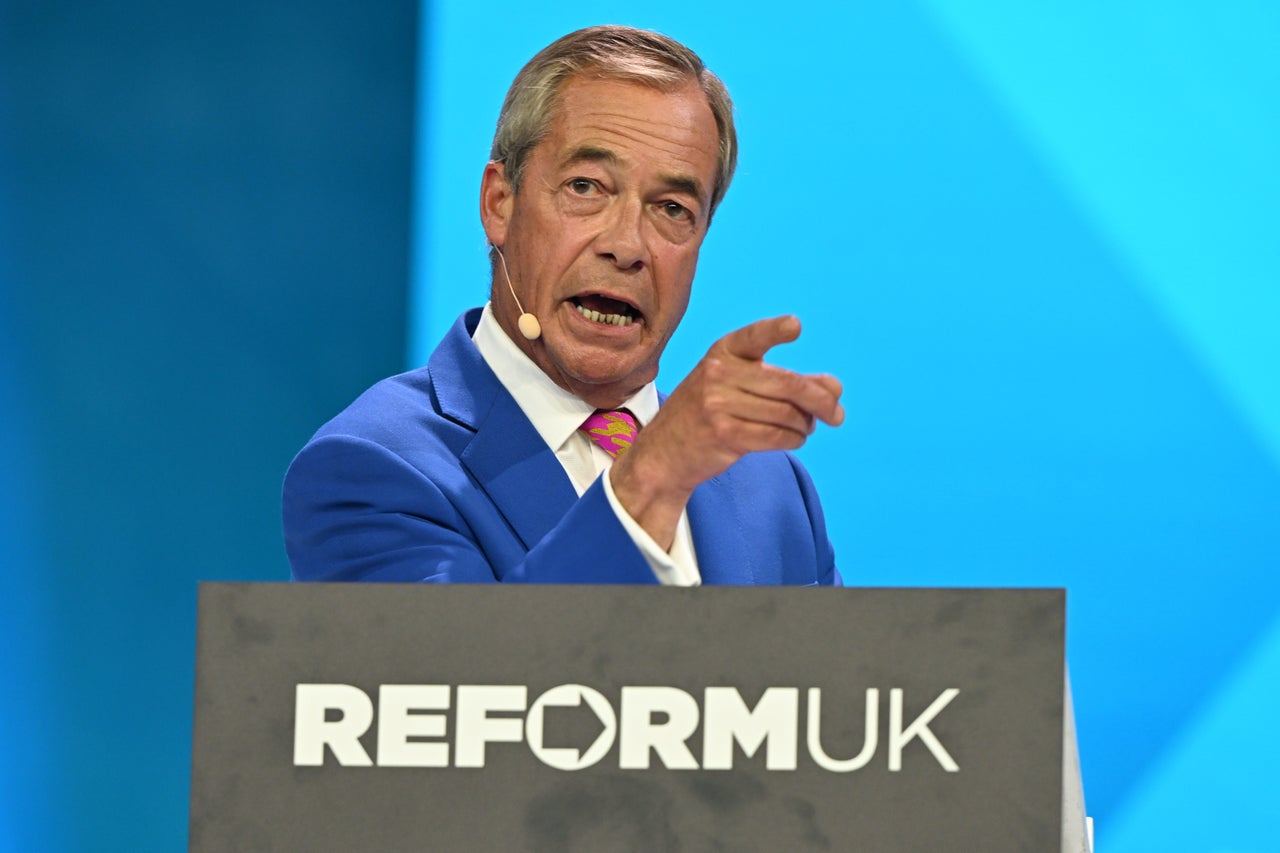
Reform UK leader Nigel Farage called for a general election, writing on X: “I’ve had enough of waiting around. Britain needs change – real change, not another washed-up has-been shoved into place by the uniparty.

“If Labour thinks it can shove another professional politician into No 10, it has another thing coming. Reform is ready for an election, and we are ready to deliver radical change.”

SNP leader and Scotland’s first minister John Swinney paid tribute to Starmer in a statement, saying: “On a personal level, I wish the prime minister and his family well.

“Leadership is tough, and can make extraordinary demands both on the leader and their families. Sir Keir Starmer has made the right decision. It was past time for him to face reality and the fact he now has allows some hope that things can change.”

International Allies

Ukrainian president Volodymyr Zelenskyy thanked Starmer on on X, writing: “The United Kingdom has been, is, and will remain among the world’s leaders.

“Here in Ukraine, we deeply value Britain, and every meeting and every conversation we have had has always been filled with real substance.

“Thank you for always being in touch, always engaged, and always striving to do what is needed and what will truly help.”

He added: “Keir, you are always a welcome guest in Ukraine.”

European Commission president, Ursula von der Leyen, thanked Starmer for his work on rebuilding the UK’s relationship with the EU.

She said: “It can take many leaders years to grow into the statesman you became in just two years.

“European and Ukrainian security is stronger because of you. Thank you, dear Keir.”

Former Czech prime minister Petr Fiala paid tribute to Starmer for his “clear and principled support for Ukraine”, and helped to unlock new levels of UK-EU cooperation.

He added: “Today, rational and decent politicians face an increasingly difficult environment. Starmer moved the Labour Party towards the political centre and strengthened the United Kingdom’s position abroad. In the end, it was not enough.

Australian prime minister Anthony Albanese said in a statement that he considers Starmer “a friend” and notes “politics can also be a harsh business”.

He added: “When the time comes for Keir to leave Downing Street, he can be proud of the contribution he has made to the country he loves and to the Labour party that he led back to government in 2024.”

Listen to Commons People, the podcast that makes politics easy. Every week, Kevin Schofield and Kate Nicholson unpack the week’s biggest stories to keep you informed. Join us for straightforward analysis of what’s going on at Westminster.
Share Button

Keir Starmer Must Announce When He Is Quitting If Burnham Wins Makerfield By-Election, Says Streeting

Keir Starmer must announce he is resigning as prime minister if Andy Burnham wins the Makerfield by-election, Wes Streeting has said.

The former health secretary said Starmer must set out a timetable for his departure as soon as possible.

Streeting also insisted that he has the backing of the 81 Labour MPs he needs to stand in any leadership contest.

The PM has repeatedly insisted that he will stand if a Labour leadership contest is triggered.

But speaking in London, Streeting said: “When the results are in, I hope the prime minister will at that stage reflect on his own position and set out a timetable.

“I think that would be a better way forward for everyone.”

Under Labour Party rules, leadership hopefuls need the support of one-fifth of its MPs to trigger a contest, which is 81 on the current numbers.

Asked if he had already had them signed up, Streeting said: “Yes I have the support I need to be on the ballot. Yes, I think we will be better served if that is a contest and a battle of ideas, not just of personalities.”

Voters in Makerfield go to the polls on Thursday, and Burnham appears on course to beat Reform’s Robert Kenyon.

He has also said that he will stand in any leadership contest.

Speaking earlier this month, he said: “I think Wes Streeting seems to have launched a leadership contest, so if that is running, I would seek to join it.”

But at the G7 summit in France on Tuesday, Starmer once again insisted he will not walk away from the job.

He said: “They said it’s not possible to turn the Labour Party around. It’s not possible to win an election.

“It’s not possible if you do win an election to invest in your public services and stabilise the economy – wrong every time, and that’s why I intend not to walk away from this, but to carry on with what I was elected to do, which is to serve this country, bring back the change that people desperately need in their lives.”

Listen to Commons People, the podcast that makes politics easy. Every week, Kevin Schofield and Kate Nicholson unpack the week’s biggest stories to keep you informed. Join us for straightforward analysis of what’s going on at Westminster.
Share Button