But in Scotland infection rates appear to be rising, according to Office for National Statistics data.


But in Scotland infection rates appear to be rising, according to Office for National Statistics data.
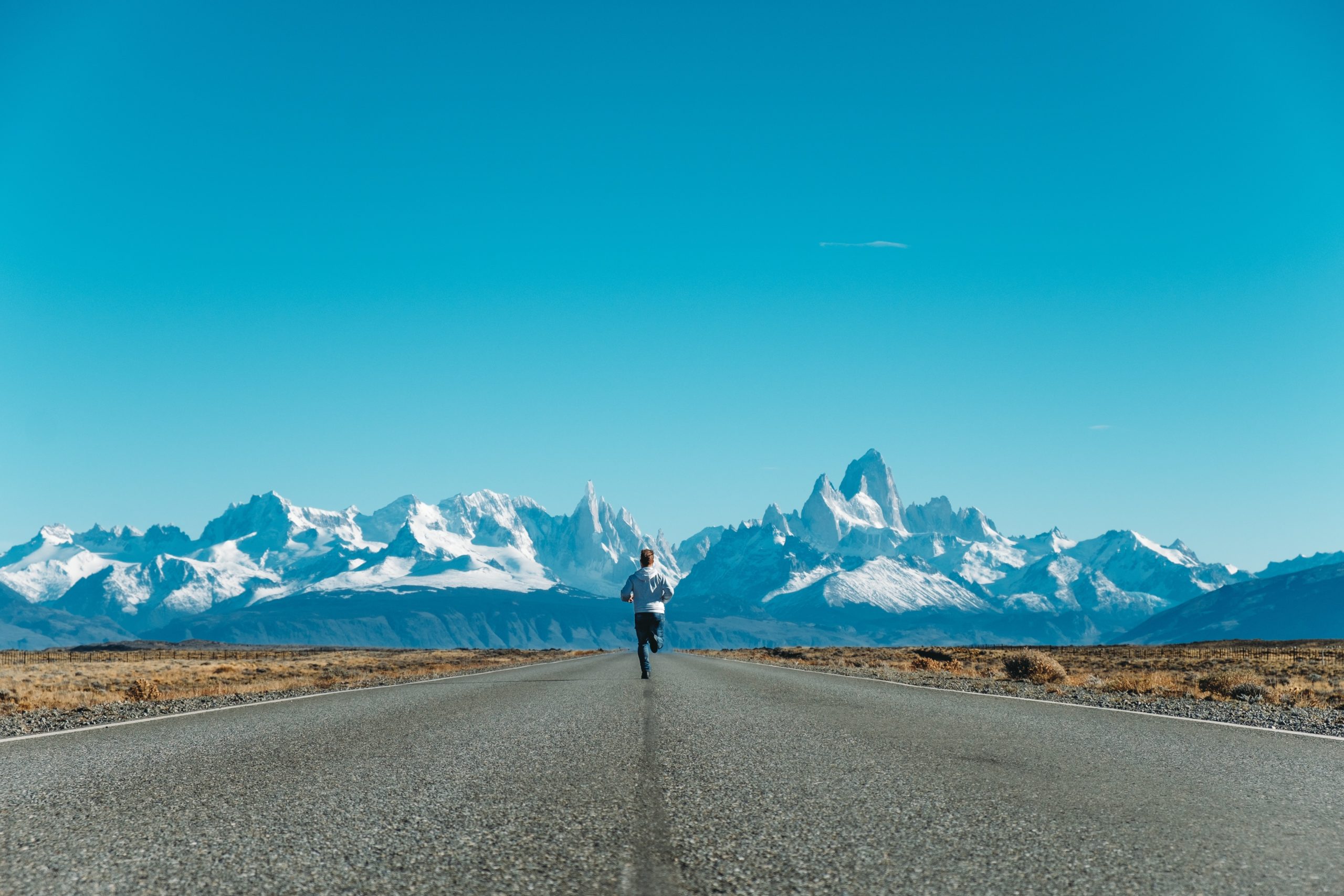
I often do diet experiments in the form of 30-day trials (or longer). I define a crisp plan to follow, and then I strictly adhere to those boundaries for the time of the experiment.
Usually before I begin a clearly defined challenge, I first go through a period of whittling away temptations. This phase typically begins a few weeks before the start of the challenge. During this time, I’ll identify the most tempting foods and gradually eat them till they’re gone. I try not to overdo it by binging on them. I just naturally let them run out at whatever rate I was eating them before. I stop replenishing those foods, so I won’t have them in the house to tempt me while I’m doing a stricter trial.
This isn’t always possible or practical, but it definitely helps in some cases.
It’s easier to do a caffeine-free challenge if there’s no hipster coffee left, and the only remaining source of caffeine in the house consists of some crusty bags of green tea leftover from hotels.
When I decided to do a grain-free, bean-free, and sugar-free month (which was August 2020), I gave myself time to finish up the tofu and didn’t buy more of it. I often air-bake tofu and add it to salads, so this gave me a little extra time to adjust back to tofu-free salads.
When doing an interesting diet experiment, there are a cascade of smaller changes stacked on top of each other. I often find it easier to begin the process of change a few weeks before my stricter challenge begins, so I can unpack and roll out some of those smaller changes at a more gradual pacing. This gives me some practice time with those little changes before the full challenge begins.
By the time Day 1 of the challenge comes up, I’ve already made some modest changes in the weeks leading up to that. I might already have been tofu-free, chocolate-free, or bread-free for a few days to a few weeks beforehand. I’m already eating some meals consistent with the challenge.
This approach helps me mentally prepare for the challenge without feeling like I’m taking a big dive off a cliff. I gradually strengthen my commitment as I approach the starting line, so by the time I get there, I already have some momentum building in the right direction. This make Day 1 and especially Week 1 easier.
Another benefit of this approach is that it trains me to notice unplanned challenge opportunities. I’m accustomed to beginning a challenge with a runway, so I occasionally find myself heading down what could be considered a runway to some kind of challenge that I haven’t identified yet. I remain on the lookout for accessible challenges that could fit my current runway, even when I’m not deliberately aiming for a specific challenge. For instance, the COVID situation became an extended runway into more personal projects, including my current 30-day novel writing challenge.
If you struggle with 30-day challenges, especially making it past the first week, consider building a longer runway. Transition into your challenge more gradually, so there isn’t such a sharp dividing line before your final pre-challenge week and your official Day 1.
Just be careful about using this as an endless delay tactic, always prepping and never actually doing. 🙂

Demystifying traditional Chinese medicine for conservationists could be the key to better protecting endangered species like pangolins, tigers and rhino, according to University of Queensland-led researchers.
UQ PhD candidate Hubert Cheung said efforts to shift entrenched values and beliefs about Chinese medicine are not achieving conservation gains in the short term.
He said a better understanding of traditional practices was critical for conservationists to form more effective strategies.
“The use of endangered species in traditional Chinese medicine threatens species’ survival and is a challenge for conservationists,” Mr Cheung said.
“Pushing messages of inefficacy, providing various forms of scientific evidence or promoting biomedical alternatives doesn’t seem to be drastically influencing decisions and behaviours.
“And, although many practices and treatments continue to be criticised for lacking scientific support, the World Health Organization approved the inclusion of traditional Chinese medicine in its global compendium of medical practices last year.
“The challenge now is for conservationists to work proactively with practitioners and others in the industry to find sustainable solutions.
“However, most conservation scientists and organisations are unfamiliar with traditional Chinese medicine, which makes it difficult to devise effective and culturally-nuanced interventions.”
The researchers have examined the core theories and practices of traditional Chinese medicine, in a bid to make it more accessible.
They hope their study — and the nuances within — will influence policy and campaigning.
“Today, traditional Chinese medicine is formally integrated into China’s healthcare system, and has been central to China’s response to the ongoing pandemic,” Mr Cheung said.
“In fact, the Chinese government’s COVID-19 clinical guidance has included recommendations for the use of a product containing bear bile, which has raised concerns among conservation groups.”
UQ’s Professor Hugh Possingham said traditional Chinese medicine was now not only entrenched in the social and cultural fabric of Chinese society, but also gaining users elsewhere.
“A better understanding of traditional Chinese medicine will empower conservationists to engage more constructively with stakeholders in this space,” Professor Possingham said.
“We’re hoping that this work can help all parties develop more effective and lasting solutions for species threatened by medicinal use.”
Story Source:
Materials provided by University of Queensland. Note: Content may be edited for style and length.

Leipzig could mean for the future of plant taxonomy what Greenwich meant for world time until 1972: it could become the reference city for correct scientific plant names. In an outstanding feat of research, the curator of the Botanical Garden of Leipzig University, Dr Martin Freiberg, and colleagues from iDiv and UL have compiled what is now the largest and most complete list of scientific names of all known plant species in the world. The Leipzig Catalogue of Vascular Plants (LCVP) enormously updates and expands existing knowledge on the naming of plant species, and could replace The Plant List (TPL) — a catalogue created by the Royal Botanic Gardens, Kew in London which until now has been the most important reference source for plant researchers.
“In my daily work at the Botanical Garden, I regularly come across species names that are not clear, where existing reference lists have gaps,” said Freiberg. “This always means additional research, which keeps you from doing your actual work and above all limits the reliability of research findings. I wanted to eliminate this obstacle as well as possible.”
World’s most comprehensive and reliable catalogue of plant names
With 1,315,562 scientific names, the LCVP is the largest of its kind in the world describing vascular plants. Freiberg compiled information from accessible relevant databases, harmonized it and standardised the names listed according to the best possible criteria. On the basis of 4500 other studies, he investigated further discrepancies such as different spellings and synonyms. He also added thousands of new species to the existing lists — species identified in recent years, mainly thanks to rapid advances in molecular genetic analysis techniques.
The LCVP now comprises 351,180 vascular plant species and 6160 natural hybrids across 13,460 genera, 564 families and 84 orders. It also lists all synonyms and provides further taxonomic details. This means that it contains over 70,000 more species and subspecies than the most important reference work to date, TPL. The latter has not been updated since 2013, making it an increasingly outdated tool for use in research, according to Freiberg.
“The catalogue will help considerably in ensuring that researchers all over the world refer to the same species when they use a name,” says Freiberg. Originally, he had intended his data set for internal use in Leipzig. “But then many colleagues from other botanical gardens in Germany urged me to make the work available to everyone.”
LCVP vastly expands global knowledge of plant diversity
“Almost every field in plant research depends on reliably naming species,” says Dr Marten Winter of iDiv, adding: “Modern science often means combining data sets from different sources. We need to know exactly which species people refer to, so as not to compare apples and oranges or to erroneously lump different species.” Using the LCVP as a reference will now offer researchers a much higher degree of certainty and reduce confusion. And this will also increase the reliability of research results, adds Winter.
“Working alone, Martin Freiberg has achieved something truly incredible here,” says the director of the Botanical Garden and co-author Prof Christian Wirth (UL, iDiv). “This work has been a mammoth task, and with the LCVP he has rendered an invaluable service to plant research worldwide. I am also pleased that our colleagues from iDiv, with their expertise in biodiversity informatics, were able to make a significant contribution to this work.”

Scientists from Trinity College Dublin have developed a new gene therapy approach that offers promise for one day treating an eye disease that leads to a progressive loss of vision and affects thousands of people across the globe.
The study, which involved a collaboration with clinical teams in the Royal Victoria Eye and Ear Hospital and the Mater Hospital, also has implications for a much wider suite of neurological disorders associated with ageing.
The scientists publish their results today [Thursday 26th November 2020] in leading journal, Frontiers in Neuroscience.
Dominant optic atrophy (DOA)
Characterised by degeneration of the optic nerves, DOA typically starts to cause symptoms in patients in their early adult years. These include moderate vision loss and some colour vision defects, but severity varies, symptoms can worsen over time and some people may become blind. There is currently no way to prevent or cure DOA.
A gene (OPA1) provides instructions for making a protein that is found in cells and tissues throughout the body, and which is pivotal for maintaining proper function in mitochondria, which are the energy producers in cells.
Without the protein made by OPA1, mitochondrial function is sub-optimal and the mitochondrial network which in healthy cells is well interconnected is highly disrupted.
For those living with DOA, it is mutations in OPA1 and the dysfunctional mitochondria that are responsible for the onset and progression of the disorder.
The new gene therapy
The scientists, led by Dr Daniel Maloney and Professor Jane Farrar from Trinity’s School of Genetics and Microbiology, have developed a new gene therapy, which successfully protected the visual function of mice who were treated with a chemical targeting the mitochondria and were consequently living with dysfunctional mitochondria.
The scientists also found that their gene therapy improved mitochondrial performance in human cells that contained mutations in the OPA1 gene, offering hope that it may be effective in people.
Dr Maloney, Research Fellow, said:
“We used a clever lab technique that allows scientists to provide a specific gene to cells that need it using specially engineered non-harmful viruses. This allowed us to directly alter the functioning of the mitochondria in the cells we treated, boosting their ability to produce energy which in turn helps protects them from cell damage.
“Excitingly, our results demonstrate that this OPA1-based gene therapy can potentially provide benefit for diseases like DOA, which are due to OPA1 mutations, and also possibly for a wider array of diseases involving mitochondrial dysfunction.”
Importantly, mitochondrial dysfunction causes problems in a suite of other neurological disorders such as Alzheimer’s and Parkinson’s disease. The impacts gradually build up over time, which is why many may associate such disorders with ageing.
Professor Farrar, Research Professor, added:
“We are very excited by the prospect of this new gene therapy strategy, although it is important to highlight that there is still a long journey to complete from a research and development perspective before this therapeutic approach may one day be available as a treatment.
“OPA1 mutations are involved in DOA and so this OPA1-based therapeutic approach is relevant to DOA. However mitochondrial dysfunction is implicated in many neurological disorders that collectively affect millions of people worldwide. We think there is great potential for this type of therapeutic strategy targeting mitochondrial dysfunction to provide benefit and thereby make a major societal impact. Having worked together with patients over many years who live with visual and neurological disorders it would be a privilege to play a role in a treatment that may one day help many.”
The research was supported by Science Foundation Ireland, the Health Research Board of Ireland, Fighting Blindness Ireland, and the Health Research Charities Ireland.

University of Copenhagen researchers have been following vegetation trends across the planet’s driest areas using satellite imagery from recent decades. They have identified a troubling trend: Too little vegetation is sprouting up from rainwater in developing nations, whereas things are headed in the opposite direction in wealthier ones. As a result, the future could see food shortages and growing numbers of climate refugees.
More than 40 percent of Earth’s ecosystems are arid, an amount that is expected to increase significantly over the course of the 21st century. Some of these areas, such as those in Africa and Australia may be savannah or desert, where sparse rainfall has long been the norm. Within these biomes, vegetation and wildlife have adapted to making use of their scant water resources, but they are also extraordinarily vulnerable to climate change.
Using extensive imagery from satellites that monitor Earth every day, researchers from the University of Copenhagen’s Department of Geosciences and Natural Resources Management have studied the evolution of vegetation in arid regions. Their conclusion is unequivocal:
“We observe a clear trend of arid areas developing in a negative direction in the most economically challenged countries. Here, it is apparent that the growth of vegetation has become increasingly decoupled from the water resources available and that there is simply less vegetation in relation to the amount of rainfall. The opposite is the case in the wealthiest countries,” explains Professor Rasmus Fensholt of the Department of Geosciences and Natural Resource Management.
Worse in Asia and Africa, better in South America and Australia
The researchers analyzed 15 years worth of satellite imagery of vegetation and rainfall — from 2000 to 2015. To compare the evolution of vegetation in arid regions of the world, the researchers removed precipitation totals from the equation. In other words, they produced a calculation that accounts for the fact that some regions received more rain in past decades, while other regions received less.
This provides a more accurate picture of ecosystem health, as human influences become easier to identify: In other words, whether resource use is balanced or whether an ecosystem’s resources have been overexploited, with potentially fatal consequences — as imbalanced systems may be irreparable.
“Here, our results demonstrate that in arid regions, particularly those in Africa and Asia, less vegetation grows for the amount of rainwater that falls, while more vegetation grows in arid areas of South America and Australia,” says lead author Christin Abel, a postdoc at the Department of Geosciences and Natural Resource Management.
Infographic text: Areas with purple hues indicate where vegetation growth relative to rainfall is declining, while green hues reveal areas where vegetation has grown more than expected. White areas represent ecosystems where vegetation growth is in balance with the water resources available.
According to the researchers, there may be several explanations for why climate change and rising global temperatures are impacting vegetation in arid regions of the world’s poorest countries. Among the most obvious is rapid population growth, in Africa for example, where there is an increasing need to exploit land that is otherwise poorly suited for agriculture. Doing so produces lower yields and puts increasing amounts of livestock on too little grass in already fragile ecosystems.
Conversely, vegetation in arid areas of the world’s wealthier countries seems to be coping better with climate change. This is likely due to the intensification and expansion of larger farms, where more economic resources allow for, among other things, irrigation and fertilization.
Food crises and more climate refugees
As a result of climate change, future trends for the planet’s poorest areas only seem to be getting worse. Forecasts point to an expansion of today’s arid areas where they will make up a larger and larger share of our global ecosystems. This may result in more and more people being left without food and their needing to migrate.
“One consequence of declining vegetation in the world’s poorer arid regions areas may be an increase in climate refugees from various African countries. According to what we’ve seen in this study, there is no indication that the problem will diminish in the future,” explains Rasmus Fensholt.
For a number of years, satellite imagery has let researchers observe that, overall, it actually appears that the world’s arid regions have become greener. However, when researchers look at how much vegetation arid areas in developing countries get in relation to rainfall amounts, the picture looks different.
“We have been pleased to see that, for a number of years, vegetation has been on an upwards trend in arid regions. But if we dig only a tiny bit deeper and look at how successfully precipitation has translated into vegetation, then climate change seems to be hitting unevenly, which is troubling,” says Rasmus Fensholt.

New additional research shows that increasing physical activity can counter early death risk linked to long periods of sedentary time
The health harms associated with prolonged sitting can be offset by exceeding weekly recommended physical activity levels, says the World Health Organization (WHO) in new global guidelines on physical activity and sedentary behaviour, published in a special dedicated issue of the British Journal of Sports Medicine.
But all physical activity counts and is good for long term health, say the new guidelines.
It’s the first time that a recommendation of this kind has been made. It reflects a large and growing body of evidence linking extensive sedentary time to serious ill health and a heightened risk of early death.
New data also released today, and published in the same special issue, show that adults who clock up long hours of sedentary time every day can counter these risks by increasing the amount of physical activity they do.
The new research, involving more than 44,000 people wearing activity trackers from four countries, reveals that a high daily tally of sedentary time (defined in this study as 10 or more hours) is linked to a significantly heightened risk of death, particularly among people who are physically inactive.
But 30 to 40 daily minutes of moderate to vigorous intensity physical activity substantially weakens this risk, bringing it down to levels associated with very low amounts of sedentary time, indicate the findings, which broadly confirm the recommendations set out in the 2020 World Health Organization Global Guidelines on Physical Activity and Sedentary Behaviour.
There’s not enough evidence to recommend specific maximum thresholds for sedentary behaviour, say the guidelines. But everyone, irrespective of their age or abilities, should try to limit their daily sedentary time and replace it with physical activity of any intensity.
All physical activity counts. This could be anything from climbing the stairs instead of taking the lift, a walk around the block, a spot of gardening, or some household chores, to going for a run or bike ride, a high intensity interval training work-out, or team sport.
It all adds up to the weekly tally of 150-300 minutes of moderate intensity, or at least 75-100 minutes of vigorous intensity, physical activity, the WHO guidance recommends. But any amount of physical activity is better for health than none, it emphasises.
And those unable to meet these recommendations should start small and gradually build up the frequency, intensity, and duration of their physical activity over time, it says.
Boosting physical activity levels doesn’t just benefit mental and physical health, and help to stave off the risk of an early death, it’s also likely to benefit the global economy, through lower rates of presenteeism, higher productivity, and lower rates of working age sickness and death, indicates another study in this special issue.
Doing at least 150 minutes of moderate intensity physical activity every week, which is the lower end of the range recommended in the new WHO guidelines, would increase global gross domestic product (GDP) by between 0.15%-0.24% a year between now and 2050, estimate the researchers.
That’s worth up to US$314-446 billion a year and US$6.0-8.6 trillion cumulatively over the 30 years in 2019 prices.
The new guidelines, which aim to drive national policy and practice around the globe, involved more than 40 scientists from six continents. They provide a consensus on the latest science on the health impacts of physical activity and sedentary behaviour from early childhood through to older age, and update WHO global recommendations for physical health, published in 2010.
They highlight the importance of regularly undertaking both aerobic and muscle strengthening activities, and for the first time, make specific recommendations for important, but often neglected groups, including those who live with long term conditions or disabilities, pregnant women and new mothers.
Key recommendations for adults, including those living with long term conditions or disabilities at any age:
Undertake muscle-strengthening activity (such as weights, core conditioning) at moderate or greater intensity on 2 or more days of the week.
Reduce sedentary behaviour and aim to exceed these weekly recommendations to offset health harms of prolonged sitting.
Older adults (65+) should do physical activity that emphasises functional balance and strength training at moderate or greater intensity on 3 or more days of the week, to enhance functional capacity and prevent falls.
Women should do regular physical activity throughout pregnancy and after the birth, to include various aerobic and muscle-strengthening activities. Gentle stretching may also be beneficial.
Light intensity physical activity doesn’t cause a substantial increase in heart rate or breathing and includes activities such as strolling.
Moderate intensity physical activity increases heart rate and induces a degree of breathlessness where it’s still possible to talk. Examples include brisk walking, dancing, or raking up leaves.
Vigorous intensity physical activity substantially increases heart rate and breathing rate. Examples include cycling, running/jogging, swimming, carrying heavy objects, walking up the stairs, digging the garden, playing tennis.
“Although the new guidelines reflect the best available science, there are still some gaps in our knowledge. We are still not clear, for example, where exactly the bar for ‘too much sitting’ is. But this is a fast paced field of research, and we will hopefully have answers in a few years’ time,” comments special issue co-editor Professor Emmanuel Stamatakis, of the University of Sydney.
He adds: “These guidelines are very timely, given that we are in the middle of a global pandemic, which has confined people indoors for long periods and encouraged an increase in sedentary behaviour.
“But people can still protect their health and offset the harmful effects of physical inactivity. As these guidelines emphasise, all physical activity counts and any amount of it is better than none.
“There are plenty of indoor options that don’t need a lot of space or equipment, such as climbing the stairs, active play with children or pets, dancing, or online yoga or Pilates classes.”
Co editor of the special issue, and development lead on the guidelines, Professor Fiona Bull of the WHO, adds: “The most recent global estimates show that one in four (27.5%) adults and more than three-quarters (81%) of teenagers don’t meet the recommendations for aerobic exercise, as outlined in the 2010 Global Recommendations. So there’s an urgent need for governments to prioritise and invest in national initiatives and health and community services that promote physical activity.
“The publication of these new WHO global guidelines can support implementation of policy recommendations set out in the WHO’s Global Action Plan on Physical Activity 2018-2030 to achieve its ambitious target of 15% improvement by 2030.”

Higher than normal blood pressure is linked to more extensive brain damage in the elderly, according to a new study published today (Thursday) in the European Heart Journal.
In particular, the study found that there was a strong association between diastolic blood pressure (the blood pressure between heart beats) before the age of 50 and brain damage in later life, even if the diastolic blood pressure was within what is normally considered to be a healthy range.
The findings come from a study of 37,041 participants enrolled in UK Biobank, a large group of people recruited from the general population aged between 40 and 69 years, and for whom medical information, including MRI brain scans was available.
The research, carried out by Dr Karolina Wartolowska, a clinical research fellow at the Centre for Prevention of Stroke and Dementia, University of Oxford, UK, looked for damage in the brain called “white matter hyperintensities” (WMH). These show up on MRI brain scans as brighter regions and they indicate damage to the small blood vessels in the brain that increases with age and blood pressure. WMH are associated with an increased risk of stroke, dementia, physical disabilities, depression and a decline in thinking abilities.
Dr Wartolowska said: “Not all people develop these changes as they age, but they are present in more than 50% of patients over the age of 65 and most people over the age of 80 even without high blood pressure, but it is more likely to develop with higher blood pressure and more likely to become severe.”
Information on the participants was collected when they enrolled in UK Biobank between March 2006 and October 2010, and follow-up data, including MRI scans, were acquired between August 2014 and October 2019. The researchers adjusted the information to take account of factors such as age, sex, risk factors such as smoking and diabetes, and diastolic as well as systolic blood pressure. Systolic blood pressure is the maximum blood pressure reached each time the heart beats and is the top number in blood pressure measurements.
“To compare the volume of white matter hyperintensities between people and to adjust the analysis for the fact that people’s brains vary slightly in size, we divided the volume of WMH by the total volume of white matter in the brain. In that way, we could analyse the WMH load, which is the proportion of the WMH volume to the total volume of white matter,” said Dr Wartolowska.
The researchers found that a higher load of WMH was strongly associated with current systolic blood pressure, but the strongest association was for past diastolic blood pressure, particularly when under the age of 50. Any increase in blood pressure, even below the usual treatment threshold of 140 mmHg for systolic and below 90 mmHg for diastolic, was linked to increased WMH, especially when people were taking medication to treat high blood pressure.*
For every 10mmHg increase in systolic blood pressure above the normal range, the proportion of WMH load increased by an average (median) of 1.126-fold and by 1.106-fold for every 5mmHg increase in diastolic blood pressure. Among the top 10% of people with the greatest WMH load, 24% of the load could be attributed to having a systolic blood pressure above 120mmHg, and 7% could be attributed to having diastolic blood pressure above 70mmHg, which reflects the fact that there is a greater incidence of elevated systolic rather than diastolic blood pressure in older patients.
Dr Wartolowska said: “We made two important findings. Firstly, the study showed that diastolic blood pressure in people in their 40s and 50s is associated with more extensive brain damage years later. This means that it is not just the systolic blood pressure, the first, higher number, but the diastolic blood pressure, the second, lower number, that is important to prevent brain tissue damage. Many people may think of hypertension and stroke as diseases of older people, but our results suggest that if we would like to keep a healthy brain well into our 60s and 70s, we may have to make sure our blood pressure, including the diastolic blood pressure, stays within a healthy range when we are in our 40s and 50s.
“The second important finding is that any increase in blood pressure beyond the normal range is associated with a higher amount of white matter hyperintensities. This suggests that even slightly elevated blood pressure before it meets the criteria for treating hypertension has a damaging effect on brain tissue.
“Our results suggest that to ensure the best prevention of white matter hyperintensities in later life, control of diastolic blood pressure, in particular, may be required in early midlife, even for diastolic blood pressure below 90mmHg, whilst control of systolic blood pressure may be more important in late life. The long time interval between the effects of blood pressure in midlife and the harms in late life emphasises how important it is to control blood pressure long-term, and that research has to adapt to consider the very long-term effects of often asymptomatic problems in midlife.”
Potential mechanisms for the development of WMH include damage to the delicate blood vessels in the brain through sustained elevated pressures over time that directly cause damage to the blood vessels; this leads to the lining of the vessels becoming leaky and results in WMH. Alternatively, diastolic pressure might cause large blood vessels to become stiffer with time, which increases pulsations of blood pressure to the brain; this causes high blood pressure with each heart beat, rapid changes in blood pressure, and blood flow that is too low between heart beats, resulting in damage to white matter.
As MRI scans were only available at one time point, the researchers could not quantify the progression of WMH directly. Other limitations include that further analysis is needed to identify differences in different regions of white matter, and that although the researchers showed associations with smoking and diabetes, the potential complex interaction between risk factors, which also include high cholesterol levels, obesity and kidney problems, require further investigation.
Notes:
* Patients with a ‘low normal’ blood pressure of 120/70mmHg were used as the ‘reference group’ with whom the researchers compared the other groups of patient in this analysis. Consistent with most guidelines, the researchers referred to people with blood pressure over 140/90 mmHg as ‘hypertensive’ and requiring treatment, and those between 140/90 and 130/80 mmHg as ‘pre-hypertensive’. People with blood pressure below the pre-hypertensive values were referred to as ‘high normotensive’ and those with values below 120/70 as ‘low normotensive’.

Mayo Clinic does not endorse companies or products. Advertising revenue supports our not-for-profit mission.
Advertising & Sponsorship
Check out these best-sellers and special offers on books and newsletters from Mayo Clinic.
The UK’s five-day relaxation of rules will throw “fuel on the Covid fire”, scientists warn.
