Tory Chairman Greg Hands Mocked After Claiming Public Services Are ‘In Great Shape’

Tory Party chairman Greg Hands has been savaged after claiming Britain’s public services are “in great shape”.

He made the extraordinary comments despite NHS waiting lists being at a record high and teachers, nurses, doctors and civil servants planning another wave of public sector strikes.

Shadow health secretary Wes Streeting said: “What planet is he on?”

Hands made his astonishing claim while being interviewed on LBC.

He said: “I think public services are getting better. “We’re seeing far more nurses, far more doctors – 38,000 more doctors in the NHS since the Conservatives took over, there’ll be 50,000 nurses by the end of next year.

“Teaching standards are getting better, I think public services are improving.”

Hands added: “We’re dealing with the strikes at the moment but overall our public services are in great shape.”

Presenter Andrew Castle responded: “I find it absolutely extraordinary that you’ve said that.
“I don’t feel that myself and I don’t think my listeners would either.

Responding to the comments, shadow health Secretary Wes Streeting said: “He’s living on a different planet, isn’t he?

“That’s not what people who use public services are experiencing.

“We’ve got objectively the worst crisis in the history of the NHS, school budgets are on their knees.”

In a separate interview on Sky News, Hands was asked why anyone would consider voting Conservative in next month’s local elections, given the state of the country.

Share Button

Greg Hands Roasted Over Rishi Sunak’s Broken Pledges

Tory chairman Greg Hands has been roasted over the lack of progress being made by the government on Rishi Sunak’s five promises to voters.

The prime minister has pledged to halve inflation, cut NHS waiting lists, grow the economy, reduce national debt and stop the small boats carrying asylum seekers across the Channel from France.

But it emerged last week that waiting lists have hit a record high, GDP flatlined in February, while inflation also went up that month.

Sunak has also refused to commit to stopping the small boat crossings by the time of the next election.

On the BBC’s Sunday with Laura Kuenssberg, Hands was skewered over the government’s poor record.

He said the government is “working very hard at delivering all of the five priorities”.

But Kuenssberg said: “What happened to the economy in February?”

The Tory chairman replied: “Well in February it wasn’t one of the better results, but in January it grew by 0.3%. We had the best growth in the G7 in 2021 and 2022.

“Overall with this Conservative government we’ve got a record to be proud of on growth.”

Kuenssberg replied: “And in February there was zero growth. Are you proud of that? Are you proud of zero growth in our economy?”

Hands said: “That is a monthly figure. If you look at the previous month, for example, it was plus 0.3.”

In a separate interview on Sky News this morning, Hands said the Tories were on course for disaster in next month’s local elections.

He said: “The independent expectations are that the Conservatives will lose more than a thousand seats and that Labour need to make big gains.”

Share Button

Tories Heading For Local Election Disaster, Says Party Chairman

Tory chairman Greg Hands has said his party is on course to lose more than 1,000 seats in next month’s local elections.

The surprising admission came as the Conservatives continue to trail well behind Labour in the opinion polls.

More than 8,000 seats and 230 councils in England, Wales and Northern Ireland are up for grabs on May 4.

The Tories currently hold 3,290 of them, with Labour on 2,062 and the Lib Dems on 1,205. Independents and others make up the remaining 1,600 seats.

Appearing on Sky News this morning, Hands said the Tories are heading for a bad night.

He said: “There’s a huge number of Conservative councillors up for re-election in a few weeks time. The Conservatives remain the largest party of local government.

“The independent expectations are that the Conservatives will lose more than a thousand seats and that Labour need to make big gains.

“That is what the expectation is out there, but I’ve been up and down the country and the Conservatives are fighting really hard.”

That is a reference to a forecast by the elections experts Rallings and Thrasher, who said a 6% swing to Labour would see the Tories lose more than 1,000 seats and the opposition gain more than 700.

However, presenter Trevor Phillips accused Hands of trying to “massage expectations” so that if the Conservatives do better than expected, they can claim it as a triumph.

A Lib Dem source said: “This admission of defeat shows the Conservatives have already thrown in the towel before a single vote has been cast.

“This Conservative government has crashed the economy, plunged the NHS into the crisis and allowed filthy sewage to be pumped into our rivers.

“Rishi Sunak is facing a Blue Wall bloodbath as people who voted Conservative all their life say never again, and turn to the Liberal Democrats instead.”

HuffPost UK revealed last month that Shabana Mahmood, Labour’s elections co-ordinator, had warned the shadow cabinet that the opinion polls had “tightened” in recent weeks.

One Labour source said: “People probably have their expectations in the wrong places. They expect this to be a complete bloodbath for the Tories, with Labour hoovering up hundreds of seats.

“But the key thing to look out for is where Labour is winning and what our vote share is compared to the 2019 general election.”

Share Button

Russia Launches Crackdown On Draft Dodgers As It Prepares For ‘Lengthy’ War In Ukraine, UK Says

Russia is making it harder for its citizens to avoid being called up to the army as it prepares for a “lengthy conflict” in Ukraine, according to UK officials.

A new law has been passed to establish “a unified registry of individuals eligible for military service”, the Ministry of Defence (MoD) said.

In their latest intelligence update on the war, the MoD said: “The key implication of the measure is that in future, the authorities will be able to serve call-up papers electronically, rather than by letter, removing one obstacle which has previously allowed some to dodge the draft.

“With individuals’ call-up data now digitally linked to other state-provided online services, it is likely that the authorities will punish draft-dodgers by automatically limiting employment rights and restricting foreign travel.”

The MoD said the new measures are “highly likely part of a longer-term approach to provide personnel as Russia anticipates a lengthy conflict in Ukraine”.

Earlier this week, the MoD said Russia may inadvertently expose the real extent of its losses in Ukraine by honouring those who fell in World War 2 next month.

Some regions bordering Ukraine, and the occupied peninsula of Crimea, have reportedly called off events marking Victory Day on May 6 off due to security concerns.

However, the traditional parades are still going to take place further inland, posing a “sensitive communications challenge for the Kremlin”.

Vladimir Putin has positioned the war in Ukraine “in the spirit of the Soviet experience in World War 2″.

The MoD said: “The message risks sitting increasingly uneasily with the many Russians who have immediate insights into the mismanaged and failing campaign in Ukraine.

“Honouring the fallen of previous generations could easily blur into exposing the scope of the recent losses, which the Kremlin attempts to cover up.”

Share Button

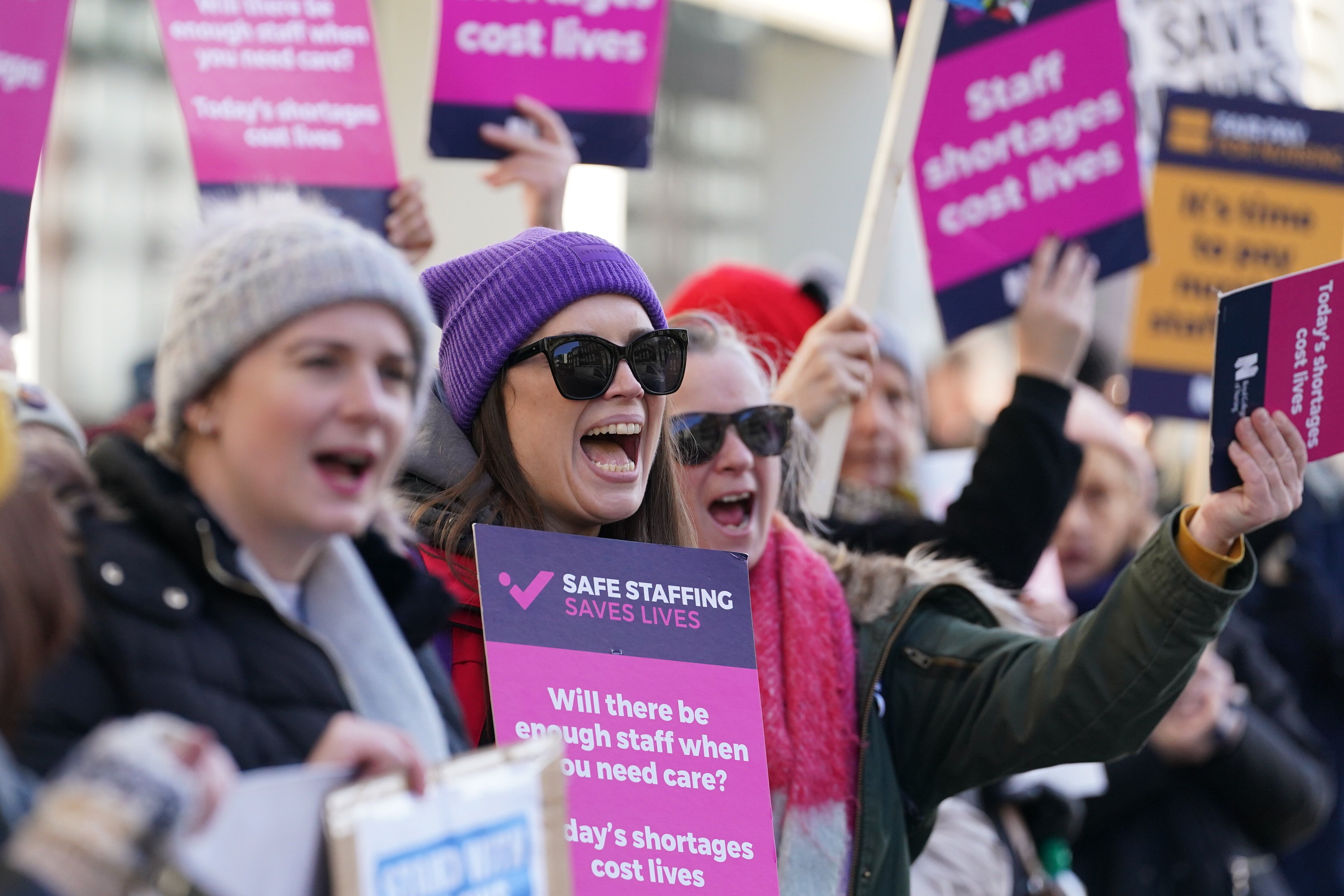
Fresh NHS Strikes On The Way As Nurses Reject Government Pay Offer

Nurses are to intensify their campaign of industrial action after rejecting the government’s latest pay offer.

The Royal College of Nursing announced that its members had voted by 54% to 46% against a deal to end the long-running dispute. Turnout was 61%.

A 48-hour strike by RCN members – including staff in emergency departments, intensive care units and cancer care units for the first time – will now take place from April 30 until May 2.

They have already taken part in six days of strikes since December, and a further ballot for more walkouts later in the year will now take place, the union said.

It is a huge blow for Rishi Sunak, who has made ending the wave of industrial disputes across the public sector one of his key priorities.

The RCN had recommended that its members accept the offer of a 5% pay rise this year and a one-off cash payment for last year.

In a letter to health secretary Steve Barclay, RCN general secretary Pat Cullen said: “What has been offered to date is simply not enough.

“The government needs to increase what has already been offered and we will be highly critical of any move to reduce it.”

She added: “Until there is a significantly improved offer, we are forced back to the picket line.

“Meetings alone are not sufficient to prevent strike action and I will require an improved offer as soon as possible. In February, you opened negotiations directly with me and I urge you to do the same now.

“After a historic vote to strike, our members expect a historic pay award.”

However, a separate ballot of nurses who are members of Unison, which closed this afternoon, overwhelmingly backed the government’s pay offer.

More than 150,000 nurses took part in the ballot – a 52% turnout – with 74% voting to accept the deal and 26% rejecting it.

Sara Gorton, Unison’s head of health, said: “Clearly health workers would have wanted more, but this was the best that could be achieved through negotiation.”

She added: ”“This vote might end Unison’s dispute, but it doesn’t solve the wider staffing emergency affecting every part of the NHS. Now, the government must work with unions to bring about a sustained programme of investment in the workforce.

“Lessons must also be learned. The mistakes of the past few months cannot be repeated. It’s time for a whole new approach to setting pay across the NHS.”

A key meeting of all six NHS unions is due to take place on May 2, at which it will be decided whether they should all accept the pay deal.

A government spokesperson said: “It is hugely disappointing that the Royal College of Nursing membership has rejected the pay deal recommended by their leadership.

“Following constructive discussions, all parties agreed this was a fair and generous offer which is demonstrated by Unison, representing the largest share of the NHS workforce, choosing to accept it.

“The fact that the Royal College of Nursing has announced an escalation in strike action, based on a vote from the minority of the nursing workforce, will be hugely concerning for patients.

“Hundreds of thousands of staff continue to vote in ballots for other unions over the next two weeks and we hope this generous offer secures their support.”

The RCN result came just hours after the Prospect union, which represents civil servants, announced that its members will strike on May 10 and June 7 after rejecting a fresh pay offer from ministers this morning.

It is also the final day of a four-day strike by junior doctors, who are demanding a 35% pay rise.

Share Button

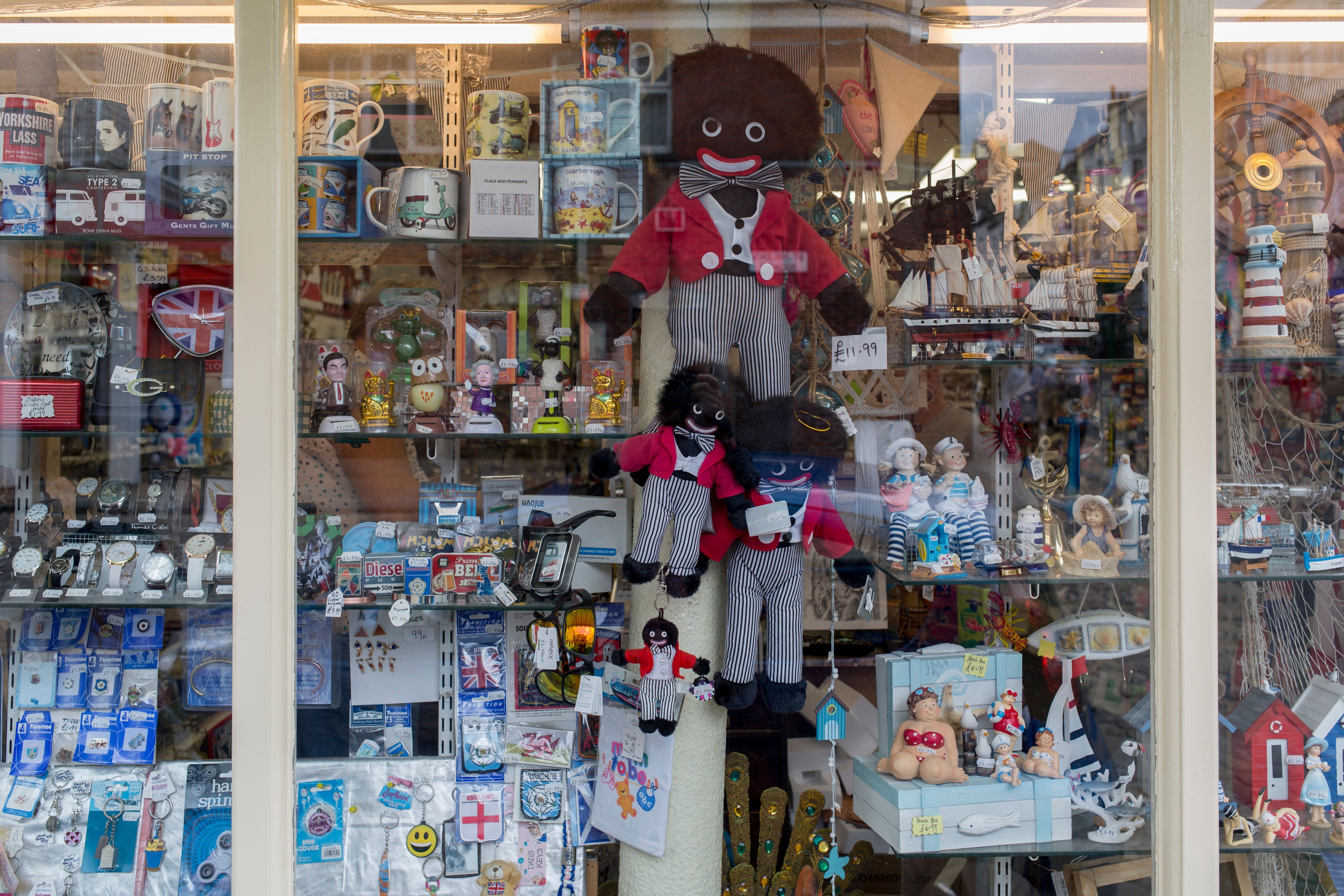
Why Everyone’s Talking About Golliwog Dolls Right Now

Golliwog dolls have made an unexpected return to the news cycle recently, following a recent police raid in an Essex pub.

Here’s why these highly problematic emblems of the past are still causing such a stir – and why the home secretary appears to have dragged into the row.

What are golliwog dolls?

The dolls are based off a design first produced in 1895 by an American cartoonist called Florence Kate Upton in children’s books, and was supposedly based on 18th Century minstrels.

The fictional character became identifiable by its frizzy hair, large lips and teeth, and seemed to resemble a rag doll.

The caricature then started to appear on Robertson’s Jam jars in 1910, becoming a popular brand, before evolving into toys and collectibles.

As the word Golliwog is used to attack Black people, Golliwog dolls are seen as racist.

In the 80s, the name for the dolls became “gollys” in an effort to step away from the racist connotations, but the brand was eventually dropped in 2001.

Media regulator Ofcom has since declared the word “golliwog” to be a highly offensive term, describing it as: “Strongest language, highly unacceptable without strong contextualisation. Seen as derogatory to Black people.”

What do golliwog dolls have to do with an Essex pub?

It all started on April 4 when police in Essex revealed five officers had confiscated several dolls from the White Hart Inn in Grays, where they were being displayed behind the bar.

No one was arrested or charged in connection with the investigation, but the landlord is to be questioned when he returns from abroad in May.

It is all part of an ongoing investigation following a complaint about an alleged hate crime (being racially distressed) on February 24.

Though she denies she or her husband are racist, landlady Benice Ryley, said she would be replacing the confiscated dolls. She said she had a collection of about 30 dolls from family and customers, in the pub for nearly 10 years and that she could not see “any harm” in displaying them.

The police have said it would only be able to remove the next lot of offensive dolls if they received another complaint.

“No victim has come forward who has felt racially harassed, alarmed or distressed since any further dolls have gone up in the pub,” the police said.

What does this have to do with the law?

Crime and Disorder Act

Displaying golliwog dolls could be considered illegal under the Crime and Disorder Act 1998.

It might fall under the definition for racially aggravated behaviour, if “the offender demonstrates towards the victim hostility based on the victim’s membership or presumed membership of a racial or religious group.”

According to The Guardian, it might not be necessary for someone to come forward as a victim to secure a conviction, as this is a public order offence.

Equalities Act

Businesses have to offer equal service to customers and staff under the 2010 Equalities Act.

Breaking this could be a civil issue, leading local authorities to act (potentially removing the pub’s licence).

Malicious Communications Act

A 2016 Facebook post from Benice’s husband, Chris Ryley, has also resurfaced, showing the Golliwog dolls hanging from a bar shelf. When his wife commented under the image asking if displaying the dolls was “legal”, he replied: “They used to hang them in Mississippi years ago.”

This could be construed as a breach of the Malicious Communications Act 1988, which relates to electronic communication including “with intent to cause distress or anxiety”.

Essex police are using this post as part of their investigation into the pub.

Why has Suella Braverman’s name been mentioned?

Reports in the Mail Online suggested that the home secretary had told the police force off for removing the dolls. The newspaper quoted a Home Office source allegedly saying the police “should not be getting involved in this kind of nonsense” and focusing on “catching criminals” instead.

But Essex Police said this account was “categorically not true”. They alleged she had not contacted the force about the probe – but refused to rule out that the Home Office in general had contacted them.

The force said: “In addition, as is the case in all investigations across every police force, we maintain operational independence from the Home Office, which ensures that every investigation is carried out without fear or favour.”

What next?

After an investigation, Essex Police would have to send any possible charges to the Crown Prosecution Service before a final decision was made.

The Campaign for Real Ale (CAMRA) has said the pub in question will now not be included in the Good Beer Guide, stating that it believes “pubs should be welcoming and inclusive places”.

Meanwhile, the saga has prompted a wave of reaction online, and polling company YouGov has revealed that 39% of respondents think it is still acceptable to sell/display the dolls, with 48% claiming it is not racist.

Share Button

Liz Truss Calls Her Downfall A ‘Major Setback’

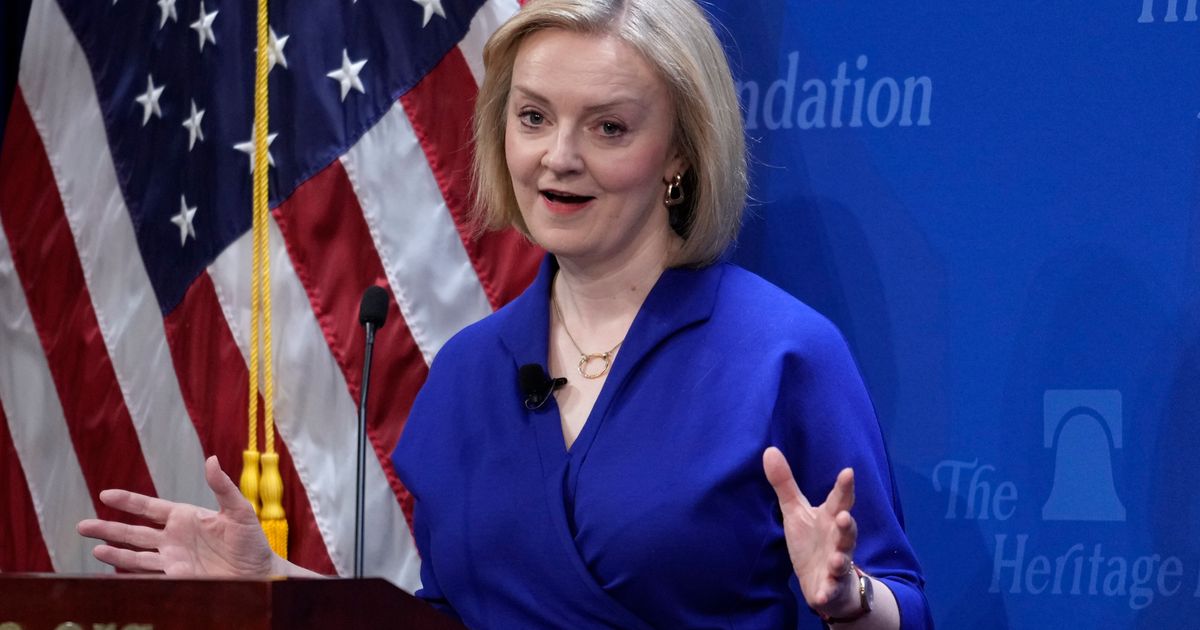
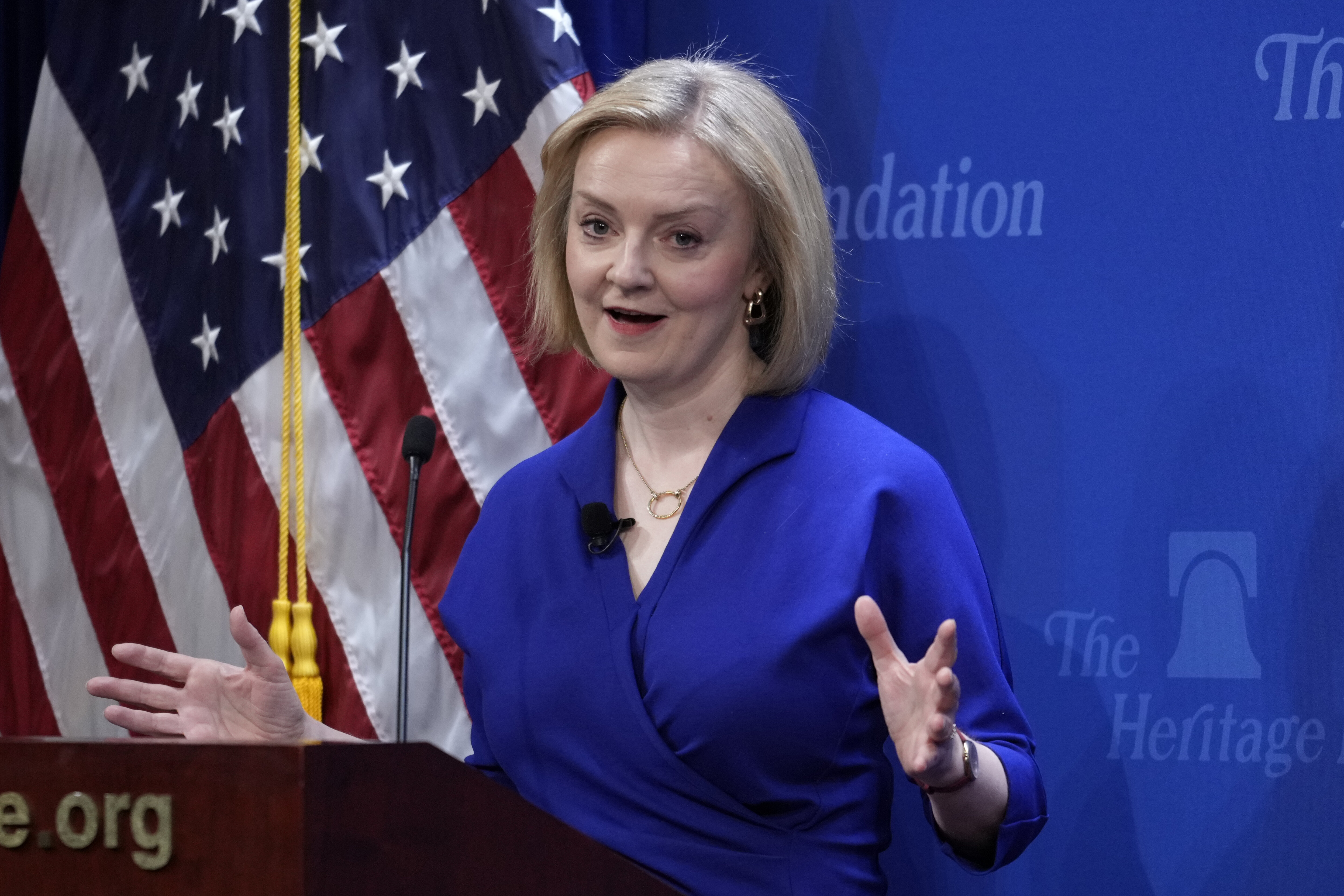
Liz Truss has hit the political comeback trail with a lecture denouncing the “cost of government crisis” and “woke culture”.

On Wednesday, the Conservative former prime minister was speaking in the US and delivering the Margaret Thatcher Lecture for the right-wing think tank Heritage Foundation.

Truss, whose premiership lasted 49 days, left Downing Street after her September mini-budget measures helped tank the pound.

Despite her unfunded tax cuts panicking the markets, Truss has continued to go into bat for a low tax-leading-to-high growth policy platform.

In her speech, she said she did not understand “quite how hard” it would be to change the culture of government to something more in line with what she is now advocating, acknowledging “last autumn I had a major setback”, but adding “I care too much to give up on this agenda”.

She said her plans faced “co-ordinated resistance” from her own party, the “British corporate establishment”, the International Monetary Fund and US president Joe Biden.

She went to hit out at “the left” which has “weaponised people’s concerns about the economy and environment”, adding that terms using such as “fuel poverty” and the “climate emergency” are being used to “justify policies which are anti-growth and socialist”.

“Maybe rather than a ‘cost of living crisis’, what we’ve actually got is the ‘cost of government crisis’,” she added.

She used her speech to criticise the size of the state in the US and UK, and warned they are becoming “social democracies by the backdoor”, describing a “culture where too many people and too many businesses expect a bailout”.

She told the audience: “The sad truth is what I think we’ve seen over the past few years is a new kind of economic model taking hold in our countries, one that’s focused on redistributionism, on stagnation, and on the imbuing of woke culture into businesses. I call these people the anti-growth movement.”

“There are also the people who live in the (Washington) beltway, or they live in London, they live within the M25, and they’ve been enjoying quite a nice life,” she said elsewhere in her speech, adding “they don’t want to see the status quo changed. All of those people are part of the resistance to the change we need to see”.

Share Button

Emotional Video Shows British Soldiers Saluting Ukrainian Troops Leaving UK For Frontline

A video of British troops forming a guard of honour for Ukrainian soldiers trained in the UK as they return to the frontline is being shared widely on social media.

Under Operation Interflex, new Ukrainian recruits are given basic British Army training before heading back to defend their homeland.

Footage tweeted by Ukraine’s Ministry of Defence – and then shared by its UK equivalent – shows military personnel lining both sides of a road and saluting the departing Ukrainian soldiers.

The clip also shows some troops holding Ukrainian flags as the buses go by.

The UK MoD tweeted: “We salute our Ukrainian friends as they return home after completing training to defend their freedom, loved ones and independence.”

Ukrainians have been trained in the UK since last summer, and by the first anniversary of the Russian invasion around 10,000 troops left the country combat ready. A further 20,000 are expected to go through the five-week course in 2023.

The basic training involves surviving in a hostile environment. Troops are taught skills such as basic fieldcraft and medical care, as well as marksmanship and weapon handling.

The training has been adapted to reflect what is needed on the ground, namely trench warfare.

In March, Ukrainian crews completed training on Challenger 2 tanks in the UK and returned home to continue their fight against Russia’s invasion.

Members of Kyiv’s armed forces travelled to Britain shortly after prime minister Rishi Sunak announced in January that the UK would send 14 Challenger 2 tanks to help oust the Kremlin’s invaders from Ukraine.

Share Button

Historic Firm’s Letter Goes Viral Over Fears Of Being ‘Killed Off’ By Brexit

An historic lace manufacturer has said it faces being “killed off by our own side” thanks to levies brought about by Brexit.

In a letter published in the Financial Times that has since gone viral, Chris Mason, managing director of Derbyshire-based The Cluny Lace Company, says the taxman has imposed an 8% duty on the return of all the lace it has sent to France for dyeing.

He adds the levy has been backdated to when Brexit came into force two years ago.

In the letter, he writes: “We have spent more than 200 years building our business, fought for 30 years against the global textile trend of moving to the Far East and have now been killed off by our own side in a couple of years. We all lose.”

It was quickly seized upon on social media.

Dragons’ Den entrepreneur Deborah Meaden wrote: “Absolutely devastating…a pin sharp arrow to the futility and harm of leaving the EU…for so many businesses.”

Earlier this month, the government set out plans for how post-Brexit border checks on goods coming into the UK from the EU will work.

Ministers published a draft border operating model, designed to bring in the checks the UK is required to make under its Brexit trade agreement with the EU.

Ministers have delayed implementing the checks on several occasions since the UK officially withdrew from the trade bloc on January 31, 2020.

Share Button

Junior Doctors Chant ‘Claps Don’t Pay The Bills’ As Thousands March On London

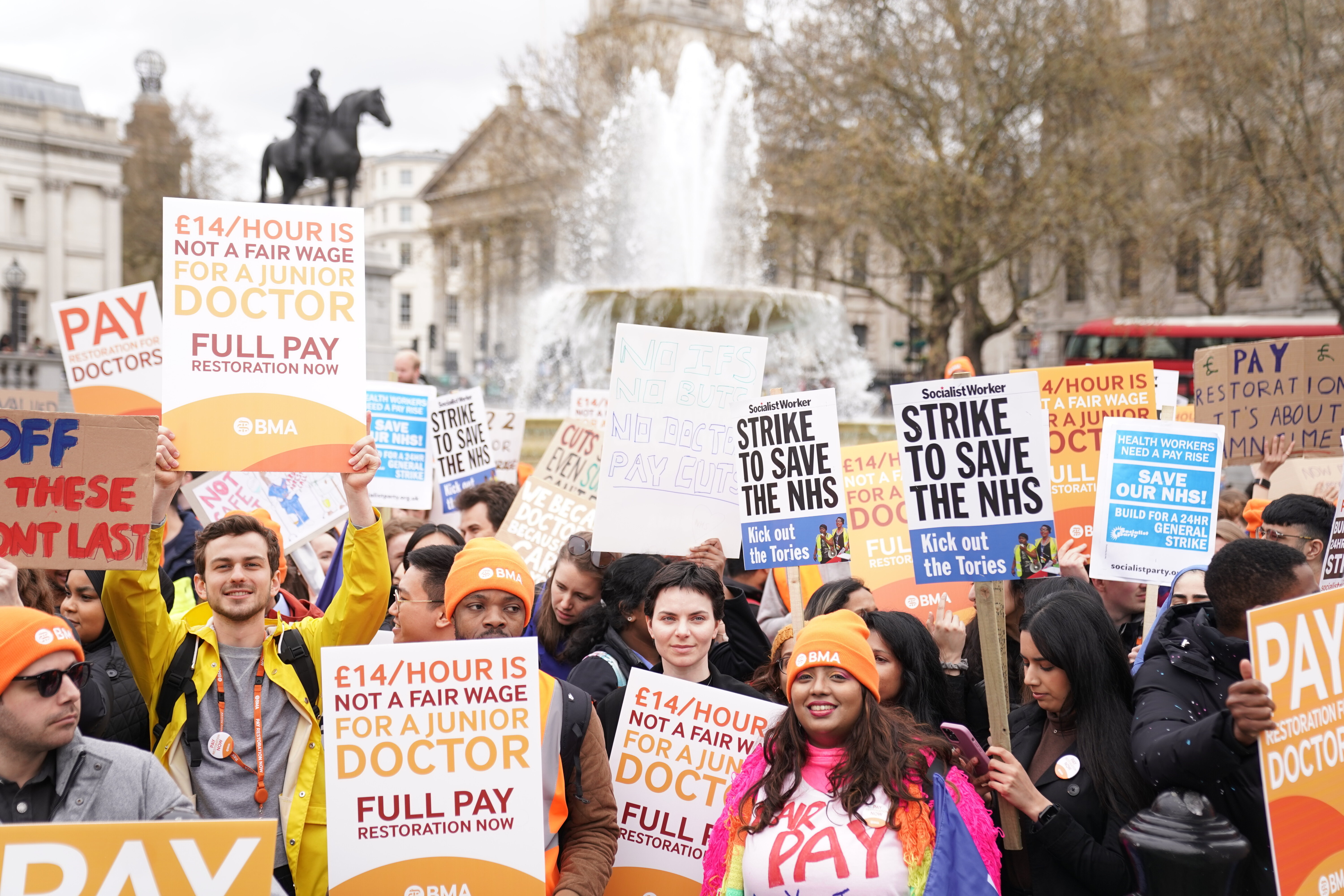
Hundreds of junior doctors have marched on central London to vent their frustration amid a bitter pay row at the start of a four-day strike.

Protesting medics chanted “Claps don’t pay the bills” and blew vuvuzelas as they made their way from Trafalgar Square past Downing Street and the houses of parliament.

Protesters also chanted “We are off to Australia”, in reference to higher wages paid for junior doctors abroad.

It comes as NHS bosses warn the strike action – which began at 7am and will continue until Saturday morning – will cause “unparalleled” upheaval and will be the “most disruptive in NHS history”.

The strikers were holding signs reading “Is it any wonder we’re going under” and “No wonder Dr Watson turned to crime fighting”.

Tourist buses and lorries beeped their horns in solidarity with the protesters. The doctors stopped to give bus drivers a cheer as they beeped their horns.

An estimated 250,000 appointments, including operations, will be cancelled as around 50,000 junior doctors in England are taking part in the industrial action.

The government and the British Medical Association are deadlocked over junior doctors demanding a 35% pay rise, which the union argues will bring wages to 2008 levels.

A Downing Street spokesperson said the 35% demand is “completely out of step with pay settlements in other parts of the public sector” and would cost £2 billion.

<img class="img-sized__img landscape" loading="lazy" alt="Junior doctors pass Big Ben as they take part in a rally during a nationwide strike.” width=”720″ height=”480″ src=”https://www.wellnessmaster.com/wp-content/uploads/2023/04/junior-doctors-chant-claps-dont-pay-the-bills-as-thousands-march-on-london-2.jpg”>
Junior doctors pass Big Ben as they take part in a rally during a nationwide strike.

Carl Court via Getty Images

Medics on the picket lines have spoken about “living on the breadline” amid difficult working conditions.

Trainee anaesthetist Ada Zembrzycka said her colleagues are using food banks as they struggle with the cost of living.

The 27-year-old, who works at Whipps Cross Hospital in east London, said: “If the pay cuts continue I will not only struggle to pay (for) my exams but for groceries and my Tube tickets.

“Rent is increasingly going up and I can’t keep up.”

Speaking on a picket line outside St Thomas’ Hospital in central London, she told the PA news agency: “I do have colleagues who have to borrow money from their families to pay rent this year.”

Dr Hugh Adler, 35, a senior registrar in infectious diseases who was on the picket line outside the Royal Liverpool University Hospital, said: “The headline reason we’re here today is pay erosion.

“People feel devalued, they’re struggling to make ends meet. People are choosing to leave the NHS and we’re seeing the gaps in the rota.

“We want to stop this exodus and haemorrhaging of staff, particularly junior staff who are paid £14 an hour after coming out of a six-year degree.

“They could go to Australia and work fewer hours for more money.”

Share Button