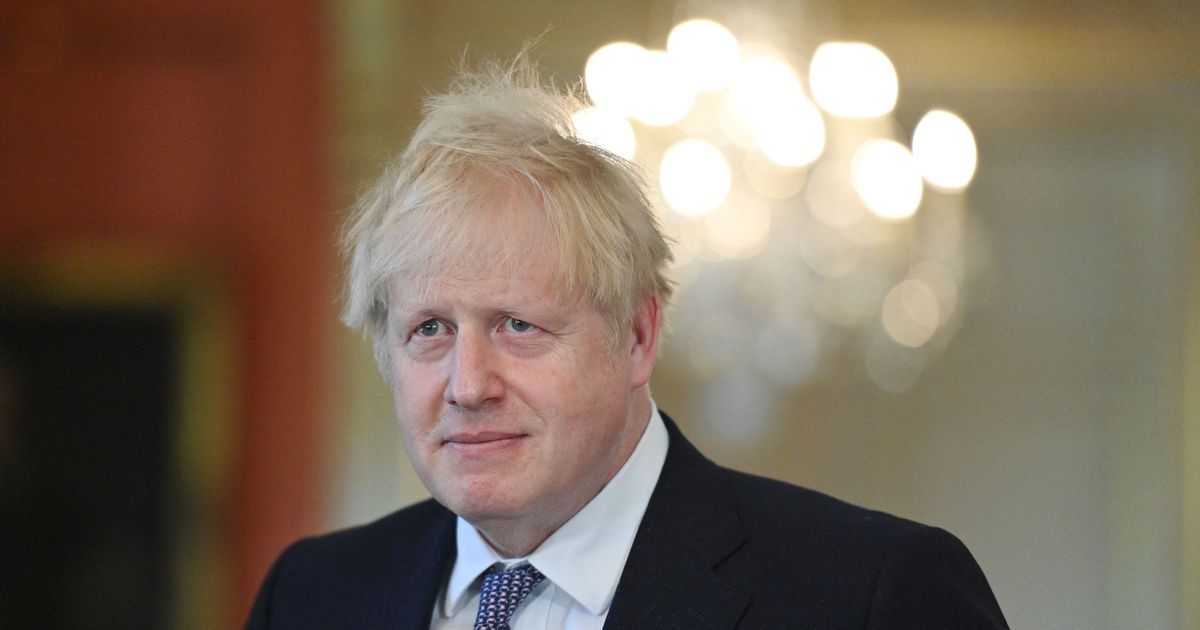
Sea Shanties, Hot Rum And The Queen: How Boris Johnson Will Woo G7 Leaders

TOBY MELVILLE via Getty Images

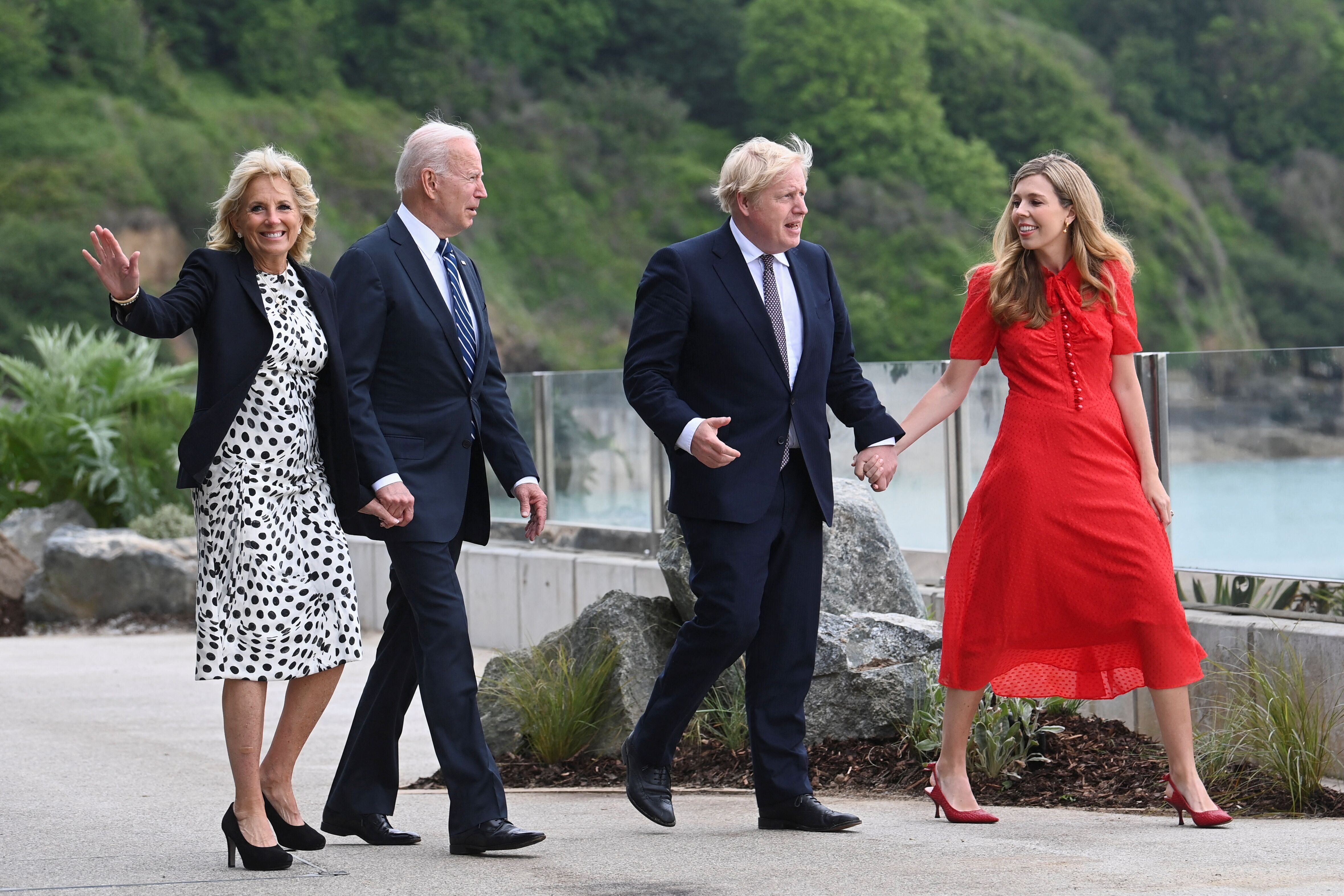
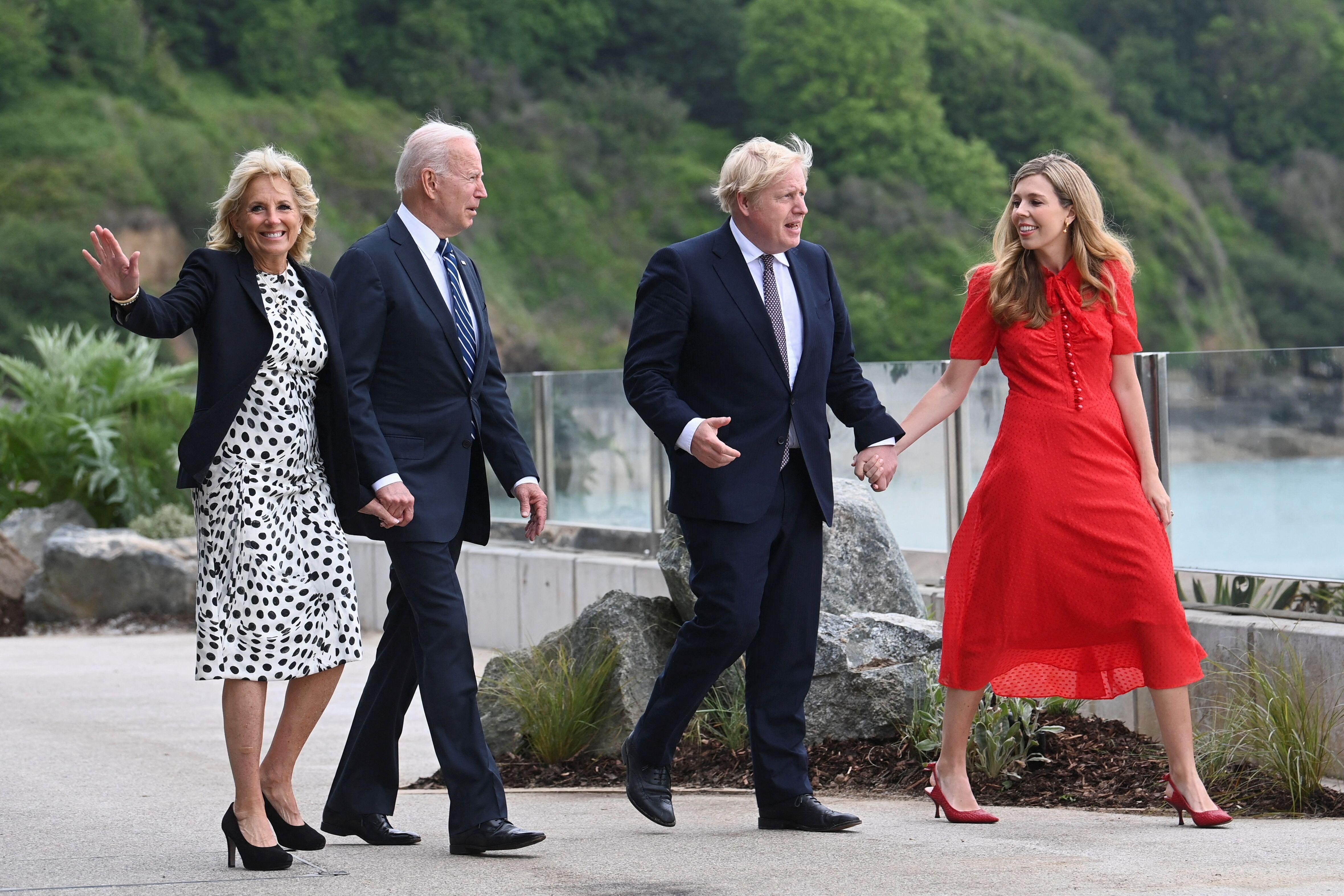
Boris Johnson and his wife Carrie Johnson  walk with US president Joe Biden and US first lady Jill Biden in Carbis Bay, Cornwall 

Imagine the nerves of hosting the first party for your group of friends after a year and a half in Covid lockdown.

Now imagine that your 12 guests are the leaders of some of the world’s richest countries and their spouses.

This is the challenge facing Boris Johnson at this weekend’s G7 summit in Cornwall.

And true to form, the prime minister has taken a massive risk by choosing to invite the likes of Joe Biden and Angela Merkel to a barbecue on the beach… in Britain.

The danger of relying on the UK’s changeable summer weather has already been highlighted after Johnson and Biden were forced to move their first ever face-to-face meeting indoors at the last minute on Thursday, as Cornish “mizzle” (mist/drizzle) shrouded the beautiful island of St Michael’s mount.

The PM will be hoping it clears in time for the Saturday night barbecue so leaders get a clear sight of the Red Arrows flypast as they dine on barbecued sirloin steaks and local lobster on the Carbis Bay sand.

And if a beach barbecue in 15C potentially cloudy weather wasn’t risky enough, leaders will be asked to stay outside after dinner to listen to sea shanty group Du Hag Owr while enjoying baked brie, hot buttered rum and toasted marshmallows around fire pits on the beach.

Despite the boho stylings sparking fresh speculation about Carrie Johnson’s influence over her husband, the PM’s official spokesperson told HuffPost UK she did not play a role in the decision to hold a beach barbecue, although she was closely involved in the partners’ programme for the weekend.

If Saturday night’s event is a risk, Johnson should have some credit in the bank from the Friday when he will host a reception with senior royals including the Queen, Prince Charles, Prince William and Kate, followed by a lavish dinner among the biomes of the Eden Project.

The menu for Friday night, cooked by Emily Scott, chef at the Watergate Bay hotel near Newquay: 

  • Starter: spiced melon, gazpacho, coconut, high note herbs.

  • Main: Turbot roasted on the bone with Cornish new potatoes and wild garlic pesto with greens from the local Padstow kitchen gardens.

  • Cornish cheese course: Gouda, Cornish yarg, helford blue.

  • Dessert: English strawberry pavlova.

  • Petit fours: clotted cream fudge, mini clotted cream ice cream cone with chocolate earl grey truffles.

The menu for Saturday night, cooked by Simon Stallard, from the Hidden Hut in Portscatho:

  • Canapes including: sparkling scallops, Curgurrell crab claws and Portscatho mackerel.

  • Main: Seared and smokey Moorland sirloin, Newlyn lobster and scorched leeks served with sides of layered Cornish potato chips, St Just purple sprouting broccoli and salt-baked beetroot.

  • Dessert: Beach Hut Sundae.

  • Afterwards the leaders will also be able to have baked brie, hot buttered rum and toasted marshmallows around fire pits on the beach.

Share Button

PM Downplays Brexit Tensions With ‘Breath Of Fresh Air’ Joe Biden

Boris Johnson has attempted to downplay tensions with US president Joe Biden over Brexit following the pair’s first ever face-to-face meeting as leaders.

The prime minister praised Biden as a “breath of fresh air” after the Donald Trump years and an ally who wants to work with the UK on issues from security to climate change.

Johnson meanwhile insisted that there is “absolutely common ground” as No.10 spoke of “complete harmony” between the pair on the need to protect peace in Northern Ireland amid a simmering row between the UK and EU over how post-Brexit arrangements are being implemented in the region.

Biden – who is proud of his Irish ancestry – is thought to be concerned about Johnson potentially refusing to implement parts of the Northern Ireland protocol and earlier this month ordered officials to deliver a formal diplomatic rebuke to the UK for imperilling the peace process over Brexit.

Johnson and his Brexit minister Lord Frost want the EU to be less “purist” about applying checks on goods entering Northern Ireland from Great Britain, but Brussels is threatening a trade war with the UK unless it properly implements the deal it signed up to.

The president was expected to use Thursday’s meeting to urge Johnson to “stand behind” the protocol.

But asked if Biden urged him to “crack on” and implement the deal, Johnson told reporters: “No he didn’t.

“But what I can say is that America, the United States, Washington, the UK plus the European Union, have one thing we absolutely all want to do, and that is to uphold the Belfast Good Friday Agreement and make sure we keep the balance of the peace process going.

“That’s absolutely common ground and I’m optimistic that we can do that.”

The PM added: “The talks were great, they went on for a long time, we covered a huge range of subjects and it’s wonderful to listen to the Biden administration and to Joe Biden because there’s so much that they want to do together with us, from security, Nato to climate change.

“It’s fantastic, it’s a breath of fresh air.”

WPA Pool via Getty Images

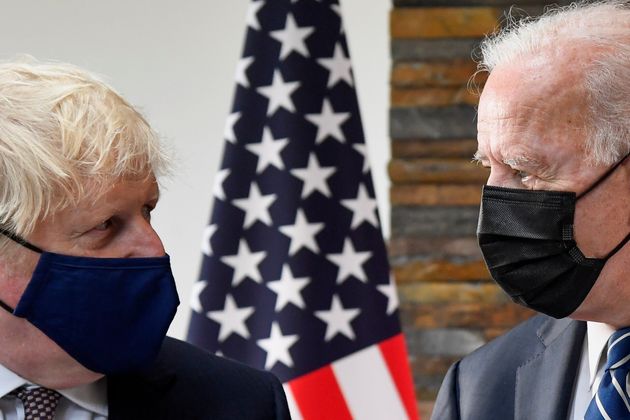
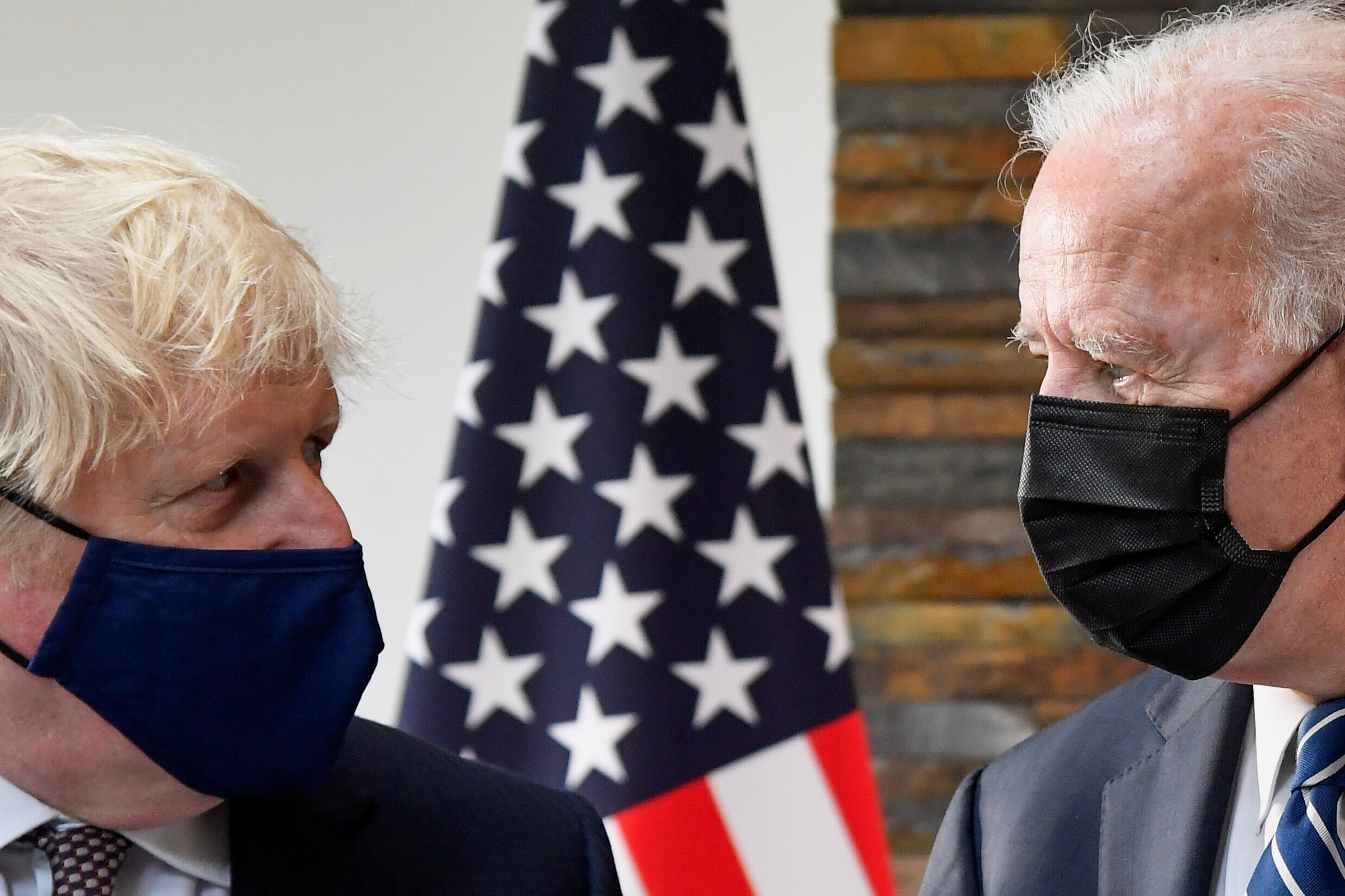
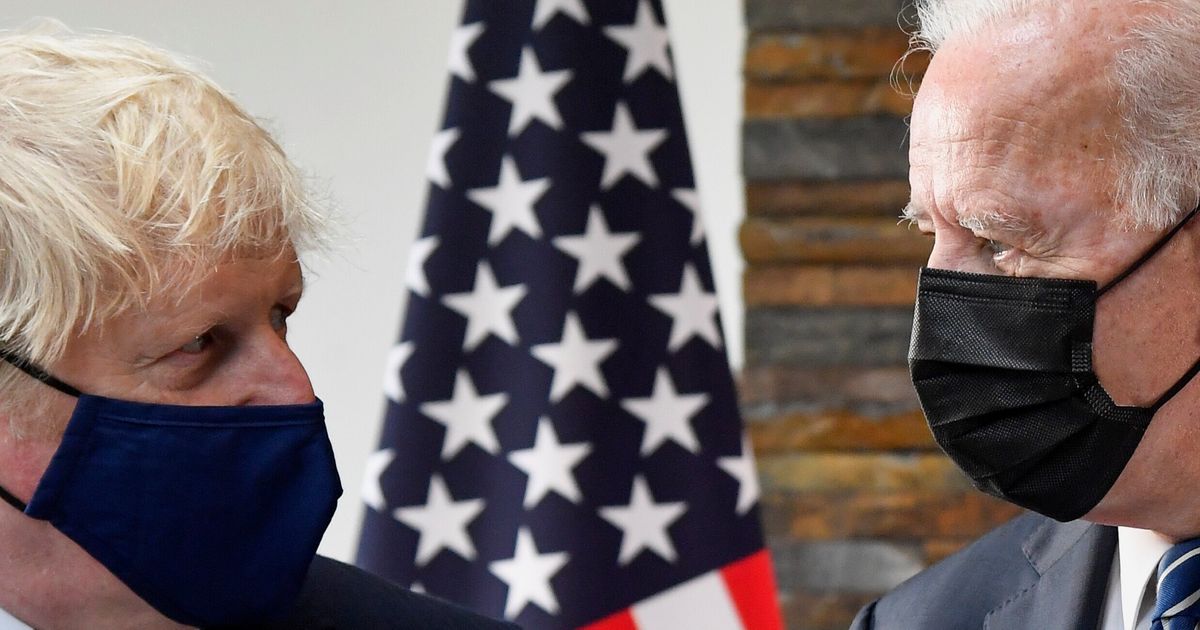
Boris Johnson speaks with US President Joe Biden at the Carbis Bay Hotel, Cornwall

It came after 80 minutes of talks between Johnson and Biden on the eve of the G7 summit in Carbis Bay, Cornwall, at which they signed a new Atlantic charter, paving the way for co-operation on challenges including climate change and security.

Also attending the meeting were UK foreign secretary Dominic Raab and US secretary of state Anthony Blinken.

Yael Lempert, America’s most senior diplomat in the UK, was also present hours after the Times revealed that she was ordered by Biden to deliver a demarche – a formal protest – in a meeting with Brexit minister Lord Frost on June 3.

In a joint statement following the meeting, Johnson and Biden reaffirmed their commitment to the Good Friday Agreement for peace in Northern Ireland. 

But Johnson had earlier tried to gloss over any tensions with Biden by suggesting the pair would not disagree on “anything”.

Ahead of the high level talks, the two leaders admired the view over Carbis Bay with their wives – Carrie Johnson and Jill Biden.

TOBY MELVILLE via Getty Images

Boris Johnson and his wife Carrie Johnson  walk with US president Joe Biden and US first lady Jill Biden in Carbis Bay, Cornwall 

As the politicians sat down to talk, Biden said: “I told the prime minister we have something in common. We both married way above our stations.”

Johnson responded: “I’m not going to dissent on that one. I’m not going to disagree with you there or indeed on anything else, I think highly likely.”

Art, clothes and a bike – leaders exchange gifts

As is customary, the leaders and their wives exchanged gifts.

Johnson gave Biden a framed photograph of a mural of Frederick Douglass, a former slave who became a leading figure in the 19th century abolitionist movement in the United States.

The image, painted by Ross Blair, is part of a mural trail around Edinburgh and the photograph was taken by Melissa Highton – a UK-US dual national.

First lady Jill Biden was given a first edition of Daphne du Maurier’s The Apple Tree. The author lived in Cornwall and drew inspiration for many of her works from the surroundings.

Meanwhile, the PM received from the Bidens a US-made bicycle and helmet, while Carrie Johnson was given a leather tote bag made by American military wives and a presidential silk scarf.

Talks between Frost and the European Commission’s Maros Sefcovic on Wednesday failed to make a breakthrough on the protocol.

The EU has threatened to launch a trade war against Britain if it fails to implement checks on goods entering Northern Ireland under the terms of the Brexit “divorce” settlement which Johnson signed.

But Frost has refused to rule out unilaterally delaying the imposition of checks on British-made sausages and other chilled meats due to come into force at the end of the month.

At a press conference in Brussels on Thursday ahead of the summit, European Commission president Ursula von der Leyen again insisted the protocol was the “only solution” to prevent a hard border between Northern Ireland and the Republic of Ireland and must be implemented in full.

In a joint statement following the meeting, Johnson and Biden reaffirmed their commitment to the Good Friday Agreement for peace in Northern Ireland. 

A Downing Street spokesperson added separately: “The prime minister and president both reaffirmed their commitment to the Belfast (Good Friday) Agreement and to protecting the gains of the peace process.

“The leaders agreed that both the EU and the UK had a responsibility to work together and to find pragmatic solutions to allow unencumbered trade between Northern Ireland, Great Britain and the Republic of Ireland.

“The prime minister outlined his ambitions to further expand opportunities for all the people in Northern Ireland and hoped that the US would continue to work with the UK to boost prosperity there.”

Share Button

Boris Johnson Defends Flying From London To Cornwall

Boris Johnson has defended flying to Cornwall for the G7 summit at which he is expected to urge world leaders to take more action against climate change.

The prime minister spoke in Newquay having flown from London after PMQs on Wednesday.

A journey to the region would take around four hours by rail, a much greener form of transport, or around five hours by car.

France has recently moved to ban short-haul internal flights where train alternatives exist in a bid to reduce carbon (CO2) emissions.

Around 2.4% of the world’s CO2 emissions come from aviation.

But Johnson defended his 250-mile plane journey as he arrived in Cornwall, where he is hoping to help pave the way for an ambitious climate deal at the key Cop26 summit in Glasgow later this year.

The PM told reporters: “If you attack my arrival by plane. 

“I respectfully point out that the UK is actually in the lead in developing sustainable aviation fuel and one of the points in the 10-point plan for our green industrial revolution is to get to jet zero as well as net zero.”

Johnson will meet US president Joe Biden for their first face-to-face talks on Thursday before the summit begins on Friday.

Share Button

Theresa May Attacks Boris Johnson’s £4bn Cut To Overseas Aid

Theresa May has attacked Boris Johnson’s cut to overseas aid spending. 

The Tory former PM said the spending cut would damage the UK’s global reputation and make it more difficult to achieve a deal at the Cop26 climate summit in Glasgow this year.

Johnson is refusing to give MPs a vote on his decision to slash aid spending from the legally mandated 0.7% of national income to 0.5%, with Tory rebels believing they have a clear majority to reverse the cut.

The prime minister has also rejected pleas from Commons Speaker Lindsay Hoyle to allow MPs to vote on the decision.

In an emergency debate on Tuesday just two days before the G7 summit of world leaders, Tory rebels criticised the government over the cut and how it has handled the row.

May said the global fund to end modern slavery, an issue key to her prime ministerial legacy, was having its funding cut by 80% as a result of the government’s policy.

She also argued that slashing spending would run counter to Britain’s interests and “have a devastating impact on the poorest in the world and it will damage the UK”.

On the impact on the UK’s world standing, she said: “They (people) listen to us because of what we do, they listen to us because of how we put our values into practice.

“The damage it does to our reputation means that it will be far harder for us as a country to argue for change that we want internationally, that is across the board, including at Cop26 and also including setting out and putting into place the ambitions of the integrated review.

“I only hope that modern slavery is still there on the G7 agenda as it has been in the past.”

Former international development secretary Andrew Mitchell, who is leading the rebellion, told MPs the aid spending cut was an “unethical and unlawful betrayal”.

He said: “The way the government is behaving strikes at the heart of our parliament. 

“It is precisely because the government fears they would lose that they are not calling one (a vote). That is not democracy. 

“I want to argue to the House this afternoon that what the government is doing is unethical, possibly illegal, and certainly breaks our promise. 

“It’s not proper and it’s fundamentally un-British and we shouldn’t behave in this way.” 

Mitchell also repeated his insistence that trying to win favour in so-called “red wall” working class areas by cutting overseas aid spending was “very patronising” to those voters. 

The cut also breaks a pledge to keep the 0.7% target in the 2019 Tory general election manifesto, which helped propel Johnson to an 80-seat parliamentary majority.

“All 650 of us in this House elected at the last election promised to stand by the 0.7%,” Mitchell said.

Responding for the government, Treasury minister Steve Barclay said the cuts were needed given the huge scale of government borrowing to pay for Covid support measures such as the furlough scheme.

He questioned how the rebels proposed raising the £4.3bn required to reverse the cut.

“Leaving the next generation vulnerable to the degree of fiscal threat that would be entailed with a high debt level is not itself morally sound,” Barclay said.

“At the same time, loading ourselves with more debt now might well damage our ability to spend on aid later.”

Share Button

Tory Overseas Aid Rebels ‘Cautiously Optimistic’ Of Victory

Tory rebels hoping to force Boris Johnson to ditch his plan to cut the UK’s aid spending are “cautiously optimistic”.

The prime minister has has been criticised across the political spectrum for temporarily reducing foreign aid from 0.7% of national income to 0.5%, breaking a manifesto commitment.

A total of 30 Tory MPs, including former prime minister Theresa May, have supported an amendment, set for a vote on Monday, which would require new legislation to make up the shortfall left by the cut to the UK’s official development assistance.

Bob Geldof, the singer and long-time activist, has also condemned the move as “cruel”.

Tom Tugendhat, the chair of the Commons foreign affairs committee, said on Sunday the rebels, which include him, were “trying to make sure that Britain’s foreign footprint, that global Britain, really means something”.

Asked if there were enough rebels to win the vote, Tugendhat said: “we’re cautiously optimistic.”

Speaking to Sky News’ Trevor Phillips On Sunday programme, he said: I think that’s absolutely vital to making sure we achieve our ambitions and our potential.

“The reality is Britain has a huge opportunity to shape the world at the moment of extraordinary flux and this, along with our defence and diplomatic and trade capabilities, is part of that, so I’m absolutely committed to making sure Britain really is great on the international stage.

“The prime minister has been as clear as you can possibly be about global Britain being an ambition for all of us, so I’m delighted that he has expressed support and I hope very much that he’ll see that this is an opportunity to demonstrate it.”

Speaking to the BBC’s Andrew Marr Show, Geldof said the temporary reduction of foreign aid from 0.7% of national income to 0.5% “doesn’t make any sense”.

Ahead of the G7 summit in Cornwall, he added: “At a weekend when we invite the world’s most powerful leaders of the world’s biggest economies to come here and talk about such matters with us. It seems remarkably maladroit and inept.”

In a letter to Johnson, 1,700 charities, academics and business leaders said: “We look forward to working with the G7 and UK government to deliver ambitious outcomes for people and planet at a time of unprecedented human need.

“Making progress on these critical issues at the G7 will require all of the UK’s diplomatic experience,” the letter said.

“Inevitably the UK’s decision to cut its aid commitment during a pandemic casts a shadow over its ability to deliver at this year’s critical G7 summit. While other G7 countries have stepped up their aid budget, the UK is the only one to have rowed back on its commitments.”

Share Button

Why The Unite Election Has Lessons In Unity For Keir Starmer – And The Left

You’re reading The Waugh Zone, our daily politics briefing. Sign up now to get it by email in the evening.

“Two down, one to go.” That’s how a Labour MP reacted this week to the news that moderate Gary Smith was just elected to lead the GMB union. It was a reference to the fact that this year’s general secretary elections for the UK’s ‘big three’ trade unions – Unison, Unite and GMB – have seen two victories for candidates seen as friendly to Keir Starmer.

While Smith won the GMB contest on Thursday, earlier this year Christina McAnea saw off three more left-wing rivals in the battle to lead Unison. But although Unison is now the largest union in the country, it is the fight to succeed Len McCluskey that is seen as the race with the biggest prize. A clean sweep of ‘moderates’ would deliver for Starmer more union boss support than any Labour leader since the 1950s.

Of course, the contests are often more than a straight battle between ‘left’ and ‘right’. As a former Communist, McAnea is hardly a Blairite. She was however seen as the most pragmatic of the contenders for the Unison top job. Crucially, she also became the first female leader of a ‘big’ union, which was fitting given just how many women NHS, council and social care staff make up Unison’s membership.

Women make up more than half of the GMB’s membership and after an independent report found evidence of “institutional sexism” among its ranks, some had expected Rehana Azam to clinch the general secretary job. On his victory, Smith acknowledged the sexism findings and vowed to implement reforms. Still, some in the union claim the “women’s vote” was split after another candidate, Giovanna Holt, decided to stand.

In fact, “splitting the vote” is often a feature, whether deliberate or unintentional, of general secretary elections. Why? Because unlike virtually every other internal election (say Tory and Labour leader elections), they are run under first past the post rules. When McAnea won the Unison post, her vote was less than the combined total of the three leftwingers who stood against her.

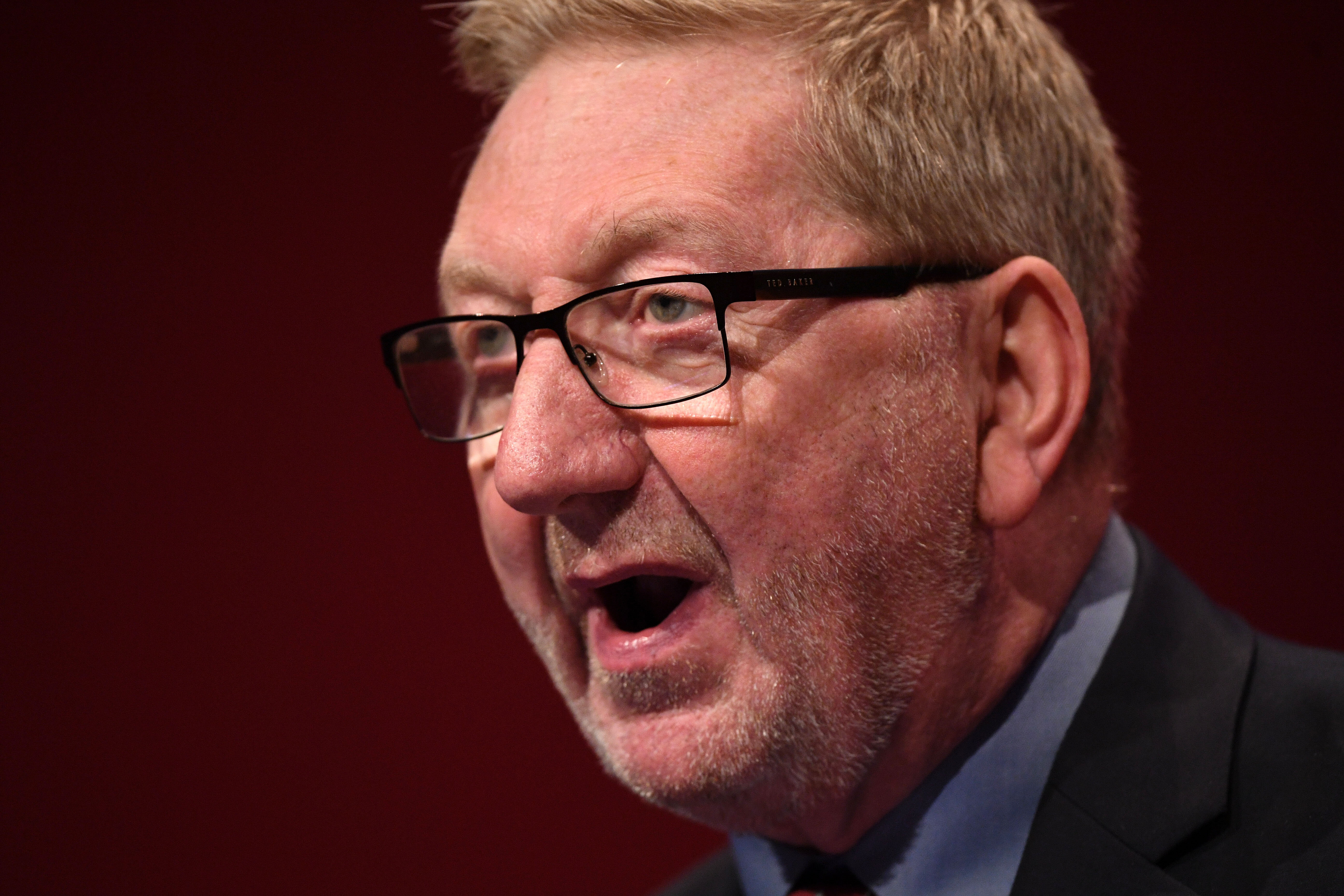
And it’s that first past the post factor which is now very much in play in “the big one”, Unite. Centrist Gerard Coyne is up against three leftwing rivals (Steve Turner, Howard Beckett and Sharon Graham) and as a result could end up winning with less than half of the vote. As Turner conceded to me recently: “If we had the same turnout as last time, there ain’t enough votes to go round on a straight three-way [Left] split to defeat” Coyne.

Turnouts tend to be low in union elections (the GMB’s this week was just 10.6%, Unite’s last time was about 12%). That’s in part because the Conservative government has refused to allow online balloting (something that’s allowed in political party elections), partly because of a lack of public profile and partly apathy among union members.

But given the low turnouts, three Left candidates are often fishing in a small pool for the same votes. After Turner narrowly won last year the crucial nomination of the ‘United Left’ grouping in the union, Beckett opted to still stand. National organiser Graham was always going to stand in her own right too, which means the Left will indeed be split.

I understand that all four candidates now have enough branch nominations to formally stand as candidates. With the final deadline for nominations due on Monday, Coyne and Turner are holding back details for now, possibly to gain even more backing over this weekend. Graham was the first to reach the threshold, and Beckett “smashed” through it this week. There are no signs that any will step aside to unite around a single Left candidate but bragging rights over who has most nominations will be valuable.

Why does any of this matter beyond internal union affairs? Well, Unite has been Labour’s biggest donor in recent years and still retains a significant presence on the party’s ruling National Executive Committee (NEC). Some even think the stakes are so high that this Unite election may have more long-term impact on the party than the May local elections, or even the forthcoming Batley and Spen by-election.

Beckett, who has been suspended from Labour over a tweet about Priti Patel, is almost certain to be reinstated after a reprimand, insiders believe. His supporters think he has the momentum in the race. And if Beckett succeeds McCluskey “he’ll make Len look like a pussycat”, one union source told me. He has already threatened to pull funding for Labour, tweeting his warning just minutes after the party’s Unite staff branch voted to nominate Coyne. Turner, a collegiate trade unionist by nature, has said he would happily work with Starmer.

Beckett’s Twitter controversy may well have helped him raise his profile in the Unite election. Similarly, Newsnight’s allegations of his role in moves to unseat Labour MPs may even boost his credentials among some left-minded union members. However, Coyne’s camp believe he’s the only candidate committed to introducing transparency in how Unite spends their money, be that on the £98m hotel complex in Birmingham or on paying more than £2m in libel costs to ex-MP Anna Turley.

Coyne may also be boosted by the little-noticed fact that in the Labour leadership election, Starmer won a majority of Unite members’ votes. As Steve Turner, who backed Rebecca Long-Bailey, put it to me recently: “We didn’t win the argument inside our own union…We won it amongst the politicos and that group that loves to talk to themselves…But in the real world out there, where 99.9% of our members reside, they’re not.”

And that’s really perhaps why the Unite contest matters. Many of its members, who like both Brexit and state spending, actually voted for Boris Johnson in 2019. If the new general secretary can somehow help Starmer reconnect with those voters, while somehow helping Labour to look more united (the clue is in the union’s name), many of his MPs would be grateful. For the party’s Left, unifying around a single candidate may be just as valuable a lesson too.

Share Button

Facebook Cuts ‘Indefinite’ Donald Trump Suspension To A 2-Year Sentence

Donald Trump could return to Facebook on January 7, 2023.

Former deputy prime minister, Nick Clegg, now Facebook’s vice president of global affairs, announced Friday that the company has cut short its “indefinite” ban on Trump, which was imposed after he used the platform to spread baseless claims of election fraud and incite the January 6 insurrection at the US Capitol. 

In its place, Facebook has implemented a conditional two-year ban.

Should Facebook determine the former US president fit to return to the platform at the end of that ban, he’d be back just in time for the 2024 presidential election primaries. However, if “there is still a serious risk to public safety” at that time, Trump’s ban would be extended again, then reevaluated.

How Facebook intends to evaluate Trump’s risk to public safety isn’t exactly clear. Clegg said only that the decision would be based on “external factors, including instances of violence, restrictions on peaceful assembly and other markers of civil unrest.”

If Trump’s account were to be restored and he failed to meet the very basic demand of not posing a threat to public safety, Facebook said he would be met with “rapidly escalating sanctions,” including a potential permanent ban.

Tasos Katopodis via Getty Images

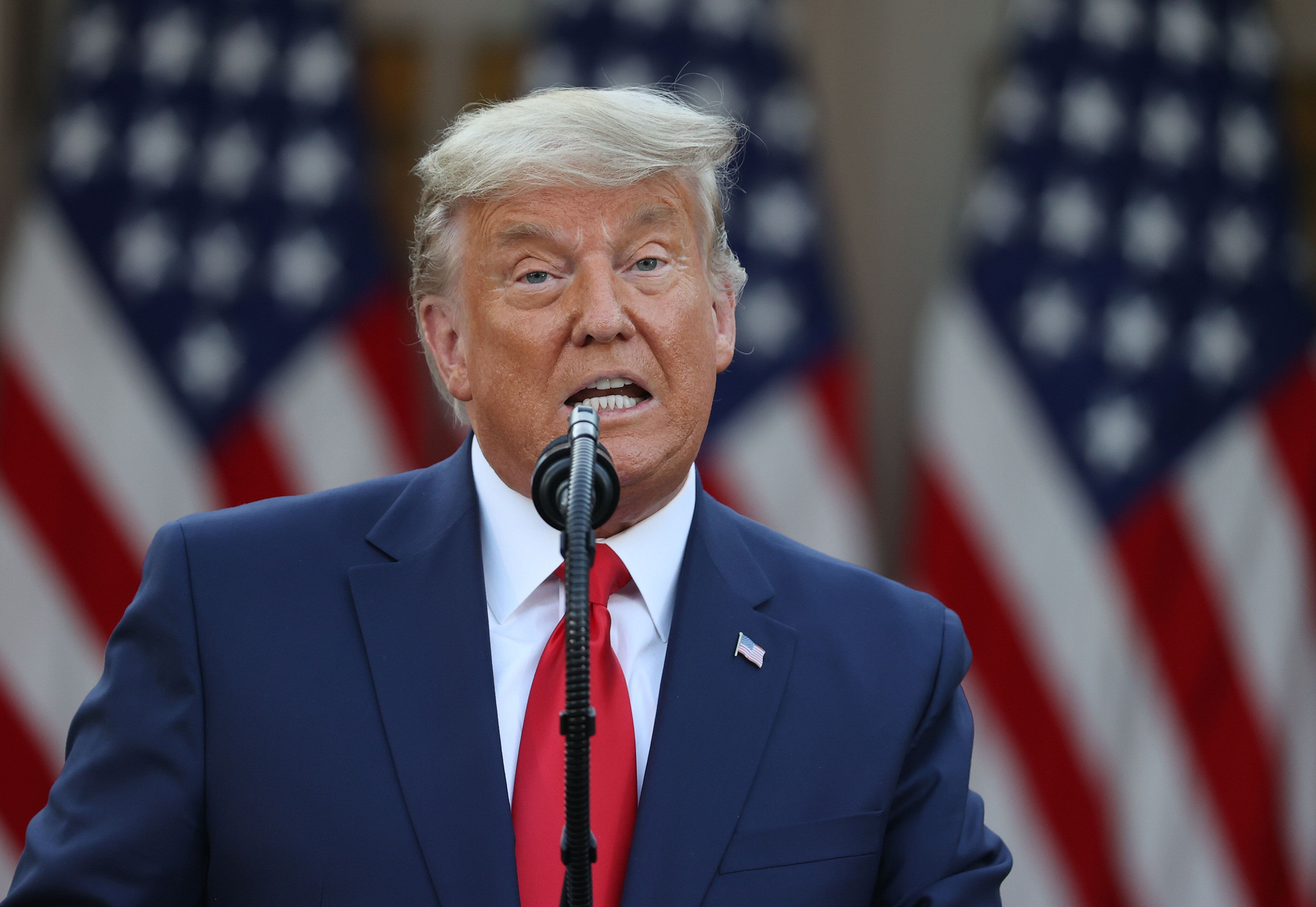
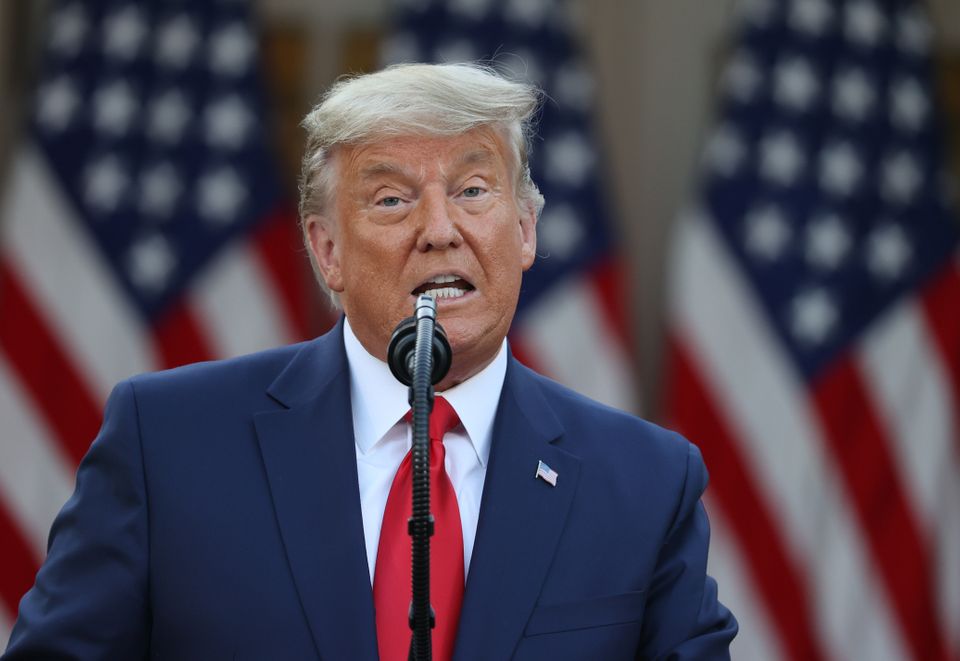
Former US President Donald Trump speaking shortly after the 2020 election.

Trump greeted the development in characteristic fashion: with outright lies and a sprinkle of half-truths.

“Facebook’s ruling is an insult to the record-setting 75M people, plus many others, who voted for us in the 2020 Rigged Presidential Election,” he said in a statement. “They shouldn’t be allowed to get away with this censoring and silencing, and ultimately, we will win. Our Country can’t take this abuse anymore!”

Trump received 74,222,958 votes in the 2020 election, while President Joe Biden won with 81,283,098 votes. The election was not rigged. It’s unclear what “many others” the former president is referring to.

Although Trump often claims he has been censored and silenced, the fact that his statement on the matter is nevertheless being widely read greatly weakens his argument. 

Civil rights advocates condemned the diminished sentence. Madihha Ahussain, a senior policy adviser for nonprofit anti-discrimination organisation Muslim Advocates, said too much was at stake for Trump’s ban to be loosened. 

“Facebook’s decision to reinstate Donald Trump’s accounts just in time for the 2024 presidential election puts the public and our democracy in danger,” Ahussain said in an emailed statement. “Trump used Facebook to incite a deadly riot in the US Capitol and spread outrageous conspiracies about the election that are still being used to undermine voting rights across the nation. A two-year time-out for that is a joke.”

Facebook’s decision on Trump follows its reversal on Thursday of its much-maligned, yet long-held, policy of exempting politicians from the content moderation rules that apply to everyone else. The policy gave politicians free rein to spread lies and post hate speech because Facebook deemed the content newsworthy.

Share Button

Boris Johnson Urged To Meet Covid Bereaved Families About Public Inquiry

Stefan Rousseau – PA Images via Getty Images

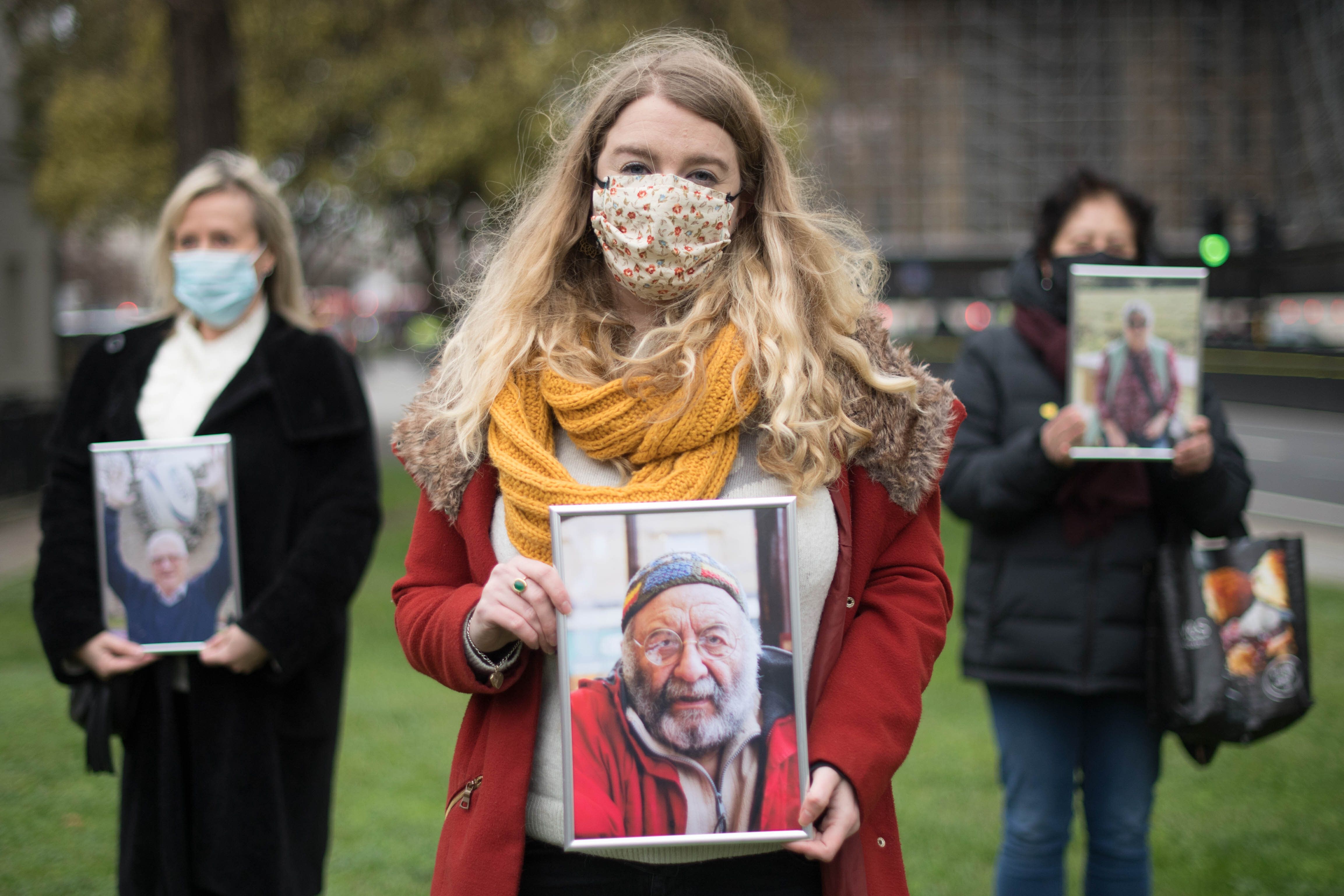
Jo Goodman, who lost her father Stuart, 72, to COVID 19 stands with other families bereaved by the virus outside Parliament. (Photo by Stefan Rousseau/PA Images via Getty Images)

Boris Johnson faces growing calls to meet the families of Covid victims before the public inquiry into how his government handled the pandemic. 

The prime minister has said an independent statutory inquiry that puts “state’s actions under the microscope” will begin in spring 2022.  

But Covid-19 Families For Justice, which represents some 4,000 grieving families, has made an urgent call for ministers to consult with them about the aims, remit and chair of the inquiry. 

The group’s key demand is the hearing allows for a rapid review phase. 

Families fear lives may be lost in future if ministers fail to address gaps in the UK’s preparedness, such as on PPE, and government does not quickly learn from disastrous mistakes on lockdowns and sending infected back people to care homes. 

However, ministers, including health secretary Matt Hancock, have refused to commit to meeting with families on the inquiry’s terms of reference. 

Jo Goodman, co-founder of the families group lost her father Stuart, 72, to the virus during the first wave. 

DANIEL LEAL-OLIVAS via Getty Images

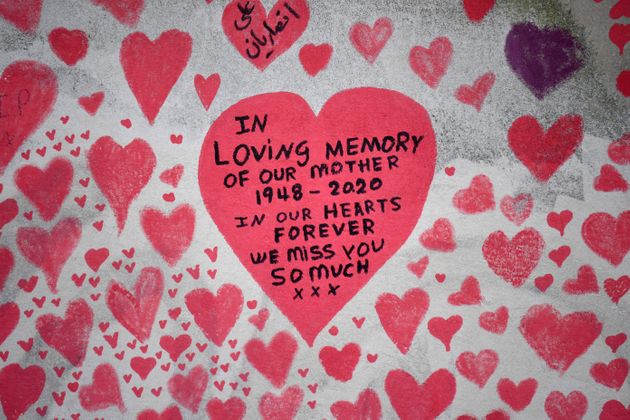
Messages are pictured on hearts painted on the National Covid Memorial Wall, at the embankment on the south side of the River Thames in London

She told HuffPost UK Johnson delayed a meeting because families threatened legal action over the inquiry’s delay.

“We stand ready and willing to meet government ministers but they’ve yet to set a date,” she said. 

“Boris Johnson has previously promised to do so, but then went back on it because of the judicial review we had planned to seek.

“We have now dropped the judicial review, so there is no reason for the government not to meet with us. We are ready when you are prime minister.” 

MPs have also been pressuring the government,  confidence in the inquiry, which is likely to be traumatic for those hardest hit.  

Jack Dromey, MP for Birmingham Erdington and shadow Cabinet Office minister, has written to chancellor of the duchy of Lancaster, Michael Gove, after questions in the House of Commons were ignored. 

The letter, passed to HuffPost UK, underlines that “the country has experienced tragedy and human suffering on a scale not seen since the Second World War”.

Dromey stresses ministers were causing “deep hurt” to families who “simply want to know that the government is listening to them”. 

Leon Neal via Getty Images

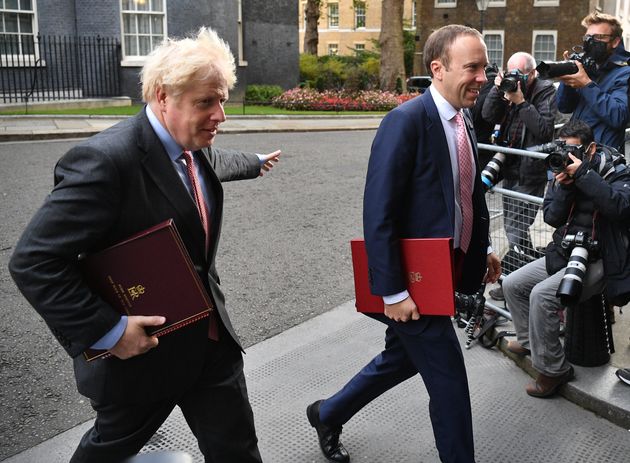
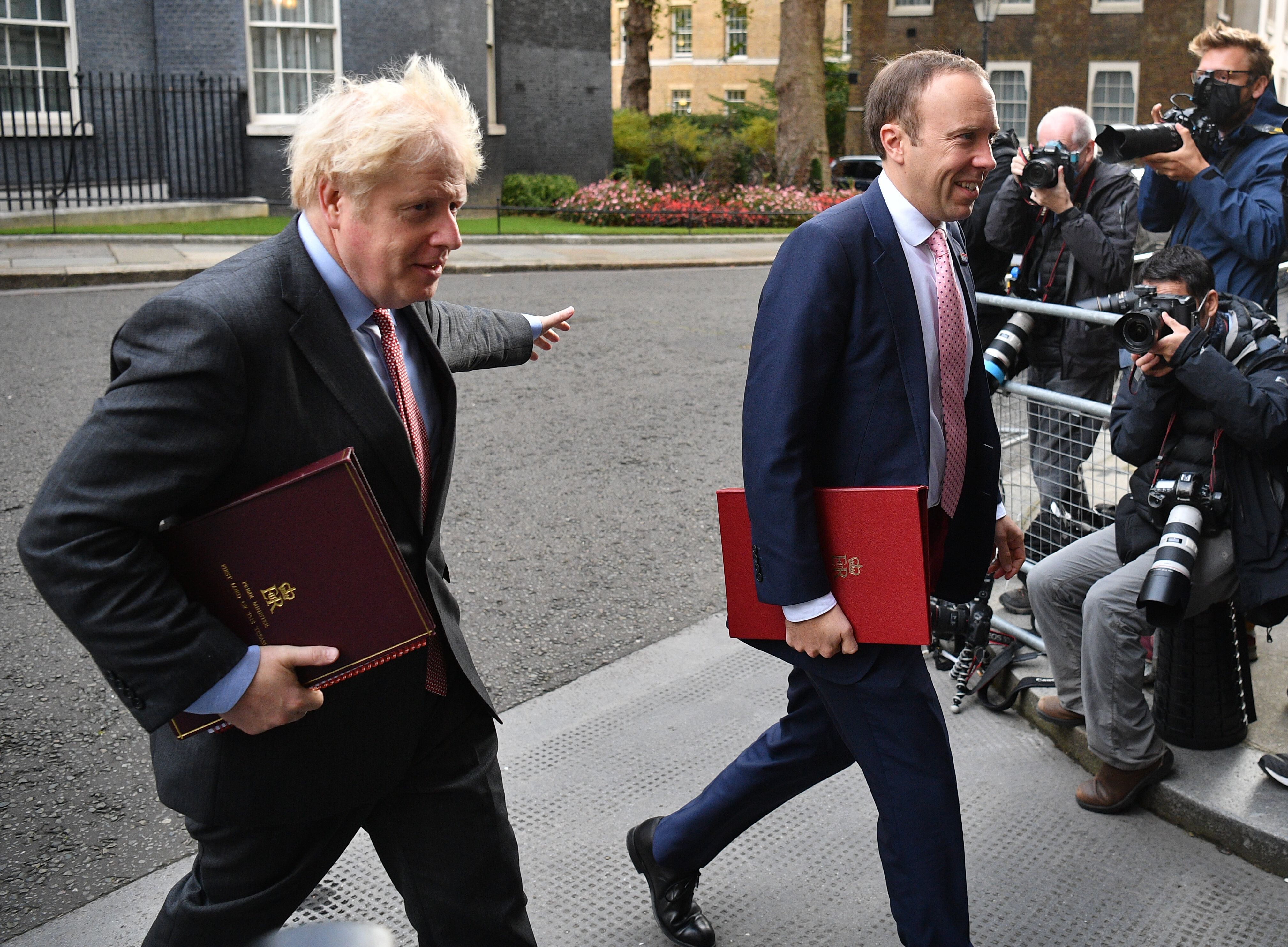
Prime Minister, Boris Johnson and Secretary of State for Health and Social Care, Matt Hancock walk from Downing Street

The letter says that Johnson and Hancock have seven times refused to meet families and adds: “MPs across the House will have met with constituents who have suffered great loss due to coronavirus. Meetings with bereaved families and listening to their stories are some of the most difficult and emotional meetings I have been involved in since being elected a member of parliament.

“Such meetings cannot fail but to bring home the sincere desire by the bereaved families that there be a meaningful public inquiry into the government’s handling of the coronavirus pandemic with outcomes the bereaved families can trust to be fair and reasonable.” 

It adds: “That is why it is so important to the bereaved families that the government consults with them to ensure this is the case, by agreeing an appropriate chair and the right terms of reference.” 

The government has said the inquiry’s remit and chair will be chosen “in due course” and that spring 2022 was the appropriate time to begin the hearing. 

Asked about the inquiry in parliament, Gove has suggested families will have a role.

He told MPs: “A statutory inquiry is obviously the right way to ensure that all the right questions are asked and that full answers are arrived at.

“To ensure that the inquiry works, the experience, voices and views of those who have suffered so much must be a critical part in ensuring that it is set up appropriately.”

A government spokesperson, when asked if the PM would meet with the group, added: “Every death from this virus is a tragedy and our sympathies are with everyone who has lost loved ones.

“Throughout the pandemic senior ministers, including the prime minister, have met and will continue to meet with bereaved families.

“As the prime minister said, we have committed to holding a full public inquiry as soon as is reasonably possible.”

Share Button

Will Boris Johnson Now Pause His Roadmap To Boost The Jabs’ Magic?

You’re reading The Waugh Zone, our daily politics briefing. Sign up now to get it by email in the evening.

What was meant to be Boris Johnson’s ‘quiet week’ just keeps on getting noisier. Today started with a kicking over catch-up funding for schools, swiftly followed by warnings that the simmering unease over international aid cuts is ready to boil over into rebellion. To top it all, it looks like millions of Britons won’t be getting a summer holiday abroad after all.

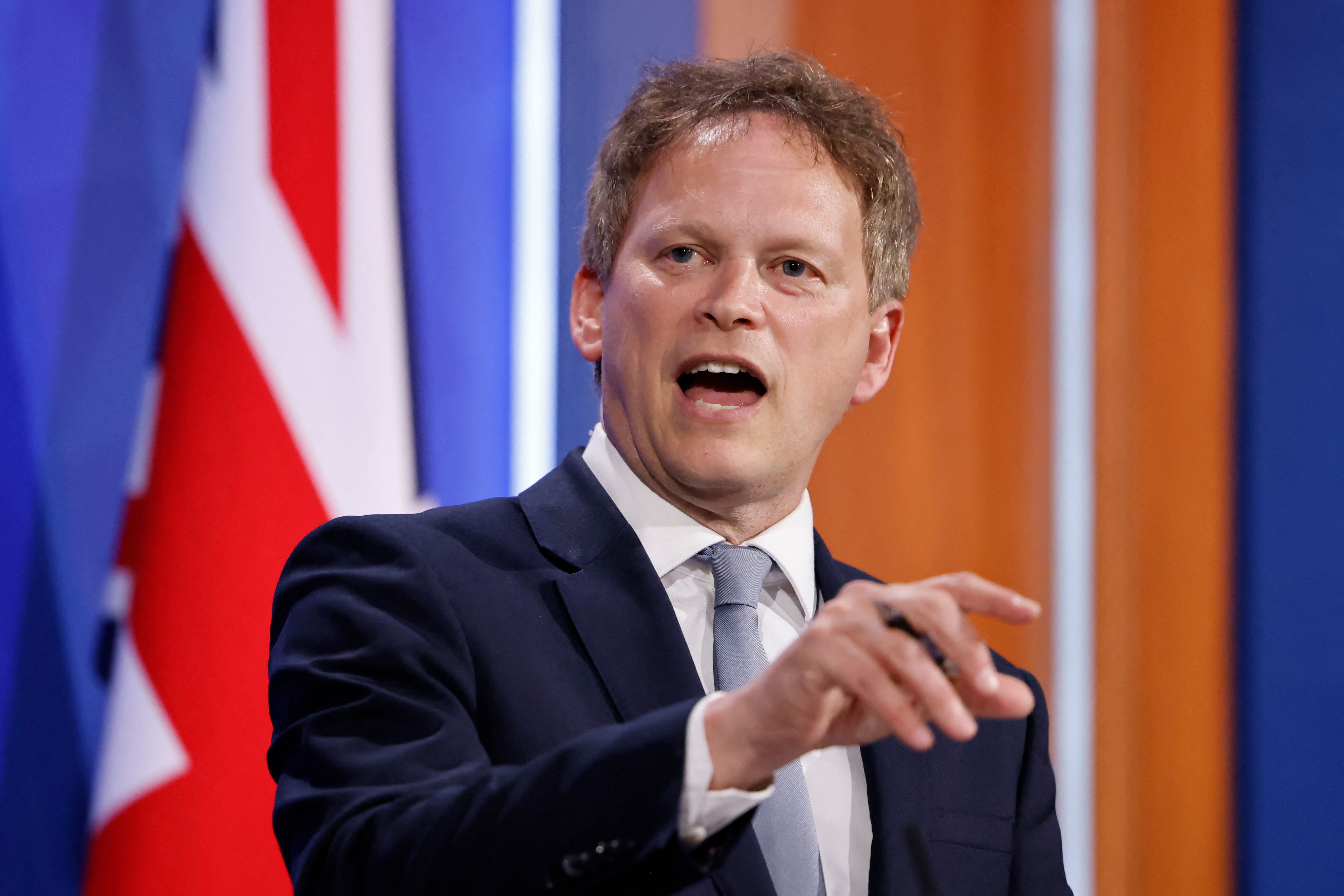
That’s the very downbeat conclusion many in the tourism industry have drawn from transport secretary Grant Shapps’ big announcement. Shifting Portugal from the “green list” to the “amber list” of travel destinations, albeit with a week’s notice, signals that holidays overseas are getting harder, not easier as some had assumed.

Politicians love using the phrase “direction of travel”, but that terminology will feel singularly inapt for those who had pinned their hopes on ending a long and gruelling year with at least a break in the Mediterranean sunshine. It’s still possible that in three weeks’ time the numbers may have fallen again in various European countries and islands, but no one is banking on it.

It’s worth pointing out that many Brits can’t afford or don’t want a foreign holiday. But a sizeable number of them very much do, and several Tory MPs will point out this is not some middle class obsession. “My working class constituents work bloody hard and save every penny for that week in the sun,” one tells me. “They’ll wonder why the hell they can’t still do that if they’re double jabbed.”

One problem lies in the traffic light system devised by the government, or more particularly, the amber bit of it. Because travel to amber list countries is legal, though not advised, there is no automatic right to a refund that would occur on the red list.

David Davis is another Tory who thinks there are political risks with Shapps’ announcement. “This is an irrational overreaction,” he tells me. “If you’re going to do this, at least make it a green-red system so people can get their money back.”

As it happens, that’s Labour’s position too. Shadow home secretary Nick Thomas-Symonds says the amber system is just a recipe for confusion, with reports of 50,000 travelling into the UK daily, each possibly bringing back a nasty souvenir in the shape of an infectious new variant of the virus.

I suspect that some Brits will actually hedge their bets by splitting up what would have been a fortnight abroad. They could take a risk on the first week holidaying in an amber country like Portugal, Spain or Greece, then using their second week’s holiday to quarantine at home before getting a test release after five days that lets them take a short trip in the UK too.

But only a minority will want to risk that. The real difficulty with the current traffic light system is that it’s hard to tell amber-flashing-red from amber-flashing-green. It is designed to offer a careful route from the most unsafe to the most safe environments and embodies a proportionality of risk that drives Boris Johnson’s thinking. That’s why he probably won’t ditch it.

Yet this virus doesn’t respect proportionality, and often the only language it understands is overwhelming force (we’ve learned lockdowns have to be hard and fast). The amber list is the overseas version of the domestic regional tiers system designed last year to contain Covid in defined areas. That system failed miserably this winter in the face of the Kent variant, which staged a deadly route march out of the south east across the whole country.

And again in and around Bolton and other “hotspots” where the even more transmissible Indian variant was found, the virus has shown a marked disrespect for borough boundaries, let alone national borders. The latest figures showing the big jump in cases in Blackburn, plus the wider spread of the virus across Lancashire, proves that once a new variant gets a foothold it moves fast.

As the PM ponders what this all means for his June 21 unlockdown date, history tells us he will want to have his cake and eat it. We shouldn’t forget that the public too quite like a bit of cakeism (European style public services, US-level taxes, anyone?), a factor that’s often forgotten when some are baffled why Johson is so popular.

The return of ordering at the bar (instead of table service) is seen by some of the PM’s allies as sacrosanct, both because it is vital to the economics of the pub industry and more importantly vital to some sense of normality and boosted morale after months of lockdown. There’s a view in government that this simple change would buy the PM enough political capital to keep in place other restrictions, like working from home and mask wearing on public transport.

The difficulty again is that while that may seem sensibly proportionate to the risk, a disproportionate response to the Indian or “delta” variant may be what’s really needed. The latest data from Public Health England, confirming the delta variant’s higher transmissibility, its “significantly higher risk of hospitalisation” and its higher vaccine escape, could force firmer action from No.10.

A short, two-week delay (which I’ve talked about before) for all the June 21 measures is gaining traction in Whitehall as perhaps the better solution, not least because it gives time for ramping up more jabs.

As the PM had his second dose today, he must have thought just how much safer the nation would be if as many over-50s as possible had the same protection before further unlockdown. That delay would be disproportionate to some, but may be just smart public health policy as much as smart politics.

Share Button

Why The Catch-Up Czar’s Resignation Is Boris Johnson’s Problem

You’re reading The Waugh Zone, our daily politics briefing. Sign up now to get it by email in the evening.

This was meant to be a quiet week. Commons in recess, a ‘holding pattern’ on Covid, Whitehall treading water while it waits for the latest data on the pandemic. Aside from an update on foreign travel from Grant Shapps on Thursday, the big ‘event’ marked on the No.10 grid was today’s catch-up cash for schools. 

An emergency £1.4bn, on top of an extra £1.7bn already announced for pupils, could have been spun as a statement of intent, an interim measure pending a bigger funding settlement in the chancellor’s spending review later this year. But thanks to some great work by the Times, which exclusively revealed earlier this week just how much cash had been requested, the PR plan was smashed to bits.

Sir Kevan Collins, the catch-up czar, had wanted £15bn but instead got less than a tenth of that, at least in the short term. And his resignation words tonight blasted both barrels not just at the hapless Gavin Williamson (whose departure from Education in a reshuffle seems all but guaranteed), but also at Boris Johnson himself.

By referring explicitly to the failure to provide help to pupils in deprived areas in the north, Collins appeared to expose the PM’s “levelling up” agenda as a hollow trick played on all those who voted Tory in May. “In parts of the country where schools were closed for longer, such as the north, the impact of low skills on productivity is likely to be particularly severe,” he said.

It’s worth remembering that Collins was never going to be a government pushover. He is widely respected for his work in education, and as recently as March he told the education select committee that the £1.7bn first pledged was “not sufficient”. He wanted a comprehensive recovery plan, not a sticking plaster, so it’s perhaps no surprise he’s ripped it off to lay bare the wounds underneath.

This isn’t just about the education gap. For Johnson, this underlines once more the yawning gap between his rhetoric and actual delivery. Back in June 2020, he promised “a massive summer catch-up operation”, but nothing of the kind materialised. Yes, the fresh lockdowns knocked things even more off course, yet parents, pupils and teachers won’t easily forget the promises made.

This March, I remember vividly Johnson telling a No.10 news conference how much catch-up mattered. “The legacy issue I think for me is education,” he said. “It’s the loss of learning for so many children and young people that’s the thing we’ve got to focus on now as a society. And I think it is an opportunity to make amends.” If the PM can’t deliver on his own professed personal priority coming out of the pandemic, what chance do all the other policy areas have?

Critics will point out too that unlike other areas of government (social care, anyone?), there is at least a plan worked up by Collins to “make amends”. His bigger package was about extra teaching time, not just tutoring. Still, there are some in government who tonight are pointing out the idea of an extra half hour on the school day did not go down well with teachers.

The longer day was “not thought through” and not “evidence based”, both of which are red flags to the Treasury. Moreover, doling out £15bn – half the annual primary and pre-primary school budget – between spending reviews was seen as imprudence fiscal management. Allies of the chancellor insist this isn’t about being stingy. “If we just start signing off massive cheques outside of a formal process, there lies mismanagement of taxpayers’ money!” one says.

Yet ultimately the PM is, as he joked in recent months, the First Lord of the Treasury. If he’d really wanted a big, bold plan for education catch-up with big, bold spending to match, he could have got it. The political problem is that an independent expert in schooling has now delivered a damning verdict on Johnson’s central “levelling up” policy, or rather the lack of one

Collins has also made early years education his priority, stressing its social as well as academic benefit, and its underfunding in recent years. The Tories’ closure of SureStarts is perhaps one of their biggest policy errors in the past decade of austerity. Amazingly, Labour has failed to ram home that very point, and has shown a woeful lack of focus on childcare and early years (evidenced by Jeremy Corbyn’s priority of student tuition fees, but under Starmer there’s been no real grabbing of the agenda either).

A cynic might say that the expected grade inflation in this year’s GCSE and A-level exam results will smooth over the problem. But if metrics emerge that younger children of all backgrounds are falling behind expected benchmarks, the lack of a proper “catch-up” or “recovery” plan will be received bitterly by parents who struggled with the home-schooling imposed on them this past year.

It’s possible Johnson will again wriggle out of this latest tight spot. But remember that two of the biggest U-turns forced on him over the past year both involved education: the A-levels fiasco and free school meals. And both were issues of competence.

Collins’ resignation may have gifted Starmer his most powerful weapon yet, offering at the next election a simple way to sum up broken Tory promises and incompetence. Whether Labour can capitalise is another matter.

Share Button