Here’s How To Tell Regular Flu From Covid (According To A Doctor)

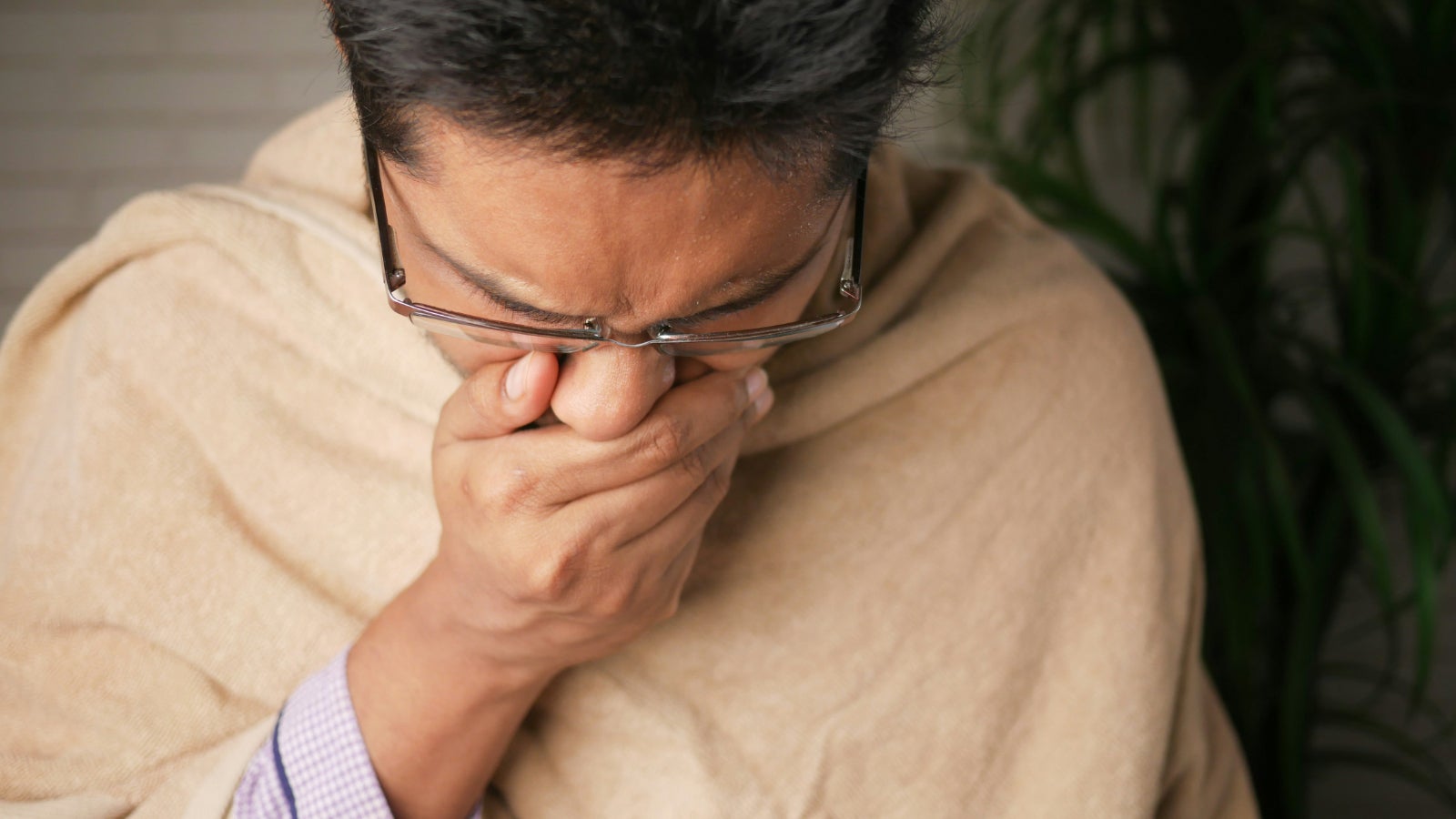
As we head into winter, cases of flu and Covid (including variants like Stratus and Nimbus) are expected to rise.

We’ve previously shared how to tell which form of Covid you’re likely to be dealing with if you notice symptoms.

But how can you tell Covid from a “regular” flu in the first place?

According to Dr Neel Patel from LloydsPharmacy Online Doctor, telling one apart form the other may be key as the cooler weather settles in.

“With [both flu and Covid circulating at higher rates, it’s important to know the difference between a cold and flu, or coronavirus and flu,” he said.

“Knowing which illness you might have means you can best treat yourself and protect others.”

Here are the different symptoms the doctor usually sees for both:

Symptom duration may tell them apart

Both flu and Covid share a lot of symptoms, including a fever, headache, chills, a runny nose, tiredness, aching muscles, and a dry cough.

“People with flu normally feel very unwell for two or three days and will continue to experience symptoms for around another five days. After that, you may feel tired and run down for a further two or three weeks,” the doctor said.

But “People with coronavirus usually begin to show symptoms five to six days after being exposed and symptoms commonly last up to two weeks,” he added.

Then, there’s the question of severity.

“It can be difficult to tell coronavirus apart from the flu as they share many of the same symptoms, however, they may feel more intense than having a flu,” Dr Patel said.

He added that you should seek immediate medical help if you notice:

  • Difficulty breathing at rest.

  • Confusion.

  • Loss of consciousness or drowsiness.

  • Constant pressure or pain in the chest.

  • Cold, clammy, blue, or pale skin.

  • Loss of speech or movement, regardless of whether it’s flu or Covid.

The only way to be sure is to take a Covid test

Though the flu and Covid can have different symptoms, Dr Patel said that “The only way to be certain whether you have the flu or coronavirus is to take a Covid test.

“While COVID-19 tests are no longer freely available on the NHS, you can still buy lateral flow, PCR and antibody tests online.”

Share Button

The Key Nimbus And Stratus Symptom That’s Different To Covid-19

You might have heard that some newer strains of Covid – namely, the Stratus and Nimbus variants – are on the rise in the UK.

Indeed, the UK Health and Security Agency (UKHSA) recently reported that XFG and NB.1.8.1 (Stratus and Nimbus) formed most of the Covid cases last month.

And because Covid cases are ramping up right now, especially among the very young and the elderly, that means more instances of both new strains.

So far as the UKHSA currently knows, these strains are not more dangerous or make you any sicker than “regular” Covid.

“The most important thing is for those eligible to get their vaccination when it is due,” they wrote, as this can help to prevent the most extreme versions of Covid taking hold.

But how can you tell Nimbus and Stratus variants from “normal” Covid, and what should you do if you spot it?

Nimbus and Stratus vs Covid-19 symptoms

Dr Zachary Hoy, an infectious disease specialist with Pediatrix Medical Group, previously told HuffPost that the Stratus variant “would have similar symptoms to other COVID variants that have recently been circulating.”

These include:

  • a high temperature or shivering
  • a new, continuous cough – coughing a lot for more than an hour, or three or more coughing episodes in 24 hours
  • a loss or change to your sense of smell or taste
  • shortness of breath
  • feeling tired or exhausted
  • an aching body
  • a headache
  • a blocked or runny nose
  • loss of appetite
  • diarrhoea
  • feeling sick or being sick, per the NHS.

But Dr Naveed Asif, GP at The London General Practice, also said that the Nimbus variant’s most unique feature is a sore throat – one that can create a “razor blade sensation” while swallowing.

This still seems to be the case and has since been said to appear in cases of the Stratus variant, too.

And the Stratus variant may also be associated with a higher likelihood of developing a hoarse, raspy voice, a dry cough, exhaustion, and fever, though these can be a part of Covid-19 too.

What should I do if I have the Stratus or Nimbus variants?

As with any other strain of Covid and/or flu, you should try your hardest to avoid spreading the illness to others.

UKHSA says: “If you have symptoms of a respiratory infection, such as COVID-19, and you have a high temperature or do not feel well enough to go to work or carry out normal activities, you should avoid contact with vulnerable people and stay at home if possible”.

If you can’t do this, take precautions like wearing a well-fitting mask, avoiding crowded places, taking your exercise outdoors, away from others, covering your mouth or nose when you sneeze, washing your hands often with soap and water for at least 20 seconds, and avoid touching your face.

In terms of keeping yourself well while you have Covid, the NHS advises lots of rest, plenty of water, painkillers like paracetamol or ibuprofen if needed, sitting upright in a chair to help with breathlessness, and taking a spoonful of honey (don’t feed this to babies under a year old) to relieve sore throats and cough.

Call a doctor if your symptoms do not improve or get worse. Call 999 or go to the A&E if your breathlessness comes on suddenly or is so bad that you struggle to say short sentences when resting.

Share Button

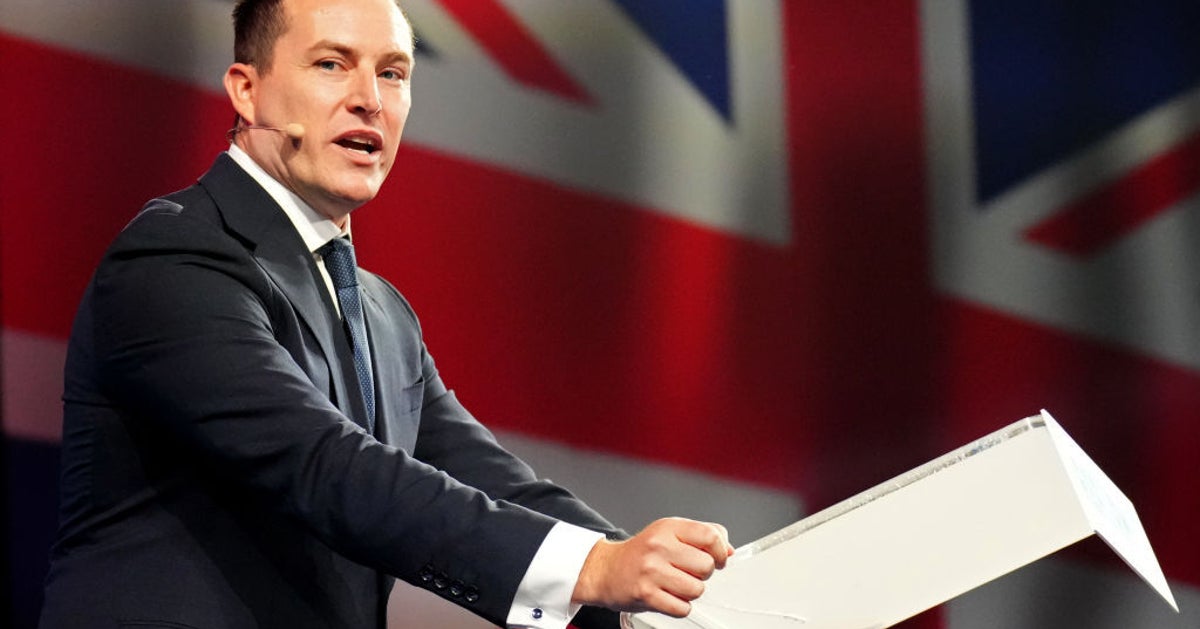
Reform UK MP James McMurdock Gives Up Party Whip Over Covid Loans Allegations

A Reform UK MP has suspended himself from the party over allegations about “business propriety during the pandemic”.

James McMurdock removed the whip from himself after being contacted by The Sunday Times.

The paper approached him about £70,000 in government Covid “bounce back” loans he allegedly took out in 2020 and 2021 for two firms he owned.

In a statement, Reform MP Lee Anderson said: “I have today received a call from James McMurdock who has advised me, as chief whip, that he has removed the party whip from himself pending the outcome of an investigation into allegations that are likely to be published by a national newspaper.

“The allegations relate to business propriety during the pandemic and before he became an MP.”

He said the party “take these matters very seriously and James has agreed to cooperate in full with any investigation”.

McMurdock was elected the MP for South Basildon and East Thurrock last year.

It later emerged that he was jailed nearly 20 years ago for repeatedly kicking his then girlfriend.

At the time, Reform UK leader Nigel Farage said he was “a fine young man who’s turned out really very, very well”.

McMurdock is the second of the five Reform MPs elected last July to no longer have the party whip.

Rupert Lowe was suspended by the party in March amid allegations of bullying, which he denied, and now also sits as an independent MP in the Commons.

Share Button

Teary Nicola Sturgeon Admits To Feeling ‘Overwhelmed’ During Covid-19 Pandemic

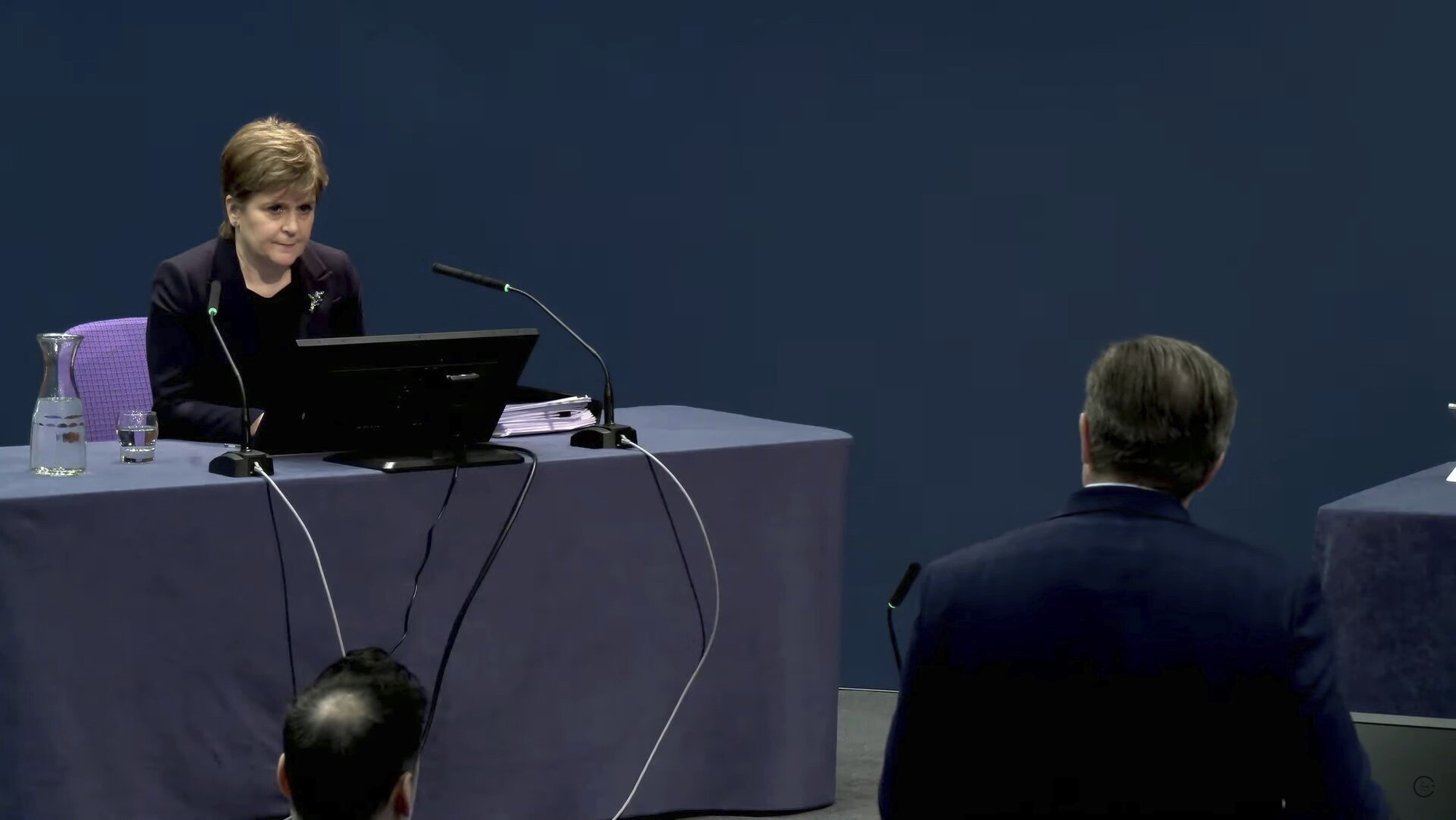
LONDON (AP) — The former Scottish leader in office during the Covid-19 pandemic choked up on Wednesday as she admitted to a public inquiry into the outbreak that she sometimes doubted whether she wanted to be first minister at such a consequential time.

Nicola Sturgeon told the United Kingdom’s public inquiry into the pandemic that she sometimes felt “overwhelmed by the scale of what we were dealing with”, particularly at the start of the pandemic in the first half of 2020. Although Scotland is part of the UK, its government has powers over matters relating to public health.

“I was the first minister when the pandemic struck,” she said in Edinburgh. “There’s a large part of me wishes that I hadn’t been, but I was, and I wanted to be the best first minister.”

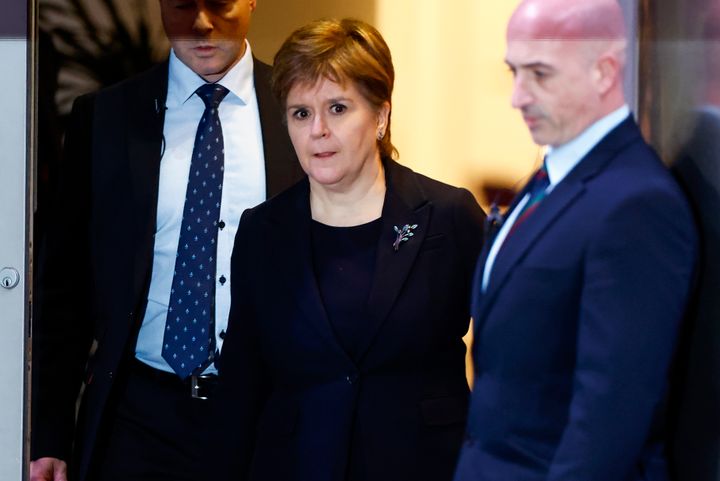
Nicola Sturgeon departs the UK Covid Inquiry.

Jeff J Mitchell via Getty Images

Sturgeon, 53, became first minister in 2014 after Scotland voted to remain part of the UK in a referendum and was in office until her surprise resignation in 2023.

Sturgeon won numerous plaudits for her handling of the pandemic. She was widely seen to have been on top of things, and clear in her public pronouncements, especially when compared to former UK Prime Minister Boris Johnson, who led policy in England and who gave evidence to the inquiry late last year.

The UK suffered one of the worst Covid-related death tolls during the pandemic, with around 235,000 deaths. Scotland’s death toll stands at more than 18,000

However, Sturgeon’s reputation has taken a battering over the past few months, especially in the wake of her arrest last June over a police investigation into the finances of the governing, pro-independence Scottish National Party. She hasn’t been charged and insists she has done nothing wrong.

Sturgeon’s standing has been further dented by the recent revelation that her WhatsApp messages had been deleted, which has led to questions about her trustworthiness.

She admitted to the inquiry that she deleted WhatsApp messages but insisted that she didn’t use informal messaging such as WhatsApp to make decisions.

“During the pandemic I did not make extensive use of informal messaging and certainly did not use it to make decisions,” she said.

While Sturgeon conceded that WhatsApp had become “too common” within the Scottish government, Sturgeon said she exchanged WhatsApps with no more than a “handful” of people, and wasn’t a member of any groups.

She said she deleted messages in line with official advice that messages could be comprised if a phone was lost or stolen, and that “salient” points were all recorded on the corporate record.

The former first minister said she had “always assumed there would be a public inquiry” and apologised for any lack of clarity at a public briefing in August 2021 where she said her WhatsApps would be handed over despite knowing they had already been deleted.

Last week, Sturgeon’s successor as first minister, Humza Yousaf, offered an “unreserved” apology for the Scottish government’s “frankly poor” handling of requests for WhatsApp messages. He has announced an external review into the government’s use of mobile messaging.

The inquiry is divided into four so-called modules, with the current phase focusing on political decision-making around major developments, such as the timing of lockdowns. Though the devolved governments in Scotland, Wales and Northern Ireland had policy independence, the UK as a whole often moved as one, especially when it came to lockdown decisions.

The inquiry, led by retired Judge Heather Hallett, is expected to take three years to complete, though interim assessments are set to be published.

Johnson agreed in late 2021 to hold a public inquiry after heavy pressure from bereaved families, who have been particularly angry at the evidence emerging about his actions.

The lawyer representing the Scottish Covid Bereaved group, Aamer Anwar, said Sturgeon had delivered a “polished performance” but that his clients were “deeply unsatisfied” with the explanations around the deletion of WhatsApp messages.

He said the group is considering calling for a criminal investigation into the actions of the former first minister and others.

Share Button

‘Down The Drain’: £9.9 Billion Spent On Covid PPE Written Off By Government

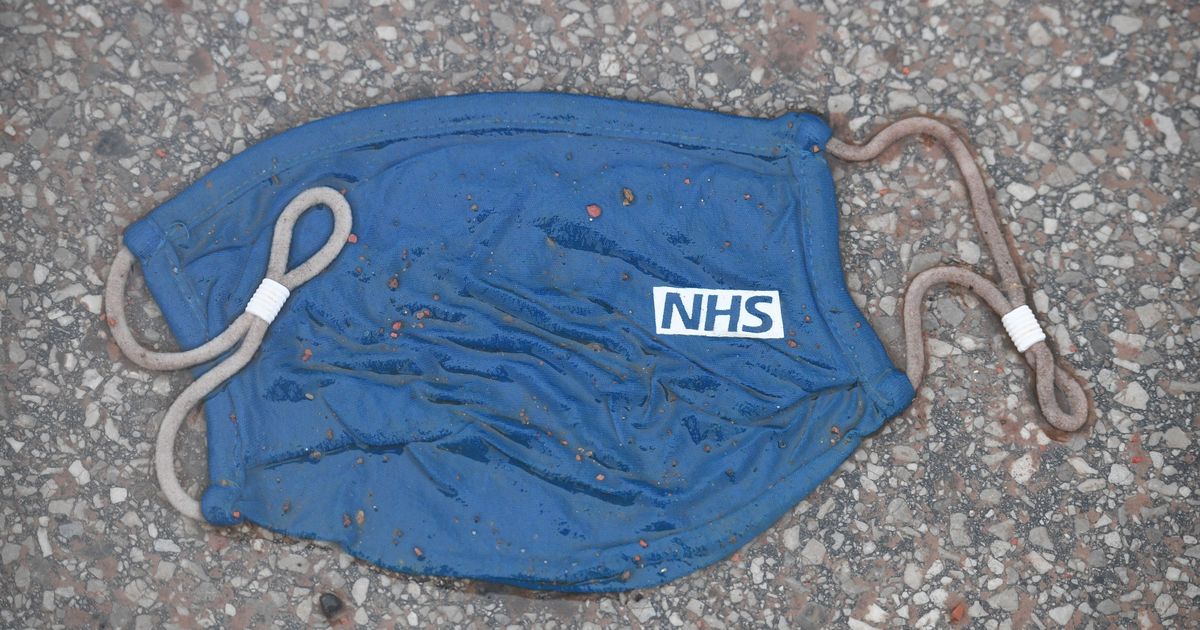
Nearly £10 billion-worth of personal protective equipment (PPE) bought by the NHS during the pandemic has been written off by the government.

The staggering sum was revealed in the Department of Health and Social Care’s annual report.

Labour has accused Rishi Sunak, who was chancellor at the time, of “throwing away taxpayers’ money as if it were confetti”

According to the annual report, the government spent £13.6bn on PPE.

Since then “the department has written down the value of its PPE inventory by £9.9 billion because it was unusable or its market price had fallen since it was purchased during the pandemic.”

Shadow health secretary Wes Streeting said: “As chancellor, Rishi Sunak threw away taxpayers’ money as if it were confetti and has failed to get our money back. Sunak’s carelessness has cost our country dear.

“Never again can the Conservatives claim to be the careful stewards of the public finances.”

He said Labour would appoint a “Covid corruption commissioner” if it wins the election “to chase down those who ripped off the British taxpayer”.

Lib Dem health spokesperson Daisy Cooper said: “This is a sickening level of waste. Billions of pounds of taxpayers’ money has been poured down the drain because of this Conservative government’s incompetence.

“To rub salt in the wound, some of this money was wasted on dodgy contracts with Conservative cronies, the vast majority of which has still not been recovered.

“The health secretary should come to parliament and explain how so much taxpayers’ money was frittered away and what is being done to get it back.”

Share Button

I Idolised My High School Teacher. Then I Dated Him.

At 15, I was his standout student and his kids’ occasional babysitter, unabashed in my adoration.

I looked forward to his classes with a thrill that could make me feel sick. I studied harder for his tests than I would ever study again. When he and his wife were out on dates, I would sit at his desk after their kids were asleep, beneath bookshelves full of thick spines, spillover stacks surrounding his computer, some volumes splayed open to pages littered with underlines, and think, Someday I’ll find someone like this.

I was in my late 20s and living in Brooklyn, nearly 3,000 miles across the country, when he left the desk and the house and the wife and stored all of his books in a shed outside a tiny rental cabin at the top of a cliff.

He came to New York and we got coffee and talked about God and I called him Mister. Then we exchanged writing, piles of it, and overnight knew more about each other than almost anyone.

From a distance we discussed meeting up again someday, this time for a beer.

“It’s difficult, isn’t it, to keep an imagination in check?” I asked at the end of a long email.

“A little imagination ain’t so bad,” he assured me with a winking face emoji, but any innuendo was subtle and carefully crafted ― and besides, I was never coming home.

Then the pandemic hit.

“How are you doing? Are things OK?” he texted one day in March.

“I actually came home,” I responded. And that was that.

Early on we agreed to keep it casual. We decided it was likely only for the lockdown, while the world fell apart and we were lonely. We asked “Why not?” and disregarded every answer.

We walked the woods, then the beach, then ― fancying ourselves quite quarantined in a place barely touched by the virus ― we went inside. From opposite couches, we passed a hundred hours just talking about everything: history and philosophy and the protests and Taylor Swift, later and later into the evenings, drinking my dad’s good wine from pint glasses.

When he asked if he could kiss me one night in July, sitting on the floor with our legs already touching, it felt only the tiniest bit taboo. The 20 years between us didn’t matter. He spent his life with high schoolers, and was more up to speed than I was on the trends and lingo of Gen Z. I felt desperate to reaffirm my autonomy and adulthood after moving into my parents’ guest room, and I liked confiding in a man with history, the years gathered at the edges of his eyes.

It seemed every woman my age was about to have a baby. I was behind, and now dating was against the rules and dangerous. But driving home from his house in the middle of the night, I felt interesting and boundless; I felt bad for all the women with the babies.

In August, we listened to Taylor Swift’s new album on repeat. I can see us twisted in bedsheets, August sipped away like a bottle of wine. We spent hours in bed. We took his boat out and jumped from the side. We sat close on a bench, watching constellations climb. But if what you want is a pop song, you can turn anything into a summery montage and fall in love with the lyrics. Mostly, we stayed inside doing nothing.

What started as a month-long lockdown swelled into a season, then two, then three. Our temporary tryst became less and less temporary. Trump was the president, then not the president. School was remote, then not remote. We were depressed, then not depressed, then depressed again.

At some point I bought a house, and on New Year’s Eve we lay on the floor on a mattress still covered in plastic, construction dust and power tools in disarray, fireworks popping, and it felt OK.

Looking back, it wasn’t that the student/teacher dynamic had truly dissolved; it had just gone dormant, as so many things did during the pandemic.

But it didn’t matter that I owned a house and he rented, or that my kitchen had actual wine glasses in it, or that I had dating history and he didn’t, or that I’d lived in cities around the world while he’d stayed in our small town. The badges of adulthood that confirmed we were equal weren’t enough.

As our community began to reopen, something was shifting between us. He was suddenly reiterating that he didn’t feel guilty about what we were doing, which of course meant he felt guilty about what we were doing. He was suddenly firming up boundaries. He was suddenly treating me like a child.

And more and more, I started to feel like a child. I stopped caring about whether he wanted to sleep with me. All I wanted was for him to be proud of me like he was at the beginning, from opposite couches, with no expectation. Or before that, even: when he was still Mister and we were meeting up in my city; when I was telling him about my work and he was beaming; when I was nothing but his precocious student who’d happened to grow up, and all we shared was admiration.

“There are few joys greater than witnessing a student surpass the teacher,” he’d written to me then. Now I was sitting with my legs over his, but I was flailing.

At the end of April, I stayed up straight through multiple nights reading the accounts of Blake Bailey’s gradual, insidious grooming of his young students, my throat clenched like a fist. It bothered me, even though there was no comparison to be made. The man I spent occasional evenings with had never, in my experience or to my knowledge, caused a student to feel uncomfortable.

Still, if there existed, in our community, a cult of the charismatic male teacher, he was its idol. And it did exist; I’d been a member for half my life.

The week after the news broke, I sat up in bed, arms around my knees. I couldn’t get it out of my head. We had done such a seamless job believing that our history didn’t matter, but what if we were wrong?

“What are you thinking about?” he asked, smoothing my hair. I was thinking about the comments I’d read from countless teachers about how students they met as children remained children in their minds, regardless of age ― about the indestructibility of the student/teacher dynamic. When I tried to talk to him about it, he laughed it off, then left early.

We never touched those dynamics in the bedroom. There was no shame or scandal between us, not ever, not even close, until there was. The secrecy that had been inevitable in a lockdown had come to feel illicit after it was over, and I was becoming increasingly aware of my nakedness, embarrassed. What had been irrelevant in private was not irrelevant in public.

Soon after, he invited me to a local vineyard for wine and music, and I was hopeful that it was a turning point. After so much isolation, we could finally prove that the thing we said wasn’t a secret wasn’t a secret.

The next day, my phone pinged with a follow-up text:

“OK, this is hilarious!” he started. The invite, he explained, hadn’t been for me. It was meant for someone else. “I am such a doofus,” he said.

“Fuck you,” I said.

I could have said anything else, something measured and mature, but I didn’t. It was the way it was a joke that broke me. A part of me wanted to be stabbing and juvenile because that’s how he’d made me feel, that’s what I was trying to throw back at him: Fine, you want to condescend, you want to treat me like a child? Watch how childish I can be.

I should have known that the post-pandemic public wouldn’t see us together ― that had been, after all, our expiration date from the beginning, back when the lockdown was fleeting and my life was elsewhere. But I didn’t anticipate how I’d come to rely on him, how bad it would feel to be denied by him, following the return of an external gaze.

I wanted him to be proud of me and instead he was ashamed. Both betrayed what was running molten beneath our feet, which was that, despite a year of intimacy, as soon as time was unsuspended and public life resumed, he was still my teacher; I was still his student.

And then he asked me to return his books ― not over coffee, not to his house, not in a neutral parking lot where we could hand off belongings and hug each other goodbye, but to the front office at the high school, a building I hadn’t been back to in over a decade.

He’d promoted me and now he was demoting me again, summoning me to the place where it started, where he still strolled the halls with a halo of admirers, and I was long forgotten.

Olivia Rodrigo’s debut album had just come out, and I decided to listen through it, as he and I had done with Taylor’s album the summer before. It was raining. When I got to the turnoff to my house, I kept driving. When I got to the high school, I slowed down but couldn’t bring myself to stop. Red lights, stop signs, I still see your face in the white cars, front yards… I’d gotten my driver’s license while I was in his class. I could still pick out the row where I used to park, near the track that lit up into a football field on Friday nights in the fall.

Can’t drive past the places we used to go to, ’cause I still fuckin’ love you, babe. I didn’t love him, which in a way was more disappointing than if I had. I’d loved him my whole life. Now there was a human where my hero had been.

Once upon a time, I was a child who adored a teacher for the way he challenged me. This past year, I was an adult grateful for the conversation and companionship of the same man. Now, wherever my life ambles next, I don’t need to take him with me.

Share Button

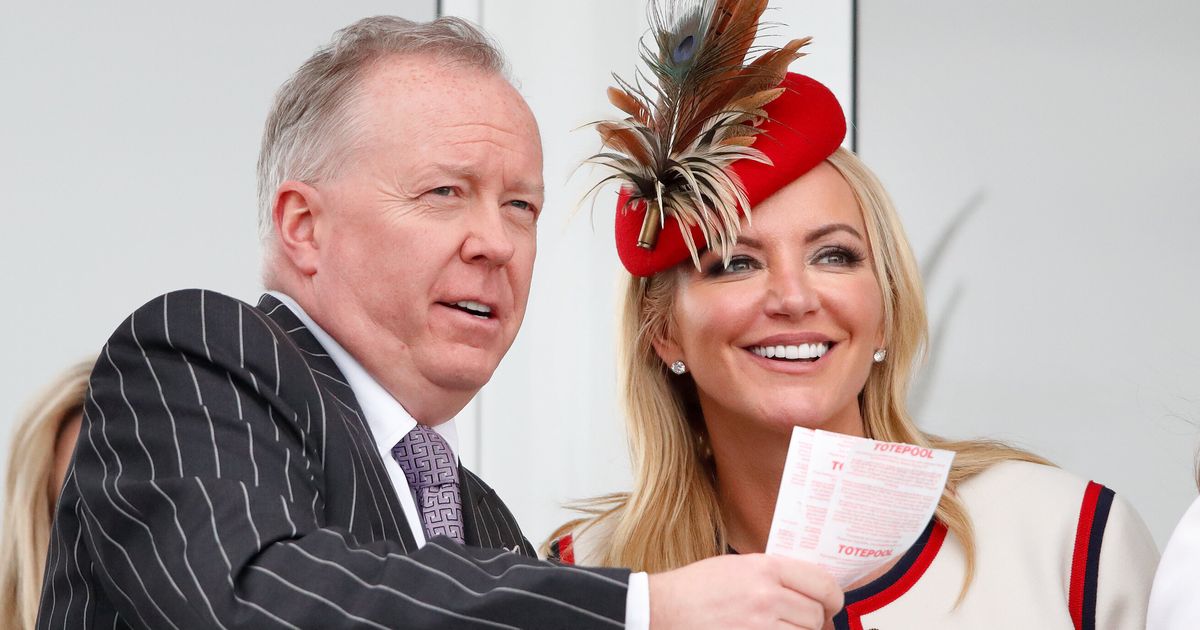
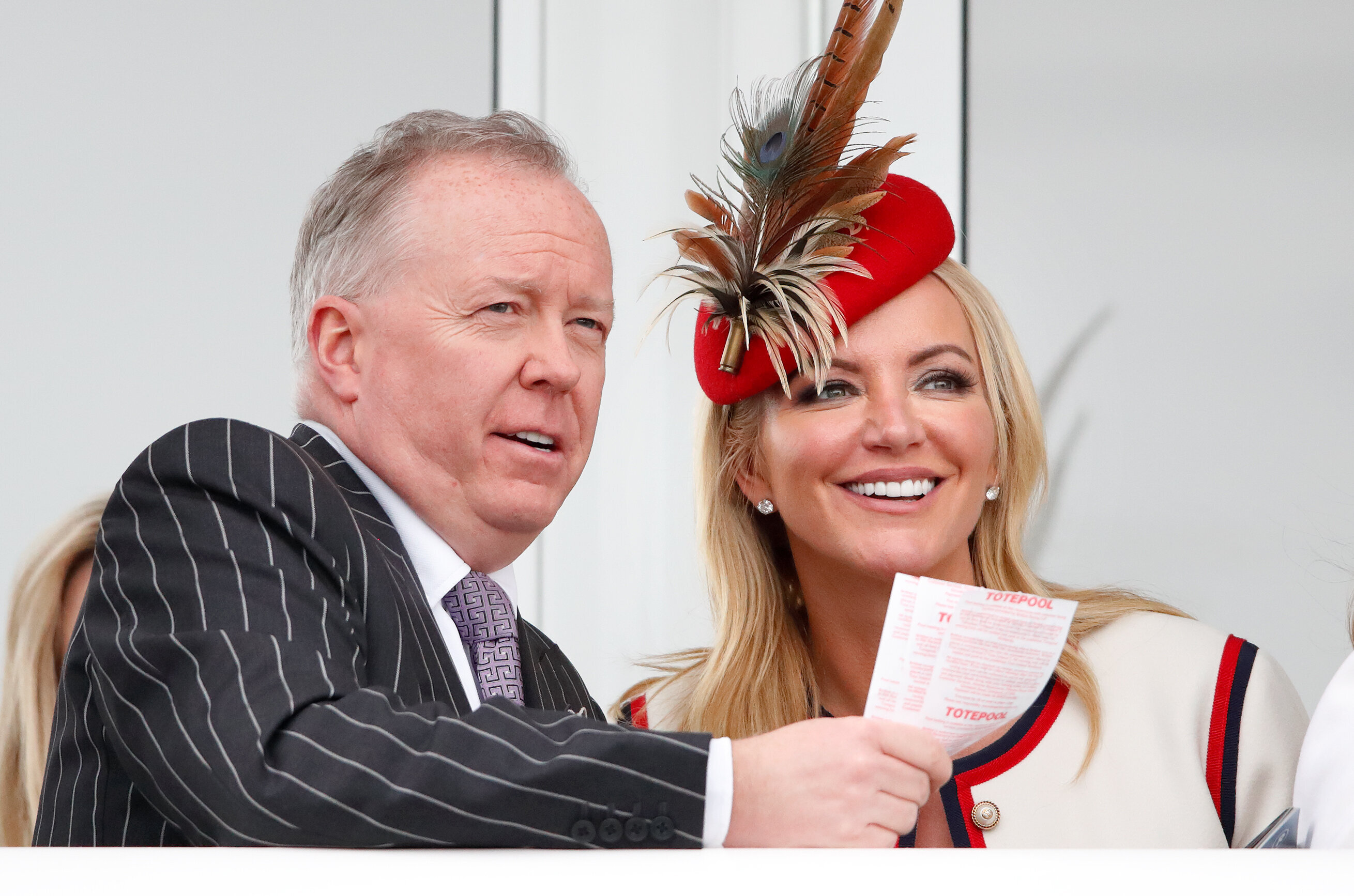
Michelle Mone Admits She Stands To Benefit From £60 Million PPE Profit

Michelle Mone has admitted she stands to personally benefit from a £60 million profit a consortium led by her husband made from providing personal protective equipment (PPE) during the pandemic.

The lingerie tycoon and Conservative peer had repeatedly denied to the press about her involvement in the controversy.

In an interview with the BBC’s Laura Kuenssberg today, Mone said she had “lied” to journalists protect her family.

Mone’s husband, Doug Barrowman, said his consortium, PPE Medpro, had agreed PPE contracts worth £202 million with the government following the Covid outbreak.

He said that had generated a £60 million profit, which is now held in a family trust.

The government is now suing PPE Medpro for breach of contract.

Asked why she had denied any involvement in the controversy, Mone said: “I wasn’t trying to pull the wool over anyone’s eyes, and I regret and I am sorry for not saying straight out ‘yes I am involved’ because [the Department of Health], the NHS, the Cabinet Office, they all knew of my involvement, but I didn’t want the press intrusion for my family.

“My family have been through hell with the media over my career and I didn’t want another big hoo-ha in the media.”

But Kuenssberg told her: “This wasn’t just a slip-up. You didn’t tell the truth for months on end.”

Mone replied: “I think if we were to say of anything we’ve done – we’ve done a lot of good – but if we were to saying anything that we have done that we are sorry for, and that’s we should have told the press straight up straight away, nothing to hide, and again I’m sorry for that. But I wasn’t trying to pull the wool over anyone’s eyes.”

Mone – who took a leave of absence from the House of Lords a year ago – insisted that the £60 million PPE profit is “not my money”, but her husband said: “If I die, one day in the future, she is going to directly benefit.”

Mone said: “If one day, if God forbid my husband passes away before me, then I am a beneficiary as well as his children and my children, so yes of course.”

She also claimed she and her husband have been used as “scapegoats” by the government.

“We’ve done one thing, which was to lie to the press to say we weren’t involved. No one deserves this.”

She added: “The only error that I have made is say to the press that I wasn’t involved.”

Elsewhere in the interview, the couple confirmed that they are under investigation by the National Crime Agency (NCA) over allegations of conspiracy to defraud, fraud by false representation, and bribery.

Lib Dem MP Christine Jardine demanded that Rishi Sunak strip Mone of the Tory whip in the House of Lords.

She said: “It is jaw-dropping that Michelle Mone has admitted lying to the country over this shameful PPE scandal and is now trying to play the victim card.

“She repeatedly denied she would make money from this contract, now it emerges she’s set to profit to the tune of millions.

“Rishi Sunak was too weak to withdraw the Conservative whip from Baroness Mone when this scandal emerged last year. He must finally do the right thing now.

“The Prime Minister should kick Michelle Mone out of the Conservative Party and withdraw the whip if she has the gall to return to the Lords.”

Share Button

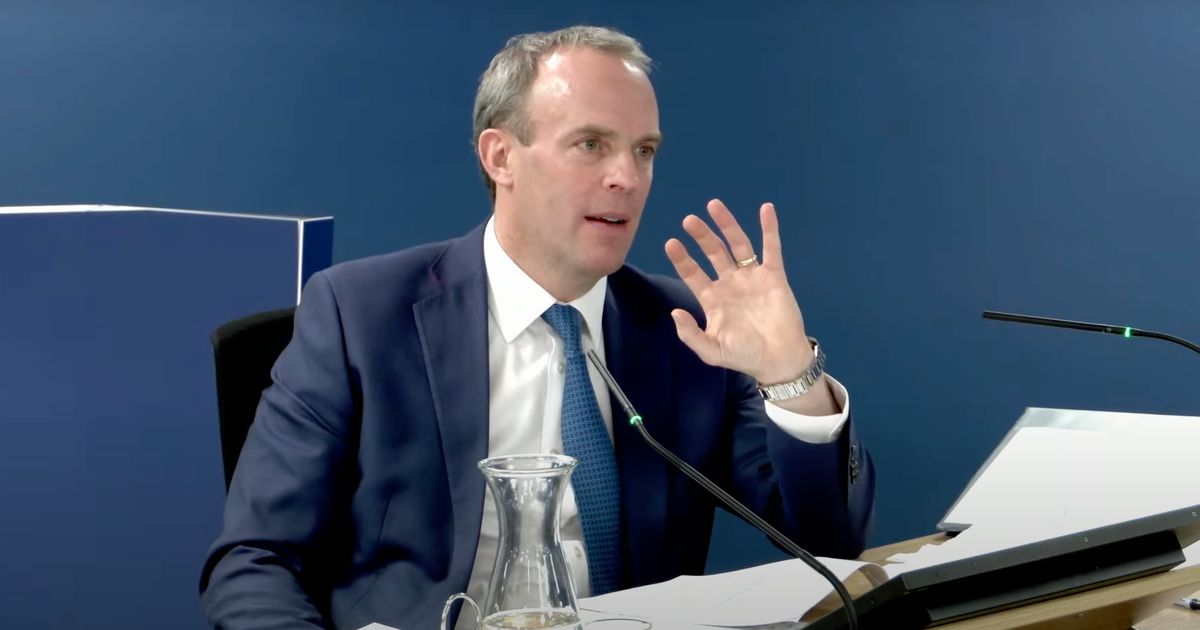
Dominic Raab Had ‘Five Minutes Notice’ He Was Taking Over Running The Country

Dominic Raab has said he was given “five minutes notice” that he was taking over the running of the country from Boris Johnson during the pandemic.

The former foreign secretary told the Covid inquiry on Wednesday he believed the government “did a reasonable job” during his time in charge.

He stepped up as de facto prime minister in April 2020 when Johnson was incapacitated due to being serious ill with Covid.

At the time, Raab was also first secretary of state, with Johnson having told him “you’ve got my back” if he ever became unable to do his job.

Raab revealed he was told by officials he would need to take charge moments after wrapping up one of the Downing Street daily press conferences on April 6.

“I was effectively told on five minutes’ notice,” he told the inquiry.

The chance Johnson could die triggered a crisis at the top of government and Raab said he needed to “steady the ship”.

“We actually did a reasonable job during that four, five weeks”, Raab said, thanks to “British pragmatism”.

Raab also said he was wary of imposing too much of his own will on the government while serving as interim-PM.

“I didn’t want anyone saying Dom Raab is enjoying this just a bit too much,” he said. “I wasn’t. I was there to do a job.”

“I was mindful of not looking like I was camping out in No.10 while my prime minister was ill-disposed.”

The Covid inquiry is still due to hear from Rishi Sunak, Johnson and Matt Hancock.

Share Button

Rishi Sunak Accused Of Saying ‘Just Let People Die’ During Covid

Rishi Sunak has been accused at the Covid inquiry of saying the government should “just let people die” during the pandemic.

The allegation against the prime minister is made in the diary of ex-chief scientific adviser Patrick Vallance.

Vallance made private notes every evening during the pandemic and these have been handed to the official inquiry.

In one entry dated October 25, 2020, Vallance recalls a meeting as arguments raged inside government over whether to impose second lockdown in England.

According to Vallance, Dominic Cummings told Boris Johnson in the meeting: “Rishi says just let people die and that’s okay.”

Vallance does not claim to have himself heard Sunak – who was then chancellor – make that comment.

Downing Street said it would not comment on the accusation. “The prime minister is due to give evidence before the inquiry at the time of their choosing. That’s when he’ll set out his position,” No. 10 said.

In his evidence on Monday, Vallance also said Sunak’s Eat Out To Help Out scheme “obviously” increased transmission of the virus.

The programme, which began in August 2020, cut the cost of food in order to encourage people to visit restaurants and other hospitality venues.

Asked if it had increased the number of deaths from Covid, Vallance said: “It is highly likely to have done so.”

He said: “I think it would have been very obvious to anyone that this inevitably would cause an increase in transmission risk, and I think that would have been known by ministers.”

Vallance said he had not been informed about the scheme before it was announced to the public.

The inquiry was shown a section of Sunak’s written evidence to the inquiry in which he denied government scientists warned against the programme.

“I do not. recall any concerns about the scheme being expressed during ministerial discussions, including those attended bye the CMO [chief medical officer Chris Whitty] and the CSA [chief scientific adviser Vallance]

Vallance also told the inquiry that Johnson was often “bamboozled” by Covid science and that Matt Hancock often said things that were not true.

Share Button

Boris Johnson Believed Old People Should ‘Accept Their Fate’ And Catch Covid

Boris Johnson wanted old people to “accept their fate” and catch Covid so that the young could get on with their lives, it has been revealed.

The former prime minister also suggested that he agreed with Tory MPs who believed the virus was “nature’s way of dealing with old people”.

The shocking revelations were contained in former chief scientific adviser Patrick Vallance’s diaries, which have been made public by the Covid Inquiry.

It also emerged yesterday that a former aide to Johnson believed the former PM had asked “why are we destroying the economy for people who will die anyway soon” in the early days of the pandemic.

Writing in his diary on August 28 2020, Vallance said: ”[Johnson] is obsessed with old people accepting their fate and letting the young get on with life and the economy going. Quite a bonkers set of exchanges.”

In a further entry on December 12 that year, said: ”[Johnson] says his party ’thinks the whole thing is pathetic and Covid is just nature’s way of dealing with old people – and I am not entirely sure I disagree with them.”

Lib Dem leader Ed Davey said: “This inquiry is painting a clear picture of a Conservative Party totally unfit to govern our country.

“Every shocking revelation is another devastating blow to the families who lost loved ones to Covid. It is hard to hear how badly Conservative ministers failed them, our NHS and our country.”

Natalie Grayson, national officer for care at the GMB union, said Johnson’s remarks “reveal the utter contempt his government showed to people living and working in care homes”.

“Care workers long suspected ministers were treating the lives of the elderly and vulnerable as less valuable than others,” she said.

“Emergency workers, care workers, residents and their families are the ones who have had to live with the trauma of the government’s failure. Boris Johnson is a disgrace.”

Share Button