The UK’s Coronavirus R Rate Has Risen Slightly This Week

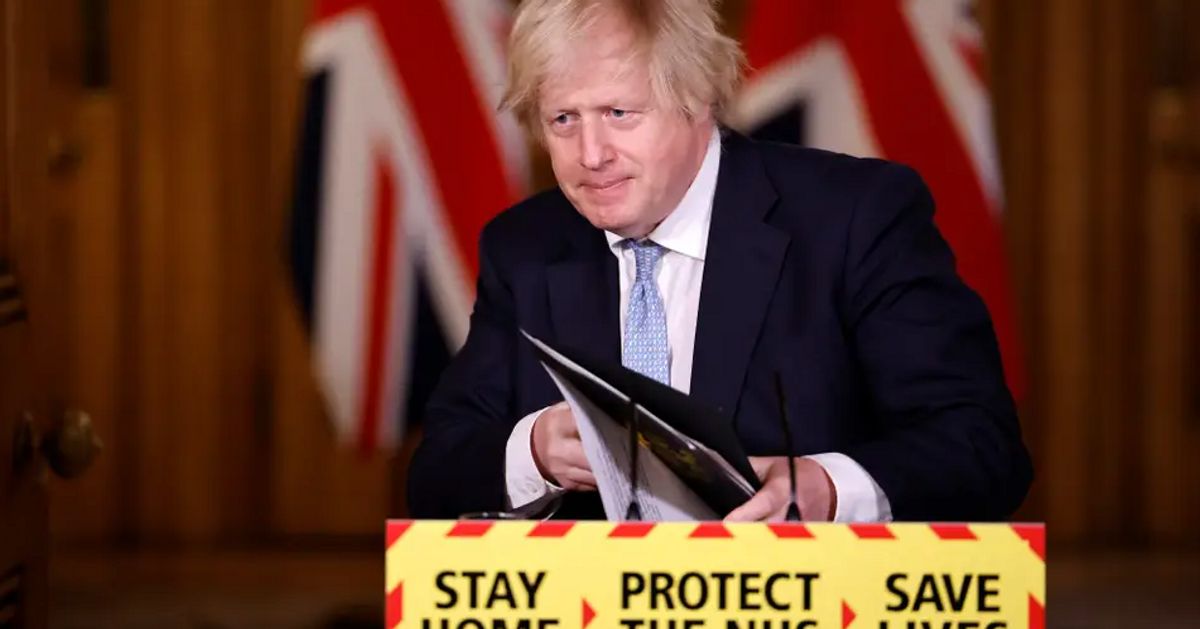
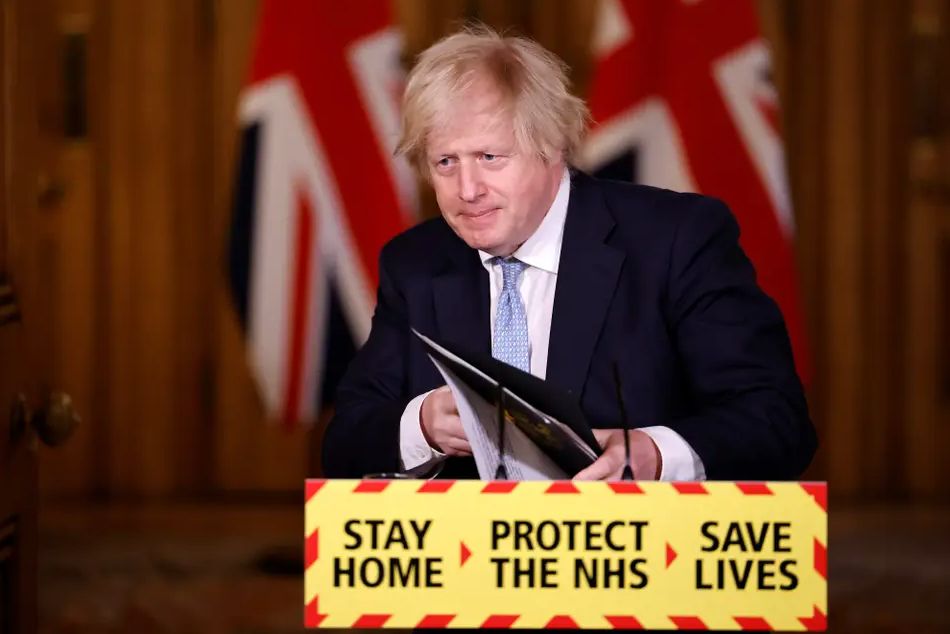
The UK’s Covid R rate has risen slightly to between 0.6 and 0.9, scientists advising the government have said.

Last week the estimated R rate was 0.6 and 0.8.

R measures the number of people, on average, that each sick person will infect.

If R is greater than 1 the epidemic is generally seen to be growing; if R is less than 1 the epidemic is shrinking.

The estimate was published on Friday and provided by the Scientific Advisory Group for Emergencies (Sage) and the Department for Health and Social Care (DHSC).

Here’s what the R rate is in each region of England

In England, the R rate is 0.7 to 0.8.

Regionally it is as follows:

East of England – 0.6 to 0.9 (up from 0.6 to 0.8 last week)

London – 0.6 to 0.9 (up from 0.6 to 0.8)

Midlands – 0.6 to 0.9 (up from 0.6 to 0.8)

North-east and Yorkshire – 0.7 to 0.9 (no change)

North-west – 0.7 to 0.9 (no change)

South-east – 0.7 to 0.9 (up from 0.6 to 0.8)

South-west – 0.6 to 0.9 (up from 0.5 to 0.8)

Here’s what the R rate is in the devolved nations

In Scotland the latest figures estimate the R rate is between 0.7 and 1.0, last week it was between 0.6 and 0.8.

In Wales it is believed to be between 0.6 and 0.8, last week it was between 0.7 and 0.9.

And in Northern Ireland, the R is estimated to be between 0.9 and 1.1, last week it was between 0.75 and 0.95.

Share Button

Government Defeated Again Over Cladding Scandal In Lords Vote

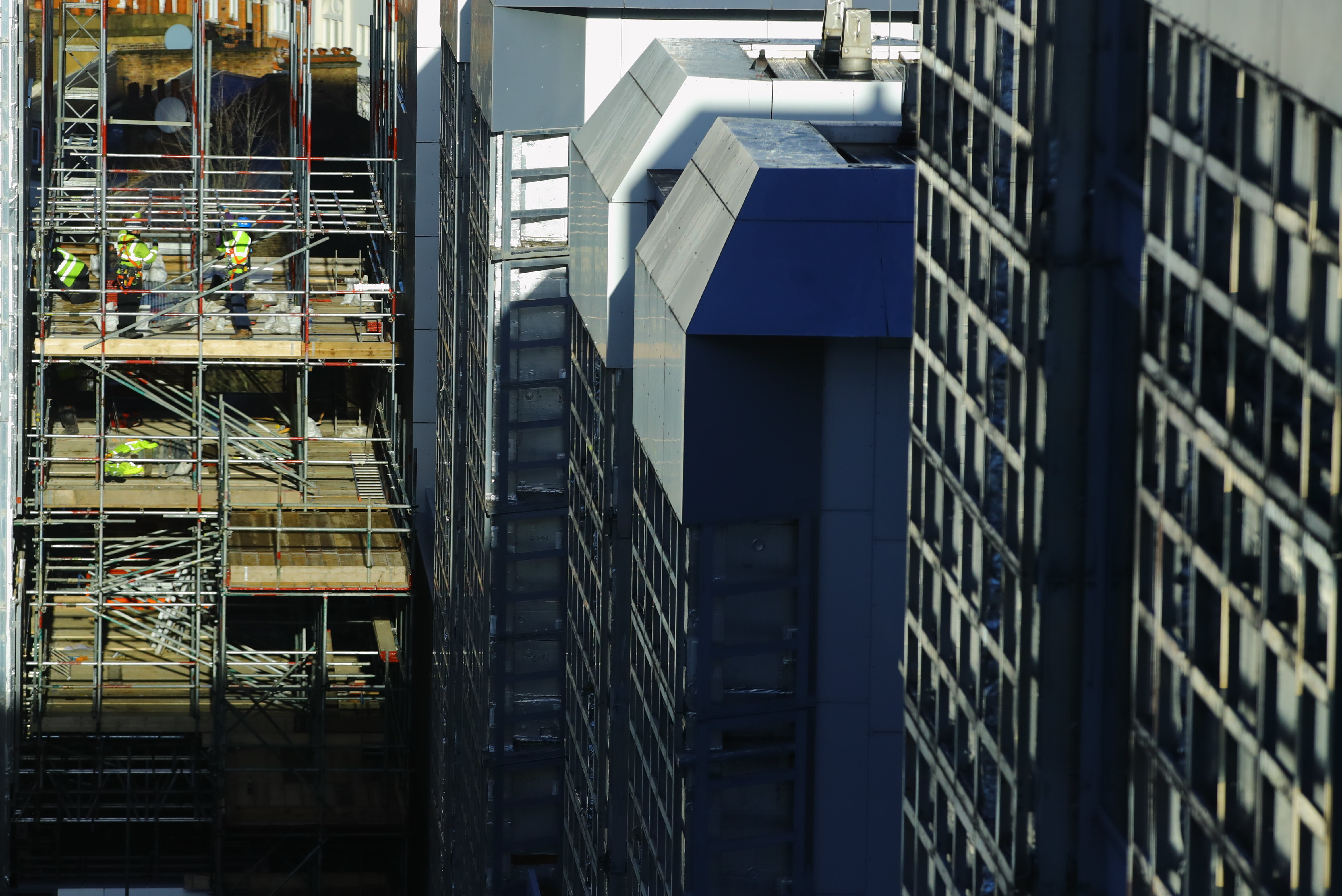
The government has been defeated again over the cladding scandal as peers backed a fresh bid to ensure flat owners do not have to pay for fire safety work.

The House of Lords passed an amendment to the fire safety bill proposed by the Lord Bishop of St Albans, Alan Smith, by 326 votes to 248, to ensure leaseholders do not have to pay for the removal of unsafe cladding from homes.

It sets up a fresh headache for Boris Johnson in the Commons, where Tory MPs are threatening to rebel over what they see as unfair costs being passed to homeowners to fix historic fire safety defects identified after the Grenfell Tower disaster.

Thousands of people living in flats cased in combustible cladding face huge bills after the Grenfell fire revealed major flaws in medium- and high-rise buildings’ fire-safety.

Housing secretary Robert Jenrick last month attempted to defuse the row by promising £3.5bn of cash to help homeowners.

But he was accused of “betrayal” of leaseholders as it was revealed the plans would force some leaseholders into taking out loans.

The money will only pay for the removal of cladding in buildings over 18 metres high. 

People living in buildings below that height will have to take out loans, wiping thousands of pounds off the value of their homes.

Leading Tory rebel MP Stephen McPartland said the government defeat was “brilliant news”.

He told HuffPost UK: “The amendment protects leaseholders from paying for historic fire safety costs and retains the status quo in the Fire Safety Reform Order 2005.

“Leaseholders, action groups and supporters of the amendment do not want the taxpayer to pay – we want those responsible to pay, and only the government has the power to provide the funds up front and then levy those responsible to pay them back.

“The focus is now on to persuade the government to work with us and leaseholders to find a compromise that protects leaseholders from paying for historic fire safety costs.”

Smith told the Lords that ministers had not addressed the “severe adverse financial consequences that this bill will create for leaseholders”, and that ministers were “morally wrong in their treatment of leaseholders in this crisis”.

He said freeholders would be able to force leaseholders to reimburse “staggering” costs for fire safety work that need to be carried out through no fault of their own. 

The bishop told the Lords: “Far from the government’s estimated remedial costs of around £9,000 per leaseholder depending on the terms of the lease and the work involved, a leaseholder could very easily be handed a bill of £50,000 payable within weeks.”

Citing a survey by Inside Housing, he said many of those affected are already seeking bankruptcy options.

“How can this be fair? How can this be just?” he said.

“It’s not the leaseholders who sold defective cladding.

“It was not leaseholders who fitted defective cladding.

“Leaseholders are the innocent party – they purchased their properties in good faith, believing them to be safe.

“And if this bill passes unamended, it is they who will pay.

“Not the cladding providers, not the developers, but hardworking ordinary people, forced to pay for defects that were deemed safe when they purchased their apartments.”

He added: “By not including sufficient provision to protect leaseholders, a conscious decision would be made to impose poverty, possibly bankruptcy, and certainly misery on thousands of ordinary people – people whose only crime was being aspirational.

“Those responsible should be the ones who pay.”

Labour housing spokesperson Lord Kennedy of Southwark, who backed the amendment, said: “The leaseholders are victims and have done nothing wrong.

“They deserve to be treated much better than they have been by the government.

“They have done everything right, they have bought their property and are paying their mortgage and are being penalised for the failure of others.

“Surely that cannot be right.

“The fact that their building has been covered in dangerous cladding has made their flats worthless – they cannot sell them but they are still expected to pay their mortgage and other charges.”

The bill will now return to the Commons for further consideration in another round of parliamentary ping-pong.

Share Button

No.10 Awkwardly Dodges Questions About Whether Boris Johnson Wanted To ‘Ignore’ Covid

Ian West/PA

Prime minister Boris Johnson

Downing Street has awkwardly dodged a string of questions about claims that Boris Johnson said ignoring Covid would be “the best thing” early in the pandemic.

The prime minister’s spokesperson ignored every opportunity to contradict the claims made in a bombshell BBC report, which also says cabinet ministers felt the PM should have installed a tougher lockdown last autumn to save more lives.

The documentary further claimed Johnson’s aides explicitly advised him to tell the public to stop shaking hands – despite which he boasted about shaking hands with hospital staff during an early press conference.

The PM’s spokesperson was asked four times on Tuesday about the central claim that Johnson was overheard saying at the start of the pandemic that “the best thing would be to ignore it”.

The BBC says he repeatedly warned that an overreaction could do more harm than good.

The spokesperson refused to deny the words had been said. “I would point back to what the prime minister said and set out at the time. It has always been our focus to reduce the cases of transmission, to protect the NHS and to ultimately protect lives.

“That’s what we did when we first locked down the country last year and that’s what we have sought to do throughout the pandemic.”

Put to him that he was not denying the allegation, the spokesperson said: “I’m pointing out that throughout the pandemic what we have done is do what we think was the best course of action in terms of protecting lives and in terms of protecting the NHS. That has been our focus throughout the pandemic.”

One source told the BBC’s Laura Kuenssberg there was a “lack of concern and energy” in No.10 as the virus began to hit the UK. “The general view was it is just hysteria. It was just like a flu.”

The BBC also quoted an unnamed cabinet minister’s frustration with the PM’s unwillingness to tighten restrictions in September as a second wave of infections began to appear.

“We knew there was going to be a second wave and there was a row about whether people should work from home or not – it was totally ridiculous,” they said.

No.10 also tried to dodge questions about a Daily Telegraph report saying the role of the Sage advisory committee of scientists would be “reviewed” after the pandemic, because they hold “too much sway” over ministerial decisions.

“We’ve said previously, there will be a time in the future to look back and analyse and reflect on all aspects of the pandemic,” the spokesperson said.

“But Sage continues and will continue to provide scientific evidence and information to the prime minister, the health secretary, and to the wider government as we move through implementing the roadmap.”

Share Button

Tories Get Polling Boost From Over-55s Who Have Had Covid Jab

Boris Johnson’s “vaccine bounce” is being driven by the over-55s who have so far been given the Covid jab, according to new polling analysis.

A study of Savanta/ComRes surveys by polling expert Lord Hayward found that the Tories’ opening up of a seven-point lead over Labour almost exactly mirrors the age-related rollout of the vaccination programme.

And crucially, the older generations are more likely to vote in the coming set of “super Thursday” local elections on May 6.

The Conservatives are hoping that the vaccine effect, together with Johnson’s personal popularity in the north and midlands, could combine to protect them from heavy losses in key councils in Lancashire, Nottinghamshire and Derbyshire.

Keir Starmer is pushing the government’s planned 1% pay cap for NHS nurses as a key theme of Labour’s local election campaign.

The UK has one of its largest ever sets of elections in May, with polls postponed last year by the pandemic combining with planned contests to allow the first nationwide verdict on the main parties since the 2019 general election.

As well as county, district and city elections, there will be votes for eight London and metro mayors, and for the Scottish and Welsh parliaments.

Hayward said that the age differential of those switching support to the Tories was notable, given how the party had been neck and neck with Labour in early December but is now up to seven points behind across several polls.

“It is the older generations who have moved most markedly to the Conservatives. Basically the cohort from [the age of] 54 upwards.

“Now the significant thing is, they are the people who vote in local elections. So not only has that group moved towards the Conservatives, or has the population moved towards the Conservatives, but the people who’ve moved most towards the Conservatives are actually the people who vote generally.”

He went on: “It is quite noticeable. It was first of all the age group from 64 upwards that moved. There’s some sign now that the 55-year-old and upwards are also moving.

“And interestingly enough, they are the people who have received their vaccinations. So there’s clearly an element of ‘vaccine bounce’. I think it goes hand in hand. I don’t think it’s chance.”

More than 90% of pensioners have had their first dose of the Covid vaccine. Everyone aged 55 and over has already been notified they are eligible for vaccination, with some projections suggesting that everyone over 50 could be jabbed by the end of this month. It could take until the end of June to give a first dose to every adult over 18.

Hayward, the pollster who first coined the phrase “shy Tories” to explain John Major’s surprise 1992 victory, said the prime minister could be further assisted by each stage of the exit from lockdown restrictions in the weeks before the May polling day.

But he cautioned that other polling evidence showed concerns about Covid were receding notably since January and it was possible that its salience overall as an electoral issue could diminish in coming weeks as a result.

In a normal year, Labour would be expected to make substantial gains in the local elections, not least as the Tories had impressive seat holds or gains in 2016 and 2017, the baseline for this year’s contests.

Yet in key “red wall” areas that Boris Johnson won at Westminster level in 2019, there are signs that his personal popularity has increased. There are marked regional differences, with the PM’s popularity still very low in London but actually healthy in the north, the new analysis said.

The Tories will be heartened by another poll on Monday, with an IpsosMORI/Evening Standard survey finding a surge in economic optimism. For the first time since 2015, slightly more people think things will improve over the coming year than think they will get worse.

Share Button

Sarah Everard’s Mourners Will Not Be Cowed By A Crackdown On Protests

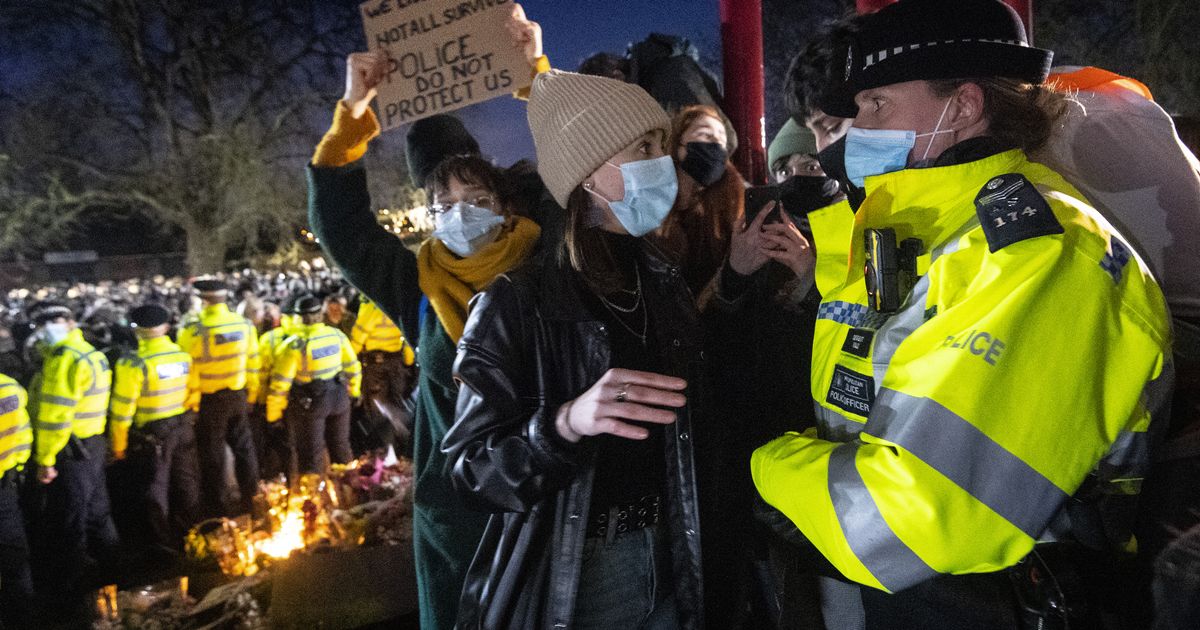
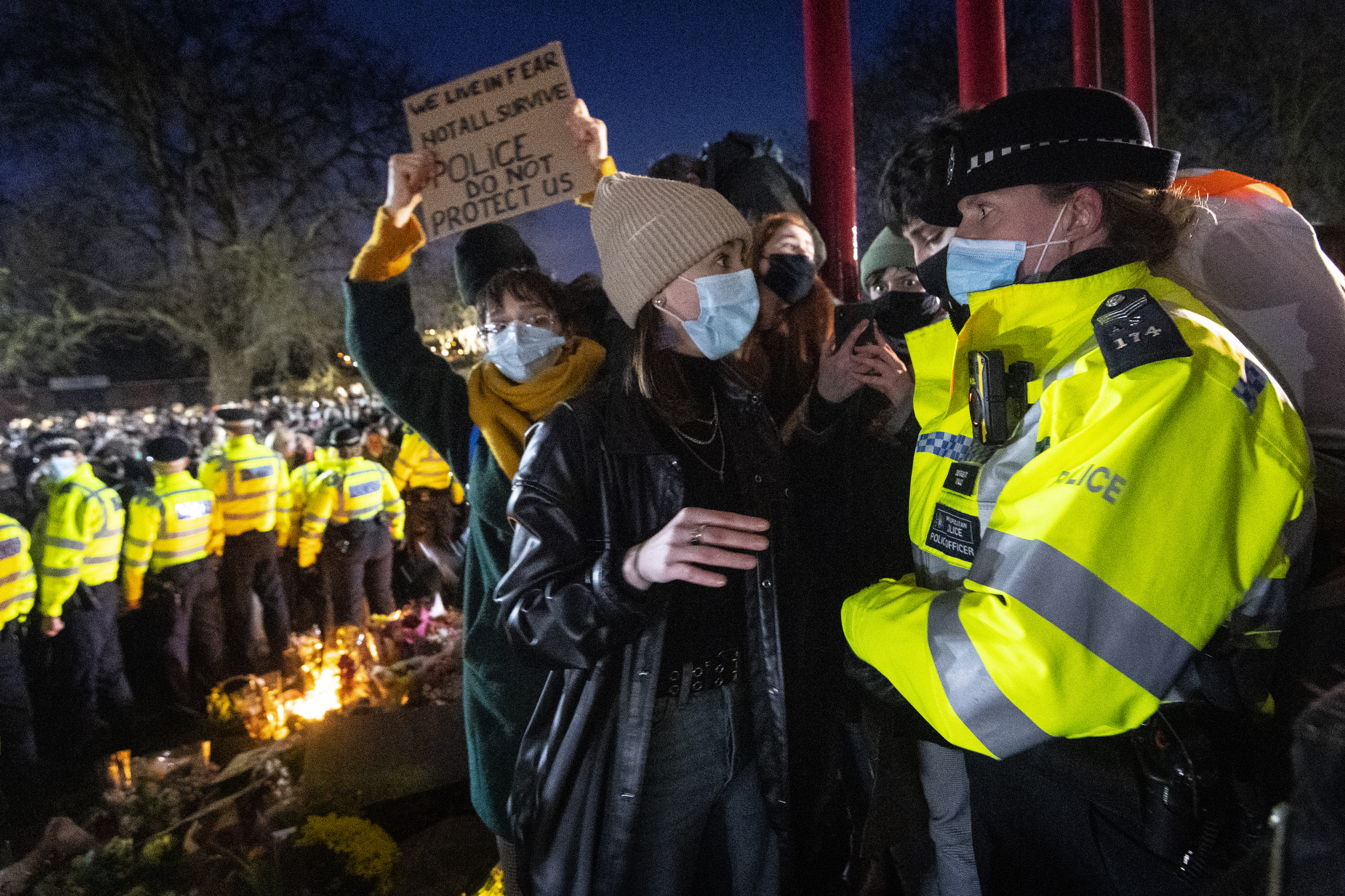
The scenes from Clapham Common on Saturday evening were horrific by anyone’s standards. The sight of Met Police officers trampling flowers lain in remembrance, dragging away and pinning to the floor women attending a vigil would be stomach churning under normal circumstances. But these are not normal circumstances.  

That a vigil held in the wake of the horrific murder of Sarah Everard should descend into such horror, allegedly at the hands of an officer of the same police force, shames us all. But whilst the fallout from this shameful episode and the calls for Cressida Dick’s resignation will ring out clearly in the next few days and weeks, we must organise against the next assault on our liberties.

There is no doubt that Cressida Dick should resign. No justification exists for the scenes on Clapham Common but this will not solve the underlying issue. 

This week the police, crime, sentencing and courts bill come before the House of Commons. This hurried piece of legislation is wide ranging and contains many parts to it which appear fairly benign. Sadly, there are some dangerous aspects to the bill too. At the heart of it lies the dangerous and dark curbs on protest. It is a cruel quirk that commissioner Dick has penned an accompanying statement to the legislation.  

It is why the illusionists in government have been so keen to provoke a culture war. To try to divide those usually opposed to them into opposing camps

One might question why a government riding so high in the polls would seek to further neuter dissenting voices. But after presiding over a response to the Covid pandemic, which has seen us suffer the world’s worst death tolls and amongst the most disastrous financial slumps, they are aware their hold on power is built on sand.

It is why the illusionists in government have been so keen to provoke a culture war. To try to divide those usually opposed to them into opposing camps. Those protesting the brutality that people of colour suffer, or against the destruction of our planet, are branded extremists. 

It is in this framing that the bill, in front of the Commons this week, is presented. In doing so the government are seeking consent from those who may have been conditioned to believe that the aforementioned groups should have draconian measures implemented upon them, whilst hoping they do not realise that the same legislation would have much farther-reaching consequences. What they appear not to have bargained for is something so shocking as Saturday’s events coming before the legislation could pass.

Saturday’s shameful scenes put protesters and the government on a collision course. This time, as ever, it is the protesters who are on the side of the angels

The history of protest is littered with events that have changed history, where people who have demanded change we now see as common, sense they have been demonised for daring to ask. The suffragettes, civil rights movement and trade unionists through the ages have all been forced through fighting for what is right, onto the wrong side of the law. Should the government do so again, protests will not stop – criminalising protest never ends well. 

As a young miner on strike during the 1984-85 dispute I saw first-hand how politically enabled state apparatus could be turned on hardworking communities for opposing the government’s regressive agenda. As a representative of those communities who suffered so much as a result, I will never bow to the authoritarianism embodied by this government. I am very pleased that the Labour frontbench see the dark turn at the heart of this legislation and will be whipping to oppose.

Like those giants who have protested before them, the women mourning Sarah Everard and demanding change will not be cowed into submission by a legal framework intent on silencing them. Saturday’s shameful scenes put protesters and the government on a collision course. This time, as ever, it is the protesters who are on the side of the angels.

Ian Lavery is the Labour MP for Wansbeck and former party chair.

Share Button

Boris Johnson Lies About Labour Voting Against Nurses’ Pay Rise

Press Association

Prime minister Boris Johnson

Boris Johnson has refused to apologise after falsely claiming Labour voted against a pay rise for nurses. 

The prime minister, who is under fire for his offer to give hard-pressed NHS staff a 1% pay rise, had claimed that Keir Starmer’s party had opposed earlier government plans to give health workers a 2.1% hike. 

The move, part of the NHS funding bill, was never put to a vote but Johnson’s aides have rejected calls for the PM to say sorry or even correct his mistake. 

During prime minister’s questions on Wednesday, Johnson told MPs: “The last time we put it to a vote, he (Starmer) voted against it.” 

Shadow health secretary Jonathan Ashworth raised a point of order with Commons speaker Lindsay Hoyle after the session. 

He said: “The prime minister twice from that despatch box said that the Labour opposition voted against the NHS Funding Bill and the 2.1% increase for NHS staff – this is not the case.

“Indeed, in the debate, as Hansard will show, I was explicit that we would not be dividing the House.” 

Hoyle ruled that it was “certainly a point of clarification” but by that point Johnson had left the chamber. 

Johnson’s press secretary Allegra Stratton, who later faced questions from journalists, refused to offer any apology from the PM. 

She said: “The speaker addressed it in the House immediately after the shadow health secretary and the speaker regarded it as a point of clarification, and he regarded it as having been dealt with.” 

Pressed more than 10 times on whether Johnson would accept he was wrong about claiming there was a vote, Stratton repeated the line and said simply said it was “appropriate” for the speaker to clarify the point. 

She insisted that Johnson was “concerned about the truth of these matters”, she added “it would be difficult if the speaker had not addressed it”. 

Asked about the ministerial code, which says government ministers should correct any error “at the earliest opportunity”, Stratton insisted that “the system worked”, suggesting the speaker corrected the mistake. 

During PMQs, Johnson hinted nurses may be in line for a bigger rise than the 1% proposed by the government. 

Labour has called for a larger rise for all NHS staff and has demanded the government put plans to a vote. 

Share Button

Boris Johnson ‘Too Busy’ To Take Parental Leave But Aide Insists PM Is A ‘Feminist’

Boris Johnson will be too busy to take paternity leave to look after his son Wilf – but the prime minister’s aides insist he is a feminist. 

The PM’s press secretary Allegra Stratton also said Johnson accepts his cabinet, overwhelmingly made up of men, does not represent “the public at large” and that he plans to promote women in future. 

Johnson had a child with his partner Carrie Symonds last April but Stratton said the PM has a “huge workload” and will not be taking leave. 

She told reporters on Monday, which marks International Women’s Day: “He is the prime minister and he works a very long day, he has a huge workload and I don’t think he will be taking paternity leave.”

Of the 26 senior ministers attending cabinet, just six are women, and last week Johnson replaced attorney general Suella Braverman, who is taking maternity leave, with Michael Ellis, a move equalities committee chair Caroline Nokes called “disappointing”.

Hinting at an impending reshuffle, Stratton said: “We know that there is improvement to come in the years ahead when he – who knows when this comes – when we have promotions to cabinet.

“He does accept that he would like to improve how representative his cabinet is of the population at large.”

Press Association

Prime minister Boris Johnson

Stratton said Johnson had described himself as “a feminist” during a meeting with female Tory MPs. 

She was pressed on numerous articles Johnson has written describing women in a derogatory way, including calling women “fickle”. 

One Spectator article saw Johnson describe the children of single mothers “ill-raised, ignorant, aggressive and illegitimate”.

Stratton said it was “not unreasonable” to ask questions about Johnson’s previous journalism but insisted “the PM is leading the charge” on changing workplaces for women. 

She also referenced more female Tory MPs being elected in December 2019 and said the only two female PMs the UK had had were Conservatives. 

“There is room for improvement and progress always on many fronts but actually the Conservatives’ record here is not bad,” she said. 

Johnson on Monday hosted a virtual roundtable with nine female business leaders. 

The PM’s official spokesperson said: “The prime minister has said on numerous occasions that the contribution that women make to the economy is crucial, which is why we provided an unprecedented offer of support to help those sectors they most likely to be employed in.” 

Stratton added that during the meeting, he was interested in hearing about more men taking paternity leave. 

She said: “Lastly but not least, he was interested to hear on what they had to say about whether enough dads take time off to look after their children.” 

Share Button

Boris Johnson Defends 1% NHS Pay Rise By Saying Times ‘Tough’

Press Association

Prime minister Boris Johnson

Boris Johnson has claimed ministers gave NHS workers “as much as we can” as the angry backlash over the government’s proposed 1% pay rise offer continues. 

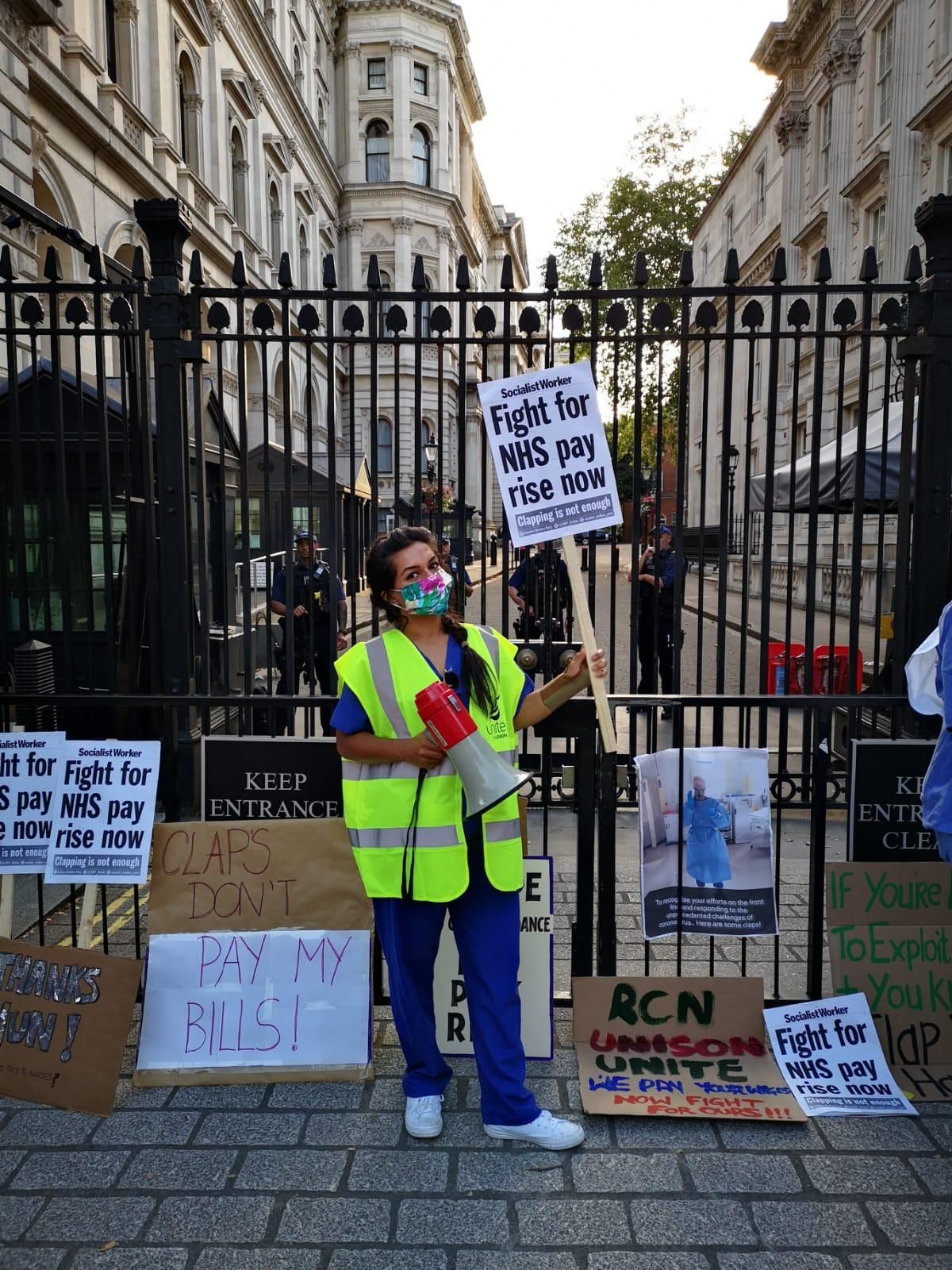
Speaking on a visit to a vaccination centre in Brent in north London, the prime minister would not be drawn on whether he would perform a U-turn over the proposed hike in pay for healthcare staff, who have been on the frontline during the Covid pandemic

Nurses and other staff who could be affected by the “insulting” rise were preparing to protest outside Downing Street, in London, and in Manchester, on Sunday afternoon. 

Pressed on the issue, Johnson said: “I’m massively grateful to all NHS staff and indeed to social care workers who have been heroic throughout the pandemic.

“What we have done is try to give them as much as we can at the present time.

“The independent pay review body will obviously look at what we’ve proposed and come back.” 

Asked if ministers could be forced into a U-turn over the pay offer, which is being looked at by an independent pay review board, Johnson said: “Don’t forget that there has been a public sector pay freeze, we’re in pretty tough times.

“We’ve tried to give the NHS as much as we possibly can and that means, in addition to the £140 billion of annual money, we’ve got another £62 billion we’ve found to help support the NHS throughout the crisis.

“My gratitude is overwhelming and I’m so grateful particularly to the nurses, and thankfully we are seeing more nurses now in our amazing NHS – there are 10,000 more nurses this year than there were last year.”

Speaking earlier on Sunday, education secretary Gavin Williamson said the offer was “part of a process”, suggesting the government could rethink the rise. 

Shown a video of prime minister Boris Johnson and Sunak clapping for carers during the pandemic, as hospitals and care homes were struggling to cope with the pandemic, BBC One presenter Andrew Marr put it to Williamson that the minuscule hike was “frankly an insult” to staff. 

“What we are having to deal with is incredibly challenging economic circumstances,” the education secretary said. 

Press Association

Ministers have offered NHS staff a 1% pay rise

“We have put forward a proposal. We have put forward what we believe that we can afford and it’s part of a process and that will sort of be looked at.

“But really, our focus is on making sure we recover from this pandemic.”

Pressed on a possible U-turn, he added: “We’ve stated that this is very much part of the process – what the government has put forward has been passed to an independent review.”

The “insulting” pay rise, reportedly insisted on by chancellor Rishi Sunak’s Treasury department, has provoked widespread anger. 

The British Medical Association (BMA), the Royal College of Midwives, the Royal College of Nursing and Unison have said in a letter to ministers that the pay deal “fails the test of honesty and fails to provide staff who have been on the very frontline of the pandemic the fair pay deal they need”.

The letter adds: “Our members are the doctors, nurses, midwives, porters, healthcare assistants and more, already exhausted and distressed, who are also expected to go on caring for the millions of patients on waiting lists, coping with a huge backlog of treatment as well as caring for those with Covid-19.”

Shadow foreign secretary Lisa Nandy said it was “reprehensible” for ministers not to recommend putting NHS pay up by more than 1%.

The senior Labour politician told Sky News” “The government, to be clear, is not planning a pay rise.

“That is a real-terms pay cut because it doesn’t keep up with inflation and for nurses to be offered a pay cut is just reprehensible in our view.

“In the NHS long-term plan, the government budgeted for a 2.1% pay rise – that is what nurses were promised and last year they legislated for that in order to give nurses a cast-iron guarantee that after years of seeing their real-terms pay fall, that the Government would finally reverse that decision and start to see their pay increase.

“We think they ought to go into these negotiations at a bare minimum of honouring that promise of a 2.1% (increase) and then consider what more they can offer to our NHS staff who have done so much to put their families and themselves at risk every day going into work – some of them have died.”

Share Button

Boris Johnson Says Tough Border Controls Introduced ‘As Fast As We Could’

Boris Johnson has said he moved “as fast as we could” to impose strict border controls, as health officials hunt for a person in the UK infected with a Brazil variant of Covid.

The prime minister said the government’s hotel quarantine programme, introduced on February 15, was “a very tough regime”.

The variant, known as P1, was first identified on January 10 in people arriving in Japan from Brazil and is thought to have originated in the Brazilian city of Manaus.

On January 14 the government banned travel to the UK from Brazil and other South American countries.

British nationals were still allowed to return but had to isolate for 10 days at home.

On January 27, the government announced plans to force arrivals from a “red list” of 33 countries, including Brazil, to quarantine in hotels.

But it did not come into force until 19 days later.

Public Health England (PHE) has found six UK cases of the P1 variant in the UK.

But one of the infected people, who was thought to have been tested on February 12 or 13, has yet to be identified. 

Asked on Monday if the government had been too slow to implement quarantine hotel measures. Johnson said: “I don’t think so, we moved as fast as we could to get that going.

“It’s a very tough regime. You come here, you immediately get transported to a hotel where you are kept for 10 days, 11 days.

“You have to test on day two, you have to test on day eight, and it’s designed to stop the spread of new variants while we continue to roll out the vaccination programme.

“We don’t have any reason at the present time to think that our vaccines are ineffective against these new variants of all types.”

The prime minister said PHE did not think the cases of the variant were a “threat to the wider public”.

Nick Thomas Symonds, Labour’s shadow home secretary, said the situation showed “unforgivable incompetence” from the government. 

“Despite being warned time and time again, they have failed to act to protect our borders against emerging Covid variants and could put at risk the gains from the vaccine,” he said.

“People will be appalled to hear someone with the Brazilian variant cannot be identified, raising questions about how many others may have been missed by quarantine measures.

“There is no excuse for continuing to ignore Labour’s call for a comprehensive hotel quarantine system.”

Labour has demanded a blanket approach that would see all arrivals placed into hotel quarantine, not just those from a limited number of countries.

MPs were told last week that only 1% of people arriving in the UK every day are required to isolate in hotels

Share Button

Kenneth Branagh’s First Picture In Character As Boris Johnson Is Spookily Uncanny

If you thought Boris Johnson’s Spitting Image puppet was uncanny, just wait until you see Kenneth Branagh as the prime minister. 

Sky has unveiled a picture of the actor in character as the PM for new drama This Sceptred Isle, and it’s fair to say he bears more than a passing resemblance to Boris. 

Admittedly, Kenneth’s blond wig looks a little less unkempt than the PM’s in recent weeks, thanks to the closure of hairdressers.

Sky

Kenneth Branagh as Boris Johnson

Filming has just commenced on This Sceptred Isle, which will focus on the events in government as the UK faced the first wave of the coronavirus pandemic. 

Written by Michael Winterbottom and Kieron Quirke, it is based on the first-hand testimony of people from all walks of life; from Number 10, the Department of Health, The Scientific Advisory Group for Emergencies (SAGE), and from hospitals and care homes across the country.

Getty

Kenneth and the real Boris Johnson

Speaking about the series, Winterbottom said: “The first wave of the Covid-19 pandemic will be remembered forever. A time when the country came together to battle an invisible enemy. A time when people were more aware than ever of the importance of community.

“Our series weaves together countless true stories – from Boris Johnson in Number 10 to front line workers around the country – chronicling the efforts of scientists, doctors, care home workers and policy makers to protect us from the virus.”

This Sceptred Isle is expected to premiere on Sky Atlantic and NowTV in the autumn. 

Share Button