Donald Trump has reportedly picked a name for the new ballroom that will replace the East Wing of the White House, and it’s a true measure of his humility.
Katherine Faulders, ABC’s managing editor in Washington, posted on social media Friday that “Trump will likely name the new $300 million ballroom after himself,” and cited senior administration officials as her source.
“Already, officials are referring to it as “The President Donald J. Trump Ballroom” and that name will likely stick,” she added.
When reached for comment, White House Spokesman Davis Ingle told HuffPost: “Any announcement made on the name of the ballroom will come directly from President Trump himself, and not through anonymous and unnamed sources.”
Some people thought another person near and dear to Trump would be a better name on the ballroom.
Others speculated on what might happen to the ballroom after Trump leaves office.
HuffPost turns 20 this year. To celebrate, we’re looking back at some of our most iconic work — the pieces that shocked us, surprised us and truly made us see the world in a different way. Take a look below. And if you have an all-time favourite story we’ve published over the years, share it in the comments!
I Don’t Know How To Explain To You That You Should Care About Other People
By Kayla Chadwick
@SpeakerRyan
Advertisement
Like many Americans, I’m having politics fatigue. Or, to be more specific, arguing-about-politics fatigue.
I haven’t run out of salient points or evidence for my political perspective, but there is a particular stumbling block I keep running into when trying to reach across the proverbial aisle and have those “difficult conversations” so smugly suggested by think piece after think piece:
I don’t know how to explain to someone why they should care about other people.
FML: Why Millennials Are Facing The Scariest Financial Future Of Any Generation Since The Great Depression
By Michael Hobbes
We’ve all heard the statistics. More millennials live with their parents than with roommates. We are delaying partner-marrying and house-buying and kid-having for longer than any previous generation. And, according to The Olds, our problems are all our fault: We got the wrong degree. We spend money we don’t have on things we don’t need. We still haven’t learned to code. We killed cereal and department stores and golf and napkins and lunch. Mention “millennial” to anyone over 40 and the word “entitlement” will come back at you within seconds, our own intergenerational game of Marco Polo.
This is what it feels like to be young now. Not only are we screwed, but we have to listen to lectures about our laziness and our participation trophies from the people who screwed us.
Dying To Be Free: There’s A Treatment For Heroin Addiction That Actually Works. Why Aren’t We Using It?
By Jason Cherkis
The last image we have of Patrick Cagey is of his first moments as a free man. He has just walked out of a 30-day drug treatment center in Georgetown, Kentucky, dressed in gym clothes and carrying a Nike duffel bag. The moment reminds his father of Patrick’s graduation from college, and he takes a picture of his son with his cell phone. Patrick is 25. His face bright, he sticks his tongue out in embarrassment. Four days later, he will be dead from a heroin overdose.
‘For The Record, I Am Not Pregnant. What I Am Is Fed Up’
By Jennifer Aniston
Michael Buckner via Getty Images
Let me start by saying that addressing gossip is something I have never done. I don’t like to give energy to the business of lies, but I wanted to participate in a larger conversation that has already begun and needs to continue. Since I’m not on social media, I decided to put my thoughts here in writing.
Advertisement
For the record, I am not pregnant. What I am is fed up. I’m fed up with the sport-like scrutiny and body shaming that occurs daily under the guise of “journalism,” the “First Amendment” and “celebrity news.”
“I used to get so excited when the meth was all gone.”
This is my friend Jeremy.
“When you have it,” he says, “you have to keep using it. When it’s gone, it’s like, ‘Oh good, I can go back to my life now.’ I would stay up all weekend and go to these sex parties and then feel like shit until Wednesday. About two years ago I switched to cocaine because I could work the next day.”
Last weekend, my family traveled to attend my oldest niece’s Sweet Sixteen party. My brother and sister-in-law planned this party for many months and intended it to be a big surprise, and it included a photo booth for the guests.
I showed up to the party a bit late and, as usual, slightly askew from trying to dress myself and all my little people for such a special night out. I’m still carrying a fair amount of baby weight and wearing a nursing bra, and I don’t fit into my cute clothes. I felt awkward and tired and rumpled.
Advertisement
Beyond The Battlefield: HuffPost’s Pulitzer Prize-Winning Series On Soldiers Severely Wounded In Iraq And Afghanistan
By David Wood
David Wood
Advertisement
Starting today, The Huffington Post begins a ten-part series, Beyond the Battlefield ― an exploration of the physical and emotional challenges, victories and setbacks that catastrophically wounded soldiers encounter after returning home from the battlefields of Iraq and Afghanistan.
Beyond the Battlefield is the result of several months of reporting and scores of interviews by the HuffPost’s veteran military correspondent, David Wood. It is a deeply-felt, hard-won and wide-ranging exploration of what it means for a soldier to suffer extraordinary, disabling wounds ― and how friends, families, and hometowns, as well as the military and medical communities, adjust and respond to the physical and emotional struggles these wounded warriors endure.
Which brings us to one of the largest gaps between science and practice in our own time. Years from now, we will look back in horror at the counterproductive ways we addressed the obesity epidemic and the barbaric ways we treated fat people — long after we knew there was a better path.
The 21st Century Gold Rush: How The Refugee Crisis Is Changing The World Economy
By Malia Politzer and Emily Kassie
Emily Kassie
The biggest refugee crisis in recorded history has engulfed continents, swung elections and fueled the rise of nativism. It has also made a lot of people very, very rich. These are the stories of the CEOs, criminal masterminds, pencil-pushers and low-flying vultures who have figured out how to profit from global instability, also known as human suffering.
The first thing Dr. Amy Goldberg told me is that this article would be pointless. She said this on a phone call last summer, well before the election, before a tangible sensation that facts were futile became a broader American phenomenon. I was interested in Goldberg because she has spent 30 years as a trauma surgeon, almost all of that at the same hospital, Temple University Hospital in North Philadelphia, which treats more gunshot victims than any other in the state and is located in what was, according to one analysis, the deadliest of the 10 largest cities in the country until last year, with a homicide rate of 17.8 murders per 100,000 residents in 2015.
Over my years of reporting here, I had heard stories about Temple’s trauma team. A city prosecutor who handled shooting investigations once told me that the surgeons were able to piece people back together after the most horrific acts of violence. People went into the hospital damaged beyond belief and came walking out.
Existing While Black: What Does It Feel Like When Every Move You Make Is Policed?
Edited by Taryn Finley
Jo Etta M. Harris was nursing her child in her car before a family outing. Gil Perkins was talking on the phone outside of his home. Kelly Shepard’s boys were shopping for video games. And in each instance, someone saw them as suspicious or a threat and called the police.
This isn’t new. It happens every day. The experiences of Harris, Perkins, Shepard – and so many others – are reminders that black people don’t have the privilege to simply exist in peace.
Every week, American employers hire labor consultants to prevent their workers from organizing. Known legally as “persuaders,” these consultants play a crucial role in keeping U.S. union membership near a historic low — and they are well rewarded for their efforts. Many now earn more than $2,000 per day.
HuffPost has produced a series of stories revealing who these consultants are, where they come from and what they do. The reporting is based primarily on documents obtained through dozens of public record requests. We hope these stories shed light on a trade that’s plied primarily in the shadows but impacts workplaces around the country.
This Is Why Poor People’s Bad Decisions Make Perfect Sense
By Linda Tirado
Linda Tirado
There’s no way to structure this coherently. They are random observations that might help explain the mental processes. But often, I think that we look at the academic problems of poverty and have no idea of the why. We know the what and the how, and we can see systemic problems, but it’s rare to have a poor person actually explain it on their own behalf. So this is me doing that, sort of.
DOHA, Qatar ― Six months into a war Hamas started ― with more than 33,000 Palestinians dead, more succumbing to famine daily and Israel determined to continue its aggressive campaign against the organization with robust American military support ― the militant group says it is confident it will wield significant influence in the future, come what may in Gaza.
Sandra Bland Died One Year Ago: And Since Then, At Least 810 People Have Lost Their Lives In Jail
By Dana Liebelson & Ryan J. Reilly
Sandra Bland/Facebook
What made Bland’s death so shocking — the reason that millions of people watched the dash-cam footage of her arrest or closely examined her mugshot—was the mystery at its heart. What had really happened inside the Waller County jail? If Bland had taken her own life, how could she have reached a state of irreversible despair so suddenly?
That image of Kinkel has remained frozen in time: the dangerous child people point to as the reason some kids need to be locked up for life. For decades, Kinkel never tried to correct it. He refused every interview request and even avoided being photographed in group activities inside the prison. He worried that reemerging publicly would only further traumatize his victims. But last year he agreed to speak to HuffPost.
Advertisement
The Super Predators: When The Man Who Abuses You Is Also A Cop
By Melissa Jeltsen and Dana Liebelson
All Sarah Loiselle wanted was a carefree summer. There was no particular reason she was feeling restless, but she’d been single for about a year and her job working with cardiac patients in upstate New York could be intense. So when she learned that a Delaware hospital needed temporary nurses, she leapt at the chance to spend a summer by the beach. In June 2011, the tall, bubbly 32-year-old drove her Jeep into the sleepy coastal town of Lewes. She and her poodle, Aries, moved into a rustic apartment above a curiosity shop that once housed the town jail. The place was so close to the bay that she could go sunbathing on her days off. It didn’t bother Loiselle that she’d be away from her friends and family for a while: She felt like she’d put her real life on hold, that she was blissfully free of all her responsibilities.
On a recent trip to Target, Lorena Bobbitt struggled to use the computer at the digital photo center. She was trying, unsuccessfully, to put her 11-year-old daughter’s picture on a Christmas card. A young male employee came over to help. When they were done and she was typing in her first name for payment, he audibly gasped.
Advertisement
“I thought the machine must be broken,” she recalled. “But he said, ‘I know who you are!’”
Jerry And Marge Go Large
By Jason Fagone
Gerald Selbee broke the code of the American breakfast cereal industry because he was bored at work one day, because it was a fun mental challenge, because most things at his job were not fun and because he could—because he happened to be the kind of person who saw puzzles all around him, puzzles that other people don’t realise are puzzles: the little ciphers and patterns that float through the world and stick to the surfaces of everyday things.
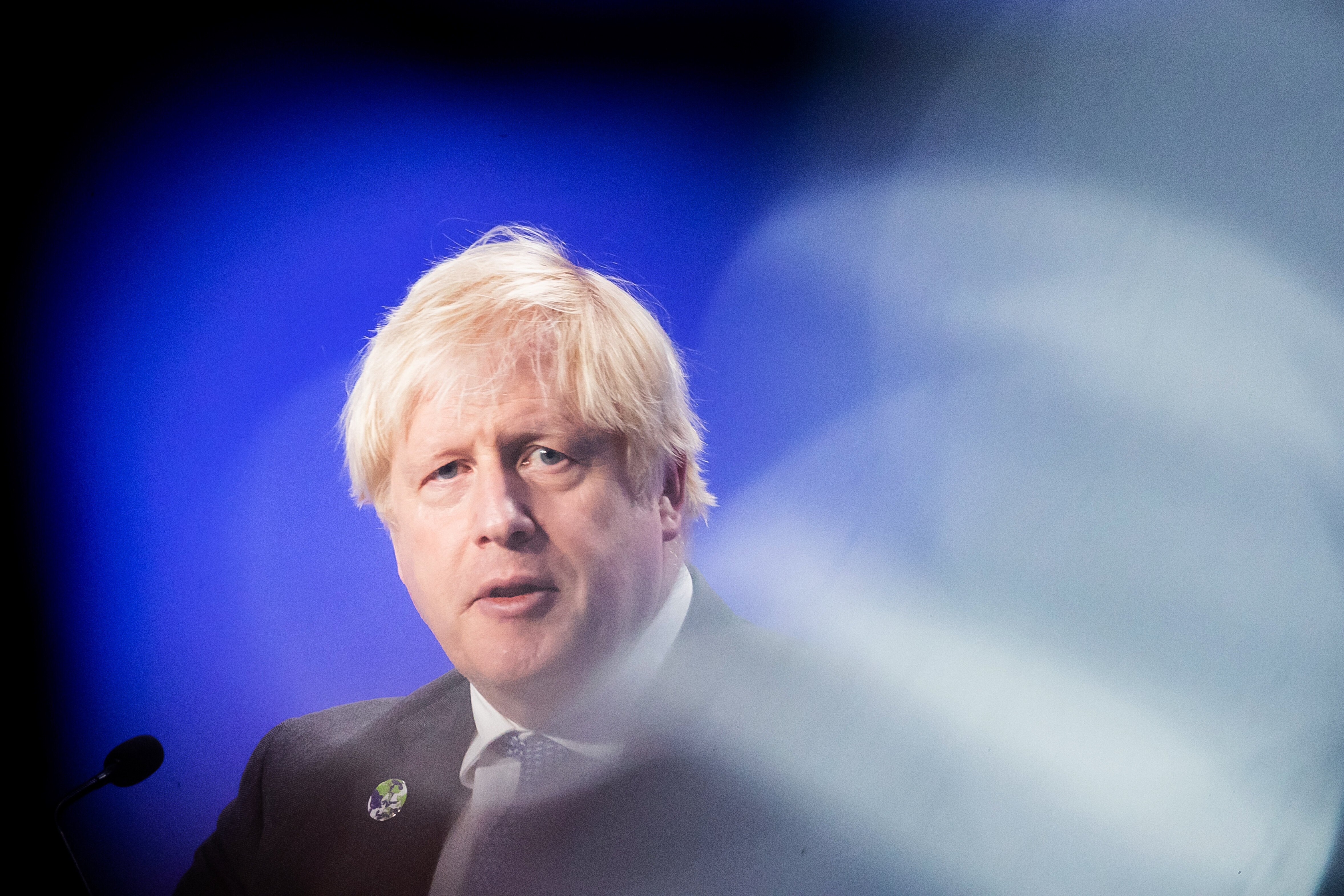
Boris Johnson will host a Downing Street press conference at 5pm today, it has been announced.
The briefing will be on the Cop26 climate change conference and the prime minister will appear alongside the summit’s president Alok Sharma.
It comes after a pact was finally agreed in Glasgow last night which saw a dramatic last-minute intervention from China and India to water down the deal to end the use of coal power.
Sharma today said the two states would have to “justify themselves” to climate vulnerable countries.
He made the comments after fighting back tears on the world stage as the deal was finally completed.
The agreement had been due to include a pledge to accelerate the “phase-out” of coal power but it was switched to “phase-down”.
The word change reduces the urgency with which countries are required to reduce the use of coal – the worst fossil fuel for greenhouse gases.
This morning, Sharma told Sky News: “On the issue of coal, China and India of course are going to have to justify to some of the most climate vulnerable countries what happened. You heard that disappointment on the floor.”
A tearful Sharma told delegates last night: “I apologise for the way this process has unfolded. I am deeply sorry.”
However, the Glasgow Climate Pact is the first ever climate deal to explicitly plan to reduce coal.
The overall deal saw nearly 200 countries agree to keep the goal of limiting global warming to 1.5C above pre-industrial levels “alive” or within reach.
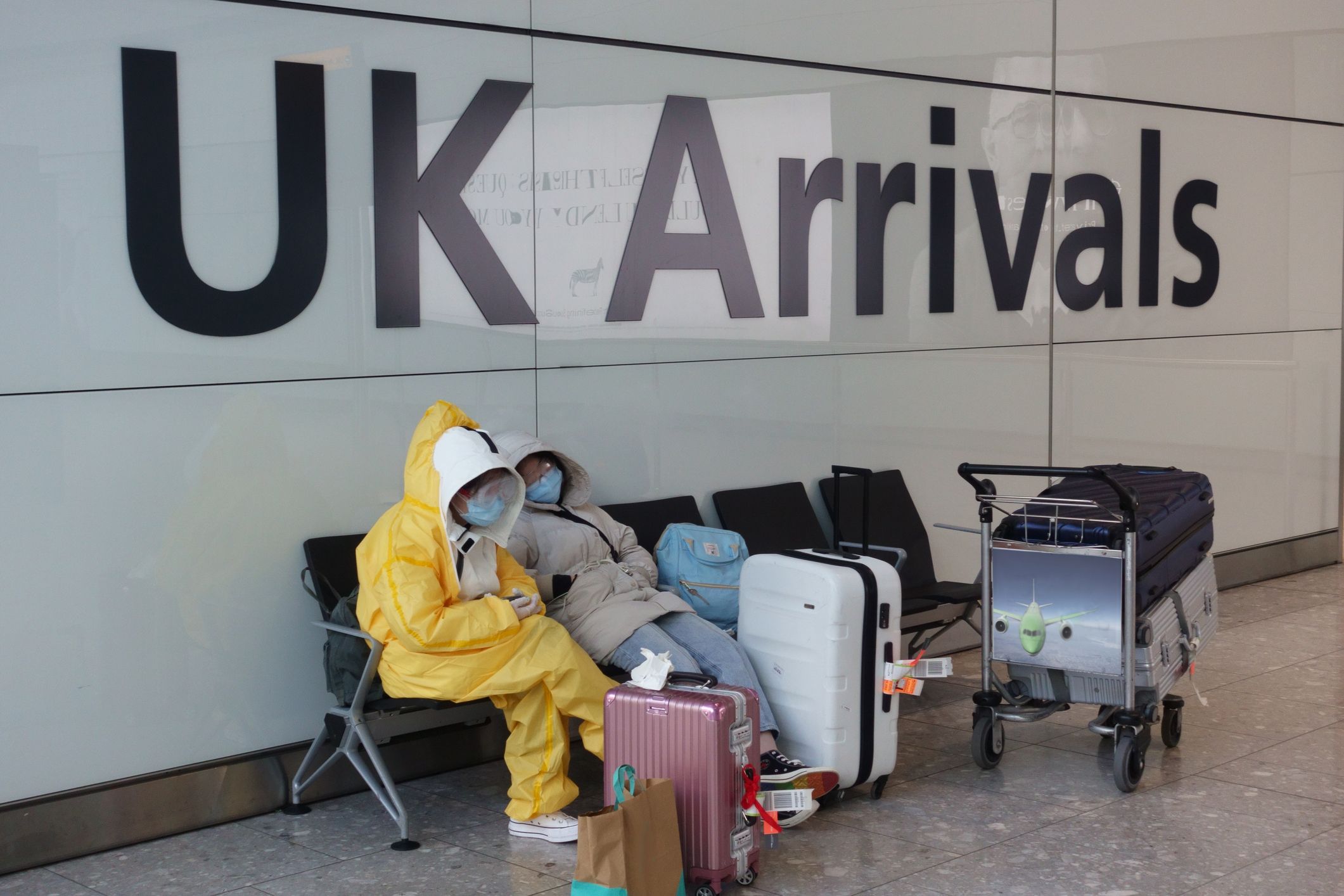
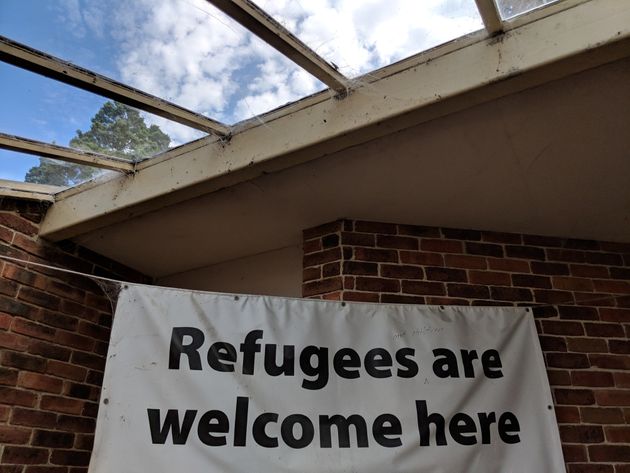
Asylum seekers who escaped war and oppression to seek refuge in the UK have been left penniless and in limbo during a national crisis, HuffPost UK can reveal.
Zakat is an obligatory religious levy and the third pillar of Islam, which requires Muslims to give up 2.5% of their qualifying wealth each year to help those in need. During 2020, the foundation distributed £3.8m in grants, a 27% rise on the previous year.
A Sudanese mother-of-three who escaped to the UK told HuffPost UK she has been living in a hotel room with her three children for the last five months and became ill with coronavirus while they all lived in the same space.
Saira,* 43, moved to Qatar from Sudan in 2008 with her husband, and the couple had three children.
But when her husband briefly returned to Sudan for his mother’s funeral in October, he was arrested.
Terrified she would be deported to Sudan and arrested too, Saira fled to the UK with her children to apply for asylum.
However, due to the backlog of asylum claims – which she believes is exacerbated by Covid-19 – Saira and her children have been living in hostels and hotel rooms since their arrival in the UK which she admitted is very difficult.
Getty imagesSaira, an asylum seeker, has been living with her three children in a hotel room for the last five months
“My children are really struggling and home schooling in one hotel room is very hard,” Saira told HuffPost UK.
“My kids are fighting and crying and asking when we can go to live in a home, and they miss their dad.”
Saira’s children – aged 12, 10 and four – managed to attend school for a month before the third national lockdown.
But even in that time one of her kids contracted Covid-19 and brought it home, and Saira became ill. “I felt pain all over my body and I started to cough and I could not move from the bed,” she said.
Home schooling in one hotel room is very hard. My kids are fighting and crying and asking when we can go to live in a home.”Saira, an asylum seeker from Sudan
Saira wore a mask all the time and kept the window open, even though it was cold, to try to protect her children from the virus.
“My youngest son wanted to be near me and when I told him to keep away, he didn’t understand and cried,” she said. “I felt very ill and still feel weak now.”
She came to the UK following her husband’s disappearance as she was frightened of being deported to Sudan from Qatar herself. She had visited Sudan in 2018 and was arrested, imprisoned for a month and treated very badly.
Saira believes her arrest then was related to fundraising and support for the people of Darfur, where her parents are from. “We made donations after collecting clothing and money to help people’s human rights,” she said.
“When they arrested me, I was shocked. They told me they knew everything about me and treated me badly.
“They pushed us around using their feet and I have problems in my back and shoulders because of this.
“I was alone in a dark room with no light and no water. I had to go to the toilet in the same room. It was very bad.”
She added: “I can’t go back to Sudan. Everyone I know there is trying to escape.”
Getty imagesAsylum seekers, who are already vulnerable, have been hit hard by the coronavirus pandemic
Then when lockdown began, Saira was forced to home school the children in the London hotel room they all share. “It was so stressful,” she said. “I felt very depressed and the children were restless and shouting and screaming and kept asking me questions that I couldn’t answer.”
Saira and her children are given food at the hotel, but it is not what they are used to and she admits often her children only eat the bread and rice.
“The hotel provides halal Indian food, but it is very spicy and my children cannot eat it. A few times, the hotel reception staff have ordered pizza for my children, but I feel too ashamed to ask for food.”
Saira was given shopping vouchers by the National Zakat Foundation when the organisation heard of her plight.
She has used these to buy food and snacks for her children and essential household items to use in the hotel room. “They helped me too much,” said Saira of the NZF.
Saira now longs for a home where she can cook for her own children and follow the procedure for seeking asylum. “All we need is to live a simple life,” she said. “We just want to be in a home where we can start our life in a safe place.”
For Ahmad,* a 40-year-old asylum seeker, the hardest part of being stuck in limbo with the asylums process is not being able to work and constantly having to say no to his children as he can’t afford to buy them things.
When the kids ask for something and as a father you cannot provide it, it is very disturbingAhmad, an asylum seeker living with his family in Greater Manchester
Ahmad lives with his wife and four young children in Bolton, Greater Manchester. He told HuffPost UK: “When the kids ask for something and as a father you cannot provide it, it is very disturbing.”
Ahmad was born and brought up in Dubai to parents from Balochistan in Pakistan.
He claimed asylum in the UK two years ago after being told his name was “on a list” because of his work raising awareness of human rights abuses in Balochistan and Dubai.
“In Dubai, carrying out human rights awareness was considered a crime,” he said. “It is forbidden and taboo. They thought of us as outsiders and foreigners and one of my friends told me my name was on a list, so we came to the UK two years ago.”
Getty imagesAhmad, an asylum seeker in Greater Manchester, feels frustrated at not being able to work and provide for his family
Ahmad applied for asylum but his case was refused. He appealed and is now awaiting an outcome. But in the meantime, he isn’t allowed to work despite his many skills.
Ahmad speaks several languages and was working as a customer care manager for a hospitality firm in Dubai. He is also able to work as a mechanic.
“If they gave me approval to work, at least I could provide more for my family,” he said. Instead, they rely on money from the government, which is just enough to cover the bare essentials.
“I am not bothered about myself, but it is very hard not being able to buy things for my kids,” he said. “I don’t even want to take them to the shops with me as I’m afraid if they ask me to buy something, I’ll have to say no as I can’t afford it.”
Ahmad says Covid-19 has also taken a mental toll on the family. “I feel like we are on a drowning ship and cannot move,” he said. “We just have to stand still and wait for something good to happen. It’s like your life is paused.”
A friend told Ahmad about the National Zakat Foundation and he applied for support. Within days, he and his family were given money to help them.
“I bought my children some new clothes and shoes and I have kept the rest for emergency,” he said. “I was very grateful for this support.”
We just have to stand still and wait for something good to happen. It’s like your life is pausedAhmad
Iqbal Nasim, the foundation’s chief executive, told HuffPost UK the stories of vulnerable asylum seekers during the pandemic had gone largely unheard.
“These people, many of them families, have travelled hundreds of miles in treacherous conditions to escape war and oppression,” he said.
“They’ve found themselves in a new country, with barely a penny in their pockets, and then been faced with the added strain of being left in limbo during a national crisis.
“Covid has delayed asylum claim assessments and left many struggling on meagre incomes, housed in hotels or B&Bs in obscure locations and unable to apply for additional support.”
Nasim said the charity had been able to use zakat to provide food and other essentials to thousands of asylum seekers, but much more needed to be done to help them.
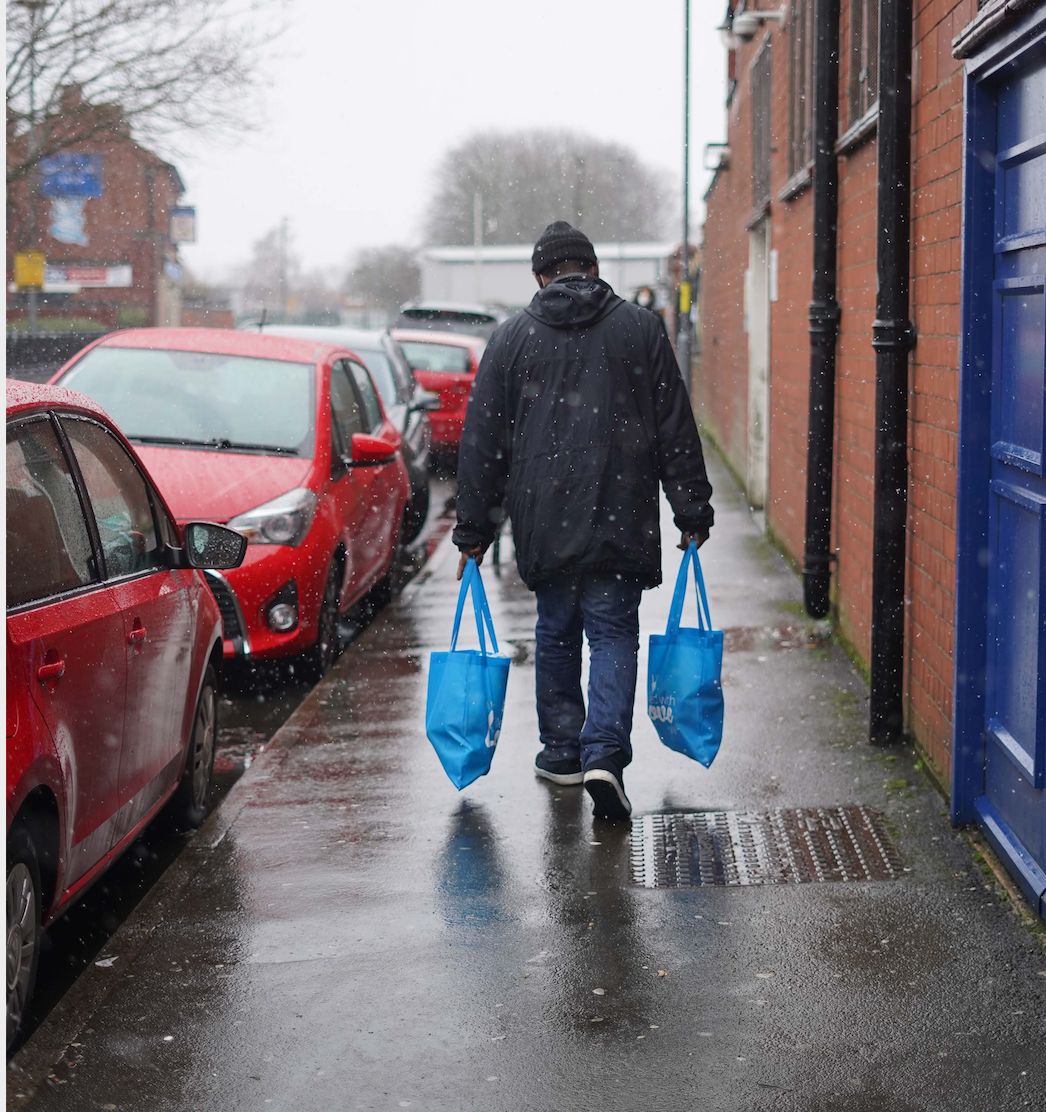
Haaris Karim – Islamic ReliefA man carrying food parcels to help those in need
Islamic Relief UK, which works to end poverty, teamed up with the National Zakat Foundation to deliver hardship relief to asylum seekers.
Zia Salik, Islamic Relief UK director, told HuffPost UK people are experiencing suffering all over the country. “As Muslims, we cannot abandon anyone in need and must urgently provide help wherever we can,” he said.
“There is still a long way to go in terms of drawing attention to the effect Covid-19 has had on an already suffering community.
“We hope our partnership will inspire other charities and individuals to come forward and offer their help, especially as we approach Ramadan.”
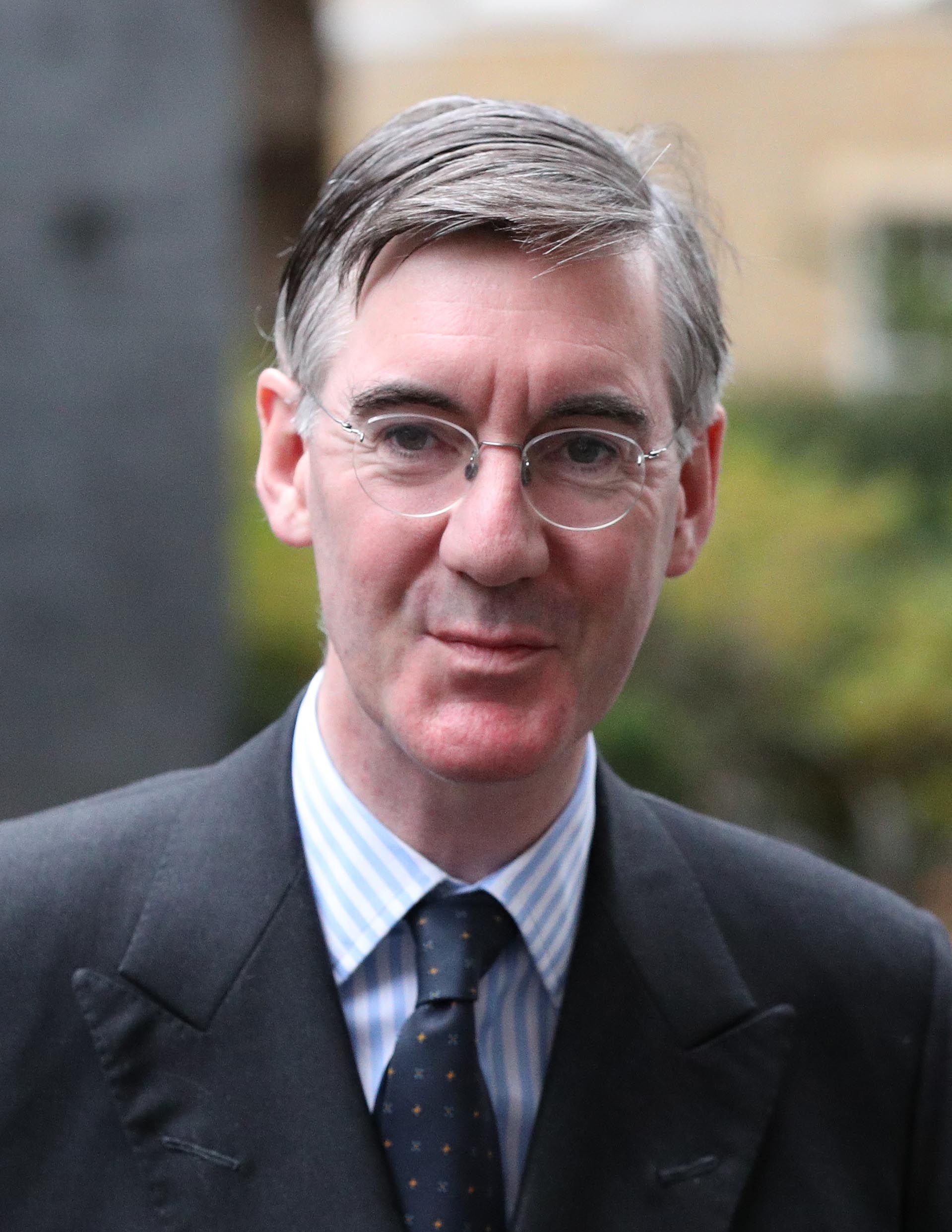
Downing Street has refused to apologise after Jacob Rees-Mogg used parliament to smear HuffPost UK journalist Arj Singh.
But No.10 did rebuke the Commons leader, by saying Boris Johnson would not have made the same comments.
Rees-Mogg on Thursday described Singh as “either a knave or a fool” and falsely accused him of “editing” comments made by foreign secretary Dominic Raab.
On Tuesday, HuffPost UK published a leaked extract from a video call in which Raab told foreign office staff that the UK was keen to trade with countries that had poor human rights records.
The government did not deny Raab had used the words, or suggest they had been doctored. HuffPost UK did not edit the recording that had been passed to us, and our article quoted it in full.
And he said Raab’s words had been “shockingly distorted by low quality journalism”.
Labour has accused Rees-Mogg of an attempt to mislead parliament with the claims.
No. 10 distanced the prime minister from Rees-Mogg’s words on Friday, saying Johnson would not have made the same comments.
Commons leader Jacob Rees Mogg has just told MPs that Dominic Raab’s own comments which came out of his own mouth and were recorded on tape were “shockingly distorted by low quality journalism” by me.
A Downing Street spokesperson said: “The PM is a staunch believer in the value of the free press and the important role journalists play in our democracy.
“These are not comments that the PM would have made.
“These comments were made by Jacob Rees-Mogg and I’m confident that he can explain their intended meaning.”
The spokesperson declined to say whether Rees-Mogg would be told to retract the comments or apologise.
Downing Street was repeatedly asked to back up claims that the report or recording had “distorted” what Raab had said. No evidence was provided.
The government was also pressured over its hostility to the media, after comments from the National Union of Journalists’ general secretary Michelle Stanistreet.
The union also picked out previous comments made by equalities minister Kemi Badenoch, to former HuffPost journalist Nadine White, who claimed it was “creepy and bizarre” for White to have privately asked for comment on a story.
It also follows a report last week that health secretary Matt Hancock had described The Guardian as “a rag” in leaked WhatsApp messages.
Stanistreet said “this behaviour has to stop”, adding: “It beggars belief that government ministers are smearing and impugning journalists in this way, indulging in outrageous behaviour that demeans them and the offices they hold.
“This same government, including the prime minister and other ministers, have committed time and resources to tackling the growing problem of abuse and harassment which is compromising the safety of journalists across the UK.
“Yet here we have colleagues around the cabinet table acting like playground bullies, undermining the work of journalists, bringing their work into disrepute, and dishing out insults that are clearly designed to further inflame harassment and abuse online.
“It’s not acceptable to dismiss reporting you don’t like as fake news. It’s completely unacceptable to resort to insults and personal smears of journalists simply trying to get on with their job.
“Our elected politicians should be committed to improving the parlous level of public discourse, not further polluting it. This behaviour has to stop, the government must get a grip and put its commitments to improving the recognition and value of journalists and journalism into practice.”
HuffPost is part of Verizon Media. We and our partners will store and/or access information on your device through the use of cookies and similar technologies, to display personalised ads and content, for ad and content measurement, audience insights and product development.
Your personal data that may be used
Information about your device and internet connection, including your IP address
Browsing and search activity while using Verizon Media websites and apps
To enable Verizon Media and our partners to process your personal data select ‘I agree‘, or select ‘Manage settings‘ for more information and to manage your choices. You can change your choices at any time by visiting Your Privacy Controls.
HuffPost is part of Verizon Media. We and our partners will store and/or access information on your device through the use of cookies and similar technologies, to display personalised ads and content, for ad and content measurement, audience insights and product development.
Your personal data that may be used
Information about your device and internet connection, including your IP address
Browsing and search activity while using Verizon Media websites and apps
To enable Verizon Media and our partners to process your personal data select ‘I agree‘, or select ‘Manage settings‘ for more information and to manage your choices. You can change your choices at any time by visiting Your Privacy Controls.
HuffPost is part of Verizon Media. We and our partners will store and/or access information on your device through the use of cookies and similar technologies, to display personalised ads and content, for ad and content measurement, audience insights and product development.
Your personal data that may be used
Information about your device and internet connection, including your IP address
Browsing and search activity while using Verizon Media websites and apps
To enable Verizon Media and our partners to process your personal data select ‘I agree‘, or select ‘Manage settings‘ for more information and to manage your choices. You can change your choices at any time by visiting Your Privacy Controls.
HuffPost is part of Verizon Media. Click ‘I agree‘ to allow Verizon Media and our partners to use cookies and similar technologies to access your device and use your data (including location) to understand your interests, and provide and measure personalised ads. We will also provide you with personalised ads on partner products. Learn more about how we use your data in our Privacy Centre. Once you confirm your privacy choices here, you can make changes at any time by visiting your Privacy dashboard.
Click ‘Learn more‘ to learn and customise how Verizon Media and our partners collect and use data.
HuffPost is part of Verizon Media. Click ‘I agree‘ to allow Verizon Media and our partners to use cookies and similar technologies to access your device and use your data (including location) to understand your interests, and provide and measure personalised ads. We will also provide you with personalised ads on partner products. Learn more about how we use your data in our Privacy Centre. Once you confirm your privacy choices here, you can make changes at any time by visiting your Privacy dashboard.
Click ‘Learn more‘ to learn and customise how Verizon Media and our partners collect and use data.