‘Muddled And Misleading’: Why Tony Blair’s Criticism Of Net Zero Misread The Room

Tony Blair sent a shockwave though Labour circles this morning after he appeared to criticise the push to achieve net zero by 2050.

In a foreword to a report by the Tony Blair Institute, the former prime minister said political leaders know that the debate around the policy “has become irrational”.

He also said that the government’s plan to phase out fossil fuels is “doomed to fail”, in what was seen as a dig at Downing Street’s flagship policy to reduce net carbon emissions to zero in the next 25 years.

Keir Starmer is known for sharing many values with New Labour and has taken advice from his predecessor, meaning Blair’s words were a major blow to No.10.

The Tony Blair Institute quickly tried to downplay the split, and claimed the current government has the “right” approach – but it was too late.

The damage was already done, and the story swept through the country, and even secured a mention in PMQs.

Here’s a look at why Blair’s comments completely missed their mark.

Labour leader Sir Keir Starmer with Tony Blair

via Associated Press

A win for Labour’s opponents

Although Blair himself has emphasised the importance of addressing the climate crisis, his words appeared to validate concerns from climate sceptics.

For instance, Reform UK’s deputy leader Richard Tice told ITV’s Good Morning Britain that the party has “newfound fans like Tony Blair” who agree with their anti-net zero policy – although he admitted he was “teasing”.

DUP MP Sammy Wilson adopted the same tone in PMQs when he told Starmer his net zero policy “is not only bad, it is mad” – and claimed even Blair agrees.

Of course, Blair’s former political secretary John McTernan suggested the opposite to Times Radio, saying the ex-PM was just explaining “grievance is the energy source for populist movements”.

He claimed that he was encouraging politicians to engage with “people’s feelings” to deter support for groups like Reform UK – not that Blair was against net zero altogether.

While the former PM might be winning backing from Labour’s opponents, those affiliated with the party said otherwise.

Unite the Union issued a firm warning that Blair’s net zero intervention must be a wake up call for government.

General secretary Sharon Graham said: “Unite is not against net zero but it will not be achieved without serious investment in new jobs.

“Unite has warned time after time, that all the rhetoric about a joined up industrial strategy and future jobs must be backed up with serious investment that actually delivers. What is Labour waiting for? The time to act is now.

“If they fail to do this, then Labour cannot expect workers to support their net zero plan.”

To make matters worse, Blair’s intervention came just before local elections in 23 councils and the Runcorn by-election – the current government’s first big test since it won a landslide in July.

Net zero is not the main concern

Blair’s remarks were also criticised for being “misleading” amid the already hotly-contested climate debate.

An organisation which promotes debate on climate policy, the Energy and Climate Intelligence Unit said: “Given the clarification the TBI has had to issue, this seems like a bizarre case of naivety on how parts of the media and politicians might misinterpret some of the statements in the foreword.”

The Blair government’s former climate guru, Nicholas Stern – now chair of the Grantham Research Institute – called Blair’s report “muddled and misleading”.

“The UK’s leadership on climate change, particularly the elimination of coal from its power sector, is providing an influential example to other countries,” Stern continued.

“So, too, its climate change legislation and its Climate Change Committee. If the UK wobbles on its route to net zero, other countries may become less committed. The UK matters.”

Stern, who launched a landmark report on climate change in 2006 under Blair’s government, found the costs of inaction outweigh the costs of action.

PM Keir Starmer, center, Chancellor of the Exchequer Rachel Reeves, right, and Secretary of State for Energy Security and Net Zero Ed Miliband

via Associated Press

He warned that the report “downplays the science in its absence of a sense of urgency and the lack of appreciation of the need for the world to achieve net zero as soon as possible”.

Meanwhile, Bob Ward, policy and communications director at the Grantham Research Institute on climate change at the London School of Economics and Political Science, said: “This report provides weak analysis and the wrong solutions. It fails to recognise that the longer it takes to reach net zero emissions in the UK and around the world, the more that households and businesses will suffer from growing impacts of climate change.”

He added that the challenge is to “accelerate the transition away from fossil fuels, not to slow down”.

Helen Clarkson, CEO of Climate Group, said the report set up a “false binary” between climate strategies of either phasing out fossil fuels or investing in new low-cardon technologies.

And even the Social Market Foundation’s Theo Betram – a former special adviser to Blair – wrote on X that his old boss had “got it wrong on net zero” and his words “has only served to help populist opponents” of the policy.

There also appears to be limited public support for Blair’s take.

A recent YouGov poll found 61% of people either strongly support or somewhat support the government’s commitment to cut carbon emissions to net zero by 2050.

Overshadowed climate warnings

Then there’s the fact that Blair’s intervention overshadowed fresh warnings from the government’s climate watchdog, too.

The Climate Change Committee – the statutory adviser on the issue to the government – published a report today calling for Downing Street to go further and faster on climate action, particularly with flood defences.

Chair Lady Brown said: “We are seeing no change in activity from the new government, despite the fact that… it’s clear to the public that the current approach just isn’t working.

“The country is at risk, people are at risk, and there is not enough being done.”

Brown also warned that there were already too many cuts to flood defences, adding: “I can’t be clear enough about our message: we cannot wait to take action.”

But Blair’s remarks overshadowed her points on the environment.

As she later told BBC Radio 4′s Today programme: “My concern is that people might take away a message from that report that we should do adaptation instead of mitigation, and that is absolutely the wrong message.

“We need to do adaptation, because even if we get to net zero by mid-century, there’s still a huge amount of climate change to come, and we need to be ready for that. But we can’t adapt to everything.”

Share Button

Can Keir Starmer Learn Any Lessons From Mark Carney’s Remarkable Election Victory?

Mark Carney completed one of the greatest political comebacks of all time by leading his Liberal Party to victory in the Candian election.

They appeared to be out of the running just a few short months ago, with Pierre Poilievre’s Conservatives holding a lead of more than 20 points over his rivals.

But Carney, who only took over as prime minister from his predecessor Justin Trudeau in March, oversaw a remarkable turnaround in his party’s fortunes, thanks in no small part to his strong opposition to Donald Trump.

The US president has made no secret of his desire to make Canada the 51st state of the USA, and even made them one of the first countries he imposed tariffs on as he tried to bring his neighbours to heel.

Carney made defending Canada’s independence the centrepiece of his premiership – and was handsomely rewarded by voters.

In his victory speech, the former governor of the Bank of England said: “President Trump is trying to break us so that America can own us, that will never ever happen.”

Carney’s fierce anti-Trump rhetoric is in stark contrast to his left-of-centre political ally Keir Starmer’s more cautious approach.

The prime minister has tried to walk a fine line between distancing himself from Trump in areas like trade tariffs and his attacks on Volodymyr Zelenskyy, while avoiding any outright criticism of the president.

That is because Starmer is desperate to agree a trade deal with America which he hopes will help to boost economic growth in the UK.

Lib Dem leader Ed Davey believes being anti-Trump can be a vote-winner in Britain too, starting with Thursday’s local elections.

He said: “Voters in Canada have elected a Liberal government on a clear mandate to combat Trump’s dangerous populism. Across the globe, it is liberals who are taking the lead in standing up for prosperity, security and democracy in the face of Trump, Putin and the rest.

“Voters in England have the chance to send a similar message on Thursday, by electing Liberal Democrat local champions to stand up for their communities against the hate-fuelled politics of Donald Trump and his bootlicker Nigel Farage.”

Luke Tryl, UK director of the More in Common think-tank, said there were lessons for Starmer to learn from Canada, but cautioned against the election result being seen as a green light for the PM to be more openly critical of Trump.

He said: “I am always nervous about reading across from elections elsewhere and here. There are various potential lessons – the fact that Carney managed to consolidate the left around him.

“For the moment, people tend to think Starmer is getting the balance right [on Trump].

“When Trump got in I was asked if people might want a ‘Love Actually’ Hugh Grant moment. I said I don’t think so. I think the more Trump is seen to behave recklessly, and that’s certainly the case on tariffs, there may be more demand for that.

“In any event, I think the impact on our politics will be much more marginal than in Canada, because obviously they are right next door and Trump isn’t yet asking us to become the 52nd state.”

Asked if the PM will change his approach towards Trump on the back of Carney’s victory, his spokesman said: “We look forward to working with him and Canada to further the relationship we have with Canada for the British national interest. We have a very good relationship with President Trump as well.”

Share Button

Why Local Election Night Could Be Even Worse For Labour Than The Tories

On the face of it, the forecast did not appear to be too bad for Labour.

Lord Hayward, the Tory peer and polling expert, said his party are on course to lose 500 seats in next Thursday’s local elections.

Labour, meanwhile, could end up with roughly the same number of councillors they have now, and could even pick up a few extra.

But the headline figures do not even come close to telling the full story, and hide a worrying trend that is causing headaches in 10 Downing Street.

For a start, the Conservatives are defending around 900 council seats compared to Labour’s 250.

In the normal run of things, a bad night for the Conservatives – which May 1 will undoubtedly be – should mean a good one for Labour, with the party picking up a hefty chunk of Tory seats.

The main beneficiaries of the Tory collapse this time, however, are set to be Reform UK, who could see their number of councillors soar by around 450.

Ominously for the prime minister, many of those will be in the Midlands and the North, part of the fabled “Red Wall” of seats which were Labour for decades before switching to Boris Johnson’s Tories in 2019.

Although they reverted to Labour last July, party strategists know they are vulnerable to Reform next time around – and the local elections look set to confirm that.

What’s more, Labour could also see their 15,000 majority evaporate in the Runcorn and Helsby by-election taking place on the same day, with Reform poised to claim the seat.

But it is not just Reform who are taking support from Labour.

Polling shows that a significant chunk of those who voted for Starmer last July, and are unhappy with the government, are looking to the Lib Dems and Greens rather than throw their lot in with Nigel Farage’s right-wing party.

Lord Hayward told HuffPost UK: “Labour initially thought that their biggest threat came from Reform, and so took their eye off the ball when it comes to the Lib Dems and the Greens. They’ve finally woken up to it and are seriously concerned.

“Next Thursday could be a terrible night for Labour. They are going to get hit very hard by Reform, and are also going to do badly against the Lib Dems and Greens in Oxford and Cambridge, and possibly in the West of England mayoralty as well.”

Labour insiders describe the mayoral election for the Cambridgeshire and Peterborough Combined Authority as “on a knife-edge” and are hoping it will provide a shaft of light on an otherwise gloomy night.

However, No.10 sources say former Tory minister Andrea Jenkyns, now in Reform, will “win easily” to become the mayor of Greater Lincolnshire.

Polling by YouGov suggests Reform are the favourites to win the mayoralty in Hull and East Yorkshire, and also confirmed Hayward’s belief that the Greens will prevail in the West of England.

One Labour source said: “Next Thursday’s going to be tough. We’ve done a lot of difficult things since last July, and it’s not unusual for a new government to get hammered in their first council elections.

“We’ll take a battering but so will the Tories.”

Policies like slashing aid spending and scrapping winter fuel payments for 10 million pensioners are the main reason why many left-of-centre voters will switch to the Lib Dems and Greens.

But the Labour source said: “We don’t take our voters for granted, but we have also introduced a radical workers’ rights package and increased the minimum wage. Those are serious progressive policies which are moving the country forward.”

Keiran Pedley, director of UK politics at Ipsos, said it was not unusual for governing parties to be “attacked from left and right”.

“At last year’s general election, the Conservatives lost support to Reform UK over immigration and to Labour and Liberal Democrats over the cost of living, public services and other issues,” he pointed out. “Now in government themselves, Labour face a similar challenge.”

He said Ipsos’ data shows that around one-fifth of those who voted Labour last year now have an unfavourable view towards the party – meaning their support is now up for grabs.

“This group places immigration as the third most important issue, behind health and the cost of living, with at least some of them likely vulnerable to Reform UK,” he said.

However, Pedley also revealed that around one-third of 2024 Labour voters are now favourable towards the Lib Dems and Greens.

He said: “This suggests that if Labour do not deliver on core issues that matter to their voting coalition – as well as addressing public concern over immigration – they could be vulnerable on both their left flank and the right come the next general election, and the elections on May 1 will be a signpost to this.”

Green co-leader Carla Denyer said the government’s apparent desire to win back voters from Reform UK has presented a massive opportunity for her party.

It’s really clear that voters want to see positive change in this country – and they’re not getting it from Labour,” she told HuffPost UK.

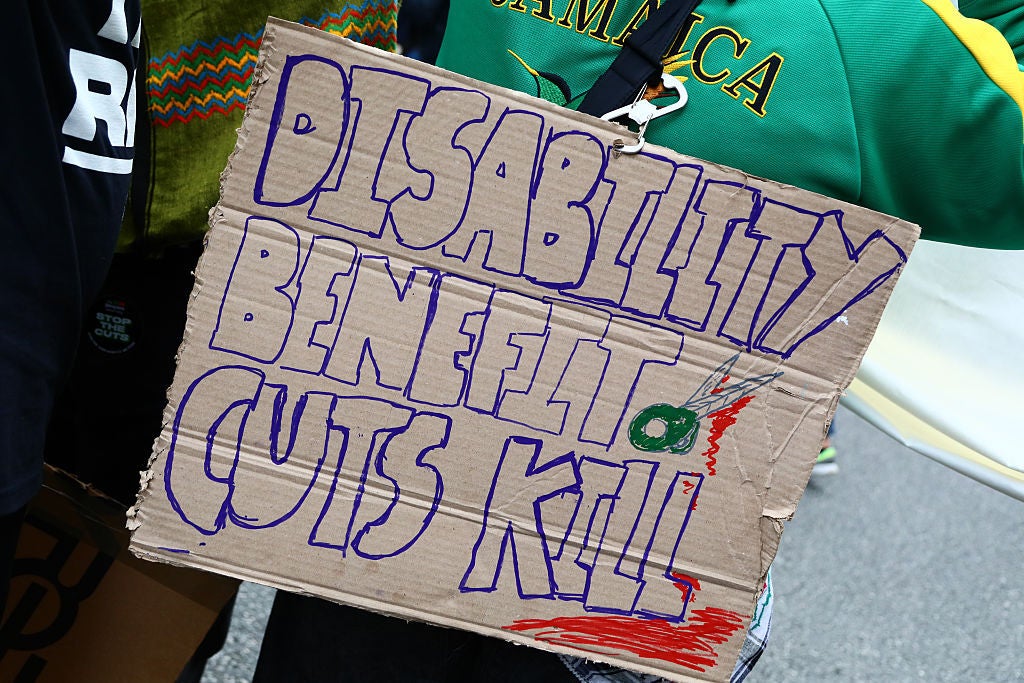
“On the contrary, we’ve seen a litany of failures and bad choices, whether it’s cutting benefits for disabled people or giving the go-ahead to climate-wrecking airport expansion.

“There are plenty of voters out there who feel that Labour has abandoned them in their attempts to chase Reform voters – and who can see that unlike the Labour party, the Greens are actually offering a genuine alternative to the last decade and a half of austerity and decline.”

The Lib Dem are also licking their lips at the prospect of taking votes off both the Tories and Labour next Thursday.

Party insiders agree with Lord Hayward’s analysis that the Tories could lose control of all 15 councils they currently run and which are up for election.

Lib Dem leader Ed Davey’s vocal criticism of Donald Trump, as well as his campaign for people to buy British produce to counteract US tariffs, appears to be going down well with those unhappy with Starmer’s more cautious approach.

“Disappointment with Labour is growing on the doorsteps,” said one senior party source.

Downing Street’s response to next Thursday’s results will be to keep calm and carry on, with preparations already well underway for what will be announced at Labour’s annual conference in the autumn.

However, experienced party insiders can see more storm clouds gathering on the horizon.

“This time next year it will be very difficult indeed for Labour in the Scottish Parliament and Welsh Assembly elections,” said one. “That is when we could see people lose their minds.”

Another source said the PM had no option but to focus on keeping the promises he made to the country before the election.

“The government has just got to get on and deliver – the stakes are really that high.”

Share Button

‘In The Balance’: MPs Recalled To Parliament As Ministers Race To Save British Steel

MPs will return to Westminster on Saturday to vote on emergency government plans to save British Steel which could see it brought into public ownership.

In a highly unusual move, parliament has been recalled from its Easter recess as Keir Starmer warned the company’s future was “in the balance” unless the government acts.

Ministers fear that the UK’s ability to produce its own steel will end forever if the loss-making plant at Scunthorpe is allowed to close down.

Negotiations between the government and British Steel’s Chinese owners Jingye on a rescue package broke down, forcing ministers to consider nationalisation.

The Steel Industry (Special Measures) Bill is expected to be passed by both the Commons and the Lords on Saturday.

It will give business secretary Jonathan Reynolds the power to direct the company’s board and workforce, while ensuring it is able to order the raw materials needed to keep the plant’s vital blast furnaces running.

Ministers also want to ensure the plant’s 3,500 employees are not made redundant.

In a Downing Street statement on Friday evening, Starmer said: “As prime minister, I will always act in the national interest to protect British jobs and British workers.

“This afternoon, the future of British steel hangs in the balance. Jobs, investment, growth – our economic and national security are all on the line.”

The PM added: “As I have said, we will keep all options on the table.

“Our future is in our hands. This government will not sit back and just hope. We will act to secure Britain’s future with British steel: made in Britain, in the national interest.”

Starmer also insisted that the plant’s cashflow problems are longstanding and not directly related to Donald Trump’s decision to impose 25% tariffs on all steel imports into the US.

A No.10 source said: “We’re in a new era and the quicker people stop clinging to the old ways the better.

“It’s not feasible to have critical infrastructure in the hands of companies that are willing to run them down.”

One steel industry insider told HuffPost UK it was “squeaky bum time” for the future of the plant, meaning the government had little option but to act.

But Tory leader Kemi Badenoch said Labour had “landed themselves in a steel crisis entirely of their own making”

She said: “The union-led Labour government have bungled the negotiations, insisting on a Scunthorpe-only deal that the company has deemed unviable.

“Keir Starmer should have seen this coming. But instead of addressing it earlier in the week when parliament was sitting, their incompetence has led to a last-minute recall of parliament.”

Share Button

‘Trump’s Not Taking Your Calls’: Starmer Cornered Over Lack Of Contact With President

Keir Starmer was cornered by a journalist today over his lack of contact with Donald Trump since the US president unveiled his new trade tariffs.

The president hit the UK with a baseline 10% tax on imports heading into the US on April 2.

That came on top of his 25% global levy on cars, steel and aluminium products.

While the 10% tax was much less than many other trading partners – the EU was slapped with a 20% tariff – it was still more than some, such as Russia, who got away without any new tariffs at all.

Then Trump U-turned this week and announced most tariffs would be reduced to 10%, aside from China – taking away any trade advantage the president had handed to the UK had over competitors altogether.

So ITV News’ Carl Dinnen asked the prime minister today in Doncaster: “Have you spoken to President Trump since he put a 10% tariffs on all goods coming from here to the United States?”

Starmer replied: “My team are in contact with the President’s team every day.”

“So you haven’t spoken to him?” Dinnen pushed.

The PM hit back: “Well, I’ve spoken to him frequently both on the phone and I’ve met him a number of times.”

The reporter said: “Yeah but not since he put the tariffs on.”

Starmer replied: “The teams are discussing every day, and seeking to do what we can to mitigate the tariffs –”

Dinnen cut in: “With respect prime minister, it feels like he’s not taking your calls. Is that what’s happening?”

The prime minister pushed back: “No, not at all, you have to understand that the UK and the US – our teams talk all of the time, whether that’s on defence, on security, on intelligence, and on trade, on a deal.

“That is constantly going on. That’s what you would expect of two very close allies. But at the same time, I’m clear this is a change that, in my view, isn’t temporary, and therefore we’ve got to do the hard graft of making sure we are turbocharging our own economy.”

He listed the work he’s been focused on in the UK and his conversations with other world leaders to “lower trade barriers”.

“My focus every day has to be on what’s in the national interest in the United Kingdom,” the prime minister said.

Starmer has been phoning plenty of other world leaders since Trump’s “Liberation Day” announcement on April 2.

That includes the Crown Prince of Saudi Arabia Mohammed bin Salman, the prime minister of Singapore Lawrence Wong, the prime minister of Italy Giorgia Meloni and the prime minister of Australia Anthony Albanese.

He has also spoken to President of the European Commission Ursula von der Leyen, German Chancellor Olaf Scholz and leader of the German Christian Democratic Union party Friedrich Merz.

But, despite Trump’s apparent silence towards the UK, Starmer has avoided criticising the president directly, only admitting that he is “disappointed” by the decision.

The UK is pushing to secure a trade deal with the States, and hoping it could mean Britain secures some tariff exemptions, too.

But the US president has been mocking world leaders for pursuing trade deals, saying they are “calling us up, kissing my arse” to negotiate.

<div class="js-react-hydrator" data-component-name="Twitter" data-component-id="314" data-component-props="{"itemType":"rich","index":29,"contentIndexByType":1,"contentListType":"embed","code":"

‘With respect prime minister, it feels like Trump’s not taking your calls…’@carldinnen grills Starmer on whether he’s spoken to Donald Trump since he put 10% tariffs on the UK

The PM insists ‘my team are in contact with the President’s team every day’ pic.twitter.com/ZsABY10wkw

— ITVPolitics (@ITVNewsPolitics) April 10, 2025

","type":"rich","meta":{"author":"ITVPolitics","author_url":"https://twitter.com/ITVNewsPolitics","cache_age":86400,"description":"’With respect prime minister, it feels like Trump’s not taking your calls…’@carldinnen grills Starmer on whether he’s spoken to Donald Trump since he put 10% tariffs on the UKThe PM insists ‘my team are in contact with the President’s team every day’ pic.twitter.com/ZsABY10wkw— ITVPolitics (@ITVNewsPolitics) April 10, 2025\n\n\n","options":{"_hide_media":{"label":"Hide photos, videos, and cards","value":false},"_maxwidth":{"label":"Adjust width","placeholder":"220-550, in px","value":""},"_theme":{"value":"","values":{"dark":"Use dark theme"}}},"provider_name":"Twitter","thumbnail_height":720,"thumbnail_url":"https://pbs.twimg.com/amplify_video_thumb/1910339721202421761/img/PEhB7l39_IwaICCh.jpg:large","thumbnail_width":1280,"title":"ITVPolitics on Twitter / X","type":"rich","url":"https://twitter.com/ITVNewsPolitics/status/1910339815251320960","version":"1.0"},"flags":[],"enhancements":{},"fullBleed":false,"options":{"theme":"news","device":"desktop","editionInfo":{"id":"uk","name":"U.K.","link":"https://www.huffingtonpost.co.uk","locale":"en_GB"},"originalEdition":"uk","isMapi":false,"isAmp":false,"isAdsFree":false,"isVideoEntry":false,"isEntry":true,"isMt":false,"entryId":"67f7d71de4b0eac07502f332","entryPermalink":"https://www.huffingtonpost.co.uk/entry/starmer-dodges-questions-about-lack-of-communication-with-trump_uk_67f7d71de4b0eac07502f332","entryTagsList":"donald-trump,keir-starmer,economy,tariffs,itv-news,@ai_seo_headline","sectionSlug":"politics","deptSlug":null,"sectionRedirectUrl":null,"subcategories":"","isWide":false,"headerOverride":null,"noVideoAds":false,"disableFloat":false,"isNative":false,"commercialVideo":{"provider":"custom","site_and_category":"uk.politics","package":null},"isHighline":false,"vidibleConfigValues":{"cid":"60afc140cf94592c45d7390c","disabledWithMapiEntries":false,"overrides":{"all":"60b8e525cdd90620331baaf4"},"whitelisted":["56c5f12ee4b03a39c93c9439","56c6056ee4b01f2b7e1b5f35","59bfee7f9e451049f87f550b","5acccbaac269d609ef44c529","570278d2e4b070ff77b98217","57027b4be4b070ff77b98d5c","56fe95c4e4b0041c4242016b","570279cfe4b06d08e3629954","5ba9e8821c2e65639162ccf1","5bcd9904821576674bc55ced","5d076ca127f25f504327c72e","5b35266b158f855373e28256","5ebac2e8abddfb04f877dff2","60b8e525cdd90620331baaf4","60b64354b171b7444beaff4d","60d0d8e09340d7032ad0fb1a","60d0d90f9340d7032ad0fbeb","60d0d9949340d7032ad0fed3","60d0d9f99340d7032ad10113","60d0daa69340d7032ad104cf","60d0de02b627221e9d819408"],"playlists":{"default":"57bc306888d2ff1a7f6b5579","news":"56c6dbcee4b04edee8beb49c","politics":"56c6dbcee4b04edee8beb49c","entertainment":"56c6e7f2e4b0983aa64c60fc","tech":"56c6f70ae4b043c5bdcaebf9","parents":"56cc65c2e4b0239099455b42","lifestyle":"56cc66a9e4b01f81ef94e98c"},"playerUpdates":{"56c6056ee4b01f2b7e1b5f35":"60b8e525cdd90620331baaf4","56c5f12ee4b03a39c93c9439":"60d0d8e09340d7032ad0fb1a","59bfee7f9e451049f87f550b":"60d0d90f9340d7032ad0fbeb","5acccbaac269d609ef44c529":"60d0d9949340d7032ad0fed3","5bcd9904821576674bc55ced":"60d0d9f99340d7032ad10113","5d076ca127f25f504327c72e":"60d0daa69340d7032ad104cf","5ebac2e8abddfb04f877dff2":"60d0de02b627221e9d819408"}},"connatixConfigValues":{"defaultPlayer":"16b0ecc6-802c-4120-845f-e90629812c4d","clickToPlayPlayer":"823ac03a-0f7e-4bcb-8521-a5b091ae948d","videoPagePlayer":"05041ada-93f7-4e86-9208-e03a5b19311b","defaultPlaylist":"2e062669-71b4-41df-b17a-df6b1616bc8f"},"topConnatixThumnbailSrc":"data:image/png;base64,iVBORw0KGgoAAAANSUhEUgAAAAEAAAABCAQAAAC1HAwCAAAAC0lEQVR42mNkYAAAAAYAAjCB0C8AAAAASUVORK5CYII=","customAmpComponents":[],"ampAssetsUrl":"https://amp.assets.huffpost.com","videoTraits":null,"positionInUnitCounts":{"buzz_head":{"count":0},"buzz_body":{"count":0},"buzz_bottom":{"count":0}},"positionInSubUnitCounts":{"article_body":{"count":6},"blog_summary":{"count":0},"before_you_go_content":{"count":0}},"connatixCountsHelper":{"count":0},"buzzfeedTracking":{"context_page_id":"67f7d71de4b0eac07502f332","context_page_type":"buzz","destination":"huffpost","mode":"desktop","page_edition":"en-uk"},"tags":[{"name":"Donald Trump","slug":"donald-trump","links":{"relativeLink":"news/donald-trump","permalink":"https://www.huffingtonpost.co.uk/news/donald-trump","mobileWebLink":"https://www.huffingtonpost.co.uk/news/donald-trump"},"section":{"title":"News","slug":"news"},"topic":{"title":"Donald Trump","slug":"donald-trump","overridesSectionLabel":false},"url":"https://www.huffingtonpost.co.uk/news/donald-trump/"},{"name":"keir starmer","slug":"keir-starmer","links":{"relativeLink":"news/keir-starmer","permalink":"https://www.huffingtonpost.co.uk/news/keir-starmer","mobileWebLink":"https://www.huffingtonpost.co.uk/news/keir-starmer"},"url":"https://www.huffingtonpost.co.uk/news/keir-starmer/"},{"name":"Economy","slug":"economy","links":{"relativeLink":"news/economy","permalink":"https://www.huffingtonpost.co.uk/news/economy","mobileWebLink":"https://www.huffingtonpost.co.uk/news/economy"},"relegenceSubjectId":979329,"url":"https://www.huffingtonpost.co.uk/news/economy/"},{"name":"tariffs","slug":"tariffs","links":{"relativeLink":"news/tariffs","permalink":"https://www.huffingtonpost.co.uk/news/tariffs","mobileWebLink":"https://www.huffingtonpost.co.uk/news/tariffs"},"url":"https://www.huffingtonpost.co.uk/news/tariffs/"},{"name":"ITV News","slug":"itv-news","links":{"relativeLink":"news/itv-news","permalink":"https://www.huffingtonpost.co.uk/news/itv-news","mobileWebLink":"https://www.huffingtonpost.co.uk/news/itv-news"},"url":"https://www.huffingtonpost.co.uk/news/itv-news/"}],"isLiveblogLive":null,"isLiveblog":false,"cetUnit":"buzz_body","bodyAds":["

\r\n\r\n HPGam.cmd.push(function(){\r\n\t\treturn HPGam.render(\"inline-1\", \"entry_paragraph_1\", false, false);\r\n });\r\n\r\n","

\r\n\r\n HPGam.cmd.push(function(){\r\n\t\treturn HPGam.render(\"inline\", \"entry_paragraph_2\", false, false);\r\n });\r\n\r\n","

\r\n\r\n HPGam.cmd.push(function(){\r\n\t\treturn HPGam.render(\"inline-2\", \"entry_paragraph_3\", false, false);\r\n });\r\n\r\n","

\r\n\r\n HPGam.cmd.push(function(){\r\n\t\treturn HPGam.render(\"inline-infinite\", \"repeating_dynamic_display\", false, false);\r\n });\r\n\r\n"],"adCount":0},"isCollectionEmbed":false}”>

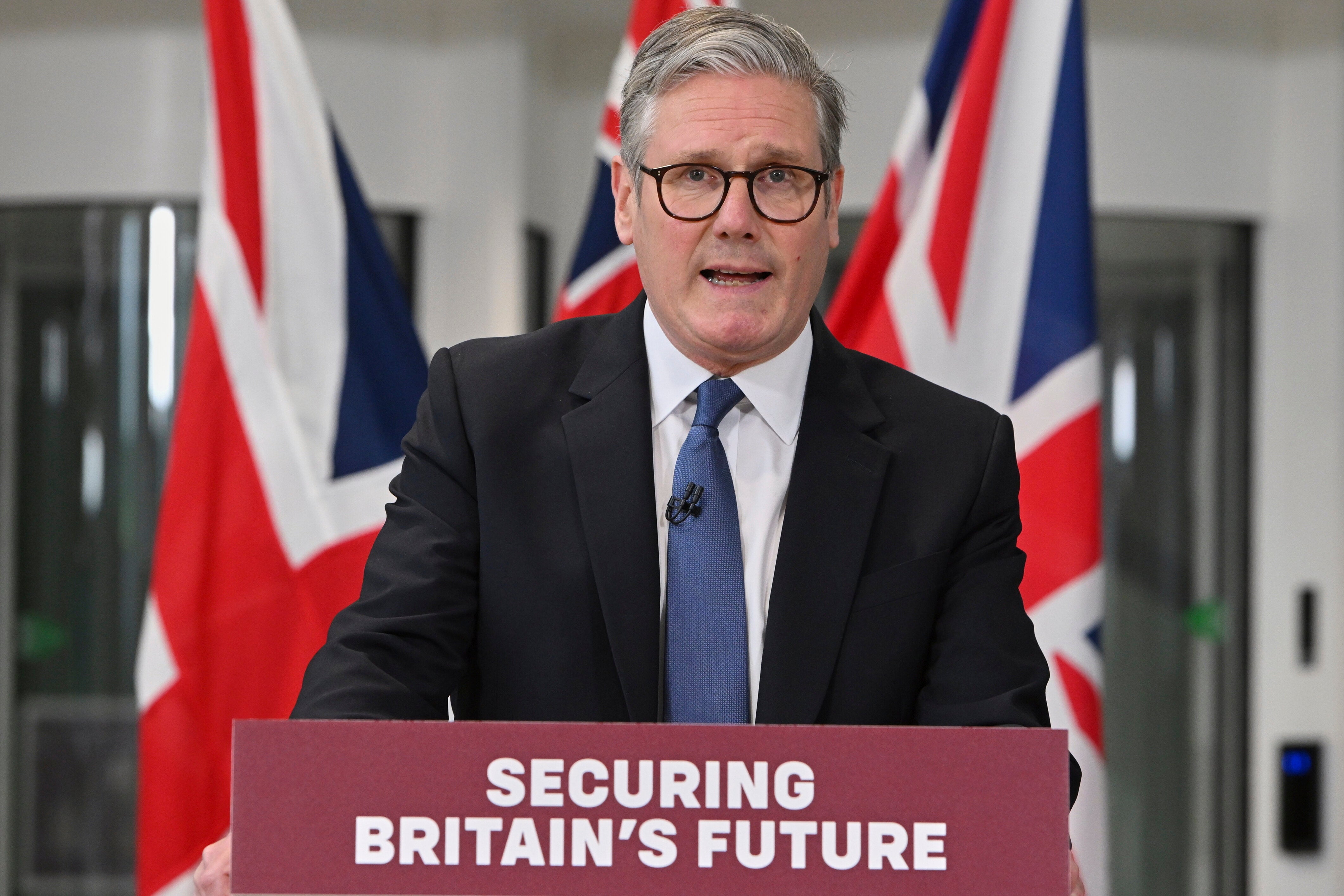
‘With respect prime minister, it feels like Trump’s not taking your calls…’@carldinnen grills Starmer on whether he’s spoken to Donald Trump since he put 10% tariffs on the UK

The PM insists ‘my team are in contact with the President’s team every day’ pic.twitter.com/ZsABY10wkw

— ITVPolitics (@ITVNewsPolitics) April 10, 2025

Share Button