The virus is a major cause of liver cancer and can lead to people needing a liver transplant.


The virus is a major cause of liver cancer and can lead to people needing a liver transplant.
Boris Johnson says there is “hope” in fighting the virus, but it could be “a very tough winter”.
Amnesty International calls for an inquiry, saying some residents were denied access to medical help.
The 12,872 Covid cases are recorded, but a “technical issue” is blamed for the high figure.
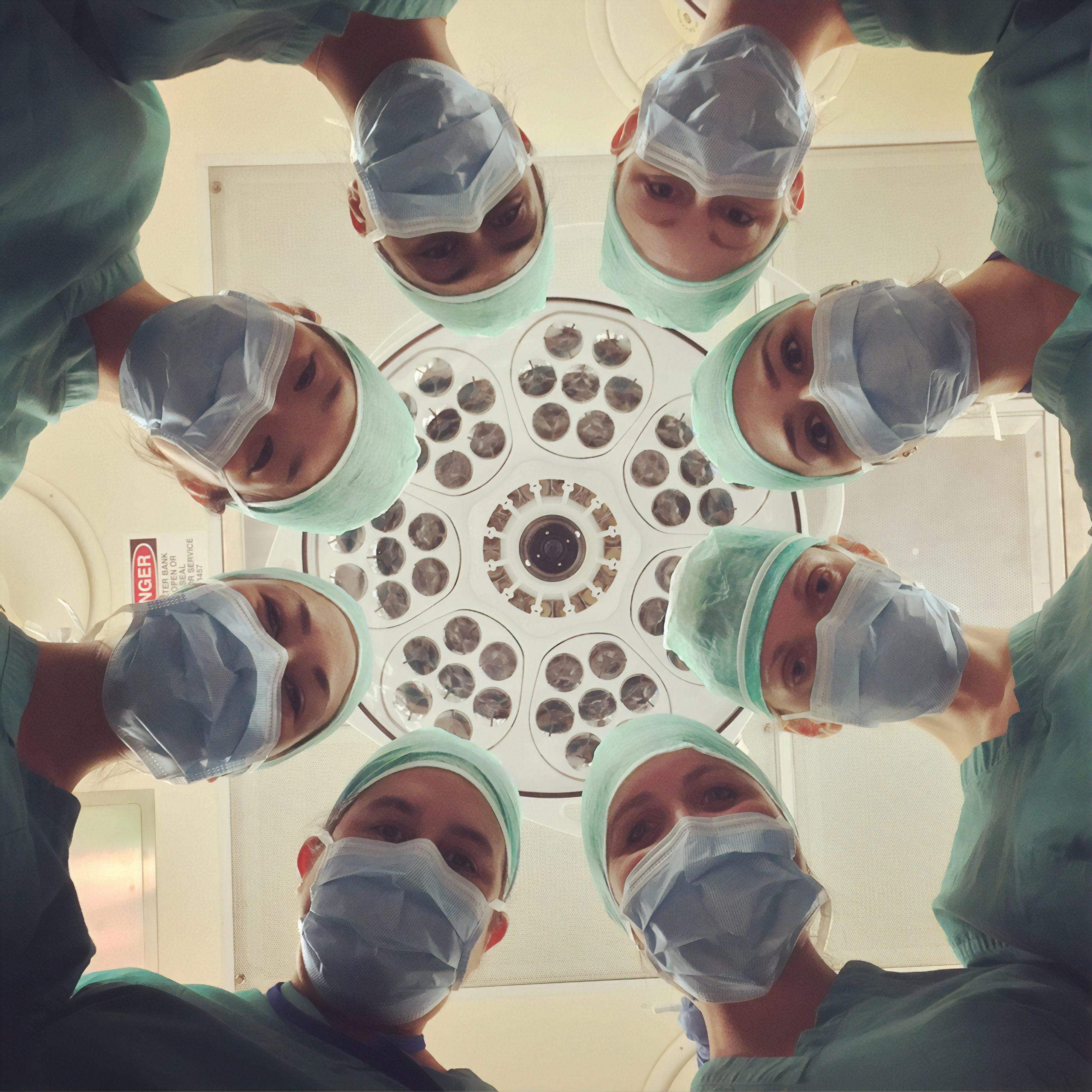
After I shared earlier this week about hidden goals, a lot of news came out about more people getting infected with the coronavirus. This includes people who deliberately went against sensible health guidelines, especially regarding mask wearing
From a cause-and-effect perspective, we could say that the virus eventually caught up with them, and of course their risky behaviors significantly increased their chances of getting infected.
But from a hidden goals perspective, we can also say that when people express such behaviors, they’re also expressing the hidden goal of getting infected. In other words, not wearing a mask isn’t just an expression of denial or bravado. Not wearing a mask expresses an elevated intention to invite infection. The hidden goal is to get sick.
Why would someone – or some part of a person’s psyche – want to get infected?
There could be lots of reasons. What are the benefits of getting infected? These are numerous.
First, you get immediate access to lots of downtime in a socially acceptable way. You’re expected to go into isolation and rest more.
Suppose that I announced that I had the virus. Wouldn’t that immediately change what you expected of me in the coming weeks? If I put myself into such a stressful or obligatory situation that getting sick could provide a much needed break, that could increase my chances of engaging in risky behaviors, such as not exercising or not eating well.
How often have you gotten sick when you were stressed, but you could also look back and see that you didn’t take very good care of yourself during those times either? Did you eat more iffy foods or slack off on good self-care practices? If so, you could say that you were courting illness as a way of giving yourself a break.
If you’re a very busy person and say you just want two weeks off for the sake of taking two weeks off, how will your social circle respond to that? Will anyone give you flak for it? How would they respond if you needed a few weeks off due to a serious or life-threatening illness?
If you get sick, the time is yours, and people are normally glad to let you off the hook regarding any expectations. They just expect you to focus on recovery.
Trump’s situation could also align well with hidden goals. He’s heading for an election that he’s likely to lose. He had a terrible debate performance this past week and has two more debates coming up (with the expectation of tighter rules), so there’s little or no upside and lots of downside if he does them. His long-term financial lies have been exposed publicly by the New York Times. He’s facing huge debt payments coming due, and he’s dealing with a major audit from this IRS that could cost him $100 million or so. More ex-insiders are turning against him. He and his family members may be looking at some real jail time too. Suffice it to say that his world is collapsing, and he doesn’t have many good options going forward.
His previous approach included trying to disrupt the election, setting the stage for disputing the results and throwing the process into chaos. That creates a big mess, but it probably wouldn’t work well enough to actually solve his problems, and this is generating an even bigger backlash against him.
By some measures it may seem like this would be the worst time for him to get sick – with just a month to go until the election. At a bare minimum, he has to self-isolate for at least 10 days, which is 1/3 of the time he has left. And that’s if things go well and he recovers quickly, which seems iffy since he just spent last night in the hospital.
But from the perspective of hidden goals, this is actually a very good time for him to get sick. As odd as it may seem, getting sick provides more options during this time.
He’s losing anyway. The next two debates aren’t going to go well for him, especially if they turn off his mic while Biden is speaking. He’s unlikely to turn things around in the next 30 days. There isn’t much hope for him to be found in those 30 days if he stays healthy. Even if he does his absolute best, it won’t likely make enough of a difference.
But getting sick – at a minimum – gives him access to extra outs and reframes. I’m not sure which of those would appeal to him, and some depend on how sick he gets, but here are a few to consider.
One aspect is that he gets to blame the virus if he loses – and anyone and anything he can associate with it. Moreover, people’s expectations of his performance are greatly lowered. So he can lose the election without losing so much of his social support. His supporters get to blame the virus too, and he surely knows this.
Another angle is that if he recovers quickly, he can say that the virus isn’t such a big deal and that people are blowing it out of proportion. Or he could claim that he’s strong enough to beat it quickly. And then if he loses the election, he can still blame the virus (and all of its associations) for its bad timing during the final month before the election. But given his hospitalization, I think this angle regarding a speedy recovery is becoming less accessible.
Another angle is that if he gets really sick, he can try to make a case for postponing the election. It fits with his attempts to sabotage the election and gives him even more options along those lines.
There’s also the angle of the virus being potentially fatal. That too is a potential hidden goal – the ultimate escape from all of life’s problems and challenges. Just let everything go and be done with it.
These are just conjectures since we can’t really know what another person’s hidden goals may be. I share this for the purpose of encouraging you to look at your own hidden goals – the goals that can be gleaned from your actual behaviors. So don’t see hidden goals as some absolute truth you’re trying to discover about yourself (or about other people). Rather see this as a tool that you can use to better understand your behavior and where you may be heading, so you can make more conscious choices.
If you play fast and loose with intelligent health precautions these days, consider the potential hidden goal that you may be trying to get sick. Then ask why you might want to do that. Do you see any potential benefits to a period of illness?
Illness can provide many benefits. It’s a period of rest. People’s expectations are immediately lowered, so it can make life easier, especially socially. You may be treated with more caring and compassion. Many of your problems will be put on pause – and some may even be improved or solved by your illness, such as interpersonal problems. An illness can remind you to appreciate good health and how precious it is, so you feel extra good when you recover.
Have you ever gotten sick in the past and found afterwards that it wasn’t such a bad thing? The experience may not be so great, but when you look at the full package, it’s not necessarily all bad.
The lesson of hidden goals with respect to illness is this: Watch out for when getting sick might actually give you some nice benefits or more options – especially when you see your behavior sliding in the direction of courting illness, like Trump’s behavior has been for months. That’s a good time to acknowledge the hidden goal and give it some conscious expression instead. You don’t have to court illness to get those benefits. You can create those benefits in other ways.
If you suspect that based on your behaviors, you may be courting illness, consider that you’re actually dealing with a social problem. If you lived alone on an island, you wouldn’t need to get sick just to earn a break from people’s expectations. So the warning signs of courting illness can point towards the need to invest in better management of social boundaries and expectations and win-win relationships.
You can also see this as a lifestyle problem. If illness starts to look better than wellness, at least to give you access to a short period of rest, that signals that your lifestyle is out of balance and that it would be wise to incorporate more rest. You can claim a lifestyle that includes sufficient time for rest and play. Maintain a lifestyle that provides an accessible pathway to the benefits of illness without actually having to get sick.

Surgical patients who participate in virtual follow-up visits after their operations spend a similar amount of time with surgical team members as those who meet face-to-face. Moreover, these patients benefit by spending less time waiting at and traveling to the clinic for in-person appointments, according to research findings presented at the virtual American College of Surgeons Clinical Congress 2020.
“I think it’s really valuable for patients to understand that, in the virtual space scenario, they are still going to get quality time with their surgical team,” said lead study author Caroline Reinke, MD, FACS, associate professor of surgery at Atrium Health in Charlotte, N.C. “A virtual appointment does not shorten that time, and there is still an ability to answer questions, connect, and address ongoing medical care.”
Due to the Coronavirus Disease 2019 (COVID-19) pandemic and the widespread adoption of technology, many surgical patients are being offered virtual appointments in place of traditional in-person visits. The researchers say this is one of the first studies to look at how patients spend their time in post-operative virtual visits compared with face-to-face consultations.
The study design was a non-inferiority, randomized controlled trial that involved more than 400 patients who underwent laparoscopic appendectomy or cholecystectomy at two hospitals in Charlotte, N.C. and were randomized 2:1 to a post-discharge virtual visit or to an in-person visit. The study began in August 2017 but was put on hold in March 2020 due to COVID-19.
“Other studies have looked at the total visit time, but they haven’t been able to break down the specific amount of time the patient spends with the provider. And we wanted to know if that was the same or different between a virtual visit and an in-person visit,” Dr. Reinke said. “We wanted to get down to the nitty gritty of how much face time was actually being spent between the surgical team member and the patient.”
Researchers tracked total time the patients spent checking in, waiting in the waiting room and exam room, meeting with the surgical team member, and being discharged after the exam. For in-person visits, on-site waiting time and an estimated drive time was factored into the overall time commitment.
Just 64 percent of patients completed the follow-up visit. “Sometimes, patients are doing so well after minimally invasive surgery that about 30 percent of these patients don’t show up for a post-operative visit,” Dr. Reinke said.
Overall, results showed that the total clinic time was longer for in-person visits than virtual visits (58 minutes vs. 19 minutes). However, patients in both groups spent the same amount of face time with a member of their surgical team (8.3 minutes vs. 8.2 minutes) discussing their post-operative recovery.
“I was pleasantly surprised that the amount of time patients spent with the surgical team member was the same, because one of the main concerns with virtual visits is that patients feel disconnected and that there isn’t as much value in it,” Dr. Reinke said.
Importantly, patients placed a high value on convenience and flexibility. “We received overwhelmingly positive responses to this patient-centered care option.” Dr. Reinke said. “Patients were able to do the post-operative visit at work or at home while caring for children, without having to disrupt their day in such a significant way.”
The researchers also found that patients embraced the virtual scenario. The satisfaction rate between both groups of patients was similar (94 percent vs. 98 percent).
In addition, wait time was much less for patients who got virtual care. “Even for virtual visits, the amount of time the patients spent checking in and waiting was about 55 percent of total time. Because virtual visits have the same regulations as in-person visits, even if you take out the components of waiting room and patient flow within the clinic, patients are still spending about half of their time on the logistics of check in,” Dr. Reinke. “Yet, with virtual visits, there is still much less time spent waiting, about 80 percent less time.”
Still, some patients are not comfortable with the technology. The number of patients who couldn’t or didn’t want to do a virtual visit was higher than expected, according to the authors.
“I think there are some patients that would really just rather come in and shake someone’s hand,” Dr. Reinke said. “I think for surgery it’s a little bit different, because with surgical care there are incisions to check on. However, we were able to check on incisions pretty easily, having patients show us their incisions virtually on the video screen.”
This research was supported by the American College of Surgeons Franklin H. Martin Faculty Research Fellowship. “FACS” designates that a surgeon is a Fellow of the American College of Surgeons.
Citation: The Value of Time: Analysis of Surgical Post-Discharge Virtual vs. In-Person Visits. Scientific Forum, American College of Surgeons Clinical Congress 2020, October 3-7, 2020.
The findings could be used to shape government guidance on safe use of places of worship.

Allowing farmers to harvest vegetation from their riparian buffers will not significantly impede the ability of those streamside tracts to protect water quality by capturing nutrients and sediment — and it will boost farmers’ willingness to establish buffers.
That is the conclusion of Penn State College of Agricultural Sciences researchers, who compared the impacts of six riparian buffer design scenarios over two, four-year crop rotations in two small central and southeastern Pennsylvania watersheds. Two of the buffer scenarios included the harvesting of switchgrass and swamp willow trees.
Allowing farmers to harvest vegetation from their riparian buffers and sell it for biofuels — not permitted under current Conservation Reserve Enhancement Program, or CREP, federal regulations — would go a long way toward persuading farmers to establish riparian buffers, researchers contend. And farmers’ buy-in is badly needed in Pennsylvania, where hundreds of miles of new buffers are needed along streams emptying into the Chesapeake Bay to help the state meet water-quality standards.
“This is the first long-term study in the Chesapeake Bay watershed to model how harvesting vegetation affects riparian buffer performance over the full length of a buffer contract,” said researcher Heather Preisendanz, associate professor of agricultural and biological engineering. “Allowing harvesting of the buffer vegetation — either trees or grasses — minimally impacted water quality, with only slight annual average reductions in the capture of nitrogen, phosphorus and sediment.”
In addition, she noted, under the highest input loading conditions — heavy runoff after storms — buffers with lower removal efficiencies removed more total mass of pollutants than did buffers with high-removal efficiencies, if they were between streams and fields with row crops such as corn and soybeans. The location of the buffer was most important.
The researchers, who modeled runoff and resulting pollution from agricultural fields reaching the streams, studied riparian buffer performance on Spring Creek in Centre County and Conewago Creek in Lancaster County. Buffer design scenarios studied included 35-feet-wide grass; 50-feet-wide grass; 50-feet-wide deciduous trees; 100-feet-wide grass and trees; 100-feet-wide grass and trees, with trees harvested every three years; and 100-feet-wide grass and trees, with grass harvested every year.
The research team developed these scenarios after considering feedback from focus group meetings with farmers in the two watersheds. Farmers indicated they wanted to be able to install buffers tailored to their properties with the prospect of generating limited revenue.
In the Spring Creek watershed — which has been studied closely by Penn State agricultural scientists for decades — 16 years of daily-scale nutrient and sediment loads from three crop rotations and two soils were simulated in a soil and water assessment tool. That data was used as an input to a riparian ecosystem management model used nationally to better understand how a buffer’s effectiveness changes as a function of input load, buffer design and buffer management.
The simulation results, recently published in the Journal of Environmental Quality, suggest that for buffers of the same width, the farmer-preferred grass vegetation outperformed policy-preferred vegetation of trees for sediment, nitrogen and phosphorus removal.
The findings of the research have important implications for informing flexible buffer design policies and enhanced placement of buffers in watersheds impaired by nutrient and sediment, Preisendanz explained. She pointed out, however, that more research may be needed to examine tradeoffs between water-quality impacts and other ecosystem services, such as streambank stabilization, habitat and stream shading.
“If incorporated into policy, these findings could remove one barrier to farmer adoption of riparian buffers,” she said. “Based on our conversations with famers in focus groups, we think this approach — government being more flexible with buffer designs and allowing harvesting — would go a long way toward farmers agreeing to create more riparian buffers.”
The state Department of Conservation and Natural Resources currently is promoting “multifunctional” buffers, Preisendanz added. “Our hope is that this work will help to inform tradeoffs of flexible buffer designs and management options in this new program.”
Story Source:
Materials provided by Penn State. Original written by Jeff Mulhollem. Note: Content may be edited for style and length.

A major roadblock to large scale testing for coronavirus infection in the developing world is a shortage of key chemicals, or reagents, needed for the test, specifically the ones used to extract the virus’s genetic material, or RNA.
A team of scientists at the University of Vermont, working in partnership with a group at the University of Washington, has developed a method of testing for the COVID-19 virus that doesn’t make use of these chemicals but still delivers an accurate result, paving the way for inexpensive, widely available testing in both developing countries and industrialized nations like the United States, where reagent supplies are again in short supply.
The method for the test, published Oct. 2 in PLOS Biology, omits the step in the widely used reverse transcription polymerase chain reaction (RT-PCR) test where the scarce reagents are needed.
92% accuracy, missing only lowest viral loads
The accuracy of the new test was evaluated by a team of researchers at the University of Washington led by Keith Jerome, director of the university’s Molecular Virology Lab, using 215 COVID-19 samples that RT-PCR tests had shown were positive, with a range of viral loads, and 30 that were negative.
It correctly identified 92% of the positive samples and 100% of the negatives.
The positive samples the new test failed to catch had very low levels of the virus. Public health experts increasingly believe that ultra-sensitive tests that identify individuals with even the smallest viral loads are not needed to slow spread of the disease.
“It was a very positive result,” said Jason Botten, an expert on pathogenic RNA viruses at the University of Vermont’s Larner College of Medicine and senior author on the PLOS Biology paper. Botten’s colleague Emily A. Bruce is the paper’s first author.
“You can go for the perfect test, or you can use the one that’s going to pick up the great majority of people and stop transmission,” Botten said. “If the game now is focused on trying to find people who are infectious, there’s no reason why this test shouldn’t be front and center, especially in developing countries where there are often limited testing programs because of reagent and other supply shortages.”
Skipping a step
The standard PCR test has three steps, while this simpler version of the standard test has only two, Botten said.
“In step 1 of the RT-PCR test, you take the swab with the nasal sample, clip the end and place it in a vial of liquid, or medium. Any virus on the swab will transfer from the swab into the medium,” he said. “In step 2, you take a small sample of the virus-containing medium and use chemical reagents, the ones that are often in short supply, to extract the viral RNA. In step 3, you use other chemicals to greatly amplify any viral genetic material that might be there. If virus was present, you’ll get a positive signal.”
The new test skips the second step.
“It takes a sample of the medium that held the nasal swab and goes directly to the third, amplification step,” Botten said, removing the need for scarce RNA extraction reagents as well as significantly reducing the time, labor and costs required to extract viral RNA from the medium in step 2.
Botten said the test is ideally suited to screening programs, in both developed and developing countries, since it is inexpensive, takes much less processing time and reliably identifies those who are likely to spread the disease.
Its low cost and efficiency could extend testing capacity to groups not currently being tested, Botten said, including the asymptomatic, nursing home residents, essential workers and school children. The standard RT-PCR test could be reserved for groups, like health care workers, where close to 100% accuracy is essential.
An influential pre-print points way to widespread adoption of test
The two-step test developed by the University of Vermont team first caught the attention of the scientific community in March, when preliminary results that accurately identified six positive and three negative Vermont samples were published as a preprint in bioRxiv, an open access repository for the biological sciences. The preprint was downloaded 18,000 times — in its first week, it ranked 17th among 15 million papers the site had published — and the abstract was viewed 40,000 times.
Botten heard from labs around the world who had seen the preprint and wanted to learn more about the new test.
“They said, ‘I’m from Nigeria or the West Indies. We can’t test, and people’s lives are at stake. Can you help us?'”
Botten also heard from Syril Pettit, the director of HESI, the Health and Environmental Sciences Institute, a non-profit that marshals scientific expertise and methods to address a range of global health challenges, who had also seen the preprint.
Pettit asked Botten to join a think tank of likeminded scientists she was organizing whose goal was to increase global testing capacity for COVID-19. The test developed by the University of Vermont and University of Washington teams would serve as a centerpiece. To catalyze a global response, the group published a call to action in EMBO Molecular Medicine.
And it took action, reaching out to 10 laboratories in seven countries, including Brazil, Chile, Malawi, Nigeria and Trinidad/Tobago, as well as the U.S. and France, to see if they would be interested in giving the two-step test a trial run. “Universally, the response was yes,” Pettit said.
The outreach led to a new HESI program called PROPAGATE. Each of the labs in the PROPAGATE Network will use the two-step test on a series of positive and negative samples sent to them by the University of Washington to see if they can replicate the results the university achieved.
The study has already shown promising results. One of the labs in Chile has also used the test on its own samples from the community and got accurate results.
Assuming all goes well, Pettit and her colleagues at the University of Vermont and the University of Washington as well as scientists from the 10 partner sites plan to publish the results.
“The goal is the make the two-step test accessible to any lab in the world facing these hurdles and see a broad uptake,” she said.

Research from the University of Kent’s School of Economics sheds new light on a long-standing obstacle to improving agricultural productivity in developing countries: the reluctance of small-scale farmers to adopt modern technologies because of the risks associated with them.
The paper, published in Science Direct, examined the relationship between attitudes towards risk among small-scale aquafarmers in Ghana and the time they take to adopt new technologies that reduce traditional risks, including; poor weather conditions, aquatic predators and poor hygiene.
The researchers conducted a series of psychological experiments with aquafarmers in 30 villages in four regions in southern Ghana to measure their aversion to risk and willingness to take gambles. They also recorded the aquafarmers’ adoption of three innovative technologies recently introduced to Ghana: predator-proof floating cages for fish; a nutrient-rich fish feed; and a fast-growing, disease-resistant breed of tilapia fish.
Results showed that aversion to traditional production risks accelerated the adoption of all three technologies. However, adoption of floating cages was slower due to the significant upfront financial investment required, making small-scale experimentation with the technology impractical. The study also found that once aquafarmers in a community have started using the cages, the aversion by others to take the risk was further reduced.
Based on their findings, the study’s authors advocate providing practical information about new agricultural technologies and information about positive returns from their adoption with the help and encouragement of regional extension agents to encourage the adoption of new agricultural technologies by small-scale farmers in developing countries.
Dr Adelina Gschwandtner, Senior Lecturer in Economics and Principle Investigator, said: ‘These findings may have significant consequences beyond Africa and onto the global agricultural sector. Addressing traditional perceptions with this new understanding of the potential to reduce risk by adopting new ideas, methods, and technologies, may broaden how business ventures are viewed and conducted in the future. This in turn may help agricultural ventures in developing nations become secure and allow them to flourish.’
Story Source:
Materials provided by University of Kent. Original written by Sam Wood. Note: Content may be edited for style and length.
