The researchers say the death toll would have been “huge” without a lockdown.


The researchers say the death toll would have been “huge” without a lockdown.

We’re seeing an explosion of dialog around exploitative systems. People have varying degrees of awareness that they’ve been stuck in systems that affect their lives and the lives of others. Many are withdrawing their consent to participate in such systems going forward. Of course many feel they never consented to begin with. The social contracts are being questioned and uprooted.
I invite you to consider where you’re participating in nonconsensual systems for your benefit.
For instance, do you ever assert the privilege to do as you wish with animals, such as their bodies, their skins, their eggs, or their milk? Do you use any leather or wool products? Do you assert ownership of any animals? Do you claim any as your personal property? If so, you’re participating in nonconsensual systems that dominate other beings for your pleasure. You’re treating animals as human products. Is that what animals really are? Do you care about what their perspective might be? Are you afraid to even think about that?
You can largely opt out of animal abuse systems by choice. You’re not forced to treat the animal world as your personal shopping mall, asserting entitlement to their bodies and lives. Opting out is a viable option. Millions of people have already done it, and more are joining them each day by finally saying: No, this is wrong. I won’t participate anymore.
If you were to make it clear to an animal that you were trying to kill it, and you gave it a chance to opt out, how do you think it would respond? Do you think it would willingly indicate its consent?
Imagine this in Eeyore’s voice: Oh… it looks like you’re trying to kill me… okay, sure… why not? How about you cut my throat? And for good measure, rape my mate, and take her babies and milk too. I exist to serve you.
As pathetic as that sounds, isn’t that the narrative that many people are effectively using? Is that your narrative? Do you really have a better one that isn’t functionally equivalent?
Is your narrative something more religious or spiritual perhaps?
Well, God created animals and then humans, and He gave humans dominance over the animals.
Animals are inhabited by different spirits that willingly incarnate to help human spirits explore and experience this dimension of reality, including eating them with a variety of sauces and dips.
Those are bullshit narratives of course. They grant permission to nonconsensually rape, cage, and kill other species. These are cutesy stories to assuage guilt and to bury the voice of the heart.
What’s your favorite bullshit narrative for the nonconsensual systems you engage with? I encourage you to actually write it up in a sentence or two. Then read it back to yourself. See it for what it is.
Why use these delusional narratives? You could just be honest and say: I’m gonna dominate animals because I can. Fuck ’em for being weak. I really don’t care.
The problem is caring.
A nutty narrative gives you permission not to care. When you drop such a narrative, there’s a real risk that you might start to care. That’s happening with racism now. A lot more people are starting to care. Many are caring more deeply than before. The old narratives are breaking down. People are finally acknowledging that there’s a tremendous amount of systemic unfairness and violence. The crust of denial surrounding their hearts is starting to crack off. And this is leading to more awareness and different choices.
The nasty thing about various aspects of human privilege, whether we’re talking about animal abuse or human abuse, is that the systems do a pretty good job of hiding the pain and suffering from those who benefit from it. That unpleasantness is hidden, denied, or explained away in a comforting manner. Toss is some gaslighting of those who cry foul to tie up that loose end.
What’s the difference between denying racial abuse and denying animal abuse? One group can at least speak up to some extent. The other is more thoroughly dominated due to lack of a voice, other than compassionate humans advocating for them. In both cases systems are used to bury caring.
I suggest that you face the unpleasantness of these systems instead of running from it. Look past the bullshit narratives. This will be ugly to see, and you’ll want to look away at first. But change is possible if you start with truth alignment, and there is a lot more beauty on the other side.
Facing your abuse of people and animals is tough. Inviting these relationships to align with honesty and compassion is beautiful. You don’t have to keep living in denial. There are better and more aligned alternatives.
This isn’t just about the current issue of the day. It’s about the larger context of your relationship with truth. Where have you been leaning on systems that hide the truth from you? Look at social systems, corporate systems, or government systems that you interface with. Where are you using systems to live less consciously instead of facing the truth? What’s burying your sense of caring?
Sometimes we become aware of how we’re interfacing with these systems, and we can do something about it. Many people are doing that with racist systems around the world today. Note that the first steps for many include educating themselves. I just did a quick check on Amazon, and the top four bestselling books right now are all about race – as well as many more further down the list. It’s clear that many people are seeking to align themselves with more truth here. This is great.
Don’t stop with race alone though. Make truth alignment a lifelong pursuit. It will be ugly and messy much of the time. It will uproot your life more than once. But when you discover truths that you can no longer deny, they’ll bring you back in touch with your heart, and that makes change easier. You can opt-out of old systems that aren’t aligned with truth and love, but you must start with a willingness to look at the truth.
Truth is a fundamental growth accelerator. The more truth you can take in, the faster you can grow. This applies to us as individuals and collectively for society.
By Aisha Abdool Karim
Cape Town scientists are hoping that a new study involving a common tuberculosis (TB) vaccine will show if it can help protect people at a high risk of Covid-19 from the disease and tell us more about how our immune system works.
But the trial has been criticised for allegedly failing to provide participants – many of whom are healthcare workers – with masks and gloves.
In May, the Cape Town clinical research organisation TASK began testing whether a TB jab — the Bacille Calmette-Guérin (BCG) vaccine that is usually given to newborns – could help protect hospital workers such as doctors, nurses, security guards and administration staff against serious Covid-19 disease.
As part of the 500-person trial in Cape Town’s Tygerberg Hospital, about half of volunteers will receive the shot while the other 50% are given a placebo shot of simple saline solution. After a year, scientists will compare the two groups to see if cases of Covid-19 were lower or milder in the group that got the BCG shot.
TASK hopes to expand the study to ultimately include 2 000 volunteers. Similar trials are underway in Australia and the Netherlands.
The BCG immunisation has been shown to protect young children from developing active TB. Although most of us carry the germ that causes TB, only about one in 10 people will fall sick and develop active TB, the United States Centers for Disease Control explain.
However, a controversial study released in March, catapulted the vaccine into the headlines after it claimed that countries with universal BCG vaccination had lower Covid-19 deaths.
The research, which was never peer-reviewed, had major flaws. One was that it had been conducted before most countries, including South Africa, that use BCG, had seen many cases of the new coronavirus, argue researchers from Canada’s McGill International TB Centre in a post for the journal Nature.
Countries in Europe, such as Italy, the Netherlands and Belgium, where the research was conducted, do not give BCG jabs to babies as a rule, as TB infections rates are low.
On the contrary, most countries in Africa, where TB is common, immunise babies with BCG at birth.
If studies on BCG eventually show that the common jab can help prevent or reduce serious cases of Covid-19, the results may also help shape relatively new ways of thinking about the immune system. But activists are concerned that the study isn’t doing enough to care for the people in it – or engage with them.
In the meantime, people may already be trying to get their hands on BCG vaccinations without any proof they’ll protect them against Covid-19. A spike in demand for the shot could lead to shortages of the vaccine for children, warn experts.
Clinical trials in South Africa are heavily regulated. Before studies can begin, scientists must apply for permission from the national medicines regulator, the South African Health Products Regulatory Authority (Sahpra), and accredited expert committees – often based at universities – to ensure trials are conducted ethically.
The TASK study received approval from Sahpra as well as ethical sign off from the University of Cape Town and an independent research ethics committee at the firm Pharma-Ethics.
Clinical trials must also ensure that all participants receive a minimum standard of care and treatment, according to the World Medical Association’s Helsinki Declaration. But what constitutes that minimum standard of care – and whether that should be based on what’s locally or internationally available – remains debated.
On Friday, seven advocacy organisations, including the Vaccine Advocacy Resource Group, issued a statement saying that all Covid-19 clinical studies should ensure participants have access to free personal protective equipment (PPE), such as masks and gloves, as part of their standard of care – this includes in the TASK study.
Currently, none of the hospital workers in the TASK trial receive this kind of gear from the trial. Instead, they rely on the Western Cape health department, which has experienced shortages of masks since South Africa’s coronavirus outbreak started in March.
Caryn Upton is the scientist leading the TASK research. Upton says that neither the Cape Town trial or any of the other 10 studies looking at BCG and Covid-19 globally included or budgeted for the provision of PPE to volunteers.
“Essentially as healthcare workers in various different environments from cleaners all the way through to intensive care unit doctors, the provision of PPE, and the protection of these critical staff, is the responsibility of the state or the private institutions that are employing them,” she says.
“A year of PPE for 1 000 participants basically makes the trial totally unfundable because that’s incredibly expensive.” TASK recently approached the South African Medical Research Council (SAMRC) for funding to increase the number of people it could enroll in the study. Upton says the SAMRC is currently setting up a group of ethicists to discuss issues, including whether the trial should be providing protective gear.
“If we get funding for PPE – such as if the SAMRC wants to fund us – and included in that is funding for PPE, we are more than happy to provide PPE,” Upton says.
The who, what, when and how of community engagement
A Vaccine Advocacy Resource Group (VARG) founding member, Tian Johnson, who uses the pronoun they, says they also have concerns about how community engagement around the trial was conducted.
There are no international standards on community engagement, but the most recent 2006 guidelines from the South African national health department advise clinical trials to consider establishing a community advisory board.
These bodies are composed of people from the community in which the trial is being held, for instance, religious or traditional leaders or trial participants.
Today, most major HIV and TB clinical trials in South Africa have bodies such as these that help ensure communication between trial organisers and communities, via, for instance, regular community meetings.
Johnson says that when TASK was asked about what community engagement had been done, the organisation said it had posted information about the trial to a WhatsApp group and social media platforms.
Johnson adds that TASK said that consultations had also been done with healthcare workers on internal TASK structures and with the civil society organisation, TB Proof, which represents healthcare workers affected by TB.
“We brought on TB Proof to basically consult in the development of the protocol and also in terms of fulfilling the community engagement and recruitment,” says Upton.
“They have a board, which has healthcare workers and community workers in it, and they represented our engagement with the healthcare worker community.” But Johnson says this isn’t enough. “That’s not consultation,” says Johnson.
“We need a process that allows for community and health sector engagement to help shape how the study is ultimately carried out.”
They explain: “None of us are saying that we don’t want the trial , or any other trial to happen….we’re just simply saying do it right. And right means ensuring that the trial is ethically sound and accountable to and owned by communities where research happens. We’ve learnt too much from HIV research for us to be having these conversations [about community ownership of research] in 2020.”
TB Proof says community engagement included discussing the trial with the Covid-19 People’s Coalition, an alliance of 300 NGOs, as well as the South African National AIDS Council (Sanac).
Additionally, the TB non-profit held a 27 May meeting with members of the department of science and innovation, Sahpra and civil society.
Johnson was invited to chair this meeting, TB Proof explains. TB Proof Board Chair Helene-Mari van der Westhuizen in a statement said the organisation was surprised to see Friday’s statement from VARG and was under the impression that all concerns about the TASK trial except that regarding PPE had been resolved.
Van der Westhuizen says TASK gave a virtual presentation to Tygerberg staff on 28 April , which was also shared on a Covid-19 health worker Telegram group with more than 1 000 healthcare workers.
“TB Proof is advocating for adequate PPE provision to all health workers, not only those included in this trial,” Van der Westhuizen argues.
“The trial consortium has responded to civil society requests to include provision of PPE as part of this trial by proposing an additional ethics review and further engagement.”
She concludes: “TB Proof believes that if the current working conditions of health workers in South Africa is seen as “lack of standard of care”, this should not be addressed through adapting a trial but through making healthcare facilities safer for everyone.”
TB Proof is set to meet with civil society representatives, from the organisations that signed the statement, on Thursday to discuss the issues raised around the trial.
Although research on BCG released in March was flawed, it turns out researchers have been studying BCG’s potential to curb illnesses other than TB for years, in part because of a concept scientists call “trained immunity”.
Our immune system is made up of different types of cells. When we get sick, these cells kick into action to try to fight infections.
But some researchers think that immunisations such as BCG and measles, that contain bits of live viruses – versus for instance, proteins made to look like viruses – help reprogramme our immune cells to better respond to infections later.
This, researchers argue, is even the case for infections other than the ones the vaccines were intended to fight, according to an article published earlier this year in Nature Reviews Immunology.
Thomas Scriba, deputy director of immunology at the South African Tuberculosis Vaccine Initiative. “There is … a part of your immune system that you are born with, it’s innate,” he says.
“For a long time we thought you just have it, those cells do certain things and can’t adapt their behaviour. But it turns out that these innate cells can adapt a little through this process of trained immunity… “
Research in countries such as Guinea-Bissau and South Africa argue the BCG vaccine helped reduce deaths in newborns and teenagers – not because it protected them from TB, but rather because it seemed to reduce conditions such as malaria and respiratory infections.
The studies were published in 2017 and 2018 in the International Journal of Epidemiology and the New England Journal of Medicine.
But although the science seems to suggest “trained immunity” could be a concept worth looking at, it still can’t explain how it works, say researchers in a 2013 review in Trends in Immunology.
That’s in part because most studies haven’t been designed to evaluate whether BCG vaccinations caused declines in illnesses other than TB, says Willem Hanekom, director of Africa Health Research Institute.
Although he says that the possibility that BCG could protect people against Covid-19 is a “nice hypothesis”, there is “precious little evidence to go on” that it will work. “The effects of BCG vaccination to prevent TB… the evidence is there. But it only works if you’ve not been exposed to TB before,” Hanekom explains.
A 2014 research review published in the journal of Clinical Infectious Disease found that BCG worked better to protect children against TB in northern countries, which typically have lower burdens of TB.
Although more work is needed, scientists think that the jab may only work to prevent TB disease if people receive it before they are exposed to the TB germ – which is why in high TB burden countries like South Africa, vaccines happen soon after birth.
A 2010 study in the International Journal of Tuberculosis and Lung Disease found that 88% of about 1 000 people surveyed in Cape Town townships had latent TB – in other words, they had been infected with the TB germ, but had not fallen ill with it.
Meanwhile, effects of BCG on other illnesses have only really been described in very young children who have not been exposed to TB – unlike most South Africans.
Although studies in Guinea-Bissau looked promising, many other studies have been unable to replicate these results, sowing doubts among experts.
Hanekom concludes: “I cannot say with 100% [certainty] that [the BCG vaccine] is not going to have any effect, but it seems to only work when you are not infected with TB – and that is an important thing for me.”
Meanwhile, hype around the BCG jab’s possible role in fighting Covid-19, despite a lack of evidence, may already be having unintended consequences.
Upton says she is concerned that some healthcare workers who are not in the trial have tried to get re-vaccinated with the jab, even though they know there is no evidence that it will protect them from serious Covid-19 disease.
Upton says: “Without the supply chain being ready, without evidence even, we may run out of BCG and that will absolutely be a concern.”
In April, Sahpra said it had already seen an increased demand for the immunisation and warned that panicked people seeking out vaccinations could pose a public health risk.
A 2016 mathematical model published in the journal BMC Medical estimated that shortages in BCG vaccine supply could lead to more than 100 000 deaths globally among children and adolescents.
Scriba warns: “Supply is actually still to some degree under pressure so it is really important that we protect the BCG vaccine supply for its intended use – vaccination of infants against TB – because that’s critical.”
*This story was produced by the Bhekisisa Centre for Health Journalism. Sign up for the newsletter.
Image credit: Paul Kane, Getty Images



The latest number of confirmed cases is 48 285.
According to the latest update, 998 deaths have been recorded in the country.
There have been 24 364 recoveries.
So far, 920 064 tests have been conducted, with 28 395 new tests.
READ MORE | All the confirmed cases of coronavirus in SA
Latest news:
Basic Education Minister Angie Motshekga has admitted to having “sleepless nights” about when to reopen South Africa’s schools, which has been confirmed for Monday for 95% of schools in the country.
She made this admission on Sunday in a statement to the nation.
Thanking a range of national and provincial departments, communities, private sector and the president, Motshekga said in a statement: “We must also single out our parents, teachers and learners, who had to patiently endure the ill-effects of the abnormal 2020 school calendar year with us.
“We can assure you that your anxieties are ours too; we too have spent the sleepless nights you spent.”
“We have done and will continue to do our level best to ensure that our schools are safe.
“All of us are therefore, called to do whatever we are expected to do, to ensure that our school communities and spaces do not become the new hotspots for the Covid-19 pandemic,” she added.
Next is the “phased reopening” of public and independent schools, with a cluster of grades returning on 6 July; and the last cluster back on 3 August.
READ MORE | Motshekga says schools ready to reopen: Here is the breakdown by province
The country’s basic education system has put in a momentous effort – and is now ready to open.
This was announced on Sunday by Basic Education Minister Angie Motshekga – giving the green light for grades 7 and 12 to return to school on Monday.
The reopening of schools comes a week after the minister postponed it, saying too many schools were not ready.
Now a week later, 95% of schools were ready to reopen, Motshekga said.
On Sunday 30 May, she added in her briefing, “the Council of Education Ministers determined that the sector was at a different level of readiness; and required more time to mop up its state of readiness for the resumption of schooling in order to comply with the health, safety and social-distancing measures and requirements on the coronavirus”.
In the following seven days, Motshekga said the country’s nine education departments, communities, the private sector and other government departments all “stepped up” – and “dramatically improved the national picture”.
READ MORE | 95% of schools ready to reopen after ‘drastically improved’ mop-up week – Motshekga
South African health authorities have added anywhere between zero and 207 new critical care beds to existing public healthcare capacity during the national lockdown, but the true number remains unclear.
The department said this week that 2 309 critical care beds allocated to Covid-19 patients nationally, and more than 13 000 field hospital beds were added to the total capacity during the lockdown.
It remains unclear whether these field hospital beds will be equipped to handle patients in need of critical care.
“Critical care” includes high care and ICU beds, according to the department’s own definition.
Plans to deploy national ministers to the Western Cape to assist in the fight against Covid-19 are under way, according to a report in the Sunday Times.
The publication reported that the likes of Police Minister Bheki Cele, Trade, Industry and Competition Minister Ebrahim Patel, Transport Minister Fikile Mbalula, Public Enterprises Minister Pravin Gordhan, and Forestry, Fisheries and Environmental Affairs Minister Barbara Creecy will be among those deployed to the province.
Their duties are still unclear, however, Minister in the Presidency Jackson Mthembu told Sunday Times that ministers would be sent to Covid-19 hotspots – a decision which the National Coronavirus Command Council (NCCC) made.
Mthembu said the same would be done for hotspots in other provinces.
READ MORE | National ministers to be deployed to Western Cape as Covid-19 peak approaches – report
WHAT’S HAPPENING IN THE REST OF THE WORLD
Cases update:
For the latest global data, follow this interactive map from Johns Hopkins University & Medicine.
Late on Sunday night, positive cases worldwide were 6.96 million, while deaths were more than 401 000.
The United States had the most cases in the world – close to 1.93 million, as well as the most deaths – more than 110 000.
READ MORE | All the confirmed cases worldwide
Latest news:
Brazil deleted months of data from its official Covid-19 tracker, prompting president Jair Bolsonaro to be accused of censorship.
On Friday, the health ministry’s “Coronavirus Panel” was taken offline, according to Brazil’s G1 Globo. By Saturday, it was back online, but with a fraction of the data.
The previous version of the website showed the cumulative national tally of deaths and infections, and granular data for each of Brazil’s 27 states and municipalities.
The new version showed only new deaths and cases recorded over the last 24 hours at state level, with no national tally.
Bolsonaro wrote on his personal Facebook page that the old website used data that was “not representative” and that the new version will “allow for more accurate data on the situation.”
“The disclosure of 24-hour data lets you monitor the reality of the country right now, and define appropriate strategies to help the population,” he said.
READ MORE | Brazil hides coronavirus death data, Bolsonaro accused of censorship
LATEST RESEARCH
As the world races towards a vaccine for the potentially deadly Covid-19 virus, one key substance is set to become highly sought after.
The unique blue blood of the horseshoe crab is used in a vital process that checks whether or not intravenous drugs – like vaccines – have any antibacterial contaminants, to ensure they’re safe for humans.
And as pharmaceutical companies rush to test vaccines for the deadly coronavirus, demand for its blood is set to surge, according to the New York Times.
It has been used in the pharmacological industry for almost 50 years. According to a study of the ancient creature, its blood contains amebocytes – a mobile cell that defends against pathogens and is highly susceptible to endotoxins. These form part of bacteria that could lead to toxic shock or cause severe fever.
The extract from the blood is called limulus amebocyte lysate (LAL), and when added to medicine, it will thicken solutions contaminated with bacteria. Otherwise, the medicine continues its normal flow through the process.
But what about the crabs? The harvesting practices and use of their blood have been hotly contested in the industry by conservationists, especially as an alternative test was developed 15 years ago called recombinant Factor C (rFC).
READ MORE | This animal’s blue blood is going to be in high demand to test coronavirus vaccines
An over-the-counter heartburn remedy is showing some potential as a symptom reliever for Covid-19, a small study has found.
Famotidine, sold under the brand name Pepcid, appeared to improve symptoms in a group of 10 patients diagnosed with Covid-19, researchers reported online on 4 June in the journal Gut.
The patients’ self-reported symptoms began to feel better within a day or two of taking famotidine, the study authors said.
“A clinical trial is now needed to formally test if famotidine works against Covid-19,” said lead researcher Dr Tobias Janowitz, a medical oncologist and cancer researcher with Cold Spring Harbor Laboratory in New York.
But don’t rush out to stock up on Pepcid just yet, warned Dr Amesh Adalja, a senior scholar with the Johns Hopkins Center for Health Security in Baltimore.
“This is a very small study that was observational in nature,” Adalja said. “It is very hard to draw any conclusions from it.”
A clinical trial in which Pepcid’s effectiveness is compared against a placebo is essential to prove that the medication works, since it is being used in mild to moderate cases of Covid-19, Adalja said.
READ MORE | Could a heartburn medication ease Covid-19 symptoms?
HEALTH TIPS (as recommended by the NICD and WHO)
• Maintain physical distancing – stay at least one metre away from somebody who is coughing or sneezing
• Practise frequent hand-washing, especially after direct contact with ill people or their environment
• Avoid touching your eyes, nose and mouth, as your hands touch many surfaces and could potentially transfer the virus
• Practise respiratory hygiene – cover your mouth with your bent elbow or tissue when you cough or sneeze. Remember to dispose the tissue immediately after use.
Image credit: Getty Images


It is clear that the new coronavirus is affecting everyone around the world. The Johns Hopkins Coronavirus Resource Centre indicates that more than 6.6 million people have been infected and Covid-19 has claimed the lives of over 391 000 people globally. Making matters worse, it presents a threat to psychological health as well as physical health.
Linked to this is the fact that many countries, including South Africa, are facing the additional threat of economic instability as millions of people have lost their jobs since the lockdowns started. The New York Times reports that the ultimate impact of the virus’s mental toll, according to some experts, may show up in countries’ suicide rates in 2020 and beyond.
SADAG calls doubled during lockdown
Before the national lockdown was implemented on March 27, the South African Depression and Anxiety Group (SADAG) averaged around 600 calls per day, Cassey Chambers, SADAG’s operations director, told Health24. However, during the course of the lockdown, in April alone, the organisation received more than double this number per day.
According to SADAG, many callers are dealing with a combination of issues, including the spread of the virus, finances, relationship problems, job security, grief, gender-based violence (GBV) and trauma. SADAG also carried out an online survey during lockdown (April). The main challenges people reported to be facing during lockdown included anxiety and panic, financial stress and pressure, depression, poor family relations, feelings of suicide, and substance abuse.
“The impact of mental health during Covid-19 has been a growing issue and concern, and SADAG has been monitoring call volumes on a daily basis. We do anticipate that, as the impact of Covid-19 worsens over the next couple of months, that the need for mental health support and help is going to increase drastically too,” Chambers explained.
“These conditions could certainly be exacerbated by the lockdown, particularly if the individual lives alone or in a dysfunctional home situation,” SADAG Board Chairperson, psychiatrist and psychologist, Dr Frans Korb said in a press statement.
Barriers to mental healthcare access
As we start to see people lose livelihoods and businesses, we could see its negative mental health effects that are likely to include suicide, Vincenzo Sinisi, clinical psychologist and psychoanalyst in private practice in Cape Town told Health24.
“People have begun to suffer the effects of living with less social contact, reduced daily structure, limited exercise, fewer rewarding and distracting tasks, and so on. Added to this are increased financial- and health-related concerns and, of course, fears of losing loved ones’ and our own lives. Many people are finding that they are bearing more strain and uncertainty with few resources available to help them cope.”
This is especially hard on those who are trying to manage an existing mental condition, Sinisi adds, and says that he and his colleagues are noticing clients who were doing well, but are now regressing. “This may translate into an increase in future admissions and suicides.”
Each death must be ‘carefully investigated’
In his article for the New York Times, Benedict Carey writes that for many months following the start of the pandemic, doctors won’t necessarily know for certain whether suicide has spiked in 2020, and that each death will have to be carefully investigated. However, Carey later states that the impact of economic hardship often serves as a strong impetus, and that historically, job losses and evictions have led to a spike in the numbers of suicides.
“I think during the actual crisis, suicide will be lower,” Dr Marianne Goodman, a psychiatrist at the Department of Veterans Affairs, in the Bronx, told the publication. “And once the longer-term economic impact is felt, I suspect, suicide will be rising again.”
Matthew Nock, a psychology professor at Harvard also offered some insight: “It’s a natural experiment, in a way. There’s not only an increase in anxiety, but the more important piece is social isolation,” further adding that: “We’ve never had anything like this – and we know social isolation is related to suicide.”
However, Sinisi has also been seeing some noteworthy changes during this crisis.
The paradoxical side of mental health during this crisis
When the lockdown first started, TherapyRoute, a platform used by people to find therapists, saw a significant rise in traffic, yet, at the same time, a paradoxical drop in the number of people who were reaching out to therapists, Sinisi says.
“These were most prominent towards the beginning of lockdown and seemed to be reducing as we adjusted to the new ‘normal’. While one might have expected people who were suffering under normal living conditions to suffer more under lockdown, many did not.
“Some, for example, felt relief as the pressure to go outside and socialise, or become successful, was removed; or the crippling envy they experienced at others’ happiness evaporated; or their sense of isolation (longing) and failure was unexpectedly replaced with an experience of ‘going through difficult times together’ (belonging),” he adds.
Is it more difficult to reach out for online therapy?
Online, or virtual, therapy is seeing a growth, especially during lockdown, and includes many people who are seeking therapy for the first time. However, this form of therapy may not be for every person or practitioner, as some may prefer traditional, face-to-face consultations.
Sinisi explains that based on his experience, he doesn’t see virtual therapy as challenging, although some therapists have chosen to press the pause button and prefer waiting for things to return to normal.
“Some people enjoy the convenience and reduced anxiety they feel when in the same room as another person. I have also seen an increase in the number of people asking for online or telephone consultations. The general state of uncertainty and instability seems to be contributing to greater patient turnover, such as some people preparing for financial losses, but the demand remains high,” Sinisi says. He, however, acknowledges the challenges:
“Public awareness of the availability of online consultations remains low, while some question the efficacy of meeting via a screen. And, there are cases where it is more difficult to establish rapport using this method.”
Life post-pandemic
In an article for the World Health Organization (WHO), when it comes to life post the Covid-19 pandemic, Dr Konstantinos Petsanis, a Swiss neurologist who specialises in general cognitive disorders and dementia, worries the most about mental health especially due to the long period of economic instability many countries will face. In the article, Petsanis touched on unemployment during and after the Great Depression, and how it led to a greater incidence of heart disease.
UN Secretary-General Antonio Guterres also stressed the cumulative impact of stress, grief, and anxiety in a recently published opinion piece in Time Magazine, saying: “Unless we act now to address the mental health needs associated with the pandemic, there will be enormous long-term consequences for families, communities and societies.”
The UN has urged governments around the world to take the mental health consequences of the pandemic seriously, and to ensure that mental health support is available.
SARS outbreak referred to as ‘mental health catastrophe’
Health24 previously reported on the Collaborative Outcomes study on Health and Functioning during Infection Times (COH-FIT), currently running, that is measuring the impact of the pandemic on people’s physical and mental health worldwide. It is the largest global study of its kind and in South Africa it’s being led by Stellenbosch University researchers, Professor Soraya Seedat and Dr Georgina Spies.
In the article, Spies told Health24 that the SARS 2003 outbreak has been referred to as a mental health catastrophe, and that research shows that 30 months after the outbreak, post-traumatic stress disorder (PTSD) was the most prevalent long-term psychiatric condition, followed by depressive disorders.
The COH-FIT study aims to collect information from over 100 000 participants from more than 40 countries and six continents. To help the research team gather data, please take the survey at www.coh-fit.com.
If you’re feeling anxious or depressed and feel like you need help, you can reach SADAG on their 24-hour helpline: 0800 456 789.
For a suicide emergency, dial 0800 567 567.
READ | Avoiding fear, anxiety while you self-quarantine
Image: Getty Images


_____________________________________________________________________________________________________________________
An over-the-counter heartburn remedy is showing some potential as a symptom reliever for Covid-19, a small study has found.
Famotidine, sold under the brand name Pepcid, appeared to improve symptoms in a group of 10 patients diagnosed with Covid-19, researchers reported online on 4 June in the journal Gut.
The patients’ self-reported symptoms began to feel better within a day or two of taking famotidine, the study authors said.
“A clinical trial is now needed to formally test if famotidine works against Covid-19,” said lead researcher Dr Tobias Janowitz, a medical oncologist and cancer researcher with Cold Spring Harbor Laboratory in New York.
A very small study
But don’t rush out to stock up on Pepcid just yet, warned Dr Amesh Adalja, a senior scholar with the Johns Hopkins Center for Health Security in Baltimore.
“This is a very small study that was observational in nature,” Adalja said. “It is very hard to draw any conclusions from it.”
A clinical trial in which Pepcid’s effectiveness is compared against a placebo is essential to prove that the medication works, since it is being used in mild to moderate cases of Covid-19, Adalja said.
“These are mild cases and mild cases do get better over time, so these cases have to be compared to placebo in order to see if this was actually just the natural course of infection or the famotidine,” Adalja explained.
Famotidine is an H2 blocker, a type of heartburn medication that works by decreasing the amount of acid the stomach produces.
Early in the outbreak, doctors found that many older people in Wuhan, China, who survived Covid-19 had been taking heartburn medications, researchers said.
‘Dying at half the rate’
Reviewing patient records, the investigators found that survivors suffering from chronic heartburn had been taking Pepcid rather than the more expensive omeprazole (Prilosec), Northwell Health Feinstein Institutes for Medical Research president Dr Kevin Tracey told the Science journal in April.
Hospitalised Covid-19 patients who’d been taking Pepcid were dying at about half the rate of those not taking the drug, 14% versus 27%, Tracey said.
Janowitz said, “Patients who were taking this medication coincidentally were having less severe Covid-19.”
For the new study, Janowitz and his team used a symptom tracking method used for patients with cancer, in which sick people chart how they’re feeling day by day.
The group in the study included six men and four women ranging in age from 23 to 71. They came from a diverse range of ethnic backgrounds, and most had chronic health conditions that increase a person’s risk of severe Covid-19.
The researchers developed a 4-point scale for five common Covid-19 symptoms, and the patients scored those symptoms every day.
Body aches improved
Nearly all patients reported improvement in these symptoms after taking famotidine – cough, fatigue, headaches, loss of smell or taste, and shortness of breath, the researchers said.
Five patients also reported that their body aches improved after they began taking famotidine, and three felt less chest tightness, the study findings showed.
“This method of quantifying symptoms and tracking them over time, which we use in cancer medicine, may be of help to understand the natural course of Covid-19,” Janowitz said.
A clinical trial of famotidine’s effectiveness with Covid-19 is underway at Northwell Health in New York City, Tracey noted.
Janowitz said that he could not say why famotidine appears to help patients with Covid-19 symptoms, nor could he say whether other heartburn drugs in its class might also work.
Hypothesis-generating at best
Theoretically, the drug is structured in a way that it might hamper coronavirus from replicating, Tracey told Health.com. Famotidine might bind to an enzyme needed by the virus to replicate itself.
Clinical trials and more lab work will be needed to shed more light on the way the drug might work, Adalja concluded.
“It is also important to look at viral loads or other biomarkers to determine if there is objective evidence that an antiviral or immune-modulatory effect is being exerted by the drug,” Adalja said. “At best, this is hypothesis-generating, and further use of the drug for this purpose should await a randomised, controlled trial to understand whether there is an actual benefit.”
Image credit: Getty Images


The latest number of confirmed cases is 45 973.
According to the latest update, 952 deaths have been recorded in the country.
There have been 24 258 recoveries.
So far, 891 668 tests have been conducted, with 40 797 new tests.
READ MORE | All the confirmed cases of coronavirus in SA
Latest news:
A comparison of the first 90 days of the Covid-19 epidemic in South Africa with some of the hardest hit countries in the world, shows how the early lockdown in SA prevented thousands of coronavirus cases.
South Africa also managed to conduct more tests in the first 30 days of the epidemic than most economic powerhouses, such as the US and even South Korea, which has been globally recognised as having set the bar for rapid and sufficient testing to clamp down on the transmission of the virus.
While the country was quickly overtaken in terms of testing and confirmed cases by other countries where the epidemic took root much earlier in the year, insight provided by tracking the spread of the virus over the number of days the epidemic has been present, is telling.
The first 90 days of the epidemic in countries such as China, the US, the United Kingdom, South Korea, Italy, Spain, Brazil and Russia, when compared to South Africa, shows that South Africa has managed to keep a handle on the transmission of Covid-19 quite successfully.
The US overshadows every other country in terms of its number of cases and the number of tests it has done, but it also shows that SA managed to keep a tighter lid on the epidemic in the first 90 days – although it must be noted SA had far more warning.
Comparatively, South Africa’s Day 1 of the epidemic is 5 March, while other countries confirmed cases much earlier in January (Italy, South Korea, US) and February (Russia, Brazil, UK, Spain).
INFOGRAPHICS | The first 90 days of Covid-19: How does SA compare to the world?
The donation of ventilators from the US government is just one step in a plan to treat rising numbers of Covid-19 cases, Health Minister Zweli Mkhize said on Saturday.
The first 20 ventilators, which will form part of a total donation of 1 000 from the US government, have been installed at Chris Hani Baragwanath Academic Hospital.
At a ceremony and demonstration of the ventilators at the Soweto hospital, Mkhize said more diagnostic tests were being sourced and the provisions of additional field beds were ongoing across the country.
He added that the health department anticipated a future shortage of oxygen and it was putting in place measures to prevent this.
Mkhize stressed that while lockdown regulations eased, the infection rate was still increasing.
“We are still facing the storm,” he said.
Former DA leader Mmusi Maimane and The One SA leader intends going back to court to delay pupils’ return to school for at least 60 days, given the current spike in coronavirus cases in the country.
His latest application is set to be heard in the North Gauteng High Court in Pretoria after the Constitutional Court rejected his bid last week to leapfrog the lower courts for direct access.
Maimaine and The One SA hope to get their day in court on 17 June to challenge the decisions of President Cyril Ramaphosa, Cooperative Governance and Traditional Affairs Minister Nkosazana Dlamini-Zuma and Education Minister Angie Motshekga.
He is focusing on challenging the decision to send children back to school on 8 June, and the change from Level 4 to 3, which allows for greater movement.
READ MORE | Maimane gears up for new Covid-19 schools challenge
Popular Cape Town hiking destination Lion’s Head has been closed with immediate effect, until further notice.
“Due to the nature of the trail, recreational activities are no longer permitted in these areas due to none (sic) compliance by users in accordance to the Alert Level 3 regulations of the Nationwide Lockdown,” announced Table Mountain National Park – which is part of South Africa National Parks (SANParks) – in a tweet.
According to Level 3 regulations, South Africans can only exercise outdoors between 06:00 and 18:00.
They also can’t walk in groups, and have to wear face masks.
READ MORE | Lion’s Head closed due to ‘non-compliant’ hikers
WHAT’S HAPPENING IN THE REST OF THE WORLD
Cases update:
For the latest global data, follow this interactive map from Johns Hopkins University & Medicine.
Late on Saturday night, positive cases worldwide were 6.8 million, while deaths were more than 362 000.
The United States had the most cases in the world – more than 1.9 million, as well as the most deaths – more than 109 000.
READ MORE | All the confirmed cases worldwide
Latest news:
On the first day of her illness in March, Yvonne Karolin was so exhausted, she could barely lift a spoon to her mouth. Within a week, she had shortness of breath, a sore throat, headaches, and a low-grade fever – all symptoms of the coronavirus.
“It is not possible to distinguish COVID-19 from other infections from only the symptoms,” the Swedish Public Health Agency website reads. “A laboratory test is required.”
But Karolin, a 50-year-old development manager who lives in Stockholm, never got a test.
After calling Sweden’s free healthcare hotline, Vårdguiden 1177, she was told to go the hospital. There, she waited two hours in a tent, only to be told by the doctor that the hospital wasn’t administering diagnostic tests for COVID-19.
READ MORE | In Sweden, people with coronavirus symptoms say getting a test is nearly impossible
LATEST RESEARCH
Hydroxychloroquine, the malaria drug touted and reportedly used by President Donald Trump as a preventative for Covid-19, appears not to have lived up to its hype, a new study shows.
Unlike some prior studies, this new trial was a “gold standard” prospective, randomised clinical trial. It found that hydroxychloroquine could not prevent Covid-19 any better than a sugar pill.
Worse, 40% of those taking hydroxychloroquine developed side effects including nausea, upset stomach or diarrhoea. Fortunately, no serious side effects or heart problems occurred in the study, the researchers noted. An uptick in risk for potentially dangerous heart rhythm abnormalities had been noted in prior studies in which Covid-19 patients received hydroxychloroquine as a treatment.
For the trial, researchers randomly assigned more than 800 people in the United States and Canada to take hydroxychloroquine, or a placebo, for five days. All of the participants had been exposed to people with Covid-19.
Overall, 12% of those taking hydroxychloroquine developed Covid-19 as did 14% taking the placebo, the findings showed.
This finding was not statistically significant, the study authors noted.
“Our objective was to answer the question of whether hydroxychloroquine worked to prevent disease or did not work,” said lead researcher Dr David Boulware, an infectious disease doctor at the University of Minnesota.
“While we are disappointed that this did not prevent Covid-19, we are pleased that we were able to provide a conclusive answer,” Boulware said in a university news release. “Our objective was to find an answer.”
READ MORE | ‘Gold standard’ clinical trial finds hydroxychloroquine won’t prevent Covid-19
Since the start of the Covid-19 pandemic, it’s become clear that many people with the infection lose their sense of smell and taste. And doctors are concerned that some will never get back to normal.
At this point, it’s hard to know how common the symptom is. First, there were anecdotal reports of Covid-19 patients who had lost their ability to smell or taste, said Dr Nicholas Rowan, an assistant professor of otolaryngology-head and neck surgery at Johns Hopkins University in Baltimore.
And then, he said, studies started to confirm “there’s a lot of truth to it”.
Rowan pointed to one study of patients hospitalised for Covid-19 that used objective tests to detect smell “dysfunction”. Nearly all patients – 98% – showed some loss of smell.
But the problem isn’t limited to severely ill patients. It appears to be common, and even a “cardinal” symptom, among people with milder Covid-19 infections. Cardinal symptoms are the key ones from which a diagnosis is made.
For example, in a study of European patients with mild-to-moderate Covid-19, 86% reported problems with their sense of smell, while a similar percentage had changes in taste perception.
As anyone who’s ever had a cold knows, smell and taste are closely intertwined, Rowan said. So the loss of smell – which doctors call anosmia – may be diminishing people’s perception of flavours.
But, Rowan noted, it’s also possible the coronavirus does have some direct effect on the sense of taste.
READ MORE | Loss of smell and taste might be long-term for some Covid-19 survivors
HEALTH TIPS (as recommended by the NICD and WHO)
• Maintain physical distancing – stay at least one metre away from somebody who is coughing or sneezing
• Practise frequent hand-washing, especially after direct contact with ill people or their environment
• Avoid touching your eyes, nose and mouth, as your hands touch many surfaces and could potentially transfer the virus
• Practise respiratory hygiene – cover your mouth with your bent elbow or tissue when you cough or sneeze. Remember to dispose the tissue immediately after use.
Image credit: Getty Images


As the world races towards a vaccine for the potentially deadly Covid-19 virus, one key substance is set to become highly sought after.
The unique blue blood of the horseshoe crab is used in a vital process that checks whether or not intravenous drugs – like vaccines – have any antibacterial contaminants, to ensure they’re safe for humans.
And as pharmaceutical companies rush to test vaccines for the deadly coronavirus, demand for its blood is set to surge, according to the New York Times.
It has been used in the pharmacological industry for almost 50 years. According to a study of the ancient creature, its blood contains amebocytes – a mobile cell that defends against pathogens and is highly susceptible to endotoxins. These form part of bacteria that could lead to toxic shock or cause severe fever.
The extract from the blood is called limulus amebocyte lysate (LAL), and when added to medicine, it will thicken solutions contaminated with bacteria. Otherwise, the medicine continues its normal flow through the process.
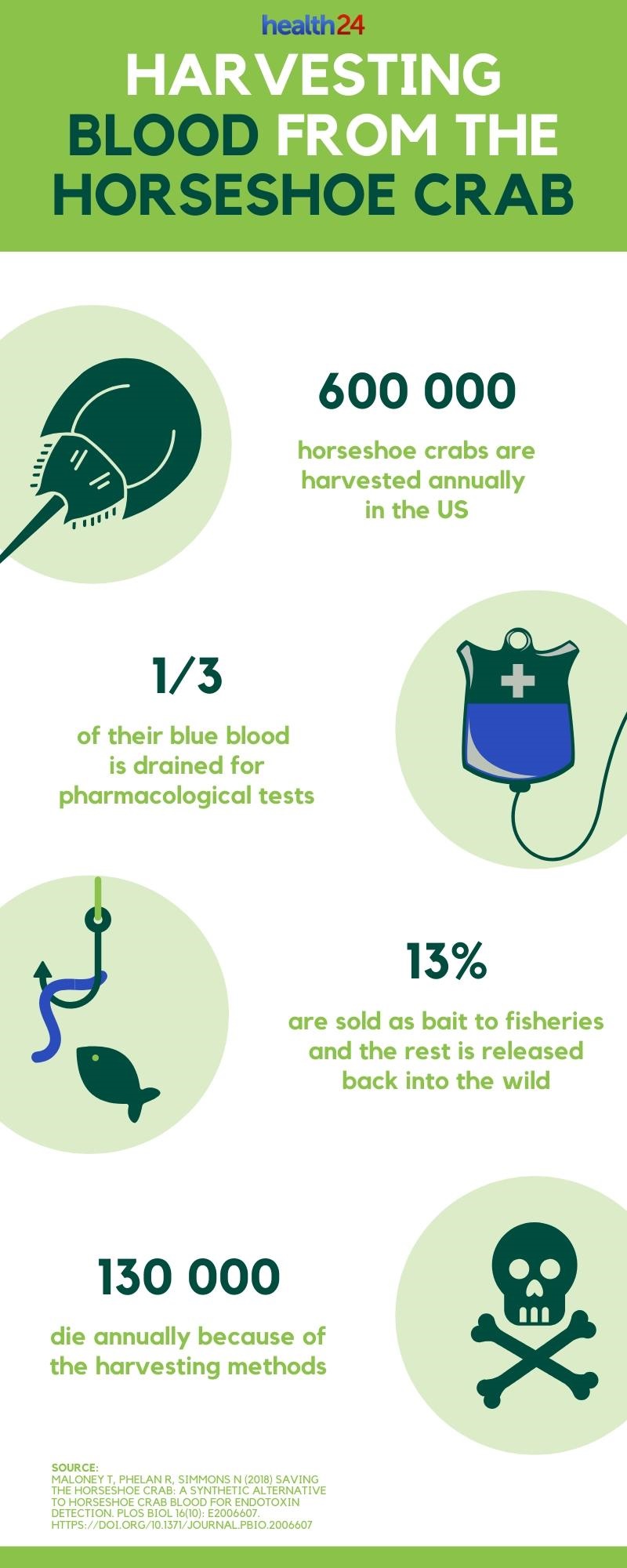
But what about the crabs? The harvesting practices and use of their blood have been hotly contested in the industry by conservationists, especially as an alternative test was developed 15 years ago called recombinant Factor C (rFC).
It’s a synthetic equivalent grown in a lab, and while it’s accepted as a viable alternative in Europe, laboratories have to jump through extra hoops in the US if they use rFC instead of LAL according to wildlife conservation organisation Revive & Restore that focuses on the biotechnology field.
Initially, the US Pharmacopeia – which has worldwide influence – had been working on putting rFC and LAL on an equal footing for approval of medicine, but backtracked at the end of May, scrapping the process and making rFC a separate charter to LAL, making it more arduous for companies to use the alternative.
The New York Times reports that despite the expected surge in demand, companies that make LAL say that supplies of the crab blood are still adequate to handle the increase for now. Very little of the horseshoe crab’s blood is required to perform the tests, which are used multiple times during the medicine manufacturing process.
Revive & Restore, alongside other organisations, launched a new partnership at the start of June – The Horseshoe Crab Recovery Coalition – which aims to implement best practices for the bleeding of horseshoe crabs and promote the use of rFC.
The populations of horseshoe crabs in North America are on the decline, and their smaller numbers have a knock-on effect on shorebirds dependent on the crab’s eggs.
Image credit: Pixabay


A testosterone-lowering drug can reduce male paedophiles’ risk of sexually abusing children, according to a new Swedish study.
The drug, called degarelix, is used to treat prostate cancer and turns off production of testosterone. It’s given by injection every three months and can lower testosterone levels within hours, according to researchers.
The study included 52 male paedophiles in Sweden who received either degarelix or a placebo. Treatment with degarelix reduced high sexual desire and sexual attraction to children – two major risk factors for committing child sexual abuse. These effects were noticeable within two weeks, the study found.
Many of the men who received the drug said they developed an inner calm, that thoughts of sex were no longer dominant, and that they lost their sexual interest in children.
Rates continue to rise
A majority who received the drug wanted to continue taking it after the trial, according to the study published online recently in the journal JAMA Psychiatry.
“It’s important to be able to offer a relatively fast-acting treatment, and the patients’ own experiences of the drug were overall positive,” said study leader Dr Christoffer Rahm, a researcher in the Department of Clinical Neuroscience at the Karolinska Institute in Stockholm.
“This study is an important step towards an evidence-based treatment for paedophilic disorder,” he said in an institute news release. “We’re now planning a new study to assay the longer-term effects of the drug and to compare them with psychotherapy.”
About one in 10 girls and one in 20 boys are sexually abused, primarily by male paedophiles, according to the Swedish team, though statistics have been reported higher in the United States. Despite law enforcement and prevention initiatives, the rates continue to rise, according to Rahm and his colleagues.
They said there is an urgent need for effective and scientifically proven treatments for people at risk of committing child sexual abuse.
Image credit: Getty
NEXT ON HEALTH24X

Hospital bosses in England felt “in the dark” after ministers said staff would have to wear surgical masks.
