Trauma experts say NHS staff are a high-risk group for PTSD in the aftermath of the pandemic.


Trauma experts say NHS staff are a high-risk group for PTSD in the aftermath of the pandemic.
In a recently published study, researchers from the University of Hawai’i at Mānoa School of Ocean and Earth Science and Technology revealed the largest and hottest shield volcano on Earth. A team of volcanologists and ocean explorers used several lines of evidence to determine Pūhāhonu, a volcano within the Papahānaumokuākea Marine National Monument now holds this distinction.
Geoscientists and the public have long thought Mauna Loa, a culturally-significant and active shield volcano on the Big Island of Hawai’i, was the largest volcano in the world. However, after surveying the ocean floor along the mostly submarine Hawaiian leeward volcano chain, chemically analyzing rocks in the UH Mānoa rock collection, and modeling the results of these studies, the research team came to a new conclusion. Pūhāhonu, meaning ‘turtle rising for breath’ in Hawaiian, is nearly twice as big as Mauna Loa.
“It has been proposed that hotspots that produce volcano chains like Hawai’i undergo progressive cooling over 1-2 million years and then die,” said Michael Garcia, lead author of the study and retired professor of Earth Sciences at SOEST. “However, we have learned from this study that hotspots can undergo pulses of melt production. A small pulse created the Midway cluster of now extinct volcanoes and another, much bigger one created Pūhāhonu. This will rewrite the textbooks on how mantle plumes work.”
In 1974, Pūhāhonu (then called Gardner Pinnacles) was suspected as the largest Hawaiian volcano based on very limited survey data. Subsequent studies of the Hawaiian Islands concluded that Mauna Loa was the largest volcano but they included the base of the volcano that is below sea level that was not considered in the 1974 study. The new comprehensive surveying and modeling, using methods similar to those used for Mauna Loa show that Pūhāhonu is the largest.
This study highlights Hawaiian volcanoes, not only now but for millions of years, have been erupting some of the hottest magma on Earth. This work also draws attention to an infrequently visited part of the state of Hawai’i that has ecological, historical and cultural importance.
“We are sharing with the science community and the public that we should be calling this volcano by the name the Hawaiians have given to it, rather than the western name for the two rocky small islands that are the only above sea level remnants of this once majestic volcano,” said Garcia.
This work was funded by the National Science Foundation, Schmidt Ocean Institute and the University of Hawai’i.
Story Source:
Materials provided by University of Hawaii at Manoa. Original written by Marcie Grabowski. Note: Content may be edited for style and length.
The information on Health24 is for educational purposes only, and is not intended as medical advice, diagnosis or treatment. If you are experiencing symptoms or need health advice, please consult a healthcare professional. See additional information.

Like crystal balls for the universe’s deeper mysteries, galaxies and other massive space objects can serve as lenses to more distant objects and phenomena along the same path, bending light in revelatory ways.
Gravitational lensing was first theorized by Albert Einstein more than 100 years ago to describe how light bends when it travels past massive objects like galaxies and galaxy clusters.
These lensing effects are typically described as weak or strong, and the strength of a lens relates to an object’s position and mass and distance from the light source that is lensed. Strong lenses can have 100 billion times more mass than our sun, causing light from more distant objects in the same path to magnify and split, for example, into multiple images, or to appear as dramatic arcs or rings.
The major limitation of strong gravitational lenses has been their scarcity, with only several hundred confirmed since the first observation in 1979, but that’s changing … and fast.
A new study by an international team of scientists revealed 335 new strong lensing candidates based on a deep dive into data collected for a U.S. Department of Energy-supported telescope project in Arizona called the Dark Energy Spectroscopic Instrument (DESI). The study, published May 7 in The Astrophysical Journal, benefited from the winning machine-learning algorithm in an international science competition.
“Finding these objects is like finding telescopes that are the size of a galaxy,” said David Schlegel, a senior scientist in Lawrence Berkeley National Laboratory’s (Berkeley Lab’s) Physics Division who participated in the study. “They’re powerful probes of dark matter and dark energy.”
These newly discovered gravitational lens candidates could provide specific markers for precisely measuring distances to galaxies in the ancient universe if supernovae are observed and precisely tracked and measured via these lenses, for example.
Strong lenses also provide a powerful window into the unseen universe of dark matter, which makes up about 85 percent of the matter in the universe, as most of the mass responsible for lensing effects is thought to be dark matter. Dark matter and the accelerating expansion of the universe, driven by dark energy, are among the biggest mysteries that physicists are working to solve.
In the latest study, researchers enlisted Cori, a supercomputer at Berkeley Lab’s National Energy Research Scientific Computing Center (NERSC), to automatically compare imaging data from the Dark Energy Camera Legacy Survey (DECaLS) — one of three surveys conducted in preparation for DESI — with a training sample of 423 known lenses and 9,451 non-lenses.
The researchers grouped the candidate strong lenses into three categories based on the likelihood that they are, in fact, lenses: Grade A for the 60 candidates that are most likely to be lenses, Grade B for the 105 candidates with less pronounced features, and Grade C for the 176 candidate lenses that have fainter and smaller lensing features than those in the other two categories.
Xiaosheng Huang, the study’s lead author, noted that the team already succeeded in winning time on the Hubble Space Telescope to confirm some of the most promising lensing candidates revealed in the study, with observing time on the Hubble that began in late 2019.
“The Hubble Space Telescope can see the fine details without the blurring effects of Earth’s atmosphere,” Huang said.
The lens candidates were identified with the assistance of a neural network, which is a form of artificial intelligence in which the computer program is trained to gradually improve its image-matching over time to provide an increasing success rate in identifying lenses. Computerized neural networks are inspired by the biological network of neurons in the human brain.
“It takes hours to train the neural network,” Huang said. “There is a very sophisticated fitting model of ‘What is a lens?’ and ‘What is not a lens?'”
There was some painstaking manual analysis of lensing images to help pick the best images to train the network from tens of thousands of images, Huang noted. He recalled one Saturday during which he sat down with student researchers for the entire day to pore over tens of thousands of images to develop sample lists of lenses and non-lenses.
“We didn’t just select these at random,” Huang said. “We had to augment this set with hand-selected examples that look like lenses but are not lenses,” for example, “and we selected those that could be potentially confusing.”
Student involvement was key in the study, he added. “The students worked diligently on this project and solved many tough problems, all while taking a full load of classes,” he said. One of the students who worked on the study, Christopher Storfer, was later selected to participate in the DOE Science Undergraduate Laboratory Internship (SULI) program at Berkeley Lab.
Researchers have already improved upon the algorithm that was used in the latest study to speed up the identification of possible lenses. While an estimated 1 in 10,000 galaxies acts as a lens, the neural network can eliminate most of the non-lenses. “Rather than going through 10,000 images to find one, now we have just a few tens,” he said.
The neural network was originally developed for The Strong Gravitational Lens Finding Challenge, a programming competition that ran from November 2016 to February 2017 that motivated the development of automated tools for finding strong lenses.
With a growing body of observational data, and new telescope projects like DESI and the Large Synoptic Survey Telescope (LSST) that is now scheduled to start up in 2023, there is heated competition to mine this data using sophisticated artificial intelligence tools, Schlegel said.
“That competition is good,” he said. A team based in Australia, for example, also found many new lensing candidates using a different approach. “About 40 percent of what they found we didn’t,” and likewise the study that Schlegel participated in found many lensing candidates that the other team hadn’t.
Huang said the team has expanded its search for lenses in other sources of sky-imaging data, and the team is also considering whether to plug into a broader set of computing resources to expedite the hunt.
“The goal for us is to reach 1,000” new lensing candidates, Schlegel said.
NERSC is a DOE Office of Science User Facility.
Study participants included researchers from the University of San Francisco, Berkeley Lab, the National Optical Astronomy Observatory, Siena College, the University of Wyoming, the University of Arizona, the University of Toronto and the Perimeter Institute for Theoretical Physics in Canada, and Université Paris-Saclay in France.
Crop modeling is essential for understanding how to secure the food supply as the planet adapts to climate change. Many current crop models focus on simulating crop growth and yield at the field scale, but lack genetic and physiological data, which may hamper accurate production and environmental impact assessment at larger scales.
In a new paper published in the journal Nature Plants, researchers identify a series of multiscale and multidisciplinary components — from crop genetics up to global factors — that are critical for finding environmentally sustainable solutions to food security.
Many crop models focus on understanding how plant characteristics such as leaf size play into the crop yield at the field scale, the researchers said. “Modeling at this scale is critical, but we would like to incorporate information from gene-to-cell and regional-to-global scale data into our modeling framework,” said Bin Peng, a University of Illinois at Urbana-Champaign postdoctoral researcher and co-lead author.
The study identifies components that could help generate a more informative modeling framework. “Multiscale modeling is the key to linking the design of climate change adaptation strategies for crop and field management with a large-scale assessment of adaptation impact on crop production, environment, climate and economy,” Peng said.
The study calls for a better representation of the physiological responses of crops to climate and environmental stressors — like drought, extreme rainfall and ozone damage. “Many physiological processes would be important to simulate the crop growth under stressed conditions accurately,” Peng said. Examples include water moving from soil to plant to atmosphere driven by canopy energy balance, he said.
“We should also include a better representation of crop management,” Peng said. “That would be extremely important for assessing both crop production and environmental sustainability, as well as their tradeoffs.”
The researchers said there are opportunities to close a variety of data gaps, as well. “Integration of remote-sensing data, such as the work performed in our lab, will be extremely valuable for reducing data gaps and uncertainties,” said natural resources and environmental sciences professor and project investigator Kaiyu Guan. “One of the advantages of remote sensing is its vast spatial coverage — we can use remote sensing to constrain crop models over every field on the planet.”
The authors also propose a model-data integration pathway forward. “Doing the right simulation of crop responses to climate change factors is critically important,” Guan said. “The most challenging part is whether crop models can capture those emergent relationships, which can be derived from empirical observations.”
“No single scientist or research lab can produce these models on their own,” said study co-author and plant biology professor Amy Marshall-Colón. “This type of effort will require patience and collaboration across many disciplines.”
Story Source:
Materials provided by University of Illinois at Urbana-Champaign, News Bureau. Original written by Lois Yoksoulian. Note: Content may be edited for style and length.
The estimate is based on tests on 11,000 people from 5,000 households over the past two weeks.
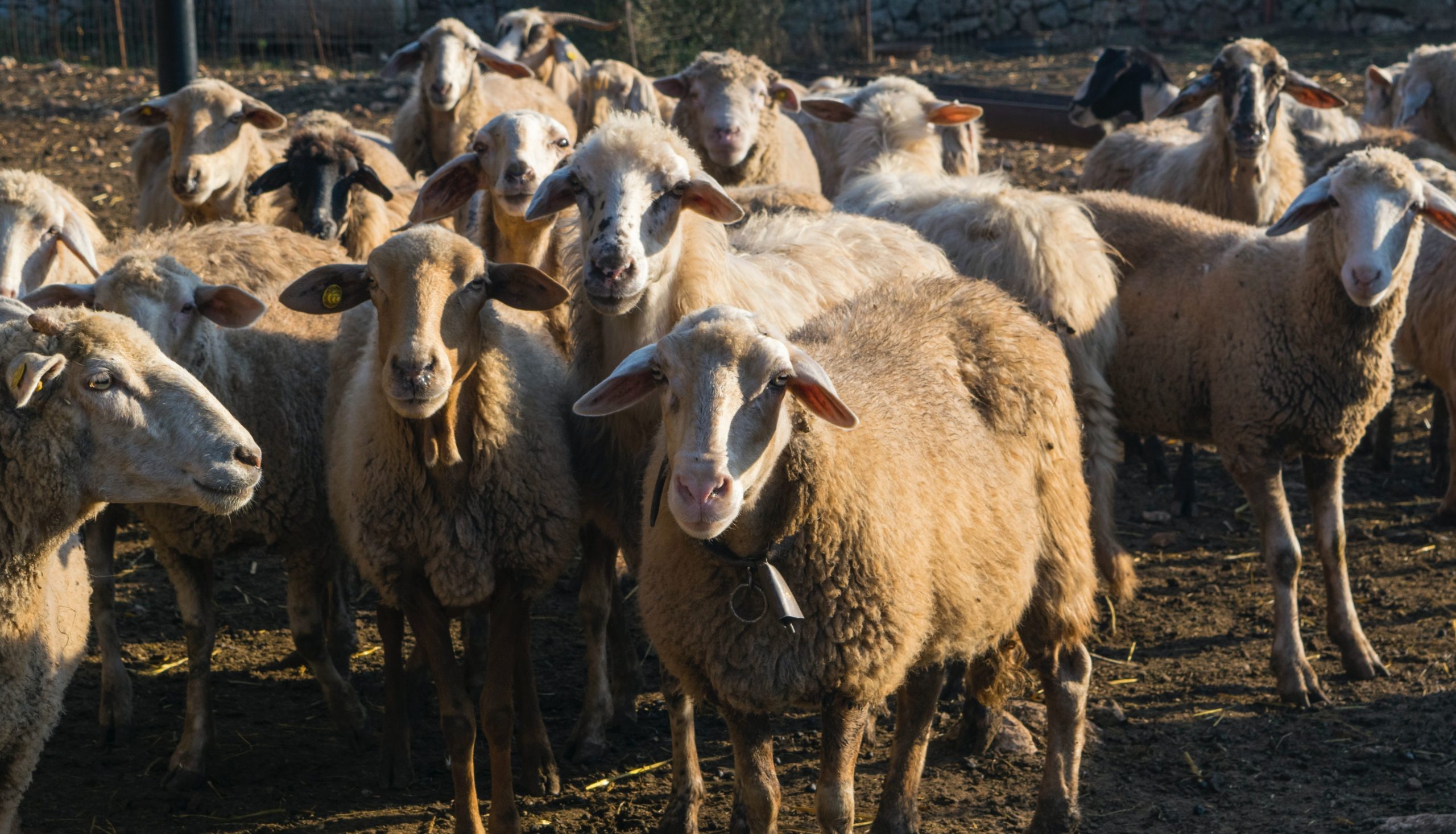
I’m sure you’ve seen plenty of evidence of herd stupidity recently. One recent example is that when Wisconsin’s Supreme Court abruptly overturned their state’s lockdown, people began flocking to bars and snuggling up nice and close to each other with no protection. Such behavior will just make the virus hornier.
Similar behavior has been happening in Vegas too, now that restaurants and most retail businesses are cleared to reopen. While some stores are strict about maintaining decent precautions like requiring all patrons to don masks and limiting store capacity, other places seem to let people do whatever they want. So unfortunately herd stupidity is abundant. If this continues I think we’ll see the infections and deaths ramping up again, as many experts are predicting.
This isn’t a situation where you should look to the masses for guidance. When you see idiotic behavior, don’t let the fact that everyone else seems fine with it persuade you that it’s probably okay. Stupid behavior that’s popular is still stupid. A bar full of idiots taking reassuring cues from each other is still a bar full of idiots.
People are strongly influenced by social cues. Sometimes those cues are good. When I go running in my neighborhood early in the morning, I most often see people practicing good social distancing. When people approach each other on the sidewalk, one will step into the street to avoid getting too close to the other person. People in the neighborhood wave at me as I pass by them. Oddly even with the social distancing practices in place, the neighborhood feels friendlier because of all the waving. So in this case the social cues are working in our favor.
When the most common behaviors are intelligent, we can trust social cues. Those cues nudge us to behave appropriately and steer us away from problematic behaviors.
But when behaviors are unintelligent, we have to resist social cues that could lead us astray. That isn’t easy because we’re social creatures. But taking cues from other people isn’t always rational.
Leaving behind a goofy religion is another example. When your intellect wakes up and realizes that what you’ve been taught is nonsense, it’s still tough to transition out if you’re surrounded by social cues telling you that everything is fine. You have to shun the social cues and think for yourself, which isn’t easy when you’re under social pressure to turn your back on your own intellect.
In the next several months, I caution you to keep your guard up for incidents of herd stupidity. There’s likely to be a lot of it. Be careful not to fall into the trap of over-relying on social cues when they run contrary to your own best judgment. Don’t participate in the irrational herd behavior that will only cause people more pain and suffering.
More broadly, you could see this situation as an invitation to deepen your ability to trust your own rational thinking, regardless of social cues. Where else in your life could you apply this idea? Where else have you felt pressured by herd stupidity?
You’re smarter than the herd. Stand up to it.
A test to find out whether people have already had coronavirus is said to have serious potential.

As Covid-19 sweeps across the globe, and the number of cases in South Africa grows on a daily basis, we are eagerly awaiting the arrival of an effective vaccine.
Health24 recently published an article explaining why clinical trials are key to ensure the safety of any medication, and why it may still be a while before we have a Covid-19 vaccine.
Researchers at Baylor College of Medicine and Texas Children’s Hospitals are experiencing first hand the challenges surrounding the development of a new vaccine.
Vaccines, pathogens and the immune system
The National School of Tropical Medicine at Baylor and the Center for Vaccine Development at Texas Children’s Hospital are currently in the process of developing a coronavirus vaccine.
The key goal of a vaccine is to trigger an immune response that will fight off a virus, but still be safe enough not to make the person sick. This is true for all vaccines, but the end product is different for each pathogen.
According to Dr Maria Elena Bottazzi, vaccine development is a balancing act between design and the immune response.
“As we proceed with the designing and testing of vaccine candidates, we felt the need to collaborate with a clinical immunologist, who also is engaged in basic and translational research, so that together we can inform our vaccine development efforts and ensure we evaluate both the protective mechanisms and avoid inducing any undesirable immunological responses that have been associated with some respiratory viruses,” she stated in a news report.
Bottazzi and fellow researcher Dr Peter Hotex approached Baylor’s pulmonologist Dr David Corry – professor of immunology, allergy and rheumatology and Fulbright Endowed Chair in Pathology in the Department of Pathology and Immunology – to collaborate.
Their research outcomes are published in the journal Nature Reviews Immunology, where an analysis of the vaccine development strategy can be read.
How does a vaccine protect against Covid-19?
While there is still a lot to be researched about SARS-CoV-2, the virus responsible for Covid-19, researchers now know that our bodies are most likely protected from the virus by a robust antibody response with a neutralising capacity.
We also need an immune response where the release of cytokines is balanced, as to not cause illness.
Previous studies have shown that it might be possible to develop protective antibodies.
“We are encouraged by the evidence supporting the likelihood that immunising against the spike protein’s receptor-binding domain represents a realistic and viable vaccination strategy. However, many questions remain,” said Dr Hotez in a statement.
“Studying the immunological responses triggered in people infected by the virus is one way researchers can select what viral components or antigens are promising candidates to use when designing the vaccine,” Bottazzi said. “That, coupled with studies using laboratory models of disease, is how scientists attempt to predict what are the ideal mechanisms of protection triggered by vaccines,” he remarked.
What could go wrong?
As a vaccine’s main goal is to trigger an immune response without harming the body, the researchers have looked at the effects of their previous developments in two ways – how a vaccine influences the immune system and what it does to the cells.
According to the news release, experimental and pre-clinical observations in earlier vaccine attempts against respiratory viruses showed that some of the formulations may trigger negative responses by the immune system.
Pre-clinical testing also showed that there could be tissue damage caused by cellular infiltrates after an immune response.
“Some experimental animals developed an inflammatory response in the lung or liver characterised by significant infiltration of immune cells – lymphocytes, monocytes and eosinophils,” Corry said. “Our literature search suggests that this cellular infiltration can be associated with IL-6, a cytokine or immune protein that is strongly increased in patients with Covid-19 who experience a cytokine storm, an excessive production of cytokines that can be life-threatening.”
There might also be undesirable responses from antibodies. While this has happened with other viruses, Bottazzi and team haven’t observed it in their vaccines: “We have not found any evidence that our vaccine triggers antibody-dependent enhancement in laboratory pre-clinical experiments. Experimental evidence suggests that our vaccine against the receptor-binding domain leads to the neutralisation of the virus,” Bottazzi said.
“Pre-clinical studies, performed with our partners at the University of Texas Medical Branch, show that the receptor binding domain on alum is indeed a promising vaccine candidate. It can trigger an immune response that is protective and does not induce undesirable cellular immune responses. We are working to advance this approach into the clinic for phase 1 studies,” Bottazzi added.
Time needed to find the right vaccine
While vaccine development has always been challenging, scientists are collaborating like never before, according to the research team.
“We believe that we need to have many vaccine candidates, platforms and trials, so we can evaluate as many vaccine options as possible to select the ones that are the most appropriate and prove to be the most effective and safe,” said Hotez.
“We invested almost a decade of research to maximise immune protection and minimise or prevent immune enhancement. Ultimately our goal is that these vaccines are made for the global population, accessible and affordable to all.”
Image credit:


More than anything *Dina would love to scoop her four-year-old into her arms when he runs to greet upon her return home from her shifts.
But the nurse who works at a Netcare private hospital in KwaZulu-Natal has her heart broken each time telling him to stay back “and wait a few minutes for mommy”. Those minutes are for her to remove her shoes, keeping them outside her house. She undresses and leaves her clothes in a bucket to be soaked overnight. Then she steps into the shower. Only afterwards will she hold her child.
This is nursing in the time of Covid-19. Her heightened personal precautions come off the back of a bruising month for the private healthcare group whose hospitals were at the centre of two outbreaks in the province at end of March. Both St Augustine’s and Kingsway Hospitals reopened for new admissions this week after being closed on 2 April and 14 April respectively following the death of five people from the virus and 48 people testing positive.
Among the hard lessons leared has been the importance of keeping staff informed and provided with sufficient personal protective equipment (PPE). “In the beginning they could have done things differently. We were given a three-ply mask and told to use if for seven days unless it got wet or soiled. After a while they gave us N95 masks that got zapped (decontaminated) up to five times. Now we get a fresh mask at the start of every shift,” says Dina.
Nurses won’t lose income
“In the beginning, dealing with the virus was new to everyone, so I think people weren’t taking the use of PPE that seriously,” she says. For Dina, nursing is a vocation, and she says she’s less afraid than she was a month ago. There are Covid-19 patients in her hospital, but she says staff working in these isolated wards use separate entrances and have separate facilities. “We are screened every day and our temperature is taken every day.”
Nurses also won’t lose income if they test positive and Netcare has a place you can self-isolate if you are infected. It’s important because you don’t want people to be scared to answer screening questions honestly, because they’re scared they won’t be able to work and won’t have an income,” she says. She still doesn’t want to be identified, though, because she is afraid of being victimised or singled out by her employer.
It was just under a month ago that one of her colleagues at one of Netcare’s Johannesburg hospitals raised concerns with Spotlight over the group’s Covid-19 preparedness – also asking not to be identified. Healthcare worker *Sindy was outraged with the treatment she and her colleagues were receiving. She described, like Dina, how they were issued with a single 3-ply surgical mask and told to place it in a brown paper bag with her name and the date of issue written on the bag. She sent Spotlight photographs of how the masks were being stored and forwarded email correspondence telling staff of the policy on masks.
“I thought maybe they were going to sterilise the mask, but these are single-use disposable masks. But they were not sterilised and I was shocked. Masks get wet and are quite disgusting after a few hours of wearing them. They can also become contaminated, and even if it was not passing on the coronavirus, we could be passing on all kinds of other illnesses to each other and patients,” Sindy said.
Adherence to training
WhatsApp group messages she shared outlined anxiety and resentment at what staff perceived to be Netcare skimping on basics like a new mask for each person at each new shift. There was also concern that adherence to safety protocol was patchy. Comments included: “They ignored my warnings that they are not following protocols even after they were approached by some of us.”
Sindy said she and her colleagues received training for using PPE correctly, but it is adherence to the training that worried her most.“People pull the masks onto their heads or under their chins and go for lunch and a smoke break then put them back on. There’s not much physical distancing going on, and no one is enforcing the guidelines. I really am not comfortable working in a situation like this,” she said.
Khaya Xaba is the spokesperson for Nehawu (National Education, Health and Allied Workers Union). “We met with the Minister of Health and agreed that no worker must be forced to work without PPE and they must not be punished for refusing to work,” he told Spotlight. Xaba reiterated the union’s stance outlined in their press statement released at the middle of April when the news of 19 staff members at the Morningside Medi-clinic (another private hospital group) tested positive in the days after the outbreak at Netcare’s St Augustine’s and Kingsway hospitals.
“The attitude and negligence of the managers in the private healthcare industry is making a mockery of [the chief health advisor’s] warning that we need to stop small flames to reduce the risk of raging fires,” the statement read. “This egregious conduct by private healthcare providers is in stark contrast with requirements and dictates of the Occupational Health and Safety Act, which clearly states that the employer has an obligation to provide and maintain a workplace that is safe and without risk to the health of workers. Nehawu maintains that failure to protect workers is tantamount to murder.”
Netcare responds
Dr Anchen Laubscher, medical director of the Netcare Group, said they have never expected a staff member to work without appropriate PPE. “We reject any claim that staff are required to re-use single-use PPE in the strongest possible terms.” She acknowledged, though, that they had to revise their directive on masks in early April. Laubscher said: “Certain categories of staff were issued with a mask which could, and had to be, worn over five shifts and were safely stored in between shifts. In the event that masks got soiled, damaged or wet at any time, a new mask was issued to the staff member.”
Netcare said they have been preparing for Covid-19 since January this year with the establishment of a multi-disciplinary task team and have since introduced daily briefings via Skype. About 250 key personnel log on to “discuss key developments, learnings and matters of importance to all operations” and this is disseminated to all staff and contractors. Anyone entering a Netcare hospital is also risk assessed and screened for Covid-19, and the hospital has introduced separate zones for treating patients based on their Covid-19 risk, given that many Covid-19 patients are now known to be asymptomatic.
Laubscher added that Netcare has distributed re-usable fabric masks to staff and they monitor staff for adherence to safety protocol via CCTV, spotters, colleagues and the hospital leadership. “PPE, hand-washing and physical distancing re-training has involved 21 000 staff members, doctors and other workers at our hospitals and has been done by clinical facilitators, infection prevention practitioners (IPPs) and occupational health and safety specialists,” Laubser said.
“Part of the re-training requires that each individual has to practically demonstrate the correct use of PPE. A register is also kept of all persons trained and a certificate of competence is issued.”
*Identities withheld
This article was produced by SPOTLIGHT – health journalism in the public interest. SIGN UP for our newsletter.
Image credit: Duncan Alfreds, News24

