Cholesterol lowering drugs linked to improved gut bacteria composition in obese people

The human gut microbiota consists of trillions of bacteria, fungi and virus constituting an inner chemical factory producing a multitude of microbial compounds affecting immunity, neurobiology and metabolism of the human host.

It has for long been known that imbalances in the composition of gut microbes link with a variety of chronic human disorders spanning from obesity, diabetes inflammatory bowel diseases to depression, schizophrenia, autism and Parkinson. In addition, it is known that unhealthy dieting and use of some medications, for instance stomach acid neutralizers, the so-called proton pump inhibitors, are associated with a further disruption of the microbial communities of the gut.

Now, in a new paper in the scientific journal Nature, The MetaCardis investigators explore gut bacteria in almost 900 individuals from Denmark, France and Germany.

The intestinal microbiota in obese individuals had previously been shown to differ from those in lean subjects with a poor bacterial diversity, a relative depletion of health promoting bacteria and the remaining bacteria dominated by an inflammatory tone.

In their Nature article, the researches now define a cluster of bacteria called Bact2 enterotype, which is found in 4% of lean and overweight people but in 18% of obese individuals who did not use statin drugs, a group of cholesterol lowering medications.

However, in other obese study participants who were treated with statins, the prevalence of the unhealthy Bact2 enterotype was significantly lower (6%) than in their non-treated counterparts (18%) — comparable to levels observed in non-obese participants (4%). The same trend was validated in a Flemish study sample of about 2000 participants.

Statins are commonly prescribed to reduce risk of developing cardiovascular diseases like myocardial infarction and stroke. It is estimated that more than 200 million people worldwide are prescribed statins. Besides their cholesterol-lowering effects, statins also tend to appease patients’ systemic inflammation levels which in part may be related to a disrupted gut microbiota.

The results suggest that statins could potentially modulate the disrupted gut microbiota and linked inflammation in obesity. Previous experiments in rodents have shown an impact of statins on bacterial growth, which might benefit non-inflammatory bacteria and underlie the anti-inflammatory effects of statin therapy. Obviously, clinically controlled human trials are needed to address whether statins mediate some of their anti-inflammatory effect via an improvement of the Bact2 enterotype of an aberrant gut microbiota.

Story Source:

Materials provided by University of Copenhagen The Faculty of Health and Medical Sciences. Note: Content may be edited for style and length.

Share Button

Filtering out toxic chromium from water

Hexavalent chromium continues to contaminate water sources around the world, with one US company fined just this February for having put employees at risk. Hexavalent chromium is considered to be extremely toxic, especially when inhaled or ingested, and its use is regulated in Europe and in many countries around the world. It is thought to be genotoxic, leading to DNA damage and the formation of cancerous tumors.

Now, chemists at EPFL are developing energy efficient processes for removing contaminants, this time hexavalent chromium, from water. The results are published today in the Journal of Materials Chemistry A.

“Providing access to clean water is one of the most important challenges of our time,” says lead author Wendy Queen of EPFL’s Laboratory of Functional Materials. “The development of energy efficient processes able to rapidly remove water contaminants play an important role in our effort to globally improve human health and environmental well-being.”

Queen and colleagues are developing sponge-like materials that can collect specific substances from solution. Their materials are actually crystals, called metal-organic frameworks (MOF), and the scientists are tailoring these crystalline structures to capture a particular substance.

The materials are extremely porous and the contact surface area contained in one gram of these MOFs can be as large as that of a football field. The target substance then enters these pores and sticks to the internal surface area in a process called adsorption.

The scientists have previously shown that their materials can efficiently adsorb other substances dissolved in solution, like gold, mercury and lead. For instance, 1 gram of MOF yields almost 1 gram of gold. Queen, in collaboration with EPFL scientist Berend Smit and EPFL PhD student Bardiya Valizadeh, has demonstrated the extraction of hexavalent chromium from water. With hexavalent chromium, a relatively light substance, the MOFs can extract approximately 208 milligrams per gram of MOF. Also, if you shine light on the MOF, it then transforms the highly toxic hexavalent chromium into a relatively nontoxic trivalent chromium.

Further developments are required in order to implement the technology for decontaminating water outside of the laboratory.

“The great thing about our sponges is they are relatively easy and cheap to make,” explains Queen. “The next step is to test our sponges at larger scales.”

For example, the scientists expect 1 kg of MOFs to cost roughly 15 CHF to make, whereas 1kg of gold is worth roughly 55,000 CHF.

Story Source:

Materials provided by Ecole Polytechnique Fédérale de Lausanne. Note: Content may be edited for style and length.

Share Button

Health24.com | Covid-19: Interview with a Cape Town doctor on the frontlines

When she gets home in the afternoon, physician Dr Arifa Parker disposes of her work clothes in the washing machine. She then has a thorough shower before greeting her three-year-old twin toddlers, Yusra and Haniya, with a hug.

Since January, Parker has served at the coalface of South Africa’s fight against Covid-19. One of three infectious diseases specialists at Cape Town’s Tygerberg Hospital, she treats patients positive for the coronavirus in specially set-up wards; supporting Intensive Care Unit staff, and screenings in a tent set-up on the premises. Meanwhile, she is also gathering information and formulating protocols for how to best tackle this pandemic. 

This week, 39-year-old Parker opened up to Spotlight about being a doctor and a mother in the eye of the Covid-19 storm. Speaking via a Zoom interview, her sentences are laced with laughter, despite the gravity of the task ahead of her.

“I’m very careful,” she says. “I know what the risks are and when I see my patients, I make sure that I wear adequate PPE – personal protective equipment. And that is what I tell the junior staff as well. No one should be seeing patients without adequate protection. We do have enough stock for now, if we use it wisely; and more has been ordered,” Parker says.

“So that makes me feel better going home to my kids. The hospital is frantically working on shower facilities for staff, so we could take a shower and change into normal clothes before going home. For now, I jump into the shower and wash my clothes before giving my little ones a hug. So that is a bit odd, because they usually would jump into my arms immediately when I get home.” 

Fortunately, Parker’s husband Ghaliel, who works in IT, is taking care of their young children during lockdown. “He’s been amazingly, amazingly supportive,” she says. “He’s been working from home via Zoom, with the kids in the background.” 

HIV and TB

Parker’s early training is in HIV and tuberculosis (TB). After completing a medicine degree at Stellenbosch University, she did her internship at GF Jooste Hospital in Manenberg on the Cape Flats, under renowned mentor Professor Graeme Meintjes. This was in 2005, a year after antiretroviral (ARV) drugs were first starting to be rolled out by the state in South Africa, after a lengthy struggle by civil society for access to treatment. 

“At the time it was quite overwhelming because ARVs were not freely available and a lot of young people were dying,” recalls Parker. “Manenberg was my first choice, because it was a hospital in an impoverished community. I wanted to help people. So I ended up doing my community service the following year in Khayelitsha as well,” Parker tells Spotlight. 

“You know, as interns, we used to have to fill in the death certificates. So you would have the deceased patient in front of you, and you’d look at the ID photo and it would show someone so different to the completely ravaged patient. And that’s why I ended up doing internal medicine and infectious diseases, because I wanted to understand a bit more about how the body works and how one would be able to treat these patients better. And fortunately, with the ARV rollout, HIV patients are now doing so much better. And you know, it’s actually quite rewarding to work in the field of HIV medicine. But we still have a lot of work to do; we still have to roll out more ARVs and prevent lots of infections. We still have lots of challenges. TB and everything else.”  

Parker pauses, as her phone rings. She excuses herself to answer it. Then, turning back to the interview, she adds: “And now there’s Covid-19 thrown into the mix, too.”  

On 11 January, Chinese state media reported the first known Covid-19 related death. Since then Parker has “lived and breathed” coronavirus.  

“So Covid didn’t exist to us before January,” she says. “We heard about it mid-January; and then we started having to prepare for cases, having to put procedures and systems in place. So as infectious diseases specialists, we’ve had to educate ourselves, rapidly. We’ve had a steep learning curve and part of that has been adapting to create standard operating procedures for our hospital.  

“Also we don’t know – internationally – what the effect of Covid will be on our HIV-positive patients. There were very few patients in China who had HIV. You know, there are lots of questions.”  

At night, Parker sits in bed next to her husband working and reading; sometimes she works in their kitchen over a cup of tea. They take turns to cook: butter chicken, lamb curry, pasta and salads. The kids go to bed at 7pm, and at 9pm she goes back to the drawing board.  

Days blurred into one

“Since January, my days have all blurred into one,” she says. “Most days I can’t remember what day it is. I start quite early. I haven’t been sleeping much since the start of Covid, I mean this morning I woke up at 4:30 am. As you know, Covid is a new infection, with new data coming out all the time. So the first thing I do is look at my phone. I get lots and lots of messages, so I read the new things and send them on. My workday at the hospital starts at 8 am. At 9 am we have what we call a Covid ops meeting, where all our hospital’s heads meet – you know, radiology, surgery, anaesthetics, ICU, and so on.” 

She gets home at around 5 pm – well, it depends. “For example,” she says, “last Friday at 4 pm, 200 people suddenly rocked up at the hospital’s testing centre at one time. I mean, you can’t just leave junior staff alone. So, a few of us senior staff, the paediatric infectious diseases specialist, our head of clinical medicine, and another internal medicine consultant, stayed behind and helped out and assisted in doing the tests.” 

While Parker cannot comment on patient figures, she says at present Tygerberg has two general wards full, and is ready to activate more. She is quick to deflect praise, crediting her team and colleagues. 

“It’s not just an infectious diseases response,” she says. “We are only three, too few people. It’s been a hospital response from all departments. I feel so privileged to be working with such amazing people at my hospital. If work needs to be done, everybody pitches in. All sorts of hierarchy have flown out the window. For example, we had the head of nephrology (renal medicine) come down and doing swabs on patients. The plastic surgery registrar does shifts; we’ve had radiology specialists coming down to assist with screenings. The anaesthetic department has been very helpful. Intubation of the ill patients is obviously a very high-risk procedure, because you would be in direct contact with the patients’ airways. And they happily put together a call roster of who will assist us should we need to do such procedures, because they are the best trained to do the intubations.”  

Changing demographics

Parker points out that the demographics of the Covid outbreak are changing. Initially, transmission was travel-related. Now healthcare specialists are seeing the early stages of community transmission. Of great concern is increasing transmission to essential workers.  

She notes a spike in infections in Khayelitsha. According to provincial statistics released by Western Cape premier Alan Winde on April 28, there were 205 confirmed Covid-19 positive people in Khayelitsha.

“Last week, my direct boss, Neshaad Schrueder, and I went to Khayelitsha Hospital,” she says. “We were very concerned about the spike in Covid numbers and wanted to see how Tygerberg could support the hospital. Yes, and I think they have an excellent team of staff. They’ve put amazing systems in place; they’ve also started a tent for testing outside the hospital, and within the hospital they’ve identified separate spaces where they can keep persons isolated from each other. So we were able to help with that,” she says.

“We’re also advising hospitals that we need to work together. So, if they are seeing that they are overrun with patients, they shouldn’t hesitate to call us. Because it’s pointless having open beds in one hospital while another is full. Because we know Covid sort-of attacks areas. You’ll have fires of outbreaks; so one area might have more cases, especially at this point in the outbreak.” 

On 29 April, Cape Town community newspaper TableTalk reported that two employees at Checkers Bayside – Sindoswa Msiwa of Khayelitsha and Sylvia Gaxela from Delft – succumbed to Covid-19. The newspaper quoted Msiwa’s brother, Luthando, as saying: “My sister worked on Sunday, 12 April even though she wasn’t feeling well. She called me that evening saying she wasn’t well, and I took her to Khayelitsha Hospital where she tested positive. She was later transferred to Tygerberg Hospital, where she stayed in intensive care. She died on April 12.” 

Asked about Msiwa’s death at Tygerberg, Parker notes that she is not allowed to comment on individual patients due to patient confidentiality. “This is so sad,” she says. “My thoughts are with the family. It’s very sad, but it is inevitable that people will die. I see some of my colleagues are struggling with this, but there is nothing more they can do. As healthcare workers, we shouldn’t be too hard on ourselves.” 

Time to prepare

Can the pandemic still be contained in South Africa? “Um, obviously we’re worried,” says Parker. “I don’t think we can entirely eradicate Covid. I think it will still be a problem, but I think it’s imperative that we try to prevent cases. If we don’t, more people will die and our hospitals will be overrun with cases. So, it’s still very important that we test, test, test, and when we find cases, that we try to isolate. We are obviously very concerned about overcrowded areas, and that is why the country has rolled out community testing.”

While government is under fire from some quarters for its lockdown regulations, Parker insists these measures are crucial. “My personal opinion is that the lockdown was an excellent decision, because it gave our hospital and other hospitals time to prepare, time to make sure that staff are educated on how to use PPE; time to create ward and intensive care space; and to create the documents that we are working on at the moment,” Parker says.

“I am so fortunate that we have had a chance to work on those. I just think of the poor healthcare workers in China and Italy who didn’t have a chance to prepare; they didn’t know what hit them. Fortunately, we have systems that are in place now that can hopefully help to relieve the burden on our healthcare force.” 

She says healthcare workers are rethinking the way they practice medicine in the time of Covid-19. This includes less touch. 

“We have to minimise risk while assessing and managing patients,” she says. “For example, something that would normally take five minutes now takes ten minutes. You need to know exactly what you are going to do for the patient when you go into his or her ward. As physicians, we love to spend time with patients. We love to feel, touch, and to thoroughly examine everything. But I think we need to sort of rethink the way we practise medicine in the time of Covid. Having an additional layer of awareness. We have to touch less and think: ‘If I touch this, is it going to contribute to my management of a patient. If I spend hours listening to every part of the lung, would it give me more information than the chest X-Ray that we already did?’ I would not have said this in December, but now with Covid, obviously we have to change the way we practise medicine, which may be a bit controversial.” 

How do they compensate for a lack of physical interaction? 

“Our patients have been amazing,” says Parker. “I’ve also learned new things about technology, communicating via cellphone, you know, phoning the patients and taking their history like that, asking them if they are okay. I have renewed respect for social media; this is really helping to keep patients in touch with their families. So, you know, somebody mentioned that maybe we should have patients not have their phones with them because they can get contaminated. That’s the worst idea. This is the way they keep in touch with family and friends, despite the lack of interaction.” 

Parker adds that the public and private health sectors are collaborating in the fight. “This has been another amazing thing. We call each other for advice, it’s just been such a different experience as to how medicine normally works. And I really hope that if there is an after-Covid, that we continue this sort of enthusiasm.”

‘Try to fix it instead of complaining about it’

Parker grew up in Cape Town’s northern suburbs in Cravenby – which happens to be near Tygerberg Hospital – where she matriculated at Cravenby Secondary School. “We had amazing teachers, who shaped and opened our minds,” she says. “The motto of the school was ‘aim high’, so, well, we aimed high.”

One of five children, Parker’s youngest brother studied medicine too, and is presently completing an internship at Kimberley Hospital. “Oh, my parents never forced us to do anything,” she says. “My mom’s brother is a doctor, but there’s no real family history of healthcare. My parents did encourage hard work.” 

On her sunny disposition, she says: “I think negativity is a wasted emotion. I think if you find that there are issues or that you find something negative or you’re not happy about something, it may be more constructive to come up with a solution to that problem. That’s just my approach. If something is broken or seems to be broken, try to fix it instead of complaining about it.”

*This article was produced by Spotlight– health journalism in the public interest. Sign up for our newsletter and stay informed.
Image credit: CDC, Unsplash

Share Button

Coronavirus: Boris Johnson ‘bitterly regrets’ care home crisis

The PM says government is “working hard” to tackle it – and sets 200,000 test aim by end of month.

Share Button

Coronavirus mutations: Scientists puzzle over impact

A study has identified a mutation that its authors say could make the coronavirus more infectious.

Share Button

Before 7am

I love the morning magical time. It’s my favorite time of day – before dawn when most of the city is still snug in bed.

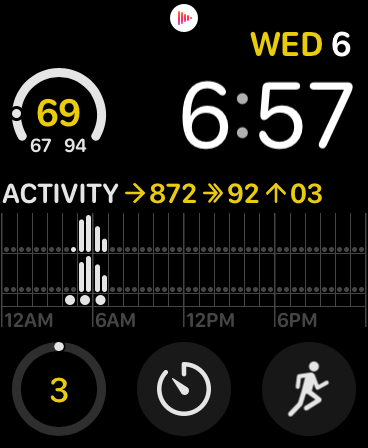
This morning I hopped out of bed at 4:45am, feeling happy to start another adventurous day. By 7am this morning, I had done the following:

  • Ran 5 miles / 8 kilometers
  • Did 12,000 steps
  • Listened to 4 hours of The Art of Possibility audiobook (100 minutes x 2.5 speed)
  • Did 15 minutes of yoga with a little meditation at the end
  • Made a green smoothie (1 banana, 6 mandarin oranges, spinach, celery, blueberries, maca, dehydrated barley grass juice, chia seeds, hemp seeds, water)
  • Mopped the kitchen floor (well… assigned a robot to do it)
  • Started some steel cut oats cooking (I love the InstantPot!)
  • Dreamed up an idea for a new course / launch

Afterwards I reviewed my goals, and now I’m sipping the smoothie and writing this blog post while the oatmeal is cooking and the robot is diligently cleaning the kitchen floor.

Caffeine isn’t part of my day by the way, nor is chocolate, caffeinated teas, or other stimulants. That would just slow me down.

When I was 20 years old, this is what my morning would have looked like this (sometimes all the way to noon and beyond):

  • Zzzzzzzz
  • Yawn
  • Zzzzzzzz

Then I’d drag myself out of bed and start my day very sluggishly. It would take me at least an hour or two just to feel awake enough to function much at all. Then the rest of the day would be a blur, with the main decisions being figuring out what to eat. My biggest accomplishment of the day would be going for a long walk. At least I liked to walk.

What made the difference? Really it came down to a decision. I decided I didn’t want to live like that first person anymore. I didn’t want his life or his results – because they sucked! It was a boring, low energy, depressing way to live. And I decided that I could change that.

When I would read about highly productive people and their morning routines, I was envious at first, but their routines also seemed unreachable for me. Still, I felt attracted to having an empowering morning routine and starting my day with high energy. It took a long time to figure out what works best for me. I experimented a lot.

A solid cardio workout is such an essential part of my routine because of the benefits it produces. What many people don’t realize is that cardio exercises the brain, not just the body. It makes your brain and your mind stronger. See the Mental Benefits of Cardio video for more details on that. A good minimum is 45 minutes per day.

Running 5 miles (8K) to start my day is a stretch for me. I’m used to running closer to 3 miles (5K) on a normal basis. But it feels so much better to stretch myself. The feeling isn’t 60-70% better, relative to the mileage increase. It’s more like 3x better. Running farther than usual creates a disproportionate boost in mood and energy above the baseline.

Nailing an empowering morning routine sets you up for a strong day. It’s wonderful to know that you’ve accomplished something meaningful during those first couple of hours.

I’m not in competition with anyone here. I compare my results to where I’ve been. My past self is the baseline, and as I generate new past selves, I develop new baselines. Presently I’m pushing myself to surpass my old baseline from earlier this year.

I especially like the combo of audiobooks and running. It’s nice to go through an audiobook every few days without having to take any extra time. Maybe you won’t retain every idea as well this way, but it still helps.

That app in the lower left of my Apple Watch screen (with the number 3 in the middle of a circle) is Nozbe. If I get a cool idea while running, I can tap that app and record a quick voice message that will go into my capture system as text. So if I do catch a cool idea from an audiobook while running, I send it into my system while on the road, and then I can decide if I want to turn it into something actionable later that day.

What’s the best morning routine you’ve ever had in your life? Are you at least using that as your baseline today? Now what are you doing to surpass it? Just because it’s good doesn’t mean you should settle. How could you make it even more kickass?

My morning routine works well for me. It’s energizing and mood-boosting. But it could be better, so I’ll keep tinkering with it and improving it over time. There is no reason to settle for good enough.

Share Button

Health24.com | More symptoms of coronavirus: ‘Covid toes’ and skin rashes

The virus that causes Covid-19 typically strikes the lungs with full force, but new research shows it can also cause frostbite-like patches on the hands and toes, and rashes on the body.

The condition has recently been dubbed “Covid toes”. Fortunately, it isn’t serious and the lesions usually disappear on their own, said Dr Esther Freeman, director of Global Health Dermatology at Massachusetts General Hospital in Boston.

“One of the more surprising findings in this epidemic has been the lesions that we’re seeing on people’s toes and hands,” she said.

Freeman noted that Covid toes aren’t caused by exposure to cold, as is frostbite or chilblains. Rather it seems to be an inflammation of the circulatory system that shows up as a skin rash.

More toe rashes than usual

“It’s really important to reassure the public that most of our patients who are developing Covid toes are doing very well, so they’re often patients who have a benign clinical course. They either are having mild disease or often their only symptom might be their toes,” she said.

Freeman said that Covid toes don’t just happen to children, as some have believed – adults also get them.

Should you develop Covid toes, you’re not likely to end up in an intensive care unit. “That’s not what we’re seeing in the data,” said Freeman.

Skin rashes aren’t always associated with viruses, but measles, herpes and chickenpox are conditions where skin eruptions are the main symptoms, so it’s not unheard of, Freeman noted.

She can’t say how common Covid toes are because the data that would include the number of cases of Covid-19 and Covid toes doesn’t exist. Freeman is compiling a registry of known Covid toe cases.

Anecdotally, she’s seeing a lot more cases than usual. “In addition to running the registry, I see patients myself through tele-dermatology at Massachusetts General Hospital, and I have seen more toes in the past two weeks than I have in the rest of my career,” Freeman said.

Go by local testing guidelines

If you have what you think might be Covid toes, don’t panic, Freeman said. Don’t rush off to the emergency room, but don’t ignore it either. The best thing to do is contact your doctor or dermatologist, she added.

Also, don’t try to get a Covid-19 test. “You should talk to your healthcare provider and decide the risks and benefits for your particular case. It’s important to go by local testing guidelines. It’s not as simple as a yes-no, but I think that it should be considered a Covid-19 infection,” Freeman said.

Dr Raman Madan is a dermatologist at Northwell Health Huntington Hospital in Huntington, New York. He said, “Covid toes is the most common finding I have seen in patients via tele-dermatology. It is a fairly new symptom that we usually do not see with a lot of viruses.”

Traditionally, the condition would result from being out in the cold for a long time or having a rheumatologic problem, he said.

“With Covid-19, I have been seeing it in a lot of young, healthy people. There is still a lot to be learned,” Madan said.

A lot of patients have been asymptomatic aside from the toes and have been testing negative on their viral culture, but positive on their antibody test, Madan said.

“This has led me to believe that this may occur at the convalescent stage of illness, meaning after the body has cleared the virus. We are still working on the best guidance to give patients,” he said.

Extra-respiratory manifestations

Two recent reports detail cases of Covid-19 and show that hands and toes aren’t the only places rashes appear.

In one, researchers described a patient in Wuhan, China, with Covid-19 who developed a rash on the torso. The researchers believe the rash was caused by an immune response to the virus and the patient tested positive for the Epstein-Barr virus, which has been tied to Covid-19. The rash disappeared within a week, but the patient died from Covid-19.

In the second case, a Spanish man suffering from Covid-19 developed a rash on his thighs and buttocks. The rash went away after five days and the patient left the hospital after 12 days. The researchers assume that the rash was a reaction to the virus.

“Dermatologists should be aware that patients presenting with this kind of rash, in addition to coughing and fever, could benefit from [Covid-19] testing,” said lead researcher Dr Borja Diaz-Guimaraens, from the dermatology department, Ramon y Cajal University Hospital in Madrid, Spain.

“We are starting to notice more extra-respiratory manifestations in patients with confirmed Covid-19, and increased awareness for those signs can help diagnosis,” he said.

The two case reports were published online in JAMA Dermatology.

READ | Coronavirus 101 – here’s what you need to know

READ | Is Covid-19 now linked with strokes in young patients?

READ | Coronavirus hangs around even after symptoms subside

Image credit: Getty Images

Share Button

The patients who just can’t shake off Covid-19

Most patients recover from Covid-19 quickly – but for some, symptoms linger for weeks.

Share Button

Health24.com | Coronavirus morning update: President says no agenda over cigarettes, and warning from SARS boss

WHAT’S HAPPENING IN SA

Cases update: 

The latest number of confirmed cases is 7 572.

According to the latest update, 148 deaths have been recorded in the country.

So far, 268 064 tests have been conducted – with more than 10 500 new tests.

READ MORE | All the confirmed cases of coronavirus in SA

Latest news:

President Cyril Ramaphosa has rubbished claims there is an agenda from the government in banning of tobacco products during the Level 4 lockdown.

“No one is trying to pursue any interests. The only interests we are pursuing is the health of our people, finish and klaar,” the president said on Tuesday.

Ramaphosa was addressing journalists at the Royal Show Grounds in KwaZulu-Natal, where he inspected a quarantine facility. He was in the province to examine the state of its response to the pandemic. 

He said in taking the decision for the tobacco ban, the government was consultative.

On Monday, News24 reported the Fair Trade Independent Tobacco Association (FITA) had launched a legal challenge to South Africa’s ban on the manufacture, export and sale of cigarettes.

The association launched the legal action after Cogta Minister Nkosazana Dlamini-Zuma’s announcement the National Coronavirus Command Council (NCCC) had decided not to lift the cigarette ban after Ramaphosa earlier stated it would end on 30 April.

Commenting on the court challenge, Ramaphosa said: “We live in a free country. The content of our democracy is such that if you feel aggrieved you are entitled to take your grievance to the court of the country and that’s what they’ve elected to do.”

He added he had faith in the judicial system.

READ MORE | Tobacco ban: Our only interest is our people’s health, says Ramaphosa

More clarity on when schools will be reopened, as the country deals with the Covid-19 pandemic, may be available in two weeks.

Minister of Basic Education Angie Motshekga said she can only say for sure when schools will reopen when the plan has been approved by the National Coronavirus Command Council (NCCC) and the Cabinet.

She told a joint meeting of the Portfolio Committee on Basic Education and the Select Committee on Education and Technology, Sports, Arts and Culture on Tuesday that her department will present the detailed plan for the reopening of schools on 18 May.

Last Wednesday, the department made a presentation to the committees and, according to their presentation, the initial plan was for schools to reopen in phases from 6 May, with Grade 12s and Grade 7s returning to schools.

However, later in the briefing, after MPs questioned the feasibility of 6 May for schools to reopen, the department’s deputy minister, Reginah Mhaule, said the plan was presented to the social cluster of ministers on Tuesday, who said 6 May was not achievable.

READ MORE | Dept of Basic Education to present reopening plan to NCCC on 18 May

While the South African Revenue Service has already been counting its losses as a result of the coronavirus’ economic impact, impending joblessness and business closures would hammer revenues even harder, commissioner Edward Kieswetter said on Tuesday.

Kieswetter was speaking during a media briefing which took place on the same day he told a joint sitting in Parliament that the combined impact of SA’s struggling economy and the lockdown could mean a loss of up to R285 billion in tax revenues this year.

Kieswetter told Parliament the combined impact of Covid-19 and sovereign credit rating downgrades was expected to lead to a potential reduction in revenue collections of between 5% and 15%.

The commissioner added that while April is not a significant month for corporate tax collections, indications were that there would be a significant slowdown in collections and that the downward spiral in various sectors was set to continue.

Many jobs, businesses won’t come back

“The early indication is that this downward spiral will continue and will be reflected throughout the economy, except in places like electricity, gas and water, and areas that have continued to be active during this period. We expect the number of companies who will apply for business rescue will continue to grow in this country,” said Kieswetter.

Kieswetter said the full impact of the novel coronavirus and the subsequent lockdown would bear out over the next few months, but that this would also depend on how South Africa manages the lockdown and phases in economic activities.

READ MORE | Business closures, job losses will hammer revenue in the months ahead, Kieswetter warns

There is fear, anxiety and panic from South Africans stuck in the United States as they scramble to get on the first SAA repatriation flight they can be confirmed on. 

News24 has spoken to at least three citizens among a group of over 20, waiting to board a flight to bring them home. 

The group had been unsuccessful in getting on previous flights, which departed Washington DC on Saturday and Sunday night.  

Catherine Berlein, 23, from Nelspruit, who had travelled to the United States in January for business purposes, told News24 she had booked and paid R15 150 for the repatriation flight which left the country on Saturday.

This after she had received emails from the South African Embassy asking her to confirm her details, she said.

After receiving her flight confirmation, she then went to Dulles International Airport on Saturday, 2 May, with the hope of being on the flight. On arrival, though, she was informed her booking was cancelled and her ticket not issued, without any clear explanation as to why.   

Berlein’s efforts to get on the flight were unsuccessful and she had to return to her accommodation.

“The women behind the counter were only commissioned by SAA; they were not SAA staff, so unfortunately they couldn’t do much. If we weren’t on the system, they couldn’t issue tickets. The most they could do was check if you were on the system,” she said.

READ MORE | Repatriation chaos: SA citizens in Washington DC frustrated as they struggle to get SAA tickets

South Africa’s tourism industry must not be allowed to regress during the coronavirus pandemic to the point that it looks like “pre-1994”, Tourism Minister Mmamoloko Kubayi-Ngubane told Parliament’s portfolio committee on tourism on Monday.

She also remained steadfast in her conviction that empowerment criteria for small businesses seeking relief were a matter of law.

The committee is concerned that tourism is one of the industries hit hardest by the coronavirus pandemic, resultant travel bans and lockdown restrictions.

While Level 4 of lockdown has allowed a partial return to economic activity, several sectors related to tourism remain impacted. Restaurants may only open for takeaways and deliveries, during certain hours, while accommodation establishments will remain closed.

Some industry experts, including the minister herself, have predicted that the sector may only start up again by December this year, starting with domestic tourism.

READ MORE | Coronavirus: Stop SA tourism industry regressing to ‘pre-1994’ disaster, minister warns

WHAT’S HAPPENING IN THE REST OF THE WORLD 

Cases update:

For the latest global data, follow this interactive map from Johns Hopkins University & Medicine.

Late on Tueday night, positive cases worldwide were more than 3.64 million, while deaths were more than 255 000.

The United States had the most cases in the world – more than 1.19 million, as well as the most deaths – more than 70 000.

READ MORE | All the confirmed cases worldwide

Latest news:

A new report has warned that loosening lockdown travel restrictions in Italy could lead to a huge second wave of as many as 18,000 new coronavirus deaths.

The report from Imperial College London, published Monday, came on the same day Italy entered its “Phase 2” lockdown plan, which eases restrictions that had been in place since March 10.

The country is one of the world’s worst-hit by the virus, and has reported more than 29,000 deaths.

In the report, researchers said that even a partial increase in mobility in Italy could cause a second wave of deaths within eight weeks. It’s worth noting, however, that this does not factor in measures like social distancing or isolating of infected people.

The researchers modeled scenarios where mobility was increased by 20%, 40%, or not at all. They quantified these percentages by increasing the rate of visits to places like public transport stations, shops, workplaces, and recreation facilities.

Using mobility as “a proxy for changes in behavior,” the researchers compared an estimated number of new deaths prevented by Italy’s lockdown with the potential impact of relaxing it.

READ MORE | Easing Italy lockdown could cause new wave of deaths, research shows

Canada’s attempts to combat the coronavirus are far from perfect – it trails behind the low death rates of South Korea and Germany – but it’s doing a lot better than the US.

According to Vox, the US has nearly twice as many confirmed cases of the coronavirus as Canada, and it has 30% more deaths per capita.

As of May 5, according to data from Johns Hopkins University, Canada has 61,954 confirmed cases with 4,003 deaths, out of a population of about 37 million. The US has 1,178, 906 cases with 68,689 deaths, out of a population 328 million.

Both nations watched coronavirus spike at about the same time in mid-March. But Canada’s caseload trajectory took a far gentler curve than that in the US.

These divergent trajectories are down to a number of factors. Canada’s response was mostly quick and coordinated – it closed down schools and promptly told people to stay home, according to The Guardian. Its borders were shut off to every country but the US on March 16. (The US-Canada land border was also closed on March 20.)

READ MORE | Canada is dealing with the coronavirus far better than the US – here’s why.

LATEST RESEARCH

As we know by now, those with underlying conditions and chronic health issues are more likely to suffer serious consequences should they become infected with the new coronavirus.

According to a study reported in the journal Cell Metabolism, there is evidence that those with type 2 diabetes are more likely to suffer serious complications, should they be infected with the new coronavirus.

Luckily, if blood sugar is well-controlled, this might not be the case, according to experts. 

“We were surprised to see such favourable outcomes in well-controlled blood glucose groups among patients with Covid-19 and pre-existing type 2 diabetes,” says senior author Hongliang Li of Renmin Hospital of Wuhan University in a news report. 

“Considering that people with diabetes had a much higher risk for death and various complications, and there are no specific drugs for Covid-19, our findings indicate that controlling blood glucose well may act as an effective auxiliary approach to improve the prognosis of patients with Covid-19 and pre-existing diabetes.”

READ MORE | Blood sugar control for diabetics more vital than ever during coronavirus pandemic

As the new coronavirus continues to spread around the world, staying at home as much as possible in order to limit exposure cannot be stressed enough, especially for those with immunocompromised conditions, such as cancer, as they have a unique vulnerability to infectious diseases such as Covid-19.

According to a new study by physician-researchers at Montefiore Health System and Albert Einstein College of Medicine, cancer patients who develop Covid-19 are much more likely to die from the disease than those without cancer.

The study involved 218 cancer patients who tested positive for Covid-19, the disease caused by the new coronavirus and is, therefore, the largest of its kind, to date. It was published in the online edition of Cancer Discovery.

The study involved 218 cancer patients who tested positive for Covid-19 from 18 March to 8 April at Montefiore Medical Center in the Bronx, New York City. The results reveal that 61 of these cancer patients died from Covid-19.

Covid-19 patients with haematologic (blood) cancers, such as leukaemia and lymphoma, were also found to have the highest mortality rate, while those with breast cancer and prostate cancer had the lowest mortality rates.

READ MORE | Cancer patients may face higher risk of death from Covid-19

The World Health Organization (WHO) on Wednesday said it would back traditional or alternative medicines as potential treatments for Covid-19, as long as the efficacy and safety of these treatments were established through rigorous clinical trials.

In a statement, it said it welcomes innovations around the world including repurposing drugs, traditional medicines and developing new therapies in the search for potential treatments for Covid-19. 

“WHO recognises that traditional, complementary and alternative medicine has many benefits and Africa has a long history of traditional medicine and practitioners that play an important role in providing care to populations.”

But, it said, medicinal plants such as Artemisia annua, which are being considered as possible treatments for Covid-19, should be tested for efficacy and adverse side effects.

The statement, while not specifically making reference to it, appears to be in response to the situation in Madagascar as the country continues to ship what it claims to be a remedy for Covid-19.

The drink is derived from Artemisia – and other indigenous herbs, and has been baptised Covid-Organics, according to an AFP report.

READ MORE | WHO backs traditional medicines as potential Covid-19 treatments – but must be scientifically proven

One need not be an expert in public health or an epidemiologist to quickly conclude that prisons present particular challenges regarding Covid-19. Some basic but noteworthy issues about South Africa’s prisons are set out below and a few conclusions are drawn. 

South Africa has a prison population of some 163 000 – of which roughly 48 000 are awaiting trial and the rest (approximately 115 000) are sentenced prisoners. The overwhelming majority of prisoners are sentenced adult males (112 000). There are almost 3 000 adult sentenced females.

Children comprise fewer than 100 individuals. For the past 12 years, our prison population has been remarkably stable due to two major competing drivers. The first driver is that we are sending fewer and fewer people to prison due to a poorly performing criminal justice system. The second driver is that we are imposing longer sentences. 

The introduction of minimum sentences in the late 1990s saw a rapid increase in sentence tariffs, but most importantly in the use of life imprisonment. In 1994/5 there were some 400 people serving life sentences, and it is estimated that this has now increased to 20 000, or roughly one in every six sentenced prisoners. Nowhere else in the world has the use of life imprisonment increased at such a rate. 

READ MORE | Prisons, overcrowding and preventing transmission

HEALTH TIPS (as recommended by the NICD and WHO)

• Maintain physical distancing – stay at least one metre away from somebody who is coughing or sneezing

• Practise frequent hand-washing, especially after direct contact with ill people or their environment

• Avoid touching your eyes, nose and mouth, as your hands touch many surfaces and could potentially transfer the virus

• Practise respiratory hygiene – cover your mouth with your bent elbow or tissue when you cough or sneeze. Remember to dispose the tissue immediately after use.

READ MORE: Coronavirus 101 

Image credit: Getty Images

Share Button

Health24.com | In rare cases, Covid-19 may be causing severe heart condition in kids

Children don’t typically fall seriously ill from the new coronavirus, but doctors are raising the alarm that some kids with Covid-19 infections in Europe have developed Kawasaki disease, a condition that can trigger serious heart problems.

Children in the United States aren’t immune to this complication, experts say.

Dr Michael Portman is director of the Kawasaki Disease Patient Program at Seattle Children’s Hospital. He said, “The problem is that the symptoms of Covid-19 and Kawasaki disease overlap, and we’re worried that parents of kids who have a fever may not want to bring them into the hospital for fear of Covid, but it could be Kawasaki disease and it won’t get treated.”

In addition, he explained that parents of children diagnosed with Covid-19 may not worry much about a fever if other symptoms aren’t obvious, but “in children, Covid may be triggering an inflammatory response that doctors would call Kawasaki disease,” Portman explained.

A rare event in children

He said he’s heard scattered reports of Kawasaki disease in children in the United States, as well as more cases in Europe.

The Paediatric Intensive Care Society (PICS) in the United Kingdom issued an urgent alert this week to warn doctors who care for critically ill patients with Covid-19 that National Health Service (NHS) England reported a small increase in the number of patients who also seem to have Kawasaki disease. Patients with both conditions might have heart inflammation and other serious heart issues.

However, the advisory also tried to reassure parents. “If you are a parent, please be assured that serious illness as a result of Covid-19 still appears to be a very rare event in children,” the PICS statement said.

So, what symptoms should parents keep an eye out for?

The most telling symptom is a very high fever for five days. The fever is typically at least 101 ºF (38.33 ºC) , but can be 104 ºF (40 ºC) or higher, according to the American Heart Association. Portman said the fever might come and go during that time, but if your child has a high fever for four or five days, they should be evaluated by a doctor.

“Always call a paediatrician for a lasting fever,” Portman said.

Coronary artery aneurysm

Other common symptoms of Kawasaki disease, according to the American Heart Association, include:

  • Rash, which may appear on back, chest or abdomen
  • Red, irritated eyes
  • Swollen hands or feet, which may also be red
  • Swelling or changes around the mouth
  • Swollen lymph glands in the neck
  • Abdominal pain or other digestive system symptoms

Portman said Kawasaki disease typically affects kids aged five and under, though it can occur in children of all ages. Portman said it affects about 20 children per every 100 000 in the United States each year.

The exact cause of Kawasaki disease is unknown, Portman said. But doctors believe that a virus or bacteria triggers inflammation and an immune system overreaction. A similar process, triggering massive inflammation, can also occur in some patients with Covid-19, he explained.

If identified in time, Kawasaki disease can often be effectively (though expensively) treated, Portman said. Left untreated, Kawasaki disease can lead to a coronary artery aneurysm – that means there is a weak, bulging spot in the major blood vessel that delivers blood to your heart.

Connection between diseases not established

Paediatric infectious disease specialist Dr Tina Tan, from Northwestern University’s Feinberg School of Medicine, told CNN that the NHS England alert was information the United States needed to know.

“I think it’s really important that an alert like that goes out, not to alarm anybody but to have people be aware of the fact that this can happen. There have been an increased number of cases like this reported in Italy as well as Spain. Here in the US, I think we’re just starting to see it,” Tan said.

Only some of the affected youngsters tested positive for Covid-19, so it’s not clear yet how – or even if – the two conditions are connected.

In addition to the United Kingdom, Italy and Spain, the Associated Press noted that possible cases of Covid-19 and Kawasaki disease may have occurred in Belgium and France.

READ | How one very ill infant survived Covid-19

READ | Coronavirus hitting younger children harder than we thought

READ | US study finds Covid-19 seldom severe in kids

Image credit: Olga Kononenko, Unsplash

Share Button