Hubble finds best evidence for elusive mid-sized black hole

Astronomers have found the best evidence for the perpetrator of a cosmic homicide: a black hole of an elusive class known as “intermediate-mass,” which betrayed its existence by tearing apart a wayward star that passed too close.

Weighing in at about 50,000 times the mass of our Sun, the black hole is smaller than the supermassive black holes (at millions or billions of solar masses) that lie at the cores of large galaxies, but larger than stellar-mass black holes formed by the collapse of a massive star.

These so-called intermediate-mass black holes (IMBHs) are a long-sought “missing link” in black hole evolution. Though there have been a few other IMBH candidates, researchers consider these new observations the strongest evidence yet for mid-sized black holes in the universe.

It took the combined power of two X-ray observatories and the keen vision of NASA’s Hubble Space Telescope to nail down the cosmic beast.

“Intermediate-mass black holes are very elusive objects, and so it is critical to carefully consider and rule out alternative explanations for each candidate. That is what Hubble has allowed us to do for our candidate,” said Dacheng Lin of the University of New Hampshire, principal investigator of the study. The results are published on March 31, 2020, in The Astrophysical Journal Letters.

The story of the discovery reads like a Sherlock Holmes story, involving the meticulous step-by-step case-building necessary to catch the culprit.

Lin and his team used Hubble to follow up on leads from NASA’s Chandra X-ray Observatory and ESA’s (the European Space Agency) X-ray Multi-Mirror Mission (XMM-Newton). In 2006 these satellites detected a powerful flare of X-rays, but they could not determine whether it originated from inside or outside of our galaxy. Researchers attributed it to a star being torn apart after coming too close to a gravitationally powerful compact object, like a black hole.

Surprisingly, the X-ray source, named 3XMM J215022.4?055108, was not located in a galaxy’s center, where massive black holes normally would reside. This raised hopes that an IMBH was the culprit, but first another possible source of the X-ray flare had to be ruled out: a neutron star in our own Milky Way galaxy, cooling off after being heated to a very high temperature. Neutron stars are the crushed remnants of an exploded star.

Hubble was pointed at the X-ray source to resolve its precise location. Deep, high-resolution imaging provides strong evidence that the X-rays emanated not from an isolated source in our galaxy, but instead in a distant, dense star cluster on the outskirts of another galaxy — just the type of place astronomers expected to find an IMBH. Previous Hubble research has shown that the mass of a black hole in the center of a galaxy is proportional to that host galaxy’s central bulge. In other words, the more massive the galaxy, the more massive its black hole. Therefore, the star cluster that is home to 3XMM J215022.4?055108 may be the stripped-down core of a lower-mass dwarf galaxy that has been gravitationally and tidally disrupted by its close interactions with its current larger galaxy host.

IMBHs have been particularly difficult to find because they are smaller and less active than supermassive black holes; they do not have readily available sources of fuel, nor as strong a gravitational pull to draw stars and other cosmic material which would produce telltale X-ray glows. Astronomers essentially have to catch an IMBH red-handed in the act of gobbling up a star. Lin and his colleagues combed through the XMM-Newton data archive, searching hundreds of thousands of observations to find one IMBH candidate.

The X-ray glow from the shredded star allowed astronomers to estimate the black hole’s mass of 50,000 solar masses. The mass of the IMBH was estimated based on both X-ray luminosity and the spectral shape. “This is much more reliable than using X-ray luminosity alone as typically done before for previous IMBH candidates,” said Lin. “The reason why we can use the spectral fits to estimate the IMBH mass for our object is that its spectral evolution showed that it has been in the thermal spectral state, a state commonly seen and well understood in accreting stellar-mass black holes.”

This object isn’t the first to be considered a likely candidate for an intermediate-mass black hole. In 2009 Hubble teamed up with NASA’s Swift observatory and ESA’s XMM-Newton to identify what is interpreted as an IMBH, called HLX-1, located towards the edge of the galaxy ESO 243-49. It too is in the center of a young, massive cluster of blue stars that may be a stripped-down dwarf galaxy core. The X-rays come from a hot accretion disk around the black hole. “The main difference is that our object is tearing a star apart, providing strong evidence that it is a massive black hole, instead of a stellar-mass black hole as people often worry about for previous candidates including HLX-1,” Lin said.

Finding this IMBH opens the door to the possibility of many more lurking undetected in the dark, waiting to be given away by a star passing too close. Lin plans to continue his meticulous detective work, using the methods his team has proved successful. Many questions remain to be answered. Does a supermassive black hole grow from an IMBH? How do IMBHs themselves form? Are dense star clusters their favored home?


Share Button

Health24.com | Too many patients, too few ventilators: How US hospitals try to cope with coronavirus

Faced with a looming shortage of lifesaving ventilators, US hospitals are scrambling for solutions and planning for the worst with the coronavirus pandemic.

Intensive care units at besieged hospitals in New York and other cities are taking an “all hands on deck” approach – recruiting doctors from various specialties to help handle the influx of severely ill Covid-19 patients.

They are also finding ways to fill another crucial gap: A limited supply of ventilators, machines that provide breathing support to patients in respiratory distress.

Last week, the US Food and Drug Administration officially approved one alternative to standard ventilators: anaesthesia machines. The equipment, normally used to put surgery patients under, can be adjusted to provide oxygen to ICU patients.

No stone unturned

“Anaesthesia machines are ventilators. They’re just a little different,” explained Dr Lewis Kaplan, president of the Society of Critical Care Medicine (SCCM).

It’s the perfect use for the equipment, now sitting idle as elective surgeries are cancelled, Kaplan said.

Plus, he added, anaesthesia machines are available outside of hospital walls – at freestanding surgery centres, medical schools and pharmaceutical labs.

“We’re leaving no stone unturned,” said Kaplan, a surgical critical care specialist at the University of Pennsylvania and VA Medical Center in Philadelphia.

Currently, the United States has around 200 000 ventilators, the SCCM estimates. Many of those are already in use, or are older, more basic models that hospitals have on hand. The figure also includes the federal government’s emergency stockpile.

Experts have been warning the supply falls far short of the expected demand. At a recent webinar convened by the American Hospital Association, one researcher projected that 960 000 Americans might need a ventilator before the pandemic is over.

‘Tiered staffing plans’

In New York state, the epicentre of the nation’s outbreak, Governor Andrew Cuomo has repeatedly said hospitals there need at least another 30 000 ventilators. They are bracing for cases to peak within three weeks, when a projected 40 000 ventilators may be needed.

But it’s not only ventilators that are in short supply, Kaplan warned. There are too few health care providers trained in operating them – work that is normally done by ICU doctors, nurses and respiratory therapists with specialised training.

Hospitals are calling on other specialists with training in critical care to help, Kaplan said – including pulmonologists and anaesthesiologists.

“A lot of our doctors are freed up from elective surgeries, and they’re ready to help,” said Dr Mary Dale Peterson, president of the American Society of Anesthesiologists (ASA).

The SCCM is advising hospitals to try “tiered” staffing plans, with ICU doctors as team leaders who oversee several non-ICU doctors with training in critical care – who, in turn, oversee a fleet of other providers.

Another tactic, though controversial, was approved by New York state on Thursday: allowing two patients to share one ventilator. New York-Presbyterian Hospital, in New York City, said it had “implemented a strategy that, in carefully selected patients under the right conditions, enables a single mechanical ventilator to fully support two patients simultaneously.”

But the ASA, SCCM and other groups quickly came out against the practice, saying it compromises patients’ safety.

Planning for the worst

Peterson said it’s not possible to fully manage individual patients’ needs when they are sharing a ventilator. The greatest risk would be if one suddenly deteriorates, and the balance of oxygen goes to the other.

Amid it all, hospitals are also planning for the worst: rationing ventilators to patients most likely to survive.

Arthur Caplan heads the division of medical ethics at NYU Langone Health in New York City. He said the medical centre, like others, is devising policies on how to do it fairly.

“First, we try to save the most lives,” Caplan said. He stressed that age alone would not be a deciding factor – but patients’ overall condition and life expectancy are important considerations.

In an editorial published last week in the New England Journal of Medicine, a group of leading bioethicists laid out recommendations on fair allocation of “scarce resources”. One said it is “justifiable” to remove a patient with a poor prognosis from a ventilator, to try to save one with better survival odds.

Caplan agreed that such situations could occur.

Slowing the surge

Some states, including New York, New Jersey and Pennsylvania, are reportedly updating or creating guidelines on ventilator rationing. But Caplan predicted they’ll be “late”, as medical centres settle on their own policies.

Fairness – rather than a “first-come, first-serve” scenario – is the goal, according to Caplan.

“It’s good that we’re thinking this through,” he said. “It’s important that people know it’s not based on age or income. [Ventilators] aren’t going to the rich or to celebrities.”

“I wish we didn’t have to plan for rationing,” Caplan added. “But we do.”

Despite the seriousness of the pandemic, everyone agreed that the general public can make a crucial difference in slowing the surge into hospitals.

“Take social distancing seriously,” Peterson said. “This is an issue of supply and demand, and we have to do everything we can to mitigate the spread of this disease.”

READ | Are people with blood type A more vulnerable to contracting the new coronavirus?

READ | Coronavirus: Breakthrough as researchers map out how the immune system fights the virus

READ | Could stroke drug help coronavirus patients avoid ventilators?

Image credit: Olga Kononenko, Unsplash

Share Button

Collecting Memories

Instead of thinking of life as a series of goals or accomplishments, I also like to think of life as a collection of memories. I ponder what kinds of memories I’d like to add to that collection as I age.

This helps me get past overly abstract goals and focus on the experiential nature of life. Sometimes achieving a goal is a great experience, but sometimes it can be a boring slog where only the end result matters. If we pay more attention to the experiences we’re accumulating and not just the achievements we’re ticking off, we can acquire better memories and feel more enjoyment from those memories.

I’ve been investing in this mindset a lot more during the past 10 years than I have in other decades of my life, and it’s made a noticeable difference in how I feel about the past. That last decade is filled with such delightful memories that I cherish. I contrast this with other periods of my life when I didn’t practice this mindset, and I realize that I allowed too many days to go where I didn’t create enough beautiful memories.

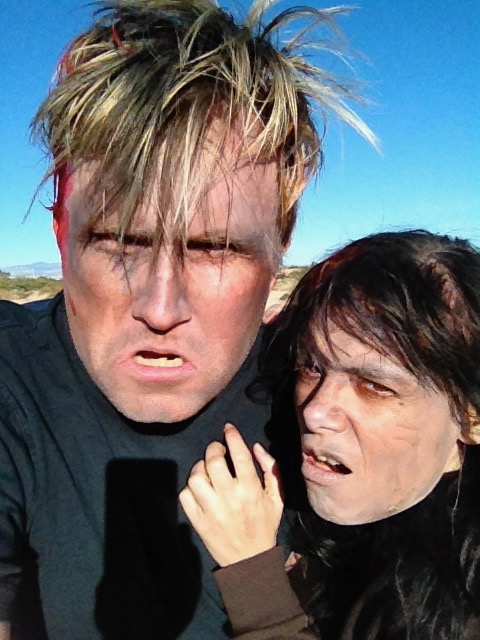
Some of my favorite memories are of travel experiences. I have vivid memories of Paris, London, Berlin, Amsterdam, Bucharest, Lucerne, Rome, and more. I recall an amazing 23-day road trip through the Pacific Northwest. And of course how could I forget the Las Vegas Zombie Run?

Some cherished memories are actually very simple and inexpensive. They were little decisions to add some extra flavor to my memory banks. I read several Mark Twain novels during the past few years, including Tom Sawyer, Huckleberry Finn, and A Connecticut Yankee in King Arthur’s Court. Recalling some of the ridiculous events from those stories puts a smile on my face.

Last night I began reading Don Quixote, which is more than 400 years old. This is a book I’ve always wanted to read, and I just finally began reading it, partly because I want to acquire the memory of having read it. I want to add some intimate knowledge of this book to my mind. And I also want to experience the story. It’s about a man who decides to become a chivalrous knight and go on adventures in a world that cares little for chivalry.

Reading The Princess Bride book was another delightful experience. That’s my all-time favorite movie, and I loved how reading the book increased my appreciation for the movie adaptation. I can see why the movie didn’t include the Zoo of Death and chose to replace it with the much simpler Pit of Despair though.

As I noted in yesterday’s post about balancing achievements and experiences, I like to plan for experiences too, often selecting them based on the memories they’ll create. I find this especially important while spending a lot more time at home due to the virus situation.

If you’re spending a lot of time at home right now, realize that you’re still acquiring memories day by day. You can create stressful memories during this time, and then you’ll have those locked into your mind for the rest of your life. You can create boring memories, in which case you may not remember much when you think back on this time. Or you could take the opportunity to create some delightful memories to punctuate these days, in which case you’ll remember the good times that you experienced when you think back on this situation.

Have you ever read The Diary of Anne Frank? I read the book when I was younger. I walked through the real Anne Frank house in Amsterdam, which is now a popular museum. Even though it was a stressful experience for her that ended in her death, she still managed to record some positive memories in her diary while she was in hiding. Even in darkness there were beautiful moments.

A lot of personal growth work involves understanding one’s past. I used to find this kind of work unpleasant because I didn’t feel good about many parts of my past – it was full of mistakes and setbacks. But now I’ve greatly increased my mental bank of positive memories, so I find it much more pleasant to reflect back on the past. It seems a lot brighter than it used to.

A mistake I made in the past was focusing too much on trying to create a better future and not enough on enjoying moments in the present. That mindset actually hurt my past, filling it with memories of drudgery instead of beautiful experiences.

When I was younger, I wish that I had spent less time at the office and said yes to more zombie runs. The time at the office is mostly a blur today, but I remember the Zombie Run vividly, and it was only a few hours out of one day.

It’s not difficult to fill your past with moments that you’ll cherish. You’ve had some beautiful experiences before, and you can create more of them. The key is to recognize how much value such experiences add to your life.

Share Button

Caring for seniors during COVID-19 pandemic

Older adults are at elevated risk for complications from COVID-19 and are dying at a higher rate than younger patients. In light of these concerns, Regenstrief Institute and Indiana University School of Medicine scientist Kathleen Unroe, M.D., MHA, and colleagues lay out guidelines and best practices for healthcare providers and family caregivers who are providing care for seniors during the COVID-19 pandemic. Their recommendations are published in the Journal of Geriatric Emergency Medicine.

“Our senior patients need additional measures of care and protection, and COVID-19 only exacerbates those needs,” said Dr. Unroe, one of the authors on the paper. “Family care providers need to be aware of the hazards COVID-19 presents to their loved ones and understand how to mitigate them. I hope this information will provide helpful guidance to protect older adults during this crisis.”

In the article, Dr. Unroe and her colleagues provide insight into several aspects of how the novel coronavirus is affecting the care of older adults.

Testing Seniors For COVID-19

Dr. Unroe and her colleagues highlight the need to prioritize testing for older adults even after increased screening capacity is available, due to their increased risk of complications from the disease. They advise health systems to make testing available in settings other than the emergency department whenever possible and to use options such as telecare in the screening process.

Caring for Older Adults

Older adults may be experiencing significant isolation already, and social distancing may worsen complications from seclusion, Dr. Unroe and her team note in the paper. Reduced time with caregivers may also place older adults at risk, due to missed opportunities to catch cognitive or general health decline and unrecognized falls.

If protective equipment is necessary for caregivers to wear around patients with cognitive decline, this change in appearance may be very disorienting for patients, and patients with dementia who are required to wear protective equipment may not understand why they are doing so. Dr. Unroe and her team recommend that clinicians provide additional resources to caregivers and steer them toward communities of support.

Symptoms

While fever and respiratory symptoms have been widely recognized as key symptoms associated with COVID-19, these symptoms often present differently in older adults. Fever, for example, may be blunted or absent entirely during infection for older adults. Respiratory symptoms may either be masked or exacerbated by co-occurring diseases, such as COPD, that can further worsen outcomes. Dr. Unroe and team point to the Infectious Disease Society of America’s modified definition of fever for older adults as a helpful alternative:

  • A single oral temperature over 100°F, or
  • 2 oral repeated temperatures over 99°F or
  • An increase in temperature of 2°F over the baseline temperature

The article also features key points, evidence and case studies surrounding other issues of elder care, including transitions in care between sites such as nursing homes and hospitals, guidance for triage, and suggestions for inpatient care systems changes.

“As our understanding of this virus continues to improve,” said Dr. Unroe, “we must revise our practices of care, both clinically and residentially, to make sure that our most vulnerable populations are protected.”

Story Source:

Materials provided by Regenstrief Institute. Note: Content may be edited for style and length.

Share Button

Health24.com | Odds of hospitalisation, death with coronavirus rise steadily with age

Once infected with the new coronavirus, a 20-something has about a 1% chance of illness so severe it requires hospitalisation, and that risk rises to more than 8% for people in their 50s and to nearly 19% for people over 80, a comprehensive new analysis finds.

On the other hand, the death rate from Covid-19 is significantly lower than that seen in prior estimates, the new report found. Among diagnosed cases, just under 1.4% of patients will die, according to a team led by Neil Ferguson, of the Imperial College London.

And when undiagnosed cases – typically individuals with mild or no symptoms – are added into the mix, the overall death rate from coronavirus infections drops further to 0.66%, the British researchers found.

That’s still much higher than the 0.02% death rate observed during the H1N1 flu season of 2009, the investigators noted.

Best containment policies

A person’s odds for death after infection with the new coronavirus also rose with age. An estimated 0.031% of people in their 20s will die, the new analysis found, compared to 7.8% of people over 80.

The new report, based on data from almost 44 700 cases occurring in mainland China, was published on 30 March in The Lancet Infectious Diseases medical journal.

“Our estimates can be applied to any country to inform decisions around the best containment policies for Covid-19,” said study co-author Azra Ghani, also from Imperial College London.

While the tragic deaths of young people from Covid-19 may get a lot of media play, she said, older patients are still in the most danger.

“Our analysis very clearly shows that at age 50 and over, hospitalisation is much more likely than in those under 50, and a greater proportion of cases are likely to be fatal,” Ghani said in a journal news release.

Early on in the pandemic, the World Health Organization (WHO) issued a Covid-19 death rate of 3.4% – a relatively high death toll. But as the London researchers pointed out, that number was based on a tally that only included cases severe enough to have been brought to medical attention and diagnosed.

A piece of very good news

It’s thought that many more cases are either mild or asymptomatic, or the person infected simply can’t access a coronavirus infection test kit.

The new analysis of Chinese cases attempted to account for that discrepancy. Ferguson’s group used data from situations such as outbreaks on cruise ships or people repatriated from Wuhan, where widespread testing was done. They then extrapolated those findings to the wider population, and also looked at death statistics from nearly 44 700 confirmed cases within China.

A subset of 3 665 Chinese cases was also used to calculate the percentage of infected patients who might go on to require hospital care.

One piece of very good news: Babies and young children are extremely unlikely to become critically ill or die in the pandemic. Out of more than 70 000 cases studied, there were no deaths to children under 10 and the hospitalisation rate for children aged 10 to 19 was 0.04%, the analysis found.

There was another statistical anomaly – people in their 50s made up the biggest age demographic among hospitalised patients, with 222 out of 790 hospitalised cases being aged 50 to 59.

But that doesn’t mean that people in their 50s are necessarily at the highest risk.

Zero for kids under 10

As the researchers explained, there’s thought to be a very wide pool of infected-but-well people in their 50s in the general population. So, when Ferguson’s group adjusted for those hidden cases, the rate of hospitalisation for people in their 50s was still much lower than for people in their 80s – 8.2% versus 18.4%, respectively.

By decade, the risk of hospitalisation from infection with the new coronavirus is: Zero for kids under 10; 0.1% for kids 10 to 19; 1% for people aged 20 to 29; 3.4% for people aged 30 to 39; 4.3% for people in their 40s; 8.2% for those in their 50s; 11.8% for people aged 60 to 69; 16.6% for those in their 70s; and 18.4% for those in their 80s or above.

As for the death rate, the risk was near zero for people under 40, crept up to 0.2% for people 40 to 49, to 0.6% for 50-somethings, just under 2% for people in their 60s, 4.3% for those in their 70s, and 7.8% for those in their 80s, the findings showed.

Between 50% to 80% of people around the globe could be infected before the pandemic is over, the London researchers noted.

That’s why countries must work now to prepare health systems for the onslaught, Dr Shigui Ruan, of the University of Miami, said in a commentary that accompanied the study.

Increasing case fatality ratio

“Estimates of case fatality ratios might vary slightly from country to country because of differences in prevention, control, and mitigation policies implemented, and because the case fatality ratio is substantially affected by the preparedness and availability of health care,” Ruan wrote.

Access to prompt testing will be crucial, he added.

“Early studies have shown that delaying the detection of infected cases not only increases the probability of spreading the virus to others (most likely family members, colleagues, and friends) but also makes the infection worse in some cases, thereby increasing the case fatality ratio,” Ruan added.

According to The New York Times, over 156 000 cases of Covid-19 had been confirmed across the United States by Monday afternoon, including nearly 2 900 deaths.

READ | Are people with blood type A more vulnerable to contracting the new coronavirus?

READ | Healthy living at home to ward off coronavirus

READ | Coronavirus: Breakthrough as researchers map out how the immune system fights the virus

Image credit: iStock

Share Button

Health24.com | Is livestock, poultry safe from coronavirus?

In a bit of good news about the novel coronavirus, one expert says it looks like livestock and poultry don’t appear to be at risk from Covid-19.

The coronavirus most likely jumped from an animal species into humans and mutated into a virus that mostly affects people, said Jim Roth, director of the Center for Food Security and Public Health at Iowa State University.

“If livestock were getting the virus and getting sick, we’d most likely know that from what’s gone on in other countries,” Roth said in a university news release.

“It does seem to be pretty species-specific to people,” said Roth, a professor of veterinary microbiology and preventive medicine.

Workforce shortages

Researchers are examining the possibility that livestock might develop minor infections or carry the coronavirus, but the virus is still too new for any firm conclusions at this time, he explained.

The low level of risk to livestock and poultry is good news for US livestock producers, meat packers and consumers, who could use some stability as uncertainty about the coronavirus restricts many normal daily activities, Roth noted.

However, he added that the coronavirus could disrupt the US food supply by causing workforce shortages for the meat packing industry.

Meat packing, processing and distribution occurs around the clock, and fresh meat has a limited shelf life, so if a significant portion of meat packing employees have to stay home because of the coronavirus, the workforce shortage could slow operations at plants, Roth explained.

All available evidence suggests that meat, milk and eggs remain safe to eat, he said.

READ | Coronavirus: Basic protective measures

READ | Three countries have kept coronavirus in check; here’s how they did it

READ | Construction industry respirator masks can be used by healthcare workers

Image credit: iStock

Share Button

Balancing Achievements and Experiences

In Conscious Growth Club, we’re going through our usual quarterly planning process now. This is a five-step process that we go through four times each year as we set goals for each new quarter. It starts by reviewing the previous quarter and seeing how we did, relative to the goals we set three months prior.

One of my favorite parts of this process is reviewing the previous quarter and noting what actually got done. When I was younger, this type of review would often serve as a wake-up call regarding all the things I didn’t get done. These days it’s a nice way to remember the previous three months. In the past I focused more on achievements. Now I strive for better balance between achievements and experiences.

Instead of just listing accomplishments when I begin this review process, I like to list experiences too. This helps me recall me how I actually spent my time and what value I gained from it.

For instance, here are some items from my list for Q1 2020:

  • Went to Panama with TLC, emcee’d the first day of TLC (went very well), and saw the Panama Canal
  • Had to lock down and stay at home starting in March due to coronavirus
  • Bought a Nintendo Switch and finished Zelda: Link’s Awakening with Rachelle
  • Joined the Ignite Video Challenge and created and shared 17 videos for it
  • Watched the first season of Star Trek: Picard
  • Did my first YouTube live premiere (for the Stature launch video)
  • Continued guitar lessons and started learning “Personal Jesus” by Depeche Mode
  • Finished reading Albert Schweitzer’s bio (a long book and a long journey)
  • Bought a new Apple 32” Pro Display XDR monitor and stand (my nicest monitor ever)

These may not be considered accomplishments per se, but I like to record them to remind me of some things I experienced during the quarter. When I view these in the context of other goals accomplished, such as launching the new Stature course and publishing the first 60 lessons for it, it helps me get a more rounded picture of the quarter.

In the past I would over-focus on achievements, and if I didn’t have enough of those in a quarter, I felt like I’d slacked off and should push harder the next quarter. But now I like to consider achievements in balance with experiences.

Playing through the Zelda game with Rachelle was a fun and playful experience that we both enjoyed. Reading Albert Schweitzer’s bio was something I whittled away at in the evenings before bed, often occupying my thoughts as I went to sleep. Buying the new monitor was an interesting stretch purchase since it’s the priciest monitor I ever bought, and I visited it in the store a few times before finally taking it home. These are all experiences I was glad to have this quarter.

Creating a more thorough list also helps me recall some things I had to deal with during the quarter, which could explain why I did or didn’t achieve the goals I had set. Obviously the coronavirus situation changes the game plan for many of us.

When I see the Panama trip on the list, I remember the dozens of bug bites that Rachelle and I left with. Even two months later, we’re both still recovering from those bites. The bugs there are vicious towards vegans.

Every quarter I create a new list of achievements and experiences, and I’ve been doing this for years, so I can skim through these lists to remember the highlights of those periods.

In a way this is similar to time logging. But instead of logging my days, I’m logging my quarters on a more macro scale. This gives me an interesting viewport into where my time is going over the span of a quarter. On that scale I don’t really care where each hour or even each day went. But it’s good to get a bird’s eye view of how I lived during that three-month period of my life.

This is turn helps me make better decisions for what I’d like to accomplish and experience in future quarters. It especially reminds me to include some experiential pursuits just because I enjoy them – seeing shows or concerts, taking trips, and having fun with friends.

One lesson I’ve learned in particular is that I feel best about a quarter when it’s nicely balanced, meaning that I didn’t just work, work, work all the time. I actually feel sad for a quarter that looks like it was too much work, even if I accomplished a lot. I like seeing quarters that include lots of experiential richness, especially because they give me the gift of better memories afterwards. I especially like looking back on a quarter and thinking, I really packed a lot of fun into those three months.

The coronavirus situation seems to be making me even more appreciative of all the wonderful experiences that can be had again when this passes. I look forward to the time I can feel aligned with traveling or even just going out to run errands nearby.

Share Button

Blood test detects over 50 types of cancer, some before symptoms appear

In a study involving thousands of participants, a new blood test detected more than 50 types of cancer as well as their location within the body with a high degree of accuracy, according to an international team of researchers led by Dana-Farber Cancer Institute and the Mayo Clinic.

The results, published online today by the Annals of Oncology, indicate that the test — which identified some particularly dangerous cancers that lack standard approaches to screening — can play a key role in early detection of cancer. Early detection can often be critical to successful treatment.

Developed by GRAIL, Inc., of Menlo Park, Calif., the test uses next-generation sequencing to analyze the arrangement of chemical units called methyl groups on the DNA of cancer cells. Adhering to specific sections of DNA, methyl groups help control whether genes are active or inactive. In cancer cells, the placement of methyl groups, or methylation pattern, is often markedly different from that of normal cells — to the extent that abnormal methylation patterns are even more characteristic of cancer cells than genetic mutations are. When tumor cells die, their DNA, with methyl groups firmly attached, empties into the blood, where it can be analyzed by the new test.

“Our previous work indicated that methylation-based tests outperform traditional DNA-sequencing approaches to detecting multiple forms of cancer in blood samples,” said Dana-Farber’s Geoffrey Oxnard, MD, co-lead author of the study with Minetta Liu, MD, of the Mayo Clinic. “The results of this study suggest that such assays could be a feasible way of screening people for a wide variety of cancers.”

In the study, investigators used the test to analyze cell-free DNA (DNA from normal and cancerous cells that had entered the bloodstream upon the cells’ death) in 6,689 blood samples, including 2,482 from people diagnosed with cancer and 4,207 from people without cancer. The samples from patients with cancer represented more than 50 cancer types, including breast, colorectal, esophageal, gallbladder, bladder, gastric, ovarian, head and neck, lung, lymphoid leukemia, multiple myeloma, and pancreatic cancer.

The overall specificity of the test was 99.3%, meaning that only 0.7% of the results incorrectly indicated that cancer was present. The sensitivity of the assay for 12 cancers that account for nearly two-thirds of U.S. cancer deaths was 67.3%, meaning the test could find the cancer two-thirds of the time but a third of the time the test returned a negative result. Within this group, the sensitivity was 39% for patients with stage I cancer, 69% for those with stage II, 83% for those with stage III, and 92% for those with stage IV. The stage I-III sensitivity across all 50 cancer types was 43.9%. When cancer was detected, the test correctly identified the organ or tissue where the cancer originated in more than 90% of cases — critical information for determining how the disease is diagnosed and managed.

“Our results show that this approach to testing cell-free DNA in blood can detect a broad range of cancer types at virtually any stage of the disease, with specificity and sensitivity approaching the level needed for population-level screening,” Oxnard observed. “The test can be an important part of clinical trials for early cancer detection.”

Story Source:

Materials provided by Dana-Farber Cancer Institute. Note: Content may be edited for style and length.

Share Button

Don’t believe shaving myths

Mayo Clinic does not endorse companies or products. Advertising revenue supports our not-for-profit mission.

Advertising & Sponsorship

Mayo Clinic Marketplace

Check out these best-sellers and special offers on books and newsletters from Mayo Clinic.

Share Button

Blood test ‘can check for more than 50 types of cancer’

The test could help diagnose tumours sooner, often before any symptoms, scientists hope.

Share Button