Cabinet Ministers Dutifully Declare ‘Support’ For Liz Truss By Posting An Infographic

Members of the Liz Truss cabinet have rallied round the beleaguered prime minister – but their efforts failed to convince.

On Friday, the plagued mini-budget struck again as the PM sacked her chancellor Kwasi Kwarteng as she abandoned plans to freeze corporation tax.

A desperate attempt to reset her premiership saw Truss appoint Jeremy Hunt as Kwarteng’s replacement in the Treasury, which was followed by a press conference that was as short as it was unapologetic.

But some in her top team offered support, taking to Twitter to post an infographic with a quotation from the media briefing, where she said: “We will deliver the strong and sustained growth that can transform the prosperity of our country for generations to come.”

Simon Clarke, the chief secretary to the Treasury, raised eyebrows when he simply tweeted: “The prime minister has my support.”

It also brought to mind footballer Victor Anichebe’s “tweet something like” classic.

Therese Coffey, Ranil Jayawardena and Jake Berry followed.

But Tom Tugendhat, minister of state for security who attends cabinet, resisted adding a message of support to the graphic – while Kemi Bandenoch resisted adding the graphic to her message of support.

The international trade secretary, who came fourth in the Conservative party leadership contest earlier this year, wrote: “To say it’s been a difficult day would be an understatement. We knew the scale of the challenge this autumn given multiple global headwinds would be unprecedented. Our Prime Minister is working flat out to get the country through these turbulent times. She has my full support.”

Share Button

A Bad Day For Liz Truss – But Twitter Has Been Very Good

Another day, another round of Tory chaos.

But while the pound bounces around the bottom and mortgage rates surge, the slither of a silver lining is the quality of the content on Twitter.

On Friday, the catastrophic mini-budget struck again as Liz Truss sacked her chancellor Kwasi Kwarteng as she abandoned plans to freeze corporation tax.

Part of a desperate attempt to save her premiership saw Truss appoint Jeremy Hunt as Kwarteng’s replacement in the Treasury, which was followed by a press conference that was as short as it was unapologetic.

Many political reporters, speaking to Tory MPs, suggested the media briefing – eight minutes, just four questions – made things worse. You can see why they might say that.

Speaking of time, here’s a handy refresher.

For reference, the UK has now had four chancellors since July.

Meanwhile, the new chancellor didn’t get off to the best start.

And there was a reminder not to stand too close to either of the top two in government …

… especially if they are indulging in a spot of campanology.

And Britain appeared to be living up to its ‘Normal Island’ nickname.

Back in his constituency, Truss critic Michael Gove was getting on with business.

No, there was absolutely no trolling going on as the former cabinet minister referred to “trip hazards”, “strong leadership”, “funding pressures” and “recruitment and retention”.

And Ed Miliband had been saving one in the chamber for seven years.

As ever, The Thick Of It got there first.

And soon came the memes.

Share Button

Pain-sensing gut neurons protect against inflammation

Neurons that sense pain protect the gut from inflammation and associated tissue damage by regulating the microbial community living in the intestines, according to a study from researchers at Weill Cornell Medicine.

The researchers, whose report appears Oct. 14 in Cell, found in a preclinical model that pain-sensing neurons in the gut secrete a molecule called substance P, which appears to protect against gut inflammation and related tissue damage by boosting the population of beneficial microbes in the gut. The researchers also found that these pain-sensing nerves are diminished in number, with significant disruptions to their pain-signaling genes, in people who have inflammatory bowel disease (IBD).

“These findings reshape our thinking about chronic inflammatory disease, and open up a whole new approach to therapeutic intervention,” said study senior author Dr. David Artis, director of the Jill Roberts Institute for Research in Inflammatory Bowel Disease, director of the Friedman Center for Nutrition and Inflammation and the Michael Kors Professor of Immunology at Weill Cornell Medicine.

The study’s first author, Dr. Wen Zhang, a postdoctoral researcher in the Artis laboratory, added, “Defining a previously unknown sensory function for these specific neurons in influencing the microbiota adds a new level of understanding to host-microbiota interactions.”

IBD covers two distinct disorders, Crohn’s disease and ulcerative colitis, and is believed to affect several million people in the United States. Typically it is treated with drugs that directly target elements of the immune system. Scientists now appreciate that gut-dwelling bacteria and other microbes also help regulate gut inflammation.

As Dr. Artis’s laboratory and others have shown in recent years, the nervous system, which is “wired” into most organs, appears to be yet another powerful regulator of the immune system at the body’s barrier surfaces. In the new study, Dr. Artis and his team specifically examined pain neurons that innervate — extend their nerve endings into — the gut.

These gut-innervating pain neurons, whose cell bodies sit in the lower spine, express a surface protein called TRPV1, which serves as a receptor for pain-related signals. TRPV1 can be activated by high heat, acid, and the chili-pepper compound capsaicin, for example — and the brain translates this activation into a sense of burning pain. The researchers found that silencing these TRPV1 receptors in gut nerves, or deleting TRPV1-expressing neurons, led to much worse inflammation and tissue damage in IBD mouse models, whereas activating the receptors had a protective effect.

The investigators observed that the worsened inflammation and tissue damage in TRPV1-blocked mice were associated with changes in the relative populations of different species of gut bacteria. When this altered bacterial population was transplanted into normal mice, it caused the same worsened susceptibility to inflammation and damage. By contrast, broad-spectrum antibiotic treatment could reverse this susceptibility even in TRPV1-blocked mice. This result demonstrated that TRPV1-expressing nerves protect the gut mainly by helping to maintain a healthy gut microbe population.

The scientists found strong evidence that a large part of this microbe-influencing effect of TRPV1-expressing nerves comes from a molecule the nerves secrete called substance P — which they observed could reverse, on its own, most of the harmful effects of blocking TRPV1. Experiments also suggested that the signaling between neurons and microbes was two-way — some bacterial species could activate TRPV1-expressing nerves to get them to produce more substance P.

To confirm the relevance to humans, the researchers examined gut tissue from IBD patients, and found abnormal TRPV1 and substance P gene activity as well as fewer signs of TRPV1 nerves overall.

“These patients had disrupted pain-sensing nerves, which may have contributed to their chronic inflammation,” Dr. Zhang said.

Precisely how substance P exerts its effects on the gut microbe population, and how these microbes “talk back,” are questions that the researchers are now trying to answer in ongoing studies. But the results so far suggest that the next generation of anti-inflammatory drugs for IBD and other disorders could be compounds that target the nervous system.

“A lot of current anti-inflammatory drugs work in only some patients, and pharma companies really haven’t known why,” Dr. Artis said. “Maybe it’s because, when it comes to chronic inflammation, we’ve been seeing only some of the picture — and now the rest, including the role of the nervous system, is starting to come into focus.”

This research at Weill Cornell Medicine was supported in part by grants from the National Institutes of Health (AI172027, AI151599, AI095466, AI095608, AR070116, DK126871, DK132244, F32AI124517), the LEO Foundation, CURE for IBD, the Jill Roberts Institute, the Sanders Family, the Rosanne H. Silbermann Family Foundation, and a Crohn’s and Colitis Foundation Research Fellowship Award.

Share Button

Deep learning makes X-ray CT inspection of 3D-printed parts faster, more accurate

A new deep-learning framework developed at the Department of Energy’s Oak Ridge National Laboratory is speeding up the process of inspecting additively manufactured metal parts using X-ray computed tomography, or CT, while increasing the accuracy of the results. The reduced costs for time, labor, maintenance and energy are expected to accelerate expansion of additive manufacturing, or 3D printing.

“The scan speed reduces costs significantly,” said ORNL lead researcher Amir Ziabari. “And the quality is higher, so the post-processing analysis becomes much simpler.”

The framework is already being incorporated into software used by commercial partner ZEISS within its machines at DOE’s Manufacturing Demonstration Facility at ORNL, where companies hone 3D-printing methods.

ORNL researchers had previously developed technology that can analyze the quality of a part while it is being printed. Adding a high level of imaging accuracy after printing provides an additional level of trust in additive manufacturing while potentially increasing production.

“With this, we can inspect every single part coming out of 3D-printing machines,” said Pradeep Bhattad, ZEISS business development manager for additive manufacturing. “Currently CT is limited to prototyping. But this one tool can propel additive manufacturing toward industrialization.”

X-ray CT scanning is important for certifying the soundness of a 3D-printed part without damaging it. The process is similar to medical X-ray CT. In this case, an object set inside a cabinet is slowly rotated and scanned at each angle by powerful X-rays. Computer algorithms use the resulting stack of two-dimensional projections to construct a 3D image showing the density of the object’s internal structure. X-ray CT can be used to detect defects, analyze failures or certify that a product matches the intended composition and quality.

However, X-ray CT is not used at large scale in additive manufacturing because current methods of scanning and analysis are time-intensive and imprecise. Metals can totally absorb the lower-energy X-rays in the X-ray beam, creating image inaccuracies that can be further multiplied if the object has a complex shape. The resulting flaws in the image can obscure cracks or pores the scan is intended to reveal. A trained technician can correct for these problems during analysis, but the process is time- and labor-intensive.

Ziabari and his team developed a deep-learning framework that rapidly provides a clearer, more accurate reconstruction and an automated analysis. He will present the process his team developed during the Institute of Electrical and Electronics Engineers International Conference on Image Processing in October.

Training a supervised deep-learning network for CT usually requires many expensive measurements. Because metal parts pose additional challenges, getting the appropriate training data can be difficult. Ziabari’s approach provides a leap forward by generating realistic training data without requiring extensive experiments to gather it.

A generative adversarial network, or GAN, method is used to synthetically create a realistic-looking data set for training a neural network, leveraging physics-based simulations and computer-aided design. GAN is a class of machine learning that utilizes neural networks competing with each other as in a game. It has rarely been used for practical applications like this, Ziabari said.

Because this X-ray CT framework needs scans with fewer angles to achieve accuracy, it has reduced imaging time by a factor of six, Ziabari said — from about one hour to 10 minutes or less. Working that quickly with so few viewing angles would normally add significant “noise” to the 3D image. But the ORNL algorithm taught on the training data corrects this, even enhancing small flaw detection by a factor of four or more.

The framework developed by Ziabari’s team would allow manufacturers to rapidly fine-tune their builds, even while changing designs or materials. With this approach, sample analysis can be completed in a day instead of six to eight weeks, Bhattad said.

“If I can very rapidly inspect the whole part in a very cost-effective way, then we have 100% confidence,” he said. “We are partnering with ORNL to make CT an accessible and reliable industry inspection tool.”

ORNL researchers evaluated the performance of the new framework on hundreds of samples printed with different scan parameters, using complicated, dense materials. These results were good, and ongoing trials at MDF are working to verify that the technique is equally effective with any type of metal alloy, Bhattad said.

That’s important, because the approach developed by Ziabari’s team could make it far easier to certify parts made from new metal alloys. “People don’t use novel materials because they don’t know the best printing parameters,” Ziabari said. “Now, if you can characterize these materials so quickly and optimize the parameters, that would help move these novel materials into additive manufacturing.”

In fact, Ziabari said, the technology can be applied in many fields, including defense, auto manufacturing, aerospace and electronics printing, as well as nondestructive evaluation of electric vehicle batteries.

Share Button

Clarification of material properties for clearly better displays

A new material is set to provide us with faster and higher resolution displays. Hokkaido University researchers could explain what makes this material so special, opening the door to its application and further development.

All displays consist of a lattice of tiny dots of light, called pixels, the brightness of which can be individually controlled. The total number of pixels — and therefore, the resolution and display size — is limited by how many of these pixels can be addressed within a given fraction of a second. Therefore, display manufacturers try to use in the pixel control units materials that exhibit a very high “electron mobility,” which is a measure for how quickly current will start to flow through such a control unit as a response to voltage being applied — and thus, how “quick” the pixel is.

A new material called “ITZO” (for its constituent elements indium, tin, zinc and oxygen) promises to be up to seven times faster than the current state-of-the-art material. However, it has not been clear where this improvement comes from, hampering its adoption for industrial applications.

Hokkaido University material scientist Hiromichi Ohta and his team used their unique measurement technique to clarify this point. In their recent paper published in the journal Applied Electronic Materials, they showed that the higher electron mobility results from the unusual fact that in ITZO films of sufficient thickness, free charges accumulate at the interface with the carrier material and thus enable passing-through electrons to travel through the bulk of the material unhindered.

The unique ability of the group around Ohta comes down to a very simple formula: The electron mobility is proportional to the free travel time of the charge carriers — electrons in this case — divided by their effective mass. And while the measurement of the electron mobility itself is a relatively standard technique, effective mass and free travel time cannot be measured as easily, and therefore it is difficult to tell what factor is responsible for the electron mobility.

But by measuring how the electric field inside the material changes in response to an applied magnetic field as well as to a temperature gradient, Ohta’s team could deduce the effective mass of the electrons — and then calculate the free travel time, as well. It turns out that both the effective mass is significantly smaller than in current state-of-the-art materials and the free travel time is much higher and, therefore, both factors contribute to the higher electron mobility. In addition, by observing how their results depend on the thickness of the ITZO material, they could deduce how interface and bulk of the material contribute to these effects.

Ohta explains the significance of this analysis: “Using the knowledge we gained from this study, we may in the future design other transparent oxide semiconductor thin-film transistors with different chemical compositions that exhibit even better electron mobility properties.” Thus, this study is a major step towards the next generation of ultra high-resolution displays.

Story Source:

Materials provided by Hokkaido University. Note: Content may be edited for style and length.

Share Button

Too much motivation affects our decision-making

In a good or a bad mood, focused or distracted, in dire or no need: our internal states directly influence our perceptions and decision-making. While the role of motivation on the performance of behavioural tasks has been known for more than a century — thanks to the work of psychologists Robert Yerkes and John Dilligham Dodson — its precise effect on the brain remains unclear. A team from the University of Geneva (UNIGE), in collaboration with the EPFL, has revealed how motivation alters the neural circuits responsible for sensory perception preceding decision-making in mice. This study reveals why a level of motivation that is too high or too low can affect our perception and therefore our choices. These results, featured in the journal Neuron, open up new perspectives in learning methods.

Going to work early in the morning, choosing a restaurant at lunchtime: many of our decisions are motivated by needs, such as earning a living or satisfying our hunger. However, decision-making is a complex process, which can also be influenced by external factors, such as the environment or other individuals, and by our internal states, such as our mood, our level of attention or our degree of motivation.

The laboratory of Sami El-Boustani, Assistant Professor in the Department of Basic Neurosciences at the Faculty of Medicine of the UNIGE and recipient of an Eccellenza fellowship (SNSF), is studying the neural circuits involved in decision-making. In recent work, carried out in collaboration with Professor Carl Petersen’s team at EPFL, his lab has studied the role played by a specific internal state — motivation — in perception and decision-making. For more than a century it has been known that a relationship between motivation and performance exists thanks to the work of American psychologists Robert Yerkes and John Dilligham Dodson. Too much or too little motivation is detrimental to performance. However, the way in which this impacts our neural circuits remains unclear. ”We wanted to observe how sensory information transmitted by neurons in the cortex is altered by the degree of motivation and to what extent the latter can have an effect on learning and performance in a decision-making task,” explains Sami El-Boustani, the lead author of the study.

The research team developed a behavioral paradigm involving mice in a controlled water consumption regime. They first trained these rodents to respond to tactile stimuli via two whiskers (A and B) and to produce an action — licking a spout — only for whisker A in order to obtain a drop of water. Following this training, these mice reacted mainly to the stimulation of whisker A, thus indicating their ability to discriminate between these two sensations. Finally, the researchers conducted these experiments at decreasing levels of thirst in order to vary the motivation of the rodents to participate in the task.

State of hyper-motivation blurs sensory information

In a state of great thirst — therefore of great motivation — rodents performed poorly. They licked the spout indiscriminately, without distinguishing between the whiskers stimulated. In contrast, in a state of moderate thirst, the choice of their action became optimal. They mainly licked the spout when whisker A was stimulated. Finally, when they were not very thirsty, their performance in the task dropped again.

By observing the activity of neuronal populations responsible for perceptual decision-making in these mice, the researchers discovered that neurons in these circuits were flooded with electrical signals when mice were hyper-motivated. Conversely, in a state of low-motivation, the signals were too weak. ”Hyper-motivation leads to strong stimulation of cortical neurons, which causes a loss of precision in the perception of tactile stimuli,” says Giulio Matteucci, a Postdoctoral Fellow in Sami El-Boustani’s laboratory and the study’s first author.

In contrast, in the low-motivation state, the accuracy of the sensory information was recovered, but the strength of the signal was too low for it to be transferred correctly. As a result, the perception of the stimuli was also impaired.

A new understanding of learning

These results open up new perspectives. They provide a possible neural basis for the Yerkes-Dodson Law. ”They also reveal that the level of motivation does not only impact decision-making but also the perception of sensory information, which leads to the decision”, explains Carl Petersen, Full Professor at the Brain Mind Institute of EPFL and co-senior author in the study.

This work also suggests that it is necessary to decouple acquisition and expression of new knowledge. ”We observed that mice understood the rule very quickly but could only express this learning much later, depending on an altered perception linked to their level of motivation.” This unraveling of the role of motivation in learning opens the way to new adaptive methods that aim to maintain an optimal level of motivation during learning.

Story Source:

Materials provided by Université de Genève. Note: Content may be edited for style and length.

Share Button

Changing direction: Research team discovers switchable electronic chirality in an achiral Kagome superconductor

Whether or not an object is indistinguishable from its mirror image has important consequences for its physical behavior. Say you watch a basketball player in a mirror. The ball, the player and their surroundings are, at first glance, just the same in the mirror as in real life. But if observed closely, some details are different. The ball in the player’s right hand now appears in their left hand in the mirror. While the mirror image still shows the same hand, it has clearly changed from a left to a right hand or vice versa. Many other physical objects also have mirror images that differ in a key aspect, just like hands, which is why scientists call them handed or chiral (from Greek Image = hand). Others, like the ball, cannot be distinguished from their mirror image, which makes them achiral.

Chirality is one of the most fundamental geometric properties and plays a special role in biology, chemistry and physics. It can cause surprising effects: One version of the carvone molecule, for example, produces a spearmint smell but its chiral — mirrored — equivalent smells of caraway. In material science, one distinguishes between crystals in which the periodic arrangement of the atoms is chiral or not. If it is, the electrons and electric currents flowing within it must also differ somehow from their mirror image, a property that can lead to exotic responses and novel applications.

One example is a diode-like effect where the electric currents flowing from left to right are different from those flowing right to left, a property called electronic magneto-chiral anisotropy (eMChA). So far, this phenomenon has only been found in structurally chiral crystals. Now, however, a team of researchers from Germany, Switzerland, and Spain has reported the first observation of this chiral transport in a structurally achiral crystal, the Kagome superconductor CsV3Sb5.

The quantum puzzle is as simple as it is deep: If the atomic positions in the crystal are just the same as in their mirror image, how is it possible that its electrons are not? Clearly a novel mechanism beyond a simple shape effect as in our hands must be at play. Unlike structural chirality, which is as firmly imprinted in a crystal as it is in a human hand, this new electronic chirality can be switched using magnetic fields. Switchable chirality has never before been observed and may well find its application in future technology. It is clear that this unusual behavior is directly linked to the strong electronic interactions. The team proposes a model in which the electrons arrange themselves in patterns that violate mirror symmetry, even though the atoms are arranged symmetrically. CsV3Sb5 is already known for many such interacting electronic structures, such as the formation of an unconventional chiral charge order featuring a tantalizing charge modulation. These chiral electronic structures may rotate spontaneously, causing an orbital magnetic response associated to a behavior known as ‘loop currents’, as described by C. Mielke et al., Nature (2022),

CsV3Sb5 appears to be a fantastic sandbox to probe correlated quantum phenomena, including the first example of switchable electronic chirality. The next steps include increasing the operational range from cryogenic to room temperature and enhancing the magnitude of this response. Clearly, much more is to come from interacting systems on geometrically frustrated lattices.

Story Source:

Materials provided by Max Planck Institute for Chemical Physics of Solids. Note: Content may be edited for style and length.

Share Button

Antisepsis agents interchangeable in reducing infection risk in open fracture surgeries

Orthopaedics faculty at LSU Health New Orleans participated in a study comparing two antisepsis aqueous solutions in reducing the risk of infection in patients requiring surgery for open fractures. In the largest known randomized-controlled trial, the research team found that contrary to current international recommendations, chlorhexidine gluconate was not superior to povidone-iodine in an alcohol or aqueous solution in preventing surgical site infection. The results suggesting health care practitioners can select either aqueous-based antisepsis solution when treating open fractures on the basis of solution availability, patient contraindications, or product cost are published in The Lancet, available here.

Robert Zura, MD, Professor and Head of Orthopaedics, and Jessica Rivera, MD, PhD, Associate Professor of Orthopaedics, at LSU Health New Orleans School of Medicine, are also co-authors on the paper.

The authors highlight WHO estimates of millions of patients worldwide each year who have surgical site infections. The inherent risk of using fracture fixation in a contaminated or dirty wound is realized in about 10% of open fractures developing surgical site infections. Orthopaedic surgical procedures have the highest infection rate, greater than 20% for severe open tibia shaft fractures.

Previous reviews of general surgery, obstetrics and gynecology trials suggested the superiority of chlorhexidine over iodine. The Aqueous-PREP multiple-period, cluster-randomized,

crossover trial included 14 hospitals in Canada, Spain and the United States and 1,638 adults who underwent surgery for an open extremity fracture. It found that the odds of surgical site infection or unplanned fracture-related reoperations did not differ between patients assigned to receive skin antisepsis with aqueous 10% povidone or aqueous 4% chlorhexidine gluconate. The authors wrote, “Our findings contrast the superiority of chlorhexidine in alcohol that has been shown in clean or clean-contaminated surgery.”

The authors note their findings could have particular relevance to low- and middle-income countries, where both antiseptic solutions might not be readily available or procuring both products is unnecessarily costly.

They conclude, “Our findings are not only relevant to the management of open fractures but might also be applicable to the surgical treatment of other traumatic wounds.”

Story Source:

Materials provided by Louisiana State University Health Sciences Center. Note: Content may be edited for style and length.

Share Button

Study Sheds light on leave traits, productivity of C4 bioenergy crops

A study led by researchers at the Center for Advanced Bioenergy and Bioproducts Innovation (CABBI) improves understanding of leaf functional relationships and provides valuable new information for scientists modeling the productivity of C4 bioenergy crops.

The research team found that miscanthus and sorghum — both C4 plant species — occupy a distinct niche of the leaf economics spectrum (LES), with greater photosynthetic rates and nitrogen use efficiency than more common C3 plants.

The study, published in Plant, Cell & Environment, was led by Postdoctoral Researcher Shuai Li of CABBI, a U.S. Department of Energy-funded Bioenergy Research Center. Li works with Lisa Ainsworth, a Plant Physiologist with the U.S. Department of Agriculture’s Agricultural Research Service (USDA-ARS) Global Change and Photosynthesis Research Unit and Adjunct Professor of Plant Biology and the Carl R. Woese Institute of Genomic Biology (IGB) at the University of Illinois Urbana-Champaign.

LES describes relationships among leaf traits reflecting fundamental trade-offs underpinning key ecological strategies for resource acquisition and use in plants. It is largely based on information from C3 species in natural environments and has been studied rarely in C4 crops, which use a different carbon-fixation process: C4 plants convert sunlight energy into 4-carbon molecules, whereas the first photosynthesis product of C3 plants is a 3-carbon molecule. C4 plants make up about 3% of land plant species but include major sources of food and biofuels worldwide, such as maize, sorghum, and miscanthus.

The CABBI researchers showed that C4 bioenergy crops occupy a distinct range of the LES, with higher photosynthetic rates and greater nitrogen use efficiency. Additionally, Miscanthus × giganteus genotypes with different ploidy levels (or number of chromosome pairs) exhibit leaf trait divergence and distinct leaf functional relationships compared to C3 plants.

By expanding the trait relationships described in the LES to include C4 crops in agricultural conditions, the study enhances understanding of overall worldwide patterns in leaf functional relationships and offers insight into the potential for ploidy to improve resource use efficiency, Ainsworth said.

“This study took advantage of diverse plantings of miscanthus in Illinois and Mississippi to test how leaf properties vary in different lines and in different environments,” Ainsworth said. “We studied the investment that different miscanthus lines make in leaf structure and nutrient content — information that is crucial for modeling productivity of bioenergy crops and where they can be grown.”

CABBI co-authors on the study included University of Illinois Crop Sciences and IGB Professors Erik Sacks and D.K. Lee; Andrew Leakey, CABBI Director and Professor and Head of the Department of Plant Biology, also with IGB; Professor Brian Baldwin and Assistant Research Professor Jesse Morrison from Plant and Soil Sciences at Mississippi State University; and Nicholas R. Labonte, former Postdoc with Sacks.

Other co-authors: Christopher A. Moller and Noah G. Mitchell of IGB and USDA-ARS; Duncan G. Martin of Plant Biology at Illinois; Sampurna Saikia of Crop Sciences at Illinois; and John N. Ferguson of IGB and the Department of Plant Sciences at the University of Cambridge, UK.

Share Button

Robbie Coltrane, Harry Potter And Cracker Actor, Dies Aged 72

Robbie Coltrane, the actor who played Hagrid in the Harry Potter films, has died aged 72.

The Scottish star, who also starred as criminal psychologist Dr Eddie ‘Fitz’ Fitzgerald in ITV’s crime drama Cracker, passed away on Friday, according to his agent Belinda Wright.

His agent of 40 years thanked the medical staff at Forth Valley Royal Hospital in Larbert, near Falkirk in Scotland for their “care and diplomacy”.

In a statement, she said: “My client and friend Robbie Coltrane OBE passed away on Friday October 14. Robbie was a unique talent, sharing the Guinness Book of Records’ Award for winning three consecutive Best Actor Baftas for his portrayal of Fitz in Granada TV’s series Cracker in 1994, 1995 and 1996 with Sir Michael Gambon.

“He will probably be best remembered for decades to come as Hagrid in the Harry Potter films, a role which brought joy to children and adults alike all over the world, prompting a stream of fan letters every week for over 20 years.

“James Bond fans write too to applaud his role in GoldenEye and The World Is Not Enough.

“For me personally I shall remember him as an abidingly loyal client. As well as being a wonderful actor, he was forensically intelligent, brilliantly witty and after 40 years of being proud to be called his agent, I shall miss him.

“He is survived by his sister Annie Rae, his children Spencer and Alice and their mother Rhona Gemmell. They would like to thank the medical staff at Forth Valley Royal Hospital in Larbert for their care and diplomacy.

“Please respect Robbie’s family’s privacy at this distressing time.”

Coltrane was a larger-than-life character whose presence was immediately evident whenever he graced the screen.

The stars of film and TV have paid tribute to the actor, who starred in a number of classic British franchises and shows during his career including 007 and Blackadder as well as Harry Potter.

Hugh Laurie, who acted alongside Coltrane in the period sitcom Blackadder and in the sketch series Alfresco, recalled fond memories of his time with the actor.

“I hope it’s OK to spout memories: I used to ride with Robbie Coltrane between Manchester and London in his sort-of-restored MGA,” Laurie tweeted.

“I’d roll him cigarettes while he discoursed on the ways of the world, and I don’t think I’ve ever laughed or learned so much in my life.”

The Bond franchise’s long-term producers, Michael G Wilson and Barbara Broccoli, described the actor’s death as a “tragic loss to the world”.

In a joint post to Twitter, they added: “He was an exceptional actor whose talent knew no bounds.

“He was beloved to Bond audiences as Valentin Zukovsky in GOLDENEYE and THE WORLD IS NOT ENOUGH as well as to millions who saw him in his multitude of roles.

“We shall miss him as a dear friend. Rest in peace Robbie.”

Harry Potter stars were also among those who remembered their time with Coltrane fondly.

Emma Watson, best known for her role as Hermione Granger in the Harry Potter films alongside Coltrane, has paid tribute to the actor who “made it a joy to be Hermione”.

“Robbie was like the most fun uncle I’ve ever had but most of all he was deeply caring, and compassionate towards me as a child and an adult,” Watson wrote on her Instagram story with a picture of the two of them.

“His talent was so immense it made sense he played a giant – he could fill ANY space with his brilliance.

“Robbie, if I ever get to be so kind as you were to me on a film set I promise I’ll do it in your name and memory.

“Know how much I adore and admire you. I’ll really miss your sweetness, your nicknames, your warmth, your laughs and your hugs. You made us a family. Know you were that to us.

“There was no better Hagrid. You made it a joy to be Hermione.”

Born Anthony Robert McMillan in Rutherglen, South Lanarkshire, on March 30 1950, Coltrane took his the stage name in a tribute to jazz saxophonist John Coltrane.

After working in theatre and comedy, he secured a role in BBC comedy series A Kick Up The Eighties, which brought him further roles in The Comic Strip Presents movies The Supergrass (1985) and The Pope Must Die (1991), and a series of comedy sketch shows.

He also memorably appeared as dictionary creator Samuel Johnson in Blackadder The Third in 1987 before reuniting with the cast for the 1988 special Blackadder’s Christmas Carol.

Coltrane also appeared in eight films with a former member of Monty Python’s Flying Circus.

Eric Idle was his opposite number in Nuns On The Run (1990) and National Lampoon’s European Vacation (1985).

He also played Big Jazza in the TV mini series Tutti Frutti, where he appeared in six episodes.

One of his highest-profile TV roles was in the 1990s playing Dr Eddie “Fitz” Fitzgerald, a forensic psychologist in the TV series Cracker (1993).

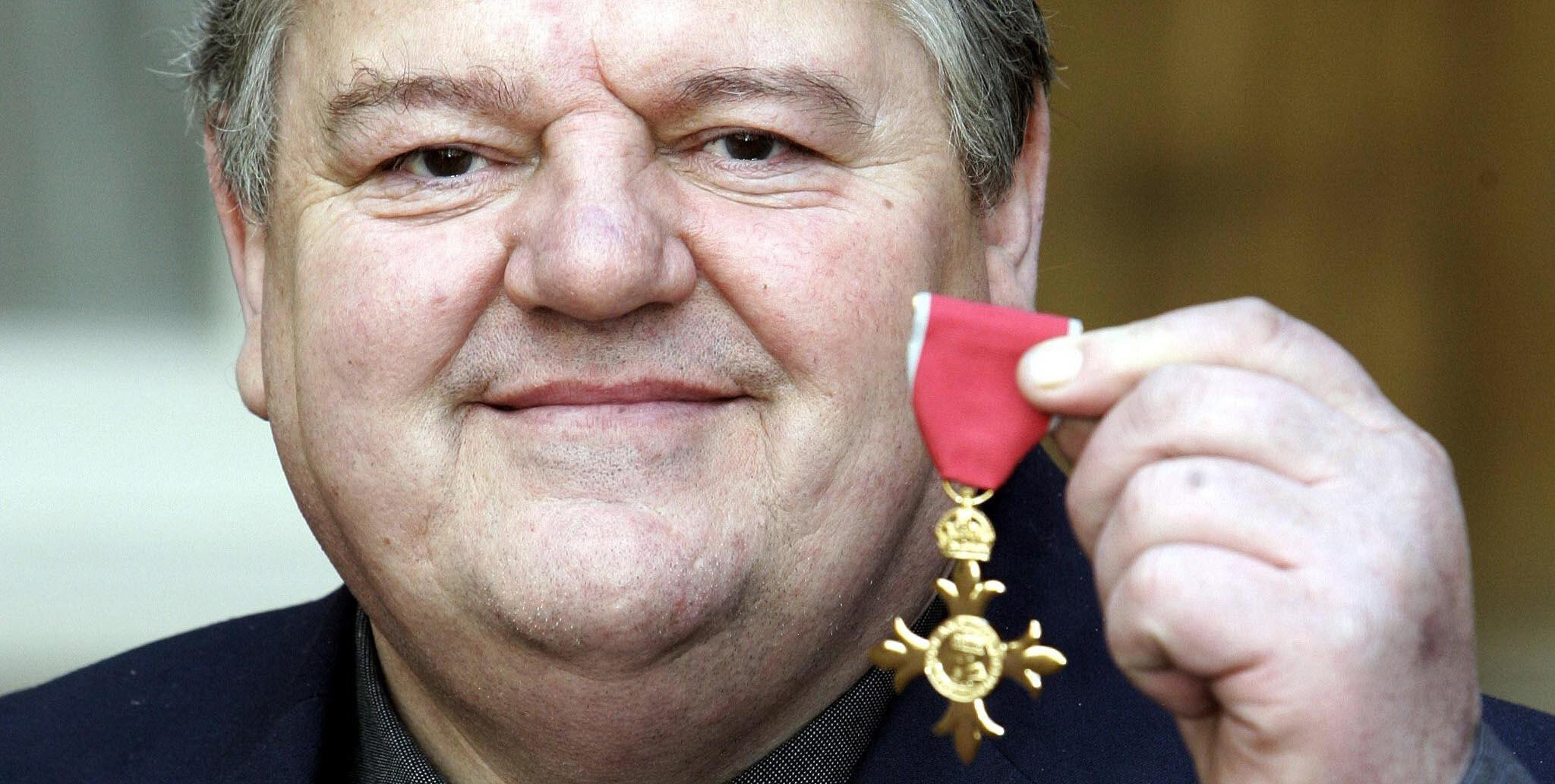
<img class="img-sized__img landscape" loading="lazy" alt="Robbie Coltrane with his OBE after receiving it from the Queen at Buckingham Palace.” width=”720″ height=”363″ src=”https://www.wellnessmaster.com/wp-content/uploads/2022/10/robbie-coltrane-harry-potter-and-cracker-actor-dies-aged-72-2.jpg”>
Robbie Coltrane with his OBE after receiving it from the Queen at Buckingham Palace.

Andrew Parsons via PA Wire/PA Images

It was not until his performance as KGB man Valentin Zukovsky in Bond film Goldeneye (1995) that he became internationally-known, revisiting the same character in The World Is Not Enough.

It led to him securing a role in the lucrative Harry Potter franchise for which he was personally selected by author JK Rowling, which led to appearances as Rubeus Hagrid in all the eight films.

Coltrane’s collection of accolades culminated with an OBE award from the Queen in 2006 for services to drama.

In an interview with The Scotsman in April 2014, Coltrane revealed he was writing his own memoirs after reaching a reflective stage in his life.

He said: “I’m writing my biography at the moment.

“I just think I’ve lived such an interesting life. I’ve written three books, I’ve made more than 700 hours of television, I’ve made 78 movies, I’ve made a lot.

“I’ve lived in New York, I was in Britain when alternative comedy happened, I was in Tutti Frutti, I was in Cracker, I’ve been fortunate enough to be connected with a lot of really important moments in drama, and then there is Harry Potter, obviously.”

Coltrane won three Baftas for his work in Cracker and also won an outstanding achievement award from Bafta Scotland in 2011.

Apart from acting and comedy, his talents also extended to voicing characters for animated films such as Brave in 2012 where his voice was used to bring colour to the character Lord Dingwall. He was also the voice of the Gruffalo in the 2009 TV film.

After a break from television, he returned to the small screen in 2016 for the Channel 4 drama National Treasure, where he played a comedian accused of raping a 15-year-old girl several years earlier.

Based on Operation Yewtree, Coltrane worked alongside Dame Julie Walters in the topical series which was broadcast in autumn 2016.

In his later years, he appeared less frequently in film and television, but returned to be interviewed for HBO’s Harry Potter 20th Anniversary: Return To Hogwarts – where he spoke of how his legacy as Hagrid would live long beyond him.

Speaking on the special, he said: “The legacy of the movies is that my children’s generation will show it to their children, so you could be watching it in 50 years’ time easy.

“I’ll not be here sadly…but Hagrid will.”

Share Button