Intestinal fortitude: Gut coils hold secrets of organ formation

Our guts, and all our organs, are arranged in left-right asymmetric patterns inside our bodies, so that everything may fit.

At the same time, development of organs such as the intestine is anything but haphazard. In healthy embryos, rotation of the gut during development always occurs in a counterclockwise direction and is perfectly timed. It’s a complicated process that scientists have long worked to understand.

Now, a study published Sept. 23 in the journal Science finds that gut rotation during development is orchestrated by two waves of expression of a transcription factor called Pitx2. The second wave, it turns out, is triggered by mechanical cues within an elastic tissue that anchors the gut tube, and later becomes a conduit for blood and lymphatic vessels that supply the gut tube.

The findings have important implications for understanding the basic mechanisms of how organs form, which could aid efforts to diagnose and prevent birth defects, such as intestinal malrotation and volvulus, where developing intestines become twisted and strangle themselves.

“The entire gastrointestinal tract is one tube that absorbs all of our nutrients, and it’s giant, so it has to loop to fit inside our body,” said Natasza Kurpios, associate professor of molecular medicine in the College of Veterinary Medicine and senior author of the study. Bhargav D. Sanketi, a doctoral student in Kurpios lab, is the paper’s first author.

“What we found years ago is that looping is highly conserved and it’s very, very regulated,” Kurpios said.

It turns out that organs such as the heart, liver, lungs and gut (intestines) are all asymmetrically situated — found on one side of the body, or spanning the left and right, but not centered. Understanding how the gut forms with left-right asymmetry could reveal patterns of development found in other organs, such as the heart.

Previous work has shown that a gene called Nodal induces the first wave of Pitx2 to establish the early body plan. But Nodal’s presence is short-lived, and once it stimulates Pitx2 expression, it disappears before gut rotation occurs. So, for a long time it has been unknown how Pitx2 stays active to direct gut rotation when Nodal is gone. “Our first surprise was that Pitx2 expression actually goes away and then it comes back as the gut tube is ready to loop,” Kurpios said. “And so the question was, what wakes Pitx2 up?”

The researchers found that a sensor, TGF-beta, lies latent until it gets activated by mechanical forces. In the case of the gut, this is dictated by the dorsal mesentery which attaches to and holds the gut tube in place. To direct rotation, the dorsal mesentery tissue dramatically expands on the right side and compacts on the left. When it does so, TGF-beta senses these changing forces and activates expression of a second wave of Pitx2, which stimulates gut tube looping. In other words, the wave of Pitx2 that establishes body asymmetry is different from the wave that rotates the gut.

In the study, the researchers used engineered mice and chicken embryos, which allow Kurpios and colleagues to open a little window in the egg shell so they can view development and manipulate gene expression.

The lab of co-author Jan Lammerding, professor in the Meinig School of Biomedical Engineering, used a probe in live embryos to measure stiffness and elasticity in the dorsal mesentery. The measurements revealed expansion on the right side and TGF-beta-Pitx2 induced braking of that expansion on the left side, which created the perfect amount of tilt in the tissue for proper gut tube looping.

The study was supported by the National Institute of Diabetes and Digestive and Kidney Diseases; the March of Dimes; the National Heart, Lung and Blood Institute; the Volkswagen Foundation; and the Cornell Center for Vertebrate Genomics.

Story Source:

Materials provided by Cornell University. Original written by Krishna Ramanujan, Cornell Chronicle. Note: Content may be edited for style and length.


Share Button

Looking back on 250 years of drought on the Korean peninsula

Many farmers battled extreme drought and heatwave conditions this year. The social and economic impacts of drought are nothing new. In fact, as Korea’s Joseon dynasty (1392-1910) was agrarian and highly reliant on the rice crops, the country was particularly sensitive to both droughts and torrential rains, making great efforts to minimize the damage.

Professor Jonghun Kam (Environmental Science and Engineering) at POSTECH and Chang-Kyun Park, researcher at the Institute of Environment and Energy Technology, have developed a self-calibrating effective drought index (scEDI) through joint research. This new index enabled them to explore 250 years of drought data, starting from late Joseon dynasty to date, comparing and analyzing precipitation records.

The EDI, a typical tool to determine the severity of droughts, is designed to monitor and characterize drought conditions on a daily scale. The index uses the last 30 years of daily precipitation records. In other words, the reference period determines EDI values, making it difficult to compare values over a long record period.

Professor Kam’s research team is the first to propose a self-calibrating EDI and use it to analyze the daily precipitation observed in Seoul from year 1777 through 2020. The scEDI that automatically calibrates the index behavior over time can maintain consistency in comparison by evaluating droughts of the same intensity and frequency.

Notably, this research employed the historical records of the Annals of the Joseon Dynasty (Joseon Wangjo Sillok) and daily precipitation data measured with Joseon’s rain gauge (chukwookee). The study demonstrated the value of unprecedentedly meticulous records left by the Koreans from that period.

The comparison between the records from Joseon era and the online search results of today implies that our predecessors were more sensitive to drought. Most drought damage records and spikes of public interest in droughts coincide with when droughts are moderate (-1.4 of scEDI) and severe (-2.0), respectively.

The findings infer that socioeconomic drought impacts hinge on the socioeconomic structure. As a valuable tool to quantitatively assess drought impacts, the scEDI has the potential to identify droughts with social consequences in advance.

Professor Kam explained, “The scEDI proposed in this study features automatic calibration corresponding to the climate of the reference period, enabling temporal detection and comparison of droughts (in terms of severity, duration, and intensity). This suggests a new research methodology for social droughts, which have been difficult to study in comparison with other drought-related categories: meteorological, agricultural, and hydrological.” He added, “Understanding both the social impacts of droughts and how they have been addressed will provide the Korean public with action plans to be prepared for future droughts in advance.”

Recently published in the Journal of Hydrology, the study was supported by the National Research Foundation of Korea (Sejong Science Fellowship Program and Mid-career Researcher Program) and the National Disaster Management Research Institute (Cooperative Research Method and Safety Management Technology in National Disaster).

Story Source:

Materials provided by Pohang University of Science & Technology (POSTECH). Note: Content may be edited for style and length.

Share Button

Wearable sensors styled into T-shirts and face masks

Imperial researchers have embedded new low-cost sensors that monitor breathing, heart rate, and ammonia into t-shirts and face masks.

Potential applications range from monitoring exercise, sleep, and stress to diagnosing and monitoring disease through breath and vital signs.

Spun from a new Imperial-developed cotton-based conductive thread called PECOTEX, the sensors cost little to manufacture. Just $0.15 produces a metre of thread to seamlessly integrate more than ten sensors into clothing, and PECOTEX is compatible with industry-standard computerised embroidery machines.

First author of the research Fahad Alshabouna, PhD candidate at Imperial’s Department of Bioengineering, said: “The flexible medium of clothing means our sensors have a wide range of applications. They’re also relatively easy to produce which means we could scale up manufacturing and usher in a new generation of wearables in clothing.”

The research team embroidered the sensors into a face mask to monitor breathing, a t-shirt to monitor heart activity, and textiles to monitor gases like ammonia, a component of the breath that can be used to track liver and kidney function. The ammonia sensors were developed to test whether gas sensors could also be manufactured using embroidery.

Fahad added: “We demonstrated applications in monitoring cardiac activity and breathing, and sensing gases. Future potential applications include diagnosing and monitoring disease and treatment, monitoring the body during exercise, sleep, and stress, and use in batteries, heaters, anti-static clothing.”

The research is published today in Materials Today.

Seamless sensors

Wearable sensors, like those on smartwatches, let us continuously monitor our health and wellbeing non-invasively. Until now, however, there has been a lack of suitable conductive threads, which explains why wearable sensors seamlessly integrated into in clothing aren’t yet widely available.

Enter PECOTEX. Developed and spun into sensors by Imperial researchers, the material is machine washable, and is less breakable and more electrically conductive than commercially available silver-based conductive threads, meaning more layers can be added for to create complex types of sensor.

Lead author Dr Firat Guder, also of the Department of Bioengineering, said: “PECOTEX is high-performing, strong, and adaptable to different needs. It’s readily scalable, meaning we can produce large volumes inexpensively using both domestic and industrial computerised embroidery machines.

“Our research opens up exciting possibilities for wearable sensors in everyday clothing. By monitoring breathing, heart rate, and gases, they can already be seamlessly integrated, and might even be able to help diagnose and monitor treatments of disease in the future.”

Next, the researchers will explore new application areas like energy storage, energy harvesting and biochemical sensing, as well as finding partners for commercialisation.

This study was funded by the Saudi Ministry of Education, Engineering and Physical Sciences Research Council (EPSRC, part of the UKRI), Cytiva, Imperial’s Department of Bioengineering, Bill and Melinda Gates Foundation, and the US Army.

Story Source:

Materials provided by Imperial College London. Original written by Caroline Brogan. Note: Content may be edited for style and length.

Share Button

Findings explain exceptional auditory abilities in Williams-Beuren Syndrome

Williams-Beuren syndrome (WBS) is a rare disorder that causes neurocognitive and developmental deficits. However, musical and auditory abilities are preserved or even enhanced in WBS patients. Scientists at St. Jude Children’s Research Hospital have identified the mechanism responsible for this ability in models of the disease. The findings were published today in Cell.

Understanding what causes the superior auditory ability in WBS patients may provide a target for treating the disease in addition to helping advance research on the ability to discriminate between sounds. WBS offers insight into the mechanisms that underlie enhanced auditory abilities. For instance, some people with WBS have perfect pitch, which is the ability to differentiate between notes or frequencies without a reference guide.

“WBS stands out among neurodevelopmental disorders because children with the disorder, despite profound learning disabilities, can have a higher prevalence of superior musical and linguistic abilities than children in the general population,” said corresponding author Stanislav Zakharenko, M.D., Ph.D., St. Jude Department of Developmental Neurobiology. “We were fascinated by that and wanted to know more about how a disorder that is caused by a loss of 27 genes could help individuals gain a better than normal ability for auditory processing.”

Excited neurons in the auditory cortex

Mouse models of WBS have an enhanced ability to discriminate between sound frequencies. These mice also have improved frequency coding in the auditory cortex, the part of the brain that processes sound. The researchers showed that the enhanced ability to discriminate between frequencies is caused by hyperexcitable interneurons in the auditory cortex.

To understand the cellular biology that underlies enhanced auditory abilities in WBS patients, the researchers conducted an RNAseq experiment. The data led the researchers to a neuropeptide receptor called VIPR1, which is reduced in the auditory cortex of individuals with WBS. The reduction in VIPR1 was also found in cerebral organoids, advanced models made in the laboratory using human induced pluripotent stem cells.

The scientists found that the transcription factor Gtf2ird1, encoded by one of the 27 genes lost in those with WBS, regulates VIPR1. Deleting or overexpressing VIPR1 in the auditory cortex can mimic or reverse the auditory effects seen in WBS. Thus, it is Gtf2ird1 downregulating VIPR1 that is responsible for the impact of WBS on auditory ability.

“I didn’t know a lot about VIPR1 before it popped up in our data because the role of this family of receptors in the brain is under-appreciated compared to other neuromodulator or neurotransmitter receptors,” said first-author Christopher Davenport, St. Jude Department of Developmental Neurobiology. “Our findings show that they can strongly impact information processing and behavior and are likely relevant for other behaviors and diseases as well.”

“This work suggests that reducing neuronal hyperexcitability might be a general mechanism for treating WBS through targeting VIPR1,” Zakharenko said. “It also opens up new directions to learn about musicality and how our brain differentiates sounds based on these findings in models of WBS.”

Story Source:

Materials provided by St. Jude Children’s Research Hospital. Note: Content may be edited for style and length.

Share Button

Covid: First rise in infections in UK since July

The largest rise was in secondary school children as the new term started, according to the ONS.

Share Button

Cancer-killing virus shows promise in patients

One man injected with the modified cold sore virus saw his tumour completely disappear.

Share Button

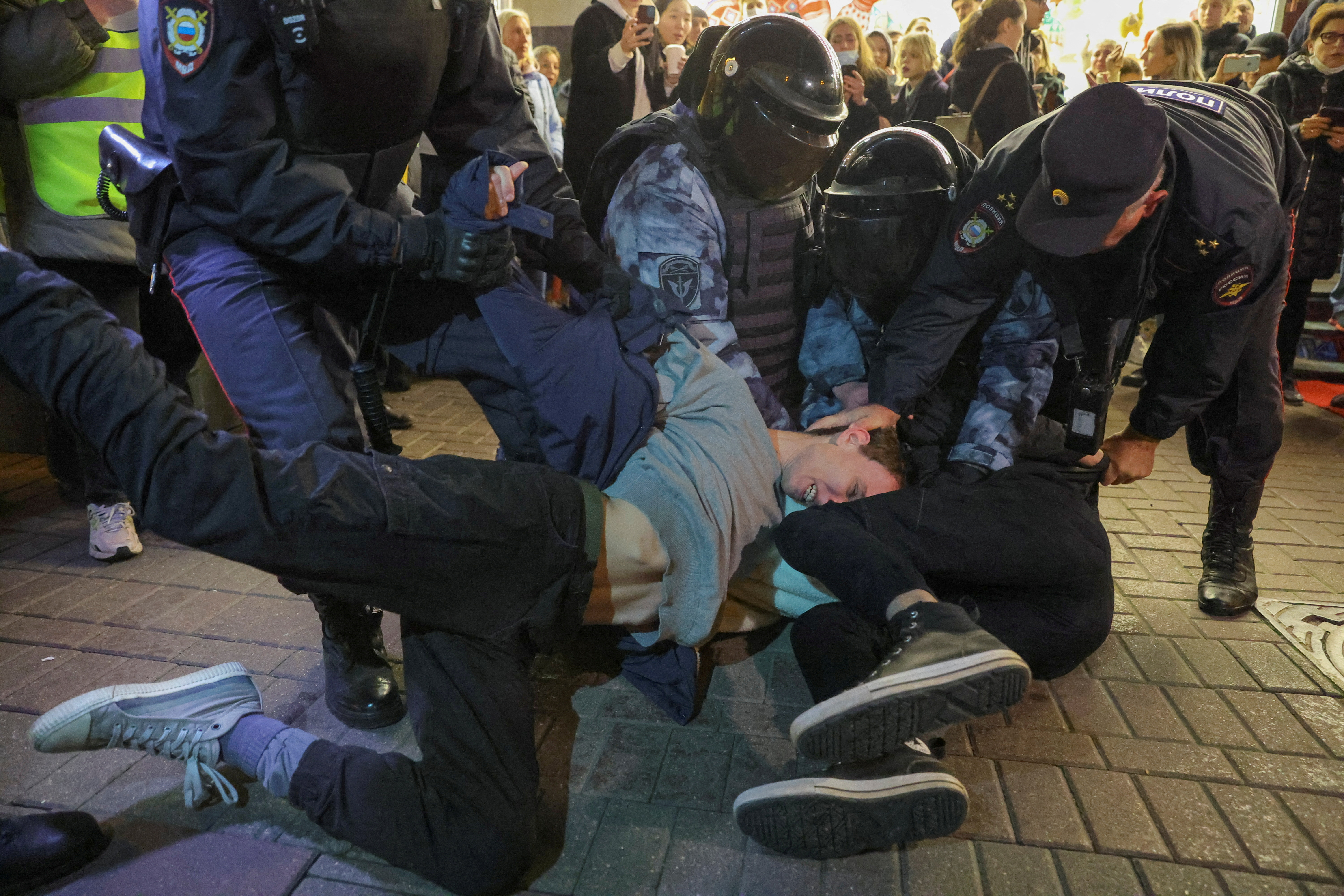
‘Send Putin To The Trenches’: Russia’s Military Call-Up Sparks Protests

Protesters in Moscow have chanted ā€œsend Putin to the trenchesā€ amid widespread disapproval of Russia’s biggest conscription drive since World War Two.

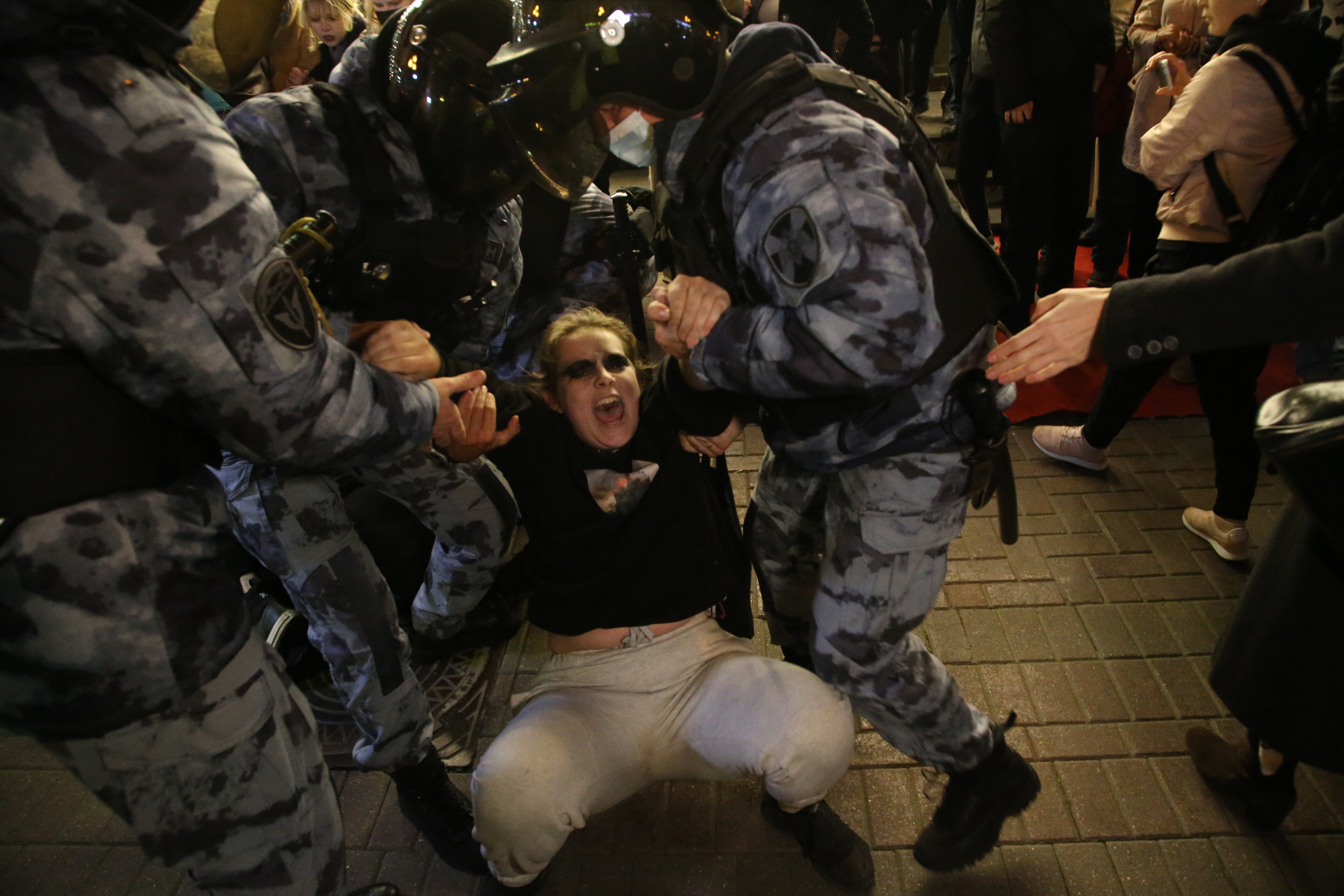
Within hours of president Vladimir Putin ordering a partial mobilisation of reservists on Wednesday, rare protests were reported across the country that led to almost 1,200 arrests.

Shortly after Putin’s address, Russian media reported a spike in demand for plane tickets abroad as some draft-age men headed for the border.

In the capital Moscow, hundreds of people gathered on the central Stary Arbat street amid heavy police presence. Protesters could be seen chanting ā€œNo warā€, ā€œSend Putin to the trenchesā€ and ā€œLet our children liveā€ in videos published to social media.

Putin’s risky order follows humiliating setbacks for his troops nearly seven months after they invaded Ukraine.

The first such call-up in decades heightened tensions with Ukraine’s Western backers, who derided it as an act of weakness and desperation.

Liz Truss accused Putin of ā€œsabre rattlingā€ as the UK prime minister addressed the United Nations General Assembly, aded that the Russian president is desperately trying to justify a ā€œcatastrophic failureā€ in Ukraine.

The total number of reservists to be called up could be as high as 300,000, officials said.

Despite Russia’s harsh laws against criticising the military and the war, protesters outraged by the mobilisation overcame their fear of arrest to stage protests in cities across the country.

Nearly 1,200 Russians were arrested in anti-war demonstrations in cities including Moscow and St Petersburg, according to the independent Russian human rights group OVD-Info.

As protest calls circulated online, the Moscow prosecutor’s office warned that organising or participating in such actions could lead to up to 15 years in prison.

Police officers detain a man in Moscow on September 21, 2022, following calls to protest against partial mobilisation announced by President Vladimir Putin. - President Vladimir Putin called up Russian military reservists on September 21, saying his promise to use all military means in Ukraine was "no bluff," and hinting that Moscow was prepared to use nuclear weapons. His mobilisation call comes as Moscow-held regions of Ukraine prepare to hold annexation referendums this week, dramatically upping the stakes in the seven-month conflict by allowing Moscow to accuse Ukraine of attacking Russian territory. (Photo by Alexander NEMENOV / AFP) (Photo by ALEXANDER NEMENOV/AFP via Getty Images)
Police officers detain a man in Moscow on September 21, 2022, following calls to protest against partial mobilisation announced by President Vladimir Putin. – President Vladimir Putin called up Russian military reservists on September 21, saying his promise to use all military means in Ukraine was “no bluff,” and hinting that Moscow was prepared to use nuclear weapons. His mobilisation call comes as Moscow-held regions of Ukraine prepare to hold annexation referendums this week, dramatically upping the stakes in the seven-month conflict by allowing Moscow to accuse Ukraine of attacking Russian territory. (Photo by Alexander NEMENOV / AFP) (Photo by ALEXANDER NEMENOV/AFP via Getty Images)

ALEXANDER NEMENOV via Getty Images

<img class="img-sized__img landscape" loading="lazy" alt="Russian police officers detain a protester during a protest rally at Arbat street in Moscow, Russia.” width=”720″ height=”480″ src=”https://www.wellnessmaster.com/wp-content/uploads/2022/09/send-putin-to-the-trenches-russias-military-call-up-sparks-protests-4.jpg”>
Russian police officers detain a protester during a protest rally at Arbat street in Moscow, Russia.

Contributor via Getty Images

The Associated Press news agency witnessed at least a dozen arrests in the first 15 minutes of a nighttime protest in the capital.

ā€œI’m not afraid of anything. The most valuable thing that they can take from us is the life of our children. I won’t give them life of my child,ā€ said one Muscovite, who declined to give her name.

Asked whether protesting would help, she said: ā€œIt won’t help, but it’s my civic duty to express my stance. No to war!ā€

In Yekaterinburg, Russia’s fourth-largest city, police hauled onto buses some of the 40 protesters who were detained at an anti-war rally. One woman in a wheelchair shouted, referring to the Russian president: ā€œGoddamn bald-headed ā€˜nut job’. He’s going to drop a bomb on us, and we’re all still protecting him. I’ve said enough.ā€

Share Button

RNA-editing tool a fast, sensitive test for COVID-19

An engineered CRISPR-based method that finds RNA from SARS-CoV-2, the virus that causes COVID-19, promises to make testing for that and other diseases fast and easy.

Collaborators at Rice University and the University of Connecticut further engineered the RNA-editing CRISPR-Cas13 system to boost their power for detecting minute amounts of the SARS-CoV-2 virus in biological samples without the time-consuming RNA extraction and amplification step necessary in gold-standard PCR testing.

The new platform was highly successful compared to PCR, finding 10 out of 11 positives and no false positives for the virus in tests on clinical samples directly from nasal swabs. The researchers showed their technique finds signs of SARS-CoV-2 in attomolar (10-18) concentrations.

The study led by chemical and biomolecular engineer Xue Sherry Gao at Rice’s George R. Brown School of Engineering and postdoctoral researchers Jie Yang of Rice and Yang Song of Connecticut appears in Nature Chemical Biology.

Cas13, like its better-known cousin Cas9, is part of the system by which bacteria naturally defend themselves against invading phages. Since its discovery, CRISPR-Cas9 has been adapted by scientists to edit living DNA genomes and shows great promise to treat and even cure diseases.

And it can be used in other ways. Cas13 on its own can be enhanced with guide RNA to find and snip target RNA sequences, but also to find “collateral,” in this case the presence of viruses like SARS-CoV-2.

“The engineered Cas13 protein in this work can be readily adapted to other previously established platforms,” Gao said. “The stability and robustness of engineered Cas13 variants make them more suitable for point-of-care diagnostics in low-resource setting areas when expensive PCR machines are not available.”

Yang said wild-type Cas13, drawn from a bacterium, Leptotrichia wadei, cannot detect attomolar level of viral RNA within a time frame of 30 to 60 minutes, but the enhanced version created at Rice does the job in about half an hour and detects SARS-CoV-2 in much lower concentrations than the previous tests.

She said the key is a well-hidden, flexible hairpin loop near Cas13’s active site. “It’s in the middle of the protein near the catalytic site that determines Cas13’s activity,” Yang said. “Since Cas13 is large and dynamic, it was challenging to find a site to insert another functional domain.”

The researchers fused seven different RNA binding domains to the loop, and two of the complexes were clearly superior. When they found their targets, the proteins would fluoresce, revealing the presence of the virus.

“We could see the increased activity was five- or six-fold over wild-type Cas13,” Yang said. “This number seems small, but it’s quite astonishing with a single step of protein engineering.

“But that was still not enough for detection, so we moved the whole assay from a fluorescence plate reader, which is quite large and not available in low-resource settings, to an electrochemical sensor, which has higher sensitivity and can be used for point-of-care diagnostics,” she said.

With the off-the-shelf sensor, Yang said the engineered protein was five orders of magnitude more sensitive in detecting the virus compared to the wild-type protein.

The lab wants to adapt its technology to paper strips like those in home COVID-19 antibody tests, but with much higher sensitivity and accuracy. “We hope that will make testing more convenient and with lower cost for many targets,” Gao said.

The researchers are also investigating improved detection of the Zika, dengue and Ebola viruses and predictive biomarkers for cardiovascular disease. Their work could lead to rapid diagnosis of the severity of COVID-19.

“Different viruses have different sequences,” Yang said. “We can design guide RNA to target a specific sequence that we can then detect, which is the power of the CRISPR-Cas13 system.”

But because the project began just as the pandemic took hold, SARS-CoV-2 was a natural focus. “The technology is quite amenable to all the targets,” she said. “This makes it a very good option to detect all kinds of mutations or different coronaviruses.”

“We are very excited about this work as a combinational effort of structure biology, protein engineering and biomedical device development,” Gao added. “I greatly appreciate all the efforts from my lab members and collaborators.”

Co-authors of the paper are Rice postdoctoral researcher Xiangyu Deng, undergraduate Jeffrey Vanegas and graduate student Zheng You; graduate students Yuxuan Zhang and Zhengyan Weng of the University of Connecticut; microbiology supervisor Lori Avery and Kevin Dieckhaus, a professor of medicine, of UConn Health; Yi Zhang, an assistant professor of biomedical engineering at the University of Connecticut; and Yang Gao, an assistant professor of biosciences at Rice.

Xue Sherry Gao is the Ted N. Law Assistant Professor of Chemical and Biomolecular Engineering at Rice.

The National Science Foundation (2031242, 2103025), the Welch Foundation (C-1952, C-2033-20200401), and the Cancer Prevention and Research Institute of Texas (RR190046) supported the research.

Share Button

COVID-19 infections increase risk of long-term brain problems

If you’ve had COVID-19, it may still be messing with your brain. Those who have been infected with the virus are at increased risk of developing a range of neurological conditions in the first year after the infection, new research shows. Such complications include strokes, cognitive and memory problems, depression, anxiety and migraine headaches, according to a comprehensive analysis of federal health data by researchers at Washington University School of Medicine in St. Louis and the Veterans Affairs St. Louis Health Care system.

Additionally, the post-COVID brain is associated with movement disorders, from tremors and involuntary muscle contractions to epileptic seizures, hearing and vision abnormalities, and balance and coordination difficulties as well as other symptoms similar to what is experienced with Parkinson’s disease.

The findings are published Sept. 22 in Nature Medicine.

“Our study provides a comprehensive assessment of the long-term neurologic consequences of COVID-19,” said senior author Ziyad Al-Aly, MD, a clinical epidemiologist at Washington University. “Past studies have examined a narrower set of neurological outcomes, mostly in hospitalized patients. We evaluated 44 brain and other neurologic disorders among both nonhospitalized and hospitalized patients, including those admitted to the intensive care unit. The results show the devastating long-term effects of COVID-19. These are part and parcel of long COVID. The virus is not always as benign as some people think it is.”

Overall, COVID-19 has contributed to more than 40 million new cases of neurological disorders worldwide, Al-Aly said.

Other than having a COVID infection, specific risk factors for long-term neurological problems are scarce. “We’re seeing brain problems in previously healthy individuals and those who have had mild infections,” Al-Aly said. “It doesn’t matter if you are young or old, female or male, or what your race is. It doesn’t matter if you smoked or not, or if you had other unhealthy habits or conditions.”

Few people in the study were vaccinated for COVID-19 because the vaccines were not yet widely available during the time span of the study, from March 2020 through early January 2021. The data also predates delta, omicron and other COVID variants.

A previous study in Nature Medicine led by Al-Aly found that vaccines slightly reduce — by about 20% — the risk of long-term brain problems. “It is definitely important to get vaccinated but also important to understand that they do not offer complete protection against these long-term neurologic disorders,” Al-Aly said.

The researchers analyzed about 14 million de-identified medical records in a database maintained by the U.S. Department of Veterans Affairs, the nation’s largest integrated health-care system. Patients included all ages, races and sexes.

They created a controlled data set of 154,000 people who had tested positive for COVID-19 sometime from March 1, 2020, through Jan. 15, 2021, and who had survived the first 30 days after infection. Statistical modeling was used to compare neurological outcomes in the COVID-19 data set with two other groups of people not infected with the virus: a control group of more than 5.6 million patients who did not have COVID-19 during the same time frame; and a control group of more than 5.8 million people from March 2018 to December 31, 2019, long before the virus infected and killed millions across the globe.

The researchers examined brain health over a year-long period. Neurological conditions occurred in 7% more people with COVID-19 compared with those who had not been infected with the virus. Extrapolating this percentage based on the number of COVID-19 cases in the U.S., that translates to roughly 6.6 million people who have suffered brain impairments associated with the virus.

Memory problems — colloquially called brain fog — are one of the most common brain-related, long-COVID symptoms. Compared with those in the control groups, people who contracted the virus were at a 77% increased risk of developing memory problems. “These problems resolve in some people but persist in many others,” Al-Aly said. “At this point, the proportion of people who get better versus those with long-lasting problems is unknown.”

Interestingly, the researchers noted an increased risk of Alzheimer’s disease among those infected with the virus. There were two more cases of Alzheimer’s per 1,000 people with COVID-19 compared with the control groups. “It’s unlikely that someone who has had COVID-19 will just get Alzheimer’s out of the blue,” Al-Aly said. “Alzheimer’s takes years to manifest. But what we suspect is happening is that people who have a predisposition to Alzheimer’s may be pushed over the edge by COVID, meaning they’re on a faster track to develop the disease. It’s rare but concerning.”

Also compared to the control groups, people who had the virus were 50% more likely to suffer from an ischemic stroke, which strikes when a blood clot or other obstruction blocks an artery’s ability to supply blood and oxygen to the brain. Ischemic strokes account for the majority of all strokes, and can lead to difficulty speaking, cognitive confusion, vision problems, the loss of feeling on one side of the body, permanent brain damage, paralysis and death.

“There have been several studies by other researchers that have shown, in mice and humans, that SARS-CoV-2 can attack the lining of the blood vessels and then then trigger a stroke or seizure,” Al-Aly said. “It helps explain how someone with no risk factors could suddenly have a stroke.”

Overall, compared to the uninfected, people who had COVID-19 were 80% more likely to suffer from epilepsy or seizures, 43% more likely to develop mental health disorders such as anxiety or depression, 35% more likely to experience mild to severe headaches, and 42% more likely to encounter movement disorders. The latter includes involuntary muscle contractions, tremors and other Parkinson’s-like symptoms.

COVID-19 sufferers were also 30% more likely to have eye problems such as blurred vision, dryness and retinal inflammation; and they were 22% more likely to develop hearing abnormalities such as tinnitus, or ringing in the ears.

“Our study adds to this growing body of evidence by providing a comprehensive account of the neurologic consequences of COVID-19 one year after infection,” Al-Aly said.

Long COVID’s effects on the brain and other systems emphasize the need for governments and health systems to develop policy, and public health and prevention strategies to manage the ongoing pandemic and devise plans for a post-COVID world, Al-Aly said. “Given the colossal scale of the pandemic, meeting these challenges requires urgent and coordinated — but, so far, absent — global, national and regional response strategies,” he said.

Share Button

An integrated modeling framework to assess surface and ground water resources

Against the backdrop of climate change and rising water demand, tools for adequately modeling water availability are much needed. In a new study, researchers applied a large-scale model linking surface water to groundwater, which can be used for estimating water resources at a high spatial resolution.

Groundwater — the water contained in porous and fractured rocks underground — is the largest freshwater source on Earth apart from the ice caps and glaciers. It feeds into rivers, lakes, and other surface water bodies and is essential for ecosystems. In addition, groundwater systems are an integral part of agricultural irrigation, especially in regions with scarce surface water resources.

Existing large-scale models tend to oversimplify groundwater flow, often do not adequately integrate human water management, and operate at coarser resolutions than needed for modeling small-scale hydrologic processes. In a new study in Geoscientific Model Development, a team of IIASA researchers coupled the Community Water Model (CWatM) (Burek et al., 2020) with the groundwater flow model MODFLOW, allowing for the reproduction of water tables at very fine spatial resolutions. The integrated model simulates hydrological processes occurring in soil and surface water bodies at the hillslope scale, with grid cells smaller than 1 km. It can be used to model water cycles at various geographical levels, ranging from small basins to entire countries.

By comparing the Austrian Seewinkel region and the Indian Bhima basin, extending over 573 and 46,000 km² respectively, the researchers tested the model’s capacity to adequately reproduce water tables under different climatic, geological, and socioeconomic conditions. The simulated results were validated with observed water table depths and fluctuations over a period of 35 years in Seewinkel and 16 years in Bhima.

“These biophysical models are important because water cycles need to be quantified for proper water management. We can study how local and regional water processes interact by linking models at different scales. In particular, a model like CWatM-MODFLOW is a useful tool to project the impact of future water management plans, land cover changes, or climate change,” says Luca Guillaumot, the study’s lead author and a researcher in the IIASA Water Security Research Group (currently at the French weather research center — CNRM).

Furthermore, the authors used the model to assess the impact of groundwater-based irrigation on the water cycle in the two regions under investigation. They found that irrigation increases the amount of water that moves into the atmosphere through evaporation from soil and transpiration through plant tissues, but reduces groundwater support to rivers and humid areas, especially during dry seasons. The results also indicate that the water table is deeper in areas with intense irrigation pumping.

Despite persistent challenges in reproducing water table depth patterns and calibrating the model at resolutions as fine as possible (~100m), the study represents a significant improvement in large-scale hydrological modeling.

“Humans are transforming the Earth’s water systems. IIASA water models can answer important questions about how we affect regional and global water systems at different spatial and temporal scales. Regional stakeholders, including policymakers, can use this information to construct realistic water management scenarios,” concludes study coauthor and IIASA Biodiversity and Natural Resources Program Director Yoshihide Wada.

Share Button