BBC Morning Live’s Dr Oscar Duke shares his advice on how to identify whether you have cold, flu or Covid and how to look after yourself.


BBC Morning Live’s Dr Oscar Duke shares his advice on how to identify whether you have cold, flu or Covid and how to look after yourself.
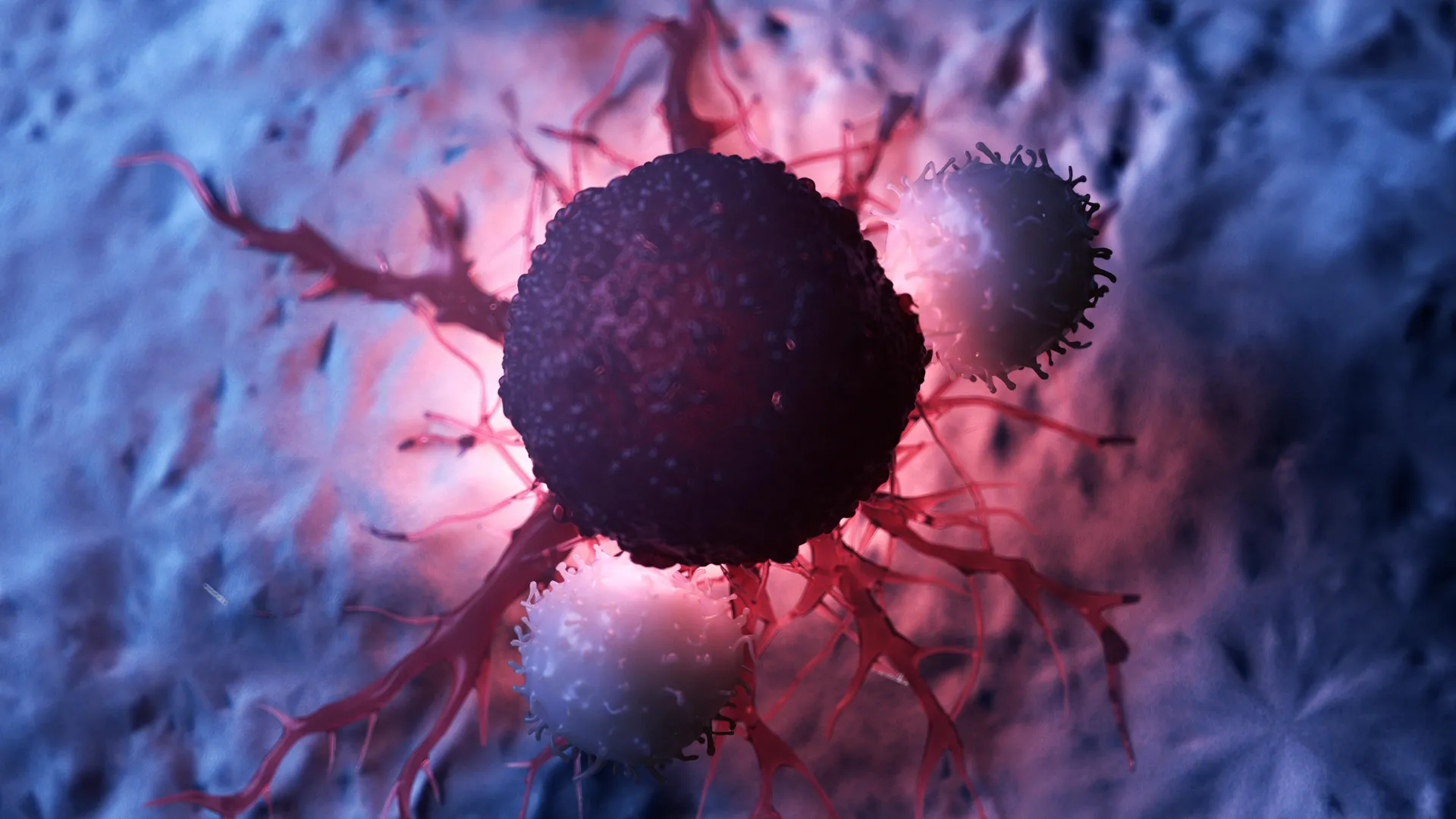
A recent study reports that using reduced amounts of approved immunotherapy for malignant melanoma may lead to better control of tumors while also limiting side effects. The findings come from researchers at Karolinska Institutet and were published in the Journal of the National Cancer Institute.
“The results are highly interesting in oncology, as we show that a lower dose of an immunotherapy drug, in addition to causing significantly fewer side effects, actually gives better results against tumors and longer survival,” says last author Hildur Helgadottir, a researcher at the Department of Oncology-Pathology at Karolinska Institutet, who led the study.
Why Sweden Uses a Modified Treatment Approach
Standard treatment for malignant melanoma typically relies on the approved doses of nivolumab and ipilimumab. However, because the full-dose combination often leads to considerable side effects, Swedish clinicians have increasingly adopted a regimen that uses a reduced amount of ipilimumab. This component is both the most expensive part of the treatment and the one most strongly linked to side effects.
“In Sweden, we have greater freedom to choose doses for patients, while in many other countries, due to reimbursement policies, they are restricted by the doses approved by the drug authorities,” says Hildur Helgadottir.
Improved Responses and Survival With Reduced Ipilimumab
Nearly 400 people with advanced, inoperable malignant melanoma took part in the study, which focused on this severe form of skin cancer. According to the results, patients receiving the lower-ipilimumab regimen showed stronger responses. A total of 49 percent of these patients responded to treatment, compared to 37 percent in the group that received the traditional dose.
Progression-free survival, defined as the time a patient lives without the disease getting worse, reached a median of nine months for the lower-dose group. The traditional-dose group experienced a median of three months. Overall survival also differed significantly, with medians of 42 months and 14 months, respectively.
Reduced Side Effects May Allow Longer Treatment
Serious side effects appeared in 31 percent of people treated with the lower dose, compared to 51 percent among those given the standard regimen.
“The new immunotherapies are very valuable and effective, but at the same time they can cause serious side effects that are sometimes life-threatening or chronic. Our results suggest that this lower dosage may enable more patients to continue the treatment for a longer time, which is likely to contribute to the improved results and longer survival,” says Hildur Helgadottir.
Study Limitations and Research Collaboration
Although some differences existed between the treatment groups, the advantage of the lower-dose approach remained even after accounting for several factors, including age and tumor stage. Because this was a retrospective observational study, the research cannot conclusively prove that the lower dose directly caused the improved outcomes.
The work was carried out together with the Sahlgrenska Comprehensive Cancer Center at Sahlgrenska University Hospital and received funding from the Cancer Foundation, Region Stockholm, and the Radiumhemmet Research Fund.
Hundreds of GPs in England tell the BBC they are also worried about a lack of help for patients.

A Labour backbencher has attacked the lack of clear communication within his party in a surprise intervention exposing the level of discontent among the backbenchers.
Karl Turner called out deputy PM and justice secretary David Lammy on Wednesday after he announced his decision to axe some jury trials, claiming the government had got it “incredibly badly wrong”.
Advertisement
Speaking to Times Radio on Sunday, the MP for Kingston upon Hull East explained he would not have spoken out against such a senior minister in the past – but he was left with little alternative this week.
His remarks come amid growing frustration over the flip-flopping of the government as they U-turn over major policies – like the two-child benefit cap – which their backbenches don’t like.
Responding to concerns about Keir Starmer’s control over his own party, Turner said: “I’ve got no axe to grind. But we’re in a situation whereby it appears as if the government is governing by consent of the PLP [Parliamentary Labour Party].
Advertisement
“The Tories did that for a bit – it didn’t get them very far.”
He said the chief whip Jonathan Reynolds “ought to be on the pitch scoring goals” because he is an “incredibly respected” politician.
“He ought not to be in the chief whip’s office where he can’t come out on the telly or Times Radio and do the stuff we need to do as a government,” the MP said.
“The former chief whip – I wouldn’t have been out publicly a week ago if the former chief whip Alan Campbell was in charge of the chief whip’s office, because he would have rang me and would have said, ‘I need to talk to you, Turner.’”
Advertisement
He suggested they would have come up with a more constructive plan together, and Campbell – who was removed as chief whip in the September reshuffle – would have facilitated meetings with the prime minister if necessary to resolve the issue.
In exchange, Turner said he would have kept quiet about his frustrations.
He said it would be a case of only speaking about your discontent in the party if there was “no alternative”.
But in this case, he claimed there was little clear communication. He told Times Radio: “All I’ve had is an attempt by me to speak to the chief whip, which I got an appointment to see him I think two days later.
Advertisement
“And then a text from a whip telling me to please calm down, or words to that effect. Don’t tell me to calm it down, I’ve been in there 15 years. It’s rare for me, in fact it’s incredibly unlikely and unusual.”
He said he would never usually “gob off” unless he needed to, adding: “Campbell would have sorted this. I’m afraid to say this but Johnny Reynolds isn’t capable of sorting this – and I like the man a lot, by the way.”
Starmer is facing intense scrutiny right now over the lack of control and discipline he has over his own MPs.
Advertisement
He suspended one MP, Markus Campbell-Savours, only this week after he voted against an initial vote on the government’s plans to tax inherited farmland.
Questions around just how long he has left in office continue to rise too, as pundits speculate which of his senior allies in the cabinet could be looking to replace Starmer in No.10.
Advertisement


The Kremlin has welcomed Donald Trump’s new National Security Strategy document and claimed it is “largely consistent with our vision”.
The US president unveiled a new framework for his administration’s foreign policy and defence priorities on Friday, at a time when many in Europe hold wider concerns that Washington has a pro-Russia bias.
Advertisement
The NSS largely ignores the threat Russia poses to the west and instead concentrates a lot of its content on targeting America’s allies in Europe.
It claims economic decline in the continent is “eclipsed by the real and more stark prospect of civilisational erasure” – while also claiming the EU’s activities “undermine political liberty and sovereignty”.
The NSS calls for the US to be “cultivating resistance to Europe’s current trajectory within European nations” and praises the “growing influence of patriotic European parties”.
Advertisement
Certain Nato members may become “majority non-European” because of immigration, according to the document, asking if those countries will “view their place in the world, or their alliance with the United States the same way as those who signed the Nato charter”.
It said negotiating an “expeditious” cessation of the war was a “core interest” of the US – even though the president’s own son, Donald Trump Jr, recently warned Trump may walk away from Ukraine.
The document argued managing European relations with Russia – which are “deeply attenuated” due to the Ukraine war – will need significant US diplomatic engagement to “mitigate the risk of conflict between Russia and European states”.
Advertisement
Vladimir Putin’s spokesperson Dmitry Peskov told Russian journalist Pavel Zarubin: “The adjustments we’re seeing, I’d say, are largely consistent with our vision.”
He said Russia hoped this would be a “modest guarantee” they will be able to continue joint constructive work.
Moscow also supports the language used in the document, according to Peskov, which contained statements “against confrontation and in favour of dialogue and building good relations” with Russia.
Advertisement
He said: “Overall, these messages certainly contrast with the approaches of previous administrations.”
Since starting his second term in office, Trump’s administration has taken a much firmer stance towards Europe and a softer approach towards Russia.
His vice-president JD Vance shocked allies at the Munich Security Forum in February by claiming Europe faced a greater risk from its own democratic failings than from Russia – even though Putin continues to wage war in Ukraine.
Advertisement
Much like the new NSS, Vance said it was time for allies to step up defence spending and reduce their reliance on the US.
In response to the document, Polish president Donald Tusk said: “Dear American friends, Europe is your closest ally, not your problem. And we have common enemies. At least that’s how it has been in the last 80 years. We need to stick to this, this is the only reasonable strategy of our common security. Unless something has changed.”
German foreign minister Johann Wadephul also hit back, saying Europe did not “need outside advice”.


During the 2026 World Cup draw on Friday, FIFA awarded President Donald Trump its first-ever “FIFA Peace Prize” — a gold medal and large trophy that are absolutely, totally not a consolation prize after he lost out on the Nobel Peace Prize earlier this year.
FIFA President Gianni Infantino lavished praise on Trump while handing over the award “in recognition of his exceptional and extraordinary actions to promote peace and unity around the world.”
Advertisement
A video that played before Trump took the stage described him as “a dynamic leader who has engaged in diplomatic efforts that created opportunities for dialog, de-escalation and stability, and who has championed the unifying power of football on the world stage.”
Earlier in the day, when reporters asked about the upcoming award, the president repeated a version of his misleading claim, saying he has settled “eight wars.”
Trump gave a short acceptance speech after he was awarded FIFA’s obsequious new award, calling it “one of the great honours” of his life before pivoting to ticket sales for the upcoming FIFA World Cup, which he claimed are moving well.
Advertisement
“The numbers are beyond any numbers,” the president observed.
This year’s Nobel Peace Prize was awarded to Venezuelan opposition leader María Corina Machado. Trump claims Machado called him afterward and said she accepted the prize in Trump’s honour because he was the one who “really deserved it.”
Infantino and Trump are close allies. So close, even, that in July, Infantino let Trump keep the Club World Cup’s 24-karat-gold-plated trophy, forcing FIFA to give a replica to the tournament’s actual winning team.
Trump’s acceptance of a peace prize coincides with rising furor over actions being looked at as a potential war crime carried out by his administration during an attack on alleged drug smugglers in September.
Advertisement
The president also recently pardoned a former Honduran president who had been sentenced to decades in prison for swamping the United States with hundreds of tons of cocaine.

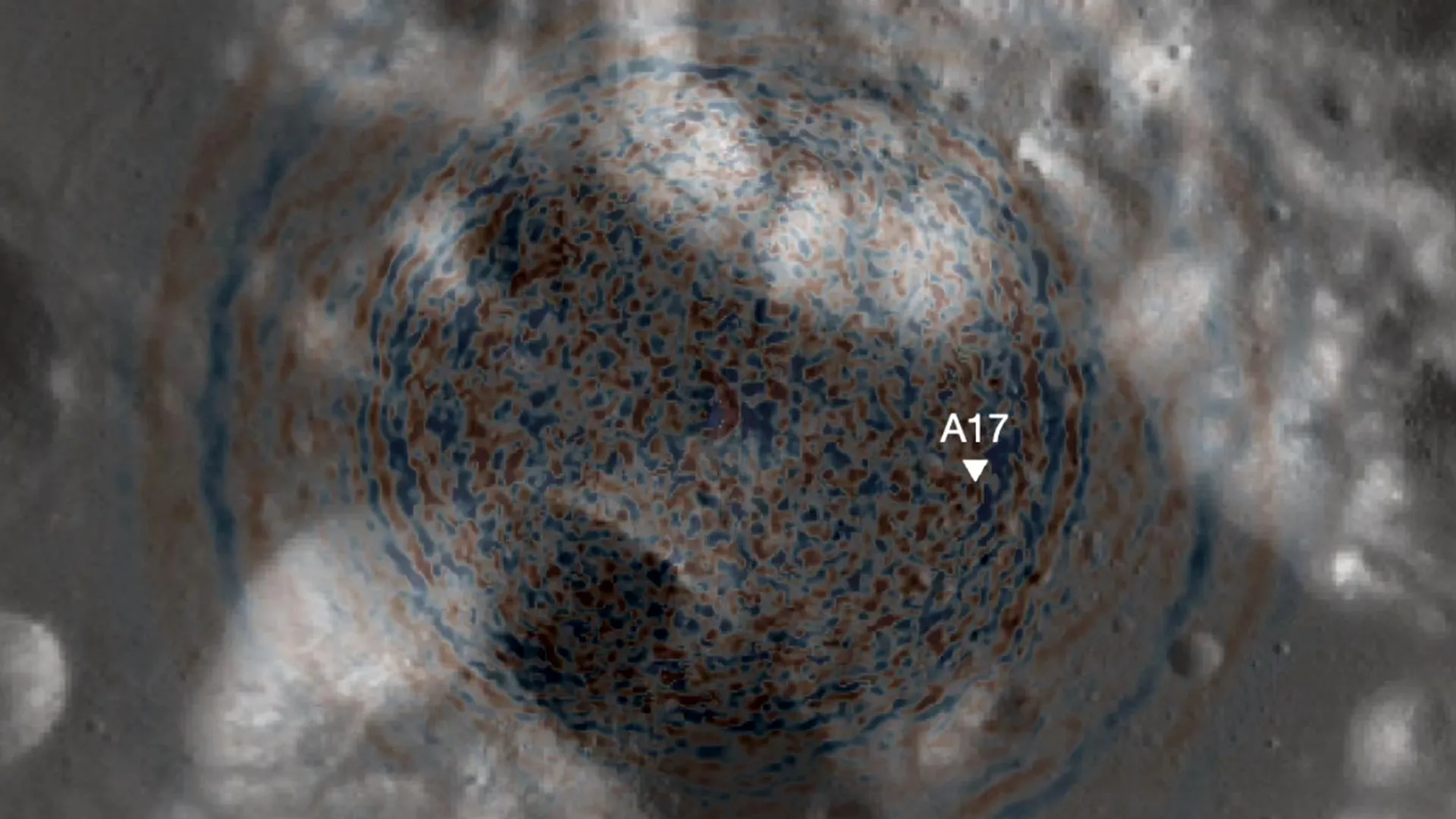
A recently published study reports that shaking from moonquakes, rather than impacts from meteoroids, was the main force behind the shifting terrain in the Taurus-Littrow valley, the site where Apollo 17 astronauts landed in 1972. The researchers also identified a likely explanation for the changing surface features and evaluated potential damage by applying updated models of lunar seismic activity — results that could influence how future missions and long-term settlements are planned on the moon.
The work, conducted by Smithsonian Senior Scientist Emeritus Thomas R. Watters and University of Maryland Associate Professor of Geology Nicholas Schmerr, appeared in the journal Science Advances.
Evidence From Apollo 17 Reveals Ancient Moonquake Activity
To investigate the region, Watters and Schmerr examined samples and observations collected during Apollo 17. Astronauts documented boulder tracks and landslides that appear to have been triggered by moonquakes. By analyzing this geological evidence, the scientists estimated how strong these past quakes were and identified the most likely fault responsible for generating them.
“We don’t have the sort of strong motion instruments that can measure seismic activity on the moon like we do on Earth, so we had to look for other ways to evaluate how much ground motion there may have been, like boulder falls and landslides that get mobilized by these seismic events,” Schmerr said.
Active Lunar Fault May Still Be Producing Quakes
According to the study, moonquakes with magnitudes near 3.0 — mild by Earth standards but significant when occurring close to their source — repeatedly shook the area over the last 90 million years. These events were linked to the Lee-Lincoln fault, a tectonic feature that cuts through the valley floor. The pattern of activity points to the possibility that this fault, one of many young thrust faults identified across the moon, has not yet gone dormant.
“The global distribution of young thrust faults like the Lee-Lincoln fault, their potential to be still active and the potential to form new thrust faults from ongoing contraction should be considered when planning the location and assessing stability of permanent outposts on the moon,” Watters said.
Assessing Daily Risk for Future Lunar Operations
Watters and Schmerr also calculated the statistical likelihood of a damaging quake near an active lunar fault. Their estimate suggests a one in 20 million chance of such an event occurring on any given day.
“It doesn’t sound like much, but everything in life is a calculated risk,” Schmerr noted. “The risk of something catastrophic happening isn’t zero, and while it’s small, it’s not something you can completely ignore while planning long-term infrastructure on the lunar surface.”
Short missions like Apollo 17 face little danger due to their limited duration. However, the researchers found that projects involving longer stays would encounter a gradually increasing risk. Upcoming missions using taller lander designs, including the Starship Human Landing System, may be more susceptible to ground acceleration caused by moonquakes close to an active fault. These concerns are particularly important as NASA moves forward with the Artemis program, which aims to maintain a continuous human presence on the moon. Watters and Schmerr stressed that modern missions must account for hazards not encountered during the Apollo era.
“If astronauts are there for a day, they’d just have very bad luck if there was a damaging event,” Schmerr added. “But if you have a habitat or crewed mission up on the moon for a whole decade, that’s 3,650 days times 1 in 20 million, or the risk of a hazardous moonquake becoming about 1 in 5,500. It’s similar to going from the extremely low odds of winning a lottery to much higher odds of being dealt a four of a kind poker hand.”
Advancing the Field of Lunar Paleoseismology
Schmerr views this research as part of a growing field known as lunar paleoseismology, which focuses on ancient seismic activity. Unlike Earth, where scientists can excavate trenches to reveal evidence of past earthquakes, lunar researchers must rely on material already gathered and imaging from orbit. He expects future progress to accelerate thanks to higher resolution mapping, new technology, and upcoming Artemis missions that plan to deploy seismometers far more advanced than those used during Apollo.
“We want to make sure that our exploration of the moon is done safely and that investments are made in a way that’s carefully thought out,” Schmerr said. “The conclusion we came to is: don’t build right on top of a scarp, or recently active fault. The farther away from a scarp, the lesser the hazard.”
Support From the Lunar Reconnaissance Orbiter Mission
This research was supported by NASA’s Lunar Reconnaissance Orbiter mission, which launched on June 18, 2009. LRO is operated by NASA’s Goddard Space Flight Center for the Science Mission Directorate. This article does not necessarily reflect the views of this organization.

Hydrogen sulfide, a naturally occurring gas best known for its strong rotten egg odor, may offer a faster and gentler way to treat stubborn nail infections. Researchers at the University of Bath and King’s College London (KCL) report that this volcanic gas could form the basis of a new therapy that works more quickly while avoiding many common side effects.
Nail infections are typically caused by fungi, though bacteria can occasionally be involved. These conditions are widespread, affecting an estimated 4-10% of people worldwide, with rates climbing to nearly 50% among adults aged 70 and older.
These infections can create serious complications in vulnerable groups such as older adults and individuals with diabetes. Despite their prevalence, they remain difficult to eliminate.
Why Current Treatments Often Fall Short
Standard therapies include oral antifungal medications taken as pills and topical products placed on the surface of the nail. Oral medications usually take 2-4 months to show results and are generally effective, but they also pose risks for side effects, particularly in patients with other health conditions.
Topical treatments are considered safer, but they often require very long application periods, sometimes lasting years. Even then, they frequently fail to fully clear the infection or the infection returns.
One major obstacle is that most medications struggle to pass through the dense structure of the nail, preventing them from reaching the fungi or bacteria living beneath it. Even the best topical antifungal options achieve relatively low cure rates, underscoring the need for treatments that can reliably reach microbes deep within the nail.
Hydrogen Sulfide Shows Strong Antimicrobial Potential
A research team from the University of Bath and KCL has identified hydrogen sulfide (H2S) as a promising alternative. This small, naturally occurring gas appears capable of penetrating the nail plate far more effectively than existing topical drugs.
Earlier studies already suggested that H2S travels through nail tissue with ease. The new findings show that it also has powerful antimicrobial activity, killing a broad spectrum of pathogens, including fungal species that do not respond well to common antifungal medications.
In controlled laboratory experiments, the researchers used a compound that releases hydrogen sulfide as it breaks down. They found that the gas disrupts microbial energy production and causes irreversible damage to the cells, ultimately destroying the fungi responsible for infection.
The study is detailed in Scientific Reports.
Researchers See Promise for a Future Topical Therapy
Dr. Albert Bolhuis of the University of Bath’s Department of Life Sciences said: “Thanks to its ability to efficiently reach the site of infection and its novel mode of action, we believe that a topically applied medicine containing hydrogen sulfide could become a highly effective new treatment for nail infections, which avoids the limitations of current therapies.
“Our research lays the foundation for a compelling alternative to existing treatments, with the potential to improve outcomes for patients suffering from persistent and drug-resistant fungal nail infections.”
Hydrogen sulfide does have a strong smell and some level of toxicity. However, researchers emphasize that the concentrations needed for treatment appear to be far below harmful levels, and the right formulation should greatly reduce any unpleasant odor.
Next Steps Toward Patient Use
So far, the research has been conducted only in vitro. Even so, the team hopes to continue development and create a topical treatment suitable for patients within the next five years.
Professor Stuart Jones, Director of the Centre for Pharmaceutical Medicine Research at KCL, said: “We are looking forward to translating these findings into an innovative topical product that can treat nail infection.”

Studies in mice have shown that a hormone produced in the intestine can send signals to the brain and influence how much energy the body uses. This hormone, called FGF19 (fibroblast growth factor 19), activates processes that help the body spend more energy, use stored fat as fuel, and improve weight control and blood glucose levels in obese animals.
Researchers linked these effects to the action of FGF19 in the hypothalamus, a key brain region that receives information from the rest of the body and the environment to coordinate energy metabolism. They found that when FGF19 signals in the hypothalamus, it boosts the activity of thermogenic adipocytes (i.e., fat cells that burn energy to produce heat), which are specialized fat cells that help the body generate heat instead of storing calories.
New Paths for Obesity and Diabetes Treatments
Because of these findings, the scientists believe that FGF19 could inspire new medications for obesity, diabetes, and other metabolic conditions. The idea is to develop compounds that imitate the behavior of natural substances in the body, mimicking the action of endogenous compounds (i.e. those produced by the body itself).
This strategy resembles the way some of the latest diabetes and obesity drugs work. Ozempic, for example, contains semaglutide, an ingredient that activates receptors mimicking the hormone GLP-1. By doing so, it sends satiety signals to the brain and helps patients feel full with less food.
According to the study, FGF19 did more than change appetite or fat storage. The hormone also lowered peripheral inflammation and improved the animals’ tolerance to cold. When the researchers blocked the sympathetic nervous system, however, these benefits disappeared. In further experiments, they observed that exposure to cold increased the expression of FGF19 receptors in the hypothalamus. Because the hypothalamus is crucial for maintaining body temperature, these results suggest that FGF19 may help the body adapt by coordinating energy balance and thermoregulation.
FGF19, Thermogenesis, and Brain Control of Energy
“FGF19 had already been linked to a reduction in food intake. Our work broke new ground by showing that it also plays an important role by acting on the hypothalamus and stimulating an increase in energy expenditure in white and brown adipose tissue. In other words, in addition to controlling appetite, it stimulates thermogenesis. So, in terms of therapy associated with obesity, it’d make a lot of sense,” explains Professor Helena Cristina de Lima Barbosa, from the Obesity and Comorbidities Research Center (OCRC) at the State University of Campinas (UNICAMP).
The OCRC is a Research, Innovation, and Dissemination Center (RIDC) of FAPESP, which also funded the project through grants to doctoral student Lucas Zangerolamo, the first author of the study, supervised by Barbosa.
The work has been described in detail in an article published in the American Journal of Physiology — Endocrinology and Metabolism, where it was highlighted as a Top Article in May.
Global Obesity Crisis and Urgent Health Targets
The World Atlas of Obesity 2025 warns that, if current trends continue, global health goals for this year will not be met. These targets include halting the rise in diabetes and obesity and cutting premature deaths from cardiovascular disease, chronic respiratory disease, and cancer by 25%, using 2010 as the reference year.
The Atlas estimates that more than 1 billion people worldwide are currently living with obesity. If effective actions are not put in place, this number could surpass 1.5 billion by 2030. Obesity is already associated with about 1.6 million premature deaths each year from non-communicable diseases.
In Brazil, around 31% of the population has obesity. In addition, between 40% and 50% of adults do not reach the recommended levels of physical activity in terms of frequency or intensity.
Where FGF19 Comes From and How It Works
FGF19, which is involved in the control of energy metabolism, is mainly produced in the small intestine. In the liver, it regulates the production of bile acids and also influences the synthesis of glucose and fats. While its primary roles in the liver have been widely explored in scientific literature, its effects in the brain have received much less attention.
“In the lab, we work with bile acids, which are also the subject of my master’s degree, and they regulate the release of FGF-19. Our initial studies led us down this path,” Zangerolamo told Agência FAPESP.
At eight weeks of age, the mice used in the study were randomly assigned to two groups. One group received a standard diet (control) and the other was fed a high-fat diet to induce obesity. The researchers then administered FGF19 directly into the brains of the obese animals. All mice were kept in carefully controlled conditions of temperature, lighting, and access to water.
In the article, the scientists report that central FGF19 signaling improved energy homeostasis. It did this by boosting the activity of the sympathetic nervous system and stimulating thermogenesis in adipose tissue, leading the tissue to consume more energy in the form of heat.
“The brain plays an extremely important role in controlling the body’s adiposity. At the same time as it receives information from peripheral tissues, it triggers commands. These commands, apparently using the sympathetic nervous system, seem to be an interesting way of thinking about energy expenditure,” adds Barbosa.
Digging Deeper Into Brain Cells and FGF19 Receptors
To better understand which brain cells respond to FGF19, the authors compiled and examined public scRNA-seq data from several studies of the hypothalamus. This method makes it possible to sequence RNA from individual cells, revealing which genes are active in each cell type. In total, the team evaluated transcription from more than 50,000 single cells to identify hypothalamic cell populations that express FGF19 receptors.
The researchers note that a key question now is how to encourage the body to produce more FGF19 on its own. They are also working to connect these findings with what is already known about the neural circuits that regulate eating behavior.
“We want to broaden this understanding. We’re studying the hypothalamus to evaluate the inflammation commonly observed when a high-fat diet is administered and whether FGF19 plays a role in this area,” says Zangerolamo, who did part of the work during an internship at the Joslin Diabetes Center at Harvard Medical School with Professor Yu-Hua Tseng, who is also an author of the article.

New findings suggest that complex life began forming much earlier, and over a far longer period, than researchers previously understood. The study provides fresh insight into the environmental conditions that supported early evolution and challenges several widely accepted ideas about when advanced cellular features first appeared.
Led by the University of Bristol and published in Nature on December 3, the work shows that complex organisms started developing long before oxygen levels in the atmosphere rose to significant levels. Until now, many scientists believed that plentiful oxygen was essential for the emergence of complex life.
“The Earth is approximately 4.5 billion years old, with the first microbial life forms appearing over 4 billion years ago. These organisms consisted of two groups — bacteria and the distinct but related archaea, collectively known as prokaryotes,” said co-author Anja Spang from the Department of Microbiology & Biogeochemistry at the Royal Netherlands Institute for Sea Research.
For hundreds of millions of years, prokaryotes were the only living organisms on the planet. More complex eukaryotic cells eventually evolved, giving rise to algae, fungi, plants and animals.
Rethinking the Origins of Eukaryotes
Davide Pisani, Professor of Phylogenomics in the School of Biological Sciences at the University of Bristol and co-author, noted: “Previous ideas on how and when early prokaryotes transformed into complex eukaryotes has largely been in the realm of speculation. Estimates have spanned a billion years, as no intermediate forms exist and definitive fossil evidence has been lacking.”
To shed light on this long-debated transition, the team expanded the existing ‘molecular clocks’ method, a tool used to estimate when different species last shared an ancestor.
“The approach was two-fold: by collecting sequence data from hundreds of species and combining this with known fossil evidence, we were able to create a time-resolved tree of life. We could then apply this framework to better resolve the timing of historical events within individual gene families,” explained co-lead author Professor Tom Williams in the Department of Life Sciences at the University of Bath.
A Much Earlier Start to Cellular Complexity
The researchers examined more than one hundred gene families across multiple biological systems and focused on the traits that separate eukaryotes from prokaryotes. This allowed them to reconstruct a clearer picture of how complex cellular features developed.
Their results indicate that the shift toward complexity began nearly 2.9 billion years ago — almost a billion years earlier than some previous estimates. The evidence suggests that structures such as the nucleus emerged well before mitochondria. “The process of cumulative complexification took place over a much longer time period than previously thought,” said author Gergely Szöllősi, head of the Model-Based Evolutionary Genomics Unit at the Okinawa Institute of Science and Technology (OIST).
These findings allowed the researchers to dismiss some existing models for eukaryogenesis (the evolution of complex life). Since the results did not fully match any current explanation, the team proposed a new scenario called ‘CALM’ — Complex Archaeon, Late Mitochondrion.
Introducing the CALM Model
Lead author Dr. Christopher Kay, Research Associate in the School of Biological Sciences at the University of Bristol, said: “What sets this study apart is looking into detail about what these gene families actually do — and which proteins interact with which — all in absolute time. It has required the combination of a number of disciplines to do this: paleontology to inform the timeline, phylogenetics to create faithful and useful trees, and molecular biology to give these gene families a context. It was a big job.”
“One of our most significant findings was that the mitochondria arose significantly later than expected. The timing coincides with the first substantial rise in atmospheric oxygen,” added author Philip Donoghue, Professor of Palaeobiology in the School of Earth Sciences at the University of Bristol.
“This insight ties evolutionary biology directly to Earth’s geochemical history. The archaeal ancestor of eukaryotes began evolving complex features roughly a billion years before oxygen became abundant, in oceans that were entirely anoxic.”
