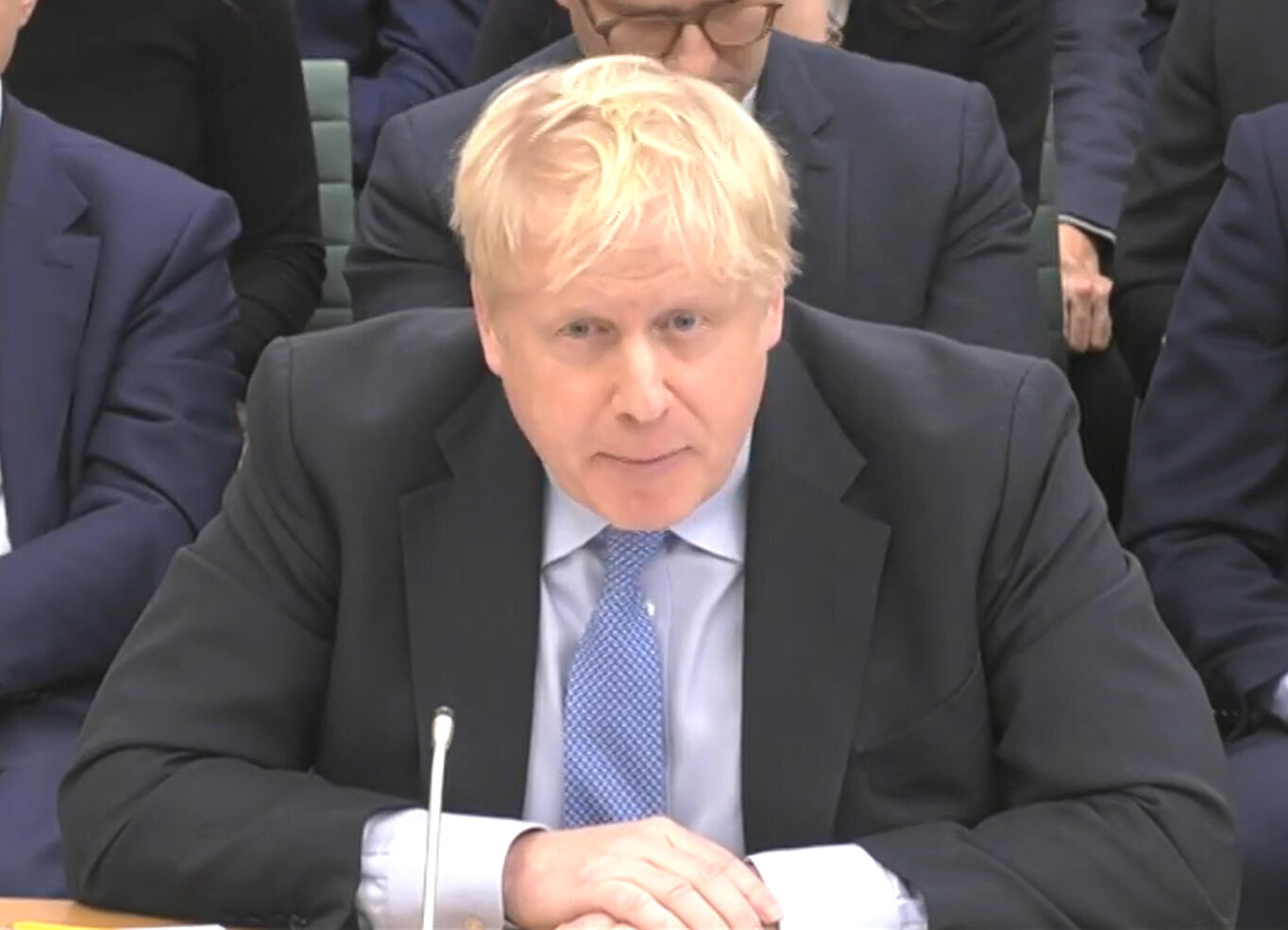
Decisions were “finely balanced” and, with hindsight, might have been different, Fiona Scolding KC says.


Decisions were “finely balanced” and, with hindsight, might have been different, Fiona Scolding KC says.
The first new polio vaccines in 50 years are less likely to mutate into a dangerous form that causes disease.
NHS bosses worry as junior doctors in England stage a third walkout in their attempt to secure a 35% rise.

Computer models confirm that the African Superplume is responsible for the unusual deformations as well as rift-parallel seismic anisotropy observed beneath the East African Rift System.
In continental rifting, there’s a mix of stretching and breaking that reaches deep into the Earth, said geophysicist D. Sarah Stamps. Continental rifting involves the stretching of the lithosphere — the outermost, rigid layer of the Earth. As the lithosphere stretches thin, its shallow regions experience brittle deformation, with the breaking of rock and earthquakes.
Stamps, who studies these processes by using computer modeling and GPS to map surface motions with millimeter precision, compares a rifting continent’s different deformation styles with playing with Silly Putty.
“If you hit Silly Putty with a hammer, it can actually crack and break,” said Stamps, associate professor in the Department of Geosciences, part of the Virginia Tech College of Science. “But if you slowly pull it apart, the Silly Putty stretches. So on different time scales, Earth’s lithosphere behaves in different ways.”
Whether in stretching or breaking, the deformation that comes with continental rifting usually follows predictable directional patterns in relation to the rift: The deformation tends to be perpendicular to the rift. The East African Rift System, the Earth’s largest continental rift system, has those rift-perpendicular deformations. But after measuring the rift system with GPS instruments for more than 12 years, Stamps also observed deformation that went in the opposite direction, parallel to the system’s rifts. Her team at the Geodesy and Tectonophysics Labhas worked to find out why.
In a recent study published in theJournal of Geophysical Research, the team explored the processes behind the East African Rift System using 3D thermomechanical modeling developed by the study’s first author, Tahiry Rajaonarison, a postdoctoral researcher at New Mexico Tech who earned his Ph.D. at Virginia Tech as a member of Stamps’s lab. His models showed that the rift system’s unusual, rift-parallel deformation is driven by northward mantle flow associated with the African Superplume, a massive upwelling of mantle that rises from deep within the Earth beneath southwest Africa and goes northeast across the continent, becoming more shallow as it extends northward.
Their findings, combined with insights from a study the researchers published in 2021 using Rajaonarison’s modeling techniques, could help clear up scientific debate on which plate-driving forces dominate the East African Rift System, accounting for both its rift-perpendicular and rift-parallel deformation: lithospheric buoyancy forces, mantle traction forces, or both.
As a postdoctoral researcher, Stamps began observing the East African Rift System’s unusual, rift-parallel deformation using data from GPS stations that measured signals from more than 30 satellites orbiting Earth, from about 25,000 kilometers away. Her observations have added a layer of complexity to the debate around what drives the rift system.
Some scientists see the rifting in East Africa as driven primarily by lithospheric buoyancy forces, which are relatively shallow forces attributed mainly to the rift system’s high topography, known as the African Superswell, and to density variations in the lithosphere. Others point to horizontal mantle traction forces, the deeper forces arising from interactions with mantle flowing horizontally beneath East Africa, as the primary driver.
The team’s 2021 study found through 3D computational simulations that the rift and its deformation could be driven by a combination of the two forces. Their models showed that lithospheric buoyancy forces were responsible for the more predictable, rift-perpendicular deformation, but those forces couldn’t account for the anomalous, rift-parallel deformation picked up by Stamps’s GPS measurements.
In their newly published study, Rajaonarison again used 3D thermomechanical modeling, this time to focus on the source of the rift-parallel deformations. His models confirm that the African Superplume is responsible for the unusual deformations as well as rift-parallel seismic anisotropy observed beneath the East African Rift System.
Seismic anisotropy is the orientation or alignment of rocks in a particular direction in response to mantle flow, melt pockets, or pre-existing structural fabrics in the lithosphere, Stamps said. In this case, the rocks’ alignment followed the direction of the African Superplume’s northward mantle flow, which suggests mantle flow as their source.
“We are saying that the mantle flow is not driving the east-west, rift-perpendicular direction of some of the deformations, but that it may be causing the anomalous northward deformation parallel to the rift,” Rajaonarison said. “We confirmed previous ideas that lithospheric buoyancy forces are driving the rift, but we’re bringing new insight that anomalous deformation can happen in East Africa.”
Learning more about the processes involved in continental rifting, including these anomalous ones, will help scientists chip away at the complexity behind the breaking of a continent, which they’ve been attempting for decades. “We’re excited about this result from Dr. Rajaonarison’s numerical modeling because it provides new information about the complex processes that shape the Earth’s surface through continental rifting,” Stamps said.

New research from Florida State University published in Frontiers in Marine Science found that extreme concentrations of microplastics could increase the temperature of beach sand enough to threaten the development of incubating sea turtles.
Sea turtles play a vital role in the marine ecosystem, and for these oceangoing reptiles to thrive, they need healthy beaches where their eggs can incubate successfully.
“Sea turtle sex, fitness and hatchling success is influenced by temperature,” said lead author Mariana Fuentes, an associate professor in FSU’s Department of Earth, Ocean and Atmospheric Science. “Not much is known on how the presence of microplastic affects the thermal profile of sand. Understanding how changes to the environment could affect the temperature of nesting grounds is important for monitoring the future of these keystone species.”
Researchers mixed sand from beaches at the FSU Coastal and Marine Laboratory with black and white microplastic. Concentrations of microplastic ranged from 5% to 30% of the total volume of the sediment sample. Then they recorded temperatures from July through September 2018 by burying digital thermometers at the same depth at which loggerhead sea turtles typically lay their eggs.
They found that samples with higher microplastic concentrations had greater increases in temperature, with the sample containing 30% black microplastic pieces having the highest mean difference in temperature. Those samples were 0.58 degrees Celsius warmer than the control group, an increase that could potentially significantly alter sea turtle hatchling sex ratios, physiological performance, and mortality of embryos.
The good news from the study is that the 30% concentration of microplastics in those samples equates to about 9.8 million pieces per cubic meter, a higher concentration than has been currently found on beaches worldwide. Current research has found the highest reported concentrations collected from beaches is about 1.8 million pieces per cubic meter.
But the amount of microplastics at nesting sites has only recently been explored. It could be higher in locations that haven’t been studied yet, and demand for plastic is forecast to increase in the future.
At nesting grounds where incubating eggs are near a 29-degree Celsius boundary — below which most hatchlings are male, and above which most hatchlings are female — smaller concentrations of plastic could be enough to push the temperature beyond a crucial threshold.
“Sea turtle eggs are sensitive to temperature, and microplastics are another factor adding to the heat they face,” Fuentes said. “This study gives us a baseline for future research on how they are affecting the nesting environment.”
The research was supported by FSU’s Garnet and Gold Scholar Society. Researchers with the University of Florida and the University of North Carolina Wilmington were co-authors on this study.

Research shows humans might inhale about 16.2 bits of microplastic every hour, which is equivalent to a credit card over an entire week. And these microplastics — tiny debris in the environment generated from the degradation of plastic products — usually contain toxic pollutants and chemicals.
Inhaled microplastics can pose serious health risks, so understanding how they travel in the respiratory system is essential for prevention and treatment of respiratory diseases. In Physics of Fluids, by AIP Publishing, researchers from the University of Technology Sydney, Western Sydney University, Urmia University, Islamic Azad University, the University of Comilla, and Queensland University of Technology developed a computational fluid dynamics model to analyze microplastic transport and deposition in the upper airway.
“Millions of tons of these microplastic particles have been found in water, air, and soil. Global microplastic production is surging, and the density of microplastics in the air is increasing significantly,” said author Mohammad S. Islam. “For the first time, in 2022, studies found microplastics deep in human airways, which raises the concern of serious respiratory health hazards.”
The team explored the movement of microplastics with different shapes (spherical, tetrahedral, and cylindrical) and sizes (1.6, 2.56, and 5.56 microns) and under slow and fast breathing conditions.
Microplastics tended to collect in hot spots in the nasal cavity and oropharynx, or back of the throat.
“The complicated and highly asymmetric anatomical shape of the airway and complex flow behavior in the nasal cavity and oropharynx causes the microplastics to deviate from the flow pathline and deposit in those areas,” said Islam. “The flow speed, particle inertia, and asymmetric anatomy influence the overall deposition and increase the deposition concentration in nasal cavities and the oropharynx area.”
Breathing conditions and microplastic size influenced the overall microplastic deposition rate in airways. An increased flow rate led to less deposition, and the largest (5.56 micron) microplastics were deposited in the airways more often than their smaller counterparts.
The authors believe their study highlights the real concern of exposure to and inhalation of microplastics, particularly in areas with high levels of plastic pollution or industrial activity. They hope the results can help inform targeted drug delivery devices and improve health risk assessment.
“This study emphasizes the need for greater awareness of the presence and potential health impacts of microplastics in the air we breathe,” said author YuanTong Gu.
In the future, the researchers plan to analyze microplastic transport in a large scale, patient-specific whole lung model that includes environmental parameters such as humidity and temperature.
Donald Trump has appeared in a Miami courtroom to face criminal charges over national security documents he kept when he left the presidential office, and lied to officials who sought to recover them.
Here’s a summary of what’s happened so far.
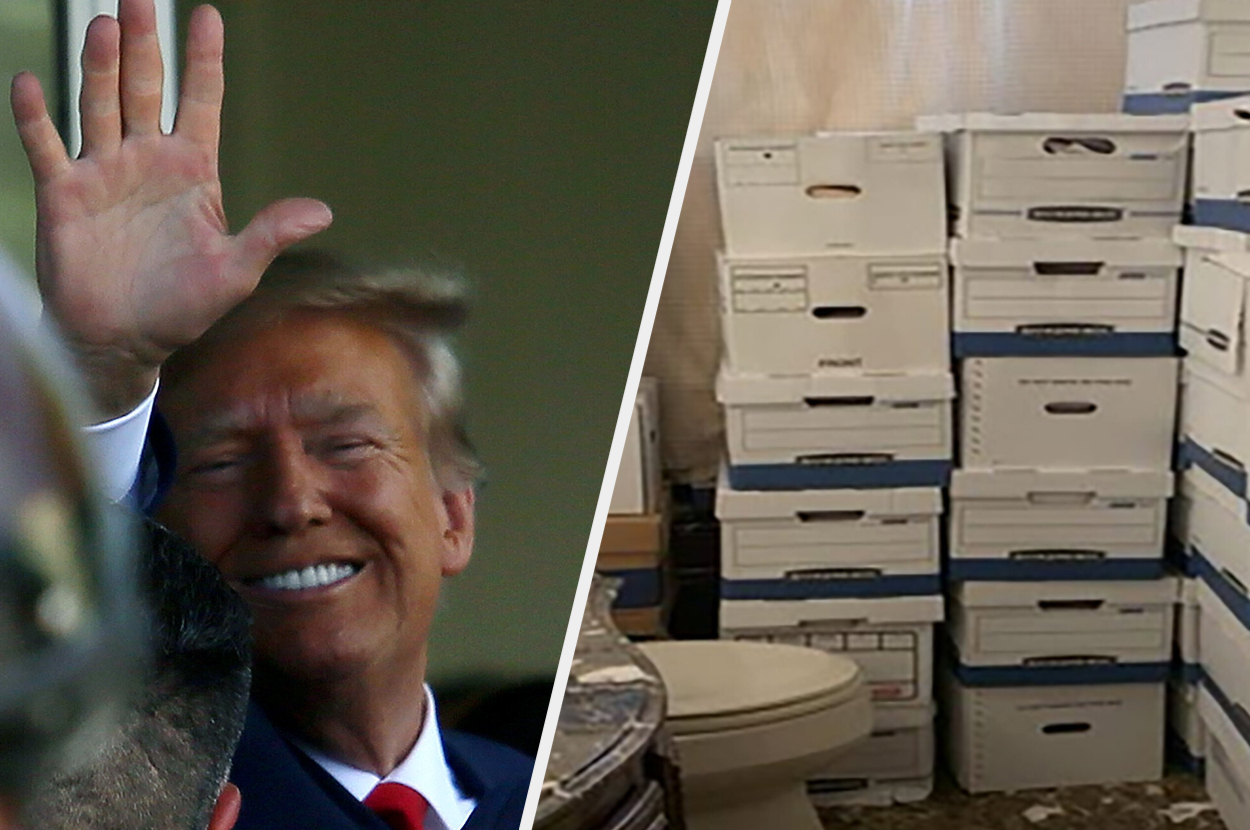
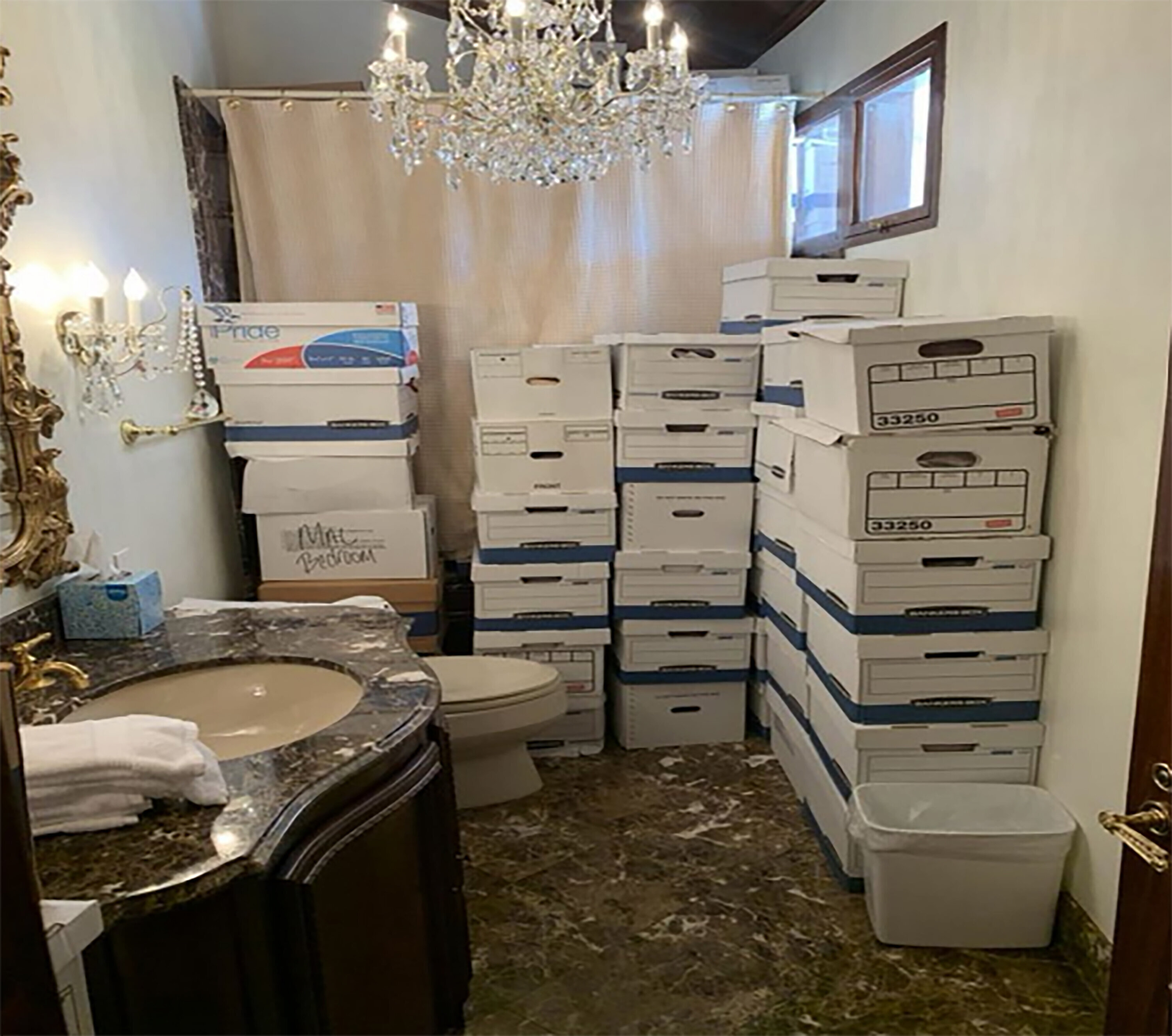
On Tuesday, the former US president pleaded not guilty as he was charged on 37 criminal counts relating to keeping classified documents at his Florida home – including in his ballroom and shower, and involving nuclear weapons and foreign adversaries.
Advertisement
The charges include violations of the Espionage Act, conspiracy to obstruct justice, and making false statements to investigators.
It’s the first time a former president has been indicted by the federal government.
The charges are less to do with taking the documents – some of which were top secret, the classification level reserved for the country’s most closely held secrets – and more to do with not handing them back when asked.
In January 2022, Trump agreed to return 15 boxes of records to the US National Archives and Records Administration, and officials discovered in them more than 700 pages of records marked as classified.
Handout via Getty Images
Advertisement
The Justice Department issued a grand jury subpoena in May 2022 asking Trump to return any other classified records. Trump’s attorneys later turned over 38 pages marked as classified and attested that all records with classified markings had been returned to the government – a claim that later proved to be false.
In August, the FBI conducted a search of Trump’s Palm Beach home and seized approximately 13,000 more records, about 100 of which were marked as classified.
Sitting US president Joe Biden and former vice president Mike Pence have not been charged after it was discovered that both men retained classified records after leaving office. The Biden documents stem from his time as a vice president and senator.
Unlike Trump, Biden and Pence immediately returned the records and cooperated with efforts to search for additional documents. The Justice Department is investigating the Biden matter and dropped a separate probe of Pence on June 1.
Trump has resorted to his usual playbook – calling the charges an attempt to stop him from being president again and labeling them a witch hunt.
Advertisement
Trump announced his indictment on his personal social media platform last week after having been informed of it by his lawyers. He has spent the subsequent four days attacking special counsel Jack Smith, calling him a “thug”, “deranged”, a “Trump hater” and a “maniac”.
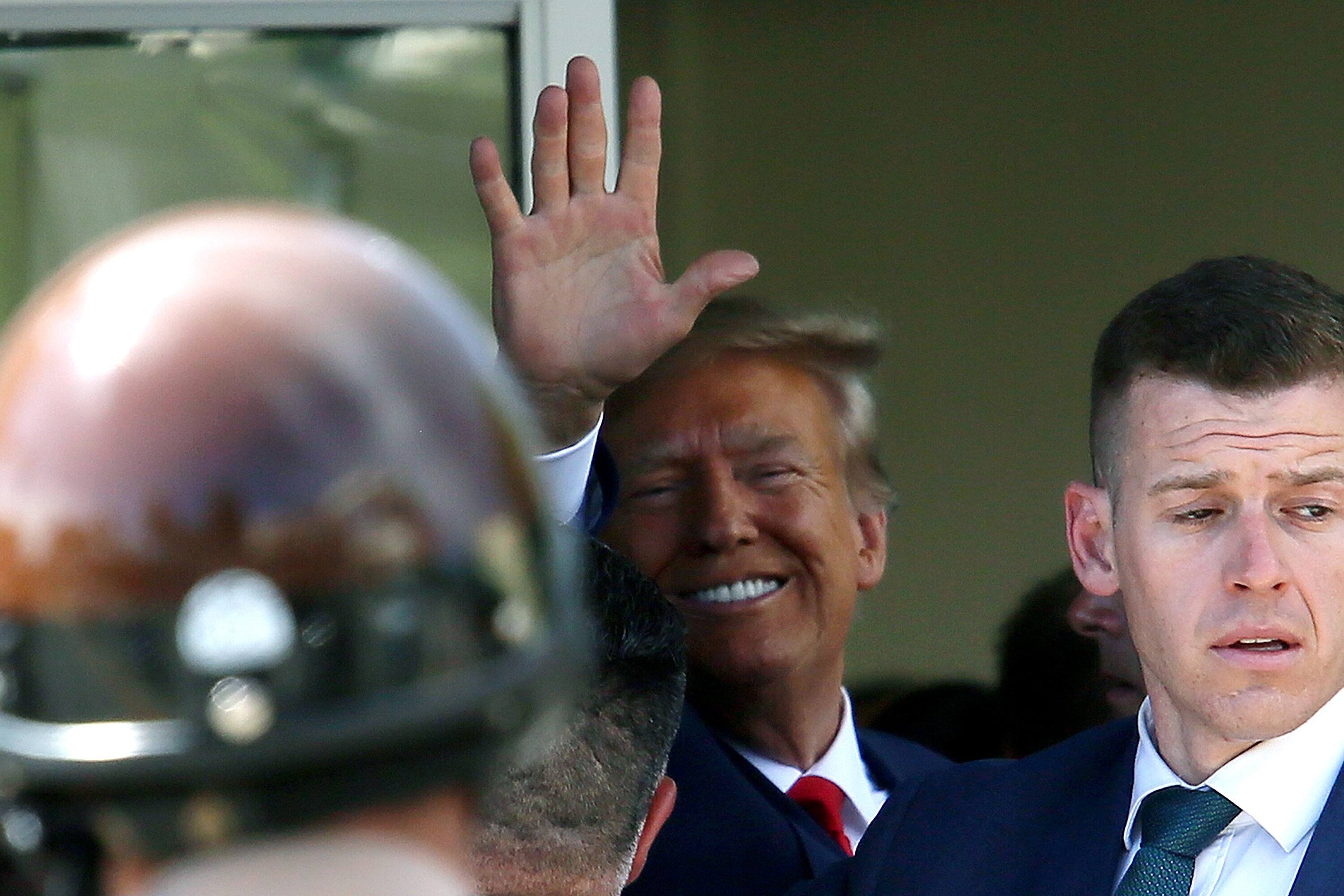
Even during his motorcade trip to the courthouse – complete with highway travel lanes closed down during its passage – Trump continued posting messages. “ON MY WAY TO COURTHOUSE. WITCH HUNT!!! MAGA”, he wrote.
In April, he pleaded not guilty to state charges in New York stemming from a hush money payment to a porn star. Tuesday’s appearance in Miami was on federal charges.
In May, Trump was found liable of sexually abusing and defaming journalist E. Jean Carroll in the mid-1990s and was ordered to pay her $5 million.
But there’s more to come with further investigations into his efforts to overturn the 2020 election.
Alon Skuy via Getty Images
Advertisement
Trump is currently the frontrunner to be the Republican nominee for next year’s presidential election – and is currently leading his rivals by wide margins in polling. His previous legal problems have even boosted his poll rating.
The case is unlikely to conclude before the vote in November next year – so will cast a long shadow over the primaries and election campaign.
Tellingly, Trump’s main rivals for the Republican presidential nomination have condemned the Justice Department for its move to charge him, underscoring their fear of upsetting his core supporters.
Most of the charges carry prison terms as long as 10 years if convicted, but the obstruction charges have 20-year maximums.
Even if he does go to jail, there’s nothing stopping Trump from being president from behind bars.


Cormac McCarthy, the novelist known for his Southern Gothic stories, died in his home in Santa Fe, New Mexico, on Tuesday at 89.
His publisher, Knopf, confirmed his death to Publishers Weekly.
McCarthy was one of the most celebrated novelists of his generation, considered by literary critic Harold Bloom to be as influential as Don DeLillo, Thomas Pynchon and Philip Roth.
Advertisement
Born in 1933 in Rhode Island, McCarthy spent most of his young life in Knoxville, Tennessee, where his father, Charles Joseph McCarthy, worked as a lawyer. He attended the University of Tennessee on and off before dropping out for good in 1959. He had a short-lived marriage to Lee Holleman, who divorced him after the couple had a child, Cullen.
In 1965, the author’s debut novel, The Orchard Keeper, was published. The book featured several tropes that would recur in much of the author’s work: father-son relationships; dark, Southern settings; and biblical allusions.
On a trip abroad, McCarthy met his second wife, Anne Delisle, and wrote his second book, Outer Dark. He and Delisle lived together in Tennessee before separating in 1976, when McCarthy moved to El Paso, Texas. While there, he was awarded a MacArthur Fellowship (aka a “Genius Grant”), and wrote several of his best-known novels, including Blood Meridian and All the Pretty Horses, which won the National Book Award.
After McCarthy moved to Santa Fe, New Mexico, with his third wife, Jennifer Winkley, and their son, John, he was inspired to write The Road on a visit to El Paso in 2003. He later explained in an interview with Oprah that the novel was inspired by his relationship with his son. Winkley and McCarthy later divorced.
Advertisement
The Road would go on to win the Pulitzer Prize and to be adapted into a film. McCarthy’s novel No Country for Old Men was also adapted into a movie directed by the Coen brothers, whose work the author has explicitly praised.
After a 16-year break, McCarthy published two intertwined novels in late 2022: The Passenger (October) and Stella Maris (December).
McCarthy was deeply private and little else was known about his private life. At the end of his biography page on the Cormac McCarthy Society’s website, the fan club wrote, “Except for a few odds and ends (his favourite novel is Melville’s Moby-Dick; he doesn’t care for the work of Henry James, he doesn’t like to talk about writing, etc.), that’s more or less what we know about Cormac McCarthy”.
Indeed it is, aside from the impressive body of work he’s left behind.

The UK may not have been well prepared “at all”, says the lead lawyer for the Covid inquiry.
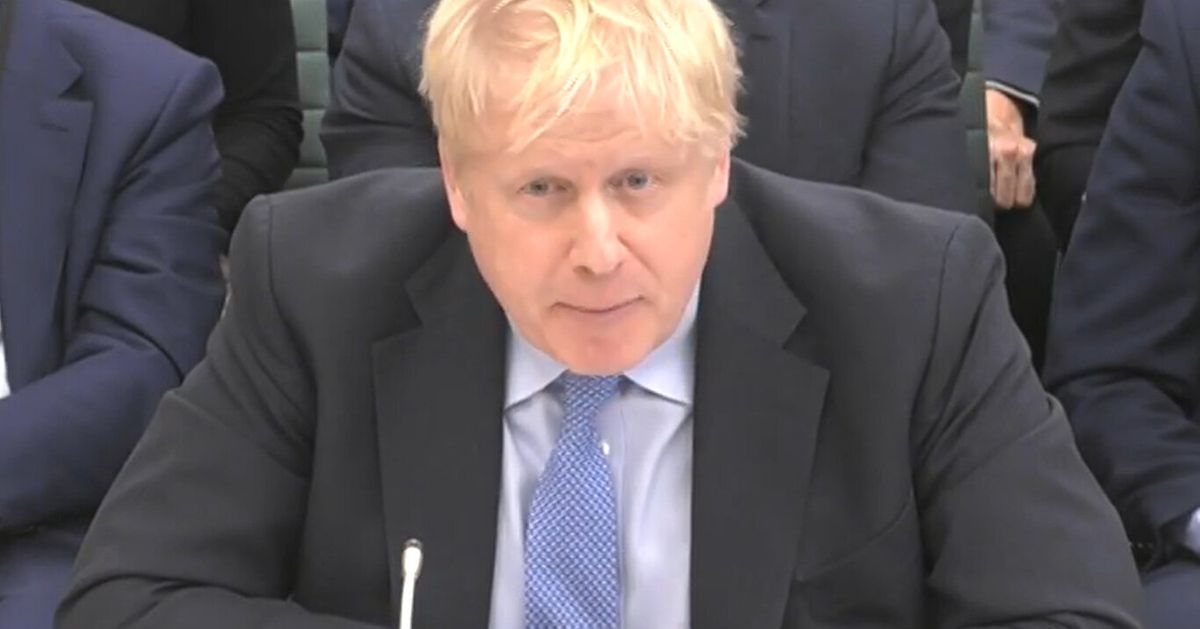
Boris Johnson has called on the MPs investigating whether he lied to parliament over partygate to publish their “nonsense” straight away.
The former prime minister’s latest outburst came as it emerged publication of the privileges committee’s report had been delayed.
Advertisement
It had been expected that their findings would be released tomorrow and confirm that they had found Johnson guilty.
But it emerged this afternoon that the report may not now see the light of day until Thursday after Johnson – who quit as an MP on Friday after seeing an initial copy of the report – sent a letter to the committee on Monday night.
In a statement this evening, he said: “The privileges committee should publish their report and let the world judge their nonsense. They have no excuse for delay.
“Their absurdly unfair rules do not even allow any criticism of their findings.
“I have made my views clear to the committee in writing – and will do so more widely when they finally publish.”
Advertisement
Johnson has previously described the committee as a “kangaroo court” and accused them of carrying out a “witch hunt”.
In a lengthy statement, he said the committee’s report was “riddled with inaccuracies and reeks of prejudice” while providing him with “no formal ability to challenge anything they say”.
He said the panel of MPs had “still not produced a shred of evidence that I knowingly or recklessly misled the Commons”.
But he said he thought their “purpose from the beginning has been to find me guilty, regardless of the facts”.
“They know that I corrected the record as soon as possible; and they know that I and every other senior official and minister – including the current prime minister and then occupant of the same building, Rishi Sunak – believed that we were working lawfully together,” he said.
Advertisement
“I did not lie, and I believe that in their hearts the committee know it.”
As he is no longer an MP, the committee cannot suspend him from the Commons. However, they could recommend that he be denied a parliamentary pass, which is ordinarily given to former MPs.
It has also emerged that members of the committee have had to be given security after receiving abuse from Johnson supporters.