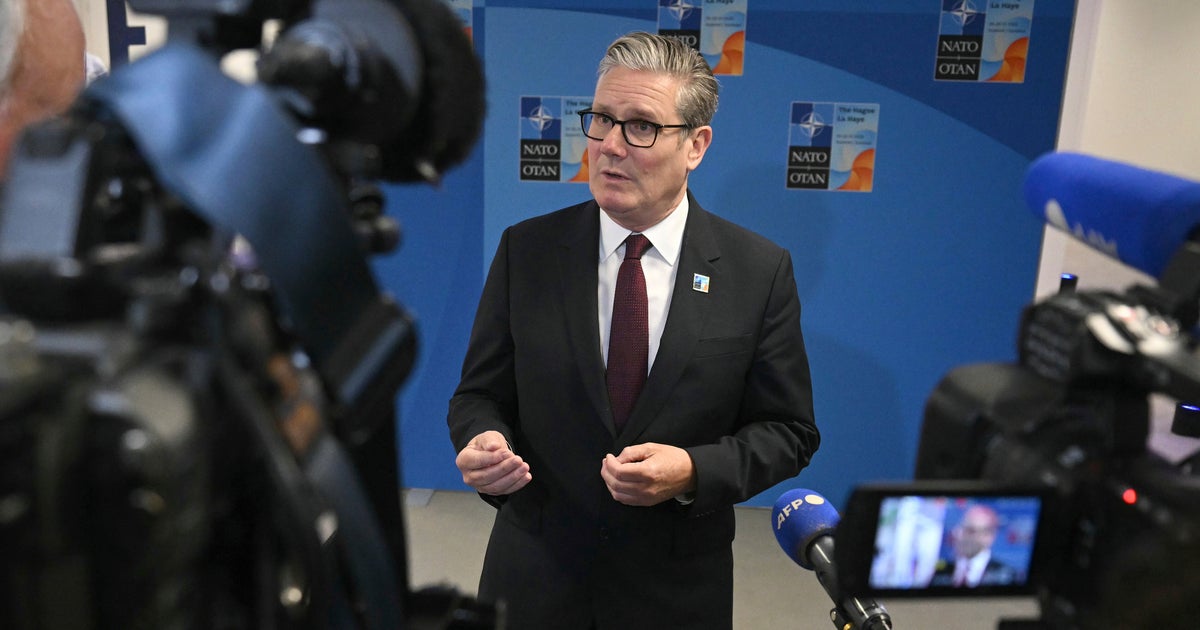
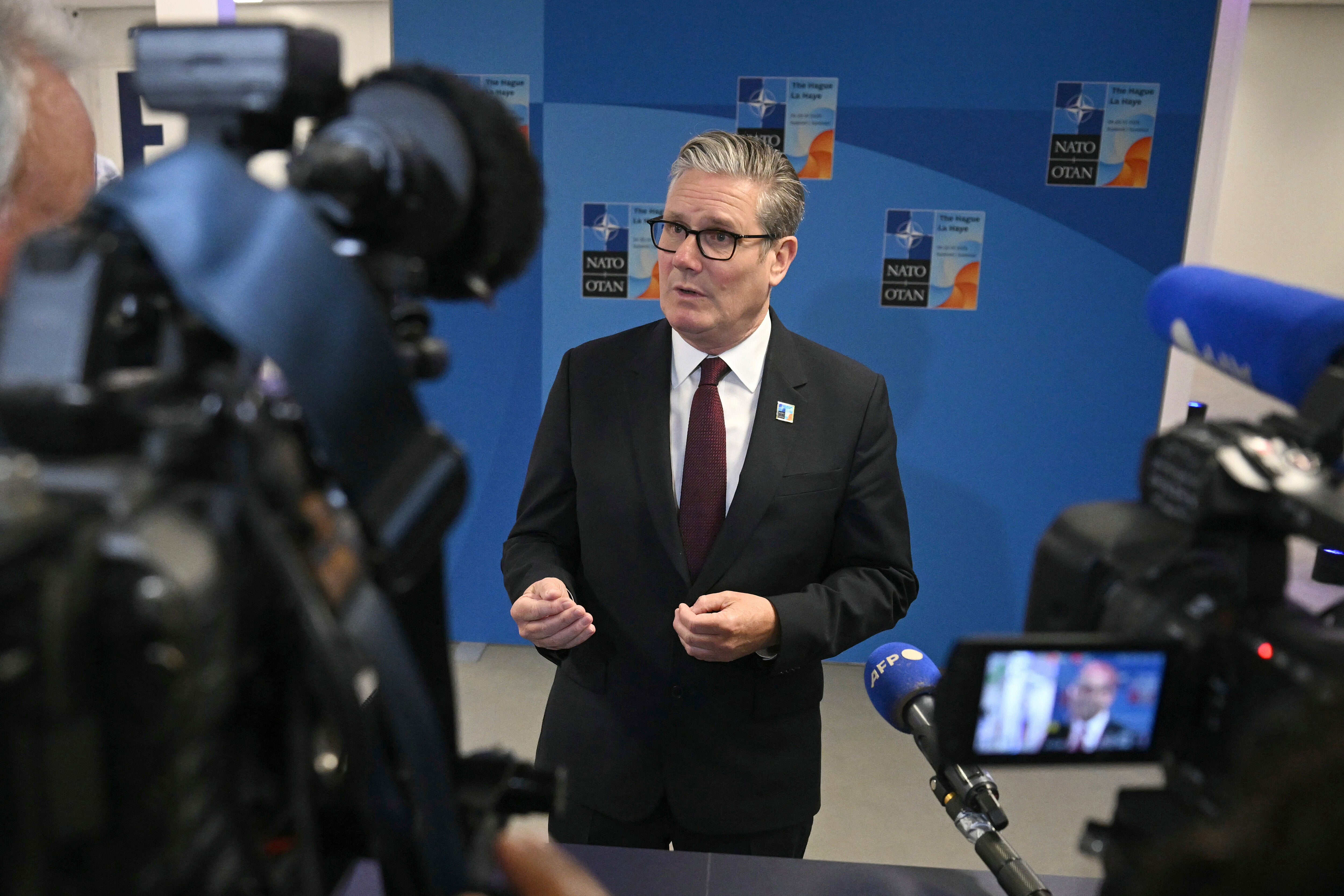
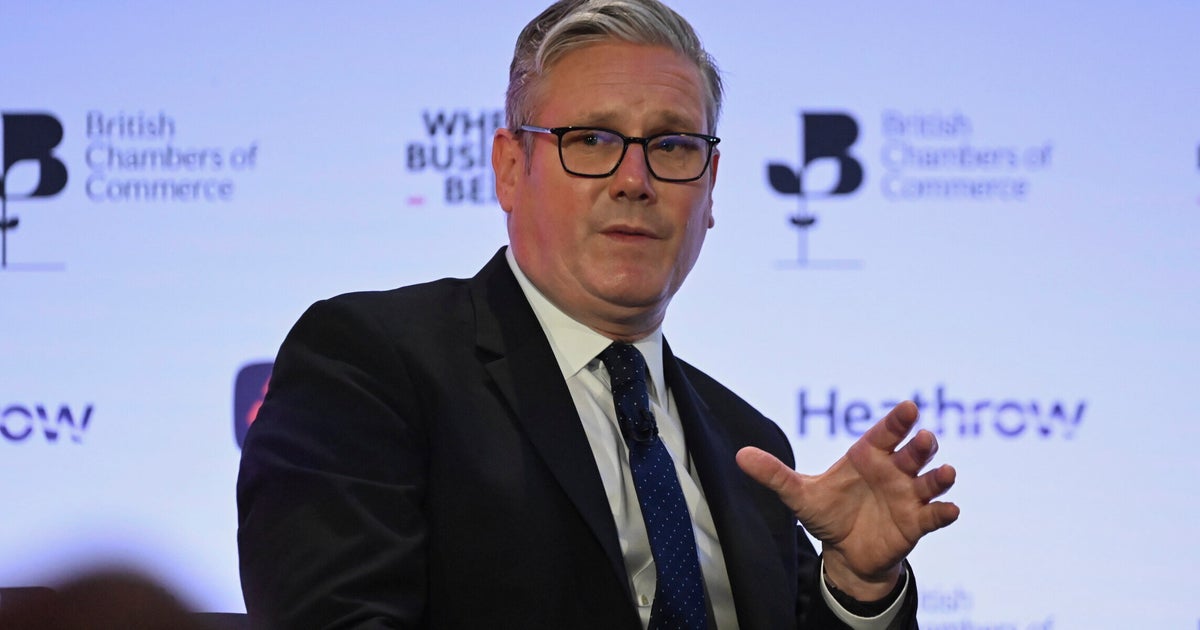
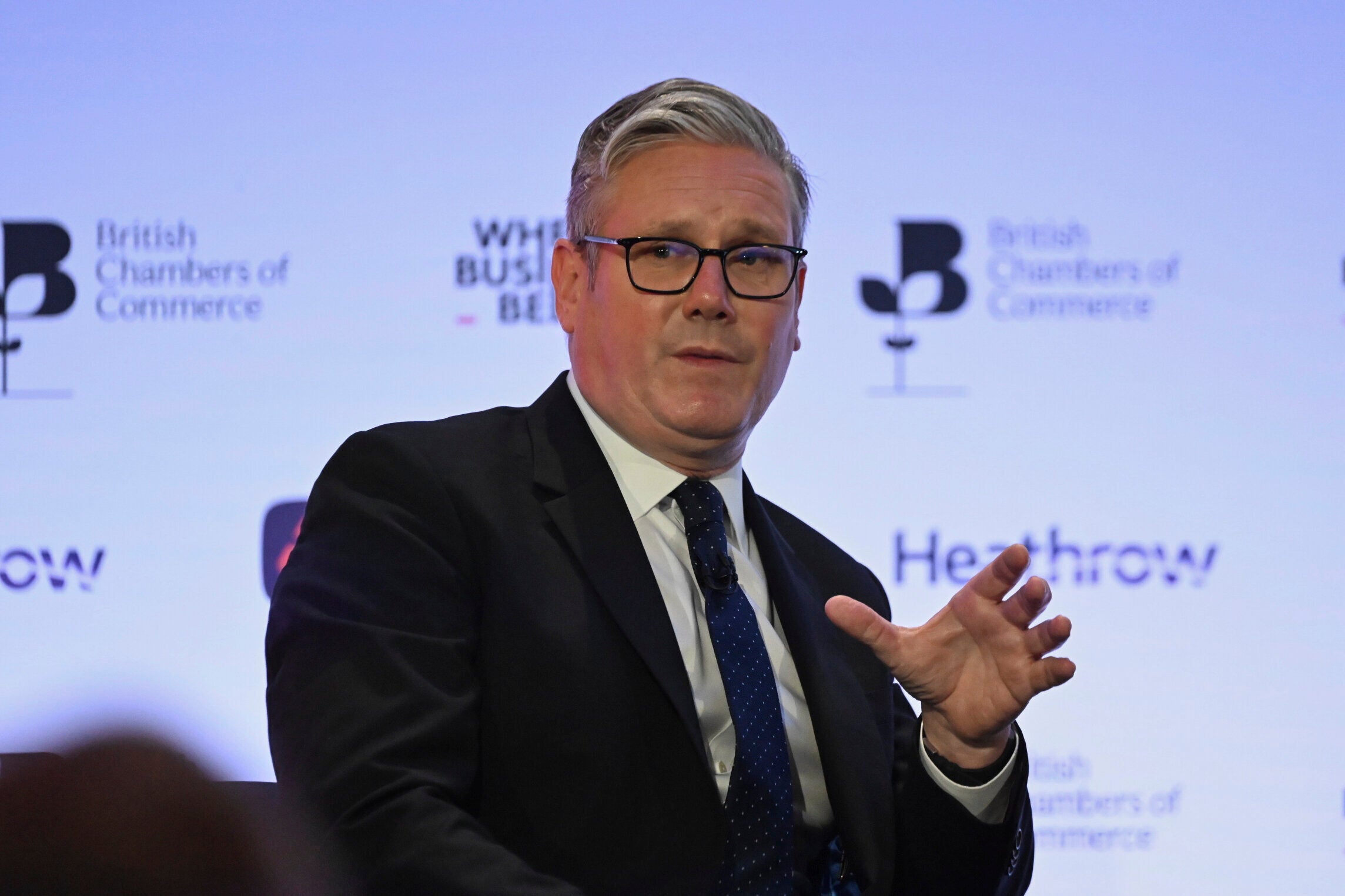
Keir Starmer Pledges Labour Will Recruit 13,000 More ‘Bobbies On The Beat’ In Crime Crackdown

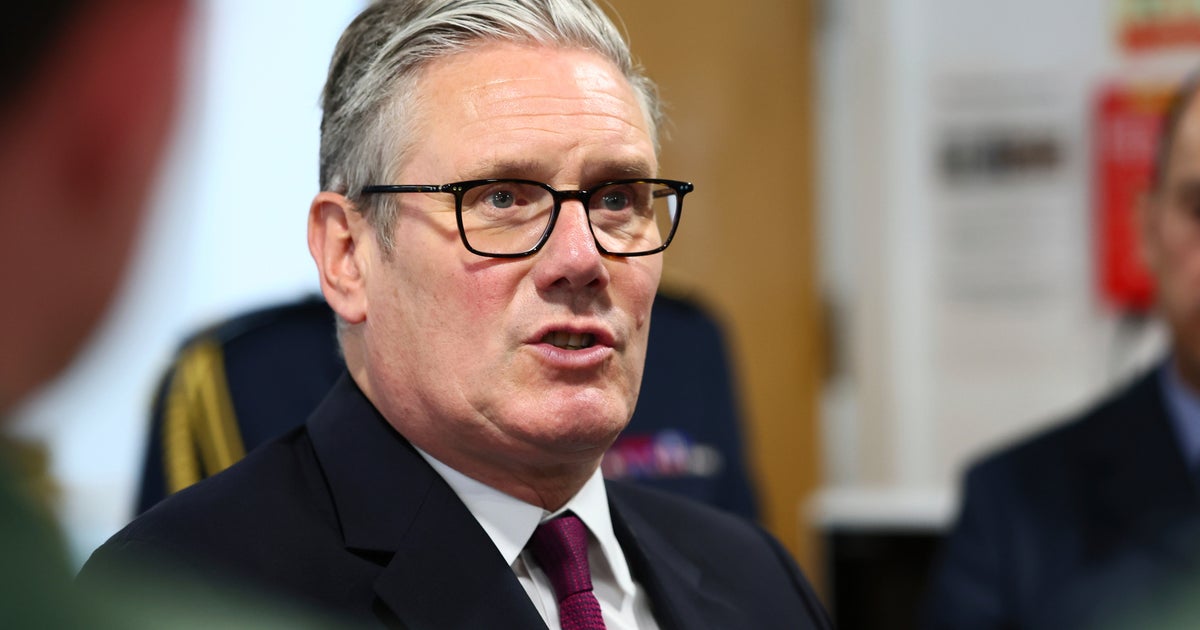
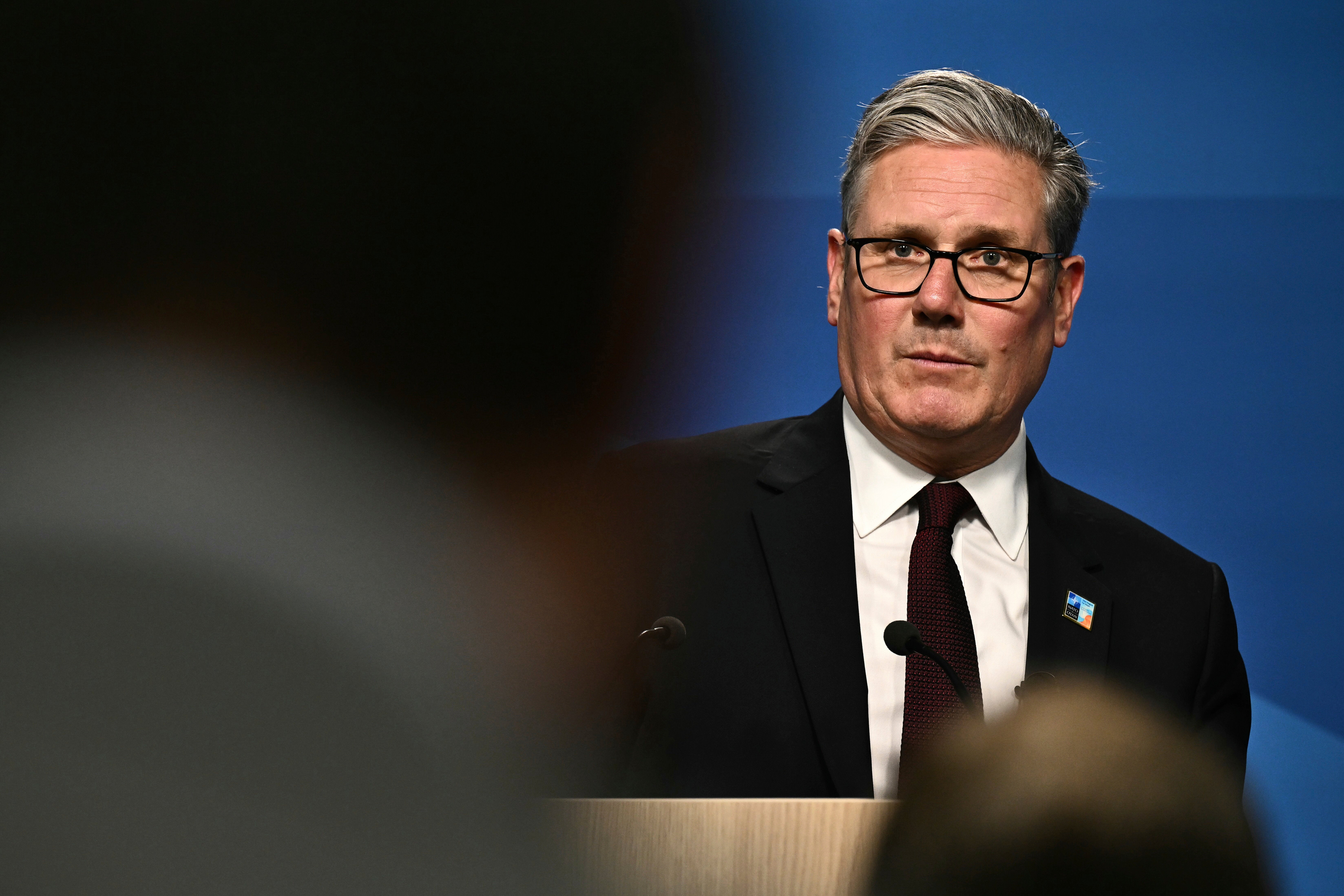
Labour will recruit an extra 13,000 neighbourhood police to tackle anti-social behaviour between now and the general election, Keir Starmer will pledge on Thursday.

The prime minister will unveil the plan in a major speech as he attempts to relaunch his government after a turbulent first five months in office.

Every community will have a “named, contactable officer” tasked with patrolling their neighbourhood and who cannot be used to plug policing shortages in other areas, the PM will say.

The new “neighbourhood policing guarantee” is part of a “plan for change” setting out how Labour intends to achieve its five missions for government and will include separate pledges on clearing hospital backlogs, improving education, tackling the cost of living and bringing down energy bills.

But No.10 has denied that the PM has been forced into the reset by the controversies and scandals which have dogged the government since Labour’s landslide election victory in July.

They have included a row over Labour donor Lord Alli buying clothes and glasses for the prime minister, the sacking of Starmer’s chief of staff Sue Gray, and last week’s resignation by transport secretary Louise Haigh.

In his speech, Starmer will say: “The neighbourhood policing guarantee will deliver 13,000 extra neighbourhood police, visible on your streets, cracking down on anti-social behaviour.

“A named, contactable officer in every community. A relief to millions of people scared to walk their streets they call home.”

The extra numbers will be made up of police, community support officers and special constables.

Home secretary Yvette Cooper said the move was “about rebuilding the vital connection between the public and the police”.

“This marks a return to the founding principles of British policing – where officers are part of the communities they serve,” she said.

“Through this visible, responsive police presence in every neighbourhood, we will restore the trust and partnership that lies at the heart of keeping our communities safe.”

Starmer is also expected to address public concerns about high immigration in his speech, as well as announce a major programme of public sector reform.

He will say: “My government was elected to deliver change, and today marks the next step. People are tired of being promised the world, but short-term sticking plaster politics letting them down.

“Hardworking Brits are going out grafting every day but are getting short shrift from a politics that should serve them.

“They reasonably want a stable economy, their country to be safe, their borders secure, more cash in their pocket, safer streets in their town, opportunities for their children, secure British energy in their home, and an NHS that is there when they need it. My mission-led government will deliver.”

Share Button

Cabinet Minister Effortlessly Bats Back Tory Frontbencher’s Budget Complaints With 1 Key Answer

A Labour cabinet minister skewered a Tory MP this morning when he tried to lay into the party’s Budget by reminding him of his own role in the last government.

Rachel Reeves announced she was hiking National Insurance contributions for employers in last month’s Budget as part of efforts to fill the £22bn black hole Labour says the Tories left behind in the public finances.

Shadow Commons leader Jesse Norman tried to slam Labour’s decisions today, noting there had been “no compensation whatsoever has been offered for this tax raid”.

He then bizarrely claimed the “desolate, chaotic landscape with wreckage strewn everywhere” of the film franchise Mad Max is the “perfect metaphor for the government’s recent Budget”.

But the government’s Commons leader, Lucy Powell, did not accept his criticisms.

She said: “Mr Speaker I know that the shadow leader is fairly new to opposition, like most of his colleagues, but I might gently say to him that the idea of opposition is to oppose the government not his own record and his own previous government.”

Norman held several ministerial roles in the last government, including in the Treasury under both Theresa May and Boris Johnson.

Powell continued: “When I checked the records Mr Speaker, I did notice that when his government raised NICs [in 2021], not just on businesses, but on workers as well, he was actually the financial secretary to the Treasury.

“When he defended the measure at this very despatch box, Mr Speaker, and I quote, he said it was a ‘profoundly Conservative thing to do’.

“So, he seemed to be for it then and against it now. I’m not quite sure what his position is, I’m quite confused about that.”

Labour have been reminding any Tories who held a ministerial role in the last government of their past whenever they have tried to land a blow on their new policies.

Energy secretary Ed Miliband mocked Tory frontbencher Claire Coutinho on Tuesday by telling her “the job of opposition is to oppose the government, not yourself” after she tried to criticise Labour’s carbon emissions targets.

And earlier this month, deputy PM Angela Rayner dismantled Alex Burghart when he tried to criticise the government after inflation crept up from 1.7% to 2.3% in October.

She replied: “Many people might not know that the honourable member was the minister for growth when under Liz Truss, inflation was 11.1% and growth flatlined. So we’re doing much better than he did!”

Share Button

Drink Spiking Will Be Made A Criminal Offence Under Labour Bid To Protect Women And Girls

Drink spiking is to be made a criminal offence under Labour plans to halve violence against women and girls.

Keir Starmer will confirm the move as part of efforts to “reclaim our streets” from criminals.

The prime minister will meet with police chiefs, hospitality industry executives and transport bosses on Monday to discuss how best to crack down on the practice of putting drugs in drinks.

Thousands of staff working in the nighttime economy will be trained up on how to spot it happening.

A pilot scheme will be launched in December and then rolled out to 10,000 bars across the country by spring next year.

Starmer said: “My government was elected on a pledge to take back our streets, and we will never achieve this if women and girls do not feel safe at night.

“Today, I will bring together police chiefs, heads of industry and transport bosses to demand coordinated action to stop women being targeted, whether they are out with friends or simply travelling home.

“Cracking down on spiking is central to that mission.

“We know it can be incredibly difficult for victims to come forward to report this awful crime, and these cases can be very hard to prosecute. We must do more to bring the vile perpetrators who carry out this cowardly act, usually against young women and often to commit a sexual offence, to justice.

“That is why I made a promise that, if elected, I would make spiking a new criminal offence. Today, I am proud to have come good on that pledge.”

Home secretary Yvette Cooper said: “Spiking is a disturbing and serious crime which can have a damaging and long-lasting impact on victims.

“People shouldn’t have to worry about the safety of their drinks on a night out. These changes are about giving victims greater confidence to come forward, and ensuring that there is a robust response from the police whenever this appalling crimes take place”.

Kate Nicholls, chief executive of UK Hospitality, said: “Our pubs, bars, clubs and restaurants are where Brits go to enjoy themselves and our priority is to ensure everyone can do that safely.

“I’m pleased that we’re able to support the Home Office in its plans to roll out a nationwide training programme as part of these efforts, to help ensure all staff know how to prevent spiking and have the skills to act if they suspect someone has been spiked.”

Share Button

Exclusive: Voters’ Trust In Labour To Run The Economy Plummets Amid Budget Backlash

Labour’s lead over the Tories on which party is best placed to run the economy has plummeted since the election, HuffPost UK can reveal.

Polling by Savanta shows that just 38% of the public now back Labour over the Conservatives, down from 50% in July.

At the same time, the proportion of the public who prefer the Tories has gone up from 28% to 33%.

That means Labour’s lead has fallen from 22 points to five points in just four months.

The poll also found that Labour’s lead over the Tories on dealing with the cost of living has gone from 28 points to nine points over the same period, while the party’s lead on taxation has fallen from 16 points to just two points.

The findings are another blow for chancellor Rachel Reeves, who has come under fire over a series of controversial decisions she has taken since the election.

They include taking the winter fuel payment off 10 million pensioners, imposing inheritance tax on farms worth more than £1 million and hiking the rate of National Insurance paid by employers.

Reeves’ own personal approval ratings have also fallen from plus seven at the end of July to minus 18, the Savanta poll found.

Chris Hopkins, the pollsters’ political research director, said Labour’s advantage on the economy had “all but faded away since the election”.

“The Conservatives haven’t made up that much ground on the economy, taxation and cost of living, but many voters no longer think that Labour are the most trusted on these issues,” he said.

“Reeves would no doubt argue that she is being forced to take difficult decisions because of the inheritance left to her by her Conservative predecessors. While the public do have sympathy for that point of view, I think it’s fair to say they were expecting more from Labour.”

Share Button

Sue Gray Is Not Coming Back To Work For Starmer As Ex-Chief Of Staff ‘Rejects New Role’

Keir Starmer’s former chief of staff Sue Gray is not coming back to work with the PM, HuffPost UK understands.

No.10 announced on October 6 that she was being made the prime minister’s envoy for nations and regions as part of a major Downing Street shake-up.

At the time, Starmer said he was “delighted” that she had accepted the newly-created role.

But it has now been confirmed that she will not be starting the job after all.

The prime minister’s spokesperson told reporters on Tuesday: “I can confirm she has now decided to not take up the role.

“Subsequent to that, we confirmed she was taking a break and I can now update she has decided not to take up the role following her break.”

They said she had already “played a vital role strengthening relations with nations and regions”, for which she had the PM’s thanks.

They did not say if she had been paid during her break between jobs.

No.10 said the envoy role will now be kept “under review”, adding: “Beyond that, respectfully, we won’t comment further on individual staffing matters.”

The comments come hours after a source close to the former chief of staff told the Financial Times: “Sue has taken a decision not to take the role. She’s going to focus on other things.

“She’s taken time to think about it properly, talking to stakeholders, but ultimately she’s decided she doesn’t want to do it.”

However, a cabinet minister told HuffPost UK that it had been No.10′s decision for her not to do the job.

Gray, who attracted national attention after leading the civil service’s partygate probe during Boris Johnson’s premiership, was appointed Starmer’s chief of staff when Labour was still in opposition.

She continued in the role after the election, but clashed with Morgan McSweeney, Starmer’s director of strategy.

After weeks of No.10 turmoil, Gray was sacked and replaced by McSweeney.

She immediately went on what the PM’s official spokesman described as a “short” break and never returned to take up her new job.

In a statement in October, Gray said she was “pleased to accept the new envoy role.”

The PM also issued a statement saying he was “delighted she would continue to support our work”.

But the job change was seen by many as a demotion, especially as it was not clear exactly what the new role would entail – or if it would even be paid.

After weeks of silence from Gray, No.10 confirmed to HuffPost UK that she would not be coming back to work for the PM.

A Downing Street source then told the BBC: “We think she has made the right decision.”

Gray went on a “short break” after quitting as Starmer’s chief of staff, where she had been paid more than the prime minister with an annual salary of £170,000.

She did not attend a regional investment summit in mid-October, as she was taking “a bit of downtime” following an intense period in the spotlight, according to cabinet office minister Pat McFadden.

The Guardian reported on Tuesday that Starmer was planning to withdraw the job offer to Gray allegedly due to concerns about the media attention which could stop her from working effectively.

A government source told the newspaper: “Sue hasn’t been told for sure that the job is no longer on offer, but she has been warned that this is the direction of travel. The way some people are behaving towards her is really horrible.”

Share Button

What Labour Must Learn From Trump’s Victory To Avoid The Democrats’ Fate

Donald Trump’s stunning US election victory has thrown up serious questions for Keir Starmer – and not just because of the disobliging comments he and other senior Labour figures made in the past about the president-elect.

The splintering of the Democrats’ traditional coalition of voters has sent a shiver down the spine of Labour strategists, who are already nervously eyeing the next UK general election in four years’ time.

Minority groups and the white working class, angered by what they saw as a collapse in their living standards under the Biden administration, flocked to Trump’s promise to “Make America Great Again”.

Throw in the fact that incumbent parties are being turfed out by disgruntled electorates across the western world – a trend Starmer benefited from on July 4 – and you can see why Labour bosses are anxious.

HuffPost UK spoke to a range of Labour insiders and polling experts to find out what lessons the party needs to learn from what happened across the Atlantic in order to avoid the same fate that befell their sister party.

First of all, it is important to stress that Trump’s victory was no fluke. He became the first Republican candidate in 20 years to win both the popular vote and the electoral college as a swathe of previously blue states turned red.

Despite receiving the endorsement of countless celebrities, Kamala Harris’ hopes of becoming her country’s first female president were scuppered by millions of ordinary voters who no longer believed the Democrats understood their concerns.

A senior Labour source told HuffPost UK: “The lessons for our party are obvious and unavoidable. It really is the economy, stupid.

“If people don’t feel better off, then incumbents don’t win elections. Democrats preached growth and a strong economy with stagnating wages and price inflation.

“The follow-through from that is the realignment, or more accurately the dealignment, of sectional interests. That is something that Labour needs to address. The Democrats’ coalition of Latinos, African-Americans and the white working class evaporated like snow off a ditch.”

One insider pointed out that the party had already experienced something similar in 2019, when traditional Labour seats in the Midlands and north of England – the fabled Red Wall – switched en masse to Boris Johnson’s Tories.

But he added: “There’s still an assumption by the left that black and Asian communities in Britain somehow are instinctively left-inclined and don’t want tough action on things like immigration.

“In the US, they voted in the same way as the wider population and that myth was well and truly shattered.”

In its analysis of Labour’s landslide election victory in July, the Labour Together think-tank warned that the party “has been cautiously hired, on a trial basis, liable to prompt dismissal if it deviates even slightly from its focus on voters’ priorities”.

The group’s chief executive, former Labour frontbencher Jon Ashworth, said the party forgets that message at its peril.

He told HuffPost UK: “If working people see their pay checks squeezed, they need to be convinced that you’ve got a plan to make them better off. What was pretty clear in America was that a lot of families felt worse off and blamed the Democrats.

“The challenge for Labour, as our report found, was that they need to remain completely focused of the cost of living, strengthening the economy and building a stronger NHS.

“Labour’s support at the election, while obviously broad, is potentially shallow. People certainly wanted change, but voters are very unforgiving if you don’t focus on those priorities.”

That was echoed by Emma Levin, associate director at pollsters Savanta.

She said: “One of the key lessons from the US appears to be one that Starmer’s Labour already know well; voters kick out incumbent governments if they don’t feel better off.

“Governments across the developed world are getting booted out of office, and in no small part because their citizens feel poorer. I think that’s as true in the US as it was here.”

Keir Starmer has a lot of work to do to convince voters that Labour gets their concerns.

via Associated Press

A senior No.10 source said that by the time of the next election, Labour needs to show voters that it has delivered on four things – ending the cost of living crisis, improving the NHS, bringing down immigration and improving the UK’s infrastructure by building more homes and upgrading crumbling hospitals and schools.

We have to get to the end of five years with a very clear sense of who we’re on the side of and what we’re trying to do,” he said.

“The Democrats started off with a message aimed at middle America but along the way they got too squeamish about immigration, and they only got to that late on. They sounded far too much like the party of east coast liberals and academia.

“For all the theorising people will do, what it does boil down to is that in big swathes of America and across the western world, people have been hit incredibly hard by the cost of living and think that their governments haven’t responded to it properly

You not only need to deliver but you need to have a strong story about how you’re delivering and how you’re making life better for people.

“If you’re a government in the western world at the moment, your focus needs to be on what people really care about. It sounds obvious but it doesn’t always happen.”

To that end, former political journalist James Lyons has now started his role as Downing Street’s director of strategic communications.

His job will be to look to the long term and come up with ways for the government to convince voters that it is on their side.

According to Conleth Burns, associate director at the More in Common think-tank, the Democrats “took a lot of their voters for granted”, so it was hardly surprising that they turned to Donald Trump.

Another challenge for Labour is the fact that disaffected voters in the UK are not just turning to Reform UK, but also to the Greens and Gaza independents.

“You’ve got this insurgency both on the left and the right and being able to navigate that is key,” he said.

The most important thing, Burns said, is for Labour to make good on the promises they made in the election – most notably bringing down people’s gas and electricity bills.

He said: “If Labour can’t deliver that, they are likely to be turfed out.”

Trump’s remarkable comeback as president will have huge political and economic repercussions for the next four years and beyond.

Keir Starmer must learn the lessons of how he did it if Labour is not to go the same way as the Democrats when voters in the UK next go to the polls.

Share Button

5 Reasons Why Donald Trump’s Victory Is A Massive Headache For Keir Starmer

Keir Starmer wasted no time in congratulating Donald Trump on his “historic” victory in the US presidential election.

The former and soon-to-be-again president had not even reached the magic number of 270 electoral college votes before the Downing Street statement arrived.

“As the closest of allies, we stand shoulder to shoulder in defence of our shared values of freedom, democracy and enterprise,” the prime minister declared.

Nevertheless, Starmer and his aides will be well aware of the political jeopardy posed by another Trump presidency.

Here, HuffPost UK looks at the potential problems for the UK government emanating the maverick Republican’s return to the White House.

Economy

For a government which has made growing the economy its number one mission, Trump’s re-election could have serious repercussions.

Goldman Sachs immediately downgraded their forecast for UK economic growth for 2025 from 1.6% to 1.4% on the back of the US result, pointing to Trump’s vow to impose tariffs on goods entering America from abroad.

Such a move would also be extremely damaging for high-value British exports like Scotch whisky.

A spokesperson for the Scotch Whisky Association said: “As prime minister Keir Starmer has said, the UK and US stand shoulder to shoulder and are partners in enterprise.

“To deepen this partnership, the US and UK administrations should agree to maintain the zero-tariff trade of whiskies across the Atlantic.”

While the Biden administration has ruled out as US-UK comprehensive trade agreement, Trump has spoken in the past of his desire to get one done – although he conspicuously failed to do so the last time he was in office.

The price Trump would try to extract in return for a deal – such as allowing hormone-pumped American beef onto British supermarket shelves – may turn out being too high for Starmer to pay.

The PM’s official spokesman would only say: “We already enjoy a thriving economic relationship with the US. There are millions of jobs supported by this relationship, which is worth $1 trillion, and clearly we will be seeking to build on that.”

That may well prove to be easier said than done.

Defence

Trump has made no secret in the past of his desire for America’s Nato allies to spend more money on defence.

On this, at least, it appears that the new US administration could well make common cause with Starmer’s government.

The PM’s spokesman said: “The prime minister agrees that other Nato member states must pull their weight when it comes to defence spending.”

Labour said during the election campaign that they would return defence spending to 2.5% of gross domestic product (GDP) when the financial circumstances allow.

But defence analyst Francis Tusa warned that may not be enough to satisfy Trump, who could call on Nato members to spend 3% of GDP on defence.

Writing on X, he said: “Equivocation/hesitation won’t be an option. If the UK is to retain any influence in Europe and Nato, holding back over defence is an epic fail – no-one will accept the UK holding back.

“This is likely a complete nightmare for Keir Starmer and Rachel Reeves. They have their plans that they wish to pursue, but they face the likelihood that these plans will have to take 2nd/3rd place to defence/foreign relations, and that means that the budget follows.”

Ukraine

Unlike the UK, Trump’s commitment to Ukraine in its war with Russia is less than certain.

He has spoken in the past of being able to end the conflict on day one of his presidency, but that would entail Kyiv having to give up on territory seized by Russia.

Asked whether America’s future stance on Ukraine would affect the UK’s, the PM’s spokesman said: “We have been clear that the UK’s support for UK is, and always will remain, iron-clad.”

However, any weakening of America’s support for Ukraine would have severe implications for its ability to continue defending itself – and pose serious questions as to whether the UK and Kyiv’s other allies remain willing and able to provide it with the military and financial support it needs.

Climate

Trump has made no secret of his disdain for climate change, describing it as a “hoax” and “one of the great scams of all time”.

During his first term in office, he withdrew the US from the Paris climate agreement, while he has also vowed to “drill baby drill” for more oil.

It’s fair to say, therefore, that his views on our warming planet are pretty far apart from those of Starmer and Ed Miliband, the energy and net zero secretary.

Downing Street today tried to put a brave face on things, pointing out that Starmer will travel to the Cop 29 summit in Baku next week to make clear that the UK is ready to assume “global leadership” on tackling climate change.

But without the support of America over the next four years, that fight will become even harder to win.

The Trumps Don’t Like Labour

Despite both Starmer and foreign secretary David Lammy’s attempts to curry favour with the president-elect – the pair held a two-hour dinner with Trump in New York in September – there remains a lot of bad blood.

During the campaign, Donald Trump Jr succinctly explained his family’s views on the UK government when he told ITV: “It’s absolute lunacy what I see going on in the UK right now.

“They’re jailing people for misgendering someone. Honestly it’s disgusting and they should be ashamed of themselves.”

The Trump campaign also accused Labour of “interference” in the election because party activists crossed the Atlantic to campaign for Kamala Harris.

In his statement welcoming Trump’s victory, Starmer said the “UK-US special relationship will continue to prosper on both sides of the Atlantic for years to come”.

But the next four could well turn out to be very rocky indeed.

Share Button

Tuition Fees Cap To Rise To £9,535 A Year In Bid To End University Financial Crisis

The cap on tuition fees will rise to £9,535 a year from 2025, education secretary Bridget Phillipson has announced.

It is the first time the charges have gone up in more than seven years and comes amid warnings the university sector is facing a funding crisis.

The move, which kicks in next April, will be welcomed by higher education bosses, but is likely to spark anger among students and their families.

It is also embarrassing for Keir Starmer, who pledged to scrap tuition fees when he ran to be Labour leader in 2020.

Phillipson told MPs “this is not a decision I take any pleasure in”, but insisted she had no choice given the state of university finances left by the last Tory government.

She said: “We will fix the foundations, we will secure the future of higher education so that students can benefit from a world-class education for generations to come.

“That is why I am announcing today that in line with the forecast set out in the Budget last week, from April 2025 we will be increasing the maximum cap for tuition fees, in line with inflation, to £9,535, an increase of £285 per academic year.”

She added: “Increasing the fee cap has not been an easy decision, but I want to be crystal clear that this will not cost graduates more each month as they start to repay their loans.

“Universities are responsible for managing their own finances and must act to remain sustainable. But members across this house will agree that it is no use keeping tuition fees down for future students if the universities are not there for them to attend.”

The secretary of state also announced that maintenance loans for students will rise by around 3%, which is worth an extra £414 a year.

Shadow education secretary Laura Trott, who was only appointed to her role this morning by new Tory leader Kemi Badenoch, said: “Last week we had a Budget that declared war on business, on private sector workers and farmers.

“It seems today that the secretary of state wants to add students to that list. Not content with putting up the cost of living for everyone with an inflationary Budget, and pushing down wages with a National Insurance increase, we are now in a situation where students will suffer from the first inflationary increase in a number of years at a time when students can least afford it.”

Green Party MP Ellie Chowns said: “Tuition fees have forced universities to prioritise profit over education and put many at risk of bankruptcy, while students face extortionate interest rates – except for those wealthy enough not to need a loan.

“They have been a disaster and should be scrapped, not increased.”

Share Button

‘Why Would Anyone Believe A Word You Say?’ Sky News Presenter Roasts Chancellor Over Tax Rises

Rachel Reeves has been skewered by a Sky News presenter for massively hiking taxes just months after saying she had “no plans” to do so.

Trevor Phillips asked the chancellor why “a reasonable person would believe a single word you say” in future.

Reeves was shown a video of her from June 11, three weeks before the general election, where she said: “I don’t need to become chancellor to know what a mess the government have made of public finances, of public services and the fact that the tax burden is at its highest level in 70 years.

“We don’t need higher taxes, what we need is growth and I don’t want to, and I have no plan to increase any taxes beyond what we have already set out.”

But last Wednesday, she announced £40 billion worth of tax rises, partly to fill the £22bn “black hole” Labour says it was left by the last Tory government.

Phillips told her: “You specifically said you already knew everything you needed to know, yet on Wednesday you raised taxes by £40 billion.

“Why would a reasonable person believe a single word that you say in the next 15 minutes and that you’ll stick to it?”

Reeves replied: “I was wrong on June 11. I didn’t know everything, because when I arrived at the Treasury on July 5, I was taken into a room by the senior officials and they set out the huge black hole in the public finances, beyond which anybody knew about at the time of the general election.

“The previous government hid it from the country, hid it from parliament and indeed they hid it from the official independent forecaster, the Office for Budget Responsibility.

“And so when I went into that Budget last week I had to put our public finances back onto a firm trajectory because we saw in the previous parliament what happens when government loses control of the public finances, and the first commitment we made in our manifesto was to bring stability back to the economy.”

Share Button

Why GP Surgeries Could Be ‘Tipped Over The Edge’ By Labour’s New Budget

GP surgeries could be “tipped over the edge” by Labour’s new Budget, according to a union representative.

Chancellor Rachel Reeves has chosen to hike up Employers’ National Insurance contributions in her efforts to raise £40bn of funds and plug the “black hole” left by the Tories in the public purse.

The NHS – which has just received a £22.6bn cash injection in the Budget – is exempt from that tax rise, along with other public sectors.

But GP surgeries, care homes and hospices are not exempt, even though they provide NHS services, because they are privately owned partnerships.

Speaking to Times Radio today, the chair of the BMA Council Phil Banfield warned: “For some GPs, this will tip them over the edge. And we’ve seen over 1,000 practices close in the last 10 years.”

He added that he believes “the government was unaware of how much this would catch out GPs” and so he is hoping for further discussions with the health department.

Banfield said for GPs – who have a contract with the government – “the only way to absorb costs is to reduce the number of staff and at a point at which you’re trying to increase the number of appointments and increase access have more GPs and nurses”.

He added: “This achieves the complete opposite. So I don’t think it will take too long for the government to realise that they need to do something urgently about this.”

Britain's Chancellor of the Exchequer, Rachel Reeves, looks up as she holds up the traditional red ministerial box containing her budget speech, as she poses for the media outside No 11 Downing Street, before departing to the House of Commons to deliver the budget in London, Wednesday, Oct. 30, 2024. (AP Photo/Kirsty Wigglesworth)
Britain’s Chancellor of the Exchequer, Rachel Reeves, looks up as she holds up the traditional red ministerial box containing her budget speech, as she poses for the media outside No 11 Downing Street, before departing to the House of Commons to deliver the budget in London, Wednesday, Oct. 30, 2024. (AP Photo/Kirsty Wigglesworth)

via Associated Press

Chief secretary to the Treasury, Darren Jones, told Times Radio this morning: “Yes, [GPs] will have to pay national insurance contributions as employers, but how much they pay will depend on their size.

“And you know, many GP practices are small organisations, and so they will pay less than some of the bigger businesses that we’re asking to contribute more at this Budget.”

Smaller GP surgeries may be shielded from paying more tax because of the changes to thresholds for Employment Allowance.

However, there are worries that some public bodies doing more than half their work in the public sector will not eligible for that allowance, as stated by government guidance.

Health secretary Wes Streeting also pointed to the £600m extra put aside for social care and suggested more discussions about the employer tax hike for GPs were on the table.

But care groups think that will not be enough due to increased staffing costs.

Dr David Wrigley, GP and deputy chair at the British Medical Association, said the impact would be “monumental” on X, especially since so many of those institutions are already “on a financial tight rope”.

Liberal Democrat Treasury spokesperson Daisy Cooper MP said: “The government must scrap this GP penalty immediately.

“After years of the Conservatives disgraceful neglect, our primary care services are in crisis and this could push many to reduce the number of staff they employ or just decide to shut up shop.

“Instead of investing in our GPs and their staff, the government has put more pressure on them in a move that will make it even harder for patients to see a GP when they need to.”

This row comes as nearly 100 progressive politicians, including independent MPs like Jeremy Corbyn and MPs from the Green Party and Plaid Cymru, banded together to declare that Labour’s Budget punishes the “working people” they claim to support.

“This budget is austerity in another name,” their open letter to Starmer says.

It adds that the investment in schools and hospital buildings have been “undermined by a swathe of public sector cuts, cruel attacks on the worst-off, and a dogmatic refusal to redistribute wealth and power”.

“These are not ‘tough choices’ for government ministers, but for ordinary people who are forced to choose between heating their home and putting food on the table.”

Share Button