More reasons to go solar when gearing up for a greener drive

A new study by University of South Australia (UniSA) researchers shows that households with solar panels and batteries have a huge advantage when it comes to saving money on electric vehicles (EV).

With EV sales soaring worldwide, potential buyers are not just weighing up the price tag, but also the logistics and expense of charging the planet-friendly cars.

UniSA engineers have calculated that EV owners can reduce annual electricity costs by almost 40 per cent if households are not totally reliant on the grid and they charge at home during off-peak periods.

In a new paper published in Renewable Energy, Professor Mahfuz Aziz and colleagues address EV owners’ concerns about charging costs, one of the main obstacles in opting for an environmentally-friendly vehicle.

“Electric vehicles will become an important component of household energy consumption globally under plans to replace petrol-fuelled cars within the next decade,” Prof Aziz says.

“For motorists with private car spaces, home charging is the most convenient option, but for those still totally reliant on the electricity grid for their energy, the costs could mount significantly.”

Record-low prices for rooftop photovoltaic (PV) systems and declining battery costs are encouraging households to ‘go green,’ but consumers need to factor in multiple variables, researchers say.

Using data from South Australia, where over 40 per cent of homes have rooftop solar panels, the researchers compared several household scenarios, considering EV charging demand, PV solar panel installation cost, battery degradation and export power limits.

Based on typical household energy consumption (17 kW/day in SA) and motorists’ average daily travel distance (36.7km in AU), researchers analysed annual energy costs for households with petrol-based cars and those with EVs. They also analysed energy consumption during peak periods, between 5pm-9pm.

“In a basic case, all energy is imported from the grid where there are no solar panels, batteries or electric vehicles,” Prof Aziz says.

“When solar panels are added, about 20 per cent less energy is imported and with batteries this is reduced by around 83 per cent. When electric vehicles are added, consumed energy rises significantly but imported energy can be reduced by around 89 per cent of total consumption.

“Our results demonstrate that households with petrol-based cars can reduce their annual energy costs by 6.71 per cent using solar panels, and by 10.38 per cent with the addition of a battery system. Replacing petrol-based cars with electric vehicles can reduce annual energy costs by 24 per cent and 32 per cent respectively. The most significant reduction (39.6 per cent) can be achieved with off-peak charging.”

The research team includes PhD student Ms Yan Wu and co-supervisor Dr Mohammed Haque. The team is currently investigating cost effective EV charging strategies for larger groups such as residential communities and university campuses while minimising impact on the power grid and distribution feeders.

The popularity of electric vehicles is rapidly increasing across the globe, according to drive.com and it’s estimated that by 2030 there will be 145 million EVs on the road — compared to 11 million today. Despite the pandemic, electric vehicle sales increased globally by 43 per cent in 2020, although only made up 0.7 per cent of all car sales in Australia.

By 2030, however, at least 50 per cent of all new cars sales in NSW are expected to be electric and other states are anticipated to follow this trend.


Share Button

Teachers’ turnover intentions, burnout and poor work climate are interlinked

The risk of burnout and poor experienced teacher-working environment fit is increased among teachers with persistent turnover intentions. However, positive experiences in the workplace seem to protect against cynicism and exhaustion, according to a new study from Finland.

Teachers’ turnover intentions, burnout symptoms and poor experienced teacher-working environment fit are interlinked, and therefore also likely to occur simultaneously. If a teacher experiences one of the above, the risk of experiencing others increases, too.

The researchers explored experienced burnout and teacher-working environment fit and compared teacher cohorts with or without persistent turnover intentions. The data included 1,064 Finnish basic education teachers (working in grades 1-9, teaching pupils aged 7-16), of whom 344 (32%) reported persistent turnover intentions in a five-year follow-up.

The tendency to experience work-related exhaustion, cynicism and feelings of inadequacy in the teaching profession proved rather permanent. According to the researchers, it seems that more work experience does not protect against the risk of burnout; instead, teachers experience their workload relatively similarly regardless of how long their career is.

“Some teachers seem to feel that they have very little opportunity to influence their workload, and they are mainly just trying to cope with the factors contributing to it. Workload management skills can therefore play an important role in promoting teachers’ coping,” says Doctoral Researcher, lead author Katariina Räsänen of the University of Eastern Finland.

Burnout symptoms are associated with having few positive experiences

Support provided by the professional community is an important factor in preventing the development of burnout.

“Positive experiences in the workplace, received recognition and a constructive and enabling work climate seem to protect against cynicism towards, and alienation from, the professional community,” says Räsänen, who herself also works as a lecturer.

According to Räsänen, getting professional recognition is, rather surprisingly, more likely in the early stages of the teaching career.

“Opportunities to get professional encouragement, support and recognition, which are needed by everyone, mostly seem to coincide with the early stages of the teaching career.”

Influencing one’s own work plays an important role

The teacher-working environment fit is affected by several individual and work-related factors. The study indicates that school size plays a role in teachers’ perceived well-being at work.

“Smaller schools often have a constructive and enabling work climate that also provides support for the teacher-working environment fit,” Räsänen says.

According to the results, teachers with leadership tasks had a lower risk of burnout than teachers who did not have an opportunity to influence their work through such tasks. Teachers with leadership tasks also experienced less feelings of inadequacy and had a better experienced teacher-work environment fit. The difference may be explained by better possibilities to influence one’s own work.

“This interesting observation shows how teachers’ autonomy, or a lack thereof, is also associated with the development of burnout. It seems that fostering teachers’ autonomy continues to be a key factor in promoting their well-being at work.”

Story Source:

Materials provided by University of Eastern Finland. Note: Content may be edited for style and length.

Share Button

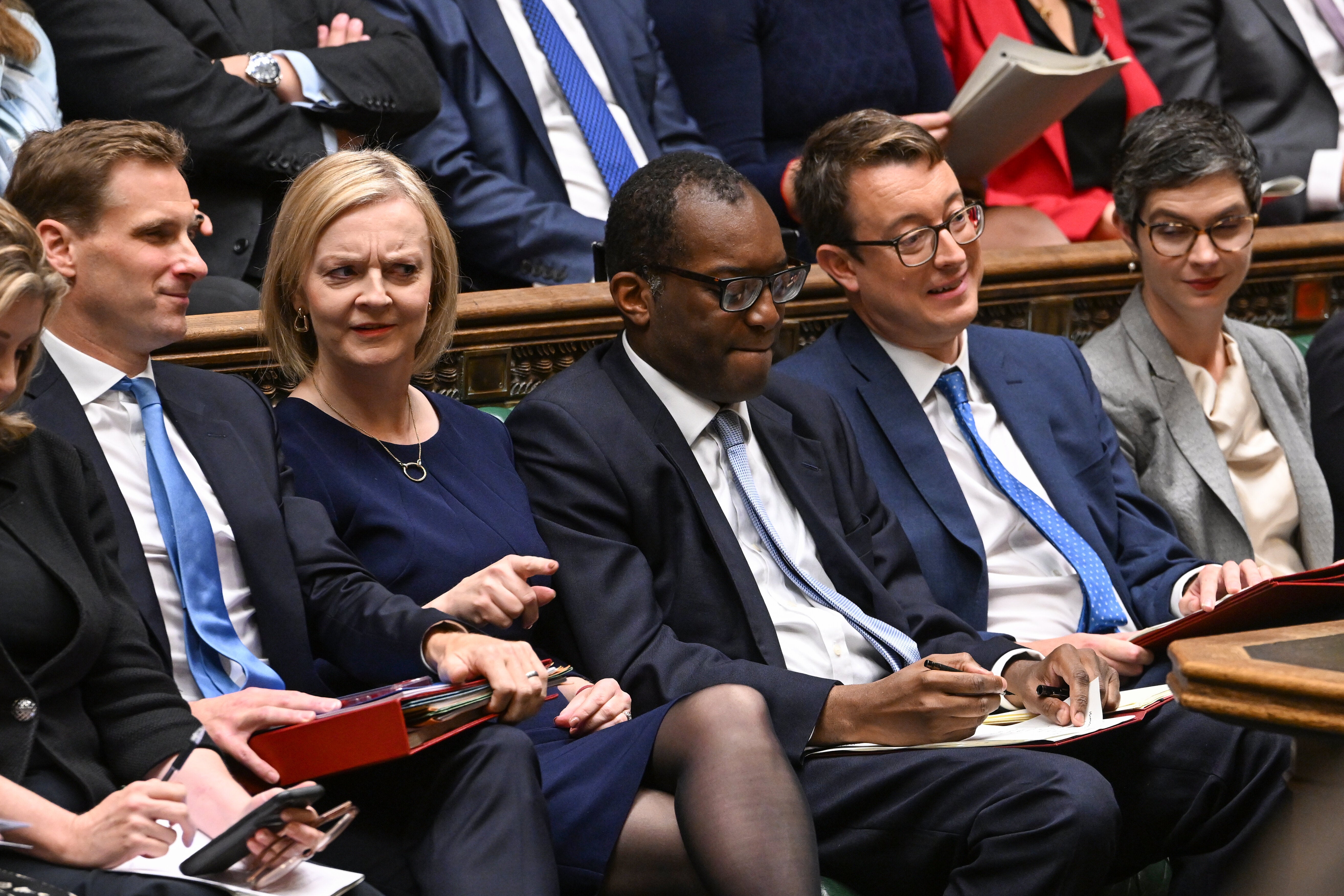
Where Is Liz Truss? Calls To Recall Parliament As Bank Of England Steps In

Members of the public demanded to hear from Liz Truss today after the Bank of England announced an emergency intervention.

Leaders of the main opposition parties also called for parliament to be recalled amid the “rapidly deteriorating economic crisis”.

The Bank stepped in on Wednesday to calm the markets after chancellor Kwasi Kwarteng’s tax-cutting mini-budget caused the pound to slide.

The major intervention in Britain’s financial markets is designed to head off a “material risk to UK financial stability”.

It is a highly unusual move that will see the Bank buying long-term government debt to tackle a surge in the cost of borrowing, which it said risked “contagion” to households and businesses.

The announcement has prompted calls for the prime minister to address the public about her decisions.

Truss has not spoken publicly in the six days since her government announced the biggest tax cuts for 50 years.

One Twitter user said: “Genuinely where the hell is Liz Truss? You’d of thought at least a written statement would of gone out by now to someone in the press to calm things down at least surely?”

GB News presenter Isabel Webster Tweeted: “Where is Liz Truss?”

“What the government needs to do now is recall parliament and abandon this budget.”

– Labour leader Keir Starmer

Comedian David Baddiel added: “Where *is* Liz Truss? We appear to be in a crisis. Normally, in that situation, a country’s leader says…*something*. Even if it’s keep calm and carry on.”

Former Blue Peter presenter Simon Thomas added: “Whilst the economy burns like a skip fire, has anyone seen or heard from Liz Truss? She was highly visible during her leadership tour; but now she is leader, where the hell is she?!

“Where is her leadership? Cooling off in Boris’s fridge? To remain quiet is a dereliction of duty.”

It comes as Labour, the Lib Dems and SNP all called for parliament to be recalled amid the “rapidly deteriorating economic crisis”.

Labour leader Keir Starmer told Sky News: “The government has clearly lost control of the economy.

“What the government needs to do now is recall parliament and abandon this budget.”

Lib Dem leader Ed Davey said Truss had 24 hours to fix the “economic disaster” and added: “Every hour the prime minister and chancellor hide from this economic nightmare increases the chances of interest rates spiralling out of control and people losing their homes.”

There are mounting concerns about a mortgage crisis as the Bank prepares to hike interest rates.

Lenders have withdrawn dozens of products as they struggle to adjust to the expectations of higher costs.

The Labour Party has also called on the chancellor to make an “urgent statement” on how he is going to fix the “crisis that he has made”.

Last night the International Monetary Fund [IMF] launched a stinging attack on the UK’s tax-cutting plans

In an unusually blunt statement, the Washington-based fund said Kwarteng’s £45bn proposal is risky and will “likely increase inequality”.

Kwarteng has strongly defended the tax cuts and was due to meet with investment banks on Wednesday.

Share Button

Alzheimer’s-slowing drug labelled historic

The drug appears to reduce the pace of the disease, in early data from clinical trials.

Share Button

Flu and Covid could make this a hard winter for UK

People should prepare for a rampant flu season, say experts, based on what Australia has experienced.

Share Button

Pumping weights could help you live longer

Muscle-strengthening exercises are important in weekly exercise in old age, research suggests.

Share Button

International Monetary Fund Rebukes UK’s Economic Plan Amid Turmoil. Here”s Why It Matters

The International Monetary Fund has made a stunning intervention over the state of the UK economy after the Tory mini-budget caused financial turmoil.

In the group’s first public reaction to Britain’s growing crisis, the IMF said on Tuesday that it would urge the UK to “re-evaluate” a massive £45 billion tax cut funded by government borrowing as it does “not recommend large and untargeted fiscal packages” given soaring inflation across the world.

It went on to warn the measures will likely increase inequality, and urged more action to hep those affected by the energy crisis and rising cost of living.

What is the IMF? Why do their comments matter?

The Washington DC-based “lender of last resort” has helped bail-out struggling nation states around the world for more than 70 years.

It is extremely rare for the organisation to intervene in a developed country’s economic policy. Britain was forced to apply for an IMF loan of nearly $4 billion during the 1976 financial crisis, with negotiators for the group insisting on deep cuts in public expenditure at the time.

IMF officials have warned repeatedly in recent months of the need to carefully calibrate fiscal and monetary policy as central bankers raise interest rates across the globe to get inflation under control.

Against a backdrop of the pandemic, Russia’s invasion of Ukraine and rising global interest rates, the organisation’s lending has hit a hit a record high at $14billion, the FT reported. Zambia and Sri Lanka, which both defaulted in the pandemic, are currently negotiating IMF bailouts as part of efforts to restructure debts.

What is it responding to?

The IMF comments followed the Tories unveiling a controversial mini-budget on Friday that was designed to reboot growth – a move that saw the pound slump to a record low against the dollar by Monday.

The sell-off of sterling, as well as jitters across the financial markets, has led to fears the Bank of England is certain to raise interest rates dramatically to save the currency, which in turn is likely to spell bad news for homeowners.

Chancellor Kwasi Kwarteng responded by saying he would set out medium-term debt-cutting plans on November 23, alongside forecasts from the independent Office for Budget Responsibility of the full scale of government borrowing.

What did the IMF say?

In response to a query from Reuters after the British pound hit an all-time low amid spiking market concerns, the IMF spokesperson said: “We are closely monitoring recent economic developments in the UK and are engaged with the authorities.

“Given elevated inflation pressures in many countries, including the UK, we do not recommend large and untargeted fiscal packages at this juncture, as it is important that fiscal policy does not work at cross purposes to monetary policy.”

The IMF understands that Britain’s “sizable fiscal package” was intended to help residents deal with higher energy prices and to boost growth via tax cuts and supply measures, but such measures could put fiscal policy at cross purposes with monetary policy, the spokesperson said.

Kwarteng’s fresh budget would provide an “early opportunity for the UK government to consider ways to provide support that is more targeted and re-evaluate the tax measures, especially those that benefit high-income earners”, the spokesperson added.

What has the reaction been?

The BBC’s economics editor Faisal Islam: “The IMF telling a G7 member and major shareholder to ‘re-evaluate’ their signature economic policy because it ‘does not recommend’ such packages and will ‘increase inequality’… suggests profound international concern in finance ministries about a global impact of UK crisis.”

Share Button

Economist Blasts The ‘Raging Incompetence’ Of Truss And Kwarteng

An economist and former interest rate-setter has hit out at the government’s “raging incompetence” as he questioned whether Liz Truss and Kwasi Kwarteng would survive the economic turmoil created by their mini-budget.

David “Danny” Blanchflower, who sat on the Bank of England’s monetary policy committee for three years, said the prime minister and chancellor’s “credibility is completely trashed” within days of taking office.

His outspoken comments followed the Tories unveiling a massive £45 billion tax cut funded by government borrowing on Friday – a move that saw the pound slump to a record low against the dollar by Monday.

The sell-off of sterling, as well as jitters across the financial markets, has led to fears the Bank is certain to raise interest rates dramatically to save the currency, which in turn is likely to spell bad news for homeowners.

Appearing on the Sarah-Jane Mee Show on Sky News, Blanchflower referenced Kwarteng’s plan to explain how he will get debt falling in a medium term fiscal plan to be published on November 23, as he said the uncosted government plans mean Truss and the chancellor “just don’t look credible”.

He added: “So the question is, if you if you’re the chancellor of the exchequer and what you’ve done is you’ve stood up and you crashed the markets – you’ve crashed the bond market, you’ve crashed the foreign exchange market, the stock market dropped, the housing market’s in trouble – and you created a giant recession as the Bank of England has to raise rates … your credibility is completely trashed.

“And what’s the prime minister going to say – well, at the moment she appears to be hiding – but the questions journalists like you and (Sky News journalists) Ian King and Ed Conway and others are going ask is, what are you going to do, it’s all completely failed, hasn’t it? They told you it was going to fail, and it has now, what are you going to do?

“And obviously the question then is, politically, is she going to survive the month? Does she get to – and does he get to – this statement in two months time, because presumably politically they’ve created a disaster. And there’s even an issue: could you get to get this through the House of Commons? Unclear.

“I have never seen anything like this. I’ve been an economist for 50 years. I went through the great recession, and I have never seen such a raging incompetence ever.”

After two days of big changes, the pound settled down on Tuesday, trading at around 1.08 dollars for most of the day, deviating only briefly with a two cent drop.

London’s top stock index, the FTSE 100, was also subdued for most of the day.

The FTSE closed the day down 0.5% on Tuesday afternoon while gilt yields, reflecting the cost of government borrowing, rose 1.6%, more than a quarter higher than just a week ago.

But with some analysts predicting the base rate – currently standing at 2.25% – will have to rise to as high as 6% next year, some lenders began withdrawing some mortgages amid uncertainty over how far they will rise.

Share Button

Fasting-mimicking diet reduces signs of dementia in mice

Cycles of a diet that mimics fasting appear to reduce signs of Alzheimer’s in mice genetically engineered to develop the illness, according to a new USC Leonard Davis School of Gerontology-led study.

The study appeared in Cell Reports on Sept. 27.

The researchers, led by Professor Valter Longo in collaboration with Professors Christian Pike and Pinchas Cohen, found that mice that had undergone several cycles of the fasting-mimicking diet showed less Alzheimer’s pathology. The researchers found lower levels of two major hallmarks of the disease: amyloid beta — the primary driver of plaque buildup in the brain — and hyperphosphorylated tau protein, which forms tangles in the brain. They also found that brain inflammation lessened and better performance on cognitive tests compared to the mice that were fed a standard diet.

The fasting-mimicking diet (FMD) is high in unsaturated fats and low in overall calories, protein, and carbohydrates and is designed to mimic the effects of a water-only fast while still providing necessary nutrients. Previous research led by Longo has indicated that brief, periodic FMD cycles are associated with a range of beneficial effects, including the promotion of stem cell regeneration, lessening of chemotherapy side effects, and lowering risk factors for cancer, diabetes, heart disease and other age-related diseases in mice and humans.

Promising results in mouse models of Alzheimer’s

Alongside healthy mice, the team investigated two mouse models of Alzheimer’s, E4FAD and 3xTg. During the study, mice were fed the fasting-mimicking diet for 4 or 5 days twice per month and were allowed to eat normally between FMD cycles. In a long-term experiment to see the effects in aged mice, 3xTg mice were placed on the diet for 30 cycles in 15 months. Shorter-term experiments in both 3xTg and E4FAD mice ranged from a single FMD cycle to 12 cycles in 6 months.

In both models, mice who underwent FMD cycles showed promising reductions in amyloid beta — which form the sticky, disruptive plaques in the brain — and tau pathology compared to mice eating a standard diet. The FMD mice also showed lower levels of brain inflammation, including a reduction in the number of active microglia, the immune cells that seek and destroy pathogens and damaged cells in the brain. In addition, mice on the diet demonstrated a lower level of oxidative stress, which plays a role in Alzheimer’s pathology by damaging neurons and contributing to the accumulation of amyloid in the brain. The study specifically pointed to the free radical “superoxide” as a central culprit in the damage occurring in these Alzheimer’s mouse models, Longo explained.

Outwardly, mice of both Alzheimer’s models who underwent the FMD showed less cognitive decline than their standard diet counterparts. Cognitive behavior, including exploration and performance within mazes, was tested in young mice before the dietary regimen began and again after several months of either a standard diet or twice-monthly FMD cycles. The Alzheimer’s mice given the FMD significantly outperformed the Alzheimer’s mice given standard diets and in some instances performed similarly to the non-Alzheimer’s-prone control mice, indicating that cognitive decline had been significantly slowed.

The FMD cycles appeared effective in reversing a range of pathology markers but also cognitive defects in two of the major mouse models for Alzheimer’s disease. Longo said that the results are promising.

Small clinical study explores feasibility for humans

In addition to the study in mice, Longo and colleagues also included data from a small Phase 1 clinical trial of the fasting-mimicking diet in human patients diagnosed with mild cognitive impairment or mild Alzheimer’s disease. Forty such patients who were otherwise healthy and had family support were randomized to either a once-monthly, 5-day fasting-mimicking diet or a 5-day period in which lunch or dinner was replaced with a meal based on pasta or rice.

Initial data indicates that the FMD is safe and feasible for patients with mild impairment or early Alzheimer’s disease. Further tests in the ongoing clinical trial will measure cognitive performance, inflammation and more, Longo said.

Other early trials of the diet published by Longo and colleagues have indicated other benefits of a monthly cycle, such as a loss of fat mass without loss of muscle mass and improved cardiometabolic risk factors, especially in overweight or obese people.

Notably, in a recently published clinical trial in which Longo was a co-author, FMD cycles were associated with disease regression in diabetes patients. Diabetes nearly doubles the risk of developing Alzheimer’s disease, per the Alzheimer’s Association.

Other authors included co-first authors Priya Rangan, Fleur Lobo and Edoardo Parrella of USC; Terri-Leigh Stephen, Christian J. Pike, Pinchas Cohen, Kyle Xia, Katelynn Tran, Brandon Ann, and Dolly Chowdhury of USC; Anna Laura Cremonini, Luca Tagliafico, Angelica Persia, Irene Caffa, Fiammetta Monacelli, Patrizio Odetti, Tommaso Bonfiglio, and Alessio Nencioni of the University of Genoa, Italy; Nicolas Rochette, Marco Morselli, and Matteo Pellegrini of UCLA; Mary Jo LaDu of the University of Illinois at Chicago; and Martina Pigliautile, Virginia Boccardi, and Patrizia Mecocci of the University of Perugia, Italy.

The study was funded in part by National Institutes of Health/National Institute on Aging grants AG20642, AG025135, and P01 AG034906 to Longo; AG058068 to Pike; the NIA T32 training grant AG052374 to Rangan; and the PE-2016-02362694 and PE-2016-02363073 grants by the Italian Ministry of Health to Odetti, Mecocci, Monacelli, and Longo. The LaDu lab is funded by NIH (NIA) R01 AG056472, R01 AG057008, UH2/3 NS10012, R56 AG058655, 1R44 AG060826, institutional funds from the College of Medicine at the University of Illinois, Chicago, and generous philanthropic contributions.

Longo is the founder of and has an ownership interest in L-Nutra; the company’s food products are used in studies of the fasting-mimicking diet. Longo’s interest in L-Nutra was disclosed and managed per USC’s conflict-of-interest policies. USC has an ownership interest in L-Nutra and the potential to receive royalty payments from L-Nutra. USC’s financial interest in the company has been disclosed and managed under USC’s institutional conflict-of-interest policies.

Share Button

The neighbors of the caliph: Archaeologists uncover ancient mosaics on the shore of the Sea of Galilee

With the help of geomagnetic surface surveys and subsequent hands-on digging, an excavation team from Johannes Gutenberg University Mainz (JGU) has revealed new insights into the area in which the caliph’s palace of Khirbat al-Minya was built on the shores of the Sea of Galilee. According to these findings, there had already been a settlement occupied by Christian or Jewish inhabitants in the immediate vicinity long before the palace was built.

“This time we have really hit the jackpot with our excavations,” said site director and archaeologist Professor Hans-Peter Kuhnen with regard to the outcome of the most recent undertakings in the area around the early Islamic caliph’s palace Khirbat al-Minya in Israel. The team of archaeologists from Mainz made this major discovery using geomagnetic methods and by digging test pits on the basis of the findings. They discovered that in the early 8th century the caliph had commissioned the building of his palace, with its incorporated mosque and a 15-meter-high gateway tower, not — as hitherto suspected — on greenfield land on the unoccupied shore of the Sea of Galilee, but adjacent to and respectfully co-existing with a prior settlement. The research project was initially conceived as a means of training students in archeological field work. It was undertaken with the support of the Israel Antiquities Authority and financed by the Fritz Thyssen Foundation, the Axel Springer Foundation, the Santander Foundation, and the German Academic Exchange Service (DAAD). The team was accommodated in the Tabgha Pilgerhaus guesthouse run by the German Association of the Holy Land (DVHL), which has owned the site of the excavations on the northwest shore of the Sea of Galilee since 1895.

During their dig, the Mainz archaeological team found stone structures made of basalt dating to various periods, with plastered walls, colorful mosaic floors, and a water cistern. The plants portrayed in one of the mosaics are particularly remarkable as they have the long, curved stems typical of those also depicted in so-called Nile-scene mosaics created in the 5th to 6th centuries. The mosaic’s images of the flora and fauna native to the Nile valley symbolized the life-giving power of the mighty river with its annual floods guaranteeing Egypt’s agricultural fertility. That explains why both late-antique churches, such as that in the nearby Church of the Multiplication in Tabgha, and luxurious dwellings in cities of late antiquity were decorated with Nile-scene mosaics.

Lakeside settlement was there long before the caliph’s palace was planned

The recently discovered mosaic, together with related ceramic finds dating to the 5th to 7th centuries, show that the settlement on the shores of the lake was already thriving centuries before the work on the caliph’s palace had commenced. Its original inhabitants were either Christians or Jews and they were subsequently joined by a small Islamic community, for whom the caliph had a side entrance constructed in the early 8th century so that they could access his palace mosque. The unearthed ceramics have revealed that the site remained occupied under the control of the Umayyad and then Abbasid caliphates from the 7th to the 11th century. New construction projects were initiated in this period during which parts of the mosaics fell victim to pickaxes wielded by religiously inspired iconoclasts, sections of old walls were demolished, and the stones were transported away for reuse elsewhere. The remains finally became the location of a graveyard in which the dead were buried, in accordance with Muslim custom, lying on their side with their faces directed towards Mecca.

Nearby, the Mainz team also exposed a stone built furnace used to process sugar cane. Although sugar cane represented one of the top agricultural exports of the Holy Land from the period of the early Middle Ages and brought in considerable wealth for the landowners, vast volumes of water were needed to cultivate it while large amounts of wood were required to operate boiling furnaces. The result was extensive soil erosion and an environmental disaster that the area around the lake had not fully recovered from even by the 20th century. The immense scale of sugarcane cultivation in the Middle Ages was demonstrated by both the findings of the excavations at the Caliph’s Palace — those from 1936 to 1939 and those in 2016 — and by the 2019 Mainz geomagnetic surveys, which all revealed evidence of dozens of such furnaces in operation between the 12th and 13th/14th centuries. “Our most recent excavations show that Caliph Walid had his palace built on the shore of the Sea of Galilee in an already carefully structured landscape that had long been inhabited. It was here that considerable money was subsequently made through the cultivation of sugar cane, sadly causing lasting damage to the ecosystem,” said Kuhnen. “Our research has brought this settlement adjacent to the caliph’s palace to light again, putting it in its rightful context among the history of human settlement of the Holy Land. Over the centuries, it experienced alternating periods of innovation and decline, but there was no real disruption to its existence during its lifetime.”

Geomagnetic surface surveys showed where to dig

The Mainz-based team was able to locate this historic hotspot so accurately with its test pits due to the results of geomagnetic surface surveys conducted on-site in a pilot project in 2019. The technology employs magnetic sensors to detect and map tiny variations in the Earth’s magnetic field caused by soil disturbances, for example those caused by construction work. This allows archaeologists to predict with a fair degree of confidence the course of walls and flooring and to identify the site of hearths and ovens hidden under the soil, without recourse to a spade. However, to actually verify whether magnetometry results indeed indicate the presence of something interesting and in order to date the potential structures, archaeologists need to dig targeted test pits — as did the team from JGU’s Department of Ancient Studies at Khirbat al-Minya.

Due to the coronavirus pandemic, Kuhnen and his team had to wait three long years before they were able to get back to the site to see what was waiting for them. However, toiling away under the scorching August sun, they were richly rewarded for their efforts. “It was our prior geomagnetic scans that provided us with unusually accurate indications of what we were likely to find below the surface. The outcome of our excavations has been exactly what we hoped for. Combining these two methods of investigation requires less exertion, helps preserve the archaeological heritage, and is thus the future of our discipline,” concluded Professor Hans-Peter Kuhnen in the light of the current excavations on the shore of the Sea of Galilee, which will continue next year.

Share Button