Ketamine may be an effective treatment for children with ADNP syndrome, new study suggests

Results of a small, but unique research study, led by researchers from the Seaver Autism Center for Research and Treatment at Mount Sinai and published online in Human Genetics and Genomic Advances, suggest that low-dose ketamine is generally safe, well-tolerated and effective to treat clinical symptoms in children diagnosed with ADNP syndrome (also known as Helsmoortel-VanDerAa syndrome), a rare neurodevelopmental disorder caused by mutations in the activity dependent neuroprotective protein (ADNP) gene.

The ADNP gene affects brain formation, development, and function, and the protein produced from it helps control the expression of other genes. ADNP mutations are one of the most common single-gene causes of autism. Ketamine was approved in the United States in 1970 and is used for anesthesia and pain management, and more recently as a treatment for depression. Studies in animal models suggest that low-dose ketamine may be neuroprotective and increase expression of the ADNP gene.

“We were intrigued by the preclinical evidence suggesting that low-dose ketamine may increase levels of the ADNP protein and compensate for its loss in ADNP syndrome, so we designed this study to evaluate the safety, tolerability, and behavioral outcomes of low-dose ketamine in children with the syndrome,” says Alexander Kolevzon, MD, Clinical Director of the Seaver Autism Center. “We also sought to explore the feasibility of using electrophysiological biomarkers and computerized eye-tracking to assess sensitivity to treatment.”

In order to evaluate the effect of ketamine, the Mount Sinai research team used a single-dose (0.5mg/kg), open-label design, with ketamine infused intravenously over 40 minutes. Ten children with ADNP syndrome, ages six to 12 years, were enrolled. They found ketamine was generally well-tolerated, and there were no serious adverse events. The most common adverse events were elation/silliness (50 percent), fatigue (40 percent), and increased aggression (40 percent). Using parent-report instruments to assess treatment effects, ketamine was associated with improvements in a wide array of domains, including social behavior, attention deficit and hyperactivity, restricted and repetitive behaviors, and sensory sensitivities, a week after administration.

Results from the clinician-rated assessments indicated improvement based on the Clinical Global Impression-Improvement scale, a seven-point scale commonly used by clinicians to assess how much a patient’s illness has improved or worsened relative to a baseline state at the beginning of an intervention. Importantly, results across clinician-rated and caregiver-rated assessments were largely consistent. The results also highlight the potential of assessing early changes in social attention with computerized eye-tracking and the electrophysiological measurement of a listening task known as auditory steady-state response.

“We are encouraged by these findings, which provide preliminary support for ketamine to help reduce negative effects of this devastating syndrome,” Dr. Kolevzon says. “Future studies using a placebo-controlled design and studying the effects of repeated dosing over a longer duration of time and in a larger cohort of participants are needed before ketamine is used clinically, but our study is a promising first step in that process.”

Ongoing studies are using RNA sequencing to measure change in ADNP expression and other genes, as well as DNA methylation analysis, which has been previously described as relevant in ADNP syndrome. DNA methylation regulates and silences the expression of genes and is vital for embryonic development. Increased occurrence of rare and extreme DNA methylation levels have been linked with neurodevelopmental disorders and congenital anomalies.

Share Button

Therese Coffey’s views on abortion concerning, charity says

The new health secretary has opposed extending abortion rights but has said the law would not change.

Share Button

Tool to spot breast cancer at home wins UK Dyson award

The Dotplot aims to help women self-check at home and track any changes they may find on an app.

Share Button

Parkinson’s test: Woman who smelled disease on husband helps scientists

A woman who can detect Parkinson’s through smell helps scientists develop a test for the disease.

Share Button

Baby sticky tape skin test can predict eczema risk

Scientists say they can predict which youngsters might get the dry, itchy skin condition.

Share Button

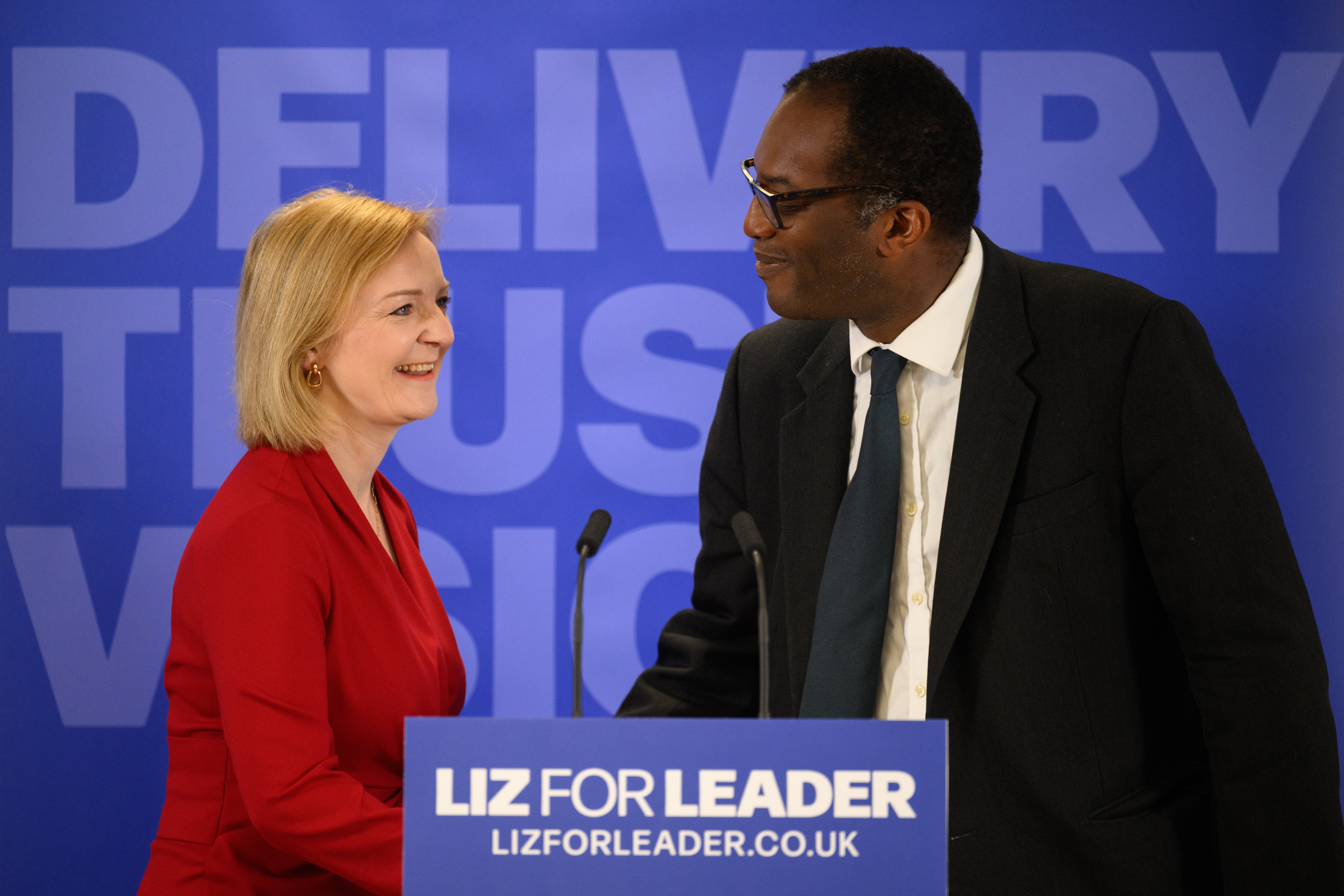
Kwasi Kwarteng Appointed Chancellor In New Liz Truss Cabinet

Kwasi Kwarteng has been appointed chancellor as Liz Truss made major changes as the new prime minister assembled her new cabinet.

He served as business secretary under Boris Johnson and is a close ally of Truss and early supporter of he leadership bid.

The appointments mean that for the first time in history none of the great offices of state are held by white men.

It follows Therese Coffey being appointed health secretary and deputy prime minister.

Truss began her cabinet reshuffle with a cull of prominent Rishi Sunak supporters, sending Dominic Raab, Grant Shapps and Steve Barclay to the backbenches swiftly after she became prime minister.

She removed the senior figures who had backed her rival in the Tory leadership race promptly after heading to her House of Commons office following her first speech in Downing Street on Tuesday.

Kwarteng, whose appointment to No 11 had been widely expected, replaces Nadhim Zahawi in the Treasury.

Share Button

Therese Coffey Appointed Deputy Prime Minister And Health Secretary

Liz Truss has appointed Therese Coffey deputy prime minister and health secretary during a major reshuffle of the government.

The new prime minister appointed Kwasi Kwarteng as chancellor as she also made James Cleverly the foreign secretary.

Former attorney general Suella Braverman was appointed home secretary, replacing Priti Patel after she pre-emptively resigned.

The appointments mean that for the first time in history none of the great offices of state are held by white men.

Truss began her cabinet reshuffle with a cull of prominent Rishi Sunak supporters, sending Dominic Raab, Grant Shapps and Steve Barclay to the backbenches swiftly after she became prime minister.

She removed the senior figures who had backed her rival in the Tory leadership race promptly after heading to her House of Commons office following her first speech in Downing Street on Tuesday.

Coffey, the former work and pensions secretary who is regarded as Truss’s closest friend in Westminster, replaced Raab as the second in command after he described Truss’s tax plans as an “electoral suicide note”.

Coffey has spelled out her top four priorities. She told Sky News: “I’m just about to enter the department and go to meet our great civil servants I’m going to work with.

“We’ve got priorities A, B, C, D – ambulances, backlogs, care, D – doctors and dentists. And we’re going to work through that and we’ll make sure that we’re delivering for the patients”.

Asked whether she is ready for strikes, Coffey said: “I think we’ve got to be ready for patients and that’s my top priority, and how we can make best use of our department and of course the NHS in order to achieve the best outcomes for them.”

Asked what her message is to potentially demoralised NHS staff, Coffey she recognised “they’ve done excellent work” and repeated her priorities.

This is a breaking news story and will be updated. Follow HuffPost UK on Twitter, Facebook and Instagram.

Share Button

Liz Truss Upstaged By A Bin Bag Before First Speech As PM

A metaphor was handed to critics of Liz Truss on a plate as the weather wreaked havoc on her first speech as prime minister.

Heavy rain forced the Number 10 lectern inside and out again before the new Tory leader addressed the nation on Tuesday.

Journalists and MPs were left in limbo as the heavens opened while Truss’s convoy drove through London towards Downing Street.

<img class="img-sized__img landscape" loading="lazy" alt="The lectern is prepared ahead of new UK prime minister Liz Truss arriving to give her first speech at Downing Street.” width=”720″ height=”480″ src=”https://www.wellnessmaster.com/wp-content/uploads/2022/09/liz-truss-upstaged-by-a-bin-bag-before-first-speech-as-pm-3.jpg”>
The lectern is prepared ahead of new UK prime minister Liz Truss arriving to give her first speech at Downing Street.

Leon Neal via Getty Images

At one point, a bin bag was draped over the podium microphone.

On the BBC News channel, Huw Edwards was padding for Britain as the plastic protection took centre stage for a full 30 seconds.

The bin bag featured above the headline “Liz Truss appointed Prime Minister”.

However, just as it looked as though Truss would be forced inside, the inclement weather subsided and the podium, which had been taken inside, was again brought back on to the street.

Of course, the Twitterati had already pounced on the symbolism. The Times writer Caitlin Moran said: “Well, there it is. The picture that will go around the world.”

After the lectern was eventually unsheathed, Truss gave her inaugural address as PM – chanelling Winston Churchill as she pledged to pull the UK out of the doldrums.

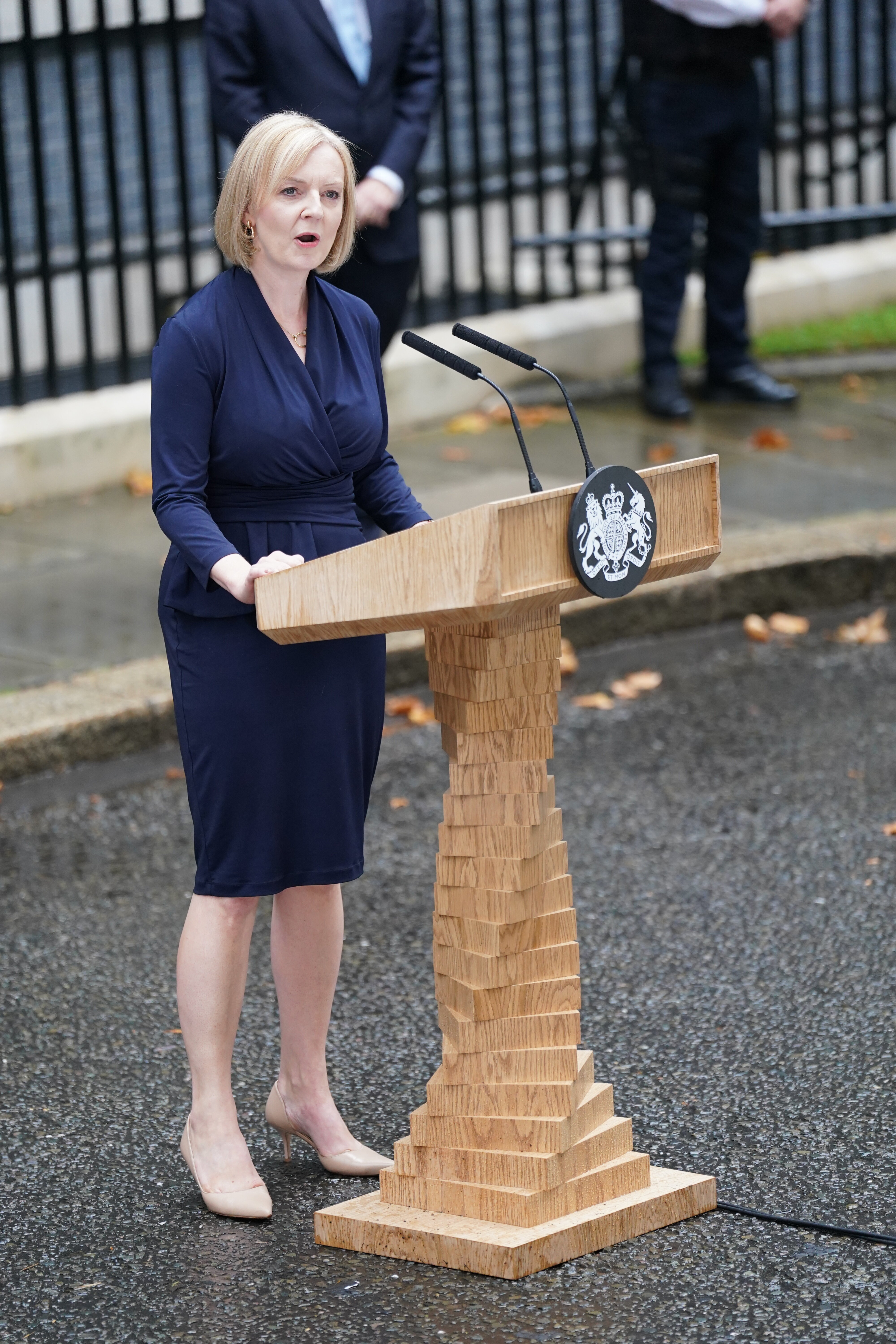
<img class="img-sized__img portrait" loading="lazy" alt="New prime minister Liz Truss makes a speech outside 10 Downing Street.” width=”720″ height=”1080″ src=”https://www.wellnessmaster.com/wp-content/uploads/2022/09/liz-truss-upstaged-by-a-bin-bag-before-first-speech-as-pm-4.jpg”>
New prime minister Liz Truss makes a speech outside 10 Downing Street.

Kirsty O’Connor via PA Wire/PA Images

Speaking as she prepared to enter Number 10 for the first time as prime minister, Truss pledged to take “action this day” to turn the country’s fortunes around.

During the second world war, Churchill famously attached red stickers with those same words to documents needing immediate attention by his staff.

Truss, who was forced to delay her arrival in Downing Street by heavy rain, said she was “honoured to take on this responsibility at a vital time for our country”.

She said: “What makes the United Kingdom great is our fundamental belief in freedom, in enterprise, and in fair play.

“Our people have shown grit, courage and determination time and time again.

“We now face severe global headwinds caused by Russia’s appalling war in Ukraine and the aftermath of Covid.

“Now is the time to tackle the issues that are holding Britain back.”

The new PM added: “We will transform Britain into an aspiration nation with high-paying jobs, safe streets and where everyone everywhere has the opportunities they deserve.

“I will take action this day and action every day to make it happen.”

Share Button

How does nature nurture the brain?

Living in a city is a well-known risk factor for developing a mental disorder, while living close to nature is largely beneficial for mental health and the brain. A central brain region involved in stress processing, the amygdala, has been shown to be less activated during stress in people who live in rural areas, compared to those who live in cities, hinting at the potential benefits of nature. “But so far the hen-and-egg problem could not be disentangled, namely whether nature actually caused the effects in the brain or whether the particular individuals chose to live in rural or urban regions,” says Sonja Sudimac, predoctoral fellow in the Lise Meitner Group for Environmental Neuroscience and lead author of the study.

To achieve causal evidence, the researchers from the Lise Meitner Group for Environmental Neuroscience examined brain activity in regions involved in stress processing in 63 healthy volunteers before and after a one-hour walk in Grunewald forest or a shopping street with traffic in Berlin using functional magnetic resonance imaging (fMRI). The results of the study revealed that activity in the amygdala decreased after the walk in nature, suggesting that nature elicits beneficial effects on brain regions related to stress.

“The results support the previously assumed positive relationship between nature and brain health, but this is the first study to prove the causal link. Interestingly, the brain activity after the urban walk in these regions remained stable and did not show increases, which argues against a commonly held view that urban exposure causes additional stress,” explains Simone Kühn, head of the Lise Meitner Group for Environmental Neuroscience.

The authors show that nature has a positive impact on brain regions involved in stress processing and that it can already be observed after a one-hour walk. This contributes to the understanding of how our physical living environment affects brain and mental health. Even a short exposure to nature decreases amygdala activity, suggesting that a walk in nature could serve as a preventive measure against developing mental health problems and buffering the potentially disadvantageous impact of the city on the brain.

The results go in line with a previous study (2017, Scientific Reports) which showed that city dwellers who lived close to the forest had a physiologically healthier amygdala structure and were therefore presumably better able to cope with stress. This new study again confirms the importance for urban design policies to create more accessible green areas in cities in order to enhance citizens’ mental health and well-being.

In order to investigate benedicial effects of nature in different populations and age groups, the researchers are currently working on a study examining how a one-hour walk in natural versus urban environments impacts stress in mothers and their babies.

Story Source:

Materials provided by Max Planck Institute for Human Development. Note: Content may be edited for style and length.

Share Button

Bees use patterns — not just colors — to find flowers

Honeybees rely heavily on flower patterns — not just colours — when searching for food, new research shows.

A team led by the University of Exeter tested bee behaviour and built bee’s-eye-view simulations to work out how they see flowers.

Honeybees have low-resolution vision (about 100 times lower than human vision), so they can only see a flower’s pattern clearly when they are within few centimetres.

However, the new study shows bees can very effectively distinguish between different flowers by using a combination of colour and pattern.

In a series of tests, bees rarely ignored pattern — suggesting colour alone does not lead them to flowers.

This may help to explain why some colours that are visible to bees are rarely produced by flowers in nature.

“We analysed a large amount of data on plants and bee behaviour,” said Professor Natalie Hempel de Ibarra, from Exeter’s Centre for Research in Animal Behaviour.

“By training and testing bees using artificial patterns of shape and colour, we found they relied flexibly on their ability to see both of these elements.

“Showing how insects see colour and learn colour patterns is important to understand how pollinators may, or may not, create evolutionary ‘pressures’ on the colours and patterns that flowers have evolved.

“Our findings suggest that flowers don’t need to evolve too many different petal colours, because they can use patterns to diversify their displays so bees can tell them apart from other flowers.”

One consistent feature identified in the study is that the outside edges of flowers usually contrast strongly with the plant’s foliage — while the centre of the flower does not have such a strong contrast with the foliage colour.

This could help bees quickly identify colour differences and navigate to flowers.

While flowers may be beautiful to humans, Professor Hempel de Ibarra stressed that understanding more about bees — and the threats they face — meant we need to see the world “through the eyes of a bee and the mind of a bee.”

The research, by a team including the Free University of Berlin and the University of Auckland, was funded by the Biotechnology and Biological Sciences Research Council (BBSRC).

Story Source:

Materials provided by University of Exeter. Note: Content may be edited for style and length.

Share Button