Ukraine Accelerates Application To Join Nato. Will It Happen?

A defiant Volodymyr Zelenskyy has announced Ukraine is formally applying for fast-track membership of the Nato military alliance, cranking up fears of a full-blown conflict between Russia and the West.

The Ukrainian leader’s move appeared to have been prompted by Russian president Valdimir Putin holding a ceremony in Moscow to proclaim four partially-occupied Ukrainian regions as annexed Russian land, following a series of sham referendums. The land-grab breaks international law.

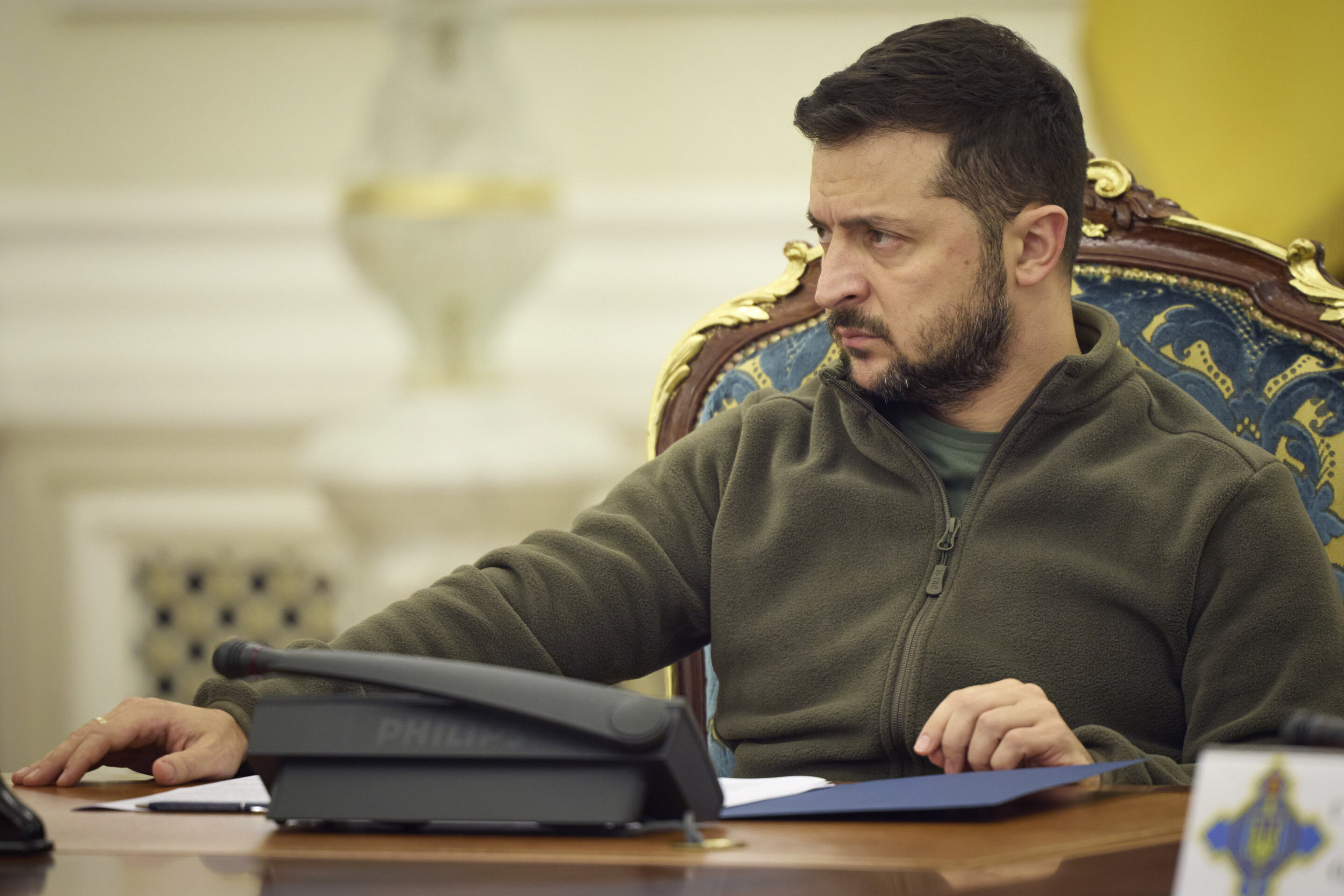
A video showed president Zelenskyy announcing the membership bid and then signing a document flanked by his prime minister and the speaker of parliament.

“De facto, we have already proven compatibility with alliance standards,” Zelenskyy said. “We trust each other, we help each other, and we protect each other. This is the alliance.”

The announcement is likely to stoke Putin, who sees Nato as a hostile military alliance bent on encroaching in Moscow’s sphere of influence and destroying it.

In his video speech, Zelenskyy accused Russia of brazenly rewriting history and redrawing borders “using murder, blackmail, mistreatment and lies”, something he said Kyiv would not allow.

What is Nato?

The military alliance goes by the acronym of Nato.

The North Atlantic Treaty Organisation was formed in 1949 to prevent a resurgence of nationalism and militarism in Europe after two world wars, and to deter the Soviet Union’s expansion.

Its membership has swelled to 30 member nations, and over the 1990s and 2000s its enlargement stretched further east to include the former Soviet republics of Estonia, Latvia and Lithuania.

They agree to mutual defence – military action – in response to an enemy attack. The principle goes: “An attack against one ally is considered as an attack against all allies.” This is Article 5 of the Nato constitution.

Sweden and Finland, which shares a 1,300-km (810-mile) border with Russia, sought membership to Nato earlier this year following Russia’s invasion of Ukraine, but have faced a hurdle as its application needs the approval of all 30 current members, with Turkey raising objections.

Efforts to join the US-led military alliance marked a radical break in the policy of both north east European countries given their staunch military neutrality.
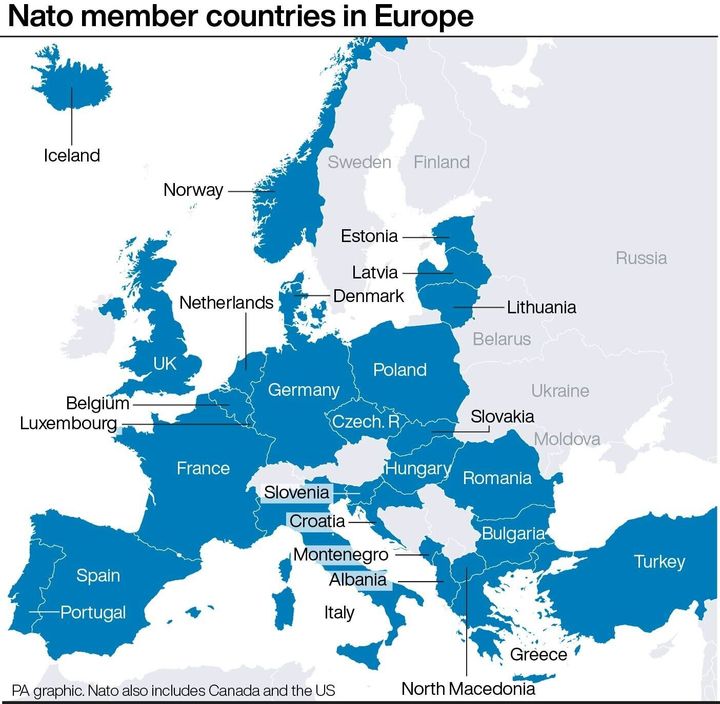
Nato member countries in Europe

PA Graphics via PA Graphics/Press Association Images

Because Ukraine is not a member of Nato, Western support for Zelenskyy has fallen short of putting their troops on the ground.

Nato’s enlargement was Putin’s biggest publicly-stated grievance with the West during the build-up up to war, claiming the eastward expansion and potentially sweeping up the largest other former Soviet republic breaks promises.

Nato has been adamant it will not accept limits on the nations that it admits and has always maintained an “open door policy”.

Will tensions flare up more?

Many will fear the countries are on a collision course that could lead to a bona fide world war.

Putin vowed to protect newly-annexed regions of Ukraine by “all available means”, a nuclear-backed threat where he also railled furiously at the West, accusing the United States and its allies of seeking Russia’s destruction.

Russia has repeatedly made clear that any prospect of Ukraine joining the world’s largest military alliance is one of his red lines and it was among the justifications he has cited for his invasion — the biggest land war in Europe since the Second World War.

Will Nato membership actually happen?

The immediate ramifications of the “accelerated” Nato application weren’t clear, since it requires the unanimous support of all members. The supply of Western weapons to Ukraine has, however, put it closer to the alliance’s orbit.

But it seems unlikely Nato will accept Ukraine’s application while a war is raging. Article 5 compels fellow members to actively defend it against Russia, a commitment that goes well beyond the supply of weapons.

Ukraine’s admission to Nato has been a stated goal going back to its constitution in 2002, but at the start of the war Zelenskyy accepted his country couldn’t join at present.

“For years we heard about the apparently open door, but have already also heard that we will not enter there, and these are truths and must be acknowledged,” he said at the time.
Share Button

Labour Has An Enormous 33-Point Poll Lead Over The Tories

The Labour Party has surged to an astonishing 33-point lead over the Tories, according to new polling.

The YouGov poll, carried out on Wednesday and Thursday, put Labour on 54% (+9) compared to the Conservatives’ 21% (-7).

The Times, which commissioned the poll, said it is believed to be the largest poll lead enjoyed by any party with any pollster since the late 1990s.

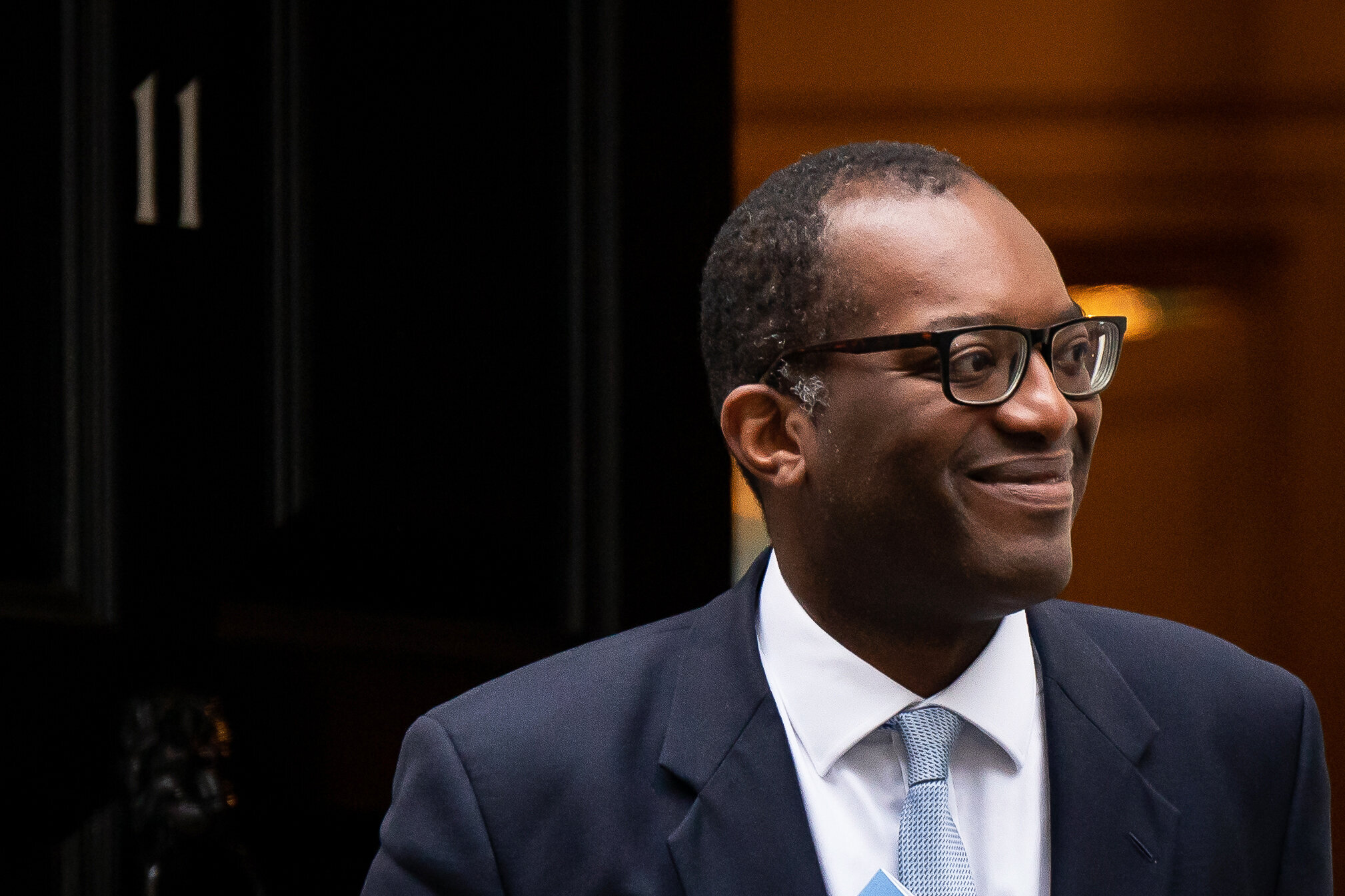
It follows a successful Labour conference in Liverpool and, more importantly, market turmoil and public outcry following Kwasi Kwarteng’s mini-budget last Friday.

The poll also shows the gap between the Lib Dems in third (7%) and the Tories is smaller than between Labour and the Conservatives.

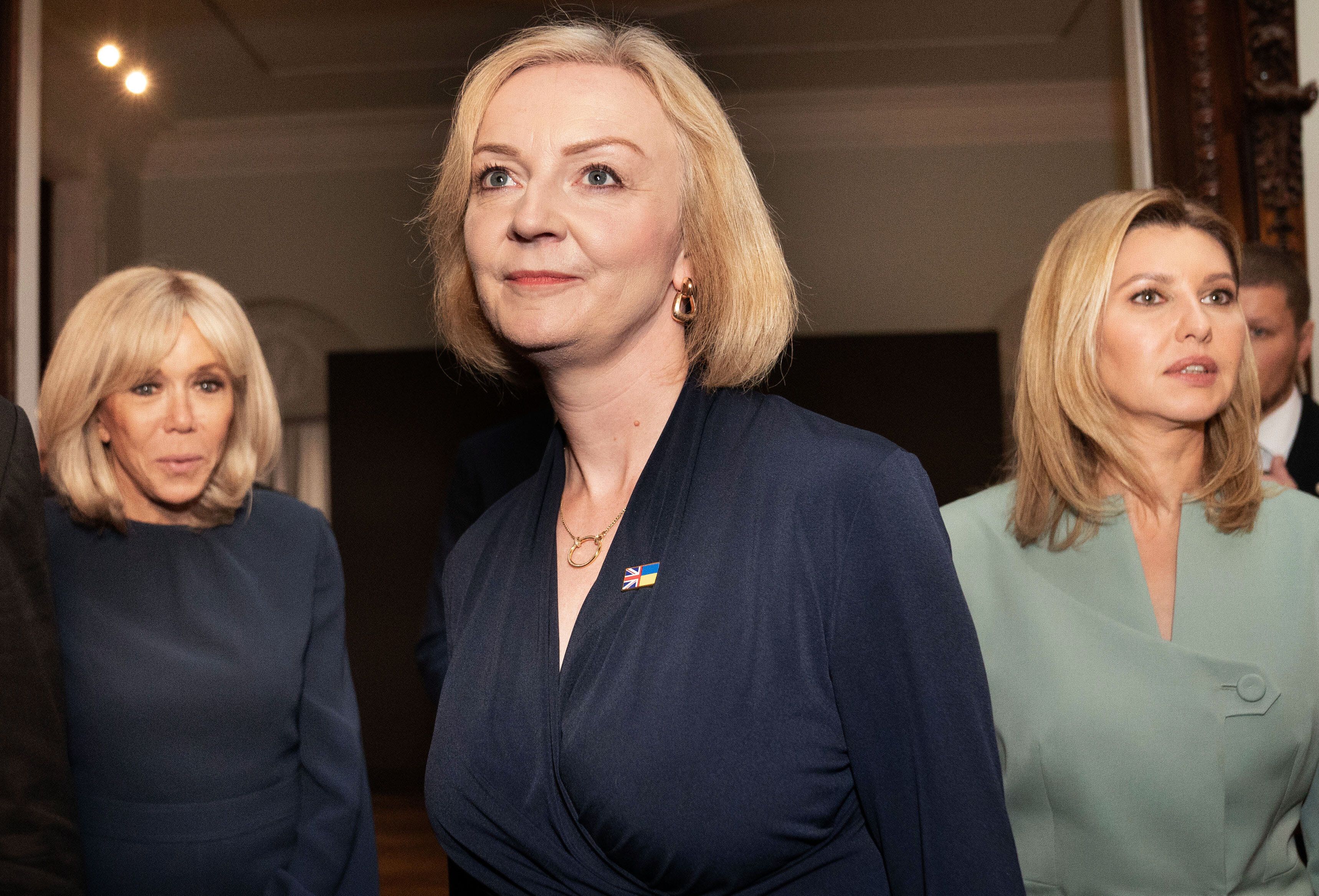
The poll will heap more pressure on prime minister Liz Truss – who has been in power for only three weeks – as he forges ahead with her controversial growth plan.

With reports of unease among Tory MPs after the market chaos of recent days, some have called for an urgent change of course from the prime minister.

Julian Smith, a former Cabinet minister, urged the government to “take responsibility” for the crisis.

“The government must scrap 45p, take responsibility for the link between last Friday and the impact on people’s mortgages and make clear that it will do everything possible to stabilise markets and protect public services,” he tweeted.

Former science minister George Freeman called on the Cabinet to meet and agree a “Plan B”.

“The economic package of borrowing & tax cuts announced last week clearly can’t command market or voter confidence,” he said on Twitter.

Truss and Kwasi Kwarteng have insisted their £45 billion package of tax cuts is the “right plan” to get the economy moving despite chaos on the financial markets and fears of rocketing mortgage bills.

In their first public comments since the pound hit a record low on Monday, neither the prime minister nor the chancellor commented directly on the turmoil created by his mini-budget.

During a round of BBC local radio interviews, Truss said the government had to take “urgent action” to kick-start the economy and protect consumers from rising energy costs.

And during a visit to an engine plant in Darlington, Kwarteng said the package he announced in the Commons on Friday was “absolutely essential” if the economy was to generate the revenues needed to fund public services.

Share Button

Austerity Returns As Whitehall Departments Told To Find Savings To Help Rescue Markets

Austerity is to be revived to tackle the economic crisis critics says was caused by a splurge on tax cuts in the government’s mini-budget.

HuffPost UK understands Chris Philp, chancellor Kwasi Kwarteng’s deputy in the Treasury, will write to Cabinet ministers to urge them to make efficiency savings in their departments’ existing budgets to help balance the public finances.

It marks a significant change in direction since, in 2018, then prime minister Theresa May declared the government’s programme of austerity – started by her predecessor David Cameron eight years earlier – was “over”.

It also signals Liz Truss’s government will not row back from a massive £45 billion tax cut funded by government borrowing.

It came as the Bank of England has launched an emergency UK government bond-buying programme to prevent borrowing costs from spiralling out of control.

It was the latest shock move after the pound briefly slumped to an all-time low, triggering fears of sharp interest rate rises to save the currency.

The Bank’s extraordinary intervention, responding directly to the government’s tax-cutting strategy, will pile further pressure on Truss and Kwarteng to defend a vision for the economy that has spooked markets and shocked most mainstream economists.

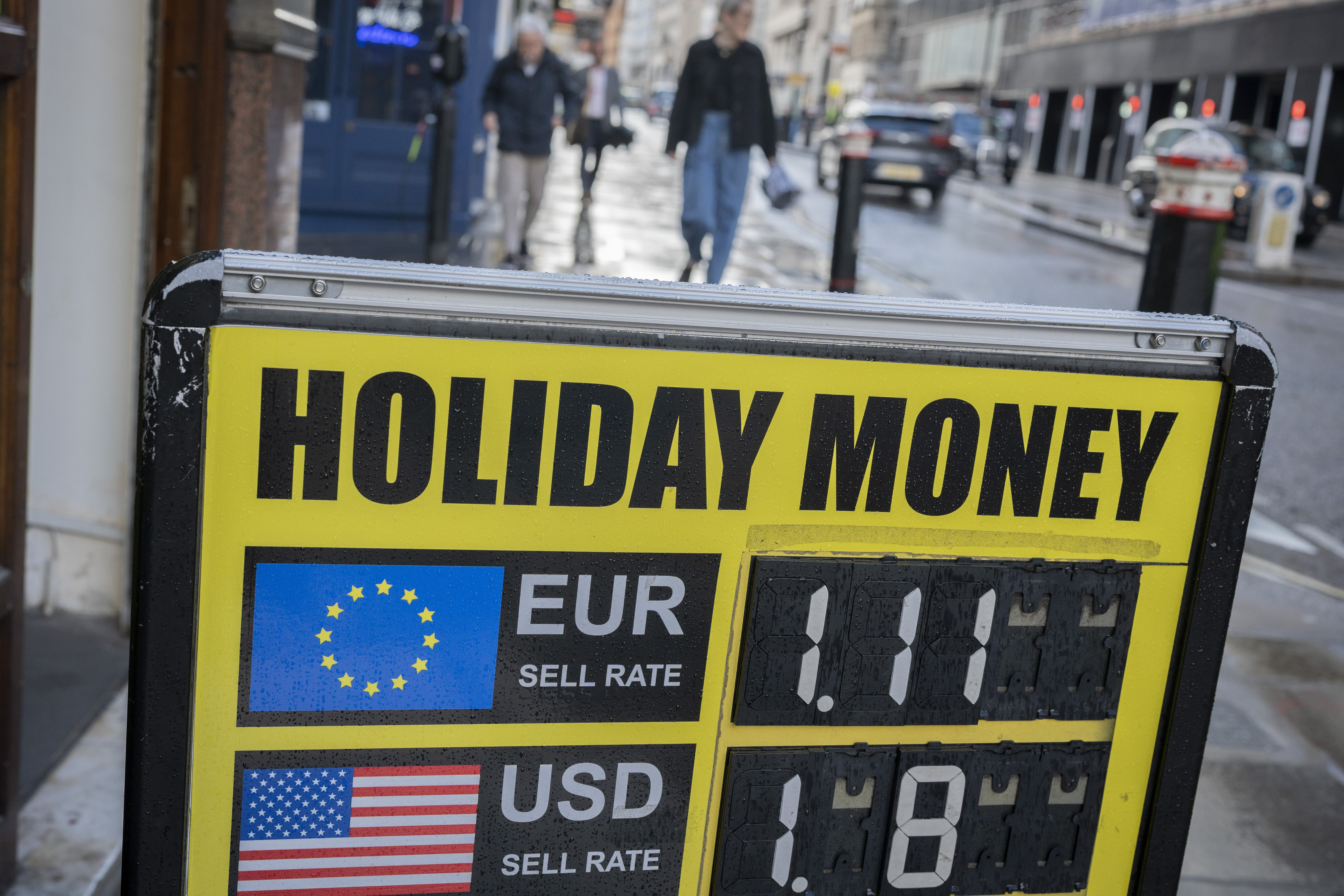
While the pound hit an all-time record low of 1.03 against the US dollar on Monday, the yield on 10-year gilts – which is a proxy for the effective interest rate on public borrowing – has also soared by the most in a five-day period since 1976, according to experts.

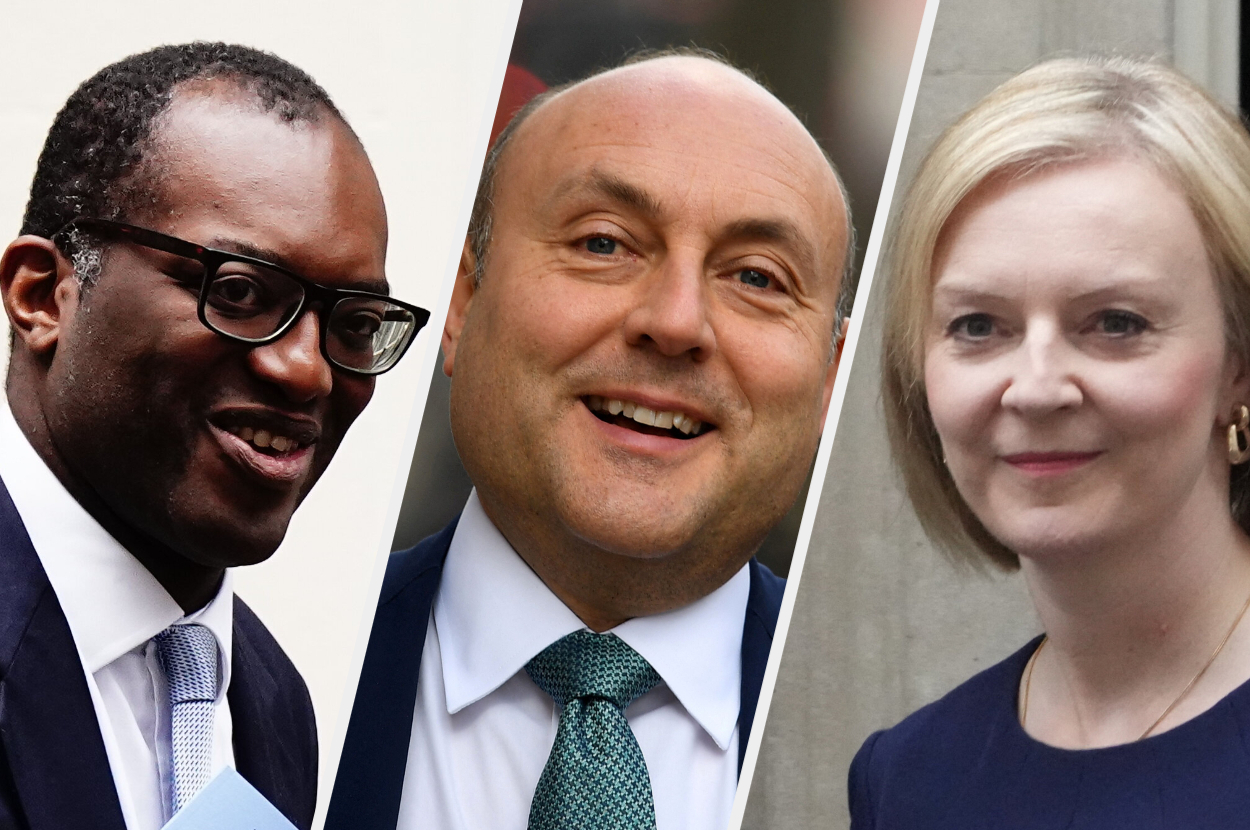
Truss and Kwarteng have stayed publicly silent since the weekend, with only financial secretary to the Treasury Andrew Griffith sent out to the media on Wednesday.

He insisted the government was sticking to the plan set out by Kwarteng in the Commons on Friday.

“What the chancellor and I are focused on is delivering that economic growth plan,” he said in a pooled clip for broadcasters.

“We think they are the right plans because those plans make our economy competitive.”

Share Button

Is Government To Blame For Market Turmoil? No, Says Minister Sent To Bat For Truss And Kwarteng

A Treasury minister has denied the government’s mini-budget has caused an economic meltdown, as a senior figure in government finally spoke publicly about the market turmoil.

With prime minister Liz Truss and chancellor Kwasi Kwarteng silent on the tumbling pound and interest rate fears in recent days, financial secretary Andrew Griffith was presented to the media to answer questions on their behalf.

It came as the Bank of England has launched an emergency UK government bond-buying programme to prevent borrowing costs from spiralling out of control, and followed the International Monetary Fund urging the UK to reverse a massive £45 billion tax cut funded by government borrowing.

On Wednesday, Griffith was asked by Ed Conway of Sky News if the government took responsibility for “the storm in the financial markets” since last Friday’s “fiscal event”.

In response, Griffith said: “No, we both know we’re seeing the same impact of Putin’s war cascading through things like the cost of energy, some of the supply side implications of that. And that’s impacting every major economy. Every major economy you are seeing interest rates going up as well. Every major economy is dealing with exactly these same issues.”

Griffith welcomed the “timely” intervention by the Bank of England in the markets, adding: “What the chancellor and I are focused on is delivering that economic growth plan.”

While the Tories are denying a self-inflicted wound, some are happy to blame others.

Tory peer Daniel Hannan was mocked after he blamed the economic on the prospect of Keir Starmer becoming prime minister.

He said a Labour victory at the next election would lead to “higher taxes, higher spending, and a weaker economy”.

Meanwhile Andrew Lilico, a right-wing economist supportive of the tax cuts, hit out at the IMF as a “left-wing body” after its rare criticism of a developed country as the lender of last resort highlighted the negative impact of the tax cuts.

The scale of the crisis in the markets has led to unease in some quarters of the Tory party, while Labour has joined calls for parliament, currently on a conference recess, to be recalled.

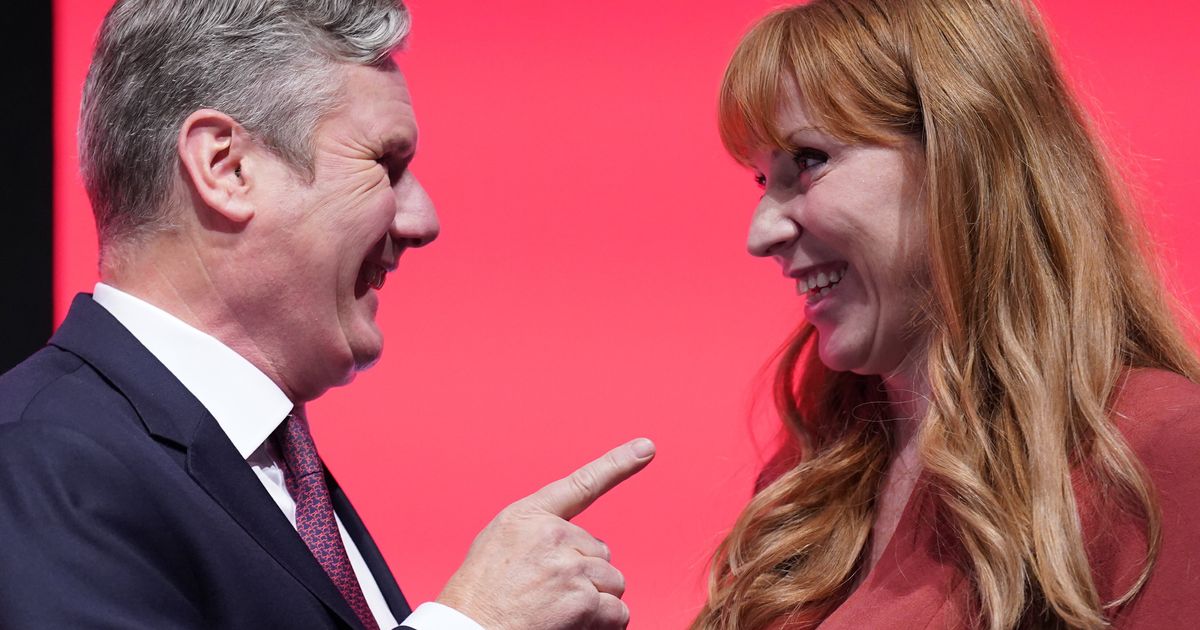
“The government has clearly lost control of the economy,” Keir Starmer told reporters in Liverpool.

Share Button

Where Is Liz Truss? Calls To Recall Parliament As Bank Of England Steps In

Members of the public demanded to hear from Liz Truss today after the Bank of England announced an emergency intervention.

Leaders of the main opposition parties also called for parliament to be recalled amid the “rapidly deteriorating economic crisis”.

The Bank stepped in on Wednesday to calm the markets after chancellor Kwasi Kwarteng’s tax-cutting mini-budget caused the pound to slide.

The major intervention in Britain’s financial markets is designed to head off a “material risk to UK financial stability”.

It is a highly unusual move that will see the Bank buying long-term government debt to tackle a surge in the cost of borrowing, which it said risked “contagion” to households and businesses.

The announcement has prompted calls for the prime minister to address the public about her decisions.

Truss has not spoken publicly in the six days since her government announced the biggest tax cuts for 50 years.

One Twitter user said: “Genuinely where the hell is Liz Truss? You’d of thought at least a written statement would of gone out by now to someone in the press to calm things down at least surely?”

GB News presenter Isabel Webster Tweeted: “Where is Liz Truss?”

“What the government needs to do now is recall parliament and abandon this budget.”

– Labour leader Keir Starmer

Comedian David Baddiel added: “Where *is* Liz Truss? We appear to be in a crisis. Normally, in that situation, a country’s leader says…*something*. Even if it’s keep calm and carry on.”

Former Blue Peter presenter Simon Thomas added: “Whilst the economy burns like a skip fire, has anyone seen or heard from Liz Truss? She was highly visible during her leadership tour; but now she is leader, where the hell is she?!

“Where is her leadership? Cooling off in Boris’s fridge? To remain quiet is a dereliction of duty.”

It comes as Labour, the Lib Dems and SNP all called for parliament to be recalled amid the “rapidly deteriorating economic crisis”.

Labour leader Keir Starmer told Sky News: “The government has clearly lost control of the economy.

“What the government needs to do now is recall parliament and abandon this budget.”

Lib Dem leader Ed Davey said Truss had 24 hours to fix the “economic disaster” and added: “Every hour the prime minister and chancellor hide from this economic nightmare increases the chances of interest rates spiralling out of control and people losing their homes.”

There are mounting concerns about a mortgage crisis as the Bank prepares to hike interest rates.

Lenders have withdrawn dozens of products as they struggle to adjust to the expectations of higher costs.

The Labour Party has also called on the chancellor to make an “urgent statement” on how he is going to fix the “crisis that he has made”.

Last night the International Monetary Fund [IMF] launched a stinging attack on the UK’s tax-cutting plans

In an unusually blunt statement, the Washington-based fund said Kwarteng’s £45bn proposal is risky and will “likely increase inequality”.

Kwarteng has strongly defended the tax cuts and was due to meet with investment banks on Wednesday.

Share Button

International Monetary Fund Rebukes UK’s Economic Plan Amid Turmoil. Here”s Why It Matters

The International Monetary Fund has made a stunning intervention over the state of the UK economy after the Tory mini-budget caused financial turmoil.

In the group’s first public reaction to Britain’s growing crisis, the IMF said on Tuesday that it would urge the UK to “re-evaluate” a massive £45 billion tax cut funded by government borrowing as it does “not recommend large and untargeted fiscal packages” given soaring inflation across the world.

It went on to warn the measures will likely increase inequality, and urged more action to hep those affected by the energy crisis and rising cost of living.

What is the IMF? Why do their comments matter?

The Washington DC-based “lender of last resort” has helped bail-out struggling nation states around the world for more than 70 years.

It is extremely rare for the organisation to intervene in a developed country’s economic policy. Britain was forced to apply for an IMF loan of nearly $4 billion during the 1976 financial crisis, with negotiators for the group insisting on deep cuts in public expenditure at the time.

IMF officials have warned repeatedly in recent months of the need to carefully calibrate fiscal and monetary policy as central bankers raise interest rates across the globe to get inflation under control.

Against a backdrop of the pandemic, Russia’s invasion of Ukraine and rising global interest rates, the organisation’s lending has hit a hit a record high at $14billion, the FT reported. Zambia and Sri Lanka, which both defaulted in the pandemic, are currently negotiating IMF bailouts as part of efforts to restructure debts.

What is it responding to?

The IMF comments followed the Tories unveiling a controversial mini-budget on Friday that was designed to reboot growth – a move that saw the pound slump to a record low against the dollar by Monday.

The sell-off of sterling, as well as jitters across the financial markets, has led to fears the Bank of England is certain to raise interest rates dramatically to save the currency, which in turn is likely to spell bad news for homeowners.

Chancellor Kwasi Kwarteng responded by saying he would set out medium-term debt-cutting plans on November 23, alongside forecasts from the independent Office for Budget Responsibility of the full scale of government borrowing.

What did the IMF say?

In response to a query from Reuters after the British pound hit an all-time low amid spiking market concerns, the IMF spokesperson said: “We are closely monitoring recent economic developments in the UK and are engaged with the authorities.

“Given elevated inflation pressures in many countries, including the UK, we do not recommend large and untargeted fiscal packages at this juncture, as it is important that fiscal policy does not work at cross purposes to monetary policy.”

The IMF understands that Britain’s “sizable fiscal package” was intended to help residents deal with higher energy prices and to boost growth via tax cuts and supply measures, but such measures could put fiscal policy at cross purposes with monetary policy, the spokesperson said.

Kwarteng’s fresh budget would provide an “early opportunity for the UK government to consider ways to provide support that is more targeted and re-evaluate the tax measures, especially those that benefit high-income earners”, the spokesperson added.

What has the reaction been?

The BBC’s economics editor Faisal Islam: “The IMF telling a G7 member and major shareholder to ‘re-evaluate’ their signature economic policy because it ‘does not recommend’ such packages and will ‘increase inequality’… suggests profound international concern in finance ministries about a global impact of UK crisis.”

Share Button

Economist Blasts The ‘Raging Incompetence’ Of Truss And Kwarteng

An economist and former interest rate-setter has hit out at the government’s “raging incompetence” as he questioned whether Liz Truss and Kwasi Kwarteng would survive the economic turmoil created by their mini-budget.

David “Danny” Blanchflower, who sat on the Bank of England’s monetary policy committee for three years, said the prime minister and chancellor’s “credibility is completely trashed” within days of taking office.

His outspoken comments followed the Tories unveiling a massive £45 billion tax cut funded by government borrowing on Friday – a move that saw the pound slump to a record low against the dollar by Monday.

The sell-off of sterling, as well as jitters across the financial markets, has led to fears the Bank is certain to raise interest rates dramatically to save the currency, which in turn is likely to spell bad news for homeowners.

Appearing on the Sarah-Jane Mee Show on Sky News, Blanchflower referenced Kwarteng’s plan to explain how he will get debt falling in a medium term fiscal plan to be published on November 23, as he said the uncosted government plans mean Truss and the chancellor “just don’t look credible”.

He added: “So the question is, if you if you’re the chancellor of the exchequer and what you’ve done is you’ve stood up and you crashed the markets – you’ve crashed the bond market, you’ve crashed the foreign exchange market, the stock market dropped, the housing market’s in trouble – and you created a giant recession as the Bank of England has to raise rates … your credibility is completely trashed.

“And what’s the prime minister going to say – well, at the moment she appears to be hiding – but the questions journalists like you and (Sky News journalists) Ian King and Ed Conway and others are going ask is, what are you going to do, it’s all completely failed, hasn’t it? They told you it was going to fail, and it has now, what are you going to do?

“And obviously the question then is, politically, is she going to survive the month? Does she get to – and does he get to – this statement in two months time, because presumably politically they’ve created a disaster. And there’s even an issue: could you get to get this through the House of Commons? Unclear.

“I have never seen anything like this. I’ve been an economist for 50 years. I went through the great recession, and I have never seen such a raging incompetence ever.”

After two days of big changes, the pound settled down on Tuesday, trading at around 1.08 dollars for most of the day, deviating only briefly with a two cent drop.

London’s top stock index, the FTSE 100, was also subdued for most of the day.

The FTSE closed the day down 0.5% on Tuesday afternoon while gilt yields, reflecting the cost of government borrowing, rose 1.6%, more than a quarter higher than just a week ago.

But with some analysts predicting the base rate – currently standing at 2.25% – will have to rise to as high as 6% next year, some lenders began withdrawing some mortgages amid uncertainty over how far they will rise.

Share Button

5 Things We Learned From Keir Starmer’s Party Conference Speech

Keir Starmer’s speech in Liverpool showed he believes that a Labour government is no longer a pipe dream but a serious possibility.

The Labour leader gave a confident and assured pitch not only to the party faithful, but to the country at large — to a Britain that he described as “all at sea”.

Starmer’s speech was designed to demonstrate that he was listening and that Labour was ready to step up where the Tories had stepped down.

Channelling the late Queen Elizabeth’s dedication to duty, he said it was now time to “turn our collar up and face the storm”.

Here are five things we learned from Starmer’s conference speech.

Labour is capitalising on Tory woes

Starmer said there were “two sides of Britain”: one of order and unity characterised by the queue to see the Queen’s lying-in-state, and one where a “cloud of anxiety hangs over working people”.

Starmer firmly pinned the blame for such anxiety on the Tories, whom he portrayed as reckless vandals: “They haven’t just failed to fix the roof. They’ve ripped put the foundations, smashed through the windows and now they’ve blown the doors off for good measure.”

Liz Truss’s decision to abandon the top rate of tax for those earning more than £150,000 has clearly been a gift to Labour, allowing Starmer to paint himself as on the side of working people and the Tories as an out-of touch party of the rich.

“The government has lost control of the British economy – and for what?” he said. “They’ve crashed the pound – and for what?

“Higher interest rates. Higher inflation. Higher borrowing. And for what?

“Not for you. Not for working people. For tax cuts for the richest one per cent in our society. Don’t forget. Don’t forgive.”

The sense of crisis provides Labour with an opportunity to play the adult.

“At moments of uncertainty like this we must provide clear leadership,” he went on. “We must stand with working people. Meet their ambitions for real change. Walk towards a better future. And build a new Britain, together.”

Power to the people

Starmer delighted the conference hall when he unveiled a new policy to create a new state-owned energy firm, Great British Energy, to help create a “fairer, greener, more dynamic nation”.

While the Tories had “failed to prepare” for the economic crisis the UK now finds itself in, Starmer said he was looking to the future by transitioning to a green economy that would give “British power to British people”.

“Green and growth don’t just go together – they’re inseparable,” he said.

“The future wealth of this country is in our air, in our seas, in our skies. Britain should harness that wealth and share it with all.”

The phrase “British power to British people” was not only literal but metaphorical.

Starmer redefined Labour as the party of aspiration, accusing the Tories of failing to understand how they had “choked it off for working people”.

He recalled a meeting with a woman in Grimsby who told him: “I don’t just want to survive; I want to live”.

“Conference, I want to look her in the eyes after five years of a Labour government and I want to know that she, and millions of people like her, are not just surviving, they’re thriving.”

Taking on the Tories’ turf

The Tories have long been regarded as the party of home ownership, but Starmer showed he was serious about reclaiming that title with a pledge to guarantee 70 per cent home ownership.

He said he would bring in a new mortgage guarantee scheme to help real first-time buyers onto the housing ladder.

“My message is this: if you’re grafting every hour to buy your own home Labour is on your side,” he said. “Labour is the party of home ownership in Britain today.”

Country first, party second

Labour has long been criticised for been inward-facing rather than outward- facing, constantly distracted by internal divisions and fights.

If Starmer’s first in-person conference speech was marked by addressing the active issues within his own party, this one will be remembered for how little the Labour Party featured in the leader’s speech.

In a sign of the change the party has gone through under Starmer’s leadership, issues such as the problem of anti-Semitism and Jeremy Corbyn’s ambivalence to Nato, were mentioned as problems past, not present.

Labour’s moment?

Tony Blair famously described the Labour Party as the “political wing of the British people” in his conference speech in 1997 — the year that Labour would go on to win the general election by a landslide.

Starmer said that like 1945, 1964, 1997, “this is a Labour moment”.

Indeed, the party would be hard-pressed to find a moment more opportune to rebuild from the rubble.

Share Button

Tory Peer Lord Frost Doesn’t Think ‘Anything Has Gone Wrong’ As Pound Touches Record Low

A Conservative peer and former chief Brexit negotiator has said he doesn’t think “anything has gone wrong” after a day of turmoil on the markets which saw the pound briefly slump to an all-time low.

Lord David Frost described the dramatic events since Friday’s mini-budget as “unwarranted” and an “over-reaction” as the Bank of England moved to assure investors it “will not hesitate” to raise interest rates to prop up the value of sterling.

Chancellor Kwasi Kwarteng’s £45 billion package of tax cuts has prompted a run on the currency that has caused wider fears about the state of the economy.

But Lord Frost, speaking on BBC Radio 4’s PM programme as Kwarteng avoided a public statement, appeared relaxed about the pummelling of the pound.

He said: “Well I don’t think anything has gone wrong actually. Liz Truss promised change, a different economic approach to get us back to growth and away from stagnation and that means a number of things have got to happen.

“Yes, rates have got to go up to get inflation under control, we’re going to have to have lower taxes and fiscal support to get people through this period, we’re going to have lots of structural reform as the chancellor said today and we need to hold down spending in the medium term and that’s coming in November.

“So I think what we’ve seen in the last few days is (a) unwarranted and a over-reaction approach to some elements of that, you’ve got to look at the total package which is taking the country on a different direction to get us out of stagnation and get us back to growth.”

Such was the market turmoil on Monday there was growing speculation in financial markets that the Bank would make an emergency interest rate rise after it hiked rates only last week to 2.25% from 1.75%.

Instead, with the pound fragile and bond prices still tumbling, Kwarteng issued a statement just before the British stock market closed to say he would set out medium-term debt-cutting plans on November 23, alongside forecasts from the independent Office for Budget Responsibility of the full scale of government borrowing.

The central bank welcomed “the commitment to sustainable economic growth” from Kwarteng and the independent scrutiny that the OBR growth and borrowing forecasts would bring.

Meanwhile, banks and building societies are withdrawing some of their mortgages from sale.

Three lenders – Halifax, Virgin Money and Skipton Building Society – have so far withdrawn some of their products amid the uncertainty, according to reports.

Share Button

Ken Clarke Says Kwasi Kwarteng’s Tax Cuts Are Like Something Out Of Latin America

Kwasi Kwarteng’s tax giveaway for the rich would not have looked out of place in Latin America and could lead to economic meltdown, according to Ken Clarke.

The Tory grandee – who served as chancellor under John Major – said the decision to scrap the 45p tax rate for high earners could send inflation even higher and cause the value of the pound to collapse.

Kwarteng unveiled a £45 billion package of tax cuts in Friday’s mini-budget, which he said would lead to increased economic growth.

But Clarke, who quit parliament in 2019 after nearly 50 years as an MP, said they would not work.

He told Radio Four’s ‘World At One’ programme: “I don’t accept – I never have, the Conservative party never has – the overall premise of the budget, which is that you make tax cuts for the wealthiest 5 per cent, and it makes them work so much harder, and [there’s a] rush to invest.

“I’m afraid that’s the kind of thing that’s usually tried in Latin American countries without success.

“I do not think you stimulate growth by cutting taxes on the better-off, or taxes on business. If it was so simple, we would have got rid of taxes all together some time ago.

“What the increased spending power … is going to do is run the risk of further stimulating inflation. And we’re going into a serious inflationary recession this winter.”

Kwarteng is paying for the tax cuts by piling another £70 billion on the national debt, which Clarke said was now too high.

He said: “We’re heading in the Italian direction. That is going to be a problem, a very great problem, in the short term if it leads to a collapse in the pound and the loss of confidence in our economy. We’re going to drive investment away, not attract it.

“I don’t think anybody I was ever in government with would have contemplated a budget like this.”

The scrapping of the 45p rate means that those earning more than a million pounds will save £55,000 on their tax bill.

Kwarteng this morning defended his mini-budget, and suggested more tax cuts were on the way.

He said: “We’ve got to have a much more front-footed approach to growth and that’s what my Friday statement was all about.

“I think that if we can get some of the reforms … if we get business back on its feet, we can get this country moving and we can grow our economy, and that’s what my focus is 100 per cent about.”

Labour leader Keir Starmer said he would bring back the 45p tax rate if he becomes prime minister.

He said: “I do not think that the choice to have tax cuts for those that are earning hundreds if thousands of pounds is the right choice when our economy is struggling the way it is, working people are struggling the way they are and our public services are on their knees. So it is the wrong choice.

“I would reverse the decision that they made on Friday, let’s be absolutely clear about that.”

Share Button