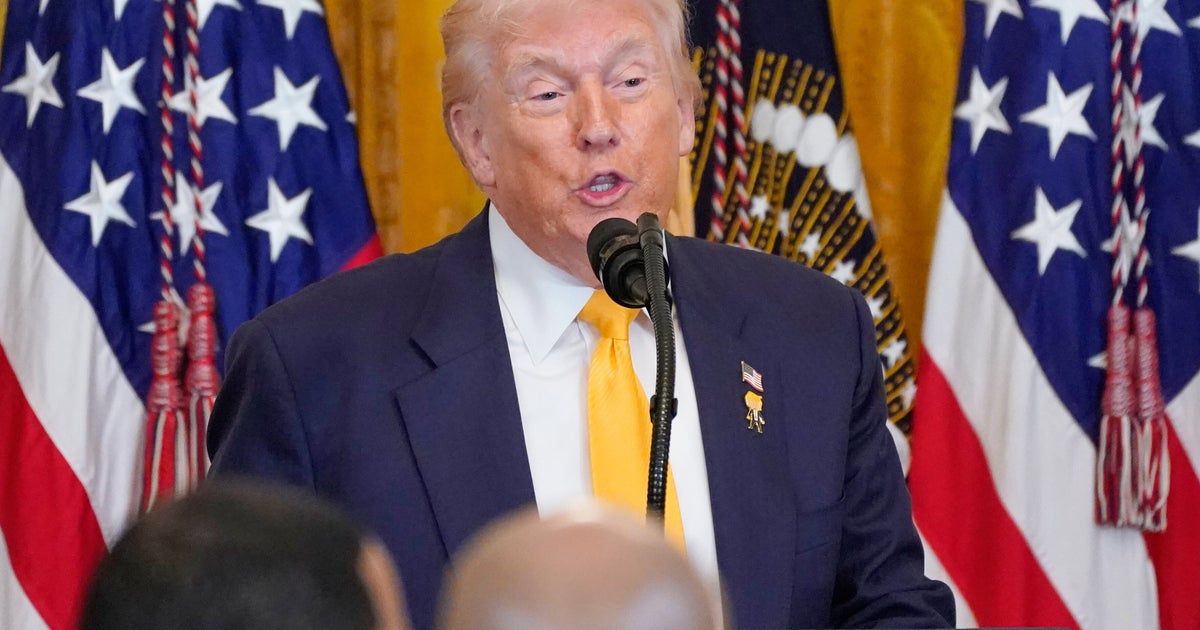
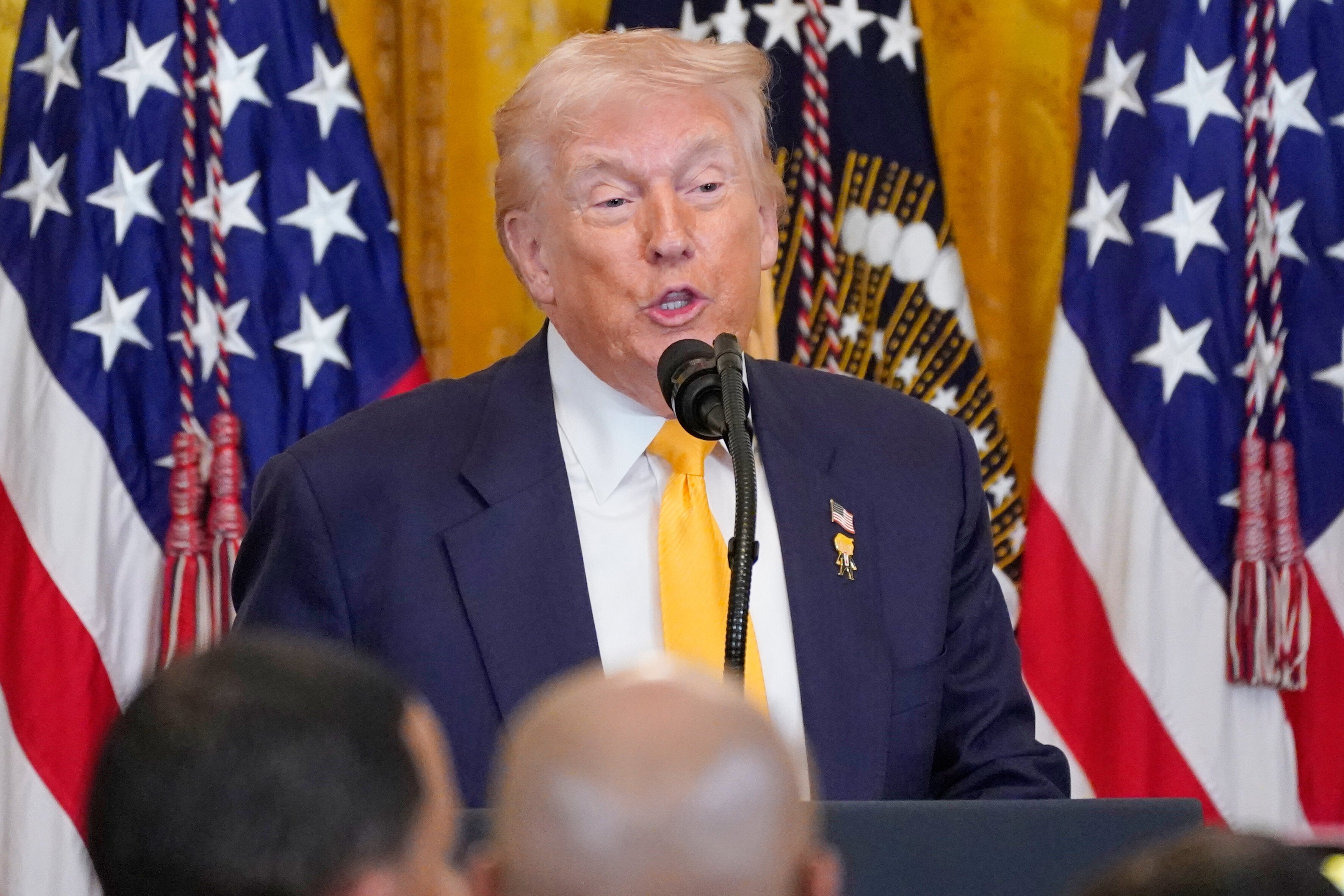
Top US Diplomat Marco Rubio Seems Exasperated At Calls For Further Russia Sanctions

Marco Rubio has suggested the US does not have many other ways to sanction Russia after slapping penalties on two major oil giants in October.

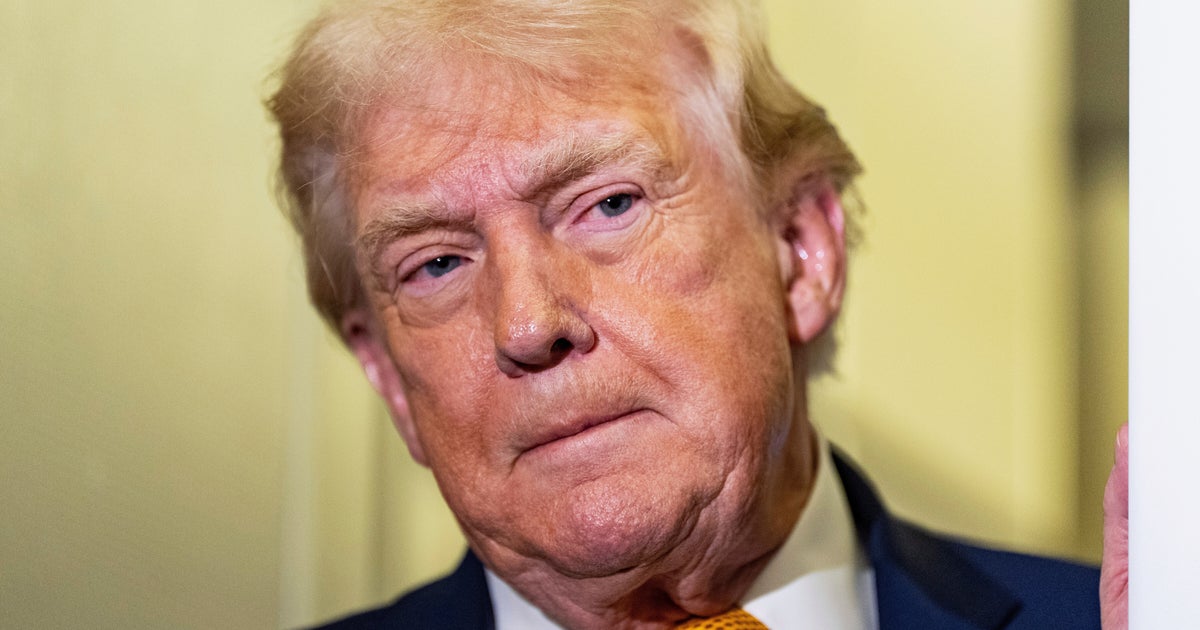
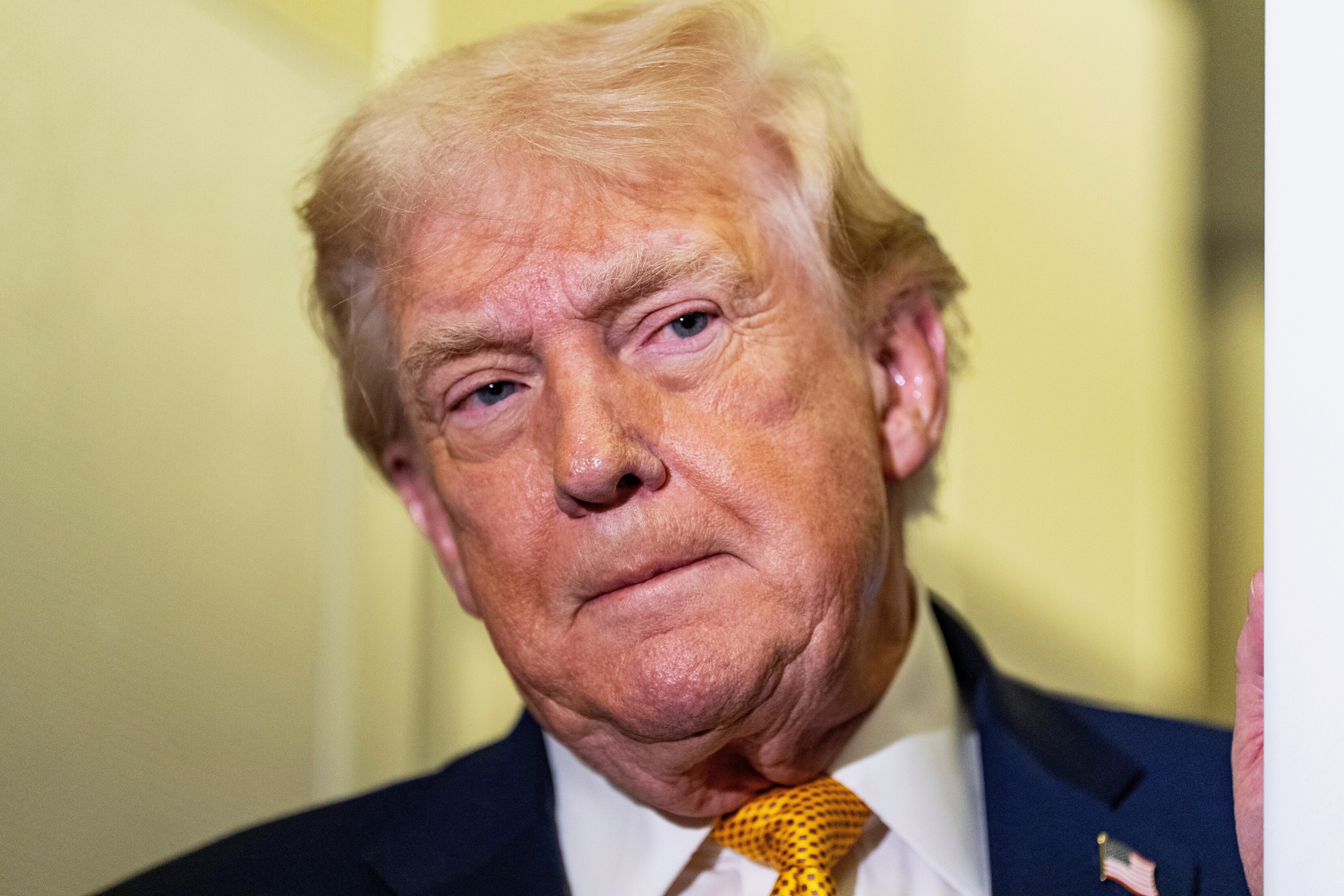
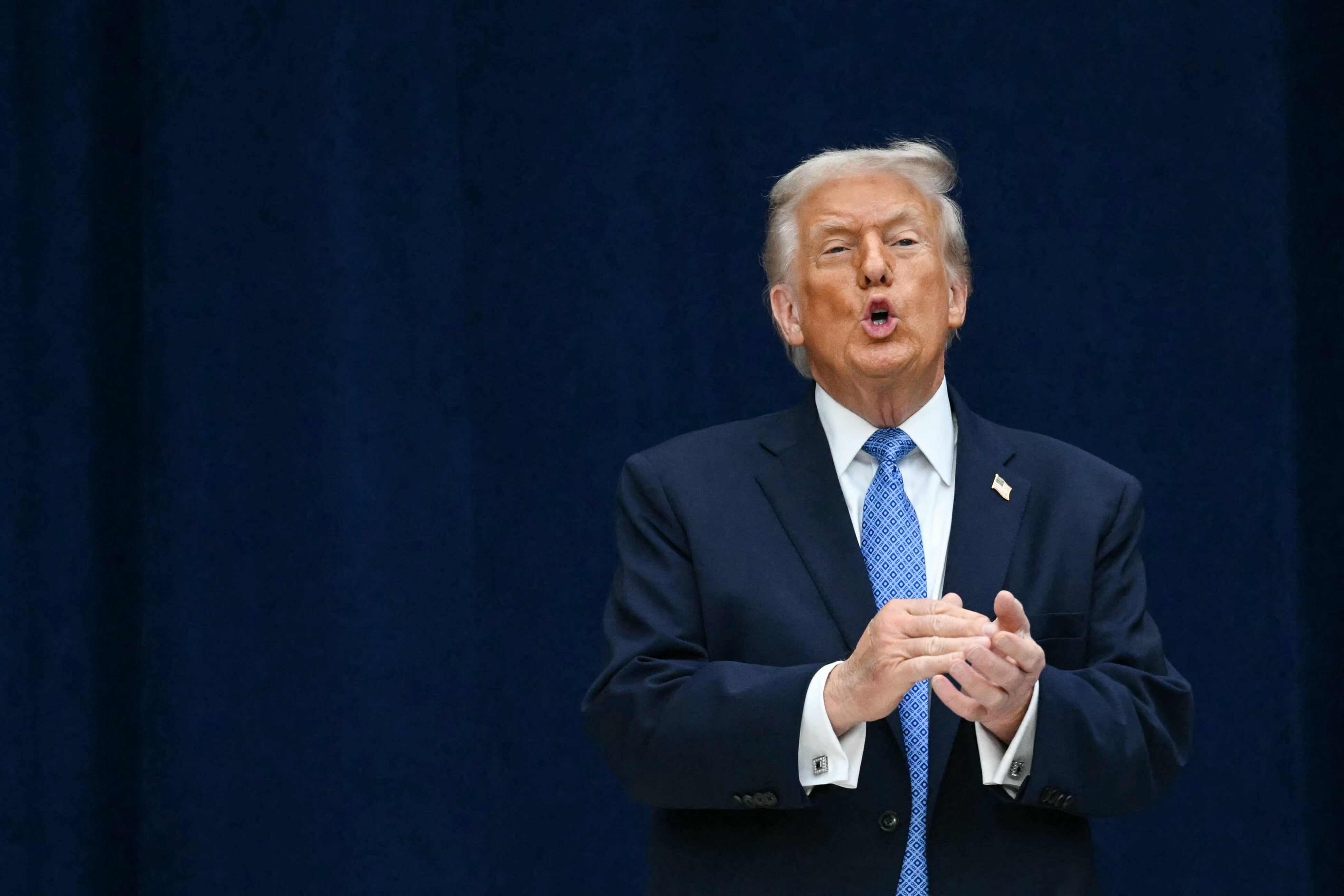
Donald Trump’s most senior diplomat suggested he has been facing pressure from his counterparts to pile on the punishments for Russia over its invasion of Ukraine.

But he dashed any hopes of further sanctions when, just before a meeting of G7 foreign ministers on Thursday, he said: “Well, there’s not a lot left to sanction from our part, I mean, we hit their major oil companies, which is what everybody’s been asking for.”

The States did sanction Rosneft and Lukoil and their subsidiaries last month in the hope of damaging Russia’s war machine.

Exporting fossil fuels is the main way Russia funds its costly invasion of Ukraine, so western leaders have been trying to reduce its customer base.

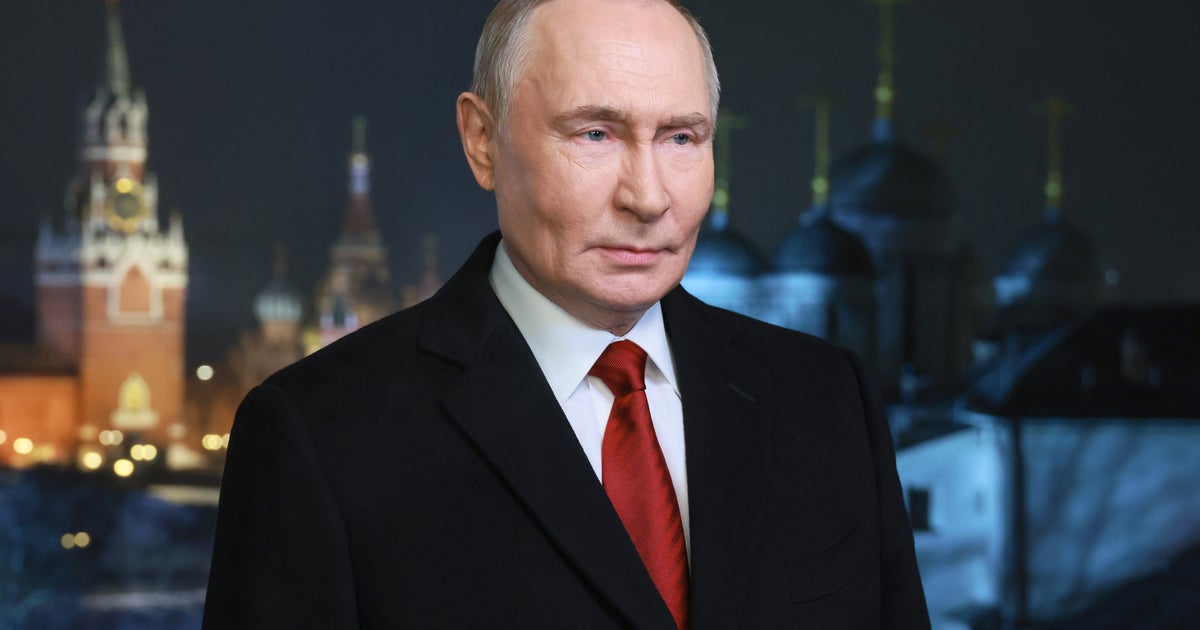
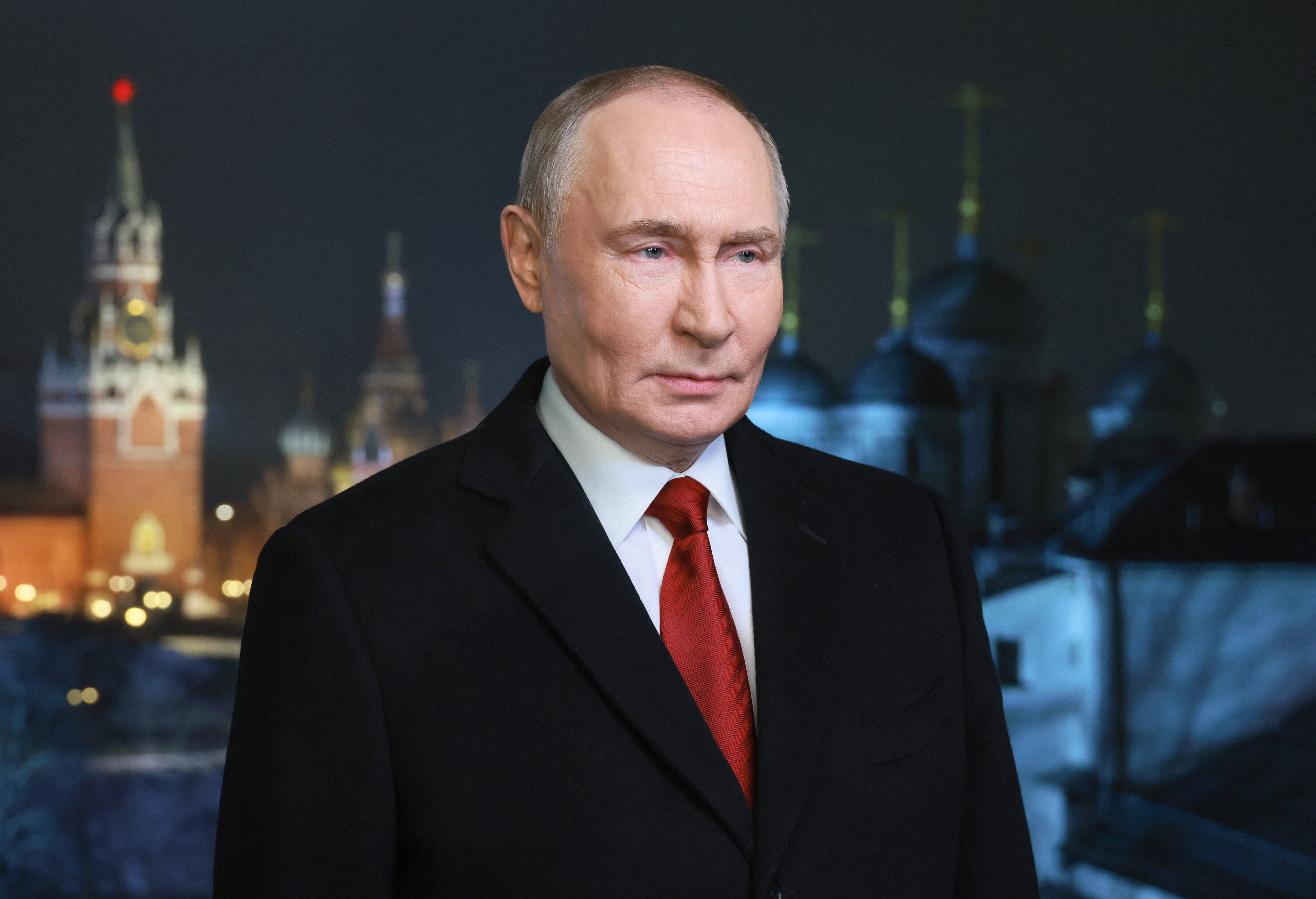
Ukraine’s allies hope this will eventually force Vladimir Putin to the negotiating table after almost four years of war.

The EU has unveiled at least 19 packages of sanctions meant to hit the economy in that time while the UK has sanctioned nearly 500 shadow fleet vessels and almost 2,000 individuals linked to Russia.

It was an additional victory for Kyiv when Trump’s administration finally gave up on trying to befriend Russia and instead announced the sanctions last month.

The penalties come into full force on November 21, but many nations are still reliant on Russia’s cheap exports.

Several countries are already considering asking the US for exemptions – and Hungary has already secured one.

Even so, Rubio said: “Sanctions have to be enforced, so you know we don’t put sanctions and then not enforce them. We’re interested in enforcing them as well.”

He said that might include pursuing the Russian shadow fleet, where ships illegally carry oil around the world, more intently.

“Shadow fleet has come up because I do think there are things that the Europeans can do on shadow fleet since a lot of these are happening in areas much closer to them,” Rubio said.

However, Ukraine is insistent that there are plenty more ways for the US to punish Russia.

Sanctions envoy Vladslav Vlasiuk said: “Regarding Rubio’s statement, about exhausting sanctions options… there are absolutely more objective options out there. More oil majors, banks and fleet/infrastructure. And components and defence. And payments. And the Arctic.”

He added in a social media post: ”We continue to work with American partners and with the G7, and with others. There will be more sanctions.”

Russia has just shrugged off the sanctions so far, insisting it will never bow to American pressure.

Putin told Russian reporters last month: “No self-respecting country ever does anything under pressure.”

However, he admitted that new sanctions might cause “some losses”, before sneaking in a threat to Trump, saying the US president should “think about who his administration is really working for”.

There have been some claims – including from Trump himself – that one of Russia’s largest customers, India, might stop buying as much oil in the wake of Trump’s tariffs on the country.

Share Button

Trump Vs The World? All The Recent Times Trump Has Tried To Sue The Media

Donald Trump has just gone to war with the BBC – but it’s far from the first time he has attacked the media.

Lawyers for the US president have threatened to sue the corporation for $1 billion, following accusations that an episode from the BBC’s Panorama “doctored” footage of a speech Trump made to his supporters before the Capitol riots on January 6, 2020.

Two BBC executives had already resigned amid claims of “bias” even before Trump issued his legal threat.

But the president’s lawyers still want the BBC to apologise, issue a retraction and “appropriately compensate” Trump – and they’ve given the corporation until Friday to respond.

While questions remain over just how successful his legal bid may be, the president is known for his litigious attitude towards the media – and has launched several other legal challenges to various outlets…

1. The Chicago Tribune

Trump sought $500m from the Chicago Tribune way back in 1984, long before he got close to the White House.

He claimed an architecture critic for the newspaper had “virtually torpedoed” his plans to build a 150-story skyscraper in Manhattan.

But the case was dismissed as the judge decided the column in question was protected by the First Amendment (right to free speech and free press).

2. CNN

Trump sought $475m in damages from CNN back in October 2022, accusing the outlet of trying to sabotage his political prospects.

He pointed to five examples of articles or aired comments that referred to Trump’s claims of election fraud as his “big lie” – a comment which has been associated with the Nazi regime.

But the case was thrown out because “no reasonable viewer could (or should) plausibly make that reference”.

3. Disney

Trump sued after comments made by an ABC anchor George Stephanopoulos, in March 2024, who falsely claimed the president had been found “liable for rape”.

ABC, which is owned by Disney, ended up paying out $15 million in a defamation lawsuit – choosing to settle rather than fight.

4. Paramount

Trump filed a case in Texas in October last year against the parent company of CBS News, Paramount.

He claimed the company had violated consumer protection laws by editing a 60 Minutes interview with Kamala Harris in a misleading way.

While Paramount was expected to win any legal battle – because Trump’s claim.was under an unrelated statute and Trump was evidently not harmed by the segment after winning the election – the company still paid him $16 million.

Paramount also wanted the White House’s approval of a merge with Skydance Media, and so needed the president on side.

5. The Wall Street Journal

In July this year, the Wall Street Journal published an article stating Trump had written a sexually suggestive birthday letter to convicted sex offender Jeffrey Epstein back in 2003.

The following day, Trump sued the reporters who wrote the article, as well as the newspaper, its publishing company Dow Jones & Company, its owner – and the parent company’s chief, Rupert Murdoch.

He claimed the letter was “fake”and meant to harm his reputation.

Dow Jones said it stands by its reporting and will challenge the lawsuit.

6. New York Times

The president tried to start a $15bn defamation lawsuit against the New York Times in September, claiming it had been “allowed to freely lie, smear and defame me for far too long”.

However, a judge struck down that claim due to issue with its contents, giving Trump’s team 28 days to file a new complaint.

He filed a new complaint in October, targeting individual reporters and a book publisher.

7. Jimmy Kimmel

The late-night talk show host – owned by ABC – was sacked from his show in September after making controversial comments on the assassination of pro-Trump campaigner Charlie Kirk.

The news was welcomed by Trump – but Kimmel was soon rehired following intense backlash, and insisted it was “never my intention to make light of the murder of a young man”.

But he also claimed Trump had “tried his best to cancel me” – only for Kimmel’s show ratings to go through the roof after his return.

Trump said Kimmel’s return would escalate his legal battle with the comedian and his network.

He said that this issue could be “even more lucrative” than his last £15m pay-out from ABC.

Will the BBC have to settle?

The BBC is not part of a wider corporation like many of the organisations mentioned above which often have deep pockets.

It is independent and publicly-funded instead, with its licence free model up for review in 2027 – and this incident will add to wider calls for major reform within the BBC.

Yet legal experts have also questioned just how successful this legal bid will be, considering it’s been more than a year since the original Panorama episode aired.

Others have questioned whether Trump will realistically be able to argue that the BBC did damage his reputation, considering he has already been under scrutiny by congressional hearings, global coverage of January 6 and ongoing civil lawsuits in Washington.

He also still won the presidential election last year, after the programme had aired.

Share Button

Nancy Pelosi Announces Retirement From Congress

WASHINGTON — Representative Nancy Pelosi (Democrat, California) announced on Thursday that she won’t run for reelection in 2026, marking the end of her decades-long run in the House and capping off her legacy as one of the Democratic Party’s most powerful and effective leaders.

“I have truly loved serving as your voice in Congress,” Pelosi said in a six-minute video that showcases her tenure and her city’s history.

“That is why I want you, my fellow San Franciscans, to be the first to know. I will not be seeking reelection to Congress,” she says. “With a grateful heart, I look forward to my final year of service as your proud representative.”

Pelosi, 85, has represented her progressive San Francisco district since 1987. First coming to the Congress to tackle the AIDS crisis devastating her community, she rose through the ranks of her party to make history, again and again. She was the first woman elected House minority whip in 2001, the first woman elected House minority leader in 2002, and, most notably, the first woman to become House speaker in 2007, and again in 2019.

As party leader, Pelosi kept a tight grip on her colleagues for decades. She was known for her mastery of vote-counting and legislative strategy, and her ability to bring wavering Democrats on board with her plans by hauling them into private meetings, plying them with pieces of dark chocolate and cutting a deal before they walked out the door.

Pelosi has been a boon to Democratic fundraising for decades. In 2014, for example, one news outlet suggested she was single-handedly keeping House Democrats afloat that year.

Her legacy as speaker includes her strong opposition to the Iraq War during President George W. Bush’s tenure and her pivotal role in passing landmark legislation under President Barack Obama. She was key to some of his greatest successes, including the Affordable Care Act, the Dodd-Frank Wall Street reform bill, the repeal of the military’s “don’t ask, don’t tell” policy, and the American Recovery and Reinvestment Act, which infused $841 billion into the economy to stave off pain from the 2007-09 recession.

During President Donald Trump’s first term, Pelosi was his most formidable adversary. She routinely called him out for his lies and recklessness, and threw up barriers to his many efforts that Democrats opposed. Trump was no fan of hers, often calling “sick” or “crazy,” but even he praised her political savvy when Democrats retook the House in 2018, saying she deserved “a lot of credit.”

Pelosi weathered numerous intra-party scuffles as leader. She angered progressives in 2019 by refusing to support impeachment proceedings against Trump, though she later agreed to hold hearings and Trump went on to be impeached later that year. She also upset some Democrats last year by not-so-subtly signalling that then-President Joe Biden should drop his bid for reelection after his disastrous debate performance against Trump in June.

The California Democrat had been fueling speculation about her future for weeks. She said last month that she’d be making an announcement on whether she was running again, but only after the November 4 elections. She was waiting to see the outcome of a California ballot initiative she strongly supported: Proposition 50, a statewide redistricting measure that Democrats are pushing as a counter to gerrymandering in Republican-led states. It passed.

There’s not an obvious successor for Pelosi’s House seat. Democrats currently running for this seat include California state Senator Scott Wiener and Saikat Chakrabarti, a former tech executive who was also former chief of staff to Rep. Alexandria Ocasio-Cortez (Democrat, New York).

Share Button

What Can Zohran Mamdani Do?

With a couple of days of early voting to go before Election Day in New York City, Democratic mayoral nominee Zohran Mamdani has maintained a significant lead in the polls over his main competitor, former Governor Andrew Cuomo, months after Mamdani’s generational upset over Cuomo in the Democratic primary.

To hear the candidate tell it, that advantage is thanks to one thing: Mamdani’s policy platform, which is laser-focused on making the city affordable for working people.

The three-term state assemblyman and democratic socialist has a stacked to-do list that includes freezing the rent on one million apartments, making buses fast and free, establishing universal child care, creating a network of five city-owned grocery stores, and spending billions of dollars to build rent-stabilized housing.

“He’s focused on affordability, and he probably has one of the most expansive services agendas that we’ve seen in decades,” said Andrew Rein, president of the Citizens Budget Commission, a nonprofit think tank.

Mamdani knows it’s an ambitious list.

“The job of city government isn’t to tinker around the edges,” he said in a campaign video about the city-owned grocery store proposal. (Mamdani’s campaign did not respond to HuffPost’s request for comment for this story.)

Big Apple political observers agree with Mamdani that his massive policy platform distinguishes him as a candidate. But big ideas require significant amounts of money, political capital or both.

“There are very real structural, budgetary and legal limits on what the city’s chief executive can accomplish without the cooperation and support of other branches of city or state government,” wrote Carl Weisbrod, who co-chaired former Mayor Bill de Blasio’s transition team and then led the city’s planning commission.

Should Mamdani win on Tuesday, he’ll face a balancing act.

“It would be unreasonable for any mayor to think they’re going to deliver right away on every promise,” Rein said. “He’s got to make those smart choices, and in his case, they should be bold choices, because he wants to deliver progress on his agenda. But he has to be able to do that while balancing the budget, preparing for federal cuts, and protecting critical services for needy New Yorkers and quality of life for all New Yorkers.”

Despite some scepticism, Mamdani’s ideas don’t break any laws – or, arguably, any laws of political gravity. Getting them done is a matter of political will and deft maneuvering.

He would most likely be able to ‘freeze the rent’ for millions of New Yorkers

Mamdani’s big-ticket campaign item — the one that leads his website and is featured in TV ads — is “freezing the rent” for millions of city residents.

He’s talking about what are known as “rent-stabilised” apartments, for which a government board determines landlords’ maximum possible annual rent increases. There are around 1 million such units in the city, constituting almost half of all rental units and housing over 2 million people. (This reporter lives in a rent-stabilized apartment.)

Yearly rent increase maximums in rent-stabilized units are determined by the Rent Guidelines Board. The board makes rent increase (or lack thereof) decisions in June, affecting rents starting in October. The mayor appoints members of that board, who serve anywhere from two- to four-year terms, depending on their role. Mamdani has said that he would only appoint board members “who understand that landlords are doing just fine.” The rent has been frozen three times in the past six decades, all during de Blasio’s tenure.

Asked in one recent interview for a priority for his first 100 days in office, Mamdani didn’t hesitate.

“The first thing is putting together my Rent Guidelines Board,” he told FOX 5 New York last week. “This is a key part, because for New Yorkers, the number one crisis of affordability is that of housing. They feel it every single day.” (A second priority, he said, “is actually to make government work again.”)

There are some caveats, though.

Six out of nine members of the current board are serving on terms that have already technically expired. Incumbent Mayor Eric Adams, who’s endorsed Cuomo, has the power to replace them in the final days of his term and has hinted he might do just that. However, board rules concerning outgoing mayors would mean that only four new board members “would actually continue on through the first year of a Mamdani administration,” as HellGate reports.

It’s also possible that certain Adams appointees could ultimately be convinced to support a rent freeze — and one of them, Alexander Armlovitch, told HellGate he would consider it in certain circumstances. Mamdani could also ask certain members to resign or move to dismiss them. But at that point, we’d be in uncharted waters, and the move might lead to a court battle.

“My understanding as a policy person is that he has very broad authority over who he names to the Rent Guidelines Board. That’s always been true of every mayor,” said Jessica Katz, who has served in three mayoral administrations, including as Adams’ housing chief in 2022 and 2023.

So, long story short, for nearly one-third of the city populace, Mamdani would likely be able to freeze the rent, though he may encounter some delay.

He would accomplish his major priorities with help from allies – including the governor

For several key priorities, Mamdani would need the help of the city council, the governor, the state Legislature or some combination of that group.

Universal no-cost child care for children between 6 weeks to 5 years old would cost somewhere around $6 billion, the campaign estimates, though other estimates are higher. Making buses free would essentially entail the city paying riders’ fares, which Mamdani has said would amount to somewhere around $700 million. Establishing a city-owned grocery store in each borough — which Mamdani has described as “like a public option for produce” — would add some $60 million to the bill, The New York Times estimated this summer.

Some ideas — like city-owned grocery stores and, potentially, fare-free buses — could be included in the city’s budget, which since 2022 has run over $100 billion annually and most recently topped $115 billion. Universal child care would likely require more than the city currently has to spare.

Mamdani says he can raise $10 billion through a mix of a 2% income tax on residents making more than $1 million per year, which the campaign says would raise $4 billion; raising the top state corporate tax rate to 11.5%, up from 7.25%, said to raise $5 billion; and a mix of procurement reform and collecting unpaid fines and taxes, which the campaign says would net nearly $1 billion.

He wouldn’t get everything done quickly, and certainly not in his first budget, which he’d have to propose within weeks of taking office.

And the big moneymakers — the income and corporate taxes — would need state approval. Mamdani has endorsements from all of the state’s major Democrats, signaling the tax hikes could ultimately make it through the Legislature. But Gov. Kathy Hochul has said she is “not raising taxes at a time when affordability is the big issue,” and her spokesperson recently reiterated that she is “not open to raising income taxes.”

But Hochul is up for reelection in 2026. And committing to new taxes or some other form of funding for New York City — particularly to pay for a popular policy like universal child care — could be the price she pays for Mamdani and his supporters’ backing for another term. During a recent rally in Queens for Mamdani’s campaign, where Sen. Bernie Sanders (I-Vt.) and Rep. Alexandria Ocasio-Cortez (D-N.Y.) also spoke, the governor’s brief remarks were interrupted with roaring chants of “Tax the rich!” as the Democratic leaders of the state Assembly and Senate stood behind her, grinning awkwardly.

“I can hear you,” the governor eventually relented. (“I couldn’t hear what they were chanting,” Hochul deadpanned to reporters later. “I thought they were saying, ‘Let’s go Bills.’”)

Mamdani wouldn’t only need Hochul’s help for tax revenue, though. In order to construct 200,000 “permanently affordable, union-built, rent-stabilized homes” over the next 10 years, the candidate proposes spending $100 billion, adding $70 billion in municipal debt over the next decade to the $30 billion the city was already planning on incurring. In order to do that, he’d need to raise the city’s debt limit, which would require approval from the Legislature and governor.

Other agenda items wouldn’t require state approval. Mamdani has pitched making city buses both free and fast, for example, and the latter item is securely in the mayor’s wheelhouse. Namely, he has campaigned on carrying out street redesign projects across the city, an area where Adams has long fallen short. “It doesn’t cost much, you don’t need Albany, all the tools are in the power of City Hall,” Mamdani pitched voters in one ad.

There are more Mamdani proposals than we’ve explored here. For example, he wants to establish a Department of Community Safety to augment the police department and “prioritize prevention-first, community-based solutions, which have been consistently shown to better improve safety.” He wants to raise the city’s minimum wage to $30 by 2030 — another area requiring state approval — and he would seek to incentivize residential housing development by reforming “our disjointed planning and zoning processes” through things like eliminating parking minimums. The list is lengthy and includes ideas big and small.

But the would-be mayor has a significant asset: political will. He’s well-liked among New Yorkers, unlike his competitors. And with enough popular support and dealmaking skill, there’s a real path toward achieving his agenda, should he be elected.

“One of the stranger opinions I have, given the context of this mayoral race and the increasingly unhinged attacks launched from the Andrew Cuomo camp, is that Mamdani’s actual campaign platform is relatively modest,” the writer and journalist (and, briefly, Mamdani’s former boss) Ross Barkan observed recently.

“The core planks do not stretch the political imagination all that much if you know anything about the recent history of the city.”

He would have to take on Trump while leading a massive bureaucracy

Donald Trump has hovered over the race. Should Mamdani win the mayor’s office, the president has threatened to “take over” the city — presumably with some combination of federal agents and military force — and cut its federal funding.

Trump has already approved cuts that will affect New Yorkers — namely, Republicans’ “big, beautiful bill” machete job, which slashed SNAP benefits and Medicaid to pay for massive tax cuts, largely for the rich, and lots of new spending on federal law enforcement and detention.

The law “will cost the state of New York over $15 billion per year, kick 1.5 million New Yorkers off their health insurance, eliminate benefits for up to 1 million food stamp recipients, cause the loss of over 200,000 jobs, and threaten nearly half of all hospitals throughout the state with financial collapse,” the Fiscal Policy Institute said upon the bill’s passage this summer.

On top of that, Trump could attack funding for the New York City Housing Authority, which would set back Mamdani’s plans to “double the city’s capital investment in major renovations of NYCHA housing.”

“I think the major threat is Donald Trump,” Mamdani said during an appearance on the HellGate podcast last week, when asked what he’d be up against as mayor. He noted Trump’s recent efforts to withhold $18 billion in federal funding for New York City-area infrastructure projects and the president’s attempt to create a mass deportation force.

“We have to approach this job with the expectation that crisis will be a regular part of life in dealing with Donald Trump, and that we simultaneously have to move the ball forward on medium- and long-term initiatives,” he said. “It cannot be that every hour of every day is just spent in a defensive posture to Donald Trump, because part of the reason we got Donald Trump is that we didn’t have an affirmative vision of what life would look like beyond Donald Trump.”

Katz, the veteran of city government, said Mamdani’s team could make or break his potential tenure. The mayor leads an enormous bureaucracy, and the city’s workforce hovers around 300,000, comparable to the overall population of Saint Paul, Minnesota, or Pittsburgh, Pennsylvania.

For every major policy, there are dozens of commitments and decisions the mayor and the mayor’s appointees must make.

“Government insiders are looking to see the names of who he appoints,” Katz said. “There’s 300,000 city employees and 8 million New Yorkers. He’s going to be running an operation at a scale which requires an amount of oversight and delegation that is a very gentle balance. So picking the right people, and letting them do their job, is going to be the number one thing that everyone’s looking for who’s been in these kind of positions before.”

And even with a great team in place, the city will have plenty of curveballs in store for the next mayor.

In a recent profile of Mamdani, an unnamed city hall veteran told The New Yorker that a mayor’s waking hours are filled with bad choices.

“You’re constantly making bad decisions that you know are bad decisions,” the person said. “You’re presented with two bad options, and you’ve got to pick one, and that’s your day.”

Share Button

Trump Dodges Sensitive Question In Front Of Chinese President

US President Donald Trump didn’t answer a reporter’s question Thursday about the US resuming nuclear testing, and perhaps it had to do with the company he was keeping. (Watch the video below.)

But given that Trump had just announced on X before the meeting that the US would restart nuclear weapons testing for the first time in 33 years, claiming in part it was because of China’s testing, the subject came up.

“Mr. President, why did you change your nuclear plans?” a reporter asked. “Why are you gonna be doing more nuclear testing?”

Trump replied, “Thank you very much, everybody. Appreciate it.”

Trump’s nuke declaration was likely timed as a message to Xi before their conference, so perhaps the president figured he had already made his point without fielding the question.

On Air Force One later, Trump elaborated on the country’s motives.

“With others doing testing, I think it’s appropriate that we do also,” Trump said, noting that the test sites would be decided later.

Share Button

Tensions Between US And Russia Deepen As Trump’s Treasury Secretary Hits Out At ‘Propagandist’ Envoy

Donald Trump’s Treasury secretary Scott Bessent hit out at the Kremlin after a Russian envoy tried to dismiss the impact of the US’s new sanctions on Moscow.

The White House implemented fresh sanctions against Russia for the first time last week, punishing its oil companies in the hope of pushing Vladimir Putin to end his war in Ukraine.

In a move much welcomed by his European allies who have also increased economic pressure on Moscow, Trump froze all US-based assets of Russia’s two largest oil firms – Rosneft and Lukoil.

The US also made it possible for secondary penalties on foreign institutions which could conduct transactions with entities on the blacklist.

It was a surprising move from the US president, considering he has often expressed sympathy for the Russian invasion of Ukraine even while calling for peace in the region.

US plans for a high-level summit with Putin in Budapest also broke down recently, and Trump has insisted he would not meet with Putin unless there was a clear plan for peace.

But Kremlin envoy Kirill Dmitriev – who plays a key part in the diplomacy between Moscow and Washington – told the US media that the new sanctions would not have much of an effect.

The head of the Russian Direct Investment Funds insisted: “No pressure works on Russia.”

So Bessent furiously hit back in an interview with CBS News on Sunday, saying: “Are you really going to publish what a Russian propagandist says?

“I mean, what else is he going to say?

“The Russian economy is a wartime economy. Growth is virtually zero.”

Bessent claimed the US can make a “substantial debt” in Putin’s profits and therefore impact his war machine.

When the new penalties were first announced last week, the Russian president described them as an “unfriendly act” – and said Moscow would not give in to economic pressure.

Russia continued to launch fresh missile and drone attacks across Ukraine over the weekend, too.

Putin claimed to have sucessfully tested a new nuclear-powered cruise missile on Sunday, too.

Meanwhile, news agency Reuters has recently reported that the Trump administration is already thinking about further sanctions unless Putin engages with peace talks.

The US president said Putin should focus on ending the war in Ukraine instead of testing a new nuclear-powered missile.

He said: “They know we have a nuclear submarine, the greatest in the world, right off their shores, so I mean, it doesn’t have to go 8,000 miles.”

Trump added: “I don’t think it’s an appropriate thing for Putin to be saying, either, by the way: You ought to get the war ended, the war that should have taken one week is now in … its fourth year, that’s what you ought to do instead of testing missiles.”

Share Button

Putin Hits Back At Trump’s New Criticisms Of Russia With A Classic Playground Insult

Vladimir Putin seems to have resorted to childish tactics to hit back at Donald Trump after the US president turned on Russia last week.

Until recently, Trump tried repeatedly to force Moscow to end its war in Ukraine through flattery, even offering up a peace deal on Putin’s terms – and suggesting Ukraine should give up its sovereign land.

But, after months of failed attempts at negotiations, Trump blasted Russia and unexpectedly claimed Ukraine could win the conflict instead.

The US president even called Russia a “paper tiger” – a seemingly powerful entity who is actually ineffective – last week.

Now Putin has responded by simply turning the insult back on Nato, and insisting the defence alliance is the real “paper tiger.”

Speaking on Thursday, he said: “A paper tiger. What follows then? Go and deal with this paper tiger.

“Well, if we are fighting with the entire Nato bloc, we are moving, advancing, and we feel confident, and we are a ‘paper tiger’, then what is Nato itself?”

According to Reuters news agency, he insisted his forces were advancing along the entire warfront in Ukraine – and alleged that almost all of the US-led Nato alliance was now fighting against Moscow.

He also issued a stern warning to the US over the possibility that Trump might give Tomahawk cruise missiles to Ukraine, something the White House is yet to confirm.

Putin claimed: “It is impossible to use Tomahawks without the direct participation of American military personnel.

“This will mean a completely new, qualitatively new stage of escalation, including in relations between Russia and the United States.”

But Putin had a flippant response to European claims he had launched drone incursions over Poland and fighter jets over Estonia.

He said: “I won’t do it anymore – to France, Denmark, Copenhagen, Lisbon – wherever they could reach.”

He claimed the most recent accusations that Russian drones had flown over Denmark were parts of Nato efforts to “inflame tensions to boost defence spending”.

Europe is taking these provocations much more seriously, though.

Polish prime minister Donald Tusk said “this is war” on Thursday, and called on Nato to abandon “illusions” and confront a “new type of war”.

The EU has also launched a drone wall initiative to boost its eastern flanks amid fears Putin is testing the bloc’s defences.

But Putin still insisted alleged plans of Russia trying to attack a Nato member were “impossible to believe” on Thursday.

“I just want to say: cool down, sleep calmly, and take care of your own problems. Just take a look at what’s happening on the streets of European cities,” he claimed.

But – in typical Kremlin fashion – he added: “If anyone still has a desire to compete with us in the military sphere, as we say, feel free, let them try. Russia’s countermeasures will not be long in coming.

Putin often falsely portrays his Ukraine invasion as something he was forced into by Nato’s expansion eastwards, rather than the land grab the West believes it to be.

Share Button

Donald Trump Tells Reporters To ‘Fly Safely,’ Then Drops An Unsettling Confession

President Donald Trump offered well-wishes to reporters aboard Air Force One as he returned to the United States following his state visit to the United Kingdom.

But he then added a comment that critics said proved his self-centeredness.

“Thank you, everybody. Have a good flight. Fly safely,” Trump told the press pool after railing against late-night comedians who mock him, amid the uproar over ABC’s suspension of Jimmy Kimmel.

Then he added: “You know why I say that? Because I’m on the flight. Otherwise I wouldn’t care.”

Watch from the 17:30 mark here:

The quip, which Trump delivered with a grin, went viral on social media.

And while Trump’s supporters dismissed it as playful banter from the president, it immediately drew accusations of narcissism and more.

Earlier Thursday, a helicopter carrying Trump to London’s Stansted Airport made an unexpected landing after experiencing what the White House described as a “minor hydraulic issue.”

Share Button

Sadiq Khan Accuses Donald Trump Of ‘Fanning The Flames Of The Far-Right’

Sadiq Khan has reignited his feud against Donald Trump just as the Republican touched down in the UK, accusing the US president of “fanning the flames of the far-right”.

Writing in the Guardian, the London mayor said: “President Donald Trump and his coterie have perhaps done the most to fan the flames of divisive, far-right politics around the world in recent years.”

He pointed to Trump’s former adviser Elon Musk, who urged far-right protesters in London at the weekend to “fight back or die” in their supposed bid to protect free speech.

Khan said: “For far too long, our politicians and pundits have refused to condemn the rising tide of hatred in this country, instead choosing to dabble in dog-whistle politics and dangerous rhetoric themselves.”

Khan also said Trump’s habit of “scapegoating minorities, and illegally deporting US citizens, deploying the military to the streets of diverse cities” was not part of western values, but “straight out of the autocrat’s playbook”.

Khan also sent a clear message to Keir Starmer, saying: “For our leaders, silence is no longer enough.

“The time has come to stand up and say: this is not who we are.”

The London mayor did acknowledge that the UK has to maintain its special relationship with the States – but suggested Starmer makes it clear that “we reject the politics of fear and division”.

The politician also snuck in a sly reference to the record number of Americans who are making London their home since Trump’s return to the White House.

The London mayor has rowed with Trump in the past, accusing him of using xenophobia, racism and “otherness” as an electoral tactic during his first state visit back in 2019.

But this intervention will not have been welcomed by the prime minister, who has spent months carefully planning this unprecedented second state visit so as to most effectively woo Trump.

Starmer is trying desperately to keep a lid on all of the contentious issues which could cause the state visit to implode – including references to late convicted sex offender Jeffrey Epstein – but it remains to be seen how much will actually go to plan.

Share Button

Trump Ignores Protests Against His UK Presence, Insisting Britain ‘Warms My Heart’

Donald Trump apparently overlooked all the protests against his state visit to the UK when he touched down in central London last night.

The US president told reporters on Air Force One that his whistle-stop tour was going to “a beautiful event” and urged them to “enjoy yourselves, OK?”

Initially greeted by home secretary Yvette Cooper at Stansted, he and first lady Melania Trump were then whisked off to the US ambassador’s property in Regent’s Park and told broadcasters: “A lot of things here, they warm my heart.”

“Relationships are great,” he said, adding that the King has been a “friend of mine for a long time, and everybody respects him, they love him”.

But there are plenty of reasons this could turn into a rather gloomy affair, which the government – and the Royal Family – will desperately be trying to keep out of sight of the mercurial president while they woo him with pomp and ceremony.

Trump is yet to mention the sudden sacking of the UK’s ambassador to the US Peter Mandelson last week, when new details about his relationship with late convicted sex offender Jeffrey Epstein were revealed.

To make matters worse, Trump himself has been fighting off criticisms over his own friendship with Epstein from his own MAGA fanbase in recent months.

And coming to Britain is evidently not the best way for him to escape the scandal: four protesters were arrested for projecting a photo of Trump and Epstein onto the wall of Windsor Castle last night.

Climate demonstrators also interrupted a dinner for Republicans in Windsor last night, challenging Trump’s famous “drill baby drill” mentality.

Holding banners which read, “oil money kills”, and beating drums, they shouted: “How many will you kill if you drill, baby, drill?”

According to The Independent, male guests appeared to forcibly remove the protesters.

Another protest, organised by the Stop Trump Coalition, is expected to gather at 2pm today, and start a 5pm rally in Parliament Square.

Around 1,600 police officers have been deployed to keep an eye on the demonstrations.

Still, Starmer will be hoping he can distract the president with flashy shows of grandeur with this “unprecedented” state visit.

Trump will be met by the Prince and Princess of Wales on Wednesday morning in Windsor, before being welcomed to the castle by King Charles and Queen Camilla.

The Palace is also set to unveil the largest military ceremony ever organised for a state visit in living memory, with a joint RAF and US air Force flypast and a Red Arrows demonstration.

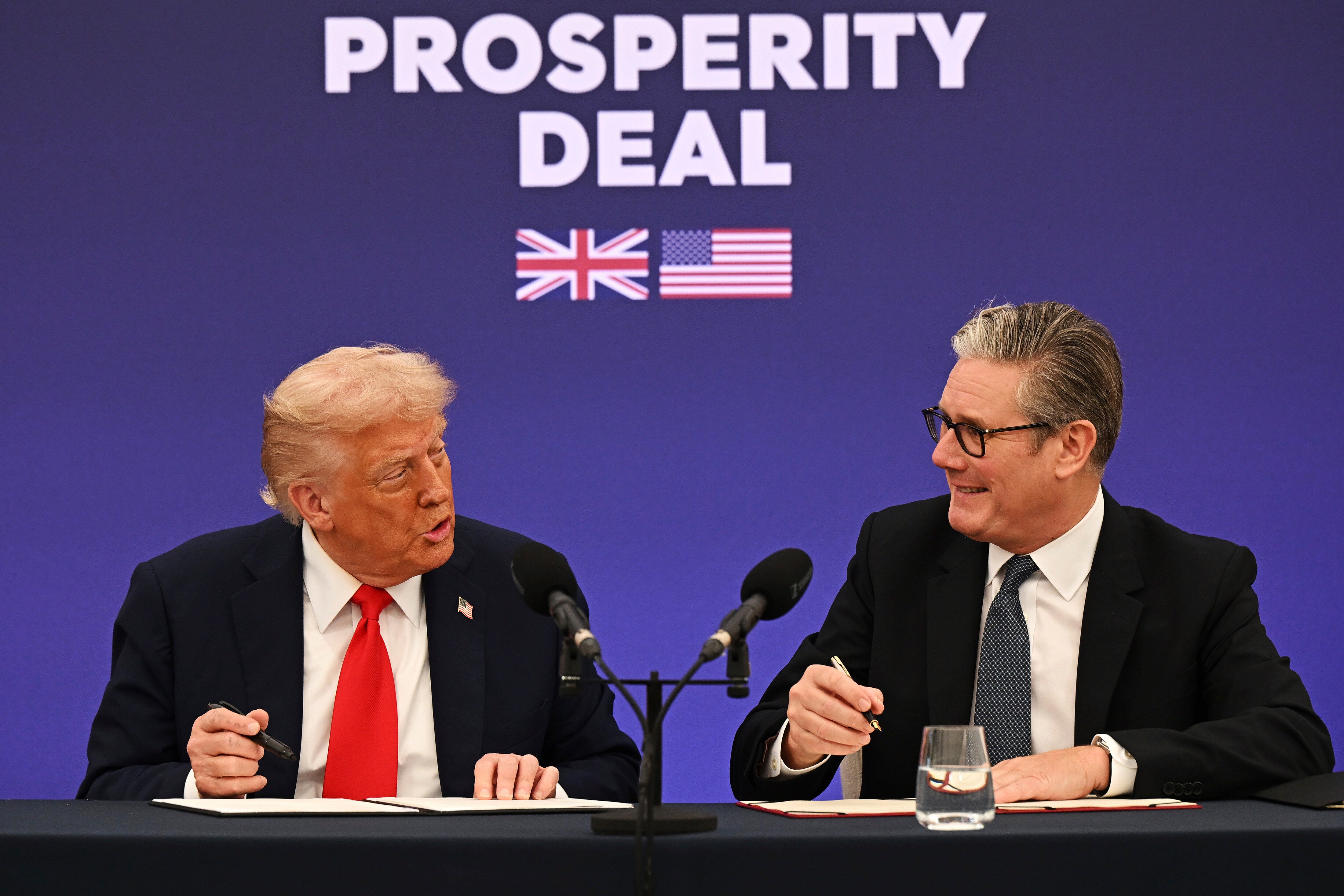
While Trump is here for a good time, Starmer will be trying to get some politics done – and the government already announced a “tech prosperity deal” last night, which will be revealed in its entirety on Thursday when the leaders meet at Chequers.

Pressure is on Starmer to reduce US tariffs on steel and aluminium, too, but that plan seems to have been put on the backburner for now.

Share Button