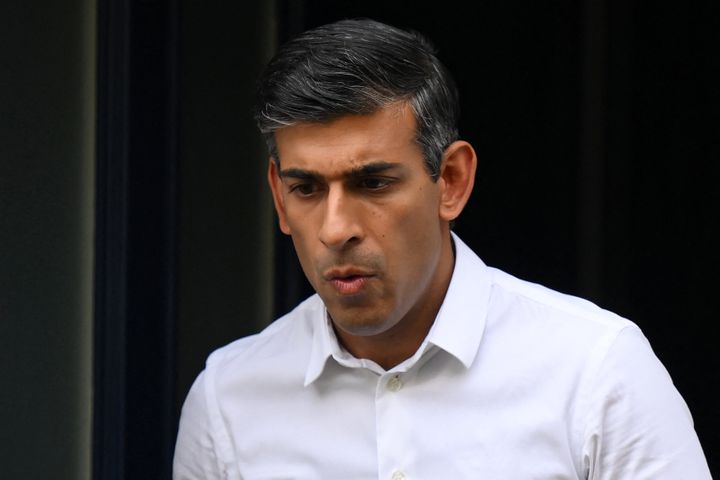
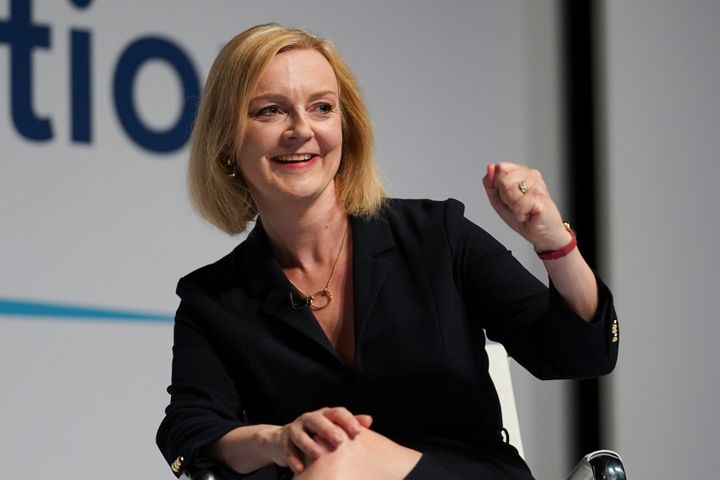
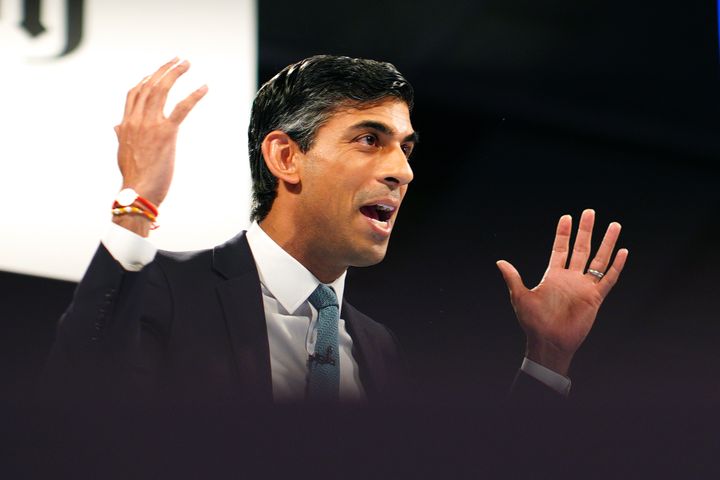
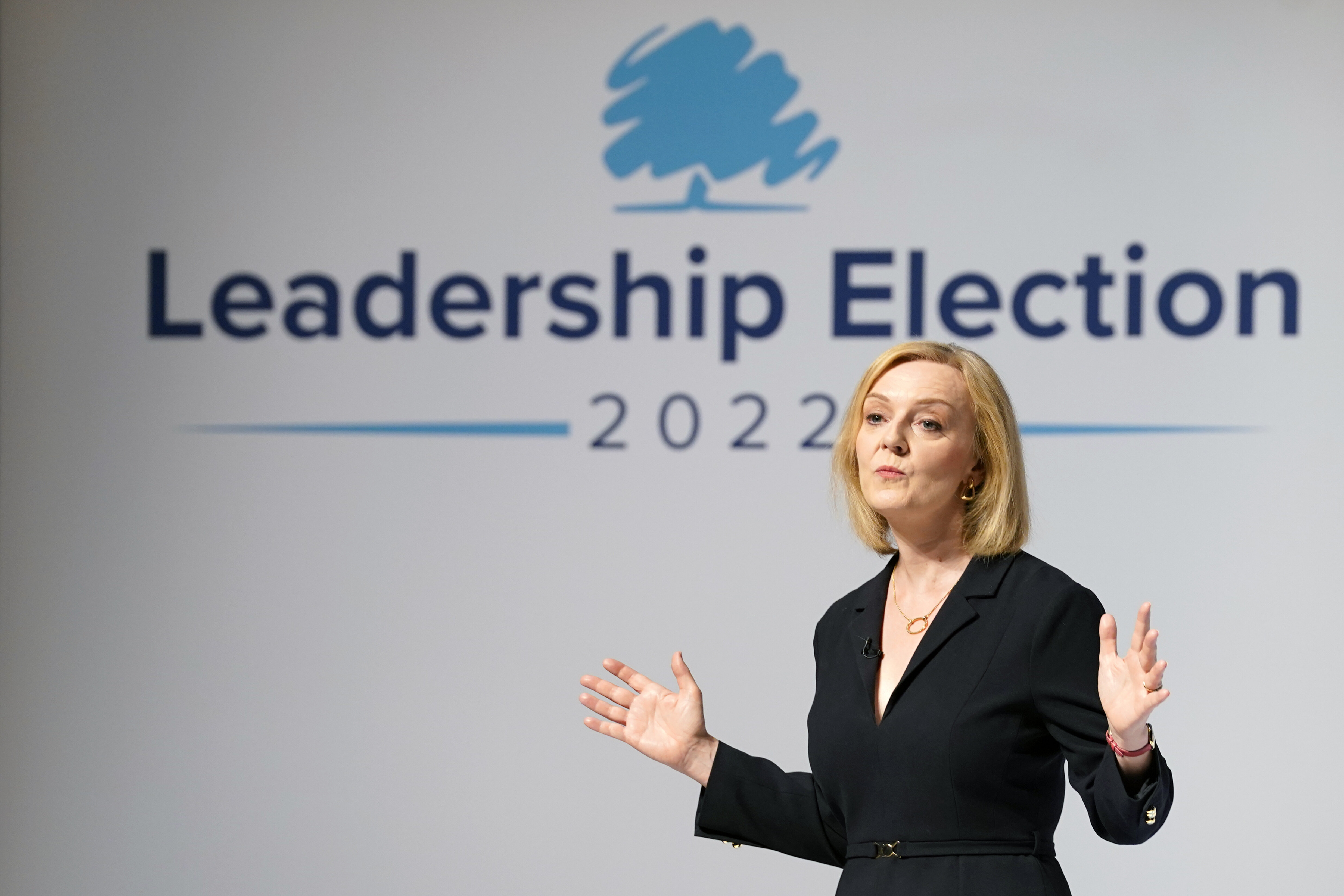
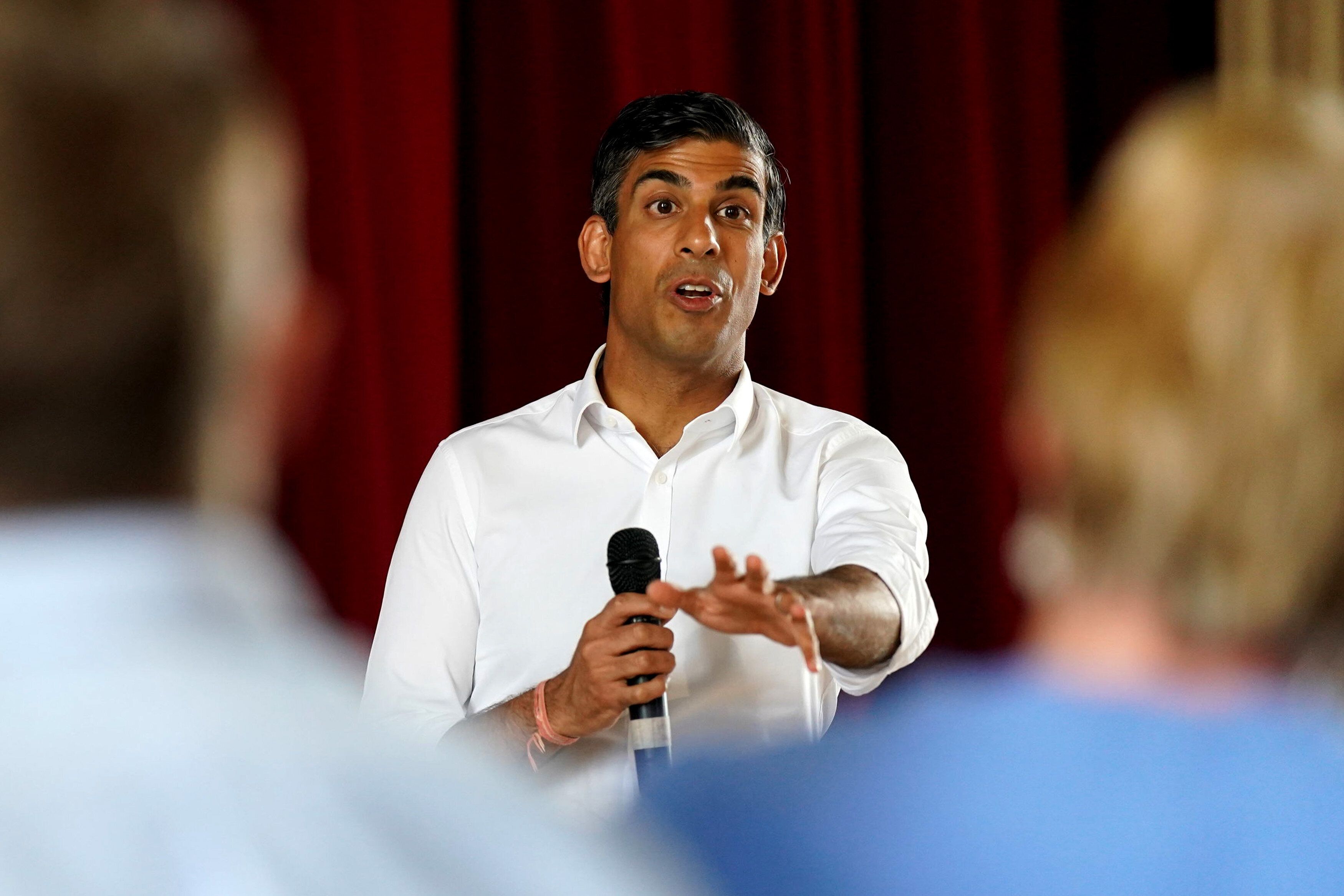
Rishi Sunak will take over from Liz Truss as prime minister on Tuesday morning, Downing Street has said.
Truss will chair her final cabinet meeting at 9am and deliver a speech outside No.10 at 10.15am.
She will then travel to Buckingham Palace to meet the King and formally resign.
Sunak will then make his way to the Palace where he will meet the King and be appointed PM.
He is due to then make a statement on the steps of No.10 at 11.35am.
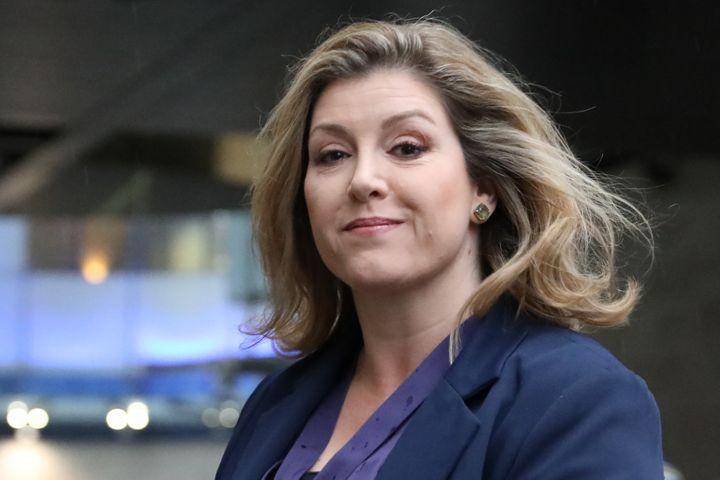
The former chancellor won the keys to Downing Street after Penny Mordaunt failed to secure the support from Tory MPs needed to make it onto the ballot.
Advertisement
Sunak told his party on Monday it must “unite or die” in the face of a “profound economic challenge”.
It marks a dramatic comeback for Sunak, who lost out to Truss in the previous contest.
Labour, the Lib Dems and the SNP has demanded the incoming prime minister hold a general election to secure a mandate to govern.
But Sunak told a meeting of Tory MPs behind closed doors in Westminster he would not go to the country early.
The Tory party’s poll ratings have tanked since Truss’ mini-Budget caused market chaos.
At 42, Sunak will be the youngest UK prime minister in over 200 years. He will also be the first Hindu PM.
Advertisement
To make it onto the ballot, Tory leadership candidates had to win the formal support of 100 MPs.
A Mordaunt campaign source said she fell just short, securing the backing of 90 MPs.
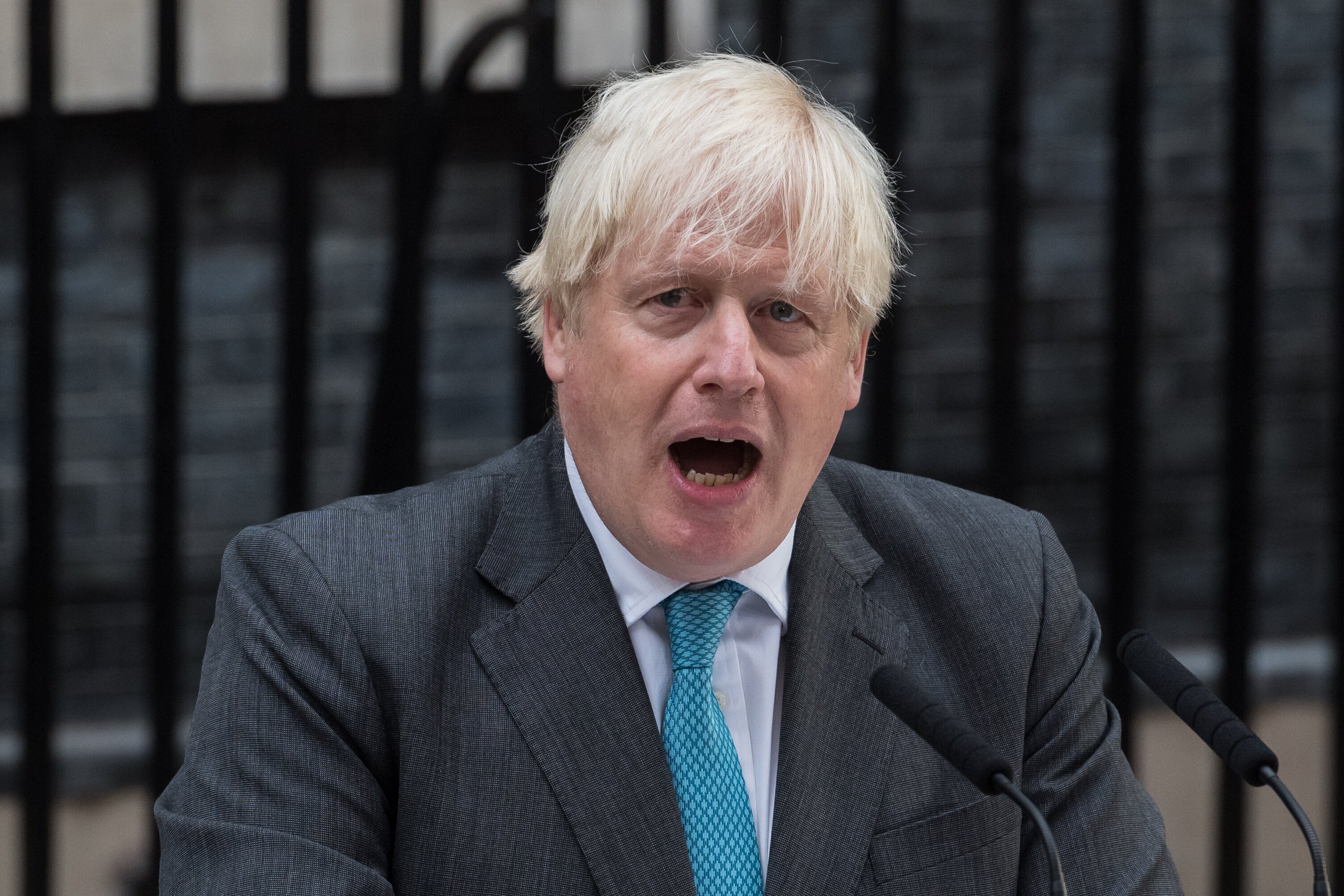
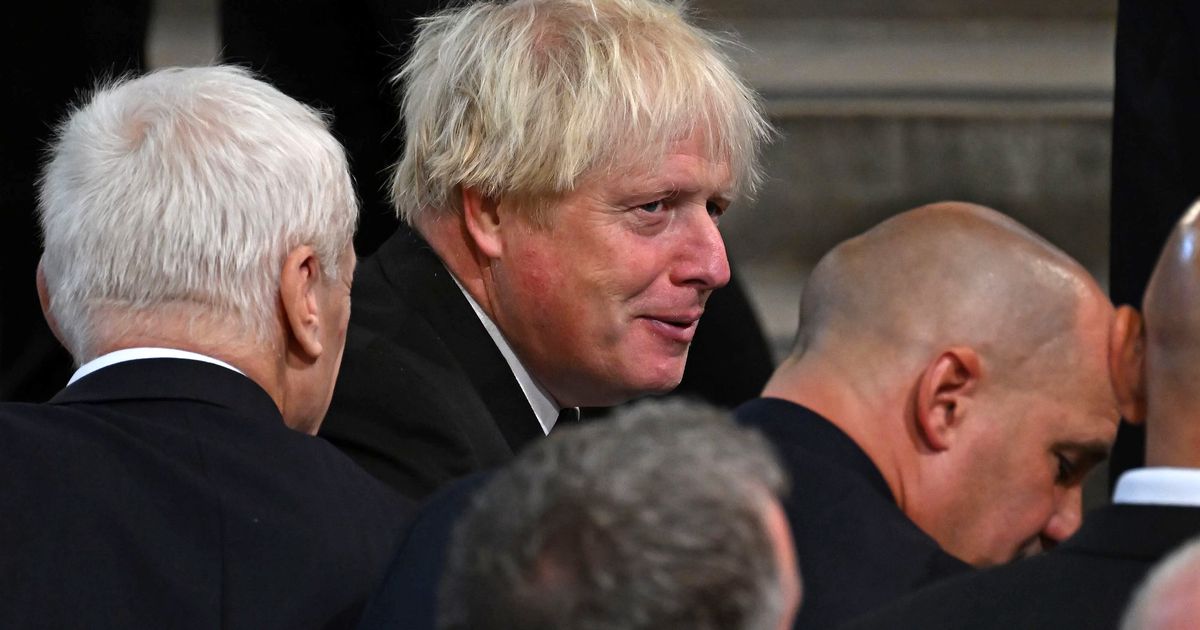
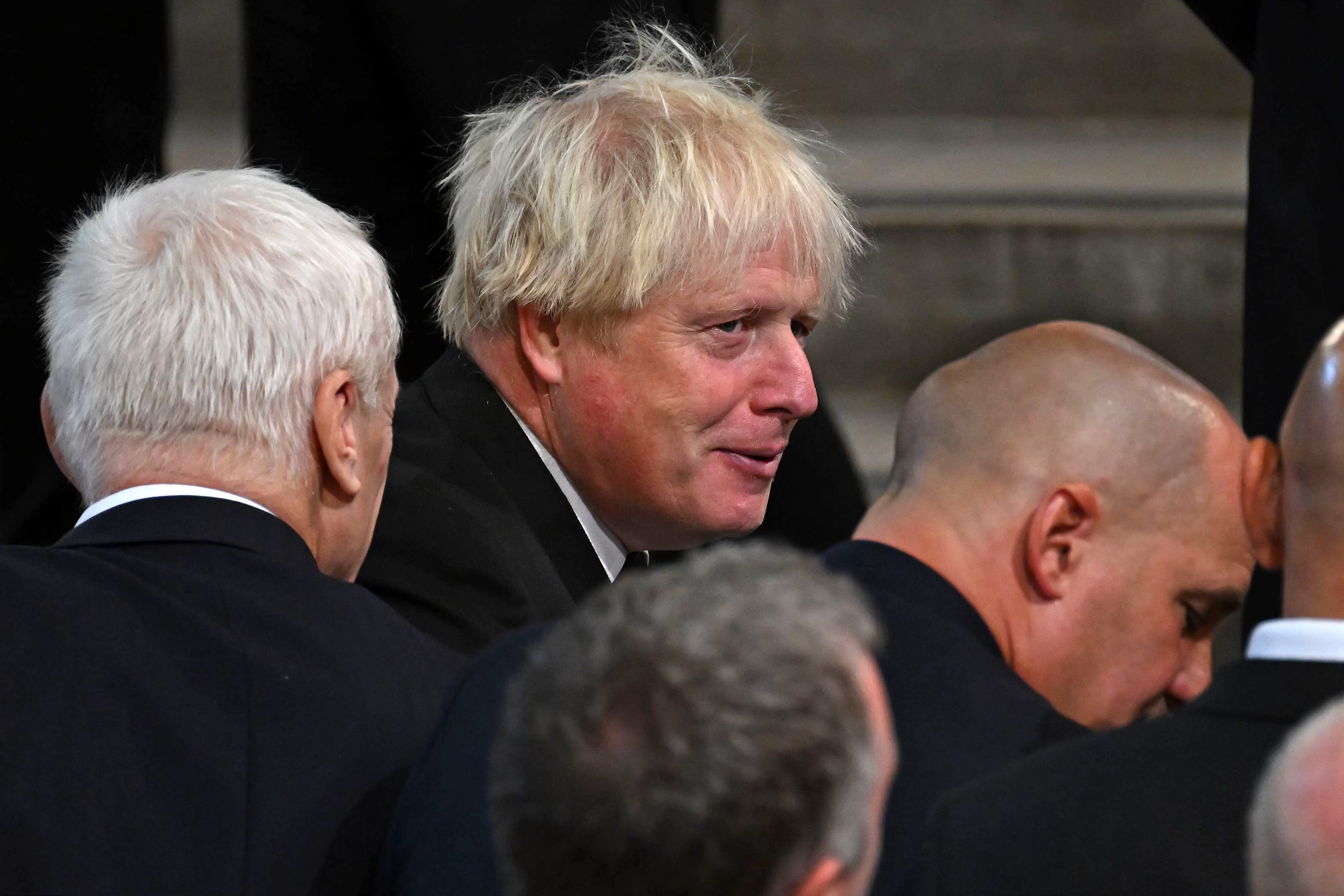
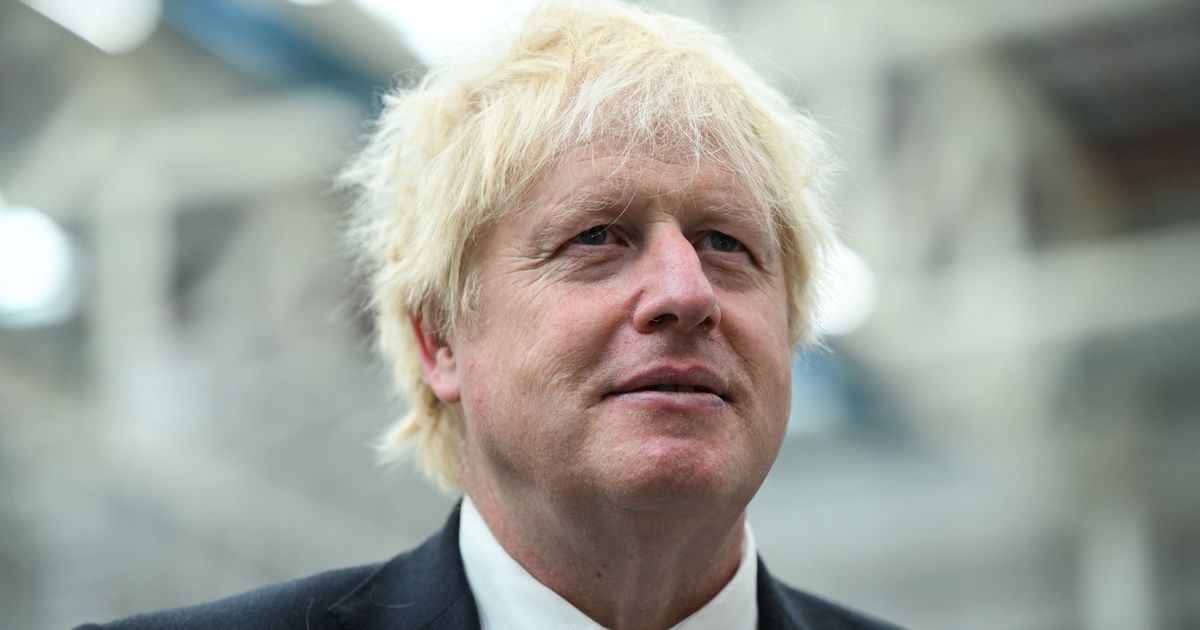
Boris Johnson, who stood down as prime minister just last month, toyed with a comeback but dramatically decided not to formally enter the contest on Sunday.
His campaign claimed 102 MPs were willing to nominate the former PM.
Angela Rayner, Labour’s deputy leader, said: “The Tories have crowned Rishi Sunak as prime minister without him saying a single word about how he would run the country and without anyone having the chance to vote.”
Lib Dem leader Ed Davey said the Conservatives had “installed another out-of-touch” prime minister, adding: “The only way to end the chaos is a general election now.”
A Tory minister has been mocked for publicly declaring his support for Boris Johnson’s Tory leadership bid and then switching to his arch-rival Rishi Sunak less than half an hour later.
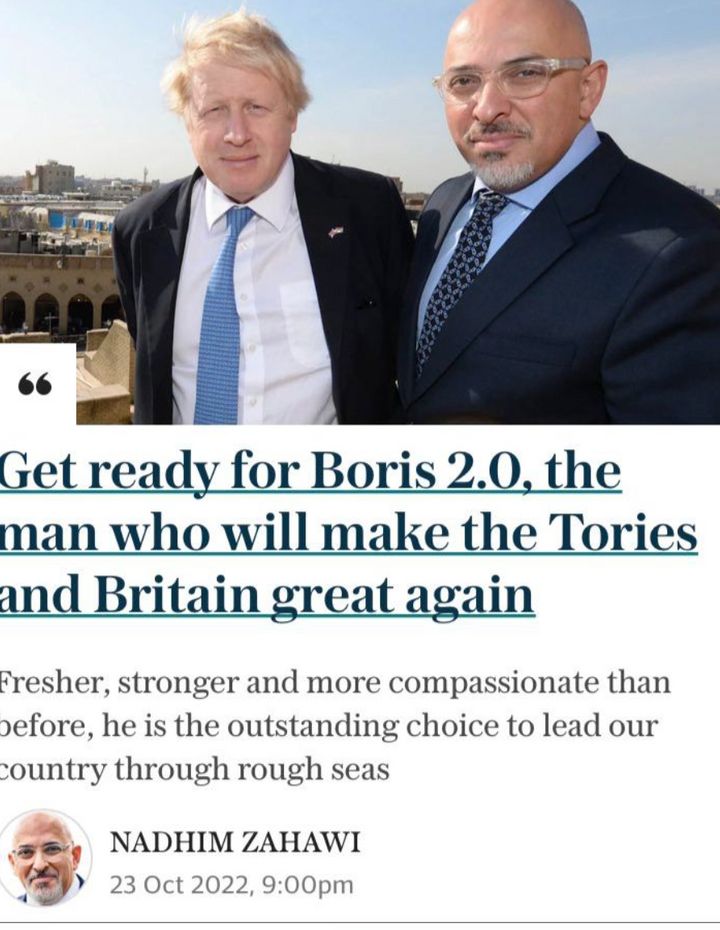
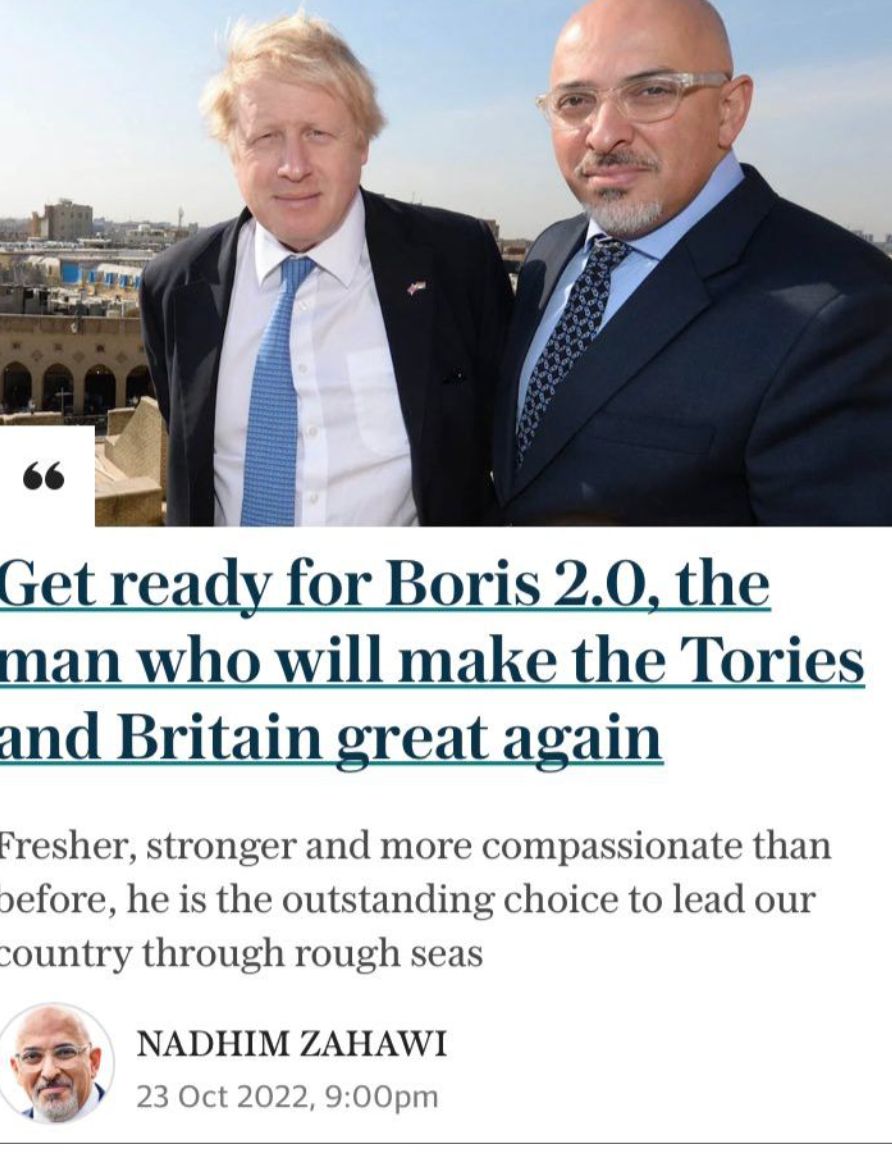
Nadhim Zahawi, the Chancellor of the Duchy of Lancaster, said the UK should “get ready for Boris 2.0” in an article published by the Daily Telegraph at 9pm.
Advertisement
But just two minutes earlier, Johnson had issued a statement saying he had decided to pull out of the race.
Nadhim Zahawi’s article backing Boris Johnson was published at 9pm
Daily Telegraph
In a remarkable about-turn, Zahawi – who urged Johnson to resign as prime minister in July – then posted a tweet at 9.29pm announcing that he had switched his support to Sunak.
A day is a long time in politics…
Given today’s news, it’s clear that we should turn to @RishiSunak to become our next Prime Minister. Rishi is immensely talented, will command a strong majority in the parliamentary Conservative Party, and will have my full support & loyalty.
Unsurprisingly, Zahawi was slammed on Twitter for his latest embarrassing U-turn.
The Tory leadership contest is now a two-horse race between Sunak and Penny Mordaunt.
However, Sunak is the red hot favourite, having already secured more than 120 nominations, compared to Mordaunt’s 24.
The deadline for reaching the 100 MP threshold is 2pm tomorrow.
But a source close to Sunak said: “We are not taking anything for granted. Rishi will be continuing to talk to colleagues tomorrow morning before nomination papers go in, and discussing how best to unite the party and take the country forward.”
Advertisement
A Mordaunt campaign source said: “Penny is still running to be the leader of the Conservative Party.
“Penny is the unifying candidate who is most likely to keep the wings of the Conservative Party together and polling shows that she is the most likely candidate to hold onto the seats the Conservative Party gained in 2019.”
Boris Johnson has ruled himself out of running for the Tory leadership, despite claiming he had the support required to do so.
The former prime minister said he had “much to offer” but that now was “simply not the right time”.
Johnson said he was “well placed” to deliver a Tory win at the next general election but suggested it would be hard to govern a disunited party.
Advertisement
“You can’t govern effectively unless you have a united party in parliament,” he said.
He also confirmed that he had appealed to the other two candidates – Rishi Sunak and Penny Mordaunt – but they had not been able to work out a deal.
Johnson pulled out just a few hours after his campaign team told supporters they had secured the 100 nominations needed from MPs to get on the ballot paper.
A number of cabinet ministers, including Jacob Rees-Mogg and Nadhim Zahawi, had backed their former boss.
One reason why the former PM may have decided not to run is that he is facing an inquiry into whether he lied to the Commons over the partygate scandal.
Advertisement
If found guilty by the Commons Privileges Committee, he could face recall proceedings that would leave him battling for his seat in the Commons if he receives a suspension of 10 days or more.
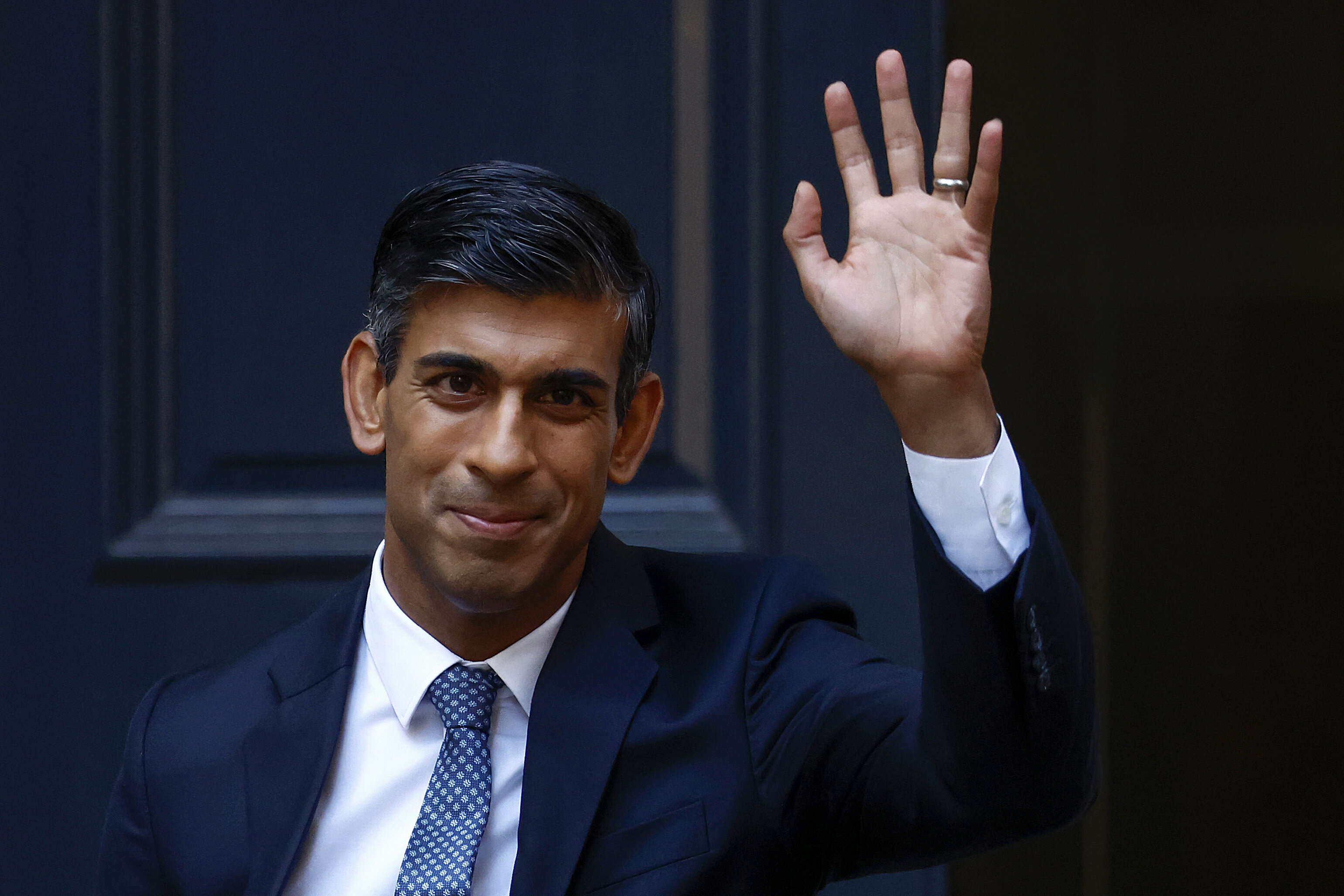
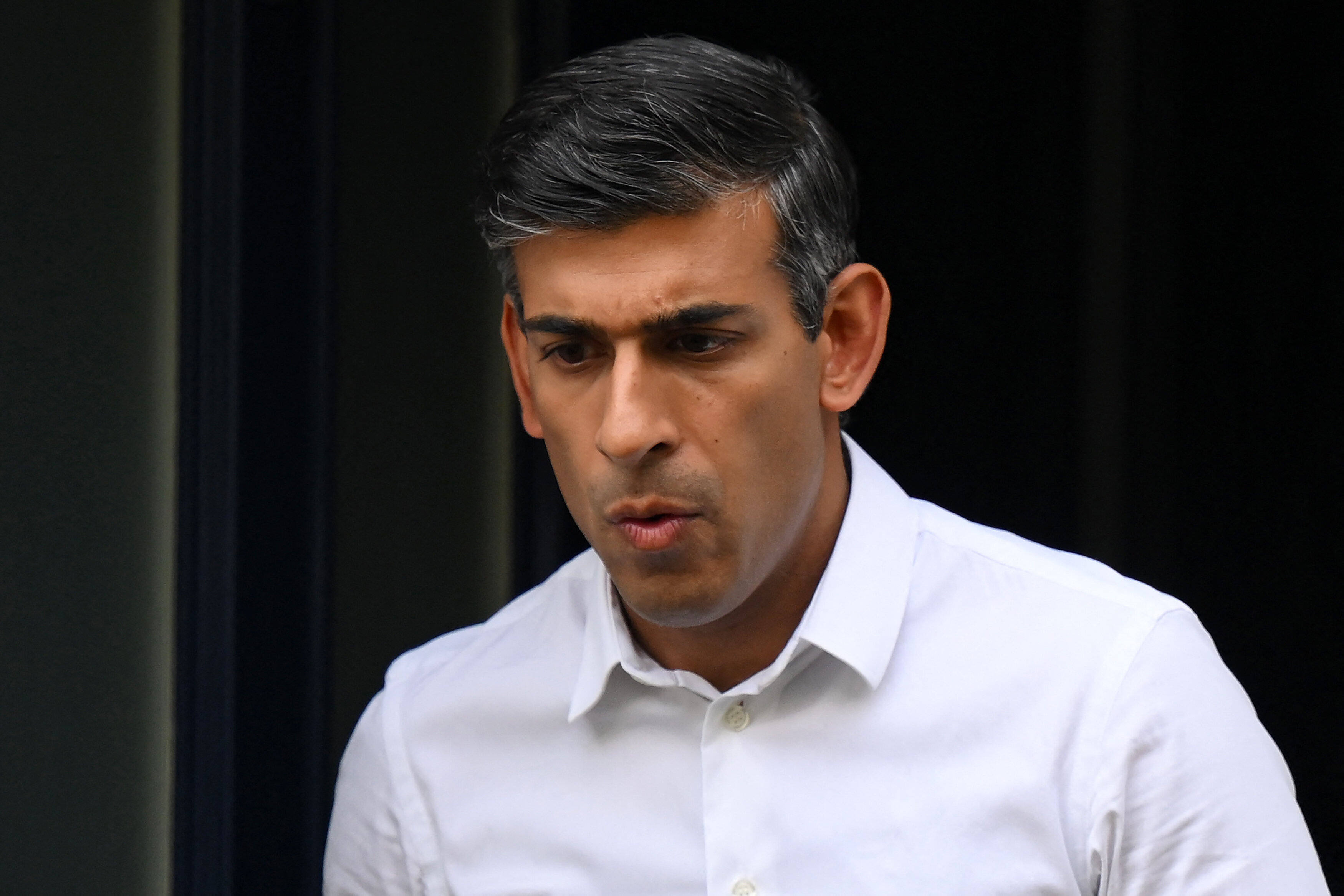
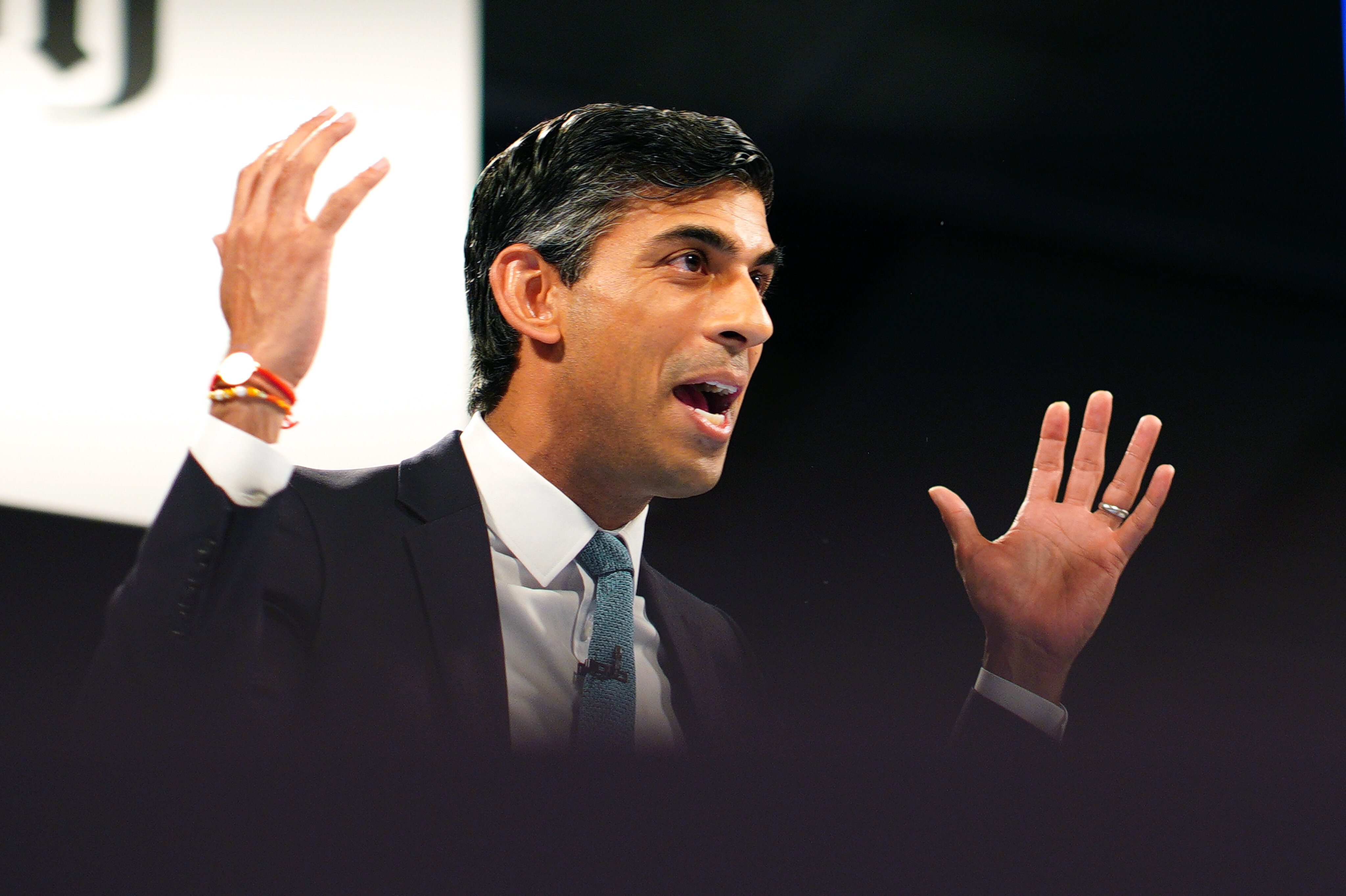
Former Chancellor of the Exchequer Rishi Sunak.
DANIEL LEAL via Getty Images
It now looks increasingly likely that former chancellor Sunak is heading for No.10 and will be Britain’s next prime minister.
In a statement, Johnson said: “In the last few days I have been overwhelmed by the number of people who suggested that I should once again contest the Conservative Party leadership, both among the public and among friends and colleagues in Parliament.
“I have been attracted because I led our party into a massive election victory less than three years ago – and I believe I am therefore uniquely placed to avert a general election now.
Advertisement
“A general election would be a further disastrous distraction just when the government must focus on the economic pressures faced by families across the country.
“I believe I am well placed to deliver a Conservative victory in 2024 – and tonight I can confirm that I have cleared the very high hurdle of 102 nominations, including a proposer and a seconder, and I could put my nomination in tomorrow.
“There is a very good chance that I would be successful in the election with Conservative Party members – and that I could indeed be back in Downing Street on Friday.
Penny Mordaunt.
ISABEL INFANTES via Getty Images
“But in the course of the last days I have sadly come to the conclusion that this would simply not be the right thing to do. You can’t govern effectively unless you have a united party in parliament.
Advertisement
“And though I have reached out to both Rishi and Penny – because I hoped that we could come together in the national interest – we have sadly not been able to work out a way of doing this.
“Therefore I am afraid the best thing is that I do not allow my nomination to go forward and commit my support to whoever succeeds. I believe I have much to offer but I am afraid that this is simply not the right time.”
A source close to Rishi Sunak said: “We are not taking anything for granted. Rishi will be continuing to talk to colleagues tomorrow morning before nomination papers go in, and discussing how best to unite the party and take the country forward.”
A Mordaunt campaign source said: “Penny is still running to be the leader of the Conservative Party.
“Penny is the unifying candidate who is most likely to keep the wings of the Conservative Party together and polling shows that she is the most likely candidate to hold onto the seats the Conservative Party gained in 2019.
“Ed Balls, shadow cabinet ministers and Labour advisers have all said Penny is the candidate Keir Starmer fears the most.”
Boris Johnson is planning to throw his hat into the ring to succeed Liz Truss as prime minister – just six weeks after he quit 10 Downing Street.
The former PM – who was forced to quit after a wave of resignations sparked by the Chris Pincher scandal – is taking soundings from his supporters before making a final decision.
Advertisement
When he resigned, he described being PM as “the best job in the world”.
He is currently in the Caribbean on holiday, but is preparing to cut it short to fly back to London before making a final decision.
But critics pointed out that he still faces a privileges committee investigation into whether he misled parliament over the partygate scandal, which could potentially see him thrown out of parliament.
Truss resigned earlier today and announced that her successor would be chosen within a week.
Sir Graham Brady, chairman of the 1922 Committee of Tory backbenchers, has hinted that an online ballot will take place, meaning party members will be given a say on the new PM.
That increases Johnson’s chances, given he is still popular with Conservative activists who remain angry at the way he was ousted by MPs in July.
Advertisement
Bookmakers have already slashed their odds on him being re-elected prime minister, making him second favourite behind Rishi Sunak, the man whose resignation as chancellor helped to bring him down.
Commons leader Penny Mordaunt – who lost out to Truss in the last leadership contest – has already confirmed that she will stand again, while other possible contenders include Kemi Badenoch, Ben Wallace and Suella Braverman.
Several Tory MPs have already given their support to Johnson coming back, including loyalists Nadine Dorries, Michael Fabricant and Andrea Jenkyns.
But health minister Robert Jenrick, who served in Johnson’s cabinet between 2019 and 2021, told the News Agents podcast: “The Boris that I supported when he stood in 2019 was one of the greatest campaigners in modern political history, somebody who was able to galvanise people to win that incredible general election, defeat Jeremy Corbyn, get Brexit done.
“So, there was definitely a case for Boris, and I think I was right to support him in 2019. You could argue that the Conservative Party is in such a difficult place, that his formidable campaigning skills are required once again.
Advertisement
“On the other hand, his premiership came to an end for a reason, which is that there were serious questions about competence, credibility, and ethics and does the Conservative Party want to go back to that?.”
And Tory MP John Baron said: “I believe – rightly or wrongly – he misled parliament on a number of occasions. We have to look forward not back.”
A Labour source told HuffPost UK: “The Tories all droning on about how they need a sensible, serious person to manage the party and deliver stability, then that honking pudding turns up with his travelling circus. Delicious.”
Lib Dem deputy leader Daisy Cooper called on the Tories to block Johnson’s possible return.
She said: “The fact that Conservative MPs are even considering putting Boris Johnson back in Number 10 shows how out of touch they really are. They think there’s one rule for them and another for everyone else.
“Boris Johnson was forced to resign in disgrace after countless lies, scandals and failures. He shattered public trust in the government and plunged the UK into a political crisis. He must never be allowed near Downing Street again.”
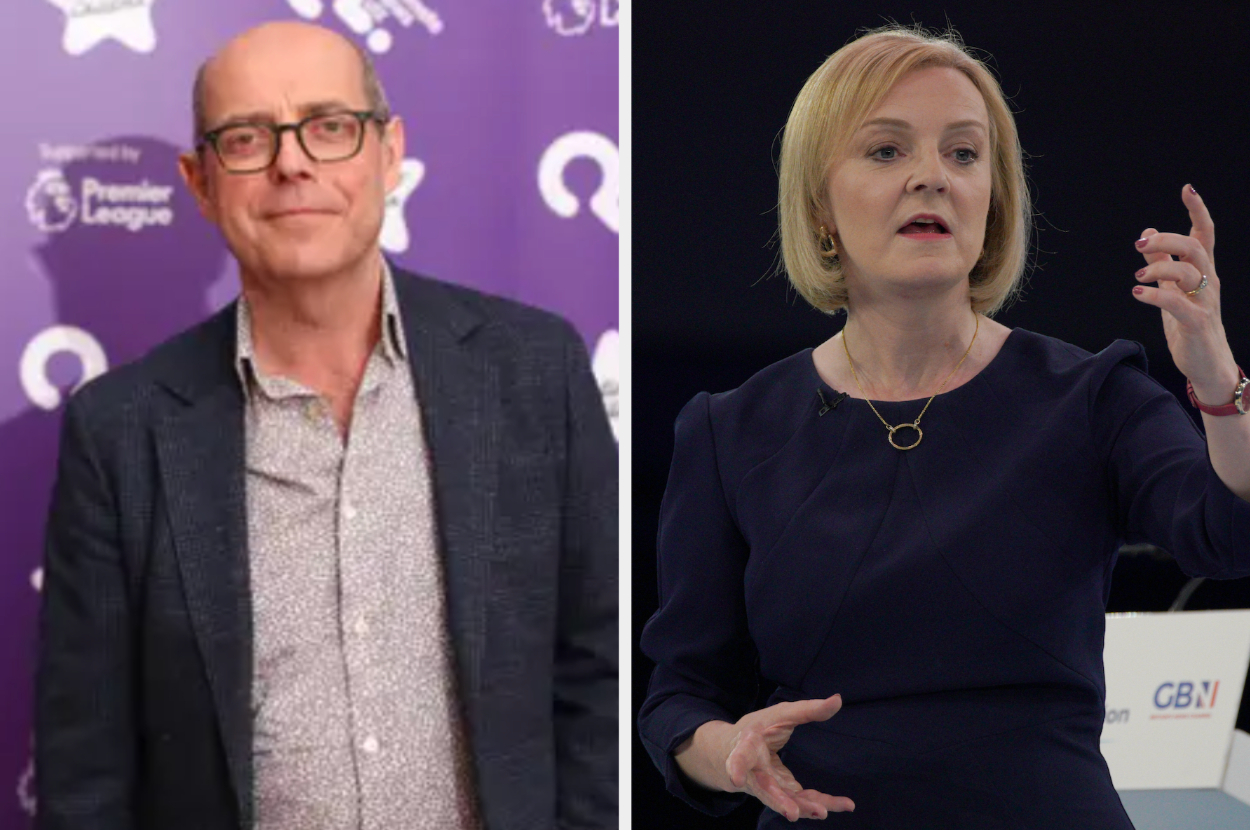
Announcing the cancellation, the BBC said: “Ms Truss’ team say she can no longer spare the time to appear on “Our Next Prime Minister”.
“The other candidate for the Conservative leadership, Rishi Sunak, was interviewed by Nick on 10th August.
“We regret that it has not been possible to do an in depth interview with both candidates despite having reached agreement to do so.”
Reacting on Twitter, former BBC political editor Robinson said: “Was pleased to secure an in-depth interview with Liz Truss on BBC1. I am disappointed & frustrated it’s been cancelled.”
Advertisement
Truss’s campaign team did not respond to requests for comment.
A source close to Sunak told HuffPost UK: “It’s important that candidates face proper scrutiny so that members and the public know what they are offering.
“Avoiding that scrutiny suggests either Truss doesn’t have a plan at all or the plan she has falls far short of the challenges we face this winter.”
Unlike Sunak, Truss has already turned down the chance to be interviewed by feared interrogator Andrew Neil on Channel 4.
Sunak’s campaign said their man had done nine one-to-one broadcast interviews during the leadership campaign, compared to Truss’s two.
Advertisement
Labour’s Conor McGinn said: “The British public don’t get a say in choosing the next Tory Prime Minister and now it seems Liz Truss wants to avoid any public scrutiny whatsoever.
“People will rightly conclude that she doesn’t want to answer questions about her plans for the country because she simply hasn’t got any serious answers to the big challenges facing our country.”
Boris Johnson’s final fortnight in office will see the departing PM divide his time between No. 10 and his country retreat Chequers this week, after returning from a Greek holiday.
The prime minister’s increasingly relaxed approach to leadership – revealed on the day an economist predicted inflation could jump above 18% in the new year for the first time since 1976 – is in stark contrast to the comment made by one of his outriders a day earlier.
Advertisement
On Sunday, Brexit opportunities minister Jacob Rees-Mogg hit out at the “rotten culture” of working from home as he claimed the number of staff in Whitehall was down five per cent last week against the previous week, despite his crackdown on the practice.
In comments reported by the Mail on Sunday, he added: “Even accounting for summer holidays, this is hopeless.”
The prime minister’s successor will be confirmed on September 5, when either Liz Truss or Rishi Sunak emerges as the victor in the Tory leadership race, with the formal handover of power due to take place the following day.
Rees-Mogg was defending Truss for her widely criticised comments that British workers need to display “more graft”.
Advertisement
The loyalist minister said her remarks heard in a leaked audio recording were “sensible” as he hit out at what he called “confected political criticism” of the foreign secretary.
Truss, now the Tory leadership frontrunner, also attempted to explain the lower productivity seen outside London as being due to “a mindset and attitude thing”, in the comments from recent years.
Labour said Truss’s remarks made while she was a Treasury minister were “grossly offensive”, saying that she had effectively branded British workers “lazy”.
Boris Johnson’s spokesperson repeatedly refuses to say whether he will be staying in Downing Street this week, telling me only that: “He will be working in a mixture of Downing Street and Chequers.”
Johnson has zero public engagements listed for Wednesday, Thursday, or Friday.
Last week, removal vans were pictured collecting Johnson’s possessions as he headed to Chequers with his wife Carrie and their two children.
Johnson’s last days will include restating support for Ukraine and highlighting measures to address the cost-of-living crisis, Downing Street said.
Ukraine’s independence day on Wednesday will be marked with a series of events, in a sign that the UK’s support will continue beyond the close link forged between Johnson and Volodymyr Zelenskyy.
“A large focus this week is on reiterating our support for Ukraine, and that is an unwavering commitment that we have to supporting Ukraine in the face of an illegal war,” a No. 10 spokesperson said.
“The government is also focused on supporting people with the cost of living and making sure that those who are eligible for the £37 billion of support that’s already available through our phased-in plan are availing themselves of it.”
Advertisement
But no more help is expected to be announced before the new prime minister takes office, with major policy decisions postponed until that point.
The prime minister visited the Security Service’s headquarters in London on Monday to pay tribute to the work done by MI5 in keeping the country safe.
Since standing down as Tory leader and effectively becoming a caretaker prime minister, Johnson has also gone on visits to a special forces base, flown in a Typhoon jet and met soldiers training Ukrainian counterparts.
With Ukraine and high inflation set to dominate his final days in office, No 10 denied that a war in Europe and a cost-of-living crisis were the main features of Johnson’s legacy.
The spokesperson said: “I would point you to his own words in the house where he has spoken more about the record of this government. That includes getting Brexit done and leaving the EU, leading the country through the greatest public health emergency in a generation, protecting lives and livelihoods.
Advertisement
“And that is alongside, yes, supporting Ukraine in the face of an illegal war and supporting people through the current cost-of-living challenges.”
The prime minister has been accused by critics of leading a “zombie government” with major decisions deferred until the new occupant takes over in No 10.
Labour leader Sir Keir Starmer told reporters on Monday the government was doing “absolutely nothing” to resolve industrial disputes and help ease the cost-of-living crunch ahead of the announcement of the increased energy price cap on Friday.
There are just two weeks left in the race to be the next Conservative Party leader – and the next prime minister.
Liz Truss, the current foreign secretary, is the frontrunner to replace Boris Johnson, but former chancellor Rishi Sunak remains optimistic that he might have a chance of securing that seat in No.10.
Advertisement
Either way, the country will have a new leader by September 6.
As the Tories remain the party with the majority of seats in the House of Commons and this is not a general election, only Conservative Party members get to choose who leads them (and the rest of the UK) until the next election.
Understandably, this has thrown up some questions about this process.
1. What do we really know about Tory Party members?
The Conservative Party will not reveal how many members it has, although the most common estimate is 160,000. A briefing paper from the House of Commons library in 2019 suggests there are 180,000 members – still a tiny fraction of the general population.
According to news outlet Tortoise, the party’s headquarters will not give away details of their membership for “GDPR reasons”, although the news organisation later sent a letter to CCHQ pointing out that knowing the membership make-up was an essential part of the UK democracy.
The news outlet is still waiting for a response from the party about just who is an official member.
2. Are there any restrictions over who can vote?
People cannot vote unless they’ve been a member of the Conservative Party for three months prior to September 2, when the election closes.
Advertisement
But, foreign nationals can vote if they’re a member. They do not have to have a British citizenship, or any link with the UK, to vote in this race.
Those under 18 who cannot legally vote in a general election are also permitted to cast a vote in the Tory leadership election.
3. How secure are the votes?
Members can vote via post or online, but security worries did actually force the party to drop preliminary plans which would have allowed members to change their cast votes at the start of August.
Now, if a duplicate vote is recorded, the second one will be counted.
The original plan was dropped after the National Cyber Security Centre announced: “As you would expect from the UK’s national cybersecurity authority we provided advice to the Conservative party on security considerations for online leadership voting.”
Lord Cruddas, who led the campaign to put Johnson back on the ballot paper, suggested that hacking fears mean the Conservatives “should reject the resignation of the prime minister and ask him to stay on board whilst the board fixes any cyber issues and the leadership campaign can be revisited”.
Advertisement
Sky News also revealed at the start of August that the Conservatives were posting out the leadership ballots “a little later than we originally said” because they had to add some extra security measures to the process.
At the moment, voting more than once in the process is also considered an “offence” and anyone found doing so would have their membership withdrawn.
However, according to Tortoise’s reporting, there are few checks that voters are who they say they are.
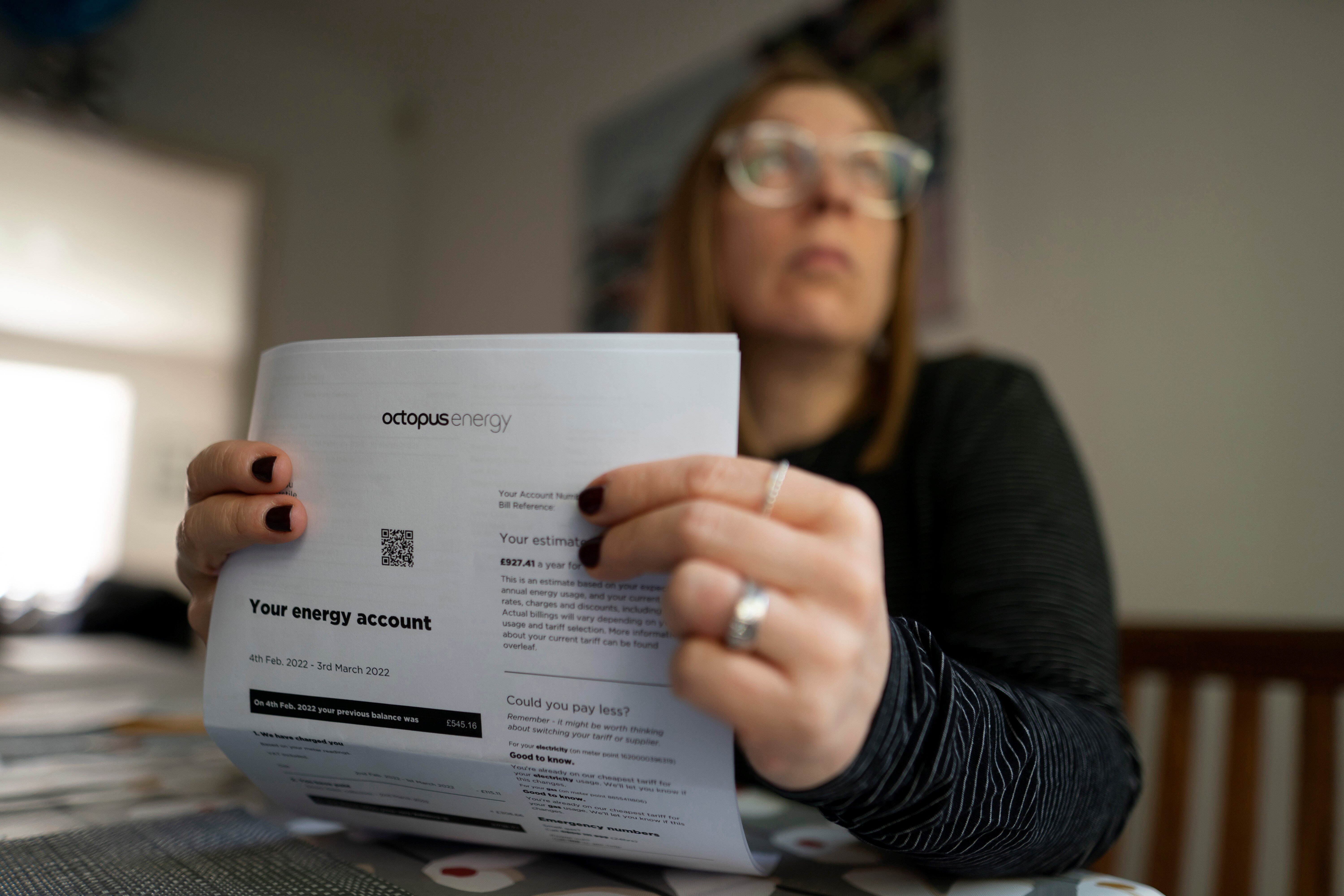
Last week saw the grimmest development yet for people struggling with the cost of living crisis, with experts predicting that already-unaffordable energy bills could reach an eye-watering £4,000 in January.
Energy bills, which have already risen as a consequence of Russia’s invasion of Ukraine, are set to soar further as the ongoing conflict puts a squeeze on supplies throughout Europe.
Advertisement
The energy price cap, which currently stands at £1,971, is set to increase to £3,582 in October.
The forecasts have prompted a sense of panic and a national conversation about what should be done to help people who may find themselves unable to pay their bills in the winter.
Here HuffPost UK takes you through what the main parties and figures are proposing and how their ideas have been received.
Liz Truss
Liz Truss has hardened her stance against a further windfall tax, dismissing the policy as “bashing business”.
Ian Forsyth via Getty Images
The frontrunner in the race to replace Boris Johnson has emphasised tax cuts as the main way she would help people struggling with bill hikes.
Advertisement
The foreign secretary has vowed to immediately reverse the 1.25 percentage point increase in national insurance as well as temporarily scrap green levies on energy bills.
In a recent interview with the Financial Times, Truss said she would hold an emergency budget to outline a new approach to the problem, which she said she wanted to be in the “Conservative way of lowering the tax burden, not giving out handouts”.
That prompted a U-turn of sorts by Truss who said that despite criticism, she was not ruling out further direct support for households completely.
She is said to be considering proposals from the Treasury that could see the price cap fall by scrapping a new allowance suppliers will be allowed to charge families in the winter, in a move that could reduce bills by a further £400.
Instead the shortfall would be made up by the government providing loans to suppliers. However, it is too late to have an effect in October, when the cap is expected to rise once again.
Last week, analysis by the Tony Blair Institute found that Truss’s national insurance reversal would save the poorest families just 76p a month on average while the most wealthy households would benefit from by £93 a month from the policy.
Truss’s leadership rival, Rishi Sunak, also attacked her plan to scrap green levies, saying it would only claw back £150 a year.
Truss has also hardened her stance against a further windfall tax on energy giants, dismissing the policy as “bashing business”.
Rishi Sunak
Sunak has indicated he would expand existing support schemes when the price cap rises again in the winter.
Ben Birchall – PA Images via Getty Images
Advertisement
The former chancellor has committed to scrapping VAT on energy bills for a year and has also said he will expand the emergency support schemes already in place.
So far that scheme includes £650 off for the lowest income households, £300 off for eight million pensioner households, £150 off for those receiving non-means tested disability benefits and a £400 energy grant for every household.
In an article for the Times, Sunak said if he is elected PM he would extend the scheme that knocks £400 off bills for every household, rising to £1,200 for pensioners and those on benefits.
He also said he would “drive a programme to identify savings across Whitehall” in order to pay for expanding the help on offer, which The Times said would cost around £10 billion.
Sunak signalled the government could need to raise more revenue from the energy profits levy — the so-called windfall tax —and also refused to rule out “some limited and temporary one-off borrowing as a last resort to get us through this winter”.
Advertisement
According to the Institute of Fiscal Studies, removing VAT on bills would cost £4.3 billion to implement and would provide households with a relief of about £154 on their energy bills.
Labour
Finnbarr Webster via Getty Images

After initially facing criticism for being absent as the new energy projections were revealed, Keir Starmer has offered what he calls a “radical” response to the cost of living crisis.
The scheme would cost £29 billion and would be funded by increasing the windfall tax on energy firms’ massive profits by backdating it to January, in a move that would raise £8 billion.
Advertisement
The party argues that reducing energy bills would also have a knock-on effect on inflation which would lead to cut in government debt interest payments of £7bn.
The government’s current plan to offer £400 off energy bills for every household would be ditched as a result.
Responding to the proposals, the Paul Johnson, the director of the thinktank the Institute for Fiscal Studies, said inflation will continue to climb unless Labour continues to subsidise energy bills beyond the six-month period it has suggested.
He also told BBC Radio 4′s Today programme that Labour’s plan to cancel the rise in energy price cap would be “looking at the cost of furlough” if extended from six months to a year.
The Liberal Democrats
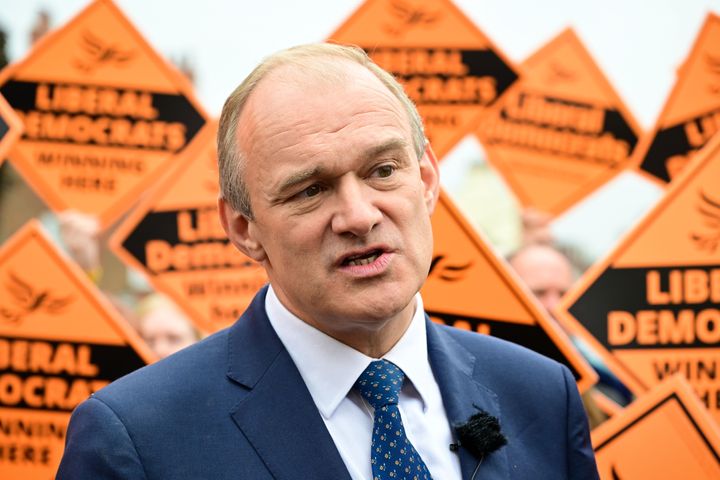
Ed Davey said Liz Truss and Rishi Sunak were Truss “more interested in speaking to their party than taking the action our country needs”.
Finnbarr Webster via Getty Images
Advertisement
Liberal Democrat leader Ed Davey called on the government to cancel the price cap rise in October to help people save hundreds of pounds off their energy bills.
Davey said energy suppliers could supply customers with their current rates if the government covers the shortfall to allow them to do so.
The Lib Dems said the policy would cost £36 billion and said the windfall tax on oil and gas company profits should be increased to help cover it.
…And former PM Gordon Brown
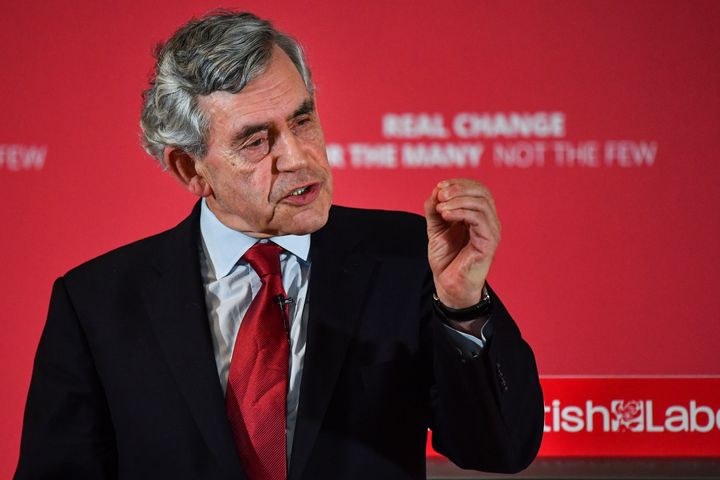
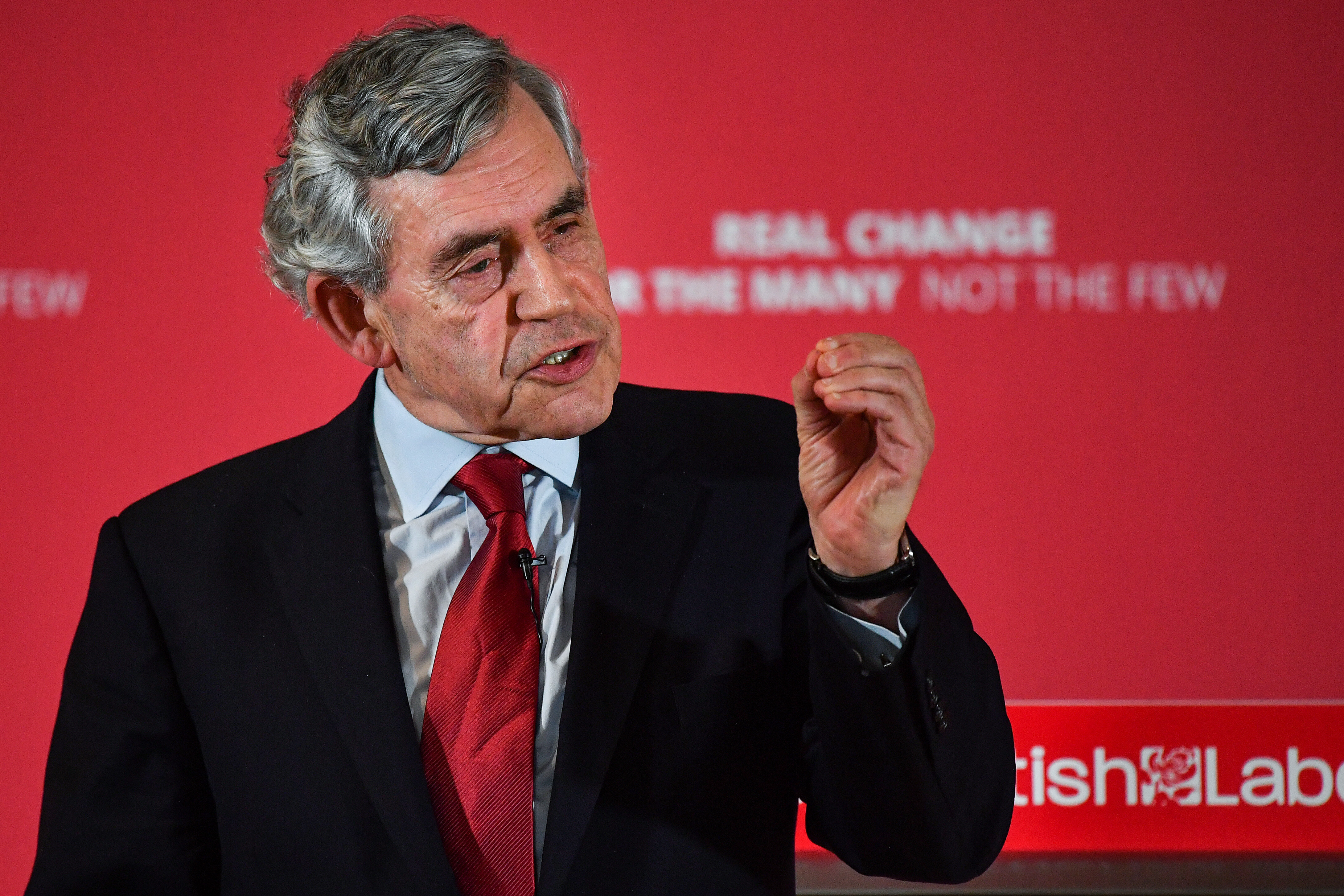
Gordon Brown criticised the Tory leadership candidates, saying: “Time and tide wait for no one. Neither do crises. They don’t take holidays, and don’t politely hang fire – certainly not to suit the convenience of a departing PM and the whims of two potential successors.”
Jeff J Mitchell via Getty Images
Perhaps the most radical response to the energy crisis has come from former Labour leader Gordon Brown, who is no stranger to navigating the country through a crisis.
Under Brown’s plan, the energy price cap would be scrapped and new, lower prices would be negotiated with energy giants, who are all raking in bumper profits as gas prices surge.
If firms fail to bring prices down, the government should consider bringing them into public ownership“as a last resort … until the crisis is over”.
Liz Truss has been accused of “a major U-turn” after pledging to “do all that I can to help struggling households” cope with the cost of living crisis.
The Tory leadership favourite has been under pressure since the weekend, when she told the Financial Times: “The way I would do things is in a Conservative way of lowering the tax burden, not giving out handouts.”
Both Truss and Sunak have also been urged to meet with Boris Johnson to agree an emergency cost of living support package – something which has been ruled out by the government.
In an apparent change of tack from her previous stance, Truss said today: “As a Conservative I am clear that our first port of call should always be to let people keep more of their own money.
“I understand how difficult the rising cost of living is making life for many, and if elected I will do all that I canto help struggling households.
Advertisement
“As it stands we are hurtling towards a recession. If we don’t get our economy growing we won’t be able to help anyone.
“That’s why I have a bold plan to cut taxes, for individuals and businesses, to turbocharge our economy, grow the size of the pie and increase prosperity for everyone.”
A spokesperson for Sunak’s campaign said: “This is a major u-turn on the biggest issue currently facing the country.
“It’s all very well offering empty words about ‘doing all you can’. But there aren’t lots of different ways to act on this. Taking action means providing direct support, which Truss had previously dismissed as ‘handouts’.
“Twice now, Truss has made a serious moral and political misjudgement on a policy affecting millions of people, after last week reversing plans to cut the pay of teachers and the armed forces outside London. Mistakes like this in Government would cost the Conservative Party the next General Election.”
Advertisement
A spokesperson for Truss said: “Rishi Sunak wouldn’t know how people benefit from a tax cut because he has never cut a tax in his life. People didn’t vote for the Conservative Party to be subjected to old fashioned Gordon Brown style politics of envy.
“You cannot tax your way to growth and Liz’s agenda is to build a high wage, high growth, low tax economy that supports people.
“Liz believes in people keeping more of their own money, not Rishi’s socialist tax and spend which will lead us to recession.”
Rishi Sunak’s latest PR efforts have once again been ripped apart, this time because he has promised to “keep Brexit safe”.
The Tory leadership hopeful is currently behind Liz Truss in the polls among Conservative Party members.
Advertisement
He has therefore felt the need to bolster his pro-Brexit credentials – despite being a Brexiteer and his opponent originally campaigning for Remain.
On Monday, he released a new campaign video – significantly less slick than his previous PR work – which follows a person around as they dump huge stacks of paper into one small room with a paper sign on the door saying: “Brexit Delivery Department.”
The papers are labelled “EU red tape”, and for half of the one-minute video, the person moving the documents around can be seen gathering all of the documents together (although their face is never shown).
Then, they crack their fingers and start shredding the papers.
It is part of Sunak’s promise to build a new Brexit delivery unit which “in his first 100 days as prime minister” would see him review or repeal post-Brexit EU laws. There are 2,400 at the moment.
Advertisement
It is worth noting that there is already a Brexit opportunities and government efficiency department, headed up by Jacob Rees-Mogg.
The words “Keep Brexit safe, vote Rishi Sunak today” appear across the screen in the last 10 seconds, as triumphant orchestral music plays.
The video also comes two and a half years after Boris Johnson, the outgoing Tory prime minister, promised that he “got Brexit done” by securing a deal with the EU.
With the cost of living crisis worsening, a second summer heatwave around the corner and increasingly worrying reports emerging about the state of the NHS, Sunak’s new video was not an instant success.
Advertisement
Here’s how people responded to his efforts:
It has been a long, long six years. I will inevitably have forgotten a lot. But even with those caveats, I still say, with a fairly large amount of confidence, that this is the shittest thing I’ve ever seen. https://t.co/9UMJ3OHy04
It may be a naff, embarrassing video that makes him look half-witted but what he’s doing is declaring that he’s INTENTIONALLY going to make any return to viable trading with the EU -for all export sectors- more difficult, more costly, or impossible. In a recession. #Ready4Ruinhttps://t.co/2uGfQha5Cz
Apparantly it has taken Rishi Sunak and the conservatives six years to realise, that outside the EU the U.K. can actually scrap EU legislation. Maybe they didn´t realise it earlier because somebody had told them, that Brexit was already done 🙂 #Brexit#eudkhttps://t.co/HOl25RkV5C