Minister Slaps Down Wes Streeting’s Call For ‘Wealth Tax That Works’

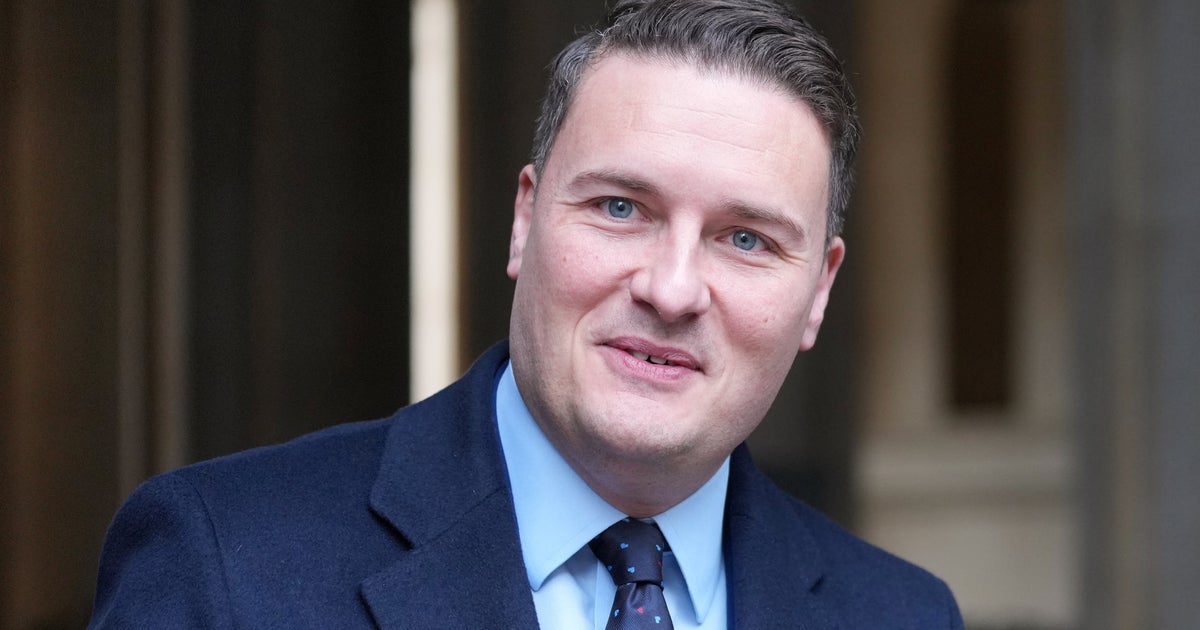
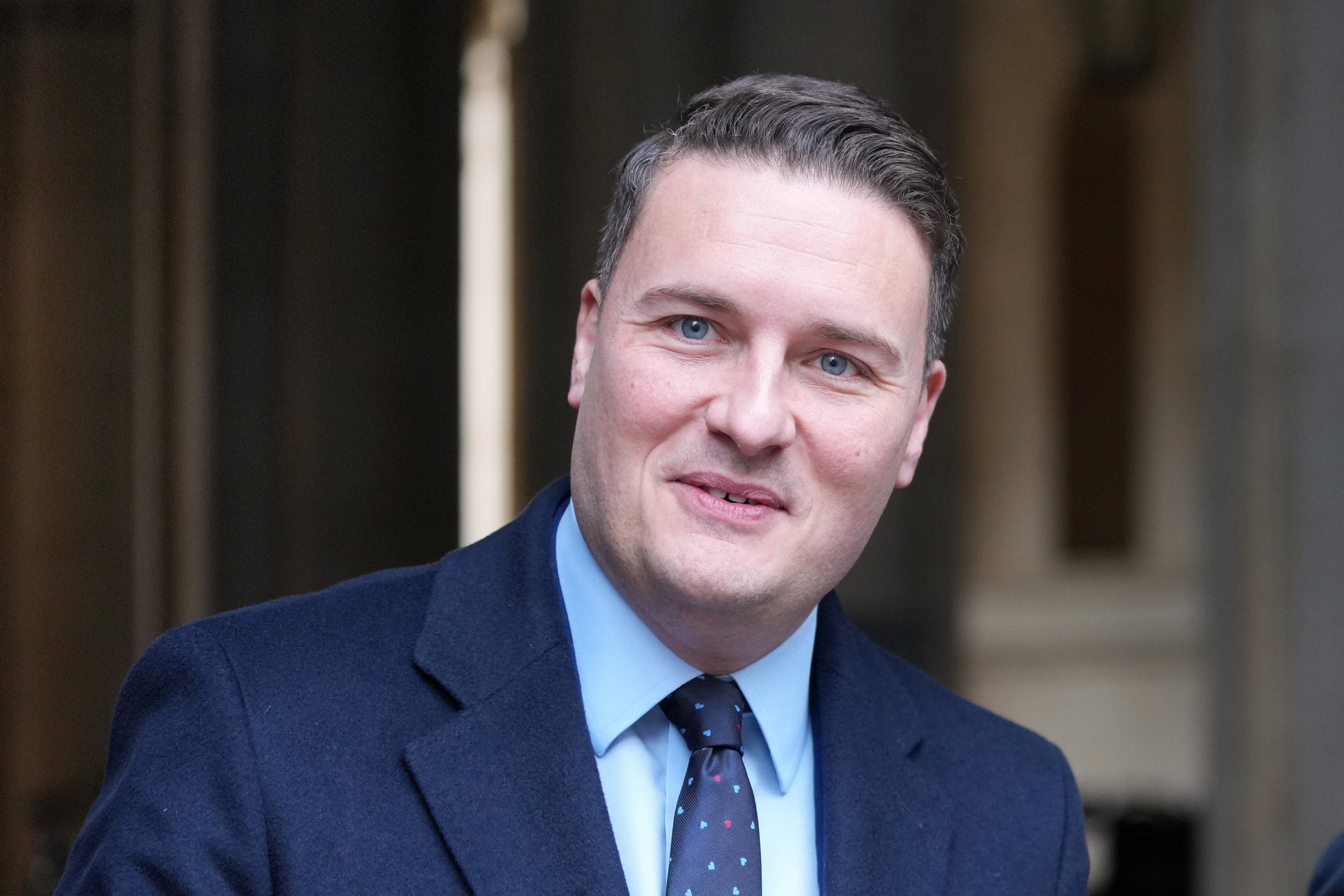
A minister has slapped down Wes Streeting’s suggestion of a “wealth tax that works”.

Streeting resigned as the health secretary within Keir Starmer’s cabinet last week, accusing the prime minister of offering a “vacuum” instead of a vision for governing.

Starmer has so far resisted dozens of calls from his own MPs to resign and a leadership contest is yet to be triggered.

But Streeting has claimed he would seek to enter any potential competition.

The backbencher now appears to have laid out parts of his policy agenda, telling the BBC’s Political Thinking podcast that he would introduce a wealth tax which could raise £12 billion a year.

He said his plan for a “wealth tax that works” includes reforms to capital gains tax, a levy on the profit made after selling an asset.

He wants to encourage investment by offering lower rates to “genuine” entrepreneurs.

Streeting claimed this would address the unfair system which is “penalising work”.

The annual tax-free allowance for the levy is £3,000 right now. Anything above this is taxed at rates depending on each individual’s income band.

Higher or additional rate taxpayers must pay 24% on gains in the current financial year, but Streeting wants those rates to mirror income tax bands (20%, 40% and 45%).

The ex-health secretary – usually seen to be on the right of the Labour Party – suggested closing loopholes which allow people to conceal income from work as capital gains.

This is a clear appeal to those on the left of the party.

But, it is very different to the Green Party’s proposal of an annual tax of 1% on assets above £10 million and 2% on assets above £1 billion.

Even so, chief secretary to the Treasury Lucy Rigby rejected Streeting’s idea outright.

She told BBC Radio 4′s Today programme: “We already tax wealth in this country.

“The chancellor introduced a host of measures in her first budget, and then further measures in the last budget as well, that try and make sure that tax is as progressive and fair as possible.”

Subscribe to Commons People, the podcast that makes politics easy. Every week, Kevin Schofield and Kate Nicholson unpack the week’s biggest stories to keep you informed. Join us for straightforward analysis of what’s going on at Westminster.

Share Button

How Is The Government Trying To Ease The Rising Cost Of Living?

Labour has announced a raft of measures to help alleviate the soaring cost of living for Brits this week.

It comes as Donald Trump’s war against Iran, and the subsequent blockade of the Strait of Hormuz, continues to impact the global economy.

The waterway usually transports around 20% of the world’s oil and 25% of its liquefied national gas supplies, meaning its effective closure has hit energy-dependent countries everywhere.

A food security crisis is looming as a result, and the UK’s household energy price cap is expected to rise by £209 a year from July.

Here’s a look at measures the government has already announced and what chancellor Rachel Reeves is expected to unveil later on Thursday in her “Great British Summer Savings” scheme.

5p Cut On Fuel Duty

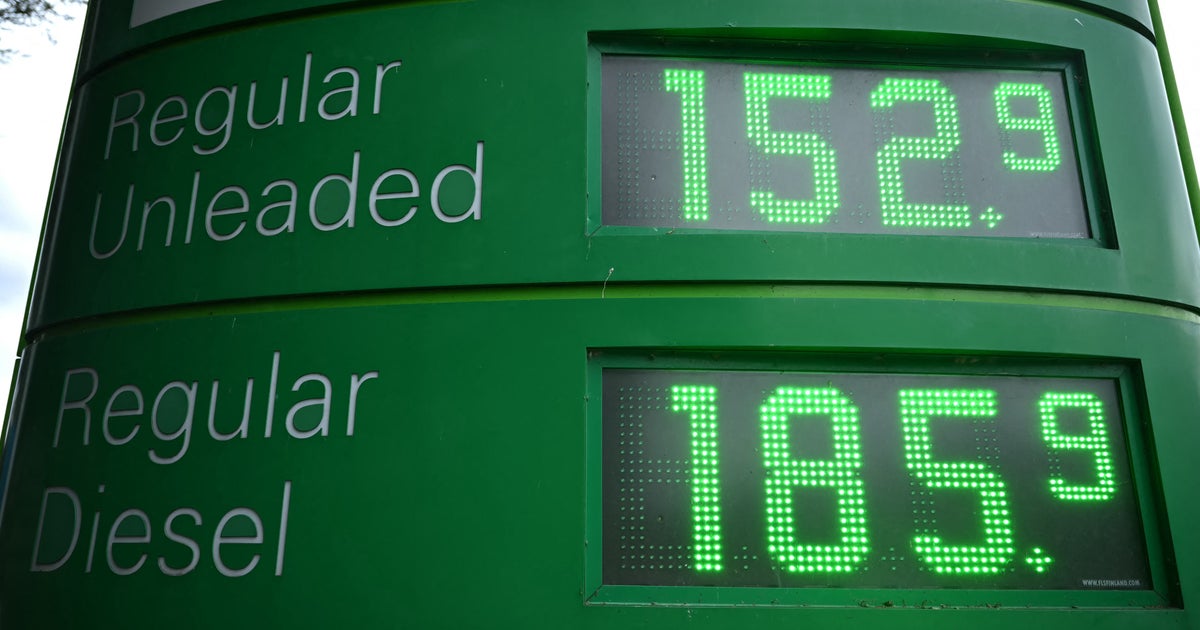
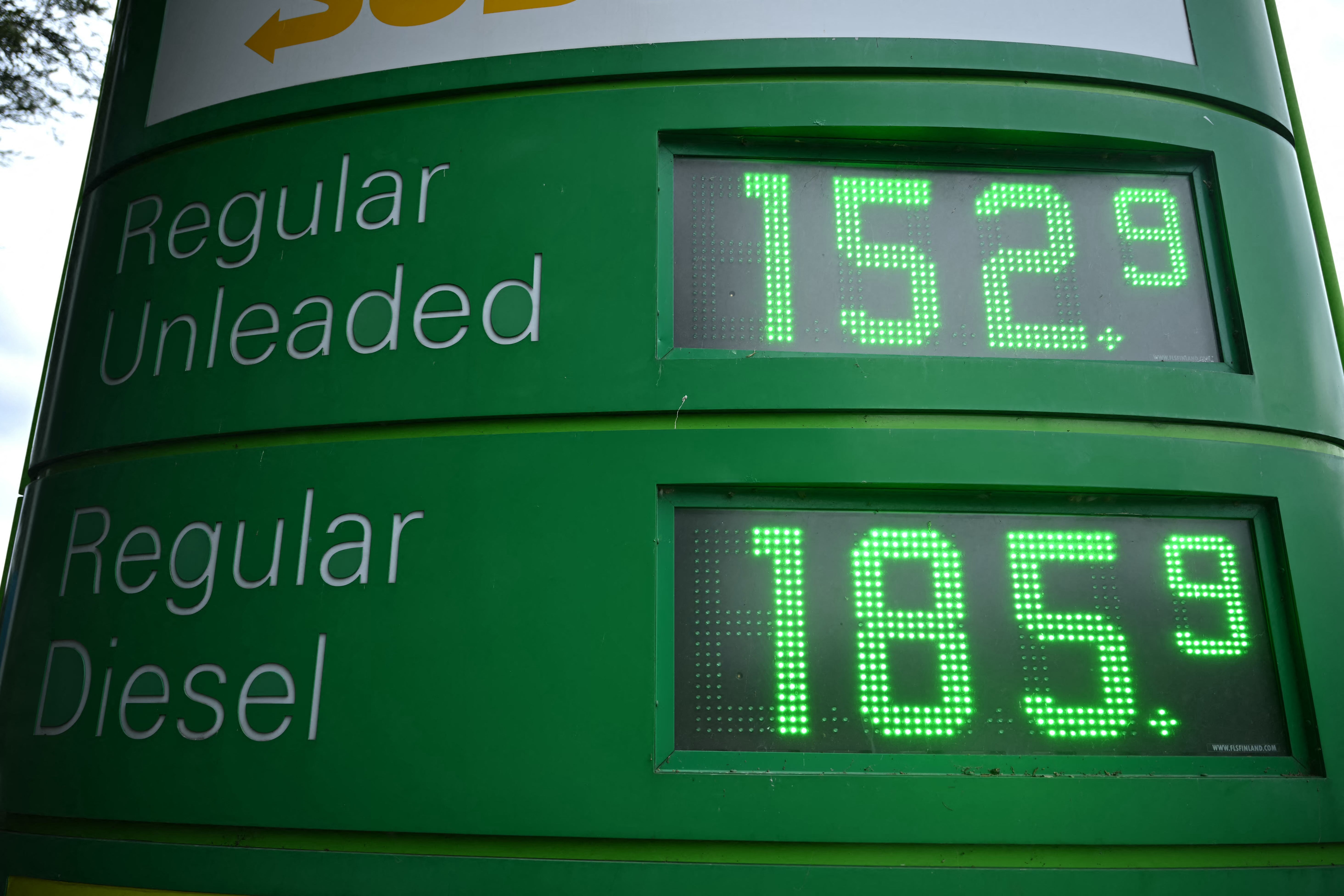
The government announced on Wednesday that it will keep the current 5p cut on fuel duty until the end of the year.

The reduced tax rate for petrol and diesel was meant to be phased out in September.

The policy was announced by the previous Conservative government to help ease the impact of the Russia’s invasion of Ukraine in 2022.

Now, with a fresh energy crisis emerging from the Middle East conflict, the government has decided to extend the scheme.

Red diesel duty will also be cut by one-third and road hauliers will receive a year’s grace on road tax to help the farming community.

Free August Travel For 5-15 Year-Olds

Children will travel for free on participating local buses in England for one month over the summer, Reeves announced on Wednesday.

The £100 million fare-free scheme will save a family with two children who make a weekly return trip at £1.50 per fare approximately £27, according to the government.

Those eligible can take an unlimited number of trips and do not need to register to enjoy the perk.

Similar schemes were successfully trialled in the West of England throughout the summer, Easter and Christmas holidays.

Tariff Suspension On Supermarket Goods

The chancellor is expected to announce plans to suspend tariffs on certain supermarket goods on Thursday.

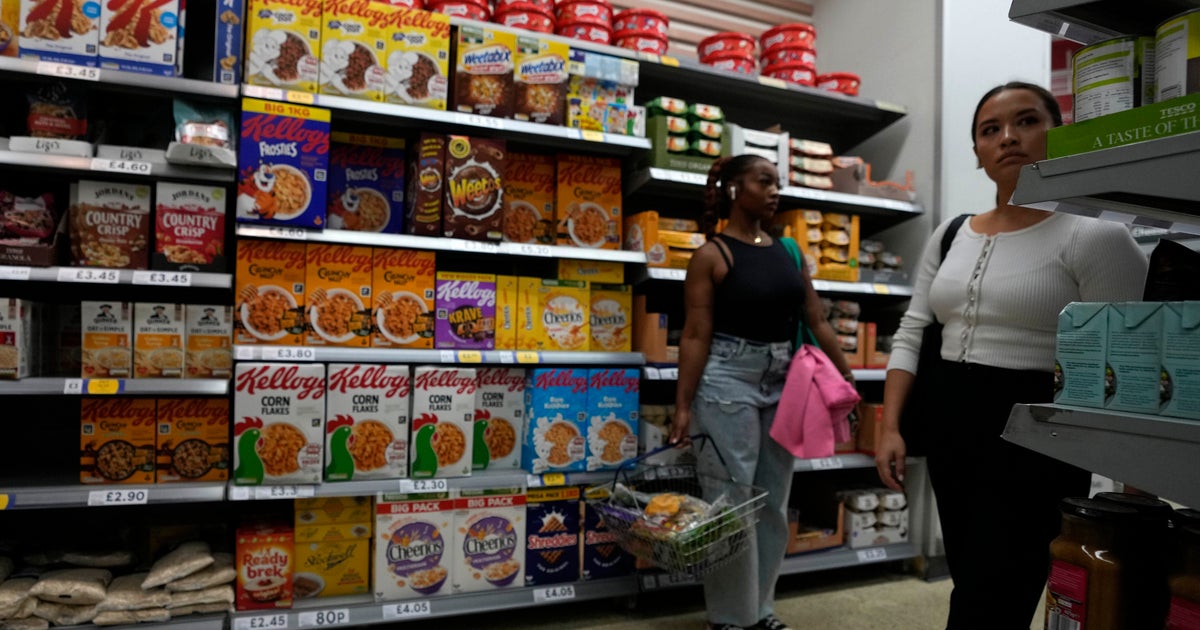
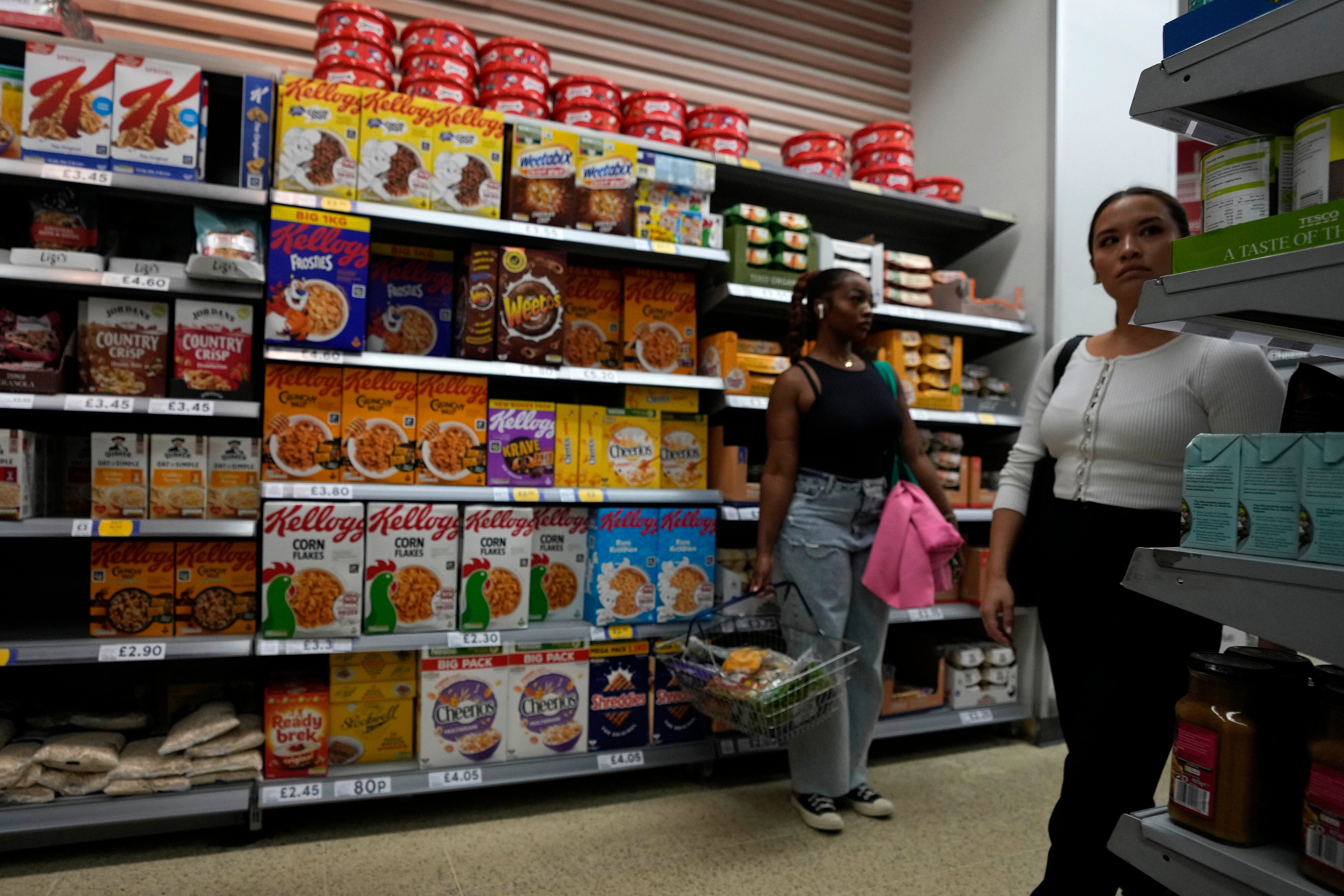
Tariffs – import taxes on goods paid by companies in the supply chain – will be lifted on more than 100 types of products, including biscuits, chocolate, dried fruit and nuts.

Supermarkets will then have to pass that saving onto product prices so shoppers can enjoy a price cut.

The full list of products will be published next week but the scheme is expected to save consumers more than £150 million a year.

What About Supermarket Price Caps?

There were reports the government was going to force price caps to supermarkets to try to keep the price of essential products – like eggs, bread and milk – down.

However, even the idea of a voluntary scheme was dismissed by the supermarket sector.

Marks & Spencer’s chief executive, Stuart Machin, said the idea was “completely preposterous”.

There were fears that could lead to shortages on shelves and trigger pressure throughout the supply chain.

Is This Enough?

These measures might improve summer, but there is more pain around the corner.

While inflation did fall this week, it is expected to rise as the conflict in the Middle East triggered sky-high fuel prices.

The Office for National Statistics announced that Consumer Prices Index inflation fell to 2.8% in April, down from 3.3% in March, which is the lowest rate since March 2025.

However, that was driven by regulator Ofgem reducing the energy price cap from the start of April by £10 a month.

The energy price cap is expected to increase significantly from July, too, from the current rate of £1,641 per year to £1,850 for a typical dual fuel household, according to predictions.

But the chancellor will wait until September before finalising any package of targeted support for households in winter when energy use increases.

Ministers are also trying to avoid offering a universal bailout for all households so as not to drive up an increase in government borrowing costs and inflation, leading to the kind of economic disaster seen under Liz Truss.

The government insists it is offering “practical steps that help right now”.

Prime minister Keir Starmer said: “We know many hard‑working families are still feeling the squeeze and too often think they have to hold back.

“By giving every child free bus travel throughout August and cutting tariffs on everyday food items, we’re putting money back into people’s pockets and making life that bit easier.

“This government is focused on practical steps that help right now — easing pressure on household budgets, supporting parents during the school holidays, and backing British businesses.”

Subscribe to Commons People, the podcast that makes politics easy. Every week, Kevin Schofield and Kate Nicholson unpack the week’s biggest stories to keep you informed. Join us for straightforward analysis of what’s going on at Westminster.

Share Button

Looming Energy Crisis Could Echo Oil Shock Of 1970s, Ex-Bank Of England Deputy Warns

The UK could be on the cusp of an energy crisis comparable to the chaos seen in the 1970s, according to a former deputy governor of the Bank of England.

Iran continues to restrict the number of oil tankers which can travel through the major shipping lane, the Strait of Hormuz, in retaliation against the US-Israel strikes from last month.

As the conflict continues, the global economy is facing a period of uncertainty – and energy bills are expected to rise, pushing up the cost of living.

The government is considering supporting some energy bills for targeted households once the current energy price cap lifts in July.

As fears grow over what lies ahead, former deputy governor of the Bank of England, Sir Howard Davies, suggested it was “probably right” to compare the current era to the crises we saw in the 1970s.

World oil prices soared at the time, triggered by the 1973 Arab-Israeli war. The price of an oil barrel then quadrupled in a matter of months.

Arab oil-producing countries only ended their oil embargo against western nations after intense negotiations, though another crisis emerged in 1979 in the wake of the Iranian Revolution.

Davies compared that worldwide energy crisis to the current situation.

“In this case it could well be that supplies from the Middle East are constrained for some time and therefore we may have to live with a higher oil price – perhaps not $150, but certainly higher than $60 it was when we started,” Davies told BBC Radio 4′s Today.

“That requires a plan to increase alternatives and also to reduce consumption because it also looks like we may have a long term reduction in supply.”

Brent crude oil hit $116 per barrel on Monday morning.

<div class="js-react-hydrator" data-component-name="Twitter" data-component-id="5595" data-component-props="{"itemType":"rich","isLiveblogEmbed":false,"index":15,"contentIndexByType":1,"contentListType":"embed","code":"

Could the UK be facing an energy crisis similar to the 1970s?

Sir Howard Davies, former deputy governor of the Bank of England, says it is the ‘right comparison’, and that it could be that ‘supplies from the Middle East are constrained for quite a long time’. pic.twitter.com/nM1Qt4zkGA

— BBC Radio 4 Today (@BBCr4today) March 30, 2026

","type":"rich","meta":{"author":"BBC Radio 4 Today","author_url":"https://twitter.com/BBCr4today","cache_age":86400,"description":"Could the UK be facing an energy crisis similar to the 1970s?Sir Howard Davies, former deputy governor of the Bank of England, says it is the ‘right comparison’, and that it could be that ‘supplies from the Middle East are constrained for quite a long time’. pic.twitter.com/nM1Qt4zkGA— BBC Radio 4 Today (@BBCr4today) March 30, 2026\n\n\n","options":{"_hide_media":{"label":"Hide photos, videos, and cards","value":false},"_maxwidth":{"label":"Adjust width","placeholder":"220-550, in px","value":""},"_theme":{"value":"","values":{"dark":"Use dark theme"}}},"provider_name":"Twitter","thumbnail_height":1920,"thumbnail_url":"https://pbs.twimg.com/amplify_video_thumb/2038523653403590656/img/diO8Lo-lc7jzKmu0.jpg:large","thumbnail_width":1080,"title":"BBC Radio 4 Today on Twitter / X","type":"rich","url":"https://twitter.com/BBCr4today/status/2038526864516321283","version":"1.0"},"flags":[],"enhancements":{},"fullBleed":false,"options":{"theme":"news","device":"desktop","editionInfo":{"id":"uk","name":"U.K.","link":"https://www.huffingtonpost.co.uk","locale":"en_GB"},"originalEdition":"uk","isMapi":false,"isAmp":false,"isMobile":false,"isAdsFree":false,"isVideoEntry":false,"isEntry":true,"isMt":false,"entryId":"69ca4bfee4b06be0a30903ff","entryPermalink":"https://www.huffingtonpost.co.uk/entry/energy-crisis-70s-oil-shock_uk_69ca4bfee4b06be0a30903ff","entryTagsList":"iran,cost-of-living,energy-bills,@ai_seo_headline","sectionSlug":"politics","deptSlug":null,"sectionRedirectUrl":null,"subcategories":"","isWide":false,"isShopping":false,"headerOverride":null,"noVideoAds":false,"disableFloat":false,"isNative":false,"commercialVideo":{"provider":"custom","site_and_category":"uk.politics","package":null},"isHighline":false,"vidibleConfigValues":{"cid":"60afc140cf94592c45d7390c","disabledWithMapiEntries":false,"overrides":{"all":"60b8e525cdd90620331baaf4"},"whitelisted":["56c5f12ee4b03a39c93c9439","56c6056ee4b01f2b7e1b5f35","59bfee7f9e451049f87f550b","5acccbaac269d609ef44c529","570278d2e4b070ff77b98217","57027b4be4b070ff77b98d5c","56fe95c4e4b0041c4242016b","570279cfe4b06d08e3629954","5ba9e8821c2e65639162ccf1","5bcd9904821576674bc55ced","5d076ca127f25f504327c72e","5b35266b158f855373e28256","5ebac2e8abddfb04f877dff2","60b8e525cdd90620331baaf4","60b64354b171b7444beaff4d","60d0d8e09340d7032ad0fb1a","60d0d90f9340d7032ad0fbeb","60d0d9949340d7032ad0fed3","60d0d9f99340d7032ad10113","60d0daa69340d7032ad104cf","60d0de02b627221e9d819408"],"playlists":{"default":"57bc306888d2ff1a7f6b5579","news":"56c6dbcee4b04edee8beb49c","politics":"56c6dbcee4b04edee8beb49c","entertainment":"56c6e7f2e4b0983aa64c60fc","tech":"56c6f70ae4b043c5bdcaebf9","parents":"56cc65c2e4b0239099455b42","lifestyle":"56cc66a9e4b01f81ef94e98c"},"playerUpdates":{"56c6056ee4b01f2b7e1b5f35":"60b8e525cdd90620331baaf4","56c5f12ee4b03a39c93c9439":"60d0d8e09340d7032ad0fb1a","59bfee7f9e451049f87f550b":"60d0d90f9340d7032ad0fbeb","5acccbaac269d609ef44c529":"60d0d9949340d7032ad0fed3","5bcd9904821576674bc55ced":"60d0d9f99340d7032ad10113","5d076ca127f25f504327c72e":"60d0daa69340d7032ad104cf","5ebac2e8abddfb04f877dff2":"60d0de02b627221e9d819408"}},"connatixConfigValues":{"defaultPlayer":"16b0ecc6-802c-4120-845f-e90629812c4d","clickToPlayPlayer":"823ac03a-0f7e-4bcb-8521-a5b091ae948d","videoPagePlayer":"05041ada-93f7-4e86-9208-e03a5b19311b","defaultPlaylist":"2e062669-71b4-41df-b17a-df6b1616bc8f"},"topConnatixThumnbailSrc":"data:image/png;base64,iVBORw0KGgoAAAANSUhEUgAAAAEAAAABCAQAAAC1HAwCAAAAC0lEQVR42mNkYAAAAAYAAjCB0C8AAAAASUVORK5CYII=","customAmpComponents":[],"ampAssetsUrl":"https://amp.assets.huffpost.com","videoTraits":null,"positionInUnitCounts":{"buzz_head":{"count":0},"buzz_body":{"count":0},"buzz_bottom":{"count":0}},"positionInSubUnitCounts":{"article_body":{"count":5},"blog_summary":{"count":0},"before_you_go_content":{"count":0}},"connatixCountsHelper":{"count":0},"buzzfeedTracking":{"context_page_id":"69ca4bfee4b06be0a30903ff","context_page_type":"buzz","destination":"huffpost","mode":"desktop","page_edition":"en-uk"},"tags":[{"name":"Iran","slug":"iran","links":{"relativeLink":"news/iran","permalink":"https://www.huffingtonpost.co.uk/news/iran","mobileWebLink":"https://www.huffingtonpost.co.uk/news/iran"},"relegenceId":3686717,"url":"https://www.huffingtonpost.co.uk/news/iran/"},{"name":"cost of living","slug":"cost-of-living","links":{"relativeLink":"news/cost-of-living","permalink":"https://www.huffingtonpost.co.uk/news/cost-of-living","mobileWebLink":"https://www.huffingtonpost.co.uk/news/cost-of-living"},"section":{"title":"Politics","slug":"politics"},"topic":{"title":"At What Cost?","slug":"at-what-cost","overridesSectionLabel":false},"url":"https://www.huffingtonpost.co.uk/news/at-what-cost/"},{"name":"Energy Bills","slug":"energy-bills","links":{"relativeLink":"news/energy-bills","permalink":"https://www.huffingtonpost.co.uk/news/energy-bills","mobileWebLink":"https://www.huffingtonpost.co.uk/news/energy-bills"},"url":"https://www.huffingtonpost.co.uk/news/energy-bills/"}],"isLiveblogLive":null,"isLiveblog":false,"signInUrl":"https://login.huffpost.com/login?dest=https%3A%2F%2Fwww.huffpost.com%2Fentry%2Fenergy-crisis-70s-oil-shock_uk_69ca4bfee4b06be0a30903ff%3Fhp_auth_done%3D1","cetUnit":"buzz_body","enableIncontentPlayer":true,"bodyAds":["

\r\n\r\n HPGam.cmd.push(function(){\r\n\t\treturn HPGam.render(\"inline-1\", \"entry_paragraph_1\", false, false);\r\n });\r\n\r\n","

\r\n\r\n HPGam.cmd.push(function(){\r\n\t\treturn HPGam.render(\"inline\", \"entry_paragraph_2\", false, false);\r\n });\r\n\r\n","

\r\n\r\n HPGam.cmd.push(function(){\r\n\t\treturn HPGam.render(\"inline-2\", \"entry_paragraph_3\", false, false);\r\n });\r\n\r\n","

\r\n\r\n HPGam.cmd.push(function(){\r\n\t\treturn HPGam.render(\"inline-infinite\", \"repeating_dynamic_display\", false, false);\r\n });\r\n\r\n"],"adCount":0,"midArticleAdPartner":null},"isCollectionEmbed":false}”>

Could the UK be facing an energy crisis similar to the 1970s?

Sir Howard Davies, former deputy governor of the Bank of England, says it is the ‘right comparison’, and that it could be that ‘supplies from the Middle East are constrained for quite a long time’. pic.twitter.com/nM1Qt4zkGA

— BBC Radio 4 Today (@BBCr4today) March 30, 2026

Keir Starmer tried to prevent any panic buying from the public when speaking to the media on Monday.

The PM said the advice from the energy sector chiefs is “normal use, no need to do anything other than what’s normal”.

He added: “Obviously, we are bearing down on energy costs. The single most important thing we could do is de-escalate to get the Strait of Hormuz open.

“That’s why I’m putting so much effort into that aspect.”

A Downing Street spokesperson also said: “It’s obviously a serious conflict as the prime minister and the chancellor have said and they’ve been very clear that the impact of disruption to shipping and to the Strait of Hormuz is having an impact here in the UK, and households up and down the UK.”

He said the government’s focus is on working with international partners to de-escalate the situation and reopen the Strait.

Want more? Listen to the latest episode of Commons People, the podcast that makes politics easy. Every week, our resident politics writers and Westminster regulars – Kevin Schofield and Kate Nicholson – unpack the week’s biggest story in a way that even the most politically dense can understand. Join us for straightforward, up-to-date and in-depth commentary on British politics from people in the know!

Share Button