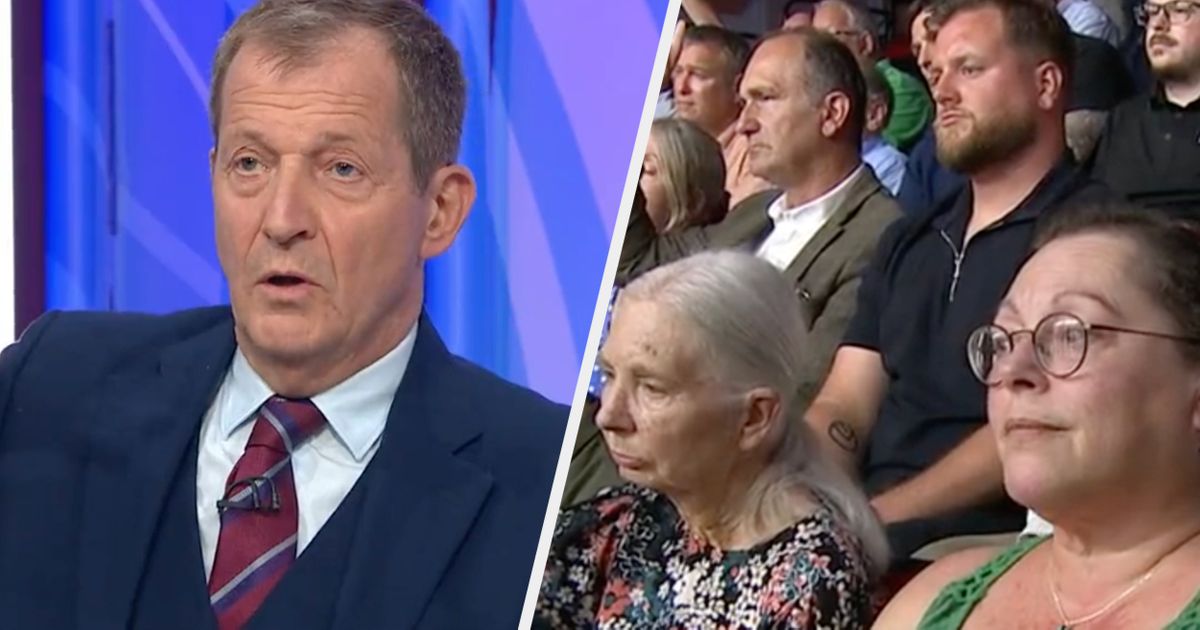
The corporation’s flagship politics show on Thursday held a “special” in Clacton-on-Sea in Essex to mark the seventh anniversary of the 2016 vote. Some 70% of people in the area voted to get out of the bloc and only Brexit voters were in the audience for the programme.
Advertisement
Campbell, the Tony Blair-era Labour Party spin chief, has been a fierce critic of leaving the European Union. On the show, the Rest is Politics podcaster said he understood why the audience members wanted to exit the EU – but that they were “lied to” and told it “would be pain-free” and “all be upsides”, as he pointed to the fall in the pound, a lack of a trade deal with the US and the claim of more money for the NHS.
“You were told that it would be pain-free. You were told that it would all be upsides, no downsides”
— BBC Question Time (@bbcquestiontime) June 22, 2023
He said: “Look, I understand why a lot of you guys voted for Brexit because you felt that Johnson, Farage … these conmen were coming along offering you something that was going to make your lives better.
“And I was in a school today, just a few minutes away from here. Clacton Coastal Academy. Really bright kids. Really nice teachers. Fantastic school in a very tough area, and I asked the kids what they thought of Brexit and all but two said they would vote to rejoin the European Union if they had the chance.”
Advertisement
He went on: “I don’t blame you for voting. I blame them for lying to you. They lied. They’ve not been properly held to account.
“Johnson’s gone from lying about Covid. He’s still not properly been held accountable for Brexit.
“And we’re all of us paying a higher price in our cost of living and everything else because of the lies that we were told.”
He later said Brexit is “one of the biggest acts of self-harm that we as a country have ever inflicted upon ourselves”, and that Johnson “never believed in Brexit”.
“Boris Johnson went for the referendum as a way of advancing his own career and becoming prime minister,” Campbell said. “The mess he’s left this country in, he should never be forgiven.”
Alastair Campbell, “Boris Johnson never believed in Brexit.. He went for the referendum as a way of advancing his own career and becoming PM.. The mess he’s left this country in, he should never be forgiven.”
Critics of leaving the EU have cited the impact on the pound, imports and labour costs, and other economies on the continent powering ahead. Britain’s higher rate of inflation compared to other major economies has also been blamed in part on Brexit thanks to higher administration costs and a small pool of workers.
An ally of Boris Johnson has been labelled “crackers” for suggesting the devastating report that could end the former prime minister’s political career is “revenge for Brexit”.
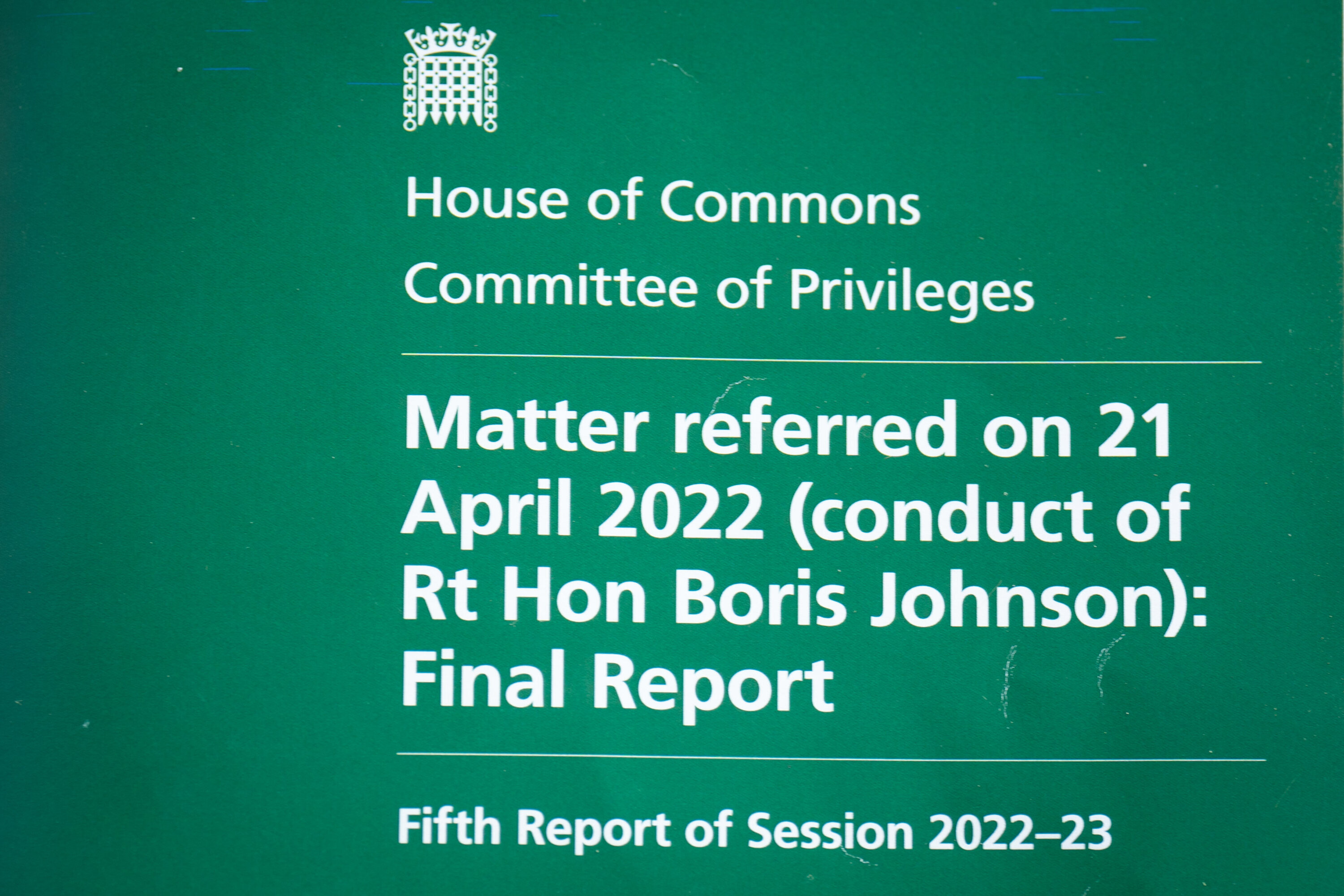
It recommended a 90-day suspension for the ex-prime minister, which he will escape after resigning as an MP, and said he should not receive a pass granting access to parliament which is normally given to former members.
MPs are expected to have a free vote on the proposed sanctions.
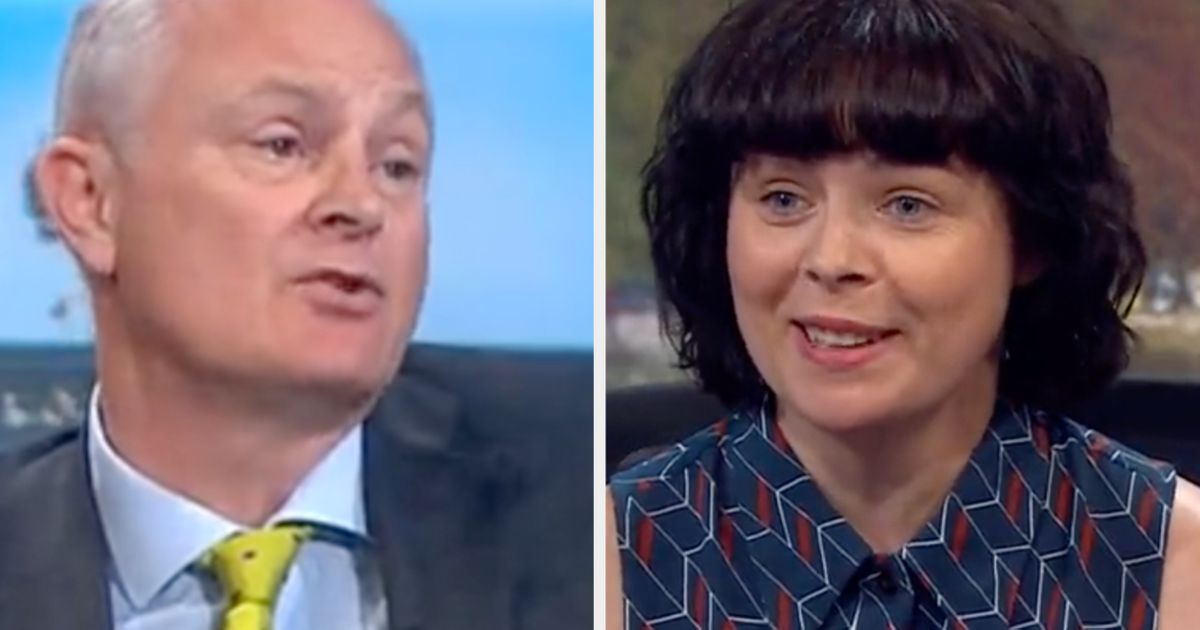
On the BBC’s Politics Live soon after the report was published, Lord Stewart Jackson, a former Conservative MP, echoed Johnson’s words by describing the process as “a sham court” and “a kangaroo court”, and said the MPs had conducted a “quasi-judicial process”.
He added: “And there are people there who were out to get him, and what this is effectively is revenge for Brexit dressed up as a judicial process.”
After Jackson insisted the majority of parliament was “hostile to his position on Brexit”, he faced pushback from Ellie Mae O’Hagan from the Good Law Project, which has launched a number of legal challenges against the government.
Advertisement
She said: “I’m sorry, I really don’t like being rude to fellow guests. But you sound crackers … the things you are saying are just crackers … it as like the idea that this is about Brexit, the idea that Britain is now a banana republic …”
Conservative MP Brendan Clarke-Smith told the BBC that the report was “vindictive, spiteful and an over-each”, adding: “90 days and taking their pass off them is the equivalent of putting somebody in the stocks and touring them round the country.”
Former Cabinet minister Simon Clarke was also among Johnson’s allies to indicate they would vote against the report, saying “this punishment is absolutely extraordinary to the point of sheer vindictiveness”.
Johnson was said to have deliberately misled MPs with his partygate denials and accused of being complicit in a campaign of abuse and intimidation, with the former prime minister hitting out at the “deranged conclusion”.
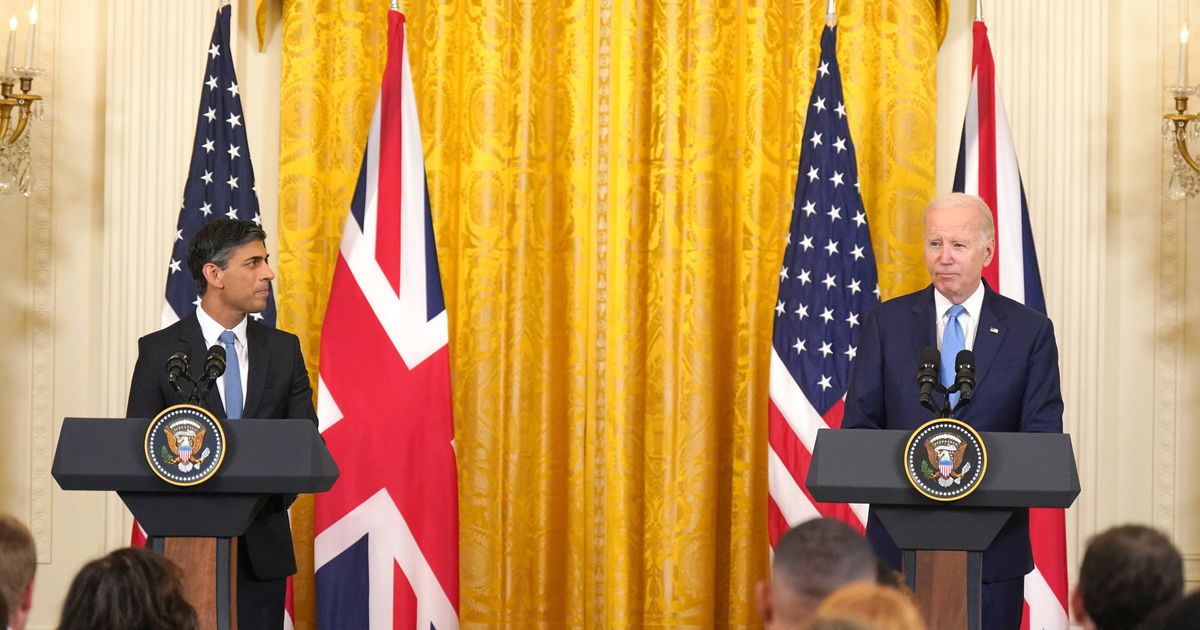
Rishi Sunak and Joe Biden have agreed a new partnership that the British prime minister said cements the “indispensable alliance” between the UK and US – but the deal fell well short of a prized and full-blown free trade deal.
The Atlantic Declaration, announced as the PM and US president met in the White House, includes commitments on easing trade barriers, closer defence industry ties and a data protection deal.
Advertisement
UK officials insisted the new, “targeted” approach was a better response to the economic challenges posed by China and Russia’s invasion of Ukraine than a trade deal – which has long been hailed by Brexiteers as one of the potential benefits of leaving the EU.
During a joint press conference in Washington DC where the declaration was announced, Sunak was pressed by the BBC’s political Chris Mason on whether the lack of a free trade deal represented “failure” to deliver on a 2019 manifesto promise.
Sunak replied the declaration was a response to the “particular opportunities and challenges we face right now and into the future” and that the UK-US relationship is “strong and booming”.
Chris Mason, “Brexit Conservative party promised a full free trade deal with the US. Isn’t the truth, what you announced today is a failure?”
Rishi Sunak, “Today’s agreement removes unnecessary red tape so UK companies can trade with the US far easier.” pic.twitter.com/PVntGHKwzh
For the president’s part, Biden said: “It’s a testament to the depth, breadth and I would argue the intensity of our co-operation and coordination which continues to exist between the United Kingdom and the United States.
“There’s no issue of global importance – none – that our nations are not leading together.”
What’s in The Atlantic Declaration?
The deal mitigates some of the issues cause by Biden’s Inflation Reduction Act (IRA), with proposals for a critical minerals agreement to remove barriers which affected trade in electric vehicle batteries.
An agreement would give buyers of vehicles made using critical minerals processed, recycled or mined by UK companies access to tax credits in line with the IRA.
The Inflation Reduction Act provides a $3,750 incentive for each vehicle, on conditions including that the critical minerals used in its production – principally used in the battery – are sourced from the US or a country with whom the US has a critical minerals agreement.
An agreement could help companies all over the UK, including firms carrying out nickel production in Wales and lithium processing in Teesside.
Advertisement
Biden has committed to ask Congress to approve the UK as a “domestic source” under US defence procurement laws, allowing for greater American investment in British firms.
Work will be carried out to improve the resilience of supply chains and efforts will be stepped up to shut Vladimir Putin’s Russia out of the global civil nuclear market.
The agreement will also include a push for mutual recognition of qualifications for engineers, although this could require state-by-state approval in the US.
A deal on data protection will ease burdens for small firms doing transatlantic trade, potentially saving £92 million.
The two nations will also collaborate on key industries – artificial intelligence, 5G and 6G telecoms, quantum computing, semiconductors and engineering biology.
Advertisement
It also commits the UK and US to partnership across all forms of space activity, including on communications and space nuclear power and propulsion.
Why not a proper trade deal?
Officials believe the deal is a less sentimental and more pragmatic approach to the UK-US “special relationship”, based on the need to ensure the allies can maintain their economic power and security.
The global energy shock caused by Russia’s invasion of Ukraine illustrated the vulnerability of major economies reliant on supply chains beyond their political allies.
There are fears that a Chinese invasion of Taiwan could cause a similar economic meltdown due to the disputed territory’s significance in global semiconductor supplies.
Labour said the absence of a trade deal in the Atlantic Declaration represented a “failure”.
Shadow foreign secretary David Lammy said: “This statement shows the Conservative government has failed to deliver the comprehensive trade deal they promised in the 2019 manifesto, or to secure the ally status under the Inflation Reduction Act that is so important for the automotive sector and for the green transition.
Advertisement
“While the Biden administration have enacted the Inflation Reduction Act to de-risk its economy from China and create jobs at home, the Conservatives have left Britain’s cupboards bare. Instead of taking similar action, the chancellor has attacked the US approach as ‘dangerous’ and ‘not the British way’.”
The benefits of Brexit have been written off as “pure fantasy” as MPs debated the consequences of leaving the European Union amid growing concern over the decision.
On Monday, a three-hour debate took place in Westminster Hall triggered by 183,000 people signing a petition calling for a public inquiry into the impact of Brexit.
Advertisement
Brexit and its consequences have been discussed periodically in parliament, but it is thought this is the first time a full debate has examined what leaving the bloc has led to.
Brexit has been cited repeatedly as the UK’s economy is expected to perform the worst out of any G20 economies apart from Russia this year and next, an IMF analysis has suggested.
On the same day as the debate, Gerry Murphy, the chairman of Burberry, said leaving the EU had been a “drag on growth” as he hit out at the “spectacular own goal” of a post-Brexit VAT change during a Q&A with Rishi Sunak.
Ministers have previously rejected a call for an official probe into the effects of leaving the EU.
The debate was opened by SNP MP Martyn Day, speaking in favour of the petition.
He told parliamentarians: “Nearly seven years on from the Brexit referendum, the UK public are still waiting for the elusive ‘Brexit benefits’ that were promised.
Advertisement
“It seems to me, having raised just some of the areas where leaving the EU has impacted on the UK, that the benefits of Brexit are pure fantasy.
“The economic fallout from Brexit is stark and it has been made starker by the current cost of living crisis that is being inflicted on households up and down the country.
“From my perspective, Brexit has been an unmitigated disaster—politically, economically and socially, for Scotland and the rest of the UK.
“The UK government, of course, have a means to refute this.
“When major events occur, public inquiries can be held into matters of public concern to establish facts, to learn lessons so that mistakes are not repeated, to restore public confidence and to determine accountability.”
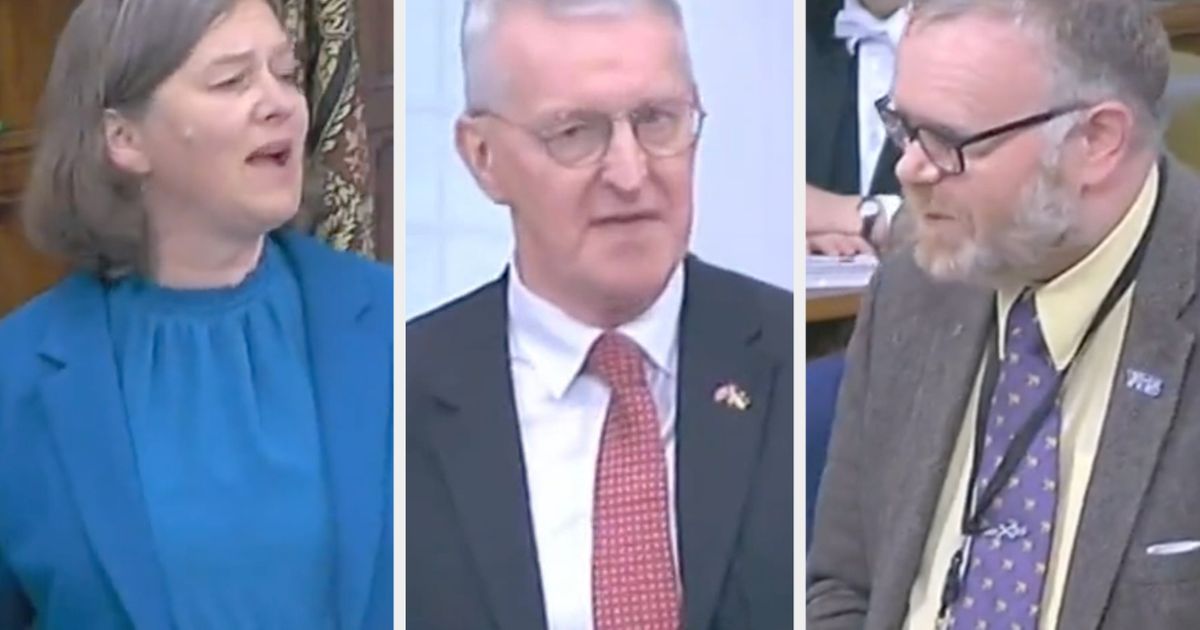
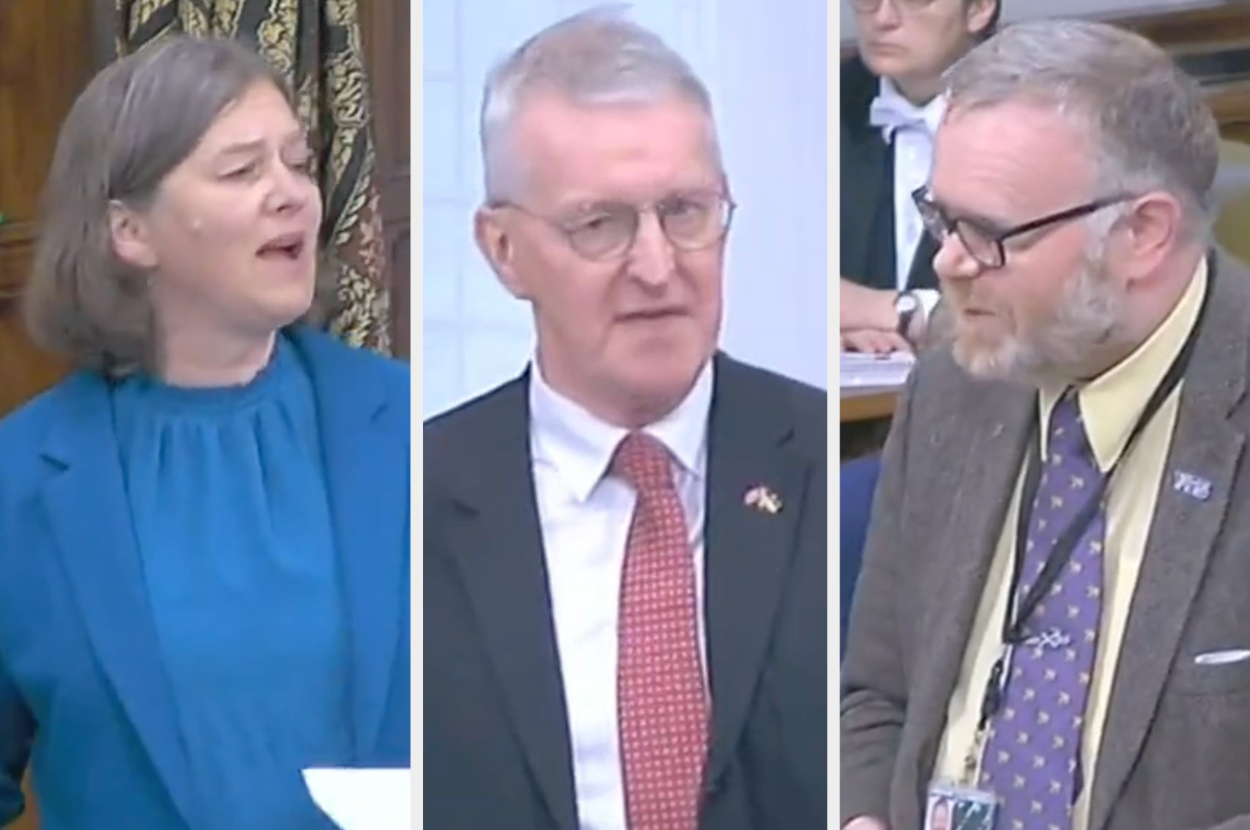
Hilary Benn – “It was unforgivable to claim that we could have all our sovereignty, keep all the benefits of being a member of the EU & get further benefits on top of that… it’s simply wasn’t true… so brexiters are now in a state of confusion & denial” #BrexitInquirypic.twitter.com/h7vQ78Z4uh
Speaking against the petition, Conservative MP Adam Holloway said the biggest benefit was that “our sovereignty has been repatriated”.
“It is easy to disdain patriotism if you’re economically and socially mobile and derive your self-worth from a well-paid job, or if you life is made easier by cheap labour brought by free movement,” the MP said.
Labour MP Hilary Benn picked up on sovereignty issue as he argued proponents of Brexit were “in a state of confusion and denial”.
He said: “I met many people during the campaign who made that argument. Indeed, they said, ‘I don’t care about the economic impact. My sovereignty is more important.’ I respect people’s right to hold that view; I fundamentally disagree with it.
“But what was unforgiveable was to claim that we could have all our sovereignty, keep all the benefits of being a member of the European Union and get further benefits on top of that. It simply was not true, and we now know it was not true. Therefore, those who argued for us to leave the European Union are now in a state of confusion and denial.
Advertisement
“That is what is going on, particularly around the economic consequences. If we do not understand what those are, how on earth are we going to build a different relationship with our European colleagues over the months and years ahead?”
Labour’s Fleur Anderson hit out at “delusion” ministers.
She said: “In December 2021, I called for a debate on the impact of Brexit and a region-by-region report. The then leader of the House (Jacob Rees-Mogg) gave me this response: ’We can start prayers every morning…with a celebration of Brexit. We should have the Brexit prayer and perhaps even the Brexit song…because it has been a triumph for this nation in reasserting its freedom.′
“He said that we now have ‘happy fish’ and that across the country ‘there is general celebrating and rejoicing’.
“That level of delusion, flippancy and not taking the issue seriously is very frustrating for people across the country, and it is why they signed the petition in such large numbers. This cannot be the last word—just writing it off and saying that Brexit has been a success without giving evidence.”
The UK government has said: “The UK’s departure from the EU was a democratic choice, and the UK-EU institutions are functioning as intended. The Government does not believe this to be an appropriate subject for a public inquiry,”
An historic lace manufacturer has said it faces being “killed off by our own side” thanks to levies brought about by Brexit.
In a letter published in the Financial Times that has since gone viral, Chris Mason, managing director of Derbyshire-based The Cluny Lace Company, says the taxman has imposed an 8% duty on the return of all the lace it has sent to France for dyeing.
He adds the levy has been backdated to when Brexit came into force two years ago.
In the letter, he writes: “We have spent more than 200 years building our business, fought for 30 years against the global textile trend of moving to the Far East and have now been killed off by our own side in a couple of years. We all lose.”
It was quickly seized upon on social media.
Dragons’ Den entrepreneur Deborah Meaden wrote: “Absolutely devastating…a pin sharp arrow to the futility and harm of leaving the EU…for so many businesses.”
Earlier this month, the government set out plans for how post-Brexit border checks on goods coming into the UK from the EU will work.
Ministers published a draft border operating model, designed to bring in the checks the UK is required to make under its Brexit trade agreement with the EU.
Ministers have delayed implementing the checks on several occasions since the UK officially withdrew from the trade bloc on January 31, 2020.
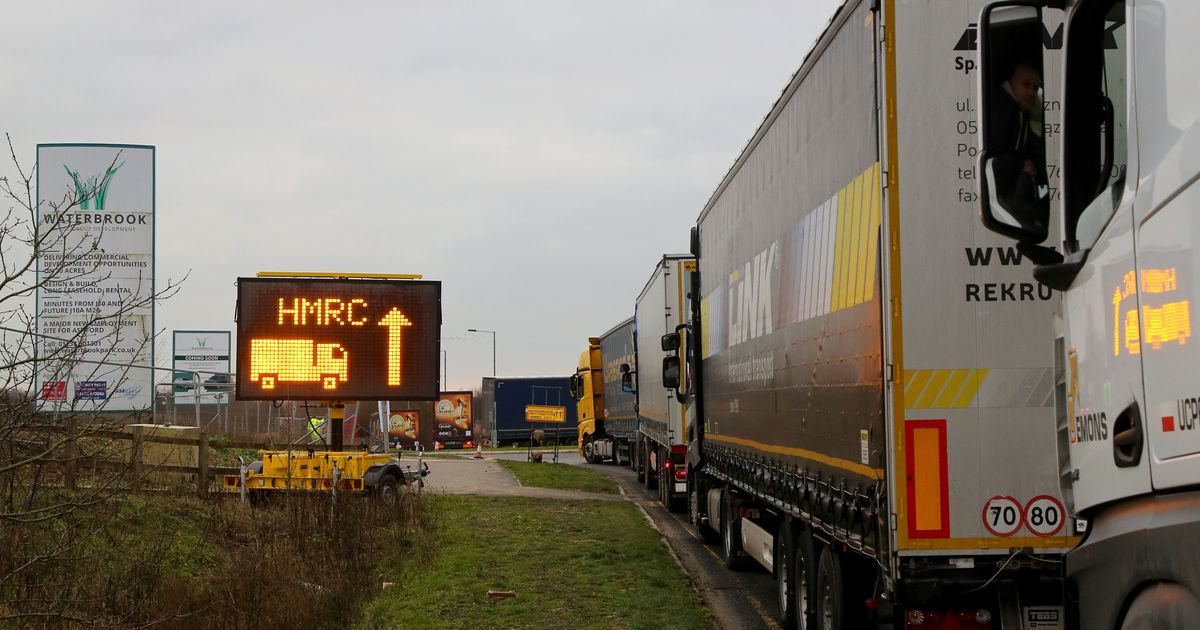
Dover has been blighted by travel chaos again as long queues were reported at the major port linking the UK with continental Europe.
Last weekend, a political row kicked over the thousands of people who were delayed at the Kent travel hub, reportedly by up to 14 hours.
Advertisement
The delays were blamed on French border officials carrying out extra checks and stamping UK passports following Brexit, though home secretary Suella Braverman dismissed the link to leaving the EU.
On Thursday, ahead of the long Easter weekend, queues of “approximately 90 minutes” for passport checks were reported by ferry operator DFDS.
PORT UPDATE
DUNKIRK:Traffic is free flowing through check-in & border controls
CALAIS: Traffic is free flowing through check-in & approx 20 mins queue at border control
DOVER: There are queues approx 90 mins currently at border control. Our Check-in is currently free flowing.
The queue had eased by 1pm, with DFDS saying “traffic is free flowing through border controls and check-in”.
Advertisement
Port officials said they held a “urgent review” with ferry operators and the French authorities in an attempt to avoid a repeat of last weekend’s delays.
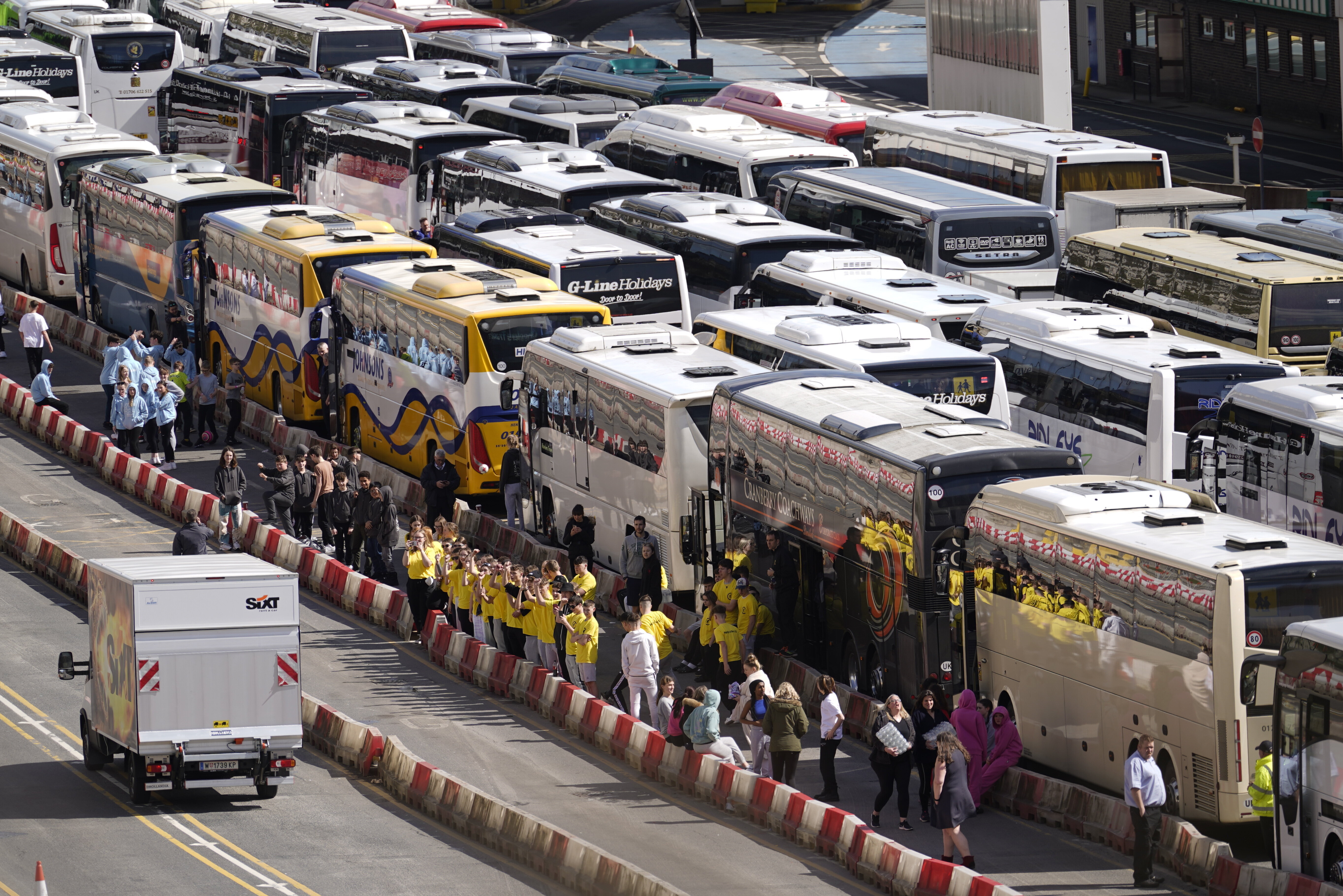
Ferry companies are asking coach operators booked on sailings on Good Friday – expected to be the busiest day for outbound Easter travel from Dover – to “spread the travel” across the three-day period from Thursday to Saturday.
Additional “temporary border control infrastructure” has also been installed.
A general strike in France in a row over pension reforms is also causing disruption.
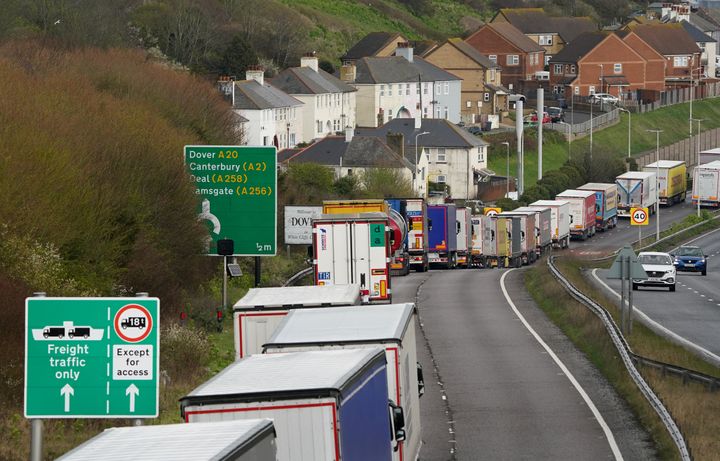
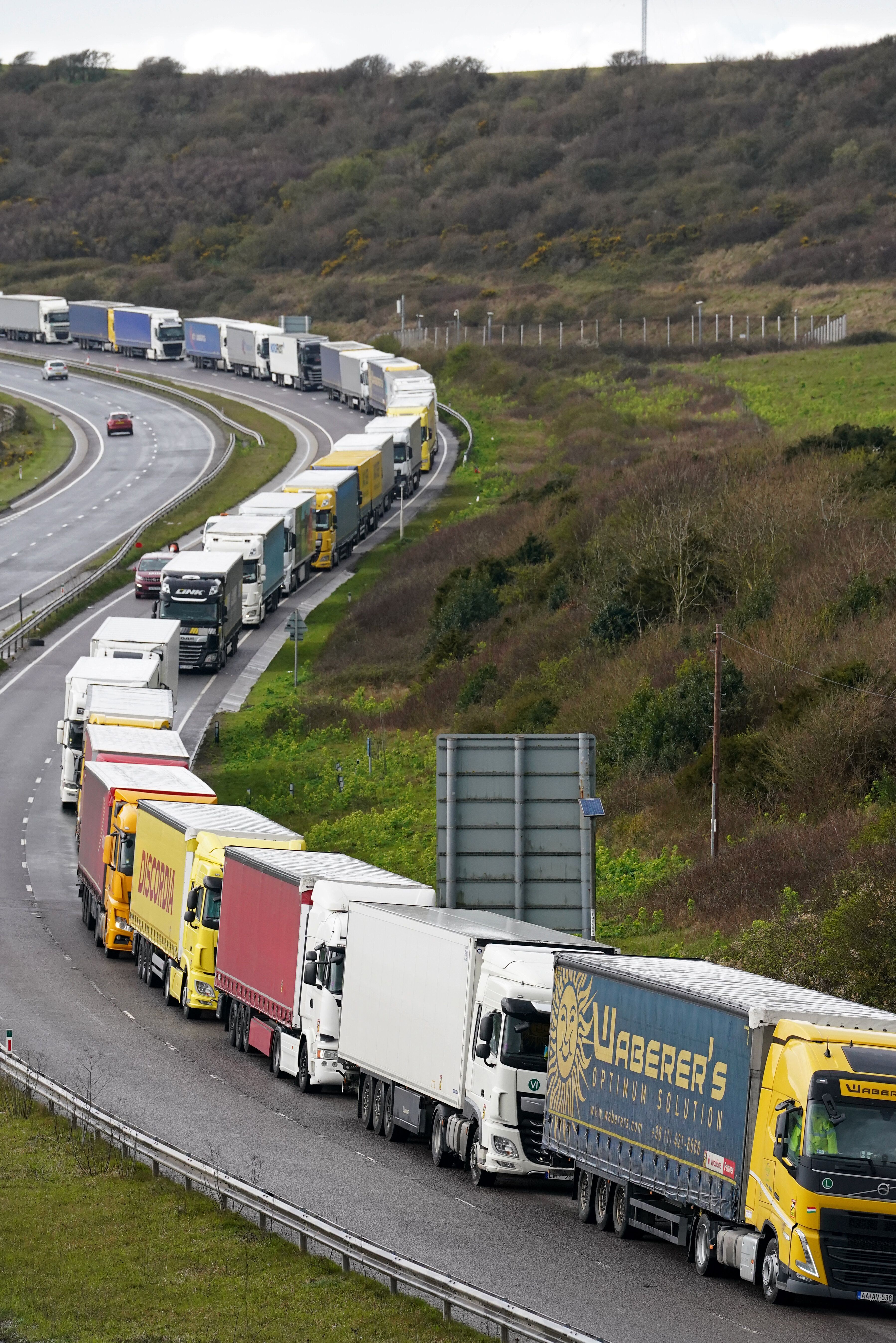
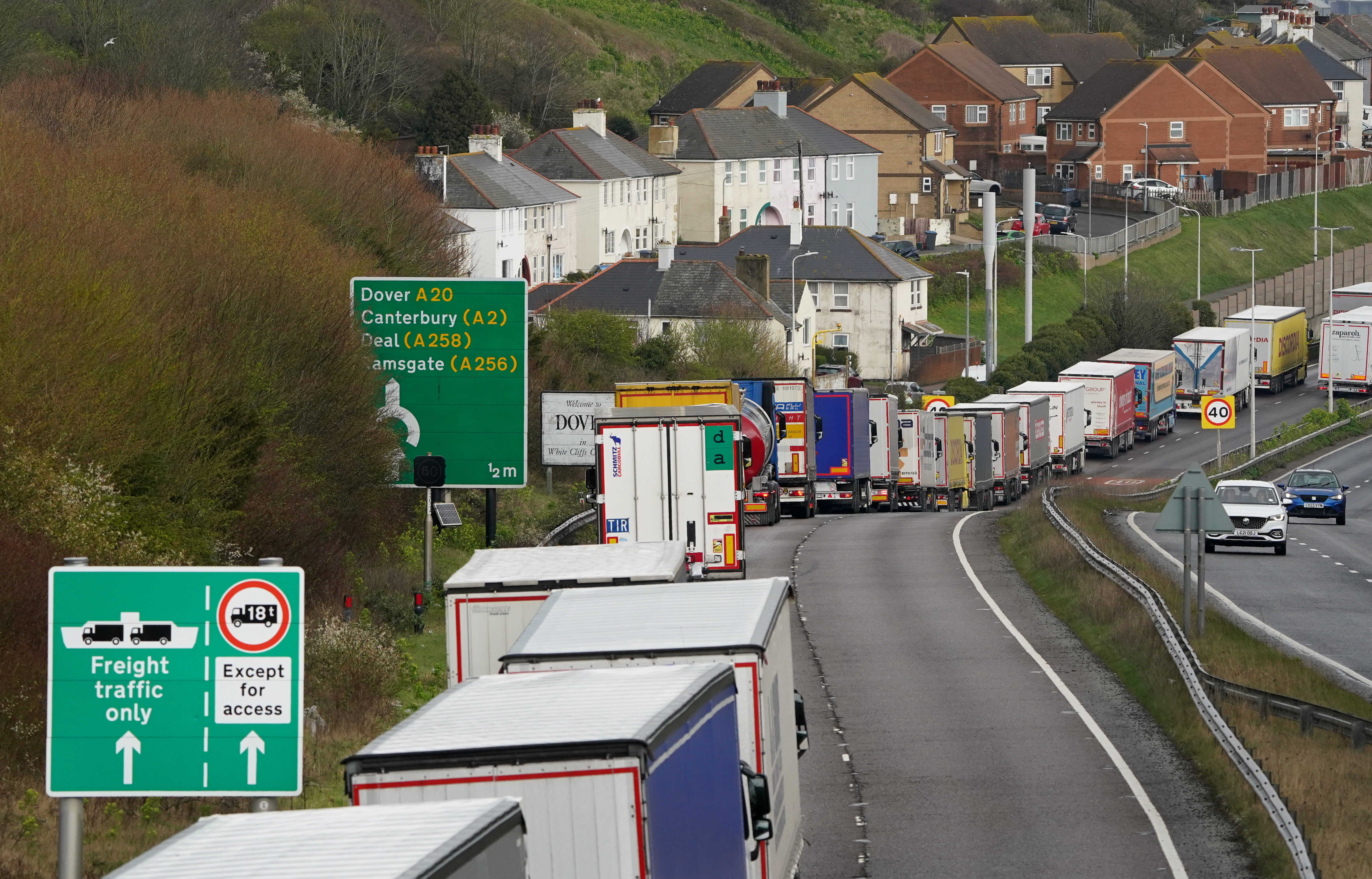
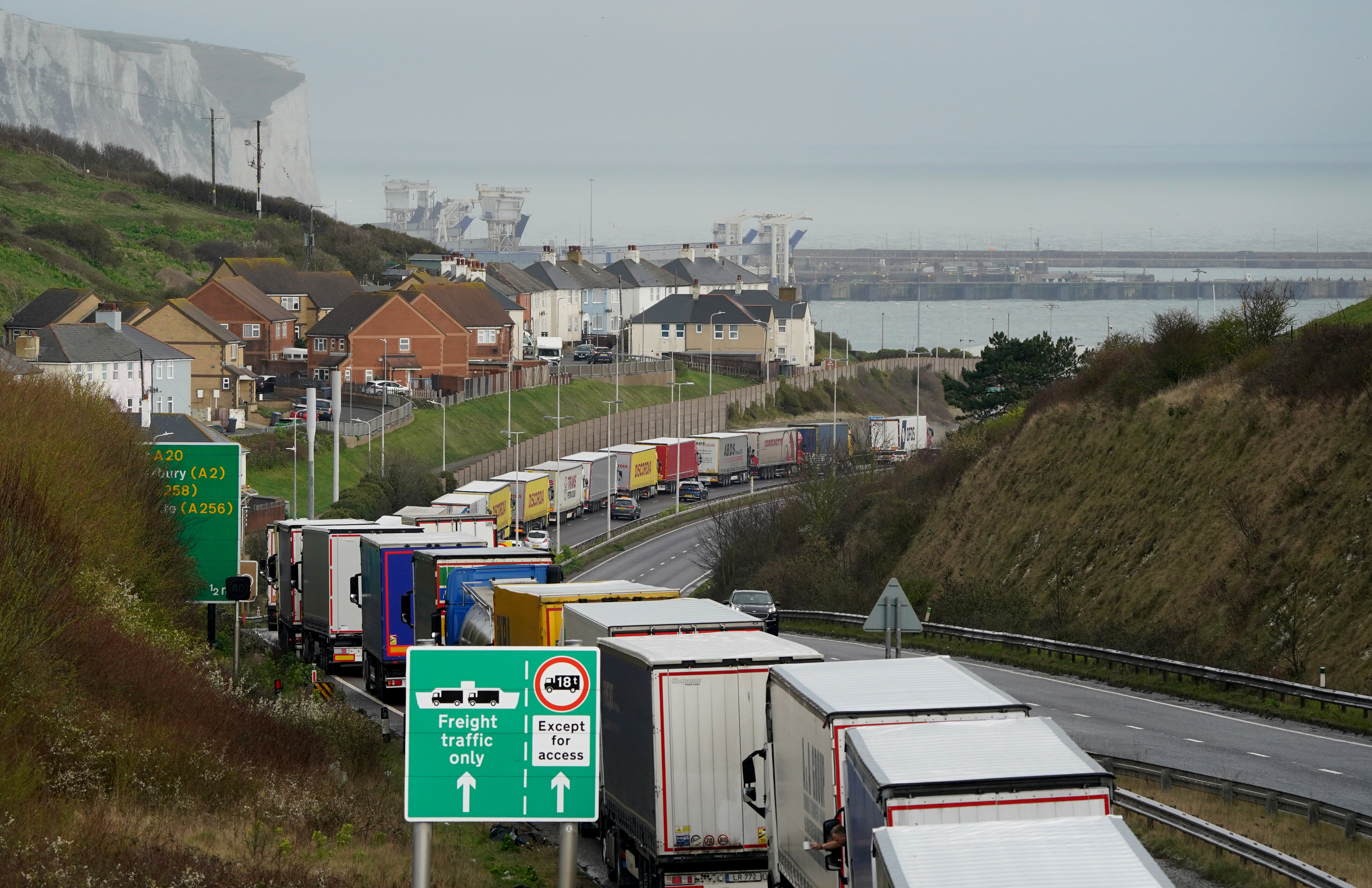
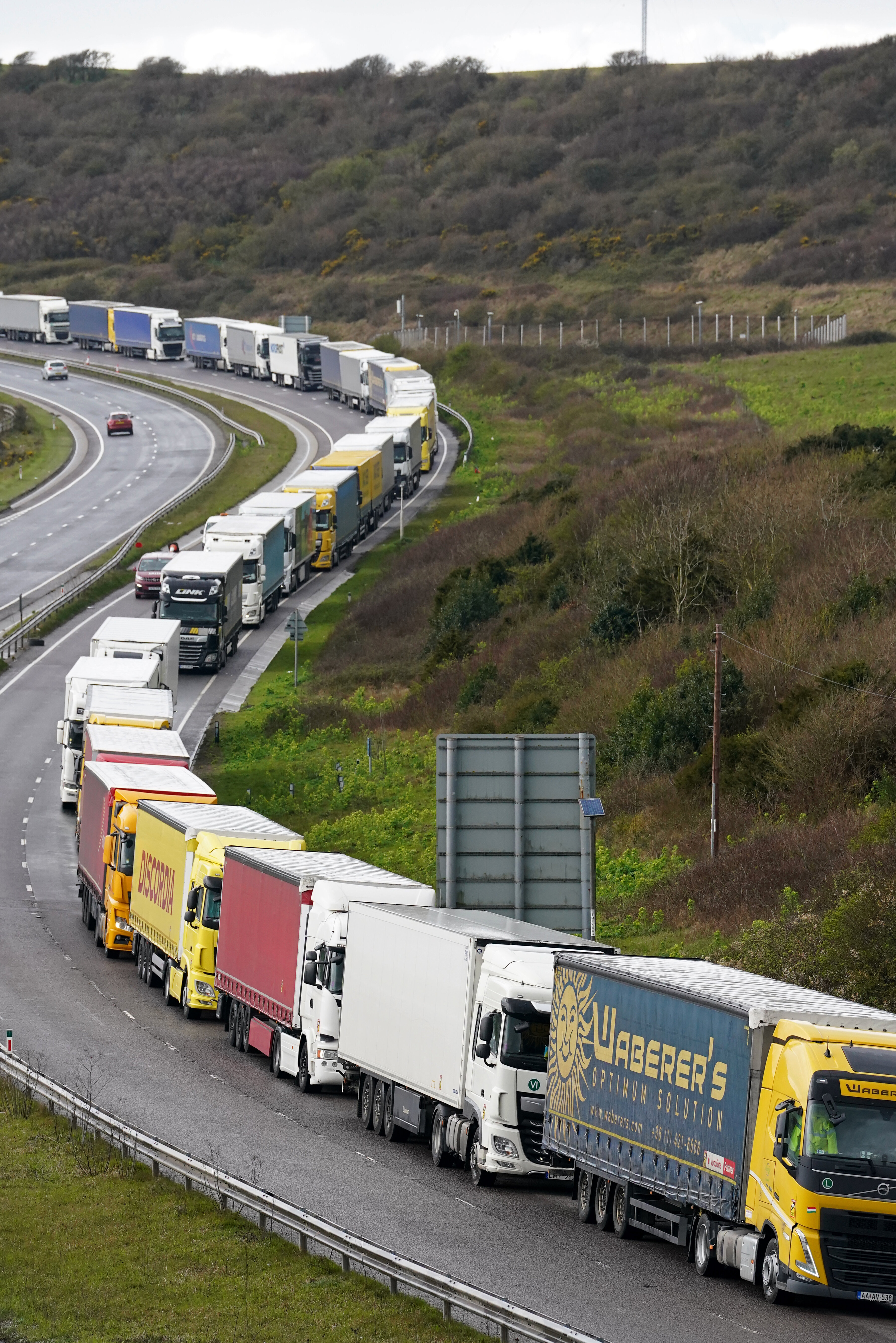
Lorries queue for the Port of Dover along the A20 in Kent as the getaway begins for the Easter weekend.
Gareth Fuller via PA Wire/PA Images
Lorries queue for the Port of Dover along the A20 in Kent as the getaway begins for the Easter weekend.
Gareth Fuller via PA Wire/PA Images
Last Sunday, Bravermandenied that Brexit was to blame for the travel chaos at Dover.
The home secretary instead urged holidaymakers stuck in huge queues as they try to get to France that they need to “be a bit patient”.
Advertisement
Appearing on Sophy Ridge on Sunday on Sky News, Braverman rejected comments by Doug Bannister, the chief executive of the port at Dover, who said that the “post-Brexit environment means that every passport needs to be checked”.
Ridge asked the home secretary: “Do we need to, after Brexit, just get used to this happening at busy periods?”
Braverman replied: “I don’t think that’s fair to say this has been an adverse effect of Brexit.
“I think we’ve had many years now since leaving the European Union and there’s been on the whole very good operations and processes at the border.
″What I would say is that at acute times, when there is a lot of pressure crossing the Channel, whether that’s on the tunnel or ferries, then I think that there’s always going to be a backup and I just urge everybody to be a bit patient while the ferry companies work their way through the backlog.”
HuffPost UK has reported ministers turned down a bid by the Port of Dover for funding to build more passport booths.
Advertisement
Officials at the port applied to the Cabinet Office for £33 million from a special infrastructure fund in 2020.
The cash would have paid for “additional French passport control booths to compensate for slower transaction times and a reordering of controls within the port” following Brexit.
But a press release issued by the port in December 2020 says that “at the eleventh hour the port [was] offered just one tenth of one per cent of what was needed”.
A journalist has torpedoed the claims of senior Tories that Brexit is not to blame for the traffic chaos at Dover.
Simon Calder, The Independent’s travel editor, said the French authorities were doing what “we asked them to do” by painstakingly checking the passports of everyone trying to get across the Channel.
Advertisement
Thousands of holidaymakers trying to get away for the Easter holidays have been caught up in huge tailbacks in Kent in the past 48 hours.
Doug Bannister, the chief executive of the port at Dover, said that the “post-Brexit environment means that every passport needs to be checked”.
And local Tory MP Natalie Elphicke said she was “incredibly disappointed to see French border control problems once again adding to traffic mayhem” at the Kent port.
Appearing on Sky News today, Calder calmly explained why both Braverman and Elphicke were wrong.
He said: “For decades we’ve had so-called juxtaposed border controls at Dover.
“That very simply means French passport officials checking everything before you board the ferry. Normally that’s great because it means as soon as you get to Calais or Dunkirk, you’re free to go.
″Unfortunately, it was never designed, the port of Dover, which as you know is a very constrained area beneath the white cliffs, there was never idea that we would be a hard, external EU frontier just the same as they have in Russia and Turkey.
″But that was exactly what we signed up for after Brexit.
“So previously you would turn up in your car or on a coach and just wave your passport and if they really wanted to a passport official could check ‘is this Anna Jones, is this a valid passport’ and off you’d go.
“Now, they are required – as we asked them to do – to go through, check all your stamps to stamp the passport, and that on a coach needs to be replicated 50 or 60 times.
″And however many French frontier officials you can send over, it’s simply going to back up.”
Advertisement
Extra sailings were run overnight to try and clear the backlog and by Sunday morning the port estimated some travellers would face waits of up to eight hours, depending on the ferry operator.
A port spokesman said: “The additional sailings have assisted in clearing some of the traffic, although currently both DFDS and P&O have two full lanes of coaches in the port before French border controls, with a processing time of about 4.5 hours.
“P&O have some coaches waiting at the cruise terminal and DFDS have some at service stations in Kent.
“Once coaches are processed in an operator’s lane, more are being sent to the port. Currently, the estimated total time is six to eight hours dwell time.”
Asked if they believed Boris Johnson told the truth when he appeared before MPs this week, not a single member of the Question Time audience put their hand up.
Even more worryingly for the former prime minister, the programme was being broadcast from Newcastle-under-Lyme, part of the famous Red Wall of seats where he is still said to be popular with voters.
Advertisement
It was a fitting denouement to a miserable week for a man who was still in Downing Street less than a year ago.
Johnson suffered two major blows to his hopes of a political comeback within a few hours on Wednesday afternoon.
His irascible performance in front of parliament’s privileges committee, which is investigating claims he misled the Commons over partygate, left few in any doubt that he will be found guilty.
Should the committee decide to impose a suspension of more than 10 days, and parliament votes for it, he could face a by-election in his Uxbridge seat.
Advertisement
On the same day, Johnson’s hopes of leading a wide-scale Tory revolt against his arch-nemesis Rishi Sunak’s Brexit deal ended in failure when only 21 of his colleagues followed him into the No lobby.
Meanwhile, while all this was going on, Rishi Sunak enjoyed a game of cricket in the Downing Street garden with England’s T20 world cup-winning team.
Rishi Sunak enjoyed a game of cricket in the No10 garden with England’s T20 World Cup winning and children from the ACE cricket programme on Wednesday.
Simon Walker/10 Downing Street
As he surveys the political scene this weekend, Johnson will surely be contemplating the very real possibility that his ambition of a triumphant return to No.10 will be unfulfilled.
Many experienced observers of Westminster believe that the game is up for the former PM.
One senior Tory told HuffPost UK: “He’s just like that drunk uncle at the wedding who is there at the reception but you don’t really know why.”
Advertisement
Others believe that even Johnson’s media cheerleaders have decided to move on and throw their weight behind Sunak as the next election draws nearer.
“I thought it was very telling there was a front page of the Telegraph was very negative about him after his committee appearance,” said one former cabinet member. “I think that’s a weathervane.
“I think it’s a cocktail of the partygate stuff and the Brexit vote. It could have gone the other way – he could have had a major triumph in the committee and there could have been a big rebellion, but in the end it was just the usual suspects who voted with him.
“A line has been drawn and people just want to move on.”
One Tory MP told HuffPost UK: “His defence at the committee was basically ‘I’m an idiot’. Some people might accept that, but I think it just reaffirmed that him coming back is just not a realistic possibility.
“Even if Rishi falls under a bus, literally or politically, it’s not going to Boris who steps in to the breach. A significant enough number of MPs just wouldn’t wear it. Most of them realise he’s not an asset to them any more.”
Advertisement
Tory peer and election guru Lord Hayward told Sky News: “His support is diminishing and his impact on the party is diminishing the longer Rishi Sunak is prime minister.”
Former minister Caroline Nokes was even more forthright, declaring that Johnson is “finished”.
“I think there was a very clear message from his own ministers back in the summer that they didn’t want him to carry on,” she told ITV’s Peston show.
“He didn’t choose to stand against Rishi Sunak back in the autumn when we had the second leadership challenge.
“As far as I’m concerned, Boris Johnson is not coming back as prime minister.”
Johnson still does have his hardcore supporters who will defend him to the bitter end.
Jacob Rees-Mogg told Channel 4 News “he’s winning in the court of public opinion”, while Nadine Dorries said the privileges committee is “a kangaroo court” determined to find him guilty regardless of the evidence.
One Johnson ally said that if the partygate inquiry had been properly dealt with a year ago, he would probably still be PM.
Advertisement
“It would have helped restore perspective and pedestrianise what was portrayed as sinister and dramatic at the time,” they told HuffPost UK.
“The world now knows that police looked at the legality and found the PM and Rishi at fault for one event that the public would totally understand.
“People were working hard in No.10 and were there for long and endless hours – they weren’t heading in for a party. And the bad stuff unveiled by the Sue Gray report was a shock to Boris as much as anyone.
“We all lost the plot getting obsessed with partygate when we should have been looking at things like the anaemic economic growth, high inflation, the delays to HS2 and the fact that corporation tax is too high.”
However, the ally did agree with Johnson’s detractors that there is no chance of him returning to Downing Street.
Rishi Sunak’s Brexit deal needs “re-working and change” before the DUP can support it, the party’s leader Jeffrey Donaldson has declared.
In a major blow for the prime minister, Donaldson said the Windsor Framework did not go far enough to address unionists’ concerns.
Advertisement
The agreement, which Sunak struck with European Commission president Ursula von der Leyen earlier this month, aims to solve the problems caused by the Northern Ireland Protocol signed by Boris Johnson three years ago.
He said it would remove the current customs border in Irish Sea while also giving the UK government an effective veto on new EU laws being imposed on Northern Ireland.
MPs are to be given a Commons vote on the deal, with the DUP’s support being seen as crucial to prevent a major rebellion by Brexiteer Tories.
The DUP’s support for the Framework is also seen as essential for the party to agree to enter a power-sharing government at Stormont with Sinn Fein.
Advertisement
But speaking during a visit to Washington, Donaldson said as it currently stands, his party cannot back it.
In a statement, he said: “It is my current assessment that there remains key areas of concern which require further clarification, reworking and change, as well as seeing further legal text.”
He added: “What is in this Windsor Framework is insufficient. It does not meet all of our requirements, it does not go as far as we need, in terms of our tests and in terms of restoring fully Northern Ireland’s place within the internal market of the United Kingdom.
“So, we need to see the legislative safeguards, we need to see the legislation that is going to ensure the Government honours the commitments it has made.”
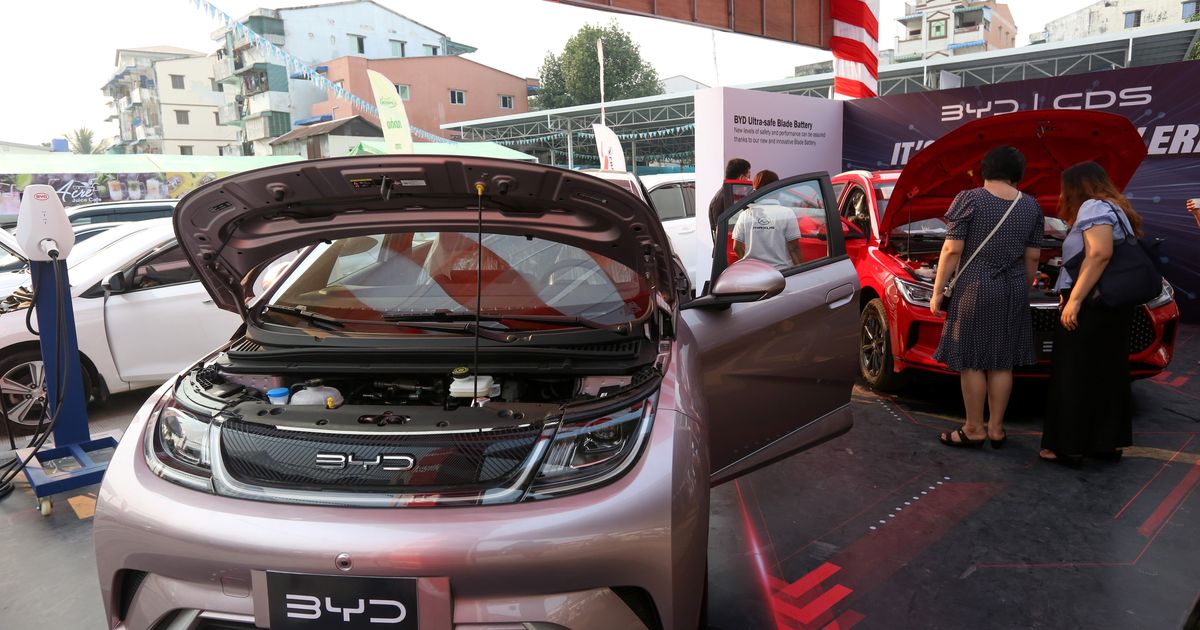
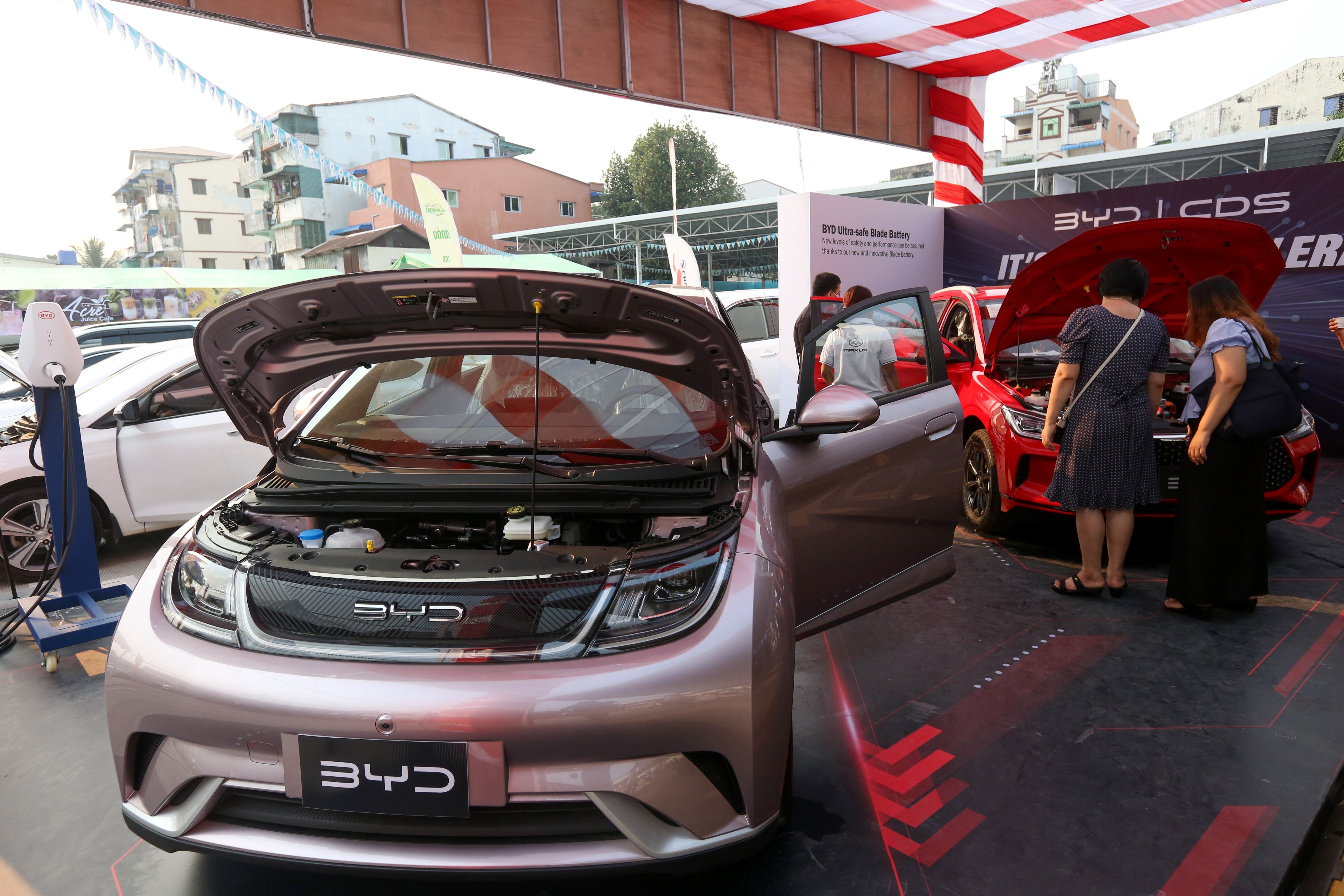
The world’s biggest seller of electric and hybrid cars has ruled out building its first European factory in the UK because of the uncertainty caused by Brexit.
Michael Shu, the European president of Chinese firm BYD, said Britain hadn’t even made it onto the long list of potential sites.
Advertisement
He told the Financial Times: “As an investor we want a country to be stable. To open a factory . . . is a decision for decades.
“Without Brexit, maybe. But after Brexit, we don’t understand what happened.
“The UK doesn’t have a very good solution. Even on the long list we didn’t have the UK.”
Instead, BYD are looking to build a factory in Germany, France, Spain, Poland or Hungary.
Ministers to plug huge gaps in the job market by starting with looser rules for the building industry, according to the Financial Times.
Advertisement
A number of occupations will be added to the “shortage occupation list” which eases recruitment from abroad.
The list allows companies to obtain visas for staff paid on a lower threshold of £20,480 a year because the salary currently needed to obtain a “skilled worker” visa is £25,600.
Labour MP Stella Creasy told HuffPost UK: “British workers are losing jobs and opportunities hand over fist not being able to work in the EU or for companies that want to work with the EU because of the post Brexit visa situation, whilst the UK’s inability to build a functioning immigration and asylum system is holding back our economy at a time when vacancies are at over a million.
“We need urgent reform of the whole visa system to ensure we tackle not just shortages in the UK labour market but also opportunities for all as part of kickstarting growth in our economy.”