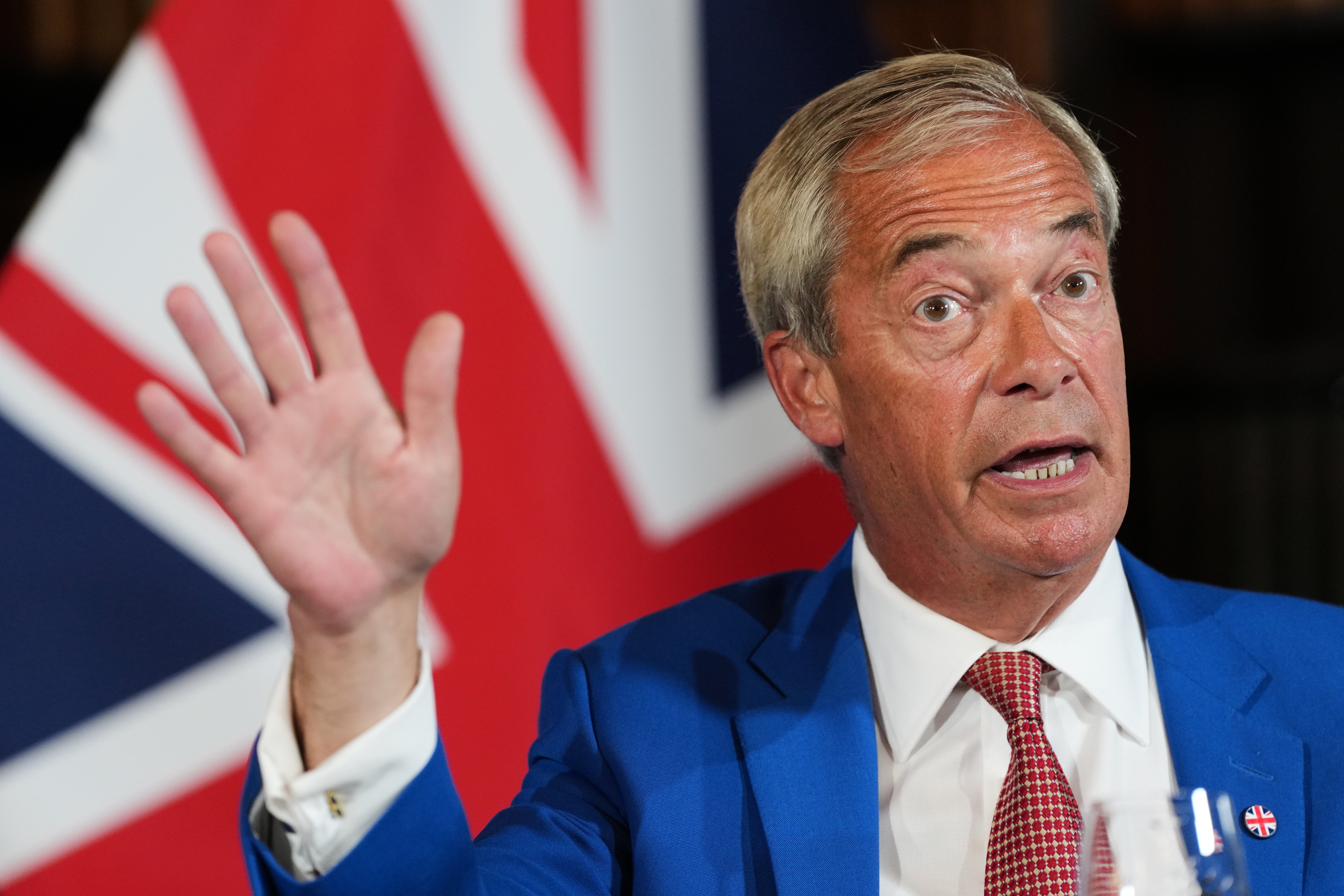
Nigel Farage’s Political Obituary Is Being Written Far Too Soon. Here’s Why

Westminster loves nothing more than a bit of groupthink.

A settled view on a particular issue can quickly become established fact in SW1, even if there is plenty of evidence that it may be wrong.

The most recent example is the growing belief that two-party politics will return in time for the next general election.

This is not an outlandish idea, given the most recent trend in the opinion polls.

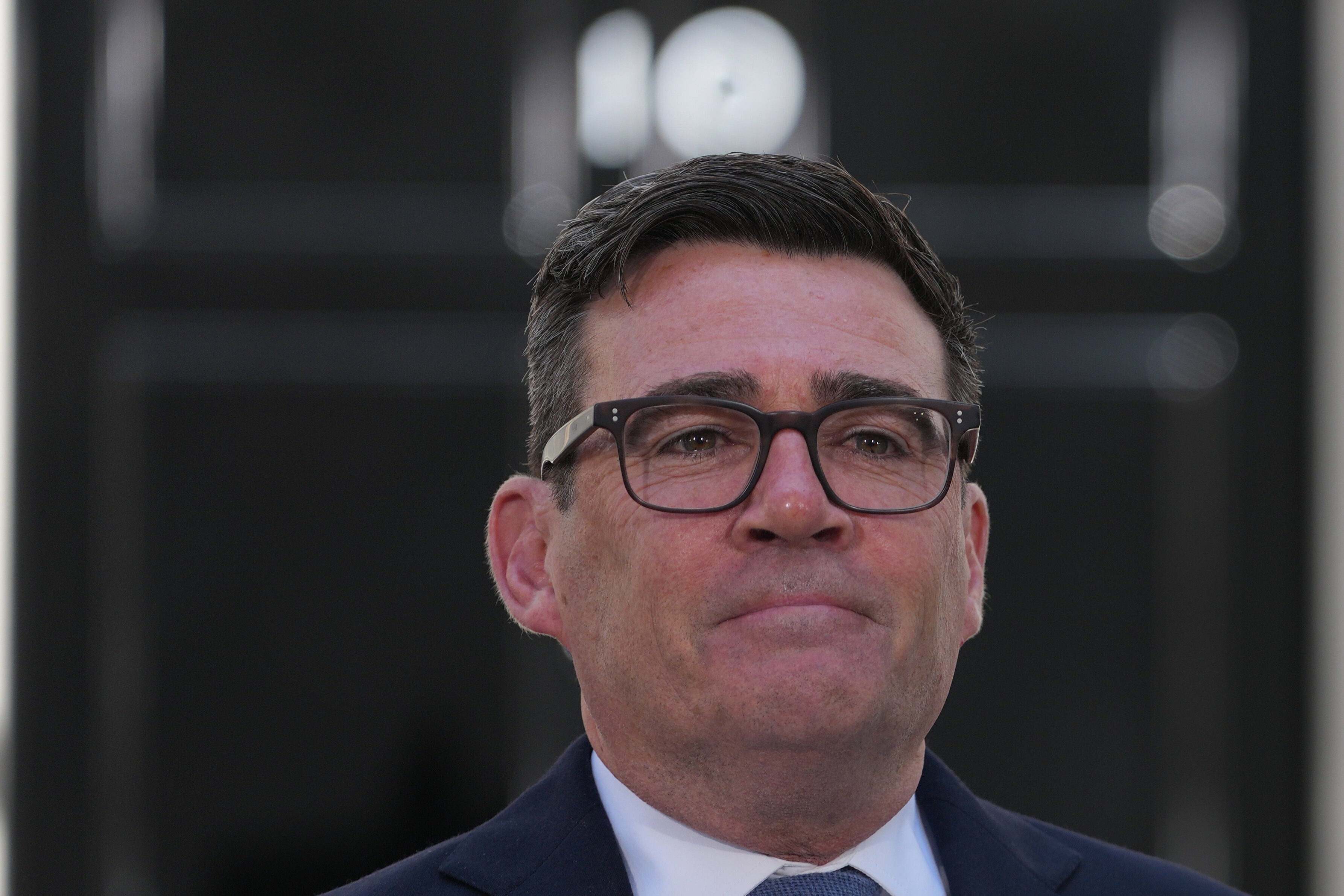
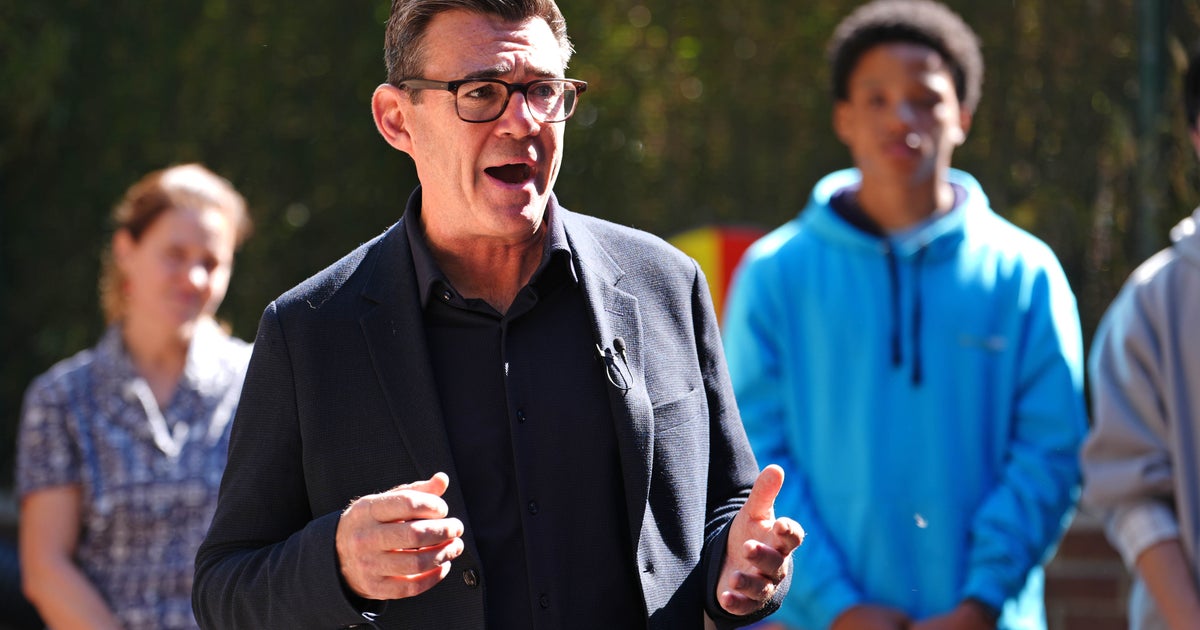
It is undeniable that Labour has enjoyed a Burnham bounce since the former mayor of Greater Manchester replaced Keir Starmer as party leader and prime minister.

A crossover point was reached earlier this week when, for the first time in 18 months, Labour overtook Reform UK in the poll of polls.

This has coincided with a steady decline in support for Reform amid the ongoing controversies over the financial arrangements of both Nigel Farage and his party.

At the same time, Kemi Badenoch’s Tories have been enjoying a modest uptick in support, while the Green Party have also gone into reverse following a series of mis-steps by their leader, Zack Polanski.

A YouGov poll seemed to confirm this trend on Thursday when it revealed that Reform and the Greens have fallen to their lowest favourability ratings to date.
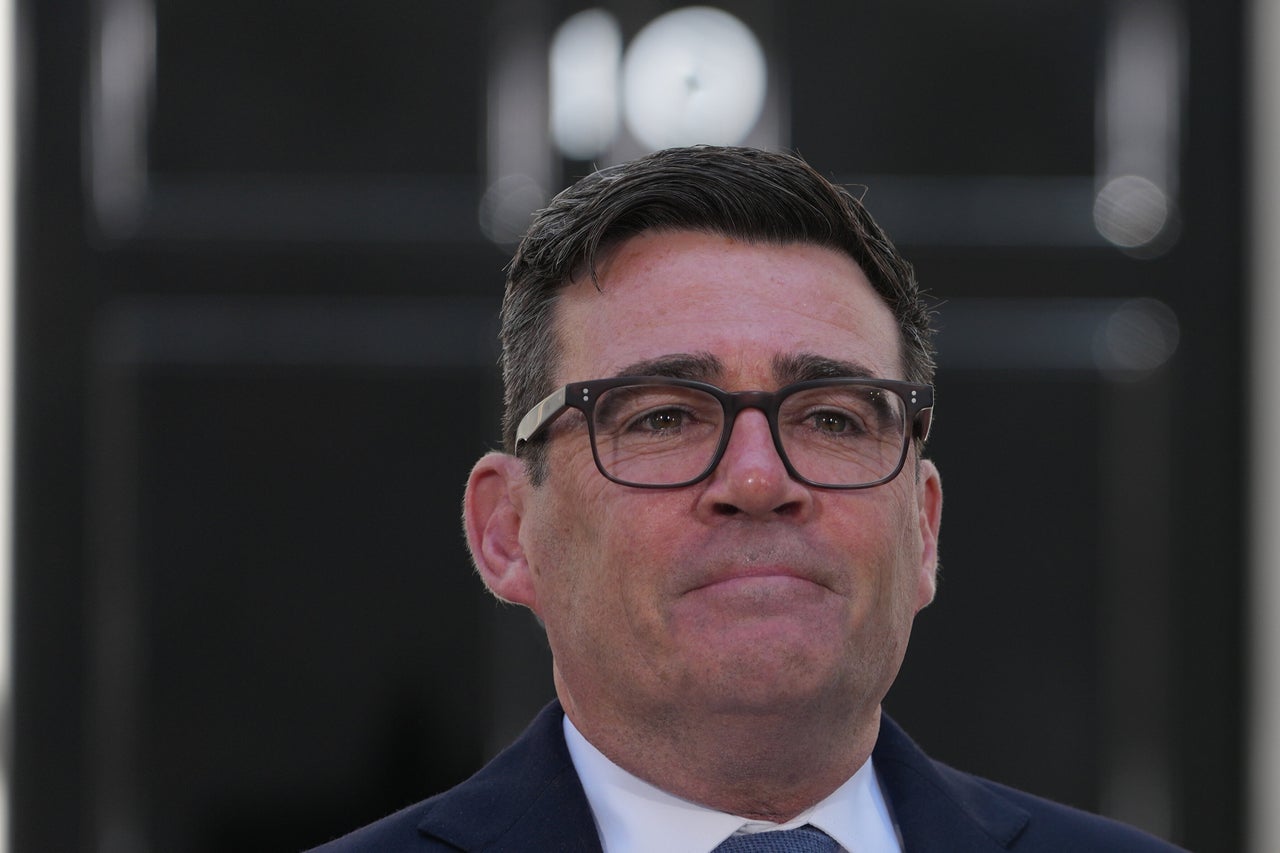
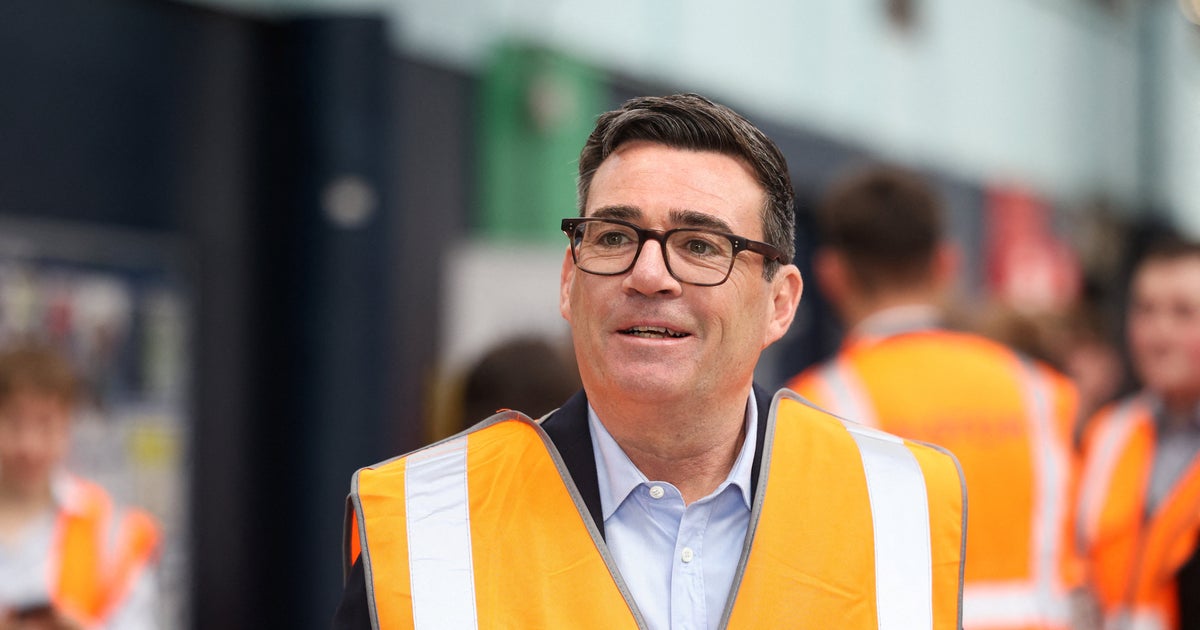
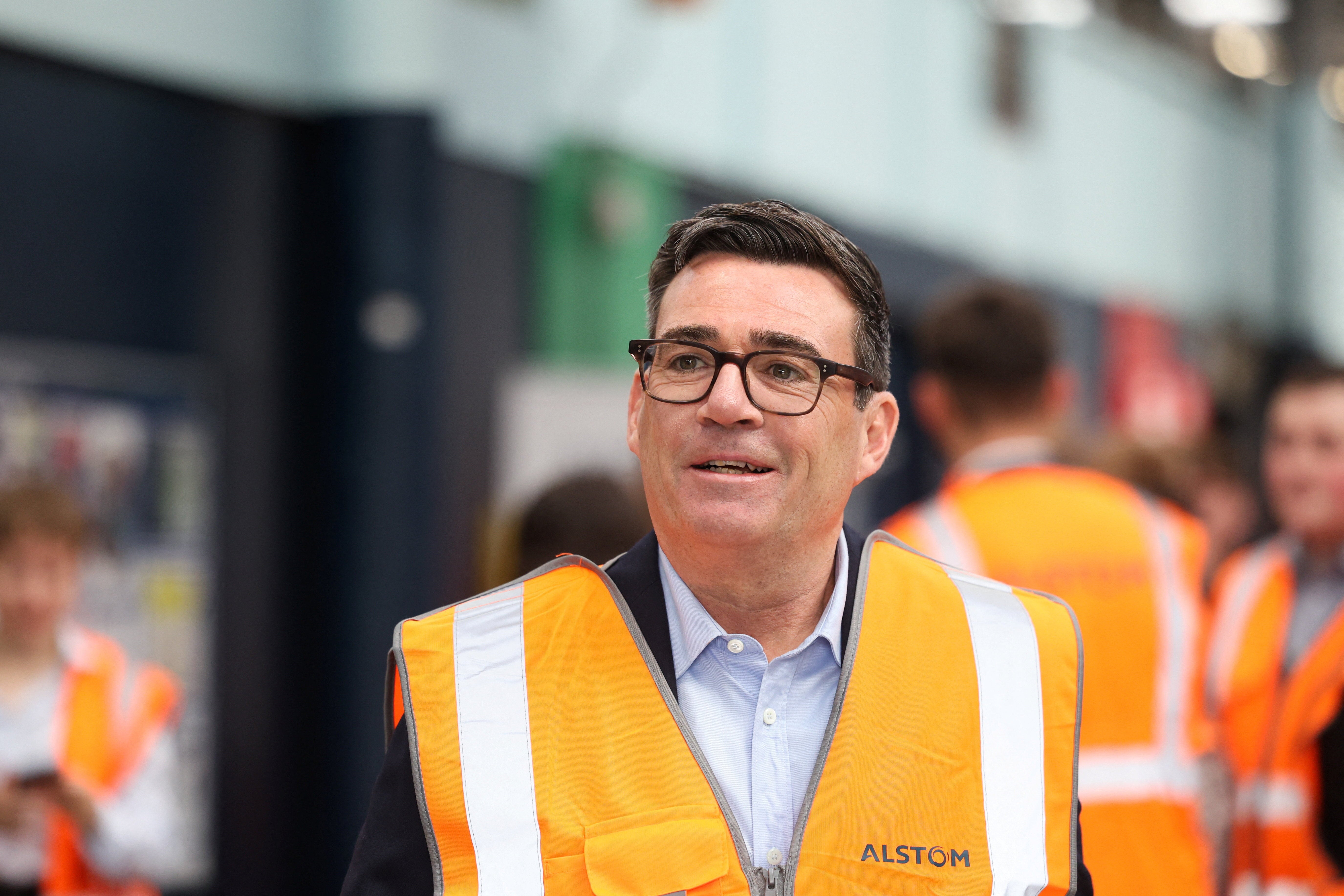
Burnham becoming PM has coincided with a leap in support for Labour.

via Associated Press

Some political commentators have therefore concluded that the next election will once again be a straight fight between Labour and the Conservatives.

However, leading pollsters have told HuffPost UK that it is far too early to assume that British politics will simply return to the way it has always been for most of the last century.

Indeed, Chris Hopkins, political research director at Savanta, said a return to two-party politics “feels like something of an impossibility”.

He said: “In almost all opinion polls conducted since Andy Burnham became Labour leader, five parties have achieved 10% or higher.

“The top two – more often than not, Labour and Reform UK – tend to combine for around 50% of the overall vote share.

“This is a far cry from recent general elections, especially 2017 where the Conservative and Labour combined for a whopping 82% of the overall vote.

“Of course, if British politics has taught us anything over the last few years, it’s that the fortunes of political parties can change very quickly, so you can never rule a return to two-party politics out.

“For now, only the Greens feel at risk of losing ground, probably to a rejuvenated Labour Party, but Reform UK don’t feel like they’re going anywhere while Nigel Farage is at the helm.”

With Farage certain to return as MP for Clacton next Thursday with a thumping majority – albeit having only defeated Count Binface and a variety of other minor political figures – the chances of him shuffling off the political stage appears remote.

Indeed, the signs are there that the Reform leader is preparing to come out fighting in an attempt to wrest back the political momentum from Burnham.

Keiran Pedley of Ipsos UK said “we should be careful not to overstate the return of two party politics”.

“Reform are still ahead of the Conservatives for now,” he pointed out. “The Greens and Lib Dems have a significant presence in some parts of the country and nationalist parties are in power Scotland and Wales.

“It may well come to pass that the next election ends up as a mainly Labour vs Conservative affair, but we should caution against jumping to that conclusion too soon.

“To announce the return of two party politics having declared it dead a few months prior feels somewhat premature.”
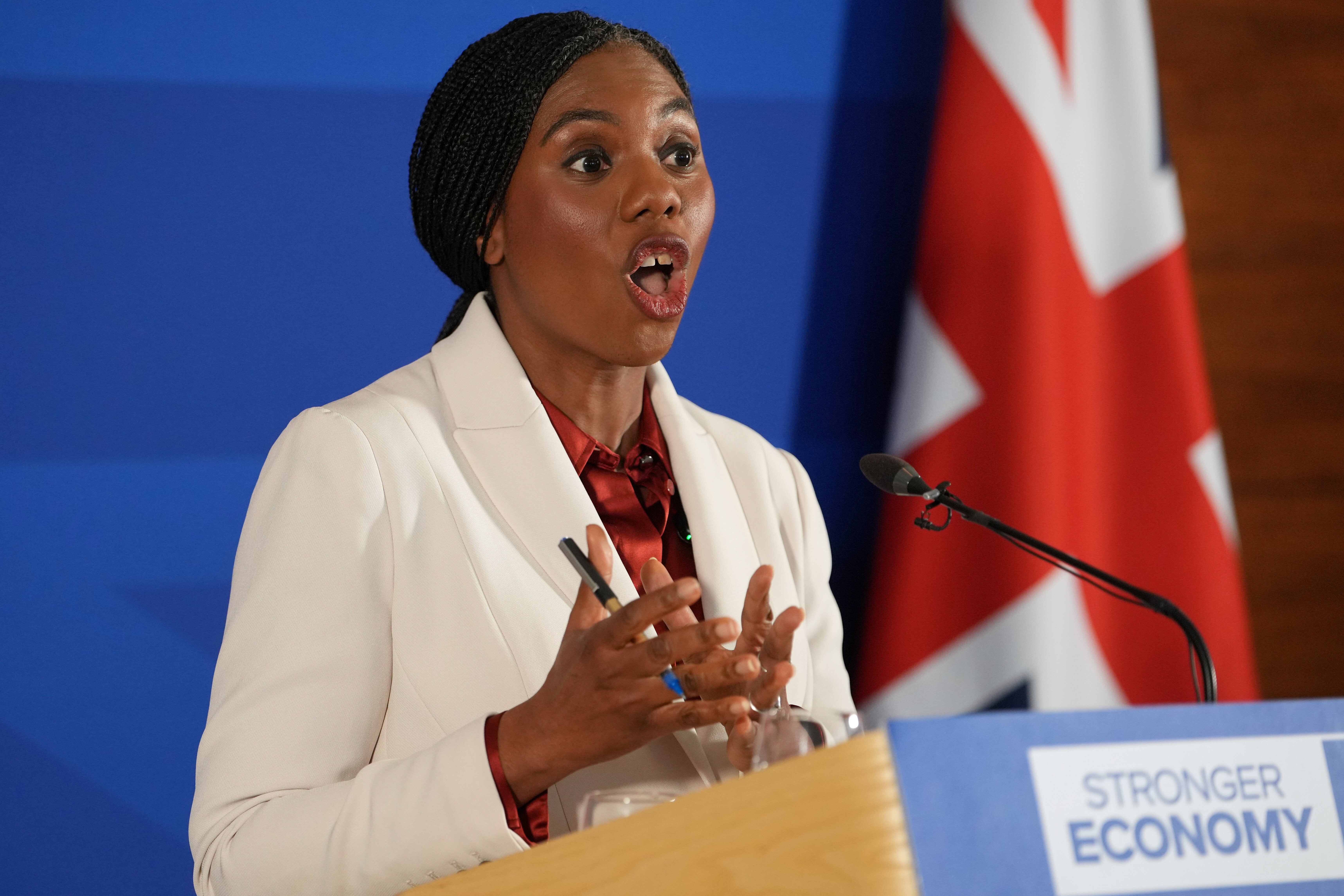
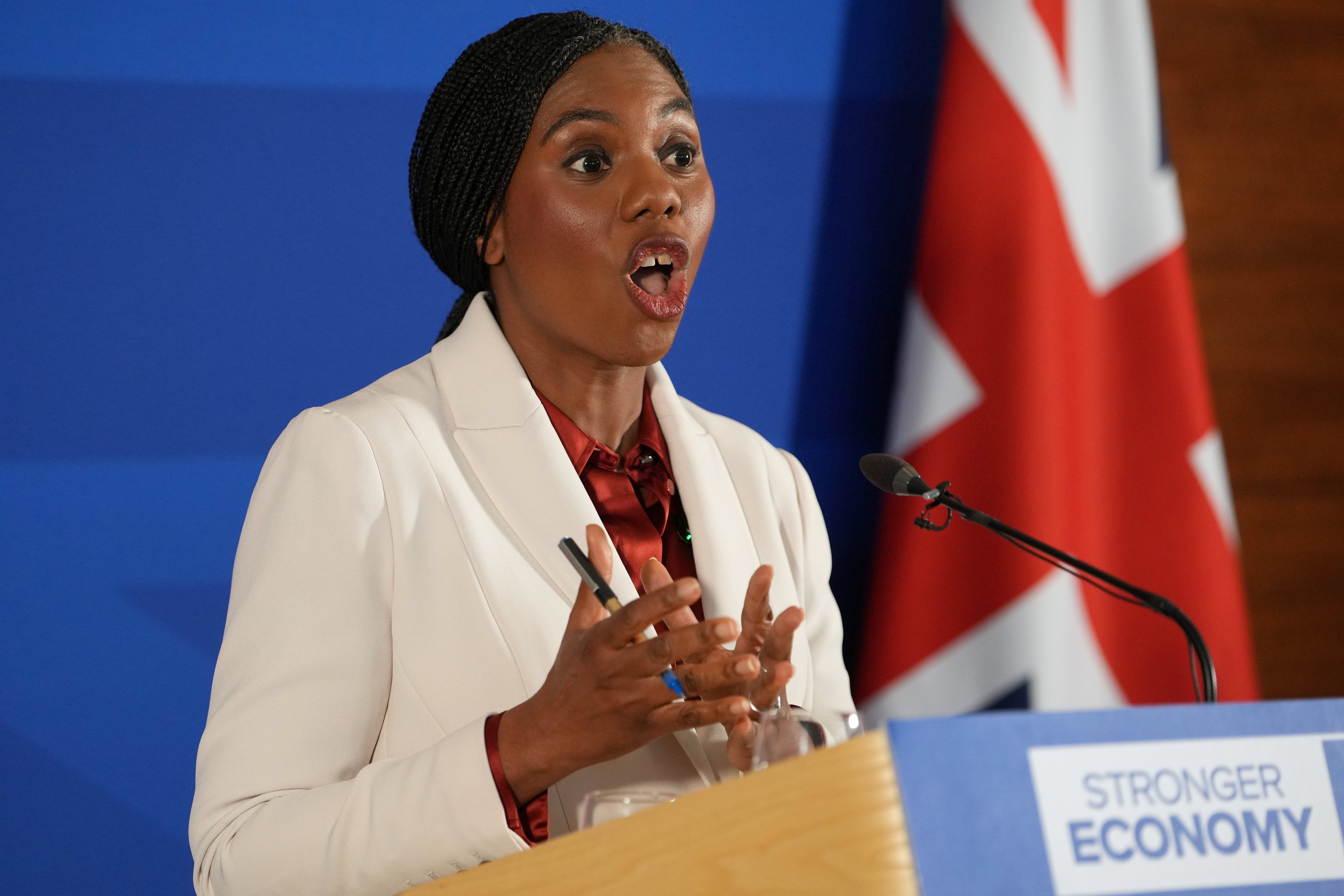
Badenoch has won praise for her performance as Tory leader, but the events of the past week have seen her criticised.

via Associated Press

The Tories’ mini-renaissance under Badenoch, who has won praise for her performance as leader in recent months, threatened to come off the rails this week, however.

Her decision to stand by a former neo-Nazi chosen to stand as a Conservative council candidate in Somerset sparked a furious backlash and baffled many senior Tories.

Joshua Bonehill-Paine eventually stood down, but was appointed an adviser on anti-radicalisation by Badenoch, a decision which led to fresh outrage.

This was followed by the announcement that the party would evict 230,000 non-EU foreign nationals from social housing, and ban newcomers from gaining such tenancies.

Coming on the back of Badenoch’s decision to remove the party whip from Gavin Barwell and block the likes of Grant Shapps from standing as candidates, it seems clear that she wants to take votes from Reform.

Moderate Tories believe she is making a huge mistake.

One senior figure told HuffPost UK: “Her strategy appears to be to hope that Reform implodes/Farage walks away and then pick up the pieces.

“The reality is that there’s a solid populist vote of 20% that will be very hard for the Tories to reach and the cost of doing so would be to alienate the majority of the electorate. With Labour moving leftwards on the economy, a big opportunity is being lost.”

Cameron Garrett, deputy director of research at the More in Common think-tank, said: “Our politics is increasingly volatile, and it’s too soon to be heralding a return to the two-party system.

“Kemi Badenoch’s personal approval rating has risen dramatically in recent months, but it has yet to lift her party’s fortunes. And while Burnham has seen a bounce, it’s too early to tell whether it will last.

“Voters will need to see real, tangible change before they’re willing to return to the political mainstream for good.”

Listen to Commons People, the podcast that makes politics easy. Every week, Kevin Schofield and Kate Nicholson unpack the week’s biggest stories to keep you informed. Join us for straightforward analysis of what’s going on at Westminster.

Share Button

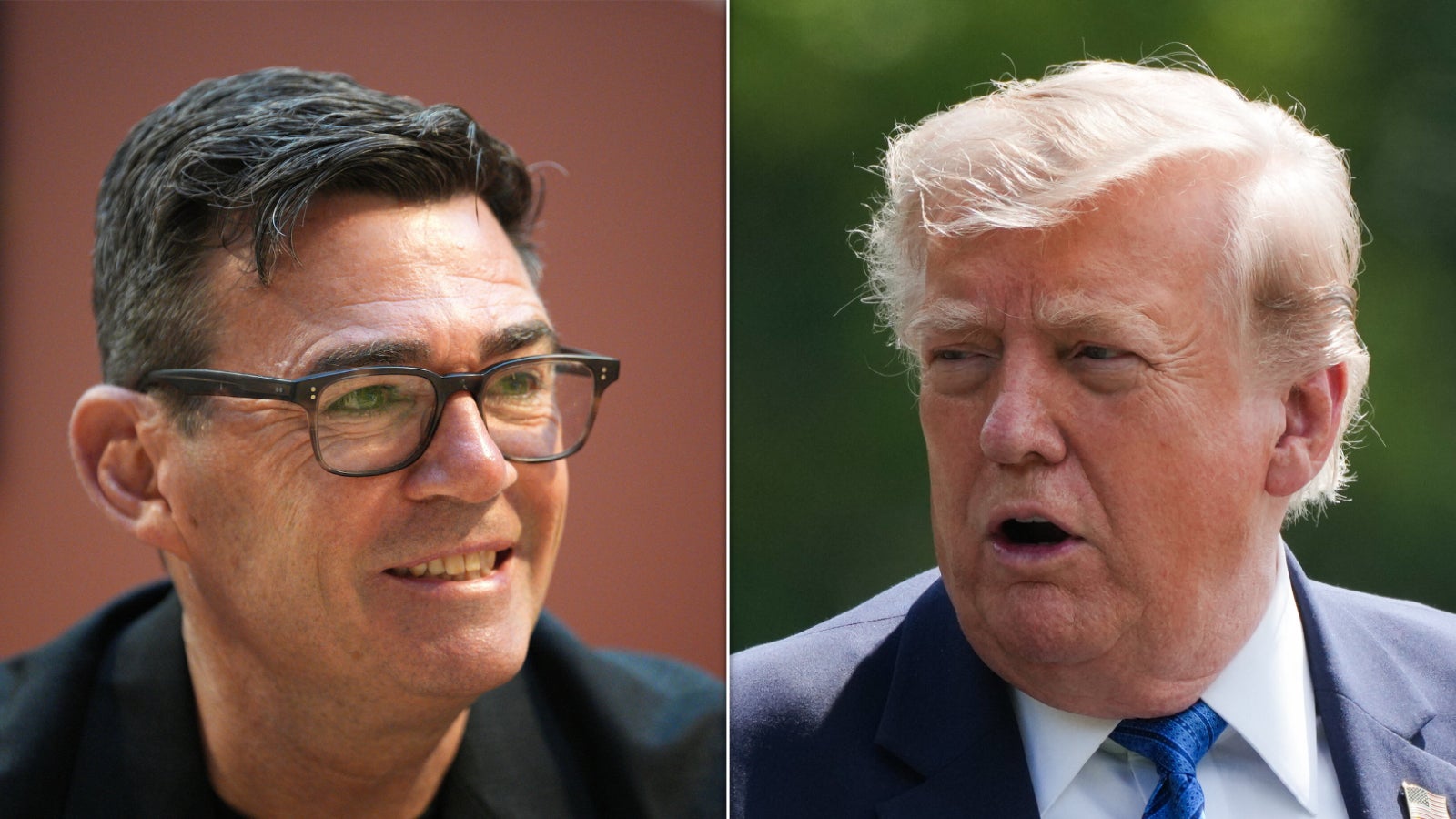
Trump And Burnham: A Budding Bromance Or A Disaster Waiting To Happen?

“Terrific.” That was the word Donald Trump used to describe Andy Burnham this week.

It’s a far cry from the belittling way the US president played down the prime minister’s past job in Greater Manchester by calling him a “mayor of a town” just last month.

Clearly their one and only conversation over the phone on Burnham’s first day in No.10 won Trump over. So could a bromance be brewing?

The president appears to be delighted over what he saw as the PM’s more open-minded attitude towards drilling in the North Sea.

Keir Starmer refused to expand fossil fuel extraction on Trump’s instruction when he was in power while Burnham has vowed to take a “more pragmatic approach”.

The president also loves a winner, and Burnham is still popular within Labour and the wider country right now – while Starmer became the most unpopular PM on record.

However, like Starmer, Burnham is bound by Labour’s 2024 manifesto not to issue any more oil and gas exploration licences.

That means any expansion of the North Sea will likely fall short of Trump’s hopes of “opening up” the whole area.

The PM has avoided talking about the president at length so far, but claimed he won’t be afraid to call him out when he feels it is necessary.

He also refused to say he trusts the president during a BBC interview, though he did invite him to Manchester.

Burnham is perhaps wise to be cautious.

He would not be the first UK prime minister to eventually incur Trump’s wrath over domestic policies – even if they started out on the right foot.

Trump fell out with Theresa May over her “foolish” approach to Brexit, calling her EU deal a “disaster” – despite initial warmth between them.

Boris Johnson was described as “Britain Trump” by the president himself, but they faced some frictions over Chinese company Huawei’s involvement in Britain’s 5G network.

Starmer, initially described as the “Trump whisperer”, bent over backwards to appeal to the president, even inviting him for a historic second state visit to the UK.

But they came to blows over the former PM’s refusal to get involved in the Iran war.

They also clashed over immigration, Nato, Greenland, tariffs, wind turbines and North Sea drilling, meaning they were barely on speaking terms when he left office.

And Burnham – at least, for now – is further to the left than any of those three predecessors, meaning the Republican president is even more likely to disagree with him.

The prime minister’s decision to appoint Ed Miliband as foreign secretary might also be a major obstacle in their relationship.

The Trump administration has reportedly nicknamed him “Miliwatt” already in an apparent dig to his enthusiasm for net zero.

The UK-US relationship may also be put to the test when, as is expected, Trump’s domestic power diminishes when his American supporters turn on him during the US midterms.

That could mean Burnham – if he is still propped up in the UK polls – might be more outspoken if he believes the president looks weaker.

Alternatively, Trump could turn on the prime minister as soon as his honeymoon period is over.

In this week’s Commons People, we look at whether this really could be a strong alliance – and unpick all the potential pitfalls which could undo their relationship altogether.

Listen to Commons People, the podcast that makes politics easy. Every week, Kevin Schofield and Kate Nicholson unpack the week’s biggest stories to keep you informed. Join us for straightforward analysis of what’s going on at Westminster.

Share Button

Blow For Badenoch As Former Neo-Nazi Quits As Tory Candidate After Backlash

A former neo-Nazi has quit as a Conservative candidate following an angry backlash.

But he announced he was standing down following a backlash from Jewish groups.

Tory leader Kemi Badenoch, who had defended Bonehill-Paine, has made him an adviser on radicalisation to the party’s Culture and Integration Commission.

Bonehill-Paine was jailed for more than three years in 2015 after posting anti-semitic material online ahead of a planned neo-Nazi rally.

The following year, he was found guilty of racially-aggravated harassment of the Jewish Labour MP Luciana Berger.

He has since recanted his previous anti-semitic views and now works with the Home Office on anti-radicalisation programmes.

In a post on X, Bonehill-Paine, creator of the satirical Crewkerne Gazette, said: “The last 24 hours have shown that a lot of people do not understand how terrible I feel about the things I did when I was much younger.

“I know that my previous actions continue to cause pain in the Jewish community. I had thought that getting involved in my local council and working hard for my community was a good way to show how much I have changed and that I want to give something back.

“I realise now that the fight against anti-semitism is something that I actually need to do more of, I need to show the Jewish community how much I regret my previous actions and how hard I will work to fight to help destroy anti-semitism and rebuild trust.”

He added: “While I cannot change my past, I can warn others away from the same destructive path. I know how this ideology works because I lived inside it.

“I also know that if I stand as a council candidate, other political parties will spend all their time focusing on my past rather than the work I’m doing today, or even fighting anti-semitism in their own midst.

“Rather than standing as a local council candidate, I believe that my experience is better used supporting Kemi Badenoch in her ongoing mission to combat the anti-semitism and extremism that is dividing our nation.

“I have therefore informed the party of my decision to withdraw from next year’s council election.”

Badenoch said: “While I am sad that Joshua feels he won’t be given the space to explain his position and represent his community, I am glad he is going to work with me and the party on tackling radicalisation as part of our Culture and Integration Commission.

“If we are going to stop extremism and anti-semitism we are going to need help from those people who were part of the problem, but have now changed and are being part of the solution.

“Piling on them and trying to get them cancelled may be sport for other parties, but this is a different Conservative Party.

“Sometimes there will be difficult judgement calls, but right now I know that we are the only party actively working to unite the country rather than one particular faction or other.”

A Reform UK spokesman said: “It beggars belief that Kemi Badenoch has hired a former neo-Nazi.

“Joshua Bonehill-Paine, a self-professed fascist who has been jailed for publishing antisemitic material, will now have a say over national Conservative Party policy. This is alarming news for the Jewish community in Britain.”

Listen to Commons People, the podcast that makes politics easy. Every week, Kevin Schofield and Kate Nicholson unpack the week’s biggest stories to keep you informed. Join us for straightforward analysis of what’s going on at Westminster.

Share Button

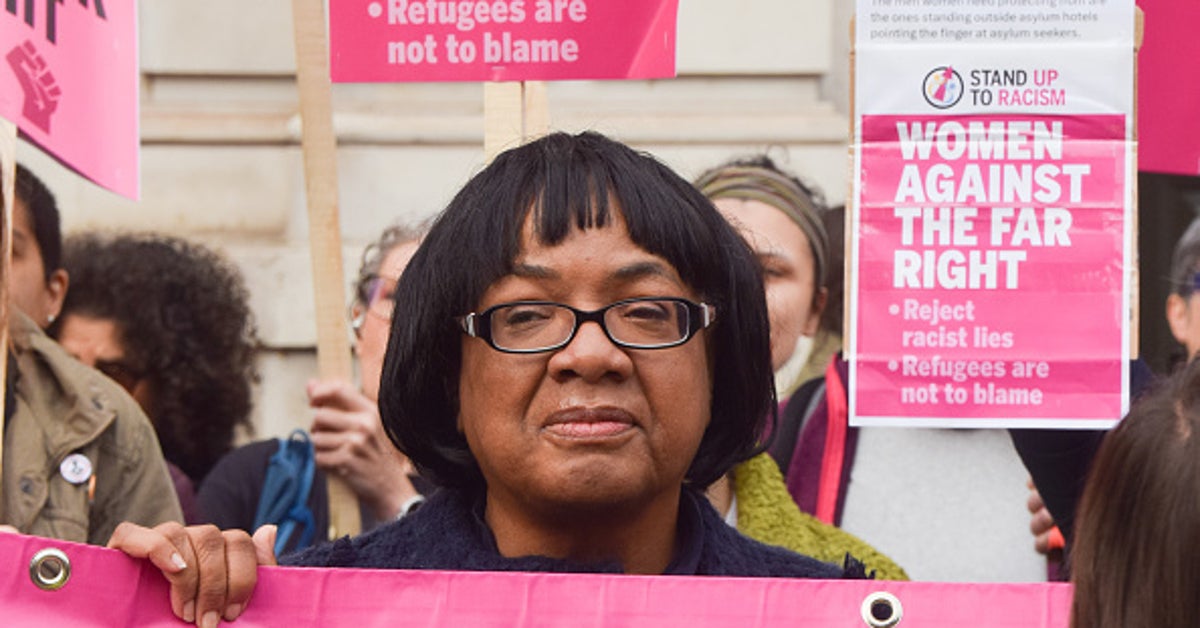
Diane Abbott Under Fire For Describing Ukraine War As A ‘Nato Campaign Against Russia’

Diane Abbott has been criticised after describing the Ukraine war as a “Nato campaign against Russia”.

The left-wing MP was readmitted into the Labour Party on Friday following a year-long suspension.

She lost the whip last year after saying she did not regret past remarks about racism – comments which triggered her first suspension from the party back in 2023.

She argued in a letter to The Observer in April 2023 that Jewish, Irish and Traveller communities experience prejudice rather than racism.

She also made a separate post on social media called the Israel Defence Forces the “Jewish Defence Force”.

In a statement on Friday, Abbott said she had returned to the party after a formal warning over that post, adding: “I am deeply sorry for any hurt caused by that conflation and apologise for any hurt caused by it.”

But her return to Labour sparked backlash on social media after it emerged she described Vladimir Putin’s illegal invasion of Ukraine as a “Nato campaign against Russia” back in June.

Speaking at an anti-war conference, Abbott said: “We meet at a crucial time for all those who are opposed to war and strive for peace.

“Because we are not trying to stop one war, we are having to fight to stop very many wars.”

She continued: “There is a military build-up against China, there is the war and blockade in Iran and, finally, there is one of the biggest wars in Europe since the Second World War – the Nato campaign against Russia.”

The revived video sparked backlash on social media from in the Conservative Party and Labour.

Abbott also wrote in the Morning Star last weekend: “The reason there is such a hue and cry about military spending now is not because Russian forces are in Ukraine; that happened well over four years ago.

“No, the reason for the outlandish claims about an imminent Russian invasion is simply because Trump demanded more military spending from Nato members…

“None of this is making us any safer. On the contrary. Russia is a major military power, but Nato is engaged in a war which is now striking deep into Russian territory, provoking widespread calls for retaliation against Nato countries.”

Labour declined to comment.

Abbott’s return to the party comes after new prime minister and Labour leader Andy Burnham pledged to end factionalism within the party.

Labour insists her reinstatement was unrelated to the party’s new leadership.

Listen to Commons People, the podcast that makes politics easy. Every week, Kevin Schofield and Kate Nicholson unpack the week’s biggest stories to keep you informed. Join us for straightforward analysis of what’s going on at Westminster.

Share Button

Andy Burnham Says His Devolution Plans Strengthen Argument For Written Constitution

Andy Burnham has claimed his devolution plans strengthen his case for a written constitution for the UK.

The prime minister said the UK’s “antiquated” political system needs reform if equal opportunities are to be effectively shared out across the country.

Britain is one of the only major democracies without a codified arrangement which lays out how the country should be governed.

The UK’s constitution is currently established through history by common law, statutes and conventions.

Burnham has already decided to allow regional mayors to keep a proportion of income tax to spend on their local area by early 2028.

He has also set up No.10 North, an alternative to 10 Downing Street in the north of England, to symbolise his commitment to moving power out of Westminster.

He said his devolution plans “increase the case for a constitution because Britain is changing through this, England is certainly changing through this.”

He claimed the country needs to set up a codified model of devolution which works for Wales, Scotland, Northern Ireland and England.

“In the end, I think it does start to point towards a new constitutional settlement… with that commitment to equivalent living standards,” he said.

He added that his promise to implement “good growth in every postcode” was “more than just a sound bite”.

The prime minister did not outline any time frame for implementing such a historic change.

Countries usually adopt a written constitution following major events like revolution or war, when governments need to signal a departure from previous regimes.

The prime minister first floated the idea in his 2024 book Head North, co-written with Liverpool city region mayor Steve Rotherham.

He said deep inequality had become part of Britain because it had not moved on from the “feudal state” which held power in Westminster.

“Our failure fully to set out the rules for how the country should be run is one of the principal reasons why Britain is one of the most unequal major countries in the world,” he wrote.

“Our unwritten and murky constitutional arrangements have had the effect of hoarding power in a small number of hands – in Whitehall and Westminster and, by extension, in the powerful networks of institutions and vested interests that surround them.”.

Listen to Commons People, the podcast that makes politics easy. Every week, Kevin Schofield and Kate Nicholson unpack the week’s biggest stories to keep you informed. Join us for straightforward analysis of what’s going on at Westminster.

Share Button

Why The PM Must Be Wary His ‘Burnham Bounce’ Does Not Turn Into A Boomerang

He’s only two weeks into the job and Andy Burnham has already been hit with his first deadline.

A British commander warned the prime minister on Thursday that he needs to make his defence spending commitments clear by the autumn – or risk losing his support.

General Sir Richard Barrons, who co-authored the 2025 Strategic Defence Review, warned “a much more challenging discussion about what do you really think you’re doing with this government” awaits Burnham if he has not outlined plans by September or October.

His words follow a week where ministers repeatedly refused to commit to the previous target of spending 3% of gross domestic product (GDP) on defence by 2030.

It’s an obstacle which proved fatal to Keir Starmer’s premiership.

John Healey resigned as defence secretary over a lack of spending for his department in June, something which helped to accelerate the former prime minister’s downfall.

By making Healey his chancellor, Burnham has sent clear signals that he will respect demands to hike up the department’s budget.

So why did the new defence secretary, Wes Streeting, only commit to the Nato pledge 3.5% of GDP on defence by 2035 – a date which is in the next parliament – this week?

He told broadcasters that while the government is not “ruling out” the 3% spending commitment by 2030 but added: “It’s really important we set out how it will be paid for.”

While a very reasonable observation – a marker of how the Burnham cabinet is already building a reputation for more transparent communication – worries about defence investment are hardly new.

Russia’s invasion of Ukraine started more than four years ago and the Israel-Hamas conflict in Gaza has been raging since 2023.

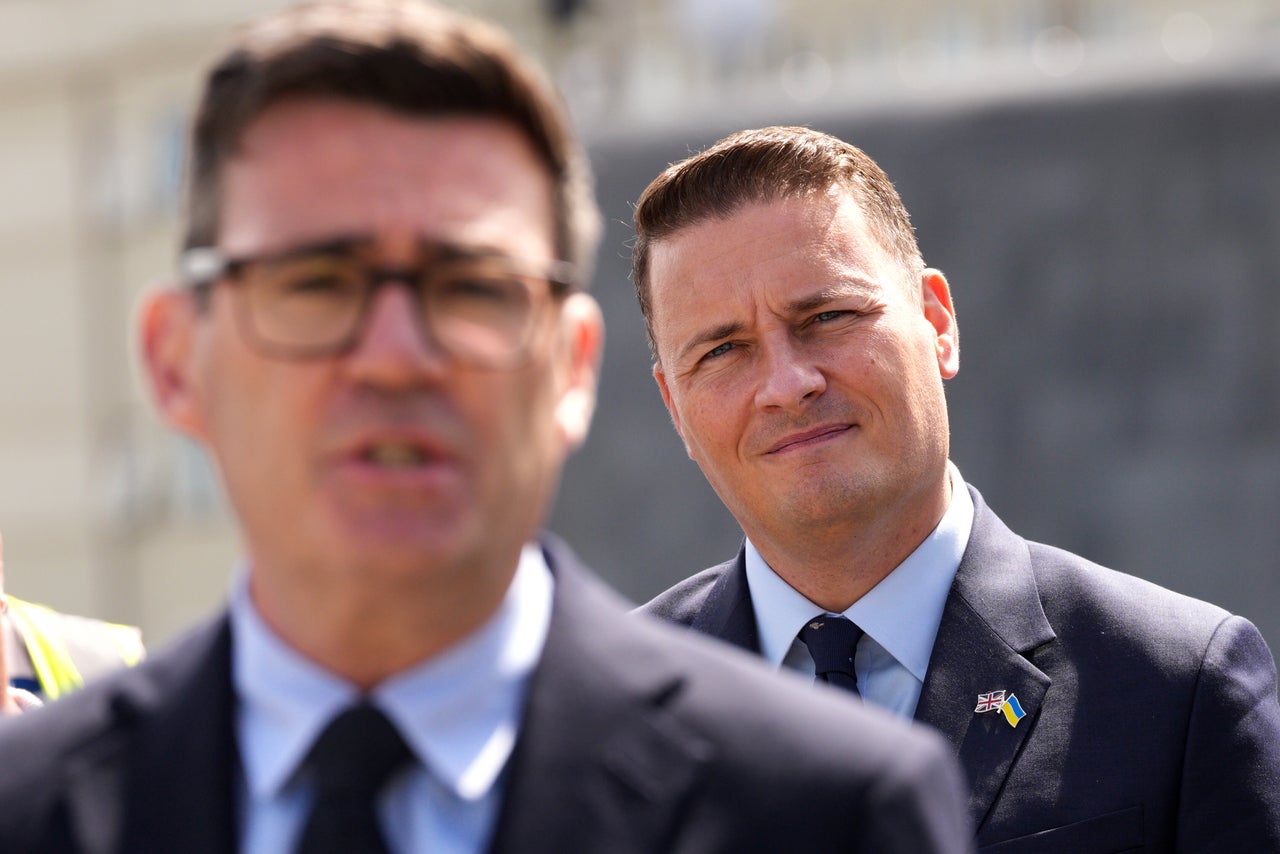
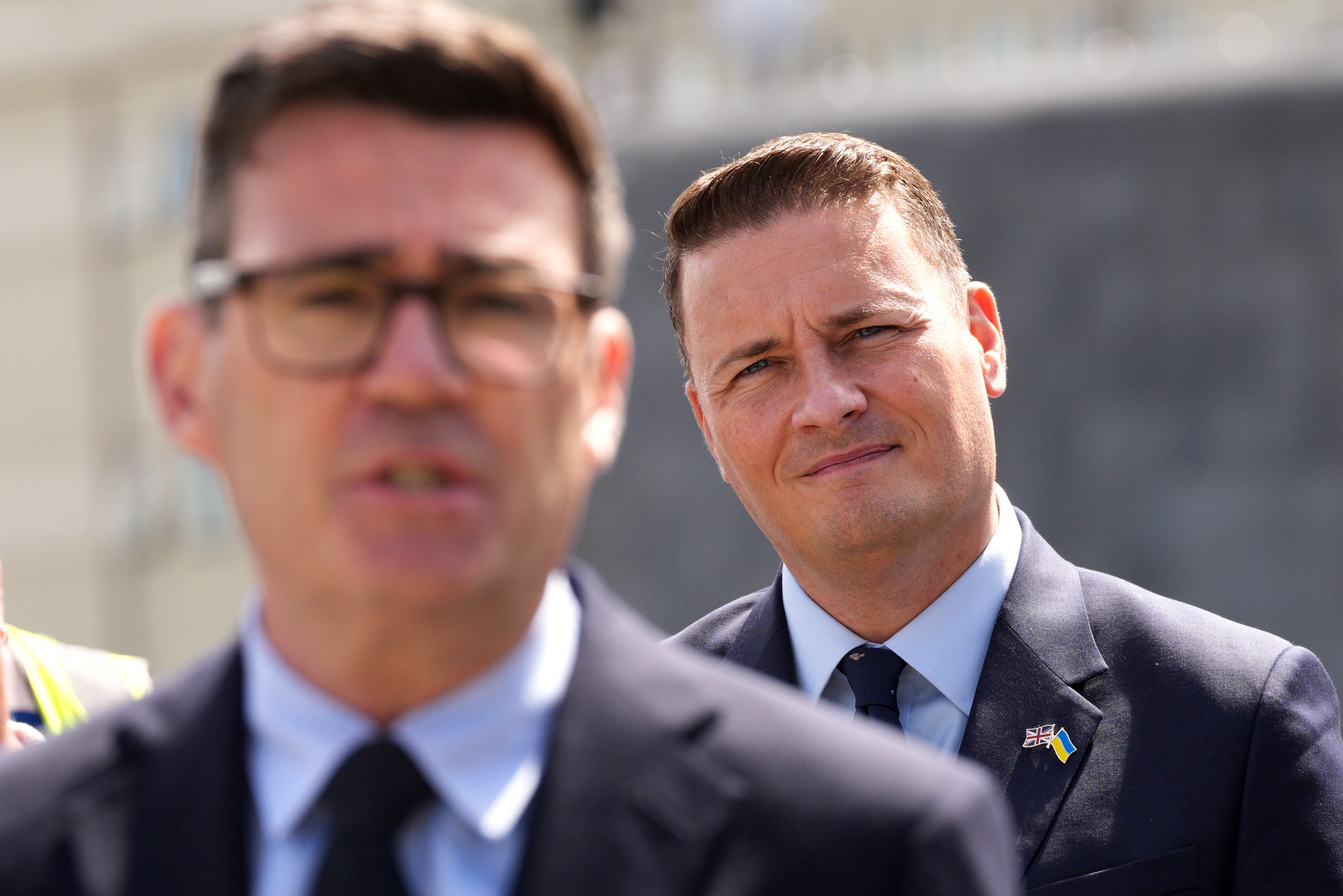
British Prime Minister Andy Burnham, foreground, and Defence Secretary Wes Streeting, right

via Associated Press

Chair of the defence committee, Labour MP Tan Dhesi, told HuffPost UK that the government “must set out a clear plan for meeting its defence spending targets, with specific milestones and deadlines.”

He said the committee has already called for defence spending to reach 3% of GDP in this parliament.

Dhesi warned: “With the prospect of a Russian attack on a Nato ally before 2030, we cannot afford to delay. Investment in the UK’s defence and security must be accelerated as a matter of urgency.”

There’s also the matter of the “black hole” in the £15 billion defence investment plan (DIP) which Starmer failed to fully cost before he left office.

The Treasury only found £10.3 billion in departmental savings, meaning Burnham will have to find £4.7 billion in his autumn budget.

Even if the DIP were fully-funded, it would only take the UK to 2.7% of GDP from 2027-28.

It’s not just Burnham’s defence policies under scrutiny over potential cost, either.

His policy blitz from the last two weeks has seen him live up to his promise of putting the cost of living at the heart of his government.

The PM has promised to cut VAT from energy bills, a move expected to cost £850m.

The government said this would be funded via the cancelled digital ID programme.

However, former cabinet minister Darren Jones said the tax cut was “unfunded” because there had never been an extra pot of money for digital ID.

Burnham also announced a £500m plan to cap bus fares at £2 from January until the end of 2027 outside of London.

Most of the funding will come from money reserved for climate and energy projects, despite worries about the international impact.

The PM revealed a 20% cut in business rates for pubs and clubs too, which will cost £100m a year.

That will be funded by removing business rates relief from businesses which do not “make a positive contribution” to local communities, though the exact details remain unclear.

Burnham’s daily policy announcements have effectively boosted his support among voters and stopped him from looking like Starmer 2.0.

““It is in that sense that his honeymoon may only last so long, before the reality of governing effectively causes him the same problems it has previous Prime Ministers.””

Labour has overtaken Reform in some polls for the first time in 16 months, with Survation putting Burnham’s party on 26% compared to Nigel Farage’s 24%.

Deltapoll and YouGov put the parties neck-and-neck, while More in Common found Burnham’s approval rating has soared to heights Starmer never reached.

But, as Savanta’s political research director Chris Hopkins warned, this could go into decline when the PM has “actual difficult decisions to make”.

He told HuffPost UK: “Burnham has started well, and his policy blitz, well-received by commentators, will begin to trickle down to the public.

“At this stage, though, the bounce is more likely to be less about Burnham the man and more about what he is trying to represent – a break from ‘politics as normal’.”

But he noted: “Where this has the potential to fall down is when he has actual difficult decisions to make.

“He’s already discussed using up his political capital to reform social care, something that has made PMs before him, namely Theresa May, come unstuck with the electorate.

“There is a danger that his popularity will fall, and fall quickly, as soon as he tries to address the challenges his predecessors failed to.

“It is in that sense that his honeymoon may only last so long, before the reality of governing effectively causes him the same problems it has previous prime ministers.”

More in Common’s Louis O’Geran offered a similar warning that his time in the sun might not last very long.

The external affairs manager told HuffPost UK: “There’s no doubt that changing leader mid-term has given Labour and the new PM breathing space.

“After a couple of weeks of popular announcements, Labour’s standing in our latest poll has risen to its highest since the early months of Keir Starmer’s government, and Burnham’s own approval rating now surpasses Starmer’s all-time high.

“However, it’s still very early days, and we’ve only seen a small number of polls so far. What these results tell us most of all is how volatile public opinion has become.”

Burnham will most likely be able to enjoy a few weeks of rising in the polls across the summer.

But, when MPs return from recess, parliamentary scrutiny resumes and pressure rises ahead of his first Labour conference as leader, real life will hit for voters as they realise the money has to come from somewhere.

Will Burnham be able to retain his newfound support once the cost of his promises start to come in?

Listen to Commons People, the podcast that makes politics easy. Every week, Kevin Schofield and Kate Nicholson unpack the week’s biggest stories to keep you informed. Join us for straightforward analysis of what’s going on at Westminster.
Share Button

Burnham Says He Told Trump He Will Be ‘Pragmatic’ About North Sea Oil And Gas

Andy Burnham has confirmed he told Donald Trump he would be “pragmatic” about drilling in the North Sea for oil and gas.

Reporters were surprised after the US president insisted the new prime minister told him over the phone that the UK will “open up” the fossil fuel reserves under his premiership.

Trump said on Wednesday: “The new gentleman [Burnham], when I spoke to him, he said he’s going to open up the North Sea.”

In response, the PM told the media on Thursday: “I indicated in the phone call that we had a week last Monday that I would take a pragmatic approach when it comes to the North Sea and that is my intention as we go forward from here.

“There is a resource there. When people are struggling, you can’t ignore that, and hence me indicating that to the president.”

The topic is deeply controversial because of the ramifications extracting and then burning fossil fuels has on climate change.

Burnham’s predecessor Keir Starmer clashed with Trump over his reluctance to drill for more oil and gas in the North Sea, even amid growing energy security concerns.

Supporters of North Sea expansion suggest new drilling licences would help create jobs and support British industry.

Burnham’s foreign secretary Ed Miliband was against further drilling in the last government.

He was determined, as Starmer’s energy secretary, for the country to reach its Net Zero by 2050 goal.

However, he’s now been moved out of the energy brief so it is unclear what influence he will have that area of policy.

Labour’s 2024 manifesto also promised voters it would not issue any new licences for further extraction in the North Sea – and Burnham has vowed to stick to that set of pledges.

But, there could be wriggle room as the manifesto notes that existing licences will be allowed to remain.

That means the government could still look to enact or expand the extraction sites already active.

Listen to Commons People, the podcast that makes politics easy. Every week, Kevin Schofield and Kate Nicholson unpack the week’s biggest stories to keep you informed. Join us for straightforward analysis of what’s going on at Westminster.

Share Button

‘What, A New One?’ Care Home Resident’s Hilariously Honest Reaction To Meeting PM Andy Burnham

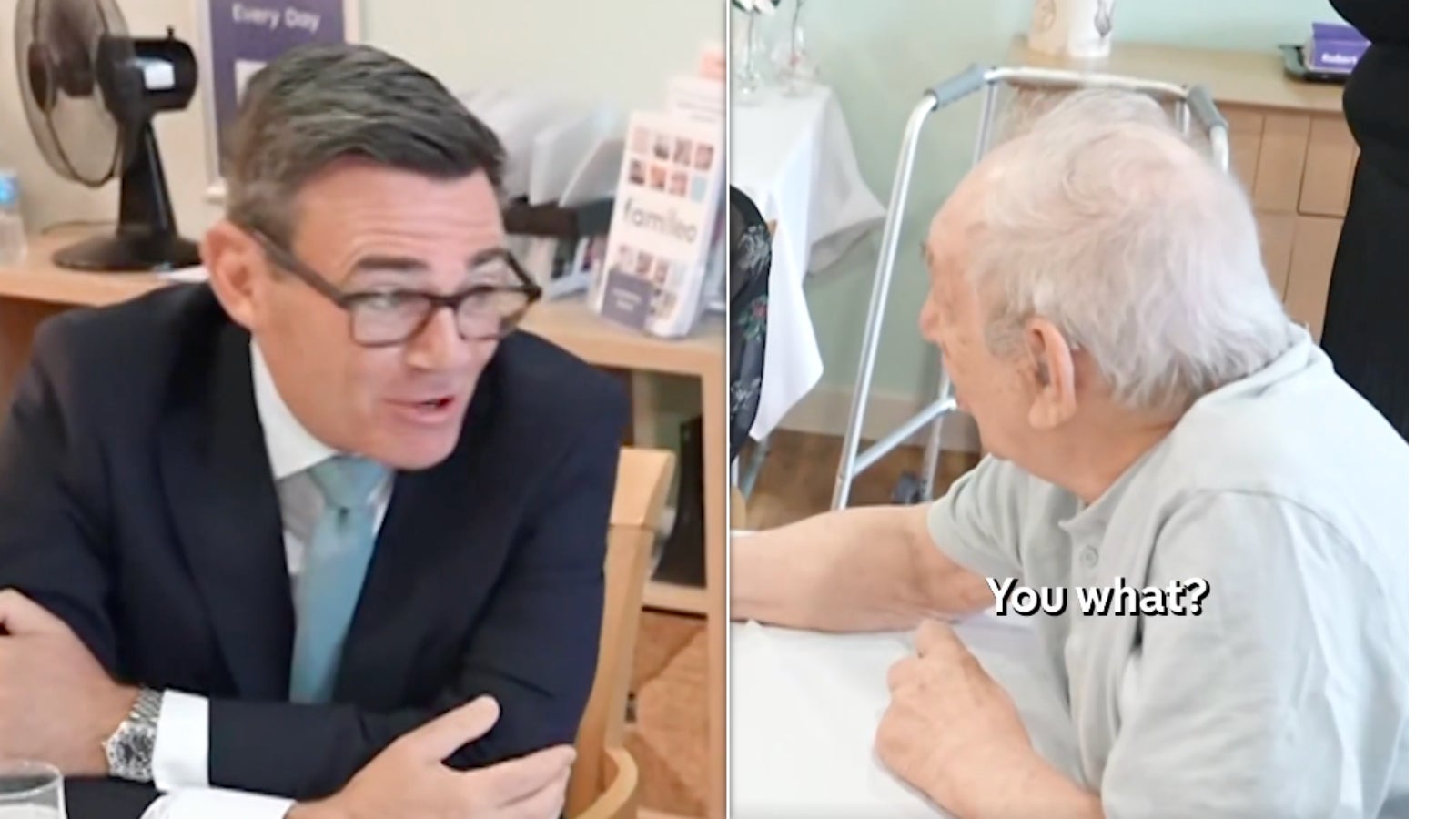
A care home resident’s honest reaction to meeting Andy Burnham left the prime minister looking a little embarrassed on Wednesday.

The PM announced his plan to overhaul the social care sector yesterday before speaking to several pensioners to promote his ideas.

But one encounter – caught on camera by Channel 4 – quickly went awry.

“You are the local candidate, are you?” The man said.

“Oh no,” Burnham said, smiling. “No I was a local candidate, I had a by-election a few weeks ago. But, I’m now the prime minister.”

“You what?” The man said.

“He’s the prime minister,” someone else told him.

“What, a new one?” The pensioner with incredulity.

Burnham nodded, adding: “Yes, another one.”

“They keep changing every five minutes!” The man said, and the PM laughed.

The encounter was reminiscent of the viral TV moment when a woman, known only as Brenda from Bristol, reacted with nothing but shock when she found out Theresa May had called a snap election in 2017.

She said: “You’re joking – not another one!”

Her response was not unwarranted, as it came after the 2016 referendum on EU membership and the 2015 general election.

Similarly, Burnham is the UK’s seventh prime minister in a decade.

David Cameron stepped down as PM after the country voted to leave the EU in 2016 and Theresa May quit in 2019 over not being able to get a Brexit deal through the Commons.

Boris Johnson called a snap election in 2019 when he took over from May, but was kicked out of office in 2022.

His successor Liz Truss spent less than two months before the Tories forced her to resign over her mini-Budget.

Rishi Sunak was then voted out in the 2024 general election and Keir Starmer quit this summer after it was clear he had lost the support of Labour MPs.

Burnham was the Greater Manchester mayor up until he won the Makerfield by-election in June, and was the only Labour MP to put his name forward to replace Starmer.

Listen to Commons People, the podcast that makes politics easy. Every week, Kevin Schofield and Kate Nicholson unpack the week’s biggest stories to keep you informed. Join us for straightforward analysis of what’s going on at Westminster.

Share Button

How Andy Burnham Promised Labour Unity And Then Delivered A Cabinet Massacre

Andy Burnham proved he was not afraid to use his political capital when he finally got the keys to 10 Downing Street.

Within hours of being formally announced as the UK’s latest prime minister on Monday, he had completely torn up Keir Starmer’s cabinet.

Rachel Reeves was sacked as chancellor, while deputy prime minister and justice secretary David Lammy also found himself out of a job.

Chief secretary to the prime minister Darren Jones was fired, as were cabinet office minister Nick Thomas-Symonds, Northern Ireland secretary Hilary Benn and attorney general Lord Hermer.

Bridget Phillipson was stripped of her education brief, although she will still attend cabinet as the minister for women and equalities.

In all, a dozen cabinet members lost their jobs.

Despite the new PM’s vow to end Labour “factionalism”, there’s no two ways about it: this was a culling of Starmer loyalists.

In their place came close Burnham allies like Louise Haigh, who is now effectively the PM’s deputy, and Anneliese Midgley, who was made chief whip.

Ed Miliband – the first cabinet minister to tell Keir Starmer to quit – was promoted to foreign secretary, although he did miss out on the job he really wanted, Chancellor of the Exchequer.

In a major shock, that post went to John Healey – whose resignation as defence secretary last month was the final nail in Starmer’s coffin.

Meanwhile, Wes Streeting, who resigned as health secretary in May in protest at Starmer’s leadership, also returned to cabinet as the new defence secretary.

Some members of Starmer’s old team did survive, however.

They included Pat McFadden, who remains work and pensions secretary, and Yvette Cooper, who is the new health secretary.

One Labour MP described the new cabinet as “a mixed bag”.

“Some of the appointments are merit-based, but some of it pure factionalism,” the MP added.

A senior party figure told HuffPost UK: “It’s a really bad reshuffle. He’s made far too many enemies, and given far too many jobs to his mates.

“It’s not just the people he’s sacked – he’ll have pissed off Ed, Yvette and Bridget.”

A third source said: “Midgley as chief whip is a disaster, she doesn’t know enough Labour MPs.

“They’ve now got loads of pissed off people who lost jobs or who didn’t get jobs at all. What could possibly go wrong?

“It just felt lik a mess of a reshuffle done by people who don’t know the Parliamentary Labour Party, or any of the dynamics around politics that you have to balance.”

A Labour veteran defended Burnham’s line-up, however, insisting there was a “clear logic” to his appointments.

“There’s no way he could have made Ed chancellor because he’s too divisive, so making him foreign secretary is a good consolation with the added bonus that it gets him out of the country,” they said.

“Wes is a good appointment at the Ministry of Defence. He’s bright and energetic, a description which does not apply to many of those who have been sacked.

“He just needs to stop riffing on social media. He’s now in a department where they kill people, so he has to calm down and grow up, otherwise he will crash and burn.”

But not everyone is happy.

One MP was dismayed at the lack of left-wingers in the ministerial ranks.

“This is a hard lesson in power politics and it’s a lesson well received,” he said.

“This is what the cabinet would have looked like if Owen Smith had beaten Jeremy Corbyn in 2016. The left won’t feature apart from the perhaps odd token position.”

This week’s Commons People podcast explores what kind of message Burnham is trying to send with his appointments – and why he might have added more fuel to Labour’s simmering civil war.

Listen to Commons People, the podcast that makes politics easy. Every week, Kevin Schofield and Kate Nicholson unpack the week’s biggest stories to keep you informed. Join us for straightforward analysis of what’s going on at Westminster.

Share Button

Burnham Slaps Down Streeting And Mahmood Over Early Release Joke Caught On Hot Mic

Andy Burnham has slapped down two of his cabinet minister after they were caught on a hot mic joking about the early release of prisoners.

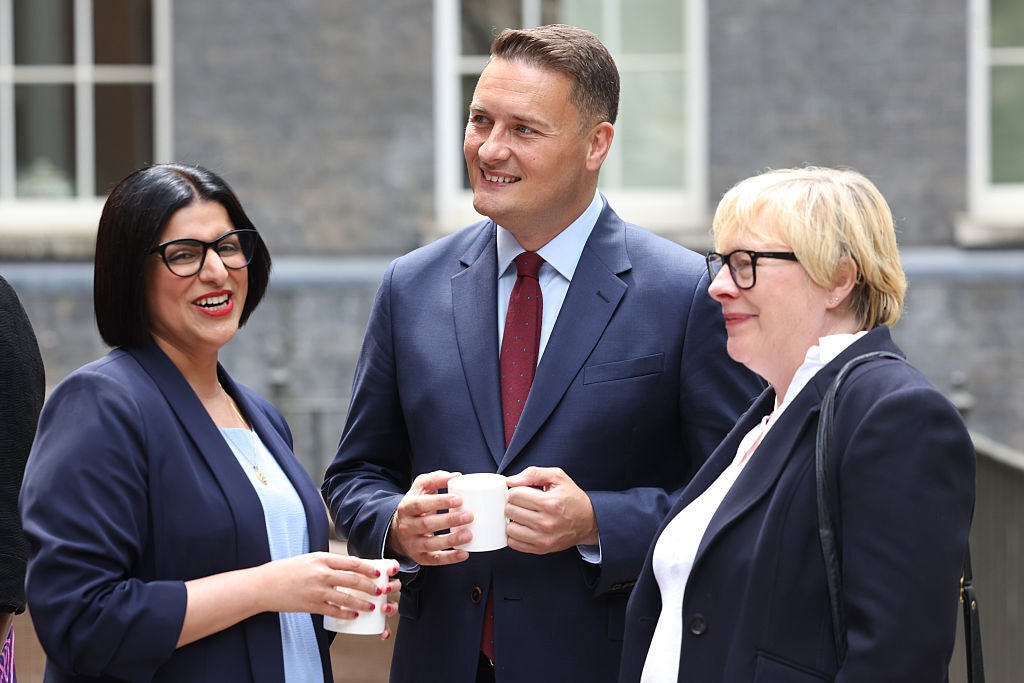
Wes Streeting and Shabana Mahmood were forced to apologise over their remarks, which were recorded in the Downing Street garden following the first meeting of the prime minister’s new cabinet.

Referring to new justice secretary Alex Norris, defence secretart Streeting said: “You know he’s the enemy now he’s at justice, Shabana? He wants to let them all out.”

Laughing, home secretary Mahmood replied: “No he’s not.”

When she was justice secretary after the 2024 election, Mahmood approved the early release of thousands of prisoners to ease overcrowding in jails.

In a post on X, Streeting said the exchange was a reference to comments made by former Tory prime minister Theresa May about Ken Clarke, who served as justice secretary in David Cameron’s government.

She said: “When I was home secretary and he was justice secretary, I used to say that I locked ’em up and he let ’em out.”

In a statement posted on X on Tuesday night, Streeting said: “I hope everyone can see there was no ill intent behind this ribbing of the new Justice Secretary – it was a reference to an old May/Clarke joke.

“But I appreciate these are very serious issues and am sorry for any offence inadvertently caused by this moment of levity.”

Mahmood said: “I think everyone can see there was no ill intent behind this ribbing of the new Lord Chancellor – a role I once filled and which comes with immense challenges thanks to the vandalism inflicted on our justice system by the last Conservative government.

“But I appreciate this is an extremely serious issue and do not want anyone to mistake this moment of levity for a lack of serious intent.”

Asked on Wednesday whether the pair’s comments were acceptable, Burnham said: “No, it’s not, and certainly that’s been acknowledged, and apologies have been made.”

The row came as the PM announced he was reviewing the early release scheme after it emerged two men jailed for killing a police officer could be let out of prison before the end of their sentences.

PC Andrew Harper was 28 years old when he sustained fatal injuries while responding to a quad bike theft in Sulhamstead, Berkshire, in August 2019.

The driver of the vehicle which caused his death, Henry Long, received a 16-year sentence, and will not be eligible for early release.

But Jessie Cole and Albert Bowers, who were passengers in the car and handed 13 years in custody for manslaughter after a trial at the Old Bailey in 2020, could be let out early.

PC Harper’s widow, Lissie, said: “It is deplorable to me that we have reached a point where releasing prisoners early is even considered acceptable.

“We speak of justice, accountability and standing with victims, yet decisions like this do the opposite.

“They tell victims their suffering matters less, and offenders that the punishment handed down by our courts is no longer what they will actually serve.”

Burnham said he would “review the whole of this policy” before it proceeds.

“I can’t say that I can change the policy completely, but I will look at it in detail before we go further forward.”

Listen to Commons People, the podcast that makes politics easy. Every week, Kevin Schofield and Kate Nicholson unpack the week’s biggest stories to keep you informed. Join us for straightforward analysis of what’s going on at Westminster.

Share Button