A frisson of excitement ran through Westminster this week.
After two opinion polls put Labour and the Conservatives in first and second place, the inevitable question followed: “Is two-party politics back?”
Just a year ago, the prospect of the next election being a straight shootout between the two traditional parties would have seemed fanciful.
Advertisement
Reform UK were still ahead with every pollster, while the Greens were continuing their resurgence under their new leader, Zack Polanski.
May’s local elections seemed to confirm that a new era of multi-party politics in the UK was here to stay.
Reform gained nearly 1,500 new councillors, while the Greens saw their town hall representation soar by more than 800 seats.
Advertisement
At the same time, Labour – who were still in the doldrums under the leadership of Keir Starmer – lost 1,498 councillors, and the Tories 563.
Since then, however, British politics has once again been turned on its head.
Labour’s decision to dump Keir Starmer and replace him with Andy Burnham has so far been vindicated, with the party enjoying the novelty of being led by someone that voters actually like.
At the same time, Reform have been hit by a series of scandals and controversies which have led to the party’s popularity plummeting.
Advertisement
Nigel Farage still awaits the result of the parliamentary standards commissioner’s investigation into his failure to declare a £5 million gift from crypto billionaire Christopher Harborne.
The Metropolitan Police is also investigating the outcome of an undercover Channel 4 documentary in which senior Reform officials appeared to be willing to break electoral law to get money from a foreign donor.
According to a poll of polls by Election Maps UK, Reform have slumped from 27.5% at the end of May to 22.7% now.
Advertisement
Over the same period, Labour’s own standings have soared from 19.6% to 27.7%. The last time they led Reform by 5 points was at the end of 2024.
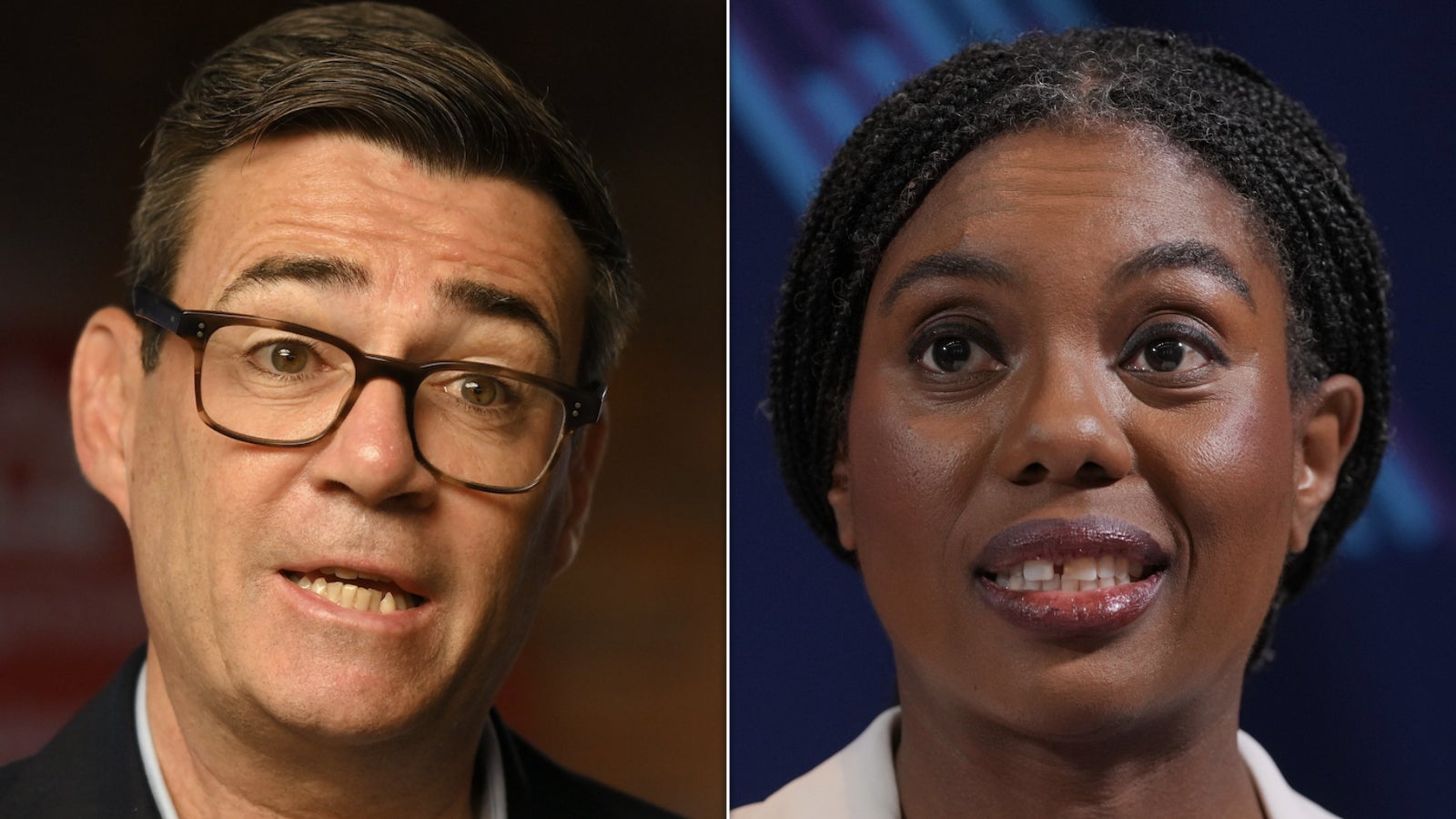
As Farage and Polanski’s popularity has waned, Kemi Badenoch’s has continued to rise, and there are now signs that she is finally dragging the battered Tory brand with her.
Advertisement
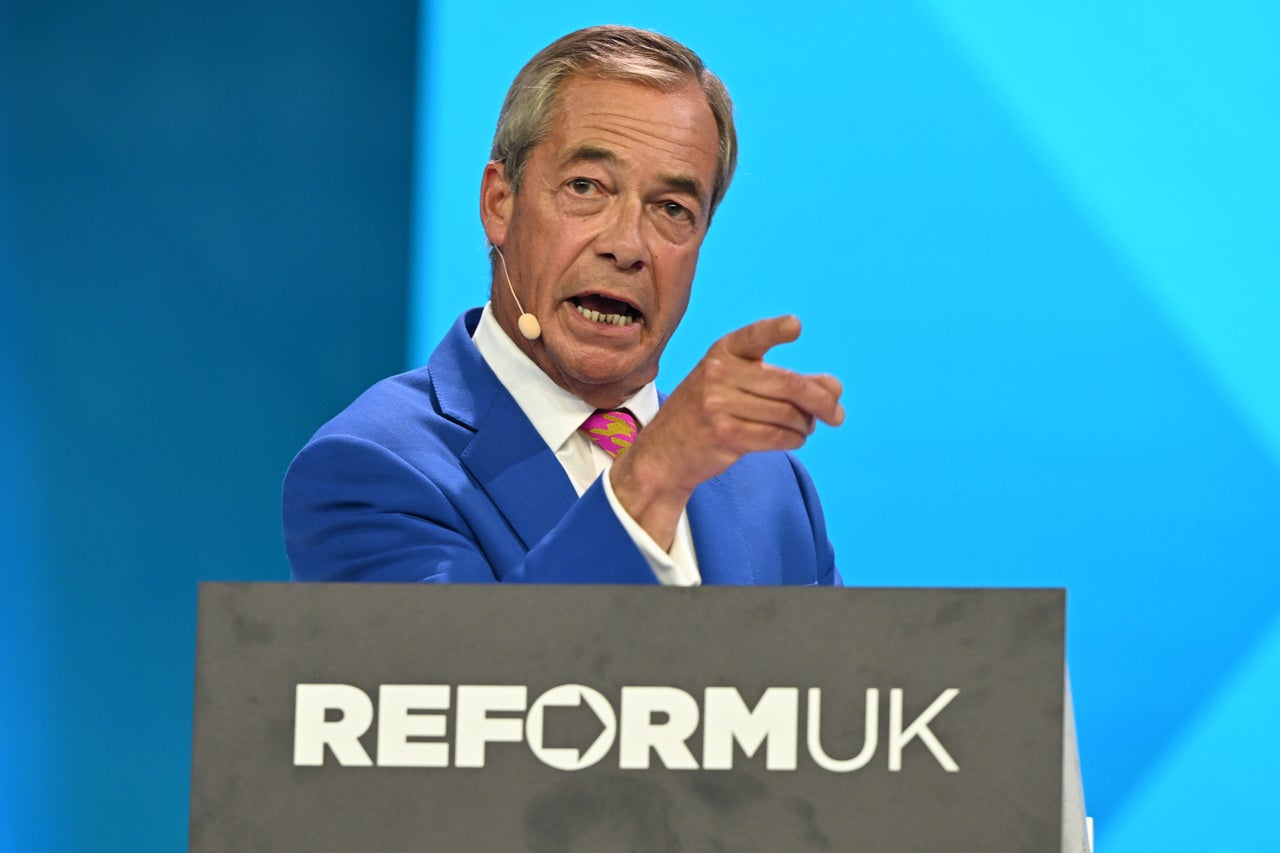
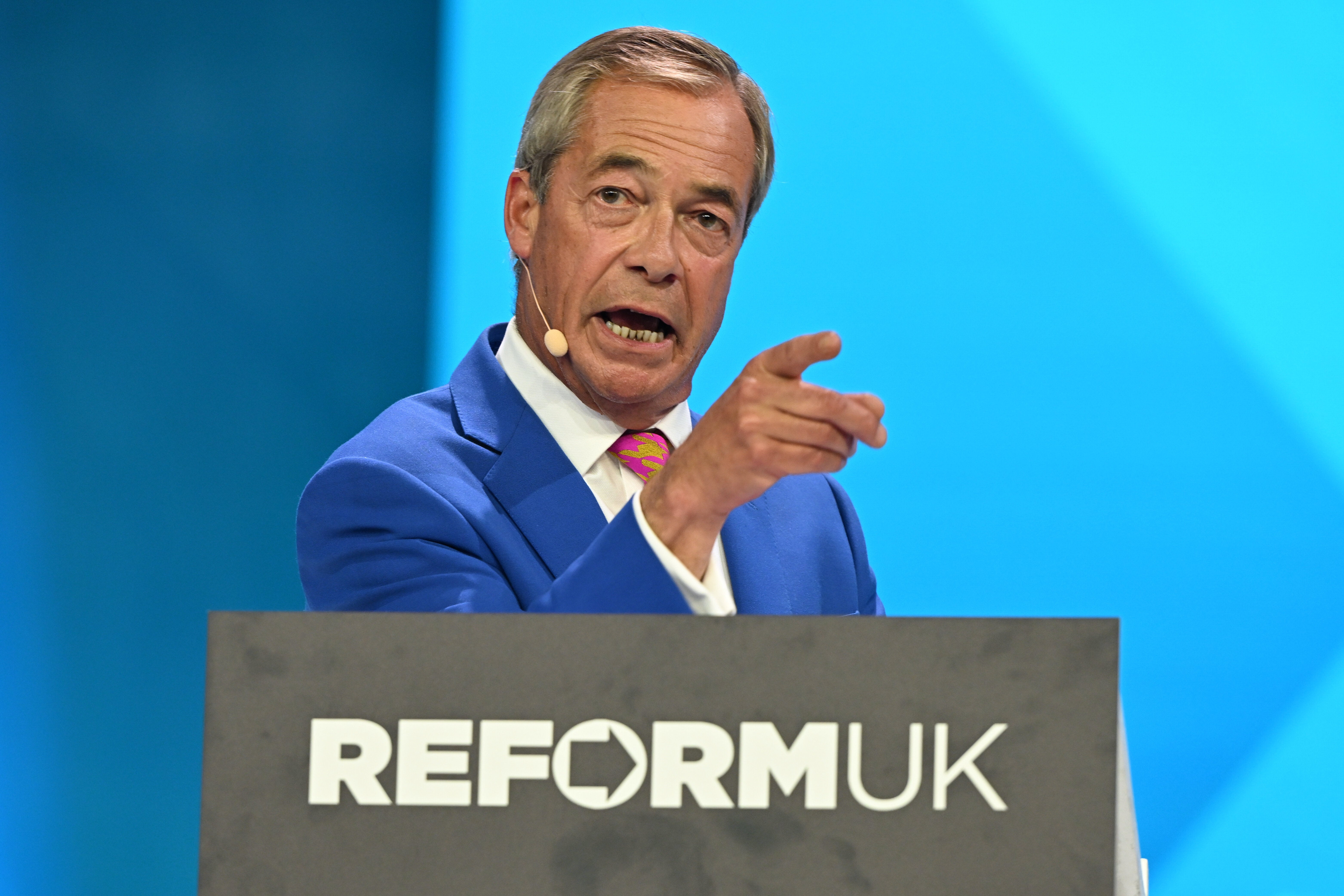
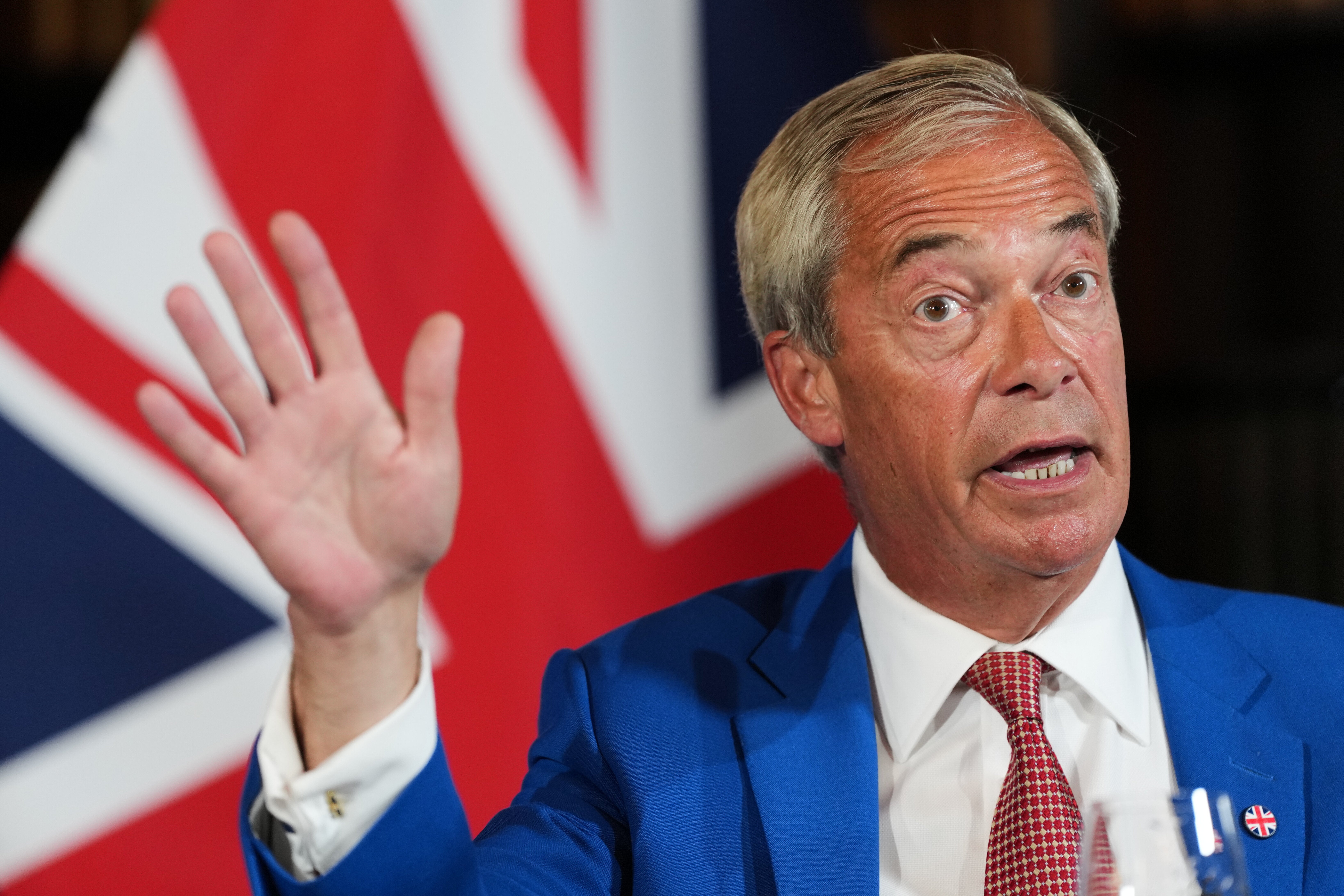
Can Nigel Farage turn around Reform’s fortunes?
via Associated Press
But leading pollsters who spoke to HuffPost UK this week explained why it is too early to write off Reform and the Greens.
Luke Tryl, UK director of More in Common, said: “While the two-party system may not be dead and buried, it certainly remains in a weak state.
Advertisement
“An election held tomorrow would likely still produce the most fragmented results in history, and our latest poll suggests that no party would come close to a majority, and a coalition would be the most likely outcome.
“Trust in mainstream politics remains at a dire low. Unless the two major parties can reassure Britons that they are listening to their concerns, are trying to do something about them, and are actually capable of doing so, this will continue to be the case.”
Chris Hopkins, political research director at Savanta, said “any talk of a return to two-party politics remains premature”.
Advertisement
“The improvement in the standing of Labour and the Conservatives remains muted, rarely combining for more than 50% of the vote in the latest round of opinion polls,” he said.
“This remains a far cry from recent general elections, especially 2017, where the Conservatives and Labour received a whopping 82% of the overall vote.
“Of course, things can still change very quickly in British politics so only a fool would completely rule out a return to two-party politics.
Advertisement
“But if an election were tomorrow, Reform and the Greens would represent significantly greater challenges in constituencies up and down the country for the main two parties than ever before.
“That, coupled with the national strength of the SNP in Scotland and Plaid Cymru in Wales, means that multi-party politics is unlikely to be going anywhere anytime soon.”
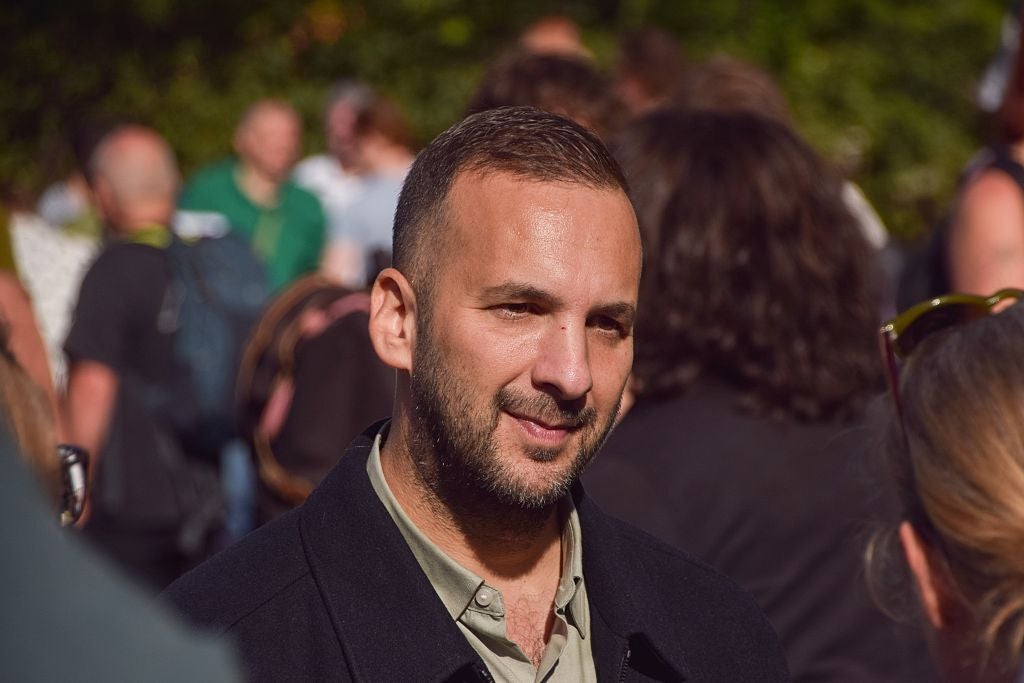
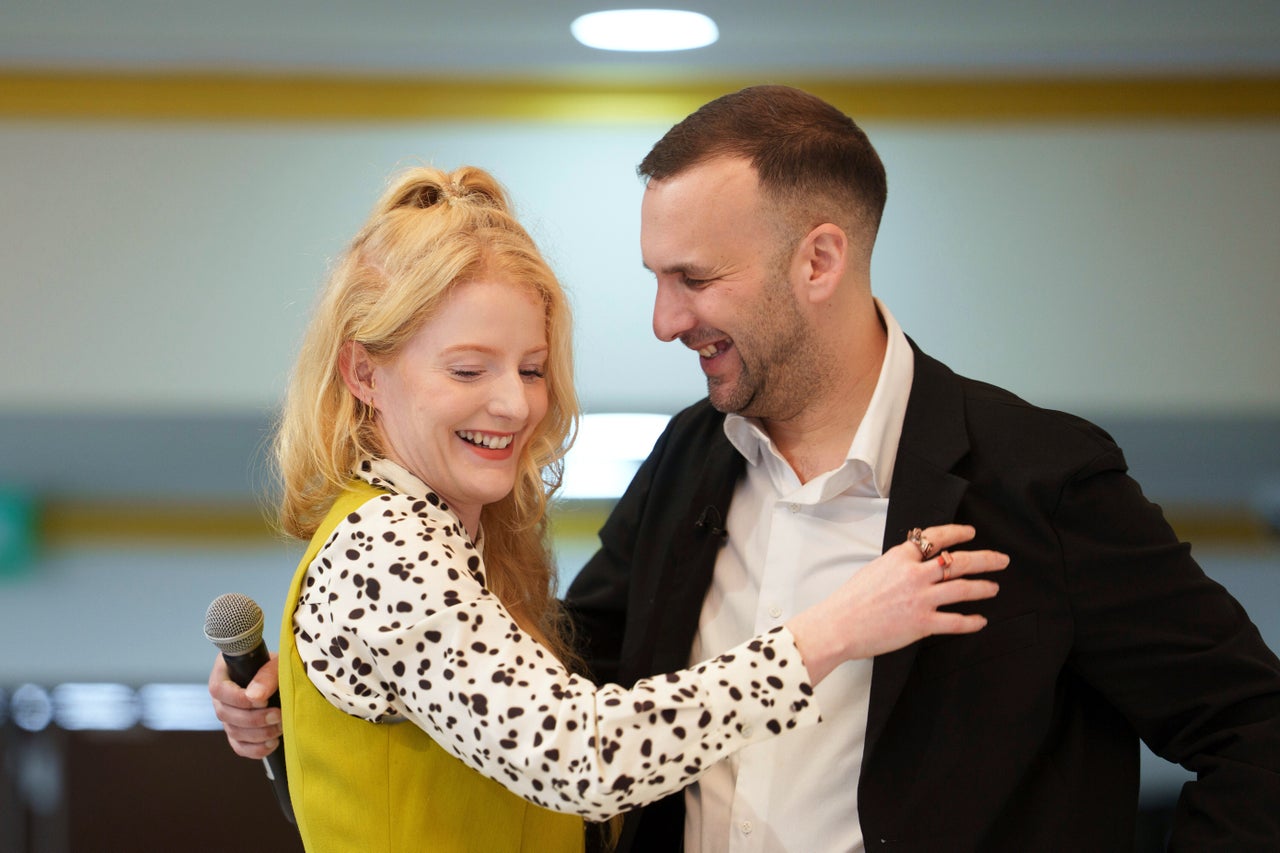
Zack Polanski speaks with supporters during the Holborn and St Pancras by-election campaign.
SOPA Images SOPA Images/LightRocket via Gett
Advertisement
Keiran Pedley of Ipsos UK said “the battle for hearts and minds on the right” was yet to be won by either the Tories or Reform, who remain strong in the north of England and the Midlands.
“As long as Nigel Farage is around it is hard to see them going anywhere and what we don’t know is whether Reform today are at a low ebb that they recover from, or if the Conservative momentum continues,” Pedley said.
Advertisement
With a difficult Budget less than two weeks away, Burnham and Labour’s current popularity may well prove to be short-lived if energy bills soar and the economy takes a turn for the even worse.
Badenoch, meanwhile, still faces an enormous challenge in trying to make the Tories competitive come the next election, give their hammering last time around.
As Pedley pointed out: “We can hardly declare a return to the two party system when five parties are polling in double digits and nationalist parties are in government in Scotland and Wales.”
Advertisement
Listen to Commons People, the podcast that makes politics easy. Every week, Kevin Schofield and Kate Nicholson unpack the week’s biggest stories to keep you informed. Join us for straightforward analysis of what’s going on at Westminster.
The trouble is, the by-election is a week away – and, according to Green sources, the last weekend of door-knocking is usually when they manage to win over more voters.
Polanski’s team tried to get the conference delayed so members could focus on winning over north-west London constituents, but party executives refused.
A party spokesperson has since blamed the Labour government for deliberately timing the by-election so that it would overshadow their conference.
Advertisement
Labour did not reply when approached for comment – the party seems to have adopted an approach of not even acknowledging their left-wing rivals.
Its statement in response to Polanski’s keynote address did not even mention the Greens or the leader’s name, instead focusing on Burnham’s achievements.
Either way, Polanski clearly followed his own advice to focus on campaigning.
He arrived at conference on Thursday night and left an hour after his speech on Friday, mid-afternoon, even though the conference runs until 4.30pm on Sunday.
Advertisement
Asked about the conflicting events, campaigners looked nervous but insisted to HuffPost UK there was no “divide”.
They claimed there would be plenty of people door-knocking and more than enough members at their “best-ever attended conference”.
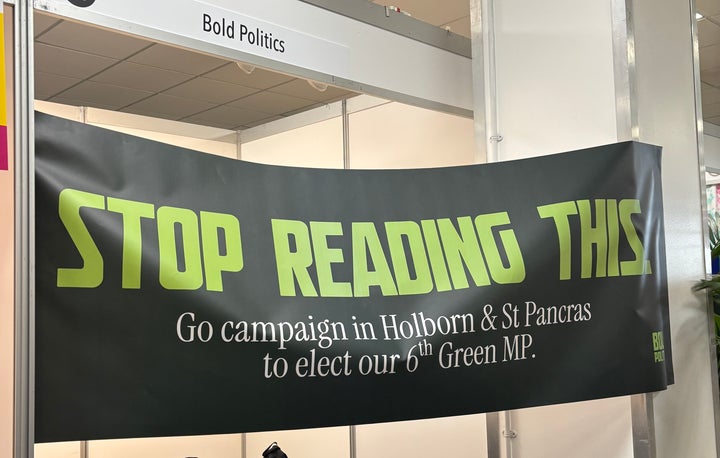
“Stop reading this. Go campaign in Holborn and St Pancras to elect our 6th Green MP,” Polanski’s own podcast said
HuffPost UK
Advertisement
Still, it was hard to escape the feeling that the Greens were already laying the groundwork for a significant loss in the crunch by-election.
Labour prime minister Andy Burnham’s popularity is soaring and his party’s candidate Sagal Abdi-Wali is the frontrunner in the race.
Polanski – currently a London Assembly member but with a major public profile – has taken a big risk in contesting the seat. He has a lot to lose.
Advertisement
Polanski told the Guardian that he does not need to win the by-election to stay as Green leader, describing it as a “50/50” contest.
He said the election had ramifications for politics across the UK but “not for my leadership”.
Spokespeople told reporters that the fact there is even a chance the Greens could take the seat of a former prime minister shows “how incredibly successful Zack’s leadership has been”.
However, POLITICO’s poll of polls puts the party in fourth place on 11% – the lowest score since last October, shortly after Polanski took over the leadership.
There are now concerns that he has peaked after polling in second place behind Reform back in March, when the party soared to 18%.
Advertisement
Even a senior party figure admitted HuffPost UK that Burnham is very popular among their own supporters.
They said: “He’s never shafted the left, to be honest. I think we’ll give him a fair hearing until the Budget. But people really, really like him – unlike Starmer!”
Polanski also used his keynote speech not to hint at replacing Labour, as he did last year, but to frame the Greens as a pressure group to move the government leftwards.
Advertisement
“Vote Green and watch Labour move,” he told the party faithful.
But in autumn 2025, Polanski said: “We’re here to replace Labour.”
Party sources later told reporters that the party leader’s speech was still focused on the gap between “what Labour says and how it doesn’t actually act”.
“It’s a change of emphasis rather than the fact that we think we can’t replace the Labour Party,” they insisted.
Asked about the possibility of ever forming a coalition with the Labour Party on Friday, officials seemed unclear about their plan now Burnham is in power.
Advertisement
“It would be up to members after the general election,” they said, dodging the question.
But it shows how the Greens are in no-man’s land right now, as they struggle to retain their progressive base in the Burnham era.
The question is, will next week’s crunch vote give them a much-needed boost by electing Polanski – or relegate them to the sidelines once more?
Advertisement
Listen to Commons People, the podcast that makes politics easy. Every week, Kevin Schofield and Kate Nicholson unpack the week’s biggest stories to keep you informed. Join us for straightforward analysis of what’s going on at Westminster.
So it’s worth asking: why is he putting himself forward for a by-election now?
Polanski is still the most high-profile person within the left-wing party and it would a historic victory if the Greens took the seat, making it their first ever London constituency win.
He wasted no time signalling his desire to be selected by local Green members to be the party candidate for Starmer’s former constituency in the capital this week.
While the decision is not yet set in stone, Polanski is widely expected to be the party’s choice for the crunch vote in a head-to-head with Labour.
Advertisement
As Sky News elections analyst Robert Ford wrote on X, the stakes are high for both parties.
He said: “Greens have chance to turn the tide on recent decline and show Polanski is a winner. Labour have a chance to show that the Burnham bounce is real, consolidate the left in a London heartland seat, and deal a potential knockout blow to Green insurgency.”
He added that Polanski’s decision to join the contest meant it is “no longer just Green vs Lab”.
Ford claimed voters are now being asked: “Would you like the national leader of the Green party or a generic Lab backbencher as your local representative?”
Green MP Hannah Spencer with Polanski after she won the Gorton and Denton by-election in February
via Associated Press
Advertisement
It’s rather precarious, though, especially as the seat is traditionally Labour.
The Greens themselves are trying to put their best foot forward, with one party official telling HuffPost UK they feel “confident” about Polanski’s chances.
Another senior insider shrugged off the idea that it was risky to put the Green leader forward, insisting he would be a “brilliant candidate”.
A third pointed out that the Greens won “lots of traditionally Labour seats” in London back in May during the local elections.
Advertisement
If he is chosen for the seat, he may have also have a slight advantage when it comes to winning over the left-wing votes.
Former independent candidate Andrew Feinstein announced he would not be standing in the by-election, and would instead back the Green leader.
Feinstein secured 19% of the vote in the constituency back in 2024, coming in second place behind Starmer.
Advertisement
If his 7,312 votes and the Greens’ 4,030 votes from the general election had been combined at the time, it would have significantly reduced Labour’s majority – though the party would still win by some margin on 18,884 votes.
Still, as Luke Tryl, the UK director for More in Common, told HuffPost UK if Feinstein’s voters “switch en masse to the Green Party, Polanski will need a much smaller swing to win”.
He said: “The seat’s demographics could help the Greens too: young, diverse, Remain-voting, with lower concern about migration than recent by-elections, it’s strong territory for Polanski, whose approval among 18-24s is almost nine times what it is among the over-75s.
Advertisement
“We know that high-profile candidates – whether it be Burnham in Makerfield or Farage in Clacton – can motivate voters and boost turnout in by-elections.”
This is why Holborn and St Pancras beyond Polanski running matters – because of what it means for consolidation of the left bloc. Since Burnham came to power Labour have consolidated their hold on the left bloc, at the same time as Reform’s share of the right bloc has slipped. pic.twitter.com/BDHL8YJV6m
Labour is yet to choose its own candidate for the crunch vote.
HuffPost UK was told by one source that it is “a slam dunk” that Camden Council leader and Starmer ally, Sagal Abdi-Wali, will be Labour’s candidate.
Advertisement
The local insider said: “It will be a straight Lab-Green fight, so Polanski has a chance. Sagal will be a strong candidate with cast-iron local credentials and a personal story that will resonate with huge chunks of the electorate.
“Her being Muslim and Somali will limit Polanski’s ability to attract people angry about Gaza.”
However, other party sources insist the candidacy is still up for grabs.
Tryl told HuffPost UK this by-election “will be a fascinating test of what the electoral landscape looks like on the left of British politics”.
He noted Burnham started to unite the left since replacing Starmer, he has “halved the share of 2024 Labour voters defecting to the Greens since the spring”.
Advertisement
A separate YouGov tracker shows 50% of respondents think Burnham is a better PM than Polanski would be, compared to 8% who believe it is vice versa.
Tryl added: “Polanski’s own popularity has tumbled, leaving him the least popular party leader in the country.
“On the raw numbers, that makes Labour look like a safe seat: Holborn and St Pancras isn’t even a top-100 target for the Greens, who’d need a 19-point swing to take it outright.”
Advertisement
But the pollster also observed that “support for Labour has eroded in the seat in recent years”.
“For Labour, this is one of the first real tests of whether Burnham has really managed to unite the left behind Labour again,” Tryl said. “For the Greens, it’s a test of whether Polanski can regain his mojo after a difficult few months.”
Listen to Commons People, the podcast that makes politics easy. Every week, Kevin Schofield and Kate Nicholson unpack the week’s biggest stories to keep you informed. Join us for straightforward analysis of what’s going on at Westminster.
Westminster loves nothing more than a bit of groupthink.
A settled view on a particular issue can quickly become established fact in SW1, even if there is plenty of evidence that it may be wrong.
The most recent example is the growing belief that two-party politics will return in time for the next general election.
Advertisement
This is not an outlandish idea, given the most recent trend in the opinion polls.
It is undeniable that Labour has enjoyed a Burnham bounce since the former mayor of Greater Manchester replaced Keir Starmer as party leader and prime minister.
This has coincided with a steady decline in support for Reform amid the ongoing controversies over the financial arrangements of both Nigel Farage and his party.
Advertisement
At the same time, Kemi Badenoch’s Tories have been enjoying a modest uptick in support, while the Green Party have also gone into reverse following a series of mis-steps by their leader, Zack Polanski.
Burnham becoming PM has coincided with a leap in support for Labour.
via Associated Press
Advertisement
Some political commentators have therefore concluded that the next election will once again be a straight fight between Labour and the Conservatives.
However, leading pollsters have told HuffPost UK that it is far too early to assume that British politics will simply return to the way it has always been for most of the last century.
Indeed, Chris Hopkins, political research director at Savanta, said a return to two-party politics “feels like something of an impossibility”.
Advertisement
He said: “In almost all opinion polls conducted since Andy Burnham became Labour leader, five parties have achieved 10% or higher.
“The top two – more often than not, Labour and Reform UK – tend to combine for around 50% of the overall vote share.
“This is a far cry from recent general elections, especially 2017 where the Conservative and Labour combined for a whopping 82% of the overall vote.
Advertisement
“Of course, if British politics has taught us anything over the last few years, it’s that the fortunes of political parties can change very quickly, so you can never rule a return to two-party politics out.
“For now, only the Greens feel at risk of losing ground, probably to a rejuvenated Labour Party, but Reform UK don’t feel like they’re going anywhere while Nigel Farage is at the helm.”
With Farage certain to return as MP for Clacton next Thursday with a thumping majority – albeit having only defeated Count Binface and a variety of other minor political figures – the chances of him shuffling off the political stage appears remote.
Advertisement
Indeed, the signs are there that the Reform leader is preparing to come out fighting in an attempt to wrest back the political momentum from Burnham.
Keiran Pedley of Ipsos UK said “we should be careful not to overstate the return of two party politics”.
“Reform are still ahead of the Conservatives for now,” he pointed out. “The Greens and Lib Dems have a significant presence in some parts of the country and nationalist parties are in power Scotland and Wales.
Advertisement
“It may well come to pass that the next election ends up as a mainly Labour vs Conservative affair, but we should caution against jumping to that conclusion too soon.
“To announce the return of two party politics having declared it dead a few months prior feels somewhat premature.”
Badenoch has won praise for her performance as Tory leader, but the events of the past week have seen her criticised.
via Associated Press
Advertisement
The Tories’ mini-renaissance under Badenoch, who has won praise for her performance as leader in recent months, threatened to come off the rails this week, however.
Her decision to stand by a former neo-Nazi chosen to stand as a Conservative council candidate in Somerset sparked a furious backlash and baffled many senior Tories.
Joshua Bonehill-Paine eventually stood down, but was appointed an adviser on anti-radicalisation by Badenoch, a decision which led to fresh outrage.
Coming on the back of Badenoch’s decision to remove the party whip from Gavin Barwell and block the likes of Grant Shapps from standing as candidates, it seems clear that she wants to take votes from Reform.
Moderate Tories believe she is making a huge mistake.
One senior figure told HuffPost UK: “Her strategy appears to be to hope that Reform implodes/Farage walks away and then pick up the pieces.
Advertisement
“The reality is that there’s a solid populist vote of 20% that will be very hard for the Tories to reach and the cost of doing so would be to alienate the majority of the electorate. With Labour moving leftwards on the economy, a big opportunity is being lost.”
Cameron Garrett, deputy director of research at the More in Common think-tank, said: “Our politics is increasingly volatile, and it’s too soon to be heralding a return to the two-party system.
“Kemi Badenoch’s personal approval rating has risen dramatically in recent months, but it has yet to lift her party’s fortunes. And while Burnham has seen a bounce, it’s too early to tell whether it will last.
Advertisement
“Voters will need to see real, tangible change before they’re willing to return to the political mainstream for good.”
Listen to Commons People, the podcast that makes politics easy. Every week, Kevin Schofield and Kate Nicholson unpack the week’s biggest stories to keep you informed. Join us for straightforward analysis of what’s going on at Westminster.
An Instagram video described the attack as “total bullshit to keep the false flag flying” and included an image where parts of the word “Jewish” had been blacked out.
Kennedy also shared a post from Hugh Anthony, who describes himself as a “proud ethno-nationalist”, which claimed the Golders Green terror attack made “no sense”.
Advertisement
A Green Party spokesperson told The Times that Kennedy “apologises for the offence caused” and had deleted the posts.
A party representative told the BBC the posts “don’t reflect the views of The Green Party”.
When announcing Kennedy’s decision to stand down, a Green spokesperson said: “We wish Chris the best and understand that family has to come first.
“As a party, we are re-opening nominations now because we believe people in Makerfield deserve a real choice at this by-election, and the Green Party will be standing to offer exactly that.
Advertisement
“Across the country, more and more voters are turning away from the old parties and looking for politicians who will genuinely stand up for their communities.
“We will also be redoubling our efforts on campaigning to expose the risk of Reform, a party who seeks to divide our communities.
“This election has to be about how to make the super-rich pay their fair share, how we tackle the cost-of-living crisis with lower bills and affordable housing, and how we protect our public services and our green spaces.
Advertisement
“It has to be about offering Makerfield hope over hate.”
Subscribe to Commons People, the podcast that makes politics easy. Every week, Kevin Schofield and Kate Nicholson unpack the week’s biggest stories to keep you informed. Join us for straightforward analysis of what’s going on at Westminster.
This Thursday will present the largest test of the Labour government – and its rival parties – since the last general election nearly two years ago.
Around 5,000 seats across 136 local councils, along with six mayoral contests, are up for election in England.
Advertisement
Voters in Scotland and Wales will also go to the polls for elections to Holyrood and the Senedd.
Labour are widely expected to suffer a catastrophic night, piling fresh pressure on Keir Starmer.
The Tories are expected to endure significant losses too, with the Greens and especially Reform UK on course to make huge gains as voters deliver a damning verdict on the two main parties.
Here, HuffPost UK assesses how the main parties are shaping up ahead of the biggest test of public opinion since July, 2024.
Labour
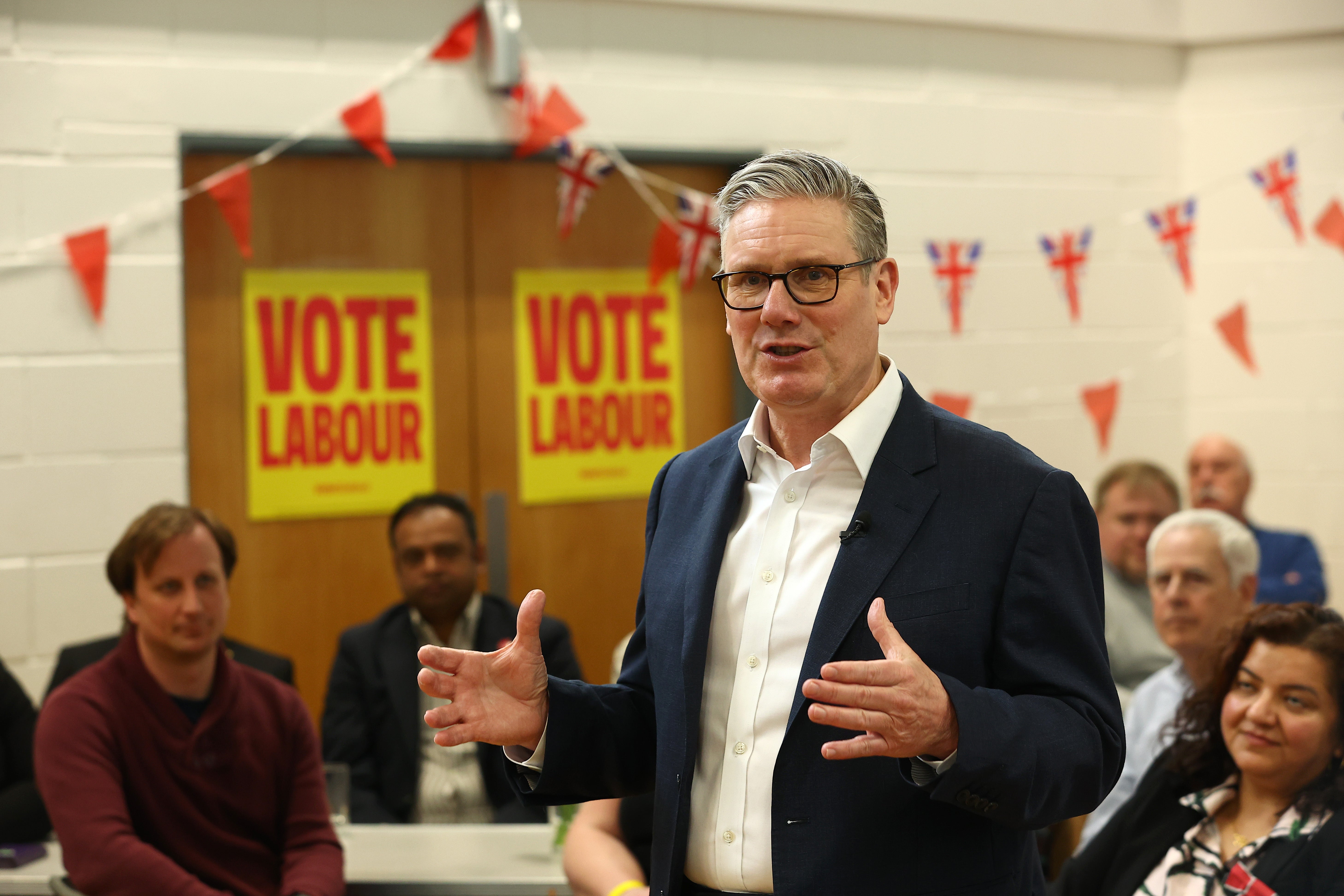
Prime Minister Keir Starmer speaks with residents at Newton Leys pavilion to discuss how the government is implementing policies to ease the cost of living as he campaigns ahead of local elections scheduled for May 7 on April 1, 2026
Peter Nicholls via Getty Images
Advertisement
Pollsters’ prediction? Top forecaster Lord Hayward warned Labour will lose 1,850 council seats. That means the party could be left with barely a quarter of the 2,550 councillors they currently have in the areas which are up for re-election.
YouGov does not expect Labour to win any constituency seats in Scotland at all, with their predicted 15 seats coming from the regional top-up lists.
That means Labour could end up with just 12 of the Senedd’s 96 seats.
What’s the mood within the party? Understandably bleak.
Starmer is actively calling for his party to support him amid rising fears of a leadership challenge from his main rivals Angela Rayner, Andy Burnham and Wes Streeting.
One party insider said: “We’re resigned to taking a significant knock, but are still standing and trying to get out as many votes as possible.”
“I just think Labour are fucked either way,” another source said candidly.
In a rare moment of optimism, campaigners also said voters have been “disinterested” rather than actively hostile to Labour activists – which was an improvement on what they were expecting.
Advertisement
One insider told HuffPost UK that deputy prime minister David Lammy had told activists over the weekend that the row which hit Zack Polanksi in the wake of last week’s Golders Green attacks could damage the Greens.
This sparked some hope that the party could claw back some of their supporters.
Conservatives
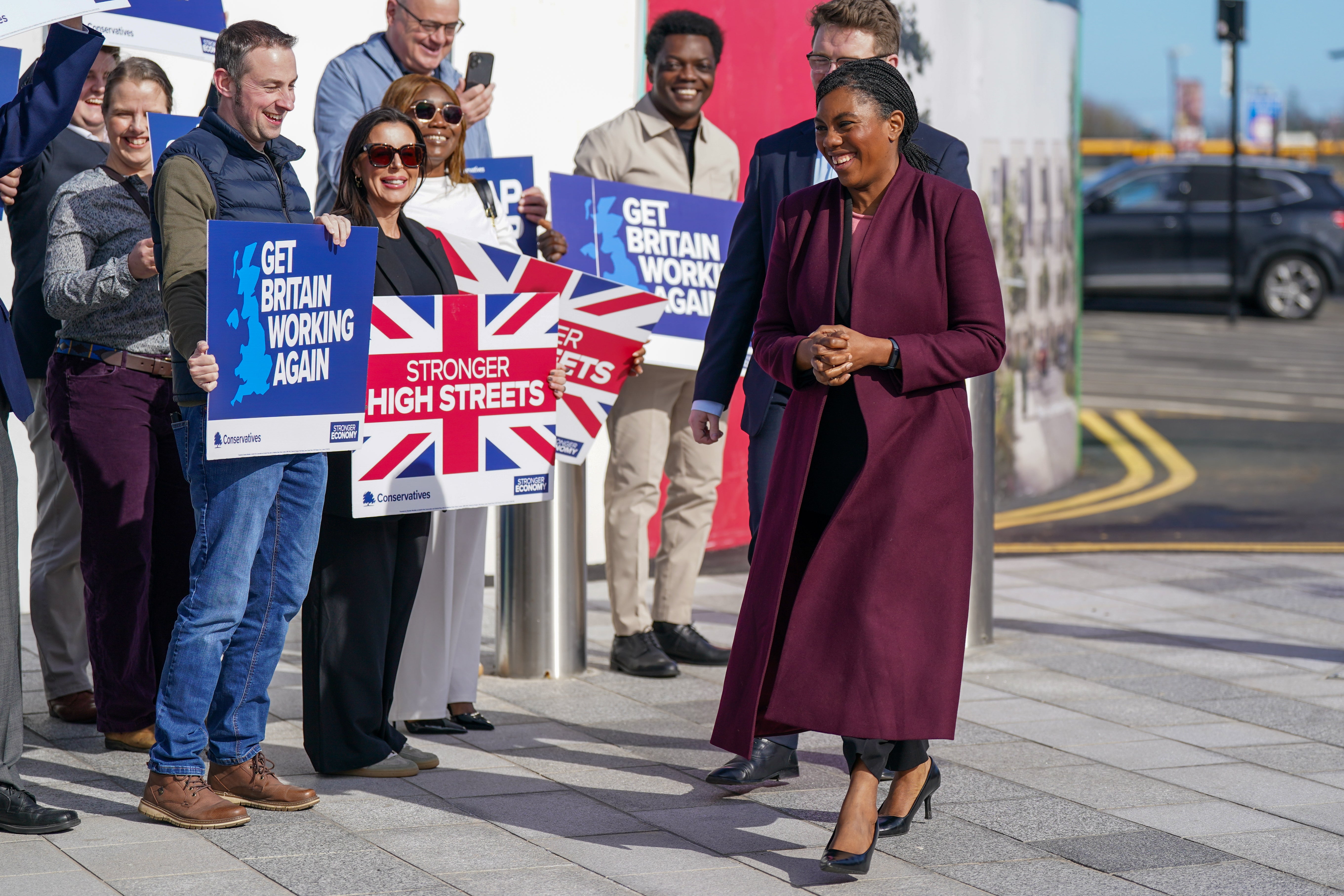
Kemi Badenoch, Leader of the Conservative Party meets party supporters during a visit to Sunderland on April 02, 2026 in Sunderland, United Kingdom.
Ian Forsyth via Getty Images
Pollsters’ prediction? The Tories are expected to lose 600 councillors in England, according to Lord Hayward.
Advertisement
YouGov expects the Tory vote to fall to just 8% of the vote in Holyrood – that would be the worst ever result for the party at any election within Scotland.
Predictions suggest the Tories would go from having 31 seats in 2021 to just seven.
The pollster also predicts the Tories will end up with just three seats in Wales.
What’s the mood within the party? Not very optimistic.
Tory leader Kemi Badenoch’s own leadership has been strengthened in recent months as she’s improved her PMQs appearance – and her main challenger, Robert Jenrick has defected to Reform.
But that does not necessarily translate to votes – especially as the Tories are still being punished for their 14 years in power.
Advertisement
One traditionally Conservative voter stunned the public this week by announcing she would be backing Labour instead, just to keep the Greens out.
Anecdotally, HuffPost UK has heard other Tories telling door-knockers they planned to do the same. The party did not respond when approached for comment.
Reform UK
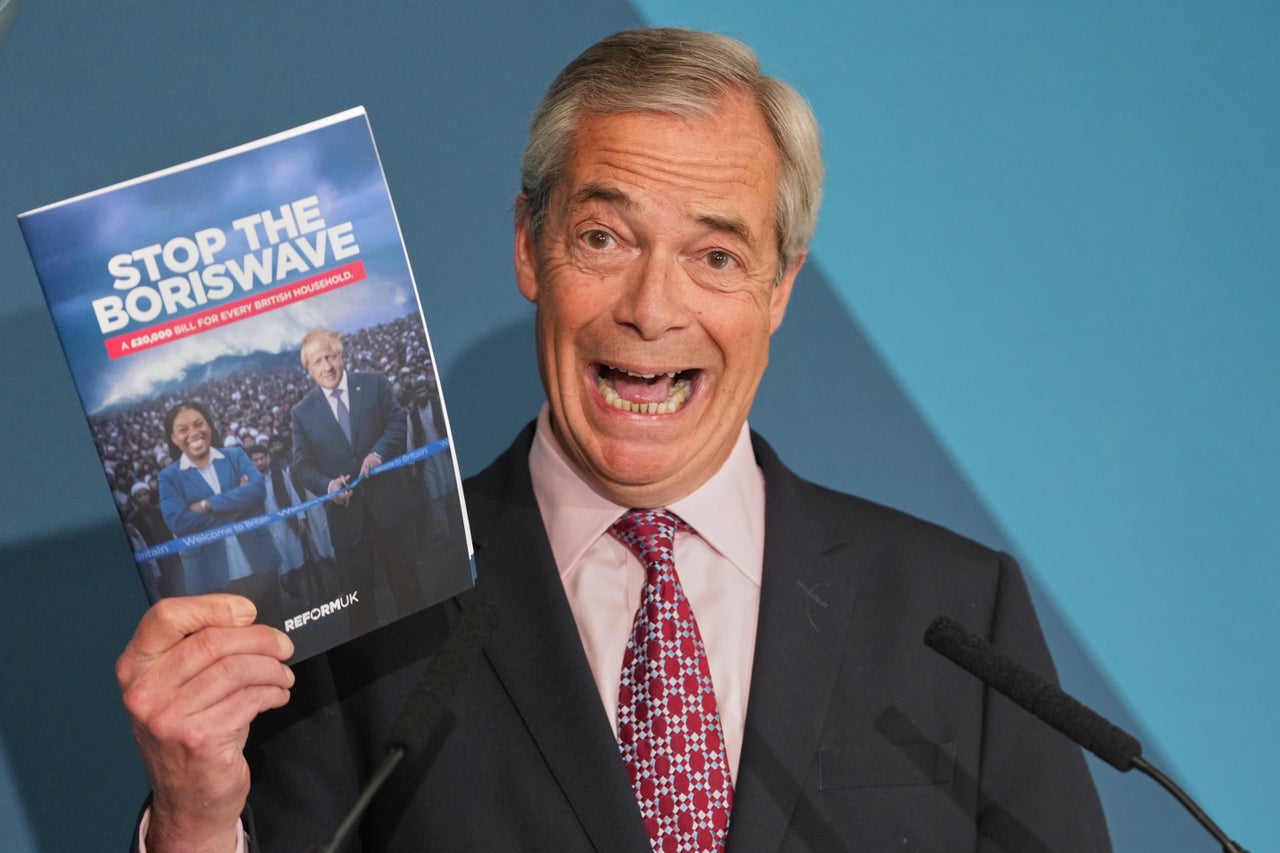
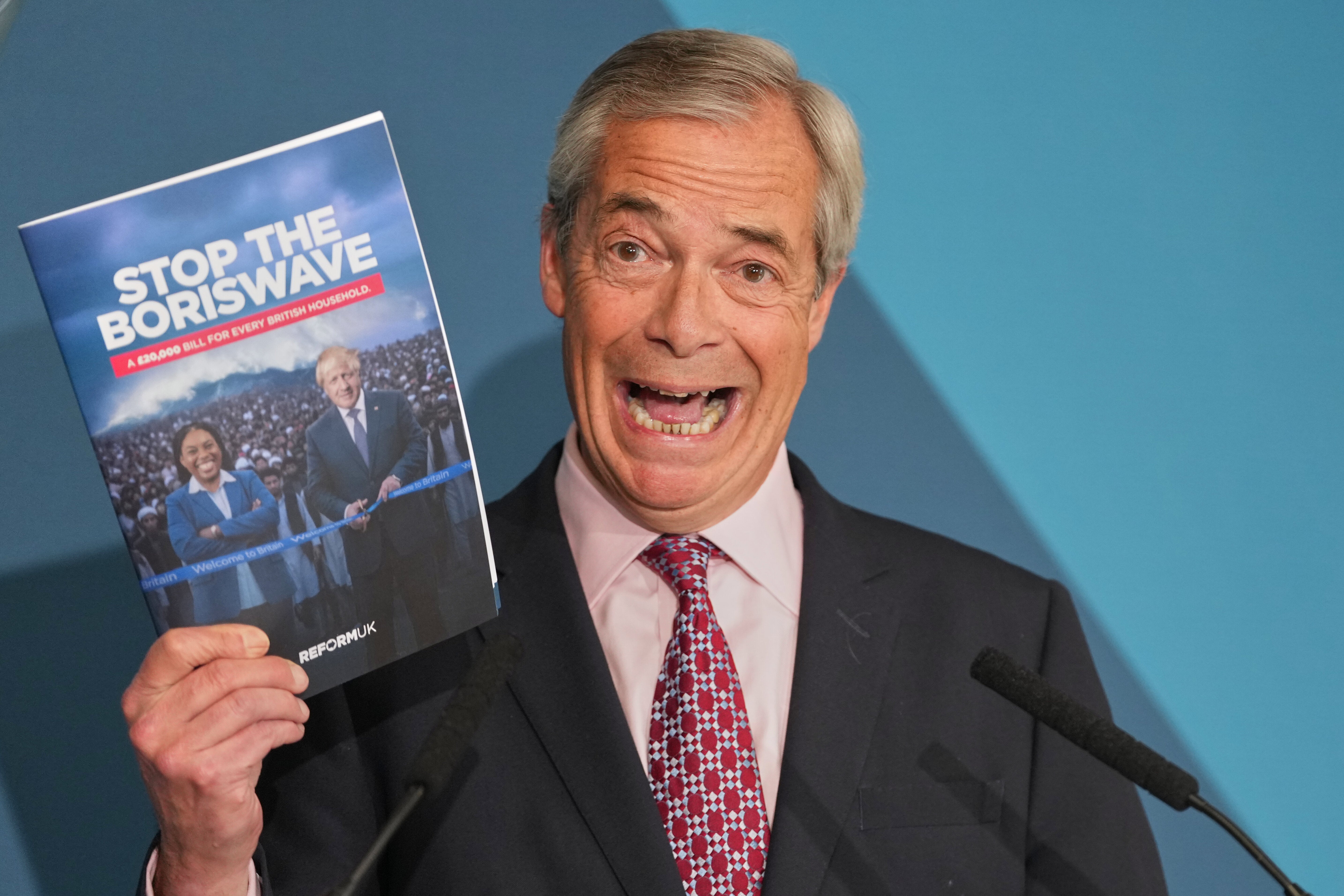
Nigel Farage leader of the Reform UK party holds up a booklet during a press conference in London, Monday, April 13, 2026.
via Associated Press
Advertisement
Pollsters’ prediction? Hayward expects Reform to gain 1,550 seats in England.
He claimed Reform would be taking “Labour heartlands” in the local elections – Yorkshire, the northwest, the northeast, parts of the Midlands and the Welsh Valleys.
Advertisement
But there are suggestions that support for the party has already peaked, with its polling numbers declining over the past six months.
Farage also skipped a grilling from the BBC’s Laura Kuenssberg on Sunday. That came after reports he accepted an undisclosed £5 million donation from a billionaire supporter before he ran to be an MP.
His team said he decided to pull out last minute to campaign in his Clacton constituency, but critics suggested he was dodging scrutiny.
Advertisement
The party courted further controversy on Sunday by announcing plans to put detention centres for illegal migrants in constituencies and councils which vote Green.
Greens
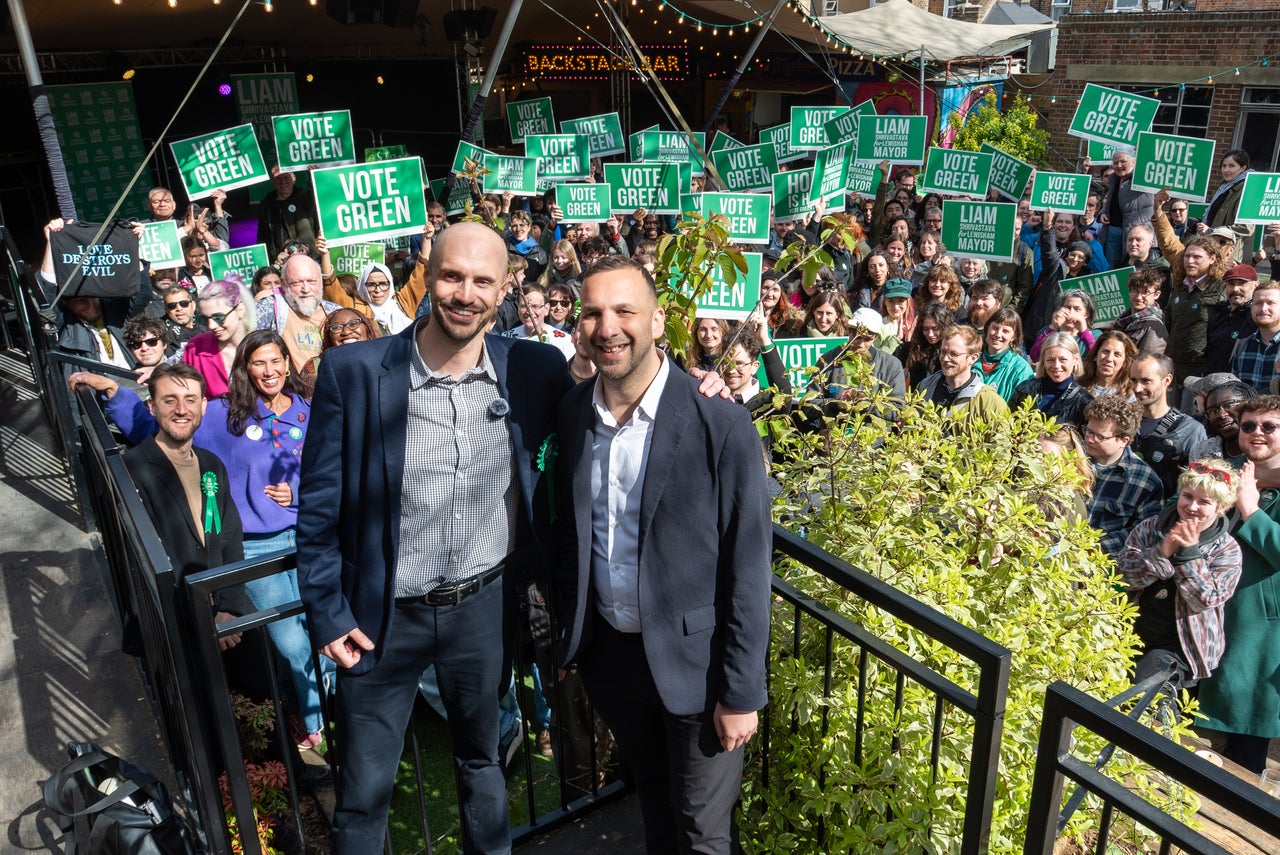
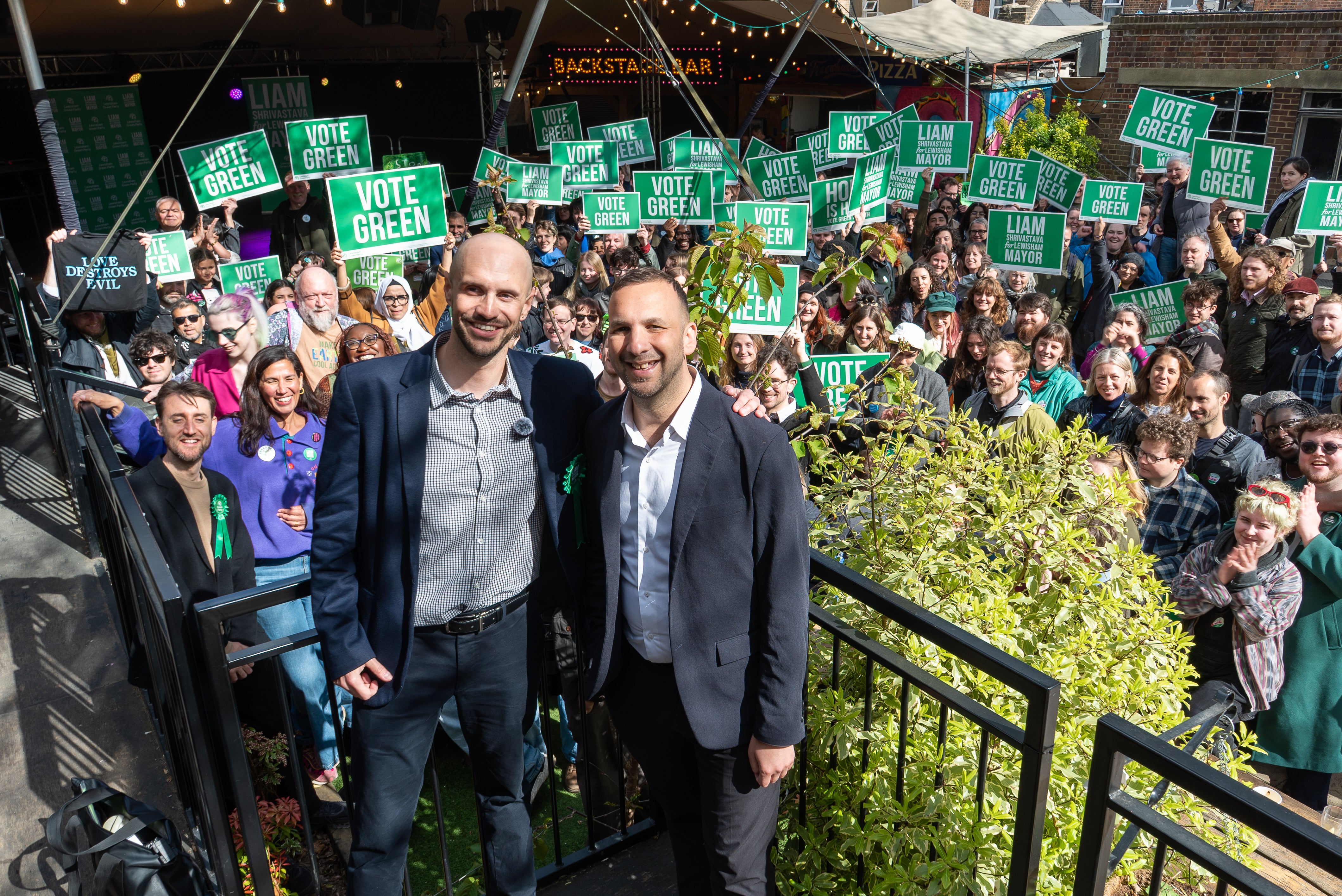
(L-R) Councillor and Green Party candidate for Mayor of Lewisham, Liam Shrivastava and Green Party Leader Zack Polanski pose with supporters holding placards during Lewisham Green Party’s ‘Big Day Out’ at the Fox and Firkin on April 11, 2026
Kymberley Apiro via Getty Images
Pollsters’ prediction? The Greens are set to see its number of councillors in England increase by 500, according to Hayward, mainly in London and other middle class areas of major cities.
Advertisement
The Greens are predicted to enjoy a small boost in Scotland, up from their current eight seats to 11, according to YouGov.
YouGov also expects the party to win seven seats in Wales, meaning it could come in fourth place behind Labour in the Senedd.
What’s the mood within the party? Hopeful – but cautious.
Leader Zack Polanski was forced to apologise last week after sharing a social media post which criticised the police response to a terror attack in Golders Green.
Advertisement
While Labour are hopeful this will reduce the number of voters willing to support their left-wing competitors, a Green insider suggested it would not have too much cut-through.
One senior figure in the party also insisted it was all “very positive” on the doorstep, but campaigners have been more cautious behind the scenes.
“There’s been a lot of hype about us wiping out Labour in London, and we’re definitely going to have a record-breaking result. At the same time, I think people forget the base we’re coming from,” they said, pointing to Greens’ poor performance at London’s last local elections in 2021.
Advertisement
“It’s going to be very good for us but perhaps some of the more apocalyptic predictions forget the context we’re coming from,” the source claimed.
Lib Dems
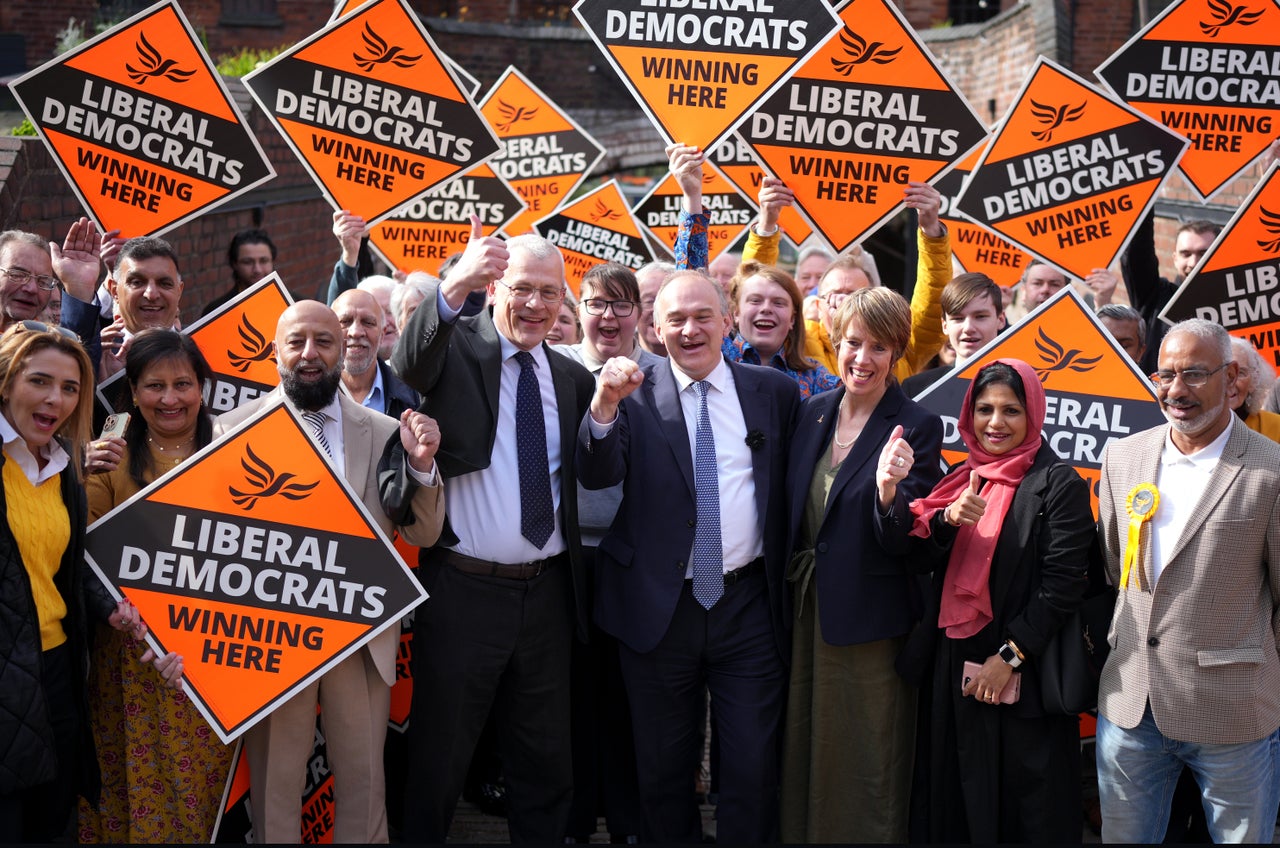
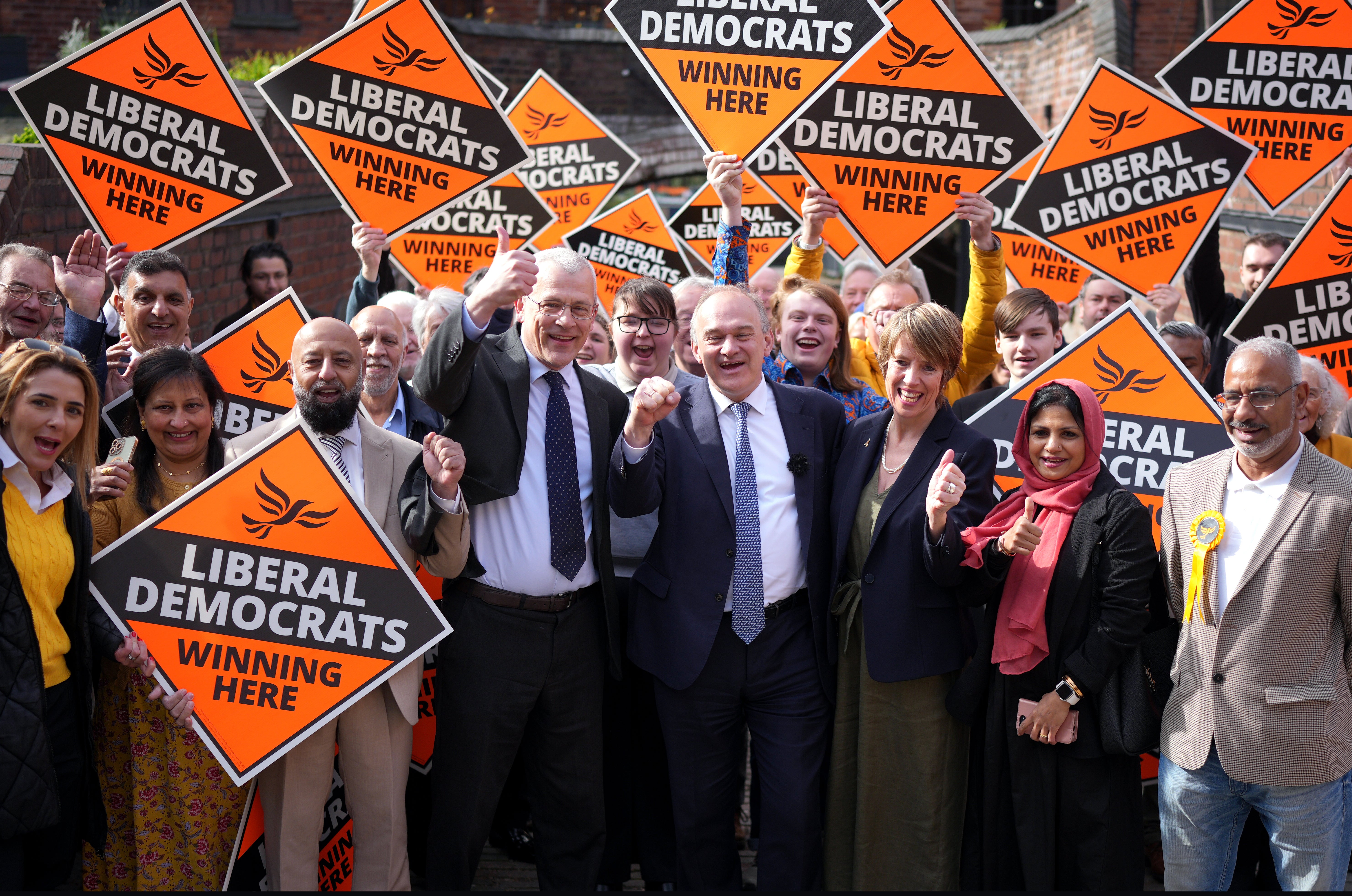
Liberal Democrat party leader Sir Ed Davey (C), along with Roger Harmer, leader of Birmingham Liberal Democrats (CL), launches their local election campaign at The Roundhouse on April 10, 2026
Christopher Furlong via Getty Images
Pollsters’ prediction? The Lib Dems are on course to gain 150 seats in the local elections, according to Hayward.
Advertisement
YouGov expects the centrist party to take nine seats in Scotland (up from its current four) but secure just three seats in Wales.
What’s the mood within the party? Surprisingly upbeat.
The Lib Dems have been trailing in the national opinion polls for some time, outshone by the traditional parties and the populist groups.
Behind the scenes, MPs have been unhappy with Ed Davey’s leadership for months, frustrated with his “gimmicks”.
Advertisement
But, with these elections, the party has developed a clear strategy – focusing on local council issues in the hope of taking more seats in England.
There’s even been some speculation they could become the largest party in English local government, especially with Labour and the Tories expecting to endure major losses.
SNP
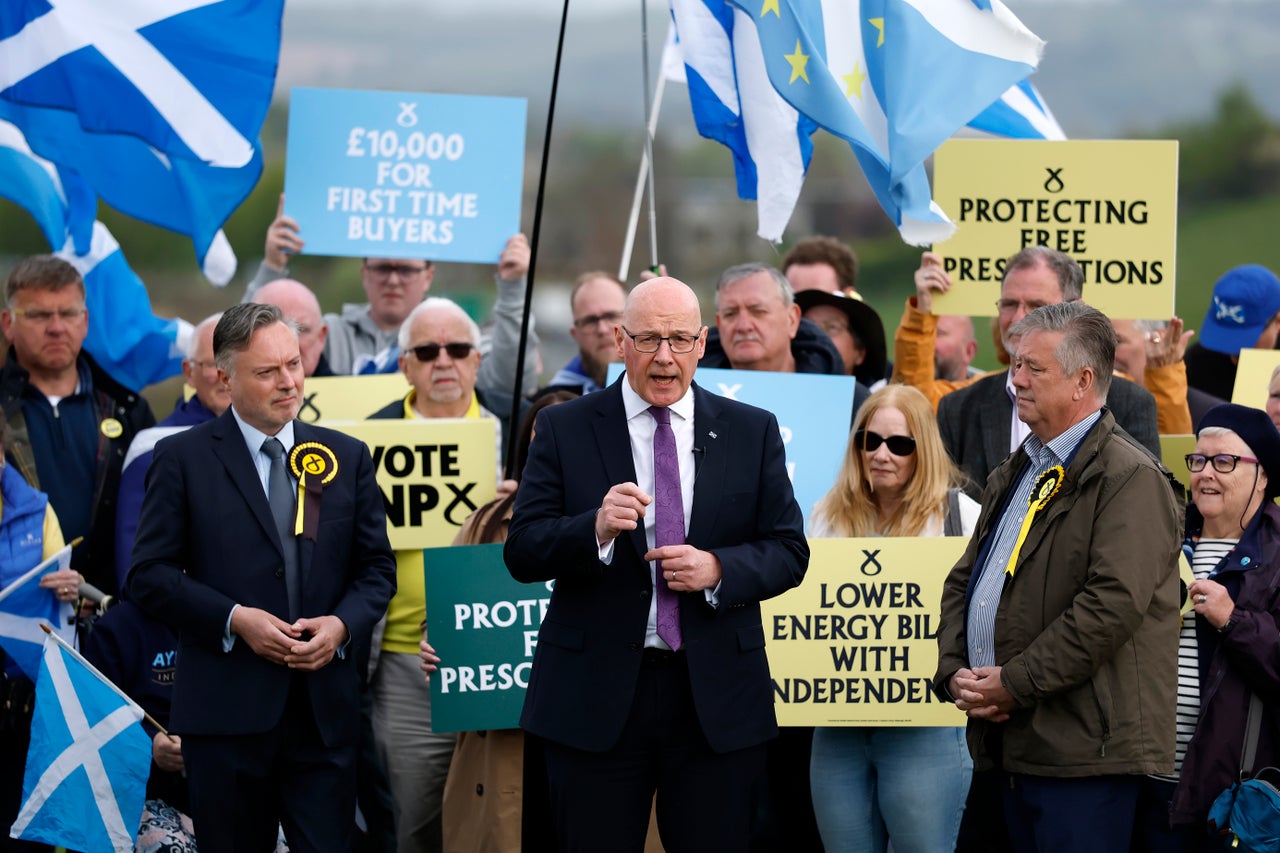
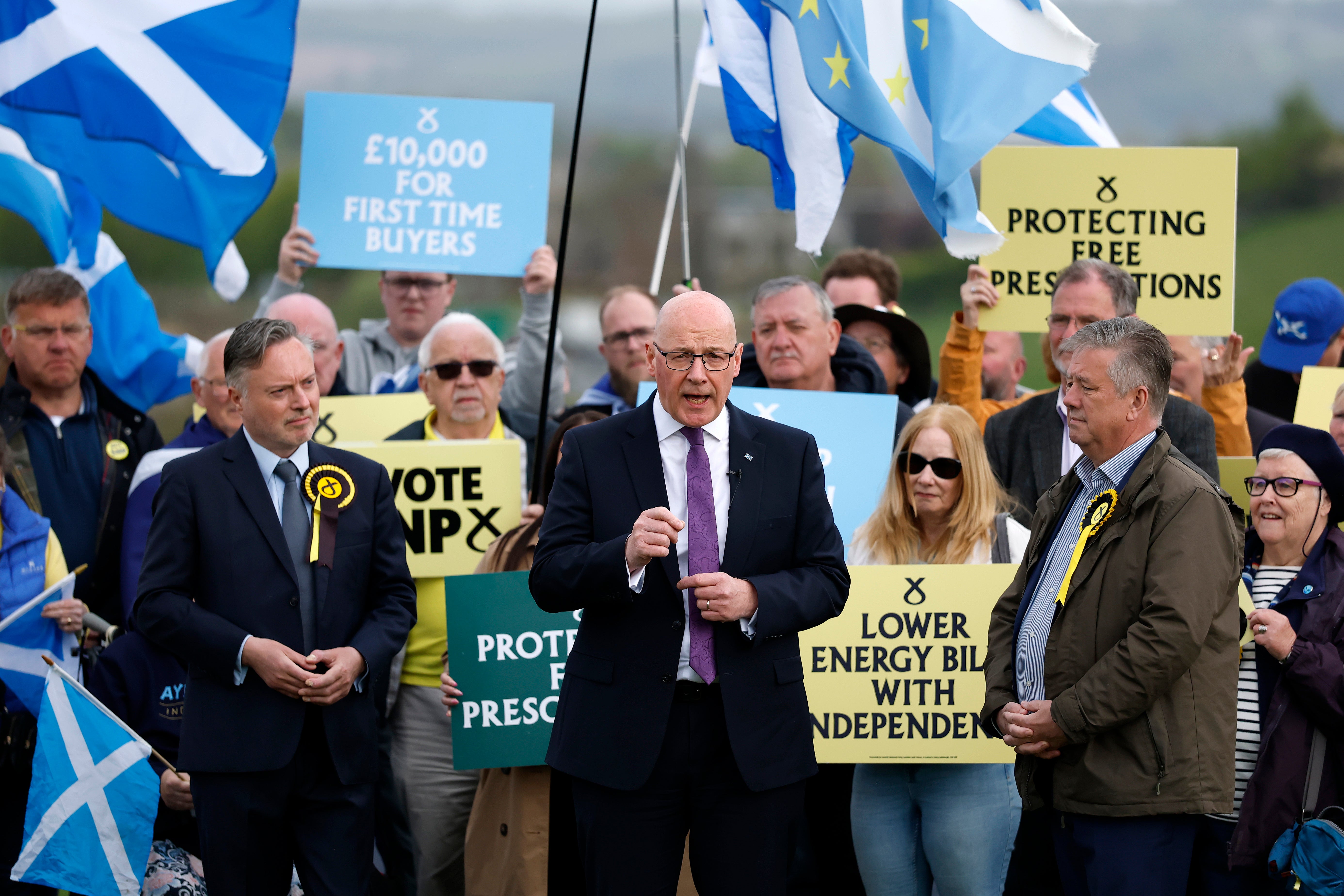
SNP MSP Candidate for Stirling Alyn Smith (C-L), First Minister John Swinney (C) and Deputy Leader of the SNP Keith Brown (C-R) pose for a photo after a campaign stump speech at the King’s Knot on May 01, 2026
Jeff J Mitchell via Getty Images
Advertisement
Pollsters’ prediction? The SNP is once again on course to comfortably win the Scottish Parliament election.
YouGov predicted the SNP could win 67 seats in Holyrood – giving the party an overall majority. But More in Common and Lord Hayward have both said they will fall short.
What’s the mood within the party? Very happy.
If the polls are correct, the SNP is heading for a remarkable third decade in power, after first being elected way back in 2007.
Advertisement
This is despite criticism of their handling of the Scottish NHS, education system and other public services during nearly 20 years in power.
While questions remain over whether the party will be able to clinch a majority, they are set to benefit from the major splits between Scottish Labour and the Westminster government.
Labour leader Anas Sarwar called for Starmer to step down earlier this year in the hope of distancing himself from Downing Street’s disasters, but the move does not seem to have won over voters.
Advertisement
The Nationalists have also pledged to call for a second Scottish independence referendum if they win a majority.
Plaid Cymru
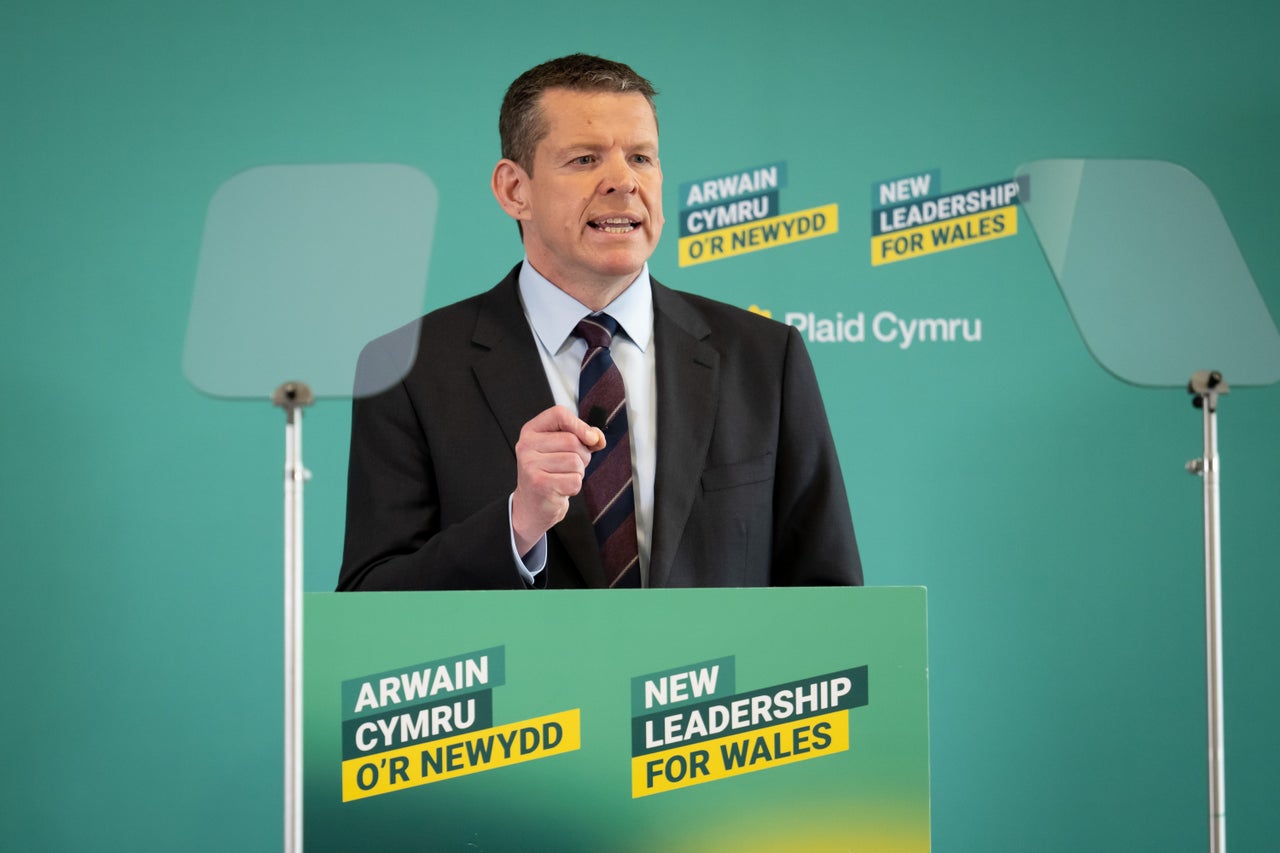
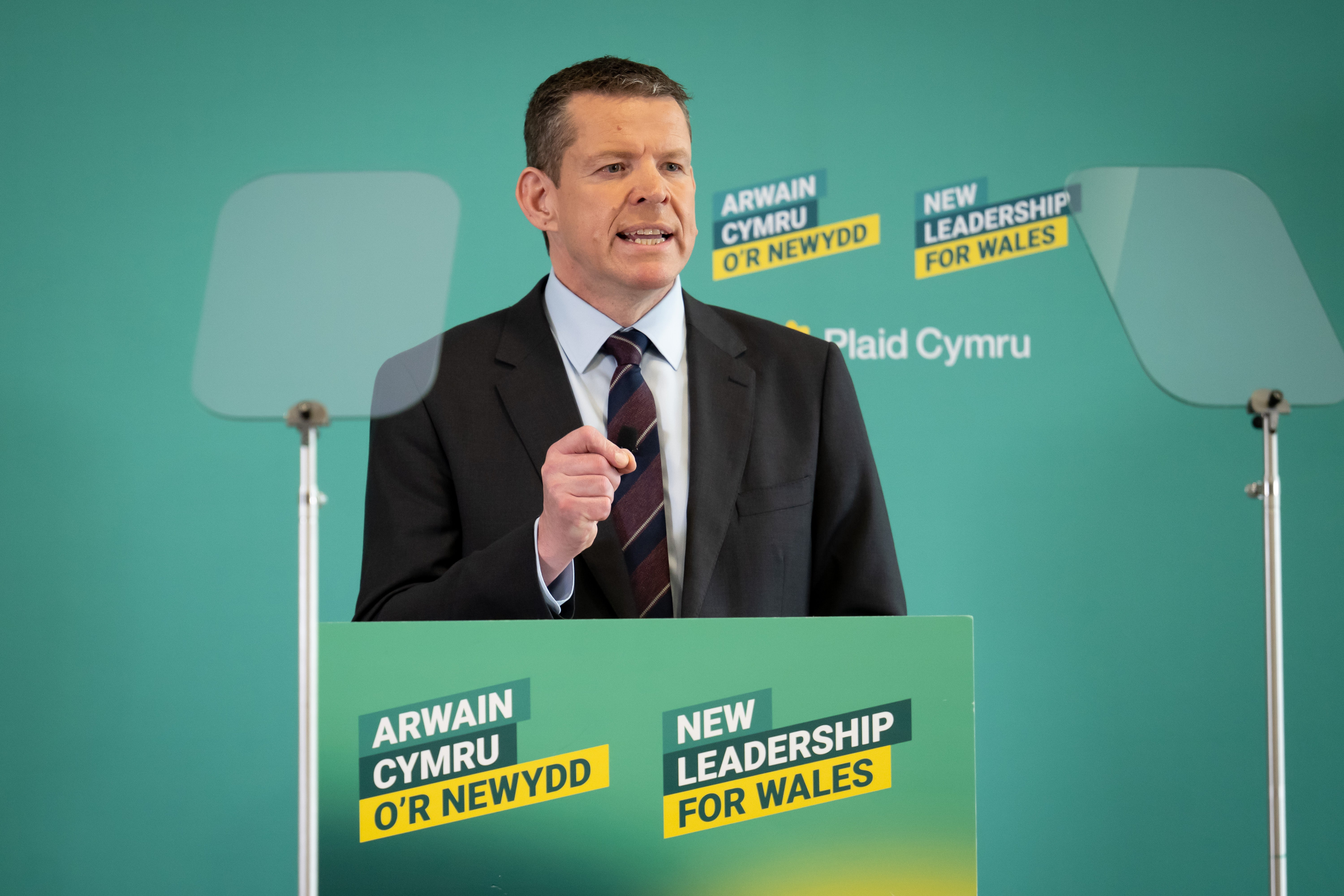
Leader of Plaid Cymru, Rhun ap Iorwerth speaks during the Plaid Cymru manifesto launch on April 9, 2026 in Wrexham, Wales. Plaid Cymru is launching its manifesto ahead of the Senedd (Welsh Parliament) elections taking place on May 7.
Matthew Horwood via Getty Images
Pollsters’ prediction? The pro-independence party is only standing in the Welsh devolved election. Hayward predicted it will be the largest party in terms of votes and seats in Senedd.
Advertisement
However, YouGov predicted it will secure 36 seats – making it just one representative away from Reform’s lead.
What’s the mood within the party? Nervous.
Like the SNP, Plaid Cymru are hoping to capitalise on Labour’s downfall.
Unlike the Scottish Nationalists, they’ve never been in power before and so do not have to contend with their own record in office to win over voters.
But, they do have the new kids on the block to compete with: Reform UK, who are making gains in Wales – and who look set to be the largest unionist party in the Senedd after Thursday.
Advertisement
How Important Will May 7 Actually Be?
Steve Akehurst, director of research initiative Persuasion UK, warned against seeing this set of results as the ideal test of how the public feels.
He told HuffPost UK: “Local elections are an imperfect way of attempting to measure national sentiment.
“In terms of predictions, I think it’s best to wait for the national equivalent vote share later in the weekend.”
Advertisement
The specialist said analysing Reform’s performance will be particularly difficult “given the party basically didn’t exist in 2022, the last time many of these seats were contested.”
But, Akehurst warned: “It’s important to remember that Labour losing seats to Reform is not the same as Labour losing votes to Reform.
“Around the country we have seen the same patterns since the general election – where votes shifting from Reform to Tory, or Labour to Green or Liberal Democrat, led to Labour seats becoming Reform seats with little direct loss of votes from one party to the other.
“That is likely to be the case again at these elections.”
Subscribe to Commons People, the podcast that makes politics easy. Every week, Kevin Schofield and Kate Nicholson unpack the week’s biggest stories to keep you informed. Join us for straightforward analysis of what’s going on at Westminster.
Heidi Alexander has slammed Zack Polanski over his “abhorrent” criticism of the police response to the Golders Green terror attack.
Shilome Rand, 34, and Moshe Shine, 76, were left seriously injured in what police have described as a terrorist incident in north west London on Wednesday.
Advertisement
Polanski, the Green Party leader, attracted backlash this week after he reshared a post on X which suggested officers may have used too much force to detain the suspect.
But the transport secretary still slammed the London Assembly member during an interview on Sky News.
Advertisement
Alexander said: “I thought it was disgusting what he [Polanski] did and absolutely abhorrent.
“Those police officers ran towards danger, they were armed only with a Taser that they had already discharged. The guy still had a knife in his hand.”
The minister continued: “I think for the leader of a political party to jump onto Twitter, start retweeting content, criticising those policemen who responded with incredible bravery in what was a very difficult situation. I think it demonstrates that the man is not fit to lead a political party.”
Prime minister Keir Starmer already hit out at Polanski’s comments on Friday, saying his comments were “disgraceful”.
Advertisement
The Green Party’s leader in Wales, Anthony Slaughter, also questioned the wisdom of Polanski’s action on social media, calling it “inappropriate”.
Polanski’s apology on Friday read: “Everyone in leadership has a responsibility for lowering the temperature at a time of such tension, and I apologise for sharing a tweet in haste.
“Police responses to emergency situations such as these do need later reflection in the right forums, but I accept that social media is not the appropriate channel for doing so.
Advertisement
“I have invited Mark Rowley to meet with me to discuss the police response and the wider issues raised in his letter.”
Subscribe to Commons People, the podcast that makes politics easy. Every week, Kevin Schofield and Kate Nicholson unpack the week’s biggest stories to keep you informed. Join us for straightforward analysis of what’s going on at Westminster.
Rachel Reeves looked as though she was enjoying herself as she took aim at Labour’s political opponents while delivering her Spring Statement.
With no new policies to announce, the chancellor decided to use a decent chunk of her time at the despatch box attacking Reform UK, the Conservatives and the Green Party.
Advertisement
“The Tories left our country, our people and our allies exposed: They had no plan and no intention to fund their pledge to spend 2.5% of GDP on defence,” she said.
“Reform would go one step further by ditching our allies and siding with Russia, while the Green Party wants to take us out of Nato and jeopardise our alliances.
“So let me be clear: It is Labour and only Labour that can provide social justice, national security and fiscal responsibility.”
Advertisement
In another section, she dismissed Reform as “a Tory tribute act” following the defections of the likes of Robert Jenrick and Suella Braverman.
“They may have changed the colour of their rosettes, but the British people won’t forget that they are the exact same people that wrecked our public services and wrecked our public finances in the last Tory government,” she said.
“The same people, the same policies and the same disastrous outcomes for working people.”
But behind the political knockabout, the chancellor must know that the fate of the UK economy – and perhaps even the Labour government – depends on the outcome of the latest war in the Middle East.
Advertisement
The Office for Budget Responsibility (OBR) may have forecast that inflation will come down, but that was before the US and Israel’s bombing of Iran sparked an energy crisis which has seen gas prices soar in the past 48 hours.
If that ends up feeding through into people’s bills, Labour will pay a huge political price.
The same goes for the OBR’s forecasts on economic growth, as well as government borrowing and national debt.
A prolonged conflict in the Middle East, and the accompanying economic turmoil which would ensue, would blow another huge hole in the already-stretched public finances.
Advertisement
With unemployment set to be higher than expected this year and the tax burden set to hit another post-war high, yet more economic uncertainty is the last thing the chancellor needs.
“This government has the right economic plan for our country,” Reeves insisted.
“A plan that is even more important in a world that in the last few days has become yet more uncertain.
“With the unfolding conflict in Iran and the Middle East, it is incumbent on me and on this government to chart a course through that uncertainty, to secure our economy against shocks and protect families from the turbulence that we see beyond our borders.”
Advertisement
She may have talked a good game, but the chancellor knows that events thousands of miles away have the potential to destroy her economic plans and plunge the government into political crisis they may not recover from.
Labour is embroiled in a dirty tricks row over a campaign leaflet featuring a “fictitious” tactical voting company.
The offending literature has been put through voters’ doors on the eve of Thursday’s crunch Gorton and Denton by-election.
Advertisement
It says: “The Tactical Choice says Vote Labour. Based on a new prediction made in the last 24 hours we are recommending voting Labour.”
However, no organisation called “Tactical Choice” appears to exist.
The leaflet says it is promoted on behalf of Labour candidate Angeliki Stogia.
Labour is locked in a three-way battle with the Green Party and Reform UK in the seat.
Bookies make the Greens odds-on favourites, followed by Reform and then Labour, for whom Andrew Gwynne won the seat at the 2024 general election with a majority of nearly 13,500.
The leaflet was sent “on behalf of” Labour candidate Angeliki Stogia.
Green party
A Green Party spokesperson said: “In a final throw of desperation, Labour have made up an entirely fictitious organisation called ‘Tactical Choice’ referencing them on their final leaflet.
“They’ve had to make this up because every actual tactical voting organisation has endorsed the Green Party as the best hope to keep Reform out in this election.
Advertisement
“We have great faith in the electorate seeing through these desperate Labour lies and uniting behind the Greens in the by-election tomorrow to beat Reform.
“Hope versus hate is on the ballot tomorrow. Let’s make sure the Greens’ message of hope wins.”
A Labour campaign spokesman did not deny that Tactical Choice appear to have been made up by the party in a bid to sway voters.
He said: “The Greens have been pumping out fake news and deploying dirty tactics for weeks. We’ll take no lectures from them.
Advertisement
“The only way to defeat Reform in this by-election is by backing Labour.”
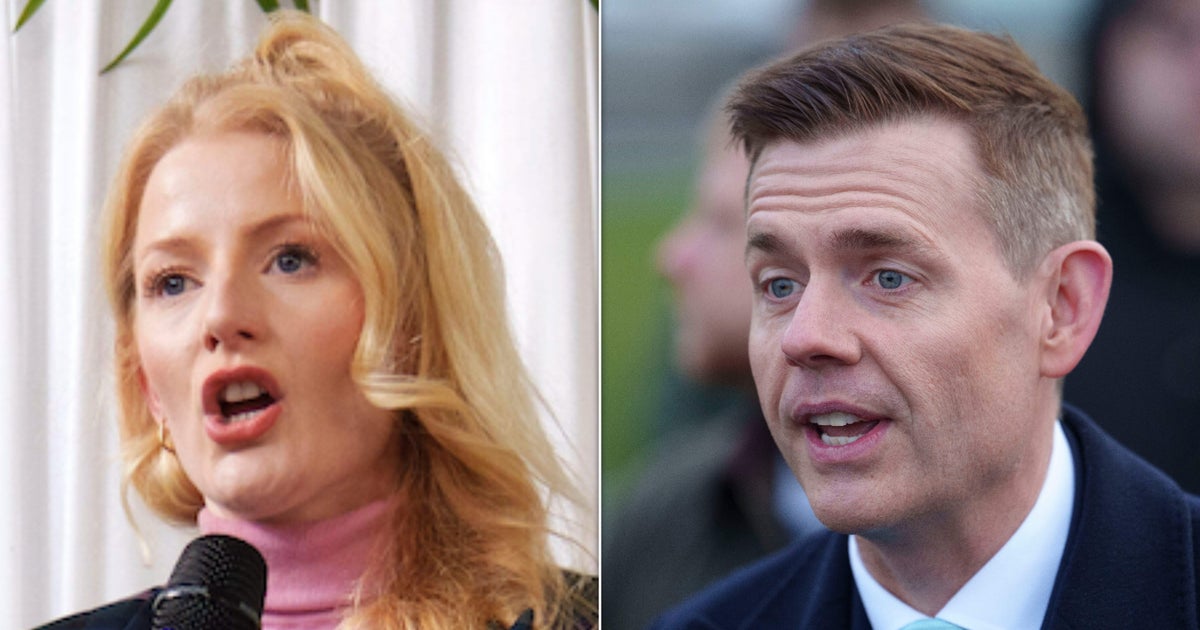
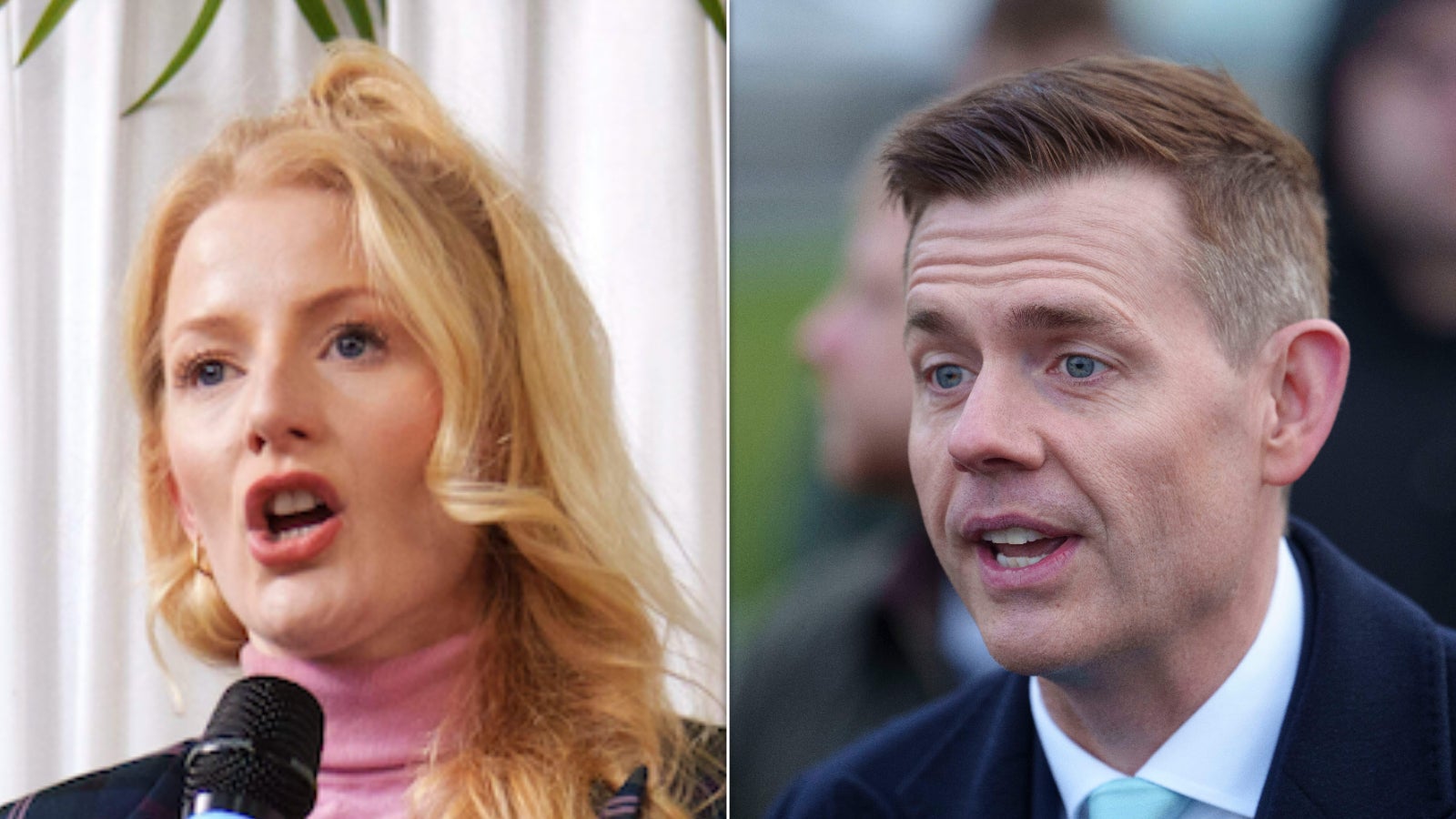
While both parties have described the crunch contest to win another seat in parliament as a case of “Green vs Reform”, Hannah Spencer hit back at Matt Goodwin by pointing out they had already debated in two public forums.
Advertisement
Meanwhile, Labour insisted the Reform move demonstrated they were picking up more support in the traditionally red seat that expected.
It comes as the contest in the Greater Manchester, expected to be a three-horse race between the Greens, Labour and Reform, heats up.
In a post on X, Goodwin wrote: “I am hereby challenging the Green Party candidate Hannah Spencer to a one-on-one debate about the future of Gorton & Denton.”
Advertisement
In his attached letter to Spencer, the GB News preseneter said previous platforms had only offered one-minute answers to multiple candidates, meaning there was “limited room for a serious discussion”.
“As you have said yourself, this by-election is now a two-horse race between Reform and the Green Party,” he said, claiming there had been plenty of “misinformation” about the run-up to polling day.
He offered for it to be hosted by a Green-friendly platform with a moderator of their choosing, with his “only condition” being that it is recorded and published in full afterwards.
Advertisement
But, in a message to HuffPost UK, Spencer hit back: “Hi Matt, we literally just debated in the BBC studio and last week at the Manchester Evening News hustings.
“It’s not a game of the best of three. It sounds like you’re concerned you didn’t come across very well and want another go.
Advertisement
“I’m not sure anyone wants any more of your hot air and I’m focusing my time now on knocking on doors to talk about what really matters to the people of Gorton and Denton.”
Following on from Goodwin’s offer, a Labour spokesperson said: “This is a cynical move from a campaign that knows its struggling, and that the Labour vote is holding.
“While Matthew and Hannah play student politics, Labour’s Angeliki Stogia is busy, out on the doors, listening to what matters to the people of Gorton and Denton.”
Advertisement
Labour’s deputy leader Lucy Powell also responded to Goodwin’s letter, saying: “Funny. Matt knows what we know – he’s not doing as well as he’d hoped so is trying to big up the Greens (again) as his only route to victory is to split and suppress the Labour vote (which he knows is holding).
“That, or he’s frit after Angeliki slayed him at the hustings.”
An almighty row broke out at the Manchester Evening News’ debate last week when Stogia told Goodwin that “women are scared to leave the house” due to the rise in far-right rhetoric.
He replied: “I’m not going to be lectured to by a Labour politician from a party that consistently failed to investigate the mass rape and sexual abuse of working-class kids in this country for 30 years.
Advertisement
“And the reason I have security is because I have very real threats to my life in an area where people assure me everything is fine, and clearly in some parts of this country integration is not working as it should be.”
There are 11 candidates standing in the by-election in total, including Charlotte Anne Cadden for the Conservatives and Jackie Pearcey for the Liberal Democrats.