Opal, 18 months, can now hear – even a whisper – after becoming the first person to try a new treatment.


Opal, 18 months, can now hear – even a whisper – after becoming the first person to try a new treatment.

Boronic acid has been used in organic chemistry for decades, even though it is not present in any organism. ‘It gives rise to different chemical reactions than those we find in nature,’ explains Gerard Roelfes, Professor of Biomolecular Chemistry & Catalysis at the University of Groningen. His group created an enzyme with boronic acid at its reactive centre and then used directed evolution to make it more selective and to improve its catalytic power. Furthermore, enzymatic reactions are more sustainable than classical chemical reactions, as they take place at low temperatures and without toxic solvents. The study was presented online in the journal Nature on 8 May.
The application of boron in organic chemistry dates back some seventy years and was awarded a Nobel Prize for Chemistry in 1979. In recent years, the interest in boron as a catalyst has grown, but as yet, its use in the chemical industry is limited. Roelfes: ‘So far, boron catalysis is too slow and it is not very suitable for enantioselective reactions.’ These types of reactions are used to create chiral molecules, which can exist in two versions that are mirror images of each other, like a left and a right hand. In many drugs, both ‘hands’ can have a different effect. It is, therefore, important to selectively produce the proper ‘hand’, especially for the pharmaceutical industry.
Expanded genetic code
‘To make this possible, we set out to introduce boron into an enzyme. Our group has a long history of designing enzymes that don’t exist in nature.’ The Roelfes group used an expanded genetic code to introduce a non-natural amino acid that contains a reactive boronic acid group into an enzyme. ‘Using this technique, we can determine at the DNA level where we place the amino acid in a protein.’
Once they made an enzyme with boronic acid at its reactive centre, they could use directed evolution to increase its efficiency, resulting in faster catalysis. ‘Furthermore, by placing the boronic acid in the chiral context of an enzyme, we were able to achieve highly enantioselective catalysis.’ The reaction that is described in the journal Nature is a ‘proof of principle’ and shows the way to harnessing the catalytic power of boron in enzymes.
Biocatalysis
Using enzymes to create organic compounds is important for the pharmaceutical industry. ‘In their push towards greener and more sustainable ways of producing drugs, they are looking at biocatalysis to replace conventional chemical reactions.’ At the University of Groningen, concerted efforts are being made towards this goal. ‘We have a number of research groups at the Faculty of Science and Engineering engaged in this kind of work, using different approaches to create biocatalytic solutions for the chemical industry.’ In this context, Roelfes and his team will continue to develop their boronic acid enzymes and create other such new-to-nature enzymes.

Neuropathy, the nerve damage that causes pain and numbness in the feet and hands and can eventually lead to falls, infection and even amputation, is very common and underdiagnosed, according to a study published in the May 8, 2024, online issue of Neurology®, the medical journal of the American Academy of Neurology.
“More than one-third of people with neuropathy experience sharp, prickling or shock-like pain, which increases their rates of depression and decreases quality of life,” said study author Melissa A. Elafros, MD, PhD, of the University of Michigan in Ann Arbor and a member of the American Academy of Neurology. “People with neuropathy also have an increased risk of earlier death, even when you take into account other conditions they have, so identifying and treating people with or at risk for neuropathy is essential.”
The study involved 169 people from an outpatient internal medicine clinic serving mainly Medicaid patients in Flint, Michigan. The participants had an average age of 58 years and 69% were Black people. One-half of the people had diabetes, which can cause neuropathy. A total of 67% had metabolic syndrome, which is defined as having excess belly fat plus two or more of the following risk factors: high blood pressure, higher than normal triglycerides (a type of fat found in the blood), high blood sugar and low high-density lipoprotein (HDL) cholesterol, or “good” cholesterol. These risk factors are also associated with neuropathy.
All participants were tested for distal symmetric polyneuropathy. Information about other health conditions was also collected.
A total of 73% of the people had neuropathy. Of those, 75% had not been previously diagnosed with the condition. Nearly 60% of those with neuropathy were experiencing pain.
Of those with neuropathy, 74% had metabolic syndrome, compared to 54% of those who did not have neuropathy.
After adjusting for other factors that could affect the risk of neuropathy, researchers found that people with metabolic syndrome were more than four times more likely to have neuropathy than people who did not have the syndrome.
Researchers were also looking for any relationship between race and income and neuropathy, as few studies have been done on those topics. There was no relationship between low income and neuropathy. For race, Black people had a decreased risk of neuropathy. Black people made up 60% of those with neuropathy and 91% of those without neuropathy.
“The amount of people with neuropathy in this study, particularly undiagnosed neuropathy, was extraordinarily high with almost three fourths of the study population,” Elafros said. “This highlights the urgent need for interventions that improve diagnosis and management of this condition, as well as the need for managing risk factors that can lead to this condition.” A limitation of the study is that it is a snapshot in time; it did not follow people to see who developed neuropathy over time. It also did not look at reasons why people were not able to manage risk factors that can lead to neuropathy.
The study was supported by the National Institute of Neurological Disorders and Stroke, National Institute of Diabetes and Digestive and Kidney Diseases and National Center for Advancing Translational Sciences.
A leading NHS boss says firms are deliberately targeting areas where nurses are in short supply.

A group of researchers at the University of California San Diego School of Medicine led an investigation that offers new insight into the causes of spina bifida, the most common structural disorder of the human nervous system.
Work of the group, led by Keng Ioi Vong, Ph.D., and Sangmoon Lee, M.D. Ph.D., both from the laboratory of Joseph G. Gleeson, M.D., at the UC San Diego School of Medicine Department of Neurosciences and the Rady Children’s Institute for Genomic Medicine, reveals the first link between spina bifida and a common chromosomal microdeletion in humans. The study demonstrates that individuals carrying this chromosomal deletion — present in one of 2,500 live births — demonstrate a risk of spina bifida more than 10 times greater than the general public.
The study also underscores the potential role of a common food supplement in reducing the risk of spina bifida. The findings were recently published in the journal Science.
Gleeson, Rady Professor in the Department of Neuroscience and director of neuroscience at Rady Children’s Institute for Genomic Medicine, is the senior author of the study. He explained that spina bifida, also known as meningomyelocele, affects one in every 3,000 newborns. Unfortunately, the causes are mostly unknown. A few mutations were reported but could only explain a tiny fraction of risk, Gleeson added.
To uncover the genetic causes of the disease, Gleeson’s UC San Diego lab joined with colleagues from across the globe to establish the Spina Bifida Sequencing Consortium in 2015. The consortium began focusing on a tiny deletion in chromosome 22. Chromosome microdeletions refer to a condition in which several genes in a chromosome are missing. The group’s target condition, known as 22q11.2del, has been implicated in a number of other disorders. They began looking for 22q11.2del in spinal bifida patients.
“All patients we recruited have the most severe form of spina bifida, and all underwent best-practice comprehensive genomic sequencing,” Gleeson said. “We identified 22q11.2del in 6 out of 715 patients. This may not seem a high percentage, but this is by far the most common single genetic variation that could contribute to spina bifida.”
He went on to say the group identified eight additional spina bifida patients who carried the deletion from a cohort of approximately 1,500 individuals recruited because of the presence of the common 22q11.2 deletion, Gleeson said.
The researchers then narrowed the cause among the many genes in the 22q11.2 deletion to a single gene known as CRKL. Gleeson explained that there are nine other genes in this chromosomal region that could have been the cause. He said the team began a process of elimination, “knocking out” each of the mouse genes one-by-one, when they received a fortuitous email from Dolores Lamb from Weil Cornell College of Medicine. Lamb had noted some of the mice in their vivarium that were missing Crkl and showed spina bifida. (Vong explained that researchers use all capital letters to describe the gene in humans, and lower-case for mice. )Lamb’s group heard about the Gleeson lab project throughs the Spina Bifida Association.
“This finding really got us excited because it meant that CRKL disruption might be sufficient for spina bifida,” said Vong, co-first author of the study. “We removed the mouse Crkl gene ourselves and confirmed that some of the mice developed neural tube defects, including spina bifida.” Most of the other genes in 22q11.2 deletion were subsequently excluded, he added.
They next turned their attention to how folic acid may modulate CRKL-mediated spina bifida. Vong noted that prior studies in humans demonstrated that folic acid (also known as vitamin B-9) supplementation prior to conception reduces the incidence of spina bifida and other neural tube defects by up to 30-50 percent, but the mechanisms are still a mystery.
“When we deprived the Crkl mutant female mice of folic acid in their chow, many more of their offspring had neural tube defects, and the severity increased dramatically,” Vong explained. “This suggests that folic acid taken by pregnant women may not only reduce the risk, but also the severity of neural tube defects in their offspring.”
“We hope our findings can help the research community to better understand causes of neural tube defects, especially the causes attributable to common genetic findings like 22q11.2 deletion,” Gleeson said. “We also hope our findings can contribute to healthy pregnancies, improved women’s health, and improved outcomes for children.”
Co-authors associated with the University of San Diego School of Medicine Department of Neurosciences, as well as with Rady Children’s Institute for Genomic Medicine, (in addition to Joseph G. Gleeson Sangmoon Lee and Keng Ioi Vong) are: Renee George, Bryn Gerding, Kiely N. James, Valentina Stanley, Nan Jiang, Kameron Alu, Naomi Meave, Fiza Jiwani, Isaac Tang, Ashna Nisal, Ishani Jhamb, Arzoo Patel, Aakash Patel, Jennifer McEvoy-Venneri, Chelsea Barrows, Celina Shen, Yoo-Jin Ha and Robyn Howarth. Other co-authors include Hal S. Meltzer, of the University of California San Diego Rady Children’s Hospital Department of Neurosurgery; Anna S. Nidhiry, of Rady Children’s Institute for Genomic Medicine; and the Spina Bifida Sequencing Consortium.
This work was supported by the Center for Inherited Disease Research grant HHSN268201700006I, the Yale Center for Genomic Analysis, the Broad Institute, the UC Irvine Genomics Core, the UCSD Institute for Genomic Medicine, the UCSD Transgenic Core, UCSD Microscopy Core grant P30 NS047101, and Columbia Microscopy Core grant S10 OD032447- 01. Other support came from the National Institutes of Health, including National Institute of Diabetes and Digestive and Kidney Diseases, and by support from the Howard Hughes Medical Institute and Rady’s Children Institute for Genomic Medicine to Joseph G. Gleeson.
The firm said the decision was taken because of a decline in demand for the vaccine.
Grease star Susan Buckner has died at the age of 72.
Susan was best known to fans of the much-loved movie musical for her performance as high school cheerleader Patty Simcox, an early friend of Olivia Newton-John’s character Sandy.
A publicist for the late actor confirmed to People that she died “peacefully” on Thursday 2 May “surrounded by loved ones”.
Advertisement
Her daughter Samantha Mansfield also told the US magazine: “The light she brought into every room will be missed forever. She was magic, and I was very lucky to call her my best friend.”
No cause of death was given in Susan’s family’s statement.
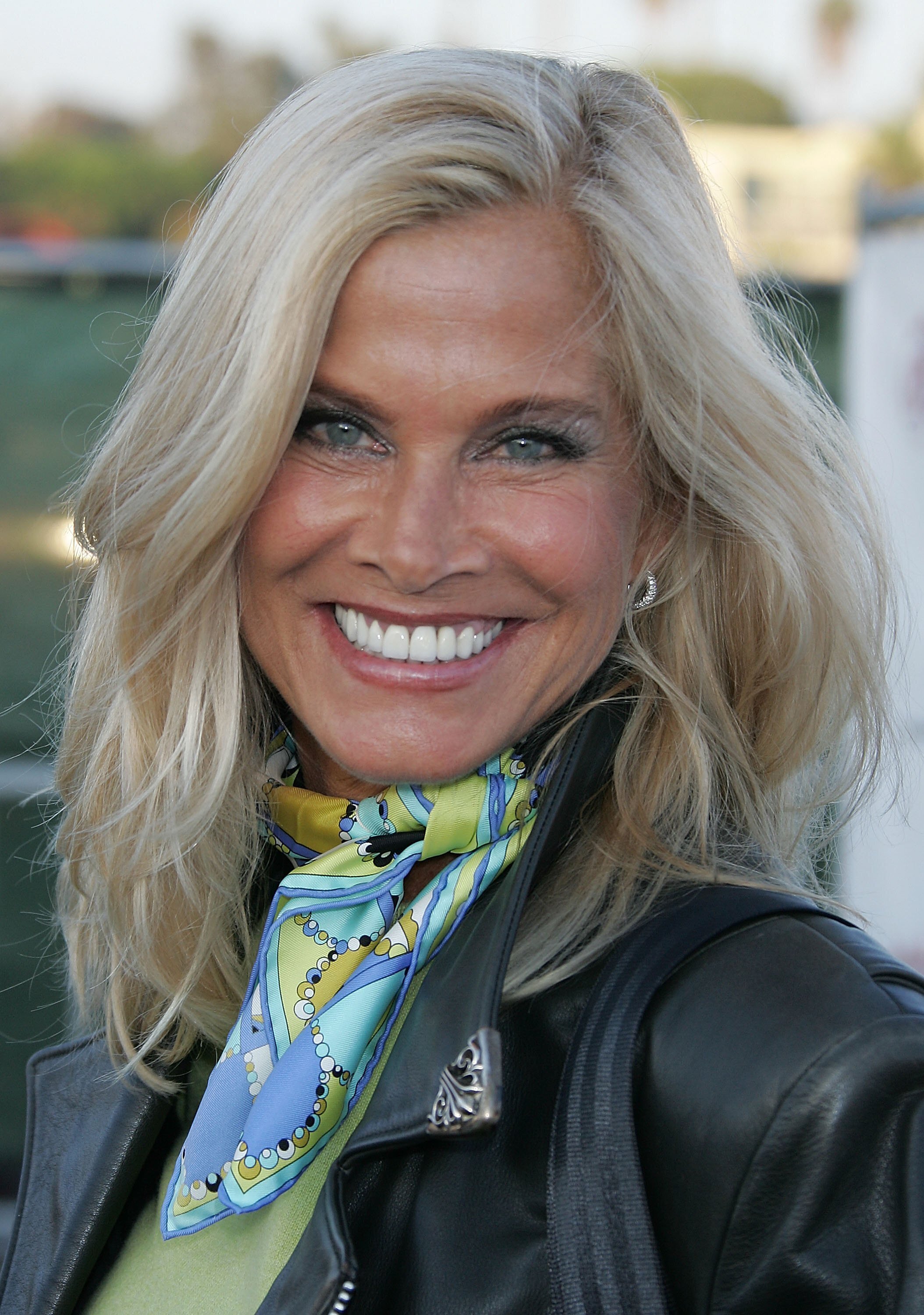
David Livingston via Getty Images
Before landing the role of enthusiastic cheerleader Patty Simcox in Grease, Susan was a beauty pageant winner, taking the title of Miss Washington before going on to compete in Miss America in 1972.
She went on to appear as Krofftette in a string of episodes of The Brady Bunch Hour, as well as the hit 70s shows The Hardy Boys/Nancy Drew Mysteries, Starsky & Hutch and The Love Boat.
Advertisement
Following this, she landed the role in the hit film adaptation of Grease, sharing scenes with John Travolta, Stockard Channing and the late Olivia Newton-John.
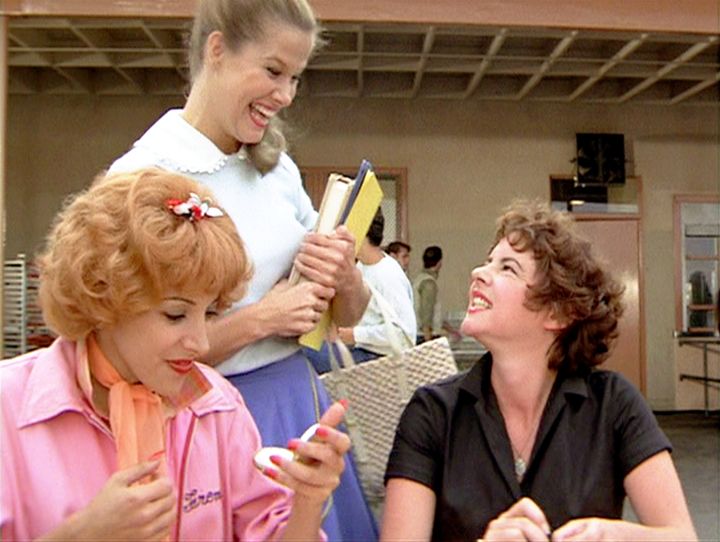
CBS Photo Archive via Getty Images
Susan later went on to appear in the 1981 Wes Craven slasher Deadly Blessing and the sixth instalment in the Police Academy film franchise, after which People reported that she stepped back from the entertainment industry to focus on raising her family.
Per Sky News, Susan is survived by her son and daughter, Adam and Samantha, grandchildren Oliver, Riley, Abigail and Ruby as well as her sister Linda, daughter-in-law Noel Josephs, son-in-law Adam Mansfield and longtime partner Al.

Eurovision bosses have spoken out after guest singer Eric Saade incorporated a traditional Palestinian garment into his semi-final stage outfit.
Before this year’s acts each sang for the first time on Tuesday night, the semi-final got underway with a medley of old Eurovision hits performed by finalists including Eric, Eleni Foureira and Chanel.
Advertisement
While performing his hit Popular, the Swedish singer – who is of Palestinian descent – was seen sporting a keffiyeh wrapped around his wrist.
Following Eric’s performance, a spokesperson for the European Broadcasting Union (EBU), which organises Eurovision, rebuked the singer for what they described as a “compromise” of the “non-political nature of the event”.
“The Eurovision Song Contest is a live TV show,” they said (via ITV News).
“All performers are made aware of the rules of the contest, and we regret that Eric Saade chose to compromise the non-political nature of the event.”
Posting on his Instagram story after the semi-final, Eric wrote: “Reminder – it’s only love.”
Referencing this year’s Eurovision slogan, he added: “United By Music it is.”

Instagram/Eric Saade
Advertisement
Eric subsequently issued a statement in Swedish to SVT, which has been translated by one fan on X to read: “I got this [keffiyeh] from my father as a little boy, to never forget where our family is from. Back then I didn’t know that it would one day be called a ‘political symbol’.
“It’s like calling ‘Dalahästen’ [a traditional Swedish horse statue] a political symbol. In my eyes it’s only racism.”
“I just wanted to be inclusive and wear something that felt real to me – but the EBU seem to think that my ethnicity is controversial. It says nothing about me, but everything about them. I say like this year’s ESC-slogan: United by music.”
In the lead-up to his performance, Eric branded the EBU’s “handling” of this year’s Eurovision “disgraceful”, and wrote the slogan United By Music is “a joke”.
Advertisement
He also claimed organisers “do not permit any Palestinian symbols inside the arena” while “symbols representing any other ethnicity in the world are welcomed”.
“Therefore, it is more crucial than ever for me to be present on THAT STAGE,” he added. “You may take our symbols, but you cannot take away my presence.”
Reports have claimed that since 2023, only flags of the competing countries, the European Union flag and the Pride flag are permitted inside a Eurovision venue.
HuffPost UK has contacted the EBU for clarification on this.
This year’s Eurovision Song Contest is taking place in Malmö, Sweden, and has faced a backlash from some regular fans due to Israel’s continued involvement, despite the ongoing conflict in the Middle East.
After facing calls to withdraw from the competition in solidarity with Palestine, a number of acts – including the UK’s own Olly Alexander – released a joint statement which read: “In light of the current situation in the Occupied Palestinian Territories, and particularly in Gaza, and in Israel, we do not feel comfortable being silent.
Advertisement
“It is important to us to stand in solidarity with the oppressed and communicate our heartfelt wish for peace, an immediate and lasting ceasefire, and the safe return of all hostages. We stand united against all forms of hate, including antisemitism and islamophobia.
“We firmly believe in the unifying power of music, enabling people to transcend differences and foster meaningful conversations and connections. We feel that it is our duty to create and uphold this space, with a strong hope that it will inspire greater compassion and empathy.”
After the first semi-final on Tuesday, Irish act Bambie Thug claimed they’d also been made by the EBU to remove messages of solidarity with Palestine from their stage costume.
Earlier this year, it was reported that Eurovision organisers had taken issue with Israel’s submitted song due to its supposedly “political” lyrics, with the country’s national broadcaster Kan saying they would rather withdraw from the competition than change the song.
Advertisement
However, the Israeli delegation later appeared to have had a change of heart, after it was confirmed that Eden Golan would be representing Israel at the competition, with a rewritten version of her original song, now titled Hurricane, after being changed from October Rain.



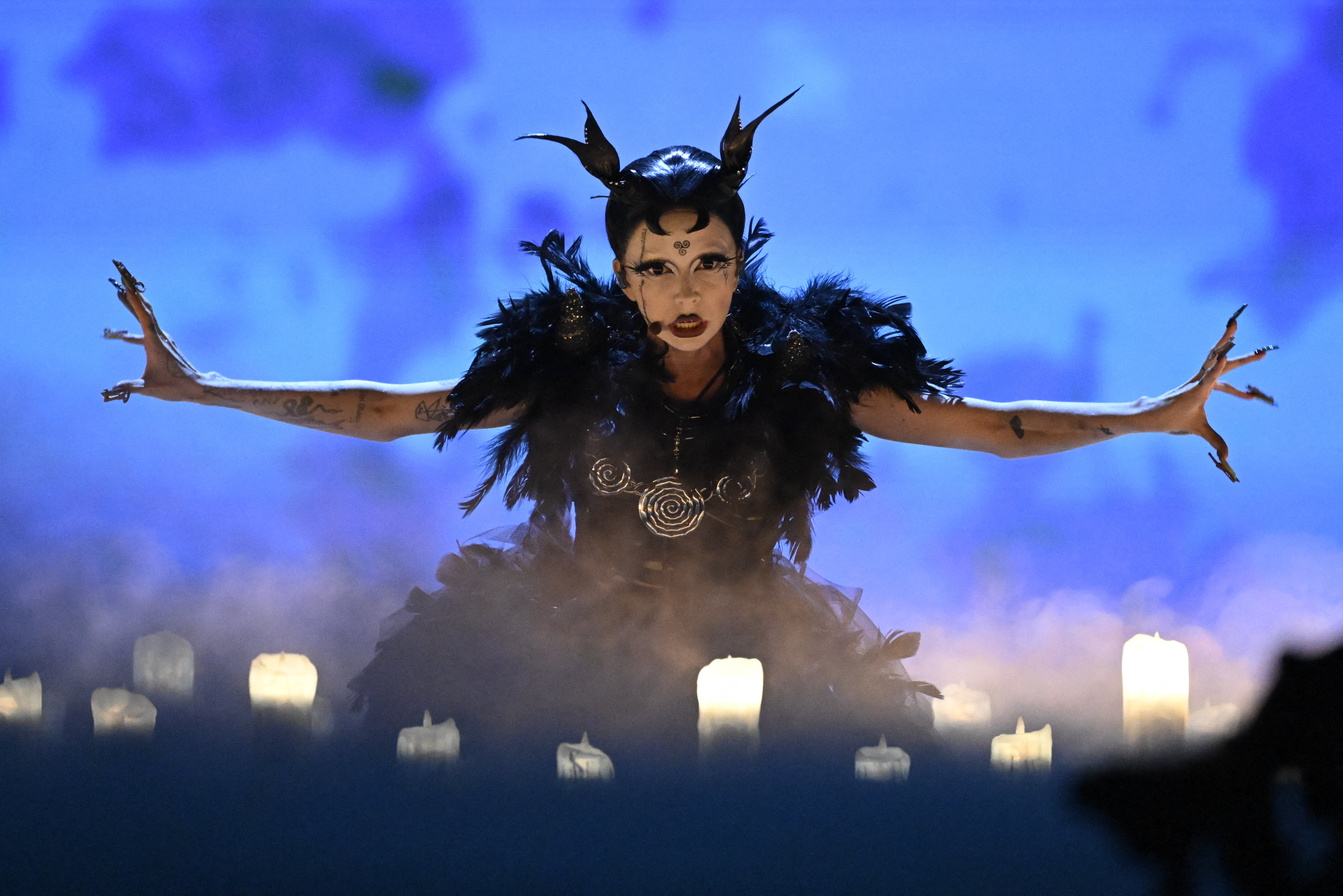
Irish Eurovision performer Bambie Thug has claimed they were made to remove messages of solidarity with Palestine from their stage outfit in the lead-up to their first performance of the competition.
On Tuesday night, Bambie was one of 15 acts to compete in the first of this year’s two semi-finals, during which they became Ireland’s first qualifying act since 2018.
Advertisement
During Eurovision rehearsals, the singer-songwriter has been seen sporting subtle messages of solidarity with Palestine – including “freedom for Palestine” and “ceasefire”, written in the ancient Celtic alphabet Ogham – on their body.
However, these were not present when Bambie performed on Tuesday, which they said after the show was down to Eurovision organisers the European Broadcasting Union (EBU).
Bambie told reporters at a post-show press conference these slogans were “very important for me because I am pro-justice and pro-peace”.
“Unfortunately,” they added, “I had to change those messages today, to ‘Crown The Witch’ only… in order from the EBU.”
Advertisement
An EBU rep told The Irish Mirror: “The writing seen on Bambie Thug’s body during dress rehearsals contravened contest rules that are designed to protect the non-political nature of the event.
“After discussions with the Irish delegation, they agreed to change the text for the live show.”
HuffPost UK has contacted the EBU for additional comment.
Back in March, Bambie co-signed a statement – alongside the acts representing Norway, Portugal, San Marino, Switzerland, Denmark, Lithuania and Finland – responding to calls for them to pull out of the competition in solidarity with Palestine, due to Israel’s involvement.
The group said: “In light of the current situation in the Occupied Palestinian Territories, and particularly in Gaza, and in Israel, we do not feel comfortable being silent.
“It is important to us to stand in solidarity with the oppressed and communicate our heartfelt wish for peace, an immediate and lasting ceasefire, and the safe return of all hostages. We stand united against all forms of hate, including antisemitism and Islamophobia.
Advertisement
“We firmly believe in the unifying power of music, enabling people to transcend differences and foster meaningful conversations and connections. We feel that it is our duty to create and uphold this space, with a strong hope that it will inspire greater compassion and empathy.”
Bambie told Metro more recently: “We couldn’t stay silent on the matter. I basically said what I wanted to say in my statement, but it is down to the EBU and it is down to even my broadcaster.
“I’m getting a lot of targeted abuse that I don’t think it’s entirely fair, actually, when I’m not the one that’s making the decisions, but I am extremely pro Palestine and it is disappointing that the EBU has made this this decision because I don’t think it’s correct.”
The Palestine-led BDS (Boycott, Divestment and Sanctions) movement previously publicly urged the UK’s Olly Alexander to back out of the competition, which the former Years & Years star has also publicly addressed on several occasions.
Advertisement
Kate McDougall gave her son injections to treat his haemophilia which unknowingly led to his HIV infection.
